
Accent Your Russell Yard: Pro Landscape Lighting Tips
Quick Takeaways:
- Landscape lighting enhances safety, security, and curb appeal in Russell homes.
- LEDs are the energy-efficient, long-lasting standard for outdoor lighting.
- Key techniques include uplighting, downlighting, path lighting, and grazing.
- Choosing durable fixtures and proper installation is crucial for Ottawa's climate.
- Smart controls (timers, sensors) add convenience and efficiency.
Introduction: Let There Be Light (In Your Russell Yard!)
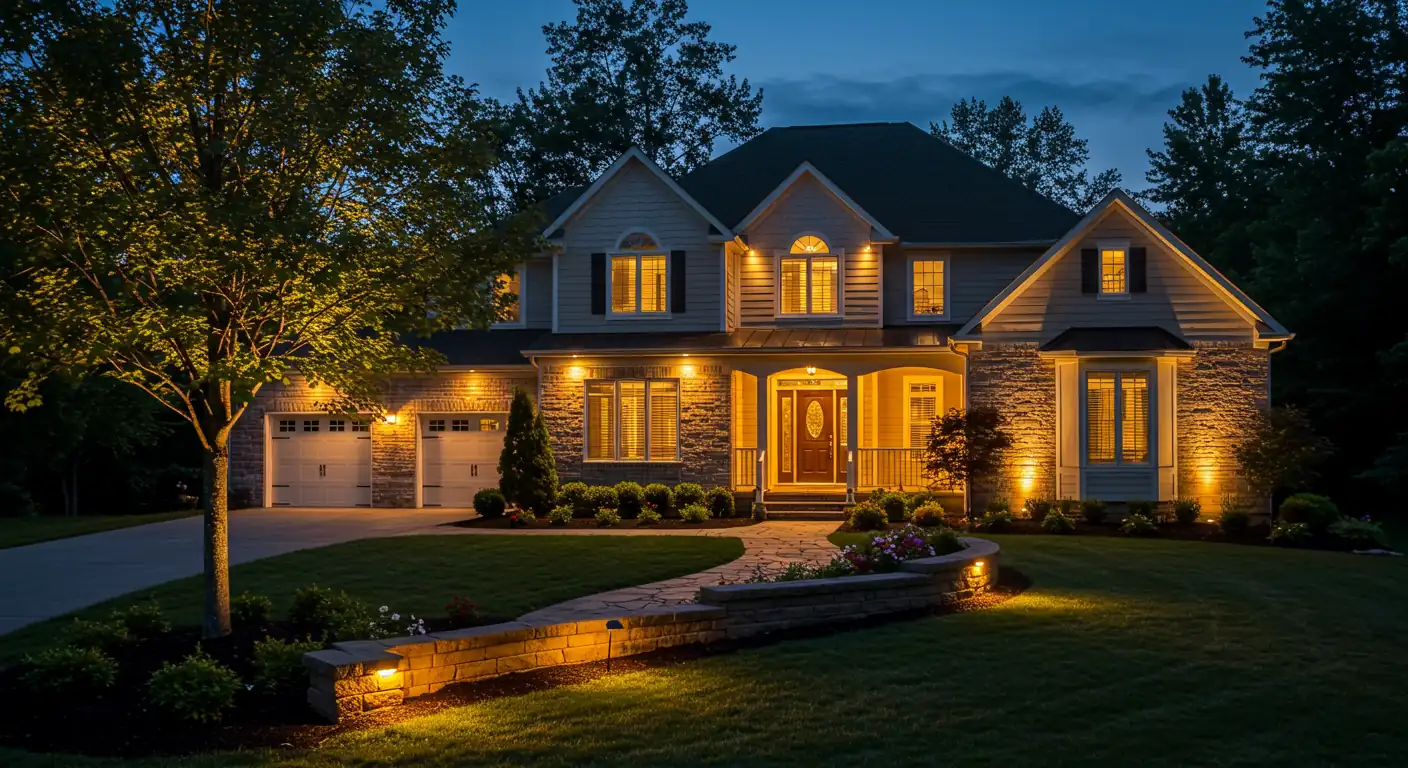
Alright, Russell neighbours, let's chat about your yard after the sun clocks out! Does that stunning landscaping work you lovingly tend – maybe those prize-winning peonies – suddenly disappear into the shadows? Or perhaps you’ve done the nighttime stumble over a hidden sprinkler head on your way to the recycling bin? It happens!
Landscape lighting is *so much more* than just fancy fixtures; it’s the secret sauce to making your Russell home truly shine, 24/7. Picture softly lit pathways guiding guests safely to your door, your favourite birch tree becoming a dramatic nighttime focal point, or simply being able to enjoy your patio or deck longer on those beautiful Ontario evenings.
Good outdoor lighting boosts your home's curb appeal, adds a welcome layer of safety and security (goodbye, tricky steps and shadowy corners!), and transforms your garden into a magical evening retreat. It's practical *and* pretty! From Russell to nearby spots like Embrun or Greely, homeowners across the wider Ottawa region are discovering the amazing difference well-placed lighting can make. Wondering how others have transformed their space? Check out our project transformations!
Stick with us as we explore the different types of landscape lights available, share smart placement ideas, and offer practical tips to help you illuminate your property effectively. Let's make your yard the envy of the neighbourhood, day *and* night! You can also explore our general landscaping services or check out our Google Business Profile for reviews and updates.
Why Illuminate? The Bright Benefits of Landscape Lighting for Russell Homes
So, you've poured your heart (and maybe a little sweat!) into making your Russell home and garden look fantastic during the day. But what happens when the sun clocks out? Does all that beautiful landscaping disappear into the darkness? Let's shed some light – quite literally – on why landscape lighting isn't just a fancy extra, but a seriously smart addition for your property.
- Safety First, Especially in Ottawa Winters!
Let’s face it, navigating pathways, driveways, or stairs after dark can feel like an Olympic sport sometimes, particularly during those icy Ottawa winters. Properly placed path lights are your best friends, guiding feet safely and helping prevent slips or trips over hidden hazards like rogue ice patches or maybe even garden tools left behind after a long day. Staying safe often starts with good practices, like using the right equipment; speaking of tools, preventing strain is key, you can find some great ideas in these tips on ergonomic garden tools to save your back. Landscape lighting means no more fumbling for keys in the pitch black or taking an unexpected tumble! Keeping paths clear is also part of good property clean up. - Boost Your Home's Security:
Many homes in Russell, and nearby areas like Manotick or Greely, enjoy the perk of lovely, spacious lots. While fantastic for privacy and gardening, large, dark yards can sometimes feel a bit *too* secluded after sunset. Strategic landscape lighting illuminates potential hiding spots near your home, pathways, and entry points. It acts as a gentle deterrent, making your property seem occupied and less inviting to anyone up to no good. A well-lit home is simply a safer home. - Extend Your Outdoor Living Season:
Why let a little thing like sunset dictate when you have to head indoors? Landscape lighting transforms your deck, patio, or garden into a magical evening retreat. Imagine enjoying those warm summer evenings longer, hosting barbecues that don't end abruptly at dusk, or simply relaxing outdoors admiring your beautiful plants under a soft glow. You work hard on your landscaping – from avoiding common mistakes detailed in these spring shrub pruning tips to diligent fall plant care and winter garden prep – lighting lets you appreciate the results even after dark. Our garden maintenance services help keep those plants looking their best. - Amp Up Curb Appeal and Property Value:
Let's be blunt: landscape lighting makes your home look *stunning* at night. It adds drama and sophistication, highlighting your home's best architectural features and showcasing those gorgeous trees or flower beds you've nurtured (keeping them healthy involves good habits, like knowing how to properly go about sterilizing garden tools to prevent disease spread). This creates an incredibly warm, welcoming vibe that seriously boosts curb appeal. Plus, it's an investment that adds real, tangible value to your property should you ever decide to sell. We offer services specific to enhancing appeal in areas like Marionville property cleanup and Metcalf property cleanup.
Ready to see your Russell home in a whole new light? Thoughtful lighting is a fantastic way to enhance your property's beauty, safety, and usability. If you're considering upgrades, remember that professional planning and installation can make all the difference – feel free to explore our full range of landscaping services to see how we can help.
Popular Lighting Techniques
Mastering techniques like uplighting (dramatic effect on trees/architecture), downlighting (soft, natural moonlight), silhouetting (highlighting shapes), grazing (emphasizing textures), and path lighting (safety and guidance) is key to a successful design. Combining these creates depth and interest.
Common Fixture Types
Choose the right tool for the job: Path lights for walkways, spotlights for focal points, floodlights for broad areas, well lights for subtle uplighting from the ground, and deck/step/hardscape lights for built-in features. LED fixtures are the standard for efficiency and longevity.
Key Benefits Recap
Landscape lighting significantly boosts:
- Safety: Illuminates paths, steps, and potential hazards.
- Security: Deters potential intruders by eliminating dark hiding spots.
- Usability: Extends the time you can enjoy decks, patios, and gardens.
- Curb Appeal: Creates a stunning nighttime aesthetic and increases property value.
Choosing Your Glow: A Guide to Landscape Lighting Fixtures
Okay, let's dive into the shiny stuff! Choosing the right landscape lighting fixtures can feel like picking jewelry for your yard – you want something that looks great *and* does the job. Don't worry, it's less confusing than assembling flat-pack furniture (usually!). Let's break down the common types of fixtures you'll encounter, helping you illuminate your property perfectly, whether you're in Nepean, Barrhaven, or anywhere across the Ottawa region.
Here’s a rundown of the usual suspects in the landscape lighting lineup:
- Path Lights: Think of these as the friendly guides for your walkways and garden beds. Usually mounted on short posts, they cast light downwards and outwards, ensuring safe passage without blinding your guests. Perfect for lining driveways or showing off the edges of those flowerbeds you worked so hard on, perhaps after a thorough cleanup to get them ready for spotlighting your Metcalfe garden features. They add charm and prevent unexpected meetings with the ground, especially on darker nights.
- Spotlights: Want to play director in your own garden? Spotlights are your tool! They produce a narrow, focused beam of light, ideal for highlighting specific features like a beautiful ornamental tree, a striking sculpture, or interesting architectural details on your home. Use them strategically to create drama and draw the eye to your favourite landscape elements.
- Floodlights: When you need to light up a larger area, floodlights step in. They cast a much wider beam than spotlights, making them great for illuminating driveways, large planting areas, or the side of the house for security purposes. They're the practical workhorses, providing broad, functional light where you need it most.
- Well Lights (In-Ground Lights): These sneaky fixtures are installed flush with the ground, casting light upwards. They're fantastic for uplighting trees, garden walls, or columns without the fixture itself being very noticeable during the day. They create a really sophisticated, dramatic effect, making trees look majestic against the night sky. Imagine how this could boost your curb appeal, complementing the effect of a freshly tidied space after enhancing your Richmond yard's appeal.
- Deck & Step Lights: Safety first, especially on stairs! These small, often low-profile lights are designed to be built right into deck railings, stair risers, or posts. They provide subtle but essential illumination to prevent trips and falls, making your multi-level outdoor spaces safer and more usable after dark.
- Hardscape Lights: Similar to deck lights but designed specifically for masonry features. These thin, linear fixtures tuck neatly under retaining wall caps, stone stair treads, built-in benches, or countertop edges in outdoor kitchens. They add a high-end, integrated glow to your stone or brickwork, truly showcasing your Marionville property's beautiful structures. Careful planning during garden installation can incorporate these seamlessly.
Why LEDs Reign Supreme:
You'll notice most quality landscape lighting today uses LEDs (Light Emitting Diodes), and for excellent reasons! They use significantly less energy (good for your wallet and the planet!), last *much* longer than old-fashioned bulbs (meaning fewer replacements!), and offer great flexibility in brightness levels and even colour temperatures (warm vs. cool light).
Built Tough for Ottawa Weather:
Crucially, remember we live in Ottawa! From heavy snow and ice in the winter to rain and summer heat, our outdoor fixtures need to be durable. Look for solid construction – materials like brass, copper, or high-quality powder-coated aluminum tend to hold up best – along with good weatherproof seals. Investing in quality fixtures from the start means they'll withstand our challenging climate and keep your yard looking brilliant for years. Proper selection and placement are vital, something our team focuses on with our professional landscape lighting installation services. Consider reviewing our material selection guidelines for durability insights.
Choosing the right combination of these fixtures is key to achieving the perfect balance of beauty, safety, and functionality in your nighttime landscape. Wondering what setup would work best for your specific yard? We're happy to discuss your vision – feel free to get a personalized landscape lighting estimate!
Mastering the Art: Essential Landscape Lighting Techniques
Okay, Russell homeowners, let's talk about turning your yard into a nighttime masterpiece! It's not just about sticking lights randomly in the ground; it's about *painting with light* – using different techniques to create mood, highlight your beautiful landscaping, and ensure everyone stays upright after dark. Think of yourself as the artist, and the light fixtures are your brushes. Ready to get creative?

Let's explore some essential brushstrokes – er, lighting techniques:
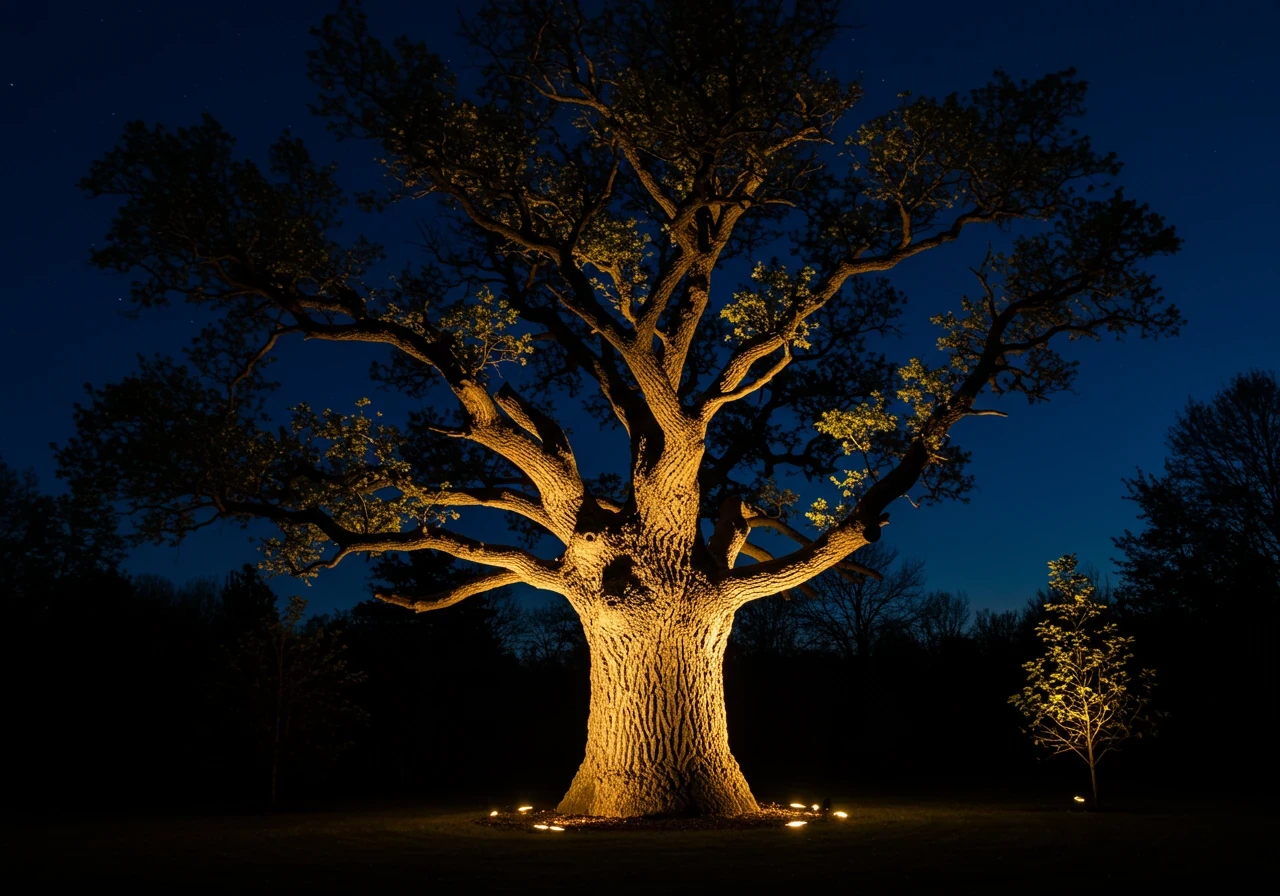
- Uplighting: This is a star player in the landscape lighting world. You place a light (usually a spotlight or a sneaky well light hidden in the ground) at the base of an object and aim it upwards. It's fantastic for making trees look majestic, highlighting interesting bark textures on a favourite birch, or showing off those lovely architectural columns on your porch. Imagine your prize-winning hydrangea in Nepean, its blooms dramatically lit against the dark sky – that's uplighting working its magic.
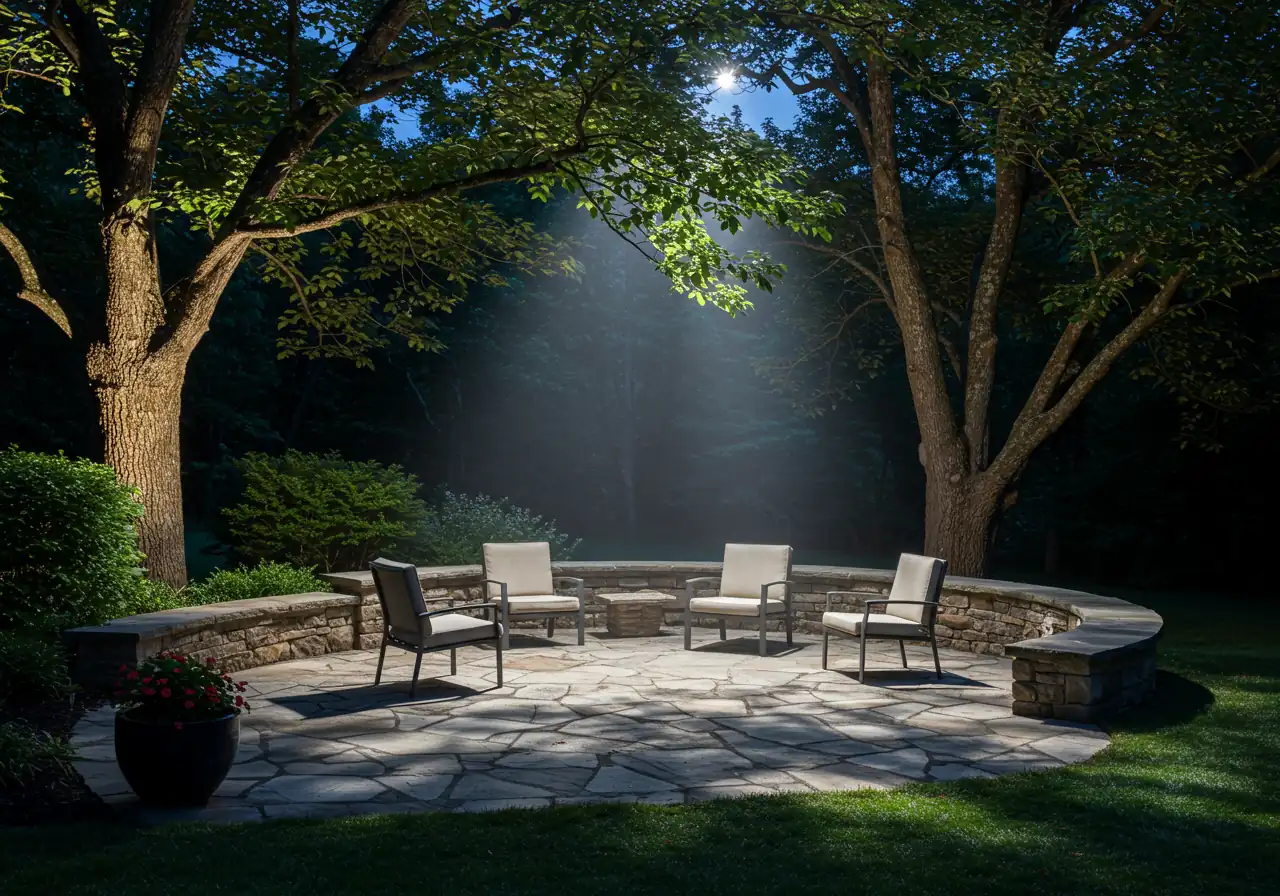
- Downlighting (or Moonlighting): Want a more natural, subtle glow? Try mounting lights high up in mature trees or tucked discreetly under the eaves of your house, pointing downwards. This mimics the soft look of moonlight filtering through branches, casting gentle, dappled patterns on the ground below. It's lovely over patios, garden beds, or pathways, creating a calm, romantic atmosphere. It’s particularly stunning over areas recently tidied up, showcasing the clean lines after a professional Ottawa garden clean up service has worked its magic.
- Silhouetting: Have a plant or garden statue with a really distinct and interesting shape? Place a spotlight *behind* the object, aimed towards where you'll typically view it from (like your deck or living room window). This technique focuses on the plant's outline, creating a dark, dramatic shape against a lit background (like a fence or wall). It adds wonderful depth, perfect for highlighting sculptural shrubs or delicate ornamental grasses.
- Shadowing: This is like silhouetting's fun cousin. You place the light *in front* of the object (like a wispy tree or interesting shrub), aiming it *towards* a wall or fence *behind* the object. This casts an enlarged, sometimes slightly spooky (in a good way!) shadow of the plant onto the surface. Think of intricate branch patterns dancing playfully on your garage wall on a breezy evening.
- Grazing: Got a beautiful textured surface you want to show off? Think of that lovely stone retaining wall, your home's brick facade, or even a wooden privacy fence. Place the light fixture very close to the surface and aim the beam almost parallel to it (up or down). This technique dramatically highlights every nook, cranny, bump, and groove in the texture. It adds richness and dimension, really making those materials stand out. This effect is particularly impressive after a thorough Marionville yard cleanup service has revealed the clean lines and textures of your hardscaping features.
- Washing: Need to softly illuminate a broader area like a hedge, a large flower bed brimming with perennials, or a significant section of your house? Use floodlights placed a little distance away, aimed to 'wash' the entire surface with a wide, even layer of light. It provides good general illumination without creating harsh hot spots. This can also be a neighbourly way to subtly improve the look of city property edges that border your own yard, creating a softer transition.
- Path Lighting: Okay, this one's less about artistry and more about *not* tripping! Essential for safety and guiding guests, path lights should be spaced correctly along walkways, driveways, and steps. The goal isn't an airport runway, but rather soft pools of light that slightly overlap, clearly showing the way.
- Quick Tip for Path Lights: As a general guide, try placing path lights about 6 to 10 feet apart. Staggering them – alternating from one side of the path to the other – often looks more natural and pleasing than a rigid, straight line. Make sure the light shines *down* onto the path, not up into people's eyes! It's the perfect way to guide feet safely alongside the crisp edge of a brand new lawn from a recent sod installation. Proper soil preparation is key for both lawns and light installation.
Mixing and matching these techniques based on your specific yard and features is where the real fun begins! Don't be afraid to experiment. If you're feeling a bit overwhelmed or just want some expert guidance on designing the perfect lighting scheme for your unique property, our team is here to help. Feel free to reach out to get personalized advice and an estimate tailored specifically for your Russell home and landscape. For other services like yard tidying, check out our Metcalf yard cleanup service or city yard cleanup service options.
Common Landscape Fixture Popularity
Lighting for the Capital Region: Ottawa & Russell Specifics
Okay, let's zoom in on what makes landscape lighting special – and sometimes a bit tricky! – right here in Russell and across the wider Ottawa region. We love our distinct seasons, but let's be honest, our climate throws a few curveballs at outdoor installations. Find local horticultural advice at the Ottawa Horticultural Society.
First off: winter. It’s not just a light dusting here! Heavy snow, deep frost, and those delightful freeze-thaw cycles mean our lighting fixtures and wiring need to be tough customers. Think durable materials like brass, copper, or thick powder-coated aluminum that won't crack under ice or corrode easily. When installing, burying wires deeper than you might elsewhere is crucial to protect against frost heave, which can shift fixtures and damage connections over time. Dealing with our common clay soil requires care during installation to ensure proper drainage around fixtures, preventing them from sitting in icy puddles. Digging trenches for wires might disturb your lawn, but it's a necessary step, much like preparing the ground properly before a professional sod installation.
But lighting isn't just about surviving winter; it's about *enhancing* it! Those long, dark evenings feel much more cheerful with a warm glow highlighting snow-dusted trees or safely illuminating icy pathways. It truly extends the beauty of your landscape year-round. Imagine looking out your window in Greely or Russell and seeing your favourite birch tree softly lit against the snow – it's pure magic and makes coming home much more welcoming. You can see some stunning examples of how lighting changes a space in our landscape lighting transformations gallery.
Lifestyle plays a part too. In more rural areas like Russell or Osgoode, you might focus on subtle path lighting and highlighting natural features without creating light pollution. In denser neighbourhoods like Barrhaven or Nepean, combining aesthetic lighting with enhanced security illumination might be a priority. Ensure your property meets basic standards outlined in Ottawa's Property Standards By-law.
Quick Seasonal Maintenance Checklist:
- Spring: Inspect fixtures for any winter damage (frost heave, snow clearing mishaps). Clean lenses for maximum brightness. Check connections. Reposition any lights that have shifted.
- Fall: Trim back any overgrown plants blocking the light – keeping things tidy, much like after a thorough Marionville garden clean up service, ensures your lights perform well. Clear fallen leaves away from fixtures, especially well lights. Check timers for the shorter days.
Investing in quality fixtures and professional installation adapted to our local conditions ensures your lights shine bright for years. It’s part of the commitment to quality you can expect, outlined in our installation terms and conditions. Consistent care, like our regular city garden maintenance service, can also help keep your lighting system looking and working its best season after season.
Typical Lighting Project Steps
1. Consultation & Vision
We discuss your goals, budget, and desired aesthetic for your Russell property.
2. Design & Fixture Selection
A custom lighting plan is created, selecting the right fixtures and techniques.
3. Professional Installation
Our team carefully installs wiring and fixtures, respecting your landscape.
4. Adjustment & Final Walkthrough
We fine-tune fixture aiming at night and ensure you're delighted with the result.
Smart & Sustainable: Eco-Friendly Lighting Choices
Okay, let's talk about making your landscape lighting not just beautiful, but brainy and beautifully green too! Here in Ottawa, we love our natural surroundings, so lighting up our yards responsibly just makes sense. Choosing eco-friendly options is easier than wrestling a squirrel away from your bird feeder, and it’s fantastic for both the planet and your pocketbook.
The undisputed champion of energy-efficient lighting is the LED (Light Emitting Diode). Honestly, these little things are game-changers. They use *way* less electricity compared to old-school halogen or incandescent bulbs – sometimes up to 80% less! That translates directly into lower hydro bills (hooray!). Plus, LEDs last for an incredibly long time, often 15-20 years or more depending on usage. Think of all the bulbs you *won't* have to buy or toss out. This longevity reduces waste significantly. Most modern landscape lighting systems are also low-voltage (typically 12 volts), which means they're much safer to install and operate, especially around kids, pets, and damp garden areas. Running the thin, low-voltage wiring is generally less disruptive to your garden beds, and it can be easily concealed beneath a neat layer applied during professional mulching and edging services.
"But what about solar lights?" you might ask. They sound like the ultimate green dream – free power from the sun! While the idea is appealing and the technology keeps getting better, solar landscape lights can sometimes be a bit underwhelming in our specific Ottawa climate. Our shorter winter days and potential for snow cover can limit their charging ability, meaning they might not shine brightly (or at all) when you need them most, especially for crucial path or security lighting. They *can* be useful for small, decorative accents in consistently sunny spots, but for reliable, year-round performance, low-voltage LED systems are usually the more dependable choice.
Now, let's get *smart* about it! Modern lighting isn't just about flipping a switch.
- Timers: Set your lights to turn on automatically at dusk and off at dawn, or any time you prefer. No more forgetting!
- Photocells: These sensors automatically detect ambient light levels, turning lights on when it gets dark and off when it gets light. Simple and effective.
- Motion Sensors: Perfect for security lighting or pathways, these trigger lights only when movement is detected, saving energy when areas are vacant.
- Smart Home Integration / Apps: Control brightness, set schedules, change colours (on some models!), and manage everything right from your smartphone or smart home system. How cool is that? This kind of automation fits perfectly with managing other aspects of your property care, like scheduling your regular city garden maintenance service for a consistently beautiful look. When using app-controlled systems, understanding data usage is important; you can review our commitment to responsible data handling in our privacy policy.
Finally, let's think about being good neighbours – to people *and* the night sky. Dark Sky friendly lighting principles are all about reducing light pollution. This means:
- Using fixtures that shield the light source and direct light *downwards* onto the ground or specific features, not upwards or outwards into neighbouring properties or the sky. Learn more about responsible lighting from the International Dark-Sky Association.
- Choosing warmer colour temperature bulbs (often described as soft white or warm white) which are less disruptive to nocturnal wildlife and human sleep patterns.
- Using only the amount of light necessary for the task – avoiding overkill.
Following these guidelines helps preserve our view of the stars (yes, even near built-up areas like Nepean!), minimizes disruption to wildlife, and creates a more pleasant nighttime environment. Embracing smart, sustainable practices is core to how we operate, something you can read more about when you learn about us. Starting your lighting project with a tidy space makes planning easier, which is why considering an Ottawa property cleanup service beforehand can be beneficial.
By choosing LEDs, low-voltage systems, and smart controls, and by being mindful of light direction, you create a landscape lighting system that’s not only stunning but also energy-efficient and environmentally responsible. Win-win! Don't forget to check out our related cleanup services for areas like City Garden Clean Up.
Quick Tips for Landscape Lighting Success
Alright, future lighting gurus! Ready to make your yard shine after sunset without accidentally signalling aircraft? Here are some quick tips to get you glowing:
- Plan Your Lighting Party: Don't just wing it! Sketch out your yard. Where do you *need* light for safety (hello, tricky steps!)? What features deserve a standing ovation (that gorgeous maple tree, perhaps)? A little forethought prevents your yard from looking like a landing strip. Smart planning is our mantra too; learn more about us and our approach.
- Use the Right Tools (Fixtures!): Think golfer's clubs – you wouldn't use a putter to drive! Same idea here. Use path lights for paths, spotlights for features, and maybe some well lights for subtle uplighting. Match the fixture to the job for the best effect.
- Think Like an Artist (Use Techniques): Blasting light everywhere is a rookie move! Play with techniques. Uplighting adds drama to trees, downlighting creates soft 'moonlight', and grazing highlights cool textures on walls or fences. Proper technique is key! A tidy space showcases lighting best, so consider starting with a clean slate via a city garden clean up service before you install.
- Embrace LEDs (Your Wallet Will Thank You): Honestly, just go with low-voltage LEDs. They sip energy (lower hydro bills!), last *ages* (less replacing bulbs!), and are tough enough for our Ottawa climate. It's the smart, efficient, and long-lasting choice. Keeping things looking sharp requires ongoing care, much like our dedicated garden maintenance programs.
- Keep 'Em Clean & Clear: Dirty lenses dim the sparkle! Give your fixtures a quick wipe-down each spring and fall. Trim back any enthusiastic plants trying to hug the lights *too* closely. This simple upkeep ensures they perform their best, similar to how a seasonal Metcalf property cleanup service preps a yard for the next season.
- When in Doubt, Ask the Pros: Feeling a bit lost in the lumens and layouts? Getting professional design and installation help guarantees safety, durability, and that 'wow' factor. We're always happy to chat about your vision – feel free to contact us for advice tailored to your Ottawa home! Our clients often express satisfaction with professional results.
FAQ: Your Russell & Ottawa Landscape Lighting Questions Answered
Okay, let's illuminate some common questions! We get asked a lot about landscape lighting here in Russell and the greater Ottawa area. Here are some answers to help shed some light on the subject (see what we did there?).
Ah, the million-dollar question (hopefully not literally!). The cost really varies depending on a few things: the size of your property, how many fixtures you need, the type and quality of those fixtures, and the complexity of the installation (think tricky garden beds vs. simple pathways). A small, basic setup might start in the low thousands, while a larger, more elaborate system for a property in, say, Manotick with lots of features could be significantly more. Think of it like buying plants for your garden – a few annuals cost less than landscaping with mature trees. Your best bet is always to get a specific estimate based on *your* yard and vision. We're happy to discuss options that fit your budget – feel free to reach out for a personalized quote to get a clear picture.
That's a super valid concern for anyone living here, from Russell to Greely! The short answer is: yes, *professionally installed, high-quality* systems are designed to handle our winters. We specifically use durable, commercial-grade fixtures made from materials like brass or heavy-duty aluminum that resist corrosion and cold. Proper installation techniques are key – burying wires at the right depth, using waterproof connections, and ensuring good drainage around fixtures helps combat frost heave and moisture issues. It’s part of our careful material selection process to choose components built for our climate, ensuring your investment shines bright through snow and thaw for years to come.
Hey, we admire a good DIY spirit! And for very small, simple setups, maybe. But honestly, there are a few common oopsies. Incorrect wiring or connections can lead to shorts, voltage drops (dim lights!), or premature failure – especially with our wet seasons. Improper placement can make your yard look less 'magical wonderland' and more 'interrogation room', or create unsafe glare. Plus, digging trenches without knowing what's underground can be risky (hello, buried utility lines!). Sometimes fixing DIY mistakes requires more than just electrical work; you might need landscaping repairs, something an expert Ottawa yard cleanup service can help with after the fact. Professional installation ensures safety, durability, and achieves that polished, beautiful look.
Absolutely! Modern low-voltage LED systems are incredibly energy-efficient. Compared to old halogen bulbs, LEDs use up to 80% less electricity. Think pennies per night, not dollars! Over the long lifespan of the LEDs (often 15+ years), the energy savings really add up, offsetting the initial investment. It’s a smart, sustainable choice that brightens your nights without drastically impacting your hydro bill. Considering energy efficiency in lighting complements a holistic approach to lawn care and overall yard sustainability – keeping things green in more ways than one!
Generally, for standard low-voltage landscape lighting systems (the most common type, typically 12 volts), you *don't* need an electrical permit in Ottawa or surrounding municipalities like Russell or Embrun. These systems are considered much safer than line voltage (120V). However, if your project involves complex wiring, tying into house power extensively, or using line voltage fixtures, permit requirements might kick in. It’s always best practice to work with qualified installers who understand local codes. We also encourage using Dark Sky friendly fixtures that direct light downwards, minimizing light pollution – good for the neighbours and the stars!
Good news! Quality LED systems are pretty low-maintenance. The main things are occasional cleaning of the fixture lenses (maybe once or twice a year) to keep them shining brightly – dirt and hard water spots can dim the light. You’ll also want to trim back any plants that start to block the fixtures as your garden grows throughout the season. It's also wise to check periodically that fixtures haven't been bumped out of alignment by gardening activities or winter frost. Think of it like tidying up flower beds – a little upkeep goes a long way. If heavy debris accumulates or you notice issues after winter, incorporating a check during a seasonal spruce-up by an Ottawa yard cleanup service can be a convenient way to keep things looking and working great.
Conclusion: Let Your Russell Property Shine After Sunset
So, let's wrap this up! We've seen how the right landscape lighting does more than just brighten things up. It’s your secret weapon for safer walkways (goodbye, nighttime stumbles!), added security for your peace of mind, longer evenings enjoying your deck or patio, and seriously *wow-worthy* curb appeal for your Russell home. Whether you're in nearby Greely, Embrun, or right here in town, thoughtful outdoor lighting turns your property into a stunning nighttime display.
Remember, investing in quality fixtures and professional installation ensures your system not only looks amazing but also stands up to our unique Ottawa weather challenges – those winters aren't kidding around! It’s about maximizing the beauty and enjoyment of your *landscaping*, long after the sun has called it a day. Don't let your beautiful garden features, perfectly edged flower beds, or majestic trees hide in the shadows!