
Wet Kars Yard? Install French Drains for Clay Soil Relief
Struggling with a soggy yard in Kars or the surrounding Ottawa area? Don't let poor drainage ruin your outdoor space. Request your free consultation and quote today!
Quick Relief for Soggy Yards: Key Takeaways
- Heavy clay soil common in Kars/Ottawa leads to poor drainage and soggy yards.
- French drains are effective underground systems that capture and redirect excess water.
- Warning signs include persistent puddles, spongy lawn, water near foundation, and unhealthy plants.
- Proper installation (slope, materials) is crucial for effectiveness, often favouring professional service.
- French drains protect foundations, improve lawn/garden health, and make yards more usable.
Introduction: Is Your Kars Yard More Puddle Than Paradise?
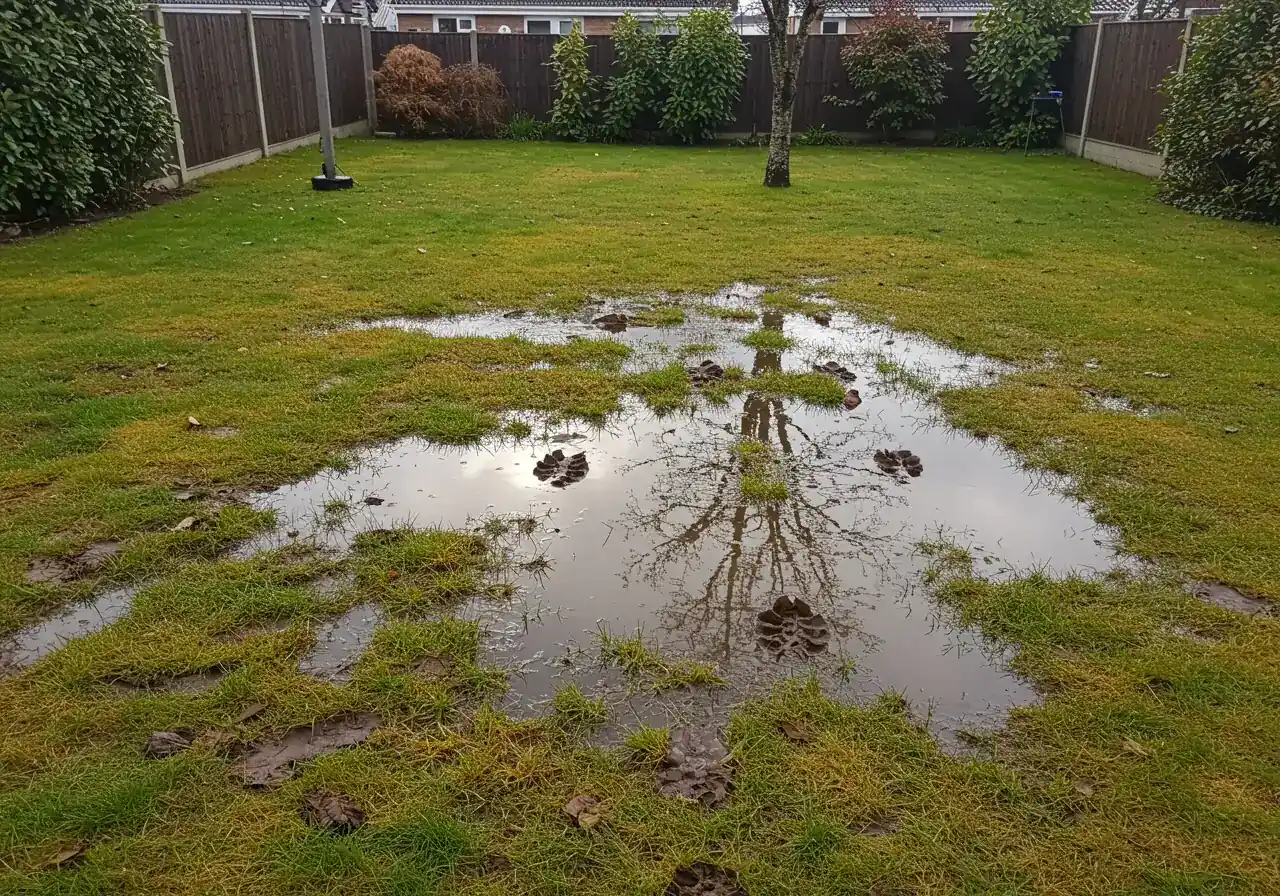
Hey Kars neighbours! Does your backyard sometimes feel more like a reflecting pool than a relaxing retreat, especially after a classic Ottawa downpour or spring melt? Are you tired of squishing through mud just to reach the compost bin, maybe even joking about trading your gardening gloves for wading boots? You're certainly not alone! Many beautiful yards right here in Kars, and across nearby communities like Manotick and Greely, wrestle with soggy spots thanks to our region's notorious heavy clay soil and unpredictable weather.
Poor drainage isn't just messy; it can drown your precious plants, create breeding grounds for pests, and make enjoying your landscaping almost impossible. Forget setting up the lawn chairs or letting the kids run free when half the yard is a swamp!
But don't reach for those rubber boots just yet! There's a tried-and-true hero in the world of landscaping ready to rescue your soggy lawn: the mighty French drain. This surprisingly simple, yet incredibly effective, underground system is designed specifically to capture and channel excess water away from where you don't want it. Think of it as a secret pathway guiding water off your property, leaving you with drier, healthier soil and a yard you can actually use and enjoy. Ready to reclaim your outdoor paradise? Let's dive in (figuratively, of course!).
The Clay Conundrum: Why Ottawa Soil Needs Extra Drainage Help
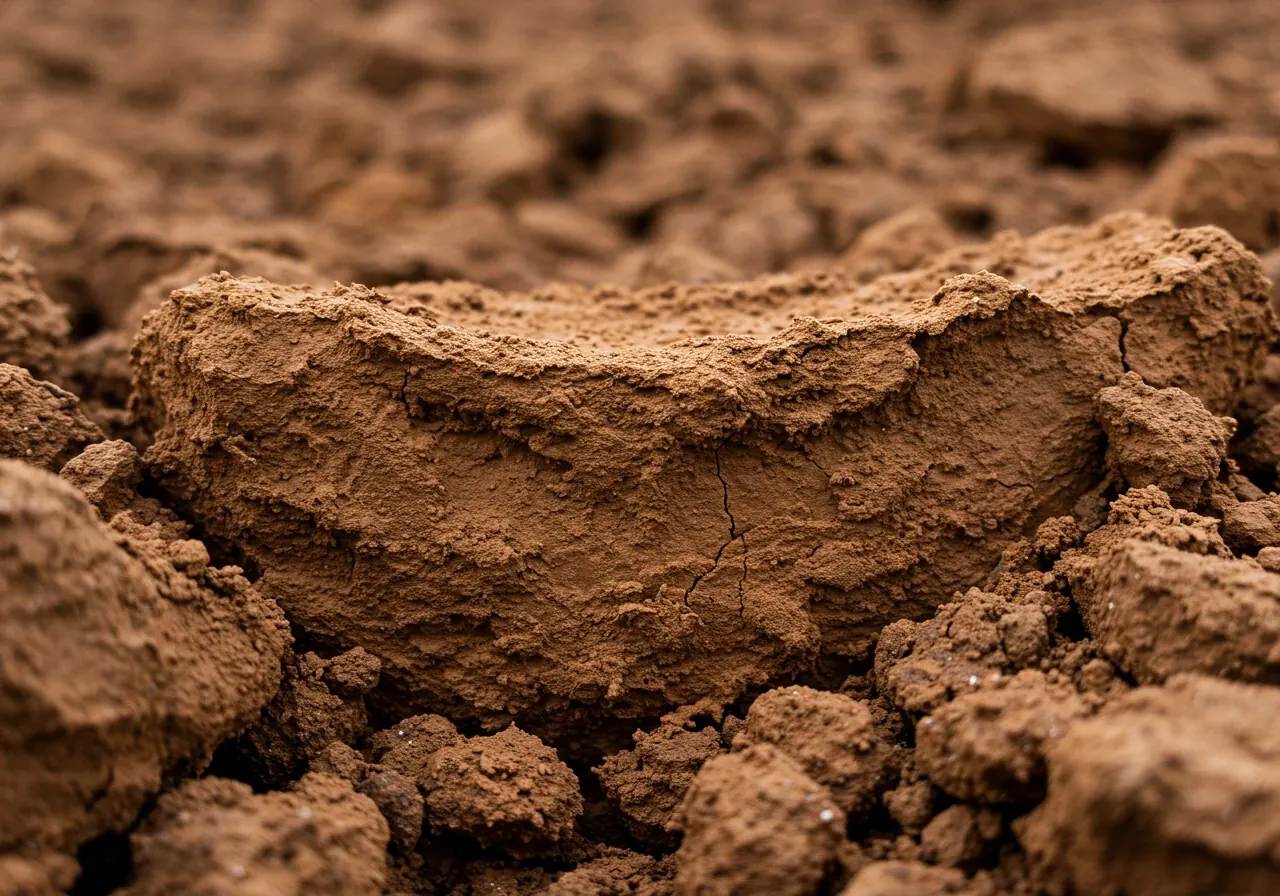
Okay, let's talk about the elephant in the yard – or perhaps, the clay beneath our feet! Here in Ottawa, especially in areas like Nepean and Barrhaven, we're blessed with many things, but easily drained soil often isn't one of them. The main culprit? Heavy clay, often the infamous Leda Clay (leftovers from an ancient sea, believe it or not!).
Think of clay soil like microscopic plates stacked tightly together. Unlike sandy soil, which has larger gaps for water to flow through, clay particles cling together. When they get wet, they hold onto that water for dear life, making it super slow to drain away. Now, add Ottawa's signature weather cocktail: mountains of spring snowmelt that suddenly turns into puddles, followed by intense summer thunderstorms. Our poor clay soil just can't keep up! It becomes waterlogged, creating those persistent soggy patches.
This "clay conundrum" isn't just annoying; it causes real problems for homeowners.
- Lawn Woes: Your grass roots can literally drown or suffocate, leading to yellow patches, weak growth, and inviting environments for moss and fungal diseases. Achieving a vibrant lawn requires addressing these underlying issues, something discussed in our Nepean Lawn Care Solutions for a Healthy Yard guide. Also consider our lawn care services.
- Garden Grief: Trying to do gardening in dense, wet clay is like wrestling mud. Worse, water sits around plant roots causing rot, killing off your prized perennials or vegetable patch. Proper drainage is fundamental, impacting everything from plant choice to bed construction, a key consideration for beautiful outdoor spaces like those explored in our Richmond Garden Design: Crafting Beautiful Backyards article. These soggy conditions make seasonal tasks tougher, whether it's the big clear-out after winter detailed in the Barrhaven Spring Cleanup Yard Checklist for Ottawa or getting ready before the freeze, like in the Manotick Fall Cleanup & Winter Prep Guide. Check out our garden installation and garden maintenance services.
- Foundation Fears: Water pooling near your house is never good news. Persistent moisture against your foundation can increase pressure and potentially lead to leaks or water damage over time.
Understanding this clay challenge is the first step. The good news is, there are effective landscaping solutions to manage excess water and protect your property. If tackling soggy soil feels overwhelming, exploring professional Landscaping and Yard Maintenance Services can provide peace of mind and drier ground. Good soil preparation is key.
Decoding Drainage: What Exactly is a French Drain?
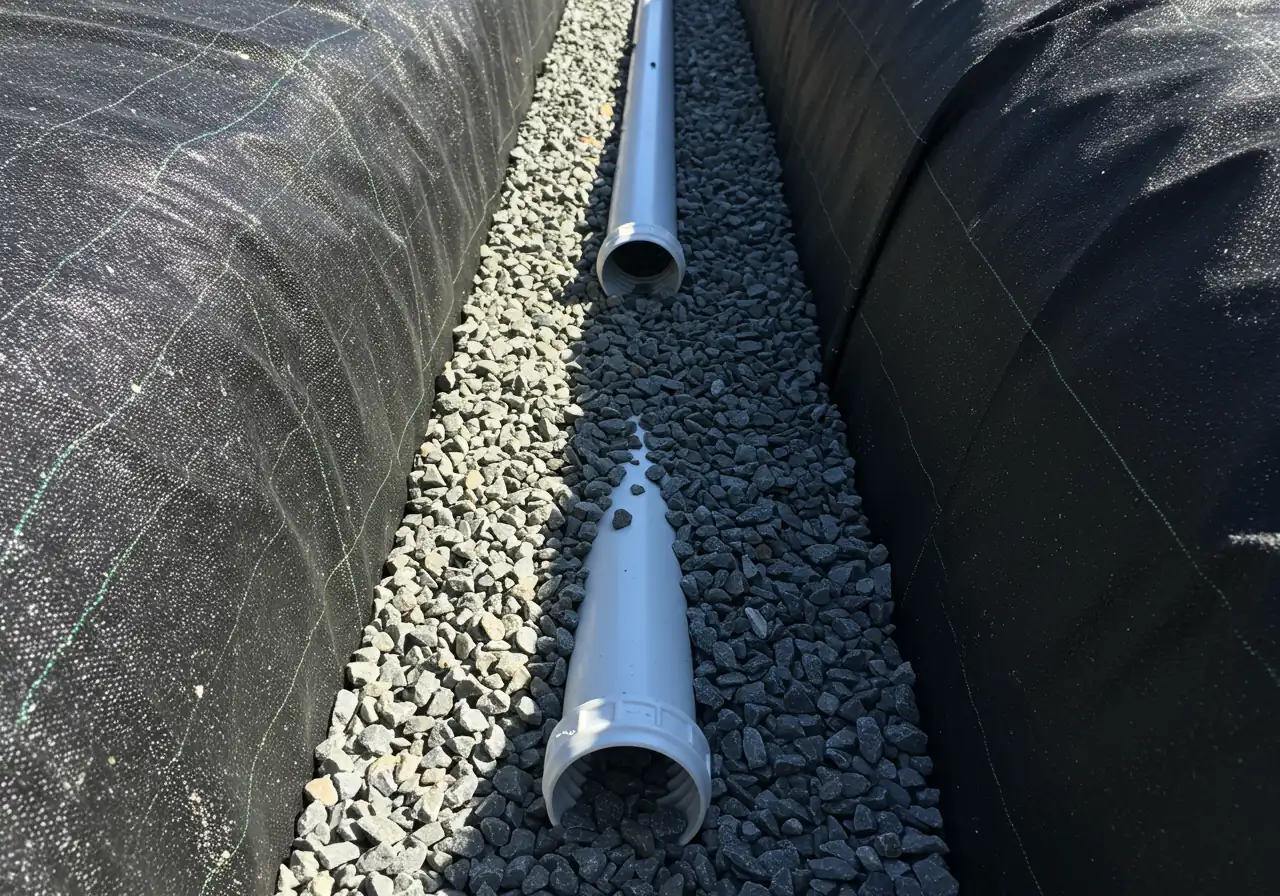
Okay, let's talk French drains! Despite the fancy name, it's not some haute couture drainage system flown in from Paris. Nope, it’s actually named after a clever American chap, Henry French, who figured out a great way to deal with soggy ground back in the 19th century. Think of it less like a complex engineering feat and more like a secret underground waterslide designed specifically to give unwanted water a one-way ticket off your property. It’s a real lifesaver for soggy yards!
So, how does this landscaping magic actually work? It's surprisingly straightforward logic. Imagine you have a persistently wet area in your yard – maybe near your foundation in Barrhaven, or a low spot in Manotick that never seems to dry out after rain or snowmelt. A French drain works by intercepting that water *before* it can fully saturate the surface soil, or by collecting water that’s already pooling.
Here’s the basic recipe for this effective drainage solution:
- A Trench: First, a slightly sloped trench is carefully dug where the water tends to collect or along the path you want the water to follow away from the problem area. Getting the slope right is absolutely crucial – water needs that gentle nudge from gravity to move along!
- Landscape Fabric: This special permeable fabric lines the trench. Its vital job? To let water seep through easily but keep soil, silt, and fine sediment out. Think of it as a bouncer for dirt, preventing the drain from getting clogged up over time.
- Gravel: The trench is then partially filled with clean gravel or crushed stone. This creates lots of empty space (voids) for water to easily enter and flow through the system. Making the right choice here is important, as discussed in our general guide to Material Selection Guide for Landscaping Projects.
- Perforated Pipe: A durable pipe, usually plastic, with small holes (perforations) is laid on top of the initial gravel layer. These holes allow water entering the gravel-filled trench to flow into the pipe, which acts as the main channel to carry the water away.
- More Gravel & Cover: The pipe is then covered with more gravel. Often, the landscape fabric is folded over the top of the gravel before the final layer (like topsoil and sod, or decorative river rock) is added. This makes the whole system practically invisible once the landscaping is complete.
This system is fantastic for places like Ottawa and its surrounding communities because our heavy clay soil (as we discussed earlier!) makes surface drainage incredibly slow. Instead of fighting a losing battle trying to force water *through* that dense clay, the French drain intercepts groundwater and surface water near the soggy zone and provides an easy, clear underground path for it to flow away. It efficiently directs water to a designated outlet, like a storm sewer connection (where permissible), a ditch, a dry well, or a rain garden situated at a lower elevation on your property.
How does it stack up against other methods? Well, consider a catch basin (that grated drain you might see in a driveway or patio). A catch basin is excellent for quickly capturing surface water runoff at a *specific, concentrated point*. A French drain, on the other hand, is designed to address broader, more spread-out sogginess or to intercept water seeping underground along a *linear path* (like along the side of a house foundation or across a low-lying section of lawn).
Installing a French drain correctly involves careful planning regarding slope, depth, outlet location, and the right materials. While a keen DIYer might tackle a simple, short run, more complex drainage challenges or drains near foundations often benefit from professional assessment and installation to ensure they function correctly and don't cause new problems. Dealing with soggy yard issues effectively often involves looking at the bigger picture. If you're facing persistent wet spots, exploring professional Landscaping and Yard Maintenance Services can provide comprehensive solutions tailored to your specific property needs. Remember, good drainage is a key part of overall yard health, working hand-in-hand with regular upkeep like that provided by our Barrhaven Yard Cleanup Service or the dedicated Marionville Yard Cleanup Service to keep your outdoor space functional and beautiful. (And naturally, we respect your privacy; you can see how we handle any information you share by checking our Privacy Policy).
Ultimately, a well-designed and properly installed French drain can transform a muddy mess into dry, usable ground – perfect for successful gardening, lawn games, or simply enjoying your Ottawa backyard without needing rubber boots! Check out our Google My Business page for reviews and updates.
Warning Signs: Does Your Kars, Metcalfe, or Barrhaven Yard Need a French Drain?
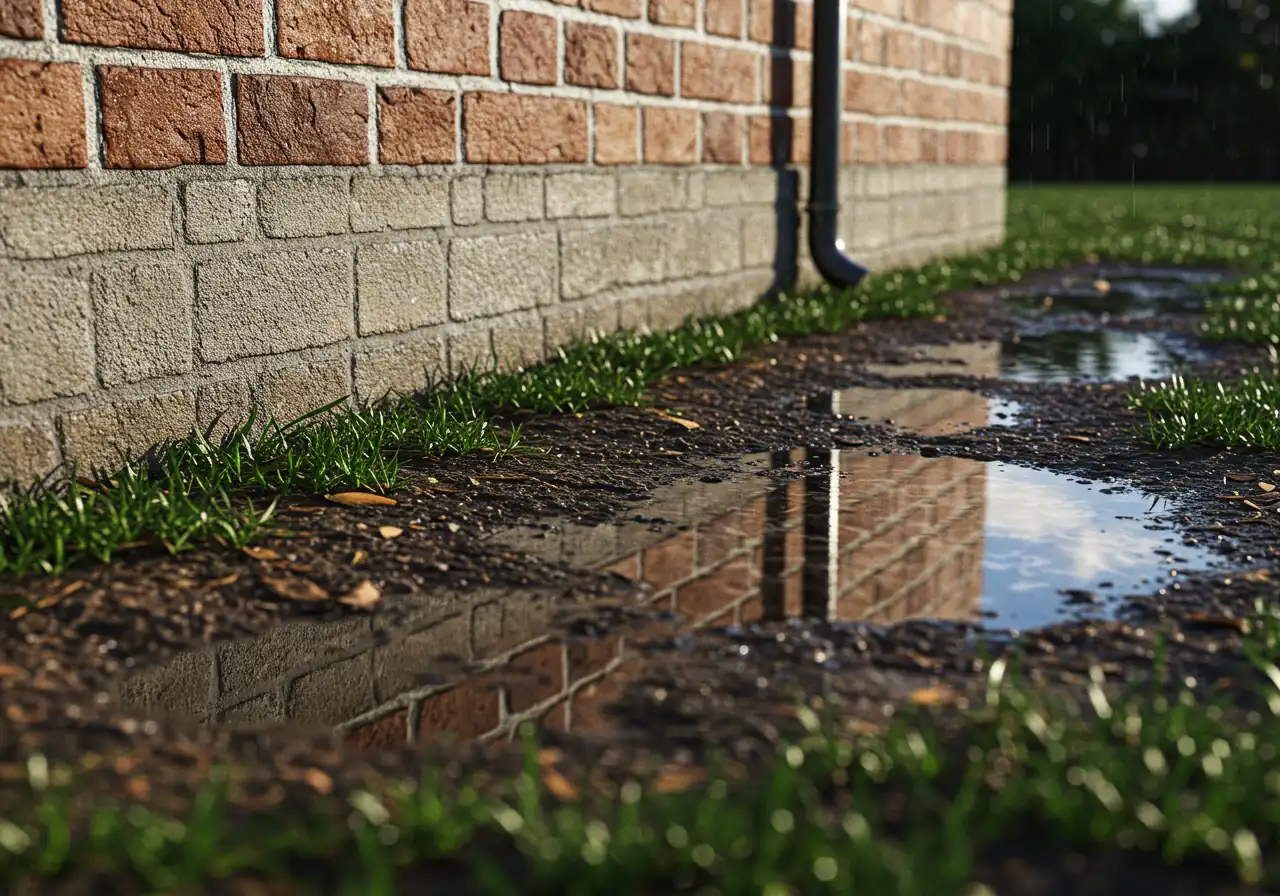
Alright, let's play detective in your backyard! If your property in Kars, Metcalfe, Barrhaven, or even neighbouring spots like Osgoode or Greely seems chronically soggy, it might be whispering (or shouting!) for some drainage help. Ignoring these watery woes won't make them magically disappear – trust us, we’ve seen it all! Ignoring them just means missing out on enjoying your yard and potentially facing bigger headaches down the road.
So, put on your investigator hat (rubber boots optional... for now) and look for these tell-tale signs:
- Puddles That Linger Like Unwanted Guests: After a typical Ottawa rain shower or spring melt, does water stick around for days instead of soaking in or running off? If certain areas of your lawn resemble miniature lakes long after the sun comes out, that's a classic red flag. You shouldn't need a canoe to cross your yard!
- The Dreaded Squish Factor: Do you sink into your lawn when you walk across it, even when it hasn't rained recently? Is mowing a muddy adventure? Persistently damp, spongy soil indicates water isn't draining properly. This soggy mess makes routine upkeep, like the tasks covered by our Ottawa Garden Clean Up Service, a real chore instead of a pleasure.
- Water Near Your Foundation: This is a big one! Do you notice water pooling against your house walls after rain? Inside, are you seeing damp spots on basement walls, a musty smell, or white, chalky residue (efflorescence)? Excess moisture pressing against your foundation is never good news and needs attention pronto. Protecting your home's structure is paramount.
- Unhappy Plants and Garden Woes: Are your flower beds looking sad? Are shrubs or lawn patches yellowing or dying despite your best gardening efforts? Waterlogged soil suffocates plant roots, leading to root rot and weak growth. Healthy plants need well-drained soil to thrive. Sometimes, the visible problem isn't just the soggy ground itself, but also how surface materials interact with it; making smart choices about mulch, stone, and soil amendments is key. Our Landscaping Material Selection Guide offers insights on choosing wisely for various yard needs. Also consider our mulching and edging services.
- Your Yard is Mosquito Central: Standing water, even just consistently damp ground, is prime real estate for mosquitoes and other unwelcome pests. If you're getting eaten alive every time you step outside, poor drainage could be rolling out the welcome mat for them.
If several of these signs sound depressingly familiar, your yard is definitely trying to tell you something. Poor drainage isn't just an inconvenience; it impacts your lawn health, your gardening success, and even your home's foundation. Seeing these issues might make you wonder what's possible – take a peek at some amazing turnarounds in our Yard Transformations Showcase to see how drainage solutions contribute to beautiful, usable spaces. Don't just put up with a soggy swamp! Recognizing these warning signs is the first step towards reclaiming your outdoor space. If you're considering professional help, the dedicated folks you can learn about on our About Us page have the expertise to diagnose and fix these issues. And naturally, engaging any service involves understanding the agreement, which is why we make our Terms and Conditions readily available.
Drainage Solutions Compared
French Drain
Best for: Widespread sogginess, intercepting groundwater along foundations or across lawns, handling slow percolation in clay soil.
How it works: Underground perforated pipe in gravel-filled trench collects and channels water away.
Pros: Very effective for subsurface water, invisible once installed, long-lasting.
Cons: Requires significant excavation, proper slope is critical.
Catch Basin
Best for: Capturing surface water runoff in specific low spots (patios, driveways, near downspouts).
How it works: Grated inlet box collects surface water, pipes it away.
Pros: Quickly removes surface water from concentrated areas.
Cons: Less effective for widespread sogginess or groundwater issues, requires regular cleaning of grate/basin.
Regrading
Best for: Minor surface water pooling issues where the ground slopes towards the house or problem areas.
How it works: Reshaping the land surface to create a gentle slope away from foundations and towards appropriate drainage areas.
Pros: Can solve simple surface flow problems, sometimes less invasive than drains.
Cons: May not be feasible with existing landscaping, ineffective against heavy groundwater, requires careful execution.
Going Pro vs. Going Solo: French Drain Installation Options in Ottawa
Okay, so you've figured out your soggy yard blues might be cured by a mighty French drain. Fantastic! Now comes the big question weighing on many Ottawa homeowners: do you channel your inner construction hero and tackle it yourself (Going Solo), or do you call in the experienced landscaping professionals (Going Pro)? Both options have their advantages and disadvantages, especially when dealing with our unique local conditions. Let's weigh the choices.
Going Solo: The DIY Drainage Adventure
The biggest carrot dangling here is definitely cost savings on labor. Who doesn't love saving a buck? Plus, there's a real sense of accomplishment that comes from completing a major yard project with your own two hands. You get to set your own pace, maybe turning it into a weekend (or several weekends!) fitness plan.
But Hold Your Shovels...
Let's be real: installing a French drain is hard physical work. Digging a long, sloped trench is demanding, especially when you hit that stubborn Ottawa clay soil common in areas from Barrhaven to Metcalfe. It's not just digging; you'll be hauling heavy gravel, figuring out what to do with the mountain of excavated dirt (seriously, where *does* it all go?), and – crucially – getting the trench slope *exactly* right. Even a slight error here means water might not flow properly, defeating the whole purpose or even making things worse.
Before you dig even one inch, safety first! You absolutely must contact Ontario One Call (call before you dig!) to get underground utilities marked. Hitting a gas, hydro, water, or communication line is dangerous, disruptive, and can lead to hefty repair bills. You’ll also need to investigate if any permits are required by the City of Ottawa for your specific project. A botched DIY job can mean wasted effort, extra cost fixing mistakes, and a big mess requiring more than just your average Seasonal City Yard Cleanup Service to tidy up.
Going Pro: Calling in the Landscaping Cavalry
Hiring a professional landscaping or drainage company brings expertise to your yard. They've battled Ottawa clay before, own specialized equipment (like mini-excavators that make short work of trenching), and know the science behind proper slope, depth, and material selection suited for our climate’s freeze-thaw cycles. Pros handle the essential Ontario One Call locates and navigate any permit requirements. They carry insurance, offering you protection if something unexpected happens. Plus, reputable companies often guarantee their work. They manage the soil removal and final cleanup, ensuring your landscaping looks neat afterwards. Good drainage is foundational for a healthy yard, supporting efforts like professional Lawn Care Programs. When hiring any service, it's wise to understand the scope of work and agreement details, which you can typically find outlined in their Company Terms and Conditions.
The Other Side of the Coin
The main consideration here is the upfront cost – professional expertise, labor, and equipment come at a price. You’ll also need to work around the company's schedule.
Eco-Friendly Installation Matters
Whichever route you choose, you can make greener choices:
- Ask about using recycled gravel if available.
- Try to reuse the excavated topsoil in gardening beds or other landscaping projects (heavy clay might need amending first!).
- Consider directing the drain's outlet to a rain garden or infiltration area on your property (if space and local regulations permit) instead of directly into the storm sewer. This helps water soak back into the ground naturally.
- Minimize disruption to existing plants and lawn areas during the dig. A careful cleanup post-installation helps the yard recover faster. This attention to detail mirrors the care taken during a dedicated Metcalfe Property Cleanup Service or restoring smaller spaces with a City Garden Clean Up Service. For larger city properties, consider city property cleanup services.
The Verdict?
The best choice really boils down to your project's scale, complexity, your budget, physical ability, and available time. For a very short, simple drain in relatively easy soil, DIY *could* be feasible if you're meticulous. However, for longer drains, tricky slopes, dealing with heavy clay like we have around Ottawa, or any work near your home's foundation, hiring a professional is usually the safer, more reliable investment for a dry yard and lasting peace of mind.
A Peek Behind the Trench: The French Drain Installation Process (Simplified)
Key Installation Steps
1. Plan & Protect
Crucial first step: Contact Ontario One Call for utility locates. Plan trench route & slope (approx 1%) away from problem areas.
2. The Big Dig
Excavate the trench along the planned path to the necessary depth and width. Prepare for heavy clay!
3. Lining Up
Line the trench with permeable landscape fabric to let water in but keep soil/silt out, preventing clogs.
4. Gravel Bed
Add a layer of clean drainage gravel (crushed stone) onto the fabric base.
5. Pipe Placement
Lay the perforated drain pipe onto the gravel, ensuring holes are positioned correctly (usually down).
6. Tuck It In
Cover the pipe with more gravel. Fold the landscape fabric over the top gravel layer for extra protection.
7. Finish & Restore
Backfill the trench (coarse sand/gravel, then topsoil). Restore the surface (seed, sod, etc.) & clean up. Consider our property clean up services.
Ever wondered what actually happens when a French drain goes into your yard? While we *strongly* recommend leaving the heavy lifting (literally!) to the pros for best results, especially with our tricky Ottawa soil, it's neat to understand the basic steps. Think of this as a simplified sneak peek, definitely *not* a weekend DIY guide – you wouldn't want your lawn looking like a failed treasure hunt!
Here’s the general sequence outlined above:
When's the Best Time in Ottawa? Generally, spring after the ground thaws but before the summer heat, or fall before the ground freezes, are ideal times for installation. Avoiding frozen soil and extreme wet or hot conditions makes the job smoother.
Again, this is just the basic idea! Professional installers handle nuances like precise slope calculations, proper outlet design, and efficient work that makes a huge difference in performance and longevity. Cleanup is part of the process, whether it's comparable to a Metcalfe yard cleanup or a Marionville property cleanup.
Highlight Box: French Drain Fast Facts for Ottawa Homeowners
- Beat the Clay Blues: French drains are superheroes against Ottawa's heavy clay soil. They bypass the slow-draining clay, grab excess water, and guide it away, turning soggy patches (hello, Greely homeowners, we see you!) into usable lawn and gardening space again. No more squishy walks to the shed!
- Protect Your Biggest Investment: Standing water near your foundation is a big no-no. A properly installed French drain channels water away, reducing pressure and the risk of basement leaks or costly foundation damage. It's preventative landscaping that protects your home's value. We always appreciate hearing about your experience after receiving project info; your thoughts help us improve, which you can share via our Estimate Feedback Form.
- Safety First, Always Dig Second: Before *anyone* (you or a pro) sticks a shovel in the ground, contacting Ontario One Call (1-800-400-2255) is MANDATORY. Hitting underground utility lines is dangerous and expensive. Don't skip this step – it's the law and just plain smart!
- Pro Power vs. DIY Sweat: While DIY saves on labour costs, installing a French drain correctly involves serious digging, precise sloping (crucial!), heavy lifting, and navigating our clay soil. Pros bring expertise, the right equipment, and insurance, often making it a worthwhile investment for a reliable drainage solution that lasts. Handling this tough landscaping task professionally frees you up for enjoyable ongoing Garden Maintenance Tasks. See our City Garden Maintenance Service.
- Happy Plants, Happy Yard: By improving drainage, French drains prevent root rot and create healthier soil conditions. This means happier plants, a healthier lawn, and fewer struggles trying to make your gardening dreams come true in waterlogged ground. It makes seasonal upkeep, like the work done by a Marionville Garden Clean Up Service, much more manageable and effective.
- Reclaim Your Outdoor Oasis: Ultimately, a French drain helps you get your yard back! Less mud, fewer puddles, and reduced pest havens mean more space for playing, relaxing, and entertaining. A dry yard also makes tasks like seasonal tidying easier – whether it's a major overhaul or just keeping things neat with help from a service like our Metcalf Garden Clean Up Service. Finding the right solution for your water woes is a relief – almost makes you want to send a Thank You Note to the inventor!
Potential Yard Improvement with French Drain
*Illustrative percentage improvement estimates.
FAQs: Your Kars & Ottawa French Drain Questions Answered
Great question! The answer is... maybe. It often depends on the scale of the project and especially where the water is being directed. If your drain connects to the city's storm sewer system or discharges near property lines or sensitive areas, a permit is almost certainly required. Simple drains contained entirely on your property *might* not need one, but rules can change. It's *always* best practice to check directly with the City of Ottawa's planning department before you start digging. Pros handle this check routinely, which is one less thing for you to worry about compared to a DIY project that might leave you needing a separate City Property Cleanup Service afterwards just to deal with the leftover soil!
Ah, the million-dollar question (well, hopefully not *that* much!). Honestly, costs can vary quite a bit. Think of it like asking "how much does a car cost?" Factors include the length and depth of the trench, the type of soil (our lovely Ottawa clay can be tougher!), accessibility for equipment, the specific materials used, and whether you hire professionals. DIY saves on labour but has its own costs (time, sweat, tool rental). A professional job might range from several hundred to several thousand dollars, but includes expertise, proper equipment, and handling the mess – you won't need to call an Ottawa property cleanup service to deal with the aftermath. Get a few detailed quotes for your specific yard situation from reputable providers like Clean Yards.
That's a common concern, especially thinking about those deep freezes we get out in areas like Greely! Generally, a *properly* installed French drain, where the pipe is below the frost line, should still allow subsurface water to flow even in winter. The main challenge can be surface inlets freezing over, preventing surface melt from entering quickly. However, the biggest job for a French drain is often handling the massive spring melt, and by then, things are usually flowing nicely again. So, while surface performance might dip in deep winter, the underground drainage function usually remains ready for action.
Good question – we don't want to just move the puddle next door! The water needs a safe place to exit, called an outlet. Common options include directing it to a ditch, a storm sewer connection (if permitted by the city), a pop-up emitter on your lawn far from the house, or a dry well (an underground pit filled with gravel). A fantastic, eco-friendly option is to route it to a rain garden – a specially designed gardening bed filled with water-loving plants that allows the water to soak back into the ground naturally. Integrating features like these often involves careful landscaping design, maybe alongside defining beds with professional mulching and edging. Check local resources like the Rideau Valley Conservation Authority for guidance.
They're wonderfully *low*-maintenance, but not quite *zero*-maintenance. The landscape fabric does a great job keeping most soil and debris out, but it's smart to occasionally check the outlet point to ensure it's clear of leaves, grass clippings, or other blockages. If you notice water pooling again after a few years, the pipe might need flushing. Think of checking your drain outlet as part of your regular garden maintenance routine – a quick peek now and then can prevent bigger issues later and keep your yard draining effectively. For broader cleanup needs, consider our Ottawa yard cleanup service.
Conclusion: Say Goodbye to Soggy Socks and Hello to a Happy Kars Yard!
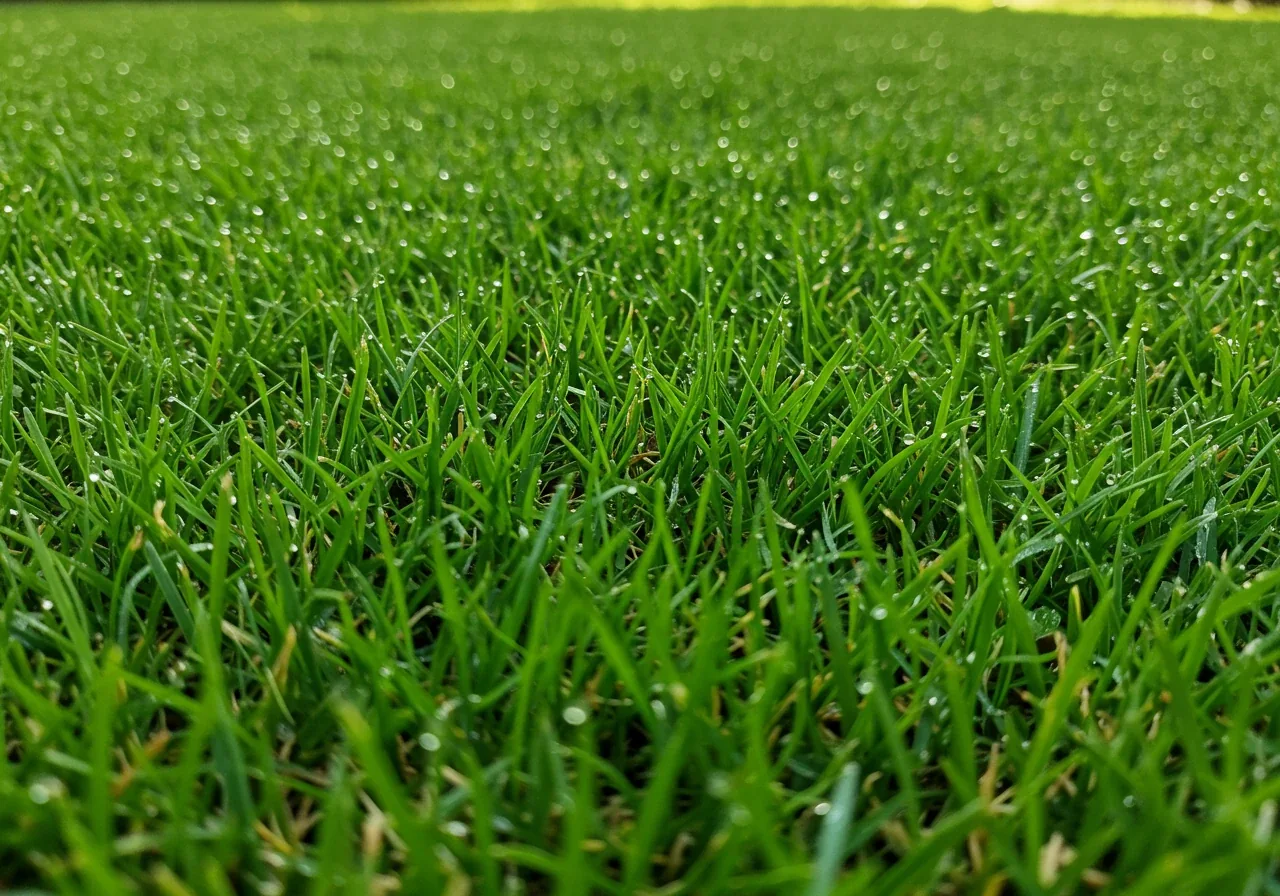
So there you have it! We've journeyed through the muck and mire, explaining why our notorious Ottawa clay soil often leads to swampy conditions and how the trusty French drain acts like a secret superhero for your yard. From understanding the soggy warning signs to exploring the installation process, we've seen how this clever drainage solution can transform your waterlogged woes into dry, usable ground. No more sinking lawn or drowned plants – just a healthier space for gardening, playing, and simply relaxing without needing hip waders!
Imagine stepping out into your Kars or Manotick yard after a downpour and *not* squishing! A well-installed French drain protects your home's foundation, boosts your curb appeal, and truly lets you enjoy your outdoor oasis. It's about effective landscaping that solves problems and creates value.
Ready to ditch the dampness and reclaim your property? If you're tired of battling puddles and dream of a happier, drier yard*, let's chat! We're here to help homeowners across *Ottawa*, including Kars, Manotick, Greely, and surrounding communities like Marionville.
Ready for a Drier, More Enjoyable Yard?
Stop letting poor drainage dictate how you use your property. Contact Clean Yards today for expert French drain installation and other landscaping solutions.
Request Your Free EstimateExplore all our Landscaping and Yard Care Services.
Stop dreaming about a dry yard and let us help you make it a reality. Say goodbye to soggy socks for good!