
Manotick Tree Care: Spot Girdling Roots, Save Trees
Protect Your Manotick Landscape Investment!
Worried about the health of your trees? Hidden issues like girdling roots can cause serious damage. Get a professional assessment today!
Quick Guide to Girdling Roots:
- What they are: Roots growing *around* the trunk instead of outwards, slowly choking the tree.
- Why they're bad: Restrict water and nutrient flow, leading to decline and potential death.
- Key Signs: No root flare (trunk enters ground like a pole), visible circling roots, canopy dieback, yellowing leaves.
- Prevention: Proper planting depth (visible root flare), correcting circling roots at planting, correct mulching (donut, not volcano).
- Action: Careful inspection, professional assessment for removal if significant roots are found.
Introduction: Your Manotick Trees Might Be Hugging Themselves to Death!
Hey Manotick neighbours! Ever looked at one of your beautiful landscape trees and thought, "Aww, it looks like it's giving itself a big hug right at the base"? While that sounds adorable, it might actually be a *secret handshake of doom* for your tree! Here in Ottawa, from Barrhaven to Manotick, we cherish our leafy canopy. These trees add beauty and value to our homes and gardens, making our neighbourhoods special.
But there's a hidden danger lurking beneath the mulch for many urban and suburban trees: *girdling roots*. These are roots that grow *around* the main trunk instead of spreading outwards like they should. Think of it like a boa constrictor slowly squeezing its prey, or a belt pulled way too tight. Over time, these rogue roots cut off the essential flow of water and nutrients travelling up the trunk, essentially starving the tree from the ground up. It's a slow decline, often missed until significant damage occurs.
Don't let your prized maple, oak, or birch accidentally hug itself into trouble! This issue is surprisingly common in landscaping settings. Let's uncover this hidden threat and learn how to spot and manage girdling roots to keep our precious green friends healthy and thriving for years to come. You can find information on general tree care and other services on our Services page.
What in the Trunk is a Girdling Root? Understanding the Tree Strangler
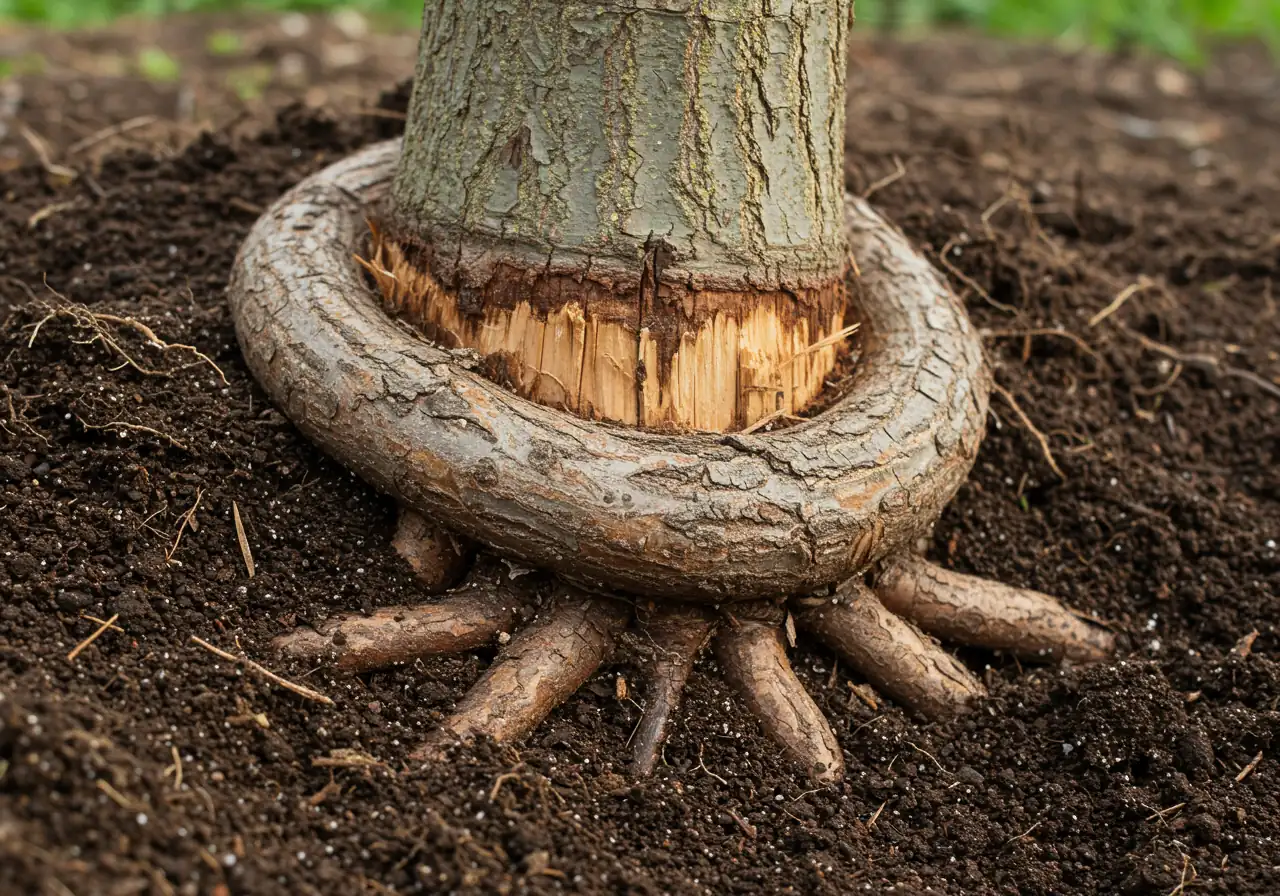
Okay, so we mentioned those tree "hugs" that aren't actually friendly. Let's get down to the nitty-gritty: what *is* a girdling root? Imagine a root that missed the memo about growing outwards, away from the tree, to find water and nutrients. Instead, this rogue root decides to take a scenic route *around* the main trunk, sometimes even circling it completely.
Think of it like wearing a belt that's two sizes too small. At first, it might just be snug. But as both you (the trunk) and the belt (the root) get thicker over time, that belt starts to seriously *squeeze*. This is exactly what happens to the tree. The girdling root presses tightly against the trunk, constricting the vital pathways just beneath the bark.
These pathways are like the tree's plumbing and delivery system. They carry water and nutrients up from the roots to the leaves (the xylem) and transport sugars produced during photosynthesis back down to feed the roots (the phloem). When a girdling root tightens its grip, it chokes off this flow. Water and nutrients can't get up efficiently, and sugars can't get down. It's like kinking a garden hose – the supply gets cut off. This slow strangulation stresses the tree, leading to symptoms like yellowing leaves, smaller leaves than usual, branches dying back (especially at the top), and overall poor growth. Sometimes, one side of the tree looks much worse than the other. Over time, it can even make the tree unstable and more likely to fail in a storm. Learn more about tree stability and general property care with our property clean up services.
This problem is surprisingly common in urban landscapes across Ottawa, including areas like Manotick and Nepean. Trees often susceptible include Maples (especially the commonly planted Norway Maple), Lindens, Oaks, and even some ornamental Pears. Why does it happen? Often it starts early, maybe from being grown too long in a nursery pot, being planted too deeply, or having circling roots encouraged by compacted soil or improper planting techniques. Sometimes, heavy clay soil can make it harder for roots to penetrate outwards, which might encourage them to circle instead; tackling drainage issues is key, as discussed in understanding Manotick rain gardens and clay soil drainage.
Spotting these stranglers early is crucial. A good time to check the base of your trees is during your regular yard work. For instance, when you're doing a Manotick spring garden scan for winter damage, take a peek at the root flare (where the trunk widens just above the soil). Similarly, during your Manotick fall cleanup and winter lawn prep, gently pull back any excess mulch to ensure the base of the trunk is visible and not being circled by large roots pressing against it. Remember, stressed trees are more vulnerable, so ensuring consistent moisture, especially during dry spells, is important – it's wise to perform Manotick irrigation checks to save water in summer. If you suspect a girdling root issue, it's often best to consult professionals, as careful root pruning might be needed, which can be tricky. For expert assessment and potential tree care solutions, explore our landscaping and yard maintenance services.
Playing Detective: How to Spot Girdling Roots Before It's Too Late
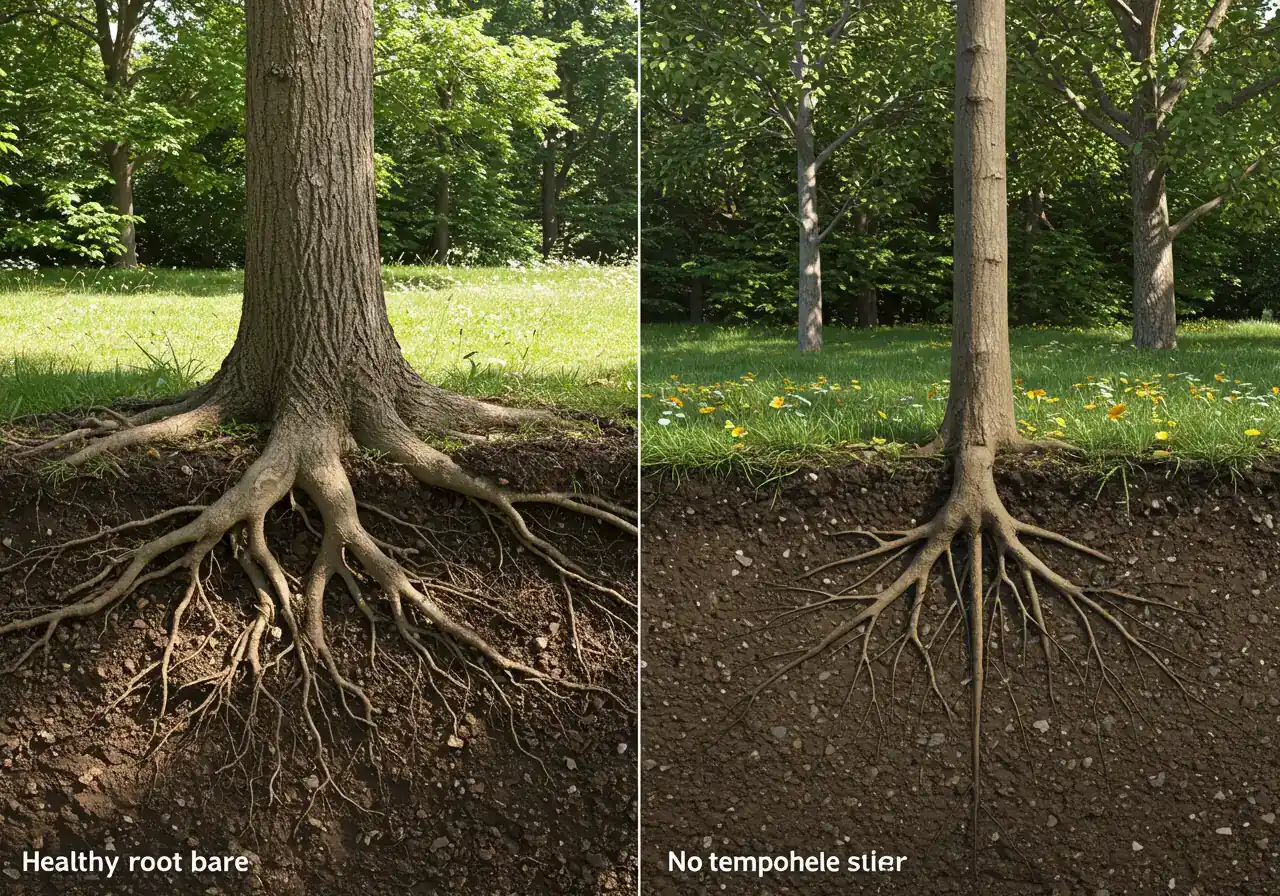
Alright, Inspector Green Thumb, grab your magnifying glass (or just your reading glasses!) – it's time to go undercover and investigate your trees for the sneaky culprits known as girdling roots. These root rogues work in the shadows, often underground, so spotting them early takes a bit of detective work. But don't worry, it's easier than solving a mystery novel, especially with these clues!
Clues from Afar: Signs in the Canopy and Trunk
Before you even get your hands dirty, your tree might be sending out distress signals. Keep an eye out for these symptoms, especially during the growing season here in Ottawa:
- Leaf Troubles: Are the leaves looking a bit sad? Watch for yellowing (chlorosis), leaves that seem smaller than usual, or edges that look scorched, especially during dry spells.
- Branch Dieback: Look up! Are branches at the *top* of the tree losing leaves or looking dead? Girdling roots often cause symptoms from the top down.
- Early Fall Fashion: Is one tree showing its fall colours or dropping leaves *weeks* before its neighbours? This could be a sign of stress caused by restricted roots.
- Lopsided Growth: Does the tree seem thinner or less full on one side compared to the other? Girdling roots often affect one side more severely.
- A Lean or Tilt: While some lean is natural, a gradual increase in lean could indicate root system instability, sometimes linked to girdling roots compromising the anchor roots.
Getting Up Close: The Ground-Level Investigation
The most definitive clues are found right where the trunk meets the ground. This area is called the *root flare* (or root crown), and it's where the trunk should naturally widen out like the base of a wine glass before transitioning into the main roots spreading outwards. This is ground zero for your investigation.
Here's your step-by-step guide to inspecting the root flare, perfect for homeowners in Manotick, Osgoode, Kars, and across the region:
- Choose Your Moment: Spring before leaves fully emerge, or fall after they drop, are often the easiest times. A regular check during yard work is great too. Think about it during your regular Manotick yard cleanup service or even when our team is providing a Metcalfe garden clean up service.
- Clear the Area: Gently pull back any mulch, grass, or soil piled up against the base of the trunk. You want to expose the area where the trunk meets the main roots. Be careful not to damage the bark with sharp tools! Use your hands or a small trowel gently. *Ideally, mulch should never touch the trunk directly.*
- Look for the Flare: Can you see that gentle widening at the base? Good! That's a healthy sign. You should ideally see the tops of the main structural roots heading away from the trunk just at or slightly above the soil line. (Imagine a picture of a healthy tree base – that’s your goal!).
- Spot the Suspects: Look closely for these warning signs:
- The "Telephone Pole": If the trunk goes straight into the ground like a utility pole with no visible flare, the flare might be buried too deep, or girdling roots could be lurking below. This is a red flag.
- Circling Roots: Do you see any large roots growing *around* the trunk instead of away from it? Are they pressing tightly against the bark?
- Roots Diving Down: Roots growing straight down right beside the trunk can also be problematic.
- Flattened Trunk: Is one side of the trunk base flattened or indented where a root might be pressing against it?
- Sunken Bark: Look for areas where the bark seems sunken or cracked where a root crosses over it.
What If You Find Something Fishy?
If you uncover roots that look like they're strangling your tree, don't panic! And *please* don't just start hacking away with a saw. Removing girdling roots requires care and precision. Cutting the wrong root, or cutting incorrectly, can do more harm than good.
This is usually the time to call in the professionals. Identifying *which* roots are causing the problem and how to safely remove them without fatally wounding the tree takes expertise. Our team offering professional landscaping and tree care services can assess the situation and recommend the best course of action. We also provide comprehensive city yard cleanup services that can include tree base inspection.
Preventing girdling roots often starts at planting time with proper soil preparation techniques and ensuring the tree isn't planted too deep, allowing the root flare to stay visible. Regular checks, perhaps as part of our general city garden maintenance service, can help catch issues early.
By playing detective and keeping an eye on your tree's base, you can catch these silent stranglers before they cause irreversible damage, keeping your landscape trees healthy and beautiful for years to come!
How Did This Happen? Unearthing the Causes of Girdling Roots
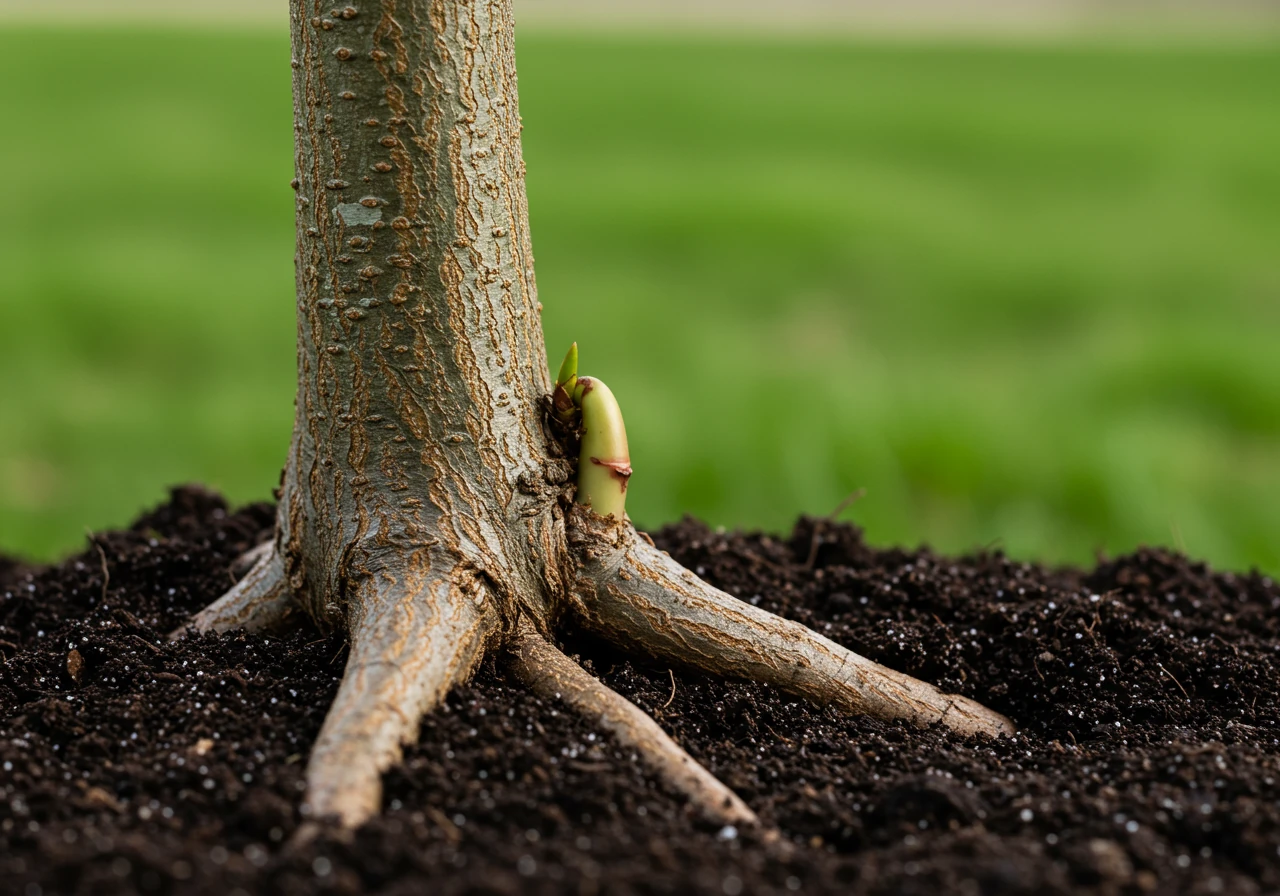
Okay, so your tree looks like it’s trying to perform a magic trick by making its own trunk disappear with a root boa constrictor. Not exactly the kind of garden magic we hope for! You might be wondering, "How on earth did this happen? Did I do something wrong?" The truth is, girdling roots usually get their start *way* before you notice the problem, often stemming from how the tree began its life in your yard. Let's dig into the usual suspects:
- Container Calamity: Many trees start life in nursery pots. If left too long, or in a pot too small, their roots hit the plastic walls and start circling. If these aren't corrected when planted, they just keep growing in that unhelpful spiral pattern. It's like they never got the memo that they were freed from pot prison!
- Planted Too Deep: This is a *super* common culprit. Remember that root flare we talked about – where the trunk widens at the base? It *needs* to be at or slightly above the soil level. Burying it encourages roots to grow upwards towards oxygen, often wrapping around the trunk in the process. Think of it like burying your neck in a turtleneck – not comfy, and definitely restricts things! Careful soil preparation for planting and setting the depth correctly are crucial.
- Ignoring the Root Ball: When planting a container-grown or balled-and-burlapped tree, it's tempting to just plop it in the hole. But *whoa there*! It's essential to gently loosen circling roots on the outside of the root ball, or even make a few vertical cuts on dense, circling root masses, to encourage outward growth. Skipping this step basically tells those roots, "Keep circling, buddy!"
- Compacted Soil & Tiny Holes: If you dig a small hole in heavily compacted soil (sometimes an issue in newer developments or areas with heavy clay soil, like parts of Ottawa), the roots hit the sides like a brick wall. With nowhere easy to go, they might just turn and start circling inside the nice, loose soil of the planting hole. Give those roots room to roam! Proper soil amendment can make a big difference here. The City of Ottawa's urban forestry pages offer great general tree planting advice.
- Mulch Volcanoes: We love mulch, but piling it high against the trunk (creating a "mulch volcano") keeps the bark moist, invites pests, and can encourage roots to grow *into the mulch* and potentially circle the trunk. Keep mulch like a donut, not a volcano – leave space around the trunk base. This is something we watch for during our Metcalf yard cleanup service and general property care throughout the region.
Often, it's a combination of these factors. Maybe a tree started with circling roots in the pot, was then planted a tad too deep in less-than-ideal soil, and the homeowner diligently piled mulch against the trunk for years. Voilà – a recipe for girdling roots.
Understanding these causes helps prevent the issue in future plantings. If you suspect problems with existing trees, especially after seeing some of the signs we discussed, it might be time for a closer look. We, the team you can learn more about us, often spot these issues during broader Ottawa property cleanup services. If you're unsure or want a professional opinion, don't hesitate to reach out – you can even use our system for getting an estimate or providing feedback on what you're seeing. Catching it early is always the best bet for your leafy friends! You can also check our Google My Business page for reviews and location details.
Common Symptoms of Girdling Roots
- Reduced leaf size or yellowing leaves (chlorosis)
- Branch dieback, often starting at the top
- Early fall coloration or leaf drop
- Lack of visible root flare ("telephone pole" trunk)
- Flattened areas on one side of the trunk base
- Overall poor growth or stunted appearance
- Visible roots circling the trunk at or below the soil line
If you notice several of these signs, especially the lack of root flare, it's worth investigating further.
Primary Causes of Girdling Roots
- Planting Too Deep: Burying the root flare is a major contributor.
- Nursery Container Issues: Roots circling inside the pot weren't corrected at planting.
- Not Loosening Root Ball: Failure to spread out circling roots when planting.
- Compacted Soil: Roots can't penetrate outwards easily.
- Improper Mulching: "Mulch volcanoes" encourage surface roots near the trunk.
- Small Planting Hole: Didn't give roots enough space to grow outwards initially.
Many issues trace back to the planting process. Our garden installation services prioritize correct planting techniques.
How to Prevent Girdling Roots
- Plant trees at the correct depth, ensuring the root flare is visible.
- Inspect and correct circling roots before planting.
- Dig a wide planting hole (2-3x root ball width).
- Use the "donut" method for mulching – leave space around the trunk.
- Avoid severe soil compaction around tree roots.
- Perform annual checks of the root flare area.
Good planting and care habits are the best defence. Consider professional lawn care and maintenance plans that include tree checks.
Taking Action: DIY Assessment vs. Calling the Manotick Tree Care Pros
Okay, so you've played detective and you suspect a girdling root might be giving your favourite Manotick maple the squeeze. Now what? Do you grab a shovel and saw and play tree surgeon, or do you call in the cavalry? Let's break down the DIY vs. Pro decision.
The DIY Assessment: What You *Can* Safely Do
Going full lumberjack on your tree roots is usually a bad idea (more on that below!), but there are things you *can* safely do:
- Gentle Excavation: Carefully removing excess soil or mulch piled against the trunk to expose the root flare is totally doable. Use your hands or a small trowel, being careful not to wound the bark.
- Observation: Taking photos and notes about what you see – roots circling, flattened trunk areas, canopy health – is valuable information, whether you tackle it yourself or call a pro.
- Minor Root Snipping (Use Extreme Caution): If you find *very small*, fibrous roots (think pencil-lead thin) lightly circling right at the surface, you *might* be able to snip them with clean pruners. *Emphasis on MIGHT and SMALL.* Anything larger requires expert judgment.
The DIY Root Removal: Why It's Usually Risky Business
Here’s where the friendly advice gets serious. Trying to remove significant girdling roots yourself is like trying to perform surgery armed with only a butter knife and good intentions. Here’s why it often goes wrong:
- Cutting the Wrong Root: That big root choking the trunk might *also* be a critical anchor root or a major supplier of water. Removing it could destabilize the tree or severely stress it.
- Damaging the Trunk: It's incredibly easy to gouge the tree's trunk bark while trying to cut or pry away a tight root. Wounds like this invite pests and diseases. Reputable resources like the Rideau Valley Conservation Authority emphasize minimizing tree damage.
- Cutting Too Much: Removing too much root mass at once (even if they are girdling roots) can shock the tree beyond recovery. Professionals know how much is too much.
- Improper Cuts: Clean, correct cuts are essential for healing. Hacking away can leave ragged wounds that heal poorly or not at all.
- It’s Hard Work! Seriously, excavating and cutting large, woody roots is tough physical labour and often requires specialized tools.
Calling the Manotick Tree Care Pros: The Sensible Choice
When you call a certified arborist (look for ISA certification!), they bring knowledge and specialized tools to the party. Here’s what they typically do:
- Thorough Assessment: They examine the whole tree, identify *which* roots are the problem, and assess the tree's overall health and the severity of the girdling.
- Careful Excavation: Often using tools like an air spade, they can remove soil around the roots without damaging them, getting a clear picture of the situation.
- Strategic Cutting: They use sharp, sterile tools (like chisels, handsaws, or specialized grinders) to carefully remove or sever the offending portions of the girdling roots, making precise cuts designed for optimal healing.
- Minimizing Damage: They know how to work *around* important structural roots and minimize damage to the trunk flare.
- Follow-up Advice: They’ll recommend post-procedure care, which might involve specific watering, fertilization, or monitoring. Good professionals consider the entire site, potentially even how future landscaping or smart material selection for landscaping nearby could impact the tree's recovery.
Especially for mature, valuable trees that add so much character to established neighbourhoods like Manotick or older parts of Nepean, professional help is a wise investment. Think of it as protecting a major landscape asset. Often, potential root issues are flagged during routine garden maintenance or even broader services like an Ottawa property cleanup service. Spotting issues early is key, just like during our Metcalf property cleanup service, where we keep an eye out for tree health.
If you're unsure after your initial look, getting a professional opinion is the best next step. Reputable companies value your trust and have clear guidelines on handling your information, similar to our own Privacy Policy. Don't let a hidden root issue slowly damage your beautiful Ottawa trees – take informed action! Consider contacting us via our Contact Us page for an assessment.
Common Causes of Tree Stress (Illustrative %)
*Note: Percentages are illustrative examples showing relative importance.
Prevention Power! Planting & Care for Girdling Root-Free Ottawa Trees
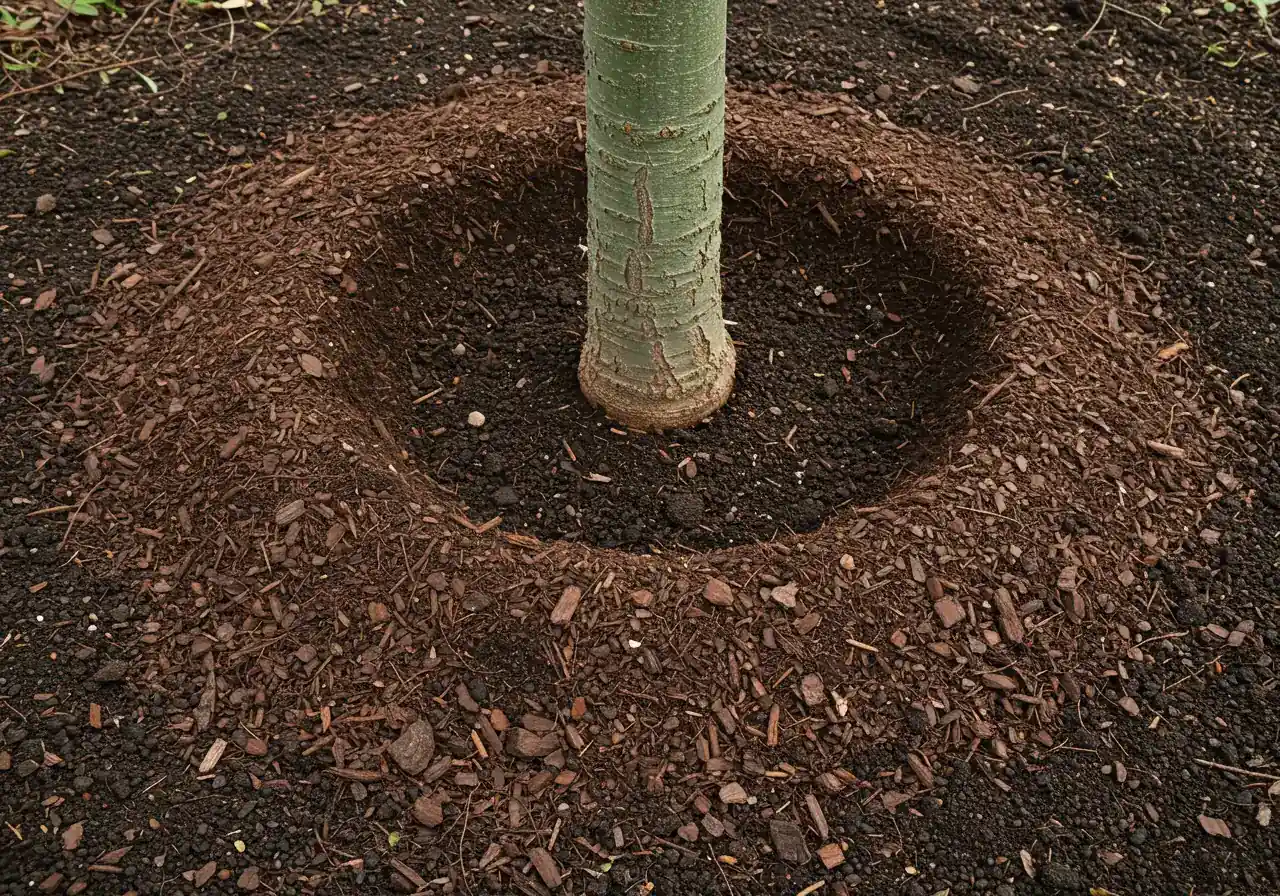
Wouldn't it be great if we could just tell our trees, "Hey, don't hug yourself so tight!"? While they probably won't listen (trees can be stubborn!), we *can* take steps from day one to prevent those pesky girdling roots from ever starting their stranglehold. As they say, an ounce of prevention is worth a pound of cure – or in this case, potentially saving your beloved tree! Here's how to give your Ottawa trees the best, girdle-free start in life:
Planting Perfection: Start 'Em Right!
Getting the planting process right is your *number one defence* against future girdling root problems. It’s easier than fixing it later!
- Find That Flare: Before you even think about digging, locate the tree's root flare – that spot where the trunk widens out just before the roots begin. You might need to gently scrape away some soil from the top of the nursery pot or root ball. *This flare MUST be visible after planting.*
- Untangle the Tanglers: Carefully inspect the roots. If the tree was container-grown, you'll likely see roots circling the edge. Gently loosen these roots and tease them outwards. If they're densely matted, make a few clean vertical cuts with pruners to encourage outward growth. Don't be shy, but be gentle!
- Dig Wide, Not Just Deep: Your planting hole should be 2-3 times wider than the root ball, but only as deep as the root ball itself (from the base to that all-important root flare). This wide, shallow hole encourages roots to spread outwards into the surrounding soil, not circle around in overly amended backfill.
- Set the Depth Correctly: Place the tree in the hole so the root flare sits slightly *above* the surrounding soil level. It will settle a tiny bit. Planting too deep is a major cause of girdling roots down the road. Remember: *plant it high, it won't die; plant it low, it won't grow!*
- Backfill Wisely: Use the native soil you dug out to backfill the hole. Amending heavily right in the hole can create a "pot effect," discouraging roots from venturing out. Water thoroughly as you backfill to eliminate air pockets. If planting near a lawn area, ensure future work like professional sod installation doesn't bury the flare later.
Careful Cultivation: Ongoing Good Habits
- Mulch Like a Donut, Not a Volcano: Apply a 2-3 inch layer of organic mulch (like shredded bark) over the root zone, but *never* pile it against the trunk! Leave a few inches of clear space around the base. This keeps roots cool and moist but prevents bark rot and roots growing into the mulch and circling the trunk. Checking mulch levels is a routine part of good yard care, something often done during a thorough Metcalf property cleanup service or with our mulching and edging services.
- Water Wisely: Especially during the first few years and Ottawa's dry spells, water deeply but infrequently to encourage deep root growth. Frequent shallow watering keeps roots near the surface.
- Avoid Compaction: Try not to repeatedly drive heavy equipment or park cars over the tree's root zone. Compacted soil makes it hard for roots to grow outwards. Resources from organizations like Landscape Ontario often provide tips on protecting tree root zones.
- Annual Flare Check: Make it a habit! Once a year (spring or fall is great), gently pull back the mulch and check that the root flare is still visible and no new surface roots are starting to circle. This quick check can be incorporated into seasonal tidying, like tasks performed during a dedicated Marionville yard cleanup service.
Think of these steps as setting your tree up for success, whether you're in Manotick, Russell, or anywhere across the Ottawa region. Healthy planting and care contribute to overall landscape vitality, the kind you'd expect after a regular city yard cleanup service. Keeping an eye on your trees' bases during routine work, like a comprehensive Ottawa yard cleanup service, is the easiest way to catch potential issues early. Give your trees the right start, and they'll thank you with years of beauty!
Timeline of Girdling Root Impact (If Untreated)
Years 1-3: Hidden Problem
Roots begin circling, often due to planting issues. Tree may look healthy above ground as effects are minimal.
Years 3-7: Early Symptoms
Slight reduction in leaf size, possible minor branch dieback at the very top. Root flare becomes less distinct if buried.
Years 7-12: Noticeable Decline
More pronounced dieback, yellowing leaves, early fall colour. Trunk may show flattening. Reduced vigour is evident.
Years 12+: Severe Stress / Failure
Significant canopy loss, major structural weakness, high susceptibility to pests/disease, potential tree failure.
Quick Tips: Keep Your Manotick Trees Breathing Easy
Alright folks, let's keep things simple! We all want those gorgeous trees in Manotick, Greely, and across Ottawa to live their best lives, right? Avoiding those sneaky girdling roots we talked about doesn't have to be complicated. Here are a few quick tips to help your leafy friends breathe easy and stand tall:
- ✅ Free the Flare! Think of the base of your tree trunk, where it widens out just before the roots start – that's the root flare. It *needs* air! Gently pull back any mulch or soil piled against it. Make sure you can see it. Check this spot at least once a year; it's the tree's 'belly button' and shouldn't be buried!
- 🍩 Mulch Like a Donut, Not a Volcano: Mulch is great for trees, but *never* pile it right up against the trunk. Leave a few inches of space all around the base. Too much mulch can suffocate the bark and encourage roots to grow where they shouldn't. Aim for a nice, even layer a couple of inches deep over the root zone – think tasty donut, not messy volcano. For tips on achieving that neat look, consider proper mulching and edging.
- 👀 Peek Before Planting: Bringing a new tree home? Awesome! Before you plant, gently check the root ball. If you see roots circling tightly around the outside, carefully loosen them or make a few clean vertical snips to encourage them to grow outwards into their new home. Give them directions *before* they get lost!
- 💧 Water Deep, Not Shallow: When you water, especially younger trees or during dry spells, give them a good, long soak. This encourages roots to grow deeper and wider to find moisture, instead of staying near the surface where they might start circling.
- 🗓️ Make it Routine: Add a quick root flare check to your seasonal yard work. It only takes a minute! Spotting a small circling root early is much easier to deal with than a big problem later. Many potential issues are often noticed during routine maintenance, like a regular Ottawa yard cleanup service or a focused Ottawa garden clean up service. Whether it's part of a thorough property clean up in Nepean or a specific Marionville property cleanup service, keeping an eye on the base of your trees is always a good idea.
Following these simple steps can make a huge difference in preventing girdling roots and keeping your valuable landscape trees healthy and happy for years to come here in the beautiful Ottawa area! Sometimes simple checks during a city garden clean up service can prevent major issues later.
Manotick & Ottawa Tree FAQs: Your Girdling Root Questions Answered
Yes, unfortunately, they absolutely can! Think of it like a belt getting tighter and tighter. Girdling roots slowly choke the tree, cutting off water and nutrient flow. Over several years, this stress weakens the tree significantly, making it prone to disease, pests like those discussed by the Ontario Invasive Plant Council, and eventually leading to decline and death if not addressed. Early detection is key!
Definitely. Certain trees seem more susceptible, especially varieties commonly planted in urban settings like Manotick or Nepean. Maples (particularly Norway Maples), Lindens, and some Oaks often develop girdling roots. This is usually linked to nursery practices or planting depth rather than the tree type inherently *wanting* to girdle itself. Proper planting is crucial for all trees! Our teams providing city property cleanup service are trained to spot common issues.
Don't panic, but don't ignore it either! Girdling roots cause damage slowly over years. However, the sooner you act, the better the tree's chance of recovery. If you suspect a problem, have it assessed. Sometimes issues are spotted during routine work, like a focused Marionville garden clean up service, allowing for timely intervention. Addressing it proactively prevents more severe stress later.
There's always some stress involved, which is why professional assessment is vital. Removing large girdling roots *can* sometimes harm the tree if done incorrectly, or if the root being removed is also a critical support root. A skilled arborist carefully selects which roots to cut and uses proper techniques to minimize shock and promote healing for your Ottawa trees.
Costs vary depending on the tree size, severity of the girdling, accessibility, and the time needed. It might range from a few hundred dollars for minor cases to significantly more for complex work on large trees requiring air excavation. Always get a detailed quote. For specific project details, it's worth checking the company's service scope, often outlined in their general operational guidelines like our Clean Yards Terms and Conditions.
Initially, there might be some soil disturbance around the base where the work was done. However, professionals aim to be tidy. Once the soil is replaced and perhaps fresh mulch applied (correctly!), the area usually looks neat again quickly. The long-term benefit to the tree's health far outweighs any temporary disruption. You can see examples of how landscaping work improves appearance in our project Transformations gallery, showing similar care during site work. A job well done should leave you feeling satisfied, much like reaching our Thank You page after a successful project completion!
Give Your Trees Room to Breathe: Conclusion & Next Steps
Okay, let's put it all together. We've unravelled the mystery of the self-hugging tree and exposed the danger of girdling roots – those sneaky stranglers hiding at the base of many landscape trees. Remember, what looks like a cozy embrace can actually be slowly choking off your tree's lifeline, cutting off vital water and nutrients. Ignoring them is like ignoring a leaky pipe in your house – the damage just gets worse over time! Keeping that root flare clear and visible is *key* to a healthy, happy tree.
So, what's next for your green giants? It's time for action!
- Become a Root Flare Detective: Grab your gardening gloves and maybe a small trowel. Take a few minutes this season to gently inspect the base of your important landscape trees. Carefully pull back any excess mulch or soil piled against the trunk. Can you see where the trunk widens out before the main roots spread? Are any big roots circling tightly against the bark? A quick peek can catch problems early.
- Know When to Call for Backup: If you find large roots pressing into the trunk, see a flattened trunk base, or if your tree just looks generally unhappy (thinning canopy, early leaf drop), it's probably time for a professional opinion. Trying to remove significant girdling roots yourself can often do more harm than good. For homeowners in Manotick, Osgoode, Metcalfe (Metcalfe garden clean up service available), Marionville (Marionville yard cleanup service available) and surrounding Ottawa communities, contacting a certified arborist or knowledgeable tree care service is your best bet. They can properly assess the situation and recommend safe, effective solutions.
Taking proactive steps, whether it’s careful inspection or calling for expert help, ensures your trees continue to beautify our neighbourhoods and provide shade for years to come. Let's give our trees the breathing room they deserve!