
{ "@context": "https://schema.org", "@type": "Article", "headline": "Vernon: Routine Garden Vitality Checks Prevent Plant Loss", "author": { "@type": "Organization", "name": "Clean Yards" }, "datePublished": "2024-07-26", "image": "https://cleanyards.ca/wp-content/uploads/2025/04/Macro_photograph_of_a_single_g_6644.webp", "description": "Learn how routine garden vitality checks in Vernon and the Ottawa area can prevent plant loss by catching early signs of pests, diseases, and stress. Includes a step-by-step guide and seasonal tips.", "publisher": { "@type": "Organization", "name": "Clean Yards", "logo": { "@type": "ImageObject", "url": "https://cleanyards.ca/wp-content/uploads/2024/04/Clean-Yards-Website-Logo-Colour.svg" } } } { "@context": "https://schema.org", "@type": "FAQPage", "mainEntity": [ { "@type": "Question", "name": "How often should I really be doing these vitality checks in my Ottawa garden? Weekly sounds like a lot!", "acceptedAnswer": { "@type": "Answer", "text": "Weekly is ideal during Ottawa's peak growing season (late May-August) because problems develop quickly. A 10-15 minute walkabout is often enough. Early spring and fall, every couple of weeks might suffice. It's key for good garden maintenance (https://cleanyards.ca/garden-maintenance/) and prevents bigger issues." } }, { "@type": "Question", "name": "Okay, I live in Barrhaven and my neighbour keeps complaining about Japanese beetles. What specific pests should I be super vigilant about spotting during my checks here in Ottawa?", "acceptedAnswer": { "@type": "Answer", "text": "Japanese beetles (look for skeletonized leaves) are common in Ottawa. Also watch for: Aphids (tiny, often green/black, on new growth, leave sticky residue), Slugs/Snails (chewed holes, slime trails, especially in damp areas), Earwigs (pincers, munch on leaves/petals), and Emerald Ash Borer (if you have ash trees - thinning canopy, D-shaped holes). Early detection is crucial. Professional city yard cleanup (https://cleanyards.ca/city-yard-cleanup-service/) can help manage large infestations." } }, { "@type": "Question", "name": "My backyard out near Kars has really heavy clay soil. How does that change what I look for during my garden checks?", "acceptedAnswer": { "@type": "Answer", "text": "Heavy clay soil impacts drainage. Focus on: Signs of overwatering (yellowing lower leaves, mushy stems, sour soil smell), increased risk of root rot (look for dark, mushy roots), and soil compaction (hard soil when dry). Improving clay soil structure with compost is beneficial." } }, { "@type": "Question", "name": "My favourite lilac bush looks really sad this year. How do I know if it's too far gone, or if I should call in the pros versus just giving up and ripping it out?", "acceptedAnswer": { "@type": "Answer", "text": "Do a thorough check. Look for any green under the bark (scratch test), firm buds, or healthy roots. If stems are brittle, bark is brown underneath, and roots seem dead, it might be too late. For valuable plants, get an expert opinion before removal. If removal is needed, consider help like Marionville yard cleanup service (https://cleanyards.ca/marionville-yard-cleanup-service/) for smooth handling, possibly followed by a new garden install (https://cleanyards.ca/garden-install/)." } }, { "@type": "Question", "name": "Can doing these checks in the fall really help prevent winter damage to my plants here in the sometimes-brutal Ottawa Valley climate?", "acceptedAnswer": { "@type": "Answer", "text": "Absolutely! Fall checks help you: Prune weak branches before snow/ice, remove diseased material (reducing overwintering pests/diseases), check pre-freeze soil moisture for evergreens, and assess mulch needs for insulation. A thorough fall cleanup (consider Ottawa yard cleanup service: https://cleanyards.ca/ottawa-yard-cleanup-service/) prepares plants for winter and leads to a healthier spring." } } ] } /* CSS Reset and Base Styles */ #vernon-garden-article * { margin: 0; padding: 0; box-sizing: border-box; font-family: 'Segoe UI', Tahoma, Geneva, Verdana, sans-serif; line-height: 1.6; }#vernon-garden-article { /* Isolate styles to this container */ font-size: 16px; color: #2D2C2C; /* brand-dark */ background-color: #FFFFFF; /* brand-white */ }:root { --brand-primary: #93C020; --brand-dark: #2D2C2C; --brand-darker: #000000; --brand-light: #EBEBEB; --brand-green: #287734; --brand-white: #FFFFFF; --brand-accent: #B7FE00; }/* Layout Container */ #vernon-garden-article .container { max-width: 900px; margin: 20px auto; padding: 0 20px; overflow: hidden; /* Contains floats */ }/* Headings */ #vernon-garden-article h1, #vernon-garden-article h2, #vernon-garden-article h3, #vernon-garden-article h4, #vernon-garden-article h5, #vernon-garden-article h6 { color: var(--brand-green); margin-top: 1.5em; margin-bottom: 0.8em; line-height: 1.3; }#vernon-garden-article h1 { font-size: 2.5em; color: var(--brand-darker); text-align: center; margin-top: 1em; }#vernon-garden-article h2 { font-size: 1.8em; border-bottom: 2px solid var(--brand-primary); padding-bottom: 0.3em; }#vernon-garden-article h3 { font-size: 1.4em; color: var(--brand-dark); }/* Paragraphs and Text */ #vernon-garden-article p { margin-bottom: 1em; color: var(--brand-dark); } #vernon-garden-article strong, #vernon-garden-article em { color: var(--brand-green); }/* Links */ #vernon-garden-article a { color: var(--brand-green); text-decoration: none; transition: color 0.3s ease; }#vernon-garden-article a:hover, #vernon-garden-article a:focus { color: var(--brand-primary); text-decoration: underline; }/* Lists */ #vernon-garden-article ul, #vernon-garden-article ol { margin-bottom: 1em; padding-left: 40px; /* Indentation */ }#vernon-garden-article li { margin-bottom: 0.5em; }/* Images & Figures */ #vernon-garden-article figure { margin: 25px auto; text-align: center; }#vernon-garden-article img { max-width: 100%; height: auto; border-radius: 8px; box-shadow: 0 4px 8px rgba(0, 0, 0, 0.1); }#vernon-garden-article figcaption { font-size: 0.9em; color: #777; margin-top: 8px; font-style: italic; }/* Progress Bar */ #vernon-garden-article #progress-bar-container { position: fixed; top: 0; left: 0; width: 100%; height: 6px; background-color: var(--brand-light); z-index: 1000; }#vernon-garden-article #progress-bar { height: 100%; width: 0; background-color: var(--brand-primary); transition: width 0.1s linear; }/* Back to Top Button */ #vernon-garden-article #back-to-top { position: fixed; bottom: 20px; right: 20px; background-color: var(--brand-green); color: var(--brand-white); border: none; border-radius: 50%; width: 50px; height: 50px; font-size: 24px; cursor: pointer; display: none; /* Hidden by default */ z-index: 999; box-shadow: 0 2px 5px rgba(0,0,0,0.3); transition: background-color 0.3s ease, opacity 0.5s ease; opacity: 0.8; }#vernon-garden-article #back-to-top:hover { background-color: var(--brand-primary); opacity: 1; }/* Highlight Box */ #vernon-garden-article .highlight-box { background-color: #f0f8ff; /* Light blue - stands out gently */ border-left: 5px solid var(--brand-primary); padding: 20px; margin: 2em 0; border-radius: 5px; } #vernon-garden-article .highlight-box h3 { margin-top: 0; color: var(--brand-green); }/* Call to Action (CTA) Buttons */ #vernon-garden-article .cta-button { display: inline-block; background-color: var(--brand-green); color: var(--brand-white) !important; /* Ensure text is white */ padding: 12px 25px; border-radius: 25px; /* Pill shape */ text-decoration: none; font-weight: bold; text-align: center; transition: background-color 0.3s ease, transform 0.2s ease; box-shadow: 0 4px 6px rgba(0, 0, 0, 0.1); margin: 10px 0; }#vernon-garden-article .cta-button:hover { background-color: var(--brand-primary); color: var(--brand-darker) !important; transform: translateY(-2px); text-decoration: none; /* Remove underline on hover */ } #vernon-garden-article .cta-center { text-align: center; margin: 30px 0; }/* Collapsible Sections (FAQ) */ #vernon-garden-article .collapsible-trigger { background-color: var(--brand-light); color: var(--brand-dark); cursor: pointer; padding: 15px 20px; width: 100%; border: none; text-align: left; outline: none; font-size: 1.1em; font-weight: bold; transition: background-color 0.3s ease; border-radius: 5px; margin-bottom: 5px; position: relative; /* For positioning the icon */ } #vernon-garden-article .collapsible-trigger:hover { background-color: #ddd; /* Slightly darker grey */ }#vernon-garden-article .collapsible-trigger.active { background-color: #ccc; /* Darker grey when active */ border-bottom-left-radius: 0; border-bottom-right-radius: 0; } /* Plus/Minus Icon */ #vernon-garden-article .collapsible-trigger::after { content: '+'; font-size: 1.3em; color: var(--brand-green); position: absolute; right: 20px; top: 50%; transform: translateY(-50%); font-weight: bold; }#vernon-garden-article .collapsible-trigger.active::after { content: "−"; /* Minus sign */ }#vernon-garden-article .collapsible-content { padding: 0 20px; background-color: var(--brand-white); max-height: 0; overflow: hidden; transition: max-height 0.4s ease-out, padding 0.4s ease-out; border: 1px solid var(--brand-light); border-top: none; border-radius: 0 0 5px 5px; } #vernon-garden-article .collapsible-content.show { padding: 15px 20px; /* Add padding back when shown */ border-top: 1px solid var(--brand-light); } #vernon-garden-article .collapsible-content p:last-child { margin-bottom: 0; /* Remove margin from last paragraph inside */ }/* Tab Interface */ #vernon-garden-article .tabs { border: 1px solid var(--brand-light); border-radius: 5px; overflow: hidden; margin: 2em 0; }#vernon-garden-article .tab-list { list-style: none; padding: 0; margin: 0; display: flex; background-color: var(--brand-light); }#vernon-garden-article .tab-button { padding: 15px 20px; cursor: pointer; border: none; background-color: var(--brand-light); color: var(--brand-dark); font-size: 1em; font-weight: bold; transition: background-color 0.3s, color 0.3s; flex-grow: 1; /* Make buttons fill space */ text-align: center; border-bottom: 3px solid transparent; /* Placeholder for active indicator */ }#vernon-garden-article .tab-button:hover { background-color: #ddd; }#vernon-garden-article .tab-button.active { background-color: var(--brand-white); color: var(--brand-green); border-bottom: 3px solid var(--brand-primary); /* Active indicator */ }#vernon-garden-article .tab-content { display: none; /* Hide inactive tabs */ padding: 20px; border-top: 1px solid var(--brand-light); background-color: var(--brand-white); }#vernon-garden-article .tab-content.active { display: block; /* Show active tab */ }/* Bar Chart / Data Visualization */ #vernon-garden-article .chart-container { background-color: var(--brand-light); padding: 20px; border-radius: 5px; margin: 2em 0; }#vernon-garden-article .bar-chart { display: flex; justify-content: space-around; align-items: flex-end; /* Bars grow upwards */ height: 250px; /* Fixed height for the chart area */ border-bottom: 2px solid var(--brand-dark); padding-bottom: 5px; }#vernon-garden-article .bar { width: 40px; background-color: var(--brand-green); height: 0; /* Initial height for animation */ transition: height 1s ease-out; position: relative; text-align: center; color: var(--brand-white); } #vernon-garden-article .bar:hover { background-color: var(--brand-primary); }#vernon-garden-article .bar span.value { position: absolute; top: -25px; /* Position value above the bar */ left: 0; right: 0; font-size: 0.9em; color: var(--brand-dark); font-weight: bold; opacity: 0; /* Initially hidden */ transition: opacity 0.5s 0.5s ease; /* Fade in after bar grows */ } #vernon-garden-article .bar.animated span.value { opacity: 1; }#vernon-garden-article .bar span.label { position: absolute; bottom: -25px; /* Position label below the bar */ left: 0; right: 0; font-size: 0.9em; color: var(--brand-dark); }/* Timeline Component */ #vernon-garden-article .timeline { position: relative; max-width: 700px; margin: 3em auto; padding: 20px 0; } /* The vertical line */ #vernon-garden-article .timeline::after { content: ''; position: absolute; width: 4px; background-color: var(--brand-primary); top: 0; bottom: 0; left: 50%; margin-left: -2px; z-index: 1; }#vernon-garden-article .timeline-item { padding: 10px 40px; position: relative; background-color: inherit; width: 50%; z-index: 2; } /* Circle on the timeline */ #vernon-garden-article .timeline-item::after { content: ''; position: absolute; width: 16px; height: 16px; right: -10px; /* Adjust based on line half-width */ background-color: var(--brand-white); border: 4px solid var(--brand-green); top: 20px; border-radius: 50%; z-index: 3; }/* Place items to the left */ #vernon-garden-article .timeline-item.left { left: 0; } /* Place items to the right */ #vernon-garden-article .timeline-item.right { left: 50%; } /* Fix the circle for right-aligned items */ #vernon-garden-article .timeline-item.right::after { left: -6px; /* Adjust based on line half-width and circle size */ }/* Content box */ #vernon-garden-article .timeline-content { padding: 15px 20px; background-color: var(--brand-white); position: relative; border-radius: 6px; border: 1px solid var(--brand-light); box-shadow: 0 3px 6px rgba(0,0,0,0.05); } #vernon-garden-article .timeline-content h3 { margin-top: 0; font-size: 1.2em; color: var(--brand-green); }/* Alternating item arrows */ #vernon-garden-article .timeline-item.left .timeline-content::before { content: " "; height: 0; position: absolute; top: 22px; width: 0; z-index: 1; right: -10px; /* Pointing right */ border: medium solid var(--brand-white); border-width: 10px 0 10px 10px; border-color: transparent transparent transparent var(--brand-white); } #vernon-garden-article .timeline-item.right .timeline-content::before { content: " "; height: 0; position: absolute; top: 22px; width: 0; z-index: 1; left: -10px; /* Pointing left */ border: medium solid var(--brand-white); border-width: 10px 10px 10px 0; border-color: transparent var(--brand-white) transparent transparent; } /* Add outline to arrows */ #vernon-garden-article .timeline-item .timeline-content::after { /* The outline */ content: ""; position: absolute; top: 22px; /* Match arrow */ width: 0; height: 0; border: medium solid var(--brand-light); /* Border color */ z-index: 0; /* Behind the white arrow */ }#vernon-garden-article .timeline-item.left .timeline-content::after { right: -11px; /* Position outline slightly outside */ border-width: 10px 0 10px 10px; border-color: transparent transparent transparent var(--brand-light); } #vernon-garden-article .timeline-item.right .timeline-content::after { left: -11px; /* Position outline slightly outside */ border-width: 10px 10px 10px 0; border-color: transparent var(--brand-light) transparent transparent; }/* Responsive Tables */ #vernon-garden-article .responsive-table { width: 100%; overflow-x: auto; /* Allows horizontal scrolling on small screens */ margin: 2em 0; } #vernon-garden-article table { width: 100%; border-collapse: collapse; border: 1px solid var(--brand-light); }#vernon-garden-article th, #vernon-garden-article td { padding: 10px 15px; text-align: left; border-bottom: 1px solid var(--brand-light); }#vernon-garden-article th { background-color: var(--brand-green); color: var(--brand-white); font-weight: bold; }#vernon-garden-article tr:nth-child(even) { background-color: #f9f9f9; /* Light grey for alternate rows */ } #vernon-garden-article tr:hover { background-color: #f1f1f1; /* Highlight on hover */ }/* Responsive Adjustments */ @media screen and (max-width: 768px) { #vernon-garden-article h1 { font-size: 2em; } #vernon-garden-article h2 { font-size: 1.6em; } #vernon-garden-article h3 { font-size: 1.3em; } #vernon-garden-article .container { padding: 0 15px; } /* Responsive Tabs */ #vernon-garden-article .tab-list { flex-direction: column; } #vernon-garden-article .tab-button { border-bottom: 1px solid #ccc; } #vernon-garden-article .tab-button.active { border-bottom: 3px solid var(--brand-primary); }/* Responsive Timeline */ #vernon-garden-article .timeline::after { left: 31px; } #vernon-garden-article .timeline-item { width: 100%; padding-left: 70px; padding-right: 25px; } #vernon-garden-article .timeline-item.left, #vernon-garden-article .timeline-item.right { left: 0%; } #vernon-garden-article .timeline-item::after { left: 15px; } #vernon-garden-article .timeline-item.left::after, #vernon-garden-article .timeline-item.right::after { left: 23px; /* Aligned with line */ } #vernon-garden-article .timeline-item .timeline-content::before { /* Pointing left only */ left: -10px; border-width: 10px 10px 10px 0; border-color: transparent var(--brand-white) transparent transparent; } #vernon-garden-article .timeline-item .timeline-content::after { /* Pointing left only */ left: -11px; border-width: 10px 10px 10px 0; border-color: transparent var(--brand-light) transparent transparent; }/* Responsive Tables - Stacked Layout */ #vernon-garden-article .responsive-table table, #vernon-garden-article .responsive-table thead, #vernon-garden-article .responsive-table tbody, #vernon-garden-article .responsive-table th, #vernon-garden-article .responsive-table td, #vernon-garden-article .responsive-table tr { display: block; } #vernon-garden-article .responsive-table thead tr { position: absolute; top: -9999px; left: -9999px; /* Hide table headers visually */ } #vernon-garden-article .responsive-table tr { border: 1px solid #ccc; margin-bottom: 10px; } #vernon-garden-article .responsive-table td { border: none; border-bottom: 1px solid #eee; position: relative; padding-left: 50%; /* Space for the label */ text-align: right; /* Align value to the right */ } #vernon-garden-article .responsive-table td::before { position: absolute; top: 6px; left: 6px; width: 45%; padding-right: 10px; white-space: nowrap; content: attr(data-label); /* Use data-label for header text */ font-weight: bold; text-align: left; /* Align label to the left */ } #vernon-garden-article .responsive-table td:last-child { border-bottom: 0; } }

Vernon: Routine Garden Vitality Checks Prevent Plant Loss

Quick Summary: Why Garden Checks Matter

  • Regular garden inspections are crucial for early detection of problems like pests, diseases, and water stress in Vernon & Ottawa gardens.
  • Early detection saves plants, time, and money compared to treating advanced issues.
  • Simple tools like a magnifying glass and trowel enhance observation.
  • Checks should adapt seasonally, focusing on specific risks like winter damage, summer pests, or fall cleanup needs.
  • Proactive care keeps your landscape thriving, not just surviving. Need help? Request a quote!

Introduction: Your Vernon Garden's Secret Weapon Against Plant Loss
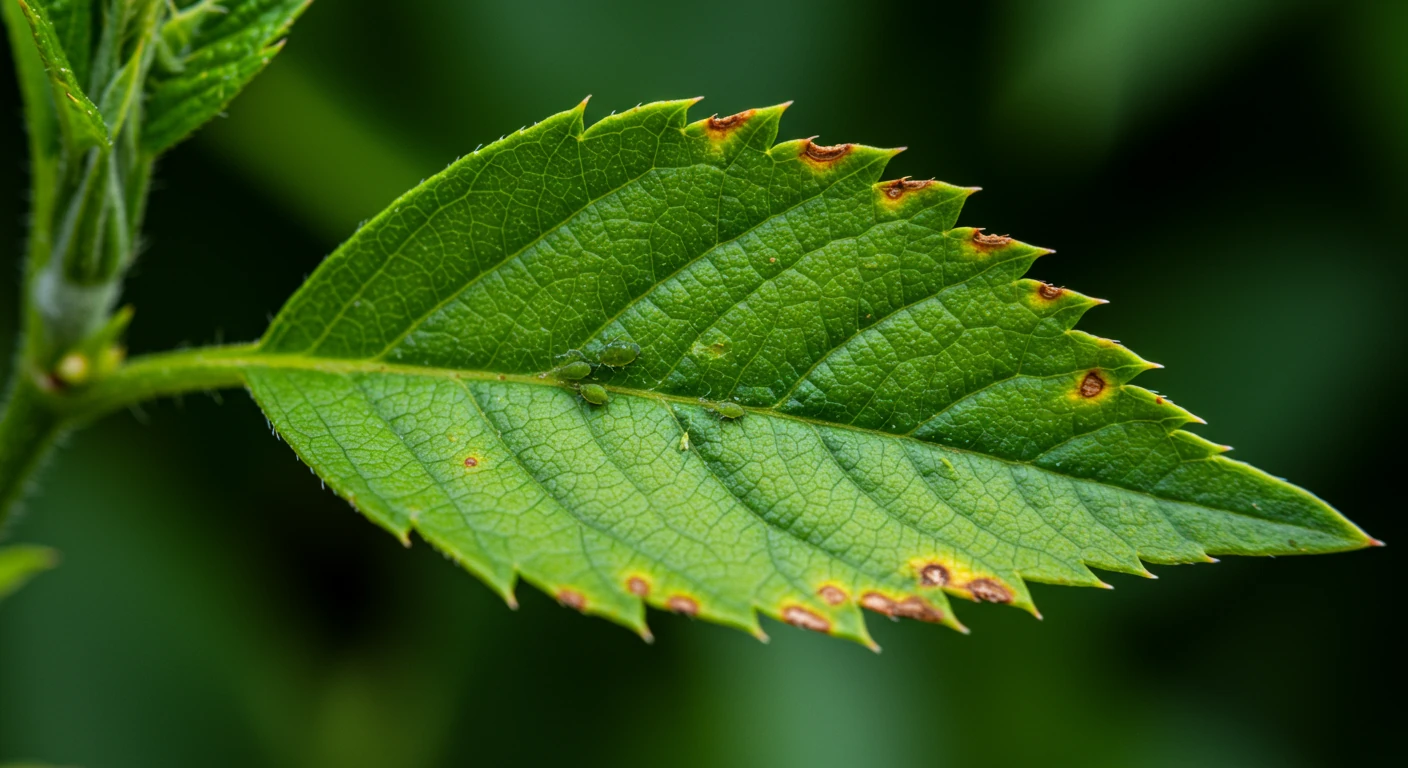
A macro photograph focusing on a single plant leaf exhibiting subtle, early signs of distress. This could be slight yellowing along the veins, a few tiny, well-defined brown spots, or perhaps one or two small aphids visible on the underside, catching the natural light. The background should be softly blurred green foliage, emphasizing the detail on the focal leaf.

Hello Vernon neighbours, and fellow garden lovers across the Ottawa region! Ever feel like one of your favourite plants just decided to dramatically exit stage left, seemingly overnight? Yeah, that sinking feeling is familiar to many homeowners from Greely to right here in Vernon. After pouring effort into landscaping and nurturing your green space, losing a plant is frustrating, not to mention potentially costly.

But what if you had a secret weapon against this garden grief? It’s not complicated or expensive – it’s simply proactive observation, your regular garden check-up! Think of it as being a friendly neighbourhood watch, but for your flower beds and shrubs. Spotting the early signs of trouble – maybe weird spots on leaves, unwelcome pests crashing the party, or plants looking thirstier than usual despite our sometimes-generous Ottawa rain – is the absolute key.

Consistent garden care and quick, regular checks can prevent small issues from snowballing into big, heartbreaking problems. This simple habit is your best defence, saving you time, money, and ensuring your Vernon landscape stays beautiful and thriving all season long. Let's explore how these easy walkabouts can work wonders for your garden's health! You can find more about our approach to garden maintenance on our Google Business Profile.

Why Bother? The Real Cost of Neglect in Ottawa's Climate

Okay, let's talk turkey. Or maybe, let's talk wilting tulips and sad-looking shrubs. It's easy to think, "My garden looks fine. Do I really need to poke around out there every week?" Between work, family, and maybe trying to enjoy that fleeting Ottawa summer, adding 'detailed garden inspection' to the list can feel like a chore. But skipping those regular check-ins? That's where the real costs start creeping in, like stealthy weeds in your flower beds.

Here in Ottawa, our gardens face unique hurdles. We've got a notoriously short growing season, meaning problems don't wait patiently. A little pest problem or a weird leaf spot can explode faster than you can say "pass the bug spray." Ignoring early signs means playing catch-up, and often, it's too late for your favourite plant. You can actually learn how to spot micronutrient issues by looking at leaf veins – catching these subtle clues early makes a huge difference.

Then there's our wild weather rollercoaster. Those brutal freeze-thaw cycles in late winter and early spring? They're tough on plant roots and crowns, especially if your garden wasn't properly prepped. Leaving dead leaves and debris provides a five-star winter resort for diseases and pests. Investing time in fall cleanup is crucial winter prep for Ottawa gardens, setting your yard up for spring success instead of spring stress. Similarly, summer heatwaves can scorch unprepared plants. Regular checks help you see who needs extra water before they crisp up. Having a strategy, like a good plant health care plan helps manage summer stress, protecting your green investments. For useful tips from local experts, check out the Master Gardeners of Ottawa-Carleton Advice Line resources.

So, what's the "real cost" of skipping these checks?

  • Your Wallet: Replacing dead perennials, shrubs, or even trees gets expensive fast. Treating advanced diseases or major pest infestations costs far more than early intervention.
  • Your Time: Battling a full-blown aphid invasion or digging out hopelessly diseased plants takes way more time and effort than a quick weekly walk-through. Using efficient garden care tools and tips can make these checks quick and painless.
  • Your Curb Appeal: Let’s face it, a neglected, struggling garden doesn't exactly scream "welcome home!" whether you're in bustling Barrhaven or peaceful Vernon. It can even impact your property value.
  • Your Sanity: The frustration of losing beloved plants you've nurtured is real! Proactive garden care saves you that heartache.

Think of regular garden checks as preventative medicine for your yard. A few minutes each week can save you significant money, time, and hassle down the road. And hey, if life truly gets in the way, remember that professional help is available. Exploring expert landscaping and cleanup services or opting for a dedicated Vernon yard cleanup service can take the burden off your shoulders and keep your slice of Ottawa beautiful. A little attention goes a long, long way!

Your Garden Checkup Toolkit: Simple Tools for Super Sleuths

Okay, garden detectives of Ottawa, ready to gear up? Don't worry, you won't need complicated gadgets for your garden care checkups. Think of this as your "Super Sleuth Starter Pack" – simple tools that make spotting clues a breeze! Your keen eyes are your best asset, but these helpers give you garden superpowers.

A flat lay composition showcasing the essential garden checkup tools mentioned. Include a clean, slightly weathered hand trowel, sharp metal pruning snips, and a classic magnifying glass arranged artfully on a natural surface like aged wood planks or slate stone. The lighting should be soft and natural, highlighting the textures of the tools and the surface.

Here’s your essential toolkit:

  • Magnifying Glass: Your secret weapon against tiny troublemakers! Get a close-up view of suspicious spots, weird fuzz, or minuscule pests hiding on leaves and stems. Is that speck dirt, or an aphid planning world domination (in your flower bed)? The magnifier reveals the truth!
  • Small Trowel or Hand Fork: Perfect for gently checking below the surface near a plant's base. Assess soil moisture accurately (is it dry an inch down?), look for root issues, or uncover soil-dwelling pests like grubs trying to be sneaky. Much better than guessing!
  • Clean Pruning Snips: Found a diseased leaf or suspect twig? Snip it off cleanly for a closer look or safe disposal before the problem spreads. Pro Tip: Wipe your snips clean between plants with a disinfectant wipe or rubbing alcohol to avoid playing taxi for diseases!
  • Notebook & Pen (or Phone Camera): Document your findings! "Yellow spots on hydrangea near the patio, June 15th." Photos are fantastic evidence. This tracks changes over time and is invaluable if you need to identify a problem later or ask for advice. Your plants will practically say Thank You for this detailed attention!

Why Bother with Tools? The Observation Upgrade:

Visual inspection might show a droopy plant. But why?

  • Eyes Only: Plant looks sad. Maybe needs water? Hmm.
  • With Tools: Trowel reveals the soil is actually damp deep down, but the roots look mushy. Magnifier shows tiny scale insects clinging to the stem. Snips remove a clearly diseased branch. Notebook recalls this plant had similar issues last year after heavy rain. See? You’ve gone from guessing to diagnosing!

Regular checks using these simple tools often prevent small gardening issues from escalating into situations requiring a major property clean up. Catching things early makes a huge difference in time and cost. And if you do end up needing professional help for your landscaping, having detailed observations is fantastic – providing clear estimate feedback helps everyone get on the same page. Whether you're gardening in Greely or need a hand closer to town with a city garden clean up service, these simple tools empower you. Should a problem feel too big, remember specialized help like a Vernon yard cleanup service or even support in neighbouring communities such as a Marionville garden clean up service or Metcalf yard cleanup service are readily available. Happy sleuthing!

The Anatomy of a Vitality Check: A Step-by-Step Walkthrough

Okay, let's dive into the nitty-gritty of your garden checkup! Think of yourself as a plant detective, armed with your trusty tools (and maybe a snack – sleuthing is hungry work). This step-by-step vitality check helps you understand what your plants are trying to tell you, whether you're tending a balcony garden in downtown Ottawa or a sprawling backyard in Manotick.

Ready to play doctor for your daisies? Here’s how to give your green buddies a thorough once-over, from the ground up:

  1. Start with the Foundation: The Soil

    What to Look For: Is the soil bone dry, soggy, or just right (like Goldilocks' porridge)? Use your trowel to check moisture an inch or two down. Does it feel compacted and hard, or loose and crumbly? In areas like Barrhaven, heavy clay soil can be common, leading to drainage issues if not amended. Healthy soil smells earthy, not sour or stagnant. Look for signs of good life, like earthworms!

    Red Flags: Cracked, pulling-away-from-the-pot soil (too dry), pooling water (poor drainage), consistently soggy feel (risk of root rot), or a hardpan layer that’s tough to dig through.

    Actionable Tip: Poor soil health is often fixable! Improving drainage or adding organic matter can work wonders. Getting the groundwork right is key, and understanding proper soil preparation techniques is the first step towards happy roots.

  2. Check the Roots (Gently!)

    What to Look For: Carefully scratch away a tiny bit of surface soil near the plant base. Can you see healthy, light-coloured roots? Are they spreading outwards?

    Red Flags: Dark, mushy, or slimy roots (hello, root rot!), roots circling tightly around the base (girdling – more common in potted or newly planted items), or a complete lack of visible roots near the surface where you'd expect some.

    Actionable Tip: Avoid overwatering, especially in clay soils! Ensure good drainage. If you suspect girdling roots on a new plant, gently try to tease them apart before planting.

  3. Examine the Stems and Main Trunk

    What to Look For: Are the stems firm and strong? Is the colour normal for the plant? Check for good, upright growth. On woody plants, is the bark intact?

    Red Flags: Soft, mushy spots; unusual discolouration (black, brown streaks); cracks or wounds oozing sap; weird lumps or galls; sawdust-like material (frass) indicating borers. Leaning plants that were previously upright might signal root or stem base problems.

    Actionable Tip: Prune away any clearly diseased or damaged stems cleanly. Support leaning plants if needed. Keep the base of plants clear of deep mulch buildup, which can trap moisture.

  4. Leaf Through the Leaves (Top and Bottom!)

    What to Look For: Healthy leaves usually have good, consistent colour (unless they're variegated, of course!), feel firm, and are appropriately sized. Check the undersides – pests love hiding there! New growth should look vigorous.

    Red Flags: Yellowing (could be nutrients, water, or disease), brown spots or edges, white powdery patches (powdery mildew), holes or skeletonized leaves (hello, Japanese beetles – a common Ottawa nuisance!), sticky residue (honeydew from aphids or scale), tiny webs (spider mites), wilting despite adequate soil moisture.

    Actionable Tip: Remove heavily infested or diseased leaves promptly and dispose of them – don't compost them! Sometimes a strong spray of water can dislodge aphids. Consistent tidiness helps prevent issues; consider how a professional Ottawa garden clean up service keeps things pristine. If pests are rampant, you might need targeted treatments. For larger properties needing attention, a Metcalf property cleanup service can also help manage diseased plant debris effectively.

  5. Flower and Fruit Inspection

    What to Look For: Buds forming nicely, flowers opening fully with good colour, developing fruits looking plump and blemish-free (for their type).

    Red Flags: Buds dropping off before opening, discoloured or deformed flowers, spots or rot on fruits, signs of insect feeding on petals or fruit.

    Actionable Tip: Deadhead spent flowers regularly to encourage more blooms and prevent fungal issues. Ensure pollinators can access your flowers! Monitor fruit closely and harvest promptly.

Putting It All Together:

Doing this walk-through regularly – even just 10-15 minutes a week – helps you spot trouble early. Catching a small aphid cluster is much easier than dealing with a full-blown infestation later! Remember, healthy plants are part of a healthy overall yard, which includes good lawn care practices. If you spot major issues or feel overwhelmed, don't hesitate to call in the pros. Whether you need help in Metcalfe with a targeted Metcalf garden clean up service or you're further out and require something like a Marionville property cleanup service, expert help is available to keep your Ottawa landscape thriving. Happy inspecting!

Common Ottawa Garden Issues at a Glance

Pest Patrol

Keep an eye out for these common Ottawa garden crashers:

  • Japanese Beetles: Metallic green/copper beetles, skeletonize leaves (Roses, Grapes). Active June/July.
  • Aphids: Tiny pear-shaped insects (green, black, yellow) on new growth. Cause yellowing, sticky honeydew.
  • Slugs & Snails: Active in damp conditions, chew holes (Hostas!). Look for slime trails.
  • Spider Mites: Tiny specks, cause stippling/yellowing leaves, fine webbing. Thrive in hot, dry weather.
  • Emerald Ash Borer: Threat to Ash trees. Look for D-shaped exit holes, canopy thinning.

Early detection and removal are key. For severe infestations, consider professional city garden maintenance service.

Disease Watch

Fungal and bacterial issues can spread quickly, especially in humid weather:

  • Powdery Mildew: White powdery coating on leaves (Lilacs, Peonies, Squash). Improve air circulation.
  • Black Spot: Black spots on Rose leaves, often with yellow halos. Remove infected leaves immediately.
  • Leaf Spot (Fungal/Bacterial): Various coloured spots on leaves. Remove affected foliage, avoid overhead watering.
  • Root Rot: Often caused by overwatering/poor drainage (common in clay soil). Leads to wilting, yellowing, mushy roots.

Good sanitation (cleaning tools, removing debris) helps prevent spread. Need help diagnosing? Contact us.

Watering Wisdom

Watering correctly is crucial in the variable Ottawa climate:

  • Check First: Always check soil moisture 1-2 inches down before watering. Clay soil holds water longer.
  • Water Deeply, Less Often: Encourages deep root growth, making plants more drought-tolerant.
  • Water Early Morning: Reduces evaporation and allows foliage to dry before night, minimizing fungal risk.
  • Water the Base: Apply water directly to the soil around the plant base, not the leaves.
  • Mulch Matters: A good layer of mulch helps conserve moisture and keep soil temperature even.

Adjust watering based on rainfall, temperature, and plant needs.

Seasonal Rhythms: Timing Your Checks in the Ottawa Valley

Alright neighbours, let's talk timing! Just like you wouldn't wear shorts in January (well, most of us wouldn't!), your garden care routine needs to change with the Ottawa Valley seasons. Our weather keeps us on our toes, swinging from frosty mornings to sweltering afternoons, sometimes in the same week! Tuning your garden checks to these rhythms helps you stay ahead of potential problems and keeps your landscape looking sharp. Explore local resources like the City of Ottawa's gardening information for community-specific insights.

Early Spring (April/May)

Focus: Damage Assessment & Awakening. Check for snow mould, vole/winter damage, perennial return. Assess soil readiness. Proper soil preparation now is key. Consider spring cleanup services if needed.

Summer (June-August)

Focus: Growth, Pests & Water Watch. Monitor soil moisture, patrol for pests (Japanese beetles!), watch for diseases, stay on top of weeds. Water deeply, mulch, deadhead. Consider selecting appropriate materials like mulch.

Autumn (Sept-Nov)

Focus: Harvest, Cleanup & Winter Prep Kick-off. Check late-season leaf health, tree/shrub structure. Rake leaves (important!), plant bulbs, cut back perennials. A thorough cleanup prevents overwintering issues – explore options like Metcalf property cleanup if overwhelmed.

Winter Prep (Late Oct-Ground Freeze)

Focus: Protection & Tidying Up. Protect tender plants, drain hoses, clean/store tools. Apply mulch after ground cools. Ensure evergreens are hydrated. Review season & plan. Adhere to service agreements by reviewing terms and conditions.

Staying in tune with these seasonal rhythms makes garden care less overwhelming and much more effective. Got questions about timing or what your specific Ottawa Valley garden needs? Don't hesitate to reach out and contact us – we're happy to help! For broader landscaping advice, check resources from Landscape Ontario.

Garden Problem Severity Index (Example)

Relative frequency of issues found during checks (Higher bar = More Common)

75%Weeds
60%Aphids
45%Mildew
30%Dry Soil
55%Leaf Spot

Highlight Box: Your Quick Garden Health Checklist

Think of this as your garden's cheat sheet! Spending just a few minutes each week on these quick checks can save you major headaches (and maybe some plant-related tears). Keep your Ottawa landscape happy and healthy with these simple steps:

  1. Weekly Walkabout Wisdom: Grab your coffee and take a stroll through your garden beds at least once a week. Really look at your plants – top to bottom, leaves (both sides!), stems, and the soil around them. Catching funky spots or tiny critters early is way easier than dealing with a full-blown invasion later! Consistent observation is the foundation of good garden care, preventing the need for major interventions like a complete Ottawa property cleanup service.
  2. The Mulch & Moisture Check: Before you water, poke a finger an inch or two into the soil. Is it actually dry? Overwatering can be just as bad as underwatering! While you're down there, check your mulch levels. A good layer helps keep moisture even and weeds down. Fresh mulching and edging not only looks sharp but also protects plant roots, especially important in areas like Manotick with varying soil types.
  3. Lawn Lookout: Don't forget your turf! Scan for patchy areas, weird discolouration, or signs of grubs. A healthy lawn complements your garden beds. Addressing thinning grass early might prevent the need for a larger fix, though sometimes refreshing with new turf via professional sod installation is the quickest way back to lush green.
  4. Nip Issues Early & Tidy Up: See a diseased leaf? Snip it off (clean your pruners!). Spot some aphids? A quick blast of water might do the trick if you catch them early. Regularly removing spent blooms and fallen debris keeps things tidy and less inviting for pests and diseases. Staying on top of small tasks prevents the need for a massive city property cleanup service later on, keeping your yard looking its best.
  5. Dream Big, Check Small: Regular checks aren't just about preventing disaster; they help you see what's thriving and where you might want changes. Noticing that a certain shrub always struggles might inspire future landscaping adjustments. Keeping your garden healthy is the first step towards exciting garden transformations down the road!

Ottawa Garden FAQs: Your Vitality Check Questions Answered

We get it, life is busy! But think of it like checking the weather forecast – quick, regular glances save you from big surprises, like that unexpected garden blizzard (of aphids!). Weekly is ideal during the peak growing season here in Ottawa (roughly late May to August). Our short season means plants grow fast, but unfortunately, so do problems! A 10-15 minute walkabout, maybe with your morning coffee, is usually enough to spot trouble brewing. In early spring and fall, when things are less frantic, every couple of weeks might be sufficient. These checks are a key part of good ongoing garden maintenance that prevents much bigger headaches down the road. Skipping checks entirely? That’s like hearing a weird clunking noise in your car and just turning up the radio – the problem probably won’t fix itself!

Ah yes, the infamous Japanese beetle! They certainly enjoy Ottawa summers as much as we do (maybe more?). They are definitely A-listers on the local pest scene, usually showing up in late June or July. Look for their tell-tale skeletonized leaves – they love roses, grapes, beans, hibiscus, and many other plants. But don't stop there! Other common Ottawa garden party crashers to watch for include:

  • Aphids: Tiny pear-shaped critters, often green, yellow, or black, usually huddled on tender new growth or flower buds. They leave behind a sticky residue called honeydew.
  • Slugs and Snails: These slimy characters love damp conditions. Look for chewed holes (especially in hostas!) and their signature slime trails, mostly after rain or overnight.
  • Earwigs: Recognizable by the pincers on their backend, they munch on soft leaves and petals, often hiding in tight spaces during the day.
  • Emerald Ash Borer: A serious threat if you have ash trees. Keep an eye out for thinning canopy, D-shaped exit holes in the bark, and increased woodpecker activity.
Catching these early makes control way easier. Sometimes, especially in densely planted urban areas where problems can jump fences quickly, a large infestation requires removing a lot of affected plant material. In such cases, a professional city yard cleanup service can be invaluable for efficiently handling the disposal.

That's a fantastic question! Heavy clay is pretty common across the Ottawa region, and it definitely influences your garden checks. The number one thing with clay is drainage. It can hold onto water like a sponge that forgot how to let go. So, during your checks:

  • Focus on Soggy Signs: Look for signs of overwatering, even if you haven't watered much recently. Yellowing lower leaves, mushy stems near the ground, or even a slightly sour smell from the soil can be clues. Use your trowel – if the soil is still wet and sticky several inches down, days after rain, that’s a red flag.
  • Root Rot Risk: Because clay stays wet longer, the risk of root rot increases. When checking near the base of a struggling plant, look specifically for roots that are dark brown or black and mushy, rather than firm and light-coloured.
  • Compaction Check: See if the soil turns into concrete when it finally dries out. Hard, compacted clay makes it tough for roots to penetrate and water to drain. Regular additions of compost help improve structure over time.
Understanding your soil type is key to interpreting what your plants are telling you! Check our about us page to learn more about our expertise with local conditions.

It’s tough seeing a beloved plant struggle! Before making a final decision, do a thorough vitality check. Look closely: Are there any signs of life? Try the "scratch test": gently scrape a tiny bit of bark off a twig. Is it green underneath (good sign!) or dry and brown (not so good)? Are there any firm buds, even if the leaves look awful? If the stems are brittle and snap easily, there’s no green under the bark, and the roots seem completely rotten or dried up, it might sadly be beyond saving. Consider its importance in your landscaping. If you're unsure, or if it's a valuable or sentimental plant, getting an expert opinion is definitely worthwhile. Sometimes a strategic pruning or treatment can work wonders! If it truly is time for removal, especially for a larger shrub or tree, preparing the site for something new might be needed – perhaps even considering a new garden install project to refresh the space. Handling the removal and cleanup, especially on larger properties or outside the core like near Marionville, can be a big job; sometimes calling a specialized team like a Marionville yard cleanup service makes the process much smoother. Our privacy policy outlines how we handle client information.

You bet! Think of your fall garden checks as prepping your green buddies for their long winter hibernation. Doing checks in September and October is super helpful:

  • Spotting Weak Links: Identifying and pruning weak, broken, or awkwardly crossing branches before heavy snow and ice arrive prevents bigger breaks later. This protects the plant and potentially anything underneath it!
  • Evicting Winter Squatters: Removing diseased leaves, fallen rotten fruit, and excessive debris gets rid of cozy overwintering spots for pests and fungal spores. This means fewer problems popping up first thing next spring.
  • Pre-Freeze Hydration Check: Especially for evergreens (like cedars, pines, rhododendrons), check if the soil is moist heading into late fall. A deep watering before the ground freezes solid helps them resist winter drying winds.
  • Mulch Check-Up: Has your mulch layer decomposed or washed away? Noting this tells you if you need to add a fresh layer (once the ground has cooled) to insulate roots against those nasty freeze-thaw cycles common in areas like Osgoode or Metcalfe.
A comprehensive fall cleanup makes a huge difference. If you find yourself buried in leaves or dealing with a lot of plant debris, bringing in an Ottawa yard cleanup service ensures your garden beds and lawn are properly prepped for the snow, leading to a healthier start come springtime.

Conclusion: Keep Your Vernon Garden Thriving, Not Just Surviving

So there you have it! The secret to a truly flourishing Vernon garden isn't some magical potion – it's simply paying attention. Regular vitality checks are your best defense against sneaky pests, lurking diseases, and sad-looking plants. By becoming a garden detective, you move beyond basic survival mode and help your green space truly thrive, adding beauty and value to your home, whether you're here in Vernon, over in Manotick, or enjoying the vibes in Russell or Embrun.

Catching issues early saves you frustration, money, and the heartache of losing beloved plants. Think of the vibrant landscaping you can maintain just by keeping a watchful eye on your soil, leaves, and stems! Consistent garden care, even just a few minutes a week, makes all the difference in our unique Ottawa climate.

Ready to give it a go?

  • Your Action Plan: Grab that magnifying glass (or just your keen eyes!) and start your weekly garden walkabout today. Notice the little things – it’s empowering and effective gardening!
  • Need a Hand? If life gets too busy, or you spot something that seems overwhelming, don't hesitate to call in the pros! Clean Yards is here to help with everything from expert garden care and troubleshooting to full yard cleanups. Visit us at CleanYards.ca or give us a call to keep your garden thriving effortlessly. We offer services across the region, including specialized city garden maintenance service.

Here's to healthy roots, happy plants, and beautiful yards all across the Ottawa region!

// Wrap all JS in a DOMContentLoaded listener to ensure the HTML is ready document.addEventListener('DOMContentLoaded', function() { // Scope all selectors to the article container to avoid conflicts const articleContainer = document.getElementById('vernon-garden-article'); if (!articleContainer) { console.error("Article container #vernon-garden-article not found. JS will not run."); return; }// --- Progress Bar --- const progressBar = articleContainer.querySelector('#progress-bar'); const progressBarContainer = articleContainer.querySelector('#progress-bar-container');function updateProgressBar() { const scrollTotal = document.documentElement.scrollHeight - document.documentElement.clientHeight; const scrolled = window.scrollY; const progress = (scrolled / scrollTotal) * 100; if (progressBar) { progressBar.style.width = progress + '%'; } }// --- Back to Top Button --- const backToTopButton = articleContainer.querySelector('#back-to-top'); const showButtonOffset = 300; // Pixels scrolled before button appearsfunction toggleBackToTopButton() { if (backToTopButton) { if (window.scrollY > showButtonOffset) { backToTopButton.style.display = 'block'; // Optional: Add fade-in effect via CSS class if needed } else { backToTopButton.style.display = 'none'; // Optional: Add fade-out effect via CSS class if needed } } }function scrollToTop() { window.scrollTo({ top: 0, behavior: 'smooth' }); } if (backToTopButton) { backToTopButton.addEventListener('click', scrollToTop); }// --- Collapsible Sections (FAQ) --- const collapsibleTriggers = articleContainer.querySelectorAll('.collapsible-trigger');collapsibleTriggers.forEach(trigger => { trigger.addEventListener('click', function() { this.classList.toggle('active'); const content = this.nextElementSibling; // Ensure content has the correct class for styling hooks if needed if (content && content.classList.contains('collapsible-content')) { if (content.style.maxHeight && content.style.maxHeight !== '0px') { // Close the section content.style.maxHeight = null; content.classList.remove('show'); // Remove padding slightly before height transition completes setTimeout(() => { if (!this.classList.contains('active')) { // Check if still closed content.style.paddingTop = '0'; content.style.paddingBottom = '0'; } }, 50); // Small delay } else { // Open the section content.classList.add('show'); // Add class for potential style changes // Set padding before calculating scrollHeight content.style.paddingTop = '15px'; content.style.paddingBottom = '15px'; // Set max-height to enable transition content.style.maxHeight = content.scrollHeight + "px"; } } else { console.error("Collapsible content not found immediately after trigger:", this); } }); }); // --- Tab Interface --- const tabList = articleContainer.querySelector('.tab-list'); const tabButtons = articleContainer.querySelectorAll('.tab-button'); const tabContents = articleContainer.querySelectorAll('.tab-content');if (tabList) { // Use event delegation on the list container tabList.addEventListener('click', function(e) { const clickedButton = e.target.closest('.tab-button'); if (!clickedButton) return; // Exit if click wasn't on a buttonconst targetTabId = clickedButton.getAttribute('data-tab'); // Deactivate all buttons and content panels tabButtons.forEach(button => button.classList.remove('active')); tabContents.forEach(content => content.classList.remove('active'));// Activate the clicked button and corresponding content panel clickedButton.classList.add('active'); const activeContent = articleContainer.querySelector('#' + targetTabId); if (activeContent) { activeContent.classList.add('active'); } else { console.error("Tab content not found for ID:", targetTabId); } }); } else if (tabButtons.length > 0) { // Fallback if no .tab-list found, attach individually console.warn("Tab list container not found, attaching listeners individually."); tabButtons.forEach(button => { button.addEventListener('click', function() { const targetTabId = this.getAttribute('data-tab'); tabButtons.forEach(btn => btn.classList.remove('active')); tabContents.forEach(content => content.classList.remove('active')); this.classList.add('active'); const activeContent = articleContainer.querySelector('#' + targetTabId); if (activeContent) activeContent.classList.add('active'); }); }); }// --- Bar Chart Animation (using Intersection Observer) --- const chart = articleContainer.querySelector('#vitality-chart'); function animateBars(entries, observer) { entries.forEach(entry => { if (entry.isIntersecting) { const bars = entry.target.querySelectorAll('.bar'); bars.forEach((bar, index) => { const value = bar.getAttribute('data-value'); // Stagger animation slightly setTimeout(() => { bar.style.height = value + '%'; bar.classList.add('animated'); // Add class to trigger value display if needed }, index * 100); // 100ms delay between bars }); observer.unobserve(entry.target); // Stop observing once animated } }); }if (chart) { const chartObserver = new IntersectionObserver(animateBars, { root: null, // Use the viewport threshold: 0.5 // Trigger when 50% of the chart is visible }); chartObserver.observe(chart); }// --- Responsive Table Headers --- // Add data-label attributes to table cells for mobile view const tables = articleContainer.querySelectorAll('.responsive-table table'); tables.forEach(table => { const headers = []; table.querySelectorAll('th').forEach(th => { headers.push(th.textContent.trim()); }); table.querySelectorAll('tbody tr').forEach(tr => { tr.querySelectorAll('td').forEach((td, index) => { if (headers[index]) { // Make sure header exists td.setAttribute('data-label', headers[index]); } }); }); });// --- Event Listeners --- window.addEventListener('scroll', () => { updateProgressBar(); toggleBackToTopButton(); }); // Initial calls on load updateProgressBar(); toggleBackToTopButton();}); // End DOMContentLoaded
Share This Article
Facebook
X
Pinterest
Email
Print

Thank you for sharing!

Contact Us Today

To request a quote, kindly fill out the form below.

Where Can we Reach you?
Which Service Do You Require? (Click all that apply)
Provide a Breif Description of The Work You'd Like Done

Before You Go

We’re confident in our services, we offer a 30-day money-back guarantee. Not 100% satisfied? We’ll swiftly refund all labor costs. Your satisfaction is our top priority!

Get in touch today for expert service and satisfaction guaranteed. You won't regret it!

Where Can we Reach you?
Which Service Do You Require? (Click all that apply)
Provide a Breif Description of The Work You'd Like Done
Where Can we Reach you?
Which Service Do You Require? (Click all that apply)
Provide a Breif Description of The Work You'd Like Done
Where Can we Reach you?
Which Service Do You Require? (Click all that apply)
Provide a Breif Description of The Work You'd Like Done