
Read Vernon Leaf Edges: Spot Early Water Stress Signs
Is your garden looking a little parched? Learn the subtle signs plants show when they need water, focusing on leaf edges, wilting, and colour changes. This guide helps Ottawa gardeners water wisely and prevent plant loss.
Quick Tips:
- Check leaf tips and edges for browning and crispiness ("Vernon Leaf Edges").
- Look for wilting, dull leaf colour, or leaf drop as early signs.
- Use the "Finger Test" to check soil moisture 2-3 inches deep.
- Water deeply and infrequently, aiming for the base of the plant.
- Use mulch and improve soil with compost to retain moisture.
Worried about your plants' health or need help with watering strategies? Request a quote from Clean Yards today!
Introduction: Decoding Your Garden's Thirst - Reading Vernon Leaf Edges in Ottawa
Okay, picture this: It's a sunny afternoon in Ottawa. You're admiring your garden, maybe from your porch in Barrhaven, feeling pretty proud. But wait... are those petunias looking a bit sad? Is that maple tree's foliage looking less perky than usual? Figuring out exactly when your plants need a drink can sometimes feel like a guessing game. Give them too much water, and you might invite root problems. Too little, and you end up with crispy leaves that crunch underfoot. It’s a classic landscaping puzzle!
But what if your plants had a secret signal to tell you they're thirsty? Good news – they kind of do! Forget fancy gadgets for a moment; one of the best clues is right there on the leaf edges. We've affectionately nicknamed this observation skill the "Vernon Leaf Edge" technique. Why Vernon? Maybe because some exceptionally wise gardener out that way noticed it first, or perhaps the plants there just get particularly expressive! (Full disclosure: we might have coined the term, but it helps to remember!)
Honestly, learning to spot the subtle signs of water stress along the edges of leaves is a fantastic skill for any Ottawa gardener. Our summers can bring intense heat and sometimes surprising dry spells, making smart watering crucial. This section is all about teaching you how to read those "Vernon Leaf Edges." We'll give you practical tips to decode your garden's thirst, helping you water more effectively and keep your plants happy, healthy, and looking their best all season long. Proper garden maintenance includes this vital observation. Let’s dive in!
What is Water Stress and Why Should Ottawa Gardeners Care?
Okay, let's talk about "water stress." Sounds serious, right? But really, it's just the plant version of being really, really thirsty. Imagine you've been running around on a hot Ottawa summer day without a water bottle – that feeling? That's kind of like water stress for your plants. It happens when a plant loses water faster through its leaves (a process called transpiration) than it can absorb through its roots from the soil. Think of it as the plant's water budget being in the red! Proper soil preparation can help mitigate this.
So, why should Ottawa gardeners care, especially if you're tending a garden in, say, Greely or Osgoode? Our weather can be a bit of a rollercoaster! We get those glorious sunny days, but they can quickly turn into heatwaves or unexpected dry spells. Plus, some areas around Ottawa have sandier soil that drains faster, meaning your plants might run out of available water quicker than you think. When plants experience water stress, they don't just look droopy (though that's a big clue!). Their growth slows down, they might produce fewer flowers or smaller fruit (bad news for your veggie patch!), and they become much more vulnerable to pesky insects and diseases. Think of it like being run-down – you're more likely to catch a cold, right? Same idea for plants. Check out our Google Business Profile for reviews from local gardeners!
Catching water stress early is key. Those initial signs, like slightly wilting leaves or changes in leaf color (sometimes even mimicking nutrient problems – like those tricky signs you see when Using Vernon leaf veins to spot micronutrient issues), are your plants waving a little flag saying, "Help! Need H2O over here!" Ignoring these signs can lead to more serious damage, like scorched leaf edges (remember our "Vernon Leaf Edge" clues?), branch dieback, and sometimes, even losing the plant entirely. Regular monitoring, perhaps as part of routine Vernon garden vitality checks to prevent plant loss, can make all the difference. Prolonged stress, especially during the peak growing season, can weaken plants significantly. A plant struggling with dehydration all summer is less prepared for the cold, impacting its survival over winter – something to consider during your Vernon fall cleanup and Ottawa winter prep. Understanding how to manage watering is a core part of good landscaping and gardening, especially if you want your plants to thrive during challenging conditions like summer heat waves, which often require a solid Vernon plant health care plan for summer stress. If keeping up with watering schedules and diagnosing plant health feels overwhelming, remember there are professional Clean Yards Services available, including specialized help like the Vernon Yard Cleanup Service or even the Marionville Yard Cleanup Service that can help maintain a healthy, hydrated garden. Our comprehensive property clean up services cover many aspects of yard health.
The Telltale Signs: Reading Leaf Edges Like a Pro
Okay, let's get down to the nitty-gritty! Your plants might not talk, but their leaves sure do tell a story, especially the edges. Think of leaf edges as the plant's early warning system. Learning to read them is like having a secret decoder ring for your garden – super handy whether you're tending roses in Metcalfe or maples in Vernon. A tidy space, perhaps maintained through a Metcalf Yard Cleanup Service, makes these signs easier to spot.

The Telltale Signs: Reading Leaf Edges Like a Pro
So, your plant looks a little off. Before you panic, take a close look at those leaf edges. Here’s what to watch for when you suspect your green pals are parched:
- The Toasty Brown Tip: This is often the first sign. The very tip of the leaf starts to turn brown and dry. It might look a little scorched, like you held a tiny lighter to it (please don't actually do that!). This happens because water has the hardest time reaching the furthest points of the leaf when supplies are low.
- Crispy, Crunchy Edges: If the dryness continues, that browning will spread along the entire edge of the leaf. It won't just be brown; it will be dry and brittle. Gently touch it – does it feel papery or crumble easily? That's a classic sign of water stress. It’s like the leaf is turning into a little potato chip around the perimeter.
- The Inward Curl: Sometimes, before or along with browning, leaves will start to curl or cup inwards, especially along the edges. Think of it as the leaf trying to reduce its surface area to conserve moisture, like hugging itself to stay warm, but in this case, to stay hydrated! Wilting often happens alongside this.
These signs typically appear on older leaves first, or sometimes the whole plant seems affected somewhat uniformly. Consistency is key – if most of the leaves are showing similar edge issues, thirst is a likely culprit. Keeping your garden tidy makes spotting these subtle changes much easier; it's one benefit of regular tasks like those included in a Marionville Garden Clean Up Service.
Hold On, Could It Be Something Else?
Now, here's where being a plant detective gets interesting. Leaf edge browning isn't always about thirst. It’s like a cough – could be a cold, could be allergies! Here’s how to differentiate:
- Sunburn: Usually looks like bleached, white, or tan patches on the parts of the leaf getting the most direct, intense sun. It might not start neatly at the edge and often affects the leaves facing the sun most directly.
- Nutrient Deficiency: This often shows up as yellowing (chlorosis) in specific patterns (like between the veins), or affects new leaves versus old leaves differently depending on the nutrient. While some deficiencies (like potassium) can cause edge browning, it's usually paired with other symptoms like yellowing or spotting.
- Disease/Pests: Look for distinct spots, lesions with dark borders, fuzzy mold, stickiness, or visible tiny critters. Disease patterns are often irregular or patchy, not necessarily starting uniformly at the tips and edges like drought stress.
- Windburn: Especially relevant in exposed Ottawa locations, strong winds can dry out leaf edges, mimicking drought. Check if the damage is worse on the wind-facing side of the plant.
- Salt Damage: If near roads treated in winter, salt spray can cause edge burn, often appearing in spring as snow melts. Ensuring good drainage via proper Ottawa property cleanup service practices can help reduce salt accumulation.
Quick Comparison Cheat Sheet:
Here’s a simple way to compare in a responsive table:
| Symptom | Water Stress | Sunburn | Nutrient Issue | Disease/Pest |
|---|---|---|---|---|
| Location | Tips & edges, often older leaves first | Sun-exposed areas, upper surfaces | Specific patterns (veins), new/old leaves | Random spots, lesions, undersides |
| Appearance | Brown, dry, crispy, uniform edge browning | Bleached, tan, or brown patches | Yellowing, odd colors, stunted growth | Spots, mold, holes, stickiness, insects |
| Texture | Brittle, papery | Often dry, sometimes papery | Can vary (soft, stunted) | Can vary (fuzzy, sticky, chewed) |
| Progression | Moves inwards from edge/tip | Appears after intense sun exposure | Develops based on nutrient availability | Spreads according to pathogen/pest life cycle |
Practical Tips:
- Feel the Soil: Before assuming it's thirst, check the soil! Stick your finger in a few inches deep near the plant's base. Is it dry? Time to water. Still moist? The problem might lie elsewhere.
- Observe Timing: Did the symptoms appear after a hot, dry spell? Or have you been consistently watering? Context matters.
- Consider the Whole Picture: Look at the entire plant and its surroundings. Are other plants nearby showing similar signs? Is the location particularly hot or windy? Maintaining the overall health of your space with services like a Metcalf Property Cleanup Service can help reduce environmental stresses on your plants. A clean yard, managed perhaps through a City Yard Cleanup Service, also makes diagnosis easier.
Becoming a pro at reading leaf edges takes a little practice, but it’s one of the best gardening skills you can develop for keeping your Ottawa landscape thriving. And if things get tricky, remember that expert help is available, whether it's specific Metcalf Garden Clean Up Service or broader support like the City Garden Clean Up Service. We just want to say Thank You for investing the time to better understand your garden's needs! Happy observing! Read our Privacy Policy to see how we handle your information.
Beyond the Edges: Other Early Warnings Your Plants Are Sending
Okay, so we’ve become pretty savvy at spotting those crispy "Vernon Leaf Edges," but plants, like dramatic actors, have more than one way to signal they need help! Your leafy friends have a whole repertoire of signs they use *before* their edges go brown and crunchy. Catching these earlier signals means you can step in with the watering can before things get too dire. Let's tune into some other channels your plants are broadcasting on.
Beyond the Edges: Other Early Warnings Your Plants Are Sending
Think of these as the prequel signs to the crispy edge saga:
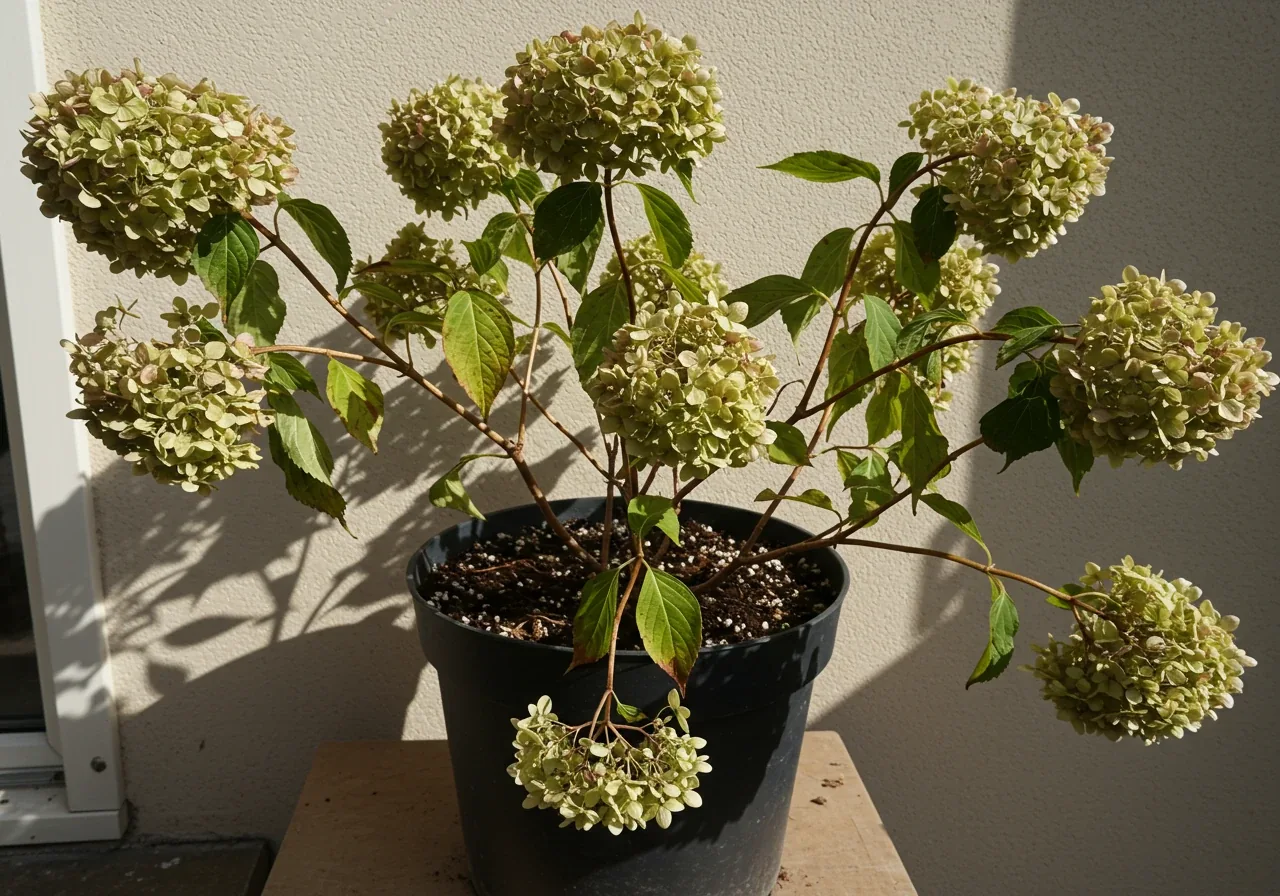
- The Dramatic Droop (Wilting): This is probably the most common and noticeable sign. Leaves and stems lose their firmness and start to sag. It happens because the plant cells lose water pressure (turgor pressure – fancy!), kind of like a balloon slowly deflating. Some plants are notorious drama queens and wilt at the slightest hint of dryness (looking at you, hydrangeas!), while others are more stoic. If your usually perky petunias in Nepean suddenly look like they’ve given up on life, check the soil!
- Losing Their Shine (Color Changes): Before leaves turn brown, they might lose their vibrant green color. Stressed plants can take on a dull, grayish, or even bluish tint. It’s subtle, but if your garden suddenly looks less vibrant and a bit “dusty” overall (even when it’s not actually dusty), it could be a sign of widespread thirst. Consider a garden install of more drought-tolerant varieties if this is a persistent issue.
- Letting Go (Leaf Drop): Sometimes, especially with trees and shrubs, a plant under water stress will start dropping leaves – often starting with the oldest, lowest ones. It seems drastic, but it's the plant's way of reducing the amount of water it loses through transpiration. It's basically saying, "I can't support all these leaves right now, so some have got to go!" Keeping the area clean with a Ottawa Garden Clean Up Service makes it easier to notice excessive leaf drop.
- Hitting the Pause Button (Slowed Growth): This one’s harder to spot day-to-day but noticeable over weeks. If your plants seem stuck in time – not putting out new leaves, flowers, or getting any bigger during the prime growing season – water stress could be the culprit. They’re conserving energy just to survive, not thrive. Consistent monitoring, maybe as part of a regular City Garden Maintenance Service, can help track growth patterns.
- Lawn SOS Signals: Your lawn talks too! Besides wilting blades, look for:
- Footprinting: Walk across your lawn. If your footprints remain clearly visible for more than a few seconds, the grass blades don't have enough moisture to spring back up. It's like the lawn is too tired to stand up straight. Professional lawn care can address underlying issues.
- Color Shift: Similar to garden plants, thirsty lawns can take on a bluish-gray tint before turning brown.
The Ultimate Reality Check: Feeling the Soil
Visual clues are great, but the definitive way to know if your plant needs water is to check the soil moisture. Forget fancy gadgets; your finger is the best tool!
How to Check Soil Moisture (The Finger Test):
- Choose Your Spot: Pick a spot near the base of the plant, but not right against the stem. Aim for the area under the plant's "drip line" (where water would drip from the outermost leaves).
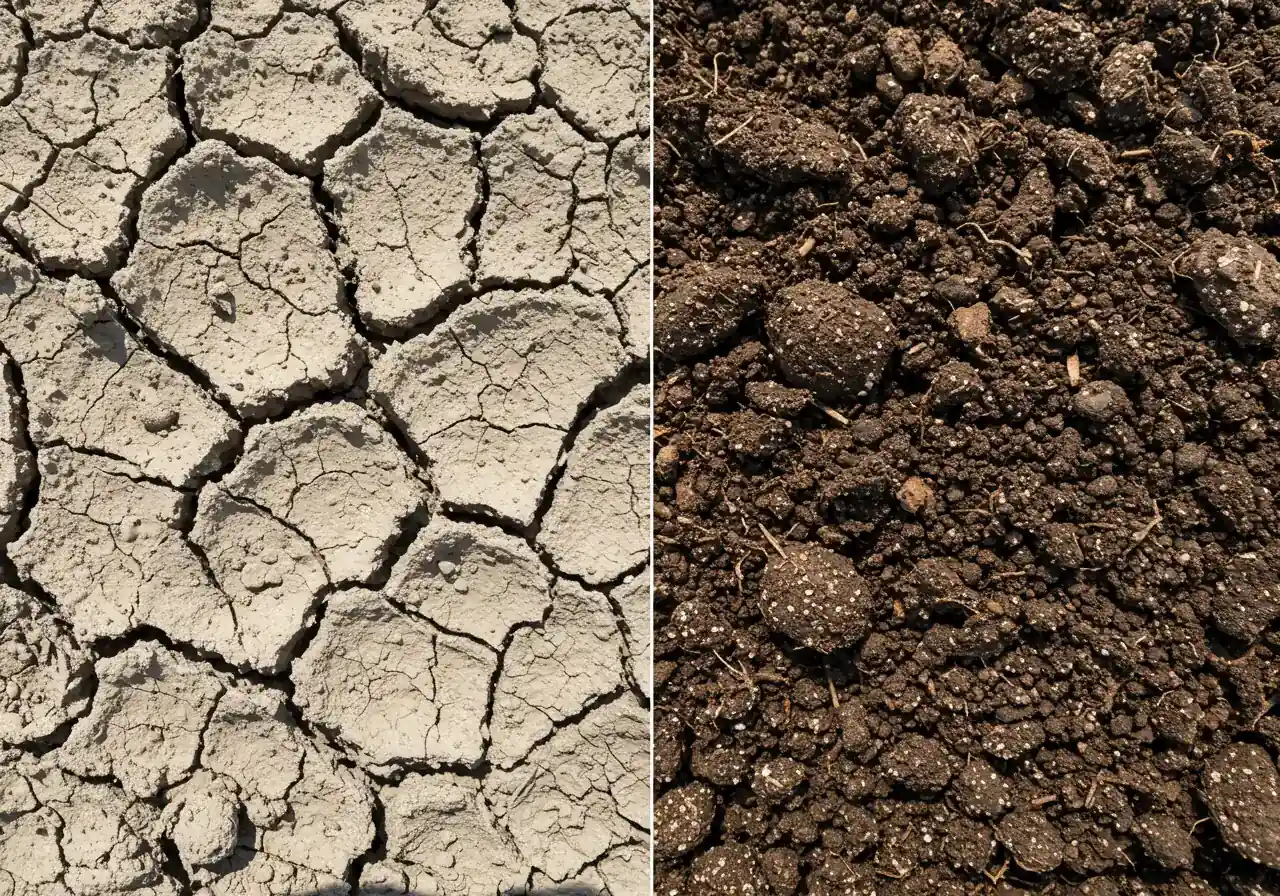
- Dig In: Gently push your index finger straight down into the soil. Aim to go down about 2-3 inches (to your second knuckle). For lawns, an inch or two is often enough.
- Feel Around: What does the soil feel like at your fingertip?
- Wet/Muddy: Hold off on watering! Too much water can be just as bad as too little.
- Cool and Moist: Probably okay for now, but check again soon, especially if it’s hot.
- Dry and Crumbly: Ding ding ding! It's definitely time to water.
Checking the soil takes the guesswork out of watering and helps prevent overwatering, which can lead to root rot and other problems. If you find yourself constantly battling dry soil or just don't have the time, seeking assistance from a dedicated City Property Cleanup Service or a broader City Garden Clean Up Service can help get your garden back on track and make future monitoring easier. Before engaging with any service provider, it's always a good idea to familiarize yourself with their operational guidelines. Reviewing the Terms and Conditions ensures everyone's on the same page – we genuinely say Thank You for your feedback and taking that quick step!
By paying attention to these early warnings – the wilts, the color fades, the dropped leaves, and the feel of the soil – you can become a hydration hero for your Ottawa garden!
Deep, Infrequent Watering
This method encourages plant roots to grow deeper into the soil, searching for moisture. Water thoroughly until the top 6-8 inches of soil are moist, then wait until the top few inches dry out before watering again. This builds drought resistance. Ideal for established perennials, shrubs, and trees.
Using Soaker Hoses
Soaker hoses deliver water slowly and directly to the root zone, minimizing evaporation and runoff. Lay the hose around the base of plants. This is highly efficient for vegetable gardens, hedges, and foundation plantings. It keeps foliage dry, reducing disease risk. More information on efficient systems can be found under our services.
The Power of Mulch
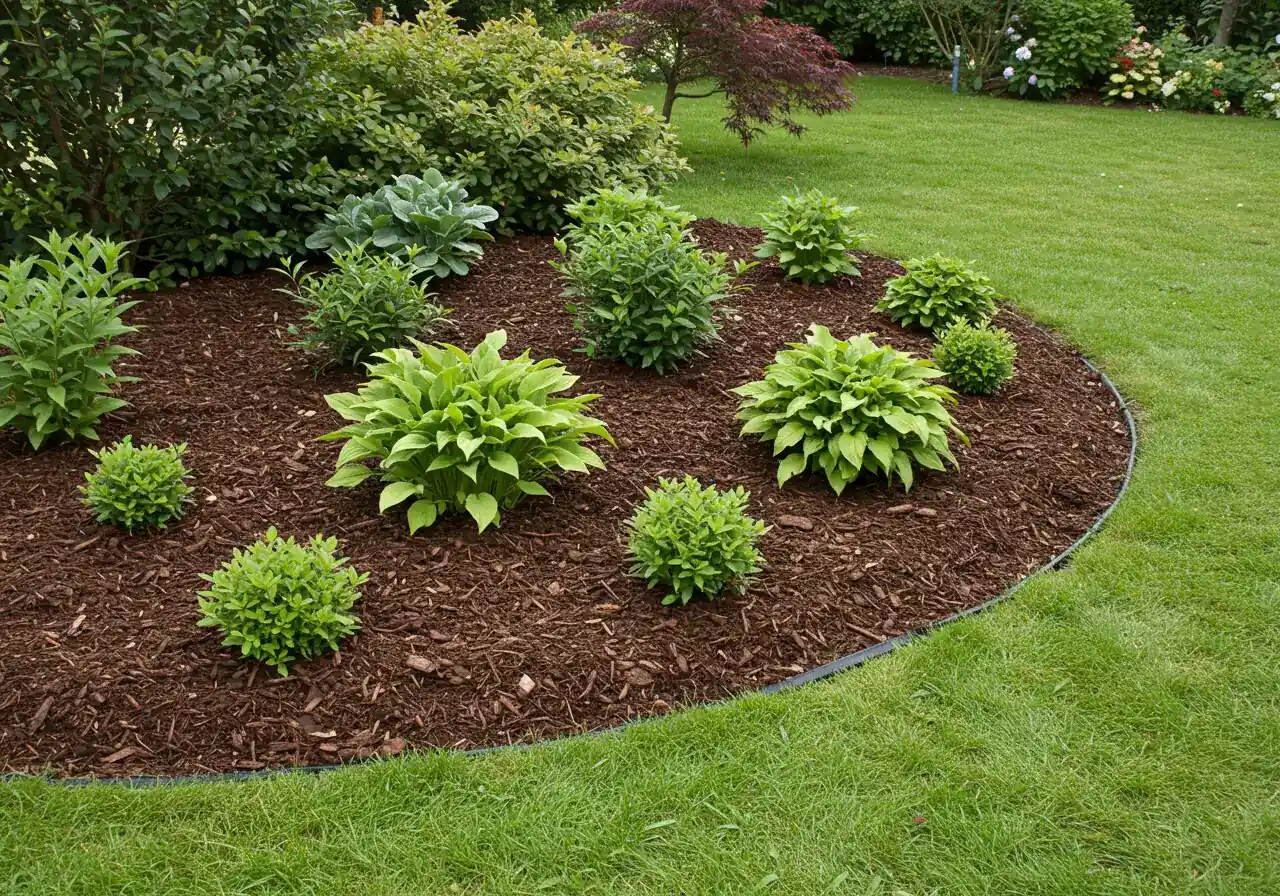
Applying a 2-4 inch layer of organic mulch (like bark chips or shredded leaves) conserves soil moisture by reducing evaporation, keeps soil temperatures stable, and suppresses weeds. It's a cornerstone of water-wise gardening. Explore different material selection options for mulch.
Water Wisely: Prevention and Solutions for Ottawa Landscapes
Okay, we've learned how to spot thirsty plants – from crispy leaf edges to dramatic wilting. Now, let's talk about how to avoid getting there in the first place and what to do when your garden *does* need a drink. Watering wisely isn't just about saving water (check City of Ottawa water conservation tips); it's about keeping your Ottawa landscape healthy and happy.
Watering Like a Pro (Not a Sprinkler Scatterbrain)
Forget lightly sprinkling your plants every day. That's like giving them a tiny sip when they need a big gulp! Most plants, from flowers to shrubs, prefer deep, infrequent watering. This encourages roots to grow deeper into the soil where moisture lasts longer, making them tougher and more resilient during those inevitable Ottawa dry spells.
- Water Deeply: When you do water, make it count. Aim to moisten the soil down to at least 6-8 inches for most garden plants, maybe even deeper for trees and shrubs. Not sure how deep that is? Use a small trowel after watering to gently check the moisture depth.
- Water Early: The best time to water your garden is early in the morning. Why? Less water is lost to evaporation in the cool morning air, and plant leaves have plenty of time to dry off before nightfall. This helps reduce the risk of fungal diseases – nobody wants those! Evening watering is the second-best option, but try to keep water off the foliage.
- Target the Roots: Remember, plants drink through their roots, not their leaves! Apply water directly to the soil around the base of your plants. Soaker hoses or drip irrigation systems are fantastic tools for this, delivering water exactly where it's needed with minimal waste.
- Go Slow: Water slowly enough that the soil can actually absorb it. If you see water pooling or running off the surface, pause your watering for a bit, let it soak in, and then continue. Fast runoff doesn't help your plants and can waste water.
Building a Better Foundation: Soil and Mulch
Healthy soil is your secret weapon in the battle against water stress. Improving your soil structure helps it act more like a sponge, holding onto moisture for longer periods.
- Boost with Organic Matter: Adding compost, well-rotted manure, or shredded leaves (leaf mold) to your garden beds works wonders. Mix it into the top few inches of soil to improve its ability to hold water and provide nutrients. This is especially beneficial in areas with challenging soil conditions, like the heavy clay that can sometimes compact in newer developments around Barrhaven. Preparing the ground properly makes a huge difference, and sometimes this ground prep is part of a larger Ottawa Property Cleanup Service before new planting or garden rejuvenation.
- Mulch is Your Friend: Applying a layer of organic mulch, about 2-4 inches deep, is one of the smartest gardening moves you can make. Mulch (think shredded bark, wood chips, straw, or even chopped leaves) acts like a protective blanket over the soil. It keeps the soil cooler, significantly reduces water evaporation, helps suppress weeds that compete for moisture, and slowly breaks down, adding more organic matter over time. Unsure what type works best? There are various Mulch options and edging services to consider based on your needs and aesthetics. Clearing away weeds and debris first makes mulching much more effective; a good City Yard Cleanup Service can give you a clean slate to work with.
Choosing Wisely: The Right Plants for Ottawa
Why make gardening harder than it needs to be? Selecting plants that are well-suited to our specific Ottawa climate (hardiness Zone 5) and your yard's unique conditions (sunlight, shade, soil type) is key to success. Check resources like the Master Gardeners of Ottawa-Carleton for plant advice.
- Embrace Natives: Consider planting species native to Ontario. These plants have evolved right here and are naturally adapted to our local rainfall patterns and temperatures, often requiring less supplemental water once established. Learn more about local ecosystems from the Rideau Valley Conservation Authority.
- Look for "Drought-Tolerant" Labels: Many beautiful and hardy plants are available that are labelled as drought-tolerant or water-wise. They might need consistent watering to get their roots settled in the first year, but after that, they generally require less fuss and less water than thirstier varieties. Our team can help with Garden Installation of suitable plants.
Eco-Friendly Watering Tips
- Harvest the Rain: Installing a rain barrel under a downspout is an easy way to collect free, naturally soft water for your plants.
- Consider Soaker Hoses: These hoses have small pores that allow water to seep out slowly and directly into the soil along their entire length, minimizing evaporation and runoff.
Simple Seasonal Watering Guide for Ottawa
- Spring: Focus on watering newly planted trees, shrubs, and perennials regularly to help them establish. Established plants usually get by with spring rains, but monitor during unexpected dry periods.
- Summer: This is prime time for paying attention to watering needs. Water established plants deeply whenever the top few inches of soil feel dry. Lawns generally need about one inch of water per week, either from rain or your hose. Hot, sunny, and windy conditions will dry things out much faster, so check your plants and soil frequently. Keeping up with garden needs is easier with consistent checks, perhaps as part of a routine City Garden Maintenance Service.
- Fall: As temperatures cool and plant growth naturally slows down, you can gradually reduce your watering frequency. However, don't stop completely, especially for evergreens. Make sure they get a good deep watering before the ground freezes if rainfall is scarce – this helps them endure the winter. Tidying up the yard in autumn is also essential, and a comprehensive City Property Cleanup Service can help prepare your landscape for the colder months.
Becoming a water-wise gardener takes a bit of observation and practice, but by using these prevention tactics and solutions – proper watering techniques, improving your soil, using mulch, and choosing the right plants – you can create a lush, beautiful, and more resilient Ottawa landscape. And remember, if managing yard tasks feels overwhelming, professional help is available. Reputable services handle your property with care, respecting your space and information; you can usually find details on this commitment in their online documentation, like our Privacy Policy. Happy watering!
Illustrative Plant Water Needs by Season (Ottawa)
*Note: Chart is illustrative. Actual needs vary greatly by plant type, weather, and soil conditions.*
Progression of Water Stress Symptoms
Stage 1: Subtle Signs
Plant may appear slightly less vibrant. Growth might slow slightly. Soil begins drying out below the surface.
Stage 2: Early Wilting
Leaves begin to droop, especially during the hottest part of the day. May recover overnight if mild. Lawn shows footprints.
Stage 3: Visible Damage
Leaf tips start browning ('Vernon Leaf Edges'). Some lower leaves might yellow and drop. Wilting is more pronounced.
Stage 4: Severe Stress
Brown, crispy edges spread. Significant leaf drop. Stems may become brittle. Plant recovery becomes difficult without immediate intervention.
Key Insights: Quick Water Stress Checklist
Okay, feeling a bit waterlogged with information? No worries! Think of this as your cheat sheet, the quick reference guide to keep your Ottawa garden happy and hydrated. Here are the key takeaways and action steps to remember:
- Listen to Your Leaves: Those leaf edges are talking! Look for the "Vernon Leaf Edge" signs:
- Brown Tips: Often the first clue your plant is getting thirsty.
- Crispy Edges: When the browning spreads and feels dry/brittle.
- Inward Curl: Leaves curling up to conserve moisture.
- Catch Early Warnings: Before edges crisp, your plants might:
- Wilt or Droop: Losing that perky look.
- Change Color: Dull, grayish, or bluish tint instead of vibrant green.
- Drop Older Leaves: Shedding lower leaves to save water.
- Slow Down: Growth seems stalled during the growing season.
- Lawn Looking Sad? Check for:
- Lingering Footprints: Grass not springing back? It needs a drink. Perfecting your lawn involves more than just watering; consistent Expert Lawn Care Solutions can make a big difference.
- Blue-Gray Tint: A common sign of thirst before it turns brown.
- The Golden Rule: Check the Soil! Before watering, stick your finger 2-3 inches deep near the plant base (like you're checking the soil in your Barrhaven backyard!). If it feels dry, it's time to water. If it's moist, hold off. Simple!
- Water Wisely:
- Deep & Infrequent: Aim for long drinks less often to encourage deep roots.
- Morning is Best: Reduces evaporation and leaf disease risk.
- Target the Base: Water the soil, not just the leaves.
- Prevention is Key:
- Boost Your Soil: Add compost to help it hold moisture like a sponge. Check our Soil Preparation tips.
- Mulch, Mulch, Mulch! A layer of organic mulch keeps soil cool and moist. There are great Mulch and Soil Options to choose from depending on your landscaping style.
- Right Plant, Right Place: Choose plants suited for Ottawa's climate and your specific yard conditions.
- Keep it Tidy: Spotting subtle signs of water stress is much easier in a well-maintained space. Regular maintenance, like a Seasonal Property Clean Up, helps you keep a closer eye on your plants' health.
- Need a Hand? Sometimes gardening throws curveballs. If you're feeling overwhelmed or just want expert advice tailored to your yard, don't hesitate to Get in Touch with Us. We're passionate about helping Ottawa gardens thrive – it’s a core part of who we are, as you can learn more reading About the Clean Yards Team.
Remember these tips, and you'll be well on your way to decoding your garden's thirst and keeping your plants looking fantastic all season long!
Ottawa Garden Q&A: Your Water Stress Worries Answered
Got questions about keeping your Ottawa garden hydrated? You're not alone! Our summers can be tricky, but with a few local tips, you can navigate water stress like a pro. Here are answers to some common worries:
Absolutely! Clay soil holds water longer but absorbs it slowly. Water deeply and less often, allowing water to soak in gradually. Avoid frequent light sprinklings. Improving drainage and texture by incorporating organic matter is key. Good Soil Preparation Techniques are vital in clay soils to prevent soggy roots or rock-hard dryness, helping plants cope better during dry spells.
Container plants, especially in full sun or wind, are the sprinters of water loss! Check them daily during hot Ottawa weather, sometimes even twice a day. Stick your finger an inch into the soil. If it feels dry, give them a thorough drink until water drains from the bottom. Remember, they rely entirely on you for moisture!
Yes, definitely! New plants are focusing energy on establishing roots and haven't yet spread them deep into the soil. They need consistent, careful watering for their first year or two, especially during dry periods. Protecting your investment after major Landscape Transformations means giving those newbies extra hydration attention until they're well-settled in their new home.
Oh yes, mulch is a game-changer! A good 2-4 inch layer of organic mulch (like shredded bark or wood chips) acts like a blanket, keeping soil cooler and dramatically reducing evaporation. This means less frequent watering for you! It's a fantastic practice everywhere in Ottawa. Proper Effective Mulching and Edging not only saves water but also suppresses weeds.
It can be confusing! Generally, yellowing leaves plus soggy soil often means overwatering (drowning roots!). Brown, crispy leaves or wilting plus dry soil points to underwatering. Always check the soil moisture first! Keeping your garden beds clear of debris, maybe after a professional Ottawa Yard Cleanup Service, makes it easier to see the soil and monitor plant health accurately.
You bet! Water stress symptoms like wilting, brown edges, or leaf drop can quickly make a neat garden look neglected. Consistent, proper watering is crucial maintenance after any cleanup effort, whether it's a full yard overhaul or a specific area touch-up like the Marionville Property Cleanup Service. Healthy, hydrated plants are the key to maintaining that fresh, tidy appearance.
Conclusion: Keep Your Ottawa Garden Green and Hydrated
So there you have it! Keeping your Ottawa garden happy and hydrated doesn't have to be a guessing game. By learning to read those "Vernon Leaf Edges" and spotting other early signs like wilting or dull colour, you can give your plants the drink they need, right when they need it. Remember, smart watering practices – watering deeply, at the right time, and right at the roots – combined with healthy soil and a good layer of mulch, are your best defences against water stress, especially during our sometimes unpredictable summers, whether you're gardening in Nepean or out near Vernon.
Think of it as becoming a plant detective – it’s actually pretty fun! Our first piece of advice? Go take a closer look! Spend a few minutes observing your plants today. Check the soil, peek at those leaf edges, and see what they might be telling you.
And if life gets busy, or if you’re facing stubborn dry patches or just want a hand keeping your landscaping looking its best, remember Clean Yards is here to help. Give us a shout for expert garden care, soil solutions, and mulching services right here in the Ottawa region. Happy gardening, and may your thumb always be green (and your plants perfectly hydrated)! Considering a major garden change? Explore our Garden Installation Services.