
Kars Garden Rescue: Save Plants From Clay Soil Overwatering
Quick Summary:
- Heavy clay soil, common in Kars and Ottawa, drains poorly, leading to overwatering issues.
- Recognize signs of overwatering: yellowing lower leaves, wilting despite wet soil, mushy stems, fungus gnats.
- Rescue waterlogged plants by stopping watering, assessing root damage, pruning, improving aeration, and potentially relocating.
- Long-term solutions involve amending soil with organic matter, using raised beds, choosing clay-tolerant plants, mulching, and smart watering techniques (deeply, infrequently).
- Need help diagnosing or fixing your soggy garden? Request a free estimate today!
Introduction: Soggy Lawn Got You Down in Kars? Let's Talk Clay!
Is your lawn in Kars feeling more like a squishy sponge than a backyard oasis lately? Are you tired of your gardening efforts turning into muddy messes? If stepping outside means sinking ankle-deep, especially after a classic Ottawa downpour or the big spring melt, you're not alone! Many homeowners in Kars, and our neighbours in nearby Manotick and Osgoode, wrestle with the same culprit: heavy clay soil.
This dense soil, common in our region, acts like a giant bowl, holding onto water for *way* too long. It makes proper drainage a real challenge and can lead to sad, waterlogged plant roots. But don't throw in the trowel just yet! Understanding how clay impacts your landscaping and learning smarter watering techniques can make a *huge* difference. Let's dig into why your lawn stays soggy and explore practical solutions to help you reclaim your yard from the clutches of clay. Check out our about us page to learn more about our local expertise.
Decoding the Dig: Understanding Ottawa's Clay Soil Conundrum
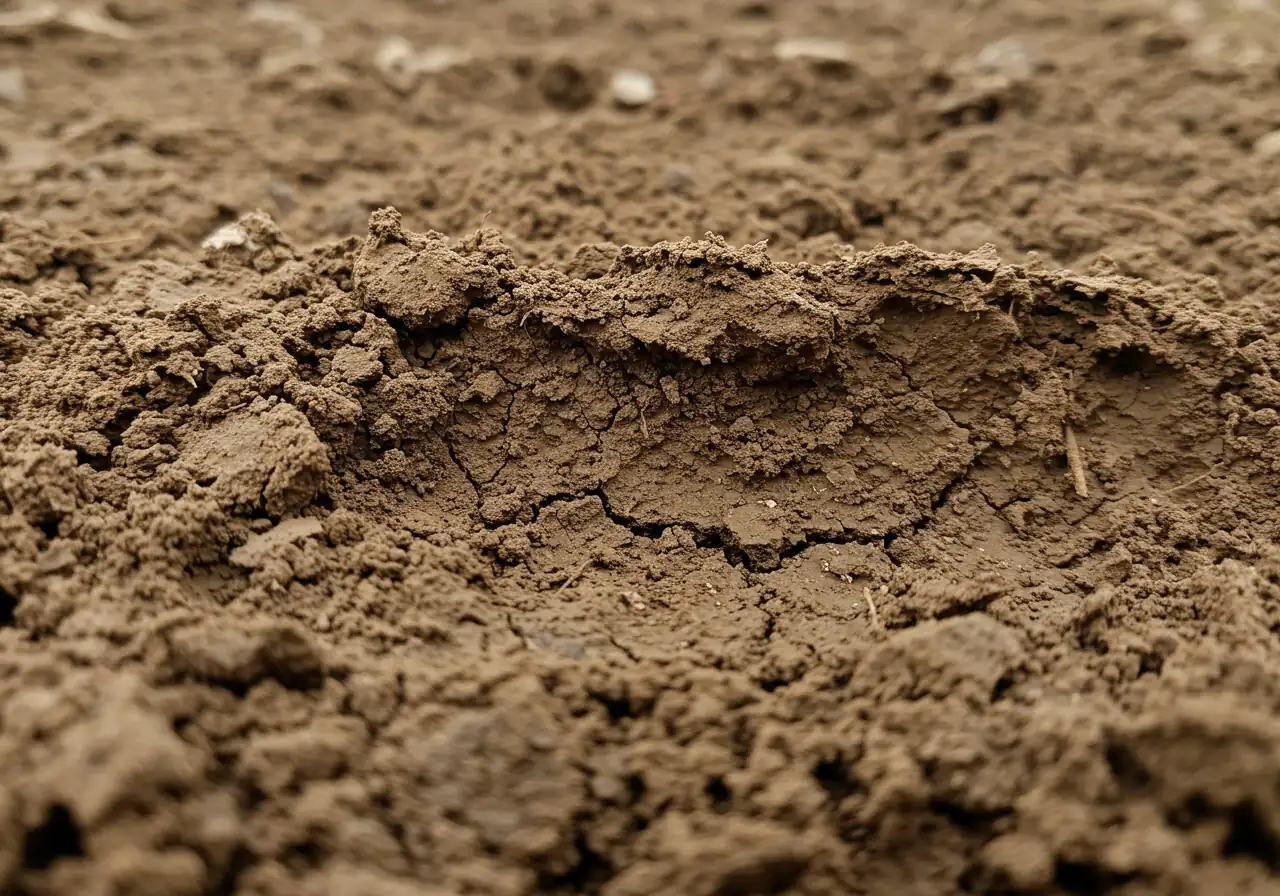
Okay, let's dig into this infamous Ottawa clay! Think of it as the strong, silent type of soil – holds onto things *really* well (like nutrients, which is good!), but sometimes forgets to let go (like water, which is... less good). If you're gardening in areas like Greely or Metcalfe, or maybe landscaping in Nepean, chances are you've already had a *lively* introduction to our region's favourite soil type.
So, what *is* clay soil? It's made up of super tiny mineral particles packed tightly together. Imagine microscopic plates stacked up – not much room for air or water to move through easily. This is why clay soil drains slowly (hello, puddles!) and can become hard and compacted, especially when dry. After a long, hot summer, it can feel like you're trying to dig through concrete! Keeping notes on how your garden performs can be really helpful; check out these Greely summer garden record keeping tips to see what we mean.
Why is it so common here? Blame the glaciers! Much of the Ottawa Valley was once covered by the Champlain Sea, which left behind heavy clay deposits (often called Leda Clay). Our climate adds another layer of fun. The spring thaw can turn clay into a sticky mess, making it crucial to perform a Manotick spring garden scan for winter damage to see how things held up. Then comes potential summer baking, followed by autumn rains that can saturate the ground again before winter freeze-up. Conducting Nepean fall garden health checks helps prepare your soil and plants for the cold.
The poor drainage is often the biggest headache. Water just sits, potentially drowning plant roots. It's why finding solutions like building a Manotick rain garden for clay soil drainage can be a game-changer.
To put it simply, here's how clay stacks up against other soil types:
Soil Type Comparison:
| Soil Type | Particles | Drainage | Aeration | Nutrients | Workability |
|---|---|---|---|---|---|
| Clay | Tiny, flat | Poor | Poor | Holds well | Difficult (sticky when wet, hard when dry) |
| Loam (Ideal) | Mix of sand, silt, clay | Good | Good | Holds well | Easy |
| Sand | Large, gritty | Excellent (too fast!) | Excellent | Poor hold | Easy |
Understanding clay is the first step to working *with* it, not against it. While it presents challenges, it's not impossible to create a beautiful garden or landscape. Sometimes, though, getting the soil balance right needs a bit more muscle, which is where our expert landscaping and yard care services can lend a hand.
SOS! Signs Your Plants Are Sending Distress Signals (Overwatering Edition)
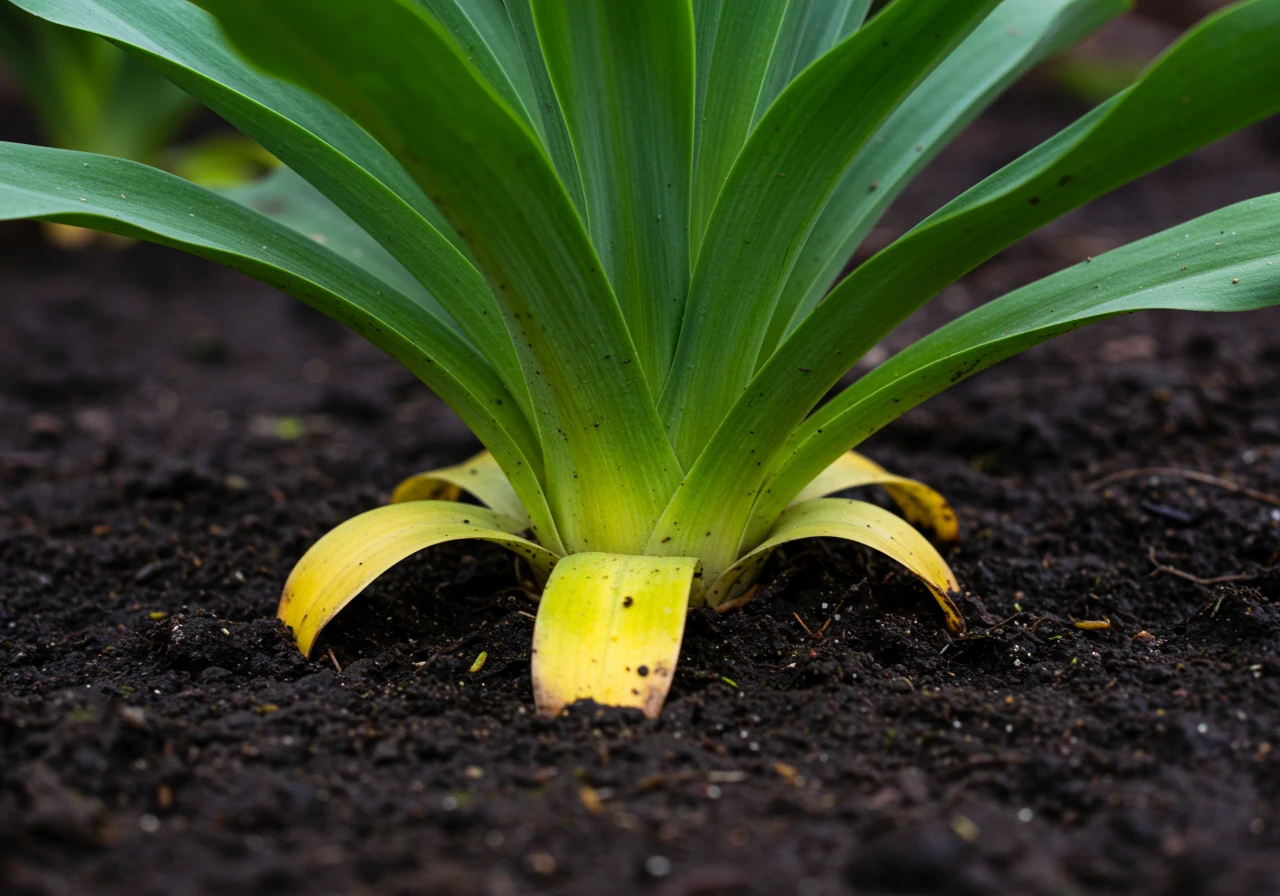
Okay, plant parents, let's talk tough love. Sometimes, we adore our green buddies *so* much that we shower them with, well, too many showers! Especially here in Ottawa, where our infamous clay soil loves to hold onto water like a toddler clutching their favourite toy, it's easy to overdo it. It’s like giving your prize-winning peony a hug that lasts just a *tad* too long – suffocating! Your plants might be drowning in good intentions (and water!), sending out subtle (or not-so-subtle) SOS signals. Here’s how to decode their watery cries for help:
- Yellowing Leaves (Starting from the Bottom): Are the *lower*, older leaves on your plant turning yellow and maybe even dropping off? This isn't just autumn making an early appearance in Barrhaven. When roots sit constantly in waterlogged clay, they struggle to breathe (yes, roots need oxygen!) and can't absorb nutrients effectively, even if they're present in the soil. This nutrient deficiency often shows up as yellowing, a condition called chlorosis. It’s like they’re starving at a feast! Your plants will practically send you a thank-you note for spotting this and easing up on the H2O.
- Wilting When Wet: This one feels like a cruel joke, right? Your plant looks droopy, sad, and thirsty, *but* the soil is actually damp or even soggy to the touch. What gives? This is a classic sign of root rot caused by overwatering. Damaged, oxygen-starved roots simply stop functioning properly. They can no longer absorb the water the plant needs, leading to wilting *despite* the wet conditions.
- Mushy Stems or Foul Odors: Gently feel the base of the plant's stem right at the soil line. Does it feel squishy, soft, or unstable? That’s a bad sign, often indicating stem rot creeping up from waterlogged roots. If you were brave enough to dig slightly around the base (gently!), you might even detect an unpleasant, swampy smell – the signature scent of root rot. Addressing severe rot might involve removing affected plants and soil, a task sometimes best handled by professionals offering an Osgoode property cleanup service or even a targeted Marionville garden clean up service to prevent spread.
- Uninvited Guests (Fungus Gnats & Mold): Seeing tiny, annoying black flies hovering around the soil surface? Those are likely fungus gnats, and they *thrive* in consistently moist environments. Similarly, finding fuzzy white or grey mold growing on top of the soil is another indicator that things are staying too wet for too long. While these are often secondary problems, they loudly signal an underlying moisture issue. Dealing with the debris and conditions favouring these pests might require a good tidy-up, like the services offered by a Marionville yard cleanup service.
Catching these signs early is key to saving your plants from a watery grave. Adjusting your watering frequency, checking soil moisture *before* watering, and ensuring good drainage are crucial steps in successful Ottawa gardening. If persistent soggy conditions are plaguing your landscape, exploring broader solutions might be necessary, and various landscaping and yard care services can help diagnose and fix underlying drainage problems.
Plant Paramedics: Your Step-by-Step Rescue Guide for Waterlogged Plants
Oh dear. Is your favourite hydrangea looking less "happy blue" and more "sadly soggy"? Did that recent Ottawa downpour turn your flowerbed in Barrhaven into a temporary pond? Don't panic! Heavy clay soil, common across our region from Richmond to right here, holds water like a champion, which isn't always great for our plant pals. When roots sit in water too long, they can't breathe, leading to root rot and a very unhappy plant. Think of yourself as a plant paramedic – here’s your emergency rescue plan:
- Cease Fire (on the Watering Can)! Seriously, put the hose down. The very first step is to stop adding more water to the already saturated soil. Let the area begin to dry out naturally. Give the poor plant a chance to gasp for air!
- Gentle Assessment & Damage Control: Carefully dig around the base of the plant a little bit. Are the roots brown/black and mushy? Do they smell funky (like rotten potatoes)? If yes, that's root rot. If the roots are still mostly firm and whitish, you've caught it early – hooray! Use clean pruners or scissors to snip off any obviously yellowing or brown, mushy leaves and stems. Also, trim away any easily accessible, clearly rotten roots. Don't go too crazy, just remove the worst offenders. Sometimes, a significant issue might require removing the plant entirely; if it's part of a larger issue needing clearing, services like a professional property clean up can manage the debris.
- Operation: Aeration & Drainage Boost: This is crucial in our clay soils. If possible, *very gently* lift the plant slightly with a spade fork, creating small air pockets underneath without fully removing it. For longer-term help, carefully work some well-rotted compost or grit around the *outside* of the root zone (don't disturb the main root ball too much right now). This helps improve soil structure over time. Proper soil preparation techniques are key to preventing this issue in the future.
- Consider Relocation (If Necessary): If the spot is *chronically* waterlogged, or if root rot was severe, you might need to transplant your patient. Gently dig up the plant, trim any remaining rotten roots, and replant it in a location with better drainage or in a raised bed or container filled with good quality potting mix amended with compost. Sometimes, if a plant is truly beyond saving, it's best to remove it to prevent disease spread, which might be part of a broader garden tidy-up like a thorough Metcalfe property cleanup service. In severe cases involving multiple plants, a dedicated effort like a Marionville garden clean up service could be needed to reset the area.
- Water Wisely Moving Forward: Once the soil has dried out significantly (stick your finger in an inch or two – if it feels dry, *then* water), water deeply but infrequently. Let the top layer of soil dry between waterings. Monitor the plant closely for signs of recovery.
Rescuing a waterlogged plant takes patience, but seeing it bounce back is incredibly rewarding. These steps can lead to amazing garden transformations from soggy messes to thriving spaces! Good luck, paramedic! We value your feedback on our services, please let us know how we did on our estimate feedback page.
The Nature of Clay Soil
Clay soil consists of tiny, tightly packed particles that hold water exceptionally well but drain very slowly. This characteristic, common in the Kars and Ottawa region, leads to poor aeration and potential waterlogging, especially after heavy rain or snowmelt. While nutrient-rich, its physical structure is the main challenge for gardeners.
Signs of Overwatering Distress
Plants suffering in waterlogged clay often show specific signs: yellowing lower leaves (chlorosis), wilting even when the soil is wet (due to root rot), mushy stems near the soil line, a foul 'swampy' odor from rotting roots, and the presence of fungus gnats or mold on the soil surface. Early detection is key.
Effective Long-Term Strategies
Improving clay soil requires ongoing effort. Key strategies include: consistently amending the soil with organic matter (compost, manure) to improve structure and drainage, considering raised beds for guaranteed drainage, selecting plants known to tolerate clay conditions, applying mulch to moderate moisture and temperature, and practicing deep, infrequent watering.
Beyond the Band-Aid: Long-Term Strategies for Thriving Gardens on Clay Soil
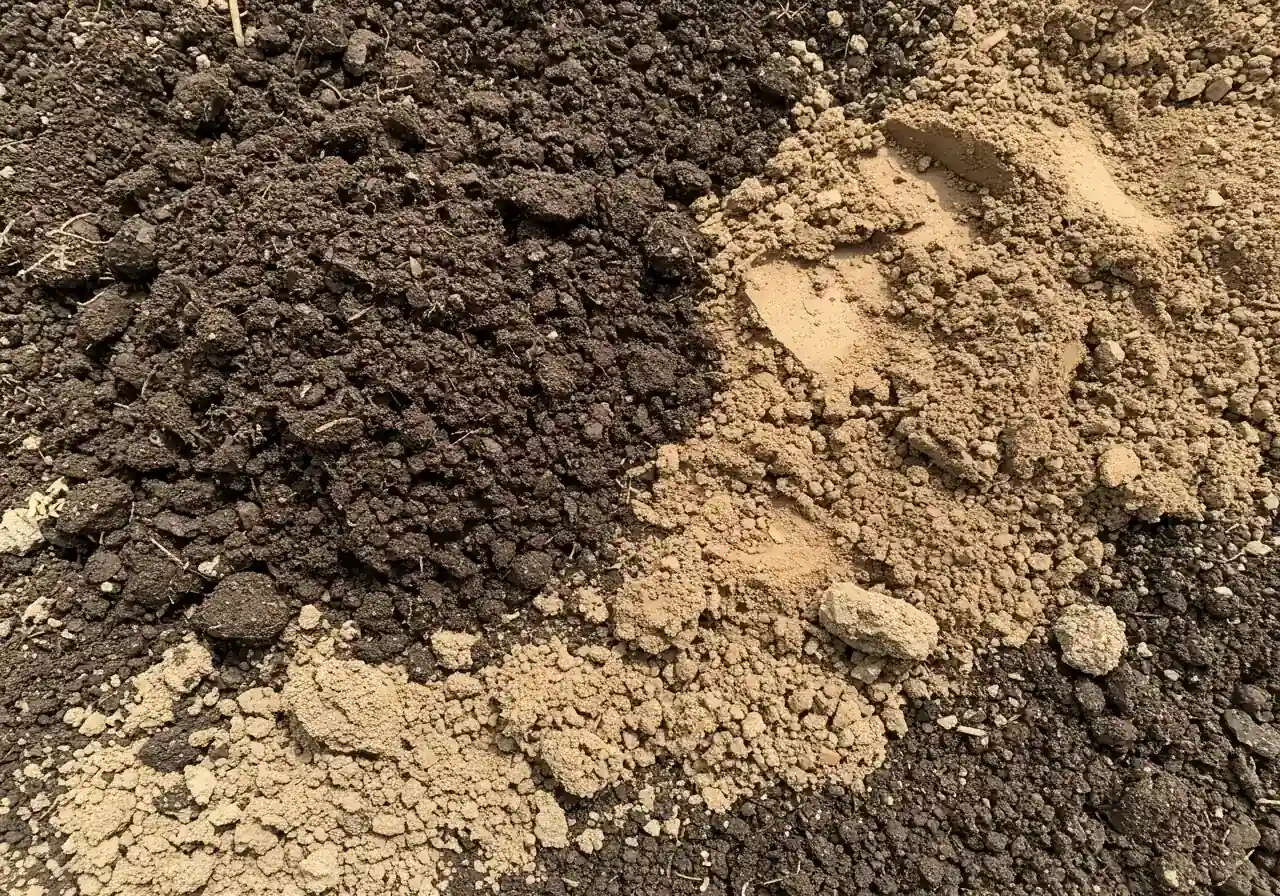
Alright, let's face it: trying to fix heavy clay soil overnight is like trying to teach a cat to fetch your slippers – possible, maybe, but definitely not quick! If you're gardening in Kars or landscaping in Greely, you know that sticky, slow-draining soil requires more than a temporary fix. We need long-term strategies, ways to work *with* the clay, not just fight it constantly. Think of it as building a lasting friendship with your soil, quirks and all.
1. Become an Organic Matter Fanatic
This is the absolute *golden rule* for improving clay soil. Organic matter – think compost, well-rotted manure, shredded leaves (leaf mold), or even cover crops tilled in – is like magic fairy dust for clay. Why? It forces those tiny, tightly packed clay particles apart. This creates space for air (roots gotta breathe!) and improves drainage, so water can move through instead of just sitting there.
- How Much & When? Be generous! Aim to add a few inches each year. The best times are usually spring, before planting, and fall, after cleanup. Gently work it into the top 6-8 inches *only when the soil is workable* – not soaking wet (which causes compaction) and not baked hard. You could even create a simple seasonal calendar: 'Spring: Add compost to beds', 'Fall: Top-dress with leaf mold'. Over time, this transforms dense clay into a richer, more workable loam. For expert help with amending, consider our Ottawa yard cleanup service.
2. Think Up! Consider Raised Beds
If digging into heavy clay feels like wrestling a particularly stubborn lump of Play-Doh, raised beds might be your new best friend. They offer several advantages:
- Instant Drainage: You control the soil mix inside the bed, ensuring excellent drainage right from the start.
- Less Compaction: You're not walking on the growing area.
- Warmer Soil Earlier: Raised beds warm up faster in the spring, giving you a head start.
- Easier on the Back: Less bending over!
You can build them from wood, stone, or recycled materials. Preparing the site might involve clearing old structures or stubborn patches of compacted earth; if it's a big job, getting help from a service specializing in clearing challenging spots, like a thorough Metcalfe property cleanup service, can save you a lot of sweat. Our team can help with professional garden installation, including raised beds.
3. Choose Your Plant Allies Wisely
Some plants simply shrug off clay soil, while others will sulk endlessly. Instead of fighting nature, choose plants known to tolerate or even thrive in heavier soils and Ottawa's climate. Think sturdy perennials like Coneflowers (Echinacea), Hostas, Daylilies, Black-Eyed Susans, and many ornamental grasses. Native plants are often well-adapted too. Trying to grow water-hating desert plants in unamended clay? Probably not the best recipe for success unless you've significantly improved drainage or use raised beds. Check with local resources like the City of Ottawa Tree Planting program for suitable species information.
4. Mulch Like You Mean It & Water Smart
Mulch is your clay soil's protective blanket. A 2-3 inch layer of wood chips, shredded bark, or straw does wonders:
- Prevents the soil surface from crusting over in the sun.
- Reduces water evaporation, meaning you water less often.
- Keeps soil temperature more even.
- Slowly breaks down, adding – you guessed it – more organic matter!
Applying it correctly makes all the difference; Proper mulching and edging techniques not only look great but maximize these benefits.
Combine mulching with deep, infrequent watering. This encourages roots to grow deeper, searching for moisture, making them more resilient. Remember, healthy garden soil contributes to a healthier overall yard, which can even improve the success of your professional lawn care efforts. And if you're ever replacing turf, remember that fantastic soil preparation is non-negotiable *before* undertaking new sod installation on clay.
Improving clay soil is a marathon, not a sprint. Be patient, keep adding that organic matter, and choose your strategies wisely. It takes time, but creating a thriving garden oasis, even in Ottawa's challenging clay, is absolutely achievable. If you're feeling stuck or need a hand implementing these long-term plans, get in touch with us for advice – we're always happy to help! Review our privacy policy for information on how we handle your data.
Typical Soil Drainage Rates (Relative Comparison)
*Highly dependent on amendment type and quantity. Values are illustrative.
Water Wisely: Smart Irrigation for Ottawa's Clay Gardens
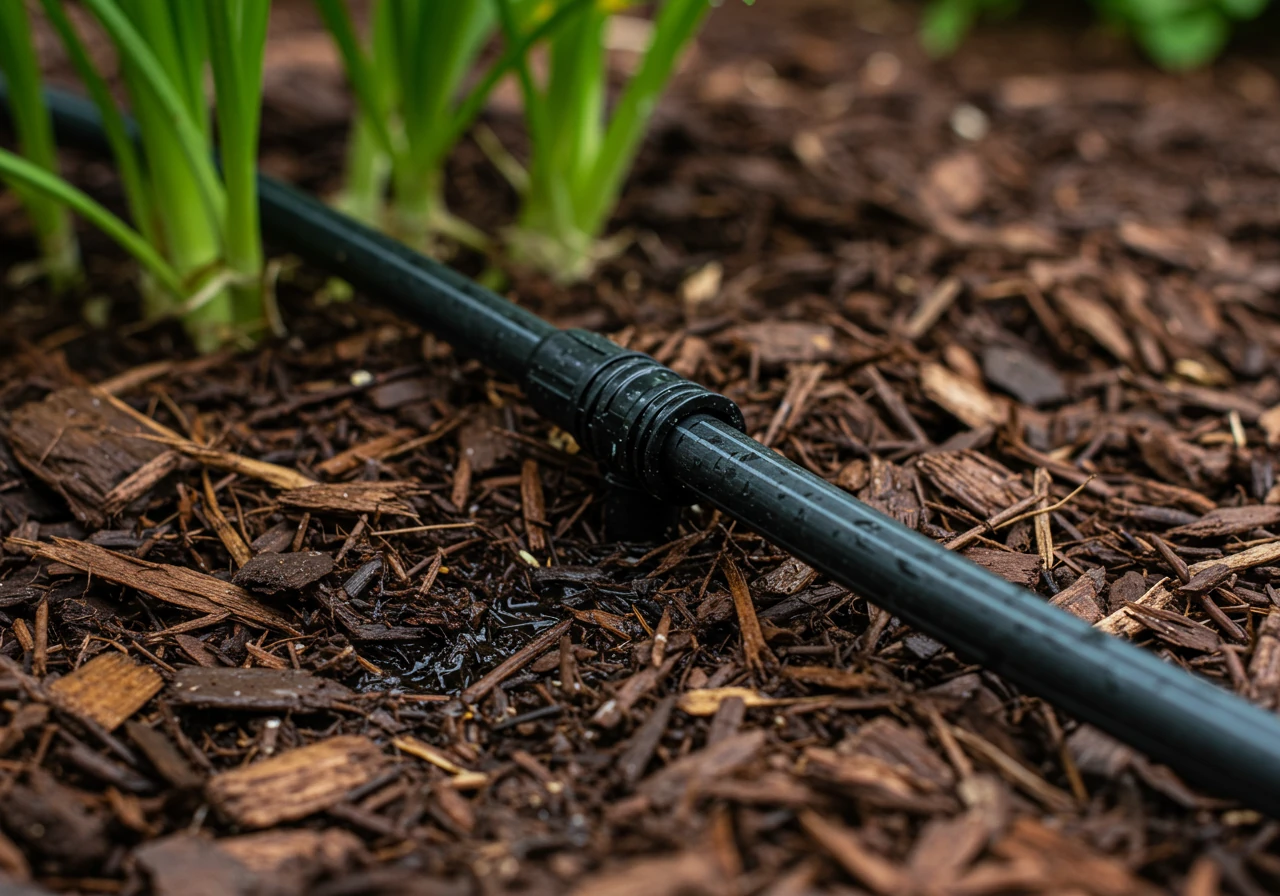
Watering plants growing in Ottawa's infamous clay soil can feel a bit like trying to give a cat a bath – tricky, and someone might end up soggy and unhappy! Because clay holds onto water so tightly, it's easy to either underwater (leaving roots thirsty below the surface) or overwater (creating a swampy mess). Whether you're gardening in Nepean, landscaping in Barrhaven, or anywhere else our clay calls home, mastering smart irrigation is key. Let's ditch the guesswork!
First rule of clay club: water *deeply* and *infrequently*. Forget light, daily sprinkles. That water often just sits on top or runs off. Instead, give your garden beds a good, long soak less often. This encourages plant roots to grow deeper searching for moisture, making them stronger and more drought-resistant. How often? It depends on the weather, but definitely not daily unless it's scorching hot and plants are showing stress.
How do you know when it's time? Ditch the schedule and use the trusty finger test! Stick your finger about two inches into the soil near your plants. If it feels damp, hold off. If it feels dry, it's time to water. Clay feels sticky when wet and can be brick-hard when very dry, so you’ll get a feel for it.
What's the best way to water?
- Soaker hoses or drip irrigation: These are fantastic for clay! They deliver water slowly and directly to the root zone, minimizing runoff and evaporation.
- Hand watering: If using a hose or watering can, water slowly at the base of each plant until the soil is thoroughly moistened. Avoid blasting the soil surface, which can cause compaction. Sprinklers often apply water faster than clay can absorb it, leading to puddles and waste.
When should you water? Early morning is prime time! Watering early gives leaves a chance to dry off before nightfall, reducing the risk of fungal diseases. Plus, less water is lost to evaporation compared to midday watering.
Don't forget Mother Nature! After a good Ottawa rain shower, check the soil moisture before turning on the hose. You might be able to skip watering altogether. Investing in a simple rain gauge can help you track how much rain you've actually received. Poor watering habits can sometimes lead to bigger issues like fungal growth or plant rot, potentially requiring help from an Ottawa garden clean up service to rectify the resulting mess. Similarly, if drainage issues become severe in specific areas, targeted help like a Metcalf garden clean up service or even a broader Marionville property cleanup service might be needed to address widespread problems.
Getting watering right is especially vital for establishing strong roots, particularly after undertaking projects like professional sod installation on amended clay soil. Think of these tips as the basic "ground rules" for watering clay – understanding them is almost as important as reading the terms and conditions before starting a big project! Water wisely, and your clay garden plants will thank you. Find more tips at resources like Ottawa Public Health for dealing with summer conditions.
Clay Soil Care Timeline: A Yearly Overview
Early Spring (Post-Thaw)
Assess drainage as snow melts. Avoid working wet soil! Scan for winter damage (Manotick Scan Tips). Plan amendments.
Late Spring (Planting Time)
Amend beds with compost *when soil is workable*. Choose clay-tolerant plants. Apply mulch after planting (Mulching Guide). Begin deep, infrequent watering.
Summer (Growth & Heat)
Monitor moisture using finger test. Water deeply when dry. Replenish mulch if needed. Keep records of plant performance (Greely Record Tips). Consider garden maintenance services if needed.
Fall (Cleanup & Prep)
Perform health checks (Nepean Health Checks). Add more organic matter (compost, leaf mold). Clean up debris (Metcalf Yard Cleanup). Protect sensitive plants.
Winter (Dormancy)
Ensure proper drainage away from foundations. Protect young trees/shrubs from potential water pooling during freeze/thaw cycles. Plan for next year's soil preparation.
Kars Gardener's Quick Reference: Clay Soil Cheat Sheet
Alright folks, dealing with heavy clay soil here in Kars (and much of the Ottawa region, let's be honest!) can feel like a workout sometimes. It holds water like a sponge, gets hard as a rock when dry, and can make gardening feel... challenging. But fear not! Here’s a quick FAQ cheat sheet with the need-to-know basics to help you succeed.
Ha! Great question. If we had a nickel for every time we saw this... it's probably *working the soil when it's too wet*. Seriously, digging or tilling soggy clay is like mixing cement – it squeezes out the air, compacts everything horribly, and makes drainage even *worse*. Your shovel might stick, your boots will weigh 10 pounds each, and your soil structure cries uncle. Patience, grasshopper! Wait until it's just moist (crumbles slightly when squeezed), not soaking, before you dig in. The second biggest might be *not adding enough organic matter*, but messing with wet clay is instant regret!
Ah, the classic Kars swimming pool effect! The undisputed champion for improving clay soil structure and drainage is *organic matter*. Think compost, aged manure, shredded leaves (leaf mold) – heaps of it! Adding several inches each year and gently working it into the top layer (remember, *not* when soaking wet!) forces those tiny clay particles apart. This creates channels for water and air. Also, avoid constantly walking on your garden beds to prevent compaction. For really stubborn spots, creating gentle slopes away from plants can help divert surface water. Sometimes, a complete garden bed overhaul involving significant soil work and clearing is needed, almost like needing a full Ottawa property cleanup service but focused just on preparing the planting areas.
Not the *only* hope, but definitely a fantastic shortcut to gardening success on heavy clay! Raised beds let you bypass the existing clay woes by filling them with an ideal soil mix right away. It guarantees good drainage and less compaction from foot traffic. However, if you're patient and committed to amending your soil with loads of organic matter year after year, you *can* definitely improve your existing garden beds. It just takes more time and elbow grease. You can also try 'berming' – creating gently mounded beds without structural walls. If building raised beds feels daunting, remember there are experts who can handle the heavy lifting, offering services like professional garden installation to get you set up right.
We feel your pain! Plant selection is crucial for successful landscaping on clay. Instead of fighting the soil, choose plants known to tolerate heavier, moisture-retentive conditions. Think tough cookies! Many perennials do surprisingly well once established: Coneflowers (Echinacea), Hostas (especially in shadier spots), Daylilies, Black-Eyed Susans (Rudbeckia), Sedum 'Autumn Joy', Peonies, and many ornamental grasses like Feather Reed Grass. Numerous shrubs like certain Dogwoods, Potentilla, and some Viburnums are also quite tolerant. Avoid plants that absolutely demand sharp drainage (like lavender or succulents) unless you've significantly amended the soil or use raised beds/containers. Researching "plants for clay soil Ottawa" is a great start! You can learn more about us and our plant selection philosophy – we believe putting the right plant in the right place is key to a thriving garden. Find us on Google My Business!
Put down the hose! Daily watering is usually a recipe for disaster in clay soil, leading to sad, waterlogged roots. The key is *deeply and infrequently*. Clay takes a while to absorb water, but once it does, it holds on tight. Aim for a good, long soak that allows water to penetrate down to the roots, then let the top inch or two *dry out* before watering again. Use the finger test: stick your finger into the soil near the plant roots. Dry? Time to water. Still feels damp? Give it another day or two. Soaker hoses or drip irrigation are brilliant for clay as they deliver water slowly and efficiently, right where it's needed. During average Kars weather, watering established plants deeply once or twice a week might be plenty. Always adjust based on rainfall and extreme heat, of course! Consistently overwatering often leads to messier problems like mold or rot, which might eventually require a good clear-out, similar to needing a city yard cleanup service for accumulated leaves and debris.
Take a deep breath! It can feel overwhelming, especially in areas like Kars or even neighbouring communities like Manotick or Osgoode where clay can be dominant. Start small. Pick one specific area you want to improve first – maybe the front garden bed that gets the most attention, or a particularly soggy patch of lawn you want to convert to planting. Focus your energy on amending the soil there with plenty of organic matter. Check basic drainage: are your eavestroughs clear and directing water away from the house? Does water pool near the foundation? Addressing simple drainage issues first is crucial. Sometimes, persistent problems like large compacted zones, areas choked with weeds due to poor soil health, or leftover debris from past projects might require a more intensive approach. If tackling the whole messy situation feels like too much, getting professional help for a big reset, such as a dedicated Marionville property cleanup service, can clear the decks and give you a much-needed fresh start to implement better soil management practices going forward.
FAQs: Your Ottawa Clay Soil Questions Answered
Oh, if only it were that easy! Simply layering topsoil over dense clay is like putting fancy frosting on a brick – it looks nice for a moment, but plant roots struggle to punch through the clay layer, and water can get trapped between the layers creating a soggy mess. It's much better to *mix* generous amounts of compost or other organic matter *into* the existing clay first to improve the overall soil structure.
French drains are definitely effective for serious drainage problems, but they are a big undertaking! Before digging trenches, try boosting your soil's structure with plenty of organic matter (compost is king!), aerating your lawn regularly, choosing water-loving plants for the soggiest spots, and ensuring your downspouts direct water far away from foundations. These steps combined might be enough. If drainage issues affect large areas, a proper assessment, maybe during a general helpful city property cleanup service, can help pinpoint the real problem.
That’s a smart question! Lawns on clay are especially prone to compaction from regular foot traffic, kids playing, and mowing. This squishes the soil, reduces air pockets, and makes it hard for water and nutrients to reach the roots. *Core aeration* becomes extra important for lawns on clay. Also, remember to water deeply but less often, and try hard not to mow when the ground is really wet to avoid creating ruts and more compaction. Explore our lawn care services for professional help.
It certainly feels like trying to dig through ancient pottery sometimes, doesn't it? Avoid major digging when the clay is rock hard – you'll likely just bounce off and risk hurting your back or breaking tools. If you absolutely *must* plant something, water the specific spot thoroughly a day or two beforehand to soften it up. The best long-term fix is consistently adding organic matter over time; this helps prevent the soil from baking quite so hard. Heavy mulching also helps!
You can absolutely grow fantastic vegetables! Don't despair. Clay soil actually holds onto nutrients very well, which veggies appreciate. The secret is *improving the soil structure* first. Amend your veggie patch generously with compost before planting each season. Raised beds are also superstars for growing vegetables on clay, as they let you create the perfect soil mix from scratch. Ongoing care ensures success, sometimes supported by a regular city garden maintenance service to keep things thriving. Consider our material selection advice for the best amendments.
Ah yes, the dreaded "builder's special" clay! It's often heavily compacted. First step: clear away any leftover construction debris (rocks, bits of wood, etc.). Then, focus on breaking up that compaction. This usually means incorporating *lots* of organic matter like compost deep into the soil. Depending on the severity, initial tilling might be needed, followed by amendments. It can be a massive job; sometimes calling in professionals for a thorough Ottawa property cleanup service is necessary to handle heavy debris removal and initial soil preparation. Afterwards, maintaining the space with a detailed city garden clean up service helps keep it in good shape.
Conclusion: From Soggy Mess to Garden Success in Kars!
So, there you have it! Dealing with that infamous heavy clay soil here in Kars doesn't mean you're doomed to a life of soggy lawns and sad-looking plants. We've dug into why clay behaves the way it does (holding onto water like a stubborn toddler!) and uncovered practical ways to turn things around. Remember the golden rules: boost your soil with plenty of organic matter, choose plants that can handle the conditions, and water wisely – deeply but less often.
Creating a beautiful garden or landscape on clay, whether you're in Kars, Winchester, Vernon, or nearby spots like Greely, definitely takes a bit more elbow grease. But think of the bragging rights! It requires patience and consistent effort, focusing on long-term *soil improvement* rather than quick fixes. Don't feel overwhelmed; start with one area and apply these techniques. Watch how amending the soil, maybe adding some helpful mulch, or even considering raised beds can make a huge difference.
If you're still feeling stuck ankle-deep or simply want a helping hand to fast-track your *garden success*, don't hesitate to reach out. We're here to help transform those challenging patches into thriving outdoor spaces you can truly enjoy. Happy gardening!