
Osgoode Garden SOS: Fix Chemical Spray Damage Fast
Quick Guide to Fixing Chemical Spray Damage:
- Immediate Action: Thoroughly rinse affected plants with water immediately.
- Identify: Determine the chemical type (herbicide/fertilizer) if possible.
- Assess Damage: Look for symptoms like leaf curl, yellowing, browning, or scorching.
- Support Recovery: Focus on soil health (compost, mulch), water consistently, and avoid fertilizer until new growth appears.
- Prevent Future Issues: Read labels, avoid spraying on windy days, improve soil health, and consider professional help.
Worried about chemical damage in your yard? Don't wait! Request a quote for professional assessment and recovery services today.
Introduction: Uh Oh, Osgoode! When Chemicals Go Rogue in Your Garden
Picture this: You lovingly applied some fertilizer or weed killer, dreaming of a lush, green lawn or vibrant flower beds. But now? Your prized petunias look sad, there are weird yellow spots on the grass, or that shrub just isn't thriving. Uh oh. Sometimes, even with the best intentions, the chemicals we use in our gardening and landscaping efforts can go a little rogue.
It happens to the best of us, whether you're tending a garden plot in the heart of Osgoode, nurturing roses in Manotick, or managing a larger landscape in Greely. Across the wider Ottawa region, knowing how to handle chemical mishaps is key to a healthy yard. Maybe you used a bit too much, applied it at the wrong time, or accidentally sprayed the wrong plants. You might even need assistance from an Ottawa yard cleanup service to deal with the aftermath.
Don't panic! This guide is your friendly helper. We'll walk you through:
- Spotting the tell-tale signs that chemicals might be the culprit behind your garden woes.
- Simple, practical steps you can take right now to help your soil and plants recover.
- Smarter, often greener, ways to feed your garden and fight weeds in the future, potentially including services like sod installation for severely damaged lawns.
Let's get your garden back on track! For more general help, explore our full range of services or learn more about us and our commitment to yards in the Ottawa area.
Decoding the Damage: What Did That Spray Do?
Okay, let's put on our detective hats and figure out what exactly went wrong in your Osgoode garden patch or Barrhaven backyard. Chemical sprays, whether weed killers or fertilizers, leave behind clues when they cause trouble. Knowing what to look for is the first step to helping your plants recover.

Herbicide Damage (Weed Killers):
This is often the trickiest one. Did you accidentally zap your flowers while targeting dandelions?
- Selective Herbicides (for lawns): These are supposed to only harm broadleaf weeds, not grass. But if too much is applied, or if it drifts onto sensitive plants like tomatoes or roses, you might see weird, distorted growth. Think curled, cupped, or twisted leaves and stems. Sometimes, the veins on the leaves might look unusually light or parallel when they shouldn't be. It can really mess up the look you were going for, especially if you've put effort into shaping plants using techniques like those in Osgoode topiary tips to shape shrubs for summer.
- Non-Selective Herbicides (kills everything): This stuff doesn't discriminate! If it hits a plant, even a little bit, you'll likely see yellowing (chlorosis) followed by browning and die-back, starting from where the spray landed. It acts faster than selective types usually. This kind of damage might necessitate a larger property clean up.
Fertilizer Burn:
Gave your lawn or plants a bit too much love? Over-fertilizing can "burn" them.
- Look for scorched or burnt appearances, especially on leaf tips and edges. Grass might look yellow or brown in streaks or patches where the fertilizer was too concentrated. It happens easily with granular fertilizers if they aren't watered in well, which is why proper watering is key throughout the growing season – just remember that sprinkler systems need care too, including tasks like Osgoode sprinkler system winterization blow out before the freeze hits.
Wind Drift:
This is a big issue, especially on breezy days out in areas like Vernon or Kenmore. Spray applied to one area can easily travel on the wind and land on unintended plants yards away, causing unexpected damage. Always check the wind conditions before spraying! Consider getting help from services specializing in areas like Marionville yard cleanup service if drift is a frequent issue.
Spotting the Pattern:
Look at where the damage is. Is it only on certain types of plants? Is it concentrated on one side of the plant (maybe the side facing where you sprayed)? Is it widespread or just in specific spots? Healthy soil can sometimes help plants withstand stress better, so improving your ground, maybe using advice similar to these Osgoode clay soil garden care fall tips, is always a good long-term strategy.
| Damage Type | Common Symptoms | Likely Cause |
|---|---|---|
| Selective Herbicide | Twisted, curled, cupped leaves; distorted growth | Weed killer for lawns |
| Non-Selective Herbicide | Rapid yellowing -> browning; plant death | "Kill everything" spray |
| Fertilizer Burn | Brown/yellow leaf tips & edges; scorched patches (lawn) | Too much fertilizer |
If parts of a larger shrub or tree are clearly dead from chemical contact, sometimes careful removal of just those damaged branches is needed, a bit like targeted Osgoode fall tree pruning before winter. If you're really stumped trying to figure out what happened or how bad the damage is, don't hesitate to look into professional landscaping services for diagnosis and recovery plans right here in the Ottawa area. They've seen it all! Check out reviews on our Google My Business page for client feedback.
Garden ER: Immediate First Aid Steps (Don't Just Stand There!)

Okay, deep breaths. You’ve seen the signs – maybe weird spots on your lawn, maybe your prize-winning petunias in Nepean look like they went ten rounds with a heavyweight. Chemical sprays can sometimes cause unintended collateral damage in our gardening and landscaping efforts. Don’t just stand there in shock – swift action can sometimes minimize the harm! Think of this as Garden 9-1-1. Here’s what to do right now:
- Operation: Rinse Cycle! (Stat!)
This is your absolute first step if spray has landed on plant leaves or stems. Grab the hose immediately. Use a gentle but steady stream of water – think ‘refreshing shower,’ not ‘pressure washer blast’ – to thoroughly rinse the affected foliage. Keep the water flowing for a good 5-10 minutes if possible. The goal is to dilute and wash off as much of the chemical residue as you can before it gets fully absorbed. Speed is your best friend here! For folks living near sensitive areas, like the Rideau River near Kars, be mindful of where the runoff is going - check resources like the Rideau Valley Conservation Authority for watershed protection info. Try to let the rinse water soak into your garden soil rather than flowing into street drains. - Containment Crew (If It Was a Spill)
Did you knock over a bottle or drop a bag of granular stuff? If it’s a dry product, carefully sweep it up before you introduce water. Try to collect as much as possible to prevent it from spreading further into your lawn or garden beds. For liquid spills on soil or hard surfaces, try using an absorbent material like cat litter or sawdust to soak it up first, then dispose of it properly (check local City of Ottawa hazardous waste guidelines!). - Identify the Offender (If Possible)
Do you know what product was used? Check the label. Knowing whether it was a fertilizer, a specific type of weed killer, or an insecticide can help later if you need professional advice or if the plants need specific care to recover. - Snap Happy: Document the Damage
Whip out your phone and take pictures! Capture close-ups of the affected leaves/stems and broader shots showing the pattern and extent of the damage. Note the date, time, and weather conditions (was it windy? hot?). This is super helpful information, especially if the damage might have come from off your property, which can sometimes happen in neighbourhoods like Metcalfe or Richmond. A detailed record helps if you need to contact a Metcalfe property cleanup service. - Hold the Pruners!
It’s tempting to immediately snip off every damaged leaf. Resist the urge for a few days! It often takes time for the full extent of chemical injury to show itself. Pruning too soon might remove leaves that could have recovered or stress the plant further. Let things settle before you decide on surgical interventions. Sometimes, more significant cleanup is needed down the road, potentially requiring a specialized Osgoode yard cleanup service if multiple plants are severely affected. - Plan for Recovery (But Don't Act Yet)
Once the immediate rinse is done, just focus on providing normal care (like appropriate watering) and avoiding any additional stress on the affected plants (like fertilizing). Longer-term recovery might involve soil remediation or replacing dead plants, perhaps as part of a larger comprehensive Ottawa property cleanup service. Eventually, encouraging healthy growth with proper care, like applying fresh mulch and edging, can help the survivors thrive.
If the damage is widespread, affects valuable plants, or you’re just plain worried, don’t guess! Seeking help from professional garden care services can provide peace of mind and a solid plan. They've seen a lot and can help diagnose the severity and suggest the best recovery steps for your specific situation. Feel free to get in touch with us – we're happy to help assess the situation.
Triage Time: Assessing the Damage and Predicting Survival
Okay, the garden first aid is done. Your quick thinking with the hose might have saved the day! Now comes the slightly nerve-wracking part: Triage Time. We need to put on our pretend doctor coats, assess our poor plant patients, and make an educated guess about their chances of survival. Don't worry, we'll keep the medical jargon to a minimum!
First, take a deep breath and look closely. How bad is the damage, really?
- Minor Scrapes and Bruises: Are we talking a few weird spots on the lawn, like unwanted polka dots? Maybe the very tips of some leaves on your favourite shrub look a bit brown and crispy? This is often superficial. With a bit of TLC (tender loving care) and time, the plant will likely grow new leaves or blades and push past the damage. Phew!
- Looks Like It Went 12 Rounds: Is a large portion of the plant turning yellow or brown? Are the leaves severely curled, twisted, or looking generally deformed? Is the whole thing wilting like it’s given up on life? Uh oh. This is more serious, and survival isn't guaranteed. You might need to consider a garden install to replace lost plants.
So, what tips the scales between bouncing back and heading to the great compost heap in the sky? Several factors play a role:
- The Dose Makes the Poison: How much chemical actually hit the plant? A light mist of drift is very different from accidentally emptying half a bottle of concentrated weed killer on it. The more chemical, the tougher the fight for the plant.
- Plant Power: Was your plant a picture of health before the incident, thriving in its spot? Or was it already stressed out from lack of water, pests, or poor soil? A healthy, vigorous plant has much better reserves to fight off chemical injury.
- Sensitivity Levels: Let's face it, some plants are just more sensitive than others. Tomatoes and roses, for instance, can react badly to tiny amounts of certain herbicides that a tough, established shrub might barely notice.
- Ottawa's Whimsical Weather: A scorching heatwave right after chemical exposure adds a huge amount of stress. Consistent, appropriate watering (without drowning the roots!) is key during recovery. Local resources like the Master Gardeners of Ottawa-Carleton might offer seasonal advice.
- Your Backyard Dirt: The type of soil you have can influence things. Sandy soil, common in parts of Nepean, tends to drain quickly. This might help leach away some chemicals faster, but it also means water disappears quickly. Clay soil, like you might find in Greely, holds onto moisture (and potentially chemicals) for longer. Improving your soil health over time is always a good gardening strategy. If there was a significant spill, soil contamination could be a concern, sometimes requiring a comprehensive city yard cleanup service to properly address it.
It often takes several days, or even a couple of weeks, to see the final outcome. Patience is key! Keep the affected plants consistently watered (but not soggy), hold off on any fertilizer (that’s like asking someone running a marathon to eat a giant burger), and just watch for signs of new, healthy growth.
If valuable plants were hit hard, the damage is widespread, or you're just not sure what to do next, getting a professional opinion is a wise move. Sometimes a trained eye can spot recovery potential (or confirm the worst) much faster. Feel free to get in touch with us – we’re happy to take a look and offer advice tailored to your Ottawa yard. Dealing with the aftermath might involve targeted pruning or removal, perhaps needing specific help with a garden clean-up in Metcalfe or your neighbourhood if multiple plants need attention. In really severe situations where plants are lost, it might be an opportunity for a fresh start; you can always check out some garden transformations for ideas on how to turn a setback into something beautiful. Knowing who you're dealing with helps, so feel free to learn more about our team and our commitment to helping Ottawa homeowners create healthy, beautiful outdoor spaces.
The Road to Recovery: Nursing Your Garden Back to Health

Okay, the immediate crisis is over, the hose has been put away, and you’ve documented the scene like a seasoned CSI investigator. Now begins the marathon, not the sprint: nursing your precious plants and soil back to long-term health. Patience is your superpower here! Recovery doesn't happen overnight, especially after a chemical shock.
Focus on the Foundation: Soil Health
Think of your garden soil as the pantry and medicine cabinet for your plants. Chemicals can disrupt the delicate balance of microbes and nutrients. Your main goal now is to gently rebuild that foundation.
- Compost is King: Once you're sure any immediate chemical residue has been rinsed or dissipated (wait at least a week or two after the incident), start incorporating organic matter. Gently work well-rotted compost into the top few inches of soil around the affected plants. This improves structure, adds beneficial microbes, and helps dilute any lingering nasties. You can find good quality compost and soil amendments at garden centres, some of which serve areas like Barrhaven. Proper soil preparation is key.
- Mulch Magic: Apply a 2-3 inch layer of organic mulch (like shredded bark or wood chips) around your plants (but not touching the stems!). Mulch helps retain soil moisture, suppresses weeds (less competition!), and slowly breaks down, adding more organic matter over time. Check out our mulching and edging services.
Water Wisely, Feed Carefully
Your recovering plants are stressed. Imagine running a marathon – you need water, but maybe not a five-course meal right away.
- Consistent Moisture: Keep the soil consistently moist, but not waterlogged. Check the soil with your finger before watering. Too much water can be just as stressful as too little, especially for damaged roots.
- Hold the Fertilizer: This is crucial! Avoid applying any fertilizers, especially synthetic ones, until you see clear signs of healthy, new growth. Damaged roots can't absorb nutrients properly, and fertilizer can actually "burn" them further, adding more stress. Wait until the plant shows it's truly on the mend.
Monitor Like a Hawk (A Friendly Hawk!)
Keep a close eye on your recovering garden patients. Look for:
- Signs of new, healthy-looking leaves or shoots.
- Improved colour and vigour in existing foliage (that hasn't died off).
- Any signs of new problems, like pests or diseases, which stressed plants are more susceptible to.
A Simple Ottawa Recovery Timeline:
SpringAssess & Clean
Assess which plants survived winter post-incident. Gently clear dead foliage. Top-dress with compost. Monitor new growth closely. Consider a spring Ottawa garden clean up service if needed.
SummerWater & Watch
Focus on consistent watering during dry spells. Keep monitoring. Maybe a *very* light organic feed late season *if* recovery is strong. Avoid stress during heat.
FallPrepare & Protect
Add more compost/organic matter. Protect sensitive recovering *plants* for winter. Note which *plants* recovered and which might need replacing next year via a Marionville garden clean up service or similar.
OngoingMaintain Health
Continue good practices like proper garden maintenance and soil care to build resilience against future stress.
When to Call for Backup
If things aren't improving after a few weeks, or if the damage was extensive across your yard, don't hesitate to seek professional help. Sometimes a larger intervention is needed, perhaps requiring a comprehensive City Garden Clean Up Service or specialized help in surrounding areas like our Marionville Property Cleanup Service. Getting an expert assessment can provide a clear path forward. You can even see what previous clients thought by checking out our customer estimate feedback. We're committed to helping Ottawa homeowners – you can learn more about us and our approach to sustainable landscaping and gardening care. Rest assured, any information you share when requesting help is handled carefully, as detailed in our Privacy Policy.
Remember, recovery takes time. Be patient, provide consistent care, and focus on rebuilding that healthy soil foundation. Your garden will thank you!
Fortress Garden: Preventing Future Chemical Mishaps
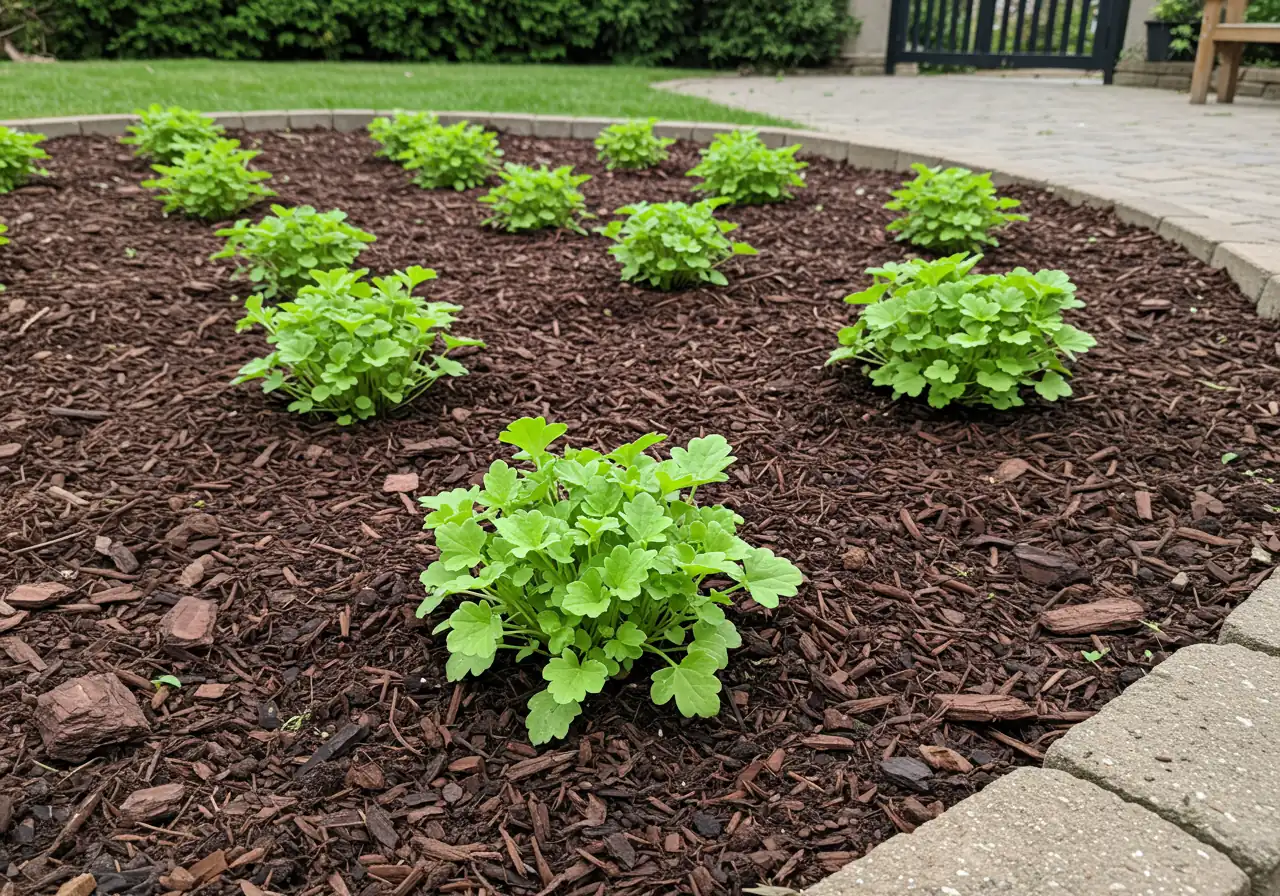
Okay, let's build that "Fortress Garden"! After dealing with a chemical oopsie, the last thing you want is a repeat performance. Preventing future mishaps is all about being a little more savvy and strategic with your gardening and landscaping routines. Think of it as putting up friendly, green defenses around your slice of Ottawa paradise!
First things first: Know Your Tools. Always read the product label before you mix or spray. It tells you exactly how to use it safely, how much to use (seriously, more isn't better!), and what plants it might harm. And please, check the weather forecast! Spraying on a windy day, especially in more open areas like you might find near Winchester or Russell, is basically asking for trouble and potentially drifting chemicals where they don't belong. Store chemicals safely too – locked up and away from curious kids and pets, just like household cleaners.
Pro Tip: Use dedicated sprayers for herbicides vs. fertilizers/insecticides to avoid accidental cross-contamination. Label them clearly!
Why not try going green-er? Often, the best defense is a good offense in the garden. Healthy soil and strong plants are naturally more resistant to pests and diseases. Focus on building great soil structure with compost and use organic mulch to keep weeds down and precious moisture in. A bit of old-fashioned hand-weeding can be surprisingly effective (and maybe even a little stress-relieving!). Exploring robust lawn care practices can drastically reduce the need for harsh chemical interventions on your grass in the first place.
Talk to your neighbours! This is especially key in communities like Embrun or closer Ottawa neighbourhoods where yards are adjacent. If you plan on spraying, especially near property lines, giving them a friendly heads-up allows them to close windows or keep pets inside. Likewise, encourage them to let you know if they are spraying. Sometimes, a simple temporary barrier like an old sheet or tarp can shield vulnerable flower beds during application. Good communication respects everyone's space – it's a principle we also follow, ensuring your information is handled responsibly as detailed in our Privacy Policy.
Be aware of local rules, too. The City of Ottawa has specific bylaws regarding pesticide use on private property, so it's smart to know what's permitted. Understanding the rules, much like reading the fine print or the Terms and Conditions before agreeing to a service, helps everyone avoid accidental problems.
Key Prevention Steps:
- Read Labels: Before every use. Understand mix rates, target plants, and risks.
- Check Wind: Avoid spraying on windy or gusty days to prevent drift.
- Calibrate Sprayers: Ensure accurate application rates.
- Protect Non-Targets: Shield desirable plants if spraying nearby.
- Store Safely: Keep chemicals locked, labeled, and separate (herbicides vs others).
- Communicate: Talk to neighbours about spray plans.
Eco-Friendlier Options:
- Healthy Soil: Compost, organic matter builds strong plants.
- Mulching: Suppresses weeds, retains moisture. Consider our mulching services.
- Hand Weeding: Effective for smaller areas.
- Corn Gluten Meal: Pre-emergent weed suppressant (timing is critical).
- Horticultural Vinegar: Non-selective, burns down top growth. Use carefully.
- Integrated Pest Management (IPM): Focus on prevention and least-toxic methods first.
Consider Professional Help When:
- Dealing with persistent or widespread weed/pest issues.
- You lack the time or proper equipment for safe application.
- You need precise application near sensitive areas or property lines.
- Large properties require efficient treatment (e.g., needing a city property cleanup service).
- You prefer guaranteed results and minimized risk. Check our service offerings.
Feeling overwhelmed by weeds or dealing with a large property? Sometimes, calling in the pros is the safest and most effective preventative measure. Professionals have the right equipment and training to apply treatments precisely, minimizing risks to surrounding plants and the environment. Whether it's for targeted weed control or a larger job needing a comprehensive Ottawa yard cleanup service, expertise can prevent costly mistakes. We'd be delighted to help you maintain a healthy, beautiful yard safely; reach out anytime, and we'll follow up with a confirmation and thank you for connecting with us.
Building your Fortress Garden takes a little planning and mindful practice, but it means more peaceful gardening enjoyment and far fewer "Uh oh!" moments down the road. Your plants (and likely your neighbours) will thank you!
Visualizing Recovery: Plant Resilience Factors
Different factors influence how well a plant might recover from chemical stress. Here's a conceptual look:
Note: Chart is illustrative. Actual recovery depends on specific circumstances.
Osgoode Garden Rescue: Key Takeaways
Phew! Dealing with chemical oopsies in the garden can feel like a workout nobody signed up for, whether you're tending roses in Osgoode or battling weeds in Barrhaven. We've walked through spotting the signs, immediate first aid, and the road back to green glory. To help keep things straight (because who needs more stress?), here are the absolute must-know takeaways from our Osgoode Garden Rescue mission:
- Act Fast: Rinse, Rinse, Rinse!
If you see accidental spray on your beloved plants, grab that hose immediately. A thorough, gentle rinse can wash away chemicals before they do major damage. Speed is your best friend here! - Patience, Grasshopper:
Don't rush to prune damaged leaves or declare a plant doomed. Give it time – days or even weeks – to see the true extent of the injury and potential signs of recovery. Resist the urge to fertilize stressed plants. - Feed the Soil, Heal the Plant:
Healthy soil is crucial for recovery. Gently add compost and mulch once the initial danger passes. Fantastic soil preparation (learn more about proper soil preparation) builds resilience and helps plants bounce back from stress. - Read Before You Need:
Always, always read product labels before applying anything. Understand the instructions, dosage, and potential risks – it’s like reading the fine print in any agreement, such as our service terms and conditions. And never spray on windy days – your Greely neighbours will thank you! - Know When to Call for Backup:
If the damage is widespread, affects valuable plants, or you're simply overwhelmed, professional help is a smart call. Experts can assist with everything from diagnosis and recovery plans to ongoing expert garden maintenance to prevent future issues. For severe cases needing cleanup or replanting, services like our specialized Marionville yard cleanup service or help with a complete new garden installation can get your Ottawa landscape back on track. Maybe you need help in Metcalfe? Try our Metcalfe garden clean up service.
Keep these tips in your back pocket, and hopefully, your gardening adventures around Ottawa will be smooth sailing (or should we say, smooth weeding?) from here on out!
Ottawa & Area Garden SOS: Your Questions Answered (FAQ)
Don't panic just yet! Give them some time as Ottawa springs can be slow. Gently clear away dead leaves and winter mulch from around the base. Check for signs of new green shoots near the crown or roots. Hold off on fertilizer until you see definite growth – give them a chance to wake up properly first! Consistent watering once the ground thaws helps too. Sometimes a spring city garden clean up service can help.
Oh dear! First, gently rinse the affected plants thoroughly with water right away – speed helps! Document the damage with photos, noting the date. Having a friendly chat with your neighbour, if you're comfortable, can prevent future issues. If the damage looks severe or widespread across your yard, getting professional advice or even needing a full Metcalfe property cleanup service to address major plant loss might be necessary.
Don't despair! It's rarely truly too late. Start by tackling the weeds – identify what plants underneath might be worth saving. Once cleared, improve the tired soil by adding compost. If the task feels overwhelming, professional help like a specific Metcalfe yard cleanup service can quickly get your garden beds back into shape for planting and enjoyment.
Clay soil holds moisture well but can get compacted. The absolute best thing is adding organic matter every year. Work in compost, aged manure, or leaf mold. This gradually improves drainage and makes it easier for plant roots to grow. Avoid walking on wet clay soil! Adding mulch also helps prevent compaction and retains moisture evenly. Improving soil is part of good soil preparation. Consider tips from clay soil care.
Great idea! Think about function and looks. Organic mulches (like bark) break down, improving soil, retaining moisture, and suppressing weeds. Rocks (river stone, gravel) are decorative and long-lasting but don't feed the soil. Consider colour, texture, and how they complement your plants and house. For guidance, check out options during material selection assistance to find the perfect fit for your needs and budget.
It really depends! If you enjoy gardening and have the time for regular weeding, deadheading, and monitoring, you might only need pros for big seasonal cleanups or specific projects. But if life gets busy, or you have larger beds or more complex plants, scheduling regular professional garden maintenance ensures everything stays healthy and tidy, preventing small issues from becoming big headaches. Consider services like a city garden maintenance service if you're in town.
From Crisis to Calm: Restoring Your Osgoode Oasis
So there you have it – your roadmap from garden crisis back to Osgoode oasis calm! It might feel stressful when chemicals cause trouble in your yard, whether from accidental over-application or unexpected drift. But remember the key steps we talked about: act fast with water if you spot fresh spray, watch patiently for signs of recovery before doing anything drastic like pruning, and focus on nursing your precious soil back to health with good things like compost and mulch.
Honestly, the best cure is prevention. Always read those product labels like they're secret treasure maps (because healthy plants are a treasure!), and maybe skip spraying altogether on windy days. Your Richmond or Metcalfe neighbours will appreciate it too! A well-maintained yard, potentially with help from a Metcalfe garden clean up service, is often more resilient.
Gardening challenges happen everywhere, from Osgoode and Manotick to Greely and Nepean. The good news? Plants can be surprisingly tough cookies, and recovery is often possible with the right care and a bit of time. Give your landscape the TLC it needs to bounce back. Maybe even check out some inspiring transformations.
Feeling overwhelmed by the cleanup, unsure about recovery chances, or just want to make sure it doesn't happen again? Don't hesitate to call for backup! Our team offers expert advice, recovery assistance, and ongoing garden maintenance services to keep your outdoor space thriving safely. Whether you need a general Osgoode yard cleanup service or specific help, we're here.
Ready to restore your garden's peace and beauty?
- Explore our range of professional gardening and landscaping services online.
- Get in touch with us directly for a friendly consultation or a personalized recovery plan for your Ottawa-area yard.
Let's work together to bring back the calm and vibrancy to your garden oasis!