
Renew Old Barrhaven Roses: Expert Rejuvenation Pruning
Quick Summary: Revive Your Barrhaven Roses
- Rejuvenation pruning revitalizes old, woody, underperforming rose bushes.
- Best time in Ottawa (Zone 5a/b) is late winter/early spring (late March-mid April).
- Requires sharp bypass pruners, loppers, saw, and gloves.
- Process involves removing dead/diseased wood, cutting back oldest canes hard (to 6-12"), thinning, and shaping.
- Essential aftercare: clean up debris, amend soil, water deeply, mulch, and fertilize lightly once growth starts.
- Need help bringing your roses back to life? Request a free quote today!
Introduction: Breathing New Life into Your Beloved Barrhaven Roses
Hey Barrhaven neighbours! Remember those gorgeous rose bushes you planted years ago, the ones that were the absolute stars of your garden? Maybe they were a gift, or perhaps you painstakingly chose them yourself. They brought so much colour and joy! But let's be honest, maybe lately they're looking a little... less *oomph*, more *oof*? Producing fewer blooms, perhaps looking a bit woody and tired, like they've seen one too many frosty Ottawa winters?
Don't worry, it happens to the best of them, and you don't need to give up on your beloved roses just yet! Before you consider replacing them entirely, there's a fantastic landscaping technique specifically designed for this situation: *rejuvenation pruning*. Think of it less like a simple trim and more like a complete spa retreat for your plants. This special type of gardening care encourages vigorous new growth right from the base, essentially breathing new life into those established, cherished roots. It’s a powerful way to bring your favourite Barrhaven roses back to their blooming best, ready to impress once more. Let's explore how you can make it happen!
Why Your Veteran Roses Need a Makeover: The Benefits of Rejuvenation Pruning
Okay, let's dive into *why* those beautiful, established roses hiding somewhere in your Nepean garden might be yelling (metaphorically, of course!) for a serious makeover. They've given you years of beauty, survived countless Ottawa winters, but like anything that works hard, they eventually get a bit tired and run-down.
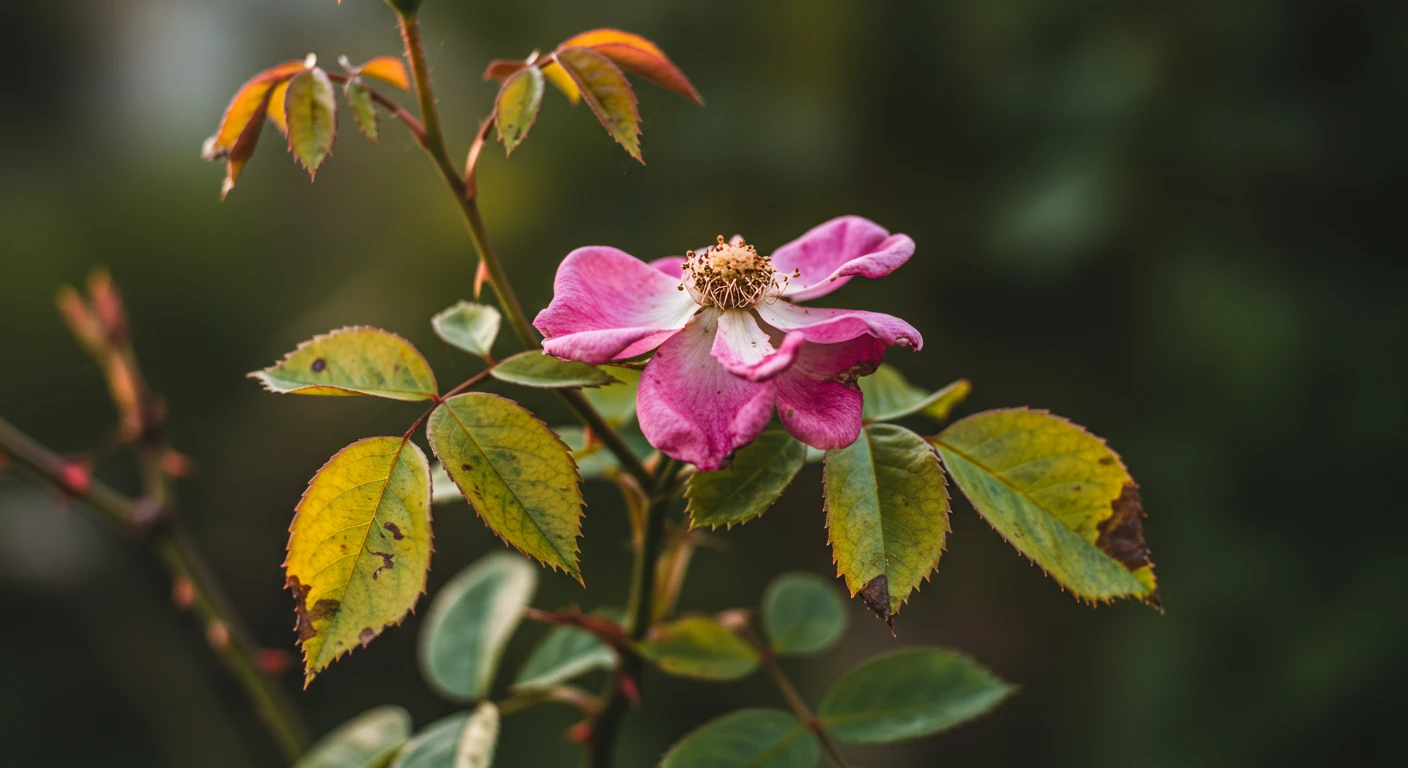
Think of it this way: over time, your veteran rose bush develops a lot of old, thick, woody canes. These old-timers aren't great flower producers anymore. They hog resources like water and nutrients but give little back in the bloom department. Worse, they can become crowded, blocking sunlight and airflow to the centre of the plant. This creates a perfect environment for pests and diseases to set up shop – not exactly the garden feature you were hoping for!
Without rejuvenation pruning, you might notice:
- Fewer and Smaller Flowers: The bush just doesn't have the energy to produce those show-stopping blooms anymore.
- Weak, Spindly Growth: New shoots might be thin and lack vigour.
- Lots of Dead Wood: Old canes die off, looking unsightly and providing entry points for problems.
- A Tangled, Unattractive Shape: The rose loses its graceful form and just looks… messy.
The Amazing Benefits of Hitting Reset
Rejuvenation pruning is like giving your rose a do-over, encouraging it to focus its energy on producing fresh, vibrant, *flowering* growth. It's a bit more drastic than a light trim, often involving cutting the majority of the old canes right down near the base. It might look scary for a moment, but the results are worth it!
Here’s the good stuff you can expect:
- A Flower Power Surge: By removing the old wood, you stimulate the plant to send up strong new canes from the base or lower down. These young canes are packed with flower-producing potential!
- Healthier, Happier Roses: Cutting out dead, diseased, or crossing branches improves air circulation, reducing the risk of fungal diseases like black spot. It’s like airing out a stuffy room!
- Improved Shape and Vigour: You can reshape the bush and encourage a more balanced, attractive form. The new growth will be much more vigorous.
- Longer Lifespan: Giving your rose this "spa treatment" can actually extend its productive life for many more years.
This isn't just about one plant; it's about pride in your landscape. Healthy, blooming roses significantly boost your home's curb appeal, making your whole property look more vibrant and cared for – something we all appreciate here in Ottawa. It’s a similar concept to how other shrubs benefit from targeted care; for instance, sometimes lilacs need a serious haircut too, which you can read about in this guide on Metcalfe Lilac Renovation Pruning for Better Blooms.
While rose rejuvenation is often done in late winter or early spring to encourage that burst of growth, different shrubs have different needs. Some respond better to fall work, as detailed in these Vernon Fall Shrub Pruning Renewal Techniques, while others might fit into a Richmond Summer Shrub Pruning Plan That Saves Money. The key principle, much like the goal outlined in these Russell Shrub Pruning Spring Renewal Tips, is understanding how pruning stimulates the plant for better results.
Feeling a bit nervous about taking the shears so drastically to your cherished rose? That’s totally understandable! It can feel like tough love. If you'd prefer expert help to ensure it's done right, exploring professional Landscaping and Gardening Services is always a great option. They can bring back the *wow* factor to your veteran roses, ensuring they grace your garden for years to come.
Timing is Everything: When to Prune Roses in Ottawa's Climate (Zone 5a/b)
Okay, let's talk timing! When it comes to giving your roses that big rejuvenation haircut, especially here in Ottawa (Zone 5a/b), getting the timing right is crucial. Think of it like trying to navigate Ottawa traffic – timing makes all the difference between smooth sailing and a frustrating standstill!
The Sweet Spot: Late Winter to Early Spring
For most roses needing rejuvenation pruning in our climate, the magic window is *late winter or very early spring*. We're talking typically late March to mid-April, right after the absolute worst of winter’s deep freeze is over, but *before* the rose bushes really start waking up and pushing out new leaves (what gardeners call "breaking dormancy").
Why then? Good question!
- Avoiding Winter Woes: Pruning too early in fall or mid-winter exposes fresh cuts to harsh temperatures and those delightful freeze-thaw cycles we know so well. This can lead to cane dieback – basically, the cold damages or kills the end of the pruned stem, forcing you to prune again later.
- Catching Them Napping: Pruning while the rose is still mostly dormant means the plant isn't actively trying to pump sap and energy up to the top growth. Cutting then redirects that upcoming energy surge into producing strong new shoots from the base once warmer weather arrives.
- Seeing What You're Doing: Before the leaves pop out, it's much easier to see the plant's structure, identify dead or diseased wood, and make strategic cuts.
A classic gardener's trick in Ottawa is to watch for the bright yellow blooms of the Forsythia shrubs – when they start flowering, it’s usually a great indicator that it's safe to prune your roses. Reputable resources like the City of Ottawa's Trees and Plants page often provide seasonal gardening advice.
The Risks of Bad Timing
Pruning too late, say, once the rose is fully leafed out, can stress the plant. It's already invested energy in that top growth, and cutting it off forces it to start over, potentially delaying or reducing flowering for the season. Pruning too early (like in January) risks significant winter damage to your carefully made cuts.
Do All Roses Follow the Same Clock?
Mostly, yes, for rejuvenation. However, some *once-blooming* old garden roses or climbers flower on last year's growth ('old wood'). If you prune these heavily in early spring, you'll cut off the flower buds! For these specific types, it's best to do major pruning *immediately after* they finish flowering in the summer. For most repeat-blooming hybrid teas, floribundas, and shrub roses common in gardens from Embrun to Kanata, the late winter/early spring timing is spot-on for rejuvenation.
Getting the timing right sets your roses up for success. It's a key part of good garden care, much like ensuring you have the right amendments ready by reviewing Material Selection for Your Garden Beds after pruning. Proper pruning cleanup is also essential – you don't want diseased cuttings lying around! This often fits perfectly into a broader spring sprucing-up, like the services offered for a general Full Property Clean Up. If tackling severe pruning feels overwhelming, remember that professional Landscaping and Gardening Services are available to help. Getting your roses thriving can even inspire other garden projects, like achieving that perfect lawn through Professional Sod Installation to complement your beautiful blooms.
Gearing Up: Your Toolkit for Successful Rose Rejuvenation

Alright, rose warriors of Ottawa, let's talk tools! Trying to rejuvenate roses with dull, rusty equipment is like trying to spread cold butter with a fork – frustrating and messy. Gearing up properly makes the job safer, easier, and much better for your plants. Think of it as assembling your spa kit for your thorny friends! Getting the right landscaping gear is half the battle won.
Here’s your basic toolkit for successful gardening and pruning:
- Sharp Bypass Pruners: These are your go-to for most stems, acting like scissors to make clean cuts on branches up to about ¾ inch thick. *Avoid* anvil-style pruners for live wood, as they tend to crush stems rather than cutting cleanly.
- Sturdy Loppers: Essentially long-handled bypass pruners. The extra leverage lets you tackle thicker canes (maybe up to 1.5 inches or so) without straining your wrists. Your back will thank you!
- A Pruning Saw: When you encounter those really thick, old woody canes down at the base that just laugh at your loppers, the pruning saw is your hero. Essential for serious rejuvenation.
- Tough Gloves: Seriously, don't skimp here! Rose thorns mean business. Invest in a thick pair, preferably gauntlet-style that reaches up your forearm to protect against scratches. Rose wrestling is practically a contact sport!
Sharpness and Cleanliness are Key! This isn't just fussy advice; it's crucial for plant health. Dull blades tear and crush plant tissue, creating ragged wounds that heal slowly and invite diseases. Sharp blades make clean cuts that heal quickly. Equally important is *cleanliness*. Wipe your blades down with rubbing alcohol or a diluted disinfectant between plants, or *especially* after cutting out any wood that looks diseased. *Eco-Tip:* Using rubbing alcohol or even a simple white vinegar solution is often effective and less harsh than bleach solutions, making disposal easier – just wipe and go!
Safety first! Always wear your gloves, and consider safety glasses – whipping branches can be unpredictable. Handle your sharp tools with focus and respect. Keeping the area clear as you work also prevents tripping hazards. Once the pruning is done, you'll have a pile of cuttings to manage. Dealing with this debris is often part of a larger Spring Property Clean Up. If you're in Metcalfe and the volume of branches feels overwhelming, remember that options like a dedicated cleanup service exist to help manage the load, especially since yard waste regulations sometimes require specific handling similar to needing a City Property Cleanup Service. After the major surgery, giving the rose bed a fresh look with Professional Mulching and Edging really highlights your rejuvenated star. And when considering any service provider, ensure they respect your property and information, much like reputable companies outline their commitment in their Privacy Policy.
The Rejuvenation Pruning Process: A Step-by-Step Guide
Okay, deep breaths! Here comes the part where we actually wield the tools. Remember those veteran roses in Greely we talked about? This is how we give them that spa treatment. Rejuvenation pruning *can* look a bit brutal at first, but trust the process – your roses will thank you later with a burst of beautiful blooms. Let's break it down step-by-step:
- Assess the Patient (Your Rose Bush!)
Before you start snipping like Edward Scissorhands, take a good look at your rose. Identify the oldest, thickest, woodiest canes – these are usually darker brown or even greyish and might look cracked or less productive. Also, look for any obviously dead wood (it will be brittle and brown/grey all the way through), diseased canes (look for spots, cankers, or unhealthy colours), or branches that are rubbing against each other (this can cause wounds where disease gets in). Having a clear plan *before* you cut is smart gardening!
- The 3 D's - Dead, Diseased, and Damaged
Grab your sharp bypass pruners and loppers. Your first task is clean-up. Remove *all* the dead canes, cutting them right back to the base of the plant or to a healthy, outward-facing bud on a main cane. Next, tackle any canes that look diseased or damaged (like from winter windburn or pests). Cut these back well below the affected area, into healthy green wood. *Why?* Removing this stuff stops potential problems from spreading and clears the way so you can see the main structure. Always make your cuts clean and angled slightly, so water runs off.
- The Big Chop (Don't Panic!)
This is the "rejuvenation" part and sometimes feels like tough love. Identify the oldest, thickest, least productive canes – the ones that probably didn't flower much last year. Using your loppers or pruning saw, cut these canes right back to within 6-12 inches (15-30 cm) of the ground or the main bud union (that knobbly bit near the base where the rose was grafted). Yes, really! For a severely neglected rose, you might end up cutting almost *all* the old canes back this hard. The goal is to remove about one-third to one-half of the oldest growth completely each year over a few years, or, for a really tired rose, cut almost everything back hard in one go.
Why so drastic? This hard pruning forces the plant to send up strong, new, vigorous shoots directly from the roots or the base. These *new* shoots are the ones that will produce lots of flowers! Think of it like clearing out old clutter to make space for fresh energy. It's a key step often overlooked but crucial for seeing real Plant and Garden Transformations.
- Thinning and Shaping
Now look at what's left. You should have a mix of younger, healthy canes and the stumps of the old ones you just cut. Remove any remaining weak, spindly stems or canes that are crossing and rubbing. Aim to create an open, vase-like shape if possible, allowing air and sunlight to reach the centre of the plant. Shorten the remaining healthy canes by about one-third to one-half, making your cuts just above an outward-facing bud. This encourages the new growth to go outwards, not inwards towards the centre tangle.
- The Aftercare Spa Treatment
Clean up *all* the pruned branches and debris from around the base of the rose. Don't leave diseased bits lying around! Once the ground thaws and the rose starts actively growing, give it some love. This is a perfect time to improve the ground around it. Consider amending the area with compost – good Soil Preparation and Amendment Services can make a huge difference in supporting that new growth. Applying a fresh layer of organic mulch is also fantastic. Check out these tips on Professional Mulching and Edging Services to help retain moisture, suppress weeds, and give your rose bed a tidy, finished look. Fertilize according to your chosen product's instructions once growth really kicks in. This kind of attention to detail after the main task differentiates basic yard work from thoughtful Garden Bed Creation and Installation, ensuring the plant thrives long-term.
That's it! You've done the hard work. Now, be patient and watch as your beloved Ottawa rose begins its amazing comeback tour. Your efforts now will pay off with vibrant growth and beautiful blooms later in the season. We genuinely appreciate you taking the time to care for your garden - Thank You for Reading!
After the Cut: Essential Care for Recovering Roses in Ottawa Soil
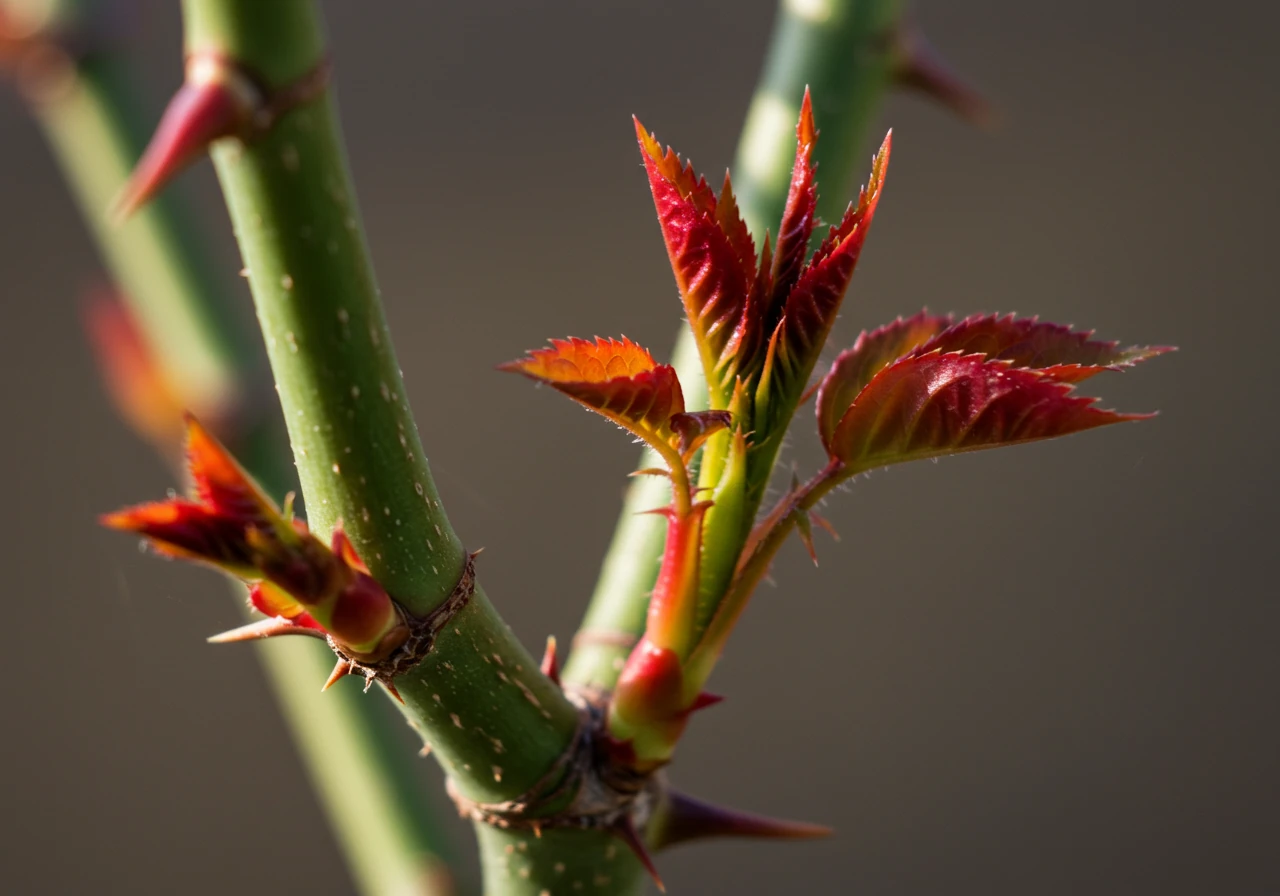
Okay, you’ve done the brave deed – the big chop is complete! Your rose bush might look a little... skeletal right now. Maybe even like it had a run-in with a particularly enthusiastic lawnmower. Don't panic! It’s like it just got a serious buzz cut; it needs a little TLC to grow back lush and lovely, ready to strut its stuff. This aftercare is super important, especially here in Ottawa where our soil can be a bit demanding (looking at you, clay!). Think of this as the post-spa recovery phase for your thorny friend.
First things first: Clean up time! Seriously, get every last scrap of pruned cane and fallen leaf away from the base of the rose. Leaving debris behind is like rolling out the welcome mat for pests and diseases – no thank you! Bag it up according to local yard waste guidelines. If the pruning pile looks more like a small beaver dam, especially if you're tackling multiple shrubs around your Manotick property, remember that professional help like a City Garden Clean Up Service or even specialized options for nearby areas like the Marionville Property Cleanup Service can make short work of it. A clean start is a healthy start in any landscaping project! For local expertise, check out the Master Gardeners of Ottawa-Carleton for advice.
Next up: Feed the beast! Your rose is about to put *major* energy into growing new stems and leaves. It needs fuel! Ottawa soil, often heavy with clay, can hold nutrients but sometimes makes it hard for roots to breathe and access them easily. Gently work some good quality compost or well-rotted manure into the top inch or two of soil around the rose (but not right up against the base canes). This does wonders for improving soil structure, adding vital organic matter, and providing slow-release nutrients. Great Soil Preparation and Amendment Services focus on exactly this – feeding the soil to feed the plant. Once you see active new growth really starting (usually a few weeks after pruning, as temperatures warm up), you can apply a balanced rose fertilizer according to package directions. *Eco-Tip:* Your own home compost is garden gold and a fantastic, sustainable soil amendment!
Water wisely. After the initial pruning shock, your rose needs consistent moisture to push out all that new growth, but it *doesn't* want soggy feet, which is definitely a risk in slower-draining clay soil. Water deeply when the top inch or two of soil feels dry to the touch, rather than sprinkling lightly every day. Deep watering encourages deeper roots. Aim water directly at the base of the plant, preferably in the morning. This allows the (soon-to-appear) leaves to dry out during the day, making life harder for fungal diseases like black spot.
Mulch is magic. Once you've fed and watered, apply a 2-3 inch layer of organic mulch (like shredded bark, cedar mulch, or even more compost) around the base of the rose. Be sure to keep it an inch or two away from the actual canes to allow for air circulation. Mulch is a gardener's best friend; it helps keep the soil moisture even, suppresses annoying weeds (yay, less work!), and moderates soil temperature swings – all crucial for a recovering plant adjusting to our Ottawa weather.
Finally, keep an eye on things. Check your rose regularly for signs of strong new growth (that’s the goal!). Also, watch for early signs of common rose pests like aphids or diseases like black spot or powdery mildew. Catching problems early is much easier than dealing with a full-blown invasion. This kind of regular observation and care is all part of good Ongoing Garden Maintenance. Be patient; it might take a few weeks, especially if spring is slow to warm up, to see significant action, but those new shoots *will* come. If you have specific concerns about how your rose is recovering or any other gardening questions, don't hesitate to Contact Us for Personalized Advice. You can also find helpful resources at the Friends of the Experimental Farm.
You've given your veteran rose a new lease on life. With this attentive aftercare, you're setting the stage for a spectacular comeback tour later this season, filled with vibrant blooms!
Understanding Pruning Types
Rejuvenation Pruning
This is the drastic "reset" prune discussed in this article. It involves cutting back most old, woody canes very hard (near the base) to stimulate vigorous new growth from the roots or bud union. Primarily for very old, neglected, or underperforming roses.
Maintenance Pruning
This is the regular annual pruning done in early spring. It involves removing dead, diseased, damaged wood (the 3 D's), thinning out crossing branches, removing a few of the oldest canes (less drastically than rejuvenation), and shaping the bush for health and bloom production. Essential for keeping roses healthy year after year.
Deadheading
This is the ongoing removal of spent flowers during the growing season. Cutting off faded blooms prevents the rose from forming seed hips, encouraging it to put energy into producing more flowers instead. Cut back to the first set of five leaflets.
Visualizing Post-Pruning Growth
Simplified Yearly Rose Care Timeline
Late Winter/Early Spring (Mar-Apr)
Main pruning time: Rejuvenation or maintenance pruning. Apply dormant spray if needed. Clean up beds.
Spring (May-June)
Apply compost/fertilizer as new growth starts. Begin regular watering. Mulch beds. Monitor for pests/diseases.
Summer (June-Aug)
Deadhead spent blooms regularly. Continue watering, especially during dry spells. Monitor for issues.
Fall (Sept-Oct)
Stop fertilizing. Reduce watering gradually. Clean up fallen leaves. Consider winter protection for tender roses after first hard frost.
Expert Tips for Barrhaven Rose Revival
Alright, Barrhaven rose lovers, you've learned the why, when, and how of giving your established roses a serious spa day with rejuvenation pruning. You've even got the aftercare down! Now, let's sprinkle in a few extra "pro tips" – think of these as the secret whispers from seasoned gardeners to really nail that rose revival and make your neighbours green with envy (in a nice way, of course!). These little extras can make a big difference in our unique Ottawa growing conditions.
- Be Ruthless (But Smart!) About Cane Selection:
We talked about cutting out old, woody canes. But *which* ones? If you're doing a gradual rejuvenation (removing about a third of the old canes each year), prioritize removing the *absolute oldest*, thickest, greyest-looking ones first. Also, zap any spindly, weak interior stems thinner than a pencil – they just steal energy. Look for promising, healthy buds lower down on the canes you *keep*, ideally facing outwards. *Pro Tip:* Keep an eye out for 'basal breaks' – vigorous new canes shooting right from the base (the bud union). These are GOLD! Don't confuse them with 'suckers' which might sprout from *below* the graft union on grafted roses (these usually have different-looking leaves and should be torn off right at the rootstock).
- Feed for the Future (Think Slow and Steady):
After that big prune, your rose is like a marathon runner needing carbs. While a quick liquid feed can give a boost later, starting with *slow-release* nutrients is fantastic, especially in Barrhaven's often clay-heavy soil. Working compost into the soil (as mentioned in aftercare) is step one. You can also top-dress with a granular, balanced rose food or organic fertilizer designed to release nutrients gradually. This avoids overwhelming the plant and provides sustained energy for building those new shoots and, eventually, glorious blooms. Remember, happy soil = happy roses! You can learn more about our approach to plant health by checking out the philosophy behind our team – read more About Us.
- Consider a Dormant Spray (Preventative Pampering):
This is a classic landscaper's trick often overlooked by home gardeners. *After* you've finished pruning and *before* the buds start to swell in early spring, consider applying horticultural oil or a lime-sulphur spray (read labels carefully and follow instructions!). This dormant spray helps smother overwintering insect eggs (like aphids or spider mites) and fungal spores (hello, black spot!) lurking on the canes. It’s like giving your rose a clean shield before the growing season battle begins. A clean plant focuses energy on growth, not fighting pests!
- Patience, Young Grasshopper (Observe and Adjust):
Rose revival isn't instantaneous. Some bushes bounce back like teenagers; others take their sweet time, especially very old or stressed plants. Observe how *your* specific rose responds. Is it pushing out lots of new growth? Great! Keep up the watering and feeding. Is it a bit sluggish? Double-check that it's getting enough sun and water, but don't panic-fertilize it into oblivion. Adjust your care based on what you see. Every plant and garden is unique. If you're seeing something puzzling or just want a second opinion, feel free to Reach Out to Our Gardening Team. You can also check our Google Business Profile for reviews and updates.
- Tidy Up is Non-Negotiable (Seriously!):
We mentioned cleaning up debris, but it bears repeating. Those pruned canes and old leaves can harbour disease. Get them *out* of the garden bed. Don't just toss them under a nearby shrub! Bag them up properly. For larger pruning jobs, especially if you're tackling several overgrown shrubs across your property, managing the waste can be a chore. Services like the Metcalfe Garden Clean Up Service or even the Marionville Garden Clean Up Service are designed to handle exactly this kind of landscaping debris efficiently, leaving your space tidy. A clean garden is truly a healthier garden. This level of care applies to all lawn and garden tasks, including comprehensive lawn care.
Following these extra steps can elevate your Barrhaven rose revival from simple pruning to a strategic rejuvenation, setting the stage for seasons of beautiful blooms. Seeing those tired old roses burst back to life is incredibly rewarding – just ask homeowners who have shared their satisfaction through our Estimate Feedback after seeing their gardens transformed!
Frequently Asked Questions: Barrhaven Rose Rejuvenation
You bet! Winter dieback is pretty common here. Rejuvenation pruning is perfect for this. Start by cutting away all the obviously dead, brown, or black canes right back to healthy green wood or near the base. Don't be shy! Clearing out this damaged material encourages fresh growth from below. Just make sure to clean up all the cuttings afterwards – leaving diseased or dead wood lying around invites trouble. If the pile of debris gets overwhelming, remember professional help is available, similar to needing a City Yard Cleanup Service or Ottawa Yard Cleanup Service for larger jobs.
Great question! For most common bush roses (Hybrid Teas, Floribundas, Shrub roses) found in Barrhaven gardens, the drastic rejuvenation prune in early spring works well. The main exception is some older climbers or ramblers that bloom only *once* on last year's wood – pruning those hard in spring removes the flowers! If your rose looks tired and woody, giving it the rejuvenation cut is *usually* safe and beneficial. Observe how it grows back; that will tell you a lot for future care. Understanding different plant needs is part of our service, whether it's for roses or a general Ottawa garden clean up.
Patience is key here! After a *severe* rejuvenation prune where you cut most canes back hard, the rose needs time to regrow. You likely won't get many (or any) blooms the *first* season after the big chop. The plant is focusing all its energy on producing healthy new canes. Think of it as investing for future payoff! By the *second* season, those new canes should reward you with a fantastic flush of blooms.
Ideally, rejuvenation is done in late winter/early spring before major leaf growth. If you've missed that window (say, it's late May or June), it's generally best to wait until *next* late winter. Pruning that hard when the rose is fully leafed out and possibly trying to bloom can stress it significantly. Instead, focus on good watering, feeding, and basic tidying for this season. You could perhaps consider lighter ongoing care from a City Garden Maintenance Service or specific options like the Metcalf Property Cleanup Service to keep it healthy until the proper pruning time next year.
Think of major rejuvenation as hitting the reset button, usually done for severely neglected or very old roses. You probably won't need to cut it back *that* hard every year. However, good annual pruning (removing dead wood, thinning some older canes, shaping) is essential to *keep* it healthy and prevent it from getting overgrown again. Some clients opt for regular garden care to stay on top of this. If you hire help, ensure you understand what's included – check the service details, much like reviewing our company's Terms and Conditions before engaging services. Keeping the area clean, perhaps with support like the Marionville Yard Cleanup Service for larger properties nearby, also helps maintain plant health long-term.
Conclusion: Enjoy Renewed Roses in Your Barrhaven Garden
So there you have it, Barrhaven gardeners! Rejuvenation pruning might seem like tough love for your old roses, maybe even a bit like giving them a *really* short haircut, but it's the secret handshake to bringing back those spectacular blooms. Think of all that careful cutting and aftercare as an investment in future beauty for your landscape. Your veteran roses *can* have a glorious comeback tour, adding vibrant colour and boosting your Ottawa home's curb appeal for years to come. It takes a bit of effort, sure, but seeing those fresh, healthy canes emerge is incredibly rewarding.
Feeling a little hesitant to wield the loppers yourself? Or maybe you'd just rather sip lemonade and let the gardening experts handle the thorny challenge? We get it! Our professional landscaping team serves homeowners throughout Ottawa, including right here in Barrhaven, plus neighbours in Nepean and Manotick. We specialize in plant care and know exactly how to coax tired roses back to their blooming best, following best practices for our local climate and soil.
Ready for roses that truly wow?
- Explore our range of professional Landscaping and Gardening Services designed for Ottawa homeowners.
- Contact Us today for a free, friendly quote tailored to your garden's specific needs!
Let us help you sit back and simply enjoy renewed, beautiful roses bursting with life in your garden this season and beyond!