Osgoode Garden SOS: Revive Compacted Clay Soil Plants
Struggling with dense, hard-to-work clay soil in your Osgoode garden? You're not alone! This guide provides practical steps to improve your soil, choose the right plants, and turn that compacted clay into a thriving garden oasis. Ready for a change? Request a free quote today!
Quick Guide to Improving Osgoode Clay Soil:
- Identify Compaction: Look for pooling water, hard soil, and stunted plant growth.
- Amend Generously: Regularly add organic matter (compost, aged manure) to improve structure.
- Work Smart: Avoid digging wet clay; incorporate amendments gently.
- Choose Wisely: Select plants known to tolerate heavier, moisture-retentive soils.
- Mulch Matters: Apply organic mulch to retain moisture and feed the soil.
Introduction: That Osgoode Clay Got You Stuck? Let's Dig In!
Hey there, fellow Osgoode residents! If you've ever tried digging a hole for a new shrub or starting a garden bed, you've probably met our local celebrity: heavy clay soil. It’s the kind of stuff that makes your shovel groan and your gardening dreams feel… well, a bit stuck. And you’re not alone – homeowners in nearby Manotick and Greely often face the exact same challenge with this dense, compacted soil.
Here in the Ottawa area, our clay soil has a knack for holding onto water like a sponge after rain, only to bake brick-hard during dry spells. Plus, those classic freeze-thaw cycles we experience can make compaction even worse over time, challenging even basic landscaping efforts and making happy planting seem impossible. Trying to improve drainage can feel like an uphill battle.
But don't hang up your gardening gloves just yet! Working with clay soil is possible, and even rewarding. The purpose of this guide is to give you practical, down-to-earth advice. We'll dig into simple techniques for amending your soil, improving that crucial drainage, understanding your soil better, and choosing plants that will actually *love* living in your Osgoode-area yard. Ready to transform that challenging clay into workable, fertile ground? Let’s get started!
Clay Confusion: Understanding Ottawa's 'Gumbo' Soil
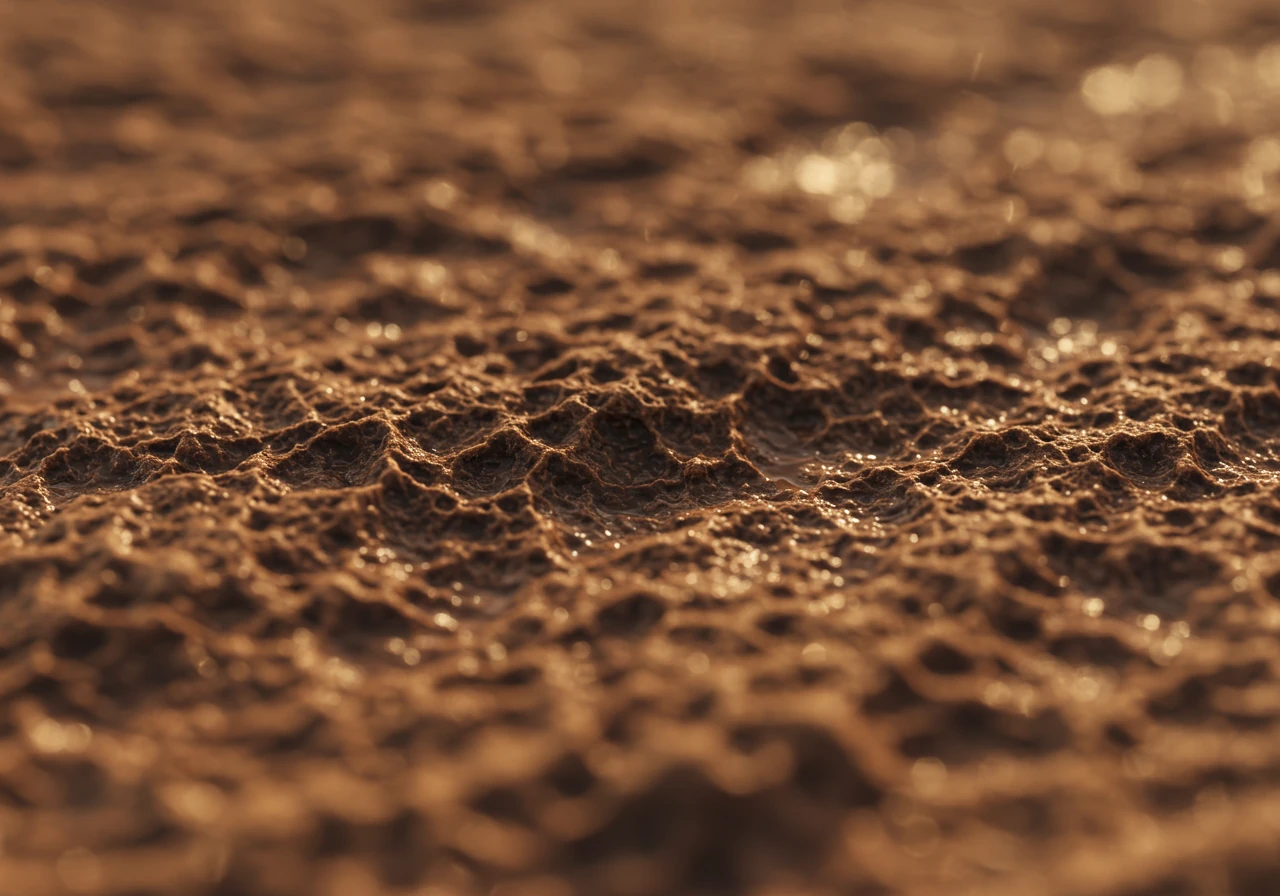
Alright, let's talk about the elephant in the garden – or maybe we should call it the "gumbo" in the ground? If you've gardened anywhere from Nepean to Barrhaven, you've likely encountered Ottawa's infamous heavy clay soil. It’s the kind of soil that can feel like pottery clay one minute and concrete the next. But why is it like this?
Think way back – like, Ice Age back. Much of the clay soil in the Ottawa Valley, often called Leda clay or Champlain Sea clay, was deposited by ancient glaciers and the sea that followed. These deposits left behind incredibly fine mineral particles packed tightly together. That's the "clay" part!
So, what does that mean for your garden?
- Tiny Particles, Big Problems (Mostly): Clay particles are super small and flat. Imagine tiny plates stacked together. This structure doesn't leave much space for air or water to move through easily. That’s why it drains so slowly after a downpour and turns brick-hard when dry.
- Water Woes: It holds onto water like a toddler holds onto a favourite toy. This sounds good, but too much water pushes out essential air pockets, potentially drowning plant roots. Proper watering strategies and system maintenance, like remembering your Osgoode Sprinkler System Winterization & Blow Out, become extra crucial.
- The Compaction Crunch: Our classic Ottawa freeze-thaw cycles are tough on clay. Water seeps in, freezes (expanding and pushing particles apart), then thaws, letting everything settle even more densely. Add foot traffic or heavy equipment, and you get compaction – squished soil with no room for roots to breathe or grow.
- Root Roadblocks: Plant roots need oxygen just like we do! Compacted clay suffocates them. Roots also struggle to physically push through dense, hard soil, limiting their growth and access to nutrients and water deeper down. This stress makes plants more vulnerable and less vigorous – certainly not ideal if you're dreaming of picture-perfect hedges needing regular shaping, like those discussed in these Osgoode Topiary Tips: How to Shape Your Shrubs This Summer. Stressed plants may also require more careful maintenance, such as knowing the best time for Osgoode Fall Tree Pruning Before Winter Hits.
It’s not all bad news – clay soil is often rich in nutrients. The trick is making those nutrients accessible and creating a structure plants can actually live in. Understanding the why behind your heavy soil is the first step. Improving it often involves adding organic matter, a topic covered brilliantly in these Osgoode Clay Soil Garden Care: Fall Tips for Success. Tackling stubborn clay can feel overwhelming, but don't hesitate to explore professional Landscaping & Yard Care Services if you need a hand turning that gumbo into great garden soil.
Garden Detective: Spotting the Signs of Compacted Soil
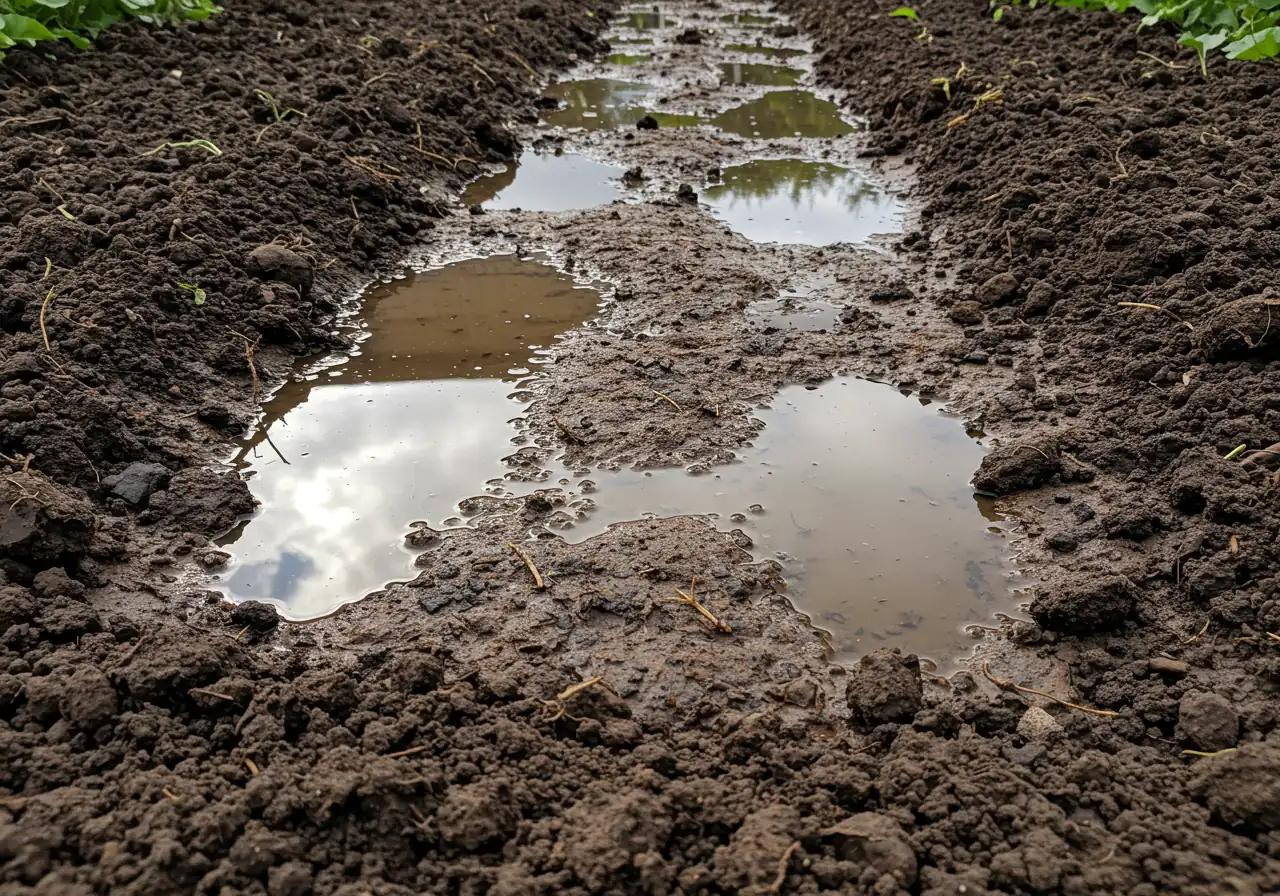
So, you suspect your soil might be packing it in – literally? Whether you're tending a garden in Richmond or managing a lawn in Metcalfe, compacted soil can turn your green dreams into a bit of a headache. It’s like your soil particles decided to throw a crowded party and forgot to leave room for air, water, or roots! But how can you be sure compaction is the culprit behind your landscaping woes? Put on your detective hat; let's look for clues.
Clues in the Soil Itself:
- Puddle Problems: Does water pool on the surface long after rain stops, instead of soaking in? That’s a classic sign water can't penetrate dense soil.
- Rock Hard Resistance: Grab a screwdriver or a sturdy trowel. Try pushing it into moist (not bone-dry or soaking wet) soil. If it feels like you’re trying to stab concrete after just a few inches, you’ve likely got compaction. Shovel-bendingly hard soil is a dead giveaway.
- Water Runoff: During watering or rain, does water seem to sheet off the surface rather than sinking in, especially on slopes? Compacted soil resists absorption.
- Bare Patches: Lawns often show compaction first with thinning grass or bare spots where nothing seems to grow, despite your efforts.
Clues from Your Plants:
- Stunted Growth: Are your plants smaller than expected, or do they seem to lack vigour compared to neighbours' plants? Roots struggling in compacted soil can't support robust growth.
- Yellowing Leaves: While many things cause yellowing, poor nutrient uptake due to restricted root growth in compacted soil is a common factor.
- Shallow Roots: If you gently dig up a struggling annual or weed, check its roots. Are they mostly near the surface, maybe even growing sideways instead of down? They're hitting a hardpan layer they can't push through.
- Poor Drainage Distress: Plants in compacted areas might look waterlogged even if you haven't watered excessively, because the water that does get in can't drain away from the root zone.
Simple DIY Test: The Water Infiltration Test
- Cut the bottom off a large tin can (like a coffee can).
- Work the sharp edge about 3 inches into the soil in the suspect area.
- Pour a measured amount of water (e.g., 2 cups) into the can.
- Time how long it takes for the water to completely soak into the soil.
- If it takes more than 30-60 minutes, your soil likely has poor drainage due to compaction.
Spotting compaction is the first step. If these signs sound familiar, you might need solutions ranging from core aeration to adding organic matter. Tackling widespread compaction can be a big job, sometimes requiring professional landscaping and yard care services. This issue isn't unique to just one neighbourhood; it's common across the region, affecting yards needing services like an Osgoode Yard Cleanup Service just as much as those in Richmond or Metcalfe. If you decide to get a professional opinion, rest assured any info you share is handled per our Privacy Policy. Once you receive a plan, letting us know your thoughts via the Estimate Feedback helps us improve. For significant issues impacting your whole property, a dedicated Ottawa Property Cleanup Service might be the most effective approach. Don't let compacted soil squash your gardening spirit – identify the problem, and you're halfway to fixing it!
The Magic Ingredient: Why Organic Matter is Your Clay Soil's Best Friend
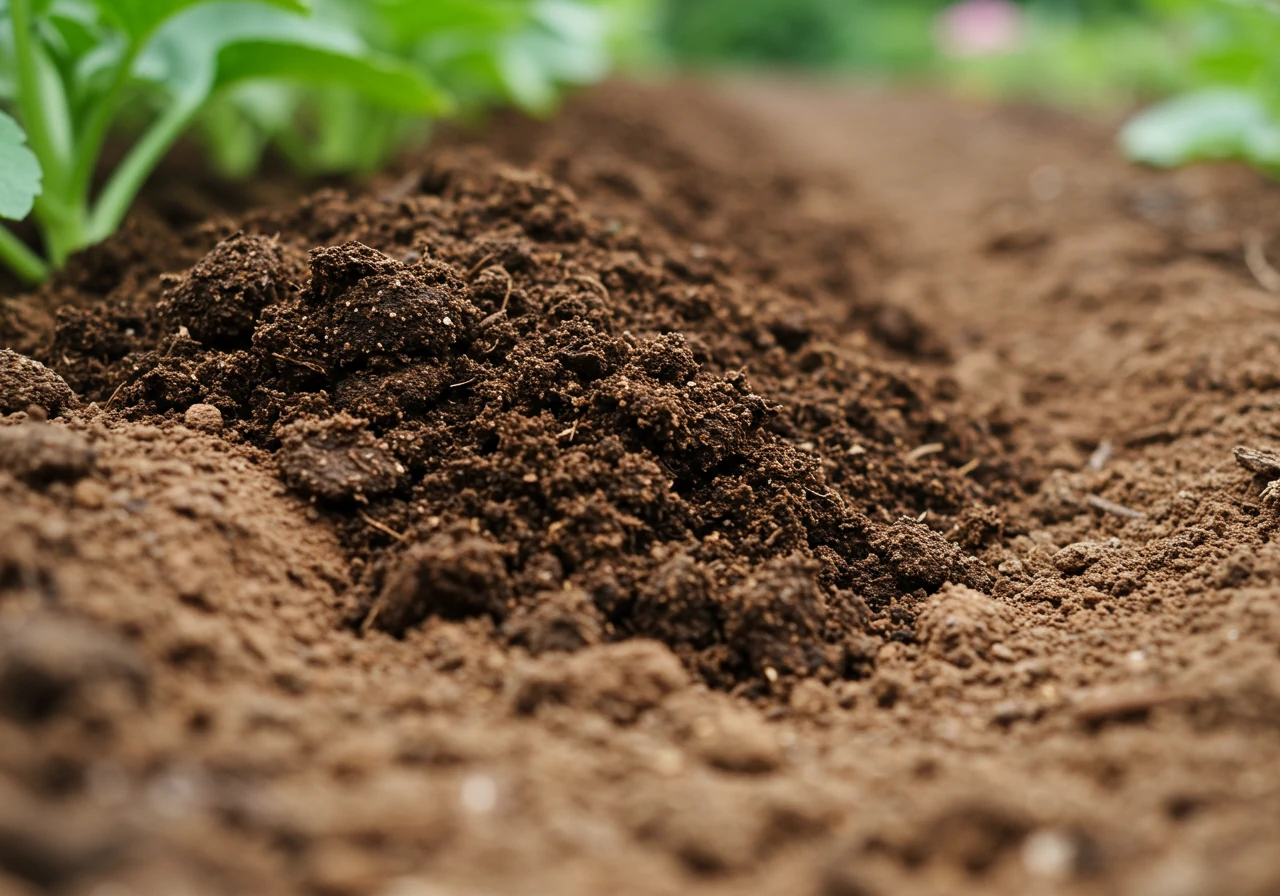
Okay, let's spill the beans (or maybe the compost?). If your Ottawa clay soil has you feeling less like a green thumb and more like a mud wrestler, there's one ingredient that truly works wonders: organic matter. Think of it as the fairy godmother for your dense, stubborn soil. It’s not actual magic, but the results can feel pretty close!
So, how does this earthy goodness perform its transformation? It's all about improving soil structure. Clay soil particles are tiny and flat, packing together tighter than commuters on a rush-hour bus. This leaves little room for air or water to move. Organic matter, which is basically decomposed plant and animal stuff (like compost, aged manure, or leaf mold), acts like a matchmaker. It encourages those tiny clay particles to clump together into larger aggregates.
Imagine tiny little soil crumbs instead of a solid brick. These larger clumps create pore spaces – microscopic tunnels and pockets within the soil. Voilà! Suddenly, water can drain better (goodbye, puddles!), air can reach plant roots (they need to breathe too!), and roots find it much easier to navigate and grow strong. Plus, organic matter acts like a sponge, holding onto moisture and nutrients, releasing them slowly as plants need them. It’s the ultimate win-win.
Now, what kind of organic matter should you use? You've got options!
- Compost: The gold standard! You can make your own or buy it bagged. Many Ottawa residents use municipal compost programs like the one detailed on the City of Ottawa Green Bin page, a great sustainable choice.
- Aged Manure: Well-rotted manure (never fresh!) adds nutrients and improves structure. Look for sources from local farms near areas like Kars or Winchester.
- Leaf Mold: Simply composted leaves. Collect those fall leaves instead of bagging them – your soil will thank you! A thorough Marionville Yard Cleanup Service can gather plenty of leaves perfect for composting.
- Cover Crops: Planting specific crops like clover or rye and then tilling them back into the soil adds loads of organic material.
Crucial Tip: Avoid Sand!
Never add sand to heavy clay hoping to loosen it. Unless you add enormous amounts (like 50% or more), you risk creating a substance closer to concrete than fertile soil. Stick with organic matter – it’s the scientifically proven path to better clay soil.
Incorporating organic matter is simple. You can spread a few inches on top of garden beds (topdressing) and let worms and weather mix it in, or gently work it into the top 6-8 inches of soil when preparing new beds. This is often part of getting beds ready, something a service like a Metcalf Garden Clean Up Service might handle. For larger areas needing significant improvement, bringing in bulk organic matter might be part of a bigger project, similar in scale to a full Ottawa Property Cleanup Service. Even tackling smaller sections, like those managed by a Marionville Property Cleanup Service, benefits immensely from adding compost. Always ensure you understand what any quoted service includes by reviewing details like our Terms and Conditions.
Adding organic matter isn't a one-time fix; it's an ongoing relationship. Regularly amending your soil each year will continually improve its structure, fertility, and workability, turning that challenging clay into the thriving garden foundation you've been dreaming of.
Your Soil Revival Action Plan: Amendments, Timing, and Techniques
Amending Your Garden Beds: A Step-by-Step Guide
Improving a specific garden bed is a fantastic place to start. Here’s how to do it:
- Clear the Decks: Remove any existing weeds, sod, or large rocks from the area you want to amend.
- Spread the Good Stuff: Layer about 2 to 4 inches (5-10 cm) of your chosen organic matter – compost is king! – evenly over the soil surface. Quality matters; check our guide on Material Selection.
- Mix it Up (Gently!): Use a spading fork or shovel to gently work the organic matter into the top 6 to 8 inches (15-20 cm) of your existing clay soil. *Avoid over-mixing or using a rototiller excessively*. *Crucially, never work clay soil when it's soaking wet* – wait until it's just moist.
- Level It Out: Rake the surface smooth, and you're ready for planting! Preparing new areas like this can be part of a Garden Install service.
Timing is Everything: Your Ottawa Soil Amendment Calendar
Our unique Ottawa climate influences *when* is best to tackle soil improvements:
- Spring (April - May): As ground thaws and dries *slightly*, add light compost (topdressing). Good time for soil testing. **Avoid heavy digging if very wet.** Spring Lawn Care often includes aeration which also helps compaction.
- Summer (June - August): Maintain! Keep beds mulched to conserve moisture and add organic matter slowly. Water deeply. Consider a City Garden Maintenance Service for upkeep.
- Fall (September - November): *Golden window for major amending!* Soil is workable. Add compost, manure, leaves more thoroughly. Ensure you review service details like our Terms and Conditions for larger projects.
- Winter (December - March): Let beds rest. Protect with fall mulch. Plan next year's improvements!
Consider Raised Beds
If digging into heavy clay feels daunting, or if you want to grow plants that absolutely demand sharp drainage (like some herbs or root vegetables), raised beds are a fantastic solution.
- You build a frame (wood, stone, metal).
- Fill it with a high-quality soil mix (often a blend of topsoil, compost, and perlite/vermiculite).
- This bypasses the need to deeply amend the native clay underneath.
- Offers excellent drainage and warms up faster in spring.
- Easier on the back!
This approach allows you to control the growing medium completely, ideal for fussy plants or areas with severe compaction.
Taking these steps consistently will make a huge difference over time. It requires patience, but the reward is healthier plants and a garden you can truly enjoy. If the scope of work feels overwhelming, remember that professional help is available. Check out the approach we take on our About Us page – transforming challenging soil is something we understand well!
Benefits of Adding Organic Matter
*Illustrative percentages showing relative improvement potential.
Planting Partners: Choosing Plants That Tolerate (or Love!) Improved Clay
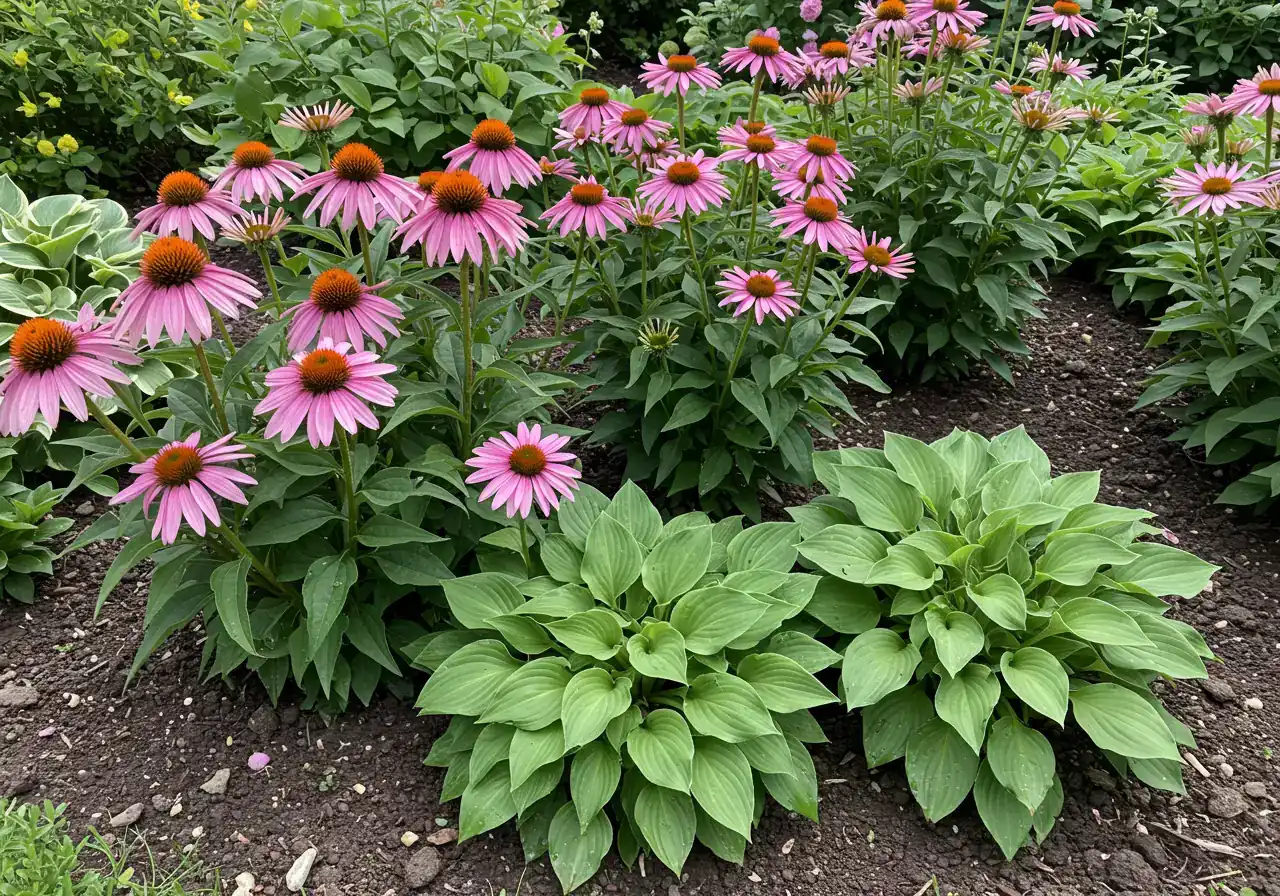
Alright, you've done the hard work! You’ve battled the notorious Ottawa clay, mixed in that magical organic matter, and hopefully, your soil is now less like a brick and more like a welcoming home for plants. Pat yourself on the back! Now comes the fun part: choosing the leafy neighbours that will actually *thrive* in this improved, but still likely moisture-retentive, environment. Think of it as matchmaking for your garden beds.
Even improved clay soil tends to hold moisture longer than sandy soils, so picking plants that don't mind "wet feet" occasionally (or are remarkably adaptable) is key. Thankfully, plenty of beautiful and tough plants fit the bill for our climate zone (hello, Zone 4b/5a!). For more local plant ideas, check resources like the Ontario Horticultural Association.
Perennial Powerhouses:
- Daylilies (Hemerocallis): Practically indestructible and come in endless colours.
- Hostas: Fantastic shade-lovers, though some tolerate sun. Watch out for slugs!
- Coneflowers (Echinacea): Cheerful, daisy-like flowers beloved by pollinators.
- Black-Eyed Susans (Rudbeckia hirta): Bright yellow, classic garden performers.
- Bee Balm (Monarda): Unique flowers that attract bees and hummingbirds; prefers consistent moisture.
Sturdy Shrubs:
- Panicle Hydrangeas (Hydrangea paniculata): 'Limelight' or 'Quick Fire' types are tough.
- Dogwoods:** Especially native Red Osier Dogwood (Cornus sericea).
- Potentilla: Long blooming season, handles clay well once established.
- Spirea: Many varieties, tough and reliable bloomers.
Terrific Trees:
- Freeman Maple (Acer x freemanii): Vigorous hybrid, tolerant of heavier soils.
- River Birch (Betula nigra): Loves moisture, attractive peeling bark.
- Swamp White Oak (Quercus bicolor): Sturdy native oak, handles wet conditions.
Native Plant Notes:
Many Ottawa-area native plants are naturally adapted to clay soils. Consider Joe Pye Weed (Eutrochium maculatum) or Cardinal Flower (Lobelia cardinalis) if you have consistently moist spots. You can often find great selections of these hardy choices at local nurseries, perhaps near Winchester or Kenmore, or consult resources from Rideau Valley Conservation Authority for local species info.
Planting Pointers for Heavier Soil:
- Dig Wide, Not Just Deep: Hole 2-3 times wider than the root ball, but only as deep.
- Plant High: Root flare slightly *above* surrounding soil level.
- Amend the Backfill: Mix some compost (our Choosing Quality Soil and Mulch guide helps) with removed soil, but don't make it overly rich.
- Mulch Wisely: Apply 2-3 inches organic mulch, keeping away from the stem. Mulching and Edging are key finishing steps.
Choosing the right plants is crucial for seeing those beautiful Garden and Yard Transformations. While these plants are tough, remember that ongoing care contributes to their success. A little attention goes a long way, and if life gets busy, options like regular Seasonal Garden Maintenance Services can keep things looking great. For larger planting projects or initial site prep like Sod Installation prepration that feels overwhelming, remember help is available; prepping large areas might be part of a bigger job like a City of Ottawa Property Cleanup Service. Even getting smaller specific areas ready, much like the work involved in a Marionville Spring Garden Clean Up Service, sets the stage for planting success. Now go forth and populate your improved clay paradise!
Highlight Box: Clay Soil Quick Wins
Dealing with heavy clay soil here in Ottawa can feel like a wrestling match, but you *can* win! Don't throw in the trowel just yet. Here are five quick tips:
- Add Compost, Then Add More Compost: Organic matter is key. Spread 2-4 inches each fall or spring. This helps in areas needing cleanup like those served by Marionville Fall Garden Clean Up Service.
- Hands Off When It's Mucky: Avoid working clay soil when soaking wet. Wait until it's just moist and crumbly.
- Mix Gently, Don't Pulverize: Gently fold amendments into the top 6-8 inches. Avoid excessive tilling. Remember this during services like a Metcalf Annual Yard Cleanup Service.
- Mulch is Marvelous: Apply 2-3 inches of organic mulch to retain moisture, suppress weeds, and feed the soil. A standard practice in an Ottawa Garden Clean Up Service.
- Work Smarter, Not Just Harder: Consider raised beds or choose clay-tolerant plants. For large-scale issues, a Comprehensive Property Clean Up might be needed. We value your experience; let us know what works via our Contact/Thank You Page.
Soil Revival Timeline: A Phased Approach
Year 1: Foundation
Focus on initial heavy amendment. Add 3-4 inches of compost/manure and gently incorporate. Choose very tolerant plants or start with raised beds. Expect modest improvement.
Year 2: Building Structure
Add another 1-2 inches of compost as topdressing. Mulch diligently. Notice slightly better drainage and workability. Introduce a wider range of tolerant perennials.
Year 3: Seeing Results
Continue annual topdressing with compost. Soil should be noticeably looser and darker. Earthworm activity likely increases. Plants establish more easily.
Year 4+: Maintenance & Thriving
Maintain annual compost addition (1 inch). Soil structure is significantly improved. Most plants suitable for the region should now thrive. Focus shifts to regular garden maintenance.
Osgoode & Ottawa Clay FAQs: Your Questions Answered
Great question! Besides the classic signs like poor drainage (hello, puddles!) and cracking when dry, try the "ribbon test." Grab a handful of moist (not soaking wet!) soil and squeeze it. If it feels sticky and you can roll it into a ball and then flatten it into a ribbon shape longer than an inch or two between your thumb and finger, you've definitely got significant clay content. It’ll feel smoother and stickier than loamy soil, which is crumbly, or sandy soil, which feels gritty and won't hold a shape. That dense, sticky feeling is the hallmark of the clay we know and... well, work with, across Ottawa and Kars too.
Ah, the age-old sand myth! While it sounds logical, adding sand to heavy clay soil is generally a *bad idea*. Unless you add a *massive* amount (like 50% or more, which is impractical and expensive), you often end up creating something closer to concrete or adobe brick – even worse for drainage and roots! The fine clay particles just fill the spaces between the larger sand particles. Stick with organic matter like compost or aged manure; it works *with* the clay to build better structure, rather than fighting against it. Proper Soil Preparation focuses on organic amendments for this very reason.
We appreciate the call for honesty! Improving heavy clay soil is more of a marathon than a sprint. You'll likely see *some* improvement in workability and drainage in the first season after adding a good amount of organic matter. However, significantly changing the soil structure takes consistent effort over several years. Think of it as an ongoing process – adding compost or other organic amendments each year, maybe when doing your fall cleanup, continues the improvement. Patience is key, but the long-term results of healthier plants and easier gardening are totally worth it! If the initial heavy lifting feels too daunting, a City Yard Cleanup Service could help clear the way and get amendments incorporated to kickstart the process. Consider also checking services like Ottawa Yard Cleanup Service or Metcalf Property Cleanup Service for assistance.
You absolutely *can* choose plants that are more tolerant of heavy clay – we listed some good options earlier! This is a smart strategy, especially for larger areas or where amending is difficult. However, even clay-tolerant plants will perform *better* and be healthier in soil that's been improved with organic matter. Amending provides better aeration for roots, improves drainage (reducing root rot risk), and makes nutrients more available. Think of it this way: choosing tough plants gives you a head start, but giving them slightly improved soil conditions helps them truly thrive, not just survive. Plus, good soil structure makes ongoing tasks like Mulching and Edging easier and more effective. Services like Ottawa Garden Clean Up Service often involve these practices.
You've got several options! Many local garden centres and nurseries in and around the Ottawa area (including those serving Osgoode, Manotick, and Greely) stock bagged compost, manure, and topsoil. For larger quantities, look into landscape supply yards – they often sell amendments in bulk (by the cubic yard), which can be more economical for big projects. Don't forget the City of Ottawa's green bin program! The resulting compost is often available for purchase seasonally – check the City's website for details on availability and pick-up locations. Getting good quality material makes all the difference. We appreciate you seeking out the best for your yard – feedback like knowing what resources homeowners value helps us too, feel free to share any great finds via our Contact/Thank You Page. You might find helpful providers by searching for local services or checking our Google Business Profile for reviews.
Conclusion: From Compacted Clay to Osgoode Oasis
Well, there you have it! We've dug deep (sometimes literally!) into the world of Ottawa's challenging clay soil. From understanding why it acts like stubborn pottery clay to knowing the magic ingredient (*hint: compost!*) for improving its structure, you're now armed with an action plan. Remember, improving drainage and creating fertile ground for planting takes time and consistent effort – adding organic matter isn't a one-shot deal, but an ongoing process. Choosing plants that are happy campers in heavier soil also sets you up for success.
Turning that compacted patch into your own beautiful Osgoode oasis is possible. It requires patience, a bit of elbow grease, and knowing the right techniques. Whether you're in Osgoode, Manotick, Greely, or any surrounding Ottawa neighbourhood facing similar soil struggles, don't get discouraged! You've got this.
Feeling inspired but maybe a little overwhelmed by the work involved? Transforming tricky soil is our specialty. Why not explore our portfolio to see how we've helped homeowners turn challenging yards into thriving landscapes? If you're ready to take the next step towards easier gardening and a healthier yard, contact us today for a free consultation! We’d love to discuss how our landscaping services can help bring your Osgoode oasis vision to life. Happy digging!