
Safer Russell Nights: Pro Outdoor Lighting Design Tips
Quick Takeaways
- Proper outdoor lighting enhances safety by illuminating paths and stairs.
- Strategic lighting boosts curb appeal and property value.
- Use techniques like path lighting, uplighting, and downlighting in layers.
- Choose weather-resistant fixtures (metal, good IP rating) and energy-efficient LED bulbs (warm white preferred).
- Plan your layout carefully, focusing on safety zones first.
- Avoid glare and light trespass onto neighboring properties.
Ready to make your Russell property safer and more beautiful after dark? Good outdoor lighting is key! Request a consultation or quote today to discuss your specific needs.
Introduction: Lighting the Way to Safer Evenings in Russell
Hey Russell neighbours! Isn't living here great? We enjoy that friendly, small-town feel, waving to folks on evening strolls. But let's be honest, once the sun dips down, our lovely streets can get *plenty* dark – quite a bit different from the constant glow of downtown Ottawa! Trying to navigate your walkway without tripping over a misplaced garden tool, or fumbling for keys in the shadows? Not exactly ideal.
This is where smart outdoor lighting steps in. It's not just about flipping a switch; it's about boosting safety and making your home look fantastic after dark. Good lighting helps prevent trips and falls on pathways, makes your entrance welcoming, and can even discourage unwanted visitors (the kind that scurry on four legs or two!). Plus, it beautifully enhances your curb appeal, showing off your lovely gardens and landscaping even at night instead of letting them disappear into the darkness. Find inspiration from well-kept properties on our transformations gallery.
A well-lit neighbourhood simply feels safer and more connected, contributing to that wonderful community spirit we value, much like you see in nearby spots like Embrun or Metcalfe. Stick with us, and we’ll shed some light (pun intended!) on choosing and placing outdoor fixtures to make your Russell evenings safer, brighter, and even more enjoyable. We'll cover practical tips you can use right away.
Why Illuminate? The Bright Benefits of Outdoor Lighting in Your Neighbourhood
So, you've got a lovely home here in the Ottawa area, maybe nestled in neighbourhoods like Russell, Greely, or even out towards Osgoode. You put effort into your landscaping, maybe even battled some pesky bugs with tips like those for Metcalfe Garden Recovery: Fixing Summer Beetle Damage. But when the sun goes down, does your yard just... disappear? Let's flip the switch on that thinking and explore why outdoor lighting is such a brilliant idea.
1. Safety First, Folks! (Seriously)
This is the big one. We all know Ottawa winters mean treacherous ice patches hiding on driveways and stairs. Proper lighting makes these hazards visible, preventing nasty slips and falls. But it's not just winter! Think about navigating pathways in the dark during spring melt or avoiding that rogue sprinkler head in the summer. Good lighting guides your steps and makes your property safer year-round. It also acts as a subtle deterrent – well-lit homes are less appealing targets for potential mischief-makers, giving you extra peace of mind. For more on this, check out our thoughts on Embrun Outdoor Lighting: Boost Fall Safety and Curb Appeal.
2. Actually Use Your Yard After Dark
Remember that beautiful patio or deck you love? Why limit its enjoyment to daylight hours? Outdoor lighting extends your living space, allowing you to relax outside on warm evenings, enjoy a late BBQ, or simply admire your garden under a soft glow. Imagine sipping a cool drink while looking over the flowers you so carefully tended – much nicer than staring into blackness! It turns your yard from a daytime-only zone into a versatile evening retreat. You can even use the evening calm to plan your next gardening steps, perhaps taking inspiration from these Keeping Track: Spring Garden Record Tips for Osgoode Gardeners.
3. Hello, Curb Appeal (and Property Value!)
Let's be honest, a well-lit home just looks good. Strategic lighting highlights the best features of your house – think interesting textures, architectural details, or beautiful entryway plants. It creates a warm, welcoming vibe that says "pride of ownership." This enhanced curb appeal isn't just about looking nice for the neighbours; it can genuinely boost your property's value. It signals that the home is well-maintained, right down to the details. Keeping an eye on your shrubs and gardens is part of this too; good lighting might even help you spot issues sooner, like spotting problems discussed in Nepean Summer Garden Woes: Identifying Common Plant Diseases.
4. Show Off Your Green Thumb!
You spend time and energy on your gardening and landscaping – why let it vanish at sunset? Uplighting a beautiful tree, highlighting colourful flowerbeds, or casting a soft wash over manicured shrubs showcases your hard work 24/7. It adds depth and drama to your landscape design, turning your yard into a nighttime masterpiece. Keeping those showcase areas looking sharp might involve regular garden maintenance.
Ready to Get Glowing?
Getting started doesn't have to be complicated. Begin with key areas like your main walkway and front entrance. Consider energy-efficient options like LED or solar lights. Not sure where to start or need help with the bigger picture of property care? You can always Explore Our Yard Care Services for professional assistance, whether it's lighting installation or comprehensive care like our Manotick Property Cleanup Services.
Illuminating Techniques: Pro Strategies for Safety and Style
Alright, so we've established why outdoor lighting is a bright idea (see what I did there?). Now, let's dive into the how. It's not just about sticking a floodlight on the garage and calling it a day – unless you want your house to look like it's being interrogated! Getting that perfect blend of safety, beauty, and ambiance involves using different lighting techniques. Think of it like painting with light across your Ottawa landscape.
Here are some go-to strategies the pros use:
1. Path Lighting: Your Guiding Stars
- Purpose: Safety first! These lights guide feet safely along walkways, driveways, and garden paths, preventing stumbles over rogue garden gnomes or uneven pavers. Proper soil preparation can ensure fixtures stay level.
- How-To: Use low-level fixtures spaced appropriately along the edges of the path. Don't line them up like soldiers – staggering them often looks more natural and provides better coverage. Aim for pools of light on the walking surface, not blasts of light into your eyes.
- Effect: Creates a welcoming and secure route to your door, subtly highlighting the path's shape and surrounding plants. Essential for those dark nights, whether you're in leafy Manotick or bustling Barrhaven.
2. Uplighting: Adding Drama (The Good Kind!)
- Purpose: To highlight interesting features like textured walls, architectural details, or the majestic structure of trees in your garden.
- How-To: Place fixtures at the base of the object, aiming the light upwards. Play with the angle and distance to control shadows and intensity. A narrow beam creates sharp focus, while a wider beam washes the surface.
- Effect: Creates dramatic shadows and draws the eye to focal points, adding depth and sophistication to your nighttime landscaping. Imagine your favourite ornamental tree looking stunning after sunset! Keeping those features looking good is key; services like Expert Manotick Property Cleanup Services ensure your lit features are showcase-ready.
3. Downlighting / Moonlighting: Nature's Touch
- Purpose: Mimics natural moonlight, casting a soft, wide wash of light over larger areas like patios, decks, or gardens. Great for general illumination and security.
- How-To: Mount fixtures high up – under eaves, in pergolas, or even discreetly placed within mature trees (carefully, of course!). Aim them downwards to minimize glare.
- Effect: Provides gentle, ambient light that feels natural and unobtrusive. It allows you to see the overall space without harsh bright spots. Perfect for enjoying an evening outdoors.
4. Step Lighting: Safety on the Stairs
- Purpose: Purely safety-focused, making sure each step is clearly visible to prevent trips and falls. Especially important for Ottawa's icy winters!
- How-To: Install small, low-profile lights directly into step risers or along the side walls of staircases. They should illuminate the tread, not shine outwards.
- Effect: Clearly defines each step, ensuring safe passage up and down stairs after dark.
5. Accent Lighting (Spotlighting): Look Here!
- Purpose: To pinpoint specific, smaller features you want to emphasize – think house numbers, a beautiful wreath on the door, a water feature, or a striking piece of garden art.
- How-To: Use fixtures that produce a controlled beam of light aimed directly at the object.
- Effect: Draws attention exactly where you want it, adding points of interest to your overall lighting scheme.
The Magic of Layering
Now, the real secret sauce? Layering. Don't just pick one technique! A truly effective and beautiful lighting design uses a combination of these methods. You might use path lights for safety, uplighting on a feature tree for drama, downlighting for patio ambiance, and step lights for navigating stairs. This creates balance, ensures all needs are met (safety and style!), and adds visual interest that a single type of lighting just can't achieve. It avoids that flat, overly-bright look.
A Few Quick Tips:
- Go LED: They use way less energy, last much longer, and come in various colours and brightness levels. Better for your wallet and the planet!
- Aim Carefully: Avoid pointing lights towards windows (yours or your neighbours'!) or straight up into the sky (light pollution isn't cool). Angle fixtures to focus light where it's needed.
- Consider Control: Timers, dimmers, and motion sensors add convenience and efficiency.
- Professional Help: Designing and installing a comprehensive system can be tricky. If you're unsure, it's wise to consult professionals. Before engaging services, it's always good practice to review their policies; you can see ours under our Terms and Conditions. We're happy to offer advice tailored to your property, whether you need help with Professional Garden Maintenance to keep lit areas tidy or broader assistance like our comprehensive Ottawa Yard Cleanup Service. We even serve areas further out, offering options like Reliable Marionville Property Cleanup Service.
Ready to transform your evenings? Experiment with these techniques, think about layering, and if you have questions about how lighting can enhance your specific landscape, feel free to Contact Us for Expert Advice. Let's make your Ottawa-area home shine safely and stylishly!
Choosing Your Tools: Selecting Weather-Ready Fixtures & Bulbs for the Ottawa Valley
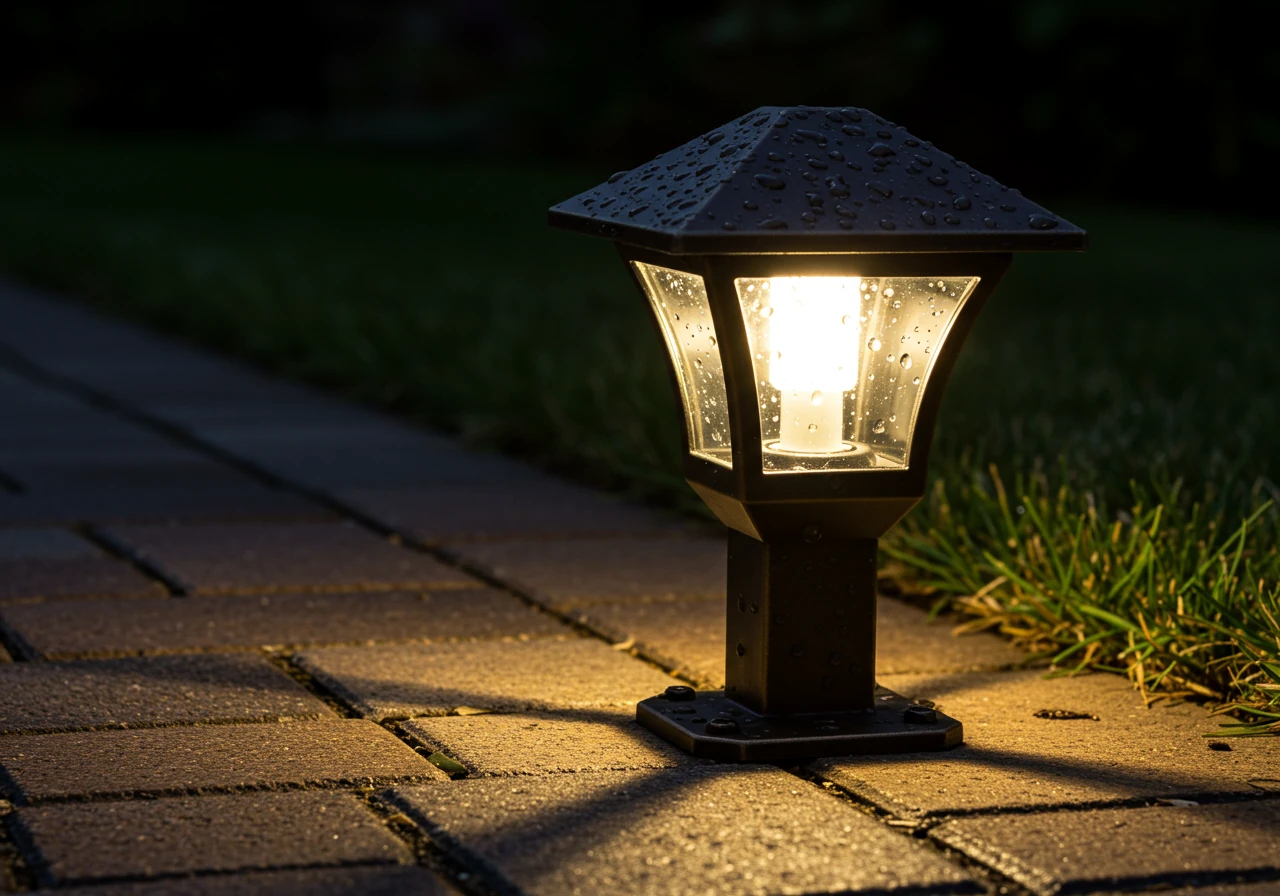
Okay, let's talk hardware! Choosing the right outdoor lights for our lovely Ottawa Valley isn't quite like picking them out in a warmer place. Our fixtures and bulbs need to be tough cookies, ready to face everything from frosty February nights in Greely to humid July afternoons. Picking the wrong ones? Well, they might just give up the ghost faster than a snowman in May! You want lights that enhance your landscaping, not ones that quit after the first frost. Reputable service providers like us can be found on platforms like Google.
First up, the fixtures themselves – the casings that hold the bulbs. Think tough materials. Stainless steel, brass, and powder-coated aluminum are your friends here because they resist rust and general weather grumpiness. Cheaper plastic might look okay initially, but it can become brittle and crack in the deep cold or fade under our summer sun. Look for something called an 'IP Rating' on the packaging if you can find it. It sounds techy, but it just tells you how well sealed the fixture is against dust and water – pretty important with our melting snow and driving rain! Making smart choices upfront is key, similar to thoughtful Material Selection for any durable gardening or landscaping project.
Now for the bulbs! Forget those old energy-guzzling incandescent bulbs; LED (Light Emitting Diode) is absolutely the way to go today. They sip energy (saving you money!), last for ages (less changing bulbs on chilly evenings!), and actually perform better in the cold, unlike some older technologies. But you'll see terms like Lumens and Kelvin on the packaging. What do they mean?
- Lumens (Lm): This is simply how bright the light is. More lumens = more light. Forget watts when judging brightness; focus on lumens. Think about the job: you'll need more lumens to safely light up your whole driveway compared to casting a soft, subtle glow on your favourite rose bush.
- Kelvin (K): This tells you the colour of the light, often called 'colour temperature'. Lower Kelvin numbers (around 2700K to 3000K) give off a warm, cozy, yellowish light, similar to a traditional indoor bulb. This is usually preferred for creating a welcoming ambiance around homes and gardens. Higher numbers (4000K and up) produce a cooler, whiter, or even slightly bluish light. This can feel more like daylight and is sometimes used for security lighting, but can be a bit stark for relaxing spaces.
LED Lighting
Highly energy-efficient, long-lasting (15,000+ hours), perform well in cold Ottawa winters. Available in various brightness (lumens) and color temperatures (Kelvin). Higher initial cost but lower running costs. The standard choice for modern landscape lighting.
Solar Lighting
No wiring needed, uses free energy from the sun. Good for decorative accents or areas without easy power access. Brightness and duration depend heavily on daily sunlight received, performance may dip in winter or cloudy periods. Lower light output compared to low-voltage LEDs.
Incandescent Lighting
Older technology. Low initial bulb cost but very energy inefficient (high running cost) and short lifespan (around 1,000 hours). Generates significant heat. Largely replaced by LEDs for outdoor use.
When it comes to being eco-friendly, LEDs are already the green champions because they use so little power. Solar lights can also be a good option for decorative accents or pathways, especially if they get plenty of direct sunlight. Just be aware that performance can dip during long stretches of cloudy Ottawa winter days or if they get buried in snow. Adding timers or motion sensors to your system is another smart way to save energy – lights are only on when you need them! Remember, well-placed lighting is meant to highlight the beauty you've created, perhaps after a thorough Metcalf Garden Clean Up Service gets your flower beds looking their absolute best. Ensuring the entire property looks sharp with a service like the Metcalf Property Cleanup Service also helps your lighting investment truly shine.
Finally, a quick word on installation. Putting lights in the ground? Remember our Ottawa Valley soil – often clay-heavy – and our famous freeze-thaw cycles. Fixtures installed improperly can heave right out of the ground come spring! This often means digging a bit deeper and ensuring a stable base, sometimes using gravel fill. Paying attention to proper Soil Preparation is just as crucial for landscape lights as it is for your precious plants. It ensures your investment stays put and keeps shining where you aimed it! Starting with a clear area makes installation much easier; using an Ottawa Yard Cleanup Service beforehand can save time and hassle. This principle applies everywhere, whether you're tidying up a small plot or maintaining larger grounds assisted by something like a Marionville Garden Clean Up Service.
Choosing weather-ready fixtures and the right bulbs really makes all the difference. Take your time, choose durable materials, understand lumens and kelvin, and consider proper installation. Do that, and your Ottawa landscape will shine beautifully – and reliably – through every season!
Outdoor Lighting: Efficiency & Lifespan Comparison
*Values are illustrative representations for comparison.
Designing Your Lighting Layout: A Step-by-Step Approach
Okay, let's map out your masterpiece! Planning your outdoor lighting isn't rocket science, but a little forethought goes a long way in transforming your yard from "meh" to magnificent after sundown. Think of yourself as a lighting ninja – strategically placing glows and shadows for maximum effect! Here’s how to approach it step-by-step using our professional timeline as a guide:
Step 1: Play Detective (Day & Night!)
Walk your property during the day (note features) and again after dark with a flashlight (note hazards, dark spots). Sketch a rough layout marking paths, stairs, features. A clean start helps; consider a general property clean up or specific service like the Marionville Yard Cleanup Service if needed.
Step 2: Safety First, Always
Prioritize illuminating walkways, paths (especially uneven ones), stairs/ramps, entrances/exits, and driveways. Proper lighting prevents trips/falls. Neat edges from professional mulching and edging define paths clearly for lighting.
Step 3: Decide *How* to Light
Assign techniques (path lighting, uplighting, downlighting etc.) to areas based on goals. Example: "Path lights here, uplight tree there, downlights over deck."
Step 4: Layer Like a Pro
Combine different techniques (path, up, down, accent) for depth and visual interest. Avoid flat, overly bright areas. Layering creates a balanced look for your landscaping.
Step 5: Think About Placement
Precisely plan *where* fixtures go. Angle path lights down/across. Place uplights strategically. Ensure downlights provide gentle light without glare.
Step 6: Powering Up Note
Most systems are low-voltage (safer DIY). Line voltage (120V) needs caution. **Hire a qualified electrician for line voltage work.** Safety is paramount.
Step 7: Plan for Ottawa Seasons
Consider snow burial (taller fixtures?), adjust timers, account for frost heave, trim summer growth blocking lights. Seasonal upkeep, like a dependable city garden maintenance service, is helpful.
Step 8: Tweak and Refine
Do a night walk after install. Check for glare, light trespass (onto neighbour's property), dark spots. Adjust angles or add fixtures. Sometimes a final City Garden Clean Up Service helps see the effect clearly.
Take your time with planning. A thoughtful layout makes all the difference, creating a safer, more beautiful, and more usable outdoor space for you to enjoy year-round here in the Ottawa area! For professional help with planning or even tasks like sod installation to complement your new lighting, we're here.
Quick Safety Boosters for Your Yard Tonight
Need to make your yard a bit safer *right now*, before the Ottawa stars fully pop out? No sweat! You don't need a complete overhaul tonight. Here are a few super-quick fixes:
- Check Your Main Route: Replace burnt-out bulbs on porches/walkways with bright LEDs. Clear paths of debris. For lasting path definition, consider improving pathway visibility with neat mulching and edging.
- Target the Tricky Spots: Use temporary battery LEDs on stairs if needed, or ensure existing step lights are working and clear.
- Do a Quick Trim & Tidy: Trim foliage blocking lights. Move bins or clutter casting shadows. A cluttered yard can undermine lighting; consider a city yard cleanup service for a bigger tidy-up, or our comprehensive city property cleanup service.
- Aim for the Ground: Check adjustable lights – tilt them downwards onto paths/entrances, not outwards or up.
These steps boost immediate safety. For lasting solutions, explore our site or learn more about us. See what satisfied clients say on our thank-you page!
FAQs: Your Russell & Ottawa Outdoor Lighting Questions Answered
Got questions about lighting up your slice of Ottawa paradise? You're not alone! We hear lots of similar queries from folks in Russell, Greely, and beyond. Here are answers to some common head-scratchers about outdoor lighting:
Ah, the million-dollar question (well, hopefully not quite!). The cost really varies. A few solar path lights from the hardware store might only set you back a small amount, great for a quick fix. A professionally designed and installed low-voltage LED system for your whole property is definitely a bigger investment, potentially running into the thousands depending on size and complexity. Think about factors like the number of fixtures, the quality of materials (remember our Ottawa winters!), and whether you hire pros. LED lights cost more upfront but save money long-term on energy bills and bulb replacements. Getting the landscaping prepped beforehand can sometimes save on installation time too. Investing in quality lighting not only boosts safety but significantly enhances your home's look – you can see the impact good design makes on our Transformations page. Considering professional help? Get an idea with our estimate feedback process.
Excellent question! Yes, they absolutely can, if you choose wisely. Opt for durable fixtures made of materials like brass, copper, or powder-coated aluminum that resist cold and moisture. LEDs actually love the cold and perform really well in winter. The biggest challenge is snow burial! For path lights, consider slightly taller fixtures or using markers so you (or your snow removal crew) know where they are. Ensure wires are properly buried below the frost line if possible, or well-protected. Keeping the areas around your lights relatively clear of deep drifts helps, much like how a fall Ottawa Garden Clean Up Service prepares your beds for winter. Proper installation is key to prevent frost heave from pushing fixtures crooked come springtime. Maybe you need a full cleanup from our Ottawa Property Cleanup Service first.
Being a good neighbour is key! While specific rules can vary (check City of Ottawa resources like their Lighting on Premises By-law), the main principles are about avoiding light trespass and glare. Light trespass is when your light spills excessively onto your neighbour's property or into their windows. Glare is that uncomfortable brightness when a light shines directly into someone's eyes. Aim fixtures carefully *downwards* onto your own property – pathways, garden beds, architectural features. Use shields or hoods on fixtures if needed. Stick to warmer colour temperatures (lower Kelvin) for ambiance, which is generally less jarring. Avoid leaving super-bright security lights on all night if motion sensors will do the job. It's all about being considerate. Just like we value transparency in how we handle information (check our Privacy Policy), being thoughtful with your lighting choices benefits everyone in the community.
Go green with your glow! The best thing you can do is choose LED bulbs – they use up to 80% less energy than old incandescent bulbs and last incredibly long, reducing waste. Secondly, use controls! Timers ensure lights are only on when needed (like during evening hours, not all night). Motion sensors are fantastic for security areas, providing light only when movement is detected. Dimmers allow you to lower the brightness for ambiance, saving energy. Solar lights can be great for decorative accents in sunny spots, though their winter performance can be less reliable here in Ottawa (check Hydro Ottawa for more energy saving tips). Combining efficient lighting with other sustainable yard practices, like thoughtful Lawn Care, helps create a greener overall property. Maybe even consider a new garden install with native plants.
That's a thoughtful concern, especially in greener areas around Russell or near the Rideau River (more info on local ecosystems from Rideau Valley Conservation Authority). Bright, cool-white lights *can* attract more insects and potentially disrupt some wildlife patterns. To minimize this:
- Choose warmer colour temperature bulbs (around 2700K-3000K). They tend to be less attractive to insects.
- Aim lights precisely where needed (downwards!) and avoid unnecessary illumination of natural areas or trees where animals might nest.
- Use timers or motion sensors so lights aren't blazing unnecessarily all night long.
- Keep the area tidy. Sometimes critters are attracted to food sources or shelter near lights, not just the light itself. Regular maintenance, perhaps including an Ottawa Property Cleanup Service or a Metcalf Yard Cleanup Service, can help reduce unwanted visitors by clearing away debris and potential hiding spots.
Good news! Low-voltage LED systems are generally low-maintenance. But 'low' isn't 'no'! Plan on occasional checks:
- Wipe lenses clean once or twice a year – dirt and hard water spots can dim the light.
- Check for any bulbs that have burnt out (though LEDs last ages!).
- Make sure fixtures haven't been knocked askew by lawnmowers, kids, or frost heave. Gently straighten them if needed.
- Trim back any enthusiastic plant growth that's blocking the light.
- Occasionally check wire connections, especially any above-ground ones, for damage or corrosion.
It’s usually just a quick walk-around task you can add to your seasonal landscaping routine. Think of it as upkeep that keeps your investment shining bright! We can handle this as part of our City Garden Maintenance Service.
Conclusion: Brighten Your Nights and Secure Your Russell Home
Okay, let's wrap things up and put a spotlight on the main points! We've journeyed through why lighting up your Russell home isn't just about chasing away the boogeyman (though it certainly helps discourage unwanted visitors!). It’s truly about making your nights safer, your home more welcoming, and getting more enjoyment out of your outdoor space – even after the sun clocks out over nearby communities like Greely or Embrun.
Remember, smart outdoor lighting isn't complicated when you focus on the essentials:
- Safety first: Illuminating pathways, stairs, and entrances is non-negotiable for preventing those unexpected oops-a-daisies in the dark.
- Boosting beauty: Showcasing your lovely landscaping, architectural features, and hard gardening work adds serious curb appeal, day and night.
- Choosing wisely: Opting for durable, weather-ready fixtures and energy-efficient LED bulbs makes sense for our tough Ottawa climate and your wallet. Consult our guide on material selection for ideas.
- Placing strategically: Using a mix of lighting techniques like path lights, uplights, and downlights creates layers of light for the best, most balanced effect.
Investing in good outdoor lighting is more than just adding fixtures; it's an investment in your home’s security, its value, and your family's ability to safely enjoy your entire property. It transforms your yard from a shadowy mystery into a warm, inviting extension of your home after dark. Check local Ottawa resources like the City's Safety page for more general home safety tips.
Feeling inspired but maybe a little unsure how to best implement these ideas on your own Russell property? Don't stay in the dark! We're here to help shed some light (pun absolutely intended!) on your specific needs and create a plan that works for you, whether it's just lighting or a full property clean up.
Ready to brighten up your nights and boost your home's safety? Contact Us for a Consultation – let's chat about making your Russell home shine safely and beautifully.
Looking for more inspiration or tips for your yard? Explore our Blog for a wealth of landscaping and gardening insights perfect for Ottawa homeowners, including services for areas like Marionville or Metcalfe.
Here’s to brighter, safer, and more beautiful evenings in your Russell neighbourhood!