
/* CSS Reset and Base Styles */ :root { --primary-green: #93C020; --dark-text: #2D2C2C; --light-bg: #EBEBEB; --accent-green: #287734; --white: #FFFFFF; --lime-highlight: #B7FE00; --black: #000000; --grey-text: #555; --border-color: #ddd; --box-shadow: 0 2px 5px rgba(0,0,0,0.1); }/* Scope all styles to this specific article container */ .weigela-article-container * { box-sizing: border-box; margin: 0; padding: 0; /* Prevent inheritance issues */ font-family: inherit; font-size: inherit; line-height: inherit; color: inherit; }.weigela-article-container { font-family: system-ui, -apple-system, BlinkMacSystemFont, 'Segoe UI', Roboto, Oxygen, Ubuntu, Cantarell, 'Open Sans', 'Helvetica Neue', sans-serif; line-height: 1.6; color: var(--dark-text); background-color: var(--white); font-size: 16px; /* Base font size */ margin: 0; padding: 0; padding-top: 5px; /* Space for progress bar */ }/* Progress Bar */ .progress-container { width: 100%; background-color: var(--light-bg); position: fixed; top: 0; left: 0; z-index: 1000; height: 5px; /* Height of the progress bar */ }.progress-bar { height: 100%; width: 0%; /* Initial width */ background-color: var(--primary-green); transition: width 0.1s linear; /* Smooth width transition */ }/* Main Content Wrapper */ .article-content-wrapper { max-width: 800px; margin: 40px auto 20px auto; /* Top margin accounts for progress bar */ padding: 20px; background-color: var(--white); }/* Headings */ .weigela-article-container h1, .weigela-article-container h2, .weigela-article-container h3 { color: var(--accent-green); margin-top: 1.5em; margin-bottom: 0.8em; line-height: 1.3; font-weight: 600; }.weigela-article-container h1 { font-size: 2.2rem; border-bottom: 2px solid var(--light-bg); padding-bottom: 0.3em; }.weigela-article-container h2 { font-size: 1.8rem; }.weigela-article-container h3 { font-size: 1.4rem; color: var(--dark-text); }/* Paragraphs */ .weigela-article-container p { margin-bottom: 1.2em; color: var(--dark-text); }/* Links */ .weigela-article-container a { color: var(--accent-green); text-decoration: none; transition: color 0.3s ease; }.weigela-article-container a:hover, .weigela-article-container a:focus { color: var(--primary-green); text-decoration: underline; }/* Lists */ .weigela-article-container ul, .weigela-article-container ol { margin-bottom: 1.2em; padding-left: 1.5em; /* Indentation */ }.weigela-article-container li { margin-bottom: 0.5em; }/* Images */ .weigela-article-container figure { margin: 25px auto; text-align: center; }.weigela-article-container img { max-width: 100%; height: auto; border-radius: 5px; box-shadow: var(--box-shadow); }.weigela-article-container figcaption { font-size: 0.85em; color: var(--grey-text); margin-top: 5px; font-style: italic; }/* Responsive Table */ .responsive-table-container { overflow-x: auto; /* Enable horizontal scroll on small screens */ margin-bottom: 1.5em; border: 1px solid var(--border-color); border-radius: 5px; }.weigela-article-container table { width: 100%; border-collapse: collapse; min-width: 400px; /* Minimum width before scroll appears */ }.weigela-article-container th, .weigela-article-container td { padding: 12px 15px; text-align: left; border-bottom: 1px solid var(--border-color); }.weigela-article-container th { background-color: var(--light-bg); color: var(--dark-text); font-weight: 600; white-space: nowrap; }.weigela-article-container td { color: var(--dark-text); }.weigela-article-container tbody tr:last-child td { border-bottom: none; }/* Highlight Box */ .highlight-box { background-color: #f0f8ff; /* Light blue background */ border: 1px solid #b0e0e6; /* Powder blue border */ border-left: 5px solid var(--primary-green); padding: 20px; margin: 2em 0; border-radius: 5px; box-shadow: var(--box-shadow); }.highlight-box h3, .highlight-box h4 { margin-top: 0; color: var(--accent-green); }/* Call-to-Action Button */ .cta-button { display: inline-block; background-color: var(--primary-green); color: var(--white) !important; /* Ensure high contrast */ padding: 12px 25px; border-radius: 5px; text-decoration: none !important; /* Remove underline */ font-weight: 600; text-align: center; transition: background-color 0.3s ease, transform 0.2s ease; border: none; /* Remove default border */ cursor: pointer; margin: 10px 5px; /* Add some margin */ }.cta-button:hover, .cta-button:focus { background-color: var(--accent-green); color: var(--white) !important; transform: translateY(-2px); /* Slight lift effect */ text-decoration: none !important; /* Ensure no underline on hover */ }.cta-center { text-align: center; margin: 2em 0; }/* Back to Top Button */ #back-to-top { position: fixed; bottom: 20px; right: 20px; background-color: var(--accent-green); color: var(--white); border: none; padding: 10px 15px; border-radius: 50%; /* Make it round */ cursor: pointer; display: none; /* Hidden by default */ z-index: 999; opacity: 0.8; transition: opacity 0.3s ease, transform 0.3s ease; font-size: 1.5rem; /* Larger icon */ line-height: 1; }#back-to-top:hover { opacity: 1; transform: scale(1.1); }/* Collapsible Sections (FAQ) */ .faq-item { margin-bottom: 1em; border: 1px solid var(--border-color); border-radius: 5px; overflow: hidden; /* Contain content */ }.faq-question { background-color: var(--light-bg); padding: 15px; cursor: pointer; display: flex; justify-content: space-between; align-items: center; font-weight: 600; color: var(--dark-text); border: none; width: 100%; text-align: left; }.faq-question:hover { background-color: #ddeedd; /* Lighter green on hover */ }.faq-icon { font-weight: bold; transition: transform 0.3s ease; margin-left: 10px; }.faq-question.active .faq-icon { transform: rotate(45deg); }.faq-answer { padding: 0 15px; /* Padding appears when open */ max-height: 0; overflow: hidden; transition: max-height 0.4s ease-out, padding 0.4s ease-out; /* Smooth animation */ background-color: var(--white); } .faq-answer p:last-child { margin-bottom: 15px; /* Add padding below content when open */ }/* Tab Interface */ .tab-container { margin: 2em 0; border: 1px solid var(--border-color); border-radius: 5px; overflow: hidden; /* Contain borders */ background-color: var(--white); box-shadow: var(--box-shadow); }.tab-buttons { display: flex; background-color: var(--light-bg); border-bottom: 1px solid var(--border-color); }.tab-button { padding: 12px 20px; cursor: pointer; border: none; background-color: var(--light-bg); color: var(--dark-text); font-weight: 500; transition: background-color 0.3s ease, color 0.3s ease; border-right: 1px solid var(--border-color); /* Separator */ flex-grow: 1; /* Make buttons fill space */ text-align: center; } .tab-buttons button:last-child { border-right: none; /* Remove border from last button */ }.tab-button:hover { background-color: #ddeedd; /* Lighter green */ }.tab-button.active { background-color: var(--primary-green); color: var(--white); font-weight: 600; border-bottom: 2px solid var(--accent-green); /* Active indicator */ }.tab-content { padding: 20px; display: none; /* Hidden by default */ }.tab-content.active { display: block; animation: fadeIn 0.5s ease-in-out; }@keyframes fadeIn { from { opacity: 0; } to { opacity: 1; } }/* Bar Chart Visualization */ .bar-chart-container { margin: 2em 0; padding: 20px; border: 1px solid var(--border-color); border-radius: 5px; background-color: var(--white); box-shadow: var(--box-shadow); }.bar-chart-container h4 { text-align: center; margin-bottom: 1.5em; color: var(--dark-text); }.bar-chart { display: flex; justify-content: space-around; align-items: flex-end; height: 200px; /* Fixed height for the chart area */ border-bottom: 2px solid var(--dark-text); padding-bottom: 5px; }.bar-item { text-align: center; flex-grow: 1; max-width: 80px; /* Max width for each bar item */ margin: 0 5px; /* Spacing between bars */ }.bar { background-color: var(--primary-green); width: 90%; /* Bar width relative to its container */ margin: 0 auto; /* Center bar */ height: 0; /* Initial height for animation */ border-radius: 3px 3px 0 0; transition: height 1s ease-out; position: relative; }.bar-label { font-size: 0.8em; color: var(--grey-text); margin-top: 5px; white-space: nowrap; } .bar-value { position: absolute; top: -20px; /* Position above the bar */ left: 50%; transform: translateX(-50%); font-size: 0.75em; color: var(--dark-text); font-weight: 600; opacity: 0; /* Hidden initially */ transition: opacity 0.5s ease-out 1s; /* Fade in after height animation */ } .bar-chart.animated .bar-value { opacity: 1; }/* Timeline Component */ .timeline { position: relative; margin: 2em 0; padding: 20px 0; }.timeline::before { /* The central line */ content: ''; position: absolute; top: 0; bottom: 0; left: 50%; width: 3px; background-color: var(--light-bg); transform: translateX(-50%); z-index: 1; }.timeline-item { position: relative; width: 50%; padding: 20px 40px; margin-bottom: 40px; z-index: 2; }.timeline-item::after { /* The circle on the line */ content: ''; position: absolute; top: 25px; right: -10px; /* Adjust for circle size */ width: 16px; height: 16px; background-color: var(--primary-green); border: 3px solid var(--white); border-radius: 50%; z-index: 3; }.timeline-item:nth-child(odd) { left: 0; text-align: right; /* Text aligns away from line */ padding-right: 50px; /* Space from line */ } .timeline-item:nth-child(odd)::after { right: -8px; /* Position circle correctly */ }.timeline-item:nth-child(even) { left: 50%; text-align: left; /* Text aligns away from line */ padding-left: 50px; /* Space from line */ } .timeline-item:nth-child(even)::after { left: -8px; /* Position circle correctly */ }.timeline-content { background-color: var(--white); padding: 15px; border-radius: 5px; box-shadow: var(--box-shadow); border: 1px solid var(--border-color); }.timeline-content h4 { margin-top: 0; color: var(--accent-green); font-weight: 600; } .timeline-content p { font-size: 0.95em; margin-bottom: 0; }/* Responsive Adjustments */ @media (max-width: 768px) { .weigela-article-container h1 { font-size: 1.8rem; } .weigela-article-container h2 { font-size: 1.5rem; } .weigela-article-container h3 { font-size: 1.2rem; } .article-content-wrapper { padding: 15px; margin-top: 30px;}/* Timeline stacks vertically */ .timeline::before { left: 15px; } /* Move line to the left */ .timeline-item { width: 100%; padding-left: 50px; padding-right: 15px; text-align: left !important;} .timeline-item:nth-child(odd) { left: 0; } .timeline-item:nth-child(even) { left: 0; } .timeline-item::after { left: 7px; } /* Position circle on the left line *//* Tabs might stack or wrap */ .tab-buttons { flex-wrap: wrap; } .tab-button { flex-basis: 50%; border-bottom: 1px solid var(--border-color); } /* 2 per row */ .tab-buttons button:nth-child(odd) { border-right: 1px solid var(--border-color); } .tab-buttons button:last-child { border-right: none; }/* Bar chart height adjust */ .bar-chart { height: 150px; } }@media (max-width: 480px) { .weigela-article-container { font-size: 15px; } .weigela-article-container h1 { font-size: 1.6rem; } .weigela-article-container h2 { font-size: 1.4rem; } .weigela-article-container h3 { font-size: 1.1rem; } .article-content-wrapper { padding: 10px; margin-top: 20px; } .tab-button { flex-basis: 100%; border-right: none !important; } /* Stack tabs fully */ #back-to-top { padding: 8px 12px; font-size: 1.2rem; } } { "@context": "https://schema.org", "@type": "Article", "headline": "Weigela Pruning Secrets for Richmond Reblooming Success", "author": { "@type": "Organization", "name": "Clean Yards" }, "publisher": { "@type": "Organization", "name": "Clean Yards", "logo": { "@type": "ImageObject", "url": "https://cleanyards.ca/wp-content/uploads/2024/04/Clean-Yards-Landscape-Maintenance-logo-light-green.svg" } }, "image": "https://cleanyards.ca/wp-content/uploads/2025/04/macro_photograph_vibrant_pink__1407.webp", "datePublished": "2024-05-15", "dateModified": "2024-05-15", "description": "Learn the simple pruning secrets to encourage your Weigela shrub to rebloom later in the season in your Richmond garden. Includes timing, techniques, and troubleshooting tips.", "mainEntityOfPage": { "@type": "WebPage", "@id": "https://cleanyards.ca/blog/weigela-pruning-secrets-richmond-reblooming/" } } { "@context": "https://schema.org", "@type": "FAQPage", "mainEntity": [ { "@type": "Question", "name": "Are Weigelas really hardy enough for Ottawa winters?", "acceptedAnswer": { "@type": "Answer", "text": "Yes, most modern Weigela varieties sold locally are rated for Zone 5 or even Zone 4, making them suitable for the Ottawa climate. Expect some possible tip dieback after harsh winters, which can be pruned off in spring. Ensure a sunny spot and good drainage for best results." } }, { "@type": "Question", "name": "Will Weigela grow in heavy clay soil like in parts of Greely?", "acceptedAnswer": { "@type": "Answer", "text": "Weigelas prefer well-drained soil, but you can improve heavy clay by amending it generously with compost when planting. Dig a wide hole and mix compost into the backfill soil to improve drainage around the roots. Raised beds are also an option." } }, { "@type": "Question", "name": "My Weigela gets huge! Can I keep it smaller without sacrificing flowers?", "acceptedAnswer": { "@type": "Answer", "text": "Yes. Choose compact varieties if possible. For existing plants, regular, selective pruning is key. Prune rebloomers right after spring flowering. Manage overall size by removing 1/3 of the oldest stems at the base in late winter/early spring over several years (rejuvenation pruning)." } }, { "@type": "Question", "name": "I pruned after spring flowers, but it still didn't rebloom much. What else could be wrong?", "acceptedAnswer": { "@type": "Answer", "text": "Besides correct pruning timing, ensure at least 6 hours of daily sun. Check for drought stress – water consistently during dry spells. Avoid high-nitrogen fertilizers that promote leaves over flowers. Sometimes weather patterns also affect reblooming intensity." } }, { "@type": "Question", "name": "I have a huge pile of branches after pruning. What's the easiest way to deal with this in Ottawa?", "acceptedAnswer": { "@type": "Answer", "text": "For small amounts, cut branches to size for Ottawa's Green Bin program. For large volumes from major pruning, professional yard cleanup services like an Ottawa Yard Cleanup Service can efficiently remove the green waste, saving you time and effort." } } ] } { "@context": "https://schema.org", "@type": "HowTo", "name": "How to Prune Weigela for Maximum Rebloom", "description": "A step-by-step guide to pruning reblooming Weigela varieties right after their spring flowering to encourage a second bloom.", "tool": [ { "@type": "HowToTool", "name": "Sharp bypass pruners" }, { "@type": "HowToTool", "name": "Rubbing alcohol or disinfectant wipes" }, { "@type": "HowToTool", "name": "Gardening gloves" }, { "@type": "HowToTool", "name": "Bucket or tarp for clippings" } ], "step": [ { "@type": "HowToStep", "name": "Observe the Plant", "text": "Take a good look at your Weigela. Identify the stems with faded spring flowers. Note any dead, damaged, or crossing branches.", "position": 1 }, { "@type": "HowToStep", "name": "Make the Rebloom Cut", "text": "Follow a spent flower stem down to a healthy set of leaves or an outward-facing bud. Make a clean cut about ¼ inch above these leaves or bud. Repeat for all finished flower stems.", "image": "https://cleanyards.ca/wp-content/uploads/2025/04/close_up_macro_photograph_clea_1942.webp", "position": 2 }, { "@type": "HowToStep", "name": "Remove Deadwood", "text": "Cut out any branches that are clearly dead, damaged, or diseased. Prune back to the nearest healthy bud, branch, or to the base if the whole stem is affected. Clean pruners between cuts if disease is suspected.", "position": 3 }, { "@type": "HowToStep", "name": "Thin Lightly (If Needed)", "text": "If the shrub is very dense, remove 1-3 of the oldest, thickest stems at the base. Also remove any strongly crossing/rubbing branches to improve air circulation. This is a light tidy-up, not major reshaping.", "position": 4 }, { "@type": "HowToStep", "name": "Clean Up", "text": "Gather all pruned stems and spent flowers. Dispose of them properly, typically in your Green Bin in Ottawa. Do not leave clippings around the base of the plant.", "position": 5 } ], "totalTime": "PT15M" // Estimated time: 15 minutes }

Weigela Pruning Secrets for Richmond Reblooming Success

Quick Guide to Weigela Reblooming:

  • Pruning Time is Key: Prune reblooming Weigelas *immediately* after spring flowers fade (late June/early July in Ottawa).
  • The Right Cut: Snip off spent flower stems just above a healthy set of leaves or bud.
  • Needs: Ensure 6+ hours of sun daily and well-drained soil.
  • Benefit: Encourages new growth that produces summer/fall flowers.
  • Need help? Request a quote for expert pruning services.

Introduction: Unlocking Weigela's Second Act in Your Richmond Garden

Hey Richmond gardeners! Ever gaze at your Weigela after its spectacular spring flower show and feel a tiny bit... greedy? Wishing it would do it all over again? You're not alone! These shrubs are absolute showstoppers, adding fantastic color and pollinator appeal to landscapes from elegant Manotick properties to our own lovely Richmond yards. They put on such a fantastic first performance, it seems a shame when the curtain falls.

But what if we told you a *second act* – another delightful flush of beautiful blooms later in the summer or early fall – is totally achievable for many modern Weigela varieties? It's true! Getting that coveted rebloom isn't about luck or complicated potions. Often, it boils down to one key garden task performed at the right time: *pruning*. Think of it as giving your Weigela a gentle nudge, reminding it the audience (that's you!) wants an encore.

Don't worry, this isn't complex horticultural surgery. We're here to share the simple, practical tips you need to encourage that second burst of beauty, ensuring your Richmond garden stays vibrant and buzzing long after spring. Let's unlock your Weigela's reblooming potential together!

Getting to Know Your Weigela: More Than Just a Pretty Bush

Okay, let's dive deeper into the wonderful world of Weigela! These popular shrubs are landscape favourites for a reason, adding cheerful colour without demanding diva-level attention. Think of them as the friendly neighbour of the plant world – generally easygoing and always happy to put on a show. Thankfully for us here in Ottawa, most Weigela varieties are perfectly happy in our Zone 5 climate, shrugging off those chilly winters like a true Canadian.
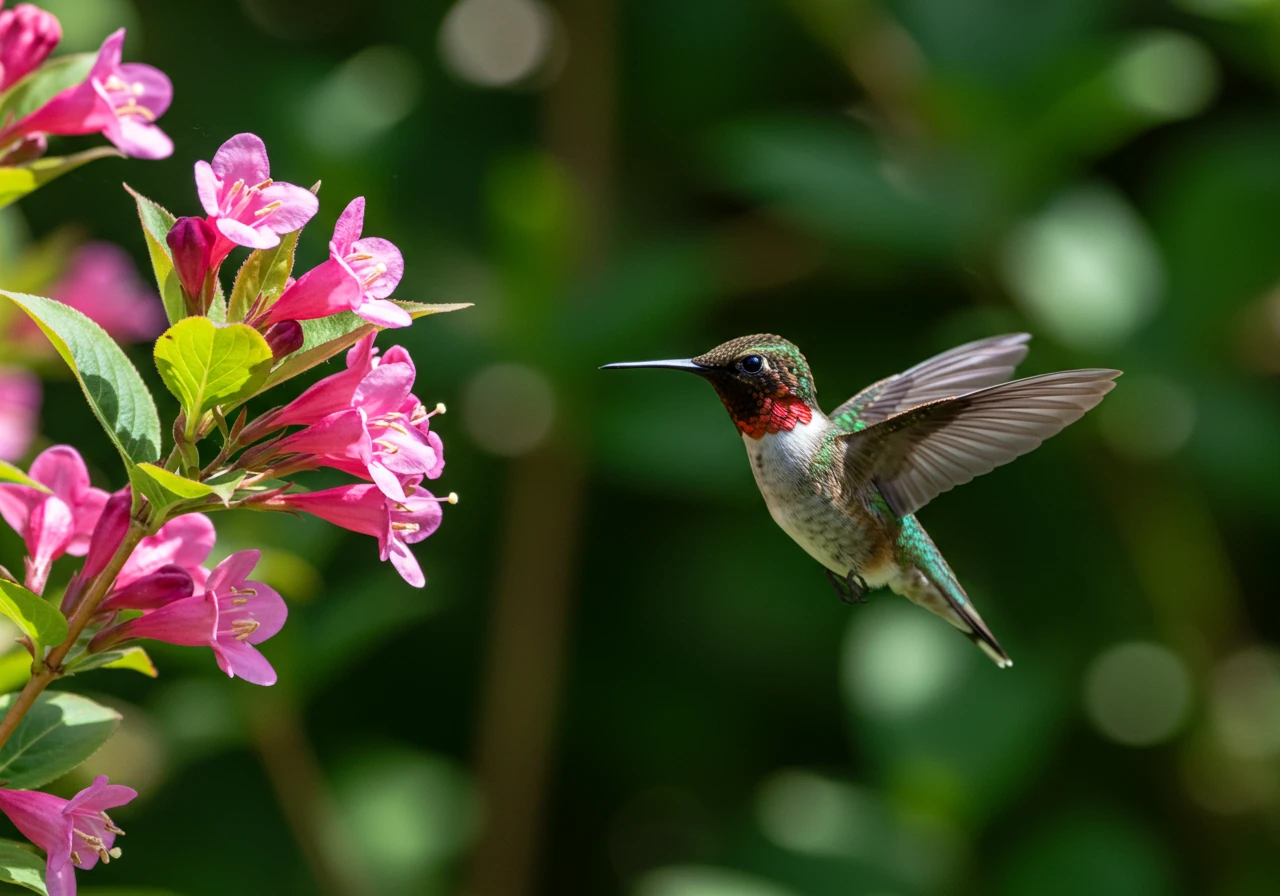
An image capturing a Ruby-throated Hummingbird hovering mid-air as it feeds from the nectar of a Weigela flower. The focus should be sharp on the hummingbird and the specific cluster of flowers it's visiting, with the Weigela shrub providing a natural, slightly blurred background. The motion of the hummingbird's wings could be slightly blurred to convey movement.
Weigela is a favorite for hummingbirds and pollinators.
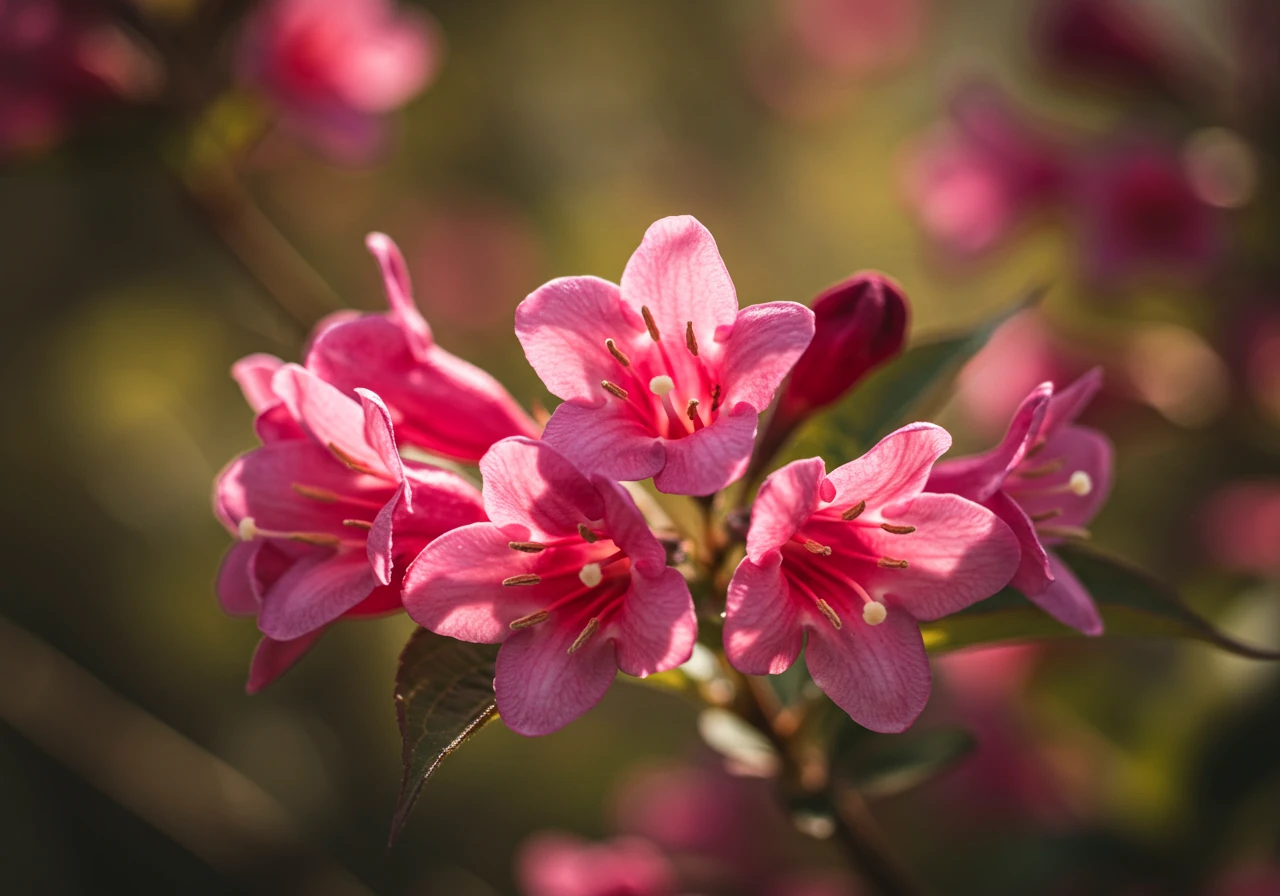
A stunning close-up photograph showcasing the vibrant trumpet-shaped pink or red flowers of a Weigela shrub in full bloom during spring. The background should be softly blurred green foliage, emphasizing the beauty and detail of the blossoms. Sunlight should gently illuminate the scene, highlighting the texture of the petals.
Vibrant spring blooms are Weigela's first act.

So, what does your Weigela need to thrive? Like most garden workhorses, it enjoys a good dose of sunshine – at least six hours a day is ideal for the best flowering. They appreciate well-drained soil but aren't usually *too* fussy. However, if you're gardening in areas with heavy clay, like parts of Greely, amending the soil with compost when planting is a fantastic idea to improve drainage and give your Weigela a great start. Proper soil preparation is foundational. Consistent watering, especially during dry spells, keeps them happy. For a broader look at plant needs throughout their lives, check out this helpful Understanding the Kenmore Plant Lifecycle Care Guide.

Now, here’s where it gets interesting. Not all Weigelas are created equal when it comes to bloom time. You've got your classic, old-fashioned types and the newer, fancy-pants reblooming varieties.

Old-Fashioned vs. Reblooming Weigela: What's the Diff?

FeatureOld-Fashioned WeigelaReblooming Weigela
Bloom TimeSpectacular Spring ShowSpring Show + Summer/Fall Encore(s)
Reblooming?Nope, one and doneYes! Often multiple flushes
Pruning NeedsAfter spring floweringCrucial timing for rebloom
Size/HabitCan get quite large, archingOften more compact, varied shapes

These reblooming types are a game-changer for extending colour in your garden design – imagine those vibrant trumpets adding pops of colour long after the initial spring rush featured in many Osgoode Spring Yard Ideas to Elevate Outdoor Living. They ensure your garden beds stay interesting deep into the season.

While we’ll get into the specifics of *how* to prune for rebloom later, it's different from the precision required for, say, Mastering Manotick Formal Hedges with Crisp Pruning Lines. Weigela pruning is more about encouragement than strict shaping.

Beyond the amazing blooms, many Weigelas offer stunning foliage in shades of burgundy, gold, or variegation, and they are absolute magnets for hummingbirds and bees! Keeping your plants healthy through practices like those discussed in Vernon Summer Preventative Garden Care Tips will maximize their appeal to these welcome visitors. Find local gardening advice from resources like the Master Gardeners of Ottawa-Carleton.

Weigelas truly offer multi-season interest, proving they are far more than just a fleeting spring fling. If keeping up with pruning and other garden maintenance tasks feels like too much, remember that professional help is available through various Clean Yards Landscaping Services to keep your landscape looking its best. Now, let's talk about unlocking that encore performance...

The 'Why' Behind the Shears: Benefits of Pruning Weigela (Besides Looking Tidy!)

Okay, let's be honest. Staring down a shrub with pruning shears in hand can sometimes feel like… well, work. But when it comes to your lovely Weigela, think of pruning less as a chore and more as unlocking a secret level of awesomeness! Sure, it helps keep things looking neat, but the real magic goes way beyond simple tidiness. There are some fantastic reasons to make those cuts, especially if you're hoping for that delightful second act of blooms.

Here’s the inside scoop on why pruning your Weigela is totally worth it:

  • The Headliner: Encouraging Rebloom! This is the big one, folks, especially for those fantastic modern reblooming varieties. When you prune your Weigela *right after* its first glorious spring flower show concludes, you're essentially sending it a signal: "Okay, encore time! Let's grow some new stuff!" Many Weigelas bloom best on *new wood* – growth produced in the current season. Snipping off those faded flower stems encourages the plant to push out fresh shoots, and guess what often comes with those shoots? More flower buds for a late summer or early fall performance! Without this timely trim, your Weigela might just focus its energy on getting bigger, potentially skipping the encore.
  • A Major Health Kick: Think of pruning as preventative healthcare for your plant. Removing dead, damaged, diseased, or awkwardly crossing branches instantly improves its well-being. This cleanup opens up the shrub's structure, allowing much better air circulation deep inside the plant. Why does that matter? Especially here in Ottawa, where summers can get humid (ask anyone gardening in Osgoode!), good airflow is your best defence against annoying fungal diseases. Thinning things out also lets sunlight penetrate deeper, boosting overall plant health and vigor. Getting rid of the pruned debris is also key – a task often included in general city garden maintenance services or a dedicated Greely Yard Cleanup Service.
  • Managing Shape and Promoting Vitality: While we're not aiming for topiary swans here, strategic pruning *does* help maintain your Weigela's naturally graceful shape and prevents it from becoming a leggy, tangled mess over time. By selectively removing some of the oldest, thickest stems (right down to the base), you encourage vigorous new growth from the roots. Younger stems tend to produce more flowers, so it’s a win-win for looks and flower production! A well-maintained shrub fits beautifully into the overall garden design, especially when complemented by neat borders established through services like Mulching and Edging.

So, you see, those shears aren't just for looks. Pruning is a vital gardening practice that directly impacts flower production and long-term plant health. It's an investment in future beauty! If the thought of figuring out exactly what and when to prune feels overwhelming, remember there are many helpful Clean Yards Landscaping Services available. Whether you need comprehensive care or help with specific tasks like a Metcalf Garden Clean Up Service, professional assistance can keep your landscape thriving. As with any service, it's always wise to understand the specifics, so reviewing the Terms and Conditions is a good step. Give your Weigela that beneficial trim – you’ll be rewarded!

Pruning Approaches Compared

Pruning for Rebloom

Goal: Encourage a second flush of flowers later in the season.

When: Immediately after the main spring bloom fades (Late June/Early July in Ottawa).

How: Lightly trim off spent flower stems, cutting just above a healthy set of leaves or bud. Focus only on the flowered portions.

Result: Stimulates new growth that can produce late summer/fall flowers on reblooming varieties.

Rejuvenation Pruning

Goal: Revitalize an old, overgrown, or leggy shrub.

When: Late winter or very early spring (March/April in Ottawa), before leaves emerge.

How: Remove about one-third of the oldest, thickest stems right down to the ground. Can be done over 2-3 years for gradual renewal, or all at once for a hard reset (sacrificing spring flowers that year).

Result: Encourages vigorous new growth from the base, leading to a fuller, healthier shrub with better flowering in subsequent years.

Timing is Everything: The Weigela Pruning Calendar for Ottawa Gardeners
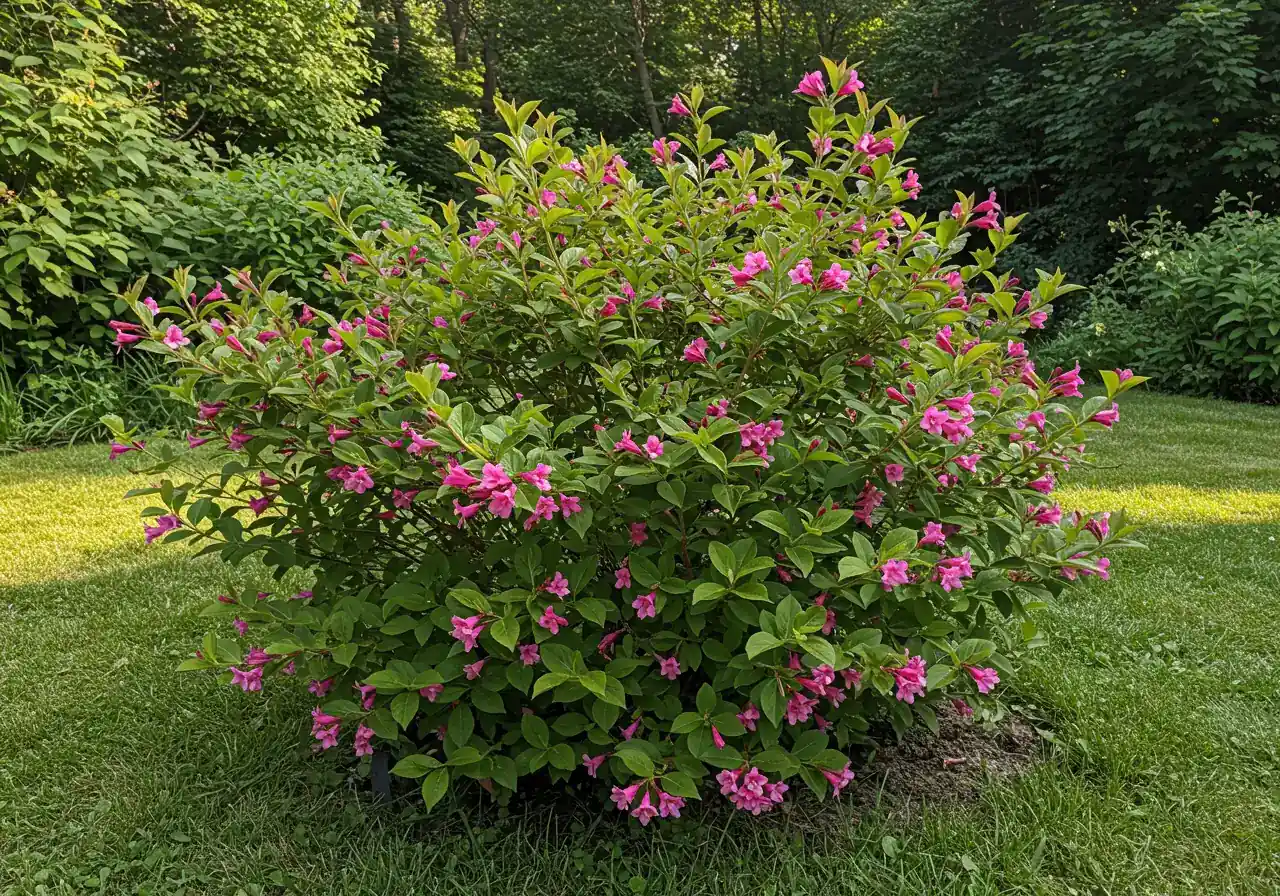
A medium shot of a healthy, compact Weigela shrub experiencing its secondary flush of blooms in late summer or early fall. The image should show sparser, but still noticeable and vibrant, flowers scattered amongst the green foliage, clearly distinct from the heavy spring bloom. The overall impression should be of a healthy plant offering bonus color later in the season. Soft, late-day sunlight.
A successful rebloom provides bonus color later in the season.

Alright Ottawa gardeners, let's talk timing! When it comes to getting that glorious Weigela rebloom, *when* you prune is just as important as *how*. Think of it like catching a bus – miss the window, and you might be waiting a while for the next show! Weigelas aren't overly dramatic, but they do respond best when you follow their preferred schedule, especially those lovely reblooming varieties. Get the timing right, and your shrub will practically send you a floral Thank You note later in the season with bonus blooms.

So, what's the magic moment? For encouraging rebloom on modern Weigelas, the absolute best time to prune is immediately after the first big wave of spring flowers finishes. Seriously, don't delay! As soon as those initial blooms start to fade and look spent (usually late June or early July here in Ottawa, depending on the specific variety and the year's weather), grab your sharp, clean pruners. Snip off the stems just above a healthy set of leaves, focusing on the parts that just flowered. This quick trim tells the plant, "Okay, Act One is over, time to grow for Act Two!" This encourages the new growth that will produce those welcome summer or fall flowers.

Why does this timing work? Because many reblooming Weigelas set their *next* round of flower buds on the *new growth* that follows the spring bloom. Pruning right away kickstarts this process. If you wait too long, say until late summer or fall, you risk cutting off the buds that were forming for *next year's* spring display. Oops! That's a common pruning mistake that leaves gardeners wondering why their Weigela didn't flower well the following spring. And if you prune *before* the spring bloom? Well, you'll just be cutting off the flowers you were waiting for! It's a delicate dance, but easy once you know the steps. Keeping things tidy after pruning is important too; while we focus on your yard, remember that keeping areas neat sometimes extends further, perhaps involving tasks like a City Property Cleanup Service handles for public-facing zones.

Now, what about a major overhaul for an old, overgrown Weigela that looks like it hasn't had a trim since the last Senators' Cup run? That's called rejuvenation pruning, where you might cut the whole shrub back hard. This is different and should be done in late winter or very early spring (think March or early April in Ottawa), before the plant leafs out. Doing this sacrifices the spring flowers for that year, but it encourages vigorous new growth from the base, revitalizing the plant for the long haul. This kind of significant pruning can lead to dramatic garden Transformations over time.

Simple Ottawa Weigela Pruning Timeline:

Late Winter/Early Spring (March-April)

Assess health. Perform rejuvenation pruning ONLY if needed for very old/neglected shrubs. Avoid general trimming. Review service details like Clean Yards Terms and Conditions if planning spring cleanup help.

Late Spring/Early Summer (Late May-June)

Enjoy the main flower show! Let it bloom.

Immediately After Spring Bloom (Late June-Early July)

**KEY REBLOOM WINDOW!** Lightly prune reblooming varieties, removing spent flower stems. This applies whether in Richmond or needing a Marionville Yard Cleanup Service.

Summer/Fall (July-September)

Watch for and enjoy the rebloom! Avoid significant pruning.

Late Fall (After Frost)

Minimal tidying only (broken twigs). Let the plant harden off for winter.

Stick to this timing, respect the difference between a light trim for rebloom and a hard cut for rejuvenation, and you'll give your Weigela the best chance to shine not once, but twice a year in your garden!

Get Snipping: Your Step-by-Step Guide to Pruning Weigela for Maximum Rebloom
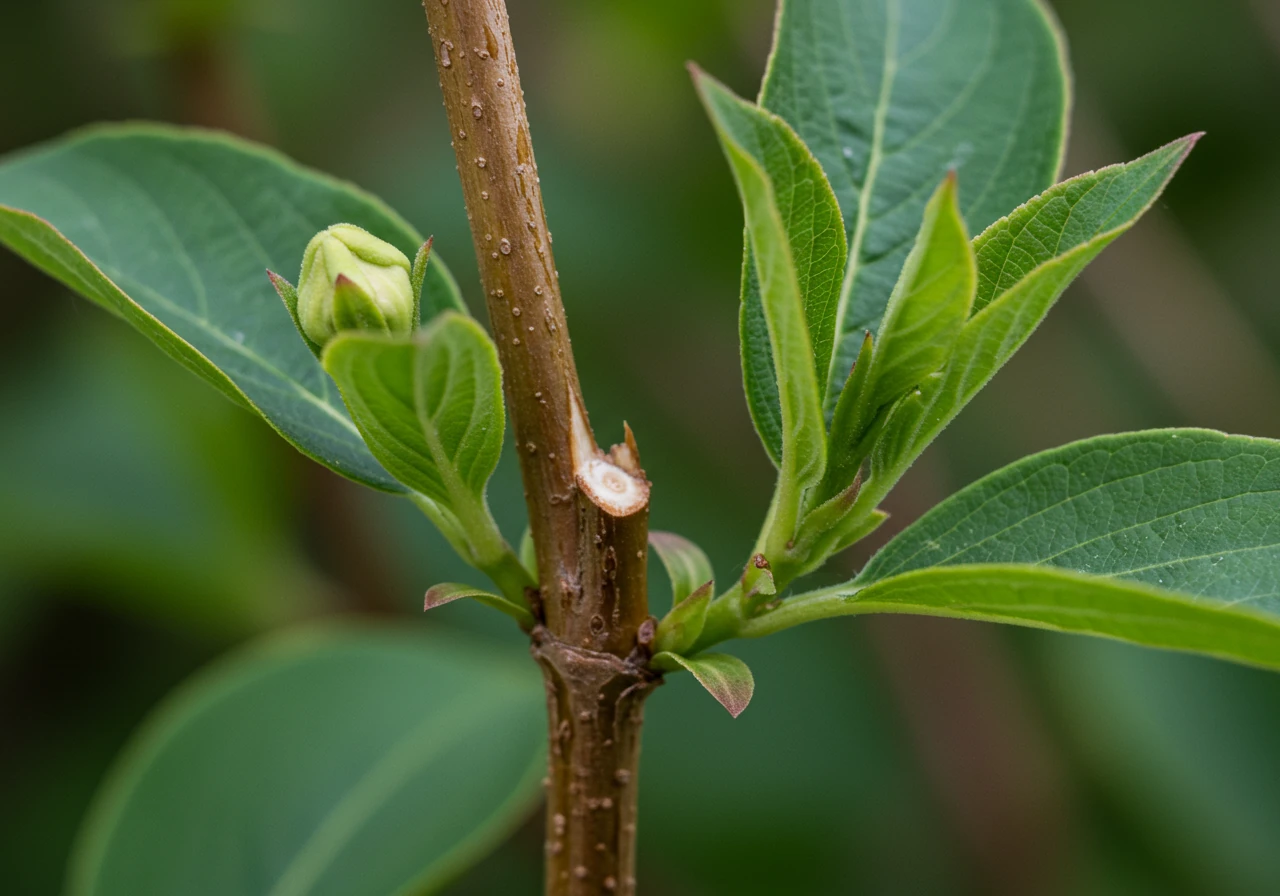
A detailed close-up shot illustrating the correct pruning technique for Weigela reblooming. The image should show a healthy green Weigela stem that has recently finished flowering (perhaps a few faded petals still visible nearby). A clean cut, made by bypass pruners (pruners not visible, just the cut), is shown about 1/4 inch above a healthy set of outward-facing leaves or a visible bud. Focus is sharp on the cut and the leaves/bud below it.
Make clean cuts just above healthy leaves or buds on stems that have finished flowering.

Okay, gardeners, grab your trusty tools – it’s snipping time! Pruning your reblooming Weigela right after its spring splash isn't rocket science, but doing it right is key to coaxing out that second round of beautiful flowers later in the season. Don't worry, it's easier than figuring out Ottawa traffic on a Friday afternoon! Let's break it down, step-by-step.

Your Weigela Pruning Toolkit:

  • Sharp bypass pruners: For clean cuts.
  • Loppers (optional): For thicker stems.
  • Rubbing alcohol or disinfectant wipes: *Crucial* for cleaning blades to prevent disease spread. Healthy plants need good garden hygiene, just like good Soil Preparation is key.
  • Gardening gloves: Protect your hands.
  • A bucket, tarp, or wheelbarrow: For easy cleanup.

Let's Get Snipping! Follow These Steps:

  1. The Once-Over: Look at your Weigela. Spot faded flowers, dead/broken/rubbing branches. Get a feel for its shape.
  2. The Magic Rebloom Cut: Find stems that just finished blooming. Follow them down to a healthy set of leaves or outward-facing bud. Cut cleanly about ¼ inch *above* them. Repeat for all spent flower stems.
  3. Deadwood Duty: Snip out clearly dead, damaged, or diseased wood. Cut back to healthy wood or the base. Removing unhealthy material is vital, similar to clearing dead grass before Sod Installation.
  4. A Little Thinning (If Needed): If crowded, remove 1-3 oldest, thickest stems at the base. Remove crossing/rubbing branches. This improves air circulation. It's a *light* tidy-up, not major surgery like some landscape Transformations.
  5. Tidy Time! Clean up all clippings. Use Ottawa's Green Bin program (check City guidelines) or arrange for waste removal if needed. Don't leave debris at the plant base, which could cause issues needing a more thorough City Garden Clean Up Service. For significant waste, a City Yard Cleanup Service can handle it.

That’s it! You've successfully pruned your Weigela to encourage that coveted rebloom. With a little luck and cooperation from the weather, you should be rewarded with another flush of flowers later in the season. Happy snipping!

Visualizing Weigela Bloom Cycles

Hypothetical Weigela Bloom Intensity (Reblooming Variety)

10%
Apr
75%
May
95%
June
20%
July
45%
Aug
30%
Sept
5%
Oct

Note: Chart shows a potential pattern. Actual bloom intensity and timing vary based on variety, weather, and care. Proper pruning after the June peak helps encourage the later blooms.

Troubleshooting Common Weigela Issues in the Ottawa Valley

Even the most easy-going shrubs can hit a snag now and then, and Weigelas are no exception. Don't despair if yours isn't quite living up to its potential! Many common issues faced by gardeners from Metcalfe to Richmond are easily fixable. Let's tackle some frequent Weigela woes:

  • Issue: My reblooming Weigela barely bloomed a second time (or not at all)!
    Answer: Most likely pruning timing! Prune *immediately* after spring flowers fade. Late pruning removes forming buds. Also check for adequate sun (6+ hours) and water during dry spells.
  • Issue: My Weigela looks terrible after winter! Lots of dead-looking branches at the tips.
    Answer: Common winter dieback in Ottawa. Wait for new growth in late spring, then prune dead tips back to healthy wood or buds. Mulching in fall helps. For major cleanup, consider professional Property Clean Up.
  • Issue: My Weigela is getting really tall and leggy, with fewer flowers down low.
    Answer: Needs rejuvenation pruning. In late winter/early spring, cut ~1/3 of the oldest, thickest stems to the base. Repeat over 2-3 years. Or consider replacing it via a Garden Install service.
  • Issue: I think my Weigela has bugs or a disease!
    Answer: Usually resistant. Check for aphids (blast with water or use insecticidal soap) or powdery mildew (improve air circulation via thinning, avoid overhead watering). Keep the area clean. Consistent Lawn Care reduces overall pest pressure. For widespread issues or cleanups in areas like Metcalfe, consider a Metcalf Property Cleanup Service. Large waste volumes from dealing with pests can be handled by a City Yard Cleanup Service.

Need expert eyes on your plant problems? Visit our Clean Yards Google Business Profile for reviews and contact info.

⭐ Weigela Wisdom: Quick Tips for Blooming Success ⭐

Feeling a bit overwhelmed? Here's your cheat sheet for Weigela success:

  • Get the Timing Right (It's Everything!): Prune rebloomers *immediately* after spring flowers fade (late June/early July). Don't wait! If clippings overwhelm your green bin, an Ottawa Yard Cleanup Service can help.
  • Prune Smart, Not Hard (for Rebloom): Snip spent flower stems just above healthy leaves/buds. Use sharp, clean bypass pruners. For large winter damage cleanup, especially near Metcalfe, a Metcalf Property Cleanup Service can assist.
  • Sunshine & Good Drainage = Happy Weigela: Needs 6+ hours of sun. Likes well-drained soil; amend clay with compost. Find info on improving beds via Material Selection guidance.
  • Tackle Winter Woes & Leggy Looks Strategically: Trim dead tips in late spring. Rejuvenate leggy shrubs by removing oldest stems at base in *late winter/early spring*. For whole-property tidying, an Ottawa Property Cleanup Service is available.
  • Keep it Clean for Health: Remove pruned branches & debris promptly. Good hygiene prevents problems. For large cleanups, like in Metcalfe, book a Metcalf Yard Cleanup Service.

Your Weigela Questions Answered: Ottawa Gardener FAQs

Alright, fellow Ottawa green thumbs, let's tackle some of those burning Weigela questions! We get it – you want these blooming beauties to thrive from Barrhaven to Greely, and sometimes you hit a little snag. Here are answers to some common queries we hear:

You bet they are! Most modern Weigela varieties sold locally are rated for Zone 5 or even Zone 4, making them perfectly suited for our chilly Ottawa climate. While you might see some tip dieback after a particularly harsh winter (which is easily pruned off in spring), the plants themselves are generally tough customers. Just give them a sunny spot and decent drainage, and they should settle in nicely. Choosing varieties known for hardiness is always a good bet.

Good question! Weigelas prefer well-drained soil, and heavy clay can sometimes hold *too much* moisture, especially during wet periods. But don't despair! You can definitely improve your odds by amending the soil generously with compost when you plant. Dig a wider hole than the root ball and mix compost into the soil you removed before backfilling. This helps break up the clay and improve drainage right where the roots need it most. Raised beds can also be a great solution in really tricky clay spots.

Absolutely! While some older varieties can become quite large, many newer cultivars are naturally more compact. For keeping *any* Weigela in bounds, the key is regular, selective pruning. Remember the main trim for rebloomers happens right after the spring flowers fade. You can also manage size over time with rejuvenation pruning in late winter/early spring, removing a few of the oldest, thickest stems right down to the ground each year. This encourages bushier growth from the base rather than just getting taller. If pruning feels like a constant battle, maybe one of our friendly team members can help - you can learn more about our approach on the Clean Yards About Us page.

Encore performance anxiety is real! Besides timing your pruning correctly (immediately after spring flowers fade!), make sure your Weigela is getting enough sunlight – at least six hours daily is crucial for good flowering. Also, check its water situation; prolonged drought stress can inhibit blooming. Ensure it's not being over-fertilized with nitrogen (lawn fertilizer runoff can sometimes cause this), which promotes leafy growth at the expense of flowers. Lastly, some years are just less floriferous than others due to weather quirks. Keep up the good care, and hopefully, next season will be better! You can always send us feedback or questions.

That's the sign of a satisfying garden task! For smaller amounts, Ottawa's Green Bin program is fantastic. Cut the branches into manageable sizes (check the city's guidelines). But if you've tackled a big rejuvenation prune or have lots of other yard waste, hauling it yourself can be a chore. That's where a professional service shines. For instance, folks needing major tidying might look into a Marionville Property Cleanup Service if they're out that way, or more generally, an Ottawa Yard Cleanup Service can handle large volumes of green waste quickly and efficiently, saving you time and hassle. If you're considering booking services online, it's always good practice to understand how your information is handled, which you can review in our Clean Yards Privacy Policy. A Marionville garden clean up service or Ottawa garden clean up service can also specifically target garden waste.

Conclusion: Enjoy Season After Season of Weigela Beauty

So there you have it! Getting your Weigela to put on a dazzling encore performance isn't some complex horticultural sorcery reserved for garden wizards. It really boils down to giving your shrub the right encouragement at the right time – primarily, that quick snip-snip *immediately* after the spring flowers take their final bow. Imagine enjoying those cheerful trumpet blooms not just in spring, but seeing them pop up again later in the summer or fall! It's a fantastic way to keep your Richmond garden buzzing with colour and life for longer.

Remember the golden rules: prune rebloomers *right* after the spring show for that second act, give them plenty of sunshine (they're total sunbathers!), and save any major haircuts for late winter or early spring. See? Not so scary!

Of course, life happens. Between work, family, and maybe trying to figure out Ottawa traffic patterns, keeping up with every garden task can feel like juggling hedgehogs. If wrestling your Weigela into shape or handling other landscaping chores feels like too much, relax! The friendly Clean Yards crew is happy to lend a hand to gardeners all across Ottawa, from elegant Manotick landscapes to lovely Richmond yards. Give us a call via our Contact Us page for expert pruning or all-around garden care that lets *you* relax.

Got your own Weigela wisdom or reblooming triumphs to share? We'd love to hear them! And don't forget to browse our other blog posts for more local gardening tips and landscaping insights. Here's wishing you season after season of spectacular Weigela beauty!

document.addEventListener('DOMContentLoaded', () => {// --- Progress Bar --- const progressBar = document.getElementById('progressBar'); const updateProgressBar = () => { const scrollTotal = document.documentElement.scrollHeight - document.documentElement.clientHeight; const scrolled = window.scrollY; const progress = (scrolled / scrollTotal) * 100; if (progressBar) { progressBar.style.width = `${progress}%`; } }; window.addEventListener('scroll', updateProgressBar); updateProgressBar(); // Initial calculation// --- Back to Top Button --- const backToTopButton = document.getElementById('back-to-top'); if (backToTopButton) { const toggleBackToTopButton = () => { if (window.pageYOffset > 300) { // Show after scrolling 300px backToTopButton.style.display = 'block'; } else { backToTopButton.style.display = 'none'; } };backToTopButton.addEventListener('click', () => { window.scrollTo({ top: 0, behavior: 'smooth' }); });window.addEventListener('scroll', toggleBackToTopButton); toggleBackToTopButton(); // Initial check }// --- Collapsible Sections (FAQ) --- const faqItems = document.querySelectorAll('.weigela-article-container .faq-item'); faqItems.forEach(item => { const questionButton = item.querySelector('.faq-question'); const answerPanel = item.querySelector('.faq-answer'); const icon = item.querySelector('.faq-icon');if (questionButton && answerPanel && icon) { questionButton.addEventListener('click', () => { const isActive = questionButton.classList.contains('active');// Close all other FAQ items if needed (optional) // faqItems.forEach(otherItem => { // if (otherItem !== item) { // otherItem.querySelector('.faq-question').classList.remove('active'); // otherItem.querySelector('.faq-answer').style.maxHeight = null; // otherItem.querySelector('.faq-answer').style.paddingTop = '0'; // otherItem.querySelector('.faq-answer').style.paddingBottom = '0'; // otherItem.querySelector('.faq-icon').textContent = '+'; // } // });questionButton.classList.toggle('active'); icon.textContent = questionButton.classList.contains('active') ? '-' : '+'; // Simple +/- toggleif (!isActive) { // Open the clicked item answerPanel.style.maxHeight = answerPanel.scrollHeight + "px"; answerPanel.style.paddingTop = '15px'; // Match padding answerPanel.style.paddingBottom = '15px'; } else { // Close the clicked item answerPanel.style.maxHeight = null; answerPanel.style.paddingTop = '0'; answerPanel.style.paddingBottom = '0'; } }); } });// --- Tab Interface --- const tabContainer = document.querySelector('.weigela-article-container .tab-container'); if (tabContainer) { const tabButtons = tabContainer.querySelectorAll('.tab-button'); const tabContents = tabContainer.querySelectorAll('.tab-content');tabButtons.forEach(button => { button.addEventListener('click', () => { const targetTabId = button.getAttribute('data-tab');// Deactivate all buttons and content tabButtons.forEach(btn => btn.classList.remove('active')); tabContents.forEach(content => content.classList.remove('active'));// Activate clicked button and corresponding content button.classList.add('active'); const targetContent = tabContainer.querySelector(`#${targetTabId}`); if (targetContent) { targetContent.classList.add('active'); } }); }); }// --- Bar Chart Animation --- const bloomChart = document.getElementById('bloomChart'); if (bloomChart) { const bars = bloomChart.querySelectorAll('.bar'); // Use Intersection Observer if available for better performance, otherwise animate on load if ('IntersectionObserver' in window) { const observer = new IntersectionObserver((entries) => { entries.forEach(entry => { if (entry.isIntersecting) { bloomChart.classList.add('animated'); // Add class to trigger value display bars.forEach(bar => { const value = bar.getAttribute('data-value'); setTimeout(() => { // Slight delay for effect bar.style.height = value; }, 100); }); observer.unobserve(bloomChart); // Animate only once } }); }, { threshold: 0.1 }); // Trigger when 10% visible observer.observe(bloomChart); } else { // Fallback for older browsers: Animate immediately after a short delay bloomChart.classList.add('animated'); bars.forEach(bar => { const value = bar.getAttribute('data-value'); setTimeout(() => { bar.style.height = value; }, 300); // Delay animation slightly }); } }}); // End DOMContentLoaded
Share This Article
Facebook
X
Pinterest
Email
Print

Thank you for sharing!

Contact Us Today

To request a quote, kindly fill out the form below.

Where Can we Reach you?
Which Service Do You Require? (Click all that apply)
Provide a Breif Description of The Work You'd Like Done

Before You Go

We’re confident in our services, we offer a 30-day money-back guarantee. Not 100% satisfied? We’ll swiftly refund all labor costs. Your satisfaction is our top priority!

Get in touch today for expert service and satisfaction guaranteed. You won't regret it!

Where Can we Reach you?
Which Service Do You Require? (Click all that apply)
Provide a Breif Description of The Work You'd Like Done
Where Can we Reach you?
Which Service Do You Require? (Click all that apply)
Provide a Breif Description of The Work You'd Like Done
Where Can we Reach you?
Which Service Do You Require? (Click all that apply)
Provide a Breif Description of The Work You'd Like Done