
Manotick Landscape Spacing: Prevent Element Crowding
Quick Overview: Landscape Spacing Essentials
- **Why Space Matters:** Improves plant health (air circulation, sunlight), prevents disease/pests, enhances aesthetics, simplifies maintenance, and accommodates mature growth.
- **Key Principle:** Always plan based on the *mature size* (height and spread) of plants, not their size at purchase.
- **Foundation Safety:** Keep shrubs 2-3 feet and trees 15+ feet away from house foundations.
- **Functional Flow:** Ensure walkways (3-4 ft wide) and patios have adequate clearance for comfortable use.
- **Plan Ahead:** Sketching your layout helps visualize final spacing and avoid future conflicts.
Feeling overwhelmed by spacing decisions? Request a free estimate today!
Introduction: Giving Your Manotick Landscape Room to Breathe!
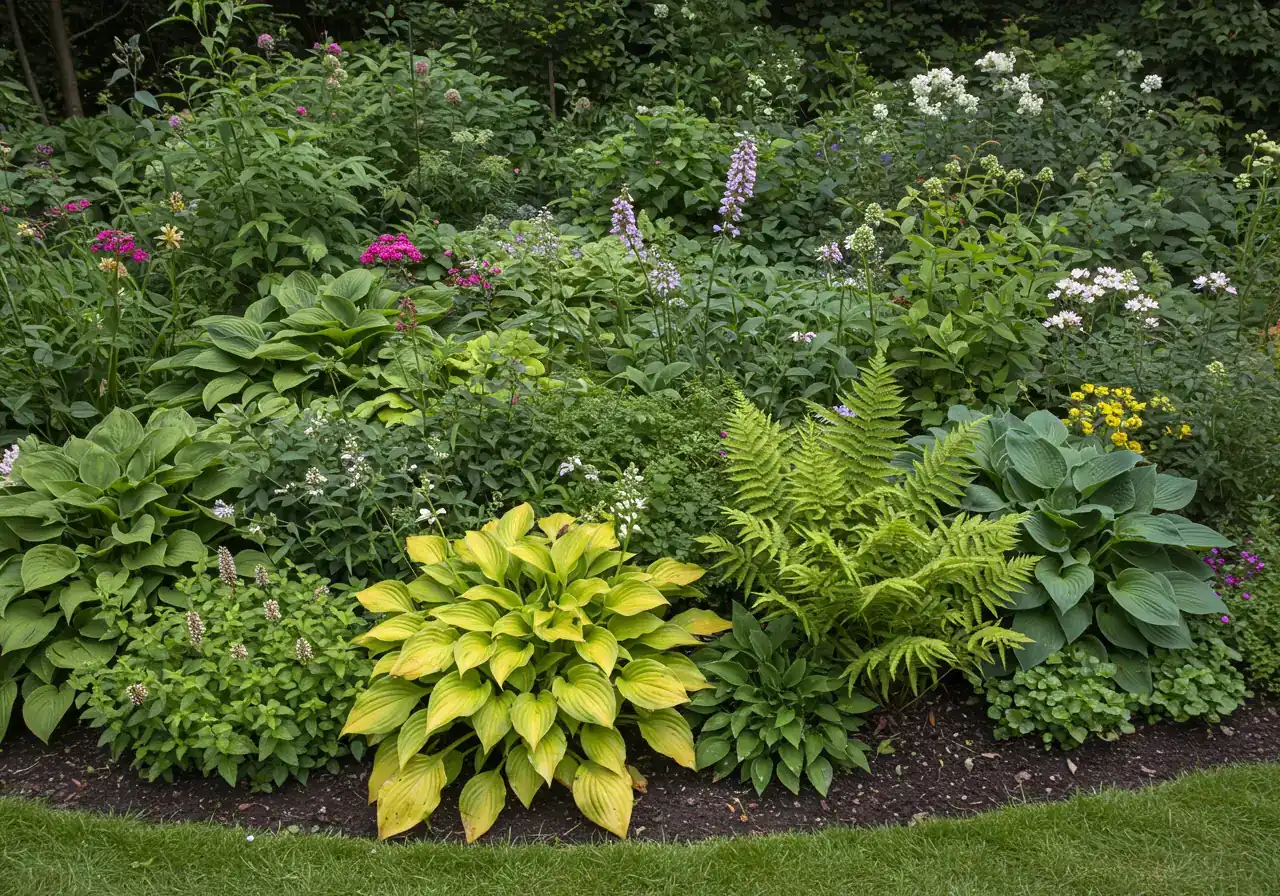
Ever feel like your garden plants are staging a hostile takeover, elbowing each other for sunlight and water like shoppers on Black Friday? We’ve all been there! You bring home those lovely little seedlings or shrubs, and suddenly, *poof*, your flower beds look more crowded than downtown Ottawa during rush hour. This, my friends, is where the magic of landscape spacing comes in.
So, what exactly is landscape spacing? Simply put, it’s the art and science of giving your plants enough room to grow happily and healthily. Think of it as ensuring everyone in your garden has enough personal space – no awkward bumping into neighbours! For homeowners here in Manotick, and even stretching out towards Greely or Kars, understanding proper spacing is key to creating a landscape that thrives, not just survives. It means healthier plants, less disease, easier gardening *for you*, and a much more beautiful, balanced look overall. Check out our Google Reviews to see what clients say about our approach.
This guide will walk you through why giving your greenery breathing room is so important, especially in our unique Ottawa region climate. We'll cover how to figure out the right spacing for different plants and share practical tips to help your Manotick garden reach its full, glorious potential without looking like botanical chaos. Let's dig in!
The 'Why': Unpacking the Perks of Proper Spacing (Especially Here in Ottawa)
Okay, let's dive a bit deeper than just "plants need space." Why is giving your garden greenery enough elbow room *really* such a big deal, especially right here in the Ottawa area? Think of it less like a suggestion and more like a golden rule for happy, healthy landscaping.
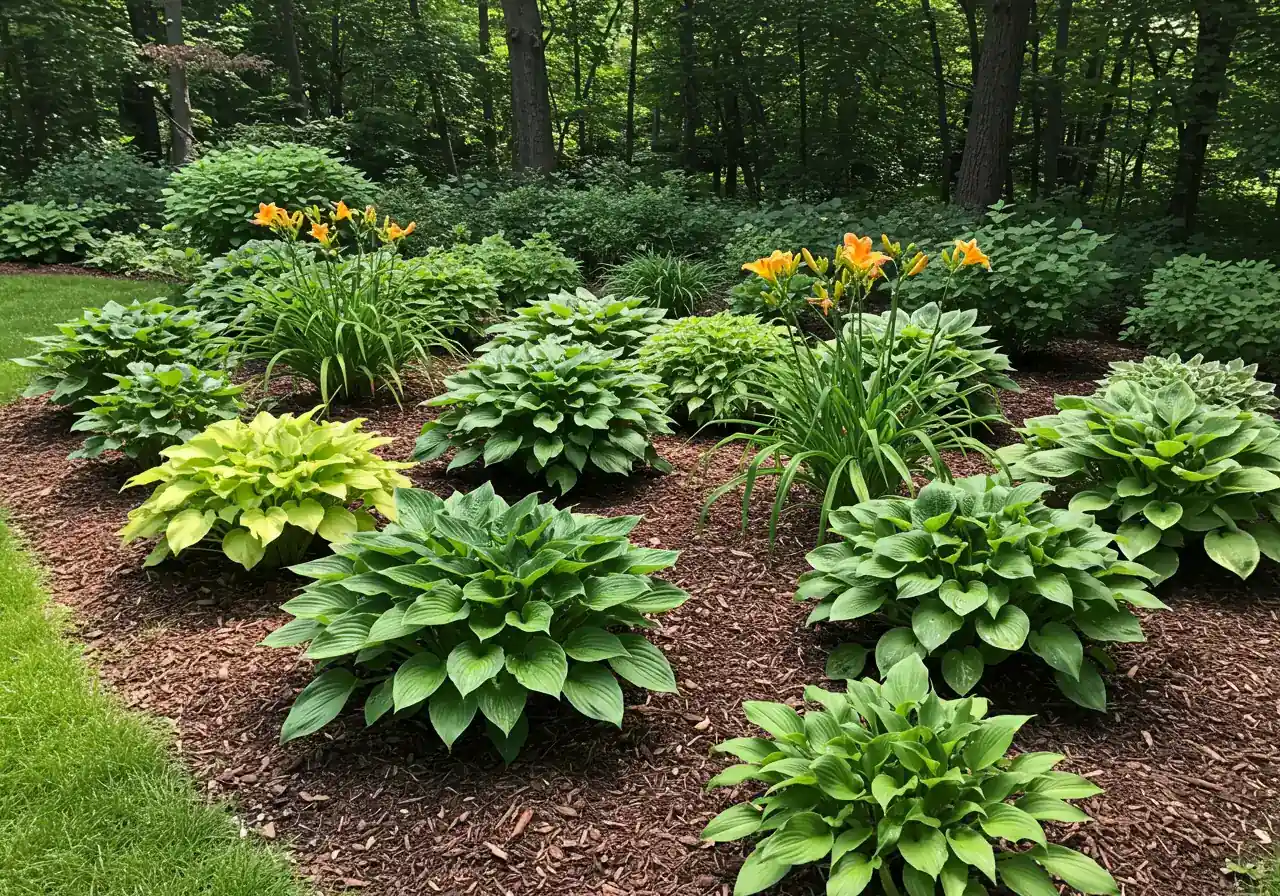
Here’s the scoop on the perks:
- Healthy, Happy Campers (aka Plants): This is the big one! When plants are crammed together like commuters on the O-Train, air can't circulate freely. In our sometimes humid Ottawa summers, that’s an open invitation for fungal diseases like powdery mildew. Yuck! Proper spacing allows air to flow, drying leaves faster and keeping diseases at bay. Plus, sunlight can reach more of the plant, fueling growth from top to bottom. Pests also find it harder to spread from plant to plant when there’s a bit of a buffer zone. Healthy roots are crucial too; good spacing helps prevent roots from becoming overly competitive for water and nutrients, especially important in the sometimes heavy clay soil found in areas like Nepean, which can impede drainage. Ensuring roots have space complements efforts like improving water management, sometimes discussed regarding Manotick Rain Gardens and Clay Soil Drainage. Visit Agriculture Canada's Soil Basics for more on soil health.
- Looking Good, Feeling Good (Aesthetics): Let’s be honest, a tangled jungle might look adventurous, but a well-spaced garden looks intentional and beautiful. Each plant gets its moment in the spotlight, showing off its unique shape and texture. Overcrowding just leads to a messy, chaotic look where individual plants get lost in the shuffle. Proper spacing creates balance and visual appeal.
- Easier Gardening for You (Functionality): Ever tried to weed, prune, or fertilize plants that are practically sitting on top of each other? It’s a recipe for frustration (and maybe accidentally snipping the wrong stem!). Giving plants adequate room makes essential garden maintenance *so* much easier. You can get in there to pull weeds, apply mulch, check for problems, and ensure water reaches the roots where it’s needed. This ease of access is vital year-round, from performing Manotick Irrigation Checks to Save Water in Summer to simplifying your Manotick Fall Cleanup and Winter Lawn Prep. Keeping things tidy with good spacing also makes tasks easier if you utilize a Manotick Yard Cleanup Service.
- Planning for the Future (Long-Term Growth & Survival): That cute little shrub won't stay little forever! Plants need room to reach their mature size without battling their neighbours for resources or literally growing into each other. Proper spacing from the start prevents headaches down the road, saving you from having to transplant or remove overgrown plants. It also helps plants withstand Ottawa's specific challenges. For instance, adequate space can prevent heavy snow loads from getting trapped and causing breakage, reducing the kind of issues you might look for during a Manotick Spring Garden Scan for Winter Damage. Roots also fare better during freeze-thaw cycles when they aren’t overly constricted.
Getting spacing right sets your garden up for success, making it healthier, prettier, and easier to manage. If you're looking at an overcrowded landscape and feeling overwhelmed, remember that professional help is available through various landscape Services designed to get your yard back in shape.
The Planning Phase: Your Blueprint for a Beautifully Spaced Manotick Yard
Okay, deep breaths! Before you grab that shovel and start digging like a landscaping superstar, let's talk planning. Skipping this step is like trying to bake a cake without a recipe – you might end up with something, but probably not what you envisioned (and possibly with flour everywhere). This planning phase is your blueprint, your treasure map to a yard where plants aren't playing bumper cars.
- Get to Know Your Yard (Like, Really Know It): First things first: grab a notepad and walk your property. Where does the sun hang out all day? Are there shady spots under that big maple? Is the ground squishy after rain (hello, potential drainage issues!) or dry as a bone? Knowing your sun exposure, soil type (even generally), and existing features (trees, fences, that shed full of mystery items) is ground zero. Consider getting things tidy first; sometimes a thorough Manotick Yard Cleanup Service can reveal site characteristics you hadn't noticed under the clutter. This applies whether you're in Manotick, have a larger property out towards Metcalfe, or are working with a more compact space common in parts of Barrhaven. Check the City of Ottawa Tree Protection By-law if you have large existing trees.
- Size Matters (Mature Size, That Is!): This is the golden rule of spacing! Look at the plant tags or do a quick online search for the mature height and spread of everything you want to plant. That tiny shrub might look lonely now, but in five years, it could be hogging the whole bed. Plan for the future size, not the garden centre size. Give perennials room to fill out, shrubs space to spread their branches, and trees plenty of clearance from buildings and each other. This prevents future headaches and costly removals.
- Think Function First, Flowers Second: How do you use your yard? Do you need clear pathways? Space for the kids or pets to run around without tripping over a hosta? Room around the patio for chairs? Maybe you're dreaming of a lush green lawn achieved through careful Sod Installation? Map out these functional areas before you place your plants. Ensure walkways are wide enough and seating areas aren't immediately crowded by future growth.
- Create Sensible Zones: Group plants with similar needs together. Sun-lovers go in the sunny spots, shade-tolerant plants in the dimmer corners. Plants that need lots of water shouldn't be right next to drought-tolerant species. This makes watering and general care much easier. It also helps when planning finishing touches like adding definition through Mulching and Edging. Planning zones is helpful whether you have sprawling acres near Richmond or a smaller city plot requiring attentive City Garden Maintenance Service.
- Sketch it Out (No Art Degree Needed!):
Make a simple map of your yard.
- Draw the basic shape and measure the boundaries.
- Mark existing features: house, driveway, patio, large trees, etc.
- Note those sun/shade patterns you observed.
- Now, using circles or shapes representing the mature spread of your chosen plants, start placing them on your map. This visual guide helps you see potential conflicts and adjust spacing before any soil is disturbed.
Remember, this plan isn't set in stone. It's a guide! If planning feels overwhelming or you want a professional eye, exploring options for Garden Install services can bring your vision to life accurately. Even property owners further afield, needing help perhaps with a Marionville Property Cleanup Service before landscaping, benefit immensely from a solid plan. A little foresight now saves a lot of rearranging later!
Getting Specific: Spacing Guidelines for Plants, Trees & Shrubs
Okay, you've done your homework, sketched out a plan, and you're ready to talk specifics. Let's get down to the nitty-gritty of how much personal space your green buddies actually need. Remember, that tiny plant tag holds the secret weapon: mature size. Ignore it at your peril (or prepare for future plant wrestling matches!).
Here are some general guidelines for our Ottawa climate (hello, Zone 5a/b!):
- Trees: The Gentle Giants (Eventually!)
- Think Big Picture: Large shade trees (like Maples or Oaks suited for our area) need serious space. Plant them at least 15-20 feet away from your house foundation, septic systems, and overhead utility lines. For property lines, consider their full mature spread – planting half the mature width away from the boundary is a good starting point to avoid future neighbourly disputes (and always best practice, much like respecting privacy outlined in our Privacy Policy).
- Smaller Trees: Ornamental or smaller trees (like Serviceberry or Crabapple) might only need 8-15 feet of clearance from structures.
- Tree-to-Tree: Space trees so their mature canopies won't seriously overlap unless you're intentionally creating a dense grove. Check the mature spread!
- Shrubs: The Versatile Mid-Layer
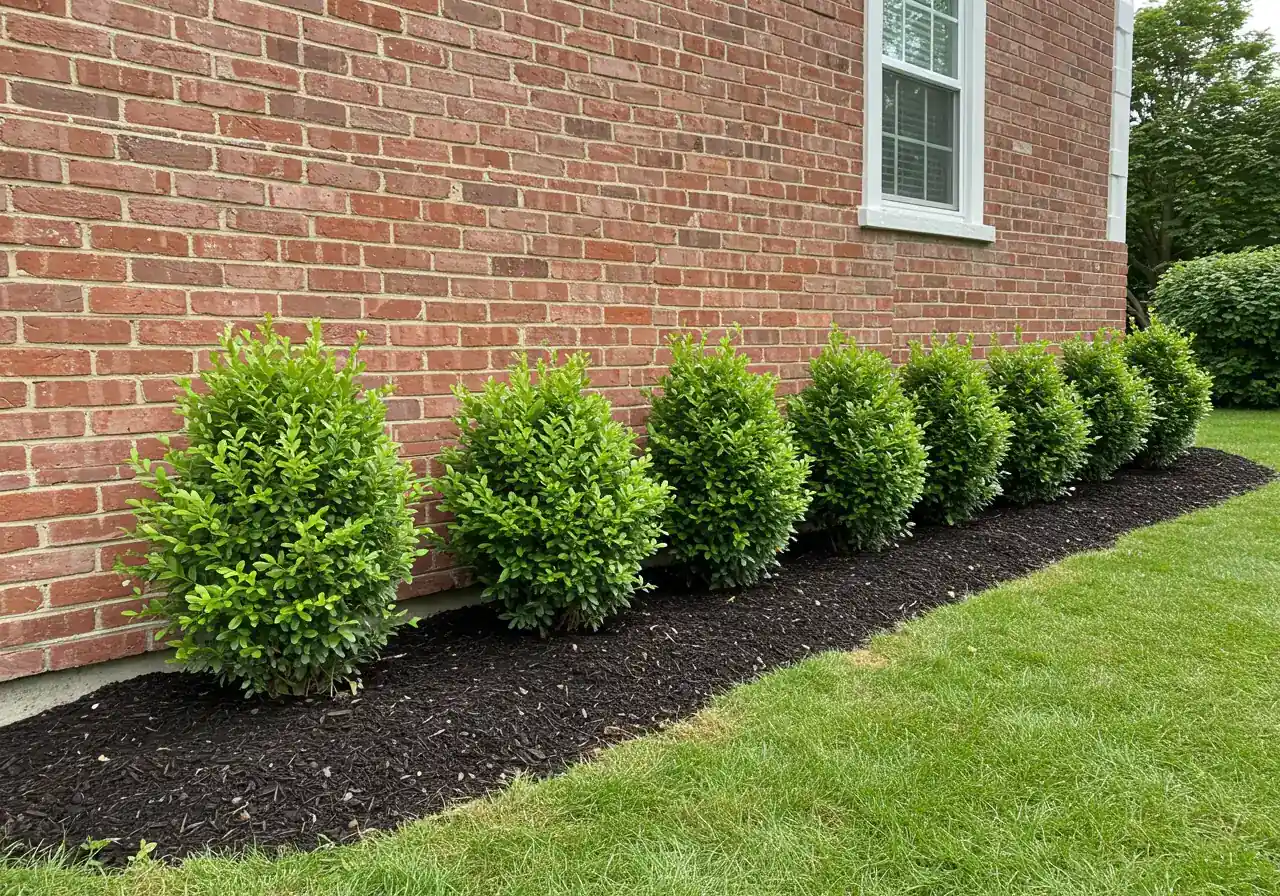
- Give 'em Room: Check the tag! A shrub expected to grow 6 feet wide needs about 3 feet of space from its centre to a wall, walkway, or another plant's centre (this is called "spacing on centre"). This allows air circulation and access.
- Foundation Plantings: Avoid planting shrubs right against your house. Leave at least 2-3 feet from the foundation to prevent moisture issues and allow for maintenance.
- Hedges: For a dense hedge, you'll plant shrubs closer together than their full mature spread – often about half to two-thirds of the mature width, depending on the plant type. Choosing the right species is crucial here, something covered broadly under Material Selection.
- Perennials & Annuals: The Colourful Crowd
- Tag is King: These vary wildly! Tiny groundcovers might need 6 inches, while big Hostas or Peonies can need 2-3 feet each. Spacing "on centre" means measuring from the middle of one plant to the middle of the next.
- Fill vs. Flow: Plant slightly closer than the tag recommends if you want a quick, full look, but don't overdo it! Good airflow prevents disease. Remember, proper spacing makes maintenance tasks like Mulching and Edging much simpler.
- Think Ahead: Crowded perennials are harder to divide later. If things get too wild, sometimes a professional touch-up via a City Garden Clean Up Service can help reset the bed.
Key Considerations for Ottawa Gardeners:
- Zone Appropriateness: Always choose plants rated for Zone 5a or 5b. While microclimates exist (perhaps slightly milder near the river in Kars, or more exposed out near Vernon), sticking to Zone 5 plants gives them the best chance of survival through our winters. Find your specific zone using resources like Canada's Plant Hardiness Zone Maps.
- Structures & Lines: Keep plants away from dryer vents, air conditioning units, and window wells. Always call Ontario One Call before digging near property lines to locate underground utilities!
- Existing Landscape: If you're inheriting an overgrown landscape, sometimes a full Ottawa Property Cleanup Service is needed before you can even assess spacing. Proper spacing from the start avoids the need for intense interventions like a City Yard Cleanup Service down the road just to manage overgrowth.
Spacing for Common Ottawa Perennials
| Plant | Mature Spread (Approx.) | Recommended Spacing (On Centre) |
|---|---|---|
| Hosta (Medium-Large) | 2-4 ft | 2-4 ft |
| Daylily (e.g., Stella d'Oro) | 1.5-2 ft | 1.5-2 ft |
| Coneflower (Echinacea) | 1.5-2 ft | 1.5-2 ft |
| Peony | 3-4 ft | 3-4 ft |
| Sedum (Upright, e.g., Autumn Joy) | 1.5-2 ft | 1.5-2 ft |
Note: Always check the specific variety's tag for exact dimensions.
Spacing Foundation Shrubs
Remember the golden rule: keep shrubs at least 2-3 feet away from the foundation wall (measure from the centre of the plant).
| Shrub Type | Typical Mature Spread | Min. Spacing from Foundation | Spacing Between Shrubs (Centre to Centre) |
|---|---|---|---|
| Boxwood (Dwarf/Medium) | 2-4 ft | 2.5-3 ft | 2-4 ft (or closer for hedge) |
| Yew (Spreading/Upright) | 3-8 ft+ | 3-5 ft | 3-8 ft+ (check variety) |
| Hydrangea (e.g., Annabelle) | 4-6 ft | 3-4 ft | 4-6 ft |
| Spirea (Smaller varieties) | 2-4 ft | 2.5-3 ft | 2-4 ft |
These are general guidelines. Compact varieties may allow slightly closer spacing, while larger ones need more room. Need help choosing? Check our Material Selection advice.
Spacing Smaller Ornamental Trees
Small trees add vertical interest but still need space from structures and other plants.
- Serviceberry (Amelanchier): Mature spread often 15-20 ft. Plant at least 10-12 ft from house/structures.
- Crabapple (Malus): Spread varies widely (10-25 ft). Check variety. Plant at least half the mature spread away from structures.
- Eastern Redbud (Cercis canadensis): Spread 20-30 ft. Needs ample room, plant 15+ ft from structures.
- Japanese Maple (Acer palmatum - upright forms): Spread 10-20 ft. Plant 8-10 ft from structures. Dwarf/weeping forms need less horizontal space.
Always consider overhead wires and underground utilities (Ontario One Call) when siting trees.
Hardscaping Harmony: Spacing Walkways, Patios, and Features
Okay, let's move beyond the greenery for a moment and talk about the "bones" of your landscape – the hardscaping! Getting the spacing right for your walkways, patios, and other features is just as crucial as giving your plants breathing room. Think of it as choreographing a dance between function and flow in your yard. Nobody wants to trip over a poorly placed path or squeeze past patio furniture like they're navigating a crowded pub!
Walkways: Your Guiding Paths
Your walkways are the arteries of your landscape, guiding people (and maybe the lawnmower) around.
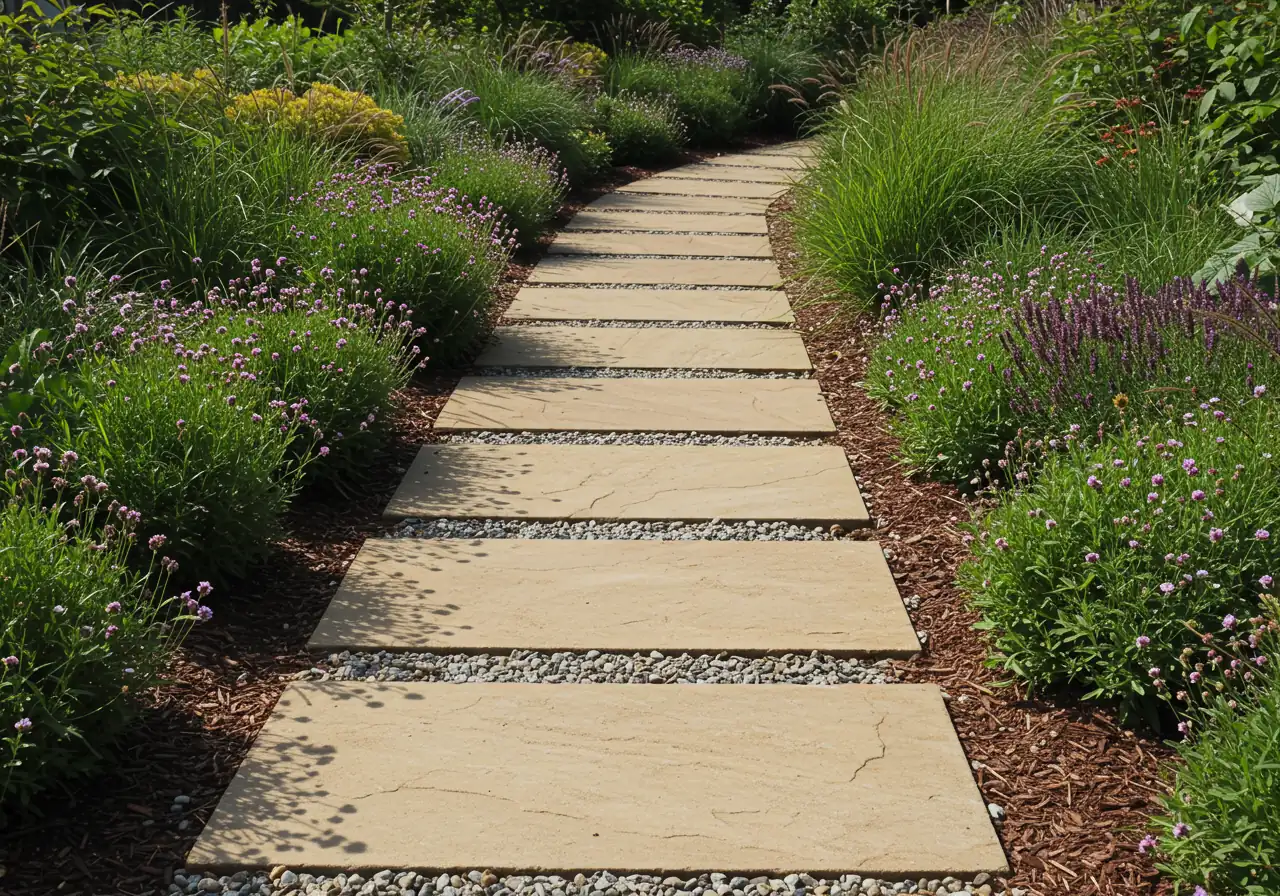
- Main Course: Primary walkways, like the one from your driveway to the front door, should feel welcoming and comfortable. Aim for a width of at least 3-4 feet (about 1-1.2 meters). This allows two people to walk side-by-side without bumping elbows, or one person to pass easily with groceries.
- Side Dishes: Secondary paths, perhaps meandering through a garden bed or leading to a side gate, can be a bit narrower, maybe 2-3 feet (0.6-1 meter).
- Plant Clearance: Remember those plant spacing rules? Keep plantings at least 6-12 inches back from walkway edges so they don't trip passersby or make the path feel cramped as they mature. You don't want your pathway turning into an obstacle course! Proper path definition also simplifies tasks related to Lawn Care by creating clear mowing or edging lines.
Patios: Your Outdoor Living Room
How much space do you really need on a patio? More than you might think!
- Furniture Footprint: Map out where your table, chairs, BBQ, or lounge set will go. Then add at least 3 feet of clearance around these areas for comfortable movement. You need room to pull chairs out and walk around without bumping into things.
- Flow is Key: Ensure there's clear passage through the patio space if it connects different yard areas. Don't block main traffic routes with furniture.
- Feature Focus: Placing a feature like a fountain? Give it some breathing room so it feels like an intentional focal point, not just crammed in. Proper planning here prevents needing a major overhaul later; sometimes a big project starts with getting the area ready, perhaps requiring a comprehensive Marionville Yard Cleanup Service if dealing with a large, cluttered space.
Features: Fire Pits, Sheds, and More
These require specific spacing for safety and usability.
- Fire Pits: Safety first! Check local Ottawa bylaws, but generally, keep portable fire pits at least 10-15 feet away from your house, sheds, fences, and overhanging branches. Built-in fire pits might have different requirements. Ensure ample clear space around them for seating and safe movement.
- Sheds & Structures: Allow enough space around sheds for door swing, maintenance access (painting, repairs!), and to prevent moisture buildup against walls. Don't plant shrubs right up against the shed foundation. Giving these structures adequate room is important, especially on larger properties where you might need significant site prep, something handled by services like a Metcalf Yard Cleanup Service before installation.
- Planting Pockets: Integrate plants around hardscaping, not just pushed away from it. Leave planting pockets within patios or create borders along walkways. Just ensure you plan for mature plant size to avoid root damage to pavers or concrete later. Getting these border beds ready might involve a focused Marionville Garden Clean Up Service to prepare the soil.
Material Matters & Eco-Friendly Choices
In Ottawa, our freeze-thaw cycles are tough on materials. Choose durable options like quality interlock pavers, natural stone, or properly installed concrete. Consider permeable pavers, especially in areas like Russell or Embrun near the Rideau River watershed. These allow rainwater to soak back into the ground, reducing runoff and helping our local environment. Thoughtful integration of hard and soft elements is key to a successful landscape – it’s a philosophy central to how we operate, which you can learn more about on our About Us page. And remember, starting any big hardscaping project on a clean slate makes life easier; sometimes a thorough City Yard Cleanup Service is the necessary first step to visualizing the possibilities. We appreciate when clients share their thoughts through Estimate Feedback.
*Illustrative percentages comparing well-spaced vs. overcrowded gardens.
Quick Tips: Your Spacing Cheat Sheet
Got spacing questions buzzing around like bees in a lavender patch? You're not alone! Getting plant placement *just right* can feel tricky, but a few key pointers can make all the difference between a tangled mess and a triumphant landscape. Here’s a quick rundown of answers to common spacing head-scratchers we hear around Ottawa.
Oh, that's easy – forgetting about mature size! We see it all the time, from Manotick to Metcalfe. Folks plant adorable little shrubs or trees way too close together or near structures, only to find they're battling an overgrown jungle a few years later. Always, *always* check the tag or look up the plant's future size. Ignoring this often leads to needing a major Ottawa Yard Cleanup Service down the road to correct the chaos. Read the tag – it’s your landscape crystal ball!
Give your foundation some breathing room – think of it as social distancing for plants! For shrubs, aim for at least 2-3 feet from the centre of the plant to the wall. For trees, especially larger ones that will call your Greely property home for decades, you need much more – think 15-20 feet or more to avoid root or branch issues later. Planting too close traps moisture (bad for foundations), invites pests right up to your door, and makes painting or repairs a real pain. Keep it clear!
Ah, the mystery plants! Your best bet is channeling your inner garden detective. Try to identify the plant – there are some great apps like PlantSnap or Google Lens that can help. Once you have a name (even a maybe!), look up its mature height and spread online. If you absolutely *cannot* identify it, make your best educated guess based on its current size and growth habit (is it upright like a soldier? Spreading like gossip?). When in doubt, err on the side of giving it *more* space rather than less. If your yard is already a bit of a puzzle palace from past plantings, consider a general Property Clean Up first to create a clean slate before adding your unknowns.
Patience, young padawan! We totally get it – that initial sparseness can feel a bit underwhelming, like waiting for water to boil. But trust the process! You can absolutely fill those temporary gaps with colourful, faster-growing annuals, or use an attractive layer of mulch (which also helps suppress weeds and retain moisture!). Think long-term gain; that space *will* fill in beautifully. Rushing it just leads back to the overcrowding problem you were trying to avoid. This thoughtful, phased approach reflects good landscaping principles, aligning with the values we hold – you can learn more About Us and our commitment to sustainable beauty. Need some visual motivation? Check out some landscape Transformations to see how wonderfully spaced gardens mature over time.
Good fences make good neighbours, and so does considerate plant spacing! The golden rule here is, again, mature spread. For shrubs and trees, planting the centre of the plant at least *half* of its mature width away from the property line is a safe bet (e.g., a shrub that grows 6 feet wide should be planted with its centre 3 feet from the line). For potentially massive trees, be even more generous – think about future root spread and canopy overhang. Nobody wants passive-aggressive pruning wars! Also, *always* call Ontario One Call before digging near boundaries to locate underground utilities – it’s the law and just plain smart. If you're hiring professionals for work near property lines, it's always a good idea to understand the scope and responsibilities, usually detailed in their Terms and Conditions.
Yes and no! Plants *still* need adequate room for their roots and leafy tops to grow without duking it out for sunlight, water, and nutrients, so that mature spread guideline remains your best friend. However, because you have more control over the awesome soil quality and drainage in a raised bed, you *might* be able to snug things *slightly* closer together than you would in the ground, especially for annual veggies or flowers, as they aren't competing as fiercely for resources. Don't go wild though – good air circulation is still crucial for preventing diseases, particularly during our humid Ottawa summers. Think "cozy," not "crowded." A great thank you to clients who trust us with these details.
Spacing Snapshot:
- Tag is Truth: Always plant based on mature size, not purchase size.
- Foundation Free Zone: Keep shrubs 2-3 ft away, trees 15+ ft, from house walls.
- Walkway Width: Aim for 3-4 ft wide for main paths for comfortable passage.
- Patio Comfort: Allow at least 3 ft of clear space around furniture for easy movement.
- Neighbourly Planting: Position plants half their mature width away from property lines.
- Fill Gaps Smartly: Use temporary annuals or good mulch while waiting for plants to grow.
Timeline: From Planning to Mature Landscape
Year 0: Planning & Planting
Assess site, choose plants based on mature size, create layout plan, prepare soil (Soil Preparation is key!), install plants with proper spacing. Garden looks sparse initially.
Year 1-2: Establishment
Plants start filling in. Focus on watering, weeding, and light garden maintenance. Add annuals or mulch to fill gaps. Roots establish.
Year 3-5: Filling Out
Perennials reach near-mature size. Shrubs show significant growth. Spacing becomes visibly appropriate. May need light pruning for shape. Less space for weeds.
Year 5+: Maturity & Maintenance
Landscape achieves intended look. Trees gain height. Ongoing pruning, potential perennial division, and general upkeep needed. Benefits of proper spacing are evident in plant health and ease of care. Time for a garden clean up touch-up?
FAQs: Solving Spacing Puzzles in the Ottawa Area
Don't panic! It's a common issue. Start by identifying the plants you definitely want to keep. Then, research their mature sizes. You'll likely need to selectively remove or transplant some overcrowding culprits. If it feels overwhelming, especially on a larger property needing significant work, consider a professional evaluation. Sometimes getting expert help, like a thorough Metcalf Garden Clean Up Service, can clear the clutter and make decisions easier.
Yes, clay soil definitely adds a twist! Because clay drains slowly and can compact, plant roots sometimes struggle to penetrate and spread out. Giving plants slightly more space than recommended for loam soil can be beneficial. This reduces root competition for water and nutrients. Equally important is amending the soil to improve structure; focusing on good Soil Preparation before planting makes a huge difference for root health in clay conditions.
Absolutely. Planting near waterways requires careful thought about erosion control and plant suitability. Space plants appropriately for their mature size, but also consider grouping native species suited to moist conditions closer together to help stabilize the bank. Avoid planting large trees too close where roots could destabilize the bank over time. It's a balance! If you're unsure about regulations or best practices for shoreline planting, it's wise to seek specific advice; feel free to Contact Us to discuss your situation.
Yes, you should be mindful. Plants crammed against your foundation trap moisture, which can lead to dampness, mould, and even ice buildup near the base of your walls in winter. They also provide cozy shelter for pests wanting to get indoors! Proper spacing (at least 2-3 feet away) allows airflow and helps prevent these issues. If your foundation plantings are already overgrown and causing concern, addressing it sooner is better; tackling it might fall under the scope of a City Property Cleanup Service.
Good spacing is your winter friend! Avoid planting dense shrubs or trees right beside driveways or walkways where snowplows or shovels might damage them. Consider the 'plop zone' – where will snow sliding off the roof land? Don't put delicate shrubs there! Giving plants enough room means snow is less likely to get trapped and weigh down branches causing breakage. If you've had issues with winter damage due to poor placement, let us know when requesting future work; you can even provide details via our Estimate Feedback form.
Assessing an established garden takes a keen eye! Observe it through a full growing season. Note which plants seem crowded, which are struggling, and where maintenance access is difficult. Think about visual balance – are things lopsided? Sometimes just removing one or two problem plants or strategically pruning can make a huge difference. Sketching it out and marking potential moves helps visualize the impact before you dig. If it seems complex, professional advice can identify priorities. Maybe a visit from our Marionville garden service team could help?
Conclusion: Create a Manotick Masterpiece with Smart Spacing
Well folks, we've journeyed through the sometimes surprisingly complex world of landscape spacing! Who knew giving plants their personal bubble was so important, right? The big takeaway is simple: think future, not just now. Planning for mature plant size and ensuring good airflow isn't just fussy gardening advice – it's the key to unlocking a healthier, happier, and way-less-chaotic yard. It means less wrestling with overgrown shrubs and more time enjoying the view, whether you're right here in Manotick, out near Kenmore, or tending a plot in Nepean.
Remembering those mature sizes, giving hardscaping room to function, and sketching out a basic plan before you dig will save you heaps of headaches down the road. You're aiming for a landscape that grows with you, looking intentional and beautiful for years to come.
Feeling inspired but maybe a little unsure where to start with your own space?
- Take a peek at our landscape Transformations page to see how thoughtful spacing creates stunning results.
- Ready for personalized advice? Contact Us today for a friendly chat about your specific Manotick landscaping goals.