
Prune Nepean Roses Now: Stop Black Spot Before It Starts
- Prune roses in late winter/early spring (late March-mid April in Ottawa).
- Focus on removing dead, damaged, diseased wood (the 3 D's).
- Thin out crossing branches and inward-growing stems to improve air circulation.
- Clean up ALL fallen leaves and pruned debris meticulously to remove overwintering spores.
- Water at the base of the plant in the morning.
- Use mulch to prevent soil splash.
Need help keeping your Nepean garden healthy and beautiful? Request a free quote today!
Introduction: Calling All Nepean Rose Lovers! Let's Talk Black Spot
Hey Nepean rose lovers! Isn't seeing those gorgeous blooms in your garden, perhaps brightening up a corner of Barrhaven, one of the best parts of summer? But let's face it, sometimes our lovely roses face a common foe: black spot. You know the one – those annoying dark spots that pop up on the leaves, often followed by yellowing and sad-looking leaf drop. It's more than just unsightly; this pesky fungal disease can really weaken our precious plants, leaving them stressed and less vibrant.
The good news? While black spot can be a real headache for gardeners, it's not unbeatable! One of the *best* ways to fight back and prevent black spot from crashing the garden party is proper *pruning*. Especially with Ottawa's sometimes humid summers creating ideal conditions for fungal issues, knowing *when* and *how* to prune makes a huge difference in your rose's health and your overall landscaping success. Think of it as preventative healthcare for your roses! We're here to share some local expertise and practical gardening tips to help you tackle black spot head-on. Let's keep those Nepean roses looking fabulous! Need help beyond roses? Consider our comprehensive City Yard Cleanup Service.
Black Spot Blues: Understanding Your Fungal Foe in Ottawa
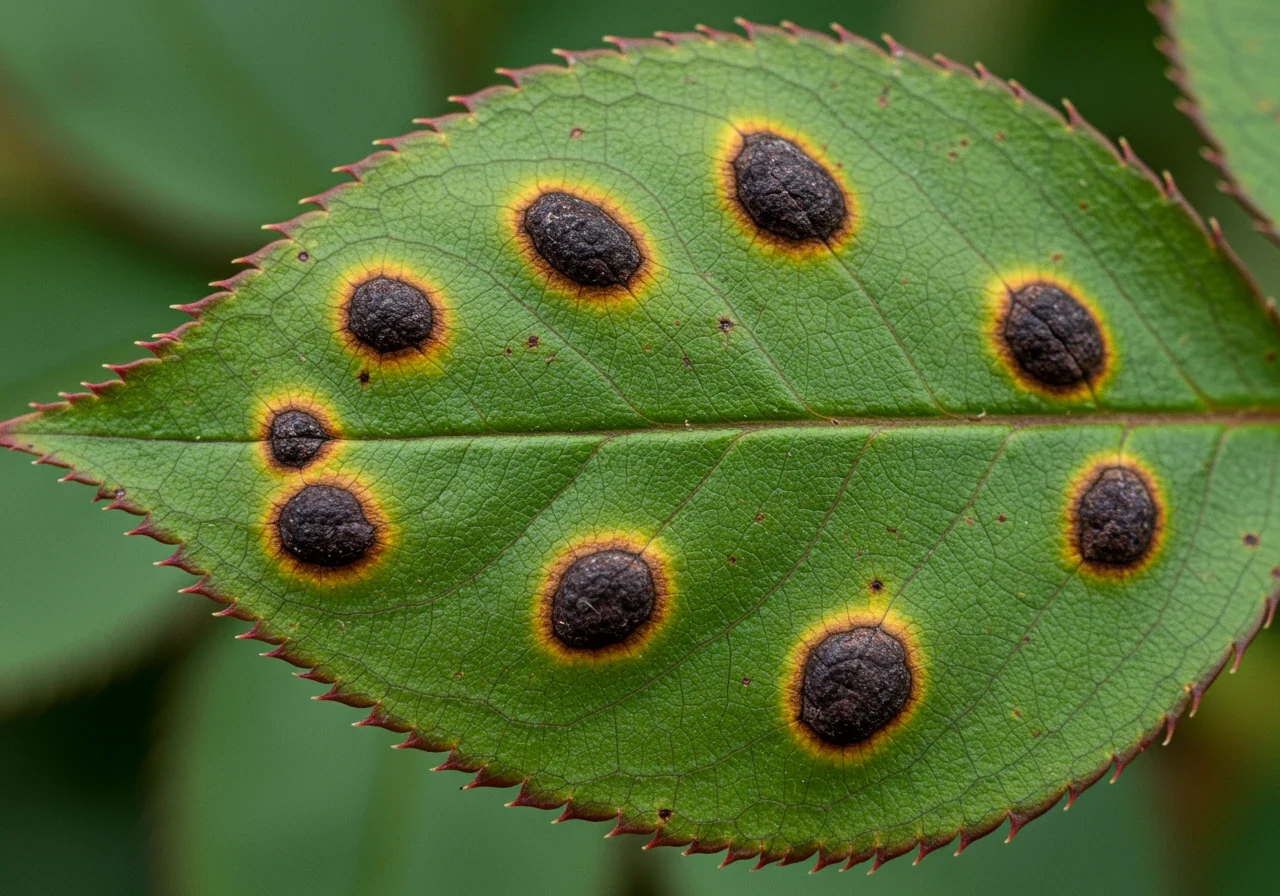
Alright gardeners, let's talk about that unwelcome guest that often crashes our Ottawa rose parties: black spot. It’s more than just a cosmetic issue; this fungal disease, caused by *Diplocarpon rosae*, can really give your beautiful roses the blues and weaken them significantly. Understanding this little troublemaker is the first step to winning the battle.
So, what exactly *is* this stuff? Think of black spot fungus as a sneaky opportunist. Its spores are microscopic tough guys that can survive Ottawa winters hiding in fallen leaves or on infected canes left from last season. Come spring and summer, when rain splashes or your sprinkler hits just right, these spores get launched onto fresh, young leaves. If the leaves stay wet for about 6-7 hours (easy to achieve during a humid Ottawa morning or after an evening shower!), the spores germinate and infect the leaf tissue. Voilà – black spot begins! Keeping garden debris cleaned up, similar to the cleanup after Russell Pruning Ornamental Grasses Best Time Spring, helps reduce places for these spores to hide. A detailed guide on pruning specific plants like clematis can be found in our Russell Clematis Pruning Guide for Summer Blooms.
You'll know it when you see it:
- Distinct black spots, usually circular, appearing on the upper side of leaves.
- These spots often have fuzzy or fringed edges.
- Frequently, a yellow "halo" forms around the black spot.
- Eventually, the entire leaf may turn yellow and drop off prematurely.
Why does Ottawa seem to be such a hotspot for black spot? Our lovely, humid summers and temperature swings create the perfect damp conditions this fungus adores. Think about those dewy mornings in neighbourhoods like Manotick or after a heavy summer downpour across the city – that moisture lingering on the leaves is prime infection time. Poor air circulation around the plant makes it worse, trapping humidity. This highlights why pruning techniques that promote airflow are so beneficial for roses too. Additionally, areas with poor soil drainage mean the base of the plant and lower leaves stay wet longer, inviting trouble. For information on soil, see our guide on Soil Preparation.
The impact isn't just aesthetic. A rose losing lots of leaves gets stressed. It can't photosynthesize properly, leading to fewer flowers and weaker growth. Most critically for our climate, a severely weakened rose has a much harder time surviving Ottawa's cold winters. It just doesn't have the energy reserves. Furthermore, moving between plants with dirty tools can easily spread the spores; it emphasizes the need for good tool hygiene, a key point covered in Manotick Spring Pruner Care and Disease Prevention. While disease management pruning is crucial during the growing season, remember this differs from structural pruning done at other times, like Barrhaven Fruit Tree Pruning for Fall Harvest.
Dealing with persistent black spot can feel daunting, but knowing your enemy helps craft your defence. If you're facing a tough battle or need broader support for your garden's health, exploring professional Landscaping and Yard Care Services can provide expert help and tailored solutions. Our team offers services across the region, including Marionville Yard Cleanup Service.
Pruning Power: Your Best Defence Against Black Spot
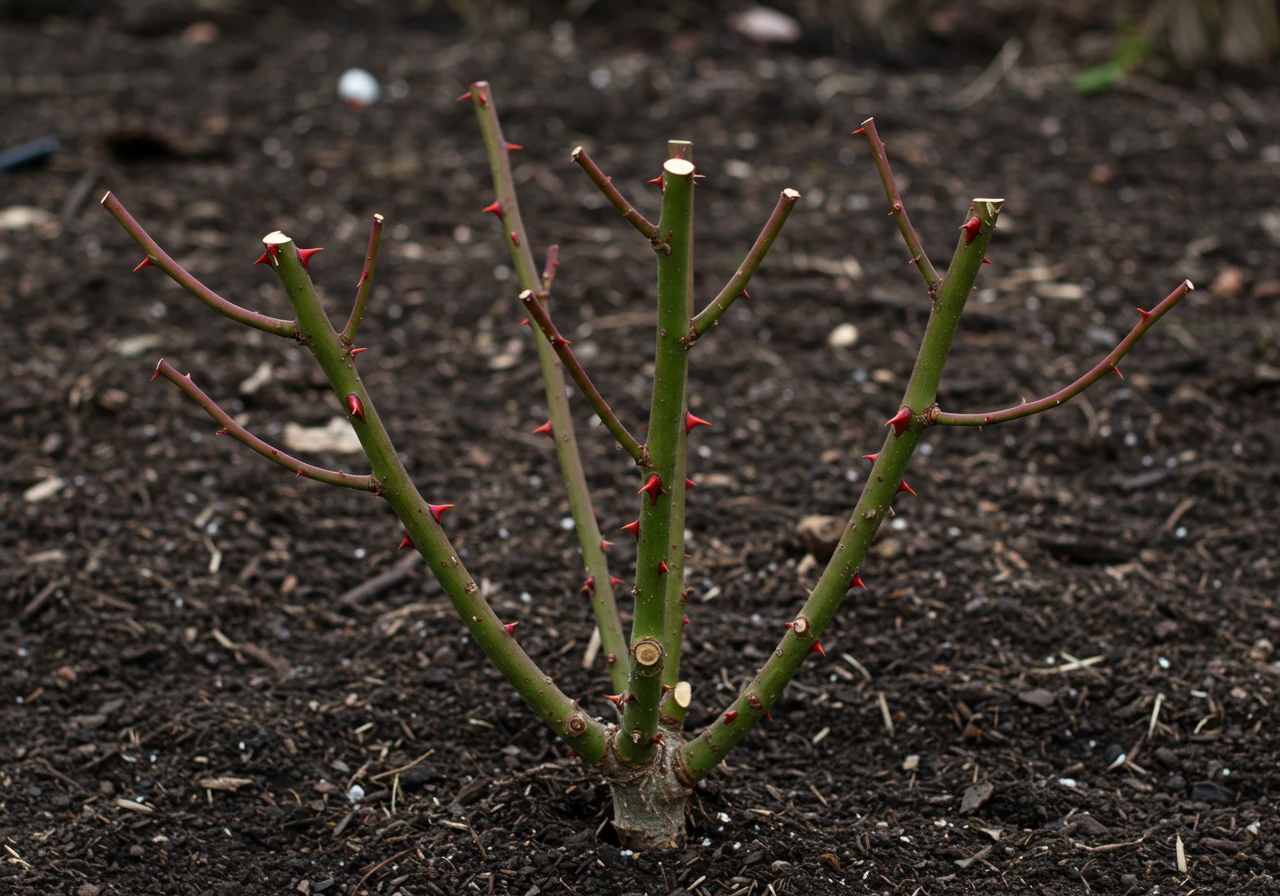
Okay, let's talk shears! When it comes to battling black spot, think of your pruning tools as your trusty shield and sword. Proper pruning isn't just about making your roses look tidy (though that's a nice bonus!); it's one of the *most effective* strategies in your gardening playbook to prevent this fungal foe from taking hold. Forget complicated potions; sometimes, a good snip is the best medicine!
Here’s why giving your roses the right cut is so powerful:
- Boosting the Breeze: Black spot fungus *loves* damp leaves. Think of a dense, overgrown rose bush like a sauna – it traps moisture and humidity, especially after rain or heavy morning dew, common here in Ottawa. Pruning opens up the centre of the plant, allowing air to circulate freely. Picture it: a lovely breeze drying those leaves quickly, maybe in your garden in Greely. Faster drying time means those pesky spores don’t get the 6-7 hours of wetness they need to infect the leaves. It's like leaving the windows open after a shower!
- Evicting the Enemy: Remember how black spot spores can hide out over winter on old canes or fallen leaves? Your spring pruning session is prime time to kick them out! Removing dead, damaged, or diseased wood gets rid of those overwintering spores (the *inoculum*). Cleaning up fallen leaves around the base is also key. This targeted removal is crucial, similar to how a complete Yard Cleanup Service in Winchester removes potential hiding spots for all sorts of garden troubles throughout your property.
- Encouraging Strong Recruits: Pruning directs your rose's energy. Instead of supporting lots of weak, spindly stems, pruning encourages the plant to produce fewer, but much stronger and healthier, new shoots. These vigorous new stems are naturally more resilient and better able to fend off diseases like black spot. Think of it as quality over quantity! Keeping plants thriving is a cornerstone of good Professional Garden Maintenance.
- Making Spot Checks Simple: Let's be honest, trying to inspect a tangled jungle of thorny stems is no fun and not very effective. A well-pruned rose is much easier to look over regularly. This means you can spot the *very first* signs of black spot – those initial few spots on a leaf – and snip them off immediately before the infection spreads like neighbourhood gossip. Early detection is half the battle! A healthy garden overall, supported by services like Expert Lawn Care Solutions, makes managing specific plant issues easier too.
Imagine an unpruned rose bush versus one that's been thoughtfully shaped. The unpruned one is often a dense thicket, practically rolling out the welcome mat for black spot. The pruned one is open, airy, and far less inviting to fungus. While pruning is a top defence, starting with disease-resistant varieties is also smart – something to consider during Plant and Material Selection Advice.
Pruning might seem like just another chore, but its power against black spot is undeniable. If you're feeling overwhelmed by pruning tasks or need a hand keeping your entire garden healthy, exploring professional Landscaping and Gardening Services can provide the expertise and help you need. Our team is experienced in handling various garden needs, view our Transformations gallery.
Timing is Everything: When to Prune Roses in Nepean and Ottawa
Rose Pruning Timeline & Clues
Too early! Risk of late frost damaging new growth stimulated by pruning.
Look for clues: Forsythia blooming & rose buds swelling (but not open). Best time for major structural pruning.
Okay for light cleanup (dead wood, disease) but avoid heavy cuts as plant is actively growing.
Only prune to remove diseased leaves/stems or spent blooms (deadheading). No structural pruning.
Crucial: Clean up ALL fallen leaves/debris. Lightly trim long canes to prevent winter wind damage. Avoid heavy pruning.
Alright, Nepean and Ottawa rose fans, let's talk timing! When it comes to giving your precious roses their annual haircut, getting it right is almost as crucial as remembering your reusable bags at the grocery store. Pruning at the wrong moment can cause unnecessary stress for your plant. Think of it like this: prune too early, and you risk tender new growth getting zapped by one of Ottawa's notorious late spring frosts (you know the ones!). Prune too late, and the rose wastes valuable energy pushing out growth you're just going to snip off anyway. Neither makes for a happy rose!
So, when is the magic moment for major pruning in our lovely, but sometimes challenging, Zone 5a/b climate? The sweet spot is generally *late winter or early spring*. Typically, this window falls somewhere between late March and mid-April here in the Ottawa region. However, Mother Nature doesn't always sync her watch with our calendars!
Forget hard dates and become a nature detective instead. Look for these local clues:
- The Forsythia Signal: This is the classic gardener's trick! When those cheerful, bright yellow bushes burst into bloom across Nepean and Barrhaven, it's usually a good sign that the worst of the winter chill is behind us and it's safe to prune most roses. (For other local gardening advice, visit the Master Gardeners of Ottawa-Carleton website.)
- Bud Swell: Take a close look at your rose canes (the main stems). You're looking for the little bumps along the stems – the buds – to start swelling and perhaps showing a hint of reddish colour. You want to prune *just* as they start waking up, but *before* they actually open into leaves.
Why is this late winter/early spring timing so ideal?
- Avoiding Frostbite: You minimize the risk of new growth being damaged by late frosts.
- Conserving Energy: The rose hasn't yet invested significant energy into producing leaves and stems that you'll be removing.
- Clear Visibility: Before the leaves emerge, you can easily see the plant's structure, identify any winter damage (like blackened tips or dead wood), and spot canes that are crossing or rubbing. This targeted removal is a key part of effective Garden Maintenance.
Now, what about fall pruning? While it's *essential* to clean up fallen leaves and any diseased material around your roses in autumn to prevent black spot spores from overwintering – a task often covered by a comprehensive Ottawa Yard Cleanup Service – resist the urge to do major structural pruning then. Heavy fall pruning can stimulate new growth that won't have time to harden off before winter, making the rose more vulnerable to cold damage. Just stick to removing obviously dead or diseased canes in the fall.
Keep in mind that microclimates exist even within our region. A sunny, sheltered spot in your Nepean garden might signal pruning time slightly earlier than a more exposed garden out towards Metcalfe. Pay attention to *your* specific yard. Once the pruning's done, it's often the perfect time to tidy up the garden beds with some fresh Mulching and Edging, which helps keep moisture in and weeds out.
Getting the pruning timing right gives your roses the best possible start for a season of glorious blooms and robust health. If you’re ever feeling unsure about when or how much to prune your specific rose varieties, or if the task feels a bit daunting, reaching out for professional advice is always a great option. You can get personalized recommendations and understand service options better through Estimate Feedback. Sometimes, local knowledge, like understanding the nuances needed for a Metcalf Garden Clean Up Service, can make a world of difference to your garden's success. We also offer services in Marionville and surrounding areas.
Get Snipping! Your Step-by-Step Guide to Pruning Roses
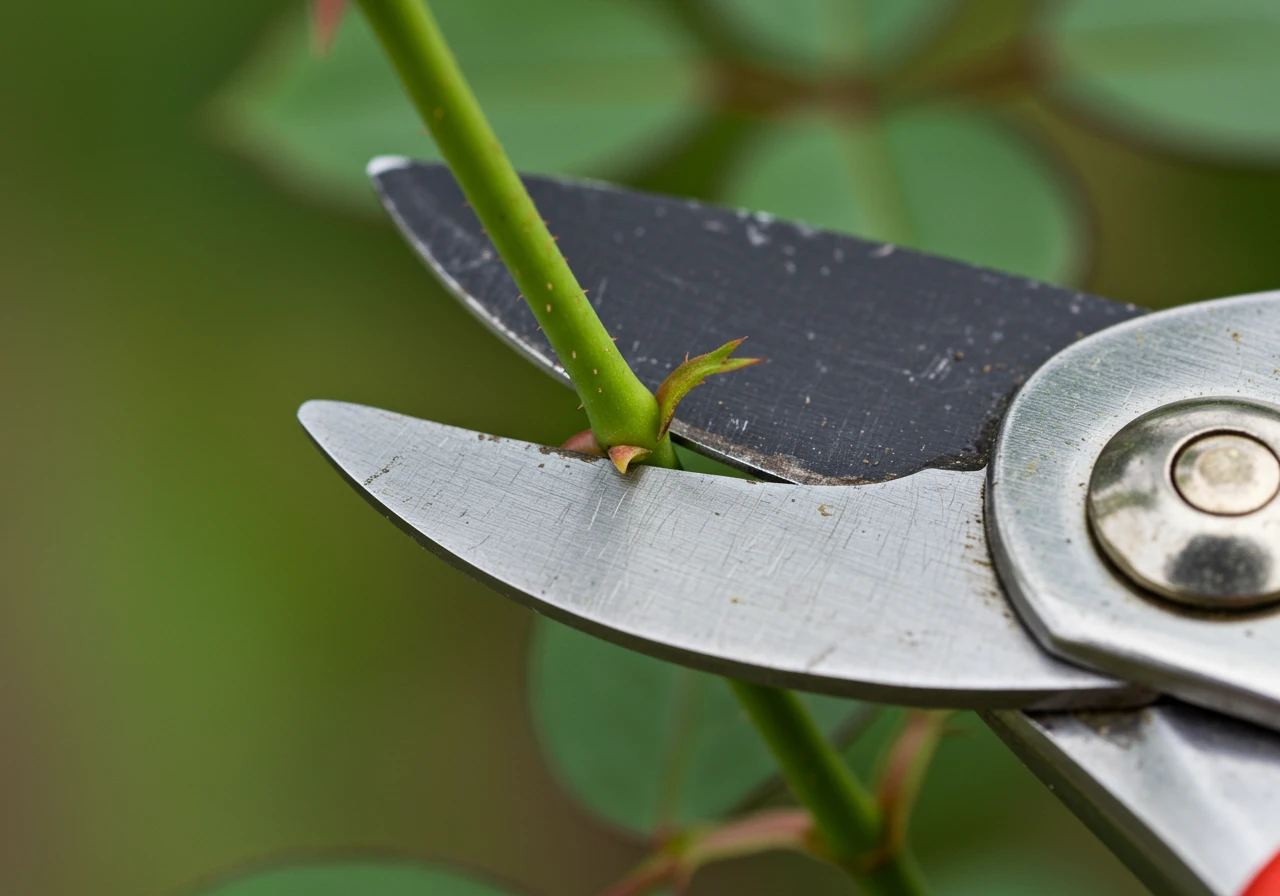
Okay, deep breath! Pruning roses might seem a bit intimidating, especially with those thorny characters guarding their stems. But trust us, with the right approach, it's totally doable and incredibly beneficial for preventing black spot and encouraging gorgeous blooms. Think of it as giving your rose a spa day – a little shaping up for long-term health and beauty! Ready to become a pruning pro in your Nepean garden or anywhere else in Ottawa? Let's get snipping!
First Things First: Gather Your Gear
Before you make the first cut, let's ensure you have the right tools for the job. Having good gear makes the process smoother and safer for both you and your rose.
- Sharp Bypass Pruners: These are your workhorse. "Bypass" means the blades slide past each other like scissors, making a clean cut that heals quickly. Avoid "anvil" pruners which crush stems. Make sure they're sharp!
- Loppers: Basically long-handled bypass pruners for thicker canes (usually over half an inch thick). Great for getting leverage on older wood.
- Sturdy Gloves: Rose thorns are no joke! Thick leather or gauntlet-style gloves reaching up your forearm are your best friends. Protect yourself!
- Disinfectant: A small bottle of rubbing alcohol or a 10% bleach solution (1 part bleach to 9 parts water) and a rag are crucial. Clean your blades *before* you start and *between* plants (or even after cutting diseased wood on the same plant) to prevent spreading disease. Seriously, don't skip this cleanliness step – it's vital gardening hygiene! Check out our blog on pruner care.
The Pruning Playbook: Step-by-Step
Here’s the game plan. Remember to step back occasionally and look at the overall shape you're creating.
- Observe and Plan: Take a good look at your rose bush before you dive in. See its overall shape, identify the thickest, healthiest canes, spot any obvious problems, and get a feel for what needs to go. Visualize the final shape.
- Remove the 3 D's: This is the most important step for plant health! Cut out anything that is *Dead* (brown, dry, shriveled, no green inside when nicked), *Damaged* (broken, cracked, has holes from borers, or shows winter dieback), or *Diseased* (shows signs of canker – dark sunken areas, black spot lesions, or looks generally weak and sickly). Cut these back right to the base of the plant or to a healthy, outward-facing bud on a main cane. Be ruthless here!
- Untangle the Traffic Jam: Look for branches that are crossing over each other or rubbing together. Rubbing creates wounds where disease can easily enter. Usually, you'll remove the weaker or more awkwardly placed of the two crossing stems. Aim for stems that grow outwards, not inwards.
- Open the Heart: We need that breeze! Prune out any stems growing inwards towards the centre of the bush. The goal for most bush roses is an open, vase-like shape. This allows sunlight and air to penetrate the centre of the plant, drying leaves faster after rain or dew and making it much harder for black spot fungus to thrive. Good airflow is a key principle applied even in large-scale Garden Install projects to ensure long-term plant health.
- Choose Your Leaders: Select about 3 to 7 (depending on the rose type and its age/vigor) strong, healthy, outward-facing canes to form the main framework of the bush. Remove very old, woody canes (cut right at the base) and spindly, weak stems thinner than a pencil – they won't produce good flowers anyway.
- Take it Down a Notch: Reduce the height of the remaining main canes to encourage strong new growth from lower down. A general rule for modern Hybrid Teas and Floribundas is to cut them back by about one-third to one-half, down to around 12-24 inches from the ground, depending on their vigour. Shrub roses usually need less severe height reduction.
- Make the Perfect Cut: This is important! Always cut about 1/4 inch above an outward-facing bud (a little bump on the stem where new growth will start). Angle the cut at about 45 degrees, sloping *away* from the bud. This angle allows water to run off easily, preventing rot right above the bud, and encourages the new growth to sprout outwards, maintaining that open centre we worked hard for.
Hybrid Teas & Floribundas
These benefit most from the more structured pruning described above (steps 1-7) to encourage those strong new stems that produce large, beautiful blooms. Aim for 3-7 strong canes, cut back by 1/3 to 1/2, creating an open vase shape.
Shrub Roses (e.g., Explorer, Parkland Series)
Generally need less drastic pruning. Focus heavily on the 3 D's and removing crossing branches. Lightly shape them and maybe remove one or two of the oldest, thickest canes each year right down to the base to encourage rejuvenation from the bottom.
Climber Roses
Prune these more lightly in early spring after the worst winter cold has passed. Remove the 3 D's, then focus on pruning the side shoots (laterals) that produced last year's flowers. Cut these laterals back to just 2-3 buds (about 3-6 inches) from the main structural cane. Avoid drastically shortening the main long canes unless they've outgrown their space or need redirection.
The Grand Finale: Cleanup is CRUCIAL!
You've done the hard work, now for the absolutely essential final step: CLEAN UP! Gather *all* the pruned canes, stems, bits of branches, and especially any fallen leaves from around the base of the rose and the surrounding soil. Remember, black spot spores love to overwinter on this garden debris! Bag it all up securely and put it in your municipal waste – do *not* add diseased rose material to your home compost pile, as it might not get hot enough to kill the spores. A meticulous cleanup is non-negotiable for disease prevention. If you're dealing with a lot of garden debris from pruning or other tasks, or just want to ensure every last bit is gone, using a professional service like a Metcalf Garden Clean Up Service can be a huge help. For larger scale tidying across your property, consider a comprehensive Metcalf Property Cleanup Service.
Well done, gardener! Your roses might look a bit bare initially, maybe even slightly shocked (don't worry, they'll thank you later!), but you've just given them the best possible start for a healthy, productive, and bloom-filled season with significantly less chance of black spot trouble. Good pruning makes a noticeable difference, contributing to beautiful garden Transformations. If the task still feels daunting, or if you'd prefer expert help with pruning or other aspects of keeping your city garden thriving, remember that professional assistance through a City Garden Maintenance Service is always available. Happy snipping!
Beyond the Cut: Eco-Friendly Habits for Healthy Ottawa Roses
Okay, so you've mastered the art of the snip! Pruning is a fantastic weapon against black spot, but it's not the only tool in our eco-friendly arsenal. Think of it like baking a cake – the mixing technique (pruning) is vital, but the quality of your ingredients and baking environment (your garden habits) matter just as much! Let's dive into other simple, green strategies to keep your Ottawa roses happy and healthy.
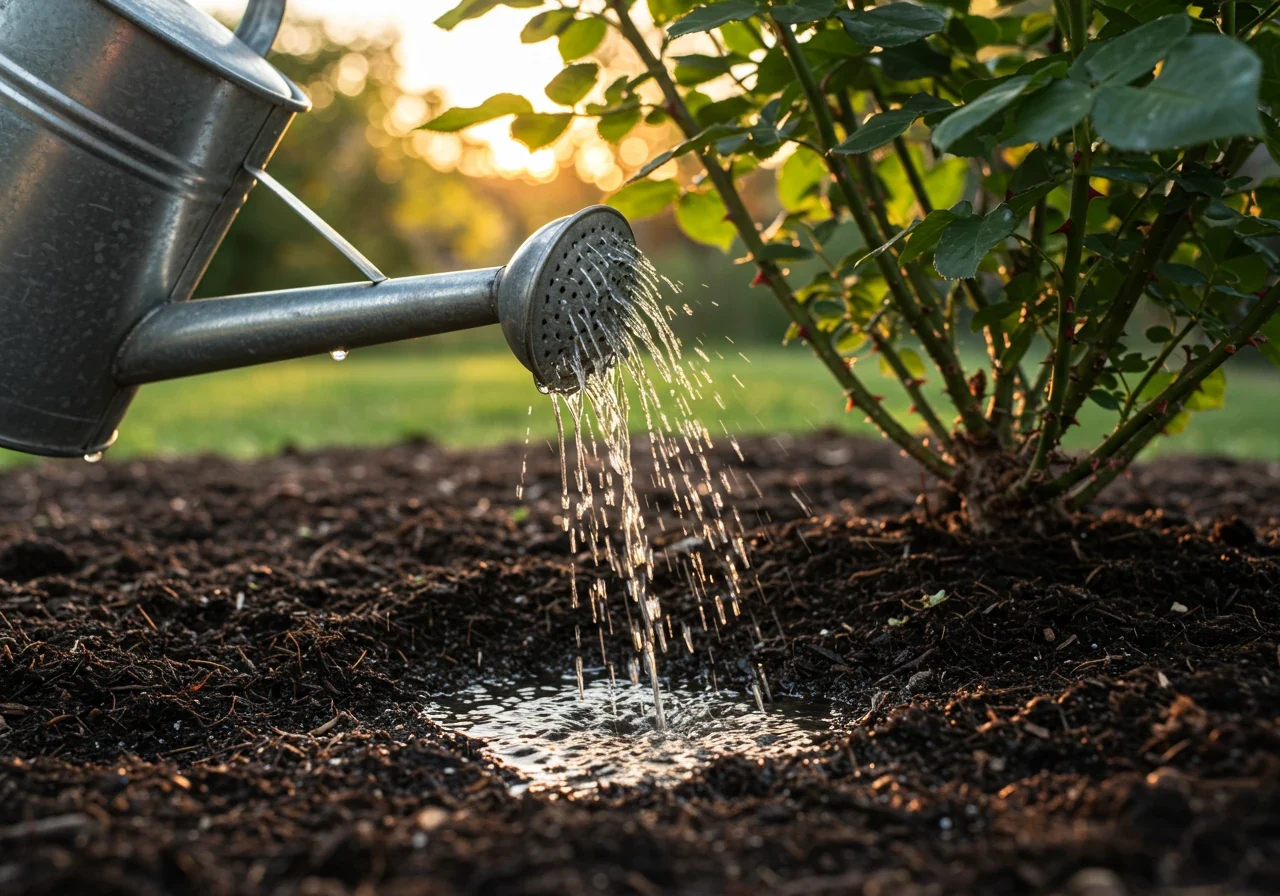
Water Wisely, Not Widely:
Black spot fungus thrives on wet leaves. So, how you water makes a huge difference!
- Aim Low: Water the *base* of your rose bushes, not the leaves. Drip irrigation or a soaker hose are fantastic for this. If using a watering can or hose wand, direct the water right onto the soil.
- Morning Glory: Water early in the day. This gives the sun plenty of time to dry any stray splashes on the leaves before evening coolness sets in, reducing the time leaves stay wet. Avoid evening watering if possible! (More tips on Ottawa gardening can be found on the City of Ottawa's gardening pages.)
Mulch is Your Friend:
A good layer of mulch (about 2-3 inches deep) around your roses is like a superhero cape!
- Benefits Galore: Mulch helps retain soil moisture (meaning less frequent watering!), suppresses weeds (less competition!), keeps roots cooler in summer and insulated in winter, *and* crucially, helps prevent black spot spores in the soil from splashing up onto lower leaves during rain.
- Apply Smart: Keep mulch a couple of inches away from the base of the rose canes to prevent moisture buildup right against the stems. Local options like shredded bark or compost work great. Adding good organic matter also boosts soil health, a key part of ongoing City Garden Maintenance Service. Explore our Mulching and Edging services.
Sanitation is Non-Negotiable:
This is HUGE for preventing black spot's return. Remember those spores hiding in fallen leaves and debris?
- Clean Sweep: Be diligent about cleaning up *all* fallen leaves and petals from around your roses, especially any that show signs of black spot. Don't wait until spring! A thorough fall cleanup is vital. If the job feels overwhelming, calling in an Ottawa Garden Clean Up Service ensures every hiding spot is addressed. For a broader tidy-up across your entire yard, consider a City Property Cleanup Service.
- Dispose Properly: Bag up diseased material and put it in the trash, not your compost bin.
Impact of Preventative Measures on Black Spot Incidence (Hypothetical)
*Illustrative data showing potential reduction in black spot severity with combined practices.
Choose Champions & Give Them Space:
- Resistant Varieties: When adding new roses, look specifically for varieties known for good disease resistance in our climate. Many hardy Canadian-bred roses (like the Explorer series) perform well here. Ask at local nurseries like those listed by the Ontario Nursery Landscape Association!
- Air Flow: Don't crowd your roses. Planting them too close together restricts air circulation, creating that humid environment black spot loves. Follow recommended spacing guidelines for the specific type of rose.
Soil Smarts for Ottawa Clay:
Many Ottawa areas, from Richmond to the east end, deal with heavy clay soil which can drain slowly, keeping roots too wet.
- Improve Drainage: Amend your soil generously with compost or well-rotted manure when planting and top-dress annually. This improves structure and drainage. Raised beds can also be a great solution. Healthy soil is the foundation – it's as crucial for roses as it is for establishing a lush lawn through services like Sod Installation, creating a thriving environment from the ground up. Learn more about our Soil Preparation techniques.
Gentle Interventions (Last Resort):
While prevention is key, if black spot appears, focus on removing infected leaves immediately. If you must spray, choose eco-friendlier options like horticultural oils or copper-based fungicides, following label instructions precisely. Many gardeners in communities like Kars value these gentler approaches.
By combining smart pruning with these eco-friendly habits, you’re creating a garden ecosystem where roses can truly thrive. Making thoughtful choices contributes to a healthier local environment, and for that, we sincerely say Thank You!. Our Privacy Policy and Terms and Conditions outline our commitment to responsible practices.
Expert Tips: Quick Wins Against Black Spot
Got black spot questions? We've got speedy answers! Dealing with this fungal nuisance in your Ottawa garden doesn't always require a PhD in Plant Pathology. Sometimes, a few quick adjustments can make a world of difference. Here are some expert tips, straight from the folks who love getting their hands dirty (you can learn more about our passion for greenery About Us). Think of these as your cheat sheet for healthier roses!
- Question: Okay, I see black spots! What's the *very first* thing I should do, like, right now?
- Snip, snip, hooray! Grab your clean pruners (wipe 'em with rubbing alcohol first!) and immediately remove any leaves showing those tell-tale black spots. Don't just toss them on the ground – put them straight into a bag for the garbage. Early removal stops the spread *fast*. Be a garden ninja – swift and decisive!
- Question: My rose bush is super dense. Is that really a problem?
- Absolutely! Think of it like rush hour on the Queensway – no room to move! That density traps moisture, which black spot adores. Your quickest win? After the main spring prune, don't be afraid to selectively snip out a few inward-growing twigs or stems during the summer to keep air flowing freely through the centre. A little light thinning goes a long way, especially in humid areas around Greely.
- Question: Help! Fallen leaves with spots are everywhere under my roses!
- Don't delay, clean today! Those fallen leaves are like little black spot spore hotels just waiting for spring or the next rain. Rake them up *meticulously*. Get right under the bush. Bag them securely and put them in the garbage, *not* your compost. This is non-negotiable! If the task feels daunting, especially across a larger property, calling in professionals for a City Garden Clean Up Service ensures no spore hideouts remain. We even offer specialized local help, like our Marionville Garden Clean Up Service, because we know different areas have unique needs.
- Question: My garden soil seems to stay wet near the roses. Bad sign?
- Bingo! Wet feet = unhappy roses prone to disease. While a full soil overhaul takes time, a quick win is to ensure mulch isn't piled right up against the rose stems (leave a small gap) and avoid overwatering. Longer-term, improving drainage is key – investing time in proper Soil Preparation when planting or renovating beds pays huge dividends for plant health.
- Question: Are these quick fixes guaranteed to stop black spot forever?
- Oh, if only gardening were that simple! While there's no magic bullet, these quick wins *significantly* reduce black spot pressure and make major outbreaks less likely. Consistency is your best friend. Keep up with the snipping, cleaning, and airflow checks. For consistently putting in the effort to create a healthier garden space for everyone to enjoy, we genuinely want to say Thank You! Your roses (and your neighbours!) will appreciate your diligence. Find us on Google for more reviews and info.
FAQs: Your Nepean & Ottawa Rose Care Questions Answered
Got questions about keeping your roses gorgeous and black spot at bay here in the Ottawa area? You're not alone! We hear these queries often. Here are some quick answers to common rose care head-scratchers using our collapsible FAQ section.
Conclusion: Healthy, Happy Roses for Your Ottawa Garden
So there you have it! Keeping black spot away from your beautiful roses, whether you're gardening in bustling Nepean or quiet Kars, isn't about magic potions. It's mostly about smart pruning and good garden hygiene. Remember the key takeaways: prune in late winter/early spring to remove diseased wood and open up the centre for that crucial airflow. And don't forget the *super important* cleanup of fallen leaves! These steps, combined with wise watering and maybe some mulch, make a huge difference in preventing fungal issues favoured by our Ottawa climate. Think of it as giving your roses the best chance to shine, healthy and happy all season long.
Feeling overwhelmed by the thought of wielding the pruners, or just need a hand getting your garden beds pristine? We can help! Let our experienced team take care of the snipping with our expert *Rose Pruning Service*. Or, ensure no spore hideouts remain with our thorough *Seasonal Yard Cleanup Service*, perfect for getting rid of overwintering disease. Ready for stress-free roses? Visit cleanyards.ca or contact us today!
Here’s to a fantastic growing season filled with gorgeous, disease-free blooms in your Ottawa garden!