Nepean Vine Pruning: Train for Structure & Winter Interest
Quick Guide to Nepean Vine Pruning:
- Why Prune? Promotes health, boosts blooms/fruit, controls size, protects property, enhances winter appeal.
- Best Timing: Major pruning in late winter/early spring (dormant). Prune spring bloomers *after* flowering. Light trims in summer.
- How To: Use clean tools, remove dead/diseased wood, cut above outward buds, train onto sturdy supports.
- Benefits: Creates strong structure for Ottawa winters, improves aesthetics year-round.
Introduction: Taming the Tangle - Why Vine Pruning Matters in Nepean
Ever feel like your climbing vines are staging a friendly, leafy takeover of your Nepean home? One minute they're charmingly scaling a trellis, the next they seem to be plotting world domination (or at least, *wall* domination!). While we love their enthusiasm, letting vines run wild isn't always the best landscaping strategy, especially here in the Ottawa area. Think of vine pruning as giving your green buddies a much-needed haircut and a bit of guidance – less jungle chaos, more elegant structure.
Ignoring your vines is like skipping brushing your hair for a month; things can get tangled *fast*. Unpruned vines can become overly dense, blocking sunlight from reaching inner leaves, potentially hiding moisture issues against your walls, or even working their way into gutters and vents. Proper pruning, however, keeps them healthy, manageable, and looking sharp. It’s particularly important considering our Ottawa winters. Pruning helps strengthen the vine's structure to better withstand snow and ice, and even adds *winter appeal* by showing off their intricate framework against the snowy backdrop in neighbourhoods from Barrhaven to right here in Nepean. It’s a simple gardening task with big payoffs for both your plant's health and your home's curb appeal.
The Snip Showdown: Benefits of Pruning Your Ottawa Vines
Okay, let's dive into why giving your vines a regular trim isn't just about looking good – it's a crucial part of smart gardening right here in Ottawa. Think of it less as a chore and more as a spa day for your climbing plants!
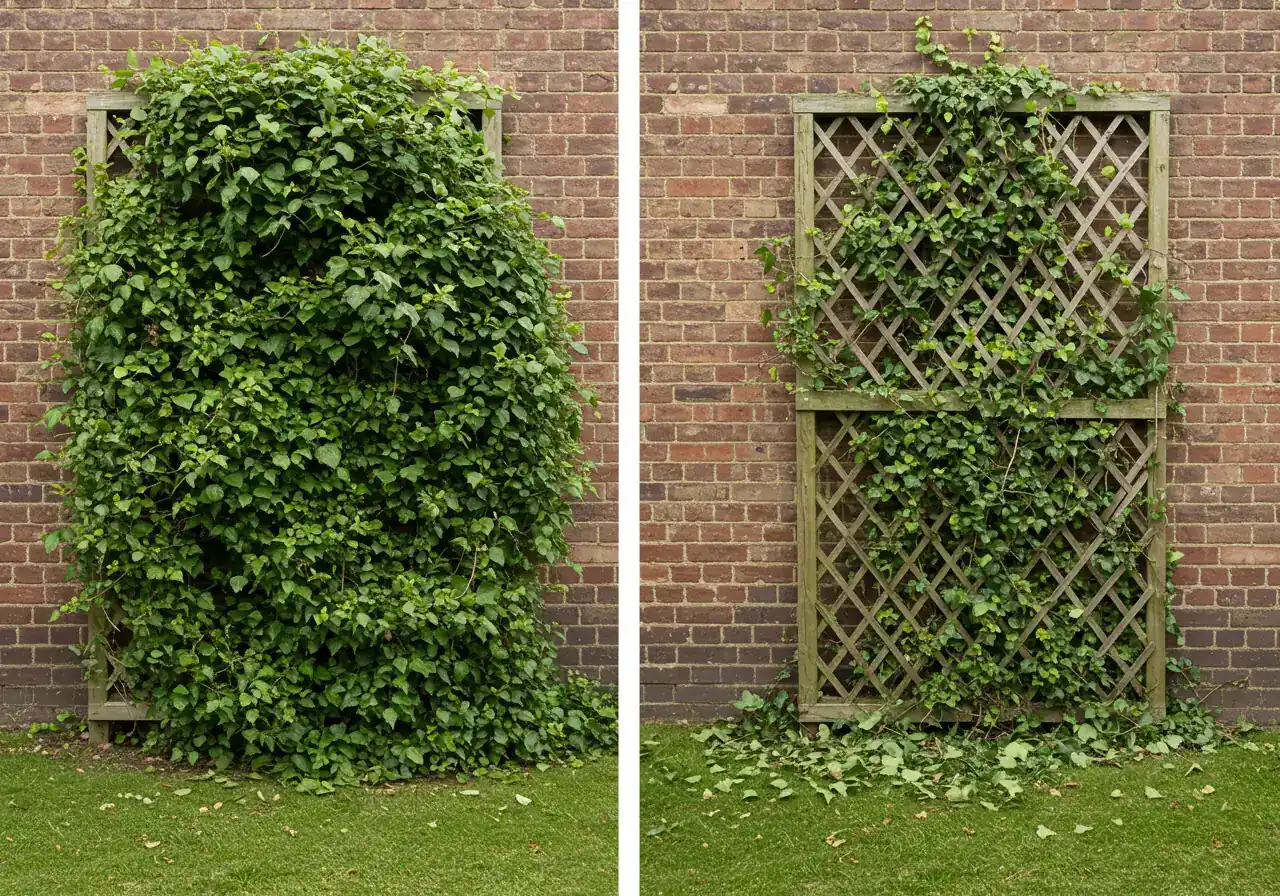
The Snip Showdown: Benefits of Pruning Your Ottawa Vines
So, why bother wrestling with those secateurs (fancy word for pruning shears!) when your vines seem perfectly happy reaching for the sky... or your neighbour's roof? Well, just like us needing a trim now and then to feel our best, your vines benefit hugely from a little snip-snip. Here’s the lowdown:
- Healthier, Happier Plants: This is the big one! Pruning cuts away the dead, diseased, or just plain weak stems. Imagine trying to thrive while carrying around extra dead weight – exhausting! Removing this stuff allows the vine to focus its energy on strong, healthy growth. Plus, thinning out dense foliage improves air circulation and lets sunlight reach the inner parts of the plant. This is super important in our sometimes-humid Ottawa summers, as it helps prevent fungal diseases and discourages pests from setting up shop. Keeping your plants healthy is a key part of overall garden care, much like doing regular Essential Nepean Fall Garden Health Checks.
- More Blooms, More Beauty (or Berries!): Want more of those gorgeous flowers or hoping for a better grape harvest? Pruning is often the secret weapon. Many vines flower or fruit best on *new* growth. Pruning encourages the plant to produce exactly that kind of growth right where you want it. So, a well-timed trim can mean a much more spectacular display come blooming season.
- Keeping Control & Protecting Your Property: Let’s be honest, left unchecked, some vines have ambitions that could rival a politician's! They can sneak under siding, pry roof tiles loose, clog gutters, or even damage window frames. Regular pruning keeps them contained to their designated trellis, fence, or wall space. This protects your home investment, especially important in lovely neighbourhoods from Nepean to Greely (check out our Google My Business page for local reviews!), and maintains that desirable curb appeal. Think of it as preventative landscaping maintenance. If the aftermath of an overgrown vine (or just seasonal debris) feels overwhelming, consider a professional Nepean Yard Cleanup Service to get things back in order.
- Making Life Easier: A tidy vine is much easier to manage. Need to paint the wall behind it? Inspect for pests? Untangle a stray stem? It’s all simpler when the plant isn’t a dense, impenetrable fortress of leaves. This tidiness also helps when preparing your garden for the changing seasons, like getting ready for winter dormancy, which involves tasks beyond just vines, such as learning about Nepean Fall Garden Prep for Winter Colour. While you're prepping the garden, don't forget other crucial tasks like Nepean Irrigation Winterization to Avoid Pipe Damage.
Pruned vs. Unpruned: A Quick Comparison
| Feature | Pruned Vine | Unpruned Vine |
|---|---|---|
| Health | Generally healthier, less disease/pest prone | More prone to disease, pests, deadwood buildup |
| Appearance | Tidy, controlled, often more flowers/fruit | Often messy, tangled, potentially sparse flowering |
| Growth | Vigorous, directed new growth | Can become woody, leggy, growth slows over time |
| Structure | Stronger framework, better air/light access | Dense, tangled, poor air/light penetration |
| Maintenance | Easier to manage and inspect | Difficult to access structure behind, hard to manage |
| Impact | Enhances property, prevents structural damage | Can potentially damage structures, looks untamed |
Pruning might seem like just another task on the gardening list, but its benefits for plant health, aesthetics, and property protection are huge. It ensures your vines remain charming assets rather than leafy liabilities. Taking care of your vines is just one part of maintaining a beautiful yard; good soil health is also key, which can be improved through services like Nepean Spring Lawn Aeration Ottawa. If tackling pruning or other yard tasks feels daunting, remember there are comprehensive Landscaping and Yard Care Services available to help keep your Manotick or Nepean property looking its best.
Know Your Climbers: Vine Types & Growth Habits in Our Region
Okay, let's talk about the amazing world of climbing plants! Not all vines are created equal – they have different ways of getting vertical, which is key to understanding how to care for them (and keep them from becoming leafy little monsters). Knowing your vine's style helps you choose the right support and prune it effectively right here in our Ottawa region (Zone 5a).
Know Your Climbers: Vine Types & Growth Habits in Our Region
Think of vines as nature's acrobats, each with its own climbing technique:
- Twiners: These guys wrap themselves *around* things – think poles, wires, or trellis bars. They literally spiral their way up. Examples popular in Ottawa gardens include hardy Honeysuckle (Lonicera spp.) and certain types of Clematis.
- Pruning Tip: Twiners need something slim enough to grab onto. Guide new growth early to prevent a tangled mess later. If they get too dense, thinning out older stems encourages fresh, flowering growth.
- Tendril Climbers: These vines use specialized little wiry structures called tendrils that reach out, grab onto supports, and coil like tiny springs. Think Grapes (Vitis spp.) or Sweet Peas (Lathyrus odoratus – though these are annuals). Some Clematis varieties also use tendrils (or modified leaf stalks that act like tendrils).
- Pruning Tip: Provide a trellis or netting with small openings or wires for tendrils to grasp. Pruning often involves cutting back to main stems or removing congested growth to keep things airy.
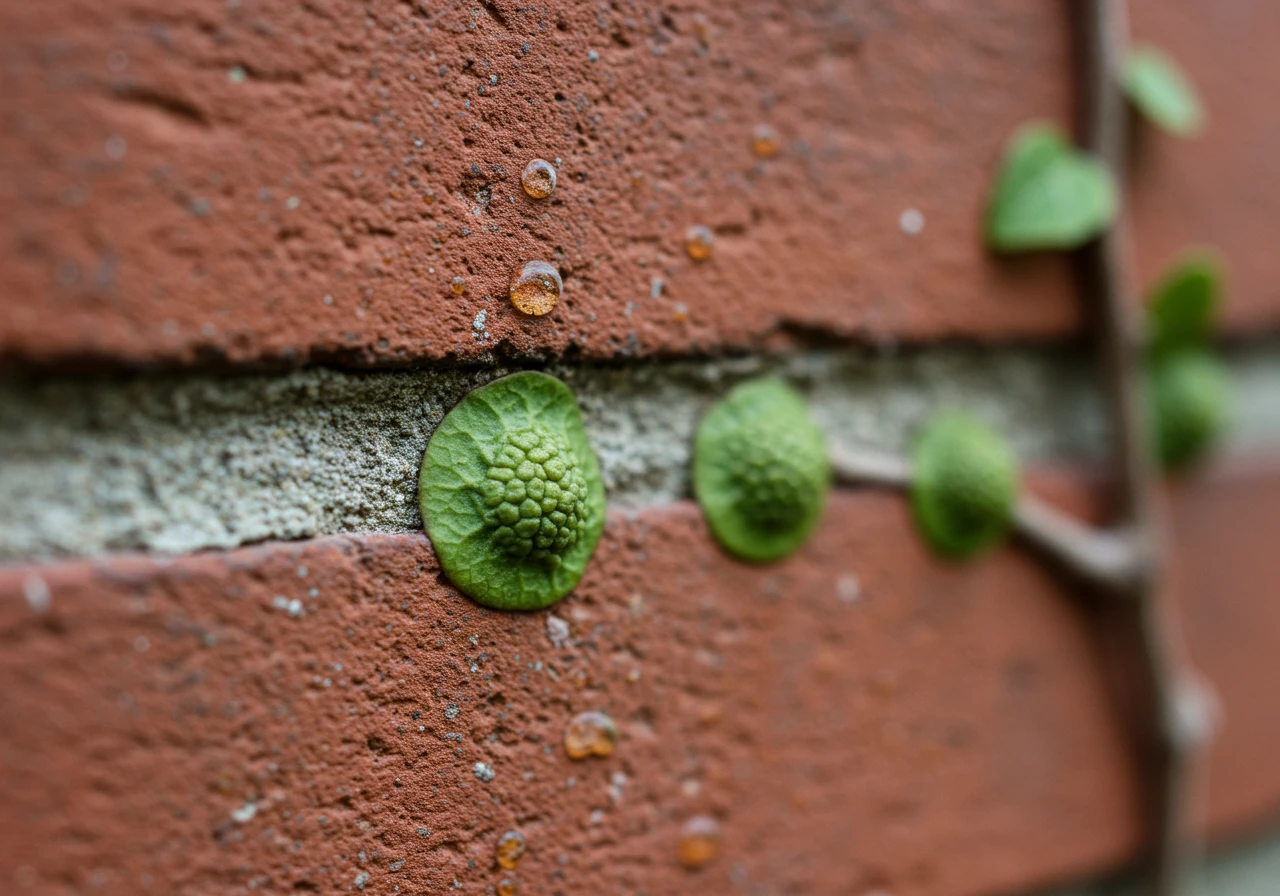
- Adhesive Pad Climbers (The "Huggers"): These are the vines that stick *directly* to surfaces like brick or stone walls using little suction-cup-like pads. Boston Ivy (Parthenocissus tricuspidata) and Virginia Creeper (Parthenocissus quinquefolia) are common examples you'll see around neighbourhoods like Barrhaven. They don't usually need extra support, but watch out!
- Pruning Tip: Keep these away from windows, gutters, and siding, as those little pads can be persistent and sometimes damaging. Prune regularly to define their boundaries. If you've let one get out of hand and need help removing it or cleaning up the residue, a thorough Ottawa Garden Clean Up Service can make a big difference. For more extensive overgrowth issues, especially if it's spread across the ground, you might even consider a Ottawa Yard Cleanup Service.
- Scramblers/Leaners: These vines don't really climb actively but have long, flexible stems that sprawl. They appreciate being loosely tied to a support to gain height. Climbing Roses are a classic example.
- Pruning Tip: Requires regular tying-in to keep them neat and off the ground. Pruning focuses on removing old wood and shaping the plant on its support. If a scrambler has taken over a large area, potentially smothering grass or garden beds in areas like Metcalfe, professional help like the Metcalf Property Cleanup Service might be needed before you can even think about improvements like New Sod Installation for Your Lawn.
Soil Considerations in Ottawa: Our local soil can range from heavy clay to sandy loam. Most vines prefer well-drained soil. Amending your planting hole with compost is usually a good idea to give your climber the best start. The City of Ottawa's resources on tree planting often have relevant soil tips.
Choosing the right vine for your space and support system is crucial gardening success. Understanding how it climbs dictates how you'll guide and prune it. Keeping up with this is part of good property care, much like regular Comprehensive City Property Cleanup Service. If you ever have questions about vine selection or care, don't hesitate to reach out – seeing happy plants thrive makes us happy too, and we always want to say Thank You for Choosing Local Experts!
Pruning Vines Blooming on New Wood
Vines like Jackmanii Clematis, Grapes, and Virginia Creeper bloom on the current season's growth. The best time for major pruning is late winter or early spring (Feb-Apr in Ottawa) while the vine is dormant. This encourages vigorous new growth that will carry the season's flowers or fruit. You can cut them back significantly if needed to control size or rejuvenate.
Pruning Vines Blooming on Old Wood
Spring-blooming vines like some early Clematis varieties (e.g., Alpina, Macropetala) or certain Honeysuckles produce flowers on stems that grew the previous year. Pruning these in late winter removes flower buds. Wait until immediately after they finish flowering (late spring/early summer) to prune. This allows you to enjoy the show, then shape the plant and encourage growth for next year's blooms.
Basic Vine Training Tips
Effective training starts early. Gently guide new, flexible shoots onto their support structure. Use soft ties (garden twine, fabric strips) and tie them loosely, leaving room for the stem to thicken. Encourage horizontal growth on trellises or wires for many flowering vines, as this often leads to more blooms. Regularly remove shoots growing away from the support or in unwanted directions.
Timing is Everything: Your Nepean Vine Pruning Calendar & How-To
Okay, let's get down to the nitty-gritty: *when* exactly should you unleash your inner Edward Scissorhands on those Nepean vines? Timing, my friends, is key to keeping your climbers happy and looking sharp, not sending them into shock! Think of this as your vine's personal appointment book for the year.
Timing is Everything: Your Nepean Vine Pruning Calendar & How-To
Getting the timing right for vine pruning in Ottawa, whether you're in Nepean, Richmond, or out towards Metcalfe, depends heavily on *why* you're pruning and *what* type of vine it is. Our chilly winters and enthusiastic springs mean we have specific windows for the best results.
The Seasonal Snip Schedule:
- Late Winter/Early Spring (The Big Chop): This is prime time for *major* structural pruning for many vines, usually from late February to early April, *before* the sap starts running wild and buds swell significantly. Why now? The vine is dormant, like it's taking a long winter nap. You can easily see the structure without all the leaves, making it simpler to cut out dead, damaged, or crossing branches. This timing is perfect for:
- Vines that bloom on *new* wood (growth from the current season). Think certain Clematis varieties (like Jackmanii), Grapes, and Virginia Creeper or Boston Ivy if you're doing significant size reduction.
- General shaping and removing old, unproductive wood on many established vines.
- It's often the best time to handle really overgrown situations before they leaf out and become overwhelming. If the resulting pile of branches looks daunting, remember that a thorough Comprehensive City Property Cleanup Service can make short work of the debris.
- Late Spring/Early Summer (Post-Flower Power): For vines that bloom in the spring on *last year's* wood (like some early-flowering Clematis or certain Honeysuckles), wait until *after* they finish flowering. Pruning them earlier means you'll cut off all those beautiful potential blooms! Give them their moment of glory, then tidy them up by mid-summer.
- Summer (The Tidy-Up Trim): Throughout the growing season, you can do light pruning to keep things under control. Snip off wayward shoots heading for your gutters, trim overly enthusiastic growth blocking a window, or remove any damaged stems you spot. This isn't the time for massive reshaping, just maintenance to keep things neat and tidy. Think of it as ongoing gardening upkeep, similar to how you might manage weeds or edge beds. This regular attention is a core part of good Comprehensive Garden Maintenance.
How-To: Pruning Basics Without the Panic
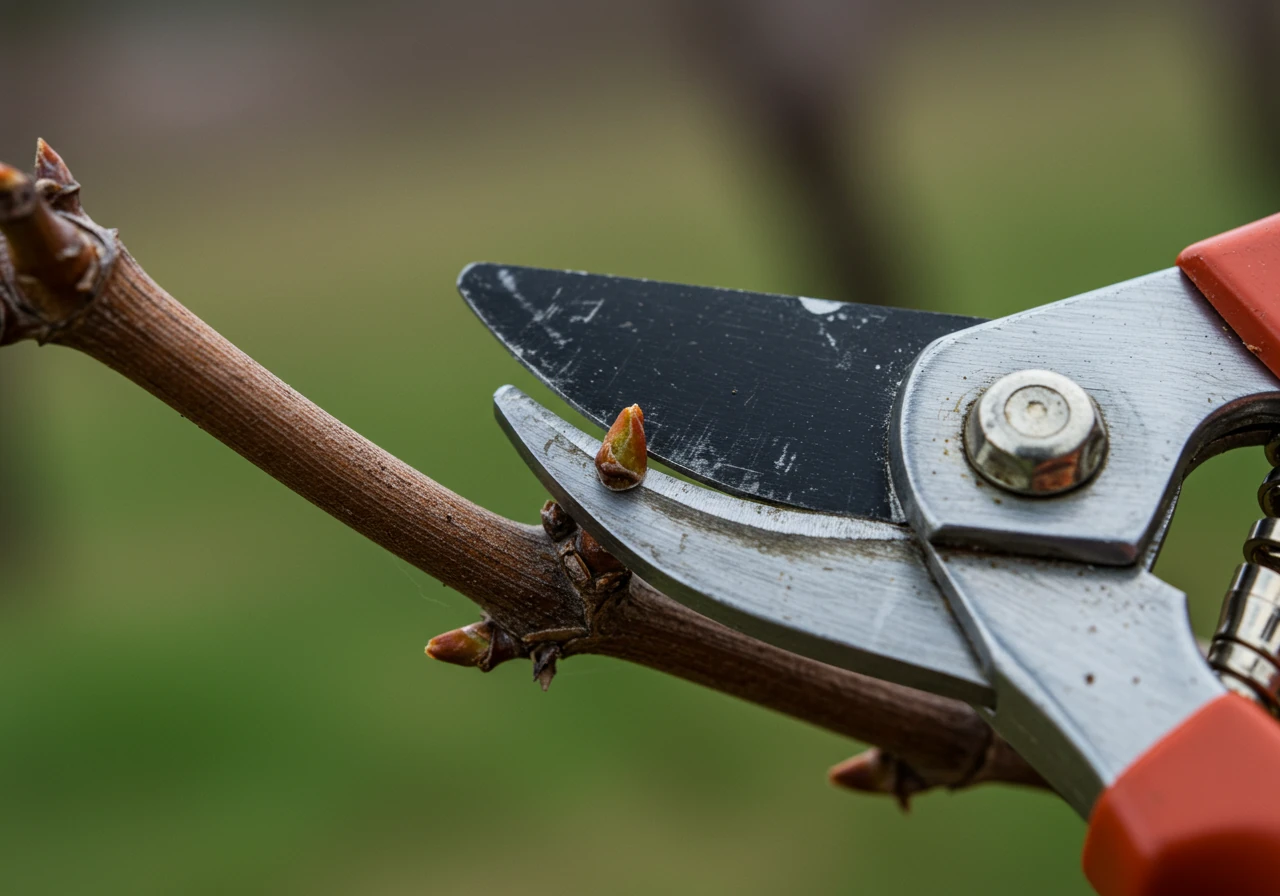
Alright, grab your trusty (and clean!) bypass pruners. Let's do this:
- Assess the Situation: Step back and look at the vine. What needs to go? Look for the 3 D's: Dead, Diseased, and Damaged wood. These get cut out first, right back to healthy tissue or the main stem. Also, look for branches that are rubbing against each other (they can cause wounds) or growing inwards.
- Make the Cut: Aim to cut about 1/4 inch above a healthy, outward-facing bud. Why outward-facing? This encourages growth away from the centre of the plant, improving air circulation. Make your cut clean and slightly angled, so water runs off instead of sitting on the cut surface.
- Thinning vs. Heading: *Thinning* means removing entire stems back to their point of origin. This reduces density and improves light/air flow. *Heading* means cutting a stem back to a bud partway along its length. This encourages bushier growth below the cut. Use thinning for decongestion and heading for shaping or encouraging side shoots.
- Know Your Goal: Are you trying to rejuvenate an old vine (often requires cutting back hard)? Control its size? Encourage more flowers? Your goal dictates how much you remove. Don't remove more than one-third of the *live* growth at any one time unless you're doing a drastic renovation.
- Safety First!: Wear gloves and eye protection. If you need a ladder, make sure it's stable. Sharp tools are safer than dull ones (less crushing, cleaner cuts), so keep 'em sharp! Check resources like Landscape Ontario's safety guides for tips.
Eco-Friendly Cleanup:
What to do with the leafy leftovers?
- Compost: Healthy, disease-free clippings can go right into your compost bin. Chop them up a bit first to speed decomposition.
- Green Bin: Ottawa's green bin program is perfect for yard waste, including vine trimmings.
- Bundle: Check local regulations, but often you can bundle woody stems for curbside pickup on designated days.
- Avoid: Don't just toss clippings into natural areas, and never compost diseased plant matter, as this can spread problems. Dealing with large volumes, especially on bigger properties perhaps needing the Metcalf Yard Cleanup Service, ensures responsible disposal.
Pruning might seem complex, but following this calendar and these steps makes it manageable. It’s a vital part of overall yard care, ensuring your vines thrive alongside tasks like Professional Lawn Care Services. And if you're ever unsure, or perhaps planning a new climbing feature as part of a Professional Garden Install Service, professional advice is always a good idea. Consistent care, like that offered by a Reliable City Garden Maintenance Service, keeps your vertical gardens looking their best year after year. Happy snipping!
Yearly Vine Care Timeline
Late Winter (Feb-Mar)
Major structural pruning for dormant vines blooming on new wood. Remove dead/damaged wood. Assess structure.
Early Spring (Apr-May)
Apply compost/fertilizer as needed. Start guiding new growth for training. Watch for bud break.
Late Spring/Early Summer (May-June)
Prune spring-blooming vines *after* flowering. Continue training new growth. Monitor for pests/diseases.
Summer (July-Aug)
Light trimming to control size and remove wayward shoots. Ensure adequate watering during dry spells. Tie in new growth.
Fall (Sept-Oct)
Clean up fallen leaves around the base. Minimal pruning, mostly tidying. Prepare for winter (e.g., ensure good drainage).
Weaving Winter Magic: Training Vines for Structure & Support
Okay, so we've talked about *when* and *how* to prune your vines, giving them that much-needed haircut. Now, let's chat about giving them some direction in life! Think of vine training as gently guiding your leafy friends where you want them to go, creating beautiful shapes and ensuring they have the sturdy backbone they need. This section, "Weaving Winter Magic: Training Vines for Structure & Support," is all about that guiding hand.
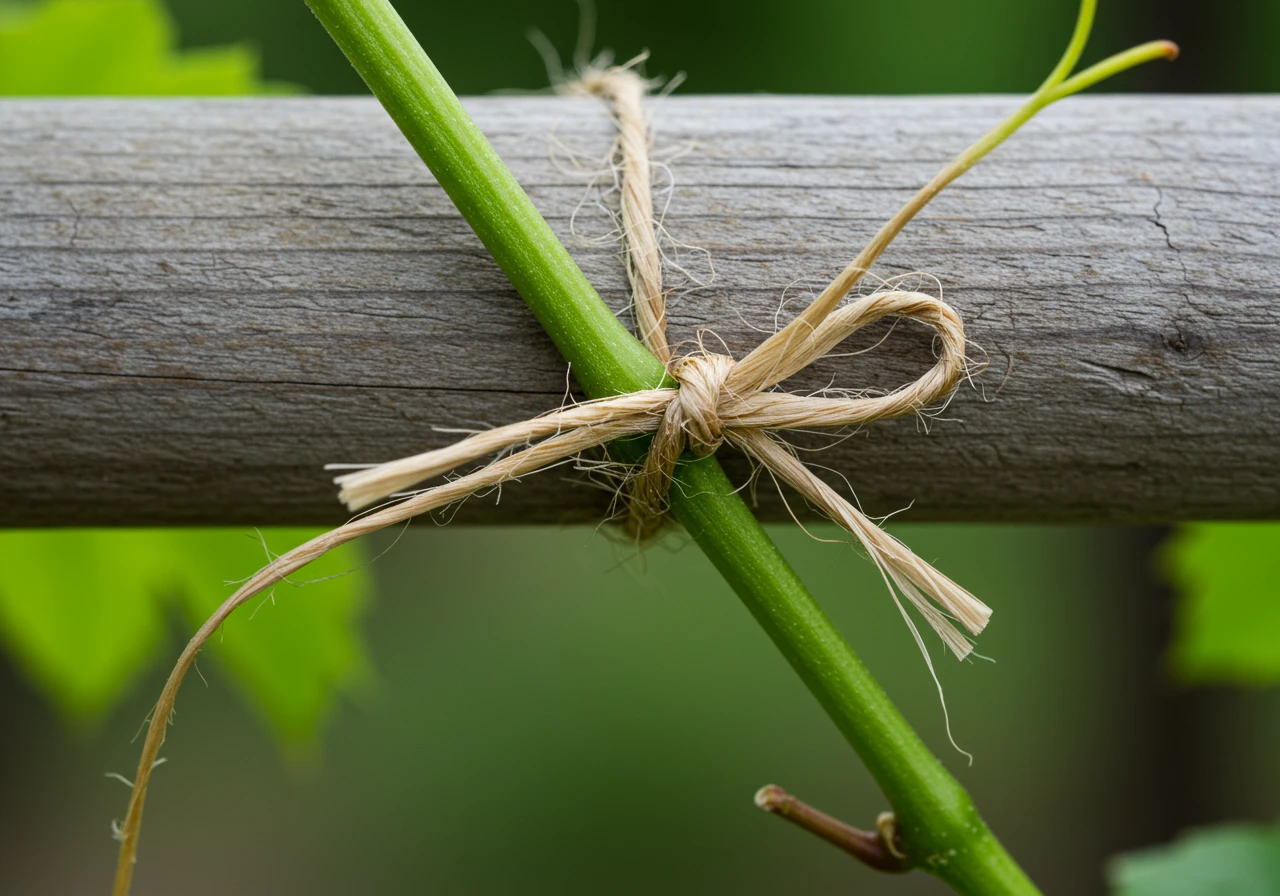
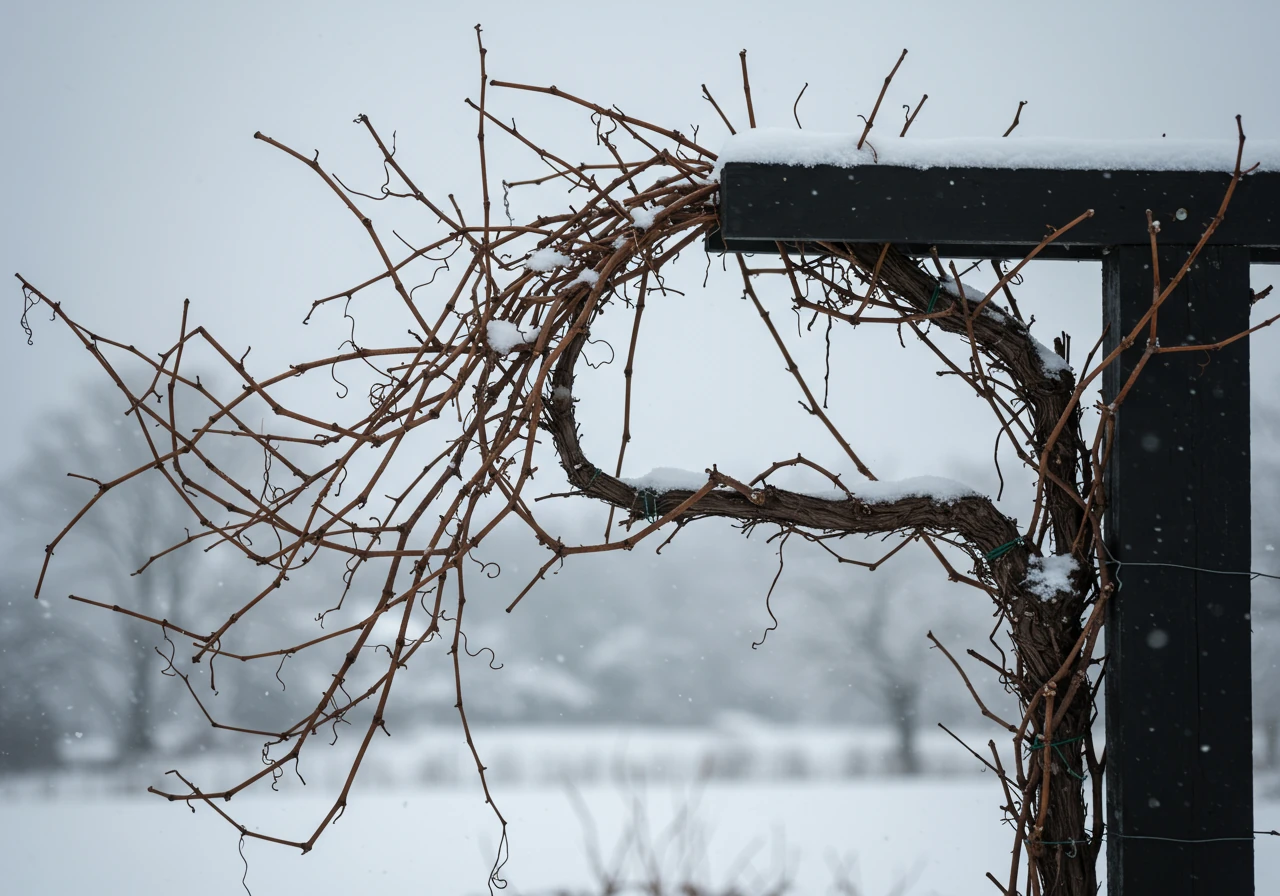
It's one thing to snip away the unruly bits, but training is where the real artistry happens in gardening. It's how you encourage your clematis to elegantly scale an arbour or your climbing roses to frame a doorway perfectly. More importantly, especially here in Ottawa where winter throws everything from ice storms to heavy snow at us, training builds a strong, resilient framework. A well-trained vine on a solid support is far less likely to collapse under winter’s weight, preventing damage to both the plant and your property.
Choosing the Right Backup Dancers (aka Support Structures)
Your vine needs something to lean on, climb up, or weave through. Choosing the *right* support is crucial, especially considering the mature size and weight of your vine and our distinct Ottawa seasons. A flimsy trellis might buckle under a mature wisteria!
- Trellises: Great for walls or fences, providing a flat plane for vines like clematis or honeysuckle.
- Arbours & Pergolas: Create lovely entryways or shaded spots, perfect for heavier vines like grapes or wisteria. Imagine a beautiful, sturdy arbour adding charm to a Kars property!
- Wires or Netting: Can be installed almost invisibly on walls or fences, ideal for twiners or tendril climbers needing minimal guidance.
- Obelisks: Add vertical interest in garden beds, suitable for less vigorous climbers.
Think long-term durability. Metal or sturdy, treated wood structures generally hold up better to our freeze-thaw cycles than lightweight plastic. Choosing and installing the right structure is a key part of any Professional Garden Install Service, ensuring your vine has the support it needs from day one. Sometimes, installing a new structure means removing an old, broken one, which might require an Ottawa Property Cleanup Service to handle the old materials.
Gentle Persuasion: Training Techniques
Training isn't about forcing; it's about encouraging. As new shoots grow, gently tie them *loosely* to the support using soft ties (like garden twine, fabric strips, or specialized vine clips – never tight wire!).
- Guide, Don't Strangle: Leave room for stems to thicken.
- Spread 'Em Out: Encourage horizontal growth along wires or trellis bars, especially for flowering vines. This often leads to more blooms along the length of the stem.
- Weave and Tuck: Gently weave flexible stems through the openings in their support.
- Snip Missteps: Remove shoots growing away from the support or in awkward directions early on.
This consistent guidance helps create that strong, permanent framework. You'll be amazed how these efforts contribute to Stunning Yard Transformations over time. Getting things tidy *before* you start training is also helpful; a Comprehensive Property Clean Up can clear the way.
Winter's Bare Beauty
Here’s the magic part: A well-trained vine reveals its beautiful structure in winter. Instead of a tangled mess, you get an intricate pattern against the snow – a real *winter appeal* bonus for your landscaping in areas from Winchester to the city centre. This elegant framework is a testament to your care throughout the growing season. The initial training phase, or reshaping an older vine, can generate a fair bit of clippings; a City Yard Cleanup Service can easily manage the debris.
Training takes a little patience, but the payoff is a healthier, more beautiful, and structurally sound vine that enhances your property year-round. If you're considering adding supported vines or need help with larger training projects, getting professional input is always wise – and if you do get an estimate from us, we'd love it if you could Share Your Estimate Feedback!
Hypothetical Growth Reduction After Pruning
Key Insights: Nepean Vine Pruning Cheat Sheet
Feeling a bit tangled up by vine care? No worries! Here’s your quick guide to keeping those Nepean climbers looking fab, not frantic. Think of this as the highlight reel for happy, healthy gardening.
- Why Bother? Pruning keeps vines healthy, encourages more flowers or fruit, prevents them from eating your house (just kidding... mostly!), and makes them easier to manage.
- Timing is Key: Do major reshaping in *late winter/early spring* when vines are snoozing (dormant). For vines that flower in spring on last year's growth, wait until *after* they bloom to prune. Summer is for light tidying snips.
- The How-To Basics: Always use *clean*, sharp pruners! Remove the 3 D's first: Dead, Diseased, Damaged wood. Cut just above an outward-facing bud.
- Give 'em Support: Train vines gently onto sturdy trellises, wires, or arbours *suited* for their weight and climbing style. This helps with structure and awesome landscaping appeal.
Dealing with the clippings chaos? If you've tackled a big project, perhaps out towards Marionville, the Marionville Property Cleanup Service can manage the large volume, or for tidying just the garden beds, the Marionville Garden Clean Up Service is ideal. Nearby areas aren't left out; check out the Metcalf Garden Clean Up Service too. After the cleanup, give your beds a polished look with professional Mulching and Edging. Considering our services? If you received an estimate, we’d be grateful if you could Share Your Estimate Feedback!
Nepean Vine Pruning FAQs: Your Local Questions Answered
Ah, the million-dollar Ottawa question! While late winter/early spring (before buds burst) is the general rule for major structural vine pruning, our unpredictable springs can make timing tricky. For vines blooming on new wood (like many Clematis or Grapes), stick to that dormant season. For spring bloomers on old wood (some Honeysuckles), prune after flowering. If you're unsure, wait until tiny buds just start swelling in spring – it helps identify live wood. Still scratching your head about your specific climber? Feel free to contact us for specific advice.
Oof, Ottawa winters can be rough on our leafy friends! First, take a deep breath and resist the urge to immediately hack away at every sad-looking stem. Wait until spring growth actually begins. This allows you to clearly see which branches are truly dead (no green, brittle) and which ones might still push out new leaves. Then, prune back damaged sections to the nearest healthy, outward-facing bud or living stem. It might look a bit sparse at first, but this gives it the best chance to recover. Patience is a virtue in post-winter gardening!
We hear you! Those super-sticky vines like Virginia Creeper and Boston Ivy are champions of tenacity. The good news? They're tough and can handle aggressive pruning. You can cut them back quite hard, even close to the main woody stems, ideally during the late winter/early spring dormant season. The real secret weapon, though, is consistent maintenance. Snipping stray tendrils and growth heading towards windows or under siding during the summer prevents them from getting established and leaving those stubborn little adhesive footprints behind.
That’s frustrating! Pruning is important, but it's only one piece of the landscaping puzzle. If your vine seems lackluster despite good pruning, check other factors. Is it getting enough sunlight for its type? Is the soil constantly waterlogged or desert-dry? Compacted soil or lack of nutrients can also stunt growth. Consider amending the soil with compost – investing time in proper soil preparation can work wonders. Also, ensure good drainage around the base; thoughtful material selection for garden beds nearby, like using appropriate mulch, can help regulate moisture.
Sounds like you had a productive gardening session! Dealing with the aftermath, especially in more rural spots like Vernon or Kenmore, depends on volume. Healthy, disease-free clippings are fantastic additions to a compost pile – chop them up for faster breakdown. Smaller amounts often fit in Ottawa's Green Bin program (check your local guidelines). For truly large piles of woody debris, bundling for curbside pickup (if available in your area) or using a professional yard waste removal service can save you hassle. Services like the Marionville Yard Cleanup Service handle significant debris removal in nearby areas. We always respect your privacy when you inquire about services; you can view our privacy policy anytime. Also review our Terms and Conditions.
Conclusion: Cultivate Structure & Beauty in Your Nepean Garden
So there you have it – the secrets to transforming your tangled vines from potential headaches into gorgeous garden highlights! We've untangled the *why* and *when* of *vine pruning*, explored different climber personalities, and learned how training adds that crucial *structure* and *winter appeal* so valuable in our Ottawa climate. You're now armed with the know-how to encourage healthy growth and keep those enthusiastic climbers in check.
Mastering the snip and guiding those stems isn't just about tidiness; it’s about cultivating healthier, more productive plants that truly enhance your *Nepean* home's curb appeal without staging a hostile takeover of your siding. It's smart landscaping that pays off in seasonal beauty – from lush summer leaves and flowers to elegant winter silhouettes – and protects your property investment. Think of it as adding both form and function to your vertical gardening efforts.
Bringing that vision of elegantly draped fences or arbours to life takes time and know-how. If wrestling with wisteria or tackling tenacious ivy feels like a bit much, or if you simply want a professional touch for your gardening projects, we're here to help! Clean Yards offers expert vine pruning, training, and comprehensive yard care services across the region, including *Nepean*, *Russell*, and *Embrun*. Let us lend a hand, so you can simply relax and enjoy the structured beauty of your thriving garden. Reach out today for a free estimate and let's cultivate something beautiful together!
For more local gardening info, check out resources from Friends of the Central Experimental Farm or the Master Gardeners of Ottawa-Carleton.