
Osgoode Garden SOS: Fix Over-Fertilization Plant Burn Fast
Quick Guide to Fixing Fertilizer Burn:
- Identify: Look for crispy, brown leaf tips/edges, wilting despite moist soil.
- Flush Immediately: Water deeply (pots & ground) to wash excess salts below roots.
- Prune Damage: Remove heavily burnt leaves.
- Recover: Reduce stress (consistent water, avoid harsh sun), NO fertilizer for weeks.
- Prevent: Test soil, follow label directions, use slow-release, fertilize moderately.
Worried your loving care might have caused plant stress? Over-fertilization can happen easily. If you see signs of burn, act fast! Need help diagnosing or fixing the issue in your garden?
Introduction: That Sinking Feeling: When 'Too Much Love' Hurts Your Osgoode Garden
SOS! Is your green thumb feeling decidedly… brown? You lavished your Osgoode garden with attention, maybe adding *just a bit* extra plant food, thinking you were giving it the VIP treatment. But now? Yellowing leaves, scorched tips, and that awful sinking feeling that says, "Uh oh, I messed up." It happens to the best of us!
This classic case of "too much love" often leads to fertilizer burn – basically, you've overwhelmed your poor plants with kindness (and chemicals!). Especially here in the wider Ottawa region, where we cherish every moment of our sometimes-short growing season, seeing your careful landscaping efforts go sideways is super frustrating. Maybe your neighbour's Greely garden looks perfect, while yours is looking stressed?
But don't grab the shovel of shame just yet! We get it, and help is here. This guide will clearly explain what fertilizer burn looks like, why it happens, and provide simple, practical steps to rescue your plants and get your beautiful Osgoode landscape thriving again. Let's turn that frown upside down (and those leaves back to green!). For ongoing care, consider our garden maintenance services.
Spotting the Signs: Is it Fertilizer Burn or Something Else?
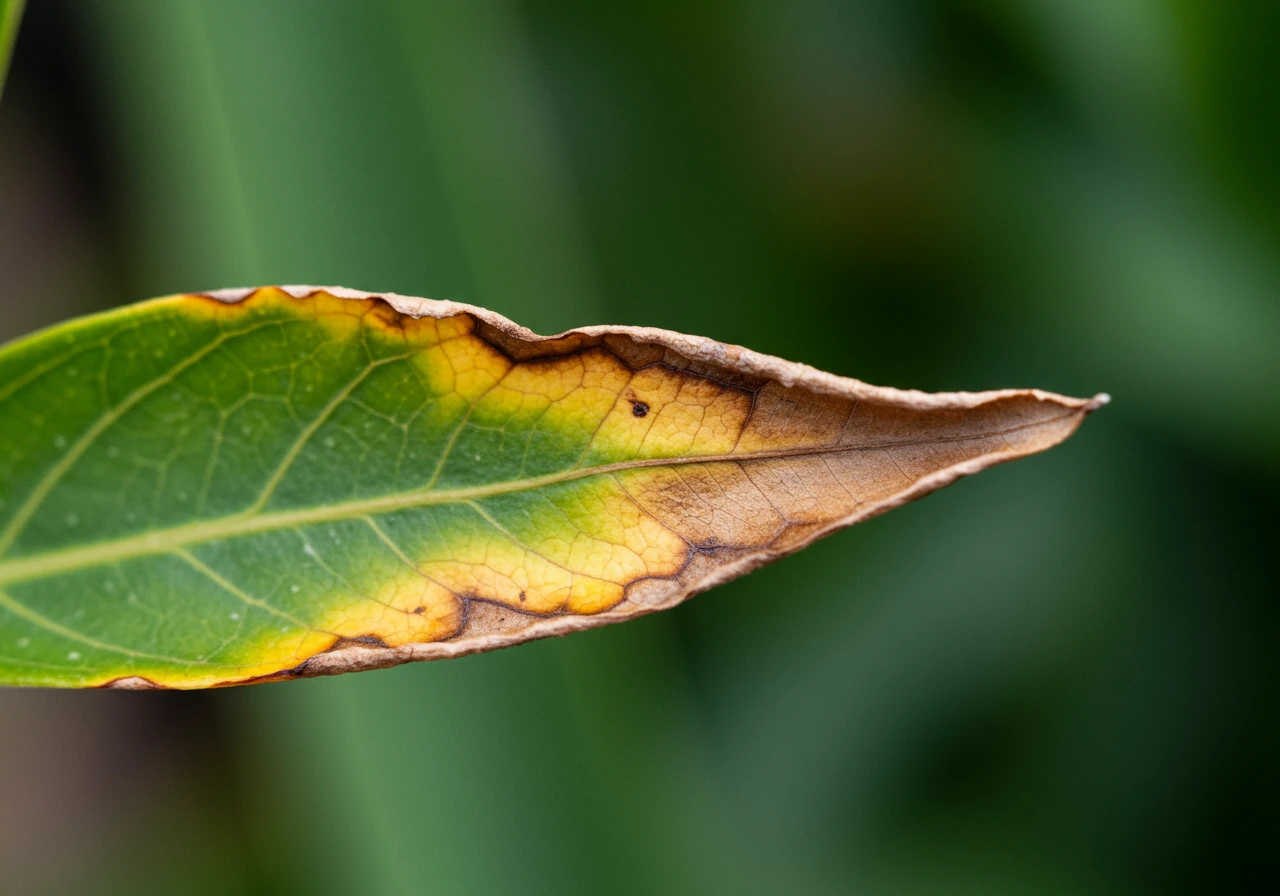
Alright, garden detectives, let's put on our magnifying glasses! Your plant looks unhappy, maybe a bit crispy around the edges, and you're wondering, "Did I overdo it with the plant food?" Fertilizer burn is a common culprit when our green ambitions get a little *too* enthusiastic, but other garden party crashers can cause similar symptoms. Knowing what to look for is key to solving the mystery.
So, what exactly does fertilizer burn look like? Here are the tell-tale signs:
- Scorched Edges are the Classic Clue: This is the big one. You'll often see the tips and edges of leaves turning yellow, then brown, looking dried out and, well, burnt. It usually shows up on the lower, older leaves first, but can spread if the problem is severe. Think crispy, not soggy.
- Wilting Despite Watering: Your plant looks droopy and thirsty, making you want to water it *more*. But wait! Check the soil. If it's moist, but the plant is still wilting, that's a red flag for fertilizer burn. The excess fertilizer salts are actually pulling moisture *away* from the roots. Talk about adding insult to injury!
- Slowed or Stunted Growth: Plants putting all their energy into dealing with stress won't have much left for growing tall and strong. If growth seems to have hit the brakes, over-fertilizing could be the reason.
- Leaf Drop: In more serious cases, the plant might start shedding leaves as a survival tactic.
- White Crust on Soil: Sometimes, especially with granular fertilizers or in pots, you might notice a white, salty crust forming on the surface of the soil. That's leftover fertilizer salts.
Hold On, Could It Be Something Else?
Now, here’s where good detective work comes in. Whether you're tending roses in Manotick or prize-winning tomatoes in Barrhaven, other issues can masquerade as fertilizer burn:
- Underwatering: Yes, wilting happens here too, but the key difference is *dry soil*. Also, underwatered leaves often yellow or brown more uniformly across the whole leaf, not just concentrating on the edges first. Sometimes, inconsistent watering, maybe due to issues before your Osgoode Sprinkler System Winterization, can cause stress symptoms that look confusingly similar.
- Pest Problems: Tiny vampires! Aphids, spider mites, and other pests suck the life out of leaves, causing yellowing or stippling. *Look closely* under leaves and stems for actual bugs, webbing, sticky residue, or tiny holes. Fertilizer burn won't have these little critters hanging around.
- Plant Diseases: Fungal spots, powdery mildew, or bacterial blights often create distinct patterns – like spots, rings, fuzzy patches, or mushy areas – rather than the edge-scorching typical of fertilizer burn.
- Poor Drainage / Overwatering: This is a big one, especially if you're gardening in heavy ground sometimes found near Osgoode. Roots sitting in waterlogged soil can't breathe, leading to yellowing leaves and wilting (even though the soil is wet!). Root rot might also cause mushy, brown, smelly roots. Improving drainage is crucial here; check out tips for Osgoode Clay Soil Garden Care. While symptoms overlap (wilting, yellowing), the *pattern* of fertilizer burn's crispy edges is usually distinct.
You might notice these worrying signs on plants you were just about to pamper further, perhaps noticing burn on a shrub before giving it shape with Osgoode Topiary Tips, or seeing stress on a tree ahead of its scheduled Osgoode Fall Tree Pruning. Paying close attention is crucial.
Key Insight: The defining feature of fertilizer burn is often the **crispy, brown scorching concentrated on leaf edges and tips**, unlike the more uniform yellowing of underwatering or the distinct spots/patterns of diseases.
Still scratching your head? It happens! Distinguishing between these problems can be tough. If you're unsure what's plaguing your plants, sometimes getting a fresh set of eyes helps. Consider having a professional take a look during an Osgoode Yard Cleanup Service or explore Our Landscaping & Yard Care Services for expert diagnosis and solutions. Better to be sure before you start treating the wrong problem!
Emergency Room: Immediate Steps to Flush Excess Fertilizer
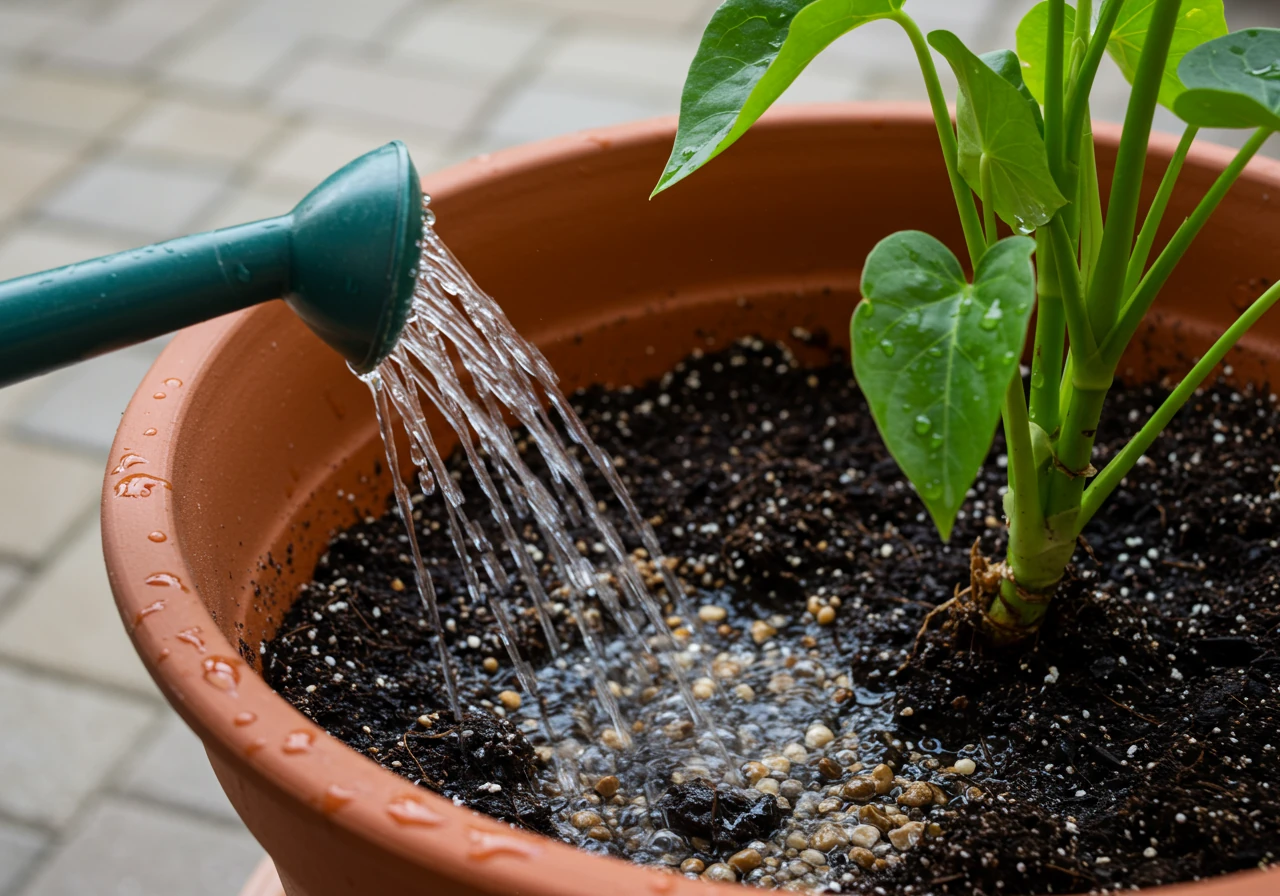
Okay, plant parent, take a deep breath. You've identified the likely culprit – fertilizer burn. It feels bad, but think of this as the emergency room for your plants. We need to act fast to wash away those extra salts that are causing all the trouble. This process is called *flushing*, and here’s how to stage your rescue mission for your precious landscaping:
How to Flush Excess Fertilizer
For Potted Plants (The Easier Patients):
- Move to Drain: Take your container plant somewhere water can drain freely (laundry tub, bathtub, or outside on the lawn). *Crucially*, remove the saucer from underneath the pot – we need unimpeded drainage! You don't want the plant sitting in the salty water it just flushed out.
- Slow Rinse: Gently pour water over the entire soil surface, letting it soak in. Keep watering slowly until water runs freely from the drainage holes. Think of it as giving the soil a good, long rinse. Use room temperature water if possible.
- Repeat: Wait about 30 minutes to an hour, letting excess water drain away. Then, repeat the flushing process 2-3 more times. This repeated rinsing helps dissolve and carry away the built-up fertilizer salts.
- Dry Out & Recover: After the final flush, allow the pot to drain completely. Move it out of direct, intense sunlight. Hold off on fertilizing again for *at least* a few weeks, until new growth appears.
For In-Ground Garden Beds & Lawns (Requires More Patience):
- Deep Water: This is vital, especially in areas around Ottawa known for heavier clay soil, like parts of Greely. Apply a *lot* of water *slowly* over the affected area. Aim for at least 1-2 inches of water. A sprinkler on a low setting for an extended period (an hour or more) is often best. The goal is to push salts below the root zone.
- Check Depth: After watering, gently dig down 6-8 inches. Is the soil damp deep down? If not, you need more water, applied even slower to prevent runoff.
- Repeat If Needed: Depending on severity and soil type, repeat deep watering every few days for about a week. Watch for signs of recovery.
- Improve Drainage Long-Term: If water pools or drains slowly, addressing soil structure is key for future health. Incorporating compost during a general Ottawa Yard Cleanup Service can help.
General Tips Post-Flush:
- Remove Damaged Foliage: Carefully snip off the worst brown, crispy leaves/stems. This cleans things up and redirects energy to new growth.
- Patience, Grasshopper: Recovery isn't instant. Give the plant time to bounce back.
- Hold the Fertilizer! Seriously, put it away. Wait *at least* a month, maybe longer, until clear signs of healthy new growth appear.
- Consider Mulch Later: Once recovering, organic mulch helps regulate moisture and temperature. Proper Mulching and Edging is beneficial.
Feeling overwhelmed by a large affected lawn or garden bed, perhaps needing help across Metcalfe or Marionville? Sometimes a professional assessment and helping hands are the quickest route to recovery. Our teams offering Metcalf Property Cleanup Service or Marionville Yard Cleanup Service have dealt with over-fertilization woes before. If you're unsure about the best course of action, or if flushing seems daunting, don't hesitate to Contact Us for advice. We also provide broader services like an Osgoode Yard Cleanup Service.
Check out our listing on Google My Business for reviews and updates.
Recovery & Rehab: Helping Your Plants Bounce Back
Okay, deep breaths! You’ve flushed the soil, and now your plant is officially in the recovery ward. It’s had a bit of a shock, bless its heart, so this next phase is all about gentle care and giving it space to heal. Think of it as plant physical therapy!
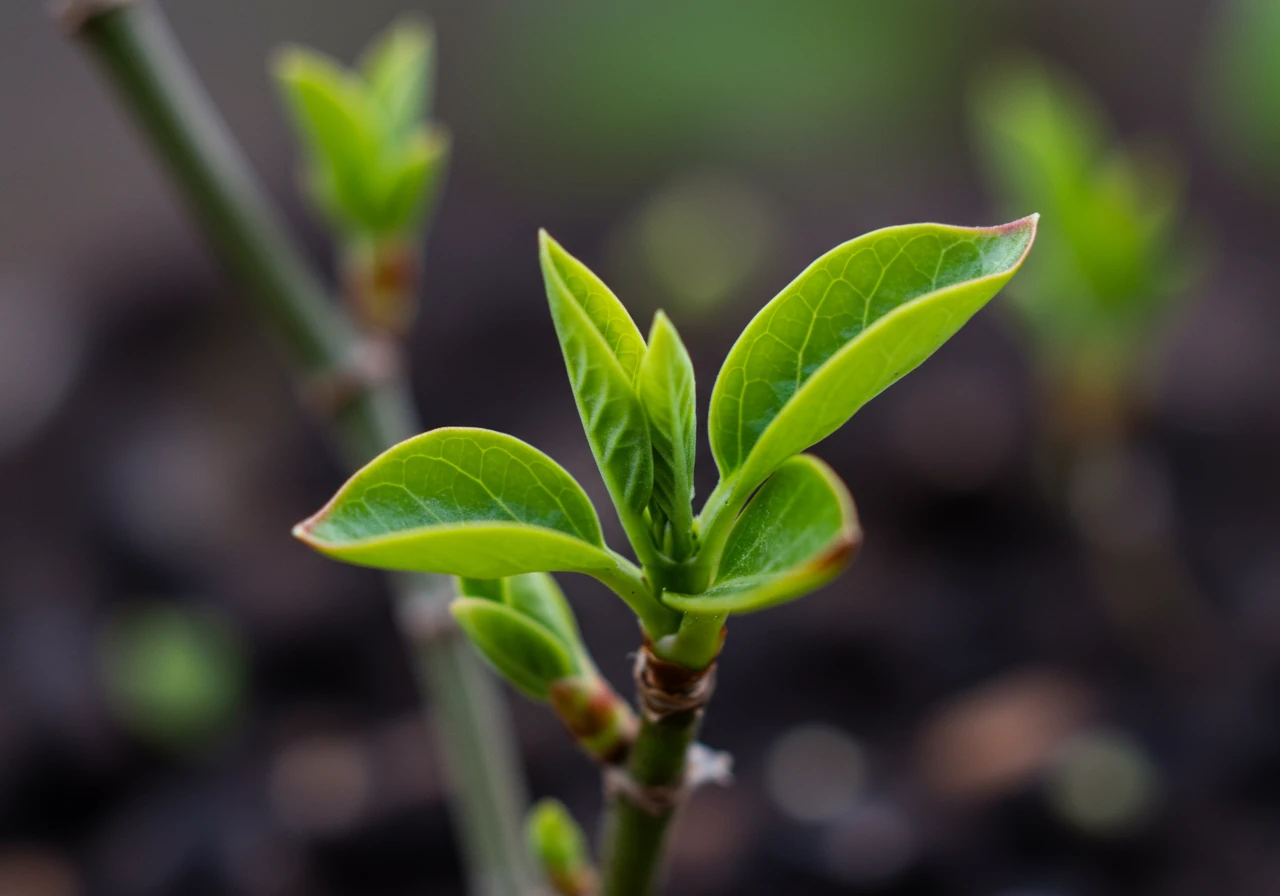
First up, let's deal with the battle scars. Those brown, crispy leaf edges and completely dead leaves aren't going to magically turn green again. It’s best to carefully snip them off.
- Use clean, sharp scissors or pruning shears.
- Cut just above a healthy node or leaf set, or remove the entire leaf if it's mostly damaged.
- Don’t go crazy and remove *all* the leaves unless they are truly goners – the plant still needs some foliage for photosynthesis.
This careful pruning isn't just cosmetic; it helps the plant redirect its energy to producing *new*, healthy growth instead of trying to support dead tissue. This kind of careful tidying is a key part of ongoing Garden Maintenance.
Now, the mantra is: reduce stress. Your plant is vulnerable.
- Avoid repotting or transplanting right now unless absolutely necessary.
- Keep it out of harsh, direct sunlight or strong winds while it recovers.
- Maintain consistent moisture – don't let the soil become bone dry, but definitely don't let it get waterlogged either. Check soil moisture with your finger before watering.
- Absolutely no fertilizer until you see clear signs of robust new growth. This might take weeks, even a month or more. Patience is key!
Speaking of patience, managing expectations is crucial, especially with our sometimes-finicky Ottawa growing season. Recovery isn't overnight. Some plants bounce back relatively quickly, showing new green shoots within a couple of weeks. Others might sulk for a while or, sadly, might have been too stressed to make a full recovery. Keep an eye out for tiny signs of life – that first little green unfurling leaf is a victory! Seeing plants come back from the brink is one of the rewarding parts of gardening and landscaping, much like the amazing results shown in our Transformations gallery.
If the fertilizer burn was widespread across your property, perhaps affecting multiple beds or lawn areas in neighbourhoods like Marionville, a larger scale intervention might be needed beyond individual plant care. In such cases, assessing the overall situation might benefit from professional eyes, like those involved with a Marionville Yard Cleanup Service or even a broader City Property Cleanup Service for larger estates. Long-term recovery might involve improving soil health or adjusting future feeding plans, which is where regular help from a City Garden Maintenance Service can make a huge difference. We understand the desire for a beautiful, healthy landscape – it’s why we do what we do! You can learn more about our approach on our About Us page. Give your plants time, gentle care, and hopefully, they'll reward you by bouncing back beautifully.
Post-Flush Recovery Checklist
- ✓ Prune heavily damaged leaves/stems.
- ✓ Provide consistent moisture (avoid extremes).
- ✓ Protect from harsh sun/wind.
- ✓ Monitor for new growth.
- ✓ ABSOLUTELY NO fertilizer for 4+ weeks.
Promoting Long-Term Plant Health
Once recovered, focus on building resilience:
- Improve soil structure with compost (Soil Preparation is key).
- Mulch garden beds (Mulching and Edging).
- Water deeply and less frequently to encourage strong roots.
- Fertilize according to soil tests and plant needs (see Prevention section).
Consider professional Garden Install services for new plantings with optimal soil conditions.
When Professional Help is Recommended
Consider contacting Clean Yards if:
- Damage is widespread across your lawn or multiple garden beds.
- You're unsure about the cause of the plant stress.
- Plants aren't showing signs of recovery after several weeks.
- You need help with large-scale soil flushing or remediation.
- You want expert advice on a long-term fertilization plan.
We offer services like Metcalf Garden Clean Up and City Garden Clean Up to restore your landscape.
Prevention Power-Up: Fertilizing Smartly in the Ottawa Valley
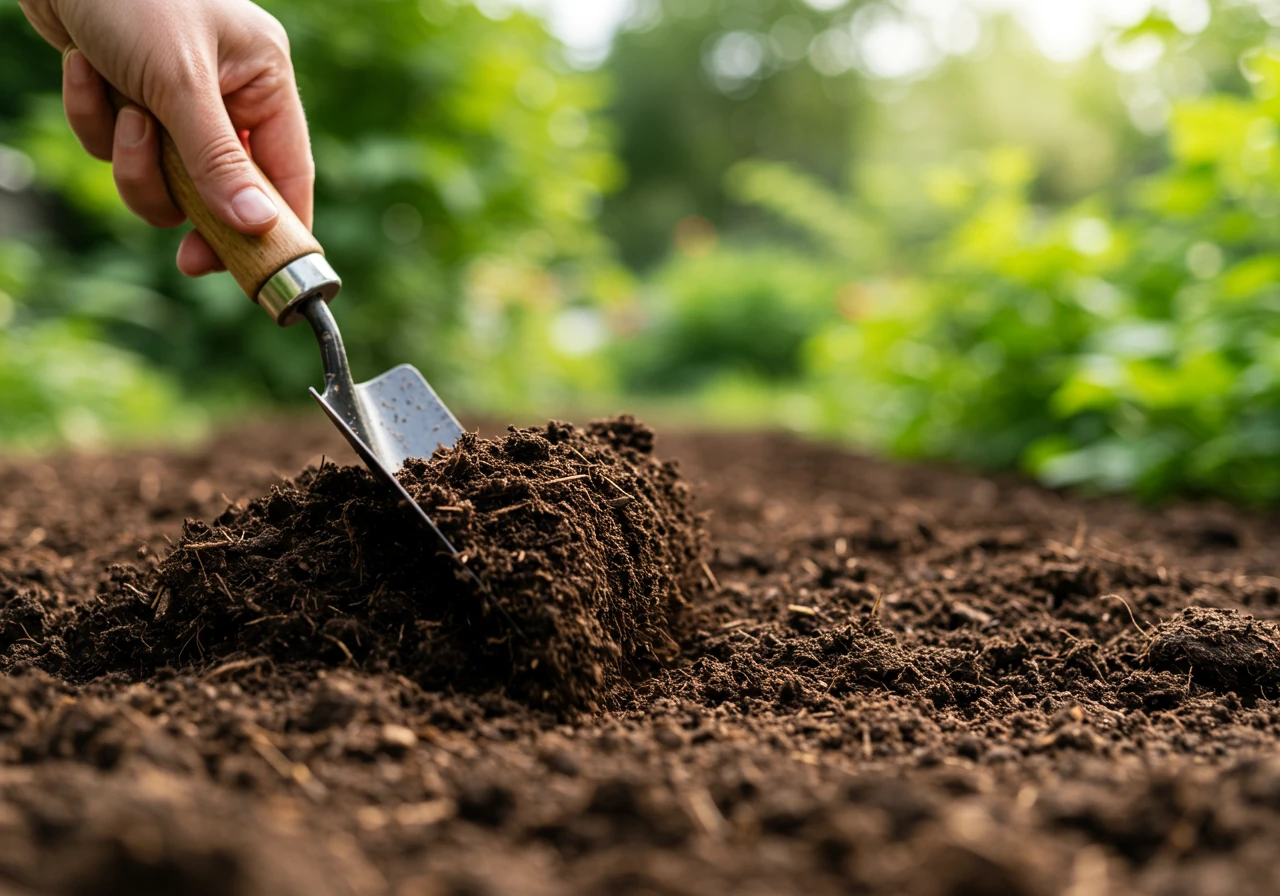
Alright team green-thumb, let's talk about keeping our plants happy without accidentally giving them a chemical sunburn! We've all been tempted to give our gardens 'just a little extra' TLC, especially when striving for that perfect Metcalfe lawn or those blooming Kars flowerbeds. But as we learned, too much fertilizer love leads to heartache (and crispy leaves). The real superpower? Preventing fertilizer burn in the first place. It's easier than you think, and your plants will thank you!
Step 1: Know Your Soil - Don't Guess, Test!
This is the golden rule, folks. Soils across the Ottawa Valley can vary wildly – sandy loam near the Rideau River, heavier clay heading towards Vernon, or unique patches right in your own backyard. Fertilizing without knowing what your soil *actually needs* is like cooking without tasting – you might get lucky, or you might create a disaster!
- Why Test? A simple soil test tells you the pH level and existing nutrient levels (like nitrogen, phosphorus, potassium). You might discover your soil is already rich in one nutrient but lacking another. Why add more of what you don't need?
- How? You can buy DIY kits or send samples to a lab. The Ontario Ministry of Agriculture, Food and Rural Affairs (OMAFRA) lists accredited soil testing labs. Knowing your starting point prevents wasteful and potentially harmful over-application. Getting your soil tested can be a great first step before a big seasonal spruce-up, perhaps even coordinating it with a scheduled City Yard Cleanup Service to prep your beds properly.
Step 2: Decode the Fertilizer Bag (It's Not Scary!)
Those three numbers (like 10-10-10 or 20-5-10) represent N-P-K: Nitrogen (for leafy growth), Phosphorus (for roots/flowers/fruit), and Potassium (for overall plant health). A balanced fertilizer (10-10-10) has equal parts. A high-nitrogen one (20-5-10) pushes lawn growth.
- Read the Label: Seriously, read it! It tells you *exactly* how much to apply per square foot or per plant. Resist the urge to add "a little extra for good luck." That's where trouble starts.
- Slow vs. Fast: Slow-release fertilizers (often granular) feed plants gradually, reducing the risk of burn. Liquid fertilizers provide a quick hit but are easier to over-apply. Choose wisely based on your needs and confidence level. Consider options during material selection for landscaping projects.
Step 3: Apply Like a Pro (Even If You're Not!)
How you put down the fertilizer matters just as much as how much you use.
- Even Stevens: Use a spreader for lawns for even coverage. Avoid dumping piles! For gardens, sprinkle granules evenly around the base of plants (not touching the stems) or dilute liquids *exactly* as instructed.
- Water It In: Most granular fertilizers need watering after application. This helps dissolve them and move the nutrients into the root zone, washing residue off leaves. Check the product label for specifics.
- Timing is Everything (Ottawa Style): Our growing season demands smart timing. Consult resources like the Master Gardeners of Ottawa-Carleton for local advice.
- Spring: Apply fertilizer as plants wake up and the soil warms (usually May).
- Summer: Generally, *avoid* heavy fertilizing during the hottest, driest parts of summer (July/August). Plants are often stressed already. Light feeding for hungry annuals or containers is okay if needed. Monitor City of Ottawa water use guidelines during dry spells.
- Fall: Focus on lawn fertilizer designed for fall application (lower nitrogen, higher potassium) around Labour Day to early October to promote root growth before winter. This is key for lawns from Russell to the city core.
Eco-Friendly Boosters:
Don't forget the power of nature! Improving your soil with organic matter is the best long-term strategy for healthy plants that need less supplemental feeding. Regular Garden Maintenance that includes adding compost or well-rotted manure builds fantastic soil structure and provides slow-release nutrients. It’s a win-win! This is fundamental to good lawn care and garden health.
Simple Seasonal Fertilizing Guideline (Ottawa Valley)
Early/Mid-Spring (May)
Test soil. Apply balanced or specific fertilizer based on results *after* soil warms. Water in well.
Summer (June-August)
Minimal feeding. Water deeply. Feed heavy feeders (annuals, veggies) sparingly if needed. Monitor for stress.
Early Fall (Sept-Oct)
Apply fall-specific lawn fertilizer. Add compost to garden beds after property clean up.
Winter (Nov-April)
No fertilizing needed. Focus on protecting plants and planning for spring. Consider sod installation planning for damaged lawn areas.
Following these steps can dramatically reduce the risk of fertilizer burn, keeping your slice of the Ottawa Valley green and gorgeous. Remember, consistent care and understanding your garden's specific needs, whether in busy Nepean or quieter areas like Marionville, is key. If you're ever unsure about tackling your garden's needs, remember that professional help is available; getting assistance with a City Garden Clean Up Service can set you up for success. Even specific regional needs, like those handled by a Marionville Garden Clean Up Service, benefit from this preventative approach. Before engaging any service, it's always wise to review their Terms and Conditions and understand their Privacy Policy regarding your information. Fertilize smarter, not harder, and enjoy a healthier garden!
Quick Fix Cheat Sheet: Your Osgoode Garden SOS Recap
Okay, let's boil it down! Sometimes you just need the highlights when your garden sends out an S.O.S. If you suspect you’ve been a little *too* generous with the plant food, here’s your rapid-response cheat sheet.
| Symptom / Question | Quick Answer / Action |
|---|---|
| #1 Sign of Fertilizer Burn? | Crispy, brown leaf edges/tips. Plant may wilt even if soil is moist. |
| First Thing to Do RIGHT NOW? | Flush the soil! Water pots until water drains freely (repeat 2-3x). Water garden beds/lawns deeply and slowly. |
| After Flushing, Now What? | Snip off worst damage. Keep soil moist (not wet). Protect from harsh sun. NO fertilizer for 4+ weeks until new growth appears. |
| How to Avoid Next Time? | Test soil first! Read/follow fertilizer labels carefully. Use slow-release options. Don't over-apply. Focus on good soil preparation. |
| Whole Lawn Looks Stressed? | Flush entire lawn deeply. Mow high, water correctly during recovery. Adopt better lawn care practices long-term. |
| Need Help? | Yes! If damage is severe or you're overwhelmed, professional help like an Ottawa garden clean up service or city garden clean up service can make a difference. Dealing with damaged areas might require property clean up too. |
Osgoode & Area Gardener FAQs: Fertilizer Burn Edition
Both can cause burn if overused! Liquid fertilizers are fast-acting, so mistakes show up quickly and can be more intense. Granular, especially slow-release, is often more forgiving, but *always* measure carefully and water in well as directed. Neither type is burn-proof if you get too enthusiastic with the application scoop! Treat them both with respect for happy plants.
It's frustrating! Burn can still happen if plants were already stressed (drought, heat), if you accidentally overlapped application areas (double dose!), or if the soil was very dry, concentrating the salts. Sometimes, widespread issues like this need a bigger fix; an Ottawa Property Cleanup Service might help assess and remediate larger landscaping areas effectively, giving your stressed hedge a fighting chance.
Generally, organics are much gentler, but yes, burn *is* possible, especially with fresh, "hot" manures or concentrated fish emulsion/blood meal if not diluted properly. Well-composted material is usually safest. If you're in nearby Metcalfe and struggling with soil balance even using organics, the team at Metcalf Yard Cleanup Service can advise on soil health and amendments suitable for your garden's specific needs.
Patience is key! The burnt parts won't heal, so watch for *new*, healthy growth emerging from the center or stems. You might see tiny green shoots in 2-4 weeks, depending on the plant and the severity of the burn. Don't expect miracles overnight! Keep monitoring, water carefully, and hold off on *any* fertilizer. We appreciate hearing about your results later via our Estimate feedback page.
Don't give up yet! Flush the whole bed thoroughly first – deep, slow watering is crucial. Assess the plants – are stems still green? Any signs of life at the base? Some plants are tougher than others. If it feels overwhelming or you need help deciding the next steps for a large area, a dedicated Marionville Property Cleanup Service can offer tailored advice and assistance. We want to say Thank you for trying to save your plants!
Conclusion: From Garden Grief to Green Growth
Phew! We've journeyed from that sinking feeling of "Uh oh, what did I do?" right through the steps to rescue your beloved plants and set you up for future success. Seeing those scorched leaves can cause serious garden grief, but remember, fertilizer burn is often fixable and always preventable.
You're now equipped to spot the signs (those crispy brown edges!), perform emergency soil flushing, give your plants the gentle rehab they need, and most importantly, apply fertilizer much more smartly next time. Whether you're nurturing a new flower bed in Osgoode or tending a mature landscape in Nepean, every gardening season brings opportunities to learn and grow – just like your plants! Don't let a little fertilizer fumble discourage you.
Your best path forward is prevention power: embrace soil testing, read those fertilizer labels like they're thrilling mystery novels, and always measure carefully. Consistent, informed care is the secret sauce to lush, happy landscaping.
But if the damage feels extensive, recovery seems daunting, or you'd simply prefer an expert hand to get your garden back on track quickly, please don't hesitate to contact us. Our team understands the unique challenges of Ottawa gardening and offers professional landscaping and cleanup services to tackle everything from fertilizer mishaps to complete garden makeovers. Let's work together to transform that grief into gorgeous green growth!