
Boost Barrhaven Plant Immunity: Pro Healthcare Tactics
Quick Summary
- Understand common Ottawa/Barrhaven plant stressors like weather extremes and clay soil.
- Improve soil health significantly by adding organic matter (compost).
- Water deeply and less frequently, preferably in the morning.
- Choose hardy plants suited for Zone 5 and prune correctly for air circulation.
- Use Integrated Pest Management (IPM) focusing on prevention and least-toxic solutions.
Is your Barrhaven garden struggling to thrive? Give your plants the professional care they deserve. Request your free quote from Clean Yards today!
Introduction: Giving Your Barrhaven Plants an Immune Boost!
Hey Barrhaven neighbours! Ever feel like your garden plants are throwing a tiny, leafy pity party? One day they look great, the next they're looking a bit droopy or getting nibbled by pests. Keeping your landscaping looking lush in Barrhaven sometimes feels like a full-time job, right? Especially navigating that infamous Ottawa weather rollercoaster!
Well, guess what? Plants have their own built-in defence squad – basically, their immune system. Just like ours helps us fight off colds, a plant’s immunity helps it defend against pests and common diseases. Think of it as their natural shield! When this shield is strong, your plants are much happier and tougher. But factors like tricky soil (hello, clay!), sudden frosts, or summer heatwaves here in the Ottawa area can weaken those defences.
Don't worry, you don't need a secret handshake to help them out! This section is all about boosting your garden's natural resilience. We’ll share practical, easy-to-follow tips specifically for Barrhaven growers, helping you build healthy plants that can stand up strong. Let's give your green buddies the immune boost they deserve!
Know Your Battlefield: Understanding Plant Stressors in Barrhaven & Ottawa
Alright, let's dive into the nitty-gritty of what makes gardening in Barrhaven and the wider Ottawa area... well, let's call it character-building for both plants and gardeners! Think of it as understanding the terrain before a friendly skirmish with Mother Nature's curveballs. Knowing the specific challenges your plants face right here helps us give them a fighting chance to thrive in your landscape.
The Wild Ottawa Weather Rollercoaster
First up, our climate. Ottawa isn't messing around! We swing from sizzling hot, humid summers that make you want to live in a sprinkler, to bone-chilling winters that would make a polar bear reach for an extra scarf. Plants here have to be tough cookies to cope with:
- Deep freezes and heavy snow cover (sometimes too much insulation, sometimes not enough!).
- Sudden spring frosts after things have already started budding – a classic Ottawa surprise party nobody asked for!
- Summer heatwaves and potential droughts that leave plants gasping.
Keeping track of how your plants react season-to-season is super helpful for planning ahead; you can find practical ideas in these Greely Summer Garden Record Keeping Tips. This constant back-and-forth weather really tests a plant's resilience. For community gardening insights in the area, check out resources like Just Food Ottawa.
Getting Down and Dirty: Our Soil Situation
Let’s talk soil. Much of Barrhaven, and indeed areas like nearby Manotick, often deals with heavy clay soil. While clay is great at holding onto nutrients (yay!), it can be a real pain for drainage – think soggy spring roots or soil baked harder than concrete in summer (boo!). It also compacts easily, making it tough for roots to spread out. The secret weapon? Amending your soil with compost and other organic matter year after year. This improves drainage and aeration, making roots much happier. Need help getting your garden beds ready after the winter thaw? Proper preparation, like the kind involved in a thorough Barrhaven Commercial Spring Cleanup, can whip that soil into better shape, setting the stage for success.
Uninvited Guests: Pests and Diseases
Think of stressed plants like someone feeling run down – they're more likely to catch whatever bug is going around. In our region, keep an eye out for usual suspects like Japanese beetles turning your roses into lace, aphids enjoying tender new growth a little too much, or powdery mildew showing up after those humid stretches. Healthy, well-cared-for plants that aren't stressed by poor soil or wild weather are naturally better at fending off these pests and diseases. Noting down when and where problems pop up is smart gardening – this Kars Garden Summer Record Keeping Guide offers more great tips on tracking garden goings-on. Local resources like the Master Gardeners of Ottawa-Carleton often provide timely pest alerts.
The Urban Jungle Effect
Even in lovely suburban areas like Barrhaven, or slightly more rural spots like Richmond or Metcalfe, plants face unique urban and suburban pressures:
- Soil Compaction: Foot traffic, kids playing tag, even nearby construction can squish the air right out of the soil, making it hard for roots to breathe and grow.
- Road Salt: Winter de-icing efforts are necessary, but salt spray can unfortunately damage sensitive plants near driveways and roadsides. Consider salt-tolerant varieties for these spots!
- Reflected Heat: Pavement, fences, and buildings can soak up sun and radiate heat, creating extra-hot, dry microclimates. Sometimes, thoughtful landscaping additions can help mitigate this; consider how even decorative structures affect light and temperature, like exploring ideas for Barrhaven Fall Pergola Ideas Boost Value Ottawa.
Ottawa vs. Milder Climates: A Quick Look
Just to put our local conditions in perspective:
| Region | Typical USDA Zone | Key Challenges |
|---|---|---|
| Ottawa Area (Barrhaven, Manotick, etc.) | 5a/5b | Deep winter freezes (-25°C+), spring/fall freeze-thaw cycles, humid summers, often heavy clay soil. Requires cold-hardy plants. |
| Example: Vancouver Area | 8b | Mild, wet winters (rarely below -7°C), dry summers. Wider plant selection possible, but fungal issues common due to dampness. |
Understanding these local quirks – our dramatic climate, often-clay soil, common pests, and urban pressures – is the first step to creating a garden that doesn't just survive, but truly thrives in Barrhaven. Knowing the battlefield means you can choose the right plants and give them the right support. If tackling soil issues, selecting hardy varieties, or managing seasonal demands feels a bit much, exploring professional Clean Yards Services can provide the expert backup your landscape needs to win the battle. You can check our reputation on Google.
The Root of Resilience: Building Healthy Soil in Your Barrhaven Garden
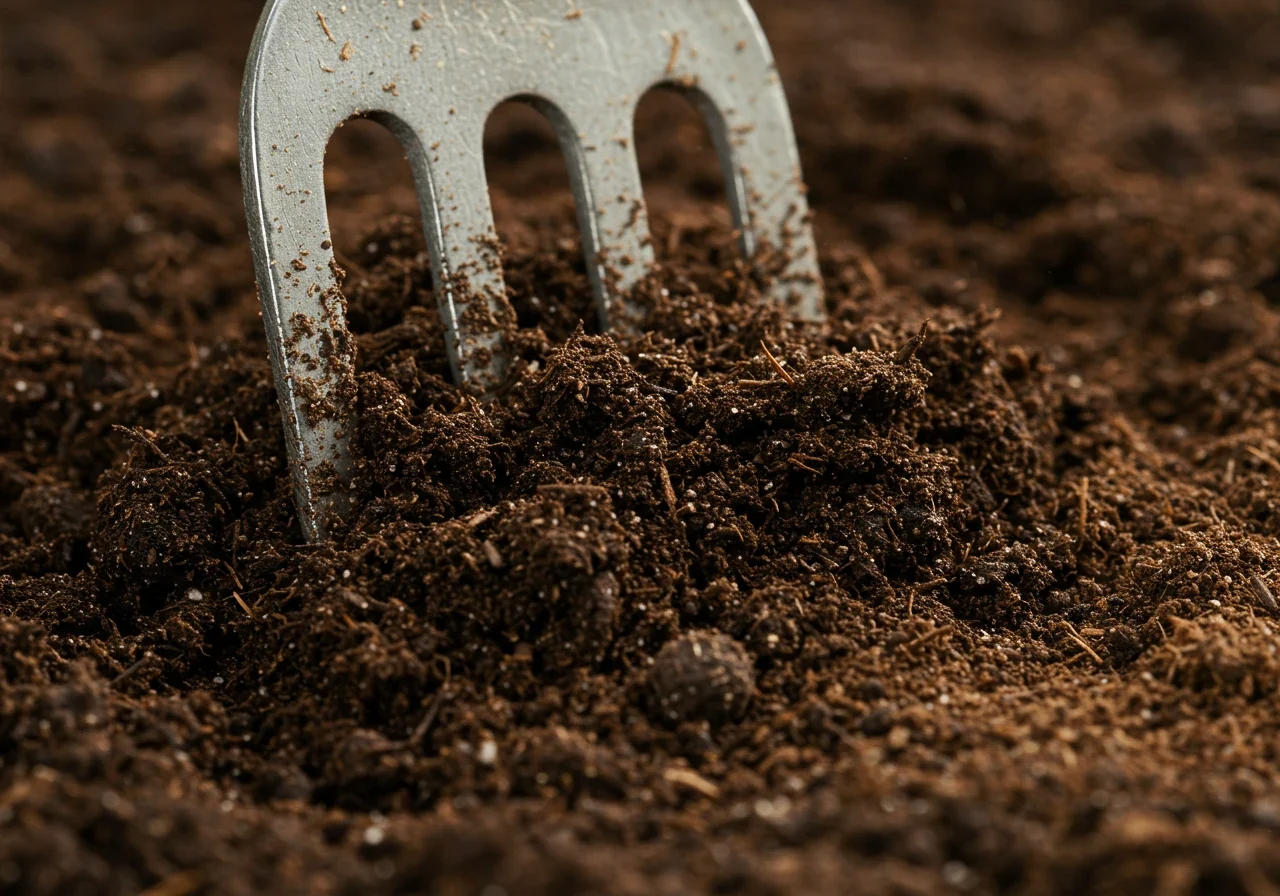
Think of healthy soil as the ultimate superpower for your Barrhaven garden. It’s not just dirt; it's a bustling underground city teeming with life that directly supports your plants' immunity and vigour. Strong soil means stronger, more resilient plants that are better equipped to handle Ottawa’s dramatic weather shifts and fend off annoying pests and diseases. Forget fancy potions; the real magic happens right beneath your feet! Exploring ways to enhance your garden's foundation is key, and you can always explore our full range of Clean Yards Services for professional support.
Decoding Your Dirt: Soil Testing
Before you start flinging amendments around like garden confetti, it's smart to know what you’re working with. A simple soil test kit (available at most garden centres) can tell you about your soil's pH (acidity/alkalinity) and key nutrient levels. This intel helps you tailor your approach, giving your plants exactly what they need without guesswork. It’s like a check-up for your garden bed! The Rideau Valley Conservation Authority sometimes offers resources related to local soil and water health.
Giving Clay the Boot (Well, Improving It!)
Ah, clay soil. It’s a familiar challenge for many Barrhaven gardeners, and folks in nearby areas like Osgoode know it well too. Clay holds water and nutrients but can compact easily, suffocating roots. The superhero ingredient? Organic matter! Adding compost, well-rotted manure, or shredded leaves works wonders. It improves drainage, adds air pockets, and feeds beneficial microbes. Don't expect overnight miracles; amending soil is a long game, but it pays off big time. If tackling heavy clay feels daunting, especially over a larger area, getting expert help with soil work during an Osgoode garden clean up service can make a huge difference.
Compost Power-Up: Mini-Guide
Ready to add that black gold? It's easy:
- Spread a layer of compost (2-4 inches) over your garden bed.
- Gently work it into the top 6-8 inches of soil with a spade or garden fork. Avoid over-mixing or tilling too deeply, which can harm soil structure.
- For existing plants, simply spread a 1-2 inch layer around their base (don't pile it against stems).
Incorporating compost is a fantastic step you can take during seasonal prep, often included as part of a comprehensive Ottawa property cleanup service to get beds ready for planting.
Feed the Soil, Not Just the Plant
Think long-term health! Organic fertilizers (like compost, worm castings, fish emulsion) feed the soil's ecosystem, which then nourishes your plants. They release nutrients slowly and improve soil structure. Synthetic fertilizers offer a quick nutrient hit but do little for overall soil health and can even harm beneficial organisms over time. Building healthy soil is a core part of sustainable gardening practices, a commitment you can learn more about by understanding our approach, detailed in the Clean Yards Terms and Conditions.
The Mighty Mulch
Mulching is your garden’s best friend, especially in our Ottawa climate. A 2-3 inch layer of organic mulch (like shredded bark, wood chips, or straw) helps:
- Retain moisture: Reduces watering needs during dry spells.
- Suppress weeds: Less competition for your precious plants!
- Regulate soil temperature: Keeps roots cooler in summer and warmer in winter.
- Improve soil: Gradually breaks down, adding organic matter.
Applying fresh mulch is often the perfect finishing touch after a thorough Metcalfe yard cleanup service, giving your landscape a neat look while boosting soil health. Expert mulching and edging define garden beds beautifully.
Investing time in your soil is truly investing in the resilience of your entire garden. By nurturing the ground they grow in, you're giving your Barrhaven plants the best possible start to becoming strong, healthy plants. Happy gardening!
Watering Wisely: Hydration Tactics for Thriving Ottawa Plants
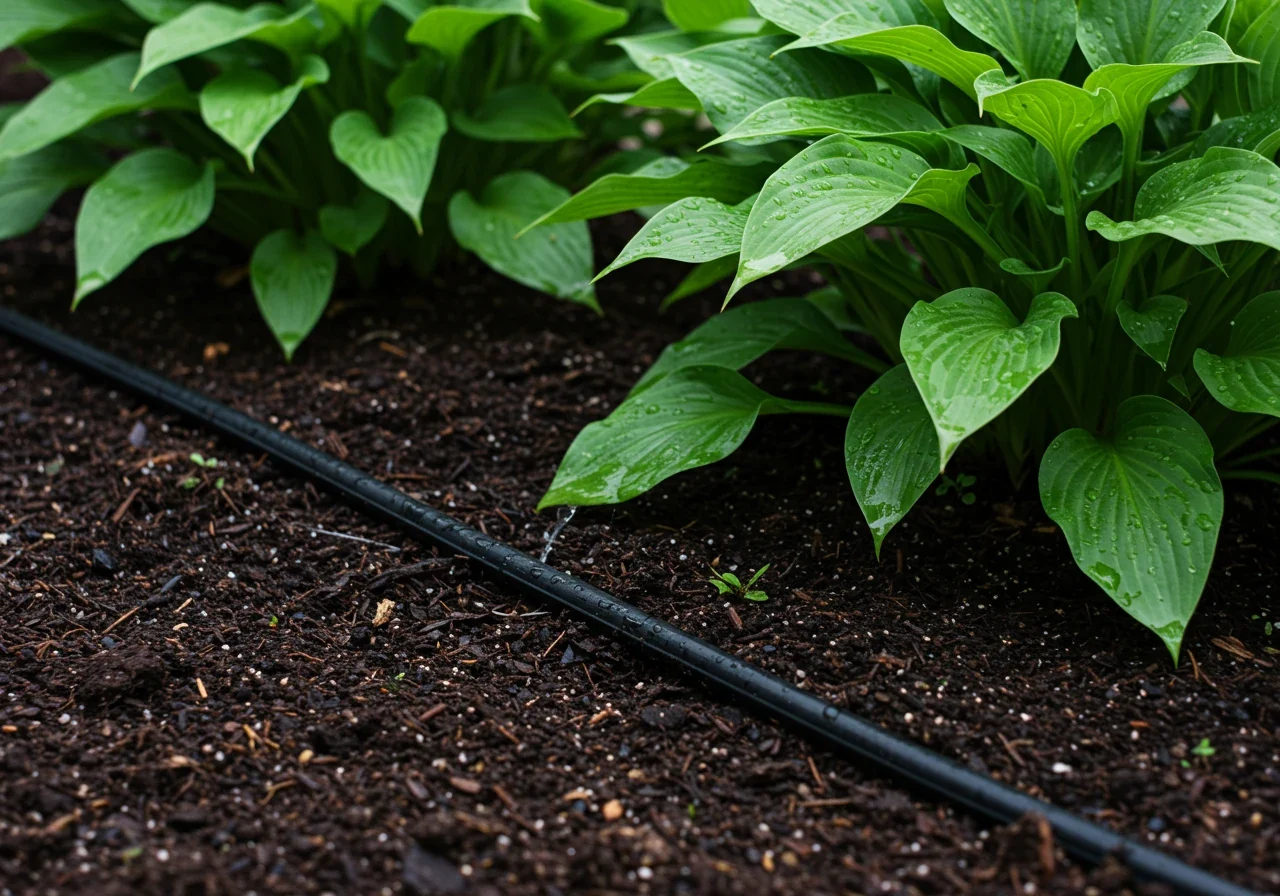
Okay, let's talk about giving your plants a drink! Watering seems simple, right? Point the hose, spray some water, done. But hold your hoses! There’s a bit more finesse involved, especially in our quirky Ottawa climate, if you want truly happy, healthy plants instead of sad, soggy ones or crispy critters. Getting hydration right is key for a lush Barrhaven landscape.
Ditch the Sprinkle, Embrace the Soak
Think of it like this: you wouldn't just sip water all day; sometimes you need a good, long drink. Your plants are the same! Frequent, shallow sprinkles only wet the top layer of soil, encouraging weak, surface-level roots. What we want is deep watering. This means watering less often but for longer periods, letting the water soak down deep (at least 6-8 inches). This encourages plants to grow strong, deep roots that are much better at finding moisture during dry spells and handling stress. How long is long enough? It depends on your soil and the weather, but aim for the soil to be moist several inches down. Poke a finger in or use a trowel to check! Proper watering is a crucial part of ongoing expert garden maintenance, ensuring plants get what they need consistently.
Timing is Everything (Especially Here!)
Ever notice dew on your lawn in the morning? That's nature's hint! The best time to water your garden in the Ottawa area is early morning. Why?
- Less Evaporation: The sun isn't scorching hot yet, so more water actually gets to the roots instead of disappearing into thin air.
- Leaf Health: It gives leaves time to dry off before evening. Wet leaves overnight are like rolling out the welcome mat for fungal diseases. Watering midday is mostly a waste, and evening watering can invite problems.
Not All Plants Are Thirsty Thurstons
Different plants have different hydration needs. A thirsty tomato plant in full sun needs more water than established, drought-tolerant ornamental grass. Newly planted shrubs and perennials need more frequent attention than well-established ones with deep root systems. Pay attention to your plants – drooping leaves are often (but not always!) a sign they need water. Grouping plants with similar water needs together in your landscape design can make watering much more efficient. If you've got a mix of needs across a large area, sometimes tidying up can help assess things better; consider a thorough city property cleanup service to get a clear view of your garden zones.
Water Smarter, Not Harder
Want to be a water-wise gardener? Here are a few tips:
- Rain Barrels: Collect that free rainwater! It’s great for your plants and your water bill. Just make sure it’s covered to keep mosquitoes out. The City of Ottawa sometimes has programs or information on water conservation.
- Mulch Magic: We mentioned it for soil health, but mulch also significantly reduces water evaporation from the soil surface. Applying it after clearing weeds – maybe as part of a targeted Nepean city garden clean up service – is ideal.
- Choose Wisely: Consider adding more drought-tolerant plants suitable for our region, especially in sunny, dry spots or areas like Greely that might have sandier soil. Coneflowers, Sedum, and Daylilies are great examples.
- Target the Roots: Use a soaker hose or watering wand to deliver water directly to the soil around the base of the plant, not the leaves.
Getting watering right might take a little practice, but it pays off with healthier, more resilient plants. And remember, a well-maintained yard makes everything easier; keeping things tidy with an annual Ottawa garden cleanup service helps you spot watering needs sooner. Sometimes, addressing drainage issues across the whole yard might be needed, which could fall under a broader city yard cleanup service. Happy watering!
General Watering Frequency
This is a rough guide; always check soil moisture before watering:
- New plantings (first season): Water every 2-3 days, deeply.
- Established perennials/shrubs: Water deeply once a week during dry spells.
- Lawns: Aim for 1 inch of water per week (including rainfall), applied in one or two deep waterings. Consider professional lawn care for optimal health.
- Vegetable gardens: Needs vary, but generally require consistent moisture, especially during fruiting.
Recognizing Water Stress
Look for these signs:
- Underwatering: Wilting leaves (especially midday, recovering overnight), dry/brittle foliage, leaf scorch (brown edges), slow growth.
- Overwatering: Yellowing leaves (often starting from lower leaves), wilting (roots are suffocating), soft/mushy stems, root rot (visible if plant is removed), fungal growth on soil surface.
Always check the soil moisture 2-4 inches down before concluding the cause.
Helpful Watering Tools
- Soaker Hoses: Excellent for delivering water slowly and directly to the root zone in garden beds.
- Watering Wand: Allows gentle, targeted watering at the base of plants without disturbing soil or foliage excessively.
- Rain Gauge: Helps track rainfall so you don't overwater.
- Moisture Meter: A simple tool to gauge soil moisture levels below the surface.
- Timers: Can automate sprinklers or drip systems, but use cautiously – adjust based on weather.
Remember, good mulching significantly reduces the need for frequent watering!
Strategic Planting & Pruning: Setting Your Greenery Up for Success
Okay, let's talk about getting your green pals settled in for the long haul! Think of strategic planting and pruning as setting the stage for a standing ovation-worthy performance from your garden. A little planning and timely snipping now means healthier, more robust plants later, saving you headaches (and maybe some plant therapy bills!). It’s all about giving them the best chance to thrive right here in Ottawa.
Right Plant, Right Place: The Golden Rule
This is the mantra of successful gardening, folks! Before you fall in love with a plant at the nursery, ask yourself: does it actually want to live where you plan to put it? Trying to grow a sun-loving Mediterranean herb in a shady, damp corner of your Nepean backyard is like asking a cat to enjoy a bath – probably not going to end well. Consider:
- Sunlight: Full sun (6+ hours), part shade, or full shade? Be honest!
- Water Needs: Is the spot naturally moist or dry? Does it match the plant's thirst level?
- Soil Type: Clay, sand, loam? We talked about improving soil, but some plants are naturally happier in certain types.
- Mature Size: That cute little shrub might eventually eat your walkway! Plan for its grown-up size.
Choosing hardy plants suited for our Zone 5 climate is key. Think tough cookies like Hostas for shade, resilient Daylilies, Coneflowers (Echinacea) for sunny spots, hardy Hydrangeas (like 'Annabelle'), and sturdy ornamental grasses. Getting this right from the start avoids stressing the plant and makes your life easier. If you're planning a new bed or revamping an area, professional help with Garden Install ensures plants are chosen wisely and placed perfectly, incorporating smart material selection.
Planting Power: Give 'Em a Good Start
How you plant matters! Don't just jam it in the ground and hope for the best.
- Dig a hole roughly twice as wide as the root ball, but only as deep.
- Gently loosen any circling roots so they spread outwards.
- Place the plant so the top of its root ball is level with the surrounding soil. Planting too deep is a common mistake!
- Backfill with the soil you removed (amended soil is even better!), lightly firming it.
- Water thoroughly right after planting. Proper planting is crucial for success, especially with new additions like those from sod installation.
Pruning for Pep: More Than Just a Haircut
Pruning isn't about punishment; it's about promoting health and vigour! Timely snips can:
- Remove Dead or Diseased Wood: Get rid of weak spots vulnerable to pests and diseases.
- Improve Air Circulation: Opening up the center of dense shrubs lets air flow through, drastically reducing the risk of fungal problems like powdery mildew – a common issue in humid Ottawa summers.
- Shape and Strengthen: Encourage a strong structure and prevent weak, crossing branches.
- Boost Flowers/Fruit: Some plants flower best on new growth, stimulated by pruning.
A Snippet of Timing (Pruning Calendar Lite):
When to prune depends on the plant:
- Early Spring (Before Bud Break): Prune summer-flowering shrubs (like Hydrangeas that bloom on new wood, Spirea) and remove winter damage from most plants.
- Late Spring/Early Summer (After Flowering): Prune spring-flowering shrubs (like Forsythia, Lilacs).
- Summer: Light shaping, deadheading (removing spent flowers).
- Fall/Winter (Dormant Season): Best for many deciduous trees and some shrubs to shape structure; avoid heavy pruning right before deep cold sets in. Check the City of Ottawa's guidelines on tree pruning if dealing with large trees.
Knowing what to prune when is crucial. Incorrect pruning can remove flower buds or stress the plant. Consistent care is part of keeping things healthy, and regular City Garden Maintenance Service can take the guesswork out of these tasks.
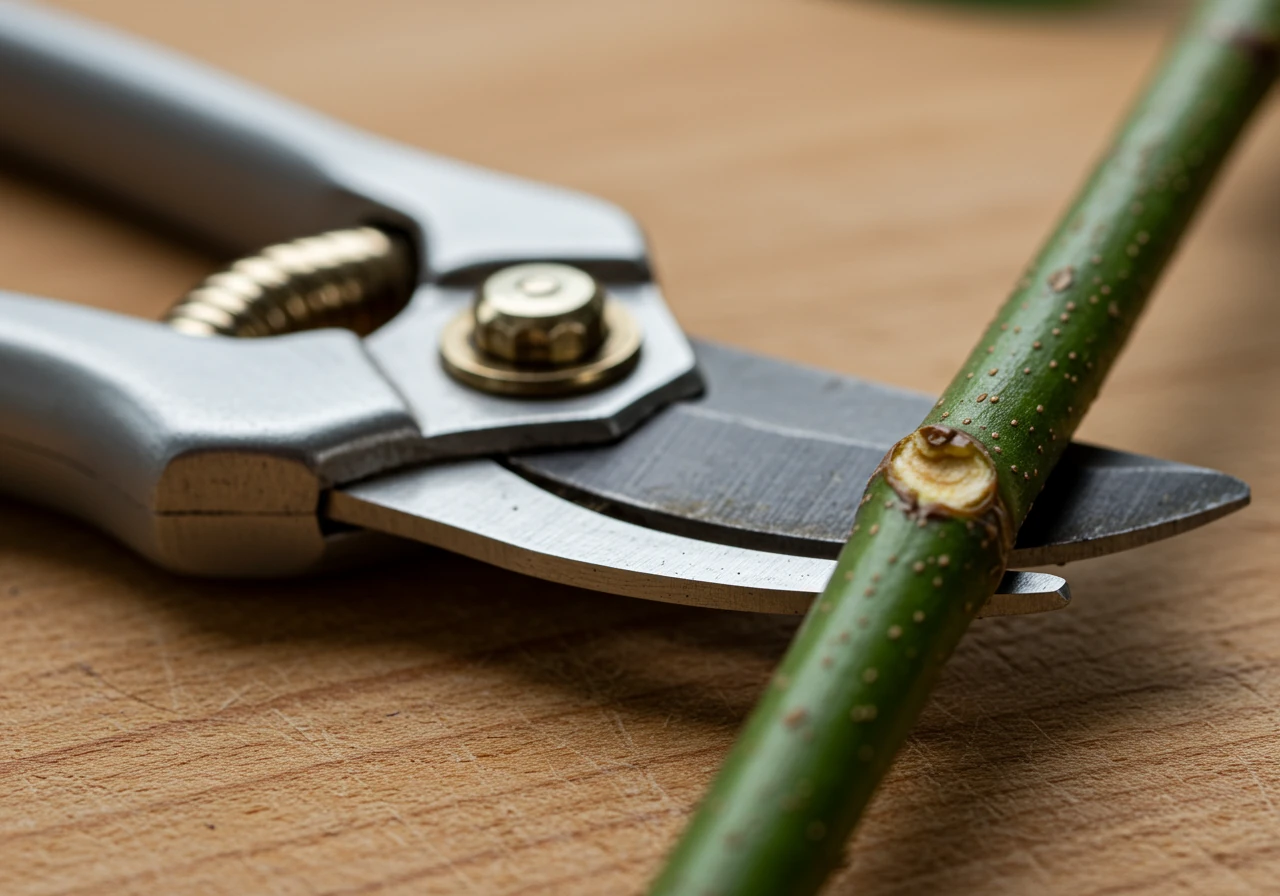
Always use sharp, clean tools for pruning. Ragged cuts heal poorly and invite trouble. And don't forget to clean up the debris! Leaving diseased branches lying around is like leaving tissues from a cold out – it just spreads germs. Dealing with this debris is often part of seasonal tidying, like what's handled during a Marionville Yard Cleanup Service. A thorough City Garden Clean Up Service can also ensure your yard is free of potentially problematic plant waste. Finally, topping up the mulch around newly planted or pruned specimens helps retain moisture and regulate soil temperature; excellent Mulching and Edging gives a clean finish and supports plant recovery.
By planting smartly and pruning thoughtfully, you’re actively building resilience into your Manotick or Barrhaven landscape, creating a garden that’s set up for success!
Early Spring
Clean up winter debris. Prune summer-flowering shrubs & remove deadwood. Test soil & amend if needed. Apply dormant oil for pest prevention if necessary.
Late Spring
Plant annuals & tender perennials after frost risk. Prune spring-flowering shrubs *after* bloom. Apply mulch. Start regular watering schedule.
Summer
Monitor for pests/diseases (IPM). Deadhead flowers. Water deeply during dry spells. Light shaping/pruning as needed. Keep up with weeding.
Fall
Plant spring bulbs & hardy perennials/shrubs. Major garden cleanup (remove annuals, cut back perennials). Apply final deep watering before freeze-up. Add compost/mulch.
Eco-Defence Force: Integrated Pest & Disease Management (IPM)
Okay, let's assemble your garden's special ops team – the Eco-Defence Force! Instead of reaching straight for the heavy artillery (harsh chemicals), Integrated Pest & Disease Management (IPM) is like having a clever strategy guide for dealing with those uninvited garden guests – the pests and diseases that try to crash the party in your Ottawa landscape. It’s a smarter, eco-friendlier approach that focuses on prevention and uses the least-toxic methods first. Think of it as being garden ninjas, not chemical warriors!

IPM isn't one single action, but a combination of tactics working together to keep your plants healthy and resilient. Here’s how it breaks down:
- Cultural Controls (Your First Line of Defence): This is all about smart gardening habits that naturally discourage problems. It’s the foundation!
- Strong Start: Healthy, vigorous plants are less tasty to pests. This starts with excellent Soil Preparation to build that strong root system and overall plant immunity.
- Right Plant, Right Place: Choosing varieties suited for your conditions (sun, soil, water) and known for disease resistance is huge. Making smart choices during Material Selection prevents headaches later.
- Keep it Clean: Remove diseased leaves promptly. Good fall cleanup prevents pests and diseases from overwintering. Thorough seasonal tidying, like the kind offered by a Marionville garden clean up service, removes hiding spots for unwanted critters and spores. Good airflow (thanks, proper pruning!) helps prevent fungal issues like powdery mildew, which loves our humid Ottawa summers.
- Biological Controls (Call in the Critters): Why fight alone when you can recruit allies? This means using natural enemies to control pests.
- Good Bugs: Encourage beneficial insects like ladybugs (aphid munchers!), lacewings, and praying mantises. Planting flowers they like helps attract them.
- Microscopic Helpers: Sometimes beneficial nematodes can be introduced to the soil to tackle grub problems.
- Physical/Mechanical Controls (Get Hands-On): Sometimes, you just need to physically remove the problem.
- Hand-Picking: Yep, grabbing those Japanese beetles off your roses in Nepean and dropping them in soapy water is effective (and weirdly satisfying!). Same goes for slugs or large caterpillars.
- Water Power: A strong blast of water can knock aphids off plants.
- Barriers: Row covers can protect veggies from certain flying pests, and maintaining neat borders with proper Mulching and Edging can sometimes deter crawling insects. Traps (like sticky traps for whiteflies) can help monitor and reduce populations.
- Chemical Controls (The Very Last Resort): Sometimes, despite your best efforts, an infestation gets out of hand. If you must use a pesticide, IPM principles say:
- Choose Wisely: Opt for the least toxic, most specific option available (like insecticidal soap or horticultural oil). Avoid broad-spectrum chemicals that kill beneficial insects too. Always check regulations regarding cosmetic pesticide use.
- Targeted Application: Spot-treat only the affected plants, don't spray the whole yard. Follow label directions precisely.
- Seek Advice: If you're unsure what to use or if it's even necessary, it's always best to get expert advice. Feel free to Contact Us to discuss persistent pest or disease issues in your landscape. Remember to review our Privacy Policy regarding information sharing.
IPM is about being observant, proactive, and using a combination of these tools. By focusing on healthy plants and a balanced garden ecosystem, you’ll find yourself needing those chemical controls far less often, creating a healthier space for everyone – plants, beneficial bugs, pets, and your family!
Quick Wins for Resilient Ottawa Plants
Want tougher plants that shrug off Ottawa’s curveballs without needing constant rescuing? We get it! Keeping your landscape happy shouldn't feel like a battle. Here are a few quick wins – think of them as easy upgrades – for boosting plant resilience right here in places like Barrhaven or Manotick:
- Pick Ottawa All-Stars: Seriously, choose plants evolved for our wild temperature swings and sometimes tricky soil! Native species (like Coneeflowers or Joe Pye Weed) or proven hardy cultivars are naturally more resilient. They laugh off surprise frosts and need less fuss. Selecting the right plant for the right spot is fundamental – you can learn more about our approach to plant selection by visiting our About Us page.
- Mulch is Your BFF (Best Friend Forever): Every single year, tuck your garden beds in with a fresh 2-3 inch layer of organic mulch (like shredded bark or wood chips). This isn't just for looks! It protects roots from Ottawa’s harsh winter freezes *and* helps retain precious moisture during summer heatwaves. It's the perfect finishing touch after tidying up, often included in services like a seasonal Marionville property cleanup service.
- Un-Squish Your Lawn (Especially Clay!): Does your lawn feel hard as rock, especially in areas with heavy clay soil like Barrhaven or Nepean? Compacted soil suffocates grass roots. Renting a core aerator (or hiring someone) once a year makes a huge difference. Punching those little holes lets air, water, and nutrients penetrate deeply. Think of it as a vital part of a good property clean up strategy. Your grass will practically send you a thank you message!
- Block That Nasty Salt!: Got precious shrubs or small trees near a road or driveway? Winter salt spray carried by plows and cars can cause serious damage by spring. Protect sensitive plants (especially evergreens) with burlap barriers erected *before* the snow flies. Planning this protection can be part of your seasonal prep, sometimes handled during a comprehensive Marionville yard cleanup service. Alternatively, choose naturally salt-tolerant plants for those front-line spots.
- Water Deeply Before Freeze-Up: Don't forget one last crucial watering task in late fall! Make sure all your plants – especially newly planted ones and evergreens which lose moisture through winter – get a really deep soaking before the ground freezes solid. Hydrated roots are much better equipped to survive winter dryness and emerge stronger in spring.
- Embrace the "Good Enough" Garden: Okay, maybe this sounds weird, but relax! A few chewed leaves or minor spots on an otherwise healthy, vigorous plant aren't the end of the world. Focus on building a strong foundation with healthy soil and smart watering. Truly resilient plants can handle minor bumps and bruises without you needing to declare war on every tiny pest. A less stressed gardener often leads to a less stressed garden! We always appreciate feedback on how we can help achieve this balance.
Barrhaven Plant Health FAQs: Your Local Questions Answered
My plants always look sad and droopy after winter in Barrhaven. What's the main reason?
Our Ottawa winters can be brutal! Key stressors include deep ground freezes damaging roots (especially without good snow cover), harsh winds drying out evergreens, and those pesky spring freeze-thaw cycles that confuse plants. Improving your soil with compost and applying a good layer of mulch in the fall helps insulate roots and boost resilience for next year. A full property clean up in the fall helps prepare them.
What's the single best thing I can do for my heavy clay soil in Manotick or Barrhaven?
Compost is your champion! Regularly adding organic matter like finished compost or well-rotted manure does wonders for heavy clay soil. It gradually improves drainage, adds air pockets for roots, and feeds the beneficial microbes that support healthy plants. It takes time, but the payoff is huge. You can learn more about our soil philosophy by reading About Us. We focus on soil preparation as a core service.
Aphids are feasting on my roses every summer in Greely! What’s an eco-friendly solution?
Pesky aphids! Start with the simplest fix: blast them off with a strong jet of water from the hose early in the morning. Encourage beneficial insects like ladybugs (they love aphids!) by planting dill or yarrow nearby. If problems persist, insecticidal soap is a targeted, lower-impact option. Healthy, well-cared-for roses, often maintained through regular garden maintenance, are naturally less attractive to pests.
My lawn looks patchy and tired, even though I water it. What else can I do?
Patchy lawns in areas like Barrhaven often suffer from compacted soil, especially clay. Core aeration (pulling out small plugs of soil) allows water, air, and nutrients to reach the roots more effectively. Overseeding after aeration can fill in thin spots. Consistent, proper mowing and fertilization are also key components of effective lawn care. Sometimes sod installation is needed for severely damaged areas.
I feel like my garden needs a complete refresh, but I don't know where to start. Any suggestions?
A garden makeover can be exciting! Start by assessing your site's conditions (sun, soil, moisture). Then, choose hardy plants suited for Ottawa. Think about flow, colour combinations, and year-round interest. Sometimes removing tired old plantings and starting fresh makes a huge difference. For inspiration and seeing what's possible, browse through some local garden transformations to spark ideas or consider our garden installation services.
When is the best time to do a major garden clean-up to prevent pests and diseases next year?
Fall cleanup is super important! Removing dead leaves, spent perennial stalks, and any diseased plant matter gets rid of overwintering spots for pests and fungal spores common in our region. This gives your garden a healthier start in spring. A thorough cleanup ensures problems don't carry over. Services like a Metcalfe garden clean up service, Marionville garden clean up service, or a general city garden clean up service can tackle this task effectively for you.
Conclusion: Cultivate a Thriving, Immune-Boosted Barrhaven Landscape
Whew! We’ve dug through the essentials of giving your Barrhaven garden a serious immune boost. It might seem like a lot, but remember, it boils down to a few key ingredients: building fantastic, living soil; watering deeply and wisely; choosing the right plants for the right spot and giving them smart haircuts (pruning!); and tackling pests and diseases like a garden ninja with eco-friendly tactics. Think of it less like rocket science and more like giving your green buddies a healthy lifestyle!
The amazing payoff? You get stronger, more resilient plants that shrug off Ottawa’s quirky weather and common garden foes with more gusto. That means less stress for them *and* less stress for you – just more time enjoying your beautiful, thriving landscape.
You absolutely have the power to cultivate this kind of garden. But hey, sometimes life throws curveballs, or maybe tackling that heavy clay soil or figuring out exactly when to prune feels a bit much. If you need a helping hand creating that dream garden, boosting your soil health, dealing with stubborn plant health issues, or want expert landscaping advice, Clean Yards is ready to jump in! We proudly serve our neighbours in Barrhaven, Nepean, Manotick, Greely, Richmond, and across the wider Ottawa region including Osgoode, Metcalfe, Kars, and Marionville.
Give us a shout today, and let’s work together to make your garden the healthiest, most resilient oasis on the block. Happy gardening!