
Best Time to Divide Kars Peonies: Avoid Bloom Loss
Planning your garden tasks? Get a hassle-free quote for professional garden care today!
Request Your Quote NowQuick Guide to Dividing Peonies in Kars & Ottawa:
- Best Time: Late August to late September (early fall). Avoid spring division.
- Why Divide?: Rejuvenates plants, encourages more/bigger blooms, improves health, multiplies plants.
- Key Sign: Decreased flowering or a sparse/dead center ('doughnut effect').
- Crucial Step: Plant divisions shallowly – 'eyes' (buds) no more than 1-2 inches (2.5-5 cm) below soil level.
- Aftercare: Water until ground freezes, then apply loose winter mulch. Be patient for blooms (may take 1-2 years).
Introduction: Hello Peony Lovers in Kars and Ottawa!
Hello Kars and Ottawa Peony Lovers!
Isn't it wonderful when those fabulous peonies burst into bloom? From the charming gardens in Kars to landscapes across Ottawa, these beauties really steal the show each spring. They're a classic favourite for a reason! Eventually, though, even the most stunning peony clumps might need a little attention – specifically, dividing them. This is a great gardening task to rejuvenate an older plant or even multiply your collection (who wouldn't want more peonies?).
But hold your shovels! Timing is *everything* with peony division. Get it wrong, and you risk the dreaded outcome: a year with no blooms. Imagine, all that anticipation, only to get lovely green leaves but none of those gorgeous flowers. Ouch! It's a common mishap, but totally avoidable.
Don't worry, we're here to help you navigate this. Understanding the right time to divide peonies, especially considering our unique Ottawa Valley local climate, is key to success. We'll guide you through the *when* and *how* so you can keep those spectacular blooms coming back year after year. Let's get digging (at the right time, of course)! You can find more gardening tips and check our reputation on our Google Business Profile.
Why Bother Dividing Peonies Anyway? Perks for Your Ottawa Garden

Okay, let's talk turkey, or rather, peonies! Digging up a big, established peony clump might seem like a chore right up there with untangling Christmas lights in July. Why go through all that heavy lifting? Well, besides getting a decent workout, dividing your peonies every decade or so (they *really* don't like being disturbed often!) comes with some fantastic perks, especially for our gardens here in Ottawa.
First off, the biggest win: more and bigger blooms! Over time, peony clumps get crowded. The roots compete fiercely for nutrients and water, and the centre of the plant can become woody and unproductive. You might notice fewer flowers than in previous years, or the blooms might seem smaller. Dividing gives the roots room to breathe and access resources, rejuvenating the plant. Think of it like giving your peony a refreshing spa day after years of hard work putting on a spectacular show in your Manotick backyard. It encourages vigorous growth similar to benefits seen when you divide other perennials in the fall for garden vigor.
Secondly, it's about plant health. Overcrowding doesn't just stifle blooms; it reduces air circulation around the base of the stems. Poor airflow is an open invitation for fungal diseases like botrytis blight, which peonies can be prone to, especially during damp springs. While not the same issue, improving spacing is a key reason gardeners divide hostas in the fall to prevent crown rot, showing how division boosts overall plant hygiene. Keeping your peonies healthy means enjoying them for years to come.
How do you know *when* it's time? Look for these signs:
- Flower Power Failure: The most obvious clue is a noticeable decrease in the number or size of blooms compared to previous years.
- The Dreaded Doughnut: The centre of the clump looks sparse, dead, or less vigorous than the outer edges, forming a sort of ring or doughnut shape.
- Just Plain Massive: The clump has simply gotten too large for its spot in your garden border, maybe even bullying its neighbours in Richmond! Sometimes you need to divide overgrown plants simply to manage their size in a fall garden border.
And maybe the best perk? Free plants! Each healthy division you take can be replanted elsewhere in your garden or shared with friends and neighbours. It’s a fantastic, budget-friendly way to multiply your favourite varieties. This kind of plant division is a cornerstone of fall garden revival, letting you spread the floral wealth.
So, while it takes a bit of muscle, dividing peonies pays off with healthier plants, more impressive flowers, and bonus peonies to beautify more corners of Ottawa. If the thought of tackling a massive, decades-old peony feels overwhelming, remember that professional help is available. Sometimes, calling in garden care experts ensures the job is done right, protecting your beloved plant. Check out our garden maintenance services if you'd prefer to leave the heavy lifting to us!
The Goldilocks Zone: Pinpointing the PERFECT Time to Divide Peonies in Kars (and Greater Ottawa!)
Alright garden enthusiasts, let's talk timing! When it comes to dividing peonies, getting the schedule just right is crucial. It’s not quite as tricky as timing a soufflé, but it *is* the difference between celebrating glorious blooms next year or... well, mostly just looking at nice green leaves. We want blooms! So, when is that "just right" moment here in Kars and the greater Ottawa area?
Spoiler Alert: Fall is Your Friend!
Forget spring dividing! Seriously. While it might *seem* convenient when you're full of springtime energy, dividing peonies then is usually a recipe for disappointment. Why? Because peonies set their flower buds for the *next* year during the late summer and fall. If you dig them up and chop roots in the spring, the plant is already trying to push out leaves and flowers with the energy reserves it stored last year. Disrupting it then forces it to focus on root repair instead of blooming, often sacrificing the current season's show. Think of it like trying to move house the day before hosting a massive party – stressful and something's likely to get dropped (in this case, the blooms!).
The Autumn Advantage: Why Fall Reigns Supreme
The absolute *best* time to divide peonies in our region – from the Rideau River banks in Kars to suburban gardens in Nepean – is in the early fall. We're talking roughly from late August through September, possibly nudging into early October depending on the year's weather.
Here’s the botanical lowdown:
- Cooler Temperatures: The heat stress of summer is over. Cooler air and soil temps are much less taxing on a plant undergoing transplant shock.
- Root Development: Peonies actively grow fine feeder roots in the fall. Dividing them now gives these new roots several weeks (ideally 4-6) to establish themselves in the soil before the ground freezes solid. This is *key* for winter survival and a strong start next spring. For more insights into root health, see our information on soil preparation.
- Bud Formation: The flower buds for next spring are already formed or forming. Dividing carefully in fall preserves these buds.
- Plant Dormancy Approaching: The plant is naturally starting to wind down its top growth (leaves might yellow or look tired), shifting energy towards the roots, making it the perfect time for this kind of "surgery."
Navigating the Ottawa Valley Calendar
Our local climate plays a big role. We need to get those divisions planted *before* the first hard frost typically settles in around mid-October (though it can vary!). Gardens in slightly cooler pockets like Osgoode or Greely might feel the chill a bit sooner than a more sheltered spot downtown, so keep an eye on the forecast for your specific area. Waiting too late means the roots won’t have time to anchor in, risking frost heave and a weaker plant come spring.
Think of it like this:
- Too Early (Summer): Plant is stressed by heat, focused on leaf maintenance, not ideal root growth.
- Just Right (Late Aug - Early Oct): Plant is winding down top growth, actively growing roots, buds are set. *Perfect!*
- Too Late (Mid-Oct Onward): Ground getting too cold/frozen, roots can't establish before winter. Risky!
Getting this timing right is a crucial part of overall garden health, just like scheduling your fall garden clean-up service in Richmond ensures your beds are prepped for winter. It's all part of the seasonal rhythm. In fact, whether you're in Kars or need a City garden clean up service in central Ottawa, marking that late-August to late-September window on your calendar for peony division is a smart move.
Pro-Tip: The best visual cue is often when the peony foliage starts to look a little less lush, perhaps yellowing slightly or developing some autumnal colour, but *before* it completely dies back. This usually coincides perfectly with that ideal fall timeframe. Check local resources like the Ottawa Horticultural Society for seasonal advice.
Dividing peonies is more involved than, say, prepping for lawn sod installation which needs meticulous surface grading, but the payoff in future blooms is immense. If tackling a large, established clump feels daunting, or if your schedule is packed coordinating other autumn tasks like arranging your Marionville yard cleanup service, remember that professional help is available. Our expert teams understand Ottawa's specific growing conditions and can handle the division properly. You can explore various garden maintenance services to see how we can lend a hand.
Your Step-by-Step Guide: Dividing Peonies Like a Pro (Even in Nepean Clay!)
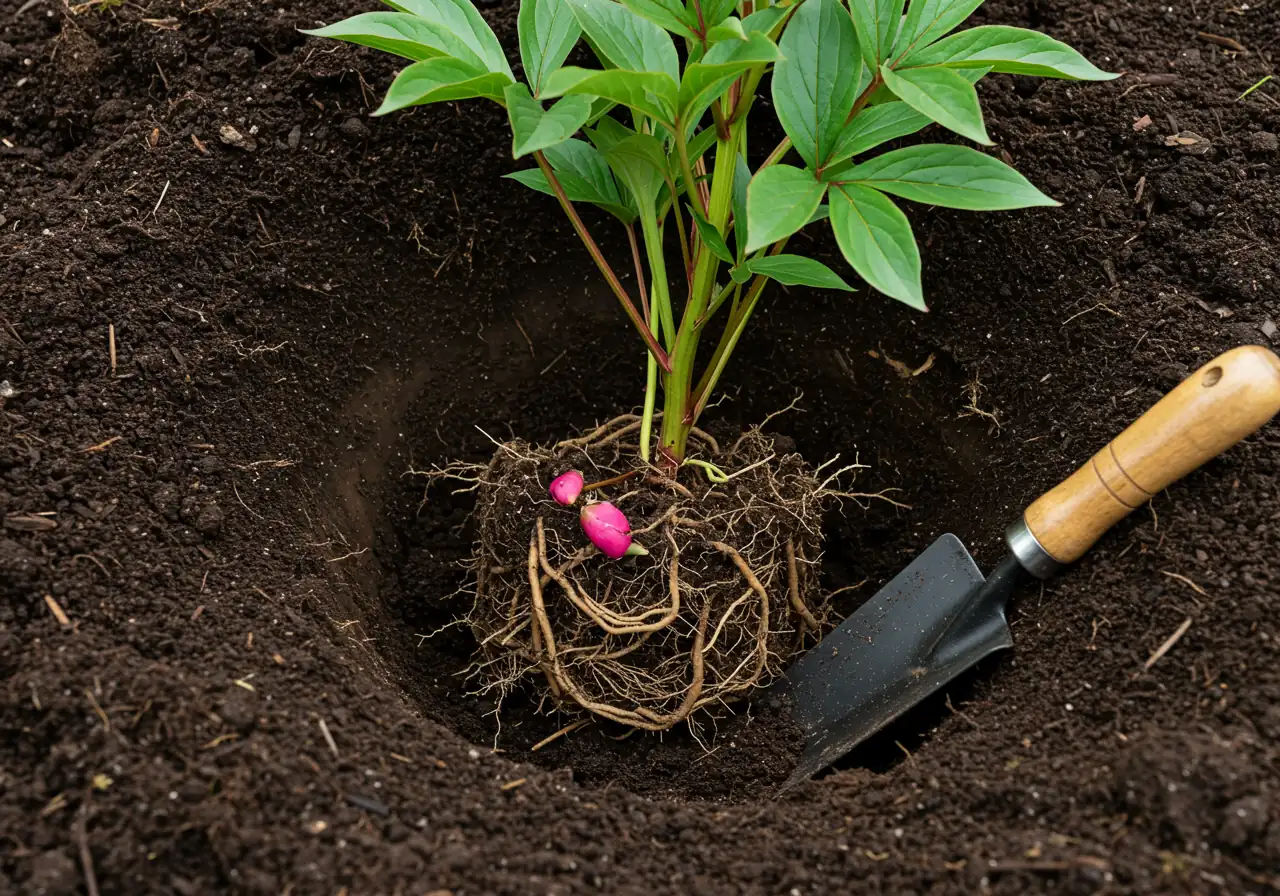

Alright, peony people, grab your gardening gloves and maybe a strong cup of coffee – it's division time! We've covered *why* and *when*, so now let's tackle the *how*. Dividing peonies isn't rocket science, but it does require a bit of muscle and care, especially if you're wrestling with that infamous Ottawa clay soil, common in areas like Nepean or Barrhaven. Follow these steps, and you'll be multiplying your peony magic in no time.
Step 1: Gear Up!
Before you dig, gather: sturdy garden fork, sharp spade/shovel, sharp clean knife/saw, tarp/wheelbarrow, hose, compost/manure, gloves. Optional: coffee!
Step 2: The Great Excavation
Trim foliage to 15-20 cm. Dig *around* the clump (30-45 cm out). Use a fork to loosen soil underneath, then carefully lift the whole clump. It's heavy! Be safe; check our Terms and Conditions regarding physical work.
Step 3: Clean-Up Crew
Gently shake off loose soil. Use a hose (gentle spray) to wash roots clean. You *must* see the 'eyes' (small reddish/pink buds on the crown).
Step 4: Making the Cut (Peony Surgery!)
On the tarp, find sections with 3-5+ healthy eyes and good roots. Use a clean, sharp knife/saw to divide. Discard old/woody center parts. Aim for fist-sized divisions.
Step 5: Prep the New Digs (Especially in Clay!)
Dig holes wider than deep. Mix removed soil generously with compost/manure for drainage. Remember, proper soil preparation is key. If you have lots of waste, consider our Metcalfe garden clean up service.
Step 6: Planting Perfection
Place division in the hole, eyes UP and **only 2.5-5 cm (1-2 inches) below the soil surface**. Backfill with amended soil, tamp lightly, water well. Space divisions 90 cm (3 ft) apart.
Step 7: Tidy Up
Clean the area, rake debris, clean tools. This fits well into fall routines managed by an Ottawa yard cleanup service or our City garden clean up service.
That's it! You've successfully divided your peonies. Don't panic if they don't bloom spectacularly the very first spring after dividing – they might take a year to settle in. But with proper technique and that critical fall timing, you've set the stage for years of beautiful blooms ahead. Happy dividing!
Oops! Common Peony Dividing Mistakes & Dodging Them in Our Climate
Okay, let's chat about those little "oops" moments that can happen when dividing peonies. Even seasoned gardeners sometimes slip up, and in our unique Ottawa climate, these flubs can lead to some serious peony drama – mostly, the sad lack of flowers! But don't worry, knowing the common pitfalls is half the battle. Let's dodge them together.
Mistake #1: Springtime Ambition
Trying to divide in spring usually means sacrificing that year's blooms. The plant needs energy for flowering, not root repair. Stick to fall dividing (late Aug - late Sep) in Ottawa.
Mistake #5: Too Much Love (Disturbance)
Peonies hate frequent moves. Only divide every 10+ years unless showing decline. Routine professional garden maintenance is better for ongoing health.
Mistake #2: Planting Too Deep
This is the #1 reason for no blooms! Eyes (buds) MUST be near the surface: no more than 5 cm (2 inches) deep. Heavy soil and frost heave can make this worse.
Mistake #3: Going Too Big or Too Small
Tiny divisions (1-2 eyes) struggle to establish and survive winter. Huge chunks don't solve overcrowding. Aim for 3-5 eyes with healthy roots.
Mistake #4: Skipping Soil TLC
Peonies NEED good drainage. Amend heavy clay with compost generously. Ignoring proper soil preparation leads to rot and weak plants, hindering potential garden transformations.
Mistake #6: Forgetting the Clean-Up
Leaving old foliage/roots invites pests/diseases. Tidy up thoroughly. For large amounts of debris, consider help from services like a Marionville garden clean up service. Always ensure your data is handled correctly as per our Privacy Policy.
Thinking about creating a simple 'Dos and Don'ts' checklist based on these points can be a great quick reference before you grab that shovel! Avoiding these common errors sets you up for peony success right here in Ottawa.
Tucking Them In: Post-Division Care for a Successful Ottawa Winter
Okay, you did it! The great peony division is complete. You wrestled that beast out of the ground, performed some careful root surgery, and tucked the new divisions into their prepared spots. High five! But don't put your feet up just yet. Like sending kids off to school with a packed lunch, your newly planted peonies need a little post-division TLC to settle in and face their first Ottawa winter bravely. Think of this as tucking them in for their long winter nap.
Water Wisely Before Winter
Right after planting, you gave them a good drink. Continue to water your new peony divisions every week or so if Mother Nature isn't providing steady rain – especially crucial during dry spells in September and early October. Keep the soil consistently moist but *not* waterlogged (remember, peonies hate wet feet!). This encourages those vital new roots to establish before the ground freezes solid. As the temperatures consistently drop towards freezing (usually late October/early November in areas like Metcalfe or Vernon), you can stop watering. The goal is hydrated soil going into the freeze, not a frozen swamp.
Mulching: The Winter Blanket
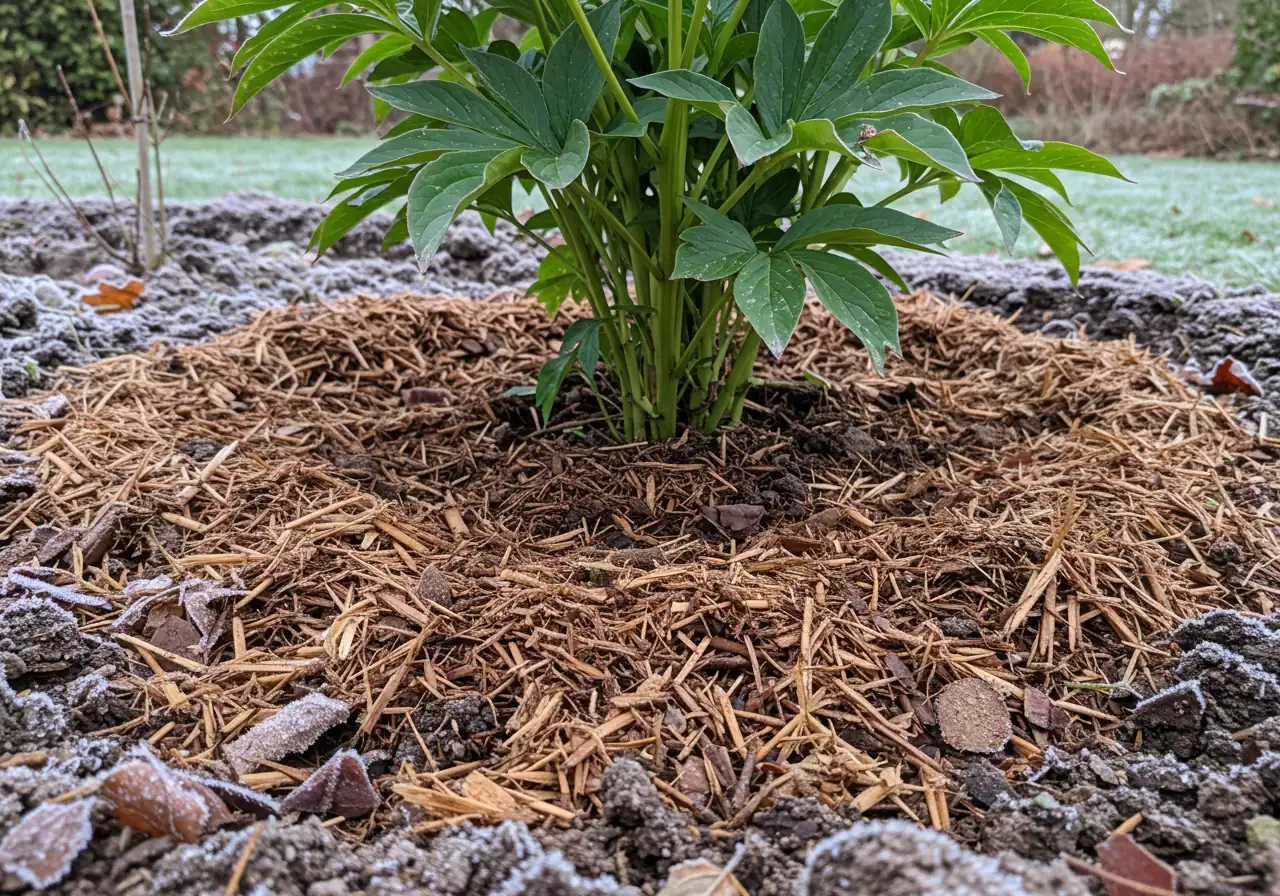
Mulching is your secret weapon against Ottawa's winter shenanigans, particularly the annoying freeze-thaw cycles that can heave new plants right out of the ground. But *timing is key*! Don't mulch immediately after planting. Wait until the ground has started to freeze, typically in late November or early December. Mulching too early keeps the ground warm longer, potentially confusing the plant or creating a cozy haven for rodents.
Once the top layer of soil is crunchy, apply a generous layer (about 10-15 cm or 4-6 inches) of loose, airy mulch like shredded leaves (a fantastic use for autumn leaves collected during your fall property clean up), straw, or pine needles. Avoid heavy, wet materials like thick layers of whole leaves. The purpose of this winter mulch isn't primarily to keep the plant *warm*, but to keep the soil temperature *consistent* and frozen, preventing heaving. If you've had a big fall cleanup, maybe using a service like a Metcalfe yard cleanup service to manage the leaf volume, save some of those shredded leaves for this job! Keeping the area around new plantings tidy is also part of good practice, similar to the thoroughness provided by a city property cleanup service. Remember to pull the mulch slightly away from the very base of the stems to prevent crown rot. In spring, *gently* remove most of the mulch as the ground thaws and new growth appears.
Hold the Fertilizer!
Resist the urge to give your new divisions a fall fertilizer boost. Adding fertilizer now encourages tender new growth that won't have time to harden off before winter hits, making it susceptible to frost damage. Save the feeding for spring, once you see active growth emerging. Fall is for root establishment, not top growth.
Patience, Grasshopper: Bloom Expectations
While you've done everything right, newly divided peonies often take a year (or sometimes even two) to settle in and produce a spectacular show. Don't be discouraged if you get few or no blooms the first spring. The plant is putting its energy into establishing a strong root system, which is exactly what you want for long-term success. Think of it as delayed gratification for gardeners! Consistent care, including proper mulching and spring cleanup, contributes to overall plant health. This falls under general good garden maintenance, ensuring your perennials thrive year after year. A clean garden bed heading into winter is always beneficial, a principle applied whether it's your private garden or requires a city yard cleanup service for broader areas.
By following these simple post-division steps, you're giving your peonies the best possible start to survive our Ottawa winter and setting the stage for glorious blooms in the years to come. Sweet dreams, little peonies! For tips on winterizing other parts of your garden, check resources from the Rideau Valley Conservation Authority or the City of Ottawa's tree programs.
Quick Tips for Peak Peony Performance in Kars & Beyond
Phew! We've certainly dug deep into the world of peony division. Feeling a bit overwhelmed? No worries! Here’s the super-quick, no-nonsense cheat sheet for keeping your peonies happy, healthy, and blooming beautifully, whether you're gardening in Kars, Manotick, or anywhere across the Ottawa region. Consider this your shortcut to peony perfection!
- Timing is Everything (Seriously!): Forget spring! The absolute *best* time to divide peonies in our area is **late August through September**, maybe into early October. This fall window gives roots time to settle before winter. Spring division often means no flowers next year. Sad face.
- Plant Shallow, Bloom Happy: This is the golden rule! Plant the reddish buds ('eyes') on the root division *no deeper* than 5 cm (2 inches) below the soil surface. Too deep = No blooms. It's the #1 reason peonies pout instead of putting on a show.
- The 'Goldilocks' Division: Aim for root sections with 3-5 healthy eyes *and* a decent chunk of root attached. Too small, and they'll struggle; too large (or undivided chunks), and you haven't really rejuvenated the plant.
- Give 'Em Good Drainage: Peonies *loathe* soggy soil. Amend your planting hole generously with compost, especially if you have heavy clay. Choosing the right soil booster makes a difference; learn about smart landscape material selection to improve your soil structure.
- Winter Blanket Required: After planting, water well until the ground starts to freeze. *Then*, apply a 10-15 cm (4-6 inch) layer of loose mulch (like shredded leaves or straw) once the ground is frozen. This prevents frost heave. Smart winter prep is part of effective mulching and edging strategies.
- Clean Up Your Act: Remove leftover root bits and trimmed foliage from the area after planting. Good sanitation helps prevent diseases. This tidiness is a key principle whether you do it yourself or hire an Ottawa property cleanup service for larger fall tasks. A tidy garden bed is always best practice, similar to the standards kept by a professional city property cleanup service.
- Patience, Peony Padawan: Don't panic if your newly divided peonies don't bloom much (or at all) the first spring. They're busy establishing roots! Give them a year or two to settle in. Consistent, thoughtful care wins the race. If ongoing care feels like too much, remember that reliable city garden maintenance service options exist to keep your garden thriving. Learn more about us and our commitment to garden care.
FAQs: Your Burning Peony Questions Answered (Ottawa Edition!)
Got peony ponderings popping up? You're not alone! Dividing these garden divas can raise a few questions, especially with our unique Ottawa Valley conditions. Here are some common queries we hear, answered just for you.
Hey Kars neighbour! Yes, that late August to late September window really *is* the sweet spot for peony division here. Think of it as nature’s perfect timing! The plant is winding down top growth but still has enough mild weather to focus energy on establishing new roots before the ground freezes solid. Pushing it into October gets risky because those roots might not have the 4-6 weeks they need to settle in. If you miss the window, it's honestly better to wait until next fall rather than risk a spring division (which usually means sacrificing next year's blooms) or a late fall planting that might not survive winter. Sometimes planning these gardening tasks alongside other seasonal chores, like arranging your Ottawa property cleanup service, helps ensure they get done on time.
Ah, the lovely Barrhaven clay – great for pottery, less great for drainage-loving peonies! Yes, you absolutely need to give those divisions some extra help. The key is improving drainage. Dig your planting hole wider than you think you need, maybe twice the width of the root ball. Then, mix the clay soil you removed generously with compost or well-rotted manure (at least a 50/50 mix). This lightens the soil and improves drainage, preventing the roots from sitting in water, which they *hate*. Don't add sand, as that can sometimes make clay even harder. Also, be extra vigilant about planting depth – ensure those eyes are no more than 5 cm (2 inches) below the *final* soil level after settling. Getting the soil right is foundational, much like the careful preparation needed before any successful garden installation. Consider providing feedback on your soil conditions when requesting services.
Good question! Yes, you generally *can* still divide it, but with extra precautions. Powdery mildew is mostly a foliage issue. First, cut off and dispose of *all* the foliage before you even start digging – don't compost it. When you lift the clump, carefully inspect the roots and crown. Cut away any parts that look mushy, diseased, or rotten. Use a clean, sharp knife (disinfect it with rubbing alcohol or a 1:9 bleach/water solution between cuts if you're cutting out suspect parts). When you replant the healthy divisions, ensure they have good air circulation (don't crowd them) and full sun, which helps prevent future fungal issues. Make sure to dispose of the diseased plant material properly – bagging it for garbage collection is often best, similar to how you'd handle diseased debris during a large cleanup managed by a property cleanup service in Marionville or a Metcalfe property cleanup service.
Take a deep breath – you probably didn't do anything wrong! It's completely normal, even expected, for newly divided peonies to take a year or two off from blooming. Think of it like recovering from surgery; the plant needs time to put its energy into re-establishing a strong root system in its new spot. Getting leaves is a great sign! Be patient, keep it watered during dry spells, and you'll likely be rewarded with blooms next year or the year after. Consider it a successful division and give yourself a pat on the back – thank you for your patience, it will pay off! This is similar to the patience needed after major lawn care treatments.
Hold your horses (and your shovel)! While it might look big and bushy, peonies generally don't *need* dividing until they are much older, typically 10 years or more, or when they show clear signs of reduced flowering or a dead centre. They really dislike being disturbed. Dividing them too soon can actually set back their blooming more than it helps. Unless it's drastically outgrown its space or the blooming has significantly declined, it's usually best to let young, vigorous plants be. Enjoy the show! Focus your fall energy on other landscaping tasks instead, perhaps like mulching and edging.
Great question differentiating the types! The advice we've given here primarily applies to the common *herbaceous* peonies (the ones that die back to the ground each winter). *Tree peonies* (which have woody stems that persist through winter) rarely, if ever, need dividing and strongly resent it. Avoid dividing them unless absolutely necessary for propagation by experts. *Itoh peonies* (a cross between herbaceous and tree types, also called intersectional) *can* be divided, but typically less often than herbaceous ones, maybe every 5-10 years if needed. The process is similar (fall timing, careful handling of the crown and eyes), but their root systems can be even woodier and harder to cut, often requiring a saw. So, focus your dividing efforts on your herbaceous beauties! If you need help identifying types, our Ottawa garden clean up service experts can assist.
Conclusion: Happy Dividing & Blooming Peonies Across Ottawa!
So there you have it – your guide to successfully dividing peonies right here in the Ottawa area! We've dug into the *why*, the *when* (remember, fall is key!), and the *how*. The most important takeaway? Timing that division for late summer or early autumn gives your peonies the best chance to establish strong roots before winter hits, setting the stage for spectacular blooms in the future. It might seem like a bit of work, but rejuvenating an old clump or multiplying your favourites is so rewarding. Soon you'll be seeing the beautiful results in gardens from Barrhaven to Russell!
Think of those simple rules:
- Divide in early fall.
- Plant those 'eyes' shallow.
- Give them good drainage with amended soil.
- Mulch *after* the ground begins to freeze.
Following these steps significantly boosts your chances of success. Gardening should be enjoyable, not overwhelming! Our city garden maintenance service can help keep it that way.
If tackling a massive, well-established peony feels like too much heavy lifting, or if your fall schedule is already jam-packed, remember that professional help is available. Our experienced landscaping and garden care teams know Ottawa soil and climate, and we're happy to handle the division for you. Explore our comprehensive garden maintenance services to see how we can lend a hand. We offer everything from basic cleanups (like our Marionville property cleanup service) to full garden care.
Got lingering questions, a tip of your own, or maybe you just want to share your peony dividing adventure? Contact us or drop us a line in the comments below – we love hearing from fellow Ottawa gardeners! Now go forth, divide wisely, and enjoy those magnificent peony blooms for years to come. Happy gardening!