
Embrun Garden Check: Decode Plant Posture for Early Stress
Quick Guide: Understanding Plant Posture
- Plant posture (wilting, leaning, curling) is an early indicator of stress.
- Wilting can mean thirst OR overwatering/poor drainage.
- Leaning usually signals a need for more light.
- Yellowing leaves often point to nutrient issues or soil problems.
- Curling leaves may indicate pests, water stress, or herbicide exposure.
- Regular checks help catch problems early for easier solutions.
Introduction: Your Embrun Garden is Talking – Are You Listening?
Hey Embrun gardeners! Ever get the feeling your plants are trying to tell you something? Maybe it's that sunflower suddenly doing a dramatic droop, or your usually perky perennials looking a bit… slumped? Well, guess what? They *are* talking! Not with actual voices, thankfully (that might make weeding a bit awkward!), but through their posture – how they hold themselves. Think of it as silent plant communication.
Just like we stand a little taller when we feel great, healthy plants often look vibrant and upright. When they start to wilt, lean strangely, or their leaves curl or yellow, it's often their *first whisper* that something isn't quite right. Are they desperately thirsty after a hot Ottawa summer day? Is the soil too compacted? Maybe they need more sun, or perhaps less? Paying attention to this plant body language is a fantastic, low-tech diagnostic tool for maintaining garden health.
Whether you're tending a balcony box in Barrhaven, nurturing flower beds in Manotick, or working with the unique soil conditions right here in Embrun, learning to spot these subtle shifts early is key. Catching plant stress – that initial slouch or droop – *before* it becomes a major problem can save your favourite blooms, prevent pests or diseases from taking hold, and ultimately make your landscaping efforts much more rewarding. So, let's put on our listening ears (or rather, our watching eyes!) and start decoding what our leafy friends are trying to say. For more insights into local gardening, check out the resources from the Friends of the Experimental Farm or the Master Gardeners of Ottawa-Carleton.
Why Plant Posture is Your Garden's Early Warning System
Think about it – when you're feeling under the weather, you probably don't stand up quite as straight, right? Maybe you slouch a bit, feel a bit droopy? Plants are surprisingly similar! Their "posture" – how they hold their stems, leaves, and flowers – is a fantastic visual cue about their overall well-being. It's often the *very first sign* that something isn't quite right in their world, long before leaves turn completely yellow or pests become an obvious infestation. This makes observing plant posture your garden's built-in, super-early warning system.
So, what are we looking for?
- The Dramatic Droop (Wilting): This is the classic sign. Usually, it screams "I'm thirsty!" especially during those hot, dry Ottawa summer spells. But hold on! Wilting can *also* mean *too much* water, particularly in heavier clay soils like those sometimes found around Embrun or Greely. If the roots are waterlogged and can't breathe, the plant can't take up water effectively, leading to – you guessed it – wilting. Poor drainage or compacted soil can choke roots, causing similar posture problems. Addressing this might involve improving soil structure; understanding fall plant care and clay soil solutions can be really helpful for preventing soggy root issues. Compacted soil prevents roots from getting air and water efficiently, impacting how well your plants stand tall; that's why understanding the importance of lawn aeration for soil health applies to garden beds too – healthy soil supports upright plants!
- The Lean In: Is your plant bending like it's trying to hear a secret? It's probably searching for more sunlight. This is common for plants placed in spots that have become shadier over time. Less often, leaning can indicate root damage on one side or physical damage from wind or critters.
- Curled or Cupped Leaves: This can be a bit trickier. Curling leaves might signal heat stress, underwatering, pests (like aphids sucking the life out of them!), or even nutrient issues. Sometimes, applying too much fertilizer can cause strange leaf reactions and burn, affecting posture. If you suspect you've been a bit *too* generous with plant food, learning about garden recovery after over-fertilizing is essential.
- Overall Lackluster Look: Sometimes, plants just look… sad. Maybe not dramatically wilting, but lacking that vibrant, upright look. This can be a sign of general stress – perhaps the soil nutrients are depleted, or maybe it's struggling with the temperature swings common in our region, from Russell to right here in Embrun. Even your lawn has posture! A thin, weak lawn looks defeated, whereas a thick, healthy one stands strong. Improving lawn density through techniques like overseeding your lawn for thicker grass contributes to that healthy "posture".
Paying attention to these subtle shifts allows you to investigate *before* a small issue becomes a big headache. Before watering a wilting plant, poke your finger into the soil – is it actually dry? Take a closer look for tiny pests. Consider if its light conditions have changed. Regular "garden walks" just to observe your plants' posture can make you a much more proactive and successful gardener. And hey, if your plants are sending signals you just can't decode, remember there are always professional landscaping and gardening services available to help diagnose and treat the problem.
Decoding the Droop: What Wilting Really Means
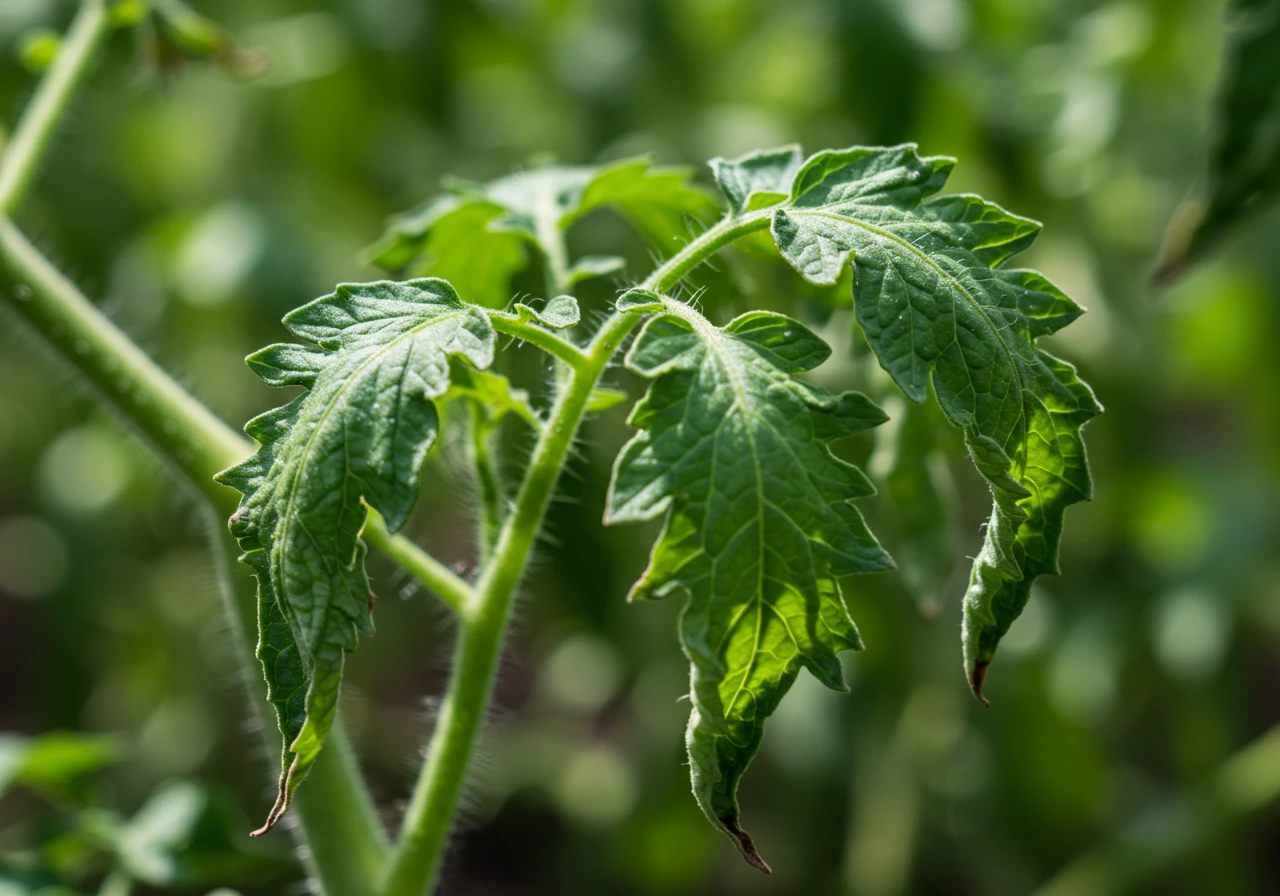
Ah, the dreaded droop! One minute your prized perennials or vibrant veggies are standing tall and proud, the next they look like they’ve pulled an all-nighter and lost their car keys. Wilting is one of the most common SOS signals plants send, but deciphering *why* they’re wilting can feel like cracking a code. Don't worry, it's usually less complicated than it looks! Let's break down the usual suspects behind that sudden slump.
1. The Obvious Culprit: Thirst (Underwatering)
This is what most people jump to, and often, they're right! Plants need water to maintain something called "turgor pressure" – basically, the internal water pressure that keeps their cells plump and their stems and leaves firm. When water evaporates from the leaves (transpiration) faster than the roots can absorb it, the plant loses turgor and wilts.
- When it happens: During hot, dry Ottawa weather, windy days, or simply if you've forgotten to water. Plants in containers dry out much faster too. Sandy soils, like those found near Kars or parts of Manotick, drain very quickly and need more frequent watering.
- The Fix: Check the soil! Poke your finger down a couple of inches. If it feels dry, give your plant a good, deep drink. Water the soil, not just the leaves.
2. The Sneaky Imposter: Drowning (Overwatering)
Plot twist! Wilting can *also* mean your plant has *too much* water. Sounds crazy, right? But roots need oxygen to function and absorb water effectively. If the soil is constantly waterlogged (think heavy clay soils, sometimes found around Nepean or Embrun, that don't drain well), the roots essentially suffocate. They can't take up water, even though there's plenty around, leading to – you guessed it – wilting. Overwatering is also a prime invitation for root rot.
- When it happens: After excessive rain, in poorly draining pots or garden beds, or if you're just a *little* too enthusiastic with the hose.
- The Fix: Again, check the soil! If it feels soggy or wet several inches down, hold off on watering. Improving drainage might be necessary. This could involve amending the soil with organic matter or, in some cases, more significant landscaping adjustments. Sometimes, poor drainage near property lines requires attention; a city property cleanup service might even be relevant if adjacent areas impact your yard's water flow. For ongoing help managing tricky soil, consider regular garden maintenance services.
Common Causes of Wilting (Illustrative)
3. The "I Just Moved In" Blues: Transplant Shock
Did you recently plant something new or move a plant? Wilting shortly after is super common. The plant's root system has been disturbed and needs time to re-establish and adapt to its new environment. It’s temporarily less efficient at absorbing water.
- The Fix: Be patient! Keep the soil consistently moist (but not soggy) after transplanting. Providing temporary shade for a few days can also help reduce stress. Our garden installation service always includes tips for minimizing transplant shock.
4. The Summer Scorch: Heat Stress
Sometimes, even if the soil has adequate moisture, extreme heat can cause plants to wilt during the hottest part of the day. They simply can't draw water up fast enough to keep pace with the rate of evaporation from their leaves in intense sun and heat.
- The Fix: Often, plants will perk back up in the cooler evening or morning. Ensure the soil *is* actually moist. Applying a layer of mulch can help keep roots cooler and retain soil moisture – choosing the right landscaping materials like good quality mulch is key. Providing temporary shade during heatwaves can also make a big difference.
Quick Diagnostic Guide: The Wilting Plant Whodunit
- Feel the Soil: Stick your finger 2-3 inches deep. Dry? Water it. Soggy? Stop watering, check drainage. Moist? Look for other causes.
- Think Recent History: Was it just planted? Has it been blazing hot? Did you fertilize recently (sometimes fertilizer burn causes wilting)?
- Examine Closely: Any signs of pests on the undersides of leaves? Yellowing leaves? Spots?
- Check the Roots (Gently!): If you suspect overwatering or it’s a potted plant, gently slide it out. Are roots brown/mushy (rot) or white/firm (healthy)?
Understanding *why* your plant is wilting is the first step to helping it recover. Whether it’s adjusting your watering habits, improving soil drainage (perhaps as part of a larger yard cleanup service in Embrun), or providing a bit of temporary shade, you can usually nurse your droopy plant back to health. And if you're ever stumped, remember that expert help is available through comprehensive landscaping and gardening services to diagnose and treat tricky plant problems. Check out our reviews on Google!
Beyond the Droop: Other Posture Problems & What They Tell You
Okay, so your plant isn't doing the dramatic droop, but it still looks... off? Don't worry, plants have a whole range of other signals besides wilting to tell you something's up. They can be quite the little divas sometimes! Let's look beyond the droop and decipher some other common plant posture problems you might see in your Ottawa garden.


1. The Lean Cuisine: Plants Reaching for the Light
Is your plant bending over like it's trying to get a better look at something across the yard? Chances are, it's just stretching towards the sun! This is called phototropism. It’s common indoors, but outdoors it can happen if a plant is shaded by taller neighbours, a building, or even if you planted a sun-lover in a spot that turned out to be shadier than you thought. Less commonly, leaning can indicate root damage on one side or maybe strong prevailing winds, something gardeners in more open areas like around Metcalfe might notice.
What to do: If possible, move the plant to a sunnier spot. Prune back overhanging branches from other plants. Rotate potted plants regularly. If it's wind, consider a small stake for support or creating a windbreak.
2. Code Yellow: Yellowing Leaves (Chlorosis)
When leaves start turning yellow (especially if the veins stay green initially), it's often a cry for help regarding nutrients. The most common culprit is a lack of nitrogen, but iron deficiency can also cause yellowing, particularly in high pH soils. However, don't jump straight to fertilizer! Yellowing can *also* be caused by poor drainage (suffocating roots again!), compacted soil, or the soil pH being off, which locks up nutrients even if they're present.
What to do: First, check your watering habits – soggy soil is bad news. Consider a soil test to check pH and nutrient levels. Ensuring good drainage and undertaking proper soil preparation for optimal plant health before planting is crucial. Adding compost can often help buffer pH and improve soil structure.
3. Crispy Critters: Browning Leaf Tips and Edges
Seeing brown, dry edges or tips on leaves? This often points to inconsistent watering – maybe letting the soil get bone dry, then flooding it. It can also be caused by low humidity (more common for houseplants, but possible outdoors in dry spells), or a buildup of salts in the soil, often from over-fertilizing or even using softened water. Plants in windier spots, perhaps near Vernon, might experience windburn, which looks similar.
What to do: Aim for consistent soil moisture – mulch helps! Water deeply when the top inch or two of soil is dry. If you fertilize regularly, flush the soil occasionally with plain water (let water run through the pot or soak the garden bed well). Protect sensitive plants from harsh winds. For help with soil moisture management, our garden maintenance programs can assist.
4. Stuck in Standstill: Stunted Growth
Is your plant just... not growing? Or growing much slower than expected? This frustrating issue can stem from several factors: nutrient-poor soil, being root-bound in its container (roots circling tightly), persistent pest or disease problems that sap its energy, or simply being in the wrong spot (not enough light, too much water, etc.).
What to do: Check the roots if it's potted – repot into a larger container if needed. Ensure the soil is healthy and fertile; amending with compost is usually a good start. Inspect carefully for pests or diseases. Make sure the plant's basic light and water needs are being met. Sometimes, addressing stunted growth requires more than a quick fix, leading to impressive garden transformations once the core issue is resolved.
5. The Curl Up: Leaf Curl or Cupping
While we mentioned curling briefly with wilting, it often has other sneaky causes. Tiny pests like aphids or spider mites love to hide on the undersides of leaves, and their feeding can cause distortion and curling. Viral diseases can also cause strange leaf shapes. Sometimes, accidental exposure to herbicides (even drift from nearby lawn treatments) can cause leaves to curl or cup upwards.
What to do: Get up close and personal! Check under the leaves and stems for tiny critters. If you find them, consider eco-friendly pest management options like spraying with insecticidal soap or neem oil, or introducing beneficial insects. This kind of proactive care is often part of a comprehensive city garden maintenance service. Be mindful of herbicide use nearby. You can find information on pesticide regulations on the Ottawa Public Health website.
Quick Diagnosis Cheat Sheet:
| Symptom | Common Causes | Quick Check |
|---|---|---|
| Leaning | Seeking light, Root damage, Wind | Observe sun path, check base |
| Yellow Leaves | Nutrients, Water issue, pH | Check soil moisture, test soil |
| Brown Tips | Water inconsistency, Low humidity, Salt buildup | Check watering schedule, flush soil |
| Stunted Growth | Poor soil, Root bound, Pests, Wrong conditions | Examine soil, check roots, inspect |
| Leaf Curl | Pests, Virus, Herbicide exposure | Look under leaves for pests |
Paying attention to these subtle signs helps you become a plant detective! Catching issues early often means simpler solutions. If you're dealing with widespread problems across your flower beds or feel overwhelmed, tackling widespread issues might benefit from a professional eye, like the services offered by a Metcalf garden clean up service if you're in that area. And if you're unsure about the scope of work needed for a potential solution, getting feedback on a landscaping estimate can provide valuable clarity before you commit. Keep observing, and your garden will thank you!
Your Seasonal 'Posture Check' Routine for Ottawa Gardens
Okay, let's talk about getting into a regular groove for checking up on your plants' posture. Think of it like a quick yoga session for your garden – minus the stretchy pants (unless that's your gardening attire, no judgment here!). Making this a habit is the *best* way to catch little issues before they turn into big dramas. Here’s how to set up your seasonal 'Posture Check' routine for your Ottawa garden:
Your Quick Posture Check Routine: The How-To
Consistency is key! Aim for a quick walk-through once a week during the main growing season (spring through fall). It doesn't have to take long – maybe 10-15 minutes while you sip your morning coffee.
- Walk the Perimeter (and Interior!): Start in one spot and walk through your entire garden space systematically. Don’t just admire the blooms – look at the *whole* plant.
- Overall Impression: From a few feet back, how does the plant look? Upright and perky? Slumped? Leaning strangely? Is the colour generally good?
- Get Closer: Now zoom in. Check the leaves – top and bottom! Are they curled, yellowing, spotted, or have crispy edges? Look at the stems – any breaks, weird growths, or signs of pests? How do the flowers look? Are buds developing normally?
- The Touch Test: Gently feel a leaf or two. Are they firm or limp? Sticky? Then, poke your finger into the soil near the base, about an inch or two down. Is it bone dry, soggy, or nicely moist? This tells you loads about watering needs.
- Jot it Down (Optional but Handy!): Notice something funky? Make a quick note in a garden journal, a notes app on your phone, or even snap a picture. This helps track changes over time and is useful if you need to ask for advice later. If you're using digital tools and plan to interact with services online, it's always good to know how your information is handled; you can review our approach in our privacy policy.
Seasonal Posture Watchlist for Ottawa Gardeners
Our unique Ottawa climate means different things to watch for throughout the year:
Spring (April-May)
Watch for slow emergence, frost damage, yellowing/wilting from wet soil (poor drainage), early pests. Check lawn posture too with our lawn care tips. Relevant services: Ottawa Garden Clean Up Service.
Summer (June-August)
Prime time for wilting (thirst or heat stress), leaf scorch, leaning towards sun, pest feeding. Check container plants diligently. Nutrient depletion can cause yellowing.
Fall (September-October)
Look for drought stress carry-over, differentiate normal senescence from problems. Watch for fungal spots in damp weather, root rot if drainage is poor. Check new plantings for transplant shock. Fall cleanup services like Marionville Garden Clean Up can help prep for winter.
Winter (November-March)
Focus on broken branches (snow/ice), evergreen winter burn (brown needles, especially wind/sun side), animal damage (gnawed bark). Find out more about our company philosophy.
Tracking and Taking Action
Your notes or photos create a health record for your garden. If you see a recurring problem or something widespread that needs more than a quick fix, that's when you might consider getting professional help. You can learn more about us and the experience we bring. If you've identified a larger project stemming from your posture checks, like improving drainage or replacing stressed plants, and want a second opinion on costs or plans, feel free to use our estimate feedback option.
Making these quick, regular checks part of your gardening rhythm helps you become much more attuned to your plants' needs. It’s less work in the long run and way more rewarding! For information on City of Ottawa programs like water restrictions, visit the City's Water page.
Taking Action: Correcting Posture Problems & Preventing Future Stress
Okay, so you’ve become a plant posture detective – brilliant! You’ve spotted the droops, the leans, and the funky leaf curls. Now comes the fun part: playing plant paramedic and getting those leafy buddies back in tip-top shape, while also preventing future posture woes. It's all about taking action!
1. Watering Wisdom: Finding the "Just Right"
- Correction: If dry, deep soak at base. If soggy, let dry out, check drainage, aerate surface gently.
- Prevention: Water deeply, less often. Check soil first! Know your soil type. Mulch!
2. Feed Me Seymour! (But Gently & Naturally)
- Correction: Start with compost or worm castings. Use specific fertilizers only if deficiency is confirmed.
- Prevention: Regularly amend soil with organic matter. Healthy soil = fewer deficiencies. Consider our Ottawa Property Cleanup Service for comprehensive soil prep.
3. Pesky Pests & Diseases: The Gentle Approach
- Correction: Identify pest/disease. Try water spray, insecticidal soap, neem oil, hand-picking. Remove affected leaves (no composting). Improve air circulation.
- Prevention: Choose resistant varieties. Water soil, not leaves. Encourage beneficial insects. Proper plant spacing.
4. Stand Tall: Providing Structural Support
- Correction: Stake floppy plants early with soft ties. Prune for light or move plant next season.
- Prevention: Choose plants suited for conditions. Avoid overly rich soil for some species. Protect from wind. A proper Garden Install considers plant habits.
5. Prevention Power-Ups: Soil, Mulch & Smart Choices
- Soil is Everything: Improve with organic matter for drainage and nutrients.
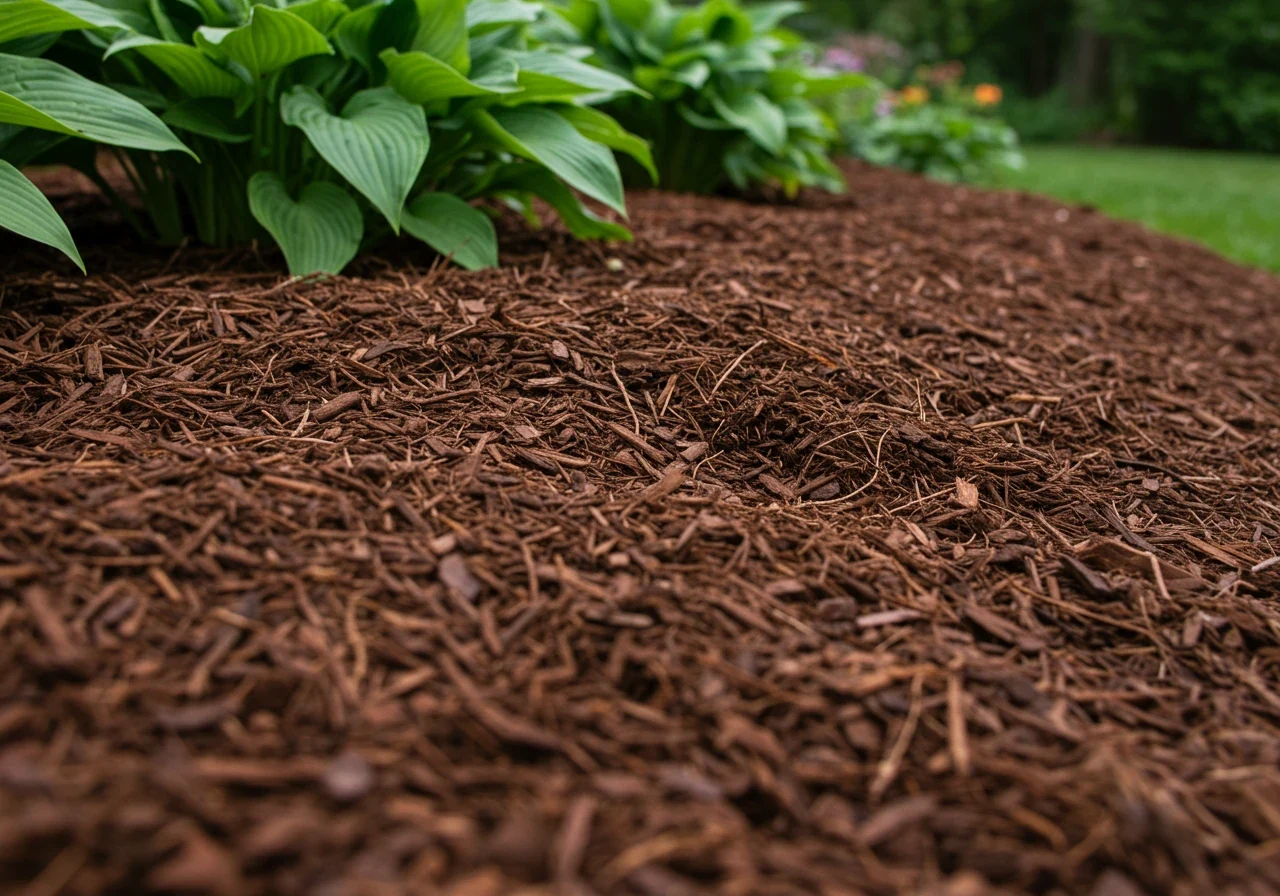
- Mulching Magic: Apply 2-3 inches, keep away from stems. Conserves water, regulates temp, suppresses weeds. See our Mulching and Edging services.
- Right Plant, Right Place: Match plant needs to site conditions! Even lawn health matters; see our Lawn Care info.
Sometimes, despite your best efforts, a plant problem persists or seems overwhelming. If you're feeling stumped or facing a larger issue, don't hesitate to seek advice. You can always Contact Us for professional diagnosis and solutions. Remember that following gardening advice, including ours, generally falls under standard practice, but specific outcomes can vary – our general operational guidelines can be found in our Terms and Conditions.
By combining these corrective actions with smart preventative strategies, you’ll be well on your way to a garden full of happy, upright, and stress-free plants! Happy gardening!
Highlight Box: Quick Plant Posture Decoder
Confused by your plant's dramatic poses? Don't call the garden paparazzi just yet! Plants use their posture – how they hold their leaves and stems – to give us clues about their health. It's their way of saying, "Hey, something's up!" Here's a quick decoder ring for common signals you might spot in your Ottawa landscaping efforts:
- The Dramatic Droop (Wilting): Thirst, overwatering/poor drainage, transplant shock, heat stress.
- The Lean Machine: Seeking light, root damage, wind.
- Going Yellow (Chlorosis): Nutrient need, water issue, compacted soil, pH imbalance.
- Crispy Edges & Tips: Inconsistent watering, low humidity/windburn, salt buildup. Quality Mulching and Edging helps regulate moisture.
- Curled or Cupped Leaves: Pests underneath, heat/water stress, herbicide drift, virus.
- Stuck in Slow Motion (Stunted Growth): Poor soil, root-bound, pests/disease, wrong location. Lawns show stress too; consider Sod Installation for severe cases.
Spotting these signs early lets you investigate and act *before* a small plant problem becomes a big garden headache. If you notice multiple plants sending out SOS signals across your yard, sometimes a bigger reset is helpful. Whether it's comprehensive assistance through an Ottawa Yard Cleanup Service or focused help like the Metcalf Property Cleanup Service for properties in that specific area, addressing the underlying cause is crucial for happy plants. Remember, every garden in Nepean or elsewhere in Ottawa is unique, and while these tips are generally helpful, specific results can vary; it's always wise to understand the scope of any service by reviewing their Terms and Conditions. Happy decoding and happy gardening! Also explore options like our City Garden Clean Up Service or the acknowledgements page for past projects.
FAQs: Your Ottawa & Embrun Garden Posture Questions Answered
That sounds like classic poor drainage! Even though there's plenty of water, if the soil (especially heavy clay common in some areas) stays waterlogged, roots can't breathe and take up water, leading to wilting. Improving soil structure with compost and ensuring good drainage away from the foundation is key to stopping this soggy-bottom syndrome.
Ah, the summer swoon! Wind and heavy blooms can be tough. The best defence is a good offence: stake them *early* in the season before they get tall. Also, ensuring healthy, strong root systems through good soil preparation and using proper mulching and edging techniques can contribute to sturdier stems, giving them a better fighting chance against gravity.
Yellowing leaves when the soil *isn't* dry often points to other issues. It could be a nutrient deficiency (like nitrogen), the soil pH might be off locking up nutrients, or you might *actually* be overwatering, leading to root stress. Consider a soil test. Sometimes improving overall soil health, perhaps as part of a comprehensive city yard cleanup service, is needed for long-term plant vitality.
Don't panic, investigate! Crispy tips can be simple heat stress or inconsistent watering (super dry then soaked). But it *could* also indicate fertilizer burn or salt buildup. Check your watering consistency first. If it’s widespread, it might reflect broader yard health, something addressed during a general property clean up which looks at the bigger picture of plant well-being.
Mulch is like a superhero cape for your soil! A good layer helps keep soil moisture levels consistent, preventing the wilting cycle from drought stress. It also regulates soil temperature, keeping roots cooler in summer heat and warmer during cool snaps. Healthier, less-stressed roots mean stronger, more upright plants. Simple, yet effective!
When everything seems "off," it often points to a foundational issue, usually soil health (compaction, low nutrients) or widespread minor stress. Start with a good overall assessment. Check soil moisture, look for common pests or diseases across multiple plants. If it feels overwhelming, getting help with a larger reset, maybe like the specific Marionville property cleanup service if you're nearby, can tackle underlying problems and revitalize the entire space. Alternatively, consider our services in Metcalf or Marionville.
Conclusion: Become a Plant Whisperer in Your Own Backyard
Well, there you have it! You're now equipped with the secret decoder ring to understand what your garden is trying to tell you through its posture. From the dramatic droop of a thirsty perennial to the subtle lean of a sun-seeking shrub, these visual cues are your garden's first language. Paying attention to plant posture isn't some mystical gardening magic; it's simply about *observant plant care*.
By regularly tuning into these signals, you can catch potential problems like watering issues, nutrient needs, or pest troubles early on, *before* they become big headaches. This means healthier, happier plants and less stress for you, whether you're tending flower beds in Greely, nurturing veggies in Russell, or cultivating containers right here in Embrun. Mastering this skill transforms you from a gardener into a true plant whisperer, creating a more resilient and beautiful landscape specific to our unique Ottawa conditions.
Think of it as preventative medicine for your plants! A quick weekly posture check can save you time, effort, and heartache down the road. So, get out there, observe, and listen with your eyes.
And hey, if your plants are sending signals you just can't decipher, or if you need a hand implementing solutions like improving soil health or tackling widespread issues, remember that professional help is available.
- Need regular upkeep or expert diagnosis? Check out our City Garden Maintenance Service.
- Facing a bigger project or need a garden reset? Explore our comprehensive Landscaping and Gardening Services.
- Ready to chat about your specific needs? Contact Us today!