
Prune Osgoode Shrubs for Winter Bird Shelter & Food
Quick Guide: Winter Bird-Friendly Pruning
- Why Prune Thoughtfully: Provides essential winter shelter and potential food (berries, seed heads) for local birds like chickadees and cardinals.
- Best Timing: Do minimal essential pruning (dead/damaged wood) in *late fall* after dormancy. Wait until *late winter/early spring* for major shaping.
- Key Technique: *Thin* shrubs selectively, don't just shear them flat. Leave inner structure and some "mess" like seed heads.
- Top Shrubs: Consider Serviceberry, Red Osier Dogwood, Winterberry Holly, and Staghorn Sumac (for larger areas).
- Extra Help: Provide feeders (sunflower seeds, suet) and crucial liquid water (heated bird bath). Leave some leaf litter and consider a brush pile.
Brrr-illiant Backyards: Why Pruning for Birds Matters in Osgoode This Winter
Okay, neighbours, let’s talk winter in the Ottawa region! As the temperatures drop and the first snowflakes start dusting the lovely yards of Osgoode, we all know the drill: cozy sweaters, hot chocolate, and maybe complaining *just a little* about the wind chill coming off the Rideau River. But while we’re snug indoors, spare a thought for our local wildlife, especially the cheerful birds that stick around – the chickadees, cardinals, and finches. They need cozy spots too, and your backyard could be just the ticket!
Now, think about your fall landscaping cleanup. It’s tempting to prune everything back hard, aiming for that super-tidy look before the snow *really* settles in. We get it! A neat garden feels good. But hold those loppers for a second! Over-enthusiastic pruning, especially late in the season, can accidentally remove vital winter resources for birds. Those leftover seed heads on your perennials? That dense thicket of shrubs or your favourite hedge? They aren't just messy leftovers from summer; they're potential buffets and crucial winter shelters from harsh winds and predators. Seriously, *don't leave our feathered friends out in the cold!* Visit our Google My Business page to see how we help create beautiful, wildlife-friendly spaces.
Proper pruning *is* absolutely key for healthy trees and shrubs in the long run, no doubt about it. But *when* and *how* you prune matters a lot, especially if you want a backyard that supports wildlife through our tough Ottawa winters. It’s about striking a smart balance – keeping your plants thriving while also providing essential habitat. Think of it as being a good landlord for the local bird population! In this section, we’ll dive into some *brrr-illiant*, practical tips for winter-wise pruning in places like Osgoode and nearby communities like Greely, ensuring your backyard landscaping is both beautiful *and* bird-friendly through the coldest months. Get ready for some actionable advice to make your garden a winter haven! You can also check our general Property Clean Up services for broader maintenance needs.
More Than Just Sticks: How Thoughtful Pruning Creates Bird Paradise
Okay, let's chat about turning your garden from a collection of bare winter branches into a bustling bird haven! When we talk about pruning, it's easy to think only about making things look neat and tidy for us humans. But for our feathered friends facing a chilly Ottawa winter, your pruning choices can literally mean the difference between a safe refuge and being left out in the cold. It’s about seeing your yard as *more than just sticks*!
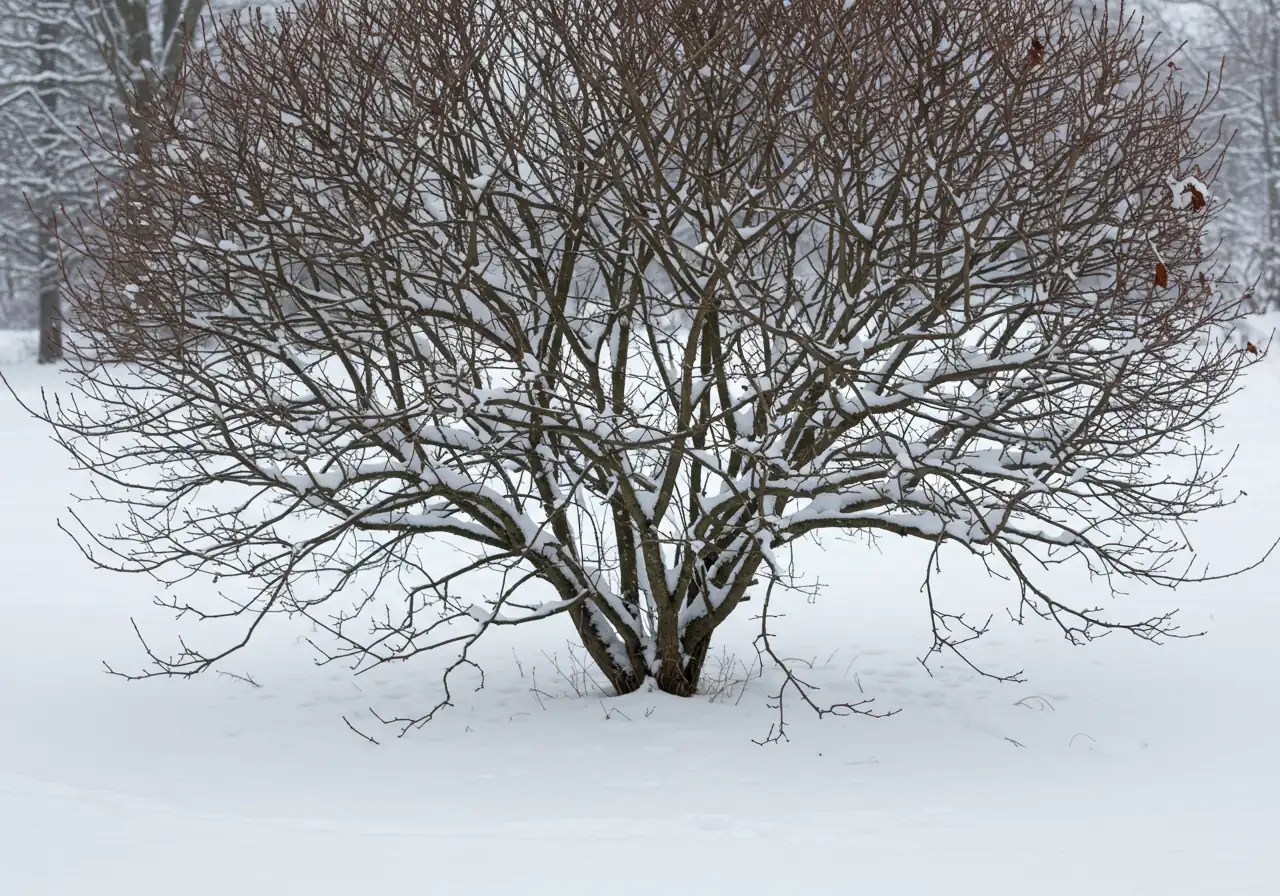
So, how does thoughtful pruning – and sometimes, *not* pruning – create a bird paradise, especially in areas like Manotick or Greely?
- The Ultimate Winter Condo (Shelter): Think like a tiny chickadee during a snowstorm. Where would you rather be? Huddled inside a dense shrub with lots of crossing branches, or shivering on a single, exposed twig? Aggressively shearing shrubs into perfect geometric shapes might look crisp, but it removes the natural density birds need for protection from icy winds, driving snow, and predators like hawks or neighbourhood cats. Thoughtful pruning involves thinning out dead or diseased wood but *leaving* a good amount of inner structure and twiggy growth. Evergreens are fantastic, but even deciduous shrubs, when not pruned back too hard, offer significant cover.
- Nature's Pantry (Food): That "messy" look of leaving seed heads on perennials like coneflowers (Echinacea) or Black-eyed Susans (Rudbeckia) through the winter? That’s a five-star buffet for finches and sparrows! Similarly, the dried plumes of ornamental grasses provide both seeds and shelter. Delaying the cutback makes a huge difference. Knowing When to Tackle Russell Pruning for Ornamental Grasses, Especially in Spring ensures birds get the winter benefit. Even fruit trees, while needing specific shaping for good crops – like following Essential Barrhaven Fruit Tree Pruning Tips for a Bountiful Fall Harvest – might have a few missed fruits or offer insects hiding in bark crevices that woodpeckers will thank you for. Some shrub roses, if you leave the hips after flowering, provide vitamin C-rich snacks too, though remember that specific pruning is still key for plant health – you can learn more about Proper Nepean Rose Pruning for Health and Black Spot Prevention.
- Safe Highways and Hideouts (Structure): Branches aren't just structural support for the plant; they're perches, lookout points, and escape routes for birds. A network of branches within a shrub or tree allows birds to move safely, hidden from view. While some plants like vines need specific attention – check out this Russell Clematis Pruning Guide for Vibrant Summer Blooms for timing tips – leaving some woody structure is generally beneficial. Proper structure is part of good garden installation design.
The Big Difference: Aggressive aesthetic pruning often aims for maximum human-defined tidiness, sometimes at the expense of ecological function. Bird-friendly pruning, on the other hand, works *with* the plant's natural form and considers the needs of wildlife. It means accepting a little winter "untidiness" like standing grasses or seed heads, and strategically thinning rather than shearing everything flat.
It’s about creating a mini-ecosystem in your Barrhaven backyard or Manotick garden. By being a little more intentional with our pruning shears (or by putting them away until spring for certain plants!), we provide essential food and shelter, helping local bird populations like cardinals, juncos, finches, and chickadees survive and thrive through our tough Ottawa winters. See our Privacy Policy for how we handle your information.
Need a hand striking that perfect balance between a healthy, beautiful yard and a bird-friendly oasis? Sometimes knowing exactly what to cut, when, and how much can feel overwhelming. That’s where professional help comes in handy. Feel free to explore Our Comprehensive Landscaping and Yard Care Services for expert advice and assistance. Our team has experience across Ottawa, including specific services like Marionville Yard Cleanup Service.
Ottawa's Avian All-Stars: Top Shrubs for Winter Bird Support
Okay, Ottawa neighbours, let's talk curb appeal – the *avian* kind! While we’re stocking up on sidewalk salt, our local feathered friends are looking for reliable room and board to get through the winter. Providing the right shrubs in your garden isn't just good landscaping; it's like setting up a five-star winter resort for birds. But which plants are the *real* all-stars when the snow flies? Choosing shrubs that offer both food and sturdy shelter is key, especially in our Zone 5a/4b climate where plants need to be tough cookies.
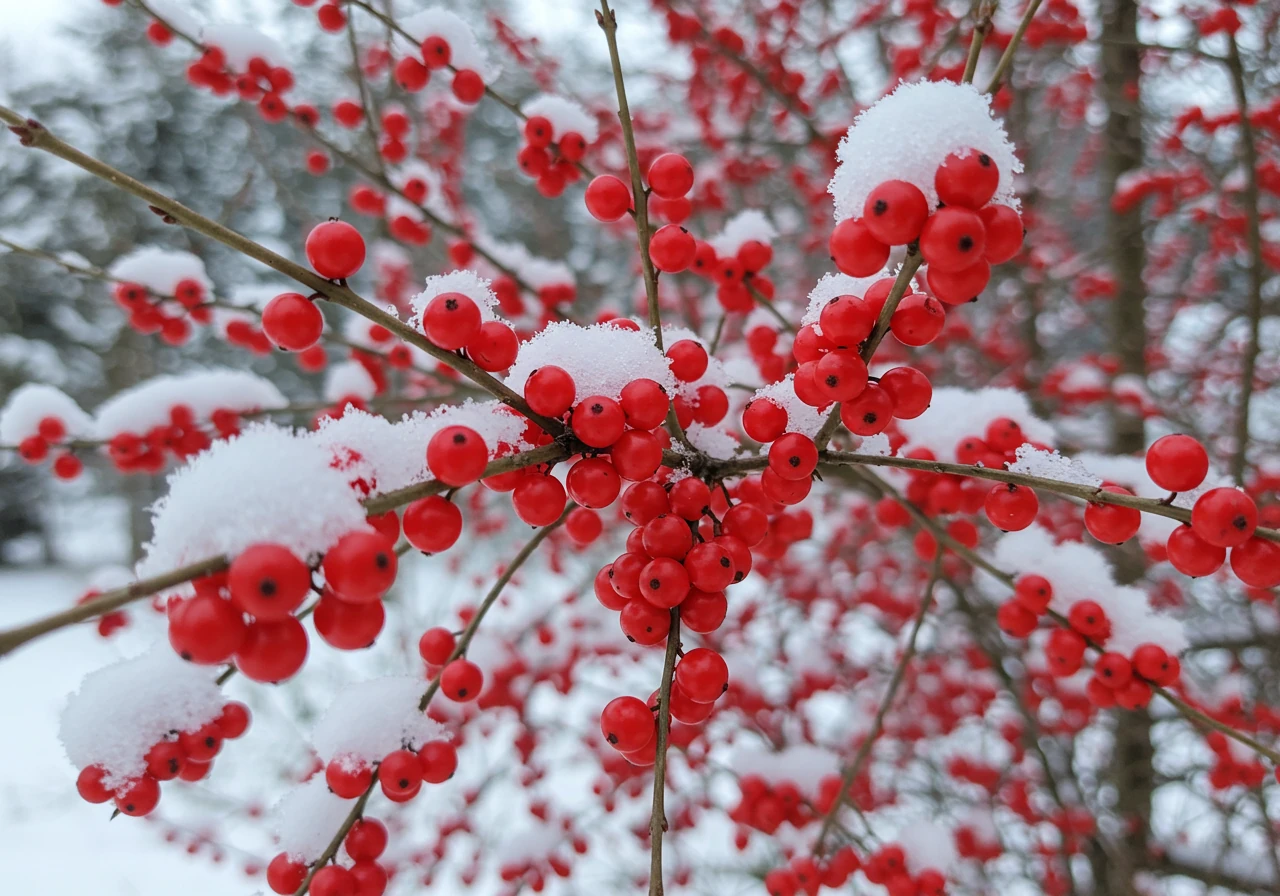
Think of these shrubs as the ultimate bird real estate – offering high-value properties with built-in catering! Here are a few top contenders that perform beautifully in the Ottawa region, including areas like Nepean or Barrhaven:
Serviceberry (Amelanchier species)
These champs are native superheroes! Often taking the form of large shrubs or small trees, they offer early spring flowers for pollinators, tasty summer berries (if you can beat the birds to them!), and decent branching structure for shelter. While most berries are gone by winter, some shriveled fruits might persist, offering a welcome snack. They are generally adaptable to various soil types, a plus for many Ottawa gardens. Look into our soil preparation services for optimal planting.
Birdie Bonus: Great nesting spots in summer, decent cover in winter.
Red Osier Dogwood (Cornus sericea)
Talk about winter interest! This native shrub practically glows with its bright red stems against the snow. While its primary bird value is dense shelter thanks to its thicket-forming habit, its berries are also eaten by some species, though they don't always last deep into winter. It’s super hardy and tolerates moist areas well, making it versatile for different spots in your yard.
Birdie Bonus: Excellent protection from wind and predators, plus those colourful stems look fantastic.
Winterberry Holly (Ilex verticillata)
If you want a showstopper that birds adore, this is it! Winterberry is famous for its masses of bright red berries that cling to the branches long after the leaves drop, providing a vital food source well into winter. Important: It's dioecious, meaning you need both male and female plants for the female to produce berries (one male can pollinate several females). They prefer moist, slightly acidic soil but can adapt.
Birdie Bonus: High-visibility, energy-rich food source when other options are scarce.
Staghorn Sumac (Rhus typhina)
Okay, this one needs space and tends to spread (sucker), so it's not for tiny city lots. But if you have room, perhaps on a larger property out towards Metcalfe or Richmond, it's a winter bird magnet. The fuzzy, upright clusters of red fruit (drupes) persist *all winter long*, offering emergency food for many species when times get really tough. It’s incredibly drought-tolerant and hardy. Just be sure to plant it where its spreading nature isn't an issue. Consider professional garden maintenance to manage its spread.
Birdie Bonus: The ultimate late-winter emergency food stash.
Planting for Success:
Choosing the right shrub is step one. Giving it a good start is step two!
- Right Plant, Right Place: Consider sun exposure, soil type (clay is common in parts of Nepean!), and mature size *before* planting. For new installations, consider options like sod installation around your new shrub beds.
- Clear the Way: Sometimes, preparing the perfect spot means removing less desirable plants or turf. If you're undertaking a garden overhaul, especially in areas needing significant tidying, consider professional help like an Embrun Yard Cleanup Service to get your space ready. For larger scale removals across your property, a City Property Cleanup Service can tackle bigger jobs.
- Ongoing TLC: Even hardy native shrubs benefit from proper care to thrive and offer maximum bird value year after year. Regular watering after planting and occasional pruning (at the right time!) keeps them healthy. Consistent upkeep is easy with a reliable City Garden Maintenance Service.
- Need Help Choosing? Feeling overwhelmed by options or unsure how to best integrate these shrubs into your existing landscape? Getting expert advice can make all the difference. Exploring options from companies offering Our Comprehensive Landscaping and Yard Care Services can provide tailored recommendations for your specific yard.
By planting a few of these avian all-stars, your Ottawa garden can become a critical resource for birds, helping them survive and thrive through our challenging winters. It’s a beautiful way to support local wildlife and add four-season interest to your yard! For external resources, check out the City of Ottawa's wildlife information or the Ottawa Field-Naturalists' Club.
Got questions about selecting or planting the perfect bird-friendly shrubs for your property? Don't hesitate to Contact Us – we're happy to help!
The Art of the Snip: How to Prune for Happy Birds (and Healthy Shrubs!)
Alright, gardening friends, let's talk about fall pruning. It’s that time of year in Ottawa when we feel the urge to tidy up the yard before the snow flies. We grab our pruning tools, ready to make everything neat. But wait! Before you go full Edward Scissorhands on your shrubs, let's consider our feathered neighbours who rely on our yards for winter survival. There’s an *art* to the snip – one that keeps your shrubs healthy *and* provides essential winter habitat for birds.
First off, what's the difference between standard maintenance pruning and bird-focused pruning? Think of it this way:
- Maintenance Pruning: This usually focuses solely on the plant's health and appearance – removing dead bits, shaping the shrub, maybe controlling its size. It’s all about the plant itself.
- Bird-Focused Pruning (in Fall): This approach *includes* basic plant health but *prioritizes* leaving enough structure and potential food sources (like persistent berries or seed heads nearby) to help birds through the winter. It means being a bit more selective and maybe leaving things a *little* less "perfect" by human standards.
Ready to give bird-friendly pruning a try? Grab your gear! Sharp, clean tools make the job easier and are better for your plants. You'll likely need:
- Bypass Pruners: For smaller stems (up to about ¾ inch). They make clean cuts like scissors.
- Loppers: Like long-handled pruners for thicker branches (up to 1.5-2 inches).
- A Small Pruning Saw: For anything larger.
- Keep them sharp! Dull tools crush stems, inviting disease.
Here’s Your Step-by-Step Guide to Bird-Friendly Snipping:
- Observe First: Take a good look at the shrub. What's its natural shape? Where is the dead or broken wood? Is it dense inside? Don't just start cutting randomly.
- Target the 3 D's: Your *first* priority is always removing Dead, Diseased, and Damaged branches. Cut these back to the nearest healthy branch or bud, or right back to the base if needed. This is good for the plant and removes potential problems.
- Thin, Don't Just Shear: Instead of cutting everything to the same height or into a tight ball (which removes protective cover), focus on *thinning*. Reach *inside* the shrub and selectively remove a few older, thicker stems right down at the base. Also, cut out branches that are rubbing against each other or growing inward. This opens up the plant to light and air (good for health!) but *maintains* the crucial outer and inner network of branches birds need for shelter.
- Leave Some Leftovers: Resist the urge to deadhead *everything*. Spent flower heads on shrubs like Hydrangeas can offer shelter. Nearby perennials with seed heads (like Coneflowers) are a vital food source – leave them standing until spring! If your shrub has berries or rose hips, try to leave as many as possible.
- Go Easy on Height Reduction: If you need to reduce the size, trim back individual branches selectively rather than shearing the whole top off. Removing too much height takes away valuable protective cover.
A Word of Caution: Less is More!
Especially as winter approaches, it's better to under-prune than over-prune for bird safety. Removing too much cover leaves birds exposed to harsh winds and predators. This is particularly important in more open areas around Ottawa, like properties near Kars or Vernon, where windbreaks are vital. If you heavily prune a shrub late in the season, you might be removing a bird's only safe haven for the winter. If you're unsure how much to take off, it's often best to wait until late winter or early spring for major reshaping.
Tidying Up Thoughtfully
After your careful snips, dealing with the pile of branches is the next step. A thorough fall cleanup ensures things look tidy without compromising the bird havens you've left. Professional help like a City Garden Clean Up Service can make short work of this, ensuring debris is handled correctly, whether you're downtown or require assistance like the dedicated Marionville Garden Clean Up Service. Once the debris is clear, consider adding a layer of mulch around the base of your shrubs. This helps insulate the roots over winter. Thinking about the best type? Check out advice on Material Selection for options like wood chips or shredded bark. Applying it correctly is key, and services specializing in Mulching and Edging ensure it's done right – protecting your plants without smothering them.
Pruning this way strikes a beautiful balance, creating a garden that’s healthy, attractive, *and* a welcoming refuge for winter birds. Feeling a bit hesitant about making the right cuts? No problem! Expert help is available. Don't hesitate to Contact Us for advice or professional pruning services tailored to your landscape and wildlife goals. Happy snipping! We also appreciate your estimate feedback to improve our services.
Timing is Everything: Ottawa's Pruning Calendar for Bird Benefits
Okay, Ottawa neighbours, let's nail down the *when* for pruning because, honestly, timing is everything, especially if we want to help our feathered friends! Trying to figure out the perfect moment to prune in the fall can feel like predicting when the first big snowfall will *actually* shut things down – tricky business! But getting it right means healthier plants *and* happy birds.
The Golden (or rather, Chilly) Rule for Ottawa:
Generally, the best window for any *essential* fall pruning (like removing hazardous dead branches) in the Ottawa area is late fall. We're talking *after* your deciduous shrubs and trees have gone fully dormant (lost their leaves and stopped active growth), usually following a few hard frosts, but *before* the ground freezes solid and heavy snow blankets everything. Think late October into November, depending on the year. Pruning during this dormant period minimizes stress on the plant.
But Wait, There’s a Bird Twist!
Here's the crucial part for bird benefits: If the pruning isn't essential for safety or plant health, consider waiting!
- Food Sources: Shrubs with persistent berries (like Winterberry) or perennials with seed heads (Coneflowers, Sedum) are vital winter food. Leave them standing until late winter or early spring. Don't prune away the buffet!
- Shelter: Dense shrubs provide critical protection from wind and predators. Avoid major thinning or shaping in the fall that would reduce this cover. A light tidying of deadwood is usually okay, but hold off on significant size reduction.
- Spring Bloomers: Shrubs that bloom in early spring (like Forsythia or Lilacs) set their flower buds the previous year. Pruning them in fall means... you guessed it... no flowers next spring! Wait until *after* they bloom to prune these.
Your Simple Bird-Friendly Pruning Timeline Idea:
Think of it less as a strict calendar and more as a seasonal guide:
Early Fall (Sept-Oct)
Observe. Enjoy the fall colours! Leave seed heads and berries. Minimal cleanup – maybe just remove fallen leaves *from lawns*. Check our lawn care tips.
Late Fall (Late Oct-Nov, post-dormancy)
*Essential pruning only.* Remove dead, diseased, or dangerous branches. Avoid heavy pruning of shelter shrubs or food sources.
Winter (Dec-Feb)
Hands off! Let the birds enjoy the shelter and any remaining food. Enjoy watching them! This period is crucial for their survival. Many clients who prioritize wildlife are thrilled with the results, you can see some inspiring yard transformations that balance beauty and habitat, and read feedback on our Thank You page.
Early Spring (Mar-Apr, before major new growth)
*This* is often the best time for heavier pruning, shaping shrubs, cutting back ornamental grasses, and general cleanup. It's when you might tackle tasks requiring professional help, like a thorough professional Metcalf Yard Cleanup Service if you're in that area, which often includes careful spring cleanup including mulching and edging. If you engage professionals, ensure you understand their approach by reviewing their service details, perhaps even understanding our service Terms and Conditions.
Factors Playing Hide-and-Seek:
- Weather Wobbles: Ottawa weather keeps us on our toes! An early, harsh winter means the pruning window closes sooner. A mild fall might extend it slightly. Keep an eye on the forecast.
- Plant Type: As mentioned, berry producers, seed heads, and spring bloomers have different ideal timings than, say, a shade tree needing a broken branch removed.
- Microclimates: Believe it or not, there can be subtle differences across the region. A sheltered garden in Manotick near the river might stay slightly milder than an exposed yard out in Kenmore, potentially shifting the ideal timing by a week or so. Check resources like Rideau Valley Conservation Authority for local ecological info.
By adjusting *when* you prune, you make a huge difference for local birds without sacrificing the long-term health of your garden. It’s a win-win for you and your chirpy neighbours!
Beyond the Cut: Extra Winter TLC for Your Osgoode Bird Haven
Okay, so we've covered how *not* over-pruning helps our feathered friends in Osgoode. But are you ready to roll out the *extra* fluffy welcome mat this winter? Going beyond just careful cutting can turn your backyard into a truly five-star bird resort, even when the Rideau Canal is frozen solid!
Think of it as offering the full hospitality package. Here’s how you can provide some extra TLC:
- Set Up the Buffet (Feeders): While natural food sources are great, winter is tough! Supplementing with feeders can be a lifesaver.
- *Tip:* Offer variety! Black oil sunflower seeds are a crowd-pleaser. Suet feeders provide essential fat and calories for cold nights. Remember to clean feeders regularly to prevent disease. Keeping the area underneath tidy is important too, preventing soggy messes – think of it as part of your overall seasonal ground maintenance, similar to aspects covered in responsible lawn care practices.
- Open the Hydration Station (Water): Finding liquid water can be incredibly difficult for birds when everything freezes.
- *Tip:* A heated bird bath is one of the best investments for winter bird support. Even a shallow dish of water, refreshed daily during milder spells, will be appreciated. Ensure it's shallow (an inch or two) and maybe add a few stones for perching.
- Leave the Leaves (Well, Some of Them): Before you banish every last autumn leaf, remember that leaf litter is prime real estate for insects, larvae, and spiders – a crucial protein source for many birds, especially ground feeders like juncos and sparrows.
- *Tip:* Rake leaves *off* the lawn, but consider leaving a layer under shrubs or in a quiet corner of your garden bed. If you're tidying up garden debris to create this space, maybe you've just used a helpful Marionville yard cleanup service or a broader city yard cleanup service and can designate a spot for some "beneficial mess."
- Build a Birdy Bunkhouse (Brush Piles): Got branches from that essential pruning? Don't just chip them all!
- *Tip:* Create a loose pile of branches and twigs in an out-of-the-way spot. This provides instant, crucial shelter from wind, snow, and predators. It doesn't have to look messy – tuck it behind a shed or along a back fence. It’s amazing how quickly birds will discover and use it! You can see how intentional habitat features are part of stunning backyard transformations.
- Go Evergreen: Planting conifers like spruce, fir, or pine provides dense, year-round shelter that deciduous shrubs just can't match in winter.
- Community Effort: Imagine if whole neighbourhoods, from Osgoode to nearby areas like Russell or Embrun, adopted just a few of these practices! Collective action creates vital corridors for wildlife. It’s a value we share – you can learn more about us and our community focus.
Providing these extras doesn't require a huge overhaul, just a little thought and effort. It makes a massive difference for the birds braving our Ottawa winters and brings so much life and joy to your yard! Even small changes matter, like careful mulching and edging can protect plant roots.
Key Takeaways: Your Winter Bird Oasis Cheat Sheet
Okay, here’s your handy cheat sheet to becoming the ultimate winter bird landlord in Ottawa! Think of these as the *golden rules* for creating a cozy, snack-filled haven for your feathered friends when the snow starts flying. Keep these tips in mind, whether you're tending your garden in Barrhaven, Metcalfe, or anywhere across our chilly region!
- Prune with Purpose (or Better Yet, Pause!): Before you go wild with the shears this fall, remember: *less is often more* for birds! Only prune what's truly necessary – like dead or hazardous branches – and do it in *late* fall after plants are dormant but before the deep freeze. Leave shrubs dense inside for shelter, and *please* don't cut off all those lovely seed heads or berries; that's prime winter grub! Major reshaping can wait until late winter or early spring.
- Plant Birdy B&Bs: Choose hardy shrubs that are winners for Ottawa winters *and* offer food (like berries) or excellent shelter (think dense branches or evergreens). Natives are often superstars here! Giving them the right spot and a good start helps them thrive.
- Set Up the Winter Buffet & Bar: Natural food dwindles in winter, so help out! Black oil sunflower seeds and suet cakes are popular feeder choices. Critically, provide *liquid water* – a heated bird bath is amazing, but even a shallow dish refreshed daily helps immensely. Remember to keep those feeders clean!
- Leave a Little "Mess": A perfectly sterile yard isn't wildlife-friendly. While keeping your main turf tidy is part of good responsible lawn care practices, try leaving fallen leaves under shrubs (bugs hide there – yummy bird snacks!). A small brush pile from pruned branches creates instant, life-saving shelter. If tackling yard debris feels like too much, especially on larger properties needing tidying, the dedicated Metcalf property cleanup service can manage the bulk removal, letting you focus on creating those habitat spots. Similar services include the Marionville property cleanup service.
- Keep Your Oasis Healthy: A thriving bird haven relies on healthy plants. Remember that regular care makes a huge difference. Investing in consistent expert garden maintenance keeps your shrubs and trees vigorous, ensuring they provide food and shelter year after year. Need a hand getting things in shape? A professional touch, like using an effective Ottawa garden clean up service, can whip your space into prime condition. Targeted help is also available, such as the thorough Metcalf garden clean up service for specific zones.
Follow these simple steps, and your backyard won't just look good; it'll be a vibrant, life-sustaining oasis that brings joy (and chirps!) all winter long.
Osgoode Asks: Your Winter Pruning & Bird Questions Answered
Got questions buzzing around your head like chickadees at a feeder? We get it! Winter landscaping and bird care in the Ottawa area can bring up some specific head-scratchers. Here are answers to a few common ones we hear from neighbours in Osgoode, Barrhaven, and beyond:
Ah, the great Ottawa snow load debate! Generally, healthy, established trees and shrubs (especially native ones suited to our climate) can handle typical snow. You *can* gently brush *light, fluffy* snow off particularly delicate or drooping branches with a broom, but *never* whack branches coated in ice or heavy, wet snow – you're more likely to cause breakage! For evergreens like cedars or junipers providing vital bird shelter, their structure is built for snow. Best bet? Ensure plants are healthy going into winter and avoid major fall pruning that weakens structure.
Great question! Leaving *some* healthy plant material (like sturdy seed heads and stalks) over winter rarely causes major pest or disease problems. Most garden pests are dormant in the cold, and the fungi that cause issues usually need moisture and warmth. In fact, letting some organic matter stand can offer slight benefits for spring soil preparation as it slowly breaks down. The key is *balance*. Definitely remove clearly diseased plant parts in the fall. Come spring, a good cleanup removes overwintering spots before pests become active.
Excellent point! You don't want those standing dead stalks forever. The ideal time for that big cleanup is late winter or early spring – think March or early April here in the Ottawa region. You want to do it after the worst of winter is over (so birds have had the benefit) but *before* significant new spring growth starts emerging from the base. This is often when homeowners schedule a thorough Ottawa yard cleanup service to efficiently handle the cutting back of grasses, perennials, and any winter debris accumulation.
That's a valid concern for larger spaces! The trick is *intentional habitat creation*. Instead of leaving things messy everywhere, designate specific, out-of-the-way spots for features like brush piles (great use for pruned branches!) or patches of standing perennials. Keep the main lawn areas and high-visibility garden beds tidy. This way, you provide crucial wildlife support without sacrificing overall curb appeal. If managing the cleanup scale feels daunting, a professional Ottawa property cleanup service or even a targeted service like a comprehensive Metcalf property cleanup service can help maintain the balance, keeping key areas neat while respecting your wildlife zones.
Ready to Welcome Winter Wings to Your Yard?
So there you have it! Creating a backyard haven for birds doesn't mean letting your garden run completely wild (unless that’s your jam!). It's all about making *smart*, thoughtful choices – like holding back on aggressive pruning, leaving some natural food sources and shelter, planting the right shrubs, and maybe offering a little extra TLC with feeders and water. These simple tweaks to your regular yard care routine can make a world of difference for the chickadees, cardinals, and juncos trying to tough out our chilly Ottawa winters. Imagine the joy of watching these vibrant visitors flitting about your Osgoode or Manotick garden, knowing your landscaping choices helped them thrive!
Feeling inspired but maybe a bit unsure where to start, or just need a hand keeping your bird-friendly habitat healthy and looking great? We're here to help! Our expert team provides comprehensive landscaping and yard care services throughout the Ottawa region, ensuring your garden is both beautiful *and* beneficial. Don't hesitate to Contact Us for personalized advice or assistance.
What winter birds are *you* hoping to see in your yard this year? Share your feathered favourites in the comments below!
Stay warm, and happy birdwatching!