Boost Winchester Soil Life: Key to Healthy Clay Gardens
Quick Guide to Better Clay Soil:
- Understand Winchester's clay soil holds nutrients/water but compacts easily.
- Focus on feeding soil life (microbes, worms) with organic matter like compost.
- Avoid heavy tilling; use top-dressing and mulch instead.
- Water deeply and less frequently to suit clay's slow absorption.
- Choose plants that tolerate or thrive in heavier soils.
- Minimize synthetic chemicals to protect beneficial soil organisms.
Need help transforming your clay? Request a free estimate today!
Introduction: Unearthing the Secret to Lush Winchester Gardens (Hint: It's Alive!)
Okay, let's talk Winchester gardens. Ever feel like your shovel bounces off the ground, or you're trying to plant flowers in something suspiciously like pottery clay? You're not imagining things! That heavy clay soil we're *blessed* with around Winchester, and neighbouring spots like Greely and Osgoode, can be a real headache for aspiring green thumbs, especially when paired with our classic Ottawa climate rollercoaster – from frosty winters to humid summers. You amend, you fertilize, you maybe even whisper sweet nothings to your struggling shrubs... but achieving truly lush, vibrant landscaping results feels tough.
What if the secret weapon isn't another bag of store-bought *stuff*, but something already *alive*? Yes, the key to unlocking your garden's potential lies underground, in its *living soil*. Forget thinking of soil as just dirt; it's a bustling metropolis of bacteria, fungi, worms, and other microscopic critters working together. This article is your friendly guide to understanding and cultivating this amazing underground ecosystem. We'll show you how nurturing soil life can transform that stubborn clay into a thriving foundation for the gorgeous, healthy Winchester landscape you dream of. Let's dig in!
Getting Cozy with Clay: Understanding Your Winchester Soil
Alright, let's face it – if you're gardening in Winchester, or nearby spots like Vernon and Kenmore, you've likely got up close and personal with our famous clay soil. Sometimes it feels less like soil and more like potter's clay after a good rain, or concrete during a dry spell, right? Getting to know this soil type is the first step to making it work *for* you, not against you.
So, what exactly *is* clay soil? Think tiny, tiny particles packed super tightly together. This structure gives clay its unique personality:
- The Good Stuff: Clay is a champ at holding onto moisture and nutrients. In the heat of an Ottawa summer, this water retention can be a lifesaver for your plants. It holds onto fertilizer better than sandy soils, meaning less runoff and more food for your garden goodies.
- The Not-So-Good Stuff: That tight structure means water doesn't drain through easily. Puddles after rain? Classic clay. This poor drainage can lead to soggy roots, which most plants aren't thrilled about. It's also slow to warm up in the spring and can get heavily compacted (squished down) by foot traffic or equipment, making it tough for roots to penetrate. Our Ottawa freeze-thaw cycles can heave it around, and digging into dry clay can feel like excavating rock! Improving this structure is key, whether you're prepping for planting or planning larger projects; some find that incorporating ideas like Barrhaven Fall Pergola Ideas to Boost Value in Ottawa is easier once the soil foundation is addressed.
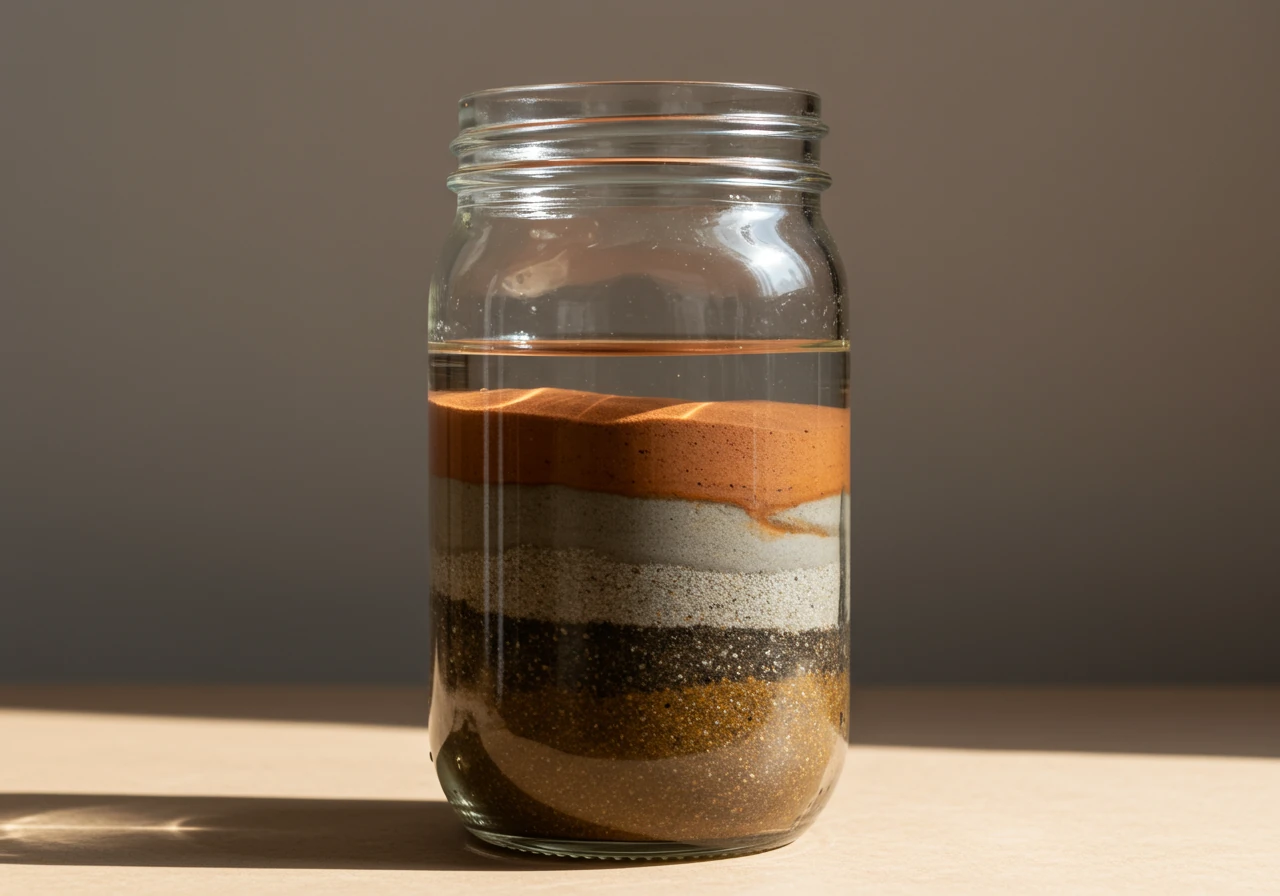
Curious About Your Specific Soil Mix? Try the Jar Test!
It's super simple:
- Grab a clear jar with a lid.
- Fill it about 1/3 full with soil from your garden (dig down a few inches).
- Fill the rest of the jar with water, leaving a little air space.
- Put the lid on tight and shake it like crazy for a minute or two until the clumps break down.
- Set the jar somewhere it won't be disturbed and watch.
The heavier particles (sand) will settle first (within minutes), followed by silt (within hours), and finally, the teeny-tiny clay particles will settle on top over a day or two, often leaving the water cloudy. The thickest layer tells you your dominant soil type. Seeing a thick layer settle last? Hello, clay! Keeping notes on your soil type and how plants react can be really helpful; check out these Greely Summer Garden Record Keeping Tips or this Kars Garden Summer Record Keeping Guide for ideas.
Working heavy clay can be labour-intensive, especially during big seasonal transitions. Tasks like incorporating amendments often benefit from thorough preparation, similar to the groundwork needed for a Barrhaven Commercial Spring Cleanup. If digging and amending feels overwhelming, remember there are professional landscaping services available, including specialized help like a Richmond Yard Cleanup Service, to tackle the tough stuff. Understanding your clay is the start; next, we'll talk about how to improve it!
The Underground Workforce: Meet Your Soil's Microbial Heroes
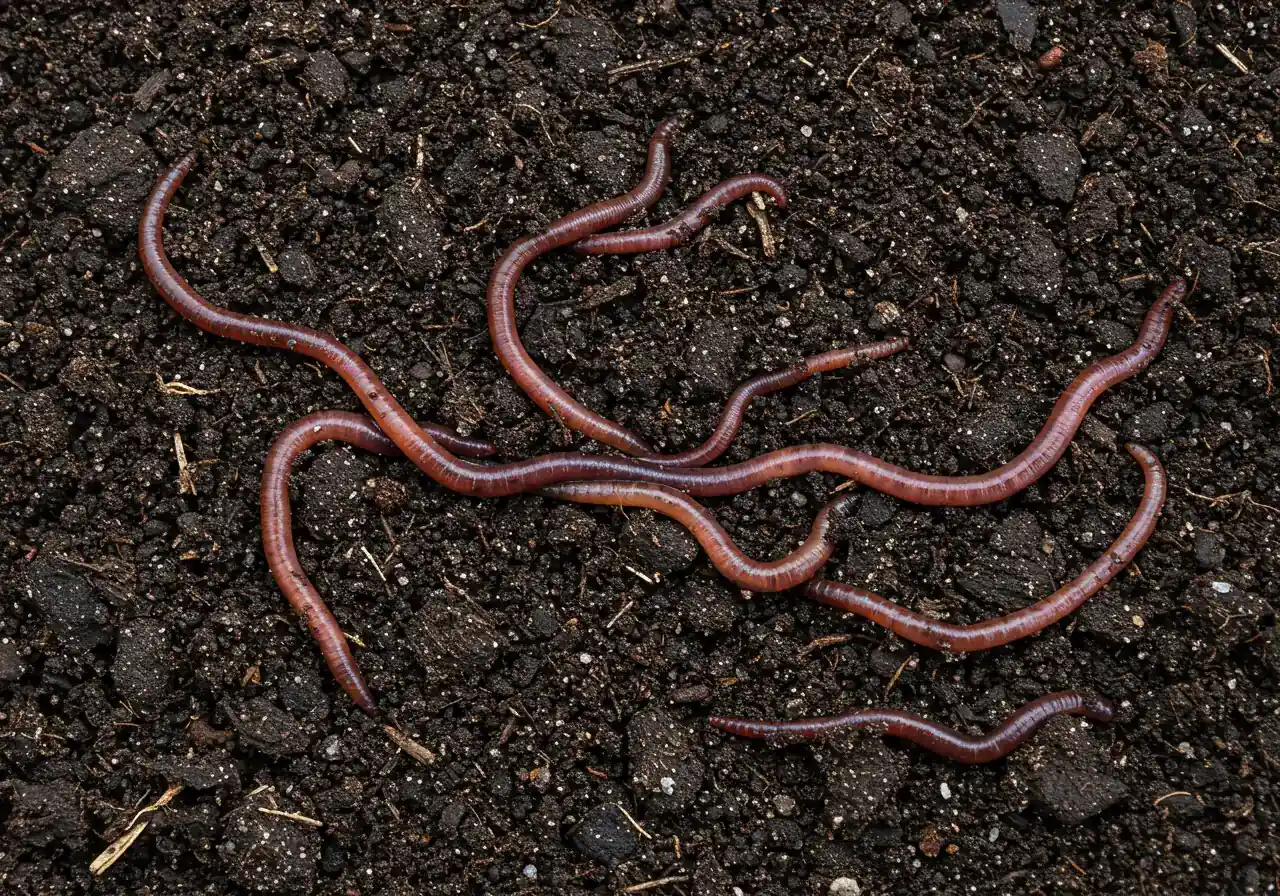
Okay, so we've established that the stuff under your feet isn't just inert dirt, especially not here in Ottawa. Think of it less like a pile of minerals and more like a bustling underground city, absolutely teeming with life! This microscopic metropolis is powered by an incredible workforce: bacteria, fungi, protozoa, nematodes, earthworms, tiny arthropods... the list goes on. We call this complex network the *soil food web*. Forget superheroes in capes; these are your garden's *microbial* heroes, working 24/7, mostly unseen.
Imagine them as a highly specialized crew:
- The Recycling Team (Decomposers): Primarily bacteria and fungi, these guys are nature's ultimate recyclers. They break down dead leaves, old roots, grass clippings, and other organic matter. Without them, we'd be buried! This decomposition is the first step in releasing nutrients. Before you can focus on feeding this team, sometimes you need a clear space; services like a Marionville Yard Cleanup Service or a more general City Yard Cleanup Service can help prepare your garden beds by removing excess debris.
- The Chefs (Nutrient Cyclers): This crew takes the decomposed organic matter and transforms it into forms that plants can actually absorb. Think of them turning raw ingredients into delicious plant meals. They unlock nitrogen, phosphorus, and other essential goodies that keep your plants healthy and green.
- The Construction Crew (Structure Builders): This is *huge* for our clay soil! Fungi, in particular, act like tiny web-spinners, creating sticky substances that bind those tiny clay particles together into larger clumps called aggregates. This creates pores and channels, improving drainage (less sogginess!) and aeration (more oxygen for roots!). Earthworms also tunnel through, further loosening compacted soil. Good structure makes it easier for roots to grow strong.
- The Security Detail (Disease Suppressors): A healthy, diverse microbial population helps keep the troublemakers (plant pathogens) in check. The good guys essentially outcompete the bad guys for space and resources, protecting your plants from diseases.
Why does this matter so much, especially in areas like Manotick or Barrhaven where soil can range from established loam to newer, potentially compacted clay? Because *living soil* is the opposite of *dead soil*. Dead soil is compacted, drains poorly, holds few nutrients, and struggles to support healthy plant life. It often results from excessive tilling, chemical overuse, or leaving the soil bare. Living soil, nurtured by its microbial workforce, is fertile, drains well (even clay!), resists erosion, and supports vibrant, resilient plants. Improving soil structure takes time and consistent effort, it's a process outlined by nature, much like our own service processes detailed in our Terms and Conditions and Privacy Policy. For larger properties needing attention, a dedicated Marionville Property Cleanup Service can tackle initial clearing, setting the stage for soil improvement efforts that lead to amazing results, like those seen in a professional Garden Install. If you're facing similar challenges over in Marionville, preparing the ground with a focused Marionville Garden Clean Up Service can make a big difference before starting soil amendments. Nurturing this underground workforce is the key to transforming challenging clay into black gold.
Let's Get Dirty: Proven Ways to Supercharge Your Winchester Soil Life
Okay, you understand your Winchester clay and you've met the microscopic superheroes living beneath your feet (or *wanting* to live there!). Now for the fun part: rolling up our sleeves and actually improving that soil. Forget quick fixes; we're talking about building a long-term, thriving ecosystem. It takes a little patience, but the payoff is huge – healthier plants, less work in the long run, and maybe even fewer arguments with your shovel. Let's get dirty!
Feed the Beast: The Magic of Organic Matter
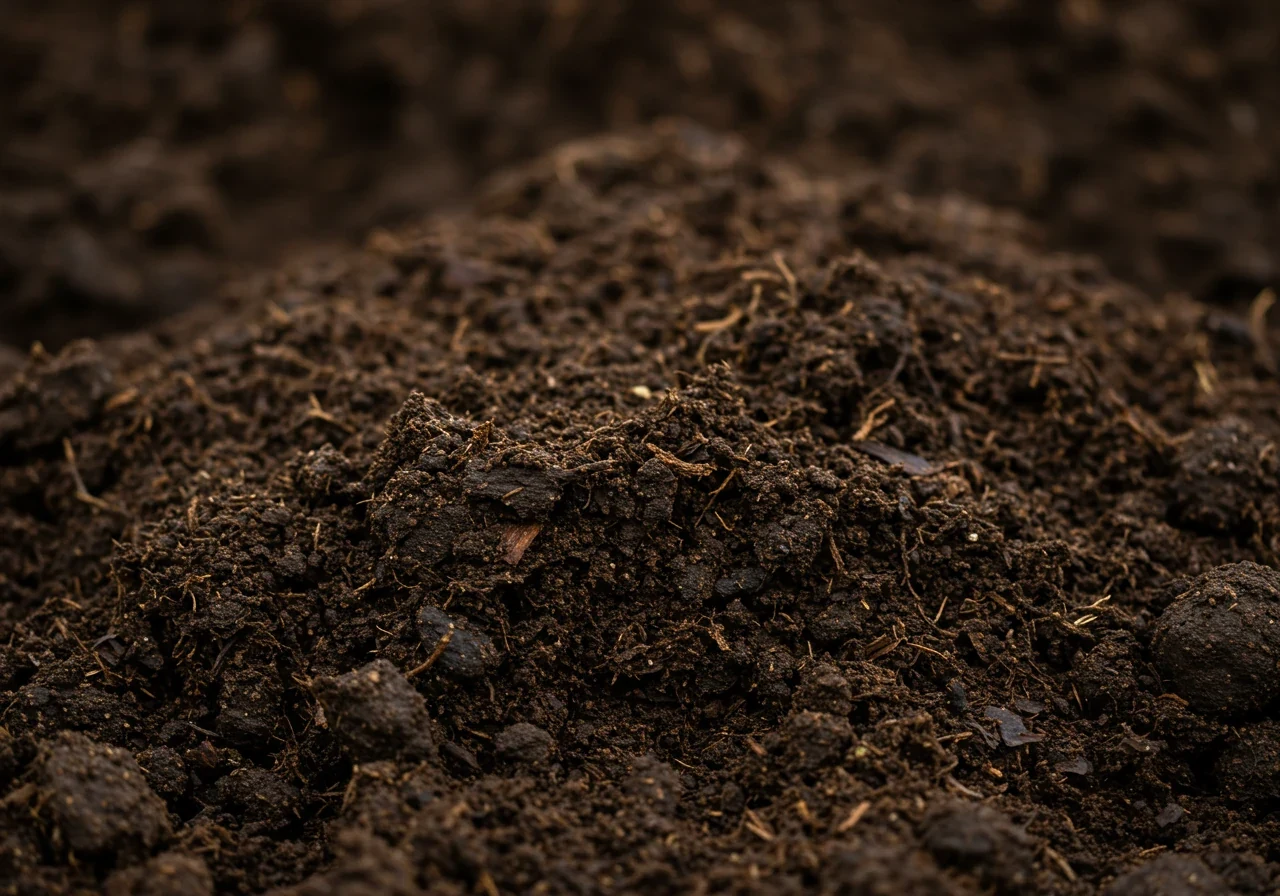
This is rule number one, two, *and* three for happy soil life, especially in clay. Organic matter is the fuel that powers that underground workforce we talked about. Adding it does wonders for clay: it improves drainage, boosts aeration (more air!), provides food for microbes and worms, and slowly releases nutrients. Think of it as giving your soil a delicious, balanced meal *and* a structural makeover.
What Kind of Goodies Are We Talking About?
- Compost: The undisputed champion! Well-rotted compost is teeming with beneficial microbes and balanced nutrients. It's dark, crumbly, and smells earthy (not gross!).
- Aged Manure: Another fantastic option, especially cow or sheep manure. *Crucial point*: Make sure it's well-aged (at least 6 months, often longer). Fresh manure is too "hot" (high in nitrogen and salts) and can burn plants.
- Leaf Mold: Simply decomposed leaves. It's particularly great for improving soil structure and water retention. You can make your own by piling up leaves and letting them rot for a year or two. Patience, grasshopper!
- Cover Crops: Planting things like clover, vetch, or rye specifically to be turned back into the soil adds organic matter *and* can help prevent erosion and suppress weeds. A bit more advanced, but very effective.
Compost
Best For: All-around soil conditioning, slow-release nutrients, improving structure.
Notes: Use generously in new beds and as top-dressing annually. The gold standard for feeding soil life.
Aged Manure
Best For: Providing nutrients (especially nitrogen), boosting fertility for heavy feeders (veggies, flowers).
Notes: MUST be well-aged (6+ months). Can be too strong for root veggies if used heavily right before planting. Mix into soil or top-dress.
Leaf Mold
Best For: Improving soil structure (aggregation) and water retention. Less nutrient-rich.
Notes: Excellent as a mulch layer or mixed into planting holes/beds. Takes 1-2 years to make from leaves.
Cover Crops
Best For: Building organic matter in place, preventing erosion, suppressing weeds, fixing nitrogen (legumes like clover).
Notes: Planted in fall or spring and tilled/cut before they set seed. Requires planning.
How to Apply the Good Stuff:
The easiest and often best way, especially for established beds, is *top dressing*.
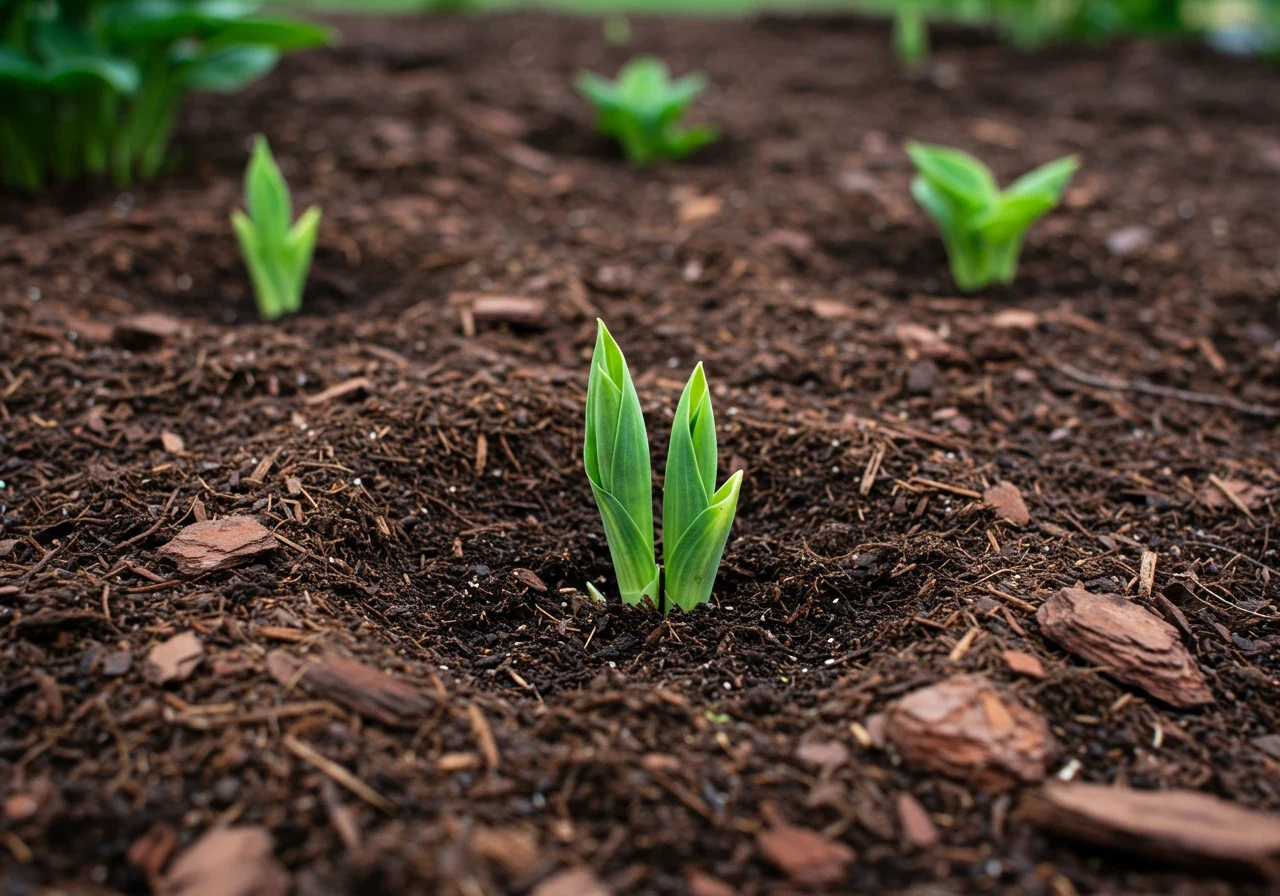
- Clear away any thick, woody mulch (bark chips are fine).
- Spread a layer of compost or aged manure (1-2 inches) over the soil surface. Think of it like frosting a cake, but, you know, for dirt.
- Gently rake it in, if you like, or just let the rain and soil critters work it down. Nature's little rototillers (worms!) will do a lot of the mixing for you.
For new beds, incorporating organic matter more deeply is key. This is a core part of good Soil Preparation. Aim to mix several inches of compost or other organic matter into the top 6-12 inches of soil *before* planting.
Sourcing Near Winchester: Look for bagged compost and manure at garden centers throughout Ottawa like those found via Google Maps search. For larger quantities (often more economical), check local farms or landscape supply yards near Manotick or Richmond – sometimes they offer bulk compost or well-aged manure. The City of Ottawa also often has municipal compost available – check the City's website for locations and availability.
Put Down the Rototiller: Embrace Minimal Tillage
Remember those fungal networks that act like soil glue? Heavy tilling, especially with a rototiller, shreds them to bits! It destroys soil structure, kills earthworms, and releases carbon into the atmosphere. While occasional turning might be needed for incorporating amendments into *new* beds or dealing with severe compaction, regular tilling is generally counterproductive for building healthy soil life.
How to Minimize the Till:
- Top Dress: As mentioned above, add organic matter to the *top* of the soil.
- Use a Broadfork or Garden Fork: If you need to loosen compacted soil, these tools lift and aerate without inverting and pulverizing the soil layers like a rotiller does.
- Keep it Covered: Mulch your beds! A layer of wood chips, straw, or shredded leaves protects the soil surface, suppresses weeds, retains moisture, and slowly breaks down, adding more organic matter. Let nature do the "tilling" via worms and roots. Sometimes, getting the area ready for this approach requires removing existing overgrowth or debris first, something an Ottawa Yard Cleanup Service can handle efficiently.
Water Wisely: Don't Drown Your Dirt!
Clay holds water well... sometimes *too* well. But it also absorbs it slowly. Watering too fast or too often leads to runoff (wasted water) and soggy roots (unhappy plants).
Smarter Watering Tips for Clay:
- Water Deeply, Less Frequently: Encourage roots to grow deeper in search of water. A thorough soaking once or twice a week is usually better than a light sprinkle daily.
- Water Slowly: Use soaker hoses or drip irrigation systems that deliver water directly to the root zone at a slow pace the clay can actually absorb. If using a sprinkler, water in cycles – water for 15-20 minutes, let it soak in for 30-60 minutes, then water again.
- Check First: Before watering, stick your finger a few inches into the soil. If it feels moist, hold off. Let the top inch or two dry out between waterings. This is a key principle shared with good Lawn Care practices.
Picky Plants? Choose Clay Champions!

Let's face it, not every plant loves having "clay boots." Fighting the soil constantly is exhausting. Instead, work *with* it by choosing plants known to tolerate or even thrive in heavier soil.
Good Bets for Ottawa Clay:
- Perennials: Hostas, Daylilies, Rudbeckia (Black-eyed Susan), Echinacea (Coneflower), Sedum, Peonies, Siberian Iris, ornamental grasses like Feather Reed Grass.
- Shrubs: Potentilla, Spirea, Dogwood (especially Red Osier), Viburnums, Serviceberry.
- Native Plants: Many plants native to the Ottawa Valley are naturally adapted to clay soils! Think Joe Pye Weed, Swamp Milkweed (great for Monarchs!), Blue Vervain, and Canada Anemone. Natives are fantastic because they support local pollinators and wildlife too. Choosing the right plants is crucial for the success of any new planting project, whether it's a DIY effort or a professional Garden Install.
Ditch the Harsh Chemicals: Protect Your Tiny Allies
Synthetic fertilizers can provide a quick green-up, but they often bypass the natural nutrient cycling process, essentially making your soil microbes lazy (or killing them off!). Pesticides and herbicides can be indiscriminate, harming beneficial insects, earthworms, and crucial soil microorganisms along with the pests or weeds.
Healthier Alternatives:
- Feed the Soil, Not Just the Plant: Focus on building that rich organic matter content. Healthy soil grows healthy plants that are naturally more resistant to pests and diseases.
- Integrated Pest Management (IPM): Use the least toxic methods first. This might mean hand-picking pests, using barriers, attracting beneficial insects, or using insecticidal soaps or horticultural oils before reaching for stronger chemicals.
- Weed Management: Mulch is your best friend! Hand-pulling or using tools like a stirrup hoe are effective for existing weeds. A dense planting of healthy plants will also help outcompete weeds. Sometimes a thorough initial clearing, like what a Marionville Garden Clean Up Service provides, can make ongoing chemical-free weeding much more manageable.
- Natural Fertilizers: Use compost, worm castings, fish emulsion, or alfalfa meal for a gentle nutrient boost that supports soil life.
Building fantastic soil life is a journey, not a race. By consistently adding organic matter, minimizing disturbance, watering wisely, choosing appropriate plants, and avoiding harsh chemicals, you'll see incredible improvements in your Winchester garden. You're not just growing plants; you're cultivating an entire ecosystem, leading to beautiful and sustainable landscape Transformations over time. Happy digging! Check out our Google Business Profile for reviews and more info.
Your Ottawa Soil Care Calendar: A Season-by-Season Guide
Okay, let's get you set up with a plan! Taking care of your Ottawa soil isn't a one-shot deal; it's more like a gentle rhythm throughout the year. Think of it as a spa schedule for your dirt – it needs different treatments depending on the season! Here’s a simple guide to keep your soil happy, whether you're digging in Nepean, Russell, or anywhere else in our lovely region.
Spring: The Gentle Awakening (Late April - May)
Goal: Wake up the soil without shocking it.
- Wait until soil isn't soggy before digging.
- Gentle clean-up of debris. A city garden clean-up service can help.
- Top-dress with 1 inch of compost once workable.
- Consider a soil test.
Summer: Maintain and Hydrate (June - August)
Goal: Conserve moisture, feed microbes, keep cool.
- Apply 2-3 inches of organic mulch. Key for mulching and edging.
- Water wisely (deeply, less often, slowly).
- Optional: Light compost top-dressing if needed. Integrates with lawn care health.
Fall: The Soil Building Superstar (September - November)
Goal: Add organic matter and protect for winter.
- Amend generously (2-3 inches compost/manure/leaves). Clear first if needed - consider a Metcalf Yard Cleanup Service for large areas.
- Plant cover crops in empty beds.
- Leave chopped leaves (unless diseased). Significant leaf fall might warrant a Metcalf Property Cleanup Service.
Winter: Rest and Recharge (December - Early April)
Goal: Protect the soil and plan.
- Ensure beds are covered (mulch/snow).
- Avoid walking on frozen beds.
- Plan next year's garden! Need advice? Contact us.
Following this simple calendar helps build that rich, living soil year after year, making gardening in Ottawa a whole lot more rewarding!
Highlight Box: Quick Soil Wins for Busy Gardeners
Got heavy Ottawa clay and not much time? No worries! You can still make a big difference for your soil life with these easy wins:
- Feed the Soil Superstars: Regularly top-dress beds with an inch or two of compost. It's the easiest way to add organic matter and fuel your microbial helpers. Need help picking the best stuff? Our guide on choosing the right compost or mulch can assist.
- Mulch is Your Friend: Cover bare soil with wood chips, straw, or shredded leaves. This protects soil structure, keeps moisture in, weeds out, and slowly adds more organic food. Prepping beds for mulch can be part of a spring spruce-up; we offer specific help like a Metcalf garden clean-up service.
- Skip the Tiller: Heavy tilling destroys soil structure. Let worms and roots do the mixing! Add amendments to the top.
- Water Smart, Not Hard: Water deeply but less often. Clay absorbs slowly, so aim for a good soak rather than frequent light sprays.
- Get a Head Start: Feeling overwhelmed by initial cleanup? Sometimes you just need help clearing the decks. Whether it's tackling larger property cleanups or needing to kickstart your soil improvement with a clean slate in city gardens, getting professional help can make these soil wins easier to implement. You can even see what others say about our approach and maybe leave your own feedback later, perhaps on our thank you page after a service!
FAQs: Your Winchester Clay Soil Questions Answered
Hey, don't blame yourself – that heavy clay is common around Winchester and Osgoode! It actually holds nutrients and water well, which is great. The trick is improving its *structure* so roots can breathe and water drains better. Adding organic matter like compost consistently works wonders. Sometimes, getting started requires clearing out old debris first, which a general Property Clean Up can help with, letting you focus on soil building.
If we had to pick just one superhero amendment, it's finished compost! It's packed with organic matter and beneficial microbes. Compost helps bind tiny clay particles into larger clumps, creating space for air and water. Regularly adding even an inch or two on top makes a huge difference over time, feeding the soil life that does the hard work for you.
Oh boy, please don't! Adding sand to clay is usually a recipe for creating concrete-like soil, making drainage and digging *worse*. The sand fills the tiny spaces between clay particles. Instead, stick with organic matter like compost or aged manure – that’s the tried-and-true method our team trusts for loosening heavy Ottawa soils. You can Learn more about our team and our experience with local conditions.
Absolutely, but preparation is key! Clay holds moisture well, which lawns like, but compaction is the enemy. Before laying seed or sod, incorporating several inches of compost into the topsoil is crucial for drainage and root growth. For tough sites, proper grading and ensuring good topsoil depth makes all the difference for successful turf, something covered in Expert Sod Installation Services.
It's more about consistency than constant heavy labour! Adding organic matter isn't a one-time fix, but it doesn't have to be back-breaking every year. Top-dressing with compost or mulch annually feeds the soil life. Over time, the soil structure improves significantly. Think of it as ongoing care – if the initial prep feels overwhelming, an Ottawa Property Cleanup Service can tackle large areas, then Regular Garden Maintenance helps keep things improving steadily. You might also find help through services like Ottawa Garden Clean Up Service or specialized City Garden Maintenance Service.
Conclusion: Cultivating a Living Legacy in Your Winchester Garden
So, what's the big takeaway from our journey into the world beneath your Winchester garden? That sometimes-frustrating clay soil doesn't have to be your arch-nemesis! The secret weapon, remember, is *life*. By focusing on feeding and nurturing the microscopic workforce – the bacteria, fungi, worms, and other helpful critters – you empower them to transform that dense clay into a fertile, well-structured home for your plants. It’s less about battling the soil and more about becoming its partner.
Think of adding compost and organic matter not just as amending, but as serving a gourmet meal for your underground allies. Minimizing tilling protects their intricate networks, and watering wisely ensures they don't drown or dry out. Choosing plants suited for heavier soil sets everyone up for success. This approach isn't just about achieving *better* soil for your landscaping projects; it's about creating a resilient, sustainable, living legacy right here in the Ottawa region – a garden that thrives because its very foundation is buzzing with vitality. Don't just garden *on* your soil; garden *with* it!
Ready to transform your tricky clay into black gold but not sure where to start?
- Let's talk! Contact us for a personalized consultation to assess your soil and create a plan for your dream Winchester (or Nepean, or anywhere nearby!) garden.
- Need help with the heavy lifting? Explore our professional soil preparation and garden installation services to get your living legacy started right.
- Sign up for our newsletter (link typically in website footer/header - not included here per instruction) for ongoing tips and tricks tailored for Ottawa gardeners like you!