
Ease Spring Strain Kars: Maintain Garden Tools This Fall
Quick Summary: Prepare your garden tools for winter storage this fall to ensure a smooth start next spring! Key steps include:
- Clean Thoroughly: Remove all dirt, sap, and debris.
- Sharpen Edges: Ensure blades on shovels, pruners, etc., are sharp for clean cuts and easier work.
- Lubricate Metal: Apply oil to prevent rust during Ottawa's damp winters.
- Store Properly: Keep tools in a dry, sheltered location, off the ground if possible.
Taking these steps now saves time, money, and frustration later!
Ready to ensure your yard is prepped for winter, including tool care? Let the pros handle it!
Request Your Free Quote TodayIntroduction: Swap Fall Rakes for Spring Spades – Painlessly!
Okay, Ottawa, let's talk turkey... or perhaps more accurately, those last stubborn piles of fallen leaves! Especially if you're out near Kars, where the autumn colours are glorious but the raking marathon feels *extra* real. Just as you're about to triumphantly hang up that well-used fall rake, hold that thought. Before you settle in with hot cocoa and blissfully ignore your landscaping gear until the tulips peek through, let's chat about a simple, genius move: swapping those fall rakes for spring spades... well, in terms of *attention*, anyway!
Think ahead to April. The ground *finally* thaws, you're buzzing with gardening plans, and... you grab your favourite shovel only to find it resembling a forgotten shipwreck relic. Or your trusty pruners are seized solid with rust. *Groan*. Taking just a small chunk of time *now*, before storing everything away, can save you major headaches and even cash come springtime. Why battle rusty tools or make frantic, expensive trips to the garden centre when planting fever hits?
It’s like giving your future self a high-five and a fatter wallet. A clean spade slides into soil beautifully, sharp pruners mean healthier plants – proper tool maintenance transforms spring chores from frustrating tasks into pure gardening joy. Forget discovering problems when you're eager to dig in; let’s get those essential garden tools prepped painlessly, right now! It's the easiest win you'll score all winter.
Why Bother? The Perks of Prepping Your Tools Before Winter Hibernation
Okay, let's be real. After a long season of digging, trimming, and mowing, the last thing you might feel like doing is giving your trusty tools *more* attention. It's tempting to just chuck them in the shed and slam the door until spring, right? We get it! But taking a little time *now* for tool prep is like giving your future gardening self a massive, stress-reducing gift. Think of it as tucking your tools in properly for their long winter nap.
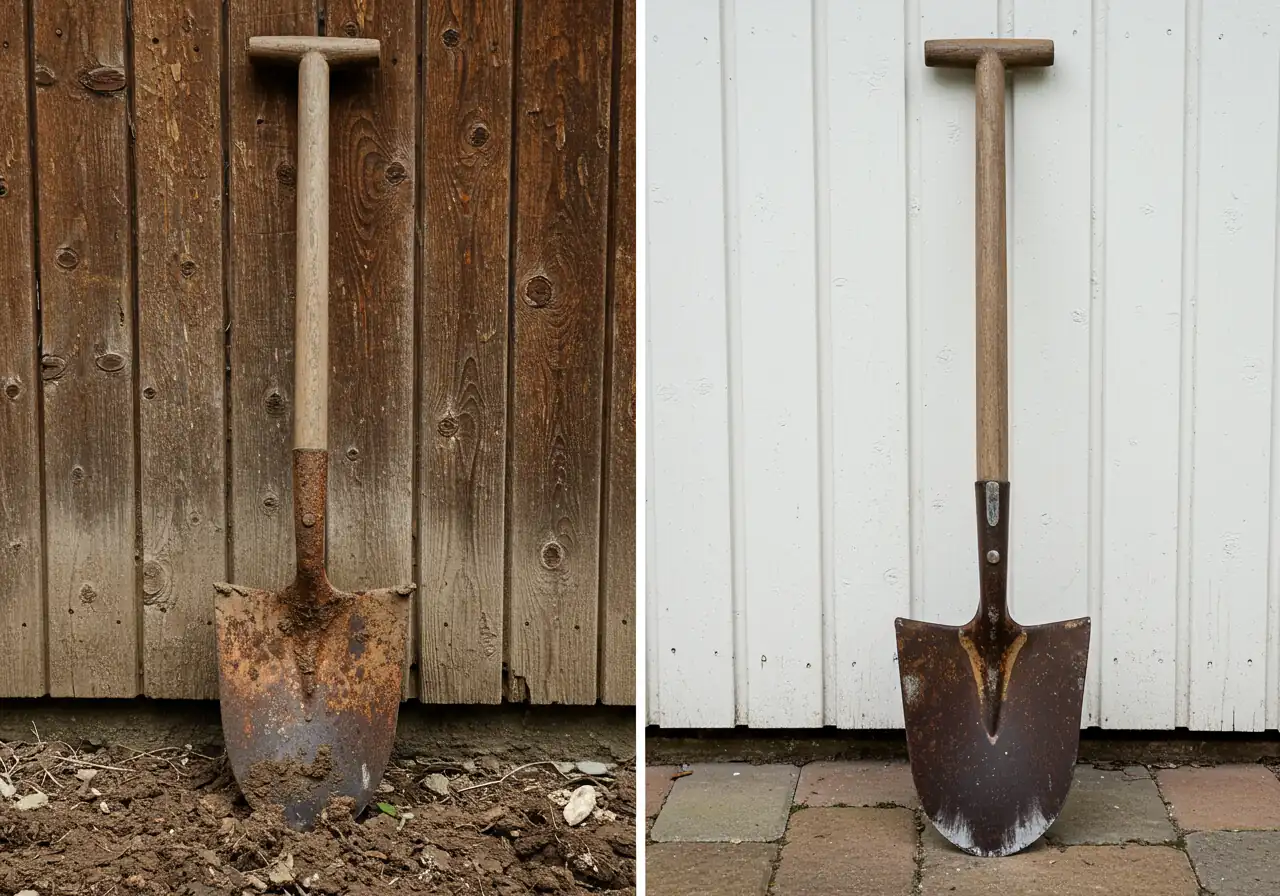
So, why bother? Here are the fantastic perks:
- Save Money (and Avoid Spring Panic): Ever dashed out to buy a new shovel in April because the old one is rusted solid or has a cracked handle? That's no fun, especially when planting fever hits! Proper cleaning and storing prevents rust and decay caused by Ottawa's damp winters and pesky freeze-thaw cycles. A little oil and elbow grease now saves you replacement costs later. Fixing a wobbly handle or sharpening a dull blade *before* storage is much cheaper than buying new. Think of the extra plants you could buy instead! Consider our professional property clean up services for overall savings.
- Instant Spring Readiness: Imagine this: the first perfect spring day arrives, maybe after a long winter out in Osgoode. You grab your tools, and they are *ready to go* – clean, sharp, and functioning smoothly. No wrestling with rusty pruners, no discovering your lawn mower won't start. Prepping now means you leap into spring tasks efficiently. It's like having your own personal pit crew ensuring you're ready for the gardening Grand Prix. This proactive approach avoids the delays you might discover during a Manotick Spring Garden Scan for Winter Damage. You’ll be ready to tackle projects with the same efficiency as a Barrhaven Commercial Spring Cleanup crew!
- Better Performance & Healthier Plants: Sharp blades make clean cuts, which helps your shrubs and trees heal faster and resist disease. A clean spade slices through soil easily, saving your back. Dull, dirty tools make gardening harder work and can even harm your plants. Keeping things tuned up, much like doing your Nepean Fall Garden Health Checks, ensures everything works *with* you, not against you. Keeping notes on tool condition can be part of good garden management, similar to these Greely Summer Garden Record Keeping Tips. Proper soil preparation is also easier with well-maintained tools.
- Longer Tool Lifespan (Eco-Friendly Bonus!): Taking care of your tools means they last longer. Simple as that. Cleaning off corrosive dirt and sap, preventing rust, and storing them properly protects your investment. This isn't just good for your wallet; it's good for the planet! Repairing and maintaining tools reduces waste compared to constantly replacing them. It’s a sustainable choice, consistent with our terms and conditions regarding responsible service.
- Safety First: A rusty tool is more likely to break under pressure. A dull blade requires more force, increasing the risk of slips and accidents. Ensuring your tools are in good working order before you store them means they’re safer to use when you pull them back out. Find us on Google here: Clean Yards Ottawa GMB.
Honestly, spending an hour or two now saves *hours* of frustration and potentially hundreds of dollars come spring. It’s a small investment for a big payoff. And hey, if the thought of tackling *another* fall chore list feels overwhelming, remember professional help is available for various yard tasks – check out our Landscaping and Yard Care Services to see how we can lighten the load!
Your Fall Tool Care Toolkit: Gather Your Supplies
Okay, time to assemble your superhero tool care kit! Don't worry, you don't need a Batcave, just a corner of the garage or shed. Having everything ready makes this whole process much smoother – no frantic searching for that *one* thing while your hands are covered in grime. You can find most of these supplies at hardware stores around Ottawa, from Nepean to the shops near Metcalfe. Think of it as prepping your ingredients before cooking a delicious meal!
Here’s your shopping list, broken down by task to make it easy:
1. For Getting Things Squeaky Clean:
- Stiff Brushes (Wire & Nylon): Your first line of defense against caked-on mud and plant goo. Wire brushes are great for stubborn rust and dirt on metal parts, while nylon brushes are gentler for general cleaning. Essential after a big job like the kind handled by our Russell Yard Cleanup Service!
- Putty Knife or Scraper: Excellent for dislodging really packed-on soil from shovels, spades, and hoes before you start scrubbing.
- Bucket & Water: Can't clean without 'em! A good rinse is often needed.
- Dish Soap or Degreaser: Helps cut through sticky plant sap and any oily residues, especially on pruners or hedge trimmers.
- Old Rags or Towels: Absolutely essential for wiping tools down thoroughly after cleaning. Seriously, don't use the good guest towels unless you want *trouble*.
2. For Sharpening Those Edges:
- Mill Bastard File: The classic workhorse for putting a good working edge back on shovels, hoes, axes, and lawn mower blades. Get one with a comfortable, secure handle.
- Whetstone (Oil or Water Stone): Perfect for achieving a finer, sharper edge on tools like pruning shears, loppers, and gardening knives. Sharp tools make cleaner cuts, which is better for your plants and crucial if you're planning future projects like a beautiful New Garden Installation.
- Safety Glasses & Gloves: *Non-negotiable!* Protect your eyes from flying metal filings and your hands from sharp edges and wire brushes. Safety first, always.
3. For Protecting Against Winter Woes:
- Lubricating Oil (e.g., WD-40, 3-in-1 Oil, or Boiled Linseed Oil): This is your rust prevention champion! A light coat on all clean, dry metal surfaces prevents moisture from causing rust over the winter. It also keeps moving parts on pruners and loppers working smoothly. Think of it as giving your tools a protective winter coat. Boiled linseed oil is fantastic for wooden handles too!
- Sandpaper (Medium & Fine Grit): Great for smoothing out any splinters or roughness on wooden handles before oiling them. Can also help remove light surface rust from metal before applying lubricant.
4. For Minor Repairs & TLC:
- Screwdrivers & Wrenches: Keep a basic set handy to tighten any loose screws, nuts, or bolts on your tools. Wobbly handles are no fun!
- Wood Glue & Clamps (Optional): For addressing minor cracks in wooden handles before they become major breaks.
Gathering these items *before* you dive in makes the whole tool spa day feel much less like a chore. And remember, taking care of your tools is a smart part of your overall Seasonal Lawn Care Strategy. If prepping your tools along with all the other fall yard tasks feels overwhelming, know that professional help is available for a wide range of Landscaping and Gardening Services. Still have questions about the best oil to use or how sharp is sharp enough? Don't hesitate to Reach Out and Contact Us – we're happy to help!
Why Tool Care Matters: Time Saved in Spring
Investing a little time in the fall pays off big time in the spring. Here's a rough idea of time potentially saved:
Percentage represents estimated spring work time avoided by fall maintenance.
The Great Clean-Up: Getting Down and Dirty (So Your Tools Don't Stay That Way!)
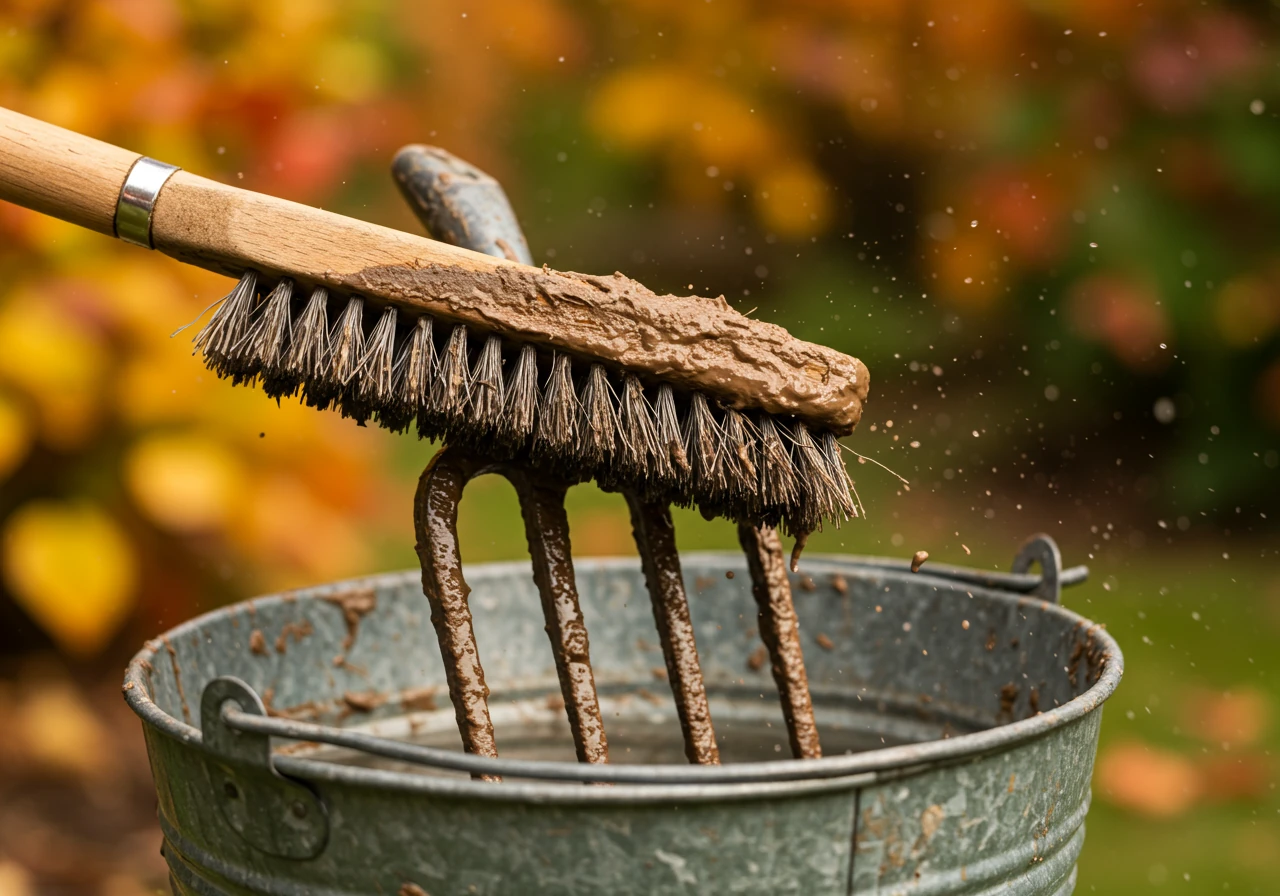
Alright, team, let's roll up our sleeves! After a busy season digging, planting, and battling weeds across Ottawa, your trusty garden tools probably look like they wrestled a mud monster... and lost. Especially if you've been working that stubborn clay soil often found out in Greely – that stuff clings like nobody’s business! But fear not, giving your tools a good scrub-down now is surprisingly satisfying and sets you up for a smooth start next spring. Think of it as a spa day for your shovels and shears.
Here’s your step-by-step guide to cleaning glory:
- Banish the Big Bits: First things first, knock off the obvious chunks of dirt, dried mud, and plant debris.
- For shovels, spades, and hoes: Use a putty knife or the edge of another tool to scrape away packed-on soil. A stiff wire brush works wonders here too, especially on dried clay.
- For rakes: Tap the rake head firmly on the ground (gently on pavement!) to dislodge leaves and twigs stuck between the tines. Use your gloved hands or a brush for stubborn bits.
- For pruners and loppers: Wipe away any obvious leaves or stems clinging to the blades or handles.
- Time for a Bath!: Now for the actual washing. Grab your bucket, water, and cleaning supplies.
- The Standard Wash: Use warm water and a bit of dish soap or a garden-specific cleaner. Scrub all surfaces – metal and wood/plastic – with your nylon brush. Pay extra attention to hinges and joints on pruners and loppers where sap and grit love to hide.
- Eco-Friendly Option: Often, plain water and vigorous scrubbing with a stiff brush are enough! For tougher grime or sticky sap, a diluted mix of white vinegar and water (about 1:1) can work well as a degreaser and mild disinfectant. Just be sure to rinse thoroughly afterwards.
- Larger Equipment: For bigger gear like tillers or lawnmowers, common on larger properties perhaps out towards Vernon, the cleaning is more involved. Scrape undersides, clean filters, and follow manufacturer instructions. While we focus on hand tools here, remember that comprehensive help is available if the whole yard feels overwhelming; our Ottawa Garden Clean Up Service covers tasks big and small. Our teams also service areas needing a dedicated City Garden Clean Up Service.
- The *Absolutely Critical* Drying Stage!: Seriously, don't skip this! Putting away damp tools is like sending rust an engraved invitation. Moisture is the enemy.
- Use old rags or towels to *thoroughly* dry every single part of the tool. Get into crevices, joints, and around fasteners.
- For extra insurance, let the tools sit out in the sun for an hour or two, or leave them in a dry, airy spot like a garage or shed (not a damp basement corner) overnight before moving to the next step (lubricating/storing).
Taking the time for this deep clean now means your tools will be ready for action when inspiration strikes for a new garden installation next year. It’s a bit like the satisfaction you feel after a professional City Yard Cleanup Service gets everything tidy – doing it right feels good! Seeing your clean tools lined up is one of the first steps towards achieving those amazing garden transformations you dream about. We know attention to detail matters, whether it's cleaning tools or ensuring our services meet expectations – much like how customer feedback shapes our estimates and helps us deliver value. A clean yard starts with clean tools!
Sharpen Up & Protect: The Key to Effortless Spring Gardening
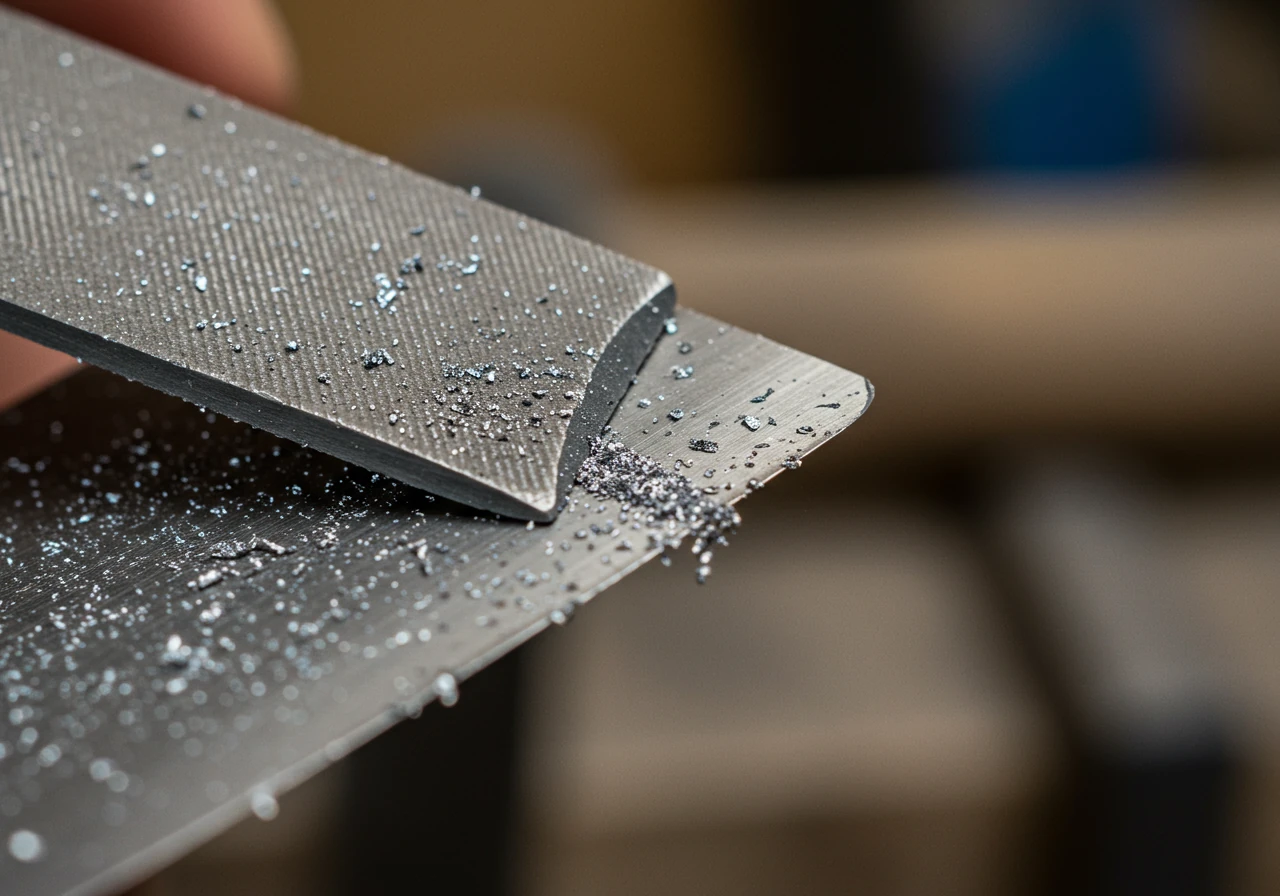
Alright, your tools are sparkling clean after their spa treatment! Now comes the part that turns good gardening tools into *great* ones: sharpening and protecting them. Think about it – trying to chop veggies with a dull knife is frustrating and messy, right? Same goes for gardening! Sharp tools make cleaner cuts (healthier for your plants!), slice through soil easily (easier on your back!), and generally make your time outdoors more enjoyable. Plus, protecting them now shields them from Ottawa’s notoriously damp and frosty winter.
Safety First! (Seriously, Don't Skip This)
Before we get down to the nitty-gritty of sharpening, let's talk safety. We're dealing with making things *sharp*, so common sense is key:
- Wear Protection: Always, *always* wear sturdy work gloves and safety glasses. Metal filings can fly, and slips happen.
- Secure Your Tool: Trying to sharpen a wobbly tool is asking for trouble. Use a vise to clamp down shovels or mower blades if possible. For smaller tools, brace them firmly on a stable surface.
- Work Away From Your Body: Always push files or stones *away* from your body and hands.
Getting Edgy: How to Sharpen
You don't need to achieve surgical precision, just a good working edge. Here’s how for a couple of common tools:
- Shovels & Spades: These guys benefit from a mill bastard file.
- Secure the shovel blade (vise or braced).
- Look closely at the edge – see that slight angle or bevel? That’s your guide.
- Place your file on the bevelled edge. Push the file firmly *away* from you along the edge, maintaining the original angle.
- Lift the file, bring it back to the start, and repeat. *Don't* saw back and forth!
- A few smooth strokes are usually enough. You'll feel and see the edge becoming brighter and sharper. This makes digging so much easier, essential whether you're planting a few annuals or embarking on larger garden transformations.
- Pruners & Loppers: A whetstone (oil or water stone) is best here for a finer edge.
- Identify the bevelled edge on the *cutting* blade (usually only one blade is sharpened, the other is flat).
- Apply a little honing oil or water to your stone.
- Hold the bevelled side flat against the stone at the correct angle.
- Move the blade across the stone in a sweeping or circular motion, maintaining consistent pressure and angle.
- Repeat until sharp. Then, carefully turn the blade over and lay it flat on the stone to gently remove any tiny burrs created during sharpening (just one or two light passes). Clean cuts prevent crushing plant stems and help prevent disease.
Tool Prep Focus: Sharpening vs. Protecting
Benefits of Sharp Tools:
- Cleaner Cuts: Promotes faster healing in plants and reduces disease risk.
- Less Effort: Sharp blades require less force, reducing strain on you and the tool.
- Improved Efficiency: Tasks like digging, pruning, and chopping become quicker and easier.
- Professional Results: Contributes to a tidier appearance in your garden beds and shrubs.
Benefits of Protecting Tools:
- Rust Prevention: Oil barrier stops moisture damage during storage.
- Smooth Operation: Lubricated joints and moving parts work freely in spring.
- Wood Handle Preservation: Prevents drying, cracking, and splintering.
- Extended Lifespan: Protects your investment by preventing degradation.
- Essential for proper material selection and use in future projects.
Winter Armor: Protection Against Rust & Rot
Clean, sharp tools deserve protection, especially from the dampness and freeze-thaw cycles Ottawa winters throw at us. Remember reputable resources like the City of Ottawa gardening resources often emphasize proper tool care.
- Metal Love (Rust Prevention): Make sure your tools are *completely* dry. Then, grab your lubricating oil (like 3-in-1, WD-40, or even boiled linseed oil). Apply a *light* coat to all metal surfaces. Wipe away any excess with a clean rag – you want a thin protective film, not a drippy mess. Don’t forget to work a little oil into the joints and springs of pruners and loppers to keep them moving freely. This is crucial for tools that need to perform reliably when dealing with various items during material-selection for your landscaping projects.
- Handle With Care (Wood Treatment): Wooden handles need love too! Check for any roughness or splinters and smooth them down with medium-grit sandpaper. Then, rub some boiled linseed oil (read the product directions!) into the wood with a rag. This helps prevent the wood from drying out, cracking, or rotting over the winter. A comfortable, solid handle makes work safer and more efficient.
When DIY Isn't Your Jam
Feeling hesitant about sharpening, especially on more expensive tools or tricky lawn mower blades? No sweat! Many local hardware stores or specialized sharpening services, often easily reachable from suburbs like Barrhaven or Embrun, can do it professionally. It's a worthwhile investment for a perfect edge. You can find local options via searches or asking at garden centers.
Taking these steps might seem like extra work now, but your future self will thank you profusely next spring. Sharp, protected tools are fundamental to good gardening practices and are key components of an efficient city garden maintenance service. And hey, if tackling the whole yard prep feels daunting, remember our professional Ottawa property cleanup service is always here to help, arriving with properly maintained gear. We believe in transparency and protecting your information when you interact with us - you can view our commitment in our Privacy Policy. Now go forth and sharpen!
Tuck Them In: Smart Storage Strategies for the Ottawa Winter
Okay, you’ve cleaned and sharpened your garden warriors – nice work! Now, let’s talk about giving them a cozy, safe place to spend the winter. Just tossing them into a damp corner is asking for trouble, especially with Ottawa's dramatic temperature swings and infamous moisture levels. Properly storing your tools is the final, crucial step to ensure they survive the winter deep freeze and are ready for action come spring. Think of it as tucking them into bed so they don’t wake up rusty and grumpy!
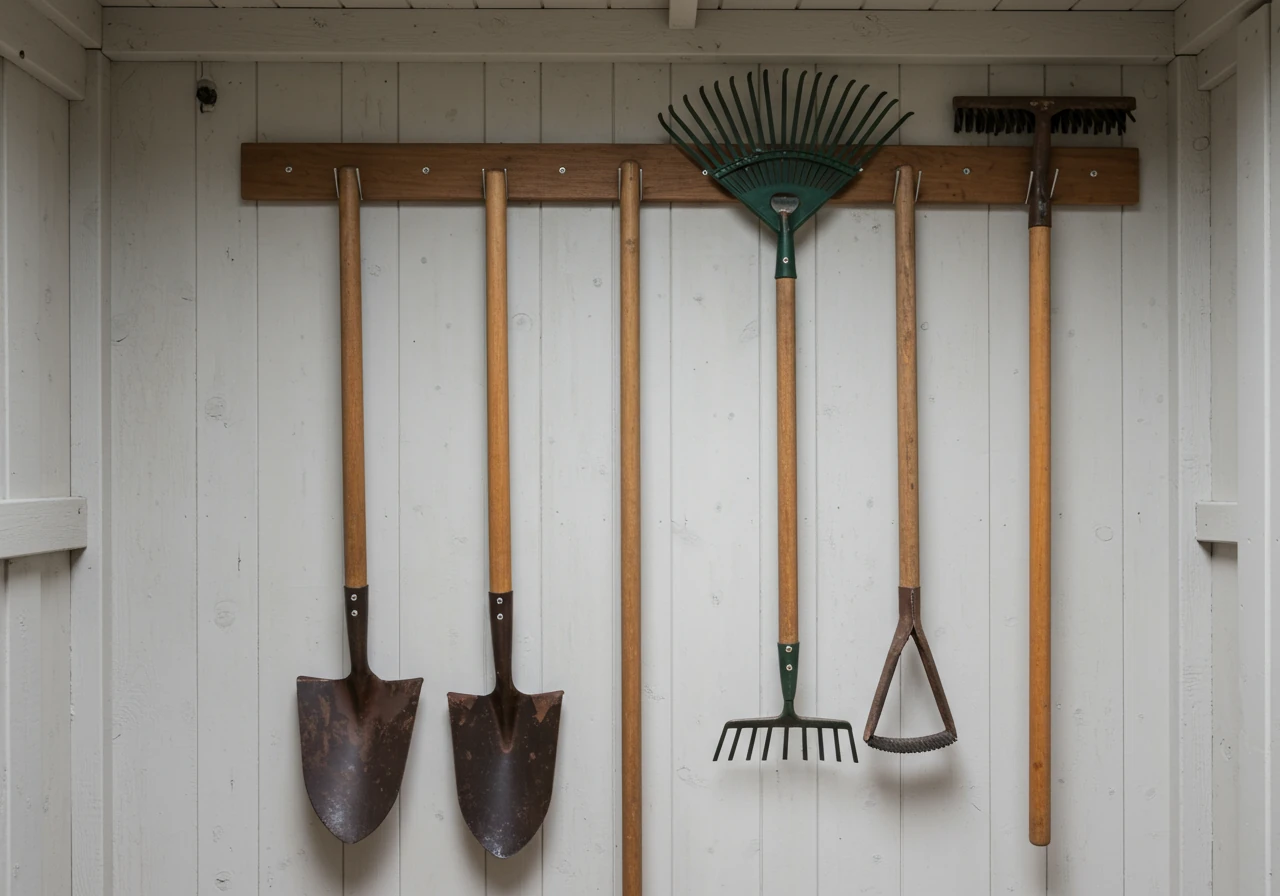
Why is winter storage so important here? Simple: moisture and cold are the dynamic duo of tool destruction. Water gets into tiny cracks, freezes, expands, and can weaken handles or damage metal. Damp air encourages rust on unprotected metal surfaces faster than you can say "Gatineau Park". And fuel left in engines can go bad, gumming up the works. Proper storage prevents rust, rot, cracked plastic parts, dead batteries, and frustrating engine problems. Keep an eye on winter conditions via sources like Environment Canada Ottawa forecast.
Creating the Ideal Winter Hideaway
The perfect winter storage spot for your tools is *dry*, *sheltered*, and ideally, not subject to *wild* temperature fluctuations (though dryness is the absolute priority).
- Location, Location, Location: For most homeowners in Ottawa, from Barrhaven to Nepean, this means a garage or a sturdy shed. Basements can sometimes work, but only if they are very dry – damp basements are rust factories. Avoid leaving tools outside under a flimsy tarp; they'll still be exposed to too much moisture and cold. This is standard practice for our City property cleanup service teams.
- Get Them Off the Floor: Concrete floors, especially in garages, can hold moisture. Use hooks, pegboards, or wall-mounted racks to hang shovels, rakes, and hand tools. This keeps them dry, organized, and saves floor space. Plus, no more tripping hazards!
- Contain the Small Stuff: Use bins or sturdy buckets to store smaller hand tools, gloves, and supplies together.
- Cover Up: For larger equipment like lawnmowers or tillers stored in a shed that might not be perfectly sealed, an old blanket or a breathable tarp can offer an extra layer of protection against dust and condensation.
Special Care for Powered Pals
Gas and battery-powered equipment need a little extra TLC before hibernation:
- Fuel Strategy: Leaving gas in the tank all winter is a recipe for spring starting problems. Either run the engine completely dry *or* add a fuel stabilizer to a full tank (follow the product instructions carefully!). Stabilizer prevents the fuel from degrading and gumming up the carburetor. This step is vital for keeping equipment ready, whether for routine mowing or bigger jobs like preparing for a new sod installation.
- Battery TLC: For cordless tools, remove the battery packs. Clean the terminals on both the battery and the tool with a clean cloth. Store the batteries indoors in a cool, dry place (not freezing!) – think a closet shelf, not the unheated garage bench next to the snow blower. Extreme cold can shorten battery life.
Fall Tool Prep Timeline
Late October: Final Use
Complete your last major gardening tasks, like final mowing, leaf cleanup, and preparing beds for winter.
Early November: Cleaning Day
Scrape, scrub, and wash all tools thoroughly. Allow ample time for complete drying.
Mid-November: Sharpen & Protect
Sharpen blades, oil metal parts, and treat wooden handles. Check for and make minor repairs.
Mid-Late November: Storage Time
Organize tools in their dry winter storage location (shed/garage). Handle fuel/batteries for powered equipment.
Timing Your Tuck-In
When should you do all this? Aim for late fall, typically after your last lawn mow and major garden clean-up tasks are done – usually sometime in late October or November in the Ottawa area, before the ground freezes solid and the snow *really* starts flying. Once you've finished that final round of mulching and edging, it's probably time to think about storage. This careful seasonal prep is part of a good overall city garden maintenance service approach, whether you DIY or hire pros like those providing Marionville garden clean up service.
Taking these storage steps might feel like one more chore, but it protects your investment and saves you headaches. If the whole fall wrap-up feels overwhelming, remember that help is available. Services like a Metcalfe property cleanup service or a general professional property clean up can handle the big tasks, leaving you more time to focus on tucking those tools in properly.
Tool Maintenance Checklist
| Tool Type | Cleaning | Sharpening | Lubricating | Storage Notes |
|---|---|---|---|---|
| Shovels/Spades | Scrape mud, wash, dry | File edge bevel | Oil metal blade | Hang if possible |
| Pruners/Loppers | Wipe sap, clean joints, dry | Whetstone on cutting blade | Oil blades & joints | Store closed/latched |
| Rakes | Remove debris, wash if needed, dry | N/A | Oil metal tines (if applicable) | Hang to prevent bent tines |
| Lawn Mower | Clean deck underside, wash body | Sharpen/replace blade | Oil metal parts, engine maintenance | Stabilize fuel or run dry |
| Hand Trowels/Cultivators | Wash thoroughly, dry | Optional sharpening | Oil metal parts | Store in dry bin/bucket |
Quick Wins for Weary Winterizers
Feeling that end-of-season fatigue, Ottawa friends? Don't let tool care feel like another chore! Just remember these *fast* wins: Scrub 'em clean, give 'em a quick sharpen, lightly oil the metal bits, and store somewhere *dry* (not the damp shed corner!). Your future spring-gardening self will send you thank-you notes. Good tool prep complements other fall tasks like professional mulching and edging. If the whole yard feels overwhelming, check out the comprehensive Ottawa yard cleanup service options available. Learn more about us and how we assist homeowners everywhere, including offering a dedicated Marionville property cleanup service and Marionville yard cleanup service. Easy peasy! Consider reading local advice from groups like the Ottawa Master Gardeners for more tips.
FAQs: Your Ottawa Fall Tool Care Questions Answered
Aim for *after* your last major yard work session, usually late October or November around here, but definitely before the ground freezes solid! Waiting until after the first light frost is fine, but don't leave it so late that snow is flying. You want them clean and protected before the really damp, cold weather settles in. This timing often aligns well with scheduling a final professional Ottawa yard cleanup service.
Think vertical! Wall-mounted racks, hooks, or even sturdy pegboards are your best friends for hanging shovels, rakes, and hand tools. This keeps them off the floor and out of the way. Small toolboxes or bins can consolidate items on shelves. Getting creative with wall space frees up precious square footage and keeps tools dry and organized through the winter.
Great question! Besides thorough drying, boiled linseed oil is a fantastic plant-based option for protecting both metal parts and wooden handles. Just rub a thin coat on clean, dry metal and wood. For cleaning, a stiff brush and maybe some diluted vinegar can tackle grime without harsh chemicals. Proper protection is key for long-term garden maintenance.
Don't give up too easily! Surface rust can often be scrubbed off with a wire brush or steel wool. A good sharpening and oiling can bring many old tools back to life. If the metal is deeply pitted or the handle is severely damaged, replacement might be needed. But giving them a good clean-up effort first is usually worthwhile – think of it as garden tool archaeology! A well-restored tool can be a joy to use.
Absolutely! While many companies focus on larger tasks, some might offer tool maintenance as part of a broader service package. It’s worth asking when booking something like a Metcalfe yard cleanup service. Alternatively, consider tackling the big outdoor jobs with a thorough Metcalfe garden clean up service and dedicating the time you save to focusing just on your tools. Or simply contact us to discuss your specific needs!
Conclusion: Set Yourself Up for Spring Success in Kars (and Beyond!)
Phew, we made it! Taking a little time *now* to clean, sharpen, and store your trusty garden tools is like sending a care package to your future self. Think about it: come that first beautiful spring day in Kars, when the soil is *just right*, you won’t be scrambling to fix a rusty spade or cursing seized-up pruners. Instead, you'll be ready to dive straight into planting those gorgeous flowers or tending your veggie patch, saving yourself time, money, and a whole lot of hassle.
This small fall investment means:
- Instant Spring Readiness: Grab and go!
- Better Tool Performance: Happy tools, happy gardener, happy plants!
- Longer Tool Life: Save cash and reduce waste. Consider our thank you page reflects our commitment to customer satisfaction, partly achieved through reliable equipment.
It’s the secret weapon for a smoother, more enjoyable start to the gardening season, whether you’re digging in Kars, Manotick, or anywhere across the Ottawa region. You've got the know-how from the sections above!
So, what are you waiting for? Put on some tunes, grab your supplies, and give those hardworking tools the TLC they deserve. Future You will be *so* grateful. Or, if your fall to-do list feels longer than the Rideau Canal and you'd rather leave the mucky bits to someone else, remember professional help is nearby! Whether you need a full yard cleanup or specific landscaping tasks tackled in areas like Greely or Osgoode, reliable services can take the load off. Either way, set yourself up for *your* best spring gardening season yet!
Don't let fall chores overwhelm you. Get your yard winter-ready with expert help!
Explore Our Yard Care Services