
Spot Good Bugs, Stop Pests: Osgoode Garden ID Guide
Quick Guide to Osgoode Garden Insects:
- Identify beneficial insects (ladybugs, lacewings) vs. common pests (aphids, slugs).
- Learn why correct identification is crucial for Integrated Pest Management (IPM).
- Discover ways to attract helpful bugs like planting specific flowers.
- Recognize pest damage signs (skeletonized leaves, slime trails).
- Explore eco-friendly pest control methods (cultural, physical, biological).
Need help identifying pests or managing your garden health? Get a personalized quote for our expert services today!
Introduction: Your Garden's Tiny Residents - Friend or Foe in Osgoode?
Hey there, Osgoode gardeners! Ever been happily tending your tomatoes or admiring your flower beds, only to spot a mysterious little critter munching on a leaf? Yep, it happens to the best of us. Your Ottawa garden, whether it's right here in Osgoode or over in neighbouring Greely, is absolutely buzzing with life – and not all of it helps your plants thrive! We share our precious green spaces with a whole host of insects.
But here’s the million-dollar (or maybe just fifty-cent) question: is that six-legged visitor a helpful garden *friend* or a sneaky plant *foe*? Figuring out who's who can feel like a tiny garden detective game! Knowing the difference between beneficial bugs (the good guys!) and damaging pests (the party crashers!) is super important for keeping your plants healthy and your landscaping looking great. After all, you want your flowers blooming and your veggies growing, not feeding an unwanted army.
Don't worry, you don't need a magnifying glass the size of a dinner plate. In this section, we'll help you identify some common tiny residents you might find crawling or flying around your Osgoode yard. We'll look at who helps pollinate your flowers or eats *other* pests, and who’s just there to cause trouble for your beloved plants. Let's learn whether to roll out the welcome mat or gently encourage them to find another lunch spot!
Why Play Bug Detective? The Importance of Knowing Your Garden Guests
Okay, so you've spotted some tiny critters moving around your prize-winning petunias or your soon-to-be-delicious tomatoes. Before you assume the worst and unleash garden warfare, let's pause and think like a detective! Why is putting on your "bug investigator" hat so crucial for a happy, healthy garden here in Ottawa?
Think of your yard, whether it's sprawling in Manotick or tucked away in Nepean, as a miniature ecosystem. It’s got its own delicate ecological balance. Just like in any community, not everyone is causing trouble! Many insects are actually the unsung heroes of the garden world. You’ve got:
- Pollinators: Bees, certain flies, and butterflies that help your flowers bloom and your veggies produce fruit. No pollinators? No pumpkins!
- Predators: Ladybugs, lacewings, and praying mantises that act like your personal pest control squad, munching on aphids, mites, and other troublemakers. You can learn more with Metcalfe's Guide to Beneficial Insects for Pest Control.
- Decomposers: Tiny critters that help break down dead plant matter, enriching your soil.
Now, imagine you mistake a beneficial ladybug larva (which looks nothing like an adult ladybug, by the way – more like a tiny alligator!) for a destructive pest. If you get rid of it, you've just eliminated a natural aphid-eater, potentially making your aphid problem worse. Whoops!
This is why accurate identification is the absolute cornerstone of Integrated Pest Management (IPM). IPM isn't about eliminating every single bug; it's a smarter, more sustainable approach. It means:
- Identifying the insect correctly.
- Monitoring its population. Is it actually causing significant damage? Regular observation is key, forming part of Essential Summer Garden Health Monitoring in Winchester.
- Choosing the least harmful method first. This might involve simply attracting more good bugs! Check out tips for Attracting Good Bugs to Your Barrhaven Garden This Spring.
Using harsh, broad-spectrum pesticides without knowing your target can wipe out beneficial insects, harm pollinators, and disrupt that vital garden balance. Knowing exactly what you're dealing with helps you choose the right, targeted approach if action is needed – maybe it’s just a strong spray of water, maybe it’s introducing specific beneficials, or perhaps it requires specific organic controls discussed in resources like Nepean Garden Pest Prevention Tips to Avoid Damage.
Sometimes, managing pests is also about managing their environment – removing hiding spots like excessive leaf litter or debris can make a big difference, a task our Winchester Property Cleanup Services can handle. See our work in our gallery.
Ultimately, playing bug detective helps you make informed decisions, protect the good guys, manage the bad guys effectively, and maintain a thriving, beautiful garden and landscape – which is precisely the goal of Our Landscaping and Yard Care Services. So, get curious, observe closely, and learn to recognize the tiny residents sharing your Ottawa garden space!
Garden Heroes: Beneficial Insects
These insects are your allies! They pollinate plants or prey on garden pests. Examples include:
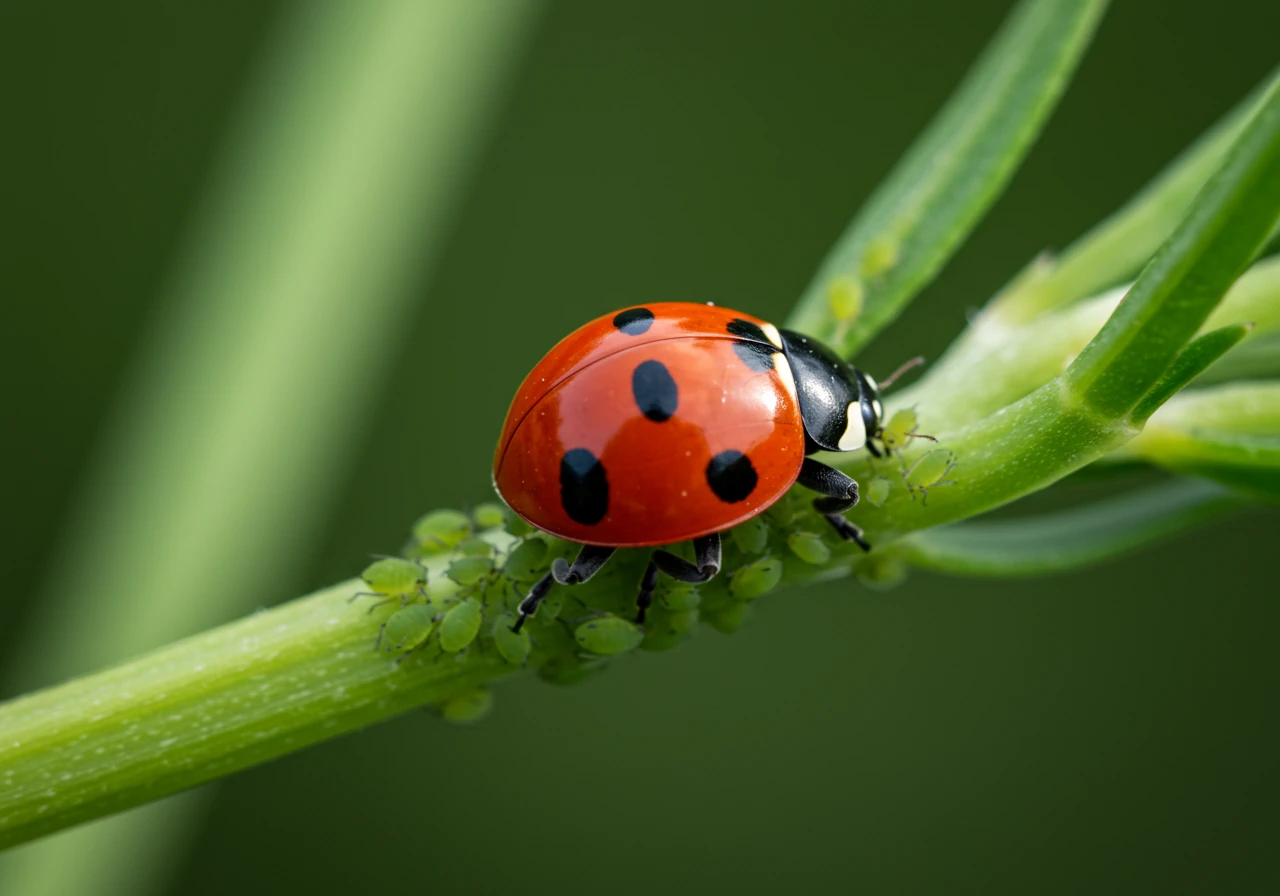
- Ladybugs: Voracious aphid eaters (both adults and larvae).
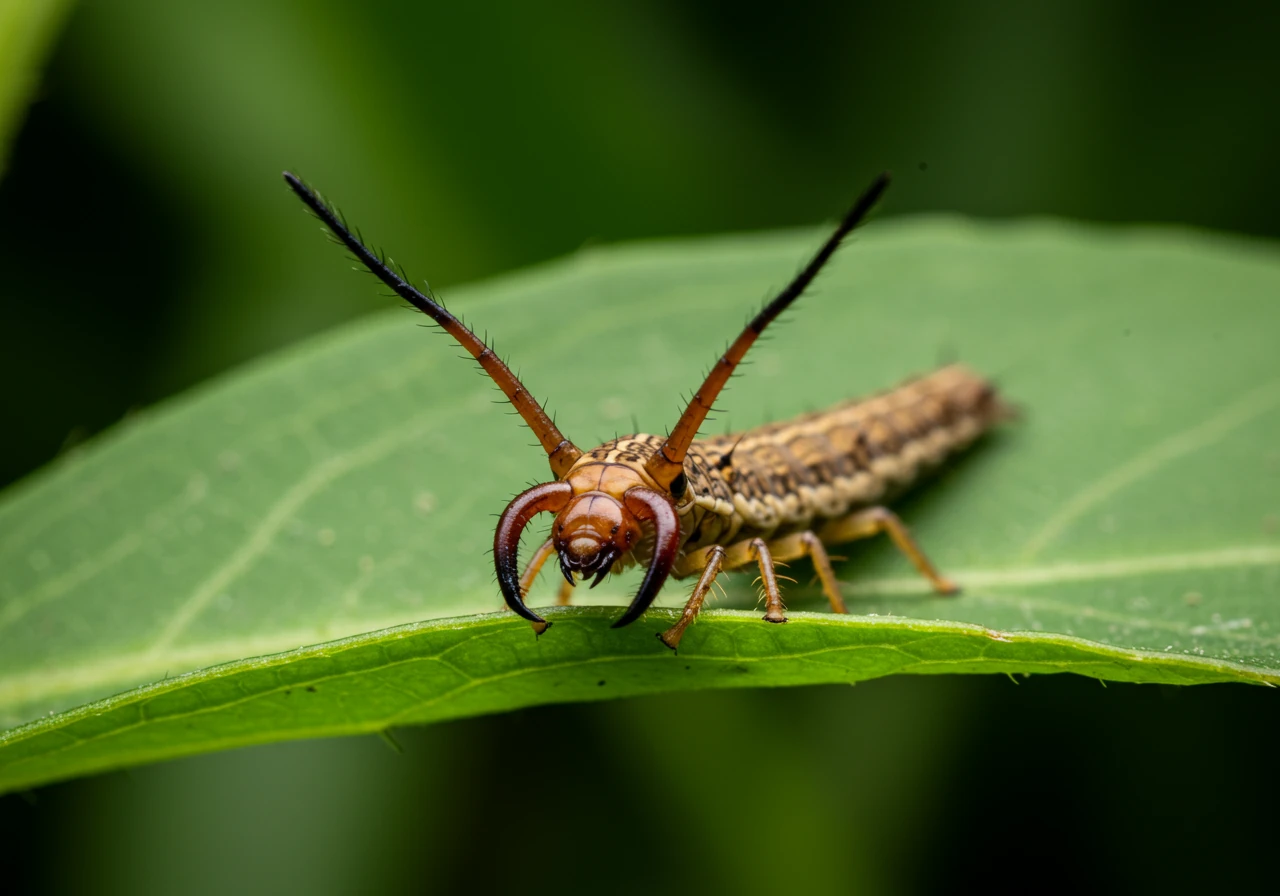
- Lacewings: Larvae ("aphid lions") consume aphids, mites, and more.
- Hoverflies: Larvae devour aphids; adults are pollinators.
- Ground Beetles: Nocturnal predators of slugs, snails, and cutworms.
Attract them with diverse plantings and avoid broad-spectrum pesticides.
Common Garden Pests
These critters can cause damage if their populations get out of control. Watch out for:
- Aphids: Tiny sap-suckers causing leaf curl and honeydew.
- Slugs/Snails: Chew irregular holes, leave slime trails.
- Japanese Beetles: Skeletonize leaves, active in summer.
- Cabbage Worms: Chew holes in brassica leaves (cabbage, broccoli).
Monitor plants regularly and use targeted, eco-friendly controls when necessary.
Meet the Good Guys: Ottawa's Beneficial Insect All-Stars
Alright, let's roll out the welcome mat (a tiny, leaf-sized one, perhaps?) for the real VIPs – Very Important Predators and Pollinators – of your Ottawa garden! These aren't the bugs causing chaos on your cabbage; these are the helpful heroes working behind the scenes, often unnoticed, to keep pests in check and help your garden flourish. Knowing who they are means you won't accidentally mistake a garden guardian for a garden pest. Let's meet a few key players you might find buzzing or crawling around your Nepean yard:
1. The Ladybug (or Lady Beetle)
- Who they are: Everyone recognizes the classic red-and-black spotted dome of an adult ladybug! But their larvae look like tiny, spiky alligators (dark grey/black with spots) – don't squish them!
- Why we love them: Both stages devour aphids, mites, scale insects, and eggs. Nature's pest control!
- How to attract them: Plant dill, fennel, cilantro, yarrow, alyssum. Considering these during Material Selection for Landscaping Projects helps. Avoid broad-spectrum pesticides. A shallow water dish helps.
2. The Lacewing
- Who they are: Delicate adults with transparent wings. Larvae ("aphid lions") are brownish, alligator-like with sickle jaws.
- Why we love them: Larvae are extremely effective predators of aphids, thrips, mites, small caterpillars, eggs, and whiteflies.
- How to attract them: Adults need nectar/pollen (sweet alyssum, coreopsis, cosmos). Need a pesticide-free zone. A generally healthy yard, maintained perhaps by an Ottawa Yard Cleanup Service, is beneficial.
3. The Hoverfly (or Syrphid Fly)
- Who they are: Look like small bees/wasps but are flies (one pair of wings, no sting). Can hover mid-air. Larvae are slug-like maggots found near aphids.
- Why we love them: Adults pollinate; larvae are aphid-eating machines.
- How to attract them: Plant small flowers (sweet alyssum, dill, parsley). Good Soil Preparation for Planting Beds supports these plants.
4. The Ground Beetle
- Who they are: Large, dark, shiny beetles, often nocturnal. Hide under rocks, logs, mulch. Larvae live in soil.
- Why we love them: Patrol at night eating slugs, snails, cutworms, caterpillars. Crucial natural defense. Even a lawn from Professional Sod Installation can host them if pesticide-free.
- How to attract them: Need shelter (rocks, mulch). Avoid excessive tidiness. Services like the Winchester Property Cleanup Service or the broader Ottawa Property Cleanup Service can manage debris without eliminating habitats. Check our Google My Business page for reviews!
By learning to recognize and encourage these beneficial insects, you harness the power of nature to help manage pests in your Ottawa garden.
Uh Oh, Who's That? Identifying Common Garden Pests in Richmond and Beyond
Okay, garden detectives, let's get down to business! You've learned about the good guys, but now it's time to meet some of the usual suspects – the common garden pests that might be making a meal out of your hard work in Richmond, Barrhaven, or anywhere else in the Ottawa region. Knowing who these uninvited guests are is the first step to giving them their eviction notice (nicely, of course!).
Here’s a lineup of some frequent offenders:
1. Aphids: The Tiny Sap-Suckers
- Who are they? Tiny (1-3mm), pear-shaped insects in various colours (green, black, etc.). Cluster on new growth.
- What’s the damage? Suck sap, causing curled/yellow leaves, stunted growth. Excrete sticky "honeydew," leading to sooty mold.
- Richmond & Beyond Context: Love lush growth. Favourite food for ladybugs/lacewings! Strong water spray often helps.
2. Slugs and Snails: The Slimy Night Crawlers
- Who are they? Mollusks, active at night or in damp conditions. Slugs lack shells.
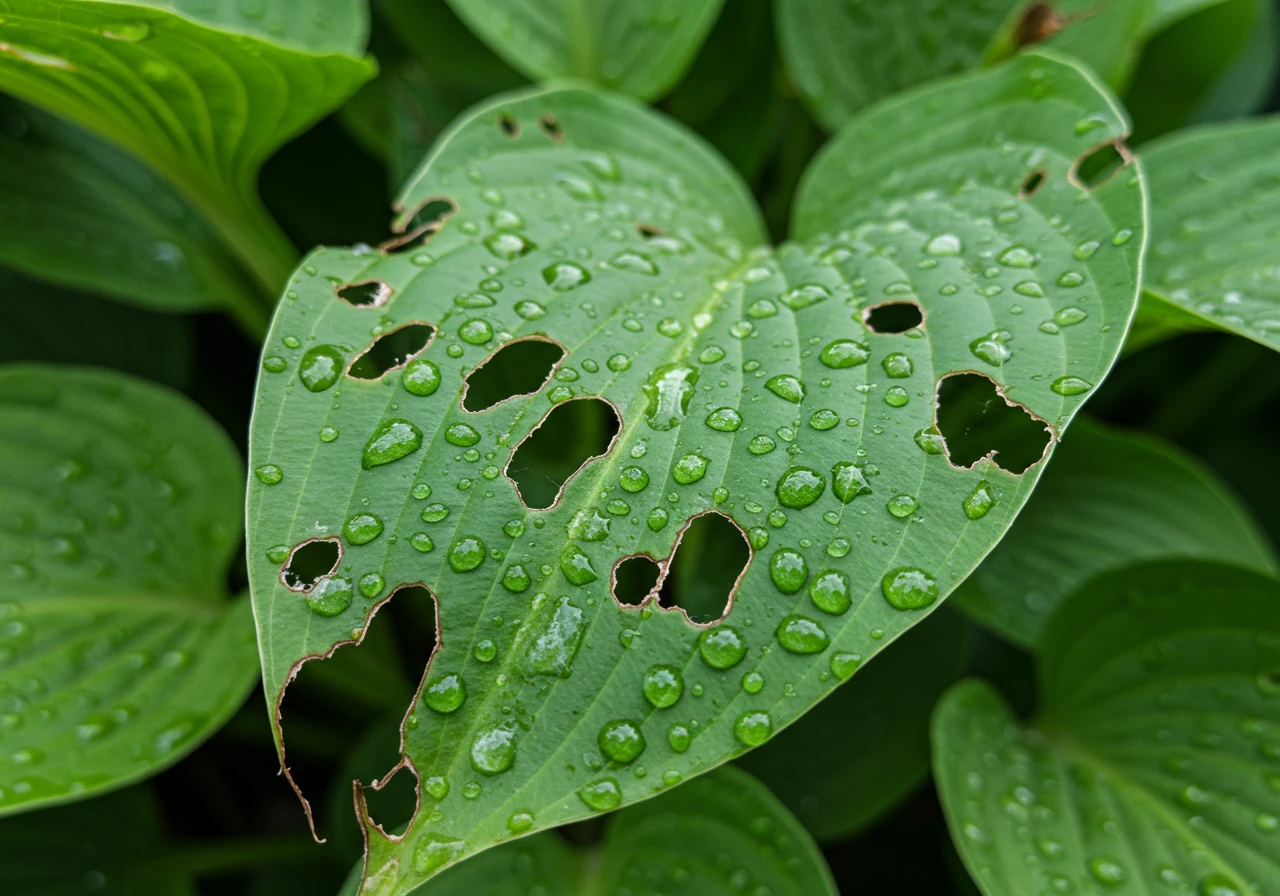
- What’s the damage? Chew irregular holes in leaves, stems, fruit. Leave silvery slime trails. Seedlings vulnerable.
- Richmond & Beyond Context: Thrive in humid Ottawa summers. Remove hiding spots (debris). A thorough garden clean-up service or regular yard cleanup services like those in Metcalfe limit retreats. Proper mulching and edging practices matter, avoiding thick mulch against stems.
3. Japanese Beetles: The Shiny Invaders
- Who are they? Metallic green/coppery-brown beetles (1/2 inch). Active daytime feeders, often in groups. Larvae are C-shaped grubs in soil.
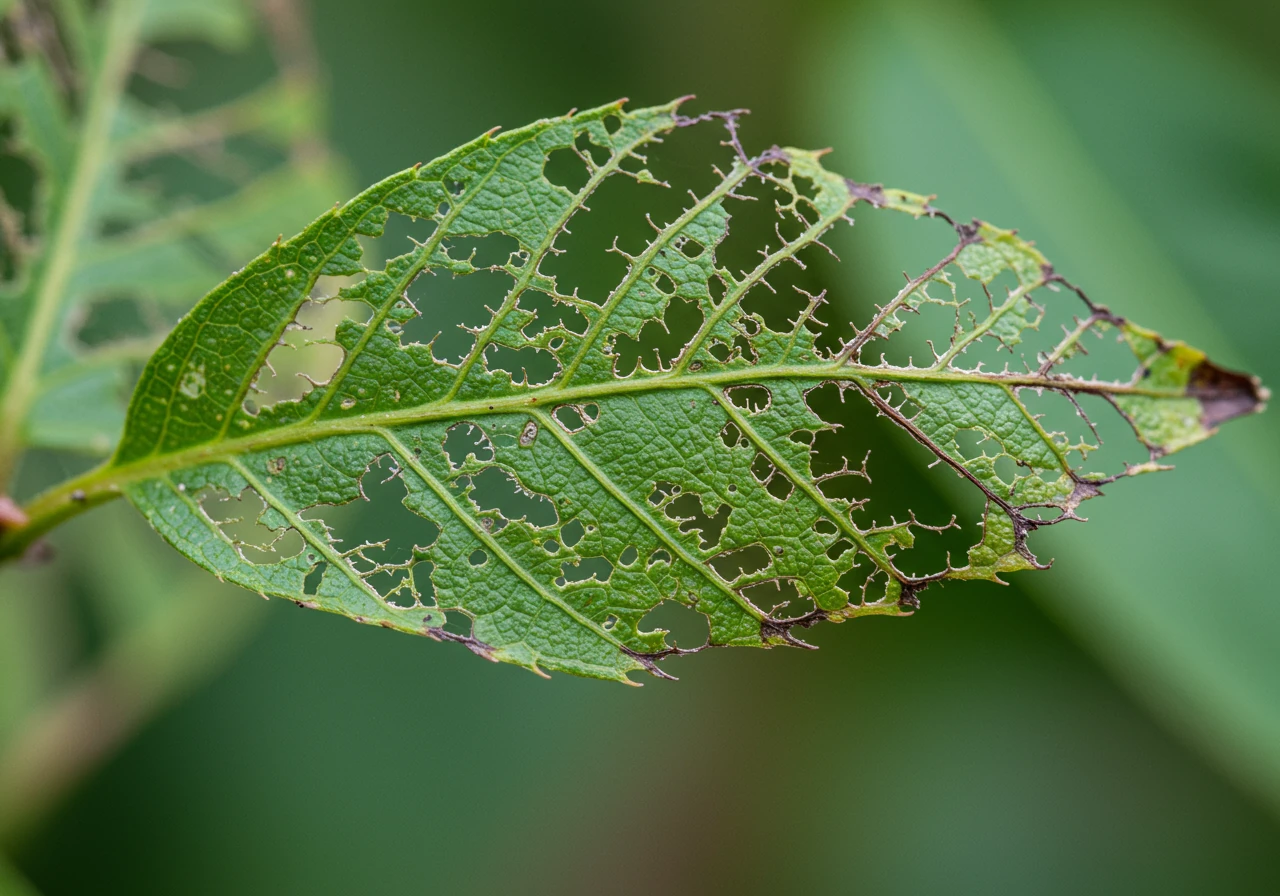
- What’s the damage? Skeletonize leaves (eat tissue between veins). Defoliate quickly. Favour roses, beans, grapes.
- Richmond & Beyond Context: Emerge early summer (around Canada Day). Hand-pick into soapy water in the morning.
4. Cabbage Worms: The Leafy Green Munchers
- Who are they? Velvety green larvae of the white Cabbage White butterfly. Blend well with leaves.
- What’s the damage? Chew ragged holes in cabbage family leaves (broccoli, kale, etc.). Can bore into heads. Leave green droppings.
- Richmond & Beyond Context: Common where brassicas grow. Strong plants from good soil preparation fare better. Row covers help. A thoughtful garden installation can include resistant varieties.
A Note on the Bigger Picture: Early identification is crucial. Always know your target before acting. Understand service impacts by reading our terms and conditions and privacy policy.
Common Ottawa Garden Pest Reports (Sample Data)
*Illustrative data representing hypothetical reporting frequency.
Eco-Friendly Pest Patrol: Managing Unwanted Guests Sustainably
Okay, so you've identified some tiny tenants in your garden who definitely weren't on the lease agreement. Before you reach for the chemical equivalent of a tiny bug-zooka, let's talk about being an eco-friendly pest patrol! Managing unwanted guests sustainably means working smarter, not harder (or harsher), to keep your Ottawa garden healthy and beautiful. It’s about finding balance, not waging all-out war. Think of it as gentle persuasion rather than a full eviction!
The goal is Integrated Pest Management (IPM), using common sense and nature-friendly methods first. Here’s how:
1. Cultural Controls: Setting the Stage
- Choose Wisely: Start with healthy, suitable plants.
- Mix It Up (Crop Rotation): Rotate veggies yearly.
- Healthy Habits: Water deeply, fertilize appropriately.
- Keep it Tidy (But Not *Too* Tidy): Remove diseased plants. Consider a thorough property cleanup, like our Marionville service, to reduce hiding spots.
2. Physical & Mechanical Controls: Getting Hands-On
- Hand-to-Hand Combat: Pick off larger pests (Japanese beetles, slugs).
- The Power Washer (Mini Version): Strong water spray dislodges aphids/mites.
- Build Barriers: Row covers, copper tape. Good mulching and edging techniques can help.
- Traps: Sticky traps (yellow), pheromone traps. Use cautiously.
3. Biological Controls: Calling in the Cavalry
- Plant an Invitation: Include alyssum, dill, fennel, yarrow.
- Provide Habitat: Balance clean spaces with natural areas. Consider effective property clean-up routines that maintain some cover for beneficials.
- Consider Introducing Helpers: Ladybugs, beneficial nematodes (research required).
4. Least-Toxic Options: The Last Resort
- Soaps & Oils: Insecticidal soaps, horticultural oils (smother soft-bodied insects). Neem oil disrupts feeding. Must contact pest directly. Use carefully (early morning/evening).
- Read and Follow Labels: Always! Avoid spraying blossoms.
- Clean Up After: Proper disposal of treated, removed plants, perhaps during a specific garden clean-up in areas like Metcalfe.
Stay Vigilant! Regularly inspect your garden. Early detection makes sustainable management easier. If you need tailored advice or assistance, feel free to reach out and contact us or provide estimate feedback or discuss pest concerns.
Quick Tips for a Bug-Balanced Osgoode Garden
Want a garden buzzing with the right kind of tiny neighbours in Osgoode? Keep these bug-balancing tips in mind:
- Know Your Neighbours: Before you squish, identify! Is it a helpful predator or a pesky plant-muncher? Knowing the difference is key.
- Invite the Good Guys: Plant diverse flowers (like dill or alyssum) to attract beneficial insects like ladybugs and lacewings. They're your free pest control crew!
- Gentle Methods First: Try hand-picking pests or using a strong spray of water before reaching for harsher solutions.
- Tidy, But Not Too Tidy: A clean yard reduces hiding spots for some pests. Regular garden maintenance and healthy lawn care help. Consider an Ottawa garden clean-up service or even a targeted Metcalfe garden clean-up service to manage debris where pests like slugs hide. However, leave some natural areas as habitat for beneficials – balance is everything! A professional city garden clean-up service can help strike this balance effectively. You might also need services like city yard cleanup or Metcalf property cleanup depending on the scale.
Timeline: A Gardener's Year with Bugs in Mind
Early Spring (Apr-May)
Focus on prevention. Clean up lingering debris (Marionville Property Cleanup Service can help!). Prepare soil (Soil Preparation). Install row covers for early crops. Monitor for overwintered pests.
Late Spring (May-June)
Plant beneficial-attracting flowers. Watch for aphids on new growth. First signs of Cabbage Butterflies laying eggs. Begin monitoring for slugs.
Summer (Jul-Aug)
Peak pest season! Japanese Beetles arrive. Continue monitoring aphids, slugs. Beneficial insect populations should be growing if habitat is right. Summer garden health monitoring is crucial.
Fall (Sep-Oct)
Perform thorough fall cleanup to remove overwintering sites (Ottawa Property Cleanup Service). Remove spent annuals and diseased plants. Last chance to manage slug populations before winter.
Your Ottawa Garden Bug Questions Answered (FAQ)
Ah, the dreaded Japanese Beetles! Expect them to crash your garden party around early July, often near Canada Day. The most eco-friendly (though tedious!) method is hand-picking them into a bucket of soapy water, especially in the cool morning when they're sluggish. Maintaining healthy plants through consistent care, part of a good City Garden Maintenance Service, can also help them withstand minor munching. You can also find helpful local resources at the Friends of the Central Experimental Farm website.
It sure can! Slugs love moisture, so properties closer to waterways often provide ideal damp conditions. Focus on reducing their hiding spots: remove low debris, improve air circulation around plants, and consider physical barriers like copper tape. A thorough City Property Cleanup Service can significantly reduce the damp, dark places they love to hang out during the day, making your yard less inviting. The Rideau Valley Conservation Authority may also have resources on managing shoreline properties.
Think 'dinner and a place to stay'! Plant flowers with small blooms like sweet alyssum, dill, fennel, or yarrow – these provide nectar and pollen for adult beneficials. Most importantly, ditch the harsh pesticides, which wipe out the good guys too! Creating diverse plantings, like those often featured in garden Transformations, provides the varied habitat beneficial insects love. Check out resources from the Canadian Wildlife Federation for ideas.
Many pests cleverly overwinter as eggs or adults tucked away in plant debris, leaf litter, under loose bark, or just below the soil surface. So yes, a good fall cleanup definitely helps! Removing spent plants and fallen leaves reduces their cozy winter hideouts, minimizing problems next spring. Services like a dedicated Marionville Yard Cleanup Service can be invaluable for tackling this task efficiently.
You've got great local resources! The Master Gardeners of Ottawa-Carleton offer fantastic, science-based advice. Many local garden centres in areas like Russell or Embrun also have knowledgeable staff. Don't forget online university extension sites (like OMAFRA's). And of course, learning About Us will show you our team has experience tackling local Ottawa garden challenges, including pest management strategies. Sending a thank you note after getting help is always appreciated!
Conclusion: Become a Bug Savvy Gardener in Osgoode & Beyond!
Okay, garden explorers of Osgoode and the wider Ottawa region! You've officially levelled up your bug know-how. Remember, sharing your slice of paradise with tiny critters is part of the gardening adventure. The real trick is figuring out who’s helping (your beneficial insect allies!) and who’s maybe overstaying their welcome (those pesky plant-munchers). Accurate identification is your superpower, letting you choose smart, sustainable pest management strategies instead of reaching straight for the harsh stuff. It’s all about creating a balanced, healthy garden ecosystem where your plants can thrive.
So, here’s your mission: next time you're tending your plants, whether you're in Metcalfe, strolling through a yard in Vernon, or relaxing in Kenmore, really observe who's visiting. Become a bug detective in your own backyard! Get curious about the tiny life sharing your space.
And if designing landscapes that welcome the good bugs while discouraging the bad ones, tidying up habitats favoured by pests, or implementing other eco-friendly yard care solutions feels overwhelming, don't sweat it! We’re here to help Ottawa-area homeowners create beautiful, thriving outdoor spaces with smart, sustainable practices. Give us a call to discuss how our landscaping and garden care services can help you achieve that perfect balance. Go forth and cultivate your bug-savvy garden!