
Greely Weeding Woes? Ergonomic Tools Ease Back Strain
Quick Summary
- Weeding, especially in tough soil like Greely's clay, often causes back strain due to bending and repetitive pulling.
- Ergonomic tools (stand-up weeders, comfortable hand tools, kneelers) are designed to reduce physical stress.
- Proper technique, timing (weeding when wet), and holistic habits (warming up, pacing) enhance comfort.
- Mulching helps suppress weeds, reducing future workload.
- Consider professional help for overwhelming tasks. Request a free quote.
Struggling with back pain after weeding your Greely garden? You're not alone! Learn how ergonomic tools and techniques can make weeding comfortable again. Need help now? Request a free quote for our weeding and yard care services!
Introduction: Kicking Greely Weeding Pains to the Curb
Ah, the familiar Ottawa summer scene: beautiful gardening days, lush green lawns, vibrant flower beds... and that tell-tale ache creeping into your lower back after an hour spent wrestling weeds. If you've ever finished a weeding session in your Greely or Manotick yard feeling like you need a week to recover, you're definitely not alone! That hunched-over posture can be a real pain – literally. It’s a common complaint heard from landscaping enthusiasts all across the region, from Osgoode to Barrhaven.
But what if we told you that battling dandelions doesn't have to mean battling back pain? What if there was a way to keep your garden pristine without sacrificing your spine? Good news! Meet the unsung heroes of the garden shed: ergonomic tools. These cleverly designed helpers are built to work with your body, not against it, reducing strain and making gardening tasks much more comfortable. Forget the post-weeding shuffle; it’s time to garden smarter, not harder. Stick with us as we dig into practical solutions to keep you gardening happily and pain-free all season long.
Why Does Weeding Wreck Your Back? Understanding the Strain
Okay, let's dive into the nitty-gritty of why pulling those pesky weeds feels like you've gone ten rounds with a heavyweight boxer. It’s not just you – it's basic body mechanics, or biomechanics if we want to get fancy! Understanding the strain involved is the first step to preventing it.
Think about how you usually weed. You're likely bent forward at the waist, maybe kneeling awkwardly, maybe even twisting to reach that stubborn thistle hiding under the hosta. This forward bend is enemy number one. Your spine is designed to support weight best when it's relatively straight. When you bend forward, especially for a long time, you put a huge amount of pressure on your lower back muscles and the spongy discs between your vertebrae. It’s like using your back as a long lever – the further you reach, the heavier the load feels to those supporting muscles. Add a little twist to grab a weed, and ouch, you're putting stress on parts of your spine not really designed for that kind of combined motion. Staying locked in these awkward positions also causes muscle fatigue, making strains and sprains more likely.
Now, let's talk about gardening right here in the Ottawa area. We deal with some seriously determined weeds, like deep-rooted dandelions, bindweed that wraps around everything, and prickly thistles. These aren't flimsy little things; they often require a good, strong pull. This repetitive yanking motion, especially when sustained, fatigues your back and arm muscles quickly. Keeping notes on particularly troublesome weed patches can be useful; you might find these helpful Greely summer garden record keeping tips useful for planning your attack.
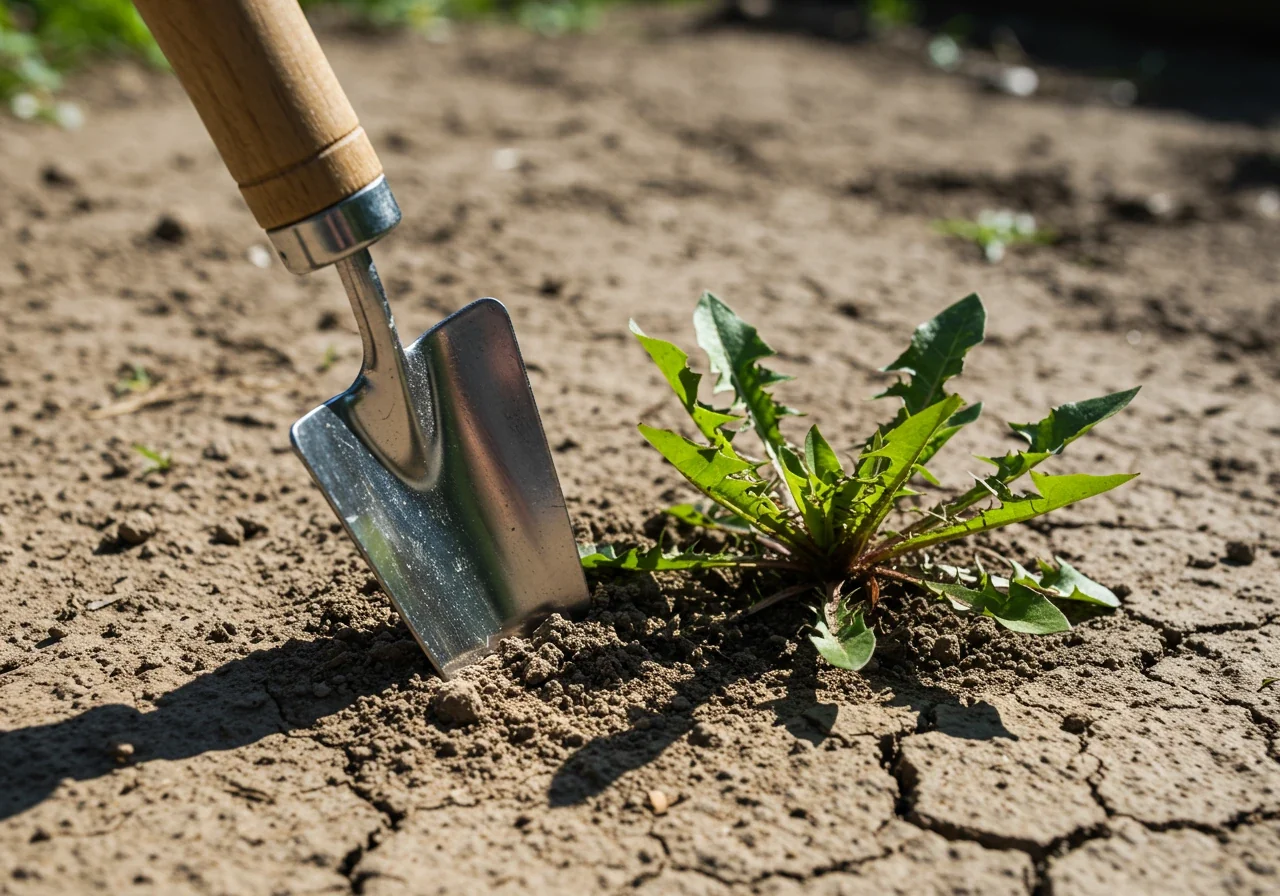
And the soil! Anyone landscaping in Greely or parts of Barrhaven knows our infamous clay soil. While great for some things, it can bake hard in the sun and hold onto weed roots like superglue. Trying to wrench a stubborn weed from dense clay requires significantly more force, multiplying the strain on your already vulnerable back. It's much like the effort needed for Greely tree planting in clay soil during spring; that heavy soil makes everything harder work! It even presents similar challenges faced in Greely sod installation on clay soil. Using dull or poorly maintained tools only makes this worse, forcing you to exert even more effort. It really pays to keep your Greely garden tools sharp and clean to prevent disease and reduce physical strain.
So, it's a combination of awkward postures (bending, twisting), repetitive pulling motions, sustained effort, and often challenging local conditions (hello, clay!) that makes weeding a recipe for back pain. But don't despair! Understanding the why helps us find better ways to tackle the how, whether through better tools, techniques, or exploring comprehensive yard care services for those bigger, back-breaking jobs.
Ergonomics to the Rescue: Gardening Smarter, Not Harder
So, we know that traditional gardening can sometimes feel like a workout specifically designed by a chiropractor looking for business. But what if we told you there's a way to tend your beloved flower beds and veggie patches without feeling like you wrestled a bear afterward? Enter ergonomics – it sounds fancy, but it’s really just about making things fit you better, so tasks feel easier and safer on your body. Think of it as designing your gardening activities and tools to work with your body's natural movements, not against them.
The main ideas behind garden ergonomics are pretty simple:
- Keep it Neutral: Try to keep your body in a comfortable, natural alignment. This means less awkward bending way over, twisting like a pretzel, or reaching too far. Think standing tall, kneeling comfortably (with pads!), or using long-handled tools to bring the work closer to you without hunching.
- Less Muscle Power: Aim to use less brute force. Let sharp tools, leverage, and smart techniques do the heavy lifting (or digging, or pruning). This often starts below the surface; well-worked soil makes digging and weeding much easier – good soil preparation techniques are key to reducing effort later on. Using tools with comfortable grips also helps reduce strain on your hands and wrists.
- Fewer Repetitions: Doing the same motion over and over (like endless scooping or raking) can lead to strain. Break up big tasks into smaller chunks, switch activities frequently, and use tools designed for efficiency. Think about big fall cleanups in Ottawa – all that repetitive bending and lifting! Sometimes, calling in a Greely yard cleanup service is the smartest ergonomic move for those massive, repetitive jobs.
The benefits? Oh, they're wonderful! Less back pain, fewer sore muscles, reduced risk of strains and sprains, and more energy to actually enjoy your beautiful Greely garden. It means you can spend more time doing what you love – whether that’s planting new blooms or planning a whole new space. Even planning your landscaping layout with ergonomics in mind, perhaps during a new garden installation, can make future maintenance way easier on your body.
Ultimately, ergonomics helps you garden smarter, extending your gardening years and making the whole experience more pleasant. And if some tasks still feel too overwhelming or physically demanding, remember that exploring professional yard care services can be a fantastic ergonomic choice too. Just be sure you understand the scope of any help you hire; reviewing the terms and conditions for yard care ensures everyone is on the same page before work begins. Gardening shouldn't hurt – let ergonomics help you keep it joyful!
Choosing Your Weeding Weapon: Ergonomic Tool Types
Stand-Up Weeders (The Back Savers)
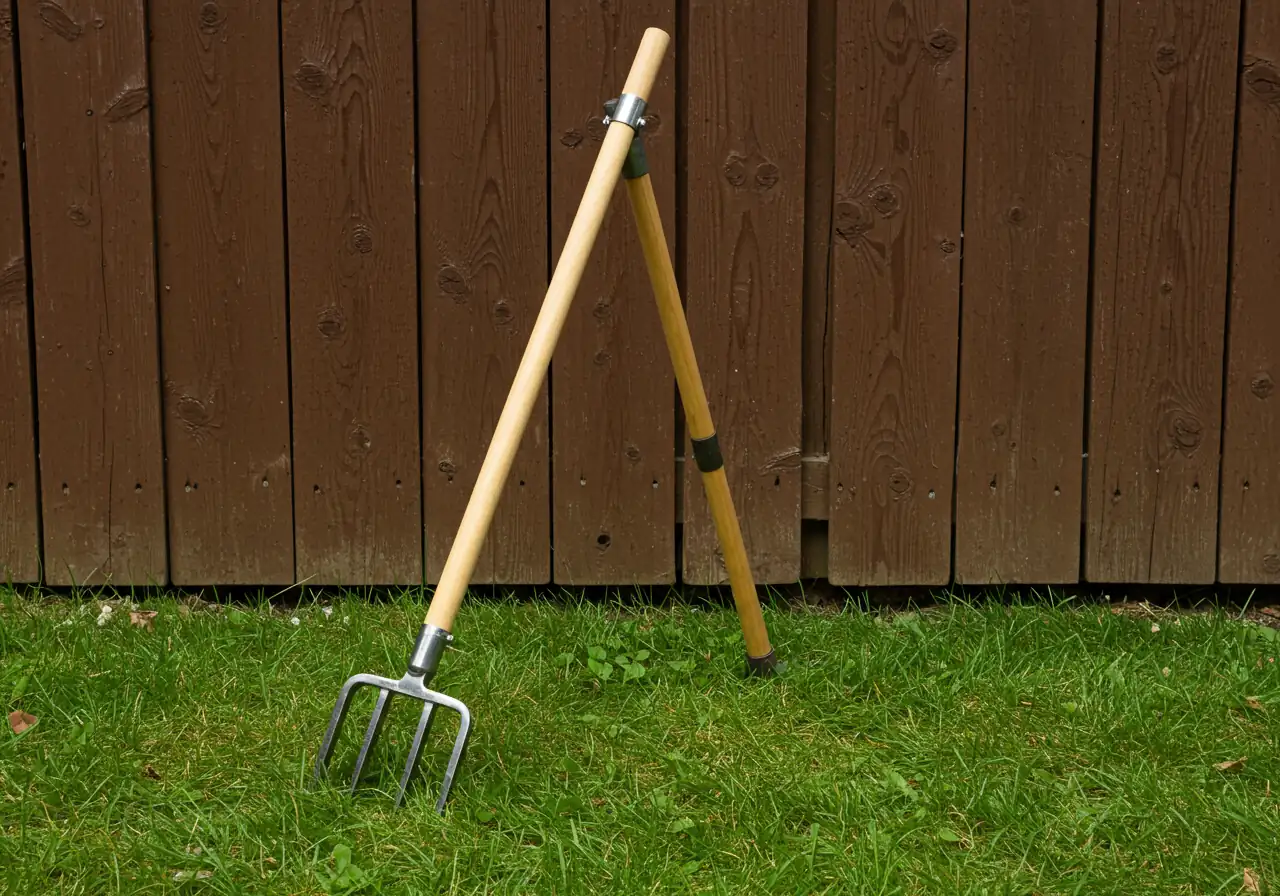
Ideal for open areas like lawns, these tools let you weed without bending. They use leverage and claws/spikes to grab weeds, especially effective for deep taproots like dandelions. Best used when soil is moist. Can be less precise near delicate plants.
Short-Handled Ergonomic Tools (Close Combat)
Perfect for garden beds and containers. Look for tools with comfortable, shaped grips (curved, pistol-grip) to reduce hand and wrist strain. Include weeders, trowels, and cultivators. Allow for precise work around existing plants but require kneeling or bending.
Garden Kneelers and Seats (Comfort Crew)
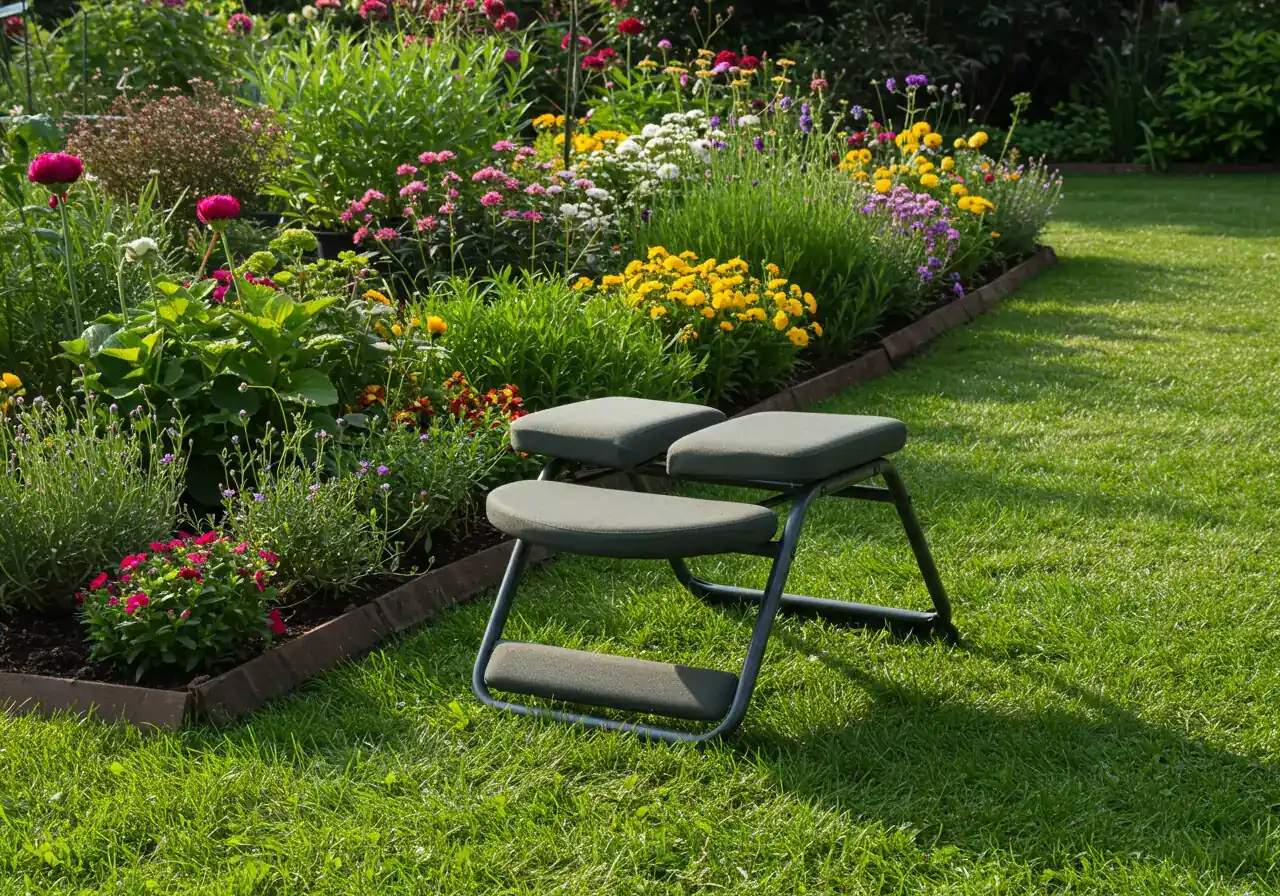
Essential for any low-level task. Provide thick padding for knees. Many models flip over to become a sturdy seat. Look for versions with side handles to assist in standing up, taking strain off back and knees. Lightweight and portable.
Your Ergonomic Weeding Toolkit: Choosing the Right Gear
Okay, let's talk gear! Having the right tools can transform weeding from a dreaded chore into... well, maybe still a chore, but a much less painful one. Equipping yourself with ergonomic gardening tools is like giving your back, knees, and wrists a well-deserved break. These aren't just fancy gadgets; they're designed with your body mechanics in mind, making landscaping tasks easier and more comfortable, whether you're tending a small plot in Nepean or a larger garden in Manotick.
Let's dig into the main types of ergonomic weed warriors:
- Stand-Up Weeders (The Back Savers): If bending over is your arch-nemesis, these are your new best friends. Typically, they have a long handle and a clever mechanism at the bottom – often claws or spikes combined with a foot pedal. You position the tool over the weed, step on the pedal to drive the claws into the soil around the root, and then use leverage (often by tilting the handle back) to pull the weed, root and all, right out of the ground. Some even have an ejector button to release the weed without you needing to touch it! Genius, right? They're fantastic for tackling weeds with deep taproots like dandelions, especially in open lawn areas. Our robust Ottawa soil, particularly the clay common in areas like Barrhaven, can sometimes make it tough to plunge the claws in when it's dry and baked, but after a good rain, they work wonders. Keeping your lawn healthy through proper integrated lawn care services can also make weed removal easier.
- Short-Handled Ergonomic Tools (The Close Combat Specialists): When you need to get up close and personal, especially in tightly packed flower beds or raised planters, ergonomic short-handled tools shine. These aren't your grandma's basic trowels (no offense, Grandma!). Look for weeders, cultivators, and trowels with thicker, often curved or pistol-grip handles designed to fit comfortably in your hand, reducing wrist strain and fatigue. Some have unique shapes, like hooked ends (Cape Cod weeders) or forked tips, designed for specific weeding actions like slicing or prying. They give you great control for precision work around delicate plants.
- Garden Kneelers and Seats (The Comfort Crew): Sometimes, you just have to get down low. Ergonomic kneelers offer thick padding to cushion your knees from hard or uneven ground. Many clever designs flip over to become a sturdy little bench or stool, perfect for tasks that require sitting close to the ground. Look for models with side handles – these are incredibly helpful for pushing yourself back up to a standing position, taking the strain off your back and knees. They're lightweight and portable, making them easy to move around your gardening space.
Here’s a quick comparison to help you choose:
| Feature | Stand-Up Weeder | Short-Handled Ergonomic Tool | Garden Kneeler/Seat |
|---|---|---|---|
| How it Works | Leverage, claws/spikes, foot pedal | Shaped grip, specific tool head | Padded support, handles |
| Pros | Reduces bending, good for taproots | Precise control, reduces hand strain | Cushions knees, aids standing |
| Cons | Can be bulky, less precise near plants, struggles in very hard/rocky soil | Requires bending/kneeling | Still requires getting low |
| Best For | Lawns, open areas, deep-rooted weeds | Garden beds, containers, close work | Any low-level task |
| Ottawa Soil? | Good when moist, challenging when baked hard clay | Excellent for worked garden soil | N/A (provides comfort on any surface) |
Practical Tips for Choosing:
- Try Before You Buy: If possible, hold the tool. Feel the grip. Is it comfortable? Does the weight feel manageable?
- Match the Tool to the Task: A stand-up weeder is overkill for tiny sproutlings in a pot. A tiny hand weeder won't tackle a monster thistle in the lawn.
- Consider Quality: A well-made tool will last longer and often perform better, saving frustration (and potentially money) in the long run.
Investing in a few key ergonomic tools can make a huge difference in your comfort and endurance. It allows you to spend more time enjoying your beautiful Ottawa garden and less time recovering from maintaining it. And remember, if the weeds get overwhelming, especially during a big seasonal tidy-up, calling in reinforcements is always an option. Services like an Ottawa garden clean up service can tackle the jungle for you. For larger property-wide issues, a comprehensive Ottawa yard cleanup service might be just the ticket. When considering professional help, it's always wise to understand the agreement, so reviewing their terms and conditions for service is a good step. We also respect your data; you can see how we handle information in our website privacy policy. Happy (and comfortable) weeding!
Mastering Your Tools: Techniques for Pain-Free Weeding
Okay, so you've got your shiny new ergonomic weeding tools – awesome! But just like having a fancy sports car doesn't automatically make you a race car driver, having the right tool is only half the battle. Using proper technique is the secret sauce to truly pain-free weeding and keeping your Ottawa garden looking sharp. Let's ditch the hunchback routine and learn how to wield these ergonomic wonders like a pro.
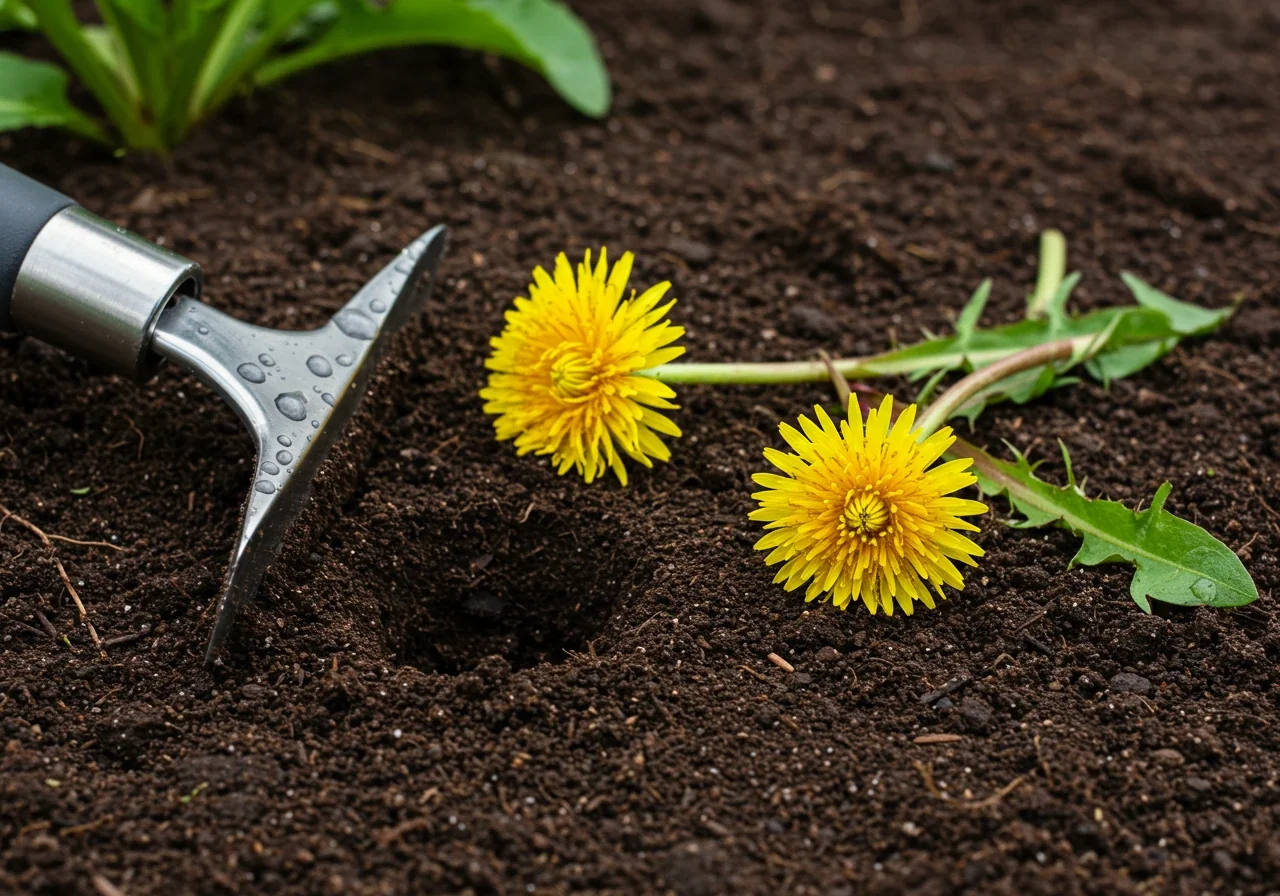
First things first: timing is everything! Ask any seasoned gardening enthusiast from Greely to Kanata, and they'll tell you the best time to weed is after a good rain, or after you've given the garden a thorough watering. Why? Because moist soil is looser, making it much easier to pull weeds out, roots and all. Trying to yank stubborn weeds from dry, baked Ottawa clay is a recipe for frustration and a sore back. Work smarter, not harder, by letting Mother Nature (or your sprinkler) lend a hand. Here's a helpful resource on local gardening tips from the City of Ottawa.
Using a Stand-Up Weeder (The Back-Saver Technique):
Perfect for tackling those pesky dandelions marching across your Nepean lawn without bending over.
- Position the tool's head directly over the center of the weed. Keep your back straight and relaxed.
- Place your foot on the pedal or step-plate and push the claws firmly into the soil using your body weight – don't just stomp with your leg.
- Gently tilt the long handle back, using it as a lever. Let the tool do the work of prying the weed and its root system loose. Avoid twisting your body.
- Lift the tool straight up. If it has an ejector mechanism, use it to discard the weed. If not, remove the weed carefully from the claws.
Using Short-Handled Ergonomic Tools (The Precision Approach):
Ideal for getting into crowded flower beds or raised planters, like those lovely ones you see in Manotick gardens.
- Get down comfortably – use a kneeler or garden seat! This avoids awkward stooping.
- Hold the ergonomic grip naturally. Your wrist should be relatively straight, not bent at a sharp angle.
- Position the tool head (whether it's a fork, hook, or blade) at the base of the weed. Aim to get under the root crown.
- Use smooth motions, leveraging the tool's design to slice, scoop, or pry the weed loose. Engage your arm and shoulder rather than just flicking your wrist repeatedly.
Extra Tips for Weeding Bliss:
- Keep 'em Sharp! A dull hoe or weeder requires way more force. Regularly clean and sharpen your tools – it makes a huge difference.
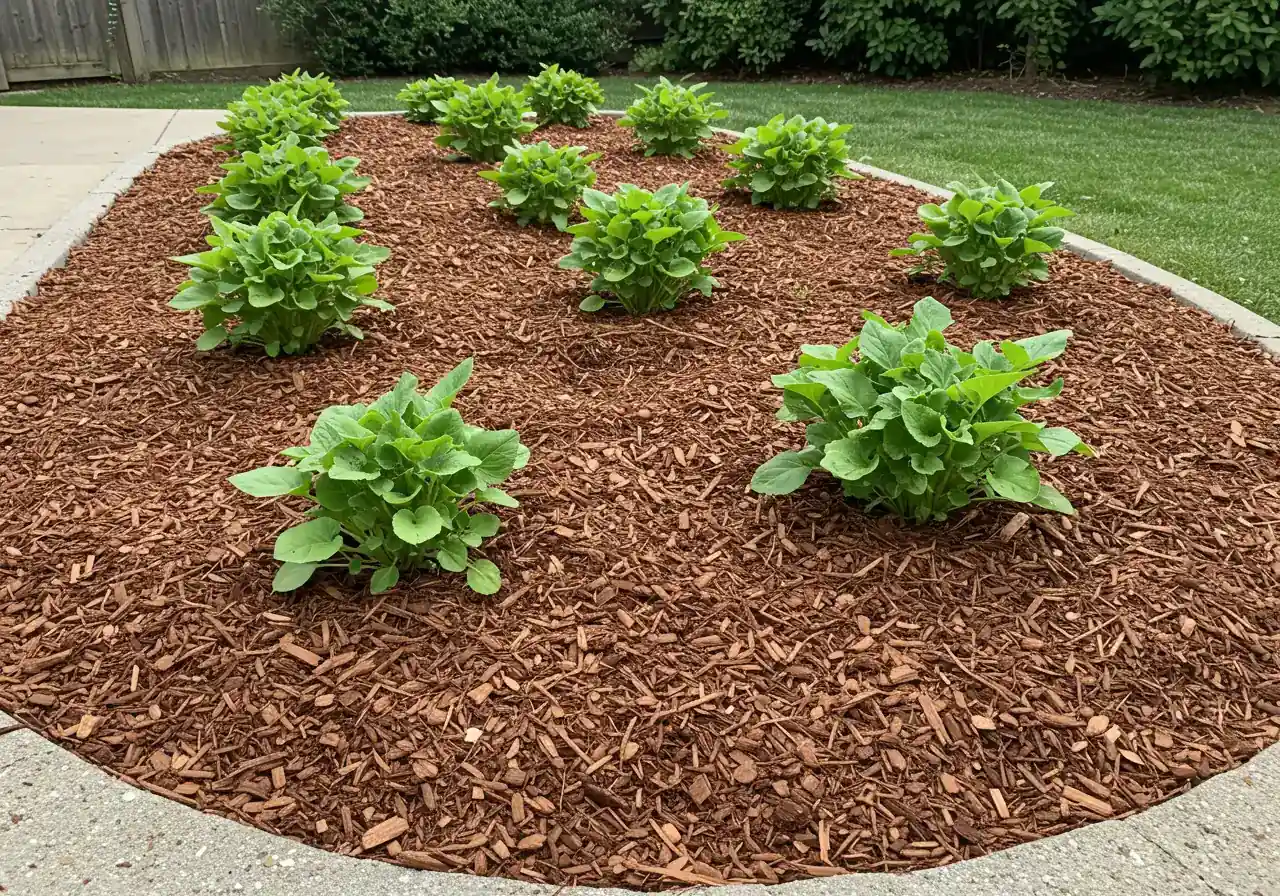
- Mulch is Your Friend: Applying a layer of organic mulch (like shredded bark or wood chips) is a fantastic eco-friendly practice. It suppresses weed growth, retains soil moisture, and improves soil health over time. Choosing the right cover is important; check out resources on material selection to find the best fit for your garden beds.
- Know When to Call for Backup: Sometimes, the weeds just get overwhelming, especially during a big spring or fall tidy-up. Don't kill yourself trying to conquer a jungle! Professional help, like an Ottawa garden clean up service, can restore order quickly. For larger areas or more extensive issues, perhaps on properties further out towards Marionville, a dedicated Marionville property cleanup service or a general property clean up might be the solution. A big thank you goes out to everyone who prioritizes safe and sustainable landscaping practices!
By combining the right tools with the right techniques, you can master the art of weeding without the usual aches and pains. Happy gardening!
Hypothetical: Back Strain by Weeding Method
(Illustrative data - for demonstration purposes only)
Beyond the Weeder: Holistic Habits for a Healthy Gardening Back
Alright, garden warriors, we've talked ergonomic tools and smart techniques, but let's be real – even the fanciest stand-up weeder won't save your back if you treat gardening like an Olympic sprint followed by a weightlifting competition! Developing healthy holistic habits is just as crucial as your gear for keeping you comfortable and pain-free while creating those beautiful outdoor spaces. Think of it as training for your favorite hobby – gardening fitness!
Here are some key habits to cultivate:
- Warm Up Those Muscles: Would you run a 5k without stretching? Probably not! Treat gardening the same way. Before you start pulling weeds or hauling mulch, take 5-10 minutes for gentle stretches. Focus on your back, shoulders, arms, and legs. Think gentle twists, arm circles, hamstring stretches, and calf stretches. It gets the blood flowing and prepares your body for action. Your back will send you a mental thank you note later! For great ergonomic tips, check the Canadian Centre for Occupational Health and Safety.
- Pace Yourself, Partner: Rome wasn't built in a day, and your perfect garden won't be either. Break up large tasks into smaller, manageable chunks. Instead of a four-hour weeding marathon, try 30-45 minute sessions with breaks in between. Get up, walk around, grab some water. This prevents muscle fatigue and reduces the risk of strain. Remember, it's about enjoying the process, not enduring it. You'll be amazed at the long-term transformations you can achieve with consistent, comfortable effort.
- Variety is the Spice of (Gardening) Life: Don't just weed for hours straight. Mix it up! Weed for a bit, then switch to pruning, deadheading, watering, or maybe some light planting. Changing tasks uses different muscle groups and prevents the repetitive strain that often leads to aches. Your body will appreciate the change of pace. Consider our garden maintenance services for diverse task handling.
- Lift Like a Pro: We all need to move bags of soil, pots, or maybe even the odd decorative rock. Remember the golden rule: lift with your legs, not your back! Bend your knees, keep your back straight, hold the object close to your body, and use your leg muscles to stand up. Avoid twisting while lifting. If something feels too heavy, get help or use a wheelbarrow. No shame in that game!
A Quick Ottawa Seasonal Guide for Back-Friendly Weeding:
Spring (April-May)
Attack early! Weeds are smaller and easier to pull from moist spring soil. Get ahead before deep roots establish, especially in areas like Barrhaven. Prime time for soil preparation too.
Summer (June-August)
Stay vigilant! Weeds grow fast. Weed after rain or watering, ideally in cooler parts of the day. Overwhelmed? Consider a Metcalf garden clean up service. Provide estimate feedback for clarity.
Fall (September-October)
Final push! Remove perennial weeds now to reduce spring return. Tackle big cleanups. A Metcalf property cleanup service can save your back during leaf season.
By incorporating these habits into your routine, you'll make your landscaping adventures much more enjoyable and sustainable. Garden smart, listen to your body, and keep enjoying the beauty you create! Local groups like the Master Gardeners of Ottawa-Carleton often share great seasonal tips too.
Quick Tips for Instant Back Relief
Feeling that gardening back-twinge after tackling weeds in your Barrhaven yard? Don't throw in the trowel just yet! Here are some quick tricks to ease the strain and keep you comfortably landscaping:
- Use Leverage: Embrace stand-up weeders – they seriously reduce bending. Your spine will thank you!
- Kneel Comfortably: Get down smart with thick knee pads or, even better, a garden kneeler that flips into a seat. Saves your knees and* helps you stand up.
- Weed When Wet: Tackle those invaders after a good Ottawa rain or watering session. They slide out of damp soil much more easily.
- Pace Yourself: Break up the weeding marathon! Work for 20-30 minutes, then stand up, stretch, and switch tasks. Variety is key.
- Prevent Future Pain: Reduce next season’s workload with good preventative mulching and edging this year – it smothers emerging weeds.
- Know When to Fold 'Em: Seriously, if the weeds are winning the war and your back is waving the white flag, sometimes the smartest move is calling for reinforcements. Whether it's a targeted tidy-up via a Metcalf garden clean up service, general help from a city garden clean up service, assistance for larger properties needing a Marionville yard cleanup service, or a complete overhaul with a city yard cleanup service, professional help is a fantastic back-saving strategy! Check out our work on Google!
Ottawa & Greely Gardeners' FAQs on Ergonomic Weeding
Ah, the famous Ottawa clay! There isn't one *perfect* tool, but a long-handled, stand-up weeder with sturdy steel claws often performs best *when the soil is moist*. Look for models with a foot pedal for extra leverage to penetrate that denser soil. Trying to jab it into dry, baked clay is just asking for trouble (and sore wrists!). For tighter spots in gardening beds, a high-quality, sharp hand weeder with a comfortable grip is still essential, especially after you've worked the soil well. Remember, timing (weeding after rain!) is key with clay. Consider sod installation challenges on similar soil.
It really depends on *how* you kneel and what works for *your* body. Kneeling incorrectly (hunched over, no padding) can be just as bad as bending improperly. However, using a thick kneeling pad or a garden kneeler/seat combo allows you to keep your back straighter while working low. Stand-up weeders eliminate bending altogether, which is fantastic for many people. The best approach? Mix it up! Use a stand-up weeder for open areas and then switch to proper kneeling (with support!) for detailed work in beds. Listen to your body – it usually knows best! Proper garden maintenance often involves both techniques.
Oh yes, those are determined foes! For deep-rooted thistles, a stand-up weeder used after rain is your best bet to get the whole root without excessive bending or pulling. For sprawling bindweed, which often weaves through desirable plants, careful hand-pulling using a kneeler for comfort is often necessary. Use a sharp hand hoe or hooked weeder with an ergonomic grip to sever the stems just below the soil surface repeatedly to weaken it. Don't try to rip out huge clumps; work patiently and persistently to avoid straining your arms and back during your landscaping efforts. This is common in city garden maintenance service requests.
Great question! Raised beds definitely offer an ergonomic advantage as they bring the soil level closer to you, reducing how far you need to bend. Short-handled *ergonomic tools* (trowels, cultivators with comfy grips) are ideal here. You might find a garden stool more useful than a kneeler. For in-ground *gardening*, especially larger areas, stand-up weeders become more valuable to minimize bending. In both cases, keeping pathways clear and using mulch helps reduce the overall *weeding* effort needed, making the whole *landscaping* task easier on your body and reducing future aches. Learn more about Marionville garden clean up service for larger spaces.
Hey, there's absolutely no shame in calling for backup! If weeding feels overwhelming, causes significant pain despite using ergonomic tools and techniques, or if you simply don't have the time, professional help is a smart, back-saving choice. Consider it for big seasonal cleanups, reclaiming heavily weeded areas, or managing larger properties. Services tackling extensive jobs like an Ottawa property cleanup service or even a city property cleanup service for broader needs can make a huge difference. For those in slightly more rural settings facing similar challenges, a Marionville yard cleanup service might be ideal, or perhaps even a Metcalf yard cleanup service. Check out who we are and our approach about us – we believe gardening should be enjoyable, not agony!
Conclusion: Enjoy Your Greely Garden, Pain-Free!
So, there you have it – the secret weapon against post-weeding aches and pains isn't some mythical garden gnome, it's good old ergonomics! By choosing the right tools, using smarter techniques, and developing back-friendly habits, you really can tackle those pesky invaders without feeling like you wrestled a grumpy badger afterwards. The payoff? Less strain, fewer ouches, and way more energy to actually kick back and enjoy the beautiful results of your landscaping efforts in your Greely oasis. Remember, gardening should be a joy, not a pain prescription!
But let's be honest, sometimes life gets in the way, the weeds mount a serious counter-attack, or your back just isn't cooperating, no matter how ergonomic your trowel is. If tackling the yard feels more daunting than delightful, don't let it stress you out (or strain your spine!).
Ready to reclaim your weekend and enjoy a pristine yard without the effort? Let our professional team take the load off! We offer reliable yard care and weeding services throughout Ottawa, including Greely, Manotick, Barrhaven, and surrounding communities like Metcalfe and Marionville. Check out our full range of services.
Looking for more tips to keep your Ottawa garden thriving? Dig into our blog for more helpful articles and advice!