Feed Richmond Garden Zones Right: Microclimate Nutrient Tips
Quick Overview
- Gardens in Richmond and Ottawa have unique **microclimates** affecting plant growth (sun, shade, wind, water).
- Understanding your specific **soil type** (clay, sand, loam) is crucial for drainage and nutrient availability.
- Plants need key nutrients like **Nitrogen (N), Phosphorus (P), and Potassium (K)**, plus micronutrients.
- Feed your garden smartly using appropriate **fertilizer types (organic/synthetic), timing, and techniques**.
- Employ **eco-friendly fertilizing practices** to protect local waterways like the Jock River.
Ready to optimize your garden's health but need expert advice tailored to your Richmond yard? Get a personalized plan!
Request Your Free Quote Today!Introduction: Why Your Richmond Garden Isn't Like Your Neighbour's (And That's Okay!)
Ever peek over the fence in Richmond and wonder why Mrs. Gable's hydrangeas are bursting with blooms while yours are looking a bit... shy? Or maybe your neighbour over in Manotick seems to grow prize-winning hostas effortlessly, while yours struggle? First off, take a deep breath – you haven't suddenly lost your green thumb! It's actually completely normal for gardens, even side-by-side, to perform differently. The secret isn't necessarily magic; often, it comes down to microclimates.
Think about it: your side of the street might get blazing afternoon sun while your neighbour enjoys dappled shade. Perhaps your yard is more exposed to Ottawa's winds, or maybe your soil type is slightly different – holding water more or less than the garden next door. These small variations create unique growing conditions. This also means your soil might have different plant nutrition needs compared to gardens just down the road, whether in Barrhaven or right here in Richmond. Understanding these unique aspects of your specific patch of earth is key to successful gardening and landscaping. Don't worry, it's not complicated, and figuring it out is the first step to creating your best garden ever. Need help transforming your outdoor space? Explore our past transformations for inspiration!
Decoding Your Yard's Secret Zones: Microclimates Explained
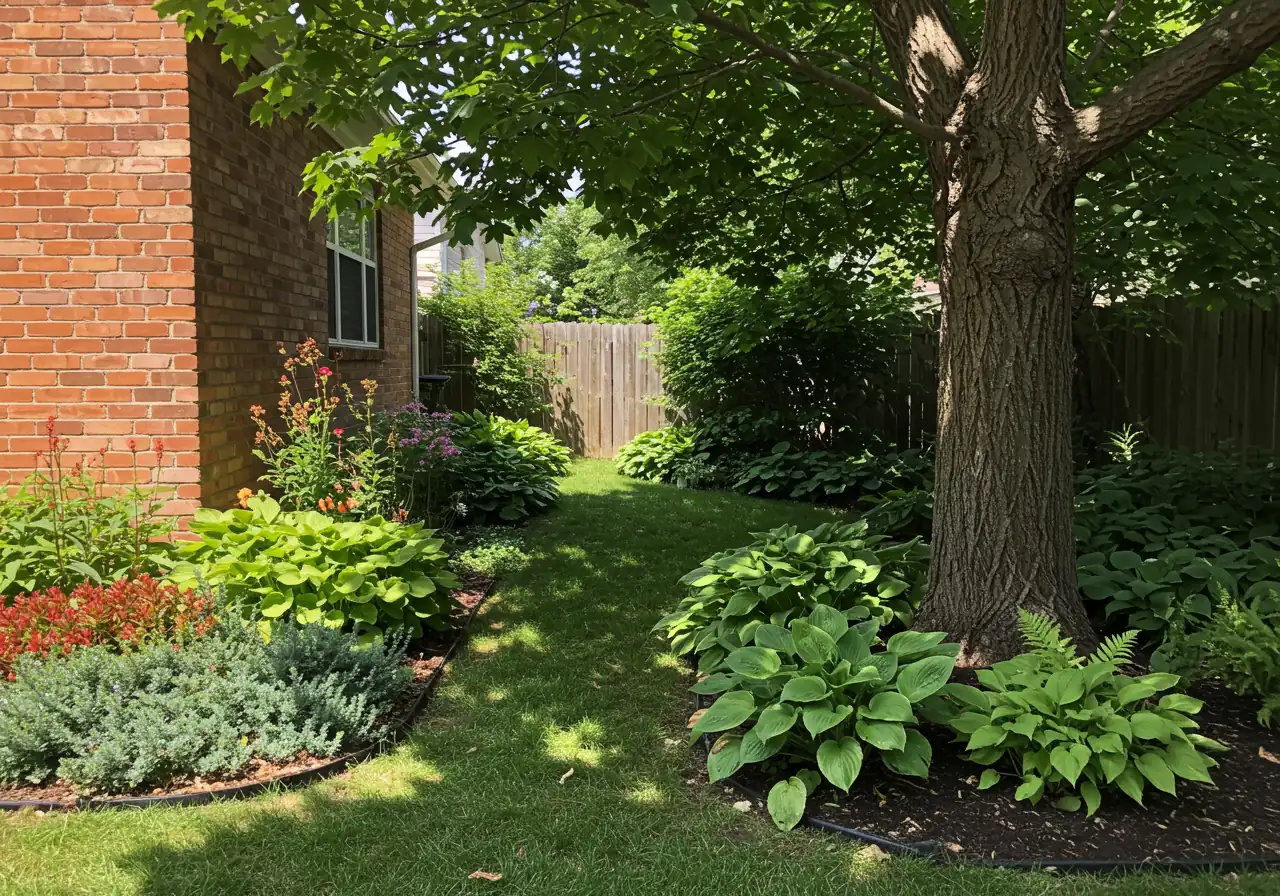
Okay, so we know your Richmond yard has its own personality, different even from the garden next door. But why? Enter the fascinating world of microclimates – your yard's very own 'secret zones'! Think of it like this: Ottawa has its overall climate (hello, snowy winters and humid summers!), but your specific property isn't just one big, uniform block. It's actually a collection of mini-environments, each with slightly different conditions. A spot basking in the sun near your Nepean home's south-facing brick wall will be way warmer and drier than the perpetually shady, cool corner behind the garage. That's a microclimate!
What creates these secret zones? Several things are playing director behind the scenes:
- Sunlight and Shade: This is the big one. Does an area get full sun all day, morning sun only, or is it mostly shaded by your house, a fence, or large trees? North-facing areas are cooler and shadier than south-facing ones.
- Wind: Is a spot sheltered or exposed to those bracing Ottawa winds? Wind dries out soil and plants faster. A protected courtyard feels very different from an open lawn in Greely.
- Water: Where does rainwater collect? Are there low spots that stay damp, or slopes where water runs off quickly? Areas near downspouts get more moisture.
- Heat Traps: Paved driveways, patios, and even the side of your house absorb heat during the day and release it slowly. This creates warmer zones nearby.
- Soil Variations: Yep, even the dirt can change across your yard, affecting drainage and plant nutrition. Considering soil is vital in soil preparation stages.
These subtle differences dramatically impact what will grow well where. Sun-loving tomatoes will sulk in the shade, while delicate ferns will crisp up in baking heat. Damp spots might encourage different issues, maybe even requiring effective summer weed control strategies suited for those conditions. Knowing these zones helps you choose the right plant for the right place – a golden rule in gardening and landscaping. It influences everything from selecting species to knowing where to apply essential tree planting tips for healthy growth. Understanding which areas are stressed by heat or wind might also guide your approach to using proper summer shrub pruning techniques to maintain plant health.
So, become a detective in your own backyard! Spend some time just observing. Where does the sun hit at different times? Where does snow melt first in spring (a warmer spot!)? Where do puddles linger after rain? Sketching a simple map and noting these zones is a fantastic first step towards creating smart landscape design ideas tailored perfectly to your property. Once you start seeing these secret zones, you'll unlock a whole new level of gardening success. Need a hand deciphering your yard's unique map or putting your observations into action? Our professional landscaping services can help!
Getting Your Hands Dirty: Understanding Richmond & Ottawa Area Soils
Okay, let's dig into the dirt – literally! Understanding the soil in your Richmond, Ottawa, or surrounding area yard is like getting a backstage pass to your garden's potential. It might not seem as exciting as picking out pretty flowers, but trust us, getting friendly with your soil is the secret weapon for happy plants.
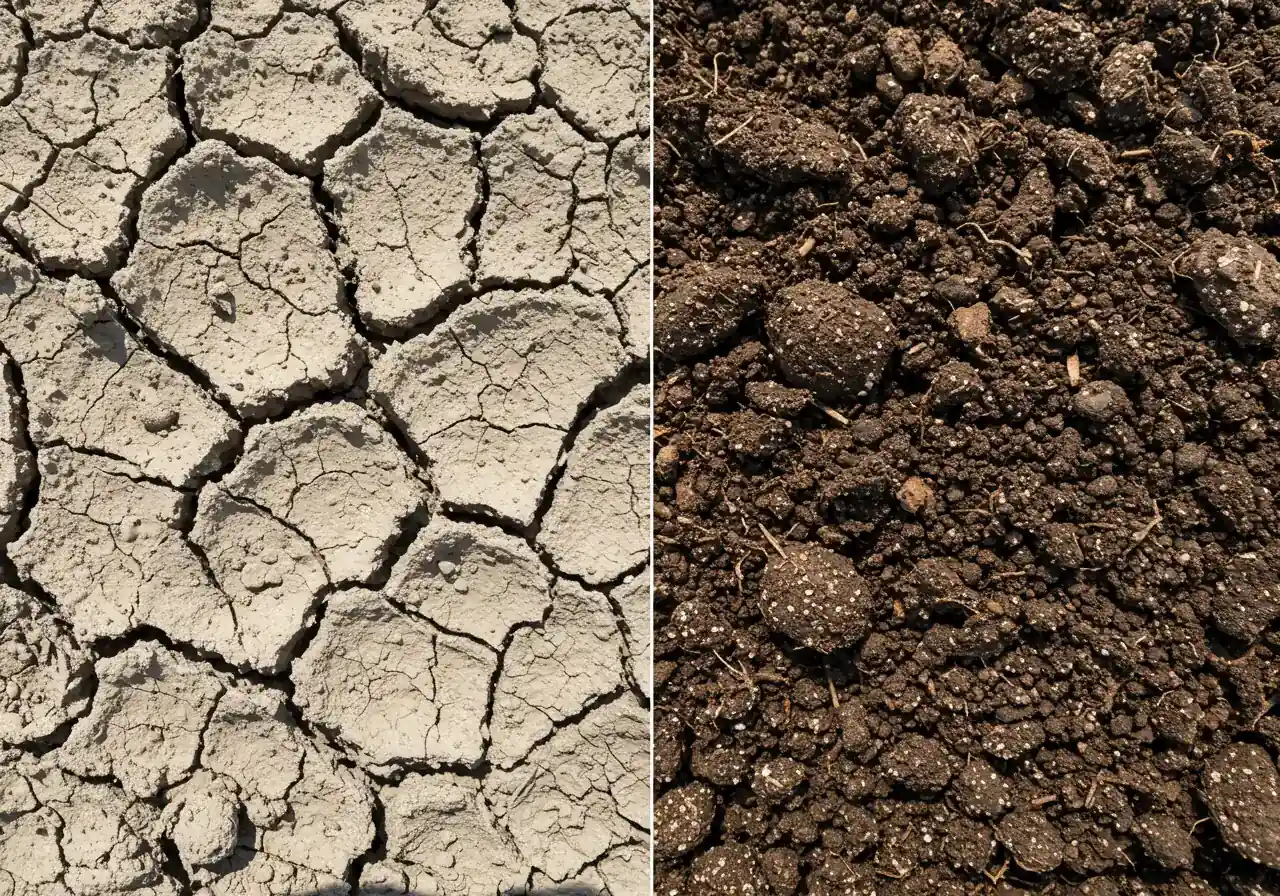
Down here in the Ottawa Valley, we've got a bit of a soil smorgasbord thanks to ancient glaciers doing their thing. You're most likely dealing with one of these main characters:
- Clay Soil: Ah, the infamous Ottawa clay! Found in many areas, including parts of Nepean and Barrhaven, this stuff is dense. Think of it like plasticine – it holds water really well (sometimes too well, leading to soggy roots) and is packed with nutrients. The downside? It can be heavy, slow to warm up in spring, drains poorly, and can bake hard in summer, making it tough for roots (and shovels!) to penetrate. Working with heavy clay requires patience and often involves adding lots of organic matter (like compost) to improve its structure. Our Ottawa garden clean up service often involves amending clay soil.
- Sandy Soil: The opposite of clay! Often found closer to rivers or in areas like parts of Greely, sandy soil feels gritty. Water zips right through it – which means excellent drainage, but also that nutrients get washed away easily. Plants in sandy soil can get thirsty fast. It's easy to dig, but needs regular additions of compost and organic matter to help it hold onto moisture and food.
- Loam: The dream team! Loam is that beautiful, crumbly mix of sand, silt, and clay. It holds moisture but still drains well, is rich in nutrients, and is easy to work with. If you've got loam, count yourself lucky! But even loam benefits from adding compost each year to keep it in top shape.
Why Does This Matter?
Your soil type directly impacts drainage (how quickly water disappears) and nutrient availability. Clay holds onto nutrients but might make them hard for plants to access if it's compacted or waterlogged. Sandy soil struggles to hold onto nutrients at all. Knowing what you have helps you water correctly, choose plants that will thrive, and figure out what amendments (like compost or peat moss) your soil needs to become its best self. Trying to grow water-loving plants in fast-draining sand near Metcalfe without amending the soil first is just asking for frustration! We provide targeted care like the Metcalf yard cleanup service, considering local conditions.
Don't Guess, Test!
Seriously, the best way to know exactly what you're working with is a soil test. It's like a health check-up for your garden bed. For local advice, you might consult resources like the Master Gardeners of Ottawa-Carleton.
- DIY Kits: You can grab simple kits at most garden centers. They give you a basic idea of your soil's pH (acidity/alkalinity) and sometimes major nutrient levels (Nitrogen, Phosphorus, Potassium).
- Lab Testing: For a more detailed picture, send a sample to a professional lab (search for agricultural labs serving Ontario). They provide precise info on pH, nutrient levels, organic matter content, and sometimes even soil texture. This is super helpful for tackling specific problems or planning major landscaping projects.
Understanding your soil is fundamental to everything from basic gardening to ambitious makeovers. It informs the kind of preparation needed, whether you're just tidying up or undertaking significant changes like those shown in our Garden Transformations gallery. Improving challenging soil might seem like a big job, but it's often a key part of our Richmond Yard Cleanup Service and our broader city yard cleanup service when preparing beds for planting. Our experience, highlighted on our About Us page, includes plenty of wrestling with local soil types! You can also find us on Google.
| Feature | Clay Soil | Sandy Soil | Loam Soil |
|---|---|---|---|
| Drainage | Poor | Excellent (Fast) | Good |
| Nutrient Holding | Good | Poor | Good |
| Workability | Difficult (Heavy) | Easy (Light) | Easy (Just Right) |
| Warm-up Speed | Slow | Fast | Moderate |
Armed with this knowledge, you can start making smarter choices for your plants and give your soil the TLC it needs. Need help figuring it all out or putting a soil improvement plan into action? Check out our range of Landscaping Services – we’re happy to get our hands dirty for you!
Struggling with heavy clay or sandy soil? Let us handle the hard work of soil amendment.
Get Professional Help With Soil PreparationPlant Food Fundamentals: N-P-K and Beyond for Ottawa Gardens
Okay, let's talk plant food! You wouldn't expect to run a marathon (or even survive an Ottawa winter) without the right fuel, right? Well, your plants are the same! They need specific nutrients to grow strong, fight off pests and diseases, and look their absolute best in your garden, whether you're in leafy Manotick or bustling Nepean. The big three nutrients often get the spotlight, known by their chemical symbols: N, P, and K. Think of them as the main course for your plants.

The Big Three: N-P-K Explained
You’ll see these three letters with numbers on almost every fertilizer bag, like 10-10-10 or 20-5-10. These numbers tell you the percentage of each major nutrient in the mix. Here’s the scoop on what each one does:
- N = Nitrogen: This is the leaf-maker! Nitrogen fuels lush, green, leafy growth. Think of it as the protein shake for your plant's foliage. Lawns love nitrogen, which is why lawn fertilizers often have a high first number. Too much N, though, can mean lots of leaves but fewer flowers or fruits. Proper lawn care often involves targeted nitrogen application.
- P = Phosphorus: Power to the roots and blooms! Phosphorus is crucial for developing strong root systems, encouraging flowers, and helping fruits and seeds form. It’s like the essential minerals that build strong bones and provide energy for reproduction (in plant terms, that means flowers and fruit!). If your plants aren't blooming well, they might need a phosphorus boost.
- K = Potassium: The health guardian! Potassium helps regulate a plant's overall functions, making it more resilient to stress like drought, cold (hello, Ottawa!), and disease. Think of it as the plant's immune system booster and stress manager. It helps water move through the plant and activates important enzymes.
Focus on Nitrogen (N)
Nitrogen is primarily responsible for vegetative growth – the leaves and stems. A lack of nitrogen often results in yellowing leaves (especially older ones) and stunted growth. Lawns, leafy greens, and young plants establishing themselves need ample nitrogen. Sources include blood meal, fish emulsion (organic), and ammonium nitrate or urea (synthetic).
Focus on Phosphorus (P)
Phosphorus is key for energy transfer, root development, flowering, and fruiting. Deficiency can lead to poor flowering/fruiting, weak root systems, and sometimes a purplish tinge on leaves. Bone meal and rock phosphate (organic) or superphosphate (synthetic) are common sources. Essential for new plantings, including sod installation.
Focus on Potassium (K)
Potassium regulates water balance, enzyme activation, and overall plant hardiness. It helps plants withstand stress from drought, cold, and disease. Signs of deficiency can include yellowing or browning along leaf edges and weak stems. Sources include wood ash (use sparingly and check pH), greensand (organic), or potassium sulfate/muriate of potash (synthetic). Important for overwintering plants in our climate.
Beyond the Big Three: Micronutrients Matter Too!
Just like we need vitamins, plants need small amounts of other elements called micronutrients. These include things like iron, magnesium, calcium, manganese, and zinc. They might be needed in tiny doses, but they play vital roles. Iron deficiency, for example, often causes yellowing leaves with green veins. Adding compost regularly usually supplies enough micronutrients, but if you suspect a deficiency (maybe from that tricky clay soil we talked about earlier, which can sometimes 'lock up' nutrients), a soil test is your best bet. Poor nutrient availability can lead to weak plants and a less vibrant garden, sometimes contributing to the need for a more extensive thorough property cleanup service down the line (like our service in Marionville).
Feeding Your Ottawa Garden Smartly
Knowing your soil type (remember clay vs. sand vs. loam?) helps predict nutrient needs. Sandy soil near Greely might lose nutrients faster than the heavier soils found elsewhere. Here are some tips:
- Feed the Soil First: Healthy soil = healthy plants. Regularly adding compost or well-rotted manure improves soil structure and provides a slow, steady release of nutrients. This is often a key step during soil preparation, whether it's part of our targeted Metcalf property cleanup service or improving the foundation for your entire landscape via our comprehensive Ottawa property cleanup service.
- Match Food to Plant: Lawns need high nitrogen, tomatoes and peppers appreciate more phosphorus for fruiting, and flowering shrubs often benefit from a balanced fertilizer or one slightly higher in phosphorus and potassium. Getting this right is especially important when establishing new plants during a professional garden install.
- Don't Overdo It! More is not always better. Too much fertilizer can burn plant roots, harm beneficial soil microbes, and contribute to environmental runoff. Follow package directions carefully.
- Timing Matters: Plants generally need more food during active growth (spring and summer). Ease off fertilizing in late fall as plants prepare for dormancy.
Understanding plant nutrition helps you create a thriving garden that's more resilient and beautiful. Well-fed plants are less prone to problems, potentially reducing the work involved in your annual garden clean up service (like the one we offer in Metcalfe). It’s all about giving your green friends the balanced diet they need to flourish!
Smart Feeding Strategies: Timing, Types, and Techniques
Okay, team green thumb! We know *what* nutrients plants need (hello N-P-K!), and we've dug into the unique soil situation here in the Ottawa area. Now, let's get down to the nitty-gritty: how to actually *feed* your plants without turning it into a science experiment gone wrong. Getting the timing, type, and technique right is key to a happy, thriving garden or lawn.
Choosing Your Weapon: Organic vs. Synthetic Fertilizers
Walking down the fertilizer aisle can feel overwhelming. Let's break down the main players:
- Organic Fertilizers: Think compost, manure, bone meal, fish emulsion – stuff derived from once-living things.
- Pros: They feed the soil and the plant, improving structure over time. They release nutrients slowly, reducing the risk of burning plants. They encourage beneficial soil microbes (the good guys!).
- Cons: They work more slowly. Nutrient levels can be less precise and lower than synthetics. Some, like manure, can be a bit… fragrant. Using quality compost is often the best first step in organic feeding.
- Synthetic Fertilizers: These are manufactured chemicals designed to deliver specific nutrients efficiently.
- Pros: They act fast, giving plants a quick boost. Nutrient ratios are precise (like that 20-5-10 label). They're often readily available and easy to handle.
- Cons: They don't improve soil health long-term. Over-applying them can easily burn plants and harm soil life. Nutrients can leach out more easily, potentially causing environmental runoff.
Which one? Honestly, many successful gardeners use a mix! Organic matter builds a great foundation, while synthetics can provide targeted boosts when needed. Consider organic options for overall soil health and long-term gardening success, and perhaps use synthetics carefully for specific needs like giving your lawn a quick green-up. Proper material selection, including fertilizers and soil amendments, is key.
Application Ace: How to Feed Without Freaking Out Your Plants
Applying fertilizer isn't complicated, but a little care goes a long way.
- Read the Label (Seriously!): This is rule number one. It tells you how much to use, how often, and for which plants. Ignore it at your peril (and your plants'!). See our terms and conditions for how we approach application safety.
- Gear Up: Gloves are always a good idea, especially with synthetics. If using granular fertilizer over a large area like a lawn, a spreader (broadcast or drop) ensures even coverage.
- Measure Correctly: Don't just guess! Use measuring cups or spoons as recommended. Too much is not better.
- Apply Evenly: For granular types, try to distribute them uniformly over the soil surface around the plant's drip line (the area under the edge of its branches) or follow spreader settings for lawns. Avoid getting dry fertilizer stuck on leaves. For liquid types, dilute according to instructions and water the soil.
- Water It In: Gently water the area after applying most fertilizers, especially granular synthetics. This washes the nutrients into the root zone where they're needed and prevents leaf burn.
Your Ottawa Area Feeding Calendar (Rough Guide)
Early Spring (April-May)
Wake-up call! Lawns appreciate a nitrogen boost. Apply balanced fertilizer to garden beds during spring soil preparation before planting perennials, trees, and shrubs.
Late Spring/Early Summer (June-July)
Peak growth season. Feed flowering plants, vegetables, and containers. Prime time for lawn care routines, often including feeding.
Late Summer/Early Fall (Aug-Sept)
Toughen up for winter. Switch to low-nitrogen fertilizers for perennials/shrubs to promote roots, not tender leaves. Lawns can get a fall formula. Often coincides with general property clean up.
Late Fall/Winter (Oct onwards)
Time for dormancy. Stop feeding most plants. Optional late-season winterizer for lawns. Time to rest and maybe book a spring Marionville yard cleanup service or similar service in your area.
Typical Nutrient Needs by Plant Type (Relative Scale)
Note: This is a general guide. Specific needs vary.
Remember, feeding strategies are deeply connected to your soil's health. Well-amended soil with lots of organic matter holds nutrients better and often requires less supplemental fertilizer. This foundation is crucial for any landscaping project, big or small, including demanding tasks like successful sod installation. Observe your plants, understand your unique yard conditions, and feed wisely! Need professional seasonal feeding? Check out our garden maintenance plans.
Eco-Friendly Fertilizing: Happy Plants, Healthy Planet (and Jock River!)
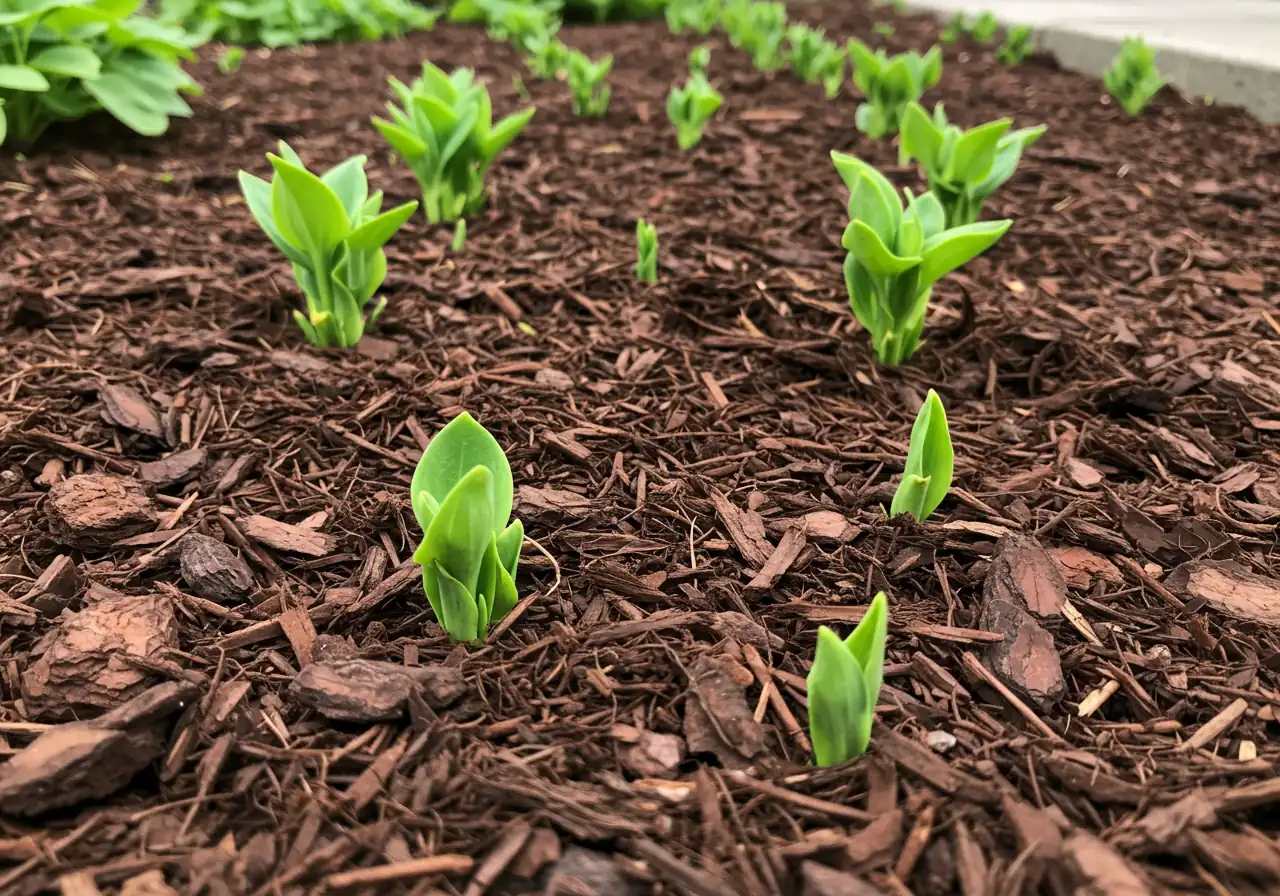
Let's face it, we all want gorgeous gardens overflowing with happy plants. Who doesn't love lush leaves and bountiful blooms? But we also want to be good neighbours to Mother Nature, especially here in the Ottawa area where precious waterways like the Jock River are practically in our backyard (lucky us!). Good news! You can absolutely have both with eco-friendly fertilizing. It’s all about feeding your plants smartly while keeping our planet (and local gems like Kars and Vernon) healthy. Think of it as feeding your garden’s soul, not just its stomach!
The undisputed champion of eco-friendly feeding is compost. Seriously, it's garden gold! Turning kitchen scraps and yard waste – the very stuff often cleared away during a thorough Ottawa yard cleanup service – into compost builds amazing soil structure and releases nutrients slowly and gently. It’s like a health spa for your soil! No harsh chemicals, just happy soil microbes and even happier plants. Check the City of Ottawa Waste Explorer for local composting guidelines. If you're in more rural areas near Winchester or Kenmore, you might also have access to well-aged manure, another fantastic natural soil builder when used responsibly.
The main goal here is to reduce reliance on synthetic fertilizers, especially if your property is near water or slopes towards a storm drain. Why the fuss? Because when we get those Ottawa downpours, excess nutrients from fertilizers can wash off our lawns and gardens. This nutrient runoff flows into streams and rivers, potentially causing nasty algae blooms that harm fish and aquatic life. Nobody wants that for the Jock River or the Rideau! Learn more about local watershed health from the Rideau Valley Conservation Authority.
So, how do we keep the plant food where it belongs – nourishing your garden, not the local algae? Here are some easy, effective tips:
- Feed the Soil First: Focus on building healthy soil with compost and organic matter. Healthy soil acts like a sponge, holding onto nutrients much better. This is a core part of our city property cleanup service philosophy.
- Timing is Everything: Check the forecast! Never apply fertilizer right before a heavy rainstorm is predicted. Give it time to settle in.
- Sweep, Don't Spray: Oops! Spilled some granular fertilizer on the driveway or sidewalk? Sweep it back onto the lawn or garden bed. Don't just hose it down into the street where it heads straight for the storm drain!
- Go Slow: If you do use synthetic fertilizers, look for slow-release formulas. They deliver nutrients gradually, reducing the risk of runoff.
- Mulch is Your Friend: Applying beneficial mulch and sharp edging not only makes garden beds look polished but also helps prevent soil erosion and keeps moisture and nutrients right where plants need them.
- Healthy Plants are Hungry Plants (in a good way!): Strong, healthy plants, supported by consistent ongoing garden maintenance, are much better at actually using the nutrients available in the soil, leaving less excess behind. Consider our Marionville garden clean up service if you're in that area.
Making conscious, responsible choices for our yards benefits everyone in the community. It leads to healthier, more resilient gardens that need less intervention, and it protects our shared Ottawa environment. It’s similar to how responsible businesses operate transparently, like detailing data handling in a clear privacy policy; choosing eco-friendly garden practices is simply the responsible, forward-thinking thing to do. Need a hand getting started or managing your garden the green way? Our professional property cleanup services (like in Metcalfe) teams understand and implement eco-friendly garden care strategies. Happy plants, healthy planet – it really is a beautiful thing! Thanks for reading - check out our thank you page or leave us feedback.
Richmond Gardener's Quick Nutrient Wins
Alright, fellow Richmond and Ottawa area green thumbs, feeling a bit overwhelmed? Don't sweat it! Here are five fast takeaways:
- Play Detective in Your Own Yard: Remember microclimates? Your spot in Richmond is unique. Know your sun/shade and soil type (clay/loam/sand). Don't treat the whole yard the same!
- Stop Guessing, Start Testing: A simple soil test is your best friend. It tells you what your soil *actually* needs, preventing waste and harm.
- Feed the Soil, Not Just the Plant: Compost is king! Regularly adding organic matter improves *any* soil, provides slow-release nutrients, and builds a strong foundation. Explore our guide on thoughtful landscape material selection. This can be part of services like a city garden clean up service.
- Smart Snacks, Timed Right: Give plants the right food (N-P-K balance) during active growth (spring/early summer). Follow directions! Consistent feeding is part of good city garden maintenance service.
- Keep it Clean & Green (Eco-Friendly): Avoid fertilizing before heavy rain. Sweep up spills. Compost reduces synthetic needs. Protect our Ottawa waterways!
FAQs: Your Ottawa & Richmond Nutrient Questions Answered
Ah yes, the classic Ottawa Valley clay hug! You're not alone. Heavy clay soil holds onto nutrients tightly, but sometimes its dense structure makes it hard for plant roots to access them, especially if it's compacted or waterlogged. Think of it like a pantry full of food, but the door is stuck! The absolute best long-term fix is improving the soil structure itself. Regularly adding organic matter – like good quality compost – works wonders over time. It helps break up the clay, improve drainage, and makes those nutrients more available. Check out our tips on choosing the right soil amendments and compost to get started. Patience is key, but your plants will thank you!
That's a great question, and very responsible! We love our local waterways too. The key is preventing excess nutrients from washing away. Start by only applying what your plants actually need – a soil test helps here. Choose organic or slow-release fertilizers, as they release nutrients gradually. Always avoid fertilizing right before heavy rain is expected. If you accidentally spill fertilizer on driveways or patios, sweep it back onto the lawn or garden, don't hose it down! Building healthy soil with compost also helps, as it acts like a sponge. If you're unsure about managing nutrient applications safely, our expert city garden maintenance service team can handle it responsibly.
Great question! Timing is pretty important in our climate. For your lawn, a good feed in early spring (think May, after things green up) helps it recover from winter. Another feed in early fall helps it store energy for the *next* winter. For most garden plants (perennials, shrubs, veggies), the main feeding window is during their active growing season – late spring through mid-summer (roughly May to July/early August). Avoid feeding most plants late in the season (after September) as you want them to harden off for winter, not put out tender new growth. Need a hand figuring out a specific schedule for your unique Barrhaven or Richmond garden? Feel free to get in touch with us for personalized advice.
Hold your horses there, eager beaver! Yellowing leaves (chlorosis) *can* mean a nutrient deficiency (like nitrogen or iron), but it's not the only cause. Overwatering, underwatering, soil pH being too high or too low (which can lock up nutrients even if they're present!), pests, or diseases can also cause yellowing. Before you reach for the fertilizer, play detective. Check the soil moisture, look closely for bugs, and consider if anything else has changed. Getting a soil test is the smartest move to check nutrient levels *and* pH. If you're stumped, our regular city garden maintenance service includes monitoring plant health and can help diagnose the real issue. Sometimes, simply adding compost is the best first step, as it helps buffer pH and provides a broad range of nutrients slowly.
Exciting stuff, starting fresh! Proper prep makes a huge difference. First, make sure you remove all the existing grass and weeds thoroughly – you don't want them competing with your new plants. Then, the magic happens: incorporate generous amounts of organic matter. Compost is fantastic, but well-rotted manure or other soil conditioners work too. Mix it well into the top 6-12 inches of existing soil. This improves drainage (crucial in clay!) or water retention (vital in sandy spots!) and provides initial nutrients. For help with the heavy lifting of removing old sod or incorporating bulky amendments, consider our comprehensive city property cleanup service to get your new bed off to the best possible start. Depending on your soil test results, you might add a balanced starter fertilizer at planting time, but often, good compost is enough to get things rolling.
Conclusion: Grow Your Best Richmond Garden Yet!
Okay, deep breath! We've dug into the nitty-gritty of gardening in the unique conditions around Richmond and Ottawa. From decoding secret yard zones (those sneaky microclimates!) to getting friendly with our local soil (hello, clay!) and figuring out what plants actually want to eat (N-P-K and friends), you're now armed with the knowledge to stop guessing and start growing. It might seem like a lot, but understanding your specific patch of earth is the real secret sauce to making your plants not just survive, but truly thrive*. You've totally got this!
Think of the bragging rights when your garden is the envy of the block – whether you're in Manotick, Greely, or right here in Richmond. But hey, even seasoned pros need a hand sometimes (or just want to enjoy the weekend!). If you're ready to transform your yard from "meh" to magnificent but aren't sure where to start, or just need help tackling the trickier bits like soil improvement or choosing the right *plants*, we're here to help. Our *landscaping* team loves bringing beautiful gardens to life across the region, including Russell and Embrun. Ready for *your* best garden yet? Give Clean Yards a shout today for a friendly chat or a free quote! Let’s get growing!
Ready to take the guesswork out of feeding your Richmond garden? Let our experts handle your soil testing, amendment, and fertilization needs.
Explore Our Garden Care Services