
Kars Garden SOS: Rehabilitate Waterlogged Clay Soil
- Why clay soil holds water and causes drainage issues.
- Simple tests to identify soggy soil problems.
- Effective soil amendments (especially organic matter).
- Drainage solutions like French drains and raised beds.
- Planting strategies suitable for clay conditions.
- Quick tips for immediate improvement.
Need help tackling your tough soil? Request a quote today!
Introduction: Kars, Is Your Garden Swamped? Let's Talk Clay!
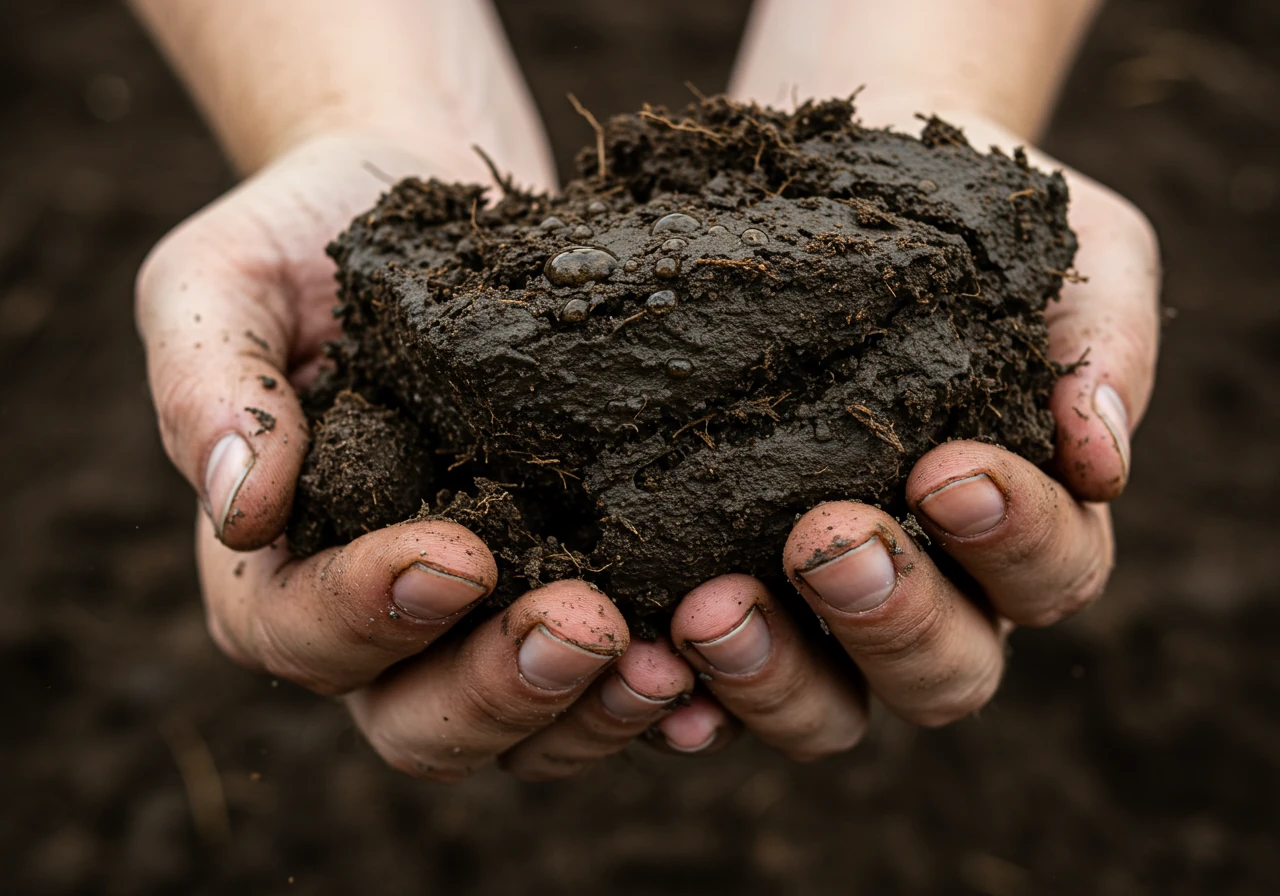
Hey Kars! Does your backyard sometimes feel more like a wading pool than a garden after it rains? If you're nodding along, you're likely doing the famous Kars clay soil tango. You're definitely not alone! That heavy, sticky soil is a well-known feature across much of the Ottawa region, including nearby communities like Osgoode and Manotick. While clay holds onto nutrients like a champ, its terrible drainage can make gardening and landscaping feel like a real chore. Forget digging – sometimes it feels like you need a pickaxe! And soggy lawns where water just sits? Don't get us started.
It's frustrating when your beautiful planting ideas get stuck in the mud, literally, or your favourite perennials drown before they even get established. Poor drainage doesn't just mean puddles; it affects root health and limits what you can successfully grow. But hang on, don't trade your gardening gloves for rain boots just yet! This guide is here to help. We'll explore practical soil improvement techniques and smart landscaping strategies designed to conquer that Kars clay and help your garden thrive, not just survive. Let's turn that potential swamp into something stunning!
Decoding the Dig: Why Ottawa Clay Gets So Waterlogged
Okay, let's get down and dirty – literally! Ever wondered *why* your shovel practically bounces off that Ottawa clay, especially after a downpour? Or why water seems to hang around forever after it rains? It all comes down to tiny particles. Imagine sand grains are like big, clunky marbles. Water flows easily through the spaces between them. Now, picture clay particles: they're super tiny, flat, and like to pack together tighter than commuters on a rush-hour bus.
These flat little plates stack up, leaving almost no room for water (or vital air!) to move through easily. Think of trying to pour water through a stack of dinner plates versus a jar of marbles – big difference, right? That’s why water just *sits* on top or drains incredibly slowly in clay soil. It's not that the clay *wants* to drown your favourite perennials; it just holds onto water like a toddler holds onto their favourite toy. This density makes digging a real workout, which is why using ergonomic garden tools can save your back when tackling heavy landscaping jobs in this type of soil.
Here in the Ottawa region, particularly in areas like Greely and stretching towards Metcalfe, we're often dealing with what's known as Leda clay (sometimes called Champlain Sea clay). Left behind by an ancient sea that once covered the area, this stuff is *extra* fine and densely packed, making poor drainage a common headache for gardeners and landscapers trying to establish healthy root systems.
Add Ottawa's lovely freeze-thaw cycles in spring, which can compact the soil even further, and our occasional heavy summer rains or rapid spring melts, and you've got a recipe for sogginess. It’s really useful to note where water consistently pools in your yard; keeping good garden records helps track soggy spots year after year. Pay attention when you first get back into the garden after winter melts; you can assess how winter affected your soil drainage during your spring garden scan. Poor drainage stresses plants significantly, so be sure to conduct fall garden health checks for signs of root rot or other moisture-related issues before winter sets in again. A great resource for understanding local soil types is the Ontario Soil and Crop Improvement Association.
While improving clay soil takes effort (don't worry, we'll cover *how* in the next section!), understanding *why* it behaves this way is the crucial first step. If wrestling with waterlogged clay and the cleanup it requires feels overwhelming, remember that professional help is available. You might consider our range of landscaping services to tackle tough soil, including specialized options like how our dedicated Embrun yard cleanup service can help manage waterlogged areas. Knowing the 'why' behind the waterlogging helps us figure out the 'how' to make your garden truly thrive!
Playing Detective: How to Spot and Test Soggy Soil
Okay, garden sleuths, grab your metaphorical magnifying glass! If you suspect your soil is holding onto water like a squirrel hoarding nuts for winter, it's time to do some detective work. Spotting soggy soil isn't always about seeing puddles that stick around longer than annoying houseguests (though that's a *big* clue!). Sometimes, the signs are sneakier.
Step 1: The Visual Inspection
First, use your eyes. Do you notice:
- Water pooling on the surface long after a rain shower? Especially in low spots?
- Areas where the grass looks thin, yellow, or patchy compared to drier spots?
- Moss or algae growing happily on the soil surface (they love damp conditions!)?
- Plants that look stunted, wilted even when watered, or have yellowing lower leaves? This can indicate root rot from too much moisture, a common issue needing attention perhaps even requiring a focused Marionville garden clean up service if specific beds are badly affected.
- Soil that stays dark and damp-looking for days after surrounding areas have dried out?
If you're nodding yes, especially to persistent puddles that make spring cleanup a muddy mess, you might be dealing with poor drainage. Identifying these trouble spots is key, particularly if you're considering work that might benefit from an expert touch, like the assistance offered by our City yard cleanup service.
Step 2: The Squeeze Test (a.k.a. The Mud Pie Test)
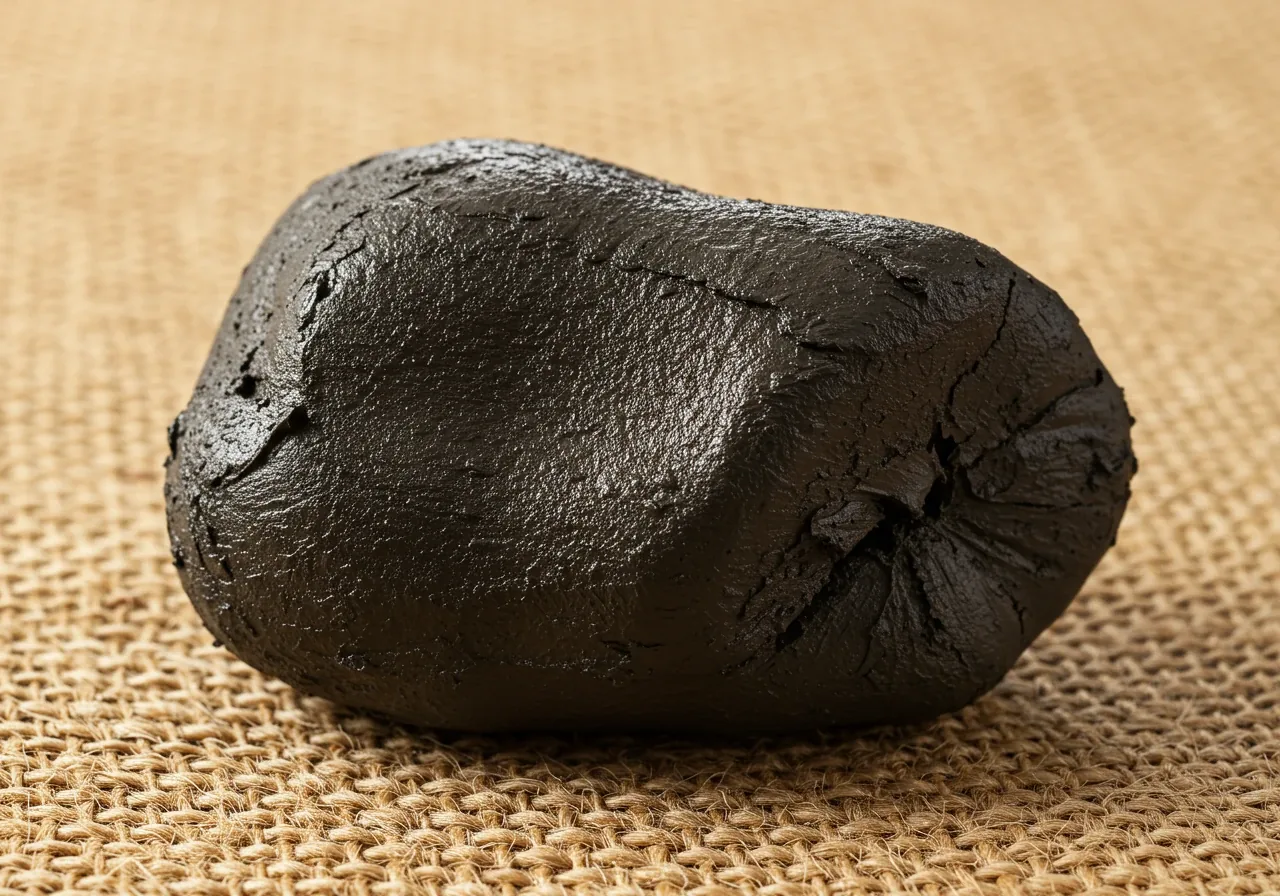
This one is super simple and quite telling. Wait a day or two after a decent rain, or water a patch thoroughly and wait a day. Dig down about 6 inches and grab a handful of soil. Now, give it a gentle squeeze in your fist:
- Falls apart easily? Likely sandy or loamy – drainage probably isn't your main issue here.
- Holds its shape but crumbles when poked? Bingo! You've likely got good loam or well-amended soil. Gold star!
- Holds its shape tightly, feels slick, and doesn't crumble easily? Maybe even oozes water? Houston (or rather, Ottawa!), we have clay! This indicates soil that holds lots of water and likely drains slowly.
Step 3: The Percolation Test (a.k.a. The Hole Story)
This test gives you a real number for how fast (or slow!) water drains away. It takes a bit more effort but tells a much clearer story.
- Dig a hole about 6 inches wide and 12 inches deep. Rough dimensions are fine – no need for perfect measurements. In particularly stubborn clay, like you might find in parts of Barrhaven or Nepean, this digging might be the hardest part!
- Fill the hole with water and let it drain completely. This saturates the surrounding soil.
- Quickly refill the hole with water right to the top.
- Now, grab a ruler or measuring tape and measure the water level drop over one hour.
What does it mean?
- Drops more than 2 inches per hour? Excellent drainage! Lucky you.
- Drops 1-2 inches per hour? Good drainage, suitable for most plants.
- Drops less than 1 inch per hour? Uh oh. That’s slow drainage, typical of heavy clay. Water isn't moving through quickly enough, potentially drowning plant roots.
This test can get a bit messy, leaving muddy holes. If you're tackling several spots and making a bit of a muddle, sometimes getting help with the aftermath is useful; our Metcalf yard cleanup service handles general tidying.
Knowing *exactly* how your soil behaves is the crucial first step before you start amending or choosing plants. The results from these simple tests are invaluable for planning effective soil preparation strategies tailored to your specific Ottawa yard. For really detailed insights, especially if you suspect nutrient imbalances or pH issues on top of drainage problems, you can send a soil sample to a professional lab like the University of Guelph's Agriculture & Food Laboratory for a full analysis. Understanding your soil is fundamental to creating a thriving garden and achieving amazing landscape transformations. And if dealing with the consequences of soggy soil feels overwhelming, remember that a thorough Ottawa garden clean up service can help reset the stage. Now you have the intel – next up, we'll discuss how to act on it!
The Amendment Army: Your Best Weapons Against Waterlogging
Okay, you’ve identified the enemy – that stubborn, waterlogged clay. Now it’s time to call in the troops! Your best defense, your *amendment army*, is mostly made up of hardworking organic materials. Think of them as the engineers who rebuild your soil structure from the ground up, making it less like a brick and more like a sponge that holds *just enough* water without drowning everything.
The Organic All-Stars:
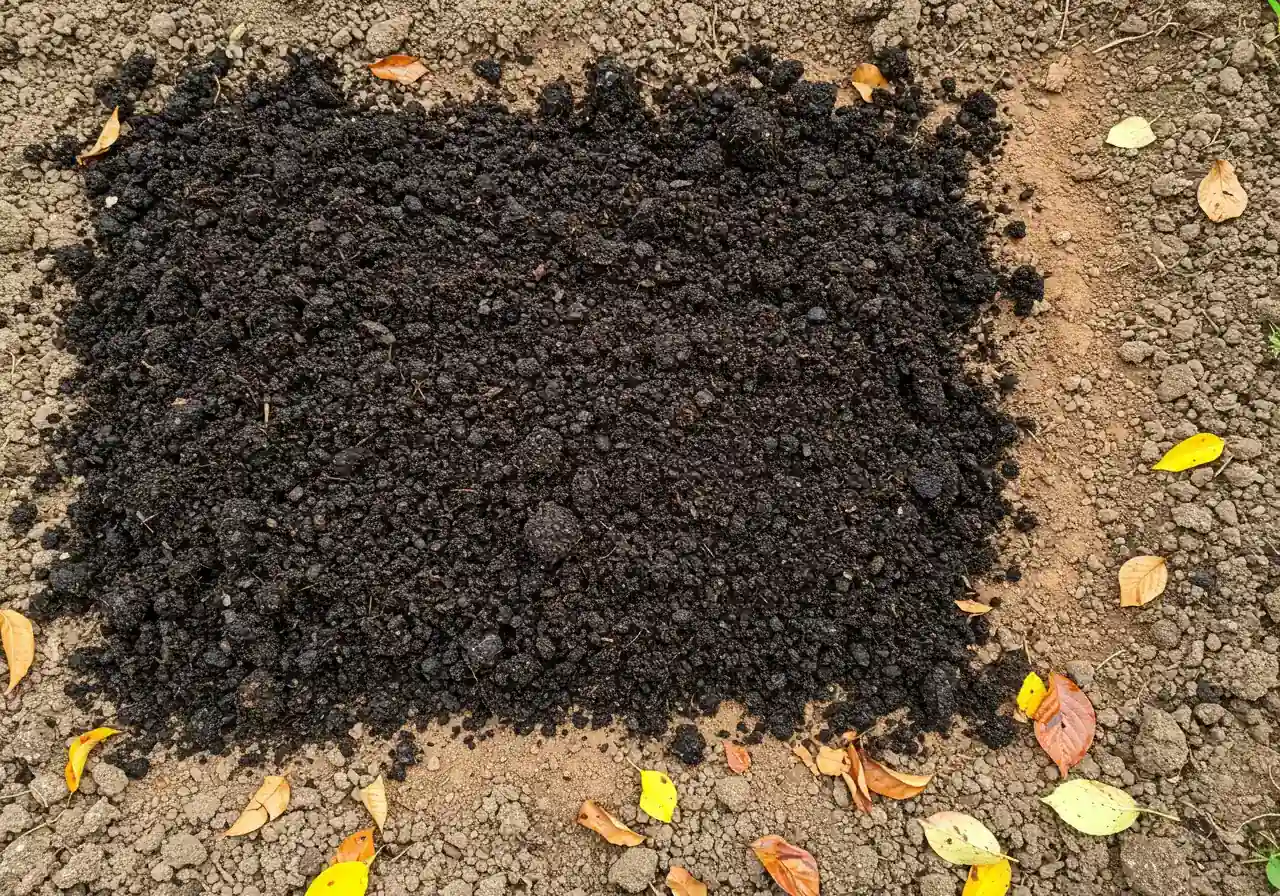
These are your front-line soldiers against sogginess. Adding organic matter is the *single best thing* you can do for heavy clay soil. It works by binding tiny clay particles into larger clumps (called aggregates), creating pore spaces for air and water to move through. It's a gradual process, so don't expect overnight miracles, but consistency is your secret weapon!
- Compost: The Most Valuable Player! Well-rotted compost (whether homemade from kitchen scraps and yard waste, bought in bags, or from municipal programs like Ottawa's Green Bin program) is black gold for clay. It improves structure, adds slow-release nutrients, and invites beneficial soil organisms like earthworms (nature’s little rototillers!). Incorporating compost is one of the most essential soil preparation techniques. Selecting the right type can be part of our material selection advice.
- Aged Manure: Another fantastic option, especially if sourced locally around areas like Vernon or Winchester. Like compost, it adds structure and nutrients. *Crucially*, make sure it's well-aged (at least 6 months old) – fresh manure is too "hot" (high in nitrogen) and can burn your plants. Think mellowed-out veteran, not fiery rookie.
- Leaf Mold: Nature's slow-cooked soil conditioner! Simply rake up fall leaves (avoiding diseased ones or black walnut leaves), moisten them, and let them break down in a pile or bin for a year or two. The resulting material is less nutrient-rich than compost but works wonders for improving soil texture and water retention *without* causing sogginess.
- Cover Crops (Green Manure): Think of these as living amendments. Planting things like annual rye, oats, clover, or buckwheat in bare soil areas helps break up compaction with their roots. When you till them back into the soil *before* they set seed, they add valuable organic matter right where you need it.
How Do They Do It? The Science Bit (Made Easy):
Imagine those tiny, flat clay particles all packed together like rush hour on the 417. Organic matter acts like glue, sticking them into bigger, irregular clumps. These clumps create larger spaces (pores) between them. Voilà! Water drains better, roots can breathe easier, and digging becomes less of a wrestling match. Consistent addition is key; you can't just amend once and expect lasting change. This dedication to improving soil health is central to how we work; you can learn more about our approach to creating thriving landscapes.
A Word of Caution: The Inorganic Recruits
You might hear folks suggest adding sand or gypsum. Proceed with caution, soldier!
- Sand: Adding *just* sand to clay is often a recipe for making concrete, not improving drainage. Seriously! You'd need a *massive* amount of sand (like 50% sand mixed into your soil by volume) to make a real difference, which is usually impractical and expensive for garden beds. It's generally *not* recommended unless done professionally with very specific ratios, especially when preparing soil before sod installation where a uniform, well-draining base is critical.
- Gypsum: This amendment primarily helps *specific* types of clay (sodic clays, which aren't the main issue for most Ottawa gardeners) by changing the soil chemistry. It *might* offer minor improvements in clumping for some local clays, but it's definitely not a magic bullet for typical drainage woes. Test your soil first or get expert advice before spending money on gypsum.
Eco-Friendly Maneuvers for Your Army:
- Always top your garden beds with a layer of organic mulch (like shredded bark or wood chips) – it helps keep moisture even, suppresses weeds, *and* breaks down slowly over time, adding more organic matter. Our mulching and edging services can help with this.
- Avoid the temptation to dig or walk heavily on clay soil when it's really wet – you'll just compact it further and undo your hard work. Wait until it's just moist, not sticky.
- Keep composting your kitchen scraps and yard waste! It’s free soil amendment!
Your Ottawa Amendment Calendar
Spring (April-May)
As ground thaws & dries, gently mix in compost/aged manure into beds. Avoid over-tilling. Ideal time for initial Ottawa property cleanup service to clear winter debris before amending.
Summer (June-August)
Top-dress lightly if needed. Maintain mulch. Focus on proper watering. Keep areas tidy with ongoing regular garden maintenance in Ottawa.
Fall (September-October)
Prime time! Generously add & dig in compost, manure, leaf mold after clearing annuals. Plant cover crops. Schedule a Marionville property cleanup service for major leaf removal and bed prep.
Winter (November-March)
Let amendments work with freeze-thaw cycles. Keep cover crops in place. Protect sensitive plants if needed. Plan for spring!
Improving heavy clay soil is a marathon, not a sprint. But by consistently deploying your "amendment army," especially the organic all-stars, you *can* win the battle against waterlogging and create a garden that thrives. Remember that specific details about amendment applications and quantities might be outlined in project proposals; always review and understand our service terms for clarity on the scope of work. And if you've received a plan or quote from us that included specific amendment recommendations, please let us know how our estimate worked for you – your input helps us serve you better!
Thinking Outside the Shovel: Drainage Solutions & Smart Planting
Okay, so you've joined the "amendment army" and are working *with* your soil. High five! But sometimes, especially in persistently soggy spots or areas with significant slope issues, even the best amended soil needs a little extra help. It's time to think *outside* the shovel (and maybe *with* a different kind of shovel, or even machinery!). Let's dive into some clever drainage solutions and smart planting choices for your Ottawa garden.

Going with the Flow: Physical Drainage Fixes
When amending isn't quite enough, consider these more structural approaches:
- French Drains: A hidden trench lined with fabric, filled with gravel, and often a perforated pipe. Carries excess water away. Great for boggy areas or near foundations. Installation can be significant; consider prep help from a Metcalf garden clean up service or post-installation cleanup via an Ottawa yard cleanup service.
- Raised Garden Beds: Superstars for clay! Build upwards to create an instant zone of well-draining soil. Warmer in spring, neat looking, easier on the back.
Simple Guide to Building a Basic Raised Bed:
- Choose your spot: Pick a level, sunny location.
- Mark it out: Define corners (e.g., 4x8 feet).
- Prepare the base: Remove sod/weeds. Lightly loosen clay below. Lay down cardboard (optional).
- Build the frame: Use untreated lumber (cedar), blocks, or stones (8-12 inches high). Secure corners.
- Fill 'er up: Use quality garden soil mix (topsoil, compost, etc.). *Don't* use native clay! Keeping the area tidy can be part of a regular city garden clean up service. We also offer professional garden bed installation.
- Dry Creek Beds: Decorative channels lined with rocks/stones that guide surface water during heavy rain, looking attractive when dry.
Planting Smarter, Not Harder
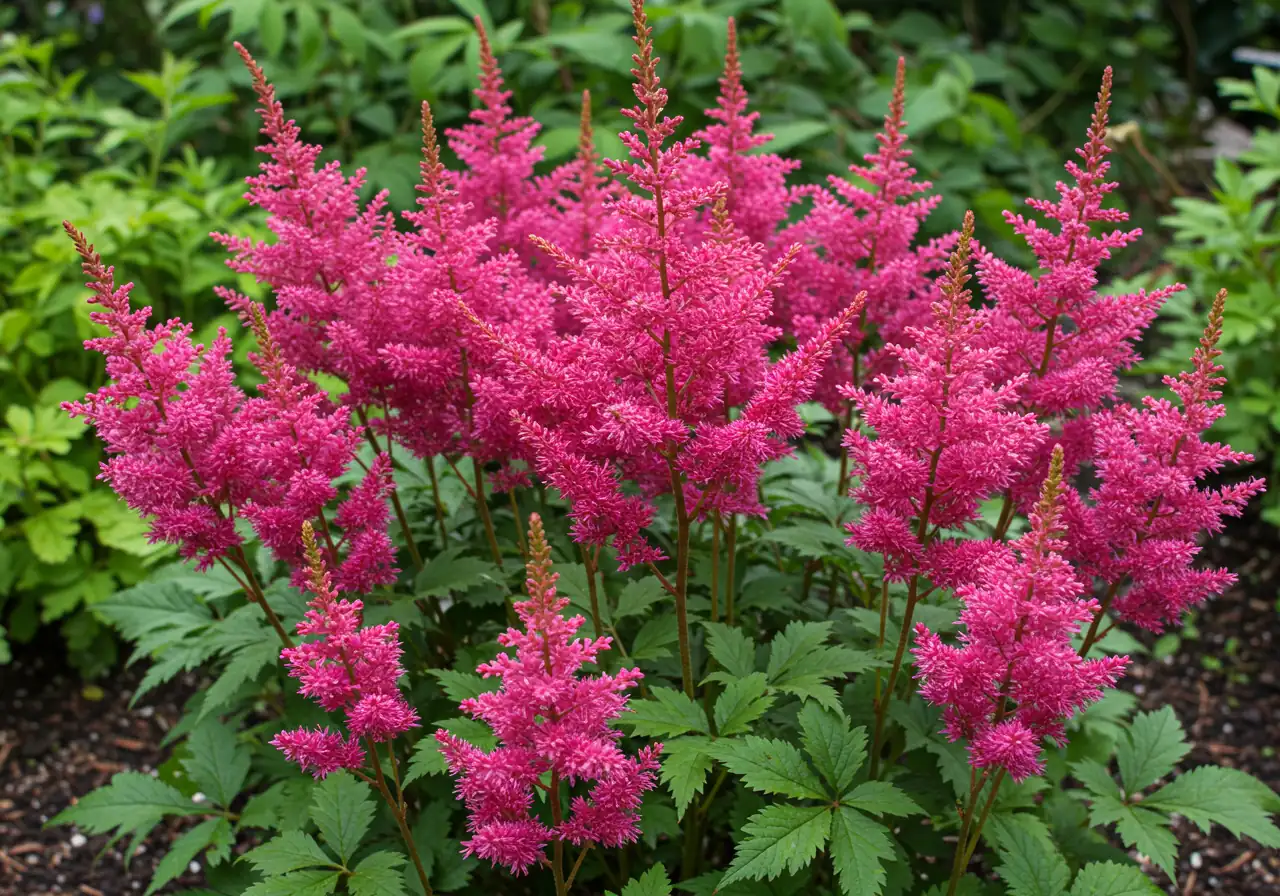
Even with improved drainage, choose plants suited to *improved* clay conditions. Embrace those tolerant of "wet feet" occasionally.
- Native Powerhouses: Often adapted to local clay and climate. Think Joe Pye Weed, Swamp Milkweed, Cardinal Flower, Blue Vervain, Ostrich Fern, Sedges (Carex). Check resources like the Rideau Valley Conservation Authority for native plant ideas.
- Water-Tolerant Beauties: Many lovely ornamentals thrive:
- Perennials: Astilbe, Siberian Iris, Ligularia, Rodgersia, Bee Balm (Monarda), Turtlehead (Chelone).
- Shrubs: Red Osier Dogwood, Elderberry, Summersweet (Clethra), Buttonbush, Winterberry Holly (Ilex verticillata).
- Consider Your Lawn: Drainage helps grass too! Healthier turf comes from good drainage and overall lawn care practices.
Putting It All Together
Combining soil amending with smart drainage solutions like raised beds, and then choosing appropriate plants, creates a resilient and beautiful garden. If you've addressed a major drainage issue across a larger area, a general Metcalf property cleanup service might be useful to restore order to the wider landscape. Remember, working *with* your site conditions, even challenging clay, often yields the best results. Keep these newly planted areas well-maintained through services like consistent city garden maintenance service to ensure your plants establish well and thrive in their improved environment. By thinking beyond just digging deeper, you can truly conquer the challenges of Ottawa clay!
Clay Soil Improvement Methods: Impact Over Time (Illustrative)
*Note: Chart shows illustrative improvement in drainage/workability, not exact scientific data.
Quick Wins for Wet Clay Woes
Okay, let's talk about some quick fixes and smart habits you can adopt *right now* to make living with heavy Ottawa clay a bit less, well, soggy! While the big guns like major soil amending and drainage systems work wonders long-term, these speedy solutions can bring immediate relief and make day-to-day gardening less of a chore, especially in areas like Barrhaven where clay is common.
- Give Your Lawn Some Breathing Room (Literally!): Is your lawn compacted? Does water pool? Core aeration pulls soil plugs, creating channels for air/water. Tackles surface compaction directly. Key part of good annual lawn care maintenance.
- Master the Mulch: A 2-3 inch layer of organic mulch (shredded bark/wood chips) prevents crusting/splashing, suppresses weeds, adds organic matter slowly. Avoid piling against stems. Proper application is key, often part of professional mulching services.
- Water Wisely, Not Wildly: Clay absorbs slowly, holds tightly. Water less often, but deeper. Let water soak in. Check moisture 1-2 inches down before watering again. Smart watering is fundamental to ongoing garden maintenance.
- Top-Dress with Treats: Spread a thin layer (0.5-1 inch) of quality compost over soil surface around plants (spring/fall ideal). Rain/critters work it in gradually. Great for new plants, crucial during new garden bed installation.
- Direct That Downspout!: Check where downspouts empty. Dumping water near beds or low spots? Add extenders/splash blocks to direct water away from problem areas. Prevents pooling that might need a detailed city yard cleanup service.
These quick wins won't magically transform heavy clay overnight, but implementing them consistently makes a real difference in managing moisture, improving plant health, and making your garden a more enjoyable place to be, even after a classic Ottawa downpour! You can find more tips on our Google My Business page.
FAQs: Your Kars Clay Conundrums Answered!
Absolutely! While Kars and nearby Manotick clay is challenging, you can definitely improve it for better gardening. Consistent amending with organic matter like compost gradually builds better structure. Think fitness routine for your soil – results take time! Raised beds are another great workaround. Preparing the area is key; sometimes a general property clean up helps get you started tackling the improvements.
Ah, the age-old sand myth! Adding *just* sand to heavy Ottawa clay is generally a bad idea – you often end up with something closer to concrete, seriously! You'd need huge, impractical amounts to make a difference in typical landscaping scenarios. Stick to organic matter like compost; it’s the tried-and-true method for improving drainage and making digging easier.
Improving clay isn't an instant fix. You'll likely notice *some* difference in workability (like easier digging!) within the first season of consistent amending. Significant changes in drainage and plant health, however, might take 2-3 years of adding organics regularly. Patience is a key gardening virtue here! We appreciate homeowners sticking with it – thanks for investing in your landscape!
That Ottawa spring melt sogginess is tough! First, play detective: observe *where* water pools most persistently. Is it near downspouts? In low spots? Identifying these problem areas helps prioritize fixes like redirecting drainage or starting soil amending there. If winter debris is making things worse and obscuring the issue, sometimes a city property cleanup service might be needed before you can even properly assess.
Think of amending clay like feeding a sourdough starter – it needs ongoing care! While initial heavy applications make a big difference, you'll want to top-dress with compost or other organic matter annually (fall is great!) to maintain the improved structure. Clay particles naturally want to compact again, so ongoing organic additions keep it happy, much like how regular Marionville yard cleanup service avoids big messes. Check our privacy policy for how we handle client data.
If you've consistently amended, checked downspouts, maybe even tried raised beds, but still face severe waterlogging, persistent plant death, or if the scale of the problem (like needing French drains or significant regrading, perhaps across a property in Greely) feels overwhelming, it's time for expert help. Professionals have specialized equipment and knowledge for larger drainage solutions. Sometimes a focused Marionville property cleanup service to prep the area might precede professional drainage work for specific zones. Feel free to contact us to discuss your situation.
Conclusion: From Kars Quagmire to Garden Paradise
So, Kars gardeners, we've journeyed together from soggy frustration to hopeful solutions! Remember that heavy clay soil we started with – the stuff that makes your backyard feel like a wading pool after a typical Ottawa rain? Hopefully, you're now feeling empowered, armed with knowledge about *soil improvement* and ready to turn things around.
We've seen how crucial adding *organic matter* (like compost!) is, explored smart *drainage* options like *raised beds*, and talked about choosing the right *plants* that can handle less-than-perfect conditions. Transforming that Kars clay into a thriving *garden* paradise won't happen overnight – it's more of a steady jog than a quick dash. But stick with it! Consistent effort truly pays off, leading to healthier soil and happier plants.
Ready to ditch the quagmire feel for good? Why not pick one tip, like boosting your compost additions or planning a *raised bed*, and get started this season? And hey, if the thought of wrestling that clay in Kars, Manotick, or Osgoode still makes your back ache just thinking about it, don't hesitate to reach out. We'd love to chat about professional *landscaping* solutions to help make your garden dreams a reality. Let's get growing!