
Install a Thriving Herb Garden in Barrhaven Clay Soil Now
Ready to add fresh, homegrown flavour to your meals but worried about Barrhaven's challenging soil? We can help! Get started with a free quote for professional garden installation or soil amendment.
Quick Start Guide: Herb Garden Success in Barrhaven
- Problem: Barrhaven soil is often heavy clay, causing poor drainage and compaction.
- Solution 1: Amend existing soil heavily with organic matter (compost, manure).
- Solution 2: Use raised beds or containers filled with quality garden mix to bypass clay issues.
- Location: Choose a spot with 6+ hours of direct sunlight daily.
- Best Herbs: Select hardy varieties suited for Zone 5b (Chives, Oregano, Sage, Thyme). Treat tender herbs like Basil as annuals.
- Care: Water wisely (check soil moisture), mulch well, and harvest regularly.
Introduction: Dreaming of Fresh Herbs in Barrhaven? Let's Dig In!
Picture this: You're whipping up dinner in your Barrhaven kitchen, maybe dreaming of pasta with *really* fresh basil, or a cooling mint tea straight from the garden. Sounds lovely, doesn't it? But then maybe you remember your backyard soil – that heavy Ottawa clay. Does the thought of digging into the infamous 'Barrhaven gumbo' make your shoulders slump? You're not alone! Many find our local soil a bit challenging for gardening.
But here’s the good news: growing a fantastic herb garden right here is totally possible! That tricky soil doesn't have to crush your green-thumb ambitions. From Barrhaven to Nepean and across the Ottawa area, people are successfully cultivating delicious, fragrant herbs, and you can too. Find inspiration and learn more about us and our approach on our about us page.
Think of this article as your friendly, step-by-step guide. We'll skip the confusing jargon and give you practical tips tailored for our region. We’ll cover how to improve that soil (goodbye, gumbo!), choose herbs that thrive here, and simple landscaping ideas to create your perfect little herb patch. Ready to turn that dream of fresh flavours into reality? Let’s dig in!
Understanding Barrhaven's Clay Soil: Friend or Foe?

Ah, the famous Barrhaven soil! If you've ever tried digging here, or in many parts of Ottawa for that matter, you've likely met our local clay. Think of clay soil as being made up of super tiny particles packed really tightly together. Imagine flour versus beach sand – clay is like the flour. This density means it holds onto water like a sponge that just won't let go. While you'll find variations, this heavy soil is pretty common across the region, from Barrhaven and Nepean out towards communities like Greely and Russell.
So, is this clay soil a gardener's friend or a backyard foe? Well, it’s a bit of both!
Let's start with the tricky bits – the "foe" side:
- Poor Drainage: Because the particles are so close, water drains *very* slowly. This can mean soggy roots in the spring or after heavy rain, which most plants really dislike. Your garden beds might resemble a shallow pond!
- Compaction: When dry, clay soil can bake solid, becoming hard as a brick. Trying to dig into dry clay can feel like you need heavy machinery, not just a shovel. It also makes it tough for plant roots to push through.
- Slow to Warm: Heavy, wet soil takes longer to warm up in the spring, which can delay planting.
But wait, there's a "friend" side too!
- Nutrient Rich: Those tightly packed particles are great at holding onto essential nutrients that plants need to grow. Unlike sandy soil where nutrients wash away quickly, clay hangs onto the good stuff.
- Holds Moisture: While *too much* water is bad, clay's ability to retain moisture means plants might need less frequent watering during dry spells compared to sandier soils – *if* the roots can access it.
Okay, so it's a mixed bag. The good news is you *can* work with clay soil and improve it significantly for successful landscaping and gardening. The number one trick is adding *organic matter* – things like compost, aged manure, or leaf mold. This helps break up the dense structure, improving drainage and making it easier to work. Our soil preparation services specialize in this.
For specific projects, thoughtful planning helps. If drainage is a major headache, creating features like rain gardens can be effective; you can explore some Manotick rain garden tips for clay soil drainage for ideas. Laying a new lawn? Proper soil amendment before laying turf is crucial, as outlined in this Greely guide to sod installation on clay soil. Similarly, for food gardens, incorporating lots of compost or using raised beds can bypass many clay issues – check out these Russell veggie garden tips for clay soil. Using mulch is also a fantastic strategy; it helps maintain consistent moisture levels, preventing the soil from becoming waterlogged or baking solid. Learn more with these Metcalfe mulch magic and expert tips or explore our mulching and edging services.
Working with clay soil takes a bit more effort initially, but over time, you can turn it into a rich, productive base for your garden dreams. If tackling heavy soil improvements feels overwhelming, remember that professional help is available through various landscaping and garden services designed to handle exactly these kinds of challenges. So, while Barrhaven clay might start as a foe, with a little understanding and effort, it can definitely become a friend to your garden. Check out our customer feedback on Google!
Herb Garden Planning: Setting Yourself Up for Success in Ottawa
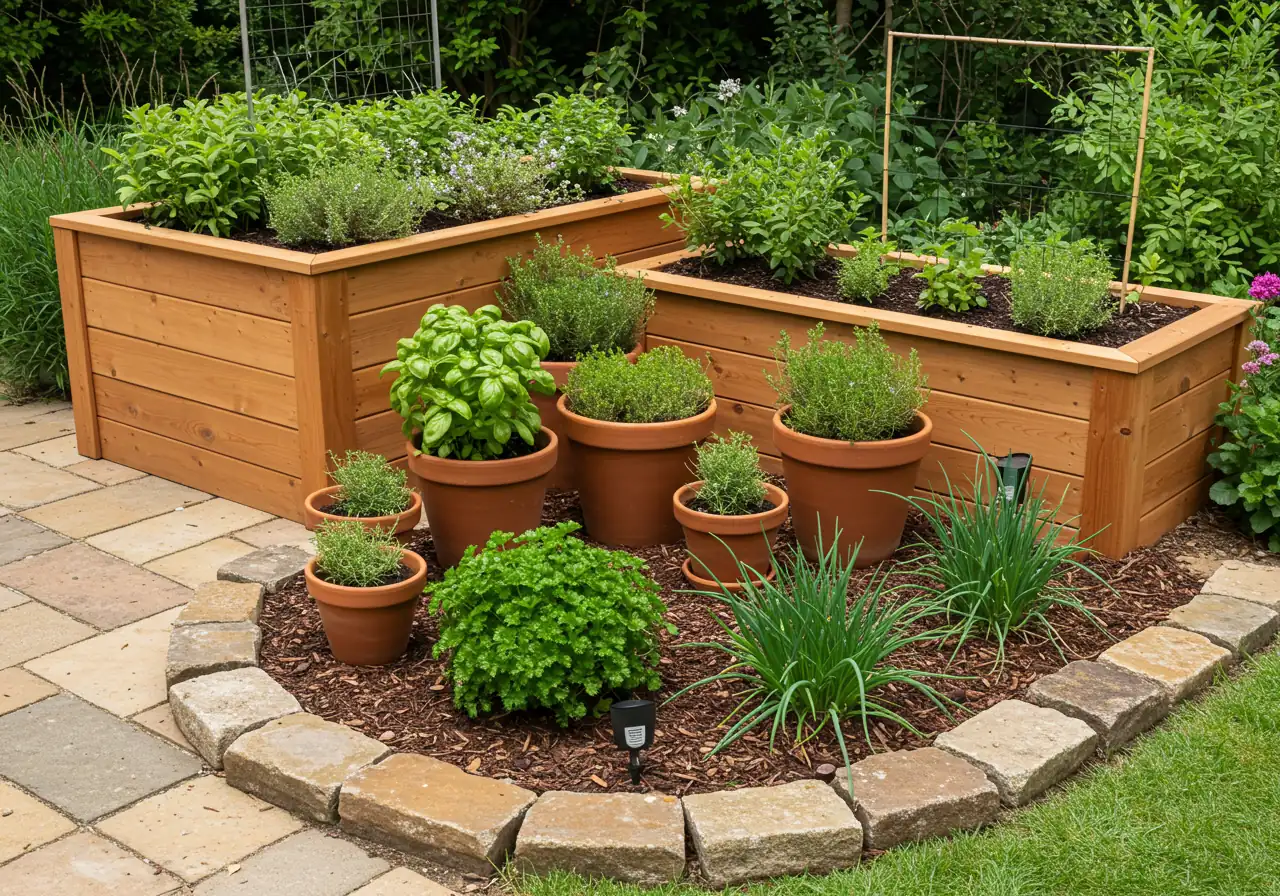
Alright, let's talk planning! Winging it might work for some things, but a little prep goes a long way in gardening, especially in Ottawa. Getting your herb garden plan right *before* you start digging (or buying pots!) will save you headaches later and set you up for a bountiful harvest. Think of it like mapping out a road trip – better to know where you're going!
Step 1: Location, Location, Location (Sunlight is King!)
Most herbs are sun-worshippers. They need *at least* 6-8 hours of direct sunlight per day to really thrive. Take a day to observe your yard. Where does the sun hit, and for how long? That sunny spot might be right by the patio, along a fence, or even on a balcony. Keep in mind that Ottawa's summer sun angle changes, so watch throughout the day. Don't despair if you only have partial sun (4-6 hours); some herbs like mint, parsley, and chives can tolerate it, but full sun is usually best. Also, consider wind protection – a spot sheltered from harsh winds is ideal. For local advice on plant placement, consider resources like the Ottawa Horticultural Society.
Step 2: Choosing Your Garden Style (Working With or Around Clay)
Now, how will your herbs live? Given our regional soil challenges, homeowners from Richmond to Osgoode face this choice:
In-Ground Beds
Pros: Can look very natural, potentially less expensive initially if you DIY the digging.
Cons: Requires significant soil amendment (mixing in lots of compost, peat moss, etc.) to improve drainage and texture in heavy clay. Can be hard work! Ongoing soil improvement might be needed. If you're removing old turf to make the bed, proper preparation is key, similar to prepping for new lawn sod installation.
Raised Beds
Pros: Excellent drainage! You control the soil completely, bypassing clay issues. Easier on the back as less bending is involved. Defines the garden space clearly. Our garden installation service often recommends these for challenging soil.
Cons: Higher upfront cost for materials and soil. Requires construction.
Container Gardening
Pros: Perfect for small spaces (balconies, patios). Portable – you can move herbs to follow the sun or bring tender ones indoors. Total control over soil. Ideal for aggressive spreaders like mint.
Cons: Pots dry out faster, requiring more frequent watering. Limited root space can restrict the size of some herbs. May need winter protection for pots left outside.
Step 3: Size and Layout Matters
Start small! It's tempting to plant everything, but an oversized garden can quickly become overwhelming, especially with weeding and general upkeep. A 4x4 foot raised bed or 3-5 containers is a great starting point. Ensure you can easily reach the middle of your beds or all your pots without trampling plants. Think about access for watering and harvesting. Maybe you need a path cleared or an overgrown area tidied up first? Some homeowners find that getting professional help, like a Vernon yard cleanup service or similar assistance elsewhere (e.g., Marionville yard cleanup service or Metcalf yard cleanup service), makes starting fresh much easier. If garden prep generates significant debris near the edge of your property, remember specialized help like a city property cleanup service or general property clean up might be useful for removal.
Step 4: Initial Herb Selection Hints
Choose herbs based on your chosen style and sun exposure. Sun-loving Mediterranean herbs like rosemary, thyme, oregano, and sage thrive in the excellent drainage of raised beds or containers. Herbs that tolerate slightly richer soil and a bit more moisture (like parsley, chives, cilantro) might do well in *well-amended* in-ground beds.
Eco-Friendly Tip: Consider companion planting! Some herbs can deter pests from neighbouring plants, reducing the need for pesticides. Plus, healthy soil and plants are the foundation of good lawn care and garden health overall.
Taking the time for thoughtful planning makes the entire process more enjoyable and successful. And if planning or executing feels like too much, remember there are comprehensive landscaping and garden services available to help bring your herb garden dreams to life, including city garden maintenance services. Happy planning!
Tackling the Clay: Soil Amendment and Preparation Techniques
Okay, so you've picked your sunny spot and decided *how* you want to grow your herbs – in the ground, raised beds, or pots. Now comes the fun part: getting your hands dirty! Let's face it, that Ottawa clay we discussed needs a little TLC before it becomes prime real estate for happy herb roots. Whether you're bravely amending the existing soil or opting for the convenience of raised beds, here’s how to prepare for planting success using expert soil preparation techniques.
Option 1: Wrestling the Clay Beast (Amending In-Ground Beds)
Improving heavy clay soil is like giving it a spa day – it takes effort, but the results are worth it. The key is adding *organic matter*. This magical stuff helps break up compacted clay, improves drainage (so roots don't drown), boosts aeration (letting roots breathe), and feeds beneficial soil microbes.
Here’s the game plan:
- Timing is Everything: *Never* work clay soil when it's soaking wet. You'll just compact it further, making things worse. Wait until it's moist but crumbly – typically a few days after rain or watering in spring or fall. Trying to dig dry, baked clay is also a recipe for frustration (and maybe a broken shovel!).
- Clear the Area: Remove any existing grass, weeds, or large rocks from your chosen garden spot. If you're dealing with a seriously overgrown area, getting some professional help like an Ottawa yard cleanup service can save you a lot of time and backache. For larger properties, especially out towards places like Marionville, specialized help like a Marionville property cleanup service or Metcalf property cleanup service might be needed.
- Loosen Up: Once the soil is workable, use a sturdy garden fork or spade to loosen the top 8-12 inches. Don't worry about making it perfect powder yet; just break up the big clumps.
- Add the Good Stuff (Generously!): This is the crucial step. Spread a thick layer (at least 3-4 inches, more is often better!) of organic matter over the loosened soil. What kind?
- Compost: Your garden's best friend! Use well-rotted homemade compost, bagged compost from a garden center, or explore Ottawa's own leaf and yard waste compost programs for an eco-friendly, local source.
- Aged Manure: Well-rotted (not fresh!) manure adds nutrients and improves structure.
- Leaf Mold: Decomposed leaves are fantastic soil conditioners.
- Peat Moss or Coconut Coir: Help retain moisture while improving aeration (consider coir as a more sustainable alternative to peat moss). Choosing the right materials is important, see our material selection guide.
- Mix it In: Gently work the organic matter into the loosened clay soil using your fork or spade. You want to incorporate it well, not just leave it sitting on top.
- Rake Smooth: Lightly rake the surface smooth, ready for planting.
Remember, improving clay soil is an ongoing process. Adding a top dressing of compost each year will continue to enhance its structure and fertility, which is a key part of effective garden maintenance. If you excavate a lot of heavy clay during this process, arranging for its removal might require a specific Ottawa property cleanup service that handles soil disposal.
Option 2: The Raised Bed Shortcut (Building Up, Not Digging Down)
Raised beds offer an excellent way to bypass problematic soil altogether, providing perfect drainage and letting you control the growing medium from the start. Whether you build them from wood, stone, or buy a kit, the filling process is key.
- Site Prep: Clear and level the ground where the raised bed will sit. You might want to lay down cardboard or landscape fabric at the bottom to suppress weeds (cardboard will decompose over time). This might be part of a larger city yard cleanup service effort.
- Fill 'Er Up: Don't just fill your beautiful new bed with straight topsoil or heavy clay! You need a balanced mix for happy herbs. Aim for something like:
- 60% Topsoil: Provides the basic mineral structure. Look for screened topsoil locally.
- 30% Compost: Adds vital nutrients and organic matter. Again, local compost sources are great.
- 10% Aeration Material: Something like coconut coir, vermiculite, or perlite helps keep the mix light and prevents compaction. (Some gardeners still use peat moss, but check its sustainability).
- Alternatively: Many garden centers in the Ottawa area sell pre-mixed "triple mix" or "garden soil" specifically designed for beds and containers. This can be a convenient option!
- Mix Gently: If adding components separately, mix them lightly within the bed as you fill it.
- Settle and Top Up: Water the bed well to help the soil settle, then top up with more mix if needed, leaving an inch or two of space below the rim.
Whether you amend or build up, preparing your soil properly is the foundation for a thriving herb garden. It ensures your plants get the drainage, air, and nutrients they need – setting the stage for healthy growth that complements your overall landscaping efforts, including good lawn care next to your new garden beds. See some of our completed projects on the transformations page.
Choosing Hardy Herbs: Best Bets for Barrhaven Gardens

Okay, let's talk herbs! Choosing the right varieties for our sometimes frosty, sometimes steamy Ottawa climate (we're generally considered Zone 5b, garden nerds!) is super important. Some herbs basically shrug off our winters like seasoned Canadians heading out for shawarma in February, while others need a bit more TLC. Picking wisely means less guesswork for you and more delicious flavours heading straight to your Barrhaven kitchen! It’s all about matching the plant to the place, especially after you've put in the effort with your soil preparation techniques.
Let's break down some reliable choices based on where you plan to plant them:
Happier in *Improved* Clay Soil (In-Ground Beds with Good Amendment)
Even with that heavy Ottawa clay, once you've mixed in plenty of compost and improved the drainage, these troopers can often thrive:
- Chives: Easy peasy, lemon squeezy! These mild oniony delights usually pop back up year after year. Fantastic chopped fresh on baked potatoes or eggs.
- Mint: Delicious in teas and cocktails, BUT be warned: plant it in a container *within* your garden bed, or stick strictly to pots. Otherwise, it’ll spread faster than rumours at a high school reunion. Seriously, it *will* try to take over your yard (and maybe the neighbour's).
- Lemon Balm: Another enthusiastic grower (think of it as mint's slightly more refined cousin), with a lovely citrusy scent. Makes a wonderful calming tea.
- Oregano (Greek): Surprisingly tough and absolutely loves basking in the sun. Essential for homemade pizzas and robust pasta sauces.
- Parsley (Curly or Italian Flat-Leaf): Technically a biennial (living two years), but most folks grow it as an annual. It appreciates consistent moisture more than some other herbs here.
Drainage Devotees (Ideal for Raised Beds or Containers)
These herbs absolutely *demand* excellent drainage – they hate having soggy roots. Raised beds or pots filled with a good quality potting mix are their happy place:
- Rosemary: Needs full sun and hates wet feet. It *might* survive a mild Ottawa winter outdoors with *very* heavy protection (think burying it in leaves), but bringing potted rosemary indoors is usually the safer bet. The fragrance alone is worth growing it!
- Thyme: A fantastic, low-growing herb that's pretty drought-tolerant once it gets established. Perfect for filling gaps, spilling over container edges, or tucking into rock gardens. Lots of varieties offer slightly different flavours and looks.
- Sage (Common/Garden): Features beautiful, slightly fuzzy, grey-green leaves and brings an earthy flavour to cooking (hello, turkey stuffing!). Hardy varieties generally survive our winters well if the drainage is good.
- Lavender (English varieties like Hidcote or Munstead): Needs sun, sun, sun, and sharp drainage. It *can* survive winter here if conditions are perfect (not too wet!), but soggy winter soil is its enemy. The fragrance and bee-attracting flowers are heavenly. Find local growing tips from resources like Just Food Ottawa's Community Gardening Network.
- Basil: The absolute star of summer! This heat-lover is essential for pesto and Caprese salads. Treat it as an annual in Ottawa – you'll need to replant it each spring after the danger of frost has passed.
Keeping Your Perennials Coming Back (Overwintering Tips)
For those herbs that *should* survive our winters (like Sage, Thyme, Chives, hardy Oregano):
- Don't cut them back hard in the fall. Leave the top growth standing over winter; it provides a little insulation for the plant's crown. You can tidy it up in early spring.
- Once the ground freezes lightly (usually late fall), apply a layer of mulch like straw or shredded leaves around the base. This isn't primarily for warmth, but to prevent the damaging freeze-thaw cycles that can push roots out of the ground. Remember, a thorough spring tidy-up might involve help from an Ottawa garden clean up service or city garden clean up service to remove old mulch and winter debris.
- Got herbs in pots? Your safest bet is to move them into an unheated (but frost-free) garage or shed once dormant. Alternatively, you can dig a hole and sink the pot right into a garden bed for insulation. Water them very sparingly over winter – just enough to keep the soil from becoming bone dry.
A Super Simple Ottawa Herb Calendar
Spring (Late April - June)
Finish spring cleanup (initial property cleanup may help). Plant hardy perennials & parsley after frost risk (mid-late May). Start basil indoors or plant outside early June.
Summer (July - August)
Harvest regularly! Frequent snipping encourages growth. Water containers often. Enjoy fresh flavours! Consider our garden maintenance for help.
Fall (September - October)
Continue harvesting. Pot up tender herbs for indoors. Mulch hardy perennials after light freeze. Get help with fall prep from our garden clean up service.
Winter
Protect potted herbs in a garage/shed or sunk in the ground. Water sparingly. Dream of next season's harvest!
Choosing the right herbs doesn’t need to feel like a final exam. Start with a few you know you'll actually use in the kitchen, give them the sun and soil conditions they prefer, and get ready to enjoy the amazing taste of homegrown flavour. If you have more specific questions about what might work best in your particular yard, don't hesitate to reach out – you can always contact us for advice!
Planting and Nurturing Your Barrhaven Herb Garden
Okay, your soil is prepped, your herbs are chosen – time for the main event: planting and nurturing your fragrant Barrhaven herb garden! This is where the magic really happens, turning those little plants into a flavour factory right outside your door.

Getting Your Herbs Settled In
Planting herbs is pretty straightforward, thankfully no engineering degree required!
- Timing is Key: Plant after Ottawa's last frost date (usually late May). Give your herbs the best start by planting on a cooler, overcast day or in the late afternoon/early evening to reduce transplant shock.
- Spacing Smarts: Check the plant tags! Some herbs stay compact (like thyme), while others get bushier (like sage or oregano). Give them room to grow so air can circulate, which helps prevent diseases. Crowding is a garden party foul.
- Dig the Hole: Make a hole slightly wider and just as deep as the pot the herb came in.
- Gently Does It: Carefully slide the herb out of its pot. If the roots are tightly circled (root-bound), gently tease the bottom ones apart with your fingers. Don't yank!
- Plant and Backfill: Place the herb in the hole, ensuring the top of its root ball is level with the surrounding soil surface. Backfill the hole with your prepared soil (the amended clay or your raised bed mix), lightly patting it down to remove big air pockets.
- Water Well: Give your newly planted herbs a good drink to help settle the soil around the roots.
Watering Wisely: Not Too Much, Not Too Little
This is crucial, especially with our soil types.
- Amended Clay: Even improved clay holds moisture well. Water deeply when the top inch or two of soil feels dry, then let it dry out slightly before watering again. Avoid constant sogginess – that’s how roots rot! Check by sticking your finger into the soil near the plant base.
- Raised Beds/Containers: These drain faster, especially in summer heat. Check the soil moisture daily during hot, dry spells. Water thoroughly until water drains from the bottom holes (for pots) or the soil feels moist several inches down (raised beds). Morning watering is usually best.
Mulch: Your Garden's Best Friend
Applying a 2-3 inch layer of organic mulch (like shredded bark, straw, or compost) around your herbs (but not right up against the stems) is a game-changer in Ottawa:
- Conserves Moisture: Reduces evaporation, meaning less watering for you.
- Suppresses Weeds: Hallelujah! Less competition for your herbs.
- Regulates Soil Temperature: Keeps roots cooler in summer and protects them from extreme freeze-thaw cycles in winter.
- Improves Soil (Eventually): Organic mulches slowly break down, adding more goodness to your soil over time. A good spring tidy-up might involve refreshing the mulch layer; if winter left a big mess around the garden area, an Ottawa garden clean up service or perhaps a more specific Marionville garden clean up service or Metcalf garden clean up service can help clear the way first. Our Mulching and Edging service can handle this professionally.
Feeding Your Herbs (Hint: Less is More!)
Most herbs actually prefer *lean* soil – meaning not too rich. They often develop better flavour when they aren't overfed. If you amended your soil well with compost initially, you likely won't need much additional fertilizer. Maybe a light top-dressing of compost once a year is plenty. Over-fertilizing can lead to lots of leafy growth but less intense flavour.
*Conceptual difficulty scale for typical sun-loving herbs demanding good drainage.
Pesky Pests and Problems
Healthy plants in the right conditions are less prone to issues. But occasionally, you might see aphids or powdery mildew.
- Aphids: Often cluster on new growth. A strong spray of water from the hose can knock them off. Insecticidal soap (available at garden centers) is an eco-friendly option for heavier infestations. For managing pests in Ontario gardens, consult resources like OMAFRA's CropIPM.
- Powdery Mildew: Looks like white powder on leaves, often caused by poor air circulation or high humidity. Prune affected leaves and ensure good spacing. Avoid overhead watering late in the day.
- Prevention: Good airflow, proper watering, and keeping the garden area clean are your best defenses. Ensuring the wider yard is tidy, removing potential pest habitats, is also key. Tackling seasonal debris removal across your property, maybe even with assistance from a Metcalf yard cleanup service if you're in that area, contributes to overall garden health. Similarly, if planting prep near a public path created debris, a city yard cleanup service can handle specific removals. For larger properties, like those out towards Marionville, managing seasonal cleanups might involve dedicated help like a Marionville property cleanup service.
Harvest Time! The Delicious Reward
Harvest regularly! Snipping herbs encourages bushier growth.
- Method: Use clean scissors or pruners. Cut stems just above a set of leaves.
- Timing: Harvest in the morning after the dew has dried for the best flavour concentration.
- Amount: Don't remove more than one-third of the plant at any single time, allowing it to recover.
Enjoy the process! Watching your herbs grow and then snipping them fresh for dinner is incredibly satisfying. We hope these tips lead to a fantastic harvest. If you try these suggestions or have feedback on making our guides even better, we'd love to hear it via our estimate and feedback page. Happy gardening! Don't forget to check our privacy policy and terms and conditions.
Top Tips for Herb Success in Ottawa Clay
Think growing delicious herbs in Ottawa clay is mission impossible? Think again! Here are your cheat codes for a fragrant, tasty harvest:
- Amend Like You Mean It: Heavy clay needs help! Mix heaps of compost or other organic goodies into your soil *before* planting. This boosts drainage and stops roots from getting waterlogged. Unsure what 'goodies' to grab? Check our advice on smart garden material selection for soil mixes and amendments.
- Raise 'Em High: Seriously consider raised beds or containers. They sidestep clay problems completely, offering perfect drainage and letting you use ideal soil right from the start. It’s often the easiest route!
- Let the Sun Shine In: Most herbs are sun worshippers, needing 6+ hours of direct sunlight daily. Watch your yard and choose the brightest spot! Prepping that perfect patch might mean clearing some clutter or old plantings first; a thorough property clean up can make a huge difference. Services tailored to specific areas, like the Metcalf property cleanup service or even further out with a Marionville garden clean up service, can tackle big jobs if needed.
- Choose Wisely, Plant Smartly: Pick herbs known to thrive in our Zone 5b climate (like chives, oregano, sage). Treat tender favourites like basil as summer annuals. Give plants space to breathe when planting!
- Water with Wisdom: Even improved clay stays moist longer than you think. Check the soil – water deeply when the top inch or two is dry. Pots need checking more often, especially in summer heat. Tried these tips or need specific help? Send us your thoughts or request an estimate via our feedback and estimate page.
FAQ: Your Barrhaven Herb Garden Questions Answered
Chives, hardy oregano, and lemon balm often tolerate improved clay soil better than others. Mint is easy too, but *please* plant it in a pot unless you want it everywhere! For herbs like rosemary or lavender that *demand* good drainage, stick to raised beds or containers to bypass the heavy clay completely. Remember our Ottawa winters – choose Zone 5 hardy varieties for perennials.
Great question! Organic matter means things like compost, well-rotted manure, or leaf mold. Think of it as food and fluff for your soil. It helps break up dense Barrhaven clay, improving drainage and aeration. Mix in a generous layer, at least 3-4 inches deep, into the top 8-12 inches of your garden bed *before* planting. More is usually better with heavy clay!
Raised beds often win for ease! They let you completely control the soil mix, guaranteeing the excellent drainage many herbs need, sidestepping clay issues. Planting in-ground is possible but requires serious soil amendment (adding lots of compost!). It's more work initially but can be rewarding. If unsure about setup, consider professional help for garden bed installation.
Check first, then water! Even improved clay holds moisture longer than you might think. Stick your finger about an inch deep – if it feels dry, water thoroughly. Allow the soil to dry slightly between waterings to prevent root rot. Herbs in containers or raised beds will need watering more frequently, especially during hot Ottawa summers, as they dry out faster.
For hardy herbs like sage or thyme, leave the top growth standing over winter for insulation. After a light ground freeze (usually late fall), apply a few inches of mulch like straw or shredded leaves. This prevents roots from being heaved out by freeze-thaw cycles. For tender herbs, bring them inside! Fall clean-up tasks like those offered by a Marionville garden clean up service or city garden clean up service can help prepare the surrounding area.
Absolutely! If digging into heavy clay or building raised beds feels like too much, landscaping professionals can help. They can handle soil amendment, installation, planting, and even seasonal clean-ups like a Metcalf garden clean up service for a neglected area. Always review the scope and details before engaging services, often found in the service terms and conditions. You might be interested in seeing our work on the thank you page where we feature client projects.
Conclusion: Enjoy Your Harvest - From Barrhaven Clay to Culinary Delight!
Well, look at you! You've journeyed from potentially side-eyeing that notorious Barrhaven clay to envisioning fresh, fragrant herbs right outside your door. We've covered the ground, from understanding our unique Ottawa soil (goodbye, gumbo!) and smart planning, to actually tackling soil prep and choosing the hardiest herbs for our climate. Remember, a little bit of know-how turns that challenging clay into a foundation for flavour. Soon you'll be snipping your very own rosemary for roasts, mint for mojitos, or basil that makes your pasta sing – a true culinary delight born from your own backyard!
Feeling ready to transform that patch of lawn into a patch of paradise? Give it a go! But if the thought of heavy digging or building beds makes your back twinge preemptively, remember we're here to help. Our expert landscaping and garden installation services cover Barrhaven, Nepean, Greely, and the wider Ottawa area. Ready to get started or just have a few questions about your specific space? *Request your free, no-obligation estimate* today and let's turn that herb garden dream into delicious reality!