
Recover Russell Gardens from Rabbit Damage This Spring
Quick Guide to Rabbit Recovery & Prevention:
- Identify Damage: Look for clean, 45-degree cuts on stems and gnawed bark below 2 feet.
- Assess Severity: Check which plants are affected and how badly (minor nibbles vs. girdling).
- Recover Plants: Prune damage cleanly, water consistently, add compost/gentle fertilizer, and apply mulch.
- Prevent Future Damage: Use fencing/tree guards, apply repellents (reapply often!), remove hiding spots, and choose rabbit-resistant plants.
- Need Help? Overwhelmed by cleanup or prevention? Request a quote today!
Introduction: Hopping Mad? Taming the Rabbit Trouble in Your Russell Garden
Ah, spring in Russell! The snow melts, the birds sing, and... wait, what happened to the base of that young tree? If you've stepped outside lately only to find your beloved shrubs, perennials, or even tree bark looking suspiciously *chewed*, you've likely met our resident garden nibblers: the Eastern Cottontail rabbit. Yes, they're undeniably cute hopping across the lawn, but when they treat your carefully planned landscaping like an all-you-can-eat buffet, it’s enough to make even the calmest gardener feel a bit hopping mad!
You're certainly not alone; this springtime frustration echoes across many yards from here in Russell to neighbouring communities like Metcalfe and throughout the wider Ottawa area. The good news? It's not hopeless! As fellow gardening enthusiasts familiar with local challenges (check out our Google My Business page for local reviews), we understand the damage these critters can cause after a long winter. This article is your practical guide to tackling the rabbit issue head-on. We'll cover how to assess the damage to your plants, provide actionable steps for helping them recover, and explore effective, humane strategies – from deterrents to physical barriers – to prevent those fluffy critters from feasting on your garden *next* spring. Let’s get your beautiful Russell garden thriving again!
Decoding the Damage: What Those Rabbits Did While You Weren't Looking
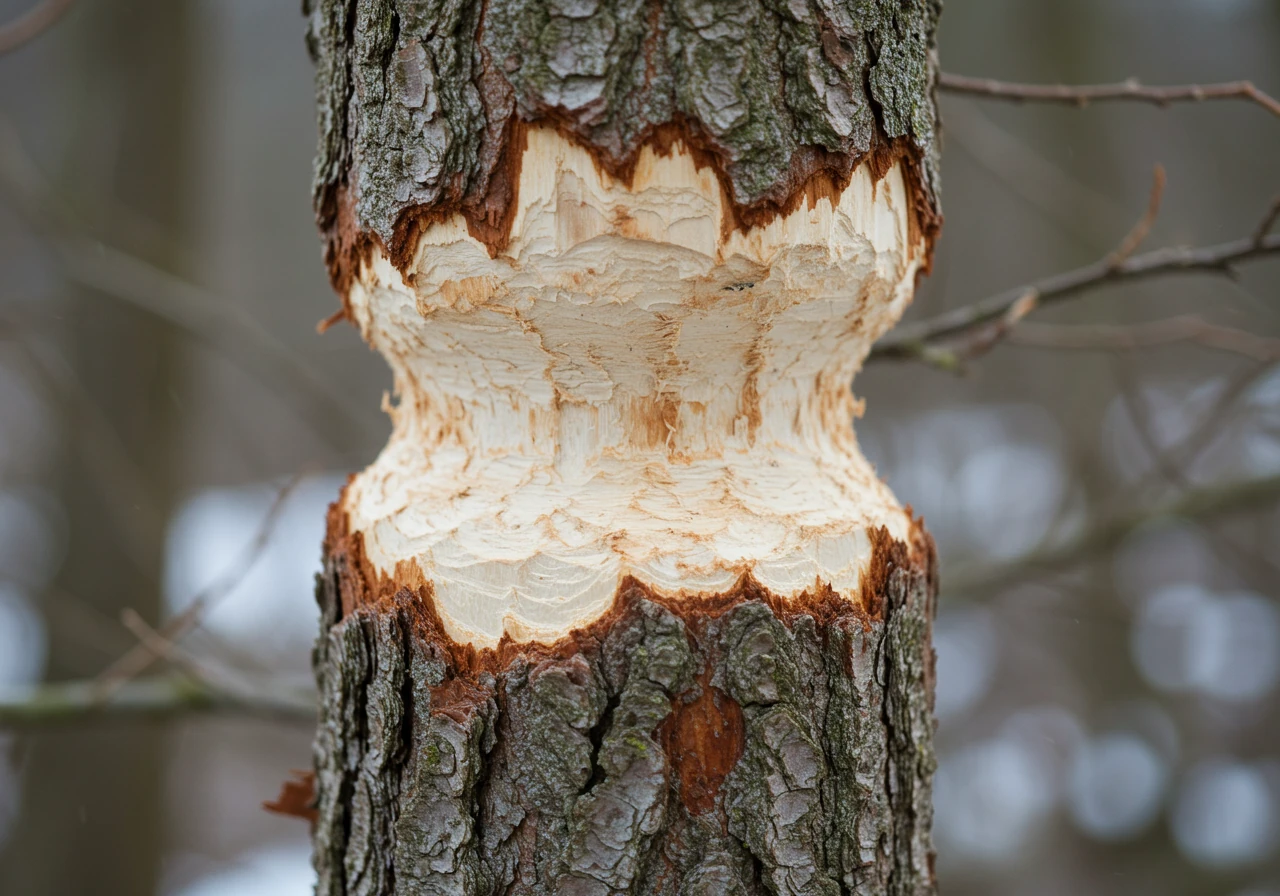
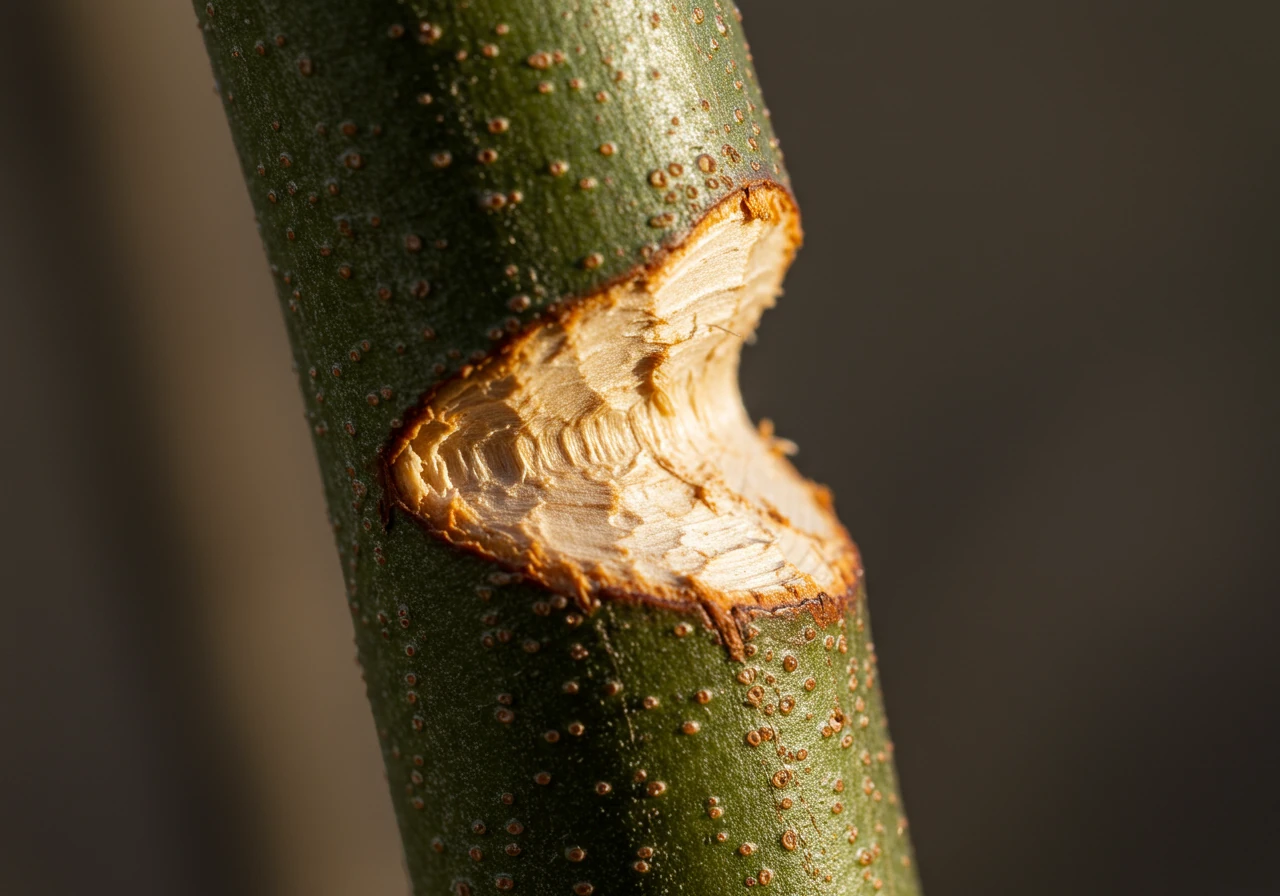
So, you’ve noticed some suspicious activity in your Ottawa garden. Maybe your favourite perennials look shorter than you remember, or the bark on your young apple tree has mysteriously vanished near the base. Before you blame the neighbour’s dog or rogue squirrels, let's decode the tell-tale signs left by our fluffy, four-legged landscape critics: the Eastern Cottontail rabbit. Understanding *what* they did is the first step to fixing it.
Rabbits, unlike deer who tend to rip and tear foliage leaving ragged edges, are surprisingly neat (but destructive!) eaters. Here’s what to look for:
- Clean, Angled Cuts: Look closely at the stems of your plants, especially tender new growth on perennials and annuals, or woody twigs on shrubs and young trees. Rabbit teeth leave a distinctive, clean-cut slice, often at a precise 45-degree angle. It looks almost like someone took tiny, sharp pruners to your plants!
- Low-Level Damage: Rabbits usually work close to the ground. Most damage – clipped stems, chewed leaves, gnawed bark – will be below two feet (about 60 cm). If the damage is much higher, you might be looking at deer instead.
- Girdling: This is particularly damaging to young trees and shrubs during winter and early spring when other food is scarce. Rabbits will gnaw away the bark in a complete ring around the base of the trunk or main stems. This disrupts the plant's ability to transport nutrients and water and can often be fatal if it goes all the way around.
- Pellet Presence: While not damage itself, finding clusters of small, round, pea-sized droppings near the scene of the crime is a pretty clear indicator that rabbits were your culprits.
It's important not to confuse this chewing with other garden woes. Insect damage often looks like holes chewed *in* leaves, skeletonized foliage, or tunnels, which requires a different approach like the methods discussed in our Kars Garden Pest Infestation Recovery Tips. Similarly, plant diseases present differently – think spots, wilting, or unusual colours, not cleanly clipped stems. Rabbit damage is distinct from the fungal issues detailed in our guide to Metcalfe Rose Black Spot Recovery or the systemic problems requiring Nepean Garden Blight Soil Recovery Rehab. Furthermore, stressed plants might be more vulnerable; ensuring proper care, avoiding issues like improper feeding (learn about Embrun Garden Over-Fertilizing Recovery), helps them withstand minor rabbit sampling.
Identifying the specific type of damage helps you target your recovery and prevention strategies effectively. Sometimes, assessing the full extent requires a good spring tidy-up, clearing away winter debris to see everything clearly – a task often handled by services like our Vernon Property Cleanup Service. If you've assessed the damage and feel overwhelmed, remember professional help is available through comprehensive Clean Yards Landscaping Services. Now that you know *what* happened, let's move on to helping your plants recover.
Your Post-Winter Garden Checkup: Assessing the Nibble Factor
Okay, let's get down to business! Spring has sprung (or is trying to!) across Ottawa, and while the warmer weather is welcome, it also reveals what our furry neighbours were up to all winter. It's time for your post-winter garden checkup, specifically focusing on what we affectionately call the "nibble factor." Don't worry, assessing the damage is the first step to helping your plants bounce back.
Grab a notepad, maybe your phone for pictures, and let's take a walk around your yard. It’s best to do this after the snow has melted but before everything starts growing like crazy. Sometimes, a good spring tidy-up is needed first just to *see* the base of your plants clearly. If your yard looks like winter threw a party and forgot to clean up, getting professional help like a Metcalfe Yard Cleanup Service can make this assessment stage much easier.
Here’s a simple checklist approach to assess that rabbit mischief:
- Walk the Perimeter: Start in one corner of your garden and work your way around systematically. Don't just dash out to the one sad-looking shrub you noticed from the window. Be thorough – rabbits can be sneaky! This kind of methodical approach is key, whether you're tidying up yourself or using a service like the Marionville Property Cleanup Service for larger properties.
- Focus Low: Remember, rabbits work close to the ground (usually under two feet). Pay special attention to the base of young trees (fruit trees are a favourite!), shrubs (like cedars, euonymus, or roses), and any early emerging perennials (hostas, tulips).
- Inspect Bark: Look closely at the trunks and main stems of woody plants. Did rabbits chew the bark? Is it just a little patch, or does the damage go all the way around (girdling)? *Girdling is the most serious issue.* Note how high the damage goes.
- Check Stems and Buds: Examine twigs and stems. Are they clipped off cleanly at that tell-tale 45-degree angle? Are emerging buds missing? This affects flowering and new growth.
- Rate the Damage: Jot down *which* plants are damaged and *how badly*. Use a simple scale: Minor (a few nibbled stems), Moderate (significant chewing but no girdling), or Severe (bark girdled, plant heavily chewed back). Photos are great here!
Once you've played detective, you can prioritize. A completely girdled young tree needs immediate attention (and might be hard to save, unfortunately). Plants with minor nibbles will likely recover just fine with a bit of clean-up pruning and good regular garden maintenance. Moderately damaged plants might need some extra TLC.
Remember, you're not alone in this – rabbit damage is a common landscaping challenge from Barrhaven to Manotick and beyond. Many homeowners rely on a professional city garden clean up service which often includes assessing these kinds of issues. If you look at the damage and feel completely overwhelmed, don't hesitate to reach out for expert advice. You can contact us to discuss options. We respect your privacy; you can review how we handle your information in our privacy policy.
Okay, deep breath! You've assessed the situation. Now you know what you're dealing with, and you can move on to the next steps: recovery and prevention.
Operation Garden Recovery: Helping Your Plants Bounce Back
Alright, you've surveyed the scene and assessed the rabbit rendezvous aftermath. Some plants might look a bit worse for wear, like they went a few rounds with a particularly peckish opponent. Don't despair! Plants are surprisingly resilient, and with a little TLC, many can bounce back beautifully. Think of this as Operation Garden Recovery – let's nurse those nibbled plants back to health!
Here’s your action plan:
1. Prune with Purpose:
First things first, let's clean things up. Grab your sharpest, cleanest pruners (seriously, clean tools help prevent disease).
- Clip Cleanly: For stems that were chewed raggedly or broken, make a clean cut just below the damaged area, ideally right above a healthy bud or leaf node. That 45-degree angle rabbits love? Mimic it slightly, sloping away from the bud to let water run off.
- Remove the Worst: If a branch is severely damaged or completely girdled low down, you might need to prune it right back. Be brave – removing heavily damaged parts allows the plant to focus energy on new, healthy growth. For woody plants like shrubs and trees, focus on removing only what's necessary to reshape and encourage recovery.
- Tidy Up: Gather all the pruned bits. Leaving damaged foliage around can sometimes attract pests or disease. Getting this debris cleared is an important step; for larger jobs, a thorough Metcalfe garden clean up service can handle the removal efficiently.
2. Water Wisely:
Stressed plants need consistent moisture, especially as the Ottawa spring warms up and things start growing.
- Deep Drinks: Water deeply but less frequently. Aim to moisten the soil several inches down. This encourages roots to grow deeper, making plants stronger in the long run. Light, frequent sprinkling doesn't cut it.
- Check the Soil: Before watering, stick your finger an inch or two into the soil near the plant's base. If it feels dry, it's time to water. If it's moist, hold off. Overwatering can be just as bad as underwatering! Useful resources on watering can often be found via local groups like the Master Gardeners of Ottawa-Carleton.
3. Feed for Strength (Gently!):
Rabbit damage is stressful, so giving your plants a gentle boost can help. However, don't go overboard with strong fertilizers right away.
- Focus on Soil Health: Healthy soil is the foundation of plant recovery. In areas like Greely, you might encounter clay or sandy soil, both of which benefit hugely from organic matter. Incorporating compost is one of the best things you can do. It improves soil structure, drainage, *and* provides slow-release nutrients. Learning about proper soil preparation techniques is key here.
- Go Organic: Consider a balanced, slow-release organic fertilizer or simply top-dressing with good quality compost. Avoid high-nitrogen chemical fertilizers right after damage, as they can force weak, leafy growth that might be vulnerable. Making wise material selection for soil amendments like compost or specific gentle fertilizers is crucial for recovery.
4. Mulch is Your Friend:
Once you've pruned, watered, and maybe added some compost, apply a layer of organic mulch (like shredded bark or wood chips) around your recovering plants.
- Benefits Galore: Mulch helps retain soil moisture (less watering for you!), keeps soil temperatures stable, suppresses weeds that compete for resources, and gradually breaks down to improve the soil. Keep it a couple of inches away from the base stems/trunks to prevent rot.
- Finishing Touch: A fresh layer of mulch also makes the garden beds look instantly tidier and well-cared-for. Many homeowners opt for professional mulching and edging to get that crisp, clean look while providing maximum benefit to the plants.
5. Patience and Observation:
Plant recovery isn't instantaneous. Give your plants time to heal and put out new growth. Keep an eye on them. Are they pushing out new leaves? Looking perkier? Great! If a plant (especially a young tree that was badly girdled) shows no signs of life after several weeks of favourable weather, it might unfortunately be a lost cause. While you're focusing on reviving your garden beds, remember that the overall health of your landscape contributes. Maintaining consistent lawn care helps keep the surrounding environment healthy, reducing overall stress on your recovering garden plants.
Following these steps gives your plants the best chance to bounce back from rabbit nibbling. It takes a bit of effort, but seeing your garden thrive again is well worth it!
Fortifying Your Flora: Effective Rabbit Prevention Tactics for Ottawa Gardens
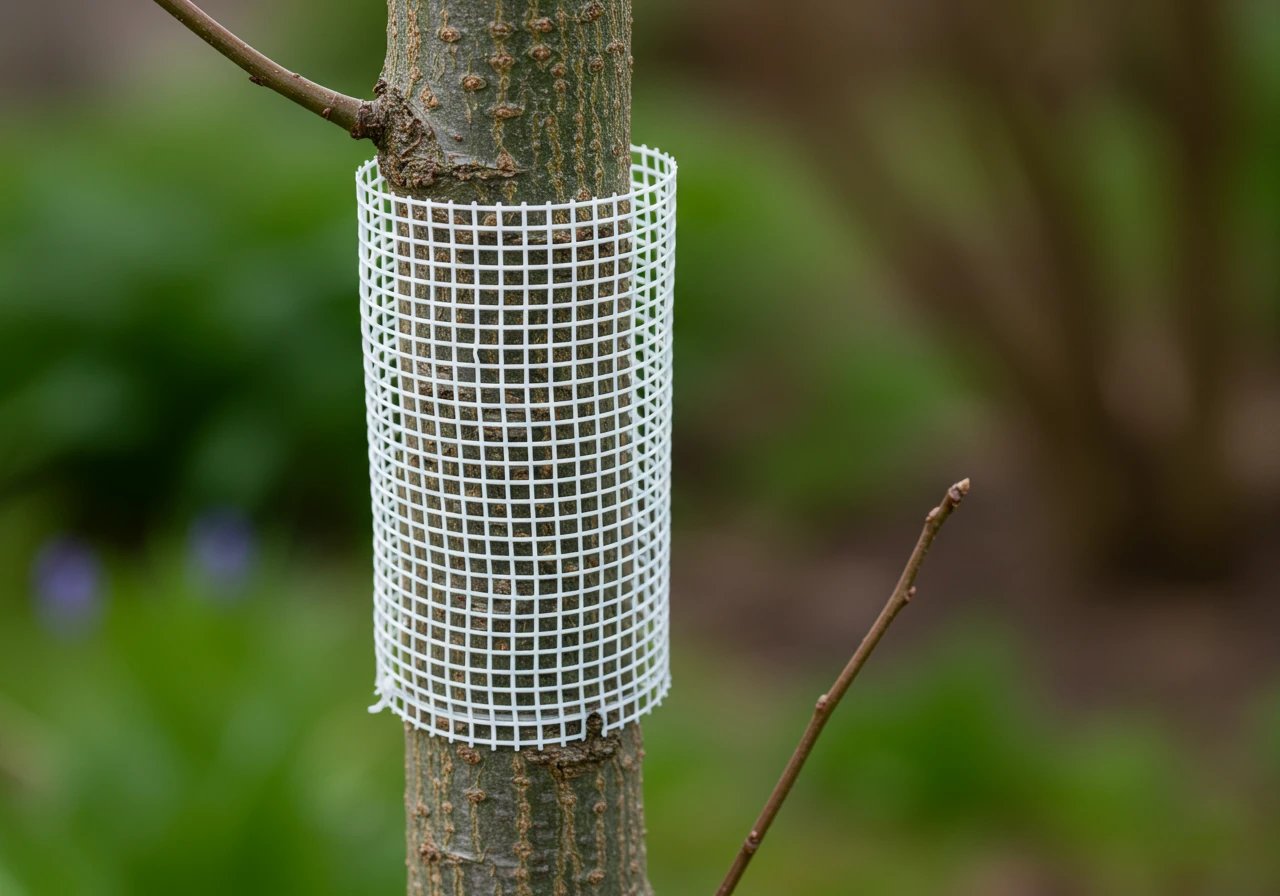
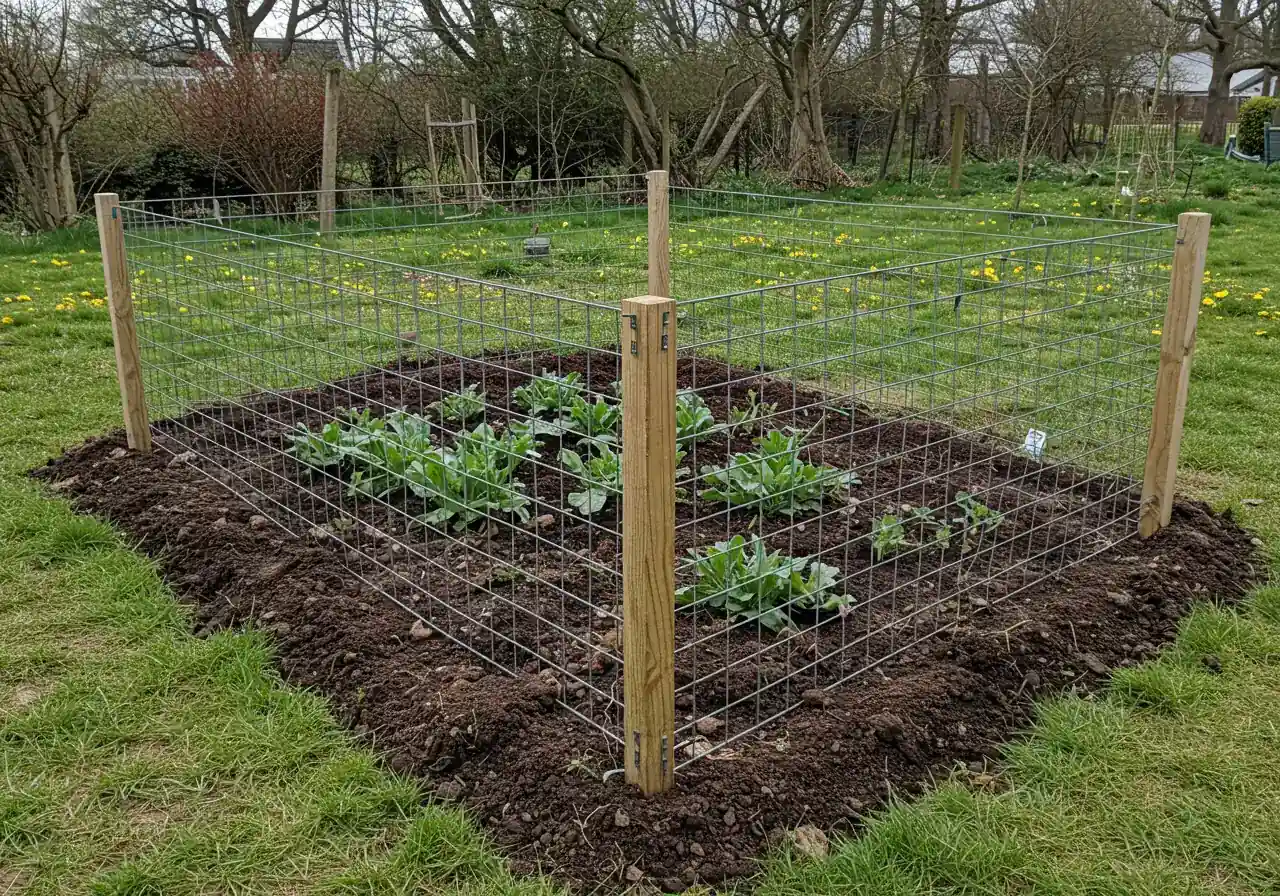
Okay, Operation Garden Recovery is underway, but let's be honest – wouldn't it be nicer *not* to play plant paramedic every spring? Preventing those fluffy fiends from treating your beautiful Ottawa garden like a salad bar in the first place is the ultimate goal. Think of it as building Fort Knox for your flowers! Luckily, there are several effective rabbit prevention tactics you can use, ranging from physical barriers to making your yard less inviting overall. The City of Ottawa's wildlife page also offers general advice on coexisting with urban wildlife.
1. Build a Bunny Barricade (Physical Barriers):
This is often the most effective long-term solution, especially for protecting specific garden beds or vulnerable young plants.
- Fencing: The key here is *how* you fence. Rabbits are surprisingly good diggers and squeezers!
- Material: Use sturdy wire mesh, like chicken wire or hardware cloth, with openings no larger than 1 inch (2.5 cm).
- Height: Aim for at least 2 feet (60 cm) above ground. For determined hoppers (especially in areas like Nepean where populations can be high), 3 feet (90 cm) is safer.
- Depth: This is crucial! Bury the bottom edge of the fence at least 6 inches deep, or bend it outwards at a 90-degree angle along the ground (like an L-shape) and secure it with landscape staples. This stops them from digging under.
- Tree Guards: Protect the vulnerable bark of young trees and shrubs, especially over winter. Use commercial plastic wraps, hardware cloth cylinders, or even sturdy corrugated drainpipe (cut to size). Ensure they are tall enough (at least 2 feet) and have a small gap for air circulation around the trunk.
2. Make Things Taste or Smell Yucky (Repellents):
Repellents work by making your plants unappealing through taste or smell. They can be a good secondary defense or for protecting scattered plants where fencing isn't practical.
- Types: Many commercial options are available (containing things like rotten eggs, garlic, capsaicin), or you can try home remedies like sprinkling blood meal or soap shavings (use cautiously).
- The Catch: Repellents *must* be reapplied regularly! This is especially true in Ottawa with our lovely mix of rain, snowmelt, and sunny days. Count on reapplying after every significant rainfall or snowfall, and generally every few weeks even in dry weather as new growth emerges (which is usually unprotected). Effectiveness can vary greatly depending on how hungry the rabbits are. Remember that repellent effectiveness isn't guaranteed; it's always wise to review product claims carefully, much like checking service details in terms and conditions before committing.
3. Un-Welcome Mat (Habitat Modification):
Rabbits love hiding spots near their food source. Make your yard less cozy for them!
- Tidy Up: Eliminate brush piles, dense ground cover near vulnerable plants, and stacks of wood or debris. Keep lawn edges trimmed. Consistent professional lawn care reduces hiding spots along garden borders. Repairing bare patches with techniques like professional sod installation can also remove inviting weed patches that attract rabbits.
- Clear Below: Remove low-hanging branches on shrubs that provide cover.
- Regular Cleanups: Don't let clutter accumulate. A general tidy-up makes a big difference. Whether you need a hand across the city using a comprehensive city yard cleanup service, require specific help out in areas like Marionville via a dedicated Marionville garden clean up service, or need a general Ottawa garden clean up service, keeping things neat discourages rabbits from setting up shop. A full property clean up can make a huge difference.
4. Plant Things They (Usually) Snub (Resistant Plant Choices):
While a starving rabbit might nibble almost anything, some plants are definitely less appealing than others. Incorporating these into your landscaping can help. Checking resources like the Ontario Invasive Plant Council can also help you choose non-invasive, appropriate species.
- Good Bets for Ottawa Gardens: Consider plants with strong scents (like lavender, sage, mint - careful, mint spreads!), fuzzy leaves (lamb's ear), or tough/leathery foliage. Some common rabbit-resistant choices include: Peonies, Bee Balm (Monarda), Bleeding Hearts, Columbine, Astilbe, Daffodils, Alliums, ornamental grasses, and most ferns.
- Remember: "Resistant" doesn't mean "rabbit-proof." Young plants of any kind might still get sampled.
Often, the best strategy is a combination of these methods. Maybe fence your veggie patch, use tree guards on young fruit trees, rely on resistant plants for border areas, and keep the yard tidy. It takes a bit of planning, but protecting your beautiful Ottawa garden from becoming a rabbit buffet is well worth the effort!
Estimated Effectiveness of Rabbit Prevention Methods*
*Effectiveness can vary greatly based on rabbit pressure, consistency of application, and environmental conditions.
Highlight Box: Quick Tips to Thwart Thieving Thumpers!
Got rabbits treating your Barrhaven backyard like a bunny buffet? Don't let those fluffy bandits win! Here are some quick answers to common questions about keeping them out of your precious plants:
Question: What's the surest way to protect my favourite veggie patch or young shrubs?
Answer: Install sturdy wire fencing at least 2 feet high and buried 6 inches deep (or bent outwards) – think Fort Knox for flora! Planning a new garden area? Consider incorporating protective measures right from the start during your expert garden installation process.
Question: Are those spray repellents actually effective against hungry Ottawa rabbits?
Answer: They *can* help by making plants taste or smell bad, but need frequent reapplication, especially after rain; always check the label instructions, similar to how you'd review our service commitments in the Clean Yards terms and conditions.
Question: Can simply tidying up my yard make a difference?
Answer: Absolutely! Removing brush piles, dense weeds, and low-hanging branches eliminates bunny hiding spots near your garden beds, making your space less inviting – regular maintenance, perhaps with an Ottawa yard cleanup service, truly helps.
Question: Are there any plants rabbits generally leave alone?
Answer: While no plant is 100% rabbit-proof, varieties with strong scents (like lavender), fuzzy textures (lamb's ear), or toxicity (daffodils) are often less appealing; incorporating these can be part of beautiful garden design transformations.
Question: Is combining different methods better than just doing one thing?
Answer: Yes, layering strategies like using barriers for key areas, choosing less tasty plants, and keeping things tidy often gives the best results; it's a holistic approach we often recommend – you can learn more about our philosophy on the Clean Yards about us page.
Spring Rabbit Recovery Timeline: Key Actions
Early Spring (Snow Melt)
Assess damage thoroughly. Check bark on trees/shrubs for girdling. Note which plants are hit hardest. Perform initial cleanup like our Metcalf Property Cleanup Service might do.
Mid-Spring (Before Major Growth)
Prune damaged stems cleanly. Install physical barriers (fences, tree guards) *before* vulnerable plants leaf out. Apply first round of repellents if using.
Late Spring (Active Growth)
Monitor plant recovery. Water deeply as needed. Apply compost or gentle fertilizer. Reapply repellents frequently, especially after rain and on new growth. Consider mulching and edging beds.
Early Summer (Establishment)
Continue monitoring. Adjust watering based on weather. Remove temporary cages if plants are established and less vulnerable. Plan for next year - note which prevention methods worked best. Check our estimate feedback process if planning larger projects.
Russell Rabbit Q&A: Your Local Gardening Queries Answered
Rabbits cause the most grief in late winter and early spring, especially when snow cover lingers like we often see here. Their usual food sources are scarce, so your landscape shrubs and tree bark become prime targets. Tidying up winter debris helps reveal damage early; consider an Ottawa Property Cleanup Service if the task feels too big after a long winter.
Ah yes, tulips and hostas are like candy to rabbits! For prized plants, temporary fencing or individual wire cages (cloches) put up *before* they emerge in spring are your best bet. Once established, regular checks during routine care, like that provided by a City Garden Maintenance Service, can help spot and deter nibblers early before major damage occurs.
While soil type doesn't directly attract rabbits, healthy soil grows stronger plants that *might* tolerate minor nibbling better. Improving clay soil with compost enhances drainage and vigour. Focus on protecting vulnerable plants with barriers regardless of soil, but good soil health is always a win for your garden. Preparing beds well is key, similar to the work done by our Marionville Property Cleanup Service team when revitalizing garden spaces.
That's tricky, as you can't usually modify city land yourself. Focus on making *your* yard less appealing – keep grass near the boundary trimmed, remove hiding spots on your side, and use barriers for plants closest to the ditch. While we focus on private properties, you can inquire about municipal responsibilities or potential options like a City Property Cleanup Service for adjacent public areas.
Don't panic! Start small. Identify your most valuable or vulnerable plants and focus on protecting those first, likely with physical barriers like fencing or tree guards. Then, make gradual changes like tidying potential hiding spots. Tackling one area at a time makes it manageable. If you have further specific questions about your unique situation, feel free to ask – thank you for choosing Clean Yards resources.
Conclusion: Reclaim Your Russell Garden Oasis This Spring
Well, there you have it! Dealing with garden-variety rabbit shenanigans can feel like a bit of a battle, especially after a long Ottawa winter. But armed with the right know-how, you absolutely *can* win the war for your yard and reclaim your beautiful Russell garden oasis this spring.
Remember the key steps: play detective to figure out exactly what those furry critters munched on, give your nibbled plants some TLC with careful pruning and proper care, and then shift into defense mode. Building barriers, making your landscape less inviting, choosing rabbit-resistant plants, and using repellents wisely are all powerful tools in your gardening arsenal. It's often a mix of these strategies that brings the best results.
Don't let the thought of installing fences or figuring out the best plants overwhelm you. Transforming your yard from a bunny buffet back into your personal paradise is achievable. If you're looking for a helping hand with spring cleanup like our City Property Cleanup Service offers, need expert installation of protective barriers, or want advice on planting tougher, rabbit-resistant species suited for our region, we're here to help.
Let us assist you in fortifying your flora! Contact Clean Yards today for a consultation on garden recovery and prevention strategies throughout the Ottawa area, including Russell, Embrun, and beyond. Let's work together to make sure *you* are the one enjoying your gorgeous garden this season, not just the local wildlife!