Osgoode Soil Check: Use Earthworms as Health Gauge
Quick Guide: Earthworms & Osgoode Soil Health
- Earthworms are key indicators of healthy soil in Osgoode and Ottawa.
- Their tunnels improve aeration and drainage; castings provide nutrients.
- Perform a simple 'Squirm Test' (count worms in 1 sq ft) to gauge soil life.
- Boost worm populations by adding organic matter (compost), using mulch, and avoiding harsh chemicals.
- Healthy soil with worms leads to stronger lawns and gardens. Need help assessing or improving your soil? Request a quote today!
Introduction: Your Lawn's Wiggly Health Inspectors in Osgoode!
Hey there, Osgoode neighbours! Ever stopped your mower and wondered what's *really* going on beneath that lovely green lawn? Forget complicated soil tests for a moment – your best, and arguably wigggliest, soil health inspectors are already on the job! That's right, we're talking about earthworms. Believe it or not, these underground engineers are nature's recycling champions and aeration experts, playing a *huge* role in successful landscaping and vibrant gardening right here in the Ottawa area.
Seeing plenty of worms happily munching through your Osgoode soil, or even in nearby spots like Greely or Metcalfe, is usually a fantastic sign for your lawn care efforts. It suggests your soil has decent structure, moisture, and yummy organic matter for them to eat – all things that contribute to a *healthy*, thriving lawn. They're like tiny, wriggling endorsements of your hard work!
This article is your friendly guide to understanding these vital, if a bit slimy, helpers. We'll dig into exactly why earthworms are so beneficial for your lawn's soil health, how you can do a quick 'worm count' to see how your yard stacks up, and share simple, practical tips to make your patch of Ottawa turf a true worm paradise. Let's get started!
Why Your Garden Needs More Wiggle Room: The Amazing Earthworm
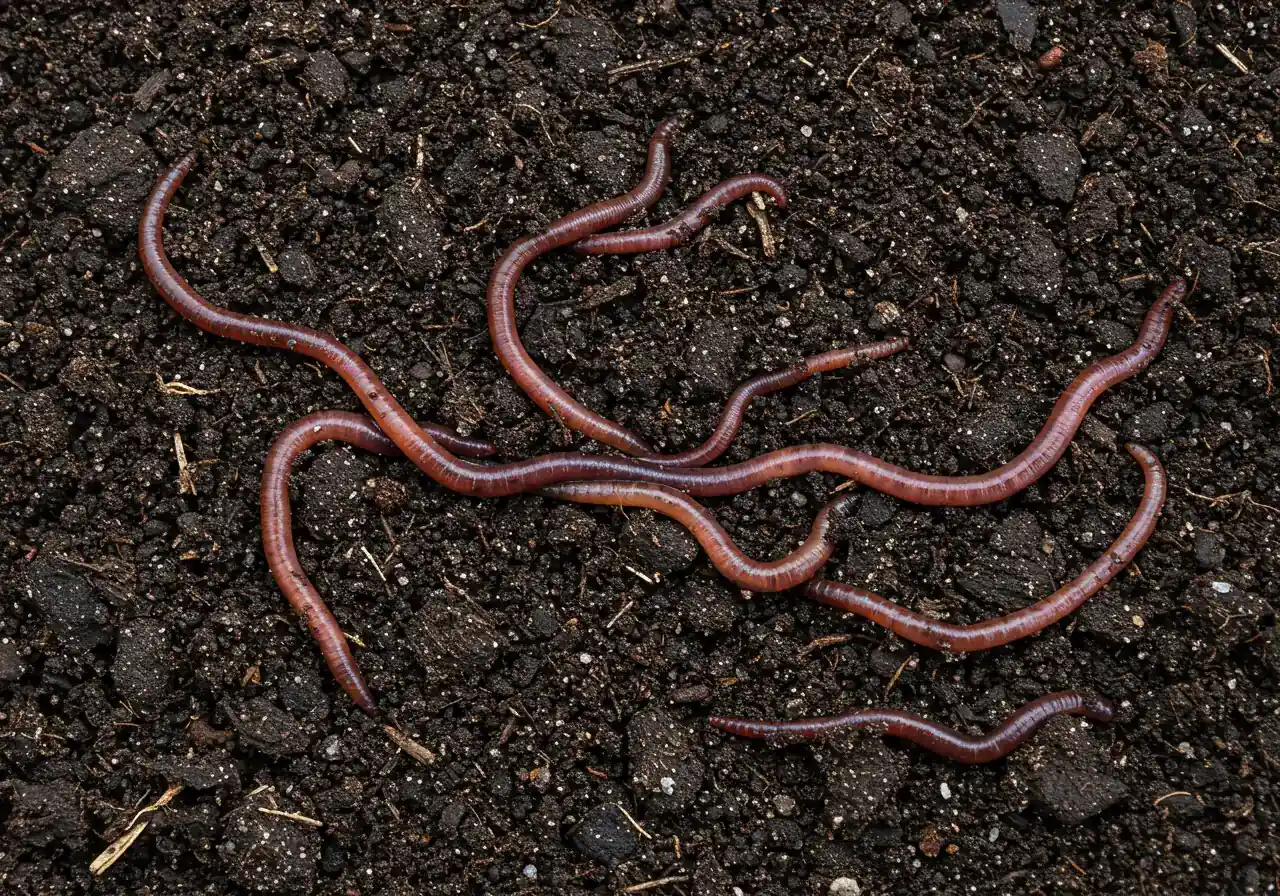
Alright, let's dig a little deeper (pun absolutely intended!) into why these wiggly wonders are the unsung heroes of your Ottawa garden and lawn. Think of earthworms not just as bait, but as your *free*, full-time soil improvement crew, working tirelessly beneath your feet. Giving them plenty of "wiggle room" by fostering healthy soil conditions pays off big time for your landscaping efforts.
So, what magic do they actually perform down there?
- Nature's Aerators: Forget renting expensive equipment all the time! Earthworms are constantly tunnelling through the soil. Imagine millions of tiny straws poking holes everywhere. These tunnels are crucial because they allow air and water to penetrate deep into the ground. This improves *aeration* and *drainage*, preventing waterlogged roots and compacted soil – a common headache, especially with some of the heavier clay soil you might find in areas around Ottawa like Nepean. Their tunnels are fantastic for breaking up dense ground; for more specific advice on this soil type, take a look at our Osgoode Clay Soil Garden Care Fall Tips. Better water penetration also means rainfall and watering efforts are more effective, helping moisture reach plant roots where it’s needed most. This efficiency is key for healthy plants and makes every drop count, essential before seasonal tasks involving your watering setup like the Osgoode Sprinkler System Winterization Blow Out.
- Fertilizer Factories (On the Go!): What goes in must come out, right? Well, what comes out of an earthworm is garden gold! Earthworm castings (okay, fine, it's worm poop!) are packed with nutrients that plants can easily absorb. They eat decaying *organic matter* like old leaves and grass clippings, digest it, and excrete these incredibly rich fertilizers. It's like having tiny fertilizer pellets delivered directly to the root zone, boosting soil health and promoting vibrant gardening results. And that nutrient boost? It fuels lush growth in all your plants, from the grass blades to the shrubs you might be meticulously shaping using Osgoode Topiary Tips to Shape Shrubs for Summer.
- Soil Mixologists: Earthworms don't just tunnel up and down; they move between soil layers, dragging organic matter from the surface deeper down and bringing subsoil minerals closer to the surface. This mixing action improves overall *soil structure*, creating a crumbly, loamy texture that roots *love*. Their tireless mixing helps create the rich, stable soil foundation needed for strong tree roots – essential for healthy growth before tackling tasks like Osgoode Fall Tree Pruning Before Winter.
Essentially, a thriving earthworm population means healthier soil, which means stronger, more resilient plants that are better equipped to handle Ottawa's weather swings. Creating a welcoming habitat for these underground allies is a key part of holistic *landscaping* and lawn care. While worms do the micro-managing underground, remember we offer a range of Yard Care and Landscaping Services to help you manage the bigger picture above ground. Happy worms often lead to a happy yard!
Meet Your Underground Neighbours: Earthworms of the Ottawa Valley
Ever noticed that not all worms you dig up look the same? Turns out, your Ottawa Valley garden is likely home to a few different types of these underground superstars, each playing a slightly different role in your soil's health! Think of them as specialist crews working beneath your lawn and garden beds.
You’ve probably met the most famous one: the Nightcrawler (*Lumbricus terrestris*). These are the big guys, the deep divers! They create impressive vertical burrows, sometimes going down a meter or more, which is fantastic for *aeration* and deep-water penetration. You'll often see their little piles of castings (worm poop!) near their burrow entrances, especially after a rain. They drag tasty leaves and *organic matter* down into their burrows for midnight snacks – nature’s cleanup crew!
Then you have the Topsoil Mixers (Endogeic worms). These worms live more horizontally within the upper layers of soil. They don't usually come to the surface but are crucial for mixing soil components and creating pathways for roots. They’re constantly munching through the soil itself, improving its structure.
Finally, there are the Surface Dwellers (Epigeic worms). These smaller worms live right at the surface, often in the leaf litter or compost pile. They’re less about burrowing deep and more about rapidly breaking down surface debris. While less common in lawn soil itself, they're powerhouses in your composter!
Where you live in the Ottawa region influences who shows up. The sandier soils sometimes found around Manotick might drain too quickly for some deep burrowers, while the richer, sometimes heavier soils in places like Greely or Metcalfe can be prime real estate, provided they aren't too compacted. Tailoring your approach to soil health is key, and this highlights why ongoing Garden Maintenance suited to your local conditions is so valuable. For expert assistance nearby, consider the Metcalf Garden Clean Up Service.
Like most Ottawa residents, worms aren't huge fans of extreme weather. They're most active during the cool, moist conditions of spring and fall. When summer gets too hot and dry, or when winter freezes the ground solid, they tend to burrow deeper and become less active. This is why fall and spring cleanups are important – clearing excess debris ensures they have food without smothering the lawn as they become active. Handling this task efficiently is something an Ottawa Garden Clean Up Service can assist with, ensuring your worms have a good environment. Even if you're closer to the city core, managing leaves and debris is important, often handled as part of a reliable City Garden Clean Up Service. For those in specific communities, targeted help like an Osgoode Yard Cleanup Service ensures local needs are met. Ultimately, fostering a good worm environment is part of smart *landscaping* and contributes to the overall health managed through comprehensive Yard Care and Landscaping Services. So next time you see a worm, give it a little nod – it’s working hard for your yard!
The 'Osgoode Soil Squirm Test': A Fun, Step-by-Step Guide
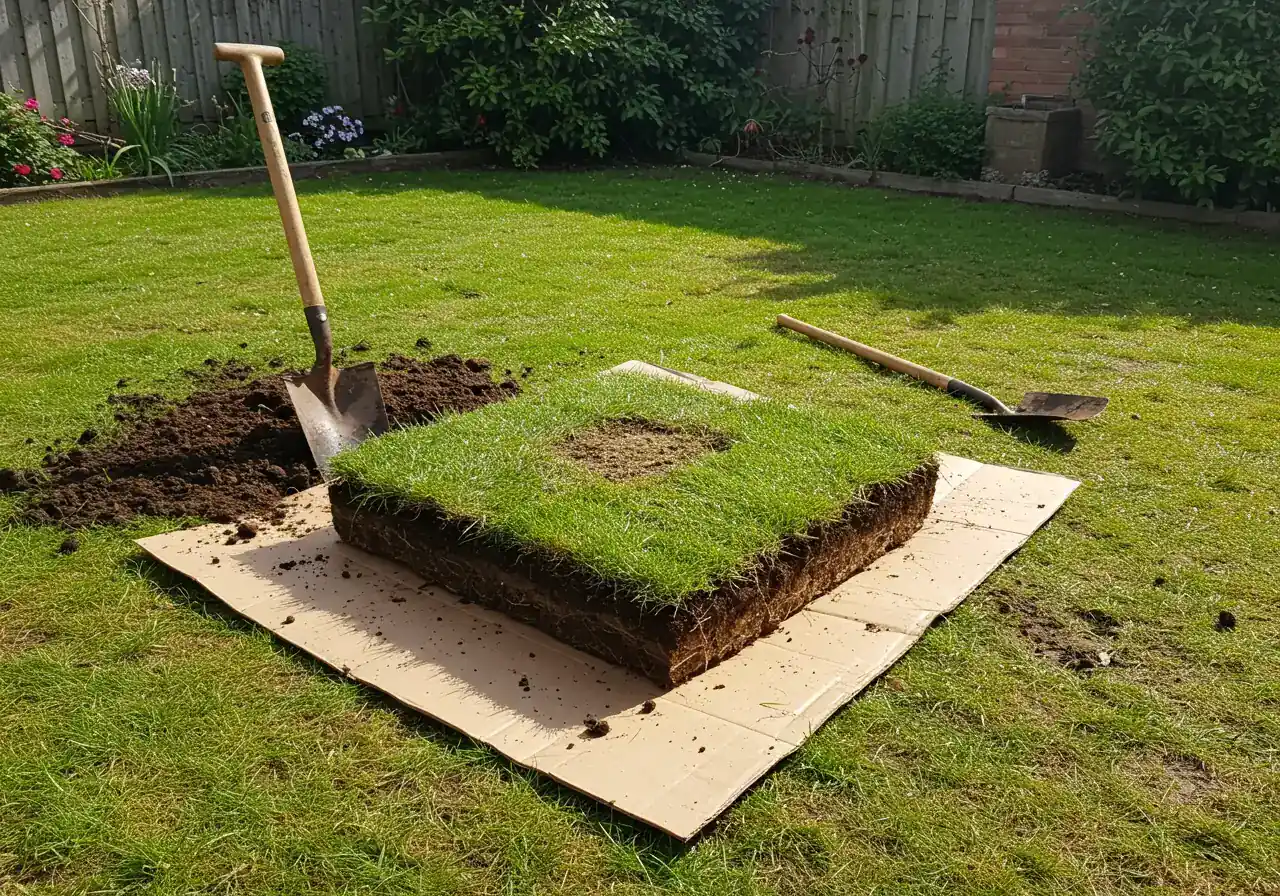
Okay neighbours, ready to play detective and see how happy your underground helpers are? Forget fancy lab coats – grab a shovel! The "Osgoode Soil Squirm Test" is a super simple, fun way to get a rough idea of your soil's health right here in Ottawa, whether you're in Osgoode itself, down in Richmond, or out towards Winchester. It basically involves counting your earthworms in a small patch. Let's get digging!
What You'll Need (Easy Peasy Stuff):
- A trusty shovel or spade
- A ruler or measuring tape (optional, eyeballing is fine too!)
- A piece of cardboard, a plastic sheet, or a tarp to put the soil on
- Your keen eyes!
Let's Do the Squirm Test - Step-by-Step:
- Pick Your Spot: Choose a representative area of your lawn or garden bed. Avoid areas that are unusually wet, dry, or right after you've fertilized. Maybe pick a spot you tidied up during your last spring spruce-up, perhaps after using an Ottawa Garden Clean Up Service to clear debris.
- Mark Your Territory: Roughly measure out a square about one foot by one foot (30cm x 30cm). You don't need perfect lines; think of it like roughly defining a small work zone, similar to how professional Mulching and Edging creates clear boundaries in your *landscaping*.
- Dig In: Carefully dig out the soil within your square, going down about 6 to 8 inches (15-20cm). Try to lift the whole chunk out relatively intact.
- Sort the Soil: Place the soil chunk onto your tarp or cardboard. Now, gently break it apart with your hands. This is the fun part – look for your wiggly assistants!
- The Official Count: Carefully count every earthworm you find. Be gentle with them! Note down the number.
- Return to Sender: Once counted, gently place the soil *and* the worms back into the hole. Pat the soil down lightly. Thank your worms for their participation!
When's the Best Time in Ottawa?
Earthworms are most active when the soil is moist and cool, but not frozen or waterlogged. Think spring after the thaw, or fall before the ground freezes solid. Trying this mid-July during a heatwave or in January won't give you an accurate picture!
What Do the Numbers Mean? (A Rough Guide):
Soil Health Indicator (Worms per Square Foot)
*This is a simplified visual guide. Actual soil health involves many factors.
- 10+ Worms: Worm party! This is generally a great sign. Your soil likely has good structure, moisture, and plenty of *organic matter* for them to eat. Keep up the good work!
- 5-9 Worms: Not bad at all! Your soil is likely in decent shape, offering a reasonably welcoming home.
- 1-4 Worms: Hmm, okay. The worms might be finding things a bit tough. Your soil could be low on organic matter, too acidic, waterlogged, or compacted.
- 0 Worms: Uh oh. This suggests the soil conditions might be challenging for earthworms. *Compaction* could be an issue, or perhaps there isn't much for them to eat.
Don't Panic!
If your count is low, don't worry! This is just one simple test. Soil *compaction* can make it hard for worms (and your shovel!). Adding compost or other *organic matter* is one of the best ways to improve soil health and encourage worms. Thinking about the right amendments? Our guide on Material Selection offers helpful insights for choosing beneficial additions. Remember, results can vary across your property. Consistent care across the whole yard contributes to better soil everywhere, something often covered by a comprehensive Ottawa Property Cleanup Service. Even smaller urban lots benefit from attention to soil health, which can be part of regular maintenance like that offered by a City Property Cleanup Service. This simple squirm test is just a fun starting point for understanding the living world beneath your feet!
Uh Oh, No Wiggles? How to Make Your Soil Worm-Approved
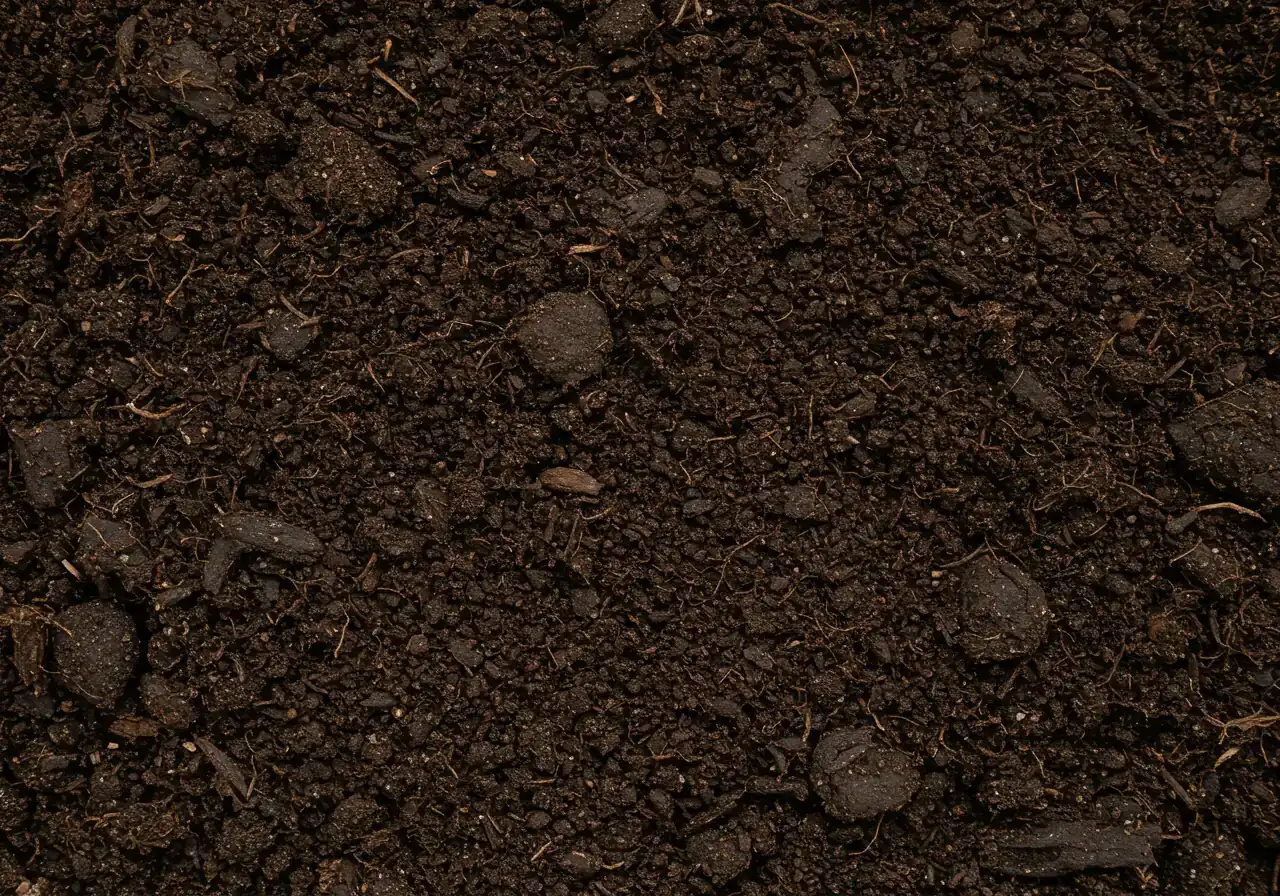
So, your "Osgoode Soil Squirm Test" came back a little... lonely? Don't despair! A low worm count doesn't mean your gardening dreams are dashed. It just means your soil needs a little TLC to become a five-star resort for these underground heroes. Think of it as rolling out the welcome mat (made of compost, naturally!). Here’s how to make your patch of Ottawa soil, whether you're in Vernon, Kenmore, or anywhere in between, irresistible to earthworms.
1. Feed the Masses (With the Good Stuff!)
Worms gotta eat, and their favourite meal is decaying *organic matter*. This is the single best thing you can do for them!
- Why it Works: Organic matter (like compost, aged manure, shredded leaves) is worm food. As they munch through it, they improve *soil structure*, create tunnels, and leave behind nutrient-rich castings. It also helps break up heavy clay soil, common in many Ottawa areas, making it easier for worms to navigate.
- Actionable Tip: Regularly top-dress your lawn and garden beds with a layer of compost. Mix compost into the soil when planting. Leave grass clippings on the lawn (mulching mower setting) instead of bagging them up. When considering additions, explore your options; understanding material selection can help you choose the best soil amendments for your needs.
2. Tuck Them In with Mulch
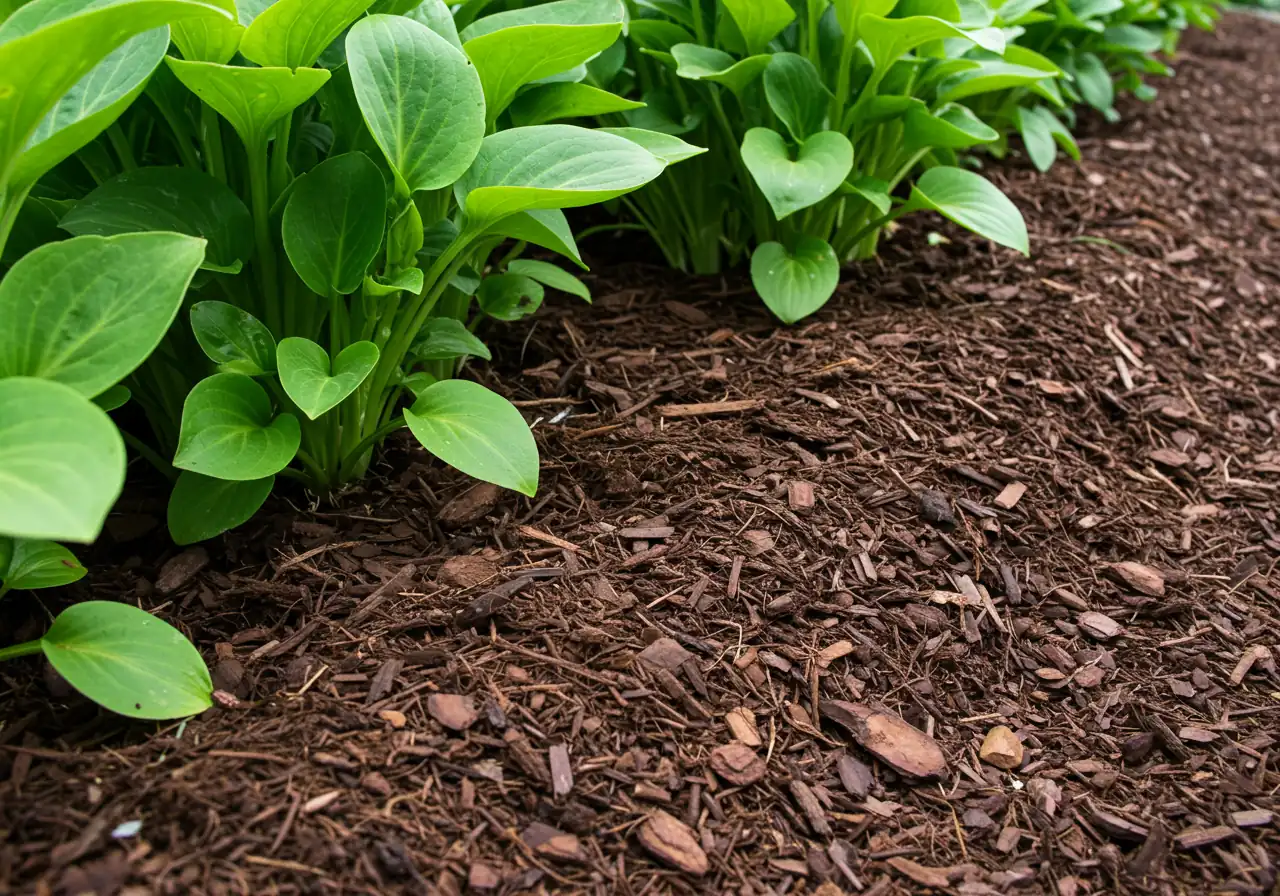
A layer of organic mulch (like shredded bark, wood chips, or straw) is like a cozy blanket for your soil.
- Why it Works: Mulch helps keep the soil consistently moist (worms hate drying out!) and regulates temperature, protecting worms from extreme heat or cold snaps. As the mulch slowly breaks down, it also provides a continuous food source.
- Actionable Tip: Apply a 2-3 inch layer of organic mulch around plants, trees, and shrubs, leaving a little space around the base of stems and trunks. Properly preparing the area first, perhaps with help from a local service like the Metcalf garden clean up service or our mulching services, ensures the mulch can do its job effectively.
3. Go Easy on the Tilling
Constantly churning up your soil might seem helpful, but it's disruptive for worms.
- Why it Works: Excessive tilling destroys existing worm burrows, chops up worms, and disrupts the soil structure they've worked so hard to build. It can also speed up the breakdown of organic matter, leaving less food for them over time.
- Actionable Tip: Practice minimal or no-till *gardening* where possible. If you need to loosen soil, do it selectively rather than rototilling the entire area each year. Aerate compacted lawns with a core aerator instead of deep tilling. Proper soil preparation focuses on building structure gently.
4. Ditch the Harsh Chemicals
Some pesticides and synthetic fertilizers can be harmful or even lethal to earthworms.
- Why it Works: Worms absorb substances through their skin, making them very sensitive to chemical residues in the soil. Healthy soil full of worms naturally suppresses many pests and diseases, reducing the need for chemicals.
- Actionable Tip: Opt for natural pest control methods and organic fertilizers. Focus on building *soil health* naturally – happy worms are a sign you're doing it right! Managing leaf litter and debris promptly helps prevent pest issues; efficient leaf removal by a city yard cleanup service can be part of an integrated, natural approach, even in urban settings. Similar services tailored to specific communities, like a Marionville yard cleanup service, ensure local landscapes are well-maintained. You can also check out resources from the Ontario Ministry of Agriculture, Food and Rural Affairs (OMAFRA) for sustainable practices.
5. Water Wisely
Worms need moisture to breathe and move, but they can drown in waterlogged soil.
- Why it Works: Soil that's consistently moist allows worms to easily tunnel and find food. However, saturated soil lacks oxygen, which worms need.
- Actionable Tip: Water deeply but infrequently, allowing the top layer of soil to dry slightly between waterings. Improve drainage in heavy clay soils by incorporating organic matter.
Worm Friend vs. Foe: A Quick Guide
| Worm Friendly Practices | Worm Foes |
|---|---|
| - Adding Compost & Organic Matter | - Bare, Exposed Soil |
| - Using Organic Mulch | - Excessive Tilling/Rototilling |
| - Minimal Tillage | - Harsh Chemical Pesticides |
| - Watering Appropriately | - Synthetic Fertilizers |
| - Improving Drainage/Aeration | - Soil Compaction |
| - Leaving Leaf Litter (in moderation) | - Overwatering/Poor Drainage |
Making your soil worm-approved is all about creating a stable, nourishing, and welcoming environment. It takes a little time, but boosting your worm population is one of the best investments you can make in the long-term health and beauty of your Ottawa landscaping. Need more tailored advice for your specific yard challenges? Feel free to get in touch with us for personalized advice or check our Google My Business page for updates and reviews.
Worms Don't Hibernate (Much): Soil Care Through Ottawa's Seasons
So, you're officially a fan of your underground workforce! But how do you keep these helpful critters happy and productive through Ottawa's rollercoaster of seasons? Unlike bears or your neighbour who heads south, earthworms don't truly hibernate. They might slow down and burrow deeper when things get tough (like during a deep freeze or a summer scorcher), but with a little seasonal care, you can help them thrive year-round. Let's look at keeping your soil – and your worms – in top shape from spring thaw to winter snowfall.
Spring: The Great Worm Awakening
What's Happening: Increased moisture and warming temperatures bring worms up. They're breeding and munching.
Your Action Plan: Gentle cleanup (leave some litter!), top-dress with compost, avoid walking on soggy soil. Ideal time for soil preparation and garden installation planning.
Summer: Staying Cool and Moist
What's Happening: Worms seek cooler, moister soil, often deeper down. Activity may slow in heat.
Your Action Plan: Maintain organic mulch, water deeply but infrequently, avoid harsh chemicals. Consider a regular City Garden Maintenance Service for upkeep.
Fall: Feasting Before the Freeze
What's Happening: Another peak activity time! Worms pull leaf litter down, enriching soil.
Your Action Plan: Leave some mulched leaves, apply compost. Manage large leaf volumes with a professional property clean up like our Metcalf Property Cleanup Service or Marionville Property Cleanup Service.
Winter: Deep Sleep (Sort Of)
What's Happening: Worms retreat below the frost line, entering a state of low activity.
Your Action Plan: Leave fall mulch or snow cover as insulation. Avoid walking on frozen beds. Plan for next year! Learn about us and our year-round approach.
Keeping Ottawa soil healthy is a year-round job, but by understanding what your wiggly helpers need each season, you can make a big difference. For local gardening resources, check out the Friends of the Central Experimental Farm or the Ottawa Horticultural Society. Have specific questions about your yard's seasonal needs? Don't hesitate to get in touch with our expert team – we're always happy to chat about soil!
Dig These Quick Tips!
Okay, feeling inspired to give your underground buddies the VIP treatment? Awesome! Here are a few quick takeaways to keep your Ottawa soil teeming with happy worms and make your *gardening* and *landscaping* efforts even more successful:
- Feed Your Soil Superheroes: Worms love yummy *organic matter*! Regularly top-dress your lawn and beds with compost, or let mulched leaves break down naturally. It’s the #1 way to boost soil health. If things get a bit too messy after fall leaf drop, remember a professional Ottawa yard cleanup service can help manage the volume while still benefiting your soil. Check out our Metcalf or Marionville yard cleanup services too.
- Mulch is Your Friend: Think of organic mulch (like wood chips or straw) as a cozy blanket for your soil. It keeps things moist, regulates temperature, and provides a slow-release food source – perfect worm conditions from Barrhaven to Orleans!
- Good Soil First, Then Green: Planning a bigger lawn makeover? Healthy soil is crucial *before* laying new grass. Investing time in improving the ground beneath ensures much better results for your sod installation. Happy roots need happy soil!
- Work With Nature, Not Against It: Gentle care, less tilling, and avoiding harsh chemicals go a long way. We're big believers in sustainable practices that support your yard's ecosystem – you can learn more about us and our eco-friendly approach right here. And hey, when you interact with our site or services, know that we respect your data; our commitment is detailed in our Privacy Policy.
- A Little Worm Love Goes Far: Seriously, fostering a healthy worm population benefits everything from *aeration* to nutrient cycling. Every little step you take helps create a more vibrant, resilient yard. So, from the Clean Yards team, a big thank you for digging in and helping Ottawa's underground engineers thrive! We appreciate your feedback on our estimates via our estimate feedback page.
FAQ: Your Ottawa Earthworm & Soil Questions Answered
Got questions about the wiggly wonders beneath your Ottawa lawn or garden? You're not alone! Here are answers to some common queries we hear from folks around the city, from Kanata to Orléans and beyond.
Mostly, yes! Native earthworms and common species like nightcrawlers are fantastic soil builders for your gardening efforts. However, watch out for jumping worms (Amynthas species), which are invasive and can harm ecosystems. They look similar but move erratically. Focusing on improving soil health naturally usually encourages the beneficial types. Our team often sees great results after a thorough Ottawa Yard Cleanup Service removes excess thatch, improving worm habitat.
Absolutely! While heavy clay soil can be tough, worms are nature's little diggers. Adding *organic matter* like compost makes a huge difference. It loosens the clay, provides food, and improves drainage, making it easier for worms to thrive and tunnel. Their activity, in turn, further improves that tricky Nepean *soil structure* over time! You can see how soil improvement contributes to amazing landscape transformations in challenging soils.
It’s generally better to improve the *habitat* first! Bait shop worms (often nightcrawlers) might not stick around if your soil isn't welcoming – lacking food or moisture. Focus on adding *compost* and mulch. Create a worm paradise, and the local population will likely increase naturally. Plus, you avoid accidentally introducing non-native species. Improving the environment is key, whether it's a small city plot or a larger property needing a Marionville Garden Clean Up Service.
They certainly can. Earthworms breathe through their skin, making them very sensitive to chemicals applied to lawns or gardens. Some *pesticides* and synthetic fertilizers can reduce their numbers or activity. Opting for natural lawn care practices and focusing on building *healthy soil* is the best way to protect your underground allies. Always check product labels. Our service approach prioritizes earth-friendly methods; you can review our general practices outlined in the Clean Yards Terms and Conditions.
Aim for adding *compost* or other *organic matter* at least once or twice a year. Applying a top dressing in the spring helps wake them up, and another layer in the fall provides food before winter. For garden beds, mixing compost in whenever you plant is also fantastic. Consistent additions are key to maintaining rich, worm-friendly soil, especially in areas like Barrhaven where newer developments might have less established topsoil.
Yes, that can be quite normal! Lawn soil, especially if compacted or low in surface *organic matter*, might be less inviting than a rich garden bed amended with *compost*. Worms also tend to stay deeper down during dry or hot periods. Improving lawn *aeration* and leaving grass clippings (mulch mowing) can make your lawn more attractive to them over time. Consistent good landscaping practices encourage worms everywhere!
Explore Related Topics
Advanced Soil Improvement
Beyond compost, consider cover crops in veggie gardens over winter to protect soil and add organic matter. Learn about soil pH testing – while worms tolerate a range, most garden plants (and worms) prefer near-neutral soil. Addressing severe compaction might require core aeration, a service we offer as part of lawn care.
For stubborn clay, gypsum can sometimes help improve structure, but adding organic matter (material selection is key!) is usually the most effective long-term solution.
Year-Round Yard Health
Remember that good practices build on each other. Proper fall tree pruning reduces excessive leaf litter that could smother grass but provides manageable amounts for worms. Ensuring your sprinkler system is winterized prevents damage that could disrupt soil later. Spring cleanups prepare the ground for optimal worm activity. Check our garden maintenance page for seasonal service ideas.
Clean Yards in Your Area
We proudly serve Osgoode and surrounding communities. Whether you need an Osgoode yard cleanup, specific Metcalfe garden clean up, or comprehensive property maintenance in Marionville, we're here to help. We cover general Ottawa yard cleanup and city yard cleanup needs too. Our goal is to provide reliable, high-quality landscaping and yard care services.
Explore our transformations gallery to see the difference professional care can make!
Conclusion: Get Your Hands Dirty for a Healthier Osgoode Garden!
So there you have it! Your Osgoode lawn and garden have some seriously amazing, if slightly slimy, allies working beneath the surface. We've dug into why earthworms are the MVPs of soil health – tireless aerators, fertilizer factories, and expert soil mixers rolled into one wiggly package. They’re crucial for successful gardening and landscaping right here in the Ottawa region.
Remember the simple "Osgoode Soil Squirm Test"? It’s a fun way to check in on your underground population. And if things looked a bit lonely down there, don't fret! Boosting their numbers is totally doable. The key ingredients? Plenty of *organic matter* like compost, a cozy mulch blanket, less soil disturbance, and avoiding harsh chemicals. Happy worms mean healthy soil, which leads to happier, stronger plants that can better handle whatever our Ottawa weather throws at them.
Ready to transform your patch of earth into a worm wonderland?
- Roll up your sleeves! Start simple by adding compost or leaving your grass clippings this season. Every little bit helps!
- Need a hand getting started? Whether you're in Osgoode, Manotick, or Greely, contact Clean Yards today for personalized advice or a free estimate on improving your soil and overall yard health.
- Ready for a bigger boost? Explore our Yard Care and Landscaping Services to see how we can help you create the thriving, worm-friendly garden you’ve been dreaming of.
Don't underestimate the power beneath your feet. Get your hands dirty, nurture your soil, and let those amazing earthworms help make your Osgoode garden the healthiest it can be!