
Read Vernon Leaf Margins: Spot Early Nutrient Issues
Quick Summary: Learn to diagnose plant problems early by examining leaf edges (margins). This guide helps Vernon and Ottawa gardeners identify common nutrient deficiencies (like Potassium, Calcium, Magnesium, Iron) and environmental stress (windburn, frost, salt damage) based on visual cues like browning, yellowing, or scorching along leaf margins. Includes troubleshooting tips and when to seek professional help.
- Recognize symptoms like edge burn, tip burn, and interveinal chlorosis.
- Differentiate nutrient issues from environmental damage.
- Understand the importance of soil testing and amending.
Notice signs of trouble in your garden? Request a free quote for expert diagnosis and plant health care today!
Introduction: Decoding Your Garden's SOS Signals in Vernon and Beyond
Ever feel like your garden plants are giving you the silent treatment, maybe picking up that quiet vibe from right here in Vernon? It can be frustrating when something's clearly wrong – a droopy hosta here, a sad-looking tomato there – but they won't just *tell* you what they need! Well, guess what? Your plants *are* communicating, just not with words. Think of their leaves, especially the edges or *margins*, as tiny little message boards flashing vital information.
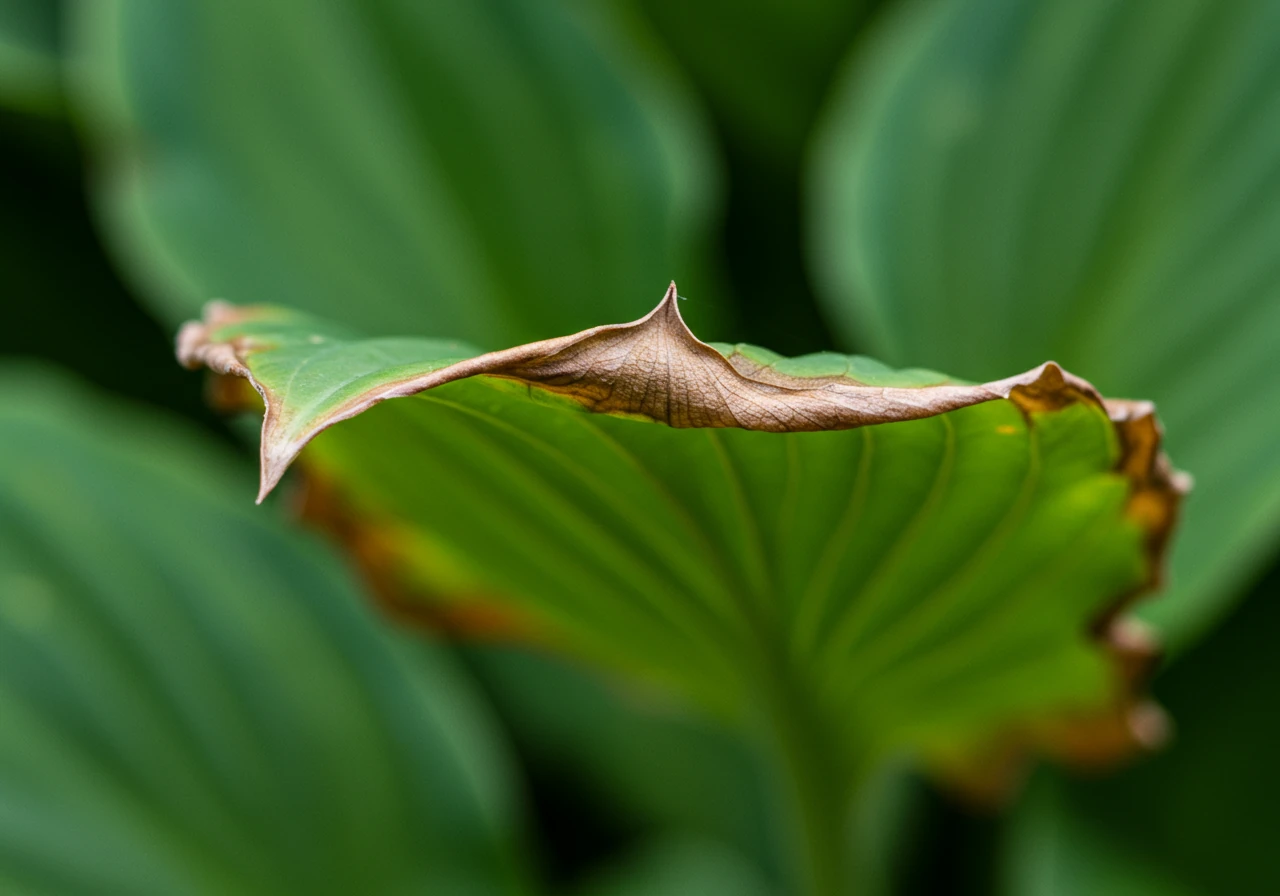
When essential nutrients are running low or are out of balance, the leaf margins often show the first tell-tale signs – perhaps some worrying yellowing, crispy brown edges, or strange curling patterns. It's like a secret code signaling distress! Learning to decipher this 'leaf language' is a superpower for anyone passionate about gardening and maintaining beautiful landscaping. It empowers homeowners across the Ottawa region, whether you're nurturing a backyard oasis in Greely or tending flowerbeds closer to the city core, to diagnose problems accurately. Understanding these visual SOS signals means moving beyond guesswork, applying the right solutions faster, and ultimately cultivating healthier, happier plants. Let's start decoding those leafy messages together! Explore our landscape transformations to see healthy gardens.
Leaf Margins 101: Why the Edges Tell the Tale
Okay, let's dive into why those leaf edges are such chatty Cathys when it comes to plant health!
Think of your plant's leaves like tiny, bustling factories, busy making food through photosynthesis. Now, imagine the delivery routes for essential supplies – water and nutrients – running through the veins right out to the very edges, the *margins*. These margins are often the furthest point from the main "supply hub" in the roots and stem. It’s a bit like the end of the plumbing line in your house; if there's a pressure drop or a blockage somewhere, the taps furthest away might be the first to trickle, right? The same idea applies to leaves!
What are these essential nutrients we keep mentioning? They're basically the plant's multi-vitamins – elements absorbed from the soil like nitrogen (for green growth), potassium (for overall function, like water regulation), and magnesium (crucial for photosynthesis). When a plant isn't getting enough of one of these, or sometimes even *too much* of something else, it disrupts the leaf's internal workings. Because the leaf margins are at the end of the transport system, they often show signs of stress first. It’s the plant’s early warning system kicking in!
So, when you see crisping, browning, yellowing, or unusual spotting specifically along the edges of leaves on your shrubs in Vernon or your perennials in nearby Greely, pay attention! This is often where nutrient deficiencies or even water issues (too much or too little) first become visible. Some nutrients are mobile within the plant and can be moved to newer growth, causing older leaves to show symptoms first, often at the margins. Others are immobile, meaning symptoms appear on new growth. Observing *where* on the plant and *what* the edge symptoms look like gives you valuable clues.
What should you do? Get up close and personal! Seriously, regular inspection is key. Make it part of your routine, maybe when you're already out doing other tasks. For instance, while you're performing careful trimming, reference a good Ottawa & Vernon Shrub Formative Pruning Guide and take that opportunity to inspect leaf margins. Even during seasonal tidying, like when tackling your Vernon Fall Cleanup & Ottawa Winter Prep, keep an eye out for leafy clues. Getting a good look without straining yourself is easier with the right equipment; investing in Vernon Fall Ergonomic Garden Tools to Prevent Back Pain can make inspections more comfortable. Spotting issues early allows you to adjust watering, potentially add the right fertilizer, or implement a comprehensive Vernon Plant Health Care Plan to Combat Summer Stress *before* the problem gets serious. If you're stumped by what the edges are telling you, remember that professional Landscaping and Gardening Services can help diagnose and treat the issue, keeping your landscape looking its best.
The 'Vernon Visual Guide': Common Nutrient Deficiencies on Leaf Margins
Okay, fellow garden enthusiasts in Vernon and across the Ottawa area! Welcome to the "Vernon Visual Guide," your cheat sheet for figuring out what those leaf *edges* are trying to tell you. Let's play detective and decode some common SOS signals focusing specifically on the leaf edges.
Potassium (K) - The Edge Burner

This is a classic! If you see yellowing that starts right at the leaf tip and edges, then turns brown and looks scorched or *necrotic* (dead tissue) along the *margins* of *older leaves*, potassium deficiency is a prime suspect. It often looks like someone took a tiny lighter to the edges. It's one of the most common margin-specific symptoms you'll see in local gardens, from Barrhaven to right here in Vernon. Potassium is mobile, so older leaves show symptoms first.
Calcium (Ca) - The New Growth Stunter
Unlike potassium, calcium issues hit the *new kids on the block* – the young leaves and growing tips. You might see distorted new leaves, and the *margins* or tips can turn brown or black and die back. This is sometimes called "tip burn." Poor fruit development (like blossom-end rot on tomatoes) is another clue. Consistent watering is key, as calcium needs water to travel through the plant. Calcium is immobile, so new growth is affected first.
Magnesium (Mg) - The Vein Highlighter (Older Leaves)
Magnesium deficiency causes *interveinal chlorosis* – yellowing *between* the veins – on *older* leaves. While the veins stay green initially, the yellowing definitely extends right out to the leaf *margins*. Sometimes, the margins might even curl upwards. It can look like little green Christmas trees outlined in yellow along the veins, especially near the leaf base, with the yellow hitting the edge. Magnesium is mobile.
Iron (Fe) - The Vein Highlighter (Newer Leaves)
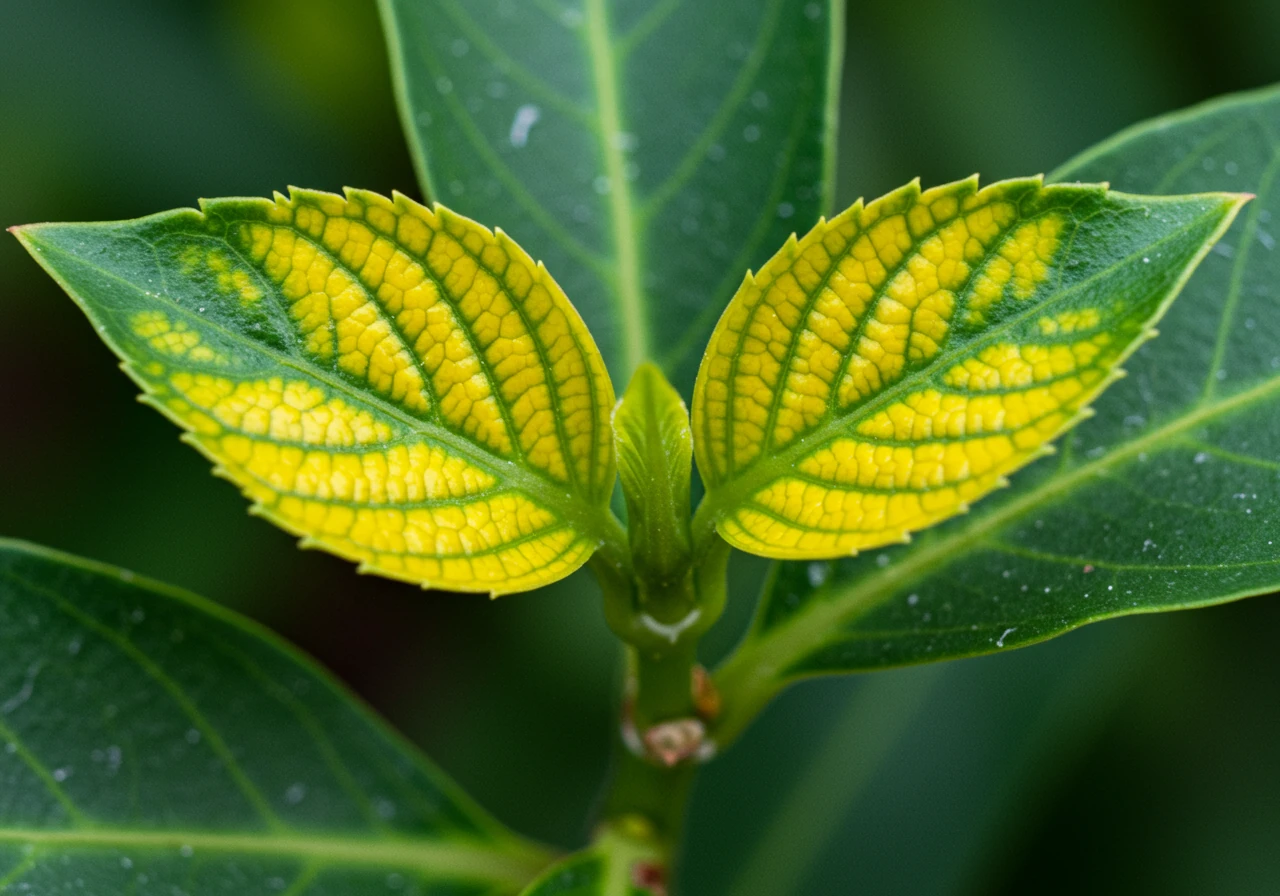
Similar to magnesium, iron deficiency also causes interveinal chlorosis, but this time on the *youngest leaves* first. The veins stay strikingly green while the tissue between them, right up to the *margin*, turns pale yellow or even whitish in severe cases. It's common in high pH soils, which can sometimes be a factor in our Ottawa region soils. Iron is immobile.
Nitrogen (N) & Phosphorus (P)
Nitrogen (N) - The Overall Yellow: While nitrogen deficiency causes a general, uniform yellowing (chlorosis) starting on the *older leaves*, this overall paleness naturally *includes* the leaf margins. You won't typically see the sharp edge burn of potassium deficiency, but the entire leaf, edge to edge, loses its healthy green colour. Nitrogen is mobile.
Phosphorus (P) - The Purple Painter: Phosphorus deficiency often results in stunted growth and an overall dull, sometimes bluish-green appearance. On some plants, you might notice a purplish tint, especially on the undersides of *older leaves*, which can sometimes be visible along the *margins* or leaf stems. It's usually less about crisping margins and more about this odd colour change and poor growth. Phosphorus is mobile.
Quick Reference: Leaf Margin Symptoms
| Nutrient | Symptom Location | Margin-Specific Symptom |
|---|---|---|
| Potassium (K) | Older Leaves | Yellowing progressing to brown/black scorching along margins |
| Calcium (Ca) | New Leaves/Tips | Brown/black dieback on tips and margins ("tip burn"), distorted growth |
| Magnesium (Mg) | Older Leaves | Yellowing between veins extends to margins; edges might curl |
| Iron (Fe) | New Leaves | Yellowing between veins extends to margins; veins stay sharp green |
| Nitrogen (N) | Older Leaves | General yellowing includes margins (not specific margin burn) |
| Phosphorus (P) | Older Leaves | Purpling might appear along margins or on leaf underside, stunted growth |
What Now, Garden Sleuth?
Seeing these signs is the first step. Remember, symptoms can overlap, and sometimes multiple issues are at play. A soil test is often the best way to get a definitive answer. Keeping your garden beds tidy makes spotting these early warnings much easier – regular upkeep, perhaps through a dedicated Metcalfe Garden Clean Up Service, ensures leaves aren't hidden. If you're removing heavily affected plants or doing a general tidy, a thorough Vernon Yard Cleanup Service can help reset the stage. Sometimes, the issue might even be related to overall property drainage or soil compaction, things often addressed during a broader Metcalf Property Cleanup Service.
If you're still scratching your head, or if correcting the suspected deficiency doesn't help, don't hesitate to call in the pros! Expert Landscaping and Gardening Services can help diagnose tricky problems and recommend effective treatments. And thinking ahead, ensuring good soil health *before* planting can prevent many headaches. Consider soil amendments and proper preparation if you're planning a new Garden Install to give your plants the best start. Good preparation often includes choosing the right material selection for your beds. Happy gardening!
Hold Your Horses! When Leaf Margin Issues Aren't About Nutrients
Okay, you've inspected those leaf edges, maybe even consulted our "Vernon Visual Guide," but the symptoms don't quite match a nutrient deficiency? Hold your horses! Before you start amending the soil like a mad scientist, let's consider some other pesky culprits common in our Ottawa area landscaping. Sometimes, the environment itself throws a curveball that makes leaves look less than stellar, especially along the margins.
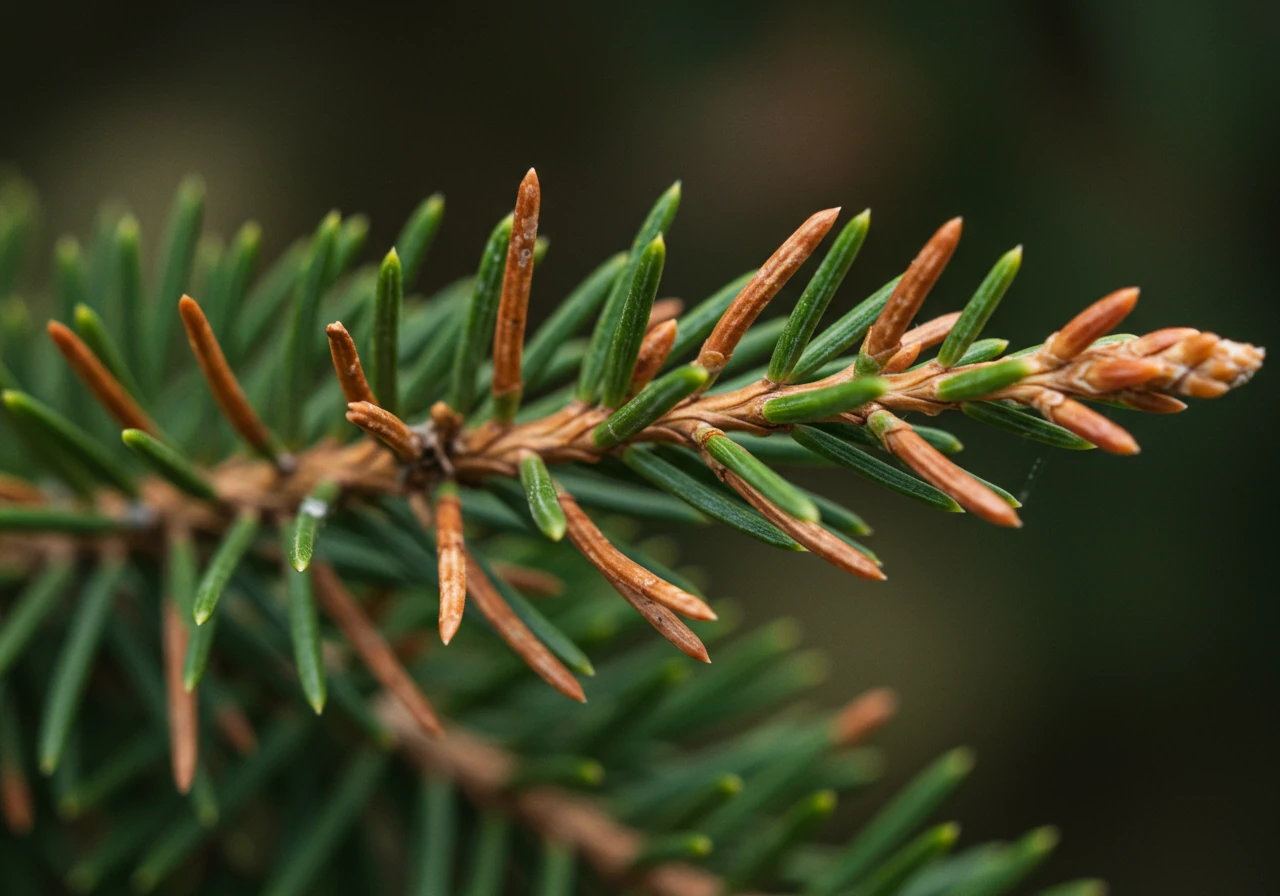
It's easy to jump to conclusions about nutrients, but often, the real issue is environmental stress. Think of it like this: your plant is perfectly healthy "on the inside," but something external is causing irritation. Here are a few common non-nutrient causes for leaf margin mayhem, especially relevant for homeowners from Barrhaven to Manotick:
- Windburn - The Great Dehydrator: Ever feel chapped after a windy Ottawa day? Your plants can too! Strong, drying winds, especially during winter or early spring when the ground might still be frozen (preventing water uptake), can literally suck the moisture right out of leaf edges. This often results in dry, brown, crispy margins, particularly on the side of the plant facing the prevailing wind. Evergreens and newly planted shrubs or trees are often most susceptible. Sometimes, creating windbreaks or ensuring adequate watering before the ground freezes can help. Proper Mulching and Edging techniques can also help conserve soil moisture near the roots.
- Frost Damage - Jack Frost's Naughty Nip: Oh, that unpredictable Ottawa spring weather! A late frost catching tender new growth is a classic cause of blackened or browned leaf tips and margins. The delicate new cells freeze and collapse, leaving dead tissue behind. This damage usually appears suddenly after a cold snap on the newest, most exposed leaves of plants like hostas or hydrangeas. Covering sensitive plants during frost warnings is your best defence.
- Salt Damage - The Roadside Scorch: This is a big one in our region, thanks to winter road maintenance. Salt spray from passing vehicles or salt-laden runoff accumulating in the soil near driveways and roads can be toxic to many plants. The salt draws water *out* of the plant tissues, causing symptoms that look remarkably like drought or potassium deficiency – brown, scorched edges, typically starting at the tips and progressing along the margins. You'll often see this damage worst on the side of the plant facing the road. Cedars, yews, and many perennials are common victims. Flushing the soil heavily with water in the spring can help dilute accumulated salt. A thorough spring Property Clean Up can also remove salt-crusted debris from garden beds. For persistent issues in roadside gardens, you might consider a specialized City Garden Clean Up Service to help manage the soil, or opt for salt-tolerant species when planning a new Garden Install. Consider this during Marionville Property Cleanup Service as well.
- Other Factors: Less commonly, physical damage (like nicks from a string trimmer) or even inconsistent watering (causing water stress) can sometimes manifest as edge browning. Checking our Google Business Profile might offer seasonal tips too.
Why Correct Diagnosis Matters
See? It's not always about fertilizer! Misdiagnosing environmental stress as a nutrient deficiency and adding unnecessary amendments won't help and might even harm your plants or waste your money. Take a moment to observe: *Where* is the plant located? Has the weather been unusual? Is the damage only on one side? Considering these factors *before* acting is key to effective gardening. If you're ever unsure, seeking professional advice is a smart move. We sincerely appreciate you considering expert advice; visit our Thank You page after contacting us, for prioritizing your garden's health and taking the time to understand its needs!
For more information on dealing with environmental stresses specific to our climate, check out resources from the Ottawa Horticultural Society or guidance from OMAFRA on soil health.
Getting to the Root Cause: Soil Testing & Amending in the Ottawa Valley
Okay, garden detectives, we’ve looked at the clues on the leaves, considered environmental culprits, but sometimes, to *really* solve the mystery of unhappy plants, we need to dig a little deeper – literally! Playing guessing games with fertilizers based only on leaf symptoms can be a bit like throwing darts blindfolded. You might hit the bullseye, or you might just put more holes in the wall (or your garden soil!).
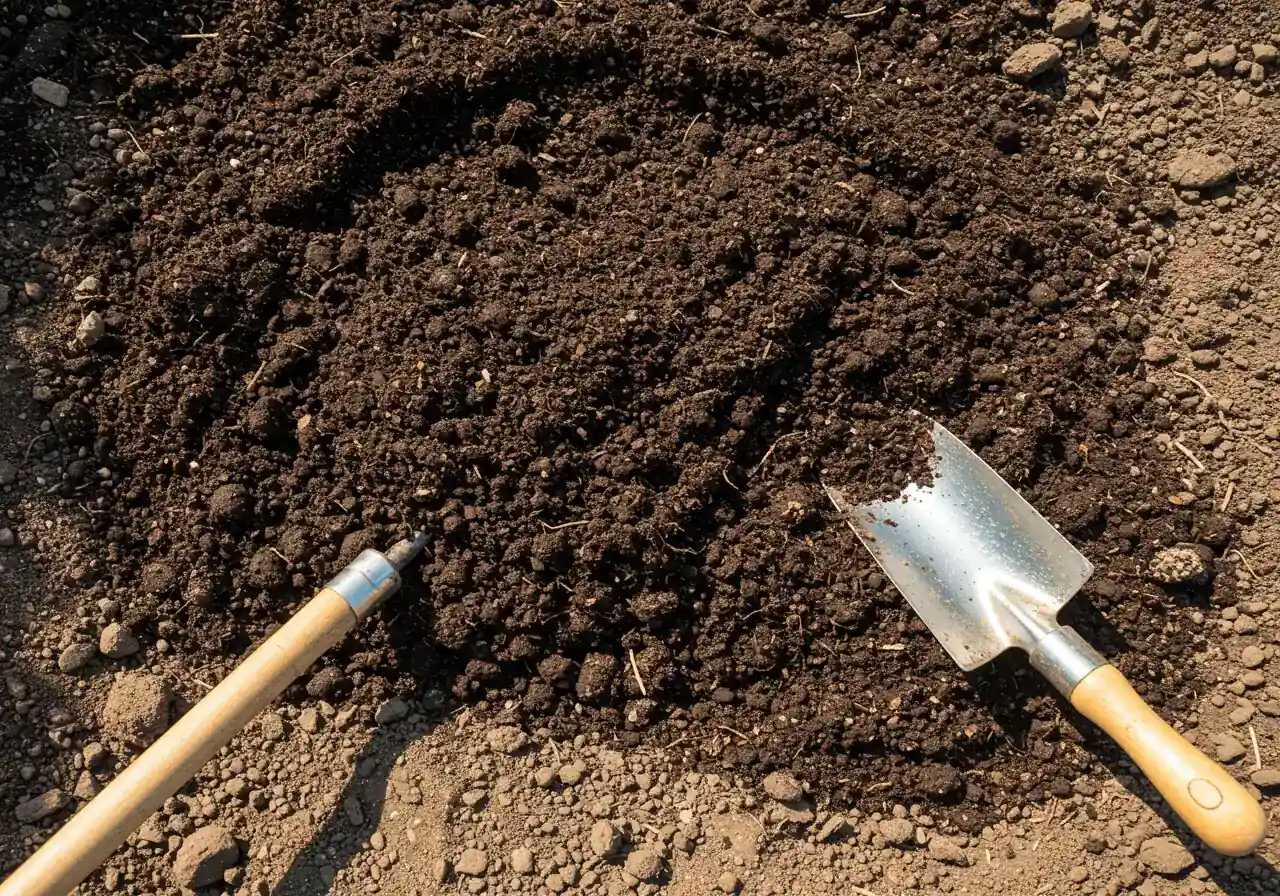
This is where soil testing becomes your secret weapon. Think of it as getting a blood test for your garden beds. It takes the guesswork out of the equation by telling you exactly what’s going on beneath the surface. Is the soil pH too high or too low, locking up essential nutrients even if they *are* present? Are specific nutrients genuinely lacking? A simple soil test provides the answers, allowing for targeted solutions instead of wishful thinking. We truly appreciate it when homeowners invest in understanding their soil; visit our Thank You page after reaching out, for wanting to give your plants the best possible foundation!
Here in the Ottawa Valley, our soils can be quite varied. Depending on whether you're gardening in Manotick near the river or further out towards the countryside, you might encounter heavy clay, pockets of sand, or something in between. Clay soils, while often nutrient-rich, can compact easily and drain poorly, leading to root problems. Sandy soils drain like a sieve, meaning water and nutrients wash away quickly. Soil pH is another big player; slightly acidic soil is ideal for most plants, but if yours leans too alkaline or too acidic, nutrient uptake gets tricky, no matter how much fertilizer you add.
So, what’s the fix? Forget harsh chemical cocktails! The best approach is usually *amending* your soil with organic matter. Compost is king here – it improves structure in both clay (breaking it up) and sandy soils (helping retain moisture and nutrients). Well-rotted manure and leaf mold are also fantastic eco-friendly options. These amendments add slow-release nutrients, feed beneficial soil microbes, and create that lovely, crumbly texture plants adore. Improving soil health is fundamental to reducing long-term issues, making routine garden maintenance much more effective.
Typical Soil Amendment Benefits
When’s the best time to amend? Fall is ideal in the Ottawa region, allowing amendments to integrate over winter. Early spring, before planting, is also a great window. You'll want a clean slate, so removing old plant debris, perhaps as part of a general City Yard Cleanup Service, is a good first step. For larger properties or more extensive preparation, services like a Marionville Property Cleanup Service can handle the heavy lifting, ensuring your beds are ready for improvement. Remember, building healthy soil is an ongoing process, and consistent care, potentially supported by a City Garden Maintenance Service, helps maintain that perfect balance for thriving plants. Get that soil tested, amend wisely, and watch your garden flourish! Consider sod installation for areas beyond garden beds.
Your Neighbourhood Plant Detective Kit: A Step-by-Step Inspection Guide (Timeline)
Alright, future Plant Detectives of Ottawa! Ready to put on your investigator hat? Here’s how to give your plants a quick check-up, focusing on those tell-tale leaf edges using our timeline guide.
Step 1: Gear Up
Grab reading glasses if needed. Inspect in good light (mid-morning/late afternoon).
Step 2: Choose Suspects
Pick a few plants or focus on one showing issues. Check different growth stages/locations (e.g., plants in Nepean vs. Manotick).
Step 3: Get Close
Gently examine leaves from old growth (base) and new growth (tips). Is the problem localized or widespread?
Step 4: Scan the Edges
Focus on margins. Look for yellowing, browning, crispiness, specific patterns (tip burn, scorch), curling, or odd colors.
Step 5: Compare & Contrast
Compare affected leaves to healthy ones on the same or a similar plant. 'Normal' helps define 'abnormal'.
Step 6: Take Notes
Record symptom, location (leaf/plant). Photos help! Good soil preparation can prevent many issues.
Step 7: Consider Context
Think environmental factors: salt, frost, wind, watering? A clean garden via Metcalfe Yard Cleanup Service aids inspection.
Pro Tip: Don't panic at the first sign of a discoloured leaf edge! Plants are living things and minor blemishes happen. Consistent observation is your best tool. Watch if the problem spreads rapidly, affects many leaves, or gets significantly worse. That's your cue to investigate further or seek advice. Regular garden care makes a difference; consistent upkeep, perhaps with a City Garden Maintenance Service, helps you spot developing issues early before they become major headaches. Check our privacy policy for how we handle your information.
Still scratching your head after playing detective? We're here to help! Having detailed observations makes finding a solution much easier. You can share your findings when requesting help - feel free to provide details through our Estimate Feedback form, especially if you've received a quote previously, or simply Contact Us to discuss your plant concerns. Happy sleuthing!
Quick Diagnostic Cheat Sheet
Okay, let's get straight to the point! Your plants are flashing signs, and you need answers *now*. Here's a quick rundown of common leaf edge dramas and what they might mean for your Ottawa garden. Think of this as your plant health 911 cheat sheet!
Leaf Edge Clues Quick Look:
- Brown/Scorched Edges (Older Leaves): Often Potassium (K) need, windburn, or salt damage.
- Distorted/Dead Edges (New Leaves): Could be Calcium (Ca) need or frost damage.
- Yellow Edges, Green Veins: Check Older Leaves (Magnesium - Mg) vs. New Leaves (Iron - Fe).
Remember: Symptoms overlap! When in doubt, test your soil for the real story.
Q: Help! My plant's leaf edges are turning brown and crispy, especially the older ones. What's going on?
A: Ah, the dreaded crispy edges! This classic sign could point to a few things. Often, it’s Potassium deficiency (scorched edges starting at the tip on older leaves). But don't rule out Ottawa's environmental factors! Windburn dries edges, making them brittle. Roadside plants? Salt damage looks very similar. Simple underwatering can also stress edges first. Check moisture and location before adding fertilizer! Our Ottawa Property Cleanup Service can address salt buildup areas.
Q: Okay, but it's the *new* leaves that have weird, brown, or stunted edges. What about that?
A: New growth issues often involve *immobile* nutrients or environmental shock. Calcium deficiency causes distorted new leaves with brown margins ("tip burn"). Young leaves yellowing between green veins (out to the edge) could signal Iron deficiency (common in high pH soil). Late spring frost? Frost damage nips tender new edges, turning them black/brown overnight.
Q: My leaf edges are yellow, but the veins and middle are still green. Is my plant trying to be fashionable?
A: Interesting, but usually a nutrient issue! If this interveinal chlorosis is on *older* leaves, suspect Magnesium deficiency. If it's on *newest* leaves, Iron deficiency is more likely. Remember: Mg=Mature, Fe=Immature (mostly!). Soil testing confirms the nutrient need. A Marionville Garden Clean Up Service can prepare beds for proper amending.
Q: I've checked for pests and watered consistently, but the edges *still* look bad. Could it be something else?
A: Absolutely! Besides windburn, frost, and salt, consider physical damage (weed trimmer nicks?). Could nearby Lawn Care products have drifted? Some fungal diseases start at edges but usually show spots too. Check our Terms and Conditions for service details. If you're stumped, professional advice might be needed.
Q: I think I know what's wrong, but I'm overwhelmed! Can someone just help me figure this out and fix it?
A: You bet! Diagnosing plant problems can be tricky. If you're stumped or want an expert eye, professional help is great. Whether you need a full seasonal Ottawa Yard Cleanup Service or targeted support, we're here. Even further out? A Marionville Yard Cleanup Service is available. Contact Us – share your observations, and let's get your garden healthy!
Frequently Asked Questions from Ottawa Gardeners
Ah, the never-ending battle! For flower beds, the best defence is a good offence. Applying a thick layer of mulch (around 2-3 inches) helps smother existing weeds and prevents new seeds from sprouting. Regular hand-pulling *before* weeds get huge is also crucial. Getting them roots and all makes a big difference. Consistent garden maintenance is key to keeping those pesky invaders under control.
Don't despair! Ottawa lawns can take a beating over winter. Give it a good rake to remove dead grass and debris. Aeration can really help compacted soil breathe, and overseeding will fill in those thin spots. Ensure you're watering deeply but infrequently and mowing at the right height. Consistent care makes all the difference. Consider looking into professional lawn care services for tailored advice and treatments.
That's a common puzzle! The ideal window is typically after the snow has melted and the ground isn't soggy, but *before* your perennials really start shooting up vigorously – usually late April to mid-May, depending on the year's weather. This timing lets you clear debris without damaging new growth. Need a hand getting it done right? A professional Ottawa Garden Clean Up Service can tackle it efficiently for you.
Oh, we know that Ottawa clay! The absolute best thing you can do is consistently add organic matter. Work in several inches of compost, well-rotted manure, or leaf mold every year. This improves drainage, aeration, and makes it much easier for plant roots to grow. Avoid working clay soil when it's very wet, as that can worsen compaction. It takes time, but amending makes a huge difference. Proper soil preparation is key.
Yes, dealing with neglected city property edges can be tricky! While it's technically city land, keeping it tidy improves your curb appeal. We offer a specialized City Property Cleanup Service specifically designed to address these areas, tidying up weeds, overgrown grass, and debris along boulevards and property lines adjacent to city land, making the whole street look better.
Great question! We're a local Ottawa team passionate about creating and maintaining beautiful, healthy outdoor spaces for homeowners like you. We focus on reliable, detail-oriented service, whether it's lawn care, garden maintenance, or property cleanup. We believe in clear communication and treating your yard like our own. You can learn more about our team and approach here!
Conclusion: Turn Observation into Action for a Thriving Ottawa Landscape
So, what's the bottom line after all this leafy detective work? Simply put: your plants *are* talking, and their leaf edges often spill the beans first! Learning to decode these visual cues – whether it points to a nutrient need, like a craving for potassium, or an environmental woe like that classic Ottawa winter salt spray – empowers you to stop guessing and start helping. Being observant is the crucial first step to taking effective *action*.
You now have the know-how to put on your gardening gloves and investigate issues in your own yard, maybe checking out those shrubs in Barrhaven that looked a bit off last season. Give it a try! Sometimes, a simple adjustment to watering or adding some compost based on your observations is all it takes. And remember, a soil test is like the ultimate cheat sheet if you're really stumped. For local advice, you might consult the City of Ottawa's gardening resources.
But hey, we get it. Sometimes the clues are confusing, or maybe you’d just rather leave the diagnosis and treatment to the pros. If your plants still seem determined to be dramatic despite your best efforts, or if you simply want expert care for your landscape, don't hesitate! Professional *landscaping* and *gardening* services are here to turn those observations into a targeted plan for healthy, happy *plants*. For everything from soil *amending* to ongoing maintenance across the Ottawa area, expert help ensures your landscape doesn't just survive, it thrives. Ready to see your garden flourish? Let's turn those leafy signals into stunning results!