
Diagnose Manganese Deficiency in Metcalfe Maples Now
Quick Summary: Is Your Maple Yellowing?
- Key Symptom: Look for leaves with yellow or pale green tissue between distinctly dark green veins (interveinal chlorosis), often appearing first on newer leaves.
- Common Cause in Ottawa/Metcalfe: High soil pH makes manganese less available for maple roots to absorb.
- Diagnosis: Soil testing (checks pH and nutrient levels) and leaf tissue analysis (checks actual uptake) confirm the issue.
- Solutions: Options range from foliar sprays (quick fix) to soil amendments, manganese application, or professional trunk injections (longer-term).
- Prevention: Focus on improving soil health with organic matter, mulch, proper watering, and avoiding soil compaction.
Need help diagnosing or treating your maple? Request a quote today!
Introduction: Is Your Metcalfe Maple Looking a Bit Peakish?
Let's chat about your beautiful Metcalfe maple. Have you noticed it looking a little less than its best lately? Maybe the leaves are showing a bit of yellow between the green veins, like it's feeling a bit peakish or just generally 'blah'? Think of it like your tree being a tad under the weather and needing a specific pick-me-up. Often, for maples around here, that pick-me-up is manganese.
Manganese deficiency is a surprisingly common issue for these majestic trees, especially given the soil conditions often found right here in Metcalfe and neighbouring Ottawa communities like Manotick and Greely. It can really put a damper on your landscaping efforts when your prized maple isn't looking its vibrant best! But don't fret – it's usually fixable with a little know-how. For insights into local landscaping solutions, check out our work with Metcalfe property cleanup services.
In this guide, we'll walk you through how to spot the tell-tale signs of manganese deficiency in your maple. We'll also dig into the reasons behind it (often linked to our local soil!) and discuss practical, actionable solutions to help your maple regain its full health and glorious colour. Let's turn that peakish maple back into the leafy star of your garden!
What in the Chlorophyll is Manganese Deficiency? (And Why Your Maple Cares!)
Okay, let's break down this manganese business. You might be wondering, "Manganese? Isn't that something in my vitamins?" Well, yes! And just like we need certain vitamins to function, your maple tree needs manganese. Think of manganese as a tiny but mighty micronutrient – a crucial helper for your tree's daily operations, especially right here in Ottawa.
So, why is it so important? Manganese is a key player in photosynthesis. That's the amazing process where trees use sunlight, water, and carbon dioxide to create their own food (sugars) and release oxygen. Manganese helps activate enzymes involved in making chlorophyll – the pigment that gives leaves their gorgeous green colour and captures sunlight. Without enough manganese, the chlorophyll production line slows down.
What is Manganese Deficiency, Then?
Simply put, manganese deficiency (often shortened to MnD) means your maple isn't getting enough of this vital micronutrient to do its job properly. It's like trying to bake a cake but running out of a key ingredient like baking soda – the cake just won't turn out right! Even if there's some manganese in the soil (which is often the case around here), high soil pH can make it hard for the tree's roots to actually absorb it.
Why Your Maple Cares (And How it Shows It)
When your maple is short on manganese, it can't make chlorophyll effectively. The most common sign? Interveinal chlorosis. Fancy term, simple idea: the areas between the leaf veins turn yellowish or pale green, while the veins themselves stay darker green. This usually shows up on older leaves first, but can spread. It makes the tree look weak and tired, and over time, it impacts its overall health because it can't produce enough food.
It's easy to mistake these symptoms for other problems common in our area. For instance:
- Fungal Issues: Unlike the patterned yellowing of MnD, fungal problems often show up as distinct spots or patches. If you're seeing spots, it might be different from a nutrient issue, like some leaf spot problems you might diagnose in Vernon gardens.
- Other Nutrient Deficiencies: Different nutrients cause different problems. A lack of calcium, for example, might lead to different symptoms, potentially including leaf curl, sometimes linked to calcium deficiency explored near Kars.
- Root Problems: Sometimes, the issue isn't the nutrient level itself, but the roots' ability to absorb anything. Damaged or restricted roots can mimic deficiency symptoms. It's always wise to consider how to diagnose potential root problems like those seen in Barrhaven.
- Overall Soil Health: Poor soil structure or incorrect pH can lead to various issues, including nutrient lock-up causing problems like stunted growth, often diagnosed through soil checks like those done in Manotick.
Getting the diagnosis right is key to helping your maple bounce back. If you suspect manganese deficiency but aren't quite sure, or need help figuring out the best treatment plan for your specific tree and soil, exploring professional landscaping and tree care services can provide clarity and effective solutions.
Playing Leaf Detective: Spotting the Telltale Signs of Mn Deficiency
Okay, let's put on our detective hats and grab our magnifying glasses (or just squint really well). It's time to play Leaf Detective and learn how to spot the sneaky signs of manganese deficiency (MnD) in your prized maple trees. Don't worry, you don't need a deerstalker cap for this, just keen eyes!
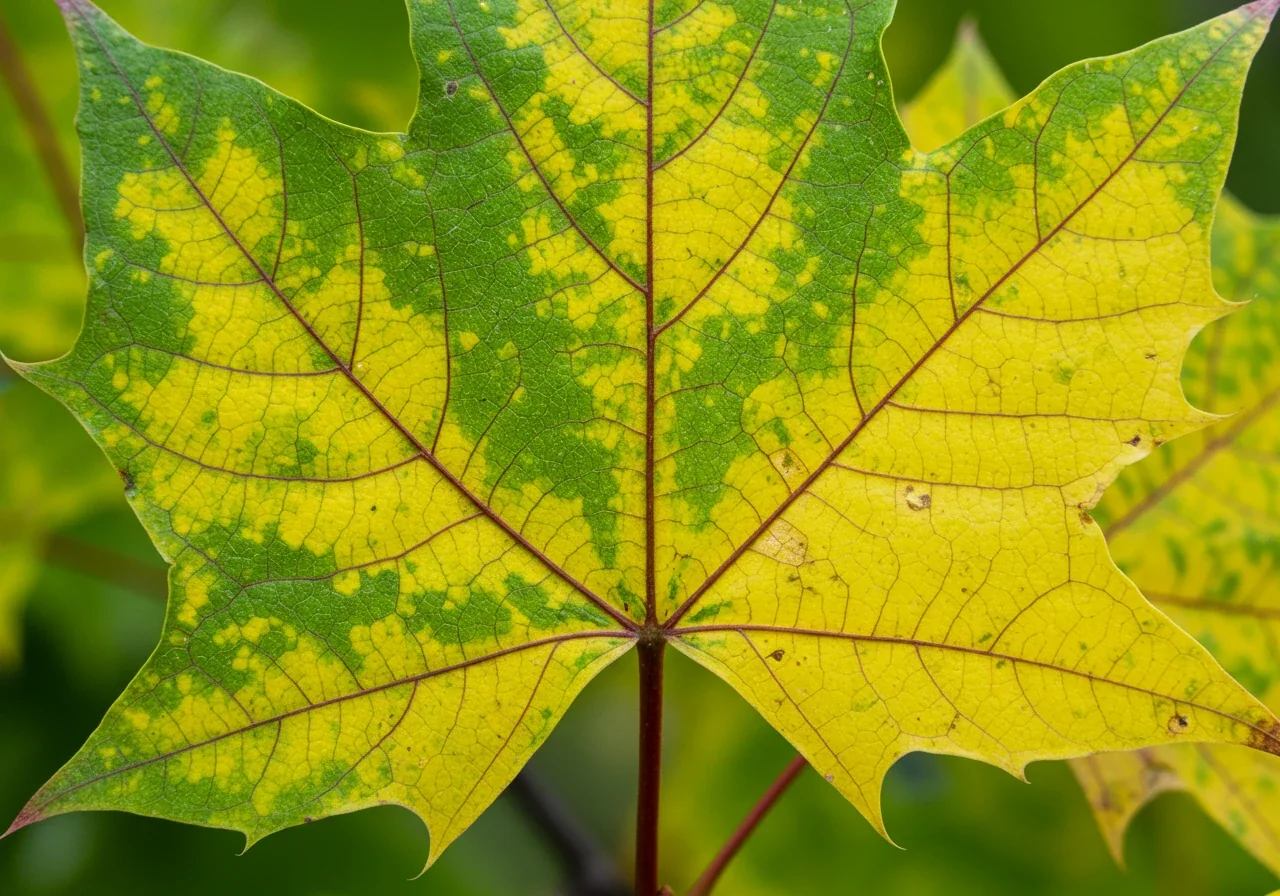
The Smoking Gun: Interveinal Chlorosis
The biggest clue MnD leaves behind is something called interveinal chlorosis. Sounds fancy, but it just means the leaf tissue between the veins turns yellow or pale green, while the veins themselves stay stubbornly green. Imagine someone took a tiny green marker and traced the leaf's vein network, then coloured the spaces in between with a pale yellow highlighter – that's the look!
This pattern is pretty distinctive. It’s not usually random spots or blotches (which might suggest a disease), but more of a patterned yellowing that respects the vein structure. Sometimes, in severe cases, tiny dead spots might appear in the yellowed areas, but the green-veins-yellow-spaces pattern is the key identifier.
Location, Location, Location: Where to Look
Unlike some nutrient issues that hit the old leaves first, manganese deficiency often shows up more dramatically on the newer leaves, especially those exposed to sunlight. Why? Because manganese isn't easily moved around within the plant. Once it's used in older leaves, the tree can't easily send it up to the new growth where it's needed for fresh chlorophyll production. So, if you're seeing that telltale yellowing pattern mainly on the younger shoots or the sunny side of the tree, MnD should definitely be on your suspect list. You might notice this pattern on maples while walking through neighbourhoods like Osgoode or Kars – it's quite common around Ottawa.
Your Maple Leaf Inspection Guide:
Ready to do some leaf forensics? Here’s a simple way to check your maple:
- Pick Your Spot: Choose a few branches, making sure to look at both older leaves (near the trunk/main branches) and newer leaves (at the tips of branches). Check leaves in sunny spots and shadier spots if possible.
- Examine the Pattern: Hold a leaf up. Do you see that distinct pattern – green veins with lighter yellow or pale green tissue between them? Or is the yellowing more uniform, patchy, or spotty?
- Note the Location: Is the pattern worse on the newer leaves at the branch tips? Or are the older leaves looking worse? Is it happening all over the tree, or just on one side?
- Compare and Contrast: Look at other nearby trees (maples if possible). Do they look different? Are there any healthy, dark green leaves on the tree you're inspecting? Comparing helps you understand what's normal versus what's a potential problem sign.
Why Bother Playing Detective?
Spotting MnD early helps you address the root cause before it significantly stresses your tree. Often, the issue isn't a lack of manganese *in* the soil, but soil conditions (like high pH, common in our region) that prevent the tree from absorbing it. This is where understanding the importance of proper soil preparation becomes critical for long-term plant health. Getting the soil right allows those roots to soak up the nutrients they need.
If you do spot these signs, the next step involves figuring out the why and planning the fix. Sometimes, the solution involves adjusting the soil environment or applying specific nutrients. Choosing the right approach and products requires careful consideration, much like the thought that goes into smart material selection for any landscaping project to ensure compatibility and effectiveness.
And remember, keeping your garden generally healthy and tidy makes it much easier to notice when something’s amiss with a specific plant. Regular upkeep, like what's provided by a Vernon garden clean up service, removes visual clutter like weeds and debris, letting your plants' health (or lack thereof) shine through. A clean slate, similar to the results from a Marionville garden clean up service, helps you monitor changes effectively.
If your leaf detective work points towards MnD but you're feeling unsure, or if you want expert help confirming the diagnosis and applying the right treatment, don't hesitate to reach out. Exploring professional landscaping and tree care services can give you peace of mind and get your maple back on the path to vibrant green health!
Understanding Local Factors: Soil & Environment
The Usual Suspect: High Soil pH
Manganese is most available in slightly acidic to neutral soil (pH 5.5-6.5). Many Ottawa areas, including Metcalfe and Greely, have alkaline soil (pH > 7.0). High pH chemically 'locks up' manganese, making it unavailable to tree roots, even if present.
Testing your soil pH is the first step to understanding this factor. Visit the City of Ottawa Tree Care page for general local tree advice.
Our Diverse Ottawa Soils: Clay vs. Sand
Clay Soils: Common in Ottawa, clay holds nutrients but can drain poorly and compact easily. Lack of oxygen in waterlogged or compacted clay hinders root function and nutrient uptake, including manganese. Proper soil preparation is vital.
Sandy Soils: Found in areas like Greely, sand drains quickly, potentially leaching nutrients like manganese away before roots can absorb them. Maintaining adequate nutrient levels is key.
Compaction and Drainage Nightmares
Soil compaction from foot traffic, mowers, or construction crushes air pockets needed by roots. Poor drainage creates low-oxygen conditions. Both severely limit a root's ability to absorb water and nutrients like manganese. This is a common issue requiring attention, sometimes revealed after a thorough Ottawa yard cleanup service.
Even public spaces face these issues, often addressed by crews like a city property cleanup service.
Why Metcalfe, Greely, and Your Ottawa Neighbourhood Might Be Mn Hotspots
Ever wondered why your neighbour's maple in, say, Richmond looks lush and green, while yours in Metcalfe or Greely seems perpetually a bit yellow between the veins? You're not imagining things! Certain areas around Ottawa definitely seem more prone to manganese deficiency (MnD) in maples, and it often boils down to what's happening *under* our feet – in the soil. Let's dig into the local dirt, shall we?
As discussed in the tabs above, high soil pH, specific soil types (heavy clay or leachy sand), and compaction/drainage issues are major contributors often found in our local neighbourhoods.
What Can You Do?
Knowing these local factors helps!
- Test Your Soil: Don't guess, test! A soil test is the best way to know your pH and nutrient levels.
- Improve Drainage & Aeration: Proper grading, adding organic matter (compost!), and sometimes core aeration can make a big difference, especially in clay soils.
- Consider Local Help: Dealing with persistent soil issues or diagnosing tricky tree problems? Sometimes local expertise is invaluable. A Metcalfe property cleanup service understands the specific challenges faced in that area. When seeking help, whether it's for testing or treatment advice, remember that reputable services value your data security, as outlined in their service agreements or privacy policy. You can check our reputation on Google.
Understanding why your neighbourhood might be an Mn hotspot empowers you to take the right steps to help your maple thrive, turning those yellowing leaves back to glorious green!
Confirmed! My Maple Needs Manganese Stat! - Testing & Treatment
Okay, so you’ve played Leaf Detective, you've noticed the telltale signs, and you suspect your maple is shouting, "Help! I need manganese!" like it's ordering takeout. Before you rush out and start chucking things at the tree (please don't!), let's confirm the diagnosis and figure out the best fix-it plan. Getting it right means a happier tree and less wasted effort for you.
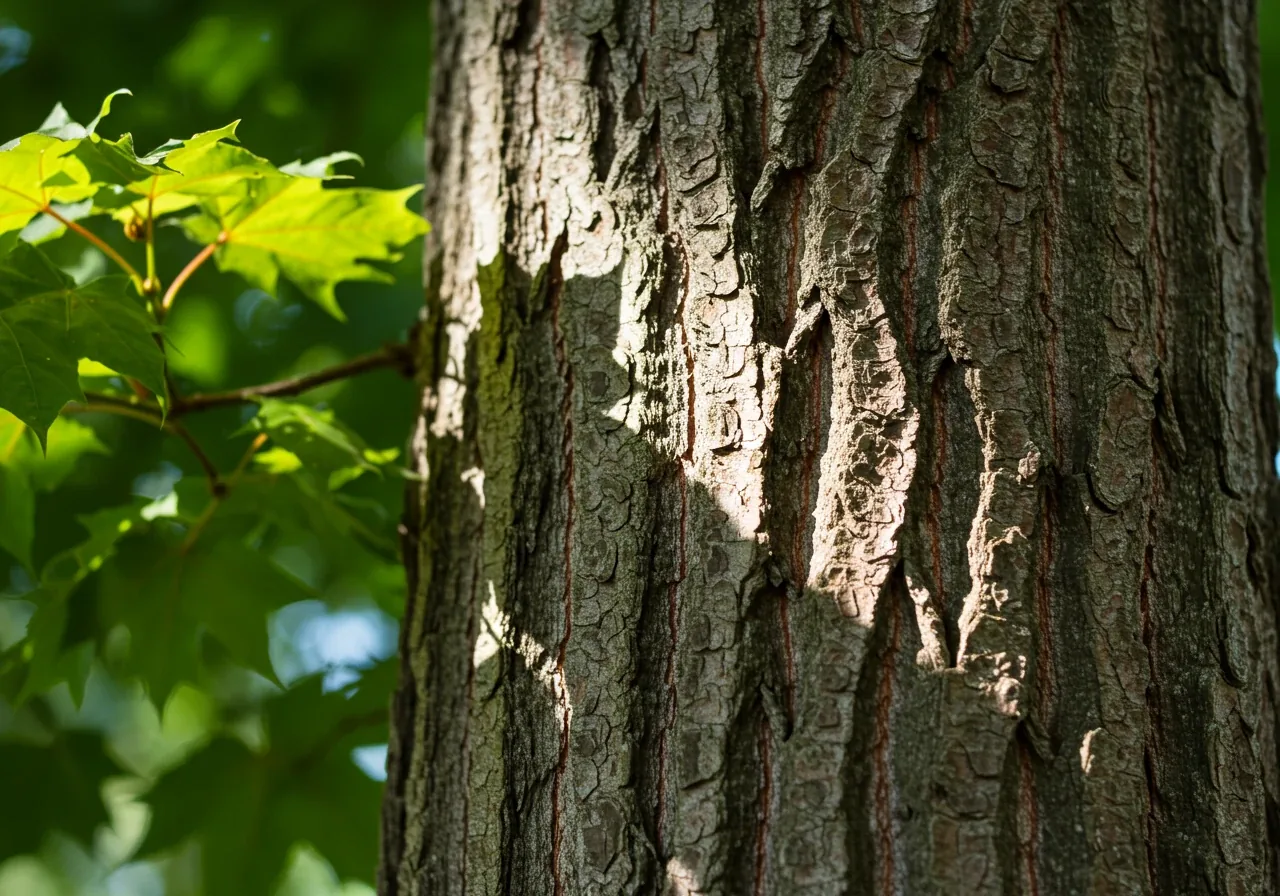
Confirming the Culprit: Testing Time!
Guessing is okay for lottery numbers, but not so great for tree health. Two main ways to get solid answers are:
- Soil Testing: Checks pH and nutrient levels in the soil. Crucial for understanding the soil environment but doesn't confirm tree uptake.
- Leaf Tissue Analysis: The gold standard. Analyzes nutrient content *within* the leaves, confirming what the tree is actually absorbing. Often requires professional sampling.
Operation Manganese Rescue: Treatment Options
Once MnD is confirmed, you've got a few ways to get that manganese goodness back into your maple:
Treatment Comparison
| Treatment Method | How it Works | Pros | Cons |
|---|---|---|---|
| Foliar Sprays | Spray Mn solution on leaves | Fast results, bypasses soil | Temporary, needs repeats, risk of leaf burn |
| Soil pH Adjustment | Lower pH with sulfur etc. | Addresses root cause (high pH) | Very slow, tricky, may be impractical |
| Soil Mn Application | Add Mn sulfate/chelate to soil | Direct nutrient addition | Ineffective if pH is high, risk of over-application |
| Trunk Injections | Inject Mn solution into trunk | Highly effective, bypasses soil, lasts 1-3 yrs | Requires pro, wounds tree (minimal if done right), $$ upfront |
When to Wave the White Flag (and Call a Pro)
Consider professional help from companies like Clean Yards if:
- You need accurate leaf tissue analysis.
- You're dealing with complex soil pH problems.
- Trunk injections seem like the best option (requires expertise).
- Your DIY efforts haven't worked.
- You want tailored advice for your Ottawa-area maple. Perhaps related to services like Ottawa garden clean up service or broader property clean up.
Timing is Everything (Especially in Ottawa!)
Our Ottawa growing season isn't endless! Here's a general guide:
- Soil Testing: Spring or fall.
- Leaf Analysis: Mid-summer (July/August).
- Foliar Sprays: Late spring/early summer, repeat as needed.
- Soil Treatments: Spring or fall. Often pairs well with services like mulching and edging.
- Trunk Injections: Late spring/early summer.
Remember, preventing nutrient issues is always easier than fixing them. Ensuring excellent soil preparation from the start, whether it's for a tree or a whole new flowerbed during a garden install, sets your plants up for success. Healthy trees in our yards also contribute positively to the overall urban forest, complementing the efforts of those maintaining public spaces, like a city property cleanup service. Good planning prevents issues down the line, similar to how proper site prep is crucial for sod installation.
With the right diagnosis and treatment plan, you can get that manganese deficiency sorted and have your maple looking lush and vibrant again!
Note: Effectiveness percentages are illustrative and depend heavily on specific conditions.
An Ounce of Prevention: Keeping Ottawa Maples Manganese-Happy Long-Term

Alright, we've talked about spotting and treating manganese deficiency, but wouldn't it be great if we could avoid the whole drama in the first place? Like dodging potholes on Ottawa roads, preventing manganese issues is way less stressful (and often cheaper!) than fixing them later. Let's chat about keeping your maple trees looking lush and feeling fantastic for the long haul. Think of this as your maple's wellness plan!
Start Strong: Plant Like You Mean It
If you're adding a new maple to your landscape, give it the best possible start. Choose a spot with decent drainage – maples hate having constantly wet feet. When planting, dig a wide hole and amend the backfill soil with compost. Good initial soil preparation sets the stage for years of healthy growth, similar to how we prep for major transformations.
Feed the Soil, Feed the Tree
Healthy soil is the foundation of a healthy maple, especially here in Ottawa where soil conditions can be challenging.
- Embrace Organic Matter: Regularly adding compost or well-rotted leaf mould improves soil structure, drainage, aeration, and buffers pH.
- Mulch is Your Friend: A 2-4 inch layer of organic mulch retains moisture, regulates temperature, suppresses weeds, and adds organic matter. Avoid "mulch volcanoes" touching the trunk. See our mulching and edging services for tips.
- Avoid Compaction Catastrophes: Keep heavy traffic off the root zone. Compacted soil suffocates roots. Consider core aeration for lawn areas near trees to improve conditions, contributing to overall lawn care.
Water Wisely, Not Weakly
Aim for deep, infrequent watering during dry spells. Ensure water drains away and doesn't pool.
Fertilize with Forethought
Fertilize only if a soil test indicates a need. Over-fertilizing can interfere with Mn uptake. Regular garden maintenance often includes monitoring nutrient needs. Sometimes a simple city garden maintenance service approach focusing on soil health is best.
Choose Wisely (If Planting New)
While improving soil is key, research maple cultivars if planting in known alkaline areas.
Keep Things Tidy
Remove weeds to reduce competition. Regular fall cleanups prevent leaf matting. Simple tasks like keeping the area clean help. For larger tasks, consider a comprehensive Ottawa property cleanup service or specific area services like Marionville property cleanup service.
Investing a little time in these preventative steps pays off big time with vibrant, healthy maples. It’s all about creating a happy home for their roots! If you ever want more tailored advice, don't hesitate to reach out – you can find our contact details easily, and we appreciate you checking us out, which you can learn more about on our thank you page. We always value estimate feedback to improve our services.
Seasonal Maple Care Timeline (Ottawa Focus)
Early Spring (Apr-May)
Inspect for winter damage. Apply compost around root zone. Check soil moisture as ground thaws. Consider soil testing if planning amendments.
Late Spring/Early Summer (May-June)
Apply mulch layer. Monitor new leaves for chlorosis signs. Ideal time for trunk injections or first foliar spray if MnD confirmed. Water deeply if dry spell begins.
Mid-Summer (July-Aug)
Best time for leaf tissue analysis. Continue monitoring for stress/pests. Water deeply during droughts. Repeat foliar sprays if needed.
Fall (Sept-Oct)
Rake fallen leaves (add to compost!). Good time for soil pH adjustments (e.g., sulfur). Water well before ground freezes if autumn is dry. Schedule a Metcalfe garden clean up service.
Winter (Nov-Mar)
Avoid piling snow heavily on root zone. Protect young trees from salt spray near roads/walkways. Plan for next season's care. Review terms and conditions for any ongoing service agreements.
Metcalfe Maple Quick Tips: Manganese Check!
Key Reminders for Healthy Maples
- Leaf Detective Duty: Yellow leaves + green veins (esp. new growth) = Suspect Mn Deficiency.
- Soil is King: Boost with compost & mulch. Avoid compaction near roots during activities like lawn care.
- Test, Don't Guess: Use soil tests (pH!) or leaf analysis to confirm before treating.
- Prevention Power: Good drainage, proper watering, keep base clean. Consider regular garden maintenance. An Ottawa property cleanup service can help prep the area.
- Know When to Call Backup: For complex issues or treatments like injections, get pro help. Local services like a Metcalfe yard cleanup service offer expertise. Need advice? Contact us!
FAQ: Your Ottawa Maple Manganese Questions Answered
Great question! It often boils down to our local soil conditions. Many areas around Ottawa, including neighbourhoods like Nepean or right here in Metcalfe, naturally have alkaline soil (high pH). Manganese is less available for trees to absorb when the soil pH is high, even if it's physically present in the dirt. Maples, especially certain varieties like Silver Maples or Red Maples, are particularly sensitive to this and show those tell-tale yellow leaves with green veins (interveinal chlorosis) more readily than some other trees. It's like having food locked in a pantry the tree can't quite open! For reliable local service, consider city garden clean up service providers familiar with these conditions.
Absolutely, that's a very common scenario! Construction activities often involve heavy equipment that severely compacts the soil. This squishes out the air pockets roots need to breathe and function properly, hindering their ability to absorb *any* nutrient, including manganese. Topsoil might also have been removed or mixed with less desirable subsoil, potentially altering the pH or nutrient profile right where your maple's roots are trying to establish. Improving soil structure with compost and mulch, and avoiding further compaction, is key for trees in newer developments.
Ah, the classic quick fix vs. long-term solution! Foliar sprays are like giving your tree a vitamin shot – they work fast because the leaves absorb the manganese directly, but they don't fix the underlying problem (usually soil pH or poor uptake). The spray eventually washes off, and new leaves grow without that direct boost. If the soil condition hasn't changed, the tree still struggles to pull manganese up from its roots. For lasting results, you might need soil testing to confirm the *reason* for the deficiency and consider soil amendments or even professional trunk injections, which last longer. Sometimes, just tidying up debris can reveal underlying soil issues; getting help from a service like a professional Marionville yard cleanup service can clear the way for better assessment.
It's surprising how much soil conditions can vary even over short distances! Your yard might have slightly different soil pH, drainage patterns, or levels of compaction compared to your neighbour's. Maybe their tree gets slightly different sunlight, or perhaps past landscaping practices (like adding specific topsoil or amendments) created different micro-environments. It's also possible the trees are slightly different cultivars with varying sensitivity. Don't assume your neighbour's tree's health reflects your soil exactly – getting your *own* soil tested is the best bet. If you're seeking professional soil advice or treatment, finding a company that values client input, perhaps through a system like an estimate feedback form, ensures they understand your specific situation and goals.
It's generally *not* the best idea, and sometimes it can even make things worse! Standard fertilizers often lack sufficient manganese, or the balance of other nutrients (like high phosphorus) can actually interfere with manganese uptake. Plus, if high soil pH is your main issue, adding fertilizer won't solve the root cause – the tree still won't be able to absorb the manganese effectively. Always try to diagnose the specific problem first (soil or leaf test!). If manganese *is* deficient and pH is okay, use a specific manganese supplement or a fertilizer formulated for trees known to need extra Mn. Sometimes, getting the basics right, like ensuring the planting area is clear and healthy, is the first step – a task that a thorough city garden clean up service can assist with, especially in smaller urban yards. For more info on invasive plants that might compete with your maple, check the Ontario Invasive Plant Council.
Yes, absolutely! Prevention focuses on soil health. Regularly top-dressing the root zone (out to the edge of the branches) with good quality compost each spring or fall helps improve soil structure and can gradually buffer pH. Applying organic mulch (like wood chips, keeping it away from the trunk) helps retain moisture, regulate soil temperature, and adds organic matter as it breaks down. Avoid compacting the soil under the tree – no parking cars or piling heavy snow there! Ensuring good drainage is also key. Consistent care makes a huge difference. If tackling the big seasonal tidy-ups feels daunting, consider getting help from a local crew like a reliable Metcalfe yard cleanup service to keep the area optimal for your maple's health.
Conclusion: Give Your Metcalfe Maples the Green Light!
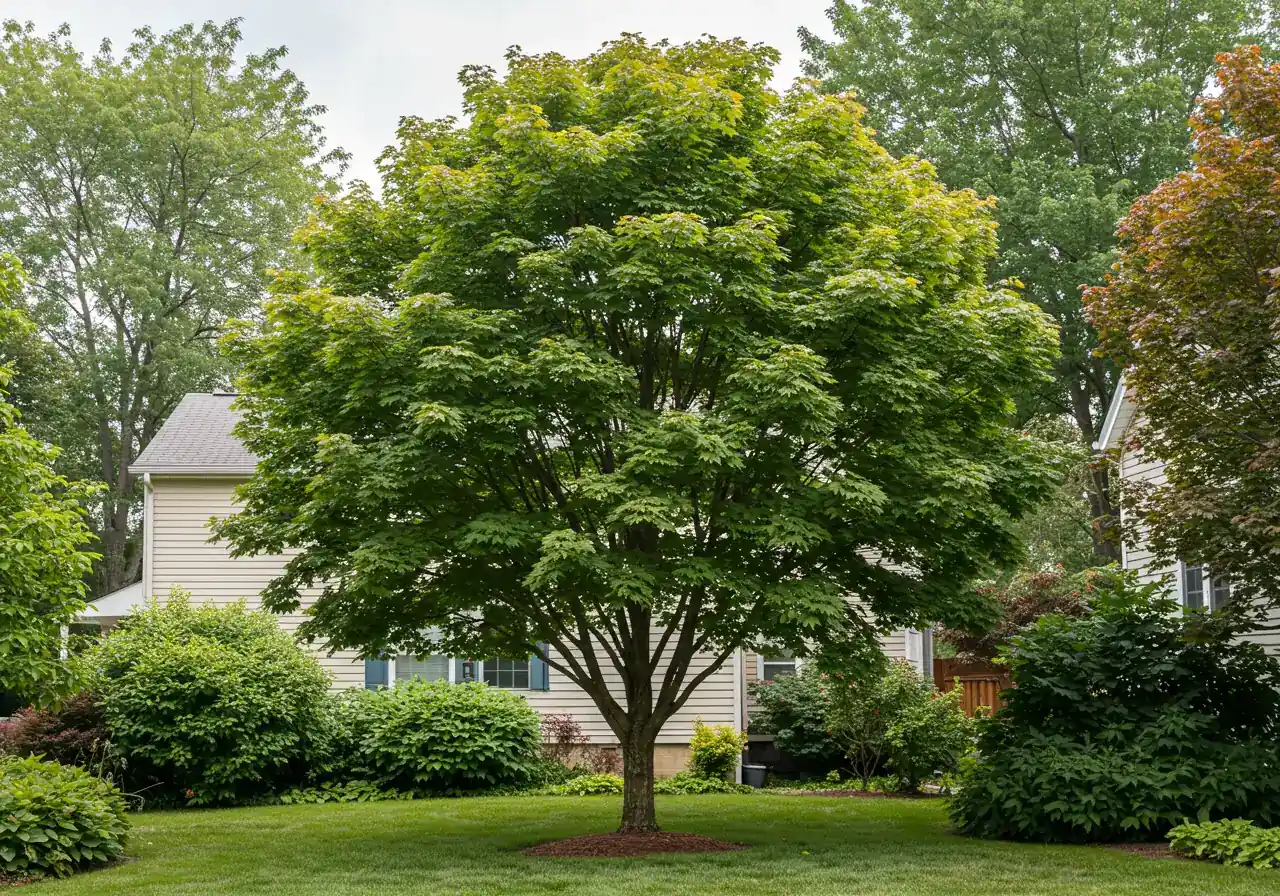
So, there you have it – the inside scoop on manganese deficiency in your beloved Metcalfe maples! We've journeyed from spotting those telltale yellow leaves with green veins (like your tree forgot its sunscreen *between* the lines) to understanding why our Ottawa soils, especially in areas like Metcalfe and Greely, can sometimes make it tough for maples to get the manganese they crave.
Remember, paying attention to your maple's health isn't just about pretty leaves; it's about ensuring your tree has the energy to thrive in your landscape for years to come. Ignoring potential manganese deficiency can leave your tree stressed and vulnerable.
The good news? You're now armed with knowledge!
- Keep an eye out for that specific yellowing pattern.
- Boost your soil health with organic matter and mulch – it's foundational for good gardening.
- Consider soil testing to pinpoint the exact issue, especially pH.
- Choose the right treatment if needed, from simple foliar sprays to professional trunk injections.
Don't let your maple suffer in silence! Start with simple preventative steps like proper mulching and watering. But if you're seeing persistent symptoms, feeling unsure about testing, or thinking about more advanced treatments, professional help is just a call away. Serving Metcalfe and surrounding Ottawa communities, expert tree care can provide tailored solutions. Let's give your maples the green light to grow strong and vibrant!