
Decode Osgoode Plant Stance: Early Health Warning
Quick Guide: What Your Plants Are Telling You
- Plant Stance: Refers to a plant's overall appearance (posture, color, growth) which indicates its health.
- Common Signals: Wilting (thirst/overwatering), yellowing leaves (nutrient issues), brown tips (underwatering/burn), spots/holes (pests/disease).
- Ottawa Factors: Clay/sandy soils, weather extremes (heat, cold, humidity), common pests affect local gardens (Osgoode, Nepean, Metcalfe, etc.).
- Solutions: Proper watering, soil improvement (compost, mulch), pest monitoring, seasonal cleanups are key.
Need help deciphering your garden's signals? Request a quote today!
Introduction: Is Your Garden Trying to Tell You Something? Learning from Osgoode's Green Clues
Hey Ottawa gardeners! Ever look at your flower bed and feel like your plants are trying to send you a secret message? Maybe that rose bush looks a bit glum, or the ferns seem... droopy? It’s not your imagination! Your garden *is* communicating through its appearance, something we like to call *plant stance*.
Think of it like plant body language – the way a plant holds its leaves, its colour, even how quickly (or slowly!) it grows tells a story about its health. A perky plant usually means a happy plant, while a slouching one might be asking for help. Find out more about local plant health from our friends at the Ontario Horticultural Association or the Master Gardeners of Ottawa-Carleton.
Here in the Ottawa area, from the charming gardens in Osgoode to the lovely landscapes in Manotick and Greely, our plants face specific challenges thanks to our unique climate and soil conditions. Learning to read the 'plant stance' is your secret weapon for successful local gardening. It helps you spot potential problems early, like needing water, facing a pest invasion, or missing key nutrients, keeping your little green buddies happy and your landscaping looking sharp! Ready to become a plant detective and figure out what your garden is trying to say?
Reading the Leaves (and Stems!): Common Distress Signals in Ottawa Gardens

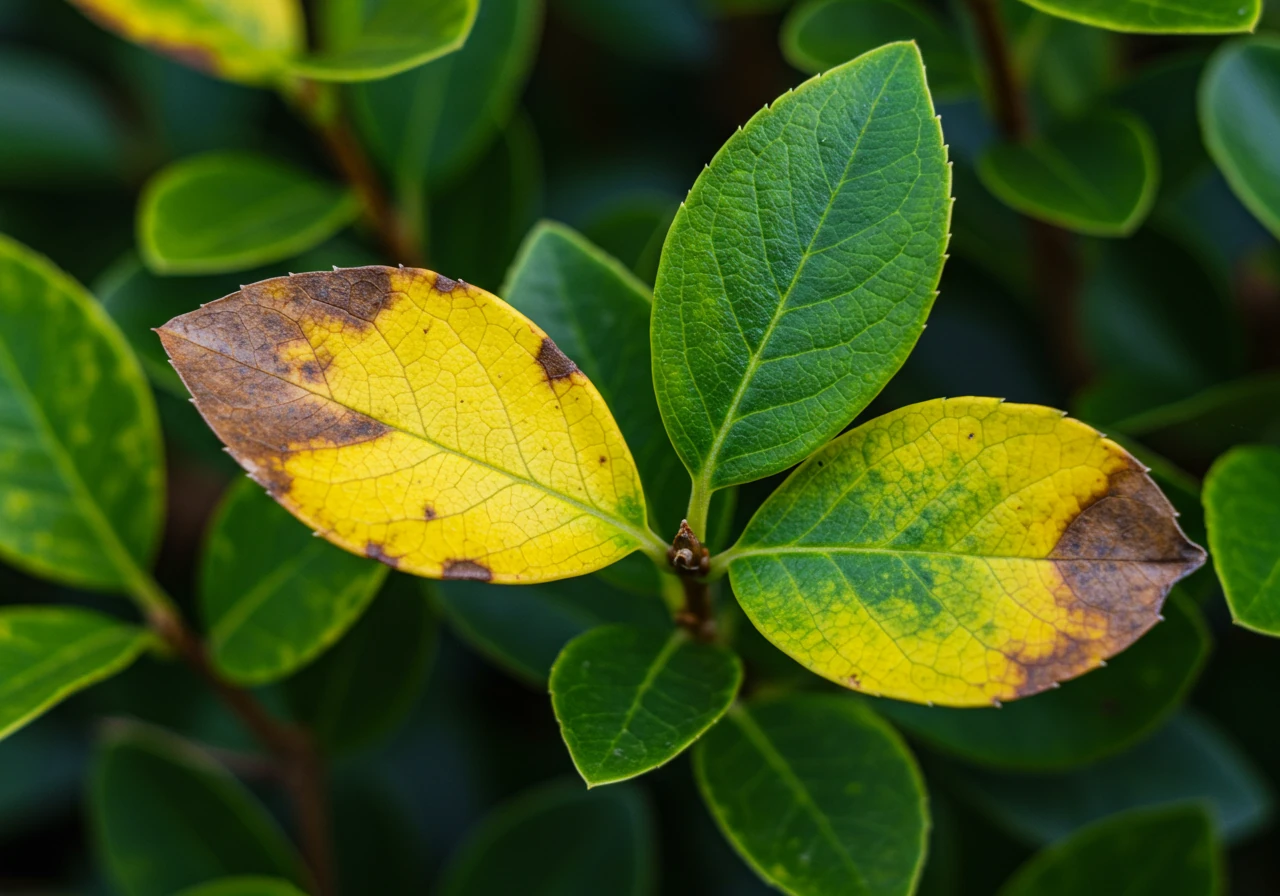
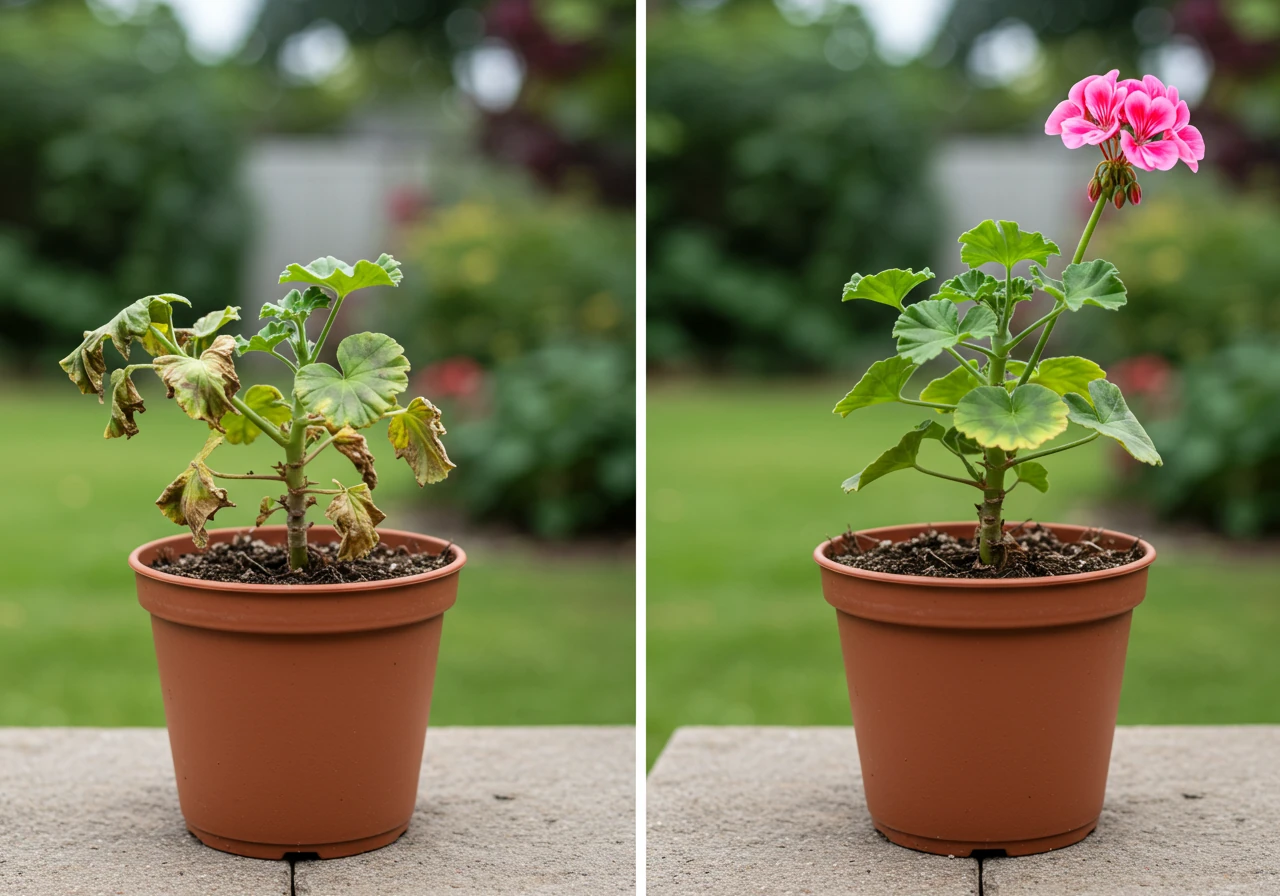
Alright, fellow Ottawa green thumbs, let's dive deeper into decoding what your plants are trying to tell you. If the 'plant stance' we talked about earlier is their body language, then their leaves and stems are like little billboards flashing warning signs. Paying attention to these signals can save your plant pals from serious trouble! Whether you're tending a balcony garden in Barrhaven or a sprawling backyard in Manotick, these clues are universal.
Here are some common SOS signals your plants might be sending:
- The Dramatic Faint (Wilting): This is the most obvious cry for help. Usually, it means your plant is thirsty, especially during those hot Ottawa summer days. But hold on! Sometimes, wilting *also* means the roots are waterlogged and suffocating (gasp!). Before you drown it, poke a finger about an inch into the soil. If it's bone dry, water away. If it's soggy, hold off and check for drainage issues. A plant's overall posture can tell you a lot about stress; performing an Embrun Plant Stress Posture Check can help you differentiate.
- Going Yellow (Chlorosis): When leaves turn yellow (especially while the veins stay green), it often signals a nutrient shortage, typically nitrogen. Think of it like your plant needing a vitamin boost. It could also be due to poor drainage or overly alkaline soil, which can be common in certain areas. Getting to the root cause might involve looking into the soil itself; understanding your Kenmore Soil Test Analysis Results can be incredibly revealing. You can learn more about interpreting leaf colour changes with these Embrun Plant Leaf Health Clues.
- Crispy Critters (Brown, Dry Edges/Tips): Seeing brown, brittle edges on leaves, especially on plants like hostas or ferns? This often points to underwatering, low humidity, or even windburn from our sometimes-gusty Ottawa weather. Occasionally, it can also be fertilizer burn if you've been a bit too generous!
- Spotty Characters & Hole Punch Leaves: Uh-oh, spots, speckles, or holes usually mean unwelcome guests (pests!) or diseases have moved in. Check under leaves and along stems for tiny critters like aphids or signs of fungal issues. Sometimes, the stems themselves show the first signs of trouble; this Kenmore Plant Stem Signs Prevent Loss Guide offers great insights into what to look for on the stems. Removing affected leaves promptly can help stop the spread. If things look messy, a good cleanup might be in order – something like a Nepean Garden Clean Up Service can help remove diseased debris properly.
- Falling Short (Stunted Growth): If your plant just isn't growing like its neighbours, it could be struggling with compacted soil, not enough sunlight, or (again!) a lack of essential nutrients. It’s like trying to run a marathon on an empty stomach – it just won’t get far.
Quick Tip: Always investigate before treating! Check the soil moisture, look closely at the leaves (top and bottom) and stems, and consider recent weather or changes in care. Sometimes the simplest adjustment makes the biggest difference.
If your garden detective work leaves you stumped, or the problem seems widespread, don't hesitate to seek professional advice. Expert eyes can often spot subtle clues missed by homeowners. Explore Our Landscaping and Gardening Services to see how we can help diagnose and treat your garden woes, keeping your Ottawa landscape healthy and beautiful.
The Usual Suspects: Unmasking Causes from Nepean to Metcalfe
So, you've spotted the signs – the wilting, the yellowing, the general look of despair on your plant's face (or, you know, leaves). You've become a plant detective, but now it's time to figure out *whodunit*. What are the common culprits behind garden grief here in the Ottawa region, from the clay soils sometimes found in Nepean to the fields around Metcalfe? Let's round up the usual suspects!
Suspect #1: Soil Shenanigans
Our Ottawa-area soil can be a real character. In places like Barrhaven, you might be wrestling with heavy clay soil. Clay holds water like a sponge that forgot to let go, which can lead to soggy roots, poor drainage, and suffocated plants. On the other hand, areas closer to Greely might deal with sandier soil, which drains *too* quickly, letting water and precious nutrients slip right through your plants' rooty fingers.
- The Clue: Plants in clay might look wilted even when the soil *feels* wet (root rot!), while plants in sand wilt quickly on hot days.
- Actionable Advice: Improve your soil structure! Adding organic matter like compost works wonders for both types. It helps break up clay *and* gives sandy soil more substance. Regular application of quality mulch also helps regulate soil moisture and temperature; investing in proper mulching and edging provides both aesthetic and health benefits for your garden beds. Learn more about soil from the City of Ottawa.
- DIY Detective Work (Drainage Test): Want to check your drainage? Dig a hole about a foot deep and fill it with water. Let it drain completely, then fill it again. Time how long it takes for the water to disappear the second time. If it takes more than 4-6 hours, you might have a drainage issue! (See our HowTo Schema below for detailed steps). Need help with major soil work? Check our soil preparation services.
Suspect #2: Weather Woes
Ah, Ottawa weather. We love it, but it keeps our plants on their toes (roots?). We swing from hot, humid summers that can scorch leaves and demand constant watering, to frigid winters with deep freezes and heavy snow. Don't forget those unpredictable spring and fall seasons with their freeze-thaw cycles that can heave plants right out of the ground!
- The Clue: Browned leaf edges after a heatwave, branches broken by snow, or plants looking sickly after a harsh winter.
- Actionable Advice: Choose plants rated for our hardiness zone (Zone 5a/5b usually). Protect sensitive plants in winter with burlap or mulch. Ensure good watering practices during dry spells. A thorough fall clean-up can also prepare your garden for winter stress – consider an Ottawa yard cleanup service to get your space ready.
Suspect #3: Pest & Disease Party Crashers
Unfortunately, we share our gardens with critters and microbes that sometimes get a bit too comfortable. Japanese beetles munching on roses, fungal spots appearing after damp weather, or maybe even signs of Emerald Ash Borer in nearby trees – these uninvited guests stress our plants out. Stressed plants, like tired people, are more likely to get sick.
- The Clue: Visible bugs, chewed leaves, weird spots, sticky residue, or powdery coatings.
- Actionable Advice: Keep your garden tidy! Removing dead leaves and debris promptly reduces hiding spots and overwintering sites for pests and diseases. This is where a good seasonal cleanup shines. Whether you need a specific Nepean garden clean up service or help further out with a Marionville property cleanup service, removing potential problems is key. Practice inspecting your plants regularly. For insights into our approach, visit our Google profile: Clean Yards on Google.
Other Accomplices:
Sometimes, the issue is simpler:
- Watering Blunders: Too much or too little water is a classic stressor.
- Planting Problems: Planting too deep, too shallow, or in a spot with the wrong light conditions.
- Nutrient Nuisances: Lack of essential nutrients, or sometimes, too much fertilizer (fertilizer burn).
Maintaining a healthy foundation through regular care is your best defence. This includes tasks covered by a comprehensive city yard cleanup service, ensuring your entire space is less hospitable to problems. Ultimately, consistent property clean up helps prevent many of these issues from taking hold in the first place.
By understanding these common causes prevalent across Ottawa, you can shift from plant paramedic to proactive gardener, keeping your green companions thriving!
Common Plant Problems at a Glance
Wilting Woes
Droopy, limp leaves usually signal thirst. Check soil moisture first! However, constantly wet, soggy soil can also cause wilting due to root rot (roots suffocate). Ensure proper drainage.
Check: Soil moisture (1-2 inches deep). Drainage holes in pots. Recent weather (hot, dry?).
Action: Water thoroughly if dry. Improve drainage if soggy (amend soil, check pots). Consider an Embrun Plant Stress Posture Check.
Yellowing Leaves (Chlorosis)
Yellow leaves, often with green veins, typically point to a nutrient deficiency (commonly nitrogen or iron). Poor drainage or incorrect soil pH can also lock up nutrients.
Check: Soil drainage. Consider a soil test for pH and nutrients (Kenmore Soil Test Analysis Results can guide you).
Action: Improve drainage. Amend soil with compost. Use appropriate fertilizer based on potential deficiency. Read more Embrun Plant Leaf Health Clues.
Pest Problems
Holes in leaves, sticky residue (honeydew), visible insects (aphids, beetles), webbing (spider mites) are signs of pests.
Check: Undersides of leaves, stems, new growth. Identify the pest if possible.
Action: Handpick larger pests. Use strong water spray for aphids. Apply insecticidal soap or horticultural oil for infestations. Encourage beneficial insects. Good cleanup via Metcalf property cleanup service reduces hiding spots.
Spots & Diseases
Brown/black spots, powdery white coating (powdery mildew), fuzzy mold often indicate fungal or bacterial diseases, frequently triggered by damp conditions.
Check: Leaf patterns, humidity levels, air circulation.
Action: Remove and destroy affected leaves/stems (do not compost). Improve air circulation (pruning, spacing). Water at the base, not overhead. Use fungicides if necessary, following instructions carefully. Sometimes stem issues are the first sign, see Kenmore Plant Stem Signs Prevent Loss Guide.
First Aid for Flora: Practical Solutions for Your Ottawa Oasis
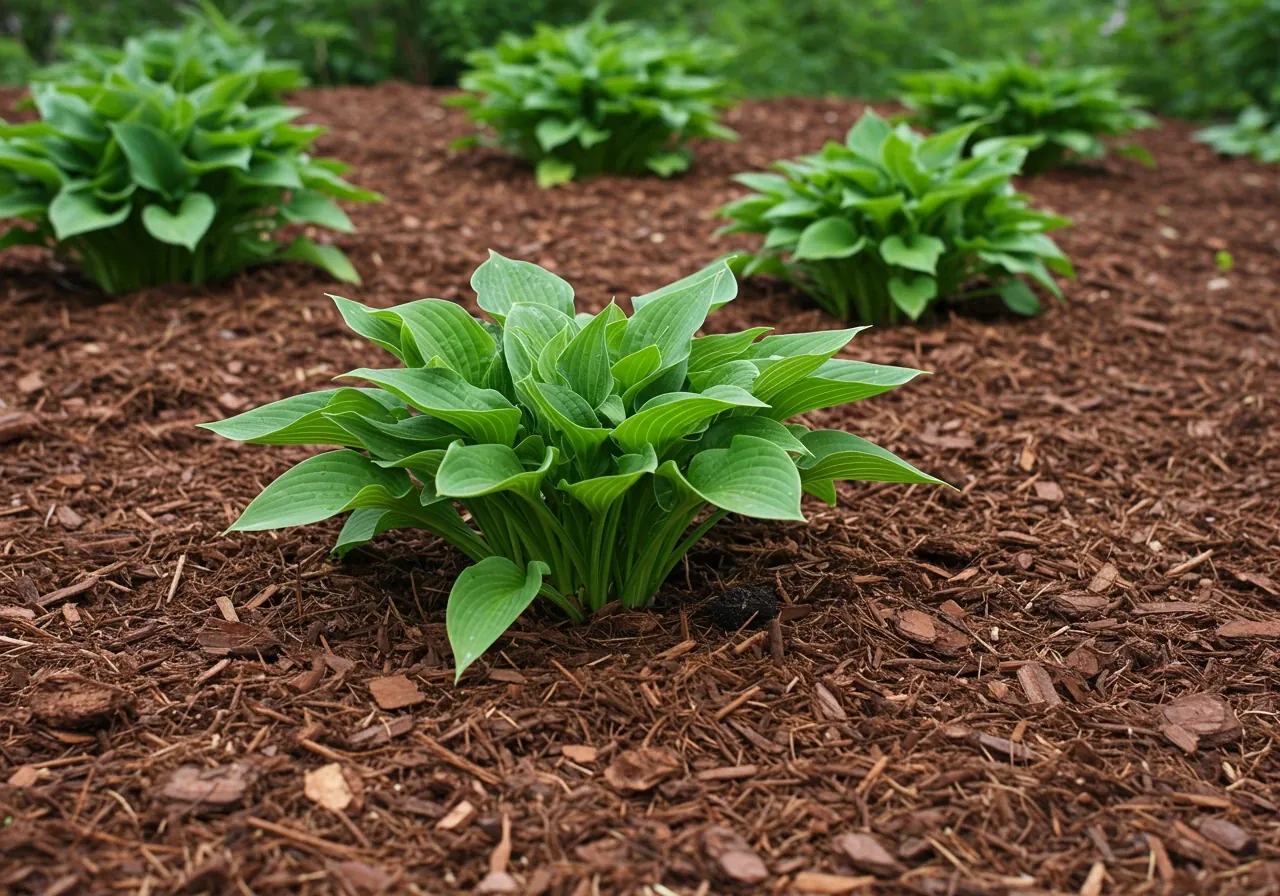
Okay, so your plant detective work has uncovered some clues, and you've identified the usual suspects causing trouble in your garden sanctuary, whether it's in Barrhaven, Kars, or anywhere across Ottawa. Don't panic! Think of this section as your plant first aid kit. Let's dive into some practical, easy-to-follow solutions to get your green buddies back on their feet (or, well, roots).
Watering Wisely: Quenching Thirst Without Drowning
We know Ottawa weather can swing from drought to downpour. Getting watering right is crucial.
- Deep Drinks, Less Often: Instead of a little sprinkle every day, water deeply when the top inch or two of soil feels dry. This encourages roots to grow deeper, making plants tougher.
- Morning is Best: Water early in the day. This gives leaves time to dry before evening, reducing the risk of fungal diseases that love damp conditions.
- Know Your Soil: Remember those clay or sandy soils we talked about? Clay holds water longer, so water less frequently. Sandy soil drains fast, needing more regular watering, especially in summer heat.
- Mulch Magic: Applying a 2-3 inch layer of organic mulch helps retain soil moisture, keeps roots cool, and suppresses weeds. It’s a simple step with big benefits! Learn about our mulching and edging services.
Feeding Fundamentals: Giving Plants the Right Grub
Like us, plants need food, but *too much* can be as bad as too little.
- Compost is King: Regularly adding compost to your soil is often the best way to provide a balanced diet and improve soil structure.
- Fertilize Thoughtfully: Before reaching for fertilizer, consider a soil test (available at many garden centres). This tells you what nutrients are actually missing. If you do fertilize, follow package directions *exactly* – more is NOT better!
- Timing Matters: Generally, feed plants during their active growing season (spring and early summer). Avoid late-season feeding, which can encourage tender new growth that gets zapped by frost. Proper soil preparation sets the stage.
Pest & Disease Patrol: Eco-Friendly Defence
Nobody likes party crashers, especially the six-legged or spore-spreading kind. Let's focus on Integrated Pest Management (IPM) – smart, gentler ways to deal with problems.
- Cleanliness is Key: Seriously, a tidy garden is less inviting to pests and diseases. Regularly remove dead leaves, fallen fruit, and weeds. A thorough Ottawa garden clean up service can make a huge difference in removing potential hiding spots and overwintering sites for troublemakers. Keeping the whole area tidy with a regular city property cleanup service also reduces overall pest pressure.
- Be Observant: Check your plants often (under leaves too!). Catching pests or spots early makes them easier to handle.
- Go Manual: Sometimes the best solution is the simplest. Hand-pick larger bugs (like Japanese beetles) and drop them into soapy water. Prune off diseased leaves or branches (dispose of them in the garbage, not compost!).
- Gentle Sprays: Insecticidal soap or horticultural oil can tackle many soft-bodied insects like aphids with less impact on beneficial bugs than harsher chemicals. Always follow label instructions.
- Encourage Helpers: Attract beneficial insects like ladybugs (aphid munchers!) by planting things they like, such as dill or yarrow.
Handling Environmental Stress: Beating the Heat (and Cold!)
Ottawa’s climate throws curveballs. Help your plants cope:
- Winter Prep: Protect sensitive plants with burlap wraps or mulch deeply around their base after the ground starts to freeze. Ensure plants are well-watered before the ground freezes solid. A good fall Ottawa yard cleanup service helps prepare your beds for winter hardships.
- Summer Shade: For plants sensitive to scorching sun, temporary shade cloth during heatwaves can prevent leaf burn.
- Improve Drainage: If water pools after rain, amending the soil with compost or creating gentle slopes can help prevent roots from sitting in water.
Sometimes, despite your best efforts, problems persist or feel overwhelming. That’s where professional help comes in. If you've tried these tips and your garden still looks sad, getting expert eyes on the situation can pinpoint the issue. You can see examples of how challenging yards have been revitalized in our Transformations gallery. For larger scale issues affecting your entire landscape, a comprehensive Ottawa property cleanup service might be the reset your yard needs. If you're unsure what level of help you require, check out our Estimate Feedback page to get tailored advice.
With a little first aid knowledge and consistent care, you can nurse your plants back to health and keep your Ottawa oasis thriving!
Common Plant Stressors in Ottawa Gardens (%)
*Hypothetical data based on common gardening challenges.
Seasonal Watchlist: A Year in the Life of an Ottawa Plant Parent
Alright plant parents, grab your calendars! Keeping your Ottawa garden happy means tuning into its yearly rhythm. Our four distinct seasons each bring unique joys and challenges, from the first spring sprouts in Greely to the blanket of snow covering Barrhaven. Let's walk through the year, season by season, keeping an eye on what our plants need.
Spring (April - May): The Great Awakening!
As the snow melts (finally!), it’s time for action.
- Observe: Look for winter damage (broken branches, frost heave). Check for early pests in warmer spots like Vernon or Kenmore.
- Tasks: Rake debris. A city garden clean up service is ideal now. Prune summer-flowering shrubs. Lightly fertilize. Consider lawn repair or sod installation.
Summer (June - August): The Peak Performance
Things are growing fast, but heat and humidity bring challenges.
- Observe: Watch for wilting (thirst/heat?). Monitor for pests (Japanese beetles!) & fungal spots. Check growth rate.
- Tasks: Consistent watering. Deadhead flowers. Keep weeding! Apply/top up mulch. Harvest veggies.
Fall (September - November): Winding Down & Prep Time
Cooler temps signal dormancy. It's cleanup and prep season!
- Observe: Enjoy fall colours! Note plant performance. Watch for pests seeking shelter. Check soil moisture before freeze-up.
- Tasks: *Major cleanup!* Rake leaves diligently. Consider a Metcalf yard cleanup service or city property cleanup service. Plant spring bulbs. Cut back perennials (or leave for winter interest). Protect sensitive shrubs (burlap). Ensure beds are tidy via a Metcalf garden clean up service.
Winter (December - March): The Quiet Time
The garden sleeps, but a watchful eye is still needed.
- Observe: Check protective coverings after storms. Look for rodent damage (gnawed bark). Note snow patterns.
- Tasks: Minimal gardening. Gently brush heavy snow off branches. Keep bird feeders stocked! Plan next year's projects - contact us to discuss ideas!
Pro Tip: Consider creating a simple table or checklist based on these seasons to hang by your garden tools – it makes staying on track easy-peasy! Following this seasonal rhythm helps keep your Ottawa garden thriving year after year.
Decode Your Plant's SOS!
Got a plant looking less than perky? Don't despair! Your green friends are trying to tell you something. Here’s a quick guide to decoding those common cries for help, Ottawa style:
Question: Why are my plant's leaves suddenly drooping like they've given up on life?
Answer: Nine times out of ten, it's thirst! Poke a finger an inch into the soil – if it's dry, give it a good drink. *But* watch out! Soggy, waterlogged soil can *also* cause wilting because roots can't breathe (root rot). If the soil feels like mud, ease up on the watering and check drainage. Sometimes, recent planting stress after a new garden install can also cause temporary droopiness. Always check the soil moisture first!
Question: Help! My leaves are turning yellow, but the veins are staying green. What gives?
Answer: That classic yellow-leaf-green-vein look usually screams "Feed me!" specifically, it often points to a nitrogen or iron shortage. However, it can also be a sign of poor drainage or soil pH issues locking nutrients away. Healthy plants start with healthy ground; investing time in proper soil preparation before planting is your best defense against these kinds of nutrient problems.
Question: My plant looks like someone took a hole punch to the leaves, or it's getting weird spots! What's going on?
Answer: Sounds like you've got uninvited guests! Holes usually mean munching insects (check under leaves!), while spots often signal fungal diseases, especially after damp weather. Pests and diseases *love* hiding in messy areas. Keeping your garden beds tidy is crucial – removing dead leaves and debris helps immensely. For persistent issues or just a good reset, a dedicated Metcalf garden clean up service can clear out potential hiding spots and diseased material, promoting better plant health, particularly useful if you're gardening in the Metcalfe area.
Question: My plants just aren't growing much. Are they just lazy landscaping loafers?
Answer: Ha! While plants *can* seem stubborn, stunted growth usually points to an underlying issue. Common culprits include compacted soil (roots can't penetrate), not enough sunlight for that specific plant type, or a lack of essential nutrients. Sometimes the issue starts way back at the beginning; ensuring quality topsoil and mulch through thoughtful material selection gives plants the best start. If the whole yard seems lackluster, underlying problems like widespread weeds or poor soil conditions might need a broader approach, where something like a Metcalf property cleanup service can address the bigger picture, ensuring your entire Ottawa property provides a better environment for growth.
FAQs: Your Ottawa Plant Health Questions Answered
Got questions about keeping your green buddies happy in our unique Ottawa climate? You're not alone! Here are answers to some common queries we hear from folks tending gardens from Nepean to Manotick.
Ah, Ottawa clay – a classic challenge! The best long-term fix is consistently adding organic matter like compost. This gradually improves structure, aeration, and drainage. You can mix compost into the top few inches each season or use it as a top dressing. Raised beds are also an excellent solution, allowing you to fill them with an ideal soil mix. For significant soil woes or larger areas, professional soil amending during landscaping projects, perhaps when considering a Marionville yard cleanup service or similar large project, makes a huge difference.
Great question! DIY is fantastic for routine tasks like watering, basic weeding, and deadheading. However, consider calling professionals if you're facing widespread or persistent pests/diseases, large-scale weed infestations (like invasive species), need major soil improvement, require corrective pruning on trees/shrubs, or simply lack the time or physical ability for demanding seasonal tasks like major spring cleanups or fall leaf removal. Professional garden maintenance saves you time, ensures tasks are done correctly (like tricky pruning!), and prevents small problems from becoming big headaches, keeping your Manotick oasis lovely.
That spring reveal can be jarring! Early spring is prime time for seeing winter damage (broken branches, frost heave) and for pests like voles becoming active or leftover fungal spores thriving in damp debris. A thorough cleanup *right* after the snow melts is crucial. Rake away matted leaves, prune damaged wood, and gently press heaved plants back into the soil. Removing debris eliminates hiding spots for pests and diseases. For a really clean slate, especially if issues were present last year, consider a specialized Marionville garden clean up service or a general spring cleanup to meticulously clear out potential overwintering problems before they take hold.
Think of us as your comprehensive outdoor space specialists! We handle a wide range of services, from detailed garden care and lawn maintenance to full-scale landscaping projects like garden installations, sod installation, major property cleanups, and designing a whole new look for your Nepean, Ottawa, or surrounding area property. You can learn more about our team and mission on our About Us page! See some finished projects on our Thank You page showcasing transformations.
Excellent question – your privacy is extremely important to us! We adhere to strict data protection practices. We only collect the personal information necessary to provide our services effectively, communicate with you about your project, and process payments securely. We never sell your data. You can find all the details about how we collect, use, and protect your information in our clear and straightforward Privacy Policy. Our commitment to transparency is also reflected in our Terms and Conditions.
Absolutely! Think of your yard as an interconnected ecosystem. A weedy or unhealthy lawn can easily spread weed seeds into your garden beds, increasing your workload. Pests or diseases in one area can sometimes migrate to the other. Poor lawn health might also indicate broader soil issues (compaction, low nutrients) that could be affecting your garden plants too. Maintaining both areas through services like lawn care and targeted garden maintenance creates a healthier overall environment for your entire Ottawa property. A healthy lawn often starts with good spring prep, similar to our city garden clean up service approach but tailored for turf.
Conclusion: Turning Plant Whispers into Healthy Growth
So, your plants might not *actually* whisper secrets on the wind (unless you've perhaps spent a *little* too long weeding in the sun!), but they absolutely communicate how they're feeling. Learning to read their signals – the droopy leaves, the odd yellow spots, the growth spurt that never happened – is your secret weapon for great Ottawa gardening.
Paying close attention to this "plant stance" and knowing what to look for, especially considering our unique local weather (check resources like the Rideau Valley Conservation Authority for watershed conditions) and soil conditions in areas like Osgoode and Metcalfe, really *does* make a difference. It helps you spot trouble early, transforming sad-looking stems into thriving additions to your beautiful landscaping.
Remember the basics: water smart, feed right, and keep things tidy. But if your garden's whispers sound more like confused murmurs, or you're dreaming of a bigger change, don't stress! We love helping folks across Ottawa, including Richmond and its neighbours, translate those plant signals into healthy, vibrant growth. Reach out to Clean Yards today for a friendly consultation and let's get your garden thriving!
Explore more services: Need help with a messy yard in general? Check out our Ottawa property cleanup service. Specific city locations? We offer city property cleanup and dedicated services for Marionville yard cleanup.