/* Brand Colors */ :root { --primary-green: #93C020; --dark-text: #2D2C2C; --medium-gray: #777; --light-gray: #EBEBEB; --accent-green: #287734; --white: #FFFFFF; --black: #000000; --highlight-yellow: #B7FE00; /* Slightly brighter green/yellow */ }/* Basic Reset & Font */ *, *::before, *::after { box-sizing: border-box; margin: 0; padding: 0; }html { scroll-behavior: smooth; font-size: 16px; /* Base font size */ }body { font-family: -apple-system, BlinkMacSystemFont, "Segoe UI", Roboto, Helvetica, Arial, sans-serif, "Apple Color Emoji", "Segoe UI Emoji", "Segoe UI Symbol"; line-height: 1.6; color: var(--dark-text); background-color: var(--white); }/* Responsive Container */ .article-container { max-width: 800px; margin: 20px auto; padding: 0 15px; overflow: hidden; /* Contains floats and margins */ }/* Typography */ h1, h2, h3, h4, h5, h6 { margin-top: 1.5em; margin-bottom: 0.8em; color: var(--accent-green); line-height: 1.3; font-weight: 700; }h1 { font-size: 2.2rem; margin-top: 0.5em; color: var(--dark-text); border-bottom: 2px solid var(--primary-green); padding-bottom: 0.3em; }h2 { font-size: 1.8rem; border-bottom: 1px solid var(--light-gray); padding-bottom: 0.2em; }h3 { font-size: 1.4rem; color: var(--dark-text); }p { margin-bottom: 1em; }a { color: var(--accent-green); text-decoration: none; transition: color 0.3s ease; }a:hover, a:focus { color: var(--primary-green); text-decoration: underline; }ul, ol { margin-bottom: 1em; padding-left: 25px; }li { margin-bottom: 0.5em; }strong, b { font-weight: 700; }em, i { font-style: italic; }/* Images */ figure { margin: 25px auto; text-align: center; }figure img { max-width: 100%; height: auto; border-radius: 5px; box-shadow: 0 2px 5px rgba(0, 0, 0, 0.1); }figcaption { font-size: 0.85rem; color: var(--medium-gray); margin-top: 5px; }/* Progress Bar */ #progressBarContainer { position: fixed; top: 0; left: 0; width: 100%; height: 5px; background-color: var(--light-gray); z-index: 1000; }#progressBar { height: 100%; width: 0%; background-color: var(--primary-green); transition: width 0.1s linear; }/* Back to Top Button */ #backToTopBtn { display: none; position: fixed; bottom: 20px; right: 20px; z-index: 999; background-color: var(--primary-green); color: var(--white); border: none; padding: 10px 15px; border-radius: 5px; cursor: pointer; font-size: 1rem; opacity: 0.8; transition: opacity 0.3s ease, background-color 0.3s ease; }#backToTopBtn:hover { opacity: 1; background-color: var(--accent-green); }/* Collapsible Sections (FAQ) */ .collapsible-trigger { background-color: var(--light-gray); color: var(--dark-text); cursor: pointer; padding: 12px 18px; width: 100%; border: none; text-align: left; outline: none; font-size: 1.1rem; margin-bottom: 5px; position: relative; transition: background-color 0.3s ease; font-weight: bold; }.collapsible-trigger::after { content: '+'; font-size: 1.5rem; color: var(--accent-green); position: absolute; right: 15px; top: 50%; transform: translateY(-50%); transition: transform 0.3s ease; }.collapsible-trigger.active::after { content: '–'; transform: translateY(-50%) rotate(180deg); /* Keep text upright */ }.collapsible-trigger:hover { background-color: #ddd; }.collapsible-content { padding: 0 18px; max-height: 0; overflow: hidden; transition: max-height 0.3s ease-out, padding 0.3s ease-out; background-color: var(--white); border: 1px solid var(--light-gray); border-top: none; margin-bottom: 10px; /* Space between collapsed items */ }.collapsible-content p:last-child { margin-bottom: 1em; /* Add padding below last paragraph */ }/* Tab Interface */ .tab-interface { margin: 2em 0; border: 1px solid var(--light-gray); border-radius: 5px; overflow: hidden; } .tab-buttons { display: flex; list-style: none; padding: 0; margin: 0; background-color: var(--light-gray); flex-wrap: wrap; /* Allow tabs to wrap on smaller screens */ }.tab-button { padding: 10px 20px; cursor: pointer; background-color: var(--light-gray); border: none; border-bottom: 3px solid transparent; font-size: 1rem; transition: background-color 0.3s ease, border-color 0.3s ease; color: var(--dark-text); flex-grow: 1; /* Make tabs share space */ text-align: center; }.tab-button:hover { background-color: #ddd; }.tab-button.active { background-color: var(--white); border-bottom: 3px solid var(--primary-green); font-weight: bold; color: var(--accent-green); }.tab-content { display: none; padding: 20px; background-color: var(--white); }.tab-content.active { display: block; }/* Responsive Data Visualization (Bar Chart) */ .chart-container { margin: 2em 0; padding: 20px; border: 1px solid var(--light-gray); border-radius: 5px; background-color: #f9f9f9; } .chart-title { text-align: center; margin-bottom: 20px; font-size: 1.2rem; font-weight: bold; color: var(--dark-text); } .bar-chart { display: flex; justify-content: space-around; align-items: flex-end; height: 200px; /* Adjust as needed */ border-bottom: 1px solid var(--medium-gray); padding-bottom: 10px; } .bar-item { display: flex; flex-direction: column; align-items: center; flex: 1; margin: 0 5px; max-width: 60px; /* Max width for bars */ } .bar { width: 100%; /* Full width within its container */ background-color: var(--primary-green); height: 0; /* Initial height for animation */ transition: height 1s ease-out; border-radius: 3px 3px 0 0; position: relative; } .bar-label { margin-top: 5px; font-size: 0.85rem; text-align: center; color: var(--dark-text); } .bar-value { position: absolute; top: -20px; /* Position above the bar */ left: 50%; transform: translateX(-50%); font-size: 0.8rem; color: var(--accent-green); font-weight: bold; opacity: 0; /* Hide initially */ transition: opacity 0.5s ease 0.5s; /* Fade in after bar grows */ } .bar-chart.animate .bar { /* Height set via JS */ } .bar-chart.animate .bar-value { opacity: 1; }/* Timeline Component */ .timeline { position: relative; margin: 2em 0; padding: 2em 0; }.timeline::before { content: ''; position: absolute; left: 50%; top: 0; bottom: 0; width: 2px; background-color: var(--light-gray); transform: translateX(-50%); }.timeline-item { position: relative; margin-bottom: 40px; width: 50%; }.timeline-item:nth-child(odd) { left: 0; padding-right: 30px; /* Space from center line */ text-align: right; }.timeline-item:nth-child(even) { left: 50%; padding-left: 30px; /* Space from center line */ text-align: left; }/* Timeline Content Box */ .timeline-content { background-color: var(--white); padding: 15px; border-radius: 5px; border: 1px solid var(--light-gray); position: relative; }/* Timeline Dot */ .timeline-item::after { content: ''; position: absolute; top: 15px; /* Adjust vertical alignment */ width: 12px; height: 12px; background-color: var(--primary-green); border: 2px solid var(--white); border-radius: 50%; z-index: 1; }.timeline-item:nth-child(odd)::after { right: -6px; /* Position dot on the line */ transform: translateX(50%); }.timeline-item:nth-child(even)::after { left: -6px; /* Position dot on the line */ transform: translateX(-50%); }/* Timeline arrow (optional) */ .timeline-content::before { content: ''; position: absolute; top: 15px; width: 0; height: 0; border-style: solid; }.timeline-item:nth-child(odd) .timeline-content::before { right: -10px; border-width: 10px 0 10px 10px; border-color: transparent transparent transparent var(--light-gray); }.timeline-item:nth-child(even) .timeline-content::before { left: -10px; border-width: 10px 10px 10px 0; border-color: transparent var(--light-gray) transparent transparent; }.timeline-date { font-weight: bold; color: var(--accent-green); margin-bottom: 5px; font-size: 0.9rem; }/* Highlight Boxes */ .highlight-box { background-color: #f0f8ff; /* Light AliceBlue */ border-left: 5px solid var(--primary-green); padding: 15px 20px; margin: 2em 0; border-radius: 0 5px 5px 0; } .highlight-box h3, .highlight-box h4 { margin-top: 0; color: var(--accent-green); }/* Call-to-Action (CTA) Buttons */ .cta-button { display: inline-block; background-color: var(--primary-green); color: var(--white) !important; /* Override default link color */ padding: 12px 25px; border-radius: 5px; text-decoration: none; font-weight: bold; transition: background-color 0.3s ease, transform 0.2s ease; border: none; cursor: pointer; font-size: 1rem; text-align: center; /* Center text within button */ }.cta-button:hover, .cta-button:focus { background-color: var(--accent-green); color: var(--white) !important; text-decoration: none; transform: translateY(-2px); box-shadow: 0 4px 8px rgba(0,0,0,0.1); } .cta-center { display: block; /* Make it block level */ text-align: center; /* Center the container */ margin: 2em auto; /* Add margin and center block */ }/* Responsive Tables */ .responsive-table { width: 100%; margin-bottom: 1em; border-collapse: collapse; }.responsive-table thead { display: none; /* Hide desktop headers on mobile */ }.responsive-table tbody, .responsive-table tr, .responsive-table td { display: block; width: 100%; }.responsive-table tr { margin-bottom: 15px; border: 1px solid var(--light-gray); }.responsive-table td { padding: 10px 10px 10px 50%; /* Space for label */ position: relative; text-align: right; border-bottom: 1px dotted var(--light-gray); } .responsive-table td:last-child { border-bottom: none; }.responsive-table td::before { content: attr(data-label); /* Use data-label for mobile headers */ position: absolute; left: 10px; top: 50%; transform: translateY(-50%); width: 45%; padding-right: 10px; font-weight: bold; text-align: left; color: var(--accent-green); }/* Desktop Table Styles (overrides mobile) */ @media (min-width: 600px) { .responsive-table thead { display: table-header-group; } .responsive-table th { background-color: var(--light-gray); padding: 10px; text-align: left; font-weight: bold; color: var(--dark-text); } .responsive-table tbody, .responsive-table tr, .responsive-table td { display: table-cell; /* Revert to standard table display */ width: auto; } .responsive-table tr { display: table-row; border: none; margin-bottom: 0; } .responsive-table td { padding: 10px; text-align: left; /* Reset alignment */ position: static; border-bottom: 1px solid var(--light-gray); border-right: 1px solid var(--light-gray); /* Vertical lines */ } .responsive-table td:last-child { border-right: none; } .responsive-table tr:last-child td { border-bottom: none; }.responsive-table td::before { content: none; /* Hide mobile labels */ } }/* Mobile Adjustments for Timeline */ @media (max-width: 768px) { .timeline::before { left: 15px; /* Move line to the left */ transform: translateX(0); }.timeline-item { width: 100%; padding-left: 45px; /* Space for items */ padding-right: 0; /* Reset right padding */ text-align: left; /* Align all text left */ left: 0 !important; /* Override inline style from JS if any */ }.timeline-item:nth-child(odd), .timeline-item:nth-child(even) { left: 0; /* Reset positioning */ padding-left: 45px; /* Ensure consistent padding */ text-align: left; }.timeline-item::after { /* Adjust dot position */ left: 9px; /* Position dot relative to the left line */ transform: translateX(0); }.timeline-item:nth-child(odd)::after, .timeline-item:nth-child(even)::after { left: 9px; /* Consistent dot position */ transform: translateX(0); }/* Adjust arrow for mobile */ .timeline-content::before { left: -10px; /* All arrows point left */ border-width: 10px 10px 10px 0; border-color: transparent var(--light-gray) transparent transparent; } .timeline-item:nth-child(odd) .timeline-content::before, .timeline-item:nth-child(even) .timeline-content::before { left: -10px; /* Point left */ border-width: 10px 10px 10px 0; border-color: transparent var(--light-gray) transparent transparent; } }/* Mobile Typography Adjustments */ @media (max-width: 600px) { html { font-size: 15px; /* Slightly smaller base font */ } h1 { font-size: 1.8rem; } h2 { font-size: 1.5rem; } h3 { font-size: 1.2rem; } } { "@context": "https://schema.org", "@graph": [ { "@type": "Article", "headline": "Osgoode Garden Recovery: Fixing Windstorm Plant Damage", "image": "https://cleanyards.ca/wp-content/uploads/2025/04/realistic_photograph_of_a_subu_7821.webp", "author": { "@type": "Organization", "name": "Clean Yards", "url": "https://cleanyards.ca/" }, "publisher": { "@type": "Organization", "name": "Clean Yards", "logo": { "@type": "ImageObject", "url": "https://cleanyards.ca/wp-content/uploads/2024/04/cleanyards-logo-e1713815214897.png" } }, "datePublished": "2024-05-16", "dateModified": "2024-05-16", "description": "A guide for Osgoode and Ottawa area residents on assessing and repairing garden plant damage after a windstorm, including safety tips, pruning techniques, plant triage, and long-term care.", "mainEntityOfPage": { "@type": "WebPage", "@id": "https://cleanyards.ca/blog/osgoode-garden-recovery-fixing-windstorm-plant-damage/" // Assuming this is the final URL } }, { "@type": "HowTo", "name": "Perform Plant First Aid After a Windstorm", "description": "Step-by-step guide to pruning damaged plants, staking for support, and rescuing roots after windstorm damage.", "step": [ { "@type": "HowToStep", "name": "Pruning Power: Make the Right Cuts", "text": "Use sharp, clean bypass pruners, loppers, or a pruning saw. Clean tools between plants. Remove broken, cracked, dead, or rubbing branches cleanly. Cut 1/4 inch above an outward-facing bud or just outside the branch collar. Avoid leaving stubs or cutting flush. Focus on damage removal, not heavy reshaping.", "image": "https://cleanyards.ca/wp-content/uploads/2025/03/macro_photograph_demonstrating_6336.webp", "url": "https://cleanyards.ca/blog/osgoode-garden-recovery-fixing-windstorm-plant-damage/#pruning" // Link to relevant section ID }, { "@type": "HowToStep", "name": "Staking Savvy: Provide Support", "text": "Stake leaning shrubs, young trees, or tall perennials if salvageable. Use sturdy stakes placed outside the root ball. Secure the plant loosely with soft ties (cloth, webbing) in a figure-eight loop. Allow slight movement. Remove stakes after one growing season or when the plant is stable.", "image": "https://cleanyards.ca/wp-content/uploads/2025/04/photograph_of_a_young_deciduou_2202.webp", "url": "https://cleanyards.ca/blog/osgoode-garden-recovery-fixing-windstorm-plant-damage/#staking" // Link to relevant section ID }, { "@type": "HowToStep", "name": "Root Rescue: Handle Disturbance", "text": "Gently reseat slightly lifted root balls. Fill air pockets with good quality soil or compost, tamping lightly. Water thoroughly immediately and keep consistently moist. Apply 2-3 inches of organic mulch around the base (not touching the stem).", "url": "https://cleanyards.ca/blog/osgoode-garden-recovery-fixing-windstorm-plant-damage/#root-rescue" // Link to relevant section ID } ], "tool": [ { "@type": "HowToTool", "name": "Bypass Pruners" }, { "@type": "HowToTool", "name": "Loppers" }, { "@type": "HowToTool", "name": "Pruning Saw" }, { "@type": "HowToTool", "name": "Stakes (wood, bamboo, metal)" }, { "@type": "HowToTool", "name": "Soft Ties (cloth strips, tree strapping)" } ], "supply": [ { "@type": "HowToSupply", "name": "Topsoil or Compost" }, { "@type": "HowToSupply", "name": "Organic Mulch" }, { "@type": "HowToSupply", "name": "Water" } ] }, { "@type": "FAQPage", "mainEntity": [ { "@type": "Question", "name": "My big maple tree looks a bit wobbly after the storm! Is it dangerous? Should I try to secure it myself?", "acceptedAnswer": { "@type": "Answer", "text": "A leaning or visibly damaged large tree needs professional assessment. Look for cracks, significant lean, or large hanging branches ('widowmakers'). Do NOT attempt to secure it yourself. Keep a safe distance and call a certified arborist. It's too risky for DIY." } }, { "@type": "Question", "name": "My poor perennials and smaller shrubs look like they went through a blender! Are they goners, or can I save them?", "acceptedAnswer": { "@type": "Answer", "text": "Many can be saved. Gently clear debris. Stake bent stems. Prune snapped branches cleanly above a healthy bud. Resettle slightly lifted roots, fill soil gaps, water well, and mulch. Shredded leaves are often cosmetic; the plant will likely regrow. For extensive bed cleanup, consider services like the Metcalfe garden clean up service." } }, { "@type": "Question", "name": "Okay, the wind left a TON of branches, leaves, and general garden gunk all over my Metcalfe yard. What do I even do with all this mess?", "acceptedAnswer": { "@type": "Answer", "text": "Separate debris. Small items go in the Green Bin. Bundle larger branches per City of Ottawa rules for pickup. Never dump in natural areas. If overwhelmed, professional help like a reliable Metcalfe yard cleanup service or a broader Metcalfe property cleanup service can manage removal and disposal efficiently." } }, { "@type": "Question", "name": "Should I prune everything back hard right now to make it look tidier after the wind?", "acceptedAnswer": { "@type": "Answer", "text": "No, resist heavy pruning immediately. Focus only on removing broken, dead, or dangerous branches with clean cuts. Heavy reshaping adds stress to already damaged plants. Wait for signs of recovery before doing cosmetic or structural pruning." } }, { "@type": "Question", "name": "Besides broken branches, some of my plants just look… sad. Leaves are torn, flowers are gone. Is this just cosmetic damage?", "acceptedAnswer": { "@type": "Answer", "text": "Often, yes. Tattered leaves, windburn, and lost flowers are usually cosmetic if stems and roots are intact. Provide proper watering and light feeding after a few weeks recovery time. Healthy plants are resilient and will produce new growth. Learn more about our team and commitment to garden recovery." } }, { "@type": "Question", "name": "I'm feeling totally overwhelmed by the cleanup and repairs. When should I just call for professional help?", "acceptedAnswer": { "@type": "Answer", "text": "Call professionals anytime you feel overwhelmed, unsure about safety (especially large trees), or lack time/energy. Expert help saves time, prevents injury, and ensures proper cleanup and recovery. Definitely call pros for large unstable trees or if debris volume is too large. Feel free to contact us to discuss your needs." } } ] } ] }

Osgoode Garden Recovery: Fixing Windstorm Plant Damage

Quick Recovery Guide

  • Safety First: Check for power lines & unstable trees before starting.
  • Assess Damage: Document with photos, then decide which plants to prioritize.
  • Prune Cleanly: Remove broken/damaged branches correctly.
  • Stake & Support: Help leaning plants stand tall.
  • Root Care: Address minor uprooting gently and water well.
  • Long-Term TLC: Provide consistent water, improve soil, and be patient.

Feeling overwhelmed by the cleanup? Request a Quote Today!

Introduction: Oof! That Wind Did a Number on Osgoode Gardens, Eh?

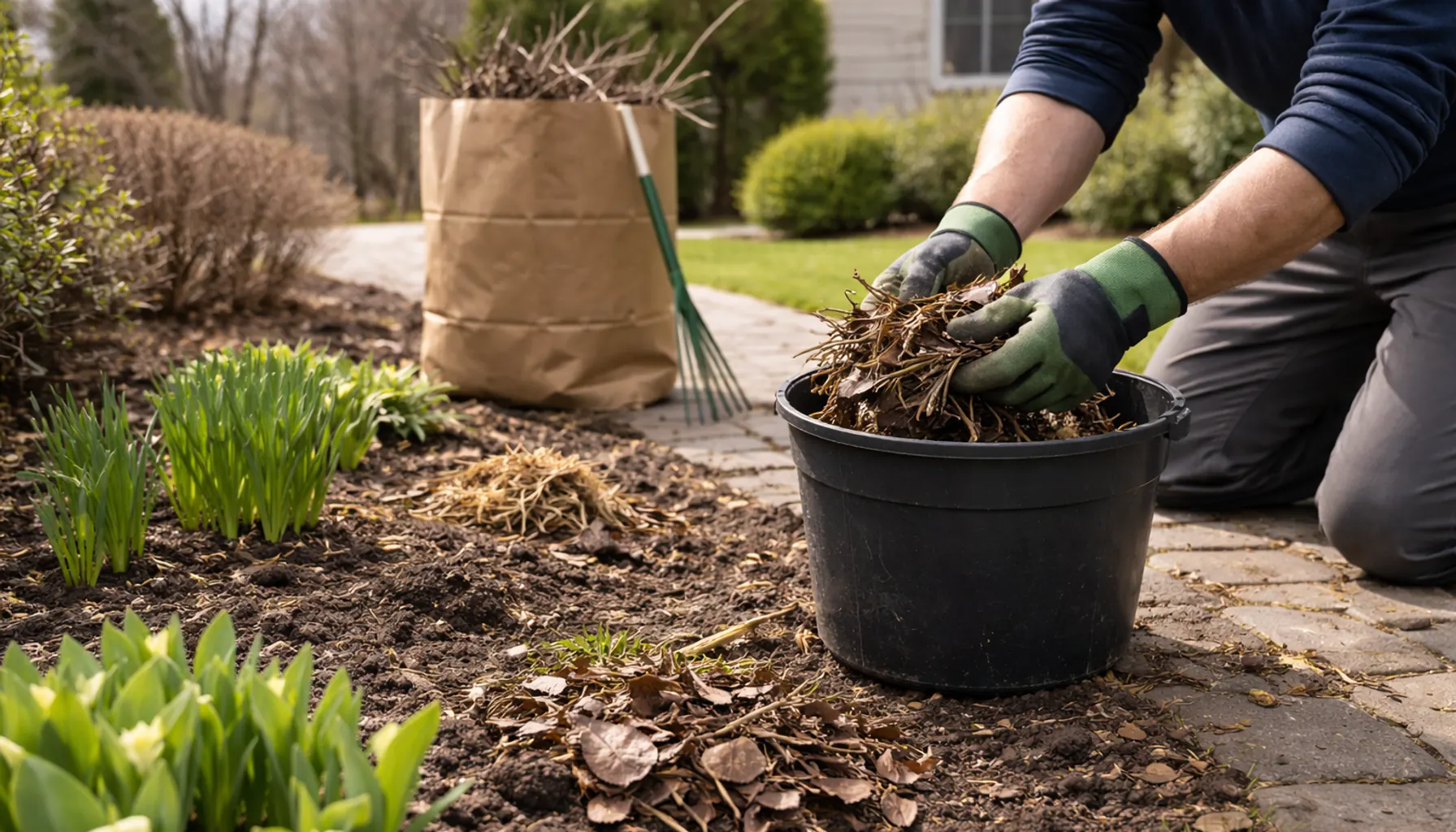
An image depicting a suburban garden immediately after a significant windstorm. It should show visible but manageable damage: scattered leaves and smaller branches on a lawn, perhaps a tipped-over lighter planter, and some perennials looking wind-whipped, conveying the 'messy but fixable' stage.

Wow, that recent windstorm really blew through Ottawa, didn't it? If you're in Osgoode or maybe over in neighbouring Greely, you certainly felt it and probably saw the aftermath first-hand. Trees took a beating, fences might be looking a bit wobbly, and your once-tidy garden beds could resemble a giant, leafy salad tossed across the lawn. It's definitely frustrating! Seeing your hard gardening and landscaping efforts looking wind-whipped is no fun at all, we totally understand.

But hey, take a deep breath! We're here to help you sort through the mess. This article is your friendly, neighbourly guide to figuring out the damage, handling the debris removal safely, and starting the plant recovery process for your yard. We'll walk you through practical steps and offer actionable advice, from essential tree care considerations after the storm to checking on garden structures and planning your cleanup strategy. Let's work together to get those beautiful Osgoode (and area!) gardens looking sharp again!

Safety First! Surveying the Scene Without Getting Zapped or Whacked

A clear image focusing on a significant broken tree branch resting precariously on lower limbs or potentially leaning against a garden shed or fence (no power lines). This visually reinforces the 'widowmaker' concept and the need for caution around unstable tree parts.

Alright, let's talk safety before you dive into that backyard jungle gym the wind left behind. We know you're keen to start the cleanup, especially if your Osgoode or Greely property looks like it hosted a wrestling match between a giant squirrel and a leaf blower. But hold your rakes! Rushing in can be risky business. Your number one priority is making sure the area is safe to enter.

First things first: Look Up and Look Out for Electricity!

Downed power lines are serious trouble. Seriously. Like, ‘call 911 and Hydro Ottawa immediately’ serious. Don't go anywhere near them, even if they don't look active. Don't touch anything they might be touching, like wet ground, fences, or tree branches. Assume every downed line is live and keep a huge distance – at least 10 meters (that’s about the length of a school bus). Don’t be a hero; let the pros handle the zap-factor.

Next: Beware of Wobbly Trees and Hanging Branches.

That big maple might look okay from the kitchen window, but get closer (cautiously!) and look up. Are there large broken branches hanging precariously? These "widowmakers" can come down without warning. Are any trees leaning suspiciously? Does the trunk look cracked or split? Significant tree damage often needs an expert eye. Trying to handle major limb removal yourself could lead to getting whacked, or worse. Sometimes damage means more specialized work than typical seasonal care discussed in guides like Osgoode Fall Tree Pruning Before Winter; assessing severe storm impact often requires a certified arborist. Consider checking with ISA Ontario to find a local certified arborist.

Also, keep an eye out for:

  • Unstable fences, sheds, or play structures.
  • Sharp objects hidden in piles of leaves and debris.
  • Damage to ground-level systems – you don't want surprises later, like issues with irrigation lines similar to those needing care like detailed in Osgoode Sprinkler System Winterization Blow Out.
  • Damage to garden beds. Check if debris has compacted the earth, which might need attention, particularly if you deal with challenging soils mentioned in Osgoode Clay Soil Garden Care Fall Tips. Even smaller plants need a careful once-over; assess if they can be saved before assuming they're goners – sometimes it's about careful recovery, not just basic shaping like you might read about in Osgoode Topiary Tips Shape Shrubs Summer.

Document Everything Before You Touch Anything.

Before moving a single branch, grab your phone or camera. Take pictures and videos of all the damage from different angles. This is super important for any potential insurance claims. Insurance folks love clear evidence!

Know When to Call for Backup.

If you see downed power lines, call Hydro Ottawa/911. If you have large, broken branches hanging overhead or leaning trees, call a certified arborist. If the sheer amount of debris feels overwhelming or you're just not sure where to start safely, it's smart to call in professionals. Our team offers various Services to help Ottawa residents recover. For folks in the south end, our dedicated Osgoode Yard Cleanup Service is ready to assist with post-storm recovery.

Remember, your safety comes first. The garden cleanup can wait until you know the coast is clear!

Plant Triage: Deciding Who Gets Saved in the Garden ER

Assessing the Plant Patients

First, take a closer look at each damaged plant. What kind of injuries are we dealing with?

  • Snaps and Breaks: Are major stems or the main trunk snapped clean off? If a woody shrub or tree has lost its main leader low down, or if a perennial is snapped at the base, its chances are often slim. Multiple clean breaks on branches might be manageable with careful pruning.
  • Uprooting: How badly are the roots exposed or damaged? A small perennial gently lifted might be okay if replanted quickly. A larger shrub or tree partially tipped with much of the root ball still intact has a better chance than one completely ripped out. Ottawa's heavy clay soil might hold onto root balls, but replanting can be tough. Sandy soil means exposed roots dry out faster.
  • Bending and Bruising: Are plants simply bent over or leaves shredded? Many flexible stems can recover, sometimes with help from staking. Leaf damage often looks worse than it is; new growth may emerge if roots/stems are sound.
  • The 50% Rule (Unofficial): If a tree or shrub has lost over half its structure, survival is questionable due to reduced photosynthesis capacity.

Making the Tough Calls: Who Gets Priority Care?

You likely can't save everyone, so prioritize:

  1. High Priority (VIPs):
    • Structurally Important Plants: Mature trees/shrubs defining your landscape (if moderately damaged & salvageable).
    • Sentimental Value: Plants with personal meaning.
    • Expensive or Rare Specimens: Hard-to-replace plants.
    • Good Recovery Candidates: Moderate damage, strong roots, healthy remaining growth.
  2. Medium Priority (Wait-and-Sees):
    • Established perennials/small shrubs with significant branch breakage but intact roots (need pruning & time).
    • Plants bent but not broken (may need staking & observation).
  3. Lower Priority (Let-Go List):
    • Plants snapped at base or severely uprooted.
    • Annuals.
    • Plants already weak/diseased before the storm.
    • Anything losing >50% structure.

Next Steps for the Survivors

For the plants you decide to save:

  • Handle them gently.
  • Prune away cleanly broken branches just above a healthy bud or side stem. Don't leave ragged edges.
  • If partially uprooted, try to gently ease the root ball back into place, fill soil gaps, water well, and potentially stake for support. Keep soil consistently moist but not waterlogged.
  • For smaller plants forced out, replant immediately (even temporarily in a pot) to prevent roots drying out.

Sorting through the debris can be a major task. Sometimes, a thorough property clean up is needed first. If overwhelmed, professional help is available, from a City Yard Cleanup Service to the localized Osgoode Yard Cleanup Service. Ongoing recovery might involve a City Garden Maintenance Service or comprehensive Ottawa Property Cleanup Service. We appreciate trust in restoring green spaces, maybe leading you to visit our thank you page later!

Okay, the initial safety check is done, and you've surveyed the damage. Now comes the hard part: playing plant doctor in your garden's emergency room. After a big storm, especially in areas like Nepean or Manotick where soil conditions can vary widely, not every plant casualty can be saved. It’s time for some plant triage – making tough decisions about where to focus your rescue efforts. Think of it as maximizing your gardening energy for the best possible outcome!

Get Your Pruners Ready: Step-by-Step Plant First Aid

An image showing a young tree or large shrub that is slightly leaning being properly supported by three sturdy wooden stakes and soft, wide tree strapping tied correctly in a figure-eight fashion. Focus should be on the stakes, ties, and the base of the plant, illustrating the staking method.
Proper staking provides temporary support for recovery.
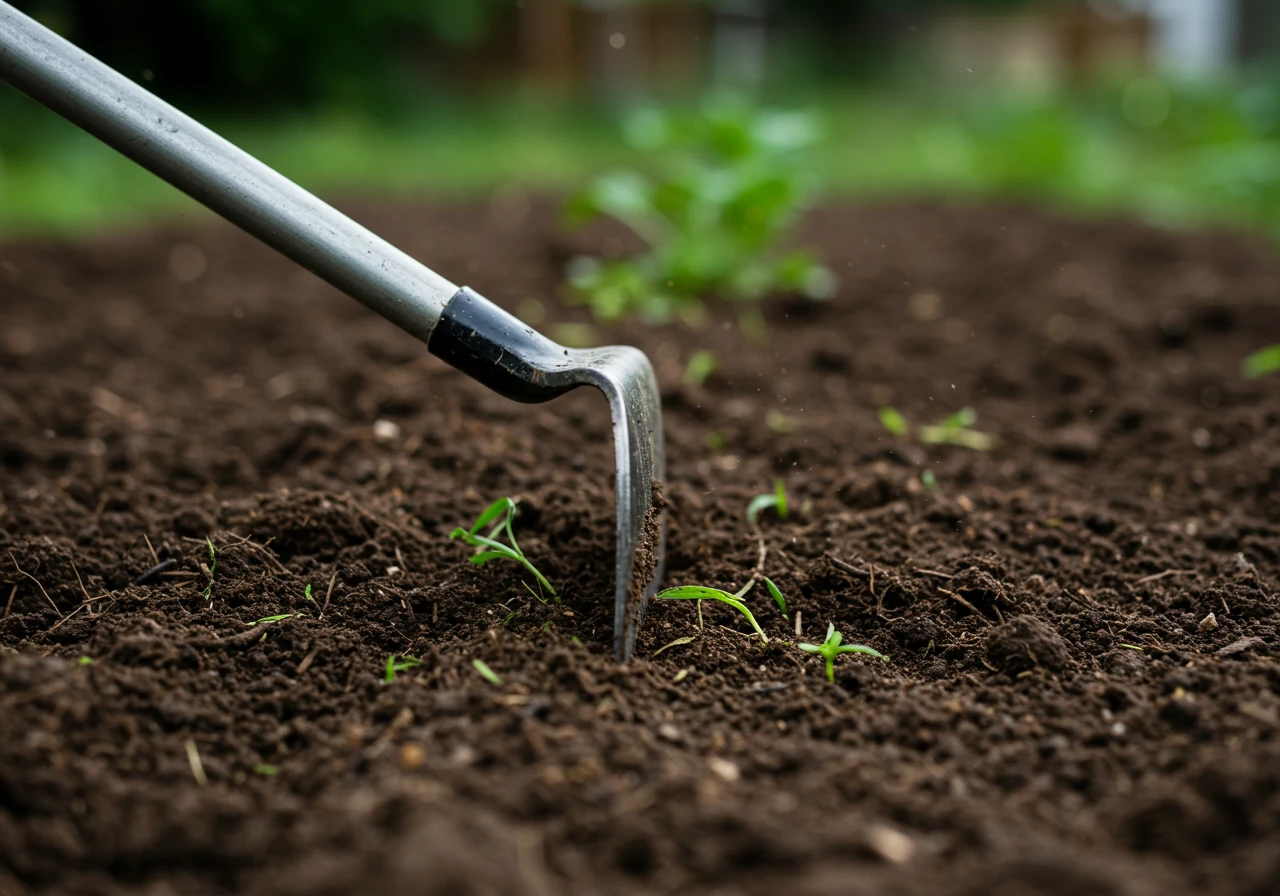
A close-up, detailed shot of a clean pruning cut made on a storm-damaged shrub branch, about 1/4 inch above an outward-facing bud. Clean bypass pruners could be resting nearby on the ground or mulch, but not being held. This illustrates the correct technique described.
Make clean pruning cuts to aid healing.

Alright, you’ve done the safety checks and played plant triage. Now it’s time to roll up those sleeves and perform some actual garden surgery! Don't worry, you don't need a medical degree, just some clean tools and a bit of know-how. Performing the right plant first aid now can make a huge difference in whether your leafy friends bounce back from their wind-induced woes, whether you're in Barrhaven or anywhere else in Ottawa. Let's get those pruners sharpened!

1. Pruning Power: Making the Right Cuts

Storm damage often leaves behind broken, jagged branches that look messy and invite pests or disease. Proper pruning is key.

  • Get Equipped: Grab sharp, clean bypass pruners for smaller stems, loppers for thicker branches (up to about 1.5 inches), and a pruning saw for anything larger. Clean your tools between plants with rubbing alcohol or a bleach wipe to avoid spreading potential diseases. Think of it as sterilizing your surgical instruments!
  • Assess and Snip: Look for branches that are clearly broken, cracked, dead, or rubbing against others. Your goal is to remove the damaged part cleanly.
  • The Clean Cut: For smaller stems on shrubs or perennials, cut about 1/4 inch above an outward-facing bud or side branch, angling the cut slightly away from the bud. For larger tree or shrub limbs, cut just outside the slightly swollen area where the branch meets the trunk (the branch collar). Avoid leaving stubs, which can rot, and don't cut flush against the trunk, which removes the plant’s natural healing zone.
  • Don't Go Wild: Resist the urge to heavily reshape the plant right now. Focus only on removing the damaged and dangerous bits. Too much pruning adds stress. Major reshaping can wait until the plant is recovering. For really big jobs or tricky tree limbs, professional help is always the safest bet.

2. Staking Savvy: Providing Support

Is your favourite shrub doing the limbo? Sometimes plants just need a little temporary support.

  • Is Staking Needed? If a smaller shrub or young tree is leaning but not badly uprooted, or if tall perennials are flopping, staking can help. It's usually not worth it for severely damaged plants.
  • Gather Supplies: Use sturdy stakes (wood, bamboo, metal) tall enough to support the plant adequately. For ties, use soft materials like strips of cloth, canvas webbing, or proper tree strapping – never use wire or rope that can cut into the bark.
  • Stake Placement: Drive 2 or 3 stakes into the ground just outside the root ball area. Don't damage the roots!
  • Tie it Loosely: Secure the plant to the stakes using a figure-eight loop with your soft ties. The plant should be upright but still able to move slightly in the wind – this helps it build strength.
  • Know When to Remove: Stakes are temporary! Remove them after one growing season, or once the plant can stand on its own, usually within a year.

3. Root Rescue: Handling Disturbance

Minor uprooting or soil disruption needs attention fast.

  • Gently Reseat: If a plant is only slightly lifted, gently push the root ball back into place.
  • Fill the Gaps: Use good quality topsoil or compost to fill any air pockets around the roots. Tamp the soil lightly – just enough to make good contact, not enough to compact it heavily. Significant soil upheaval might leave you with bare patches needing repair later, perhaps even considering options like trouble-free sod installation.
  • Water Well: Give the plant a deep, thorough soaking immediately. Keep the soil consistently moist (but not soggy) for the next few weeks as it recovers.
  • Mulch Magic: Applying a 2-3 inch layer of organic mulch around the base (but not touching the stem!) helps retain moisture and regulate soil temperature. This simple step is part of good ongoing care, similar to the benefits offered by professional mulching and edging services.

Eco-Friendly Debris Disposal

What about all those branches and leaves? Ottawa makes it easy! Smaller twigs, leaves, and plant trimmings can go in your Green Bin. Larger branches need to be bundled according to City of Ottawa guidelines (check their website for current size/weight limits). Never dump yard waste in ravines or natural areas! If the amount of debris is overwhelming, getting help with the cleanup is a smart option. Companies providing Ottawa Yard Cleanup Service or even a broader City Yard Cleanup Service can handle the heavy lifting and proper disposal.

Taking these first aid steps gives your plants the best chance of recovery. Remember, patience is key! If things seem too complex or the workload too heavy, don't hesitate to call for professional support. Maintaining a healthy garden post-storm might involve ongoing help, which is where services like reliable garden maintenance programs come in handy. Curious about costs? You can always reach out for information – we value hearing from you, just like we appreciate when clients provide feedback on estimates and services.

The Comeback Trail: Long-Term Care & Building a Storm-Savvy Ottawa Garden

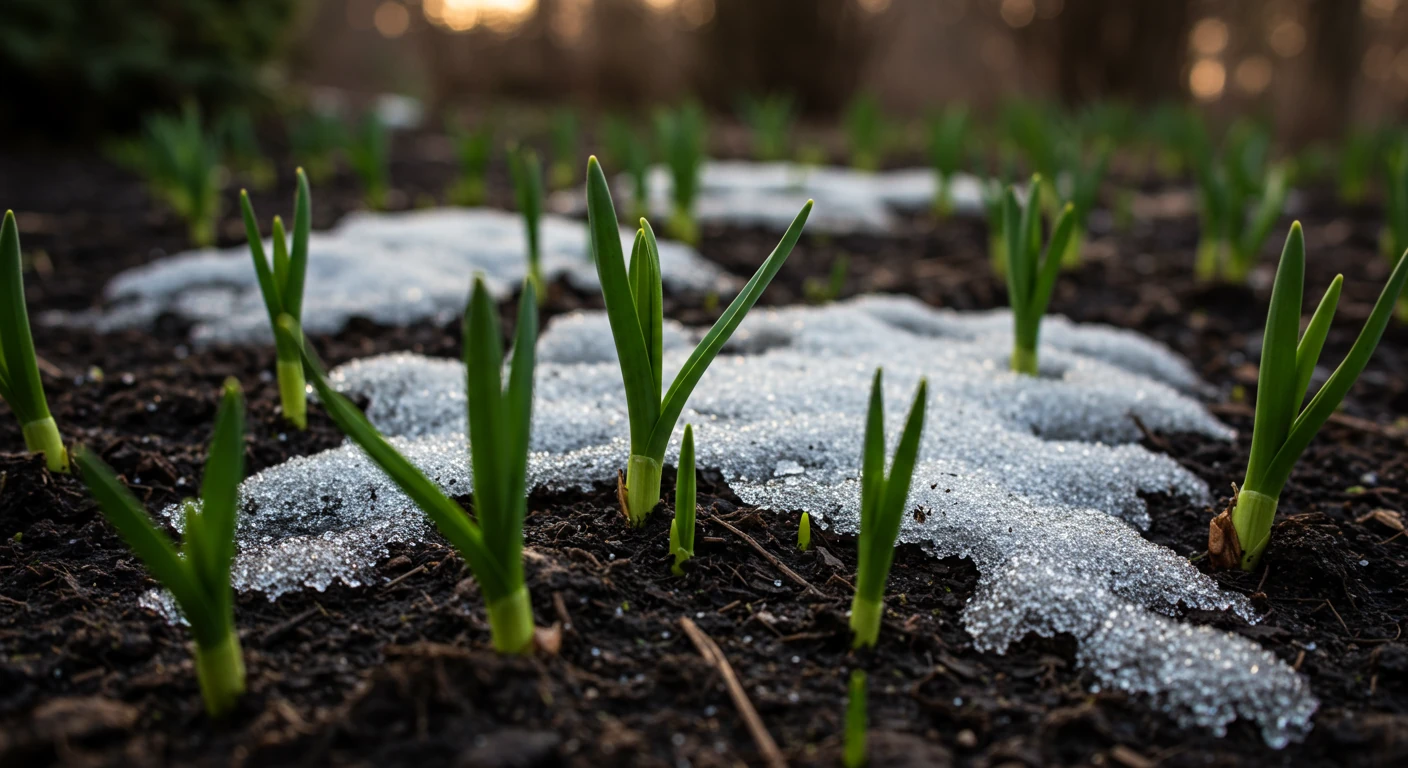
A hopeful image showing a recovering perennial plant several weeks after a storm. It should display some older, slightly tattered leaves alongside fresh, healthy new green growth emerging from the center or base, signifying successful recovery and resilience.
New growth is a sign of successful recovery.

Whew! You’ve navigated the immediate aftermath, performed plant first aid, and hopefully started clearing the debris. Now, let's talk about the long game: helping your garden fully recover and making it tougher for the *next* time Mother Nature decides to throw a tantrum. Think of it as sending your garden to resilience boot camp! This journey involves consistent care and some smart planning for the future.

Tender Loving Care for Recovering Plants

Your surviving plants, especially those that were stressed or damaged, need some extra TLC over the coming weeks and months.

  • Water Wisely: Consistent moisture is crucial for recovering roots. Water deeply but less frequently, rather than shallow daily sprinkles. Check the soil moisture a few inches down before watering – you want it moist, not waterlogged. Stressed roots are more vulnerable to rot.
  • Soil Health Matters: Storms can compact soil or wash away nutrients. Gently aerate compacted areas (a garden fork works wonders). Consider top-dressing beds with compost to replenish organic matter. Proper soil preparation is key not just for new plantings, but for helping existing ones recover their footing.
  • Go Easy on Fertilizer: It’s tempting to feed struggling plants, but hold off on strong fertilizers immediately after the storm. Stressed plants can't always utilize the nutrients efficiently, and it can even burn damaged roots. Wait a few weeks, then use a balanced, slow-release fertilizer or organic options like compost tea, applied at a gentle rate.

Building a More Resilient Landscape - Recovery Timeline

Immediately After Storm

Safety check, photo documentation, initial plant triage, and essential first aid (pruning dangerous limbs, gentle root reseating).

First Few Weeks

Focus on consistent watering, monitor staked plants, clear remaining debris, apply mulch. Avoid heavy fertilizing. Consider a professional Ottawa garden clean up service if needed.

1-3 Months Post-Storm

Observe for new growth. Begin gentle feeding with slow-release fertilizer. Aerate compacted soil. Plan for replacing lost plants or undertaking landscape transformations.

Next Growing Season

Assess plant recovery fully. Perform corrective pruning if needed. Remove stakes if plants are stable. Implement long-term resilience strategies like choosing appropriate plants (review material selection) and strategic planting.

Ongoing

Maintain good garden maintenance practices – regular watering, soil care, appropriate pruning – to build long-term plant strength and resilience against future storms.

Building a More Resilient Landscape

Okay, let’s think about the future. How can we make your garden less vulnerable next time the winds howl through Ottawa, whether you're in a more open area like near Manotick or a developing suburb like Barrhaven?

  • Right Plant, Right Place: This is HUGE. Choose plants suited to Ottawa's climate (generally Zone 5a, sometimes colder pockets!) *and* your specific site conditions (sun, shade, soil type, wind exposure). Native plants are often fantastic choices as they're already adapted. Think sturdy shrubs like Serviceberry or Dogwood, and strong-rooted trees like Oak or Maple (planted appropriately!). Smart material selection goes beyond just plants – consider wind-resistant fencing or durable path materials too. Check resources like Rideau Valley Conservation Authority's Native Plant Guide for local options.
  • Strategic Planting: Avoid planting large trees too close to your house, sheds, or power lines (obvious, but crucial!). Consider planting windbreaks – rows of sturdy shrubs or trees on the windward side of your property (usually west/northwest in Ottawa) can help shield more delicate plantings. Grouping smaller plants together can offer mutual support. Getting a new garden install done? Plan for resilience!
  • Proactive Care: A healthy, well-maintained garden is naturally more resilient. Regular pruning (not just after storms!), proper watering, and maintaining soil health build stronger plants. Developing a simple seasonal checklist can help. Consistent care is the foundation, something often covered by routine garden maintenance schedules.

Sometimes, recovering from a major storm involves more than just patching things up; it might be an opportunity for significant landscape transformations to create that truly storm-savvy space. And if dealing with lingering debris or planning future seasonal cleanups feels daunting, remember help is available, whether you need a general Ottawa garden clean up service or specific assistance in nearby communities like the Marionville garden clean up service.

It takes time for a garden to fully recover, but with thoughtful care and planning, yours can come back stronger and more beautiful than ever!

Typical Storm Damage Recovery Time

15%
Minor Leaf/Twig Damage (Weeks)
40%
Moderate Branch Breakage (Months)
75%
Minor Uprooting/ Leaning (1 Season)
95%
Major Structural Damage (Years/May Not Recover)

Note: Chart shows estimated recovery *potential* based on damage severity. Actual times vary greatly.

Osgoode Gardener's Quick Windstorm Recovery Cheat Sheet

Whoosh! That Ottawa wind really did a number, eh? If your beautiful Osgoode garden looks like it went ten rounds with a tornado, don't despair! Here’s a quick cheat sheet to get you started on the road to recovery:

  • Safety is Job #1: Seriously, before you grab that rake, look UP! Check for downed power lines (call 911/Hydro Ottawa immediately if you see any!) and dangerous hanging branches. Stay far away from any hazards. Better safe than snagged!
  • Photo Op First: Got damage? Grab your phone! Take pictures of everything *before* you move a leaf. This is super helpful for any insurance claims. Then, gently assess your plants – decide which ones have a fighting chance.
  • Prune & Prop: Time for some plant first aid! Make clean cuts to remove broken or damaged branches – snip just above a healthy bud or outside the branch collar on trees. If plants are leaning but salvageable, give them some support with soft ties and stakes (no tight wires!).
  • Deal with the Debris: Bundle smaller branches according to City of Ottawa rules for curbside pickup, and use that Green Bin for leaves and twigs. If the mess is massive, like across a large property in nearby Greely or beyond, calling for backup is smart. Whether you need specific assistance like the Marionville yard cleanup service or a broader city property cleanup service, help is available to handle the heavy lifting.
  • Long-Term Love: Help your plants recover fully with consistent, deep watering (check soil first!). Hold off on harsh fertilizers for a bit; stressed plants need gentle care. Remember that overall yard health contributes to recovery, including good lawn care. Getting those garden beds tidy again might be easier with a dedicated city garden clean up service to set things right.
  • Ask for Help When Needed: Feeling overwhelmed? That's totally okay! Professional landscaping and cleanup crews can make short work of even big storm messes. Reputable companies value your trust and handle your information with care; for example, you can review our commitment in our privacy policy. Check out our Google My Business page for reviews. Our Terms and Conditions are also available.

Take it one step at a time, and your garden will be on the mend before you know it!

FAQs: Your Top Windstorm Worries in the Ottawa Area Answered

Woah there, hold your ropes! A leaning or visibly damaged large tree is definitely something to take seriously. Major tree safety issues are not a DIY project. Look for obvious cracks, significant lean, or large broken branches hanging overhead (we call those "widowmakers" for a reason!). If you see any of these, or if you're just feeling uneasy about a big tree, it's best to keep a safe distance and call a certified arborist for a professional assessment. They have the training and equipment to check the roots and structure safely. Trying to fix it yourself could be really risky!

Don't give up on them just yet! Many smaller plants are tougher than they look. First, gently clear away the heavy debris so you can see the damage. If stems are bent but not broken, they might just need staking for support while they recover. If branches are snapped, prune them cleanly just above a healthy bud or leaf node. For plants slightly lifted out of the ground, carefully resettle the roots, fill gaps with soil, water well, and maybe add some protective mulch. Shredded leaves look bad but often aren't fatal; the plant will likely push out new growth. If your garden beds are a real mess and need more than just tidying, a focused Metcalfe garden clean up service can help whip them back into shape.

Yeah, windstorms can turn your yard into an instant compost heap, can't they? For the cleanup, start by separating the debris. Smaller twigs, leaves, and plant bits can usually go in your City of Ottawa Green Bin. Larger branches often need to be bundled according to city guidelines (check their website for current size and weight limits!) for curbside pickup. Please don't dump yard waste in parks or natural areas! If the amount feels overwhelming, or you have really large branches, calling in professionals is a great idea. A reliable Metcalfe yard cleanup service can handle the heavy lifting and proper disposal, saving you time and hassle. For larger scale jobs impacting the whole property, a comprehensive Metcalfe property cleanup service might be the ticket.

It's tempting to go full Edward Scissorhands, but hold back a little! Right after a storm, focus your pruning efforts on removing only what's necessary for safety and plant health: broken, dead, or dangerously dangling branches. Make clean cuts as described in plant first aid. Avoid heavy reshaping or drastic pruning immediately, as this adds extra stress to an already stressed plant. Let your shrubs and trees recover a bit first. You can tackle more cosmetic or structural pruning later, once the plant shows signs of healthy new growth. Patience pays off in plant recovery!

Often, yes! Things like tattered leaves, wind-burned edges, or blown-off flowers are usually cosmetic issues. While it might look rough, the plant itself is likely okay if the main stems and roots are intact. Give it time, proper watering, and maybe a light feeding *after* it's had a few weeks to recover. Healthy plants are surprisingly resilient and will focus energy on producing new, undamaged growth. We understand wanting your landscaping to look its best; you can learn more about our team and our commitment to helping gardens bounce back beautifully.

Honestly, any time you feel overwhelmed, unsure about safety, or just don't have the time or energy! There's no shame in calling for backup. Definitely call professionals for large, potentially unstable trees or downed power lines (call 911/Hydro Ottawa first for lines!). If the sheer volume of debris is too much, if you need help assessing plant health, or if you want assistance with replanting or structural repairs (like fences), getting expert help is a smart move. It often saves time, prevents injury, and ensures the job is done right. Feel free to get in touch with us to discuss your specific situation and see how we can help restore your Ottawa area yard. We also serve nearby communities like Marionville Property Cleanup Service.

Conclusion: Bouncing Back Stronger in Your Osgoode & Ottawa Garden

Well, there you have it! Dealing with the aftermath of a big Ottawa windstorm can feel like a real chore, especially when your carefully tended Osgoode garden looks like it hosted a leafy rock concert. But remember those key steps: safety first (always!), then gently assess the damage, play plant doctor with some careful pruning and support, manage that debris removal, and finally, focus on long-term plant recovery and building a more resilient space.

It takes a bit of patience and elbow grease, but your gardens can bounce back, often even stronger than before. Seeing your slice of green paradise recover is incredibly rewarding. Whether you're tidying up in Barrhaven or nurturing plants back to health right here in Osgoode, know that a little TLC goes a long way.

Feeling like the cleanup is more than you can handle, or just want a helping hand getting things back in shape? Don't hesitate to check out our professional yard cleanup and garden maintenance services. We're here to help Ottawa area residents restore their beautiful outdoor spaces. Got questions or maybe a storm recovery tip of your own to share? We'd love to hear from you – reach out anytime! Here's to greener, stronger gardens ahead!

document.addEventListener('DOMContentLoaded', function() {// --- Progress Bar --- const progressBar = document.getElementById('progressBar'); function updateProgressBar() { const scrollTotal = document.documentElement.scrollHeight - document.documentElement.clientHeight; const scrolled = window.scrollY; const progress = (scrolled / scrollTotal) * 100; progressBar.style.width = progress + '%'; } window.addEventListener('scroll', updateProgressBar); updateProgressBar(); // Initial calculation// --- Back to Top Button --- const backToTopBtn = document.getElementById('backToTopBtn'); const scrollThreshold = 300; // Show button after scrolling 300pxfunction toggleBackToTopButton() { if (window.pageYOffset > scrollThreshold) { backToTopBtn.style.display = 'block'; } else { backToTopBtn.style.display = 'none'; } } window.addEventListener('scroll', toggleBackToTopButton); toggleBackToTopButton(); // Initial checkbackToTopBtn.addEventListener('click', () => { window.scrollTo({ top: 0, behavior: 'smooth' }); });// --- Collapsible Sections (FAQ) --- const collapsibles = document.querySelectorAll('.collapsible-trigger'); collapsibles.forEach(button => { button.addEventListener('click', function() { this.classList.toggle('active'); const content = this.nextElementSibling; if (content.style.maxHeight) { // Close the collapsible content.style.paddingTop = '0'; content.style.paddingBottom = '0'; // Set max height to null after transition ends for potential content changes setTimeout(() => { if (!this.classList.contains('active')) { // Ensure it's still closed content.style.maxHeight = null; } }, 300); // Match CSS transition duration content.style.maxHeight = '0';} else { // Open the collapsible content.style.maxHeight = content.scrollHeight + "px"; // Add padding back after slight delay to smooth transition setTimeout(() => { if (this.classList.contains('active')) { // Ensure it's still open content.style.paddingTop = '18px'; // Original padding content.style.paddingBottom = '18px'; // Original padding // Recalculate max-height in case content changed or reflowed content.style.maxHeight = content.scrollHeight + "px"; } }, 50); } }); });// --- Tab Interface --- const tabButtons = document.querySelectorAll('.tab-button'); const tabContents = document.querySelectorAll('.tab-content');tabButtons.forEach(button => { button.addEventListener('click', function() { const targetTab = this.getAttribute('data-tab');// Update buttons tabButtons.forEach(btn => btn.classList.remove('active')); this.classList.add('active');// Update content tabContents.forEach(content => { if (content.id === targetTab) { content.classList.add('active'); } else { content.classList.remove('active'); } }); }); });// --- Animated Bar Chart --- const chartContainer = document.getElementById('recoveryChart'); const bars = chartContainer.querySelectorAll('.bar');const observerOptions = { root: null, // relative to document viewport rootMargin: '0px', threshold: 0.5 // Trigger when 50% of the element is visible };const chartObserver = new IntersectionObserver((entries, observer) => { entries.forEach(entry => { if (entry.isIntersecting) { chartContainer.classList.add('animate'); // Add class to container bars.forEach(bar => { const value = bar.getAttribute('data-value'); bar.style.height = value + '%'; }); observer.unobserve(entry.target); // Stop observing once animated } }); }, observerOptions);if (chartContainer) { chartObserver.observe(chartContainer); }});
Share This Article
Facebook
X
Pinterest
Email
Print

Thank you for sharing!

Contact Us Today

To request a quote, kindly fill out the form below.

Where Can we Reach you?
Which Service Do You Require? (Click all that apply)
Provide a Breif Description of The Work You'd Like Done

Before You Go

We’re confident in our services, we offer a 30-day money-back guarantee. Not 100% satisfied? We’ll swiftly refund all labor costs. Your satisfaction is our top priority!

Get in touch today for expert service and satisfaction guaranteed. You won't regret it!

Where Can we Reach you?
Which Service Do You Require? (Click all that apply)
Provide a Breif Description of The Work You'd Like Done
Where Can we Reach you?
Which Service Do You Require? (Click all that apply)
Provide a Breif Description of The Work You'd Like Done
Where Can we Reach you?
Which Service Do You Require? (Click all that apply)
Provide a Breif Description of The Work You'd Like Done