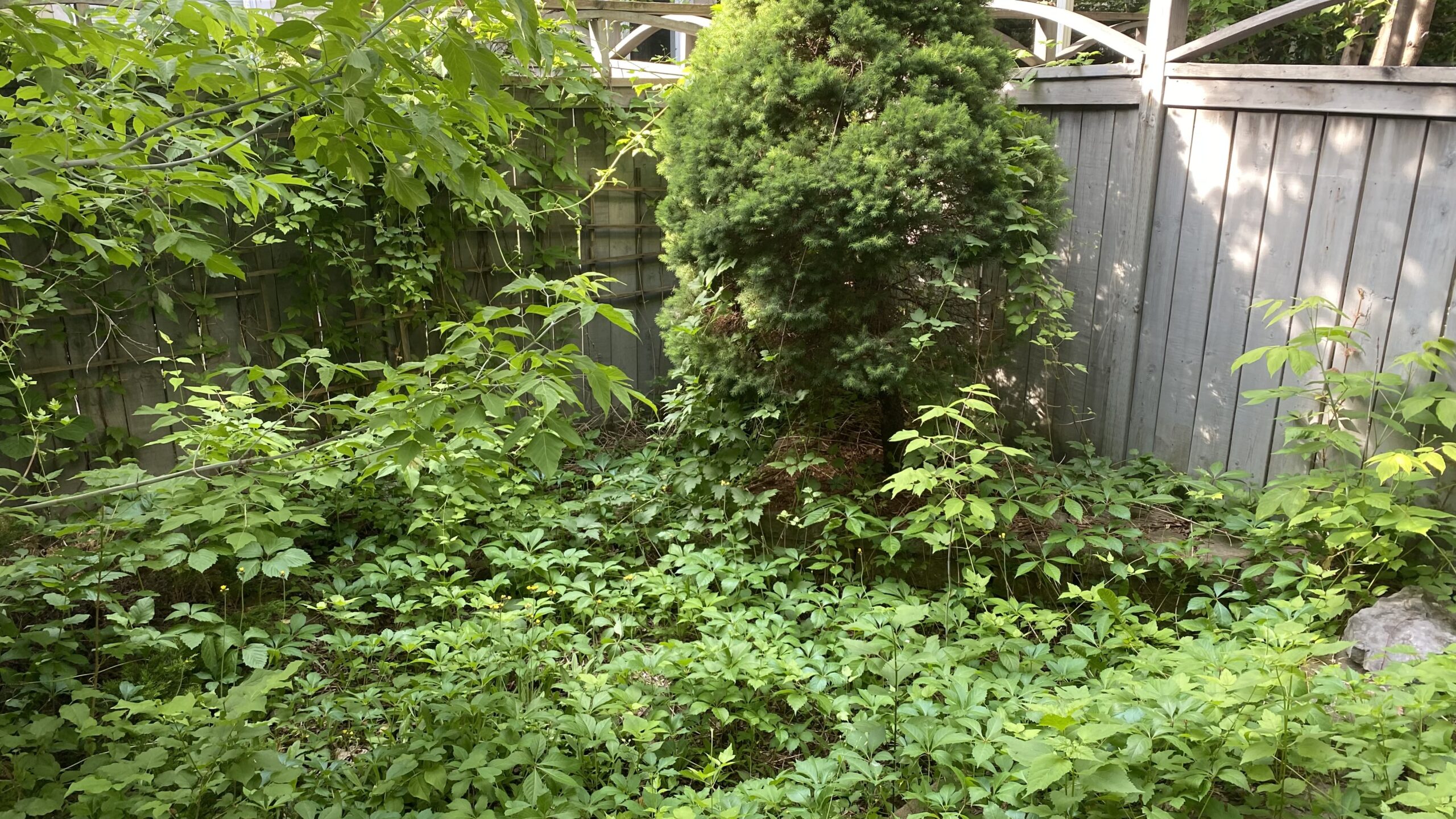
Introduction: Uh Oh! Did Your Kenmore Garden Get Too Much 'Love'?
Alright, fellow Kenmore gardening enthusiasts, let's chat about lawns. We all dream of that perfectly lush, deep green carpet stretching across our property, maybe even making the neighbours peek over the fence with admiration, right? In pursuit of that perfect patch of green here in the Ottawa region, sometimes our best intentions – and our fertilizer spreaders – can get a little carried away.
Perhaps you were *extra* eager this season, giving your lawn what you thought was a loving boost, only to find worrying yellow or brown streaks and patches appearing instead of vibrant growth? It happens to the best of us! It's easy to overdo it when you're aiming for landscaping perfection. Those scorched-looking spots are often the tell-tale signs that your lawn got a bit *too much* 'love' in the form of fertilizer burn.
Don't panic! This common gardening hiccup is usually fixable. This guide is your friendly neighbourly advice: we'll help you confidently identify fertilizer burn, walk you through simple, step-by-step instructions to help your grass recover, and share practical tips to prevent it from happening again. Let's work together to get your beautiful Kenmore lawn back to its healthy, happy, *perfectly* green self!
Spotting the Signs: Is Your Lawn Sending Out an SOS?
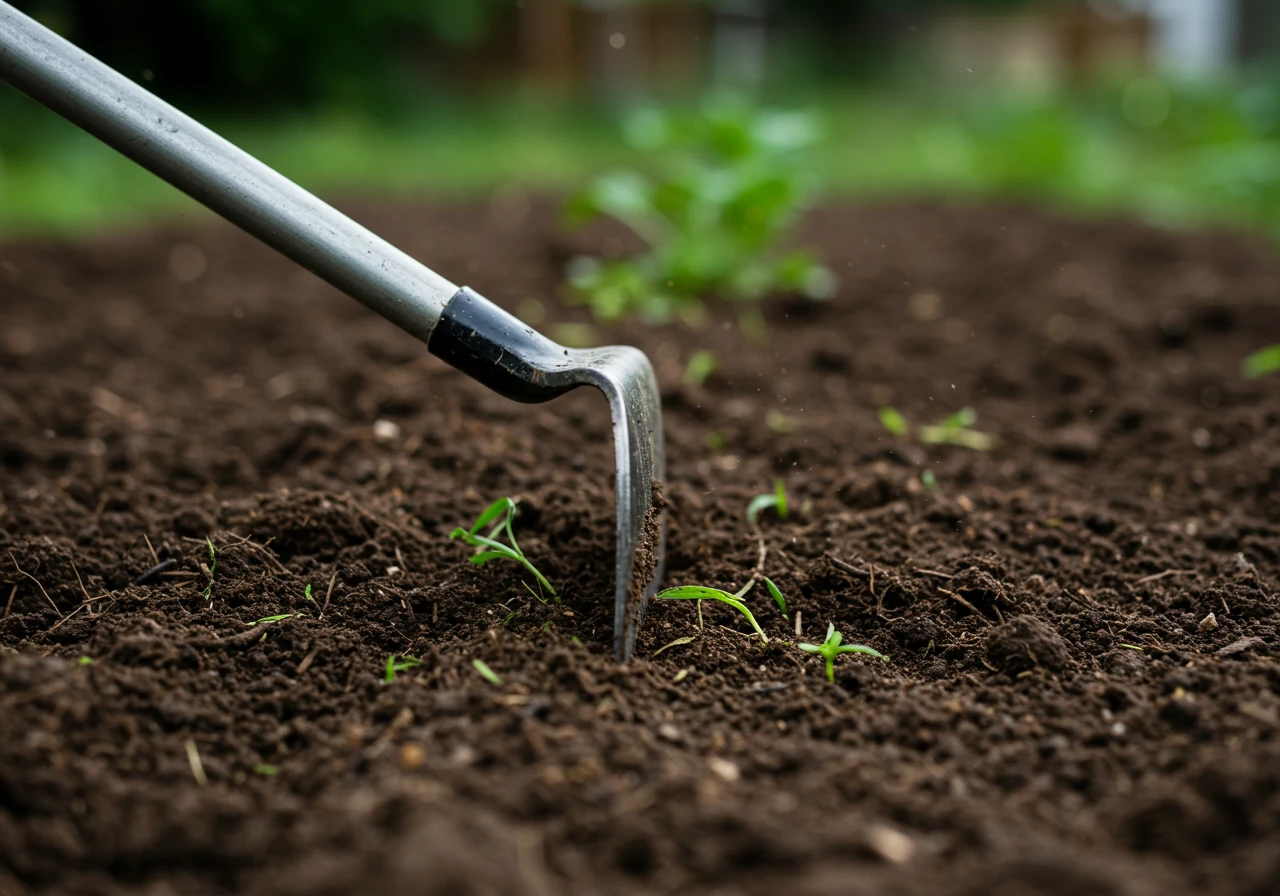
Fertilizer burn shows distinct yellowing and browning compared to healthy grass.
Think of your lawn like a chatty friend – sometimes, it tries to tell you when something’s wrong. When it comes to fertilizer burn, it's not exactly subtle; it’s more like sending up smoke signals! If you've recently fertilized and are now seeing some worrying changes, your lawn might be waving a big red (or rather, yellow and brown) flag.
So, what exactly does this SOS look like? Keep an eye out for these tell-tale signs:
Yellow or Brown Blades: This is the classic symptom. You might see streaks where the spreader overlapped, or patchy areas turning yellow, then brown and crispy. It often looks like the grass is scorched.
Widespread Discoloration: Unlike localized dog spots or small disease patches, fertilizer burn often affects larger areas, sometimes following the pattern you walked when applying the product.
Slowed or Stopped Growth: Healthy grass grows consistently. If areas seem stunted after fertilizing, that's a red flag.
Visible Fertilizer Granules: If you can still see leftover granules sitting on the soil surface or clinging to grass blades days later, especially in the burnt areas, that's a strong clue.
Weak or Damaged Roots: Gently tug on a patch of affected grass. If it comes up easily with shallow, dark, or brittle roots, that indicates stress below the surface.
Why Does This Happen? The Salty Truth!
Why does giving your lawn "food" sometimes burn it? Think of fertilizer as being full of salts. While plants need the nutrients *within* those salts, too much salt concentrated in one area acts like, well, salt! It draws moisture *out* of the grass blades and roots through osmosis, essentially causing the plant tissue to dry out and die, much like dehydration. It’s a classic case of “too much of a good thing.” Applying correctly following guides on proper spring fertilizing techniques is key.
Burn, Drought, or Disease? Playing Detective in Greely
Walking around neighbourhoods like Greely or here in Kenmore, you'll see lawns facing various challenges. It's easy to confuse fertilizer burn with other common Ottawa lawn woes. Here’s a quick comparison:
Condition
Typical Appearance
Timing
Soil Condition
Other Clues
Fertilizer Burn
Yellow/brown streaks or patches, scorched look
Appears *after* fertilizing
Can be moist underneath
May follow application pattern
Drought Stress
Uniform greyish-blue then brown, wilted blades
During hot, dry periods
Very dry, hard soil
Affects sunniest spots most
Fungal Disease
Distinct spots, lesions, fuzzy growth, specific colours (e.g., orange rust)
Often during specific weather (humid, cool/wet)
Varies
Doesn't follow fertilizer path; specific patterns (e.g., dollar-sized spots)
Sometimes, what looks like burn is actually drought stress, which can be complicated by other factors affecting soil moisture, making it important to be observant about your whole yard, even checking for hidden issues like pond leaks if applicable. Learning about plant health, including what plant stems tell us about potential problems, can help differentiate these issues.
If you spot these signs, don't despair! Catching it early is the first step to recovery. If the damage seems widespread or you're unsure, getting professional eyes on it might be wise. Sometimes a major cleanup is needed before recovery can begin, which is where a service like professional yard cleanup in Kenmore can help. For broader issues or if you're considering a lawn overhaul after significant damage, exploring our comprehensive landscaping services or even visualizing your ideal landscape outcome with new plans could be beneficial. But first, let's focus on helping your current lawn bounce back.
Immediate First Aid: Putting Out the Fertilizer Fire
Okay, deep breaths! You suspect you might have gone a little overboard with the plant food, and your lawn or garden beds are looking less than thrilled. Think of it like accidentally adding way too much salt to your soup – the first step isn't adding *more* ingredients, it's trying to dilute it! Here’s your immediate action plan to put out that fertilizer fire:
Step 1: Stop the Source!
Seriously, put the fertilizer bag *down*. No more feeding for now. Adding more will only worsen the burn. Simple, but crucial!
Step 2: Operation Flush!
Water, water, water! This is critical. Water the affected area deeply and slowly (aim for 1 inch) to wash excess salts away from roots. Use tuna cans to measure. Repeat daily for several days if needed.
Ottawa Soil Smarts: For heavy clay, water slowly in cycles to prevent runoff. Water early morning. Be mindful of Ottawa water restrictions.
But first things first: focus on flushing! It's the best immediate action you can take.
The Road to Recovery: Nursing Your Garden Back to Health
Okay, you've administered the first aid, flushed the system, and maybe had a gentle word with your over-enthusiastic fertilizer spreader (we won't tell!). Now comes the part that requires a bit more patience – think of it as gardening rehab. Nursing your lawn and garden beds back to their former glory isn't instant, but with the right steps, recovery is definitely possible.
For Your Lawn:
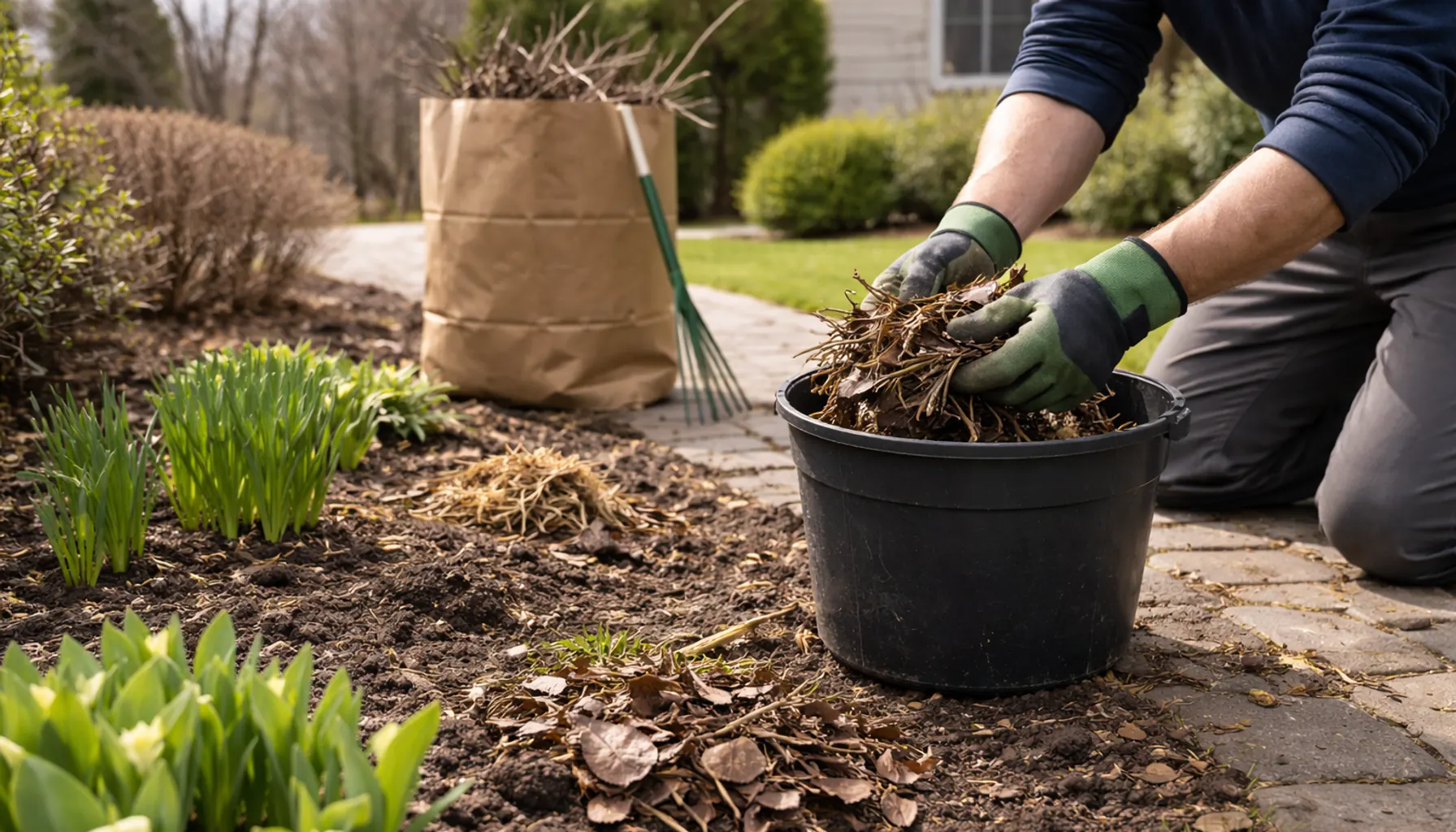
Damage Assessment & Cleanup: Gently rake affected areas. Remove brown, crispy grass. A thorough property clean up is essential first step. Consider cleanup help like Metcalf yard cleanup service for larger areas.
Aerate: Especially for compacted Ottawa clay soil (like in Osgoode). Core aeration improves air, water, and nutrient flow to stressed roots.
Amend Gently: Top-dress with a thin layer (¼ inch) of quality compost after aerating. Rake into holes. Provides slow-release nutrients.
Overseed for Renewal: Spread suitable grass seed (Kentucky Bluegrass, Fescue, Ryegrass blends for Ottawa) over damaged areas. Ensure seed-to-soil contact. Keep moist until established.
Mow High: Mow around 3-4 inches. Encourages deep roots, retains moisture, shades weeds. Part of a good lawn care strategy.
Hold the Fertilizer: Resist fertilizing again too soon! Wait until the next season or use mild organic options only when fully recovered.
For Your Garden Beds:
Prune Precisely: Trim blackened/crispy leaves/stems on perennials/shrubs back to a healthy bud. Remove severely burnt annuals. Large cleanup might need help like a Marionville yard cleanup service.
Soil TLC: Gently work compost or rotted manure into topsoil around plants, avoiding roots.
Mulch Magic: Apply 2-3 inches of organic mulch (shredded bark/wood chips), keeping it away from stems. Retains moisture, suppresses weeds, moderates temperature.
Water Wisely: Water consistently and deeply as needed. Check moisture before watering. Avoid extremes (too dry or waterlogged).
No More Food (For Now): Avoid synthetic fertilizers until plants show vigorous new growth.
Typical Lawn Recovery Time (Post-Flush)
Minor Burn2-4 Weeks
Moderate Burn4-8 Weeks
Severe BurnMonths/Overseed
Note: Recovery time varies based on severity, weather, and care provided. Severe burns often require reseeding.
Patience is Everything
Remember, this process takes time. Some plants may bounce back quicker than others, and some severely damaged areas might need complete replanting next season. Keep monitoring, provide consistent care, and avoid adding more stress.
If you're looking at widespread damage and feeling overwhelmed or unsure how bad the damage truly is, don't hesitate to seek professional advice. Sometimes an expert eye can save you time and effort in the long run. You can even get feedback on a professional estimate to understand the scope of work needed. When you reach out for that help, remember that reputable services value your confidentiality; for instance, you can review our company's privacy policy online. Check our reviews on Google!
Stick with it, and soon your garden will be thanking you for your diligent nursing care!
Prevention is Key: Fertilizing Smart in the Ottawa Region
Okay, we've talked about the drama of fertilizer burn and how to fix it. But wouldn't it be *way* better to just... not burn your lawn in the first place? Like wearing oven mitts *before* grabbing the hot pan? Prevention is totally the name of the game when it comes to fertilizing smart here in the Ottawa region. A little know-how goes a long way towards keeping your lawn happy and saving you headache (and heartache!).
Know Before You Throw (Get a Soil Test!)
First things first: *know your soil!* Seriously, guessing what nutrients your lawn needs is like trying to bake a cake without a recipe. A soil test tells you exactly what your soil is rich in and what it's lacking. You can often get kits or find testing services at local Ottawa garden centers or through agricultural labs like A&L Canada Laboratories. Knowing your soil's pH and nutrient levels *before* you buy fertilizer is the smartest first step. Getting your lawn ready often starts with removing last season's debris, a task well-suited for an Ottawa yard cleanup service, ensuring you're testing clean soil.
Decode the Bag (Understanding N-P-K)
Ever looked at a fertilizer bag and seen those three numbers, like 10-10-10 or 21-0-3? That's the N-P-K ratio, the fertilizer's not-so-secret code! Here's the lowdown:
N (Nitrogen): Promotes leafy growth and green colour.
P (Phosphorus): Helps with root development, flowers, and fruit.
K (Potassium): Aids overall health and stress resistance (drought, disease, winter).
The numbers are percentages by weight. Your soil test guides you to the right ratio, preventing excess application.
Choosing Your Fertilizer Wisely
Quick-Release vs. Slow-Release: Slow-release options feed gradually, significantly reducing burn risk. Safer for most homeowners.
Organic vs. Synthetic: Synthetics offer precise nutrients. Organics (compost, manure) release slowly, improve soil health, and are harder to burn with. Making the right choice is key, especially for new plants from a professional garden installation.
Spreading the Love (Proper Application Techniques)
Read the Label: Follow manufacturer's rates and instructions. More is NOT better!
Calibrate Your Spreader: Ensure correct, even application. Prevents stripes common in areas like Metcalfe or Richmond.
Be Methodical: Walk steady. Overlap passes slightly with broadcast spreaders. Sweep granules off hard surfaces immediately!
Water It In (Usually): Lightly water (¼ inch) after applying granules (unless rain is imminent) to wash off blades and start dissolving nutrients.
Timing is Everything (Fertilizing with Ottawa's Seasons)
If needed, use very light slow-release/organic & ensure watering. Insights from professional garden maintenance can help decide.
Fall
Late Aug - Late Sept/Early Oct
Root strength & winter hardiness
*Most important feeding.* Use fall-specific formula (lower N, higher K). Crucial after leaf removal via property clean up.
Fertilize Smarter, Not Harder
Fertilizing smart means understanding your lawn's actual needs and feeding it appropriately. By testing your soil, understanding labels, choosing the right product, applying it correctly, and timing it with our Ottawa seasons, you can avoid the dreaded fertilizer burn and cultivate a truly healthy, lush, and resilient lawn or garden. Still feeling a bit overwhelmed or unsure about your specific situation? Don't hesitate to contact us for advice or to discuss professional lawn care options. Happy (and safe) fertilizing!
Find more resources on sustainable gardening practices from organizations like Canadian Organic Growers.
Alright, Kenmore neighbours, sometimes you just need the quick version, right? Here’s a rapid-fire FAQ to tackle those fertilizer oopsie moments. Think of it as your emergency cheat sheet!
Answer: WATER! Immediately start flushing the affected area with plenty of water. Your goal is to dilute and wash away those excess fertilizer salts. Water deeply and slowly – aim for about an inch of water (a tuna can catching water is a good rough guide). Repeat this deep watering daily for several days. And please, put the fertilizer bag away for now!
Answer: Maybe! If the burn is mild (yellowing but still some green), consistent watering gives it a fighting chance. If it's totally brown, crispy, and looks like cooked spaghetti... probably not. That dead stuff will need to be raked out. Getting new grass to grow in those spots often involves overseeding, which works best with good soil preparation to give the seeds a welcoming home.
Answer: Oh dear, that’s intense! Flush that specific spot *immediately* with even *more* water than you think you need. Really dilute it. Keep flushing it daily for a week. The damage might be severe but hopefully contained. If the spill is significant or near a public path, proper cleanup might be necessary; sometimes specific situations call for a city yard cleanup service to handle potential runoff issues safely.
Answer: Easy there! Let your lawn fully heal first. Adding more fertilizer too soon is like poking a sunburn. Wait until you see consistent, healthy green growth (might be months or next season). Patience is key. If unsure, get a pro's opinion during your next Ottawa yard cleanup service.
Answer: Same first step: flush the soil with deep watering. Gently prune away the most damaged, crispy leaves/stems (leave healthy foliage). Add compost and mulch around plants (not touching stems) to help soil recover/retain moisture. Avoid *all* fertilizer until plants show strong recovery. If many plants died, a city garden clean up service might be needed to clear debris before replanting.
Answer: Great question! Slow-release granular fertilizers are generally much safer than quick-release types. Organic options (compost, manure) are even gentler and improve soil health. *Always* read and follow label rates! Understanding product use is important; review service expectations like our terms and conditions. A soil test is your best friend!
FAQs: Your Kenmore & Ottawa Fertilizing Questions Answered
Answer: You bet! Clay holds nutrients well, but compacts easily and drains slowly. Water deeply *after* applying fertilizer to help it soak down, rather than run off. Slow-release granules are often a great choice for clay, preventing overload. Regular aeration also makes a huge difference. You can learn more about our team's approach to local conditions and how we tackle Ottawa's varied soils.
Answer: Morning is generally best! Fertilizing when grass is cool and slightly damp helps granules stick before watering in. Avoid midday heat, especially in summer, to reduce stress/burn risk. Light watering afterwards (unless rain is forecast) is key.
Answer: Congrats! Installers usually apply starter fertilizer. Wait 4-6 weeks *after* installation before feeding again. Use a gentle starter fertilizer (higher P for roots) or balanced slow-release formula. Easy does it – over-fertilizing new sod harms developing roots!
Answer: Absolutely! Think of it as tucking your lawn in for winter. Late summer/early fall feeding (Sept-Oct) builds strong roots for cold survival and a healthier spring rebound. It's vital for lawns in Barrhaven or Osgoode. A final Ottawa property cleanup service beforehand ensures fertilizer reaches the soil.
Answer: Good question! Yes, slow-release granules will eventually work down with rain/watering. For faster action, gently rake mulch aside near plant base, apply fertilizer to soil, rake mulch back. Maintain proper depth; learn more about mulching and edging techniques and material selection.
Phew! We've journeyed from that initial "Oh no, what happened to my lawn?!" moment right through to understanding how to fix fertilizer burn and, even better, how to stop it from happening again. Remember, spotting the signs early, flushing the area with water *right away*, and giving your lawn or garden beds some tender loving care (like cleaning up dead patches, improving soil health, and maybe overseeding) can turn that garden SOS into a sigh of relief. Smart prevention – knowing your soil, choosing the right fertilizer, applying it correctly, and timing it with our Ottawa seasons – is your ticket to avoiding future landscaping drama.
Your dream of a gorgeous green oasis in Kenmore, Russell, or Embrun is totally within reach! But hey, sometimes life gets busy, or you just want the confidence of knowing your lawn care is done *exactly* right. If you're feeling a bit overwhelmed by the recovery process or simply want expert help to restore your lawn or create a foolproof fertilization plan moving forward, we're here for you.
We offer helpful landscaping services including:
Expert consultations to assess fertilizer burn or other lawn health issues
Soil testing to pinpoint your lawn's specific needs
Custom fertilization and complete lawn care programs tailored for the Ottawa region
To request a quote, kindly fill out the form below.
Before You Go
We’re confident in our services, we offer a 30-day money-back guarantee. Not 100% satisfied? We’ll swiftly refund all labor costs. Your satisfaction is our top priority!
Get in touch today for expert service and satisfaction guaranteed. You won't regret it!