Prevent Cedar Apple Rust in Richmond: Pro Healthcare Tips
Quick Summary: Cedar Apple Rust (CAR) is a fungal disease needing both junipers/cedars and apple/crabapple trees to survive. Key prevention includes planting resistant varieties, pruning cedar galls in late winter, timely fall cleanup, and ensuring good air circulation. Fungicides can help protect apple trees in spring if needed.
- Identify: Look for brown galls on cedars (orange & slimy in spring rain) and yellow/orange spots on apple leaves/fruit (summer).
- Prevent: Choose resistant plants, prune galls before spring rain, rake infected leaves in fall.
- Manage: Improve air circulation, water at base, consider fungicides preventatively in spring.
Seeing strange orange blobs on your cedars or yellow spots on your apple trees? Need help managing Cedar Apple Rust in your Richmond garden? Request a quote from Clean Yards today!
Introduction: Battling the Bizarre Blob: Cedar Apple Rust in Richmond

Okay, picture this: you're enjoying your lovely Richmond garden, maybe checking on your cedars, and suddenly you spot it. A weird, orange, gelatinous blob clinging to a branch, looking like something out of a sci-fi movie, especially after a spring rain. What *is* that bizarre thing? Meet Cedar Apple Rust (CAR), an unwelcome but surprisingly common guest in our local landscapes. It’s certainly a head-scratcher the first time you see it!
So, what exactly is this strange fungus? Cedar Apple Rust is a plant disease with a rather fascinating, if frustrating, life cycle. It's a two-timing pathogen, meaning it *needs* two different types of host plants to survive and reproduce. One host is typically an Eastern Red Cedar or another juniper variety, where those alien-looking orange galls form. The other host? You guessed it – apple trees, crabapple trees, and sometimes hawthorns or serviceberries, where it causes yellow-orange spots on leaves and fruit.
Why should homeowners in Richmond, and nearby areas like Manotick or Greely, care about this? Well, many of our beautiful Ottawa region landscapes feature a mix of ornamental junipers and cedars alongside beloved fruit-bearing or flowering apple and crabapple trees. This creates the perfect setup for CAR to thrive. Don't panic, though! Understanding this disease is the first step to managing it effectively and keeping your gardening efforts fruitful and your landscaping looking sharp. We're here to help you tackle this bizarre blob and protect your prized plants. For more insights on local yard care, check out Clean Yards on Google.
Decoding Cedar Apple Rust: Understanding the Two-Faced Fungus
Alright, let's pull back the curtain on Cedar Apple Rust (CAR). Think of this fungus, Gymnosporangium juniperi-virginianae, as a tricky performer needing two different stages – or rather, two different host plants – to complete its act. It absolutely cannot survive on just one type of plant. This two-host requirement is what makes it so interesting, and sometimes, so darn persistent in Ottawa landscapes, especially where junipers and apple relatives live close together, like in many Barrhaven yards.
The Fungal Relay Race: CAR's Lifecycle
Imagine a relay race where the baton is a fungal spore. Here’s how CAR runs its annual marathon:
- Spring Awakening (on Cedars/Junipers): Remember those weird orange blobs mentioned earlier? Those start as hard, brownish, golf-ball-like galls on juniper or cedar branches (often Eastern Red Cedar, a common landscaping choice). When spring rains arrive, these galls dramatically transform, sprouting bright orange, gelatinous "horns" or tentacles. These tentacles are loaded with spores. Gross but fascinating, right?
- The First Hand-off (Cedar to Apple): Wind carries these spores from the cedar/juniper galls, sometimes traveling several kilometers, though infection is more likely closer by. If these spores land on susceptible apple, crabapple, hawthorn, or serviceberry leaves or fruit during wet conditions, they germinate and infect the plant. This usually happens over a few weeks in spring. Getting your garden ready early is key; consider developing a Winchester Spring Garden Health Plan to stay ahead.
- Summer Symptoms (on Apples/Crabapples): Within a few weeks of infection, small, pale yellow spots appear on the upper surfaces of apple leaves. These spots gradually enlarge, turning bright orange or reddish, often with tiny black dots in the center. Underneath the leaf spot, small, cup-like structures might form later in summer. Fruit can also show similar yellow-orange spots, sometimes causing distortion.
- The Second Hand-off (Apple to Cedar): In late summer and early fall, those structures on the undersides of the apple leaves release different spores. These spores are specialists – they can *only* infect junipers or cedars.
- Winter Quarters (on Cedars/Junipers): Wind carries these spores back to susceptible cedars/junipers. If they land on a twig or needle, they infect it, but you won't see much right away. The fungus slowly develops, forming a small, greenish-brown swelling that will eventually become the hard, brown gall you see the next year or the year after. It takes about 18-20 months from infection for a gall to mature and produce its own orange tentacles. And the cycle begins again!
Spot the Symptoms: Know Your Hosts
It’s crucial to know what to look for on both types of plants:
- On Junipers/Cedars:
- Hard, kidney-shaped, brown galls (from pea-sized up to 5 cm) attached to twigs. Most noticeable in winter/early spring.
- In spring (especially after rain): Galls sprout those infamous bright orange, jelly-like tentacles (telial horns). These dry up and fall off after releasing spores. The gall itself might persist but usually dies after sporulating.
- On Apples/Crabapples/Hawthorns:
- Early Summer: Small, pale yellow spots on leaves, sometimes fruit or twigs.
- Mid-Summer: Spots enlarge, becoming distinct bright orange/yellow/red circles, often with a darker border. Tiny black dots (spermogonia) may appear in the center on the upper leaf surface.
- Late Summer: Small, tube-like or cup-like structures (aecia) may develop on the underside of the leaf spots or on fruit lesions. Severe leaf infections can cause early defoliation, weakening the tree. An overall health assessment, like an Osgoode Plant Vitality Check: Prevent Loss, can help determine if your trees are stressed.
Managing this disease often involves breaking the cycle. Pruning out cedar galls *before* they turn orange can help reduce spores. When doing any pruning, remember to work with clean tools to avoid spreading other problems – it’s vital to Keep Greely Garden Tools Sharp & Clean to Prevent Disease. While CAR spores spread primarily via wind and rain, good general yard care throughout the seasons is beneficial. Just as you wouldn't forget important fall tasks like preparing your irrigation with an Osgoode Sprinkler System Winterization Blow Out, staying vigilant about disease symptoms in spring and summer is part of holistic gardening success. If managing CAR feels overwhelming, professional Clean Yards Landscaping Services can provide expert advice and treatment options tailored to your Ottawa property.
The Ottawa Angle: Why Richmond Gardens are Susceptible
So, you might be wondering, "Why does Cedar Apple Rust seem to enjoy hanging out in Richmond and the greater Ottawa area so much?" It's not just bad luck; it's actually a combination of factors that make our region a pretty cozy spot for this two-timing fungus. Let's break it down.
First, let's talk about the weather. Our Ottawa springs can be a bit, well, *dramatic*. We often get those cool, damp periods with plenty of rain just as temperatures start creeping up. This wet, mild weather is like rolling out the red carpet for CAR. It's the perfect condition for those funky orange galls on cedars and junipers to swell up and release their spores. Those spores then need wet leaves on apple or crabapple trees to successfully start an infection. Our classic spring weather practically serves it up on a platter! You can find more info on managing spring conditions from resources like Landscape Ontario.
Second, we just happen to love the plants CAR needs to complete its lifecycle! Eastern Red Cedars (Juniperus virginiana) and Savin Junipers (Juniperus sabina) are incredibly common choices for hedges, foundation plantings, and general landscaping around here. They're tough and handle our winters well. At the same time, who doesn't love an apple tree for fresh fruit, or the stunning spring blossoms of ornamental crabapples? They're staples in yards from Richmond to Nepean. Having both host plants readily available, often just a stone's throw (or a spore's float) away from each other, creates the ideal setup for the fungus.
Finally, consider how our neighbourhoods are designed. Many homes have lovely foundation plantings featuring junipers right near a prized crabapple tree in the front yard. Or, rows of cedars used for privacy screens might back onto yards with fruit trees. This close proximity makes it super easy for the spores to travel between their required hosts. While focusing on specific plant diseases is important, maintaining overall yard health through services like a thorough Vernon garden clean up service can reduce potential fungal reservoirs. A generally tidy space achieved via a regular city garden clean up service helps too, ensuring good air circulation around plants. It's not just about trees and shrubs either; a healthy lawn achieved through expert sod installation contributes to the overall ecosystem of your yard.
Understanding these local factors – our unique spring climate, common plant choices in gardening, and typical landscaping layouts – helps explain why CAR can be such a frequent visitor. If you're seeing signs and aren't sure how to tackle it, considering professional landscaping services might be a good step. Feel free to contact us for advice tailored to your specific Richmond garden situation! For official guidance on plant pests, resources like the Canadian Food Inspection Agency (CFIA) Plant Diseases section can be useful.
Your Defence Strategy: Proactive CAR Prevention Tactics
Okay, let's talk defence! Rather than just reacting when those strange orange blobs appear, we can be proactive and make our yards less inviting to Cedar Apple Rust (CAR) in the first place. Think of it as rolling up the unwelcome mat for this fungal freeloader. Here’s your battle plan:
1. Choose Your Champions: Plant Resistant Varieties
Honestly, the best long-term strategy is to select plants that naturally shrug off CAR. If you're planning new landscaping or replacing susceptible trees, choosing resistant varieties is like giving your garden a superpower. Many beautiful and productive apple, crabapple, and juniper varieties are much less likely to get the disease. Check with knowledgeable staff at local Ottawa nurseries, perhaps near Manotick or Greely, for availability. Smart Material Selection is your first line of defence.
Quick Comparison (Examples):
| Plant Type | Highly Susceptible Examples | More Resistant Examples |
|---|---|---|
| Apples | Wealthy, Jonathan, Rome | Liberty, Freedom, Redfree |
| Crabapples | Hopa, Almey, Bechtel | Adams, Prairifire, Red Jewel |
| Junipers | Juniperus virginiana (Eastern Red Cedar), J. scopulorum 'Pathfinder' | Some J. chinensis varieties, J. horizontalis |
Note: Resistance isn't always 100% immunity, but it dramatically reduces infection severity.
2. The Gall Gauntlet: Pruning Like a Pro
If you already have junipers hosting CAR galls, you can reduce the spore load significantly with timely pruning. It’s a bit like playing whack-a-mole, but with slimy orange things.
Your Step-by-Step Snipping Guide:
- Time It Right: Your mission, should you choose to accept it, is best done in late winter or very early spring (March/early April) before the galls sprout their orange tentacles after spring rains. Look for the hard, brown, golf-ball-like growths.
- Gear Up: Grab clean, sharp bypass pruners. Cleaning tools between cuts, especially if moving between plants, is always smart gardening practice.
- Make the Cut: Snip the branch 2-4 inches below the gall itself. Try not to leave stubs.
- Dispose Definitively: Don't compost these galls! Seal them in a bag and put them in the garbage. We don't want those spores staging a comeback tour. Think of it as responsible waste removal – something crucial for any major yard task, like needing a City Property Cleanup Service after a storm.
- Clean Up: Clean your pruners again afterwards.
3. Smart Yard Habits: Watering, Airflow, and Sanitation
Good general care makes plants healthier and less susceptible to all kinds of problems, including CAR.
- Water Wisely: Water your plants at the base (soil level) rather than soaking the leaves. Morning watering is best, allowing foliage to dry quickly. Wet leaves overnight are an open invitation for fungal spores.
- Let Them Breathe: Good air circulation is key! Prune trees and shrubs to open up the canopy and allow air to move freely, drying leaves faster. Avoid crowding plants when designing your landscaping.
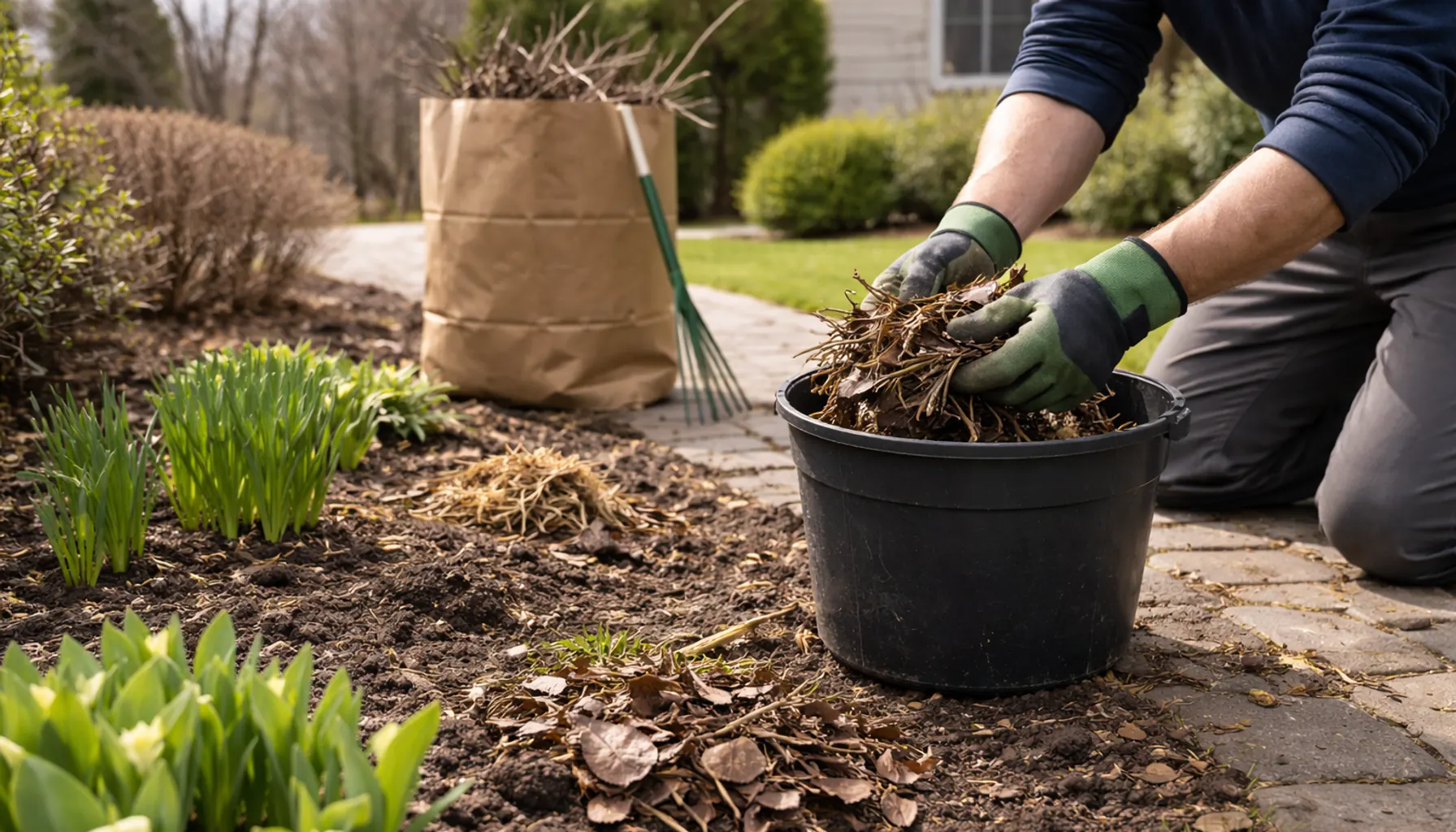
- Keep it Tidy: Rake up and dispose of fallen leaves and fruit from susceptible apple/crabapple trees in the fall, as these can harbour the fungus. Keeping the area clean reduces places for spores to hang out. This includes maintaining a healthy lawn, perhaps even considering professional sod installation if your turf is struggling, as a healthy lawn contributes to overall yard hygiene.
- Mulch Magic: Applying a layer of organic mulch around your trees using good Mulching and Edging practices helps maintain consistent soil moisture and can suppress weeds. Importantly, it can also act as a barrier, preventing fungal spores in the soil from splashing up onto leaves during rain. Just be sure not to pile mulch directly against the tree trunk!
Implementing these strategies takes effort, but it pays off in healthier plants and less CAR drama. If managing these tasks feels overwhelming, remember that professional help is available. You can learn more About Us and our approach to sustainable yard care. We believe in transparency, which is why we encourage you to review our process for Estimate Feedback if you're considering our services. Proactive prevention is always the winning strategy!
When Rust Persists: Exploring Treatment Options
Okay, so you've pruned the galls, chosen resistant varieties where possible, and practiced good garden hygiene, but that pesky Cedar Apple Rust (CAR) is still crashing your Ottawa garden party? Don't throw in the trowel just yet! When CAR becomes a persistent problem, especially if it's seriously impacting the health or fruit production of your beloved apple or crabapple trees, it might be time to consider fungicides.
Think of fungicides not as a cure for existing rust spots (sorry, no magic eraser for those!), but as a protective shield for new, healthy leaves and fruit. They work by preventing the fungal spores from successfully infecting the plant in the first place. This means timing is absolutely critical, as we mapped out in our seasonal calendar. You need to apply them *before* or *during* the spore release period in spring, typically starting around when your apple trees bloom. Miss that window, and the treatment won't be effective for this year's infection. It’s a preventative measure, plain and simple. For detailed information on fungicides, consult resources like the Ontario Ministry of Agriculture, Food and Rural Affairs (OMAFRA) fact sheet on CAR.
Several types of fungicides are labeled for CAR control, often containing active ingredients like myclobutanil or captan. Some work on contact, coating the leaf surface, while others are systemic, absorbed into the plant tissue. Regardless of the type, safety is paramount.
Always follow these golden rules:
- Read the product label thoroughly and follow instructions exactly. The label is the law!
- Wear appropriate protective gear (gloves, eye protection, mask).
- Spray on calm days to avoid drift onto unintended plants or areas.
- Be mindful of pollinators – avoid spraying open blossoms when bees are active.
Honestly, applying fungicides correctly requires careful timing, proper equipment, and attention to safety protocols. If you're dealing with large trees, feel unsure about the process, or simply want it done right, calling in professionals is often the best bet. Sometimes, the company handling your regular Ottawa lawn care needs may also offer specialized tree and shrub care services. Before engaging any service, it's wise to review their approach and commitments; for instance, understanding Clean Yards' service commitments and safety guidelines ensures everyone is on the same page regarding application and safety.
Remember, fungicides are just one tool in your Integrated Pest Management (IPM) toolbox. They work best when used thoughtfully alongside the cultural practices we've discussed, like pruning and sanitation. Often, fungicide treatments are more effective when combined with good sanitation, which might include professional property clean up to remove infected leaves in the fall. This holistic IPM approach means combining tactics – perhaps a specific Metcalfe garden clean up service to remove fallen leaves and overwintering spores, alongside careful monitoring and targeted treatments if necessary. Even a more comprehensive effort, like a dedicated Metcalfe property cleanup service, can help reduce overall disease pressure in your gardening and landscaping areas. You can review our Privacy Policy for information on how we handle customer data.
Cedar Apple Rust Activity Peaks (Conceptual)
Note: Chart shows conceptual peak activity periods for spore release and symptom development based on the lifecycle.
Timing is Key: Your Seasonal CAR Management Calendar for Ottawa
Okay, let's talk timing! Managing Cedar Apple Rust (CAR) in Ottawa is a bit like gardening judo – you use the fungus's own predictable schedule against it. Missing the right window can mean the difference between a minor nuisance and a full-blown orange invasion. Here’s your seasonal playbook to keep your landscaping looking sharp, whether you're in Nepean, Metcalfe, or anywhere else in our beautiful region.
Late Winter (Feb - Early Apr): Gall Patrol!
Task: Pre-emptive strike! Hunt down hard, brown galls on junipers/cedars before spring rains.
Action: Prune branches 2-4 inches below galls. Bag and trash galls (no composting!). Clean tools.
Spring (Mid-Apr - Early Jun): Critical Window!
Task: Monitor junipers for orange tentacles (if galls were missed). Watch apples/crabapples for tiny yellow leaf spots.
Action: Pruning sporulating galls still helps reduce load. This is the key time for preventative fungicide sprays on apples (start around bloom). Seek professional advice if considering sprays. Review service Terms and Conditions.
Summer (Late Jun - Aug): Symptom Watch & Support
Task: Yellow spots on apple leaves enlarge to orange/red. Check for structures underneath.
Action: Too late to prevent current spots. Focus on tree health: water at base, ensure airflow, manage other issues. Pruning cedar galls now won't help apples *this* year.
Fall (Sep - Nov): Clean Sweep & Future Prep
Task: Reduce fungal carry-over. Rake up fallen leaves from infected apples/crabapples.
Action: Dispose of infected leaves/fruit (no composting!). Consider professional help like a City Yard Cleanup Service or a specialized Metcalfe Yard Cleanup Service. Improve soil health for better plant vigor next year; learn about Soil Preparation for Ottawa Gardens. Learn About Us and Our Approach.
By following this seasonal calendar, you can significantly reduce the impact of Cedar Apple Rust on your precious Ottawa plants. Stay vigilant, especially in spring, and you’ll be well on your way to managing this funky fungus!
Quick Tips for a Rust-Free Richmond Yard
Getting a grip on Cedar Apple Rust in your Richmond yard, or even out near Manotick, doesn't have to feel like wrestling an octopus! Keep these top tips handy for healthier landscaping:
- Choose Wisely: When adding new plants, look for apple, crabapple, and juniper varieties known to be resistant to Cedar Apple Rust. It's the easiest way to avoid future headaches! Less susceptible plants = less worry for your gardening efforts.
- Snip Those Galls: Be a gall-busting hero! Carefully prune off those hard, brown galls from your juniper or cedar trees in late winter or very early spring *before* they sprout their slimy orange tentacles. Remember to bag 'em and trash 'em – no composting these troublemakers.
- Tidy Up Time: Good sanitation is your friend. Rake up and dispose of fallen leaves and fruit from susceptible apple and crabapple trees in the autumn. A clean yard is less inviting for fungi. Maintaining overall yard health, including through expert Ottawa lawn care, reduces places for spores to hide. If leaf litter or debris gets overwhelming, a specialized service like a thorough Marionville garden clean up service can tackle infected material effectively. Even a general reliable Marionville yard cleanup service helps keep potential fungal reservoirs clear.
- Water Smart & Let Air Flow: Give your plants a drink at their base (the soil!), not over their leaves. Morning watering is best so foliage dries quickly. Prune trees and shrubs strategically to encourage good air circulation – think breezy, not crowded! Consistent gardening upkeep, sometimes aided by a professional city garden maintenance service, helps keep plants healthy and air moving freely.
- Know When to Call for Backup: If CAR continues to be a major issue despite your best efforts, especially on prized fruit trees, properly timed fungicide applications in spring might be necessary. Consider getting professional advice for the best approach and timing.
Taking these steps goes a long way to keeping your Richmond garden vibrant and those bizarre orange blobs at bay. Thanks for doing your part!
FAQ: Cedar Apple Rust Questions from Your Ottawa Neighbours
Relax, it's usually not a death sentence! While severe, repeated infections can weaken apple or crabapple trees over time, Cedar Apple Rust rarely kills them outright, especially mature ones. It's more of an aesthetic issue (ugly spots!) and can reduce fruit yield or quality. Keeping your tree otherwise healthy through good overall garden maintenance helps it tolerate the stress. Focus on good watering, basic gardening care, and reducing spore load where possible.
Not necessarily doomed! While proximity increases risk, you can still manage things in your own yard. Ensure your apple trees have good air circulation (pruning helps!) and water them at the base. While you can't control their landscaping, keeping your own trees vigorous makes them more resilient. If galls appear on their junipers, maybe have a friendly chat about timely removal – offer them a coffee first!
You can, but the horse (or rather, the spore) may have already left the barn! Those orange tentacles mean spores are likely already being released, especially if it's been wet. Pruning them now *might* reduce the total number of spores floating around, but the prime time for pruning is late winter/early spring *before* they turn orange. Consistent yard upkeep, perhaps through a reliable city garden maintenance service, can help catch these things earlier next year.
Yes, it really does help break the cycle! While the main spore transfer happens spring (cedar-to-apple) and late summer (apple-to-cedar), removing infected leaves reduces the fungal material that produces those late-summer spores needed to reinfect cedars. It’s a key sanitation step in gardening best practices. If the job feels too big, getting help from an Ottawa garden clean up service can make this important fall chore much easier and more thorough. We also offer services in nearby areas like Marionville property cleanup and Ottawa property cleanup.
Absolutely! Simple landscaping tricks make a difference. Water your apple/crabapple trees at the soil level, not on the leaves, preferably in the morning. Prune for good air flow to help leaves dry faster. Applying a layer of organic mulch using proper mulching and edging techniques helps maintain soil moisture and can reduce spore splash-up from the ground. Choosing resistant varieties when planting is also a super effective, low-effort long-term strategy!
Conclusion: Keep Your Richmond Trees Healthy & Happy
So there you have it – the slightly strange story of Cedar Apple Rust! It might look like something from outer space, especially those gooey orange blobs, but managing it doesn't require an astrophysicist. Keeping your Richmond trees healthy and happy mostly boils down to a few key gardening and landscaping strategies we've covered. Remember the power of choosing resistant plant varieties, the importance of snipping off those juniper galls *before* they get slimy, the simple effectiveness of good fall cleanup (consider our Ottawa yard cleanup service or city yard cleanup service if needed), and promoting great airflow around your apple and crabapple trees.
It might seem like a bit of work, but being proactive really pays off. Think of it as giving your trees their best defence! With a little vigilance, especially during those key times of year, you can significantly reduce the impact of CAR and keep your landscape looking great, whether you're in Richmond, tending a garden in Osgoode, or enjoying your yard in Barrhaven. A healthy tree is a happy tree, after all. Check out some amazing yard transformations for inspiration!
Feeling like you need a helping hand with pruning, clean-ups, or just figuring out the best plan for your specific Ottawa property? Don't hesitate to reach out! Contact Clean Yards today for expert advice and reliable landscaping services in Richmond, Osgoode, Barrhaven, and across the region. Ready to explore more ways we can help your yard thrive? Visit our website at CleanYards.ca to learn about all our services and book your consultation online. Here's to vibrant, rust-free trees!
Need help with specific cleanup? We offer Metcalfe garden clean up, Ottawa garden clean up, and Marionville garden clean up services.