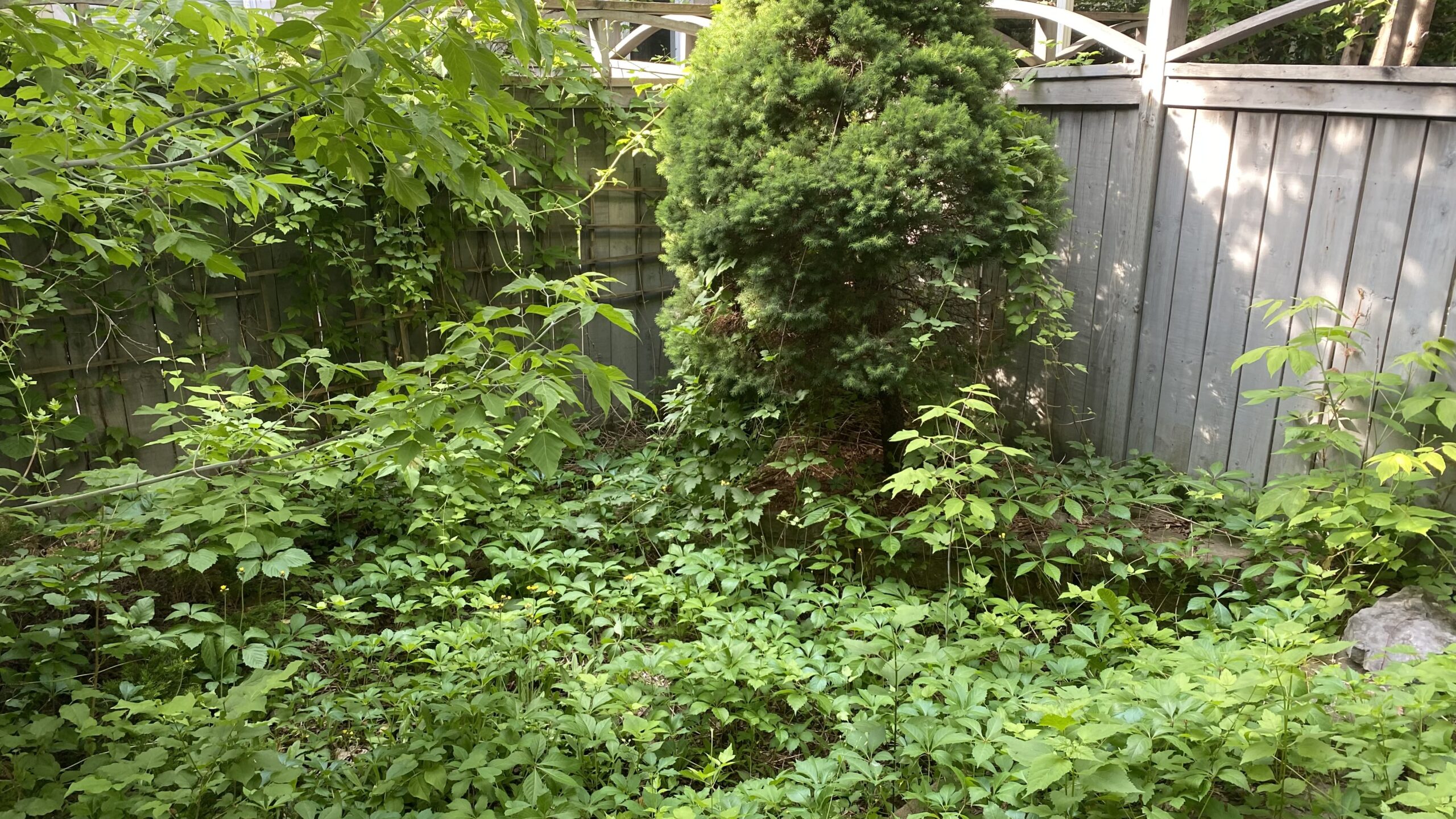
Vernon Garden Check: Map Wet/Dry Zones with Soil Probes
Need help understanding your garden's unique soil needs? Request a personalized quote today and let our experts help!
Quick Guide: Soil Probing Essentials
- Understand microclimates: Slopes, sun/shade, buildings, and soil type create varied conditions.
- Use a soil probe (core sampler or penetration probe) to check moisture and compaction below the surface.
- Map your yard by probing in a grid pattern after rain/watering.
- Note moisture depth and resistance (compaction) on your map.
- Use the map for hydrozoning (grouping plants by water needs) and targeted watering.
- Probe regularly to check watering effectiveness and seasonal changes.
Introduction: Ditch the Guesswork! Your Vernon Garden Check Starts Below the Surface
Hey Vernon gardeners! Ever feel like your lawn or flower beds are playing tricks on you? Maybe that patch of grass looks parched, while the hydrangeas nearby seem soggy, even after the same watering schedule? It's a common head-scratcher across the Ottawa region, from neighbours in Greely right here to our yards in Vernon. Our sometimes-finicky Ottawa weather and varying soil types can create hidden wet and dry zones *below* the surface. What looks okay up top might be hiding a thirsty secret or a waterlogged problem underneath!
So, how do you *really* know if your landscaping needs a drink or if it's already paddling? It's time to ditch the guesswork! Forget just looking – we need to *check*. This guide is all about understanding those hidden conditions, often with a simple tool like a soil probe, so you can give your garden exactly what it needs to truly flourish. Let's dig in and discover what’s *really* happening beneath your feet!

Why Your Manotick Maple Thrives While Your Metcalfe Roses Struggle: Understanding Garden Microclimates
Ever scratched your head wondering why the maple tree you planted in your Manotick yard is growing like gangbusters, but those beautiful roses over in your cousin’s Metcalfe garden just seem... sad? Or maybe you see this difference within your *own* yard – lush growth here, struggling plants just a few feet away. Welcome to the world of garden microclimates!
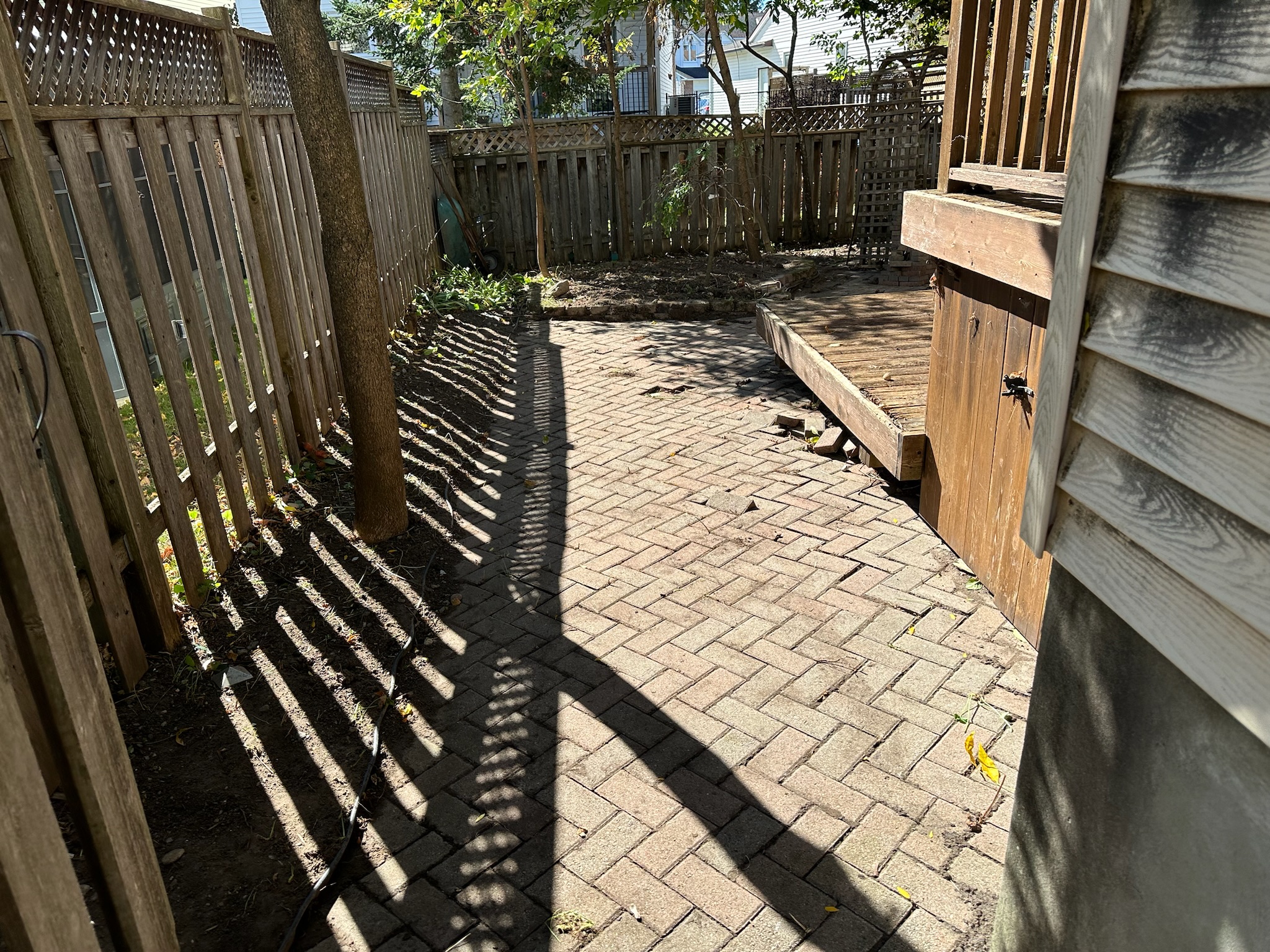
Think of your property not as one big, uniform space, but as a patchwork quilt of tiny climate zones. These "microclimates" are small areas where conditions like temperature, moisture, and sunlight can be surprisingly different from the overall climate of the Ottawa region, or even from one side of your house to the other. It’s why predicting plant success isn’t always straightforward!
So, what causes these quirky little zones? Several factors are usually at play:
- Sunshine & Shade: This is the most obvious one. A spot basking in full sun all day (like a south-facing slope in Barrhaven) will be much hotter and drier than a spot shaded by your house or a large tree (perhaps on the north side of a Greely home). Sun-loving plants will fry in deep shade, and shade-lovers will scorch in direct sun. Simple, right? But it’s the *foundation* of many microclimates.
- Slope & Runoff: Gravity always wins! Water naturally flows downhill. The top of even a gentle slope will tend to be drier, as water runs off quickly. The bottom of the slope, or any low-lying area, will collect that water, potentially becoming much wetter. Watch where water flows during heavy rain – does it race off your driveway onto the lawn? Does a downspout empty right into a flower bed? These runoff patterns create concentrated wet zones and nearby dry ones.
- Buildings & Barriers: Walls, fences, and even dense hedges block wind and trap heat (or create shade). A garden bed against a south-facing brick wall will be significantly warmer than one out in the open, allowing you to sometimes grow plants slightly outside our typical Ottawa hardiness zone. Conversely, a fence might create a shady, damp spot where moisture lingers.
- Soil Type & Compaction: This is a *huge* factor, especially around here. Much of the Ottawa area deals with heavy clay soil. Clay holds onto water tightly – sometimes *too* tightly, leading to soggy roots if drainage is poor (roses *hate* this!). When clay dries out, it can bake hard and actually *repel* water, creating surprisingly dry conditions beneath a cracked surface. Sandy soil, less common but present in some pockets, drains very quickly, leading to drier zones. Compaction is another villain. Areas with lots of foot traffic, or where heavy equipment was used during construction, have squished soil particles. Water can't penetrate easily, leading to runoff and dry soil underneath, even if the surface looks damp. Working with heavy clay or compacted soil can be tough on the body, so considering Ergonomic Garden Tools to Prevent Back Pain is always a wise move when amending these areas.
Putting it Together:
Imagine that Manotick maple. Maybe it's planted in a spot with decent loam amended over the years, on a slight rise ensuring good drainage – perfect for a maple. Now, think of those struggling Metcalfe roses. Perhaps they're in unamended heavy clay, in a flat area near where a downspout empties, keeping their roots consistently too wet. Or maybe they're in a blazing hot, dry spot next to a driveway, suffering from heat stress. Plants stuck in a less-than-ideal microclimate are definitely more prone to issues, especially during hot, dry spells. Having a good Plant Health Care Plan for Summer Stress becomes even more crucial for these challenged plants.
What Can You Do?
- Observe: Watch how sun hits different parts of your yard throughout the day and seasons. See where water pools after rain or where snow melts first. Check out your local garden conditions on Google.
- Probe: Use that soil probe mentioned earlier to check moisture levels *below* the surface in different zones. Don't just guess!
- Record: Make notes! It's easy to forget observations from one season to the next. That’s why we strongly suggest Keeping Garden Records to Track Performance and Improve Success; it helps you map out those microclimates over time.
- Amend: Improve drainage in wet spots by adding organic matter (like compost) to heavy soil or consider drainage solutions. Improve water retention in dry spots with compost and mulch. Proper soil preparation is key.
- Plant Smart: Choose plants suited to the *specific* microclimate conditions you have, not just the general Ottawa climate. Put moisture-lovers in those lower, wetter spots and drought-tolerant plants in the hot, dry zones.
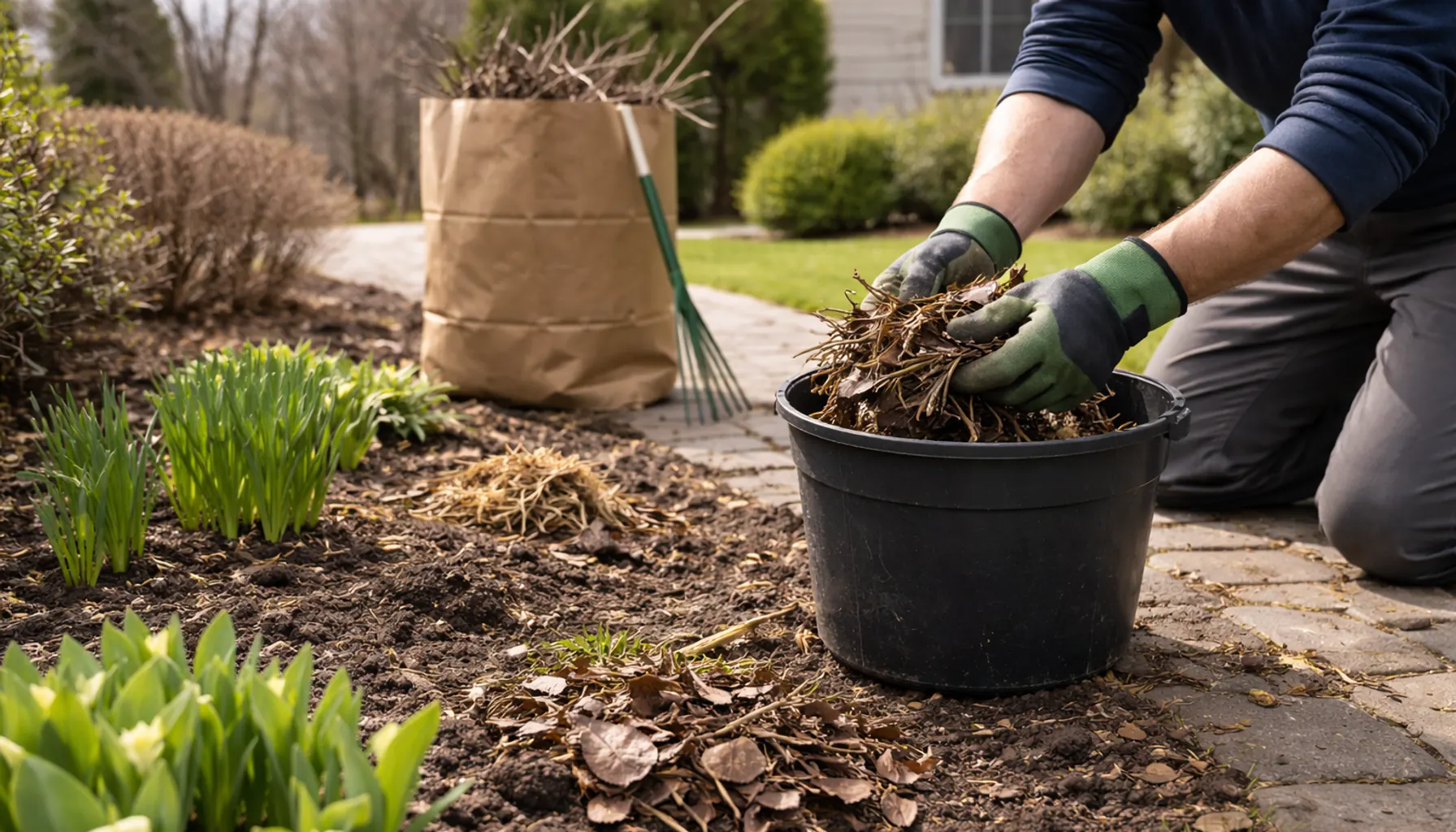
- Prepare: Addressing microclimate issues like poor drainage or soil structure is often best tackled during seasonal transitions. It’s a key part of your Essential Fall Cleanup and Winter Prep for Ottawa Gardens that pays dividends next growing season.
Understanding and working *with* your garden's microclimates, instead of fighting them, is the secret to happier plants and a less frustrating gardening experience. If you're facing significant challenges with drainage, soil compaction, or choosing the right plants for tricky spots, exploring Professional Landscaping Services can offer tailored solutions and expert advice for your unique Ottawa-area yard. Check out resources from the City of Ottawa on water conservation for more tips.
Get Professional Help With Your Soil & PlantingMeet the Soil Sleuth: Your Guide to Soil Probes
Okay, garden detectives, let's meet your secret weapon for cracking the case of the mysterious lawn patch or the puzzling perennial: the soil probe! Think of it as your personal "Soil Sleuth," ready to go undercover and report back on what’s *really* happening beneath the surface of your flower beds and turf. No more guessing games!

What Exactly is This Gadget?
A soil probe is basically a tool designed to let you peek into the soil profile without digging up your entire yard. It helps you understand things like soil moisture levels, compaction issues, and even soil texture at different depths. It’s like giving your garden a quick check-up, minus the tiny stethoscope.
Types of Soil Sleuths:
There are a couple of common types you might encounter:
- Core Samplers: These often have a T-handle and a hollow tube with a cutout. You push it into the ground, give it a twist, and pull out a neat little core sample of soil. Pros: Lets you physically see soil layers, roots, and texture. Cons: Requires a bit more muscle, especially in compacted or dry clay soil.
- Penetration Probes: These are typically simpler, solid rods (sometimes with markings for depth). You push them into the ground to feel for resistance. Pros: Great for quickly checking moisture depth (it pushes easily through moist soil, stops at dry/compacted layers) and finding hardpan or rocks. Cons: Doesn't give you a visual soil sample.
Why Bother Probing? Oh, Let Us Count the Ways!
Using a soil probe is like getting insider information for your landscaping:
- Accurate Watering: Stop the "is it too wet or too dry?" drama! A probe tells you *exactly* how deep the moisture goes. Essential for healthy lawns and gardens across Ottawa, from leafy streets in Nepean to the spacious yards in Richmond and Osgoode.
- Spotting Compaction: If the probe hits a hard stop just a few inches down (and it's not a rock!), you've likely found compacted soil. This tells you aeration might be needed. Dealing with compaction can be tough work; sometimes, investigating Professional Landscaping Services is the way to go for aeration or soil amendment.
- Understanding Drainage: Does water pool after rain? A probe can help see if the lower soil layers are saturated or if there's a hard layer preventing water from draining.
- Pre-Cleanup Intel: Before tackling a big project like a Vernon Yard Cleanup Service or a wider Ottawa Yard Cleanup Service, probing helps you understand the soil conditions you'll be working with. This is true even in smaller communities; knowing your soil is key before starting something like a Marionville Yard Cleanup Service.
- Healthier Roots: Checking moisture and compaction at root level helps ensure your plants can actually access the water and nutrients they need.
Where to Find Your Sleuth:
Ready to start probing? You can typically find soil probes at larger garden centers, some hardware stores (especially those with decent garden sections), agricultural supply stores, and various online retailers. Whether you're in Nepean, Osgoode, Richmond, or anywhere else in the Ottawa area, a good quality probe is a worthwhile investment for any serious gardener. Consider visiting local resources like the Master Gardeners of Ottawa-Carleton for advice.
Mastering this simple tool truly elevates your gardening game, moving you from guesswork to informed decisions. Taking the time to understand your soil is a huge step towards a thriving landscape, and for that, we want to say Thank You!
Operation Garden Map: A Step-by-Step Probing Adventure
Okay, grab your soil probe (your trusty "Soil Sleuth"!), a notepad or a simple sketch of your yard, and maybe a marker. It's time for Operation Garden Map – let's find those sneaky wet and dry zones hiding beneath your lawn or garden beds! This little adventure will give you amazing insights into what your plants *actually* need.

Here’s your step-by-step guide:
- Prep for the Probe: The best time to map moisture is usually a day or two after a good rain or thorough watering. This gives the water time to soak in (or run off!). Have your simple map ready – just an outline of the area you want to investigate, whether it's the whole front lawn or just that one tricky perennial bed in Barrhaven that always looks thirsty.
- Grid It Out (Loosely!): You don't need surveyor's tools! Mentally (or lightly mark with flags if you like), divide the area into a grid. Aim to take a sample every few feet across the lawn, or near different types of plants in a garden bed. Consistency helps you build a clearer picture. Don't forget areas near pavement, under trees, or on slopes, as these are prime microclimate spots.
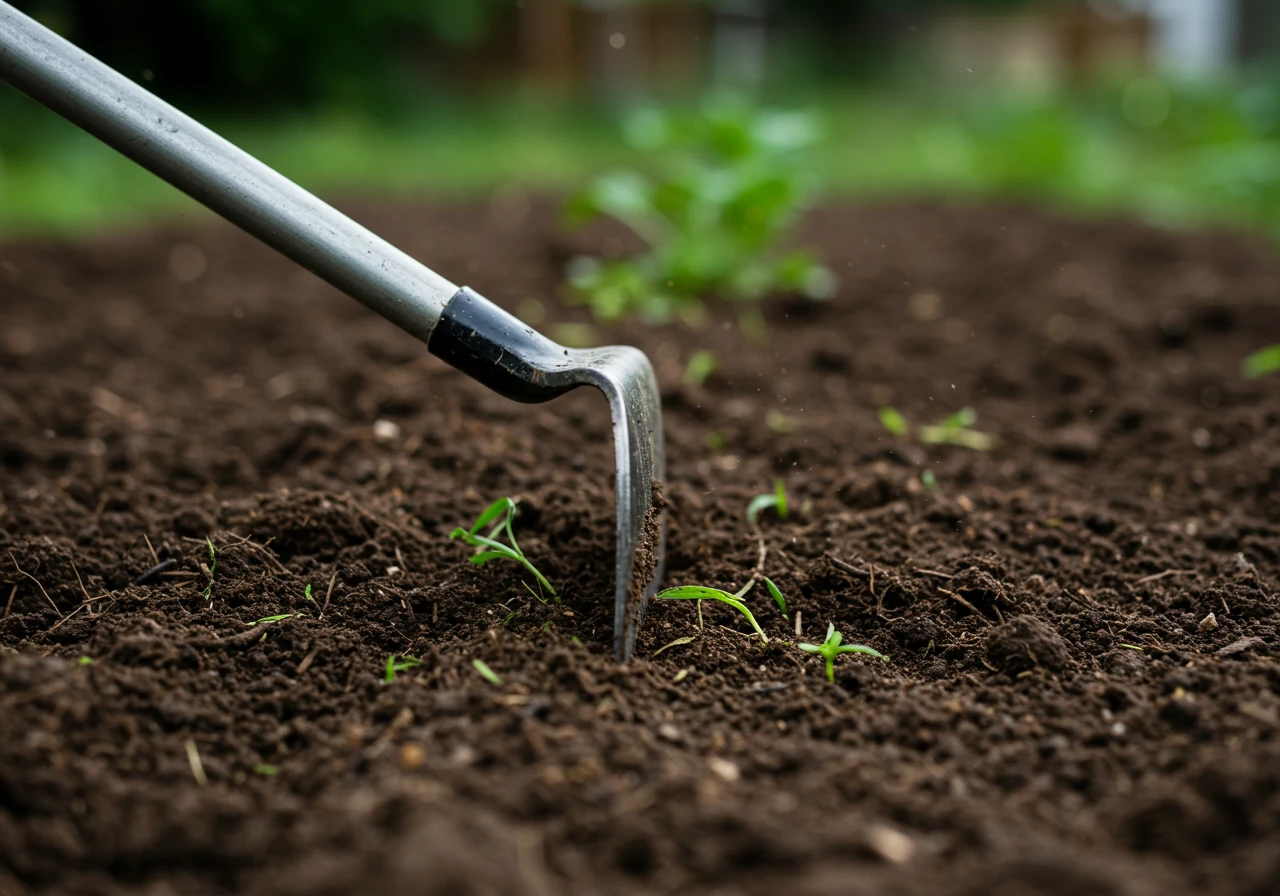
- The Gentle Push: Okay, here we go. Choose your first spot. Hold the probe vertically and apply steady, even pressure to push it into the ground.
- Feel the Difference: Pay attention! Moist soil usually lets the probe slide in relatively easily. When you hit *dry* soil or a heavily *compacted* layer, you'll feel significant resistance, and the probe will stop or become much harder to push. Note how deep you could push it easily.
- Clay Soil Tip: Dealing with Ottawa's infamous clay? If it's baked dry, probing can feel like trying to stab concrete. If the ground is super hard, try slightly moistening the very top layer beforehand, or probe right after light rain. Use your body weight, not just arm strength, and sometimes a gentle twisting motion helps ease it in. *Never* force it violently – you could bend your probe or your back! If using a core sampler, twist as you push down and pull straight up.
- Observe and Record: Now, the detective work!
- Penetration Probe: Note the depth (in inches or cm) where the probe stopped easily. Write this depth on your map at the corresponding location. Maybe use "M6" for moist to 6 inches, or "D2" for dry below 2 inches.
- Core Sampler: Examine the soil core you pulled out. Can you see how far down the moisture goes? Is the soil crumbly (good!) or dense and clumpy (potential compaction or heavy clay)? Are there healthy roots visible? Record your observations on your map – "Wet top 4", "Dry/compacted below 3", "Good roots".
- Connect the Dots & Analyze: Once you've probed your grid, step back and look at your map. Do you see patterns?
- Are the edges near the driveway consistently drier? (Common!)
- Is there a surprisingly wet spot in that low corner? (Drainage issue?)
- Is the area under that big maple tree drier than the surrounding lawn? (Tree roots hogging water!)
- Does one sprinkler head seem to be creating a swamp while another leaves a desert?
A Note for Ottawa Gardeners: Remember, our conditions change dramatically! The map you create in a wet spring might look very different during a hot, dry July, or a cool fall. It's wise to repeat this probing adventure a few times through the growing season to truly understand how your yard behaves year-round.
This hands-on approach moves you beyond guesswork. If your map reveals significant, widespread issues like severe compaction or major drainage problems that seem overwhelming, please don't hesitate to Contact Us for advice or professional help. And if you've perhaps received an estimate or suggestions from us in the past, this mapping exercise can be a great way to visualize those points – feel free to share your findings using our Estimate Feedback Form! Understanding your soil this intimately is a huge step towards a healthier landscape, and for taking that initiative, we sincerely want to say Thank You!
Cracking the Code: Using Your Soil Map for Smarter Planting & Watering in Ottawa

Okay, so you've played soil detective with your probe and created your very own garden moisture map! Looks like a treasure map, right? Well, it kind of is – it maps out where the gardening gold (aka optimal growing conditions) lies, and where you might need to do a little digging... or amending. Let's crack this code and turn that map into gardening action!
Decoding Your Findings:
Your map, with its notes on moisture depth, is telling you a story about your yard. Here's how to read it:
- Shallow Moisture (e.g., "M3" or "D2"): If your probe only found good moisture a few inches down, especially a day or two after watering, that zone is likely thirsty or dries out quickly. Plants here might need deeper, less frequent watering sessions to encourage their roots to reach down for water. If the soil was also *really* hard to push the probe into, you might be dealing with compaction, meaning water isn't soaking in properly.
- Deep Moisture/Sogginess (e.g., "M8+" or consistently wet feeling): This spot stays damp, maybe even squishy. While great for certain moisture-loving plants, it could spell disaster (hello, root rot!) for plants that prefer drier conditions. This could signal poor drainage, maybe it's a natural low spot in your yard, or perhaps you're simply overwatering this particular area.
- Patchwork Quilt: Seeing a mix of wetter and drier zones across your property? Totally normal! This is incredibly common in Ottawa yards, from leafy neighbourhoods in Nepean to more sprawling properties out near Kars. This variability is exactly *why* your map is so useful – it lets you stop treating your whole yard the same way.
Planting for Success: Right Plant, Right Place
Armed with your map, you can now practice *hydrozoning*. It sounds fancy, but it just means grouping plants together based on their water needs. This is a cornerstone of smart, water-wise gardening.
- For those Damp Spots: Don't fight it, embrace it! Choose plants that don't mind having "wet feet." In Ottawa's climate, consider planting moisture-lovers like vibrant Cardinal Flowers, tall and sturdy Joe-Pye Weed, lush Ostrich Ferns, or certain types of Irises (like Siberian or Japanese) that tolerate damp conditions.
- For the Dry Zones (like that sunny spot by the driveway): Go for drought-tolerant champions that can handle drier conditions once established. Cheerful Sedum (Stonecrop varieties), tough Purple Coneflowers (Echinacea), Bee Balm (Monarda), fragrant Lavender (just make sure it still has good drainage!), or many types of beautiful ornamental grasses often thrive here. A key strategy for these areas is applying a good layer of organic mulch; learning effective Mulching and Edging Techniques helps the soil hold onto precious moisture much longer. Our material selection guide can help choose the best options.
Planting Strategies
Plants for Damp Ottawa Spots
If your probe revealed consistently moist or soggy areas, consider these beauties:
- Cardinal Flower (Lobelia cardinalis)
- Joe-Pye Weed (Eupatorium maculatum)
- Ostrich Fern (Matteuccia struthiopteris)
- Siberian Iris (Iris sibirica)
- Swamp Milkweed (Asclepias incarnata)
Improving drainage slightly with organic matter is still beneficial for most.
Plants for Dry Ottawa Zones
For those sunny, quick-draining, or drought-prone spots identified by your probe:
- Sedum (Stonecrop - many varieties like 'Autumn Joy')
- Purple Coneflower (Echinacea purpurea)
- Bee Balm (Monarda didyma - surprisingly drought-tolerant once established)
- Lavender (Lavandula angustifolia - needs good drainage!)
- Ornamental Grasses (e.g., Little Bluestem, Feather Reed Grass)
Mulching is key to conserving moisture in these zones.
Tackling Compacted Soil
Did your probe hit a wall? That's likely compaction, hindering roots and water.
- Lawns: Core aeration is the go-to method. It pulls out soil plugs, allowing air, water, and nutrients in. Consider this as part of regular lawn care.
- Garden Beds: Consistently incorporate organic matter (compost, well-rotted manure) over time. This gradually improves soil structure. Initial tilling or double-digging might be needed for severe cases.
Addressing compaction might be part of a larger property clean up effort before new planting.
The Eco-Friendly Payoff: Saving Water & Effort
Using your soil map wisely goes beyond just having prettier plants; it's about being a more responsible and efficient gardener:
- Water Wisely: Your map lets you target water *only* where it's truly needed, based on soil conditions and plant requirements. Say goodbye to wasteful, one-size-fits-all watering!
- Reduce Runoff: When soil isn't compacted and plants are suited to the moisture levels, your yard absorbs water much better. This means less potentially polluted water running off into storm drains and local waterways.
- Less Plant Stress: Happy plants situated in their ideal conditions are naturally more resilient to pests and diseases, meaning less need for interventions.
Managing these diverse zones, improving soil, and choosing the right plants can sometimes feel like juggling a lot of tasks. If you find that keeping up with the specific needs of different areas in your yard is challenging, considering a professional City Garden Maintenance Service can offer tailored care to keep everything thriving. And remember, even with perfect soil knowledge, gardens still benefit from seasonal tidying; understanding your wet and dry zones can make tasks like preparing for a Marionville Property Cleanup Service or Metcalf Property Cleanup Service more targeted and effective.
By listening to what your soil map tells you, you’re well on your way to becoming a more informed, resourceful, and eco-conscious Ottawa gardener. Happy planting and watering!
Example: Moisture Depth Across Yard Zones
Illustrative moisture penetration depth (inches) found by probing 2 days after watering.
Beyond Mapping: Lawn Care & Troubleshooting with Your Trusty Probe
Okay, so you've mapped your yard like a seasoned explorer, charting the wet and dry territories. Awesome! But don't hang up your soil probe just yet – that trusty tool is more than a one-trick pony. Think of it as your go-to gadget for ongoing lawn care check-ups and playing plant detective when things look a bit off.
Your Probe: The Lawn Care Whisperer
Your lawn might look green on top, but your probe tells the *real* story:
- Watering Wisely: Sure, mapping helps initially, but *after* you water, use the probe again! Did the water actually soak down 4-6 inches where the grass roots need it? Or did it just wet the surface? This check prevents shallow watering, which leads to weak, drought-prone lawns across Ottawa. This complements comprehensive lawn care strategies.
- Thatch Thickness Check: Gently push the probe through the grass. Before hitting solid soil, do you feel a significant spongy layer? That’s thatch. A thin layer is okay, but more than half an inch can block water and air. Your probe helps you gauge if dethatching might be needed – sometimes part of a thorough City Garden Clean Up Service or Ottawa Garden Clean Up Service.
- Compaction Confirmation: Keep an eye (or probe!) on high-traffic areas or spots where the lawn struggles. Has that path the kids take across the lawn turned hard as rock again? Regular probing confirms if aeration is still necessary.
- Spotting the Dreaded LDS: Ever see patches that just *won't* get wet, even after watering? That could be Localized Dry Spot (LDS), where soil becomes water-repellent. Your probe will hit dry soil immediately in these spots, confirming the issue.
Troubleshooting Plant Problems
Is that hydrangea in your Russell garden looking droopy, even though you *think* you watered it? Or maybe a shrub in Embrun seems stunted? Grab your probe!
- Root Zone Reality Check: Push the probe down near the base of the struggling plant, angled slightly towards the roots. Is it bone dry down there? Or maybe surprisingly soggy? This tells you if the issue is water-related (too much, too little, or not penetrating). Understanding the specific conditions helps decide if you need to adjust watering or perhaps improve drainage, which is a key consideration before planning a new Garden Installation.
- Drainage Detective: If a plant looks sickly and the probe reveals consistently wet soil deep down, you've likely got a drainage issue right around its roots, even if the surrounding area seems okay. Addressing this might be part of focused garden maintenance.
Seasonal Probing Checklist
Spring
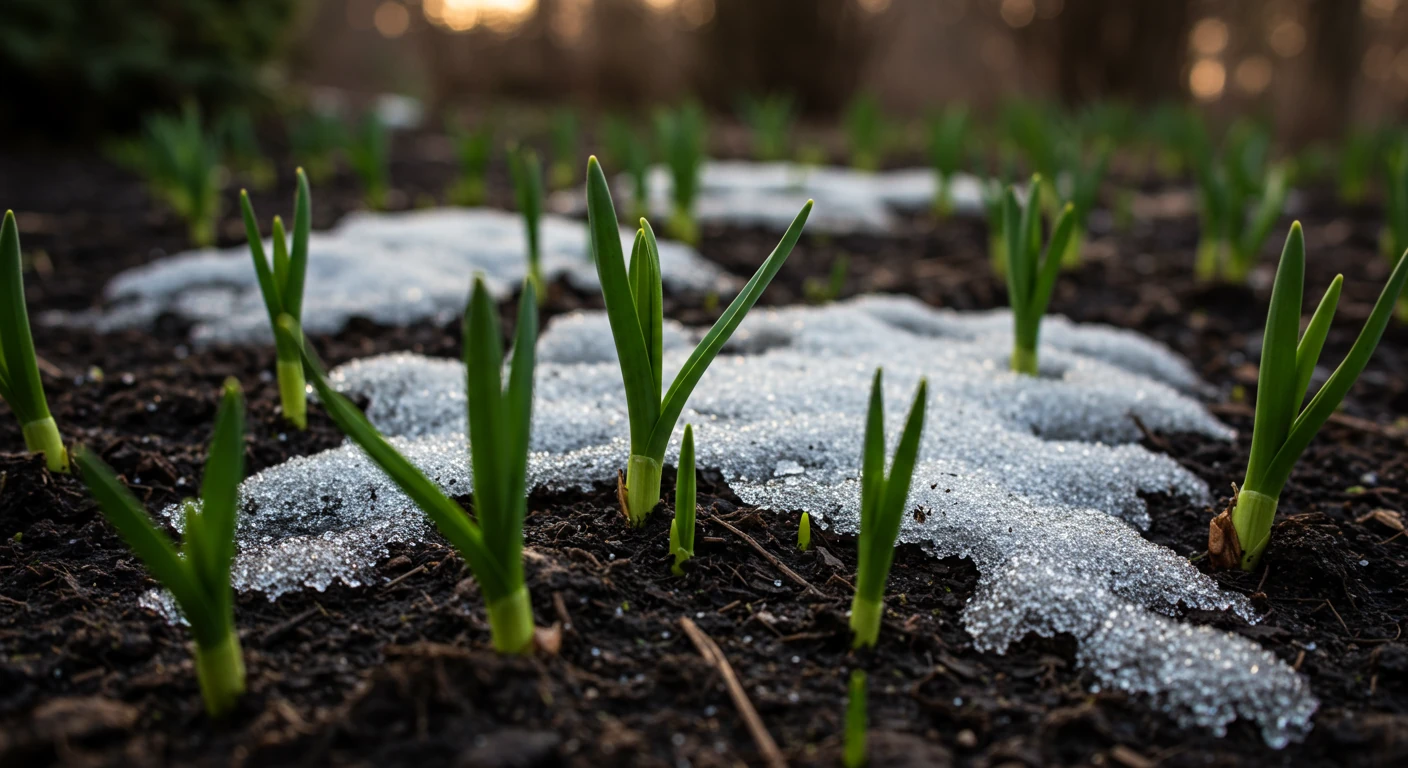
Check for soggy spots after snow melt (reveals poor drainage). Assess compaction before overseeding or starting a City Property Cleanup Service.
Summer
Regularly monitor watering depth during dry spells. Check suspicious dry patches for LDS. Give new plantings, like those from a recent sod installation, extra checks.
Fall
Check compaction levels before deciding on fall aeration. Assess moisture before planting bulbs or fall perennials/shrubs. This is key prep before a Metcalf Garden Clean Up Service or Marionville Garden Clean Up Service.
So, keep that soil probe handy! It’s your secret weapon for moving beyond guesswork and giving your lawn and plants the specific care they need to thrive in our unique Ottawa climate.
Ottawa Soil Probing Pro Tips
Ready to become a soil probing ninja in your Ottawa garden? Awesome! Using that probe consistently is your secret weapon for happier plants and less guesswork. Here are a few pro tips to get you started:
- Probe *Before* You Water: Don't just look at the surface, especially with Ottawa's sneaky clay soil! It can look dry on top but be soggy underneath, or baked hard and secretly dry below. Push that probe in *first* to see if your plants in Nepean or Kars actually need a drink. Consistent checks are part of smart plant care, much like regular Expert Garden Maintenance Services. Knowing the *real* moisture level prevents over or under-watering dramas.
- Check Depth *After* Watering: Did your sprinkle session actually *do* anything? Probe again after watering to ensure moisture reached the root zone – aim for at least 4-6 inches for lawns and even deeper for shrubs and trees. Shallow watering encourages weak roots. Deeper, less frequent watering is usually best and conserves water! Pairing this with the right top dressing can also help; thoughtful Guidance on Landscaping Material Selection, like choosing the best mulch, helps lock that moisture in.
- Feel for Resistance = Intel: Is pushing the probe in like hitting concrete a few inches down (and you're sure it's not a rock)? Bingo! You've likely found compacted soil, common in high-traffic areas or spots with heavy clay. This tells you water and roots are struggling to penetrate. Identifying these areas is crucial; sometimes addressing severe compaction requires more than elbow grease and might be tackled during a Comprehensive City Yard Cleanup Service involving aeration or soil amendment.
- Probe Through the Seasons: Your Manotick garden's needs change! Probe in spring to find soggy spots after snowmelt. Check frequently during dry summer spells to adjust watering. Probe in fall to assess compaction before winter. Understanding these seasonal shifts helps you adapt your care. It’s this kind of local, season-specific knowledge that informs how professionals operate – you can Learn More About Us and Our Approach to Ottawa landscaping challenges.
- Play it Safe & Smart: Use steady pressure when probing, don't wrestle with it – you could bend your tool or strain yourself. And just like it's good practice to understand the details before engaging services – you can always review our Company Terms and Conditions and Privacy Policy for clarity on our commitments – it's smart practice to use your tools correctly and safely for the best results in your garden.
FAQs: Your Ottawa Soil Probe Questions Answered
Got questions about putting that soil probe to work in your Ottawa garden? You're not alone! It’s a simple tool, but knowing how to use it best can feel like a bit of a mystery. Let's clear things up with answers to some common questions.
Ah yes, Ottawa clay – it builds character, doesn't it? A soil probe is *definitely* still useful, maybe even *more* so with clay! The trick is timing and technique. Try probing when the soil is slightly moist – not waterlogged and sloppy, and not baked brick-hard after a dry spell. Use steady, even pressure (use your body weight, not just arms) and sometimes a gentle twisting motion helps ease it in. If it feels like hitting concrete, you've likely found compaction *or* very dry clay. A core sampler type might be better in clay as it pulls out a sample you can visually inspect. Patience is key – don't try to fight the clay, work with it!
Think of that initial mapping as your baseline "treasure map." You probably don't need to do a full, formal grid map super often. However, using your probe for quick spot checks *is* something you should do regularly! The real magic happens when you probe *before* you water (is it actually dry down there?), *after* you water (did it soak deep enough?), and maybe a few times through the seasons (spring dampness vs. summer dryness). Conditions change, especially here in Ottawa, so regular check-ins are more useful than an annual grand mapping expedition.
Your probe is a super sleuth, but maybe not quite Sherlock Holmes! It can't give you a *definitive* diagnosis for *every* lawn ailment, but it provides crucial clues. By probing the brown patch and comparing it to a healthy green area nearby, you can discover:
- Is the brown patch bone dry below the surface? (Under-watering or compaction issue)
- Is it surprisingly soggy? (Poor drainage or overwatering)
- Is the soil incredibly hard to penetrate compared to the green spot? (Compaction is likely a factor)
- If using a core sampler, do you see a thick thatch layer or maybe even some grubs munching roots?
It helps narrow down the possibilities significantly! If the issue points towards needing a fresh start, understanding the soil condition first is vital. Successful Sod Installation Starts Here relies heavily on good soil prep informed by tools like your probe.
Good news! You shouldn't have too much trouble finding one. Check out the larger garden centres in and around Ottawa – many in areas like Nepean and Barrhaven carry them. Some bigger hardware stores with dedicated garden sections might also have them. For potentially more heavy-duty or specialized probes (like longer core samplers), agricultural supply stores slightly outside the city core, perhaps closer to areas like Winchester or Richmond, are a good bet. Calling ahead to check stock is always a smart move before you head out!
Excellent question! That soil core is packed with information. Here's what to observe:
- Moisture: Look for the colour change. Darker soil is moist; lighter soil is dry. How far down does the moisture go?
- Texture: Is it crumbly and loose (great!) or dense and clumpy (could be clay or compaction)? Roll a bit between your fingers.
- Roots: Are there healthy, white roots visible? How deep do they go? Lots of roots only in the top inch or two might suggest shallow watering or compaction.
- Thatch: Is there a layer of dead grass material between the green blades and the actual soil? A little is okay, but more than 1.5 cm (about half an inch) can be problematic.
- Life: See any earthworms? Fantastic! They're signs of healthy soil. See any fat, C-shaped white grubs? Not so fantastic – potential pests.
Understanding these details helps you make smarter planting and care decisions. It's this attention to detail that can lead to amazing results – you can See Our Landscape Transformation Projects to get inspired by what healthy soil can support!
Absolutely! Native plants are awesome because they're generally adapted to our overall climate and soil types. *However*, your specific yard still has those microclimates we talked about. Probing helps you pinpoint if that spot you picked for a native Meadowsweet (which likes moisture) is actually surprisingly dry, or if the area for your drought-tolerant Little Bluestem grass stays soggier than expected. Knowing the *actual* conditions in *that specific spot* helps you choose the *right* native plant for success, ensuring it thrives naturally. It aligns with a philosophy of working *with* the local environment – you can Learn More About Us and Our Approach to creating sustainable Ottawa landscapes.
Oh, the dreaded "hell strip"! Yes, probing is especially useful there. These areas often suffer from a triple whammy: serious soil compaction (from foot traffic, snow load, maybe even cars parking partially on it), potential salt damage from winter maintenance affecting soil structure, and reflected heat from pavement making it dry out faster. Probing will likely reveal very compacted, often dry soil. This intel confirms you'll need extra effort here – likely aeration, soil amendment with compost, and choosing *very* tough, salt-tolerant plants. Tackling these challenging city-adjacent spots is common; maintaining them well contributes hugely to curb appeal, which is part of Keeping Your City Property Tidy. It might even require an Ottawa Property Cleanup Service approach.
Conclusion: Dig Deeper for a Healthier Garden from Vernon to Kanata
Well folks, we've gone from scratching our heads about puzzling plant problems to becoming bona fide soil detectives! Hopefully, you see now that understanding what's happening *below* the surface is the real secret sauce for a thriving garden, whether you're tending flowers in Richmond, wrestling with lawn patches in Russell, or nurturing shrubs out in Osgoode. That simple soil probe isn't just a pointy stick; it's your key to unlocking the mysteries of moisture levels and soil compaction right across the Ottawa region.
Using a probe takes the guesswork out of watering, helps you place plants where they'll be happiest, and flags potential issues like compaction *before* they become big headaches. It’s surprisingly easy, way less effort than digging random holes, and honestly, kind of satisfying! Knowing you're giving your garden exactly what it needs feels pretty darn good.
So, here’s the deal:
- Ready to become a soil sleuth? Grab a soil probe and start exploring! Take a few minutes before you water next time to check those tricky spots. You might be surprised what you find beneath your feet.
- Uncovered bigger challenges? If your probing revealed widespread compaction, serious drainage woes, or you just want an expert eye on your landscape's health, *we're here to help*. Contact Us to discuss how our Professional Landscaping Services can tackle those tougher soil issues and get your Ottawa garden truly flourishing.
Happy probing, and here's to healthier, happier gardens all across our region!