
/* Brand Color Variables */ :root { --brand-primary: #93C020; /* Bright Green */ --brand-secondary: #287734; /* Dark Green */ --brand-accent: #B7FE00; /* Lime Green Accent */ --brand-dark: #2D2C2C; /* Dark Gray */ --brand-black: #000000; --brand-light-gray: #EBEBEB; --brand-white: #FFFFFF; --text-color: #333333; --link-color: #287734; --border-color: #DDDDDD; }/* Reset and Base Styles */ *, *::before, *::after { box-sizing: border-box; margin: 0; padding: 0; }html { scroll-behavior: smooth; font-size: 16px; /* Base font size */ }body { font-family: -apple-system, BlinkMacSystemFont, "Segoe UI", Roboto, Helvetica, Arial, sans-serif; line-height: 1.6; color: var(--text-color); background-color: var(--brand-white); padding-top: 5px; /* Space for progress bar */ }/* Container */ .hosta-article-container { max-width: 900px; margin: 30px auto; padding: 0 20px; background-color: var(--brand-white); /* Ensure container background is white */ }/* Headings */ .hosta-article-container h1, .hosta-article-container h2, .hosta-article-container h3, .hosta-article-container h4, .hosta-article-container h5, .hosta-article-container h6 { color: var(--brand-dark); margin-top: 1.5em; margin-bottom: 0.8em; line-height: 1.3; font-weight: 600; }.hosta-article-container h1 { font-size: 2.5rem; color: var(--brand-secondary); border-bottom: 2px solid var(--brand-light-gray); padding-bottom: 0.3em; }.hosta-article-container h2 { font-size: 1.8rem; color: var(--brand-secondary); }.hosta-article-container h3 { font-size: 1.4rem; color: var(--brand-dark); }/* Paragraphs and Links */ .hosta-article-container p { margin-bottom: 1.2em; font-size: 1rem; }.hosta-article-container a { color: var(--link-color); text-decoration: none; transition: color 0.3s ease; }.hosta-article-container a:hover, .hosta-article-container a:focus { color: var(--brand-primary); text-decoration: underline; }/* Lists */ .hosta-article-container ul, .hosta-article-container ol { margin-bottom: 1.2em; padding-left: 1.5em; }.hosta-article-container li { margin-bottom: 0.5em; }/* Images */ .hosta-article-container figure { margin: 25px auto; text-align: center; }.hosta-article-container img { max-width: 100%; height: auto; border-radius: 5px; box-shadow: 0 2px 5px rgba(0,0,0,0.1); }.hosta-article-container figcaption { font-size: 0.85rem; color: #777; margin-top: 5px; }/* Progress Bar */ #hosta-progress-bar-container { position: fixed; top: 0; left: 0; width: 100%; height: 5px; background-color: var(--brand-light-gray); z-index: 1000; }#hosta-progress-bar { height: 100%; width: 0; background-color: var(--brand-primary); transition: width 0.1s linear; }/* Back to Top Button */ #hosta-back-to-top { position: fixed; bottom: 20px; right: 20px; background-color: var(--brand-secondary); color: var(--brand-white); border: none; border-radius: 50%; width: 50px; height: 50px; font-size: 24px; line-height: 50px; text-align: center; cursor: pointer; opacity: 0; visibility: hidden; transition: opacity 0.3s ease, visibility 0.3s ease, background-color 0.3s ease; z-index: 999; box-shadow: 0 2px 8px rgba(0,0,0,0.2); }#hosta-back-to-top:hover { background-color: var(--brand-primary); }#hosta-back-to-top.visible { opacity: 1; visibility: visible; }/* Highlight Box */ .hosta-highlight-box { background-color: #f0f8f1; /* Light green tint */ border-left: 5px solid var(--brand-secondary); padding: 15px 20px; margin: 25px 0; border-radius: 4px; font-size: 0.95rem; }/* Call-to-Action (CTA) Button */ .hosta-cta-button-container { text-align: center; margin: 30px 0; }.hosta-cta-button { display: inline-block; background-color: var(--brand-primary); color: var(--brand-white); padding: 12px 25px; border: none; border-radius: 25px; /* Pill shape */ font-size: 1.1rem; font-weight: bold; text-decoration: none; cursor: pointer; transition: background-color 0.3s ease, transform 0.2s ease; box-shadow: 0 2px 5px rgba(0,0,0,0.15); }.hosta-cta-button:hover, .hosta-cta-button:focus { background-color: var(--brand-secondary); color: var(--brand-white); /* Ensure text remains white on hover */ text-decoration: none; transform: translateY(-2px); }/* Collapsible Sections (FAQ) */ .hosta-faq-item { border: 1px solid var(--border-color); margin-bottom: 10px; border-radius: 4px; overflow: hidden; /* Important for max-height transition */ }.hosta-faq-question { background-color: var(--brand-light-gray); color: var(--brand-dark); padding: 15px 20px; cursor: pointer; font-weight: 600; display: flex; justify-content: space-between; align-items: center; border: none; /* Reset button border */ width: 100%; /* Ensure button takes full width */ text-align: left; /* Align text left */ font-size: 1rem; /* Consistent font size */ }.hosta-faq-question::after { content: '+'; font-size: 1.5rem; transition: transform 0.3s ease; margin-left: 10px; }.hosta-faq-item.active .hosta-faq-question::after { transform: rotate(45deg); }.hosta-faq-answer { max-height: 0; overflow: hidden; transition: max-height 0.5s cubic-bezier(0.65, 0, 0.35, 1), padding 0.5s cubic-bezier(0.65, 0, 0.35, 1); /* Smoother transition */ padding: 0 20px; background-color: var(--brand-white); }.hosta-faq-answer p { margin-top: 15px; /* Add space between question and answer text */ margin-bottom: 15px; }.hosta-faq-item.active .hosta-faq-answer { /* Estimate a max-height large enough for content */ max-height: 500px; /* Adjust if needed */ padding: 15px 20px; }/* Tab Interface */ .hosta-tabs { margin: 30px 0; border: 1px solid var(--border-color); border-radius: 4px; overflow: hidden; }.hosta-tab-buttons { display: flex; background-color: var(--brand-light-gray); border-bottom: 1px solid var(--border-color); flex-wrap: wrap; /* Allow buttons to wrap on smaller screens */ }.hosta-tab-button { padding: 12px 20px; cursor: pointer; border: none; background-color: transparent; color: var(--brand-dark); font-size: 1rem; font-weight: 500; transition: background-color 0.3s ease, color 0.3s ease, border-bottom 0.3s ease; border-bottom: 3px solid transparent; /* Indicator space */ flex-grow: 1; /* Allow buttons to share space */ text-align: center; /* Center text in buttons */ }.hosta-tab-button:hover { background-color: #ddd; /* Subtle hover */ }.hosta-tab-button.active { color: var(--brand-secondary); background-color: var(--brand-white); /* Make active tab bg same as content */ font-weight: 600; border-bottom: 3px solid var(--brand-primary); /* Active indicator */ }.hosta-tab-content { display: none; padding: 20px; background-color: var(--brand-white); }.hosta-tab-content.active { display: block; animation: fadeIn 0.5s ease; }@keyframes fadeIn { from { opacity: 0; } to { opacity: 1; } }/* Bar Chart/Data Visualization */ .hosta-chart-container { margin: 30px 0; padding: 20px; border: 1px solid var(--border-color); border-radius: 4px; background-color: #f9f9f9; }.hosta-chart-title { text-align: center; margin-bottom: 20px; font-size: 1.2rem; font-weight: 600; color: var(--brand-dark); }.hosta-chart { display: flex; justify-content: space-around; align-items: flex-end; height: 200px; /* Set a fixed height for the chart area */ border-left: 1px solid var(--border-color); border-bottom: 1px solid var(--border-color); padding-left: 10px; /* Space for labels if needed */ }.hosta-chart-bar-container { display: flex; flex-direction: column; align-items: center; width: 15%; /* Adjust width as needed */ text-align: center; }.hosta-chart-bar { width: 100%; /* Full width within its container */ background-color: var(--brand-secondary); height: 0; /* Initial height for animation */ transition: height 1.5s cubic-bezier(0.65, 0, 0.35, 1); margin-bottom: 5px; border-radius: 3px 3px 0 0; position: relative; /* For value display */ }.hosta-chart-bar:hover { background-color: var(--brand-primary); }.hosta-chart-bar-value { position: absolute; top: -20px; /* Position above the bar */ left: 50%; transform: translateX(-50%); font-size: 0.8rem; color: var(--brand-dark); opacity: 0; /* Initially hidden */ transition: opacity 0.3s ease; background-color: rgba(255, 255, 255, 0.7); padding: 2px 4px; border-radius: 3px; }.hosta-chart-bar:hover .hosta-chart-bar-value { opacity: 1; /* Show value on hover */ }.hosta-chart-label { font-size: 0.85rem; color: var(--text-color); margin-top: 5px; }/* Timeline Component */ .hosta-timeline { position: relative; margin: 30px 0; padding: 20px 0; }.hosta-timeline::before { /* The vertical line */ content: ''; position: absolute; left: 50%; top: 0; bottom: 0; width: 3px; background-color: var(--brand-light-gray); transform: translateX(-50%); }.hosta-timeline-item { position: relative; margin-bottom: 40px; width: 50%; }.hosta-timeline-item:nth-child(odd) { left: 0; padding-right: 40px; /* Space from center line */ text-align: right; }.hosta-timeline-item:nth-child(even) { left: 50%; padding-left: 40px; /* Space from center line */ text-align: left; }.hosta-timeline-item::after { /* The circle on the line */ content: ''; position: absolute; top: 0; width: 15px; height: 15px; background-color: var(--brand-white); border: 3px solid var(--brand-secondary); border-radius: 50%; z-index: 1; }.hosta-timeline-item:nth-child(odd)::after { right: -7.5px; /* Adjust based on line width and circle size */ transform: translateX(50%); }.hosta-timeline-item:nth-child(even)::after { left: -7.5px; /* Adjust based on line width and circle size */ transform: translateX(-50%); }.hosta-timeline-content { background-color: var(--brand-light-gray); padding: 15px; border-radius: 5px; position: relative; box-shadow: 0 1px 3px rgba(0,0,0,0.1); }.hosta-timeline-content h4 { margin-top: 0; margin-bottom: 0.5em; font-size: 1.1rem; color: var(--brand-secondary); }.hosta-timeline-content p { font-size: 0.9rem; margin-bottom: 0; text-align: left; /* Ensure paragraph text is left-aligned */ }/* Add arrows pointing to the timeline */ .hosta-timeline-content::before { content: ''; position: absolute; top: 10px; width: 0; height: 0; border-style: solid; }.hosta-timeline-item:nth-child(odd) .hosta-timeline-content::before { right: -10px; /* Points right */ border-width: 10px 0 10px 10px; border-color: transparent transparent transparent var(--brand-light-gray); }.hosta-timeline-item:nth-child(even) .hosta-timeline-content::before { left: -10px; /* Points left */ border-width: 10px 10px 10px 0; border-color: transparent var(--brand-light-gray) transparent transparent; }/* Responsive Tables */ .hosta-responsive-table-container { overflow-x: auto; margin: 25px 0; -webkit-overflow-scrolling: touch; /* Smooth scrolling on iOS */ border: 1px solid var(--border-color); border-radius: 4px; }.hosta-responsive-table { width: 100%; border-collapse: collapse; min-width: 600px; /* Force horizontal scroll below this width */ }.hosta-responsive-table th, .hosta-responsive-table td { padding: 12px 15px; text-align: left; border-bottom: 1px solid var(--border-color); }.hosta-responsive-table th { background-color: var(--brand-light-gray); font-weight: 600; color: var(--brand-dark); }.hosta-responsive-table tbody tr:last-child td { border-bottom: none; }.hosta-responsive-table tbody tr:hover { background-color: #f5f5f5; }/* Snippet Summary Box */ .hosta-snippet-summary { background-color: #eef7e8; /* Very light green */ border: 1px solid var(--brand-primary); border-left: 5px solid var(--brand-primary); padding: 15px 20px; margin: 20px 0; border-radius: 4px; } .hosta-snippet-summary h3 { margin-top: 0; margin-bottom: 10px; color: var(--brand-secondary); font-size: 1.2rem; } .hosta-snippet-summary ul { padding-left: 20px; margin-bottom: 0; } .hosta-snippet-summary li { margin-bottom: 5px; font-size: 0.95rem; }/* Responsive Adjustments */ @media (max-width: 768px) { .hosta-article-container h1 { font-size: 2rem; } .hosta-article-container h2 { font-size: 1.6rem; } .hosta-article-container h3 { font-size: 1.3rem; }/* Timeline adjustments */ .hosta-timeline::before { left: 20px; /* Move line to the left */ transform: translateX(0); } .hosta-timeline-item { width: 100%; padding-left: 50px; /* Space for content */ padding-right: 0; text-align: left; /* Force all text left */ left: 0 !important; /* Override inline style */ } .hosta-timeline-item:nth-child(odd) { text-align: left; } .hosta-timeline-item::after { left: 20px; /* Align circle with the line */ transform: translateX(-50%); } .hosta-timeline-item:nth-child(odd)::after, .hosta-timeline-item:nth-child(even)::after { left: 20px; transform: translateX(-50%); }.hosta-timeline-content::before { left: -10px; /* All arrows point left */ border-width: 10px 10px 10px 0; border-color: transparent var(--brand-light-gray) transparent transparent; } .hosta-timeline-item:nth-child(odd) .hosta-timeline-content::before { right: auto; /* Reset right positioning */ left: -10px; border-width: 10px 10px 10px 0; border-color: transparent var(--brand-light-gray) transparent transparent; }/* Tab Buttons Stack */ .hosta-tab-buttons { flex-direction: column; } .hosta-tab-button { border-bottom: 1px solid var(--border-color); /* Add bottom border */ width: 100%; border-bottom: 1px solid var(--border-color); /* Default separator */ } .hosta-tab-button.active { border-bottom: 3px solid var(--brand-primary); /* Keep active indicator */ }.hosta-tab-button:last-child { border-bottom: none; /* Remove border from last button */ } }@media (max-width: 480px) { html { font-size: 15px; } .hosta-article-container { padding: 0 15px; margin-top: 20px;} .hosta-article-container h1 { font-size: 1.8rem; } .hosta-article-container h2 { font-size: 1.4rem; } .hosta-article-container h3 { font-size: 1.2rem; }#hosta-back-to-top { width: 40px; height: 40px; font-size: 20px; line-height: 40px; }.hosta-chart { height: 150px; } /* Adjust chart height */ .hosta-chart-label { font-size: 0.75rem; } .hosta-chart-bar-value { font-size: 0.7rem; top: -18px;} } { "@context": "https://schema.org", "@type": "Article", "headline": "Kars: Expert Hosta Division Stops Center Die-Out Now", "image": [ "https://cleanyards.ca/wp-content/uploads/2025/04/overhead_close_up_photograph_o_8241.webp", "https://cleanyards.ca/wp-content/uploads/2025/03/Close_up_garden_bed_scene_show_2166.webp" ], "author": { "@type": "Organization", "name": "Clean Yards", "url": "https://cleanyards.ca/" }, "publisher": { "@type": "Organization", "name": "Clean Yards", "logo": { "@type": "ImageObject", "url": "https://cleanyards.ca/wp-content/uploads/2024/04/Clean-Yards-logo- možná-finální.png" } }, "datePublished": "2024-05-15", // Using a generic date as requested not to show publish date visually "dateModified": "2024-05-15", "description": "Learn why hostas develop empty centers and how expert division in Kars can rejuvenate your plants. Step-by-step guide for dividing and replanting hostas in the Ottawa area.", "mainEntityOfPage": { "@type": "WebPage", "@id": "https://cleanyards.ca/blog/kars-hosta-division-center-die-out/" // Replace with actual URL when live } } { "@context": "https://schema.org", "@type": "HowTo", "name": "How to Divide Hostas", "description": "A step-by-step guide to dividing hostas to rejuvenate them and prevent center die-out.", "estimatedCost": { "@type": "MonetaryAmount", "currency": "CAD", "value": "0" }, "supply": [ { "@type": "HowToSupply", "name": "Spade or Shovel" }, { "@type": "HowToSupply", "name": "Garden Fork (optional)" }, { "@type": "HowToSupply", "name": "Sharp Knife or Serrated Knife" }, { "@type": "HowToSupply", "name": "Tarp or Plastic Sheet" }, { "@type": "HowToSupply", "name": "Gardening Gloves" }, { "@type": "HowToSupply", "name": "Compost or Organic Matter" }, { "@type": "HowToSupply", "name": "Mulch" } ], "tool": [ { "@type": "HowToTool", "name": "Spade/Shovel" }, { "@type": "HowToTool", "name": "Garden Fork" }, { "@type": "HowToTool", "name": "Knife" } ], "step": [ { "@type": "HowToStep", "name": "Get Prepped", "text": "Water the hosta the day before. Gather tools: spade/shovel, garden fork (optional), sharp knife, tarp, gloves.", "url": "#step-1", // Link to the corresponding section ID if desired "position": "1" }, { "@type": "HowToStep", "name": "Dig Around the Clump", "text": "Dig a few inches outside the leaf edge, working around the entire plant to loosen the root ball.", "url": "#step-2", "position": "2" }, { "@type": "HowToStep", "name": "Lift the Hosta", "text": "Gently pry the hosta clump upwards with the spade or fork and lift the entire root ball out onto a tarp.", "url": "#step-3", "position": "3" }, { "@type": "HowToStep", "name": "Clean and Inspect", "text": "Shake off excess soil. Identify the crowns ('eyes') and the older, less vigorous center.", "url": "#step-4", "position": "4" }, { "@type": "HowToStep", "name": "Make the Cut", "text": "Use hands or a knife/spade to divide the clump into sections, each with 3-5 eyes and healthy roots.", "url": "#step-5", "position": "5" }, { "@type": "HowToStep", "name": "Ditch the Doughnut Hole", "text": "Discard the old, woody central part of the hosta.", "url": "#step-6", "position": "6" }, { "@type": "HowToStep", "name": "Replant Divisions", "text": "Prepare planting holes wider than the root ball, amend soil with compost. Plant divisions ensuring the crown is level with or slightly above soil. Water thoroughly and apply mulch away from the crown.", "position": "7" } ] } { "@context": "https://schema.org", "@type": "FAQPage", "mainEntity": [ { "@type": "Question", "name": "How can I tell if my hosta needs dividing versus having a pest or disease problem?", "acceptedAnswer": { "@type": "Answer", "text": "Center die-out, where the middle looks empty but the outer ring is healthy, strongly suggests division is needed. Pest issues often show up as holes chewed *throughout* the leaves (slugs/snails), wilting, or discoloration across the whole plant. Diseases might cause spots, rot at the base (not just the center), or overall yellowing/browning. If the outer leaves look great but the center is bare, think division first!" } }, { "@type": "Question", "name": "I missed the spring window! Can I divide my hostas in the middle of a hot Ottawa summer?", "acceptedAnswer": { "@type": "Answer", "text": "Oh boy, we wouldn't recommend it! Dividing hostas during the peak heat and humidity of an Ottawa summer puts *major* stress on the plants. They're trying to cope with the heat, and adding transplant shock is asking for trouble. If you absolutely *must* do it, choose a cooler, overcast day, provide lots of water, and maybe temporary shade. But ideally, wait for cooler fall weather!" } }, { "@type": "Question", "name": "My garden soil in Greely is heavy clay. Do I need to do anything special when dividing and replanting hostas?", "acceptedAnswer": { "@type": "Answer", "text": "Absolutely! Clay soil holds moisture, which can lead to rot if you're not careful. When you replant your divisions, dig a nice wide hole and mix plenty of compost or other organic matter into the soil you removed. This improves drainage and gives roots room to breathe. Finishing with proper mulching and edging techniques also helps regulate soil moisture and keeps things looking tidy." } }, { "@type": "Question", "name": "How often do I *really* need to divide my hostas? Mine seem okay, even if they're huge!", "acceptedAnswer": { "@type": "Answer", "text": "Good question! There's no strict rule, but typically every 3-5 years is beneficial, especially if you see that hollow center forming or if they're crowding neighbours. Division isn't mandatory if you like the large size, but it does rejuvenate the plant and prevents that 'doughnut' look. Plus, free plants! If dividing many plants creates a lot of debris, a service like a Marionville yard cleanup service can help manage the leftover bits." } }, { "@type": "Question", "name": "It looks like plant surgery! I'm worried I'll actually kill my favourite Kars hosta by dividing it. Is it risky?", "acceptedAnswer": { "@type": "Answer", "text": "We totally get it – chopping up a beloved plant feels wrong! But honestly, hostas are incredibly tough cookies. Think of them as the superheroes of the shade garden. As long as each division has some roots and a few 'eyes' (growing points), they almost always bounce back beautifully. Just follow the steps, water well, and have faith! If the whole process feels too daunting or messy, an Ottawa yard cleanup service can always lend a hand." } }, { "@type": "Question", "name": "Help! I divided my Manotick hostas last week, and now the leaves look smaller and kind of floppy. Did I do something wrong?", "acceptedAnswer": { "@type": "Answer", "text": "Don't panic! This is totally normal and is just a sign of transplant shock. The plant is focusing its energy on establishing new roots, not on supporting giant leaves right away. Keep the soil consistently moist (not soggy!), and give them time. They should perk up and put out more robust growth soon. If the area looks a bit sparse initially, ensuring the rest of the garden bed is tidy helps; sometimes a full Marionville property cleanup service can refresh the whole space while your hostas recover." } }, { "@type": "Question", "name": "Will dividing my hostas attract *more* slugs and snails? They already treat my plants like a salad bar!", "acceptedAnswer": { "@type": "Answer", "text": "Dividing itself doesn't necessarily make hostas *more* attractive to slugs, but it won't magically repel them either, unfortunately! The good news is that managing slugs can sometimes be easier on smaller, individual clumps rather than one massive plant where they can hide deep inside. Continue using your preferred slug control methods (beer traps, diatomaceous earth, etc.) around the new divisions." } } ] }

Kars: Expert Hosta Division Stops Center Die-Out Now

Is the center of your favourite Kars hosta disappearing? It's likely center die-out, a common sign of aging. Dividing the plant is the best fix! Need help rejuvenating your hostas? Request a free quote today!

Quick Guide to Reviving Your Hostas

  • Problem: Mature hostas can develop bare centers ('doughnut effect') due to age, overcrowding, and nutrient depletion.
  • Solution: Dividing the hosta clump rejuvenates the plant and prevents center die-out.
  • Best Timing (Ottawa): Early spring (emerging pips) or early fall (late Aug/Sept).
  • Key Steps: Dig up clump, separate healthy outer sections, discard old center, replant divisions in amended soil.
  • Benefits: Healthier plants, prevents overcrowding, and provides free new hostas!

Introduction: Are Your Kars Hostas Looking a Bit... Hollow?
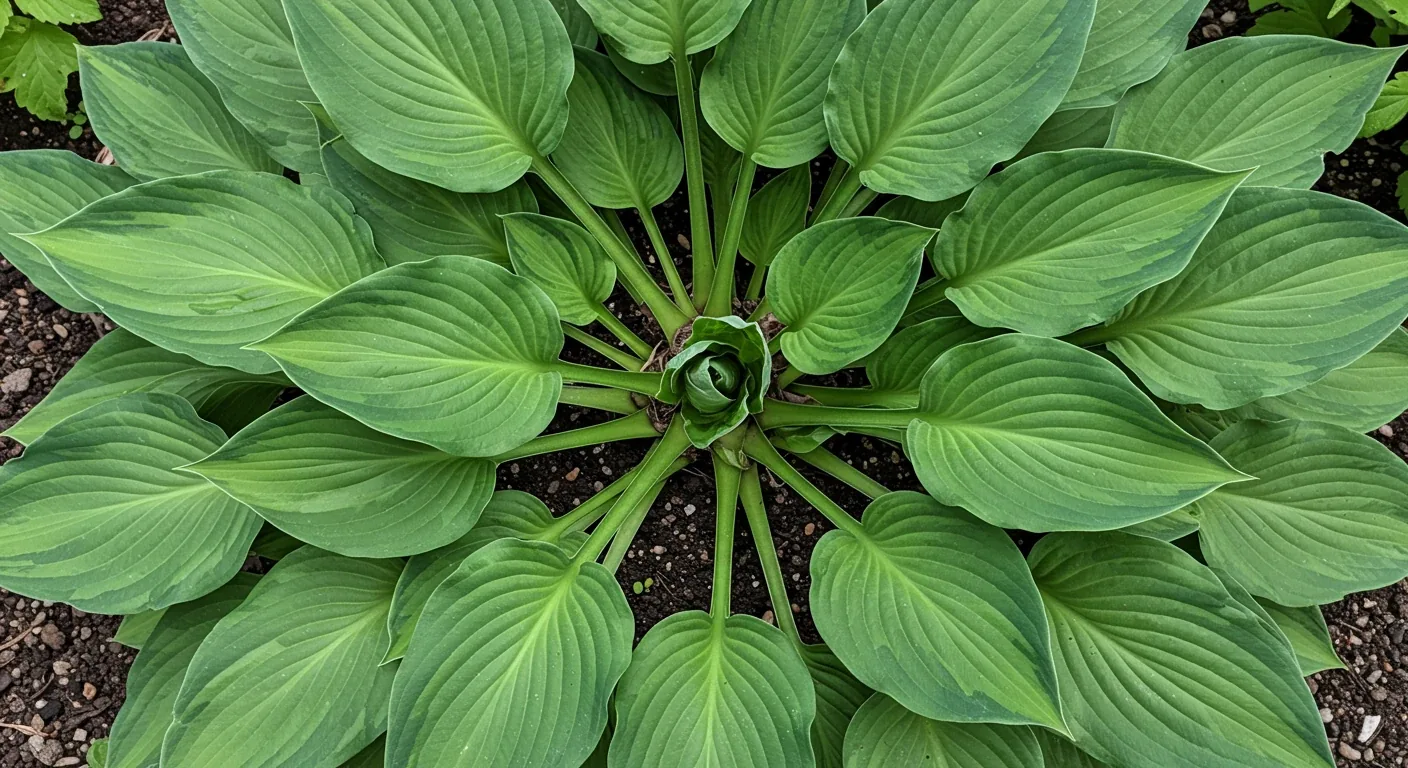
A clear, overhead photograph capturing a mature, large-leafed hosta plant in a garden setting. The central part of the hosta is visibly bare or sparse, showing the soil beneath, while a healthy, lush ring of green leaves surrounds this empty center, perfectly illustrating the 'doughnut effect' described in the text.
Mature hosta showing typical center die-out or 'doughnut effect'.

Hey Kars neighbours! Taking a wander through your garden lately, admiring those big, beautiful hostas that are often the stars of Ottawa landscaping? But hold on... does one of your favourite, established hostas look a little... *empty* in the middle this year? Maybe the centre part seems to have vanished, leaving a ring of healthy leaves around a bare patch – kind of like a leafy green doughnut where the tasty hole should be?

If you're nodding along, perhaps with a garden in nearby Manotick or Greely where plants have had years to mature, you're probably seeing a classic case of hosta center die-out. Don't fret! It doesn't mean your plant is sick or that your gardening skills have deserted you. It's actually a common sign that your hosta is getting older and a bit crowded.

Luckily, there's a straightforward fix known throughout the gardening world: *division*. Think of it as a simple refresh for your plant. In this article, we'll explore why this hollowing happens and give you easy-to-follow steps on how (and when!) to divide your hostas. You'll rejuvenate your existing plants and maybe even get some bonus hostas for other parts of your yard! Keep reading or contact Clean Yards for professional help.

The Mystery of the Missing Middle: Why Hostas Die Out From the Center

Okay, let's unravel the mystery behind that disappearing act in your hosta patch!

So, your once-full hosta now resembles a leafy doughnut? It might look alarming, but it's usually just your hosta showing its age and telling you it needs a bit more elbow room. Think of it less like a tragic disappearance and more like the plant equivalent of needing to let out its belt a notch... or maybe move into a bigger house.

Hostas grow outwards from a central point called the crown, sending out roots and rhizomes (which are like underground stems) to create new shoots and leaves. Each year, the growth pushes further away from the original center. Over time, this means the oldest part of the plant is smack-dab in the middle.

This "senior citizen" section of the crown gradually becomes less vigorous. Why? Several reasons pile up:

  1. *Overcrowding:* As the newer, outer growth thrives, it starts hogging the resources. The dense outer leaves can block sunlight and air circulation from reaching the center. It's like the older part is getting squeezed out of the prime plant real estate!
  2. *Nutrient Depletion:* The central roots have been drawing nutrients from the same spot for years, potentially using up the good stuff in that specific patch of soil.
  3. *Compaction & Drainage Issues:* The soil right under the oldest part of the crown can become compacted. In areas around Ottawa, especially neighborhoods like Nepean or Barrhaven known for heavier clay soil, this can be a real issue. Poor drainage means the center can stay too wet, especially during spring melts or rainy periods, leading to rot. If you suspect soggy conditions, learning how to rehabilitate waterlogged clay soil and improve drainage can be a garden game-changer.
  4. *Ottawa's Climate:* Our notorious freeze-thaw cycles in Zone 5a can be tough on older, weaker plant crowns. The repeated freezing and thawing can heave the central, less-anchored part of the hosta right out of the ground or damage its structure, making it vulnerable.

Keeping track of how your plants perform year over year is smart; our Kars Garden Summer Record Keeping Guide offers tips on monitoring plant health, which can help you spot issues like center die-out early. This natural decline isn't necessarily disease, but rather the plant's way of ageing. Just like knowing when proper tree care and pruning promotes healthy growth is key for trees, understanding a hosta's growth helps manage its health. Ignoring this sign can eventually lead to a weaker plant overall, which is a form of avoidable decline; proactive steps are part of good garden protection against renovation and plant loss.

The good news? This "missing middle" is a clear sign your hosta is ready for division – a simple process that revitalizes the plant and gives you more hostas to enjoy! If tackling division or other garden tasks feels overwhelming, remember professional help is available through various Clean Yards landscaping and gardening services.

Divide and Conquer: Why Division is Your Hosta's Best Friend

Okay, so your prize hosta is looking a bit hollow, like a leafy bagel. Don't panic! This is where division becomes your best gardening buddy. Think of it less as surgery and more like a spa day for your plant – a chance to rejuvenate and spread the leafy love.

The biggest win? Division directly tackles that empty center. By carefully digging up the clump and separating the healthy outer sections, you essentially remove the tired, older middle part that's causing the 'doughnut effect'. Each divided piece gets a fresh start, becoming its own vigorous plant without the overcrowded, nutrient-depleted center holding it back. It's the ultimate reset button for a mature hosta!

Beyond fixing the bald spot, division offers fantastic perks for your garden and landscape:

  • *Better Health & Vigour:* Dividing gives the roots more room to breathe and access fresh soil and nutrients. Think of it like moving the kids into separate rooms – suddenly everyone has more space! Improved air circulation around the now smaller clumps also helps prevent fungal issues, promoting overall plant health. It's a key step in smart ongoing garden maintenance for these long-lasting perennials.
  • *More Plants, For Free!* This is the really fun part. One overgrown hosta can easily become two, three, or even more new plants! Suddenly, you have reinforcements to fill gaps in your garden beds, start a new hosta feature, or share with gardening friends in your Ottawa community. Got neighbours over in Osgoode or Metcalfe looking to expand their shade gardens? Hosta generosity is the best kind!
  • *Keeps Plants Manageable:* Let's be honest, some hostas can get HUGE. Division prevents them from getting *too* massive and potentially overwhelming their neighbours or spilling out of their designated space in your landscape design. It keeps things looking tidy and intentional.

Dividing might seem like a big job, and it can certainly create some temporary upheaval in the garden bed. Preparing new spots for the divisions might involve some tidying, a task that a city yard cleanup service could certainly assist with, ensuring the area is ready for planting. If the whole process feels daunting, or if you just want help with the post-division mess (because let's face it, digging up large plants can be messy!), remember that professional help is available. You can explore various expert landscaping and gardening services to lend a hand with tasks big and small. For those specifically in the Kars area dealing with the aftermath, a dedicated Kars yard cleanup service can make short work of tidying up soil spills and plant debris. As with engaging any service provider, it's always a good idea to understand the specifics of the arrangement, so glancing at the company's service terms and conditions beforehand is recommended practice.

But honestly, for the health and longevity of your hostas, division is truly their best friend. It turns a common sign of aging into an exciting opportunity for renewal and multiplication!

Center die-out, where the middle looks empty but the outer ring is healthy, strongly suggests division is needed. Pest issues often show up as holes chewed *throughout* the leaves (slugs/snails), wilting, or discoloration across the whole plant. Diseases might cause spots, rot at the base (not just the center), or overall yellowing/browning. If the outer leaves look great but the center is bare, think division first!

Timing is Everything: When to Divide Hostas in the Ottawa Valley

Alright, let's talk timing! You've decided your hosta needs dividing, but *when* is the best time to tackle this in our unique Ottawa Valley climate? Our Zone 5a weather, with its enthusiastic winters and sometimes surprising springs, means timing is key for happy hostas. Get it right, and your leafy friends will barely notice the move. Get it wrong, and well, they might give you the silent treatment for a while.

Most gardeners agree on two main windows for dividing hostas: spring and fall. Both have their perks and quirks!

Spring Division: The Early Bird Gets the Worm (or the Hosta)

* *The Sweet Spot:* Aim for early spring, just as the hosta "pips" (those pointy little shoots) are emerging from the ground, but before the leaves fully unfurl. Think late April to mid-May in most Ottawa neighbourhoods.

* *Pros:* The soil is usually moist and easy to work, and the cooler temperatures reduce stress on the plant. Your divisions have the *entire* growing season ahead to settle in and establish strong roots before winter returns. This is often the preferred time, especially for beginners.

* *Cons:* You need to be careful not to damage the delicate emerging leaves. Spring can be a busy gardening season, and sometimes late frosts, especially possible in areas like Richmond or Winchester, can nip new growth – though established hostas are pretty tough. There's also the potential mess if spring is particularly wet; dealing with mud removal might even require thinking about a city property cleanup service if things get really out of hand.

Fall Division: A Pre-Winter Refresh

* *The Sweet Spot:* Aim for late summer to early fall, typically late August through September in the Ottawa area. The key is to give the divisions at least 4-6 weeks to establish some roots *before* the ground freezes solid.

* *Pros:* The weather is cooling down, reducing transplant shock. The soil is still relatively warm, encouraging root growth. You can clearly see the full size of the plant you're dividing, making it easier to plan. The main garden rush is often over.

* *Cons:* The window is shorter. Divide too late, and the plant might not establish well enough to survive a harsh Ottawa winter. An early, unexpected hard frost can be a real gardening gamble. If you're unsure about the best timing for your specific microclimate (say, comparing Kars vs. Greely), or just want a hand, don't hesitate to ask for advice – you can always contact us for guidance tailored to your yard. When engaging any service, it's wise to review their commitments, often outlined in their service terms and conditions.

The Ottawa Verdict?

Both spring and fall work well in the Ottawa Valley! Spring offers a longer recovery period, while fall can be less hectic. Choose the season that best fits your gardening schedule and comfort level. Just avoid dividing during the heat of summer, as this puts way too much stress on the plants. And remember, after dividing, you might have bare patches. While hostas fill in quickly, significant gaps might lead you to consider options like mulch, groundcover, or perhaps even fresh sod installation if you're redesigning the space.

Let's Get Splitting! A Step-by-Step Guide to Dividing Hostas

Alright, gardener! Ready to roll up those sleeves and give your hollow hosta a new lease on life? Dividing sounds drastic, but it's actually pretty simple and super rewarding. Think of it as a mini spa day for your plant, plus you get freebies! Here’s how to do it, step-by-step:

Step 1: Get Prepped

A little planning goes a long way. The day *before* you plan to divide, give your hosta a good watering. This makes the soil easier to dig and less stressful for the plant. Gather your tools: sturdy spade/shovel, garden fork (optional), sharp knife/serrated knife, tarp, and gloves.

Step 2: Dig Around the Clump

Start digging a few inches *outside* the edge of the leaves. You want to get under the root ball, not chop right through it. Work your way around the entire plant, loosening the soil. Mature hostas can have large, dense root systems, so take your time!

Step 3: Lift the Hosta

Once dug around, gently pry the hosta clump upwards using your spade or garden fork. Try to lift the whole root ball out in one piece. Place it on your tarp to keep the area clean – vital for professional lawn care and maintenance.

Step 4: Clean and Inspect

Gently shake or knock off excess soil to see the roots and the crown (base where leaves emerge). You might use a hose. Identify the 'eyes' (growing points) and the older, woody center.

Step 5: Make the Cut!

Look for natural division points or use your sharp knife/spade to cut through the crown and roots. Aim for divisions with at least 3-5 'eyes' and a good chunk of roots. Don't be afraid to be firm!

Step 6: Ditch the Doughnut Hole

Identify the older, less productive central part. This bit can usually be discarded onto your compost pile or into yard waste. If the debris is significant, property clean up services can help.

And Voila!

You now have several healthy hosta divisions ready for replanting or sharing! This process is fundamental to many successful garden installation projects. We respect your privacy if you contact us with questions.

Welcome Home: Replanting and Caring for Your New Hosta Divisions
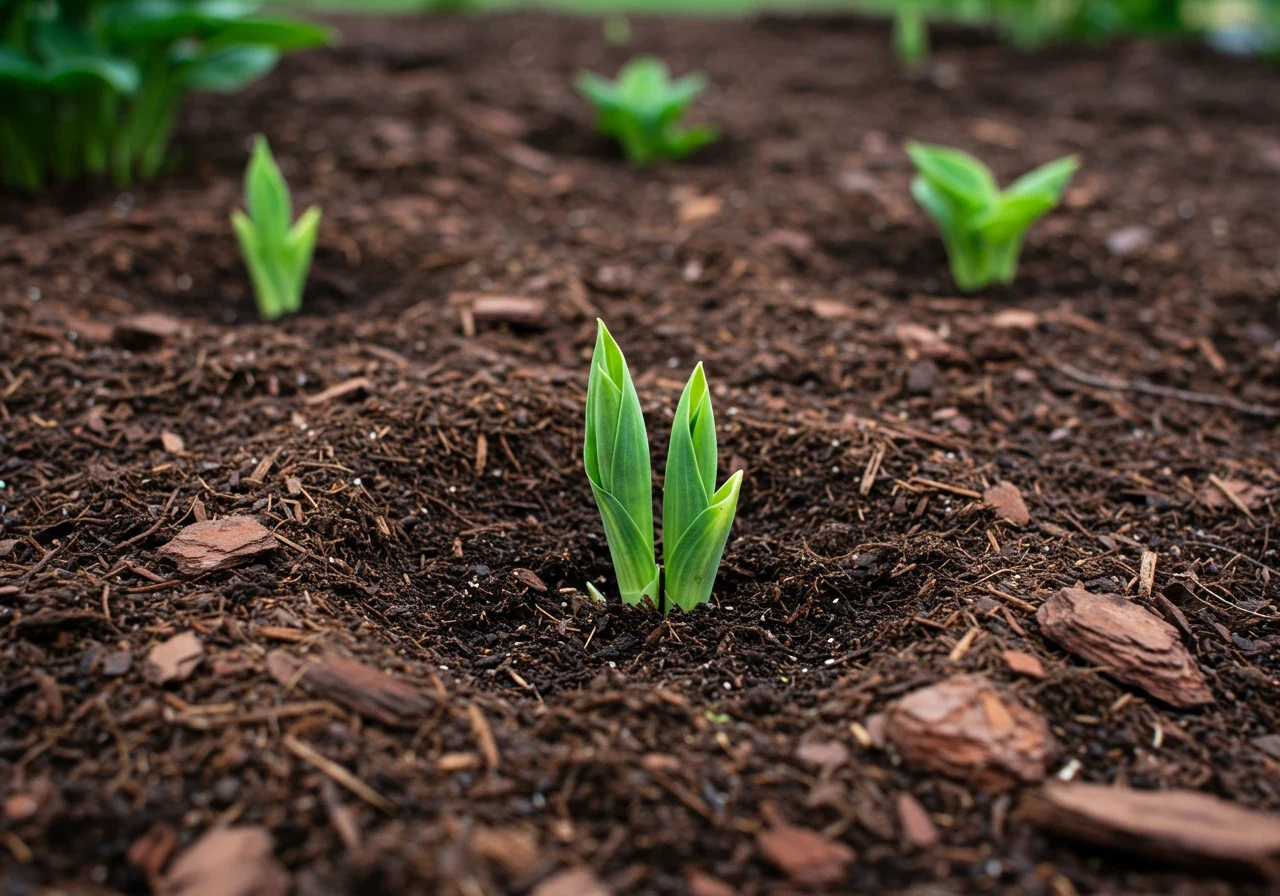
A photograph showing several newly planted hosta divisions in a prepared garden bed. The divisions are smaller clumps, spaced appropriately apart. The soil around them is dark and rich-looking (amended), and a layer of natural wood chip mulch is applied around the base of each plant, carefully pulled back slightly from the crowns. The plants may show slight initial wilting typical of transplant shock.
Newly planted hosta divisions with amended soil and mulch.

Okay, you did it! You bravely faced the overgrown hosta, spade in hand, and emerged victorious with several lovely clumps ready for a fresh start. High five! Now, let's get these leafy bundles settled into their new homes so they can put down roots (literally!) and thrive. Think of it as moving day for your plants – let's make their new spot comfy!

Finding the Perfect Pad (Site Selection)

First things first, where will your new hosta divisions live? Remember, most hostas prefer dappled sunlight or shady conditions. That harsh Ottawa afternoon sun can scorch their lovely leaves, so aim for a spot with morning sun only, or consistent shade throughout the day.

Getting the Ground Ready (Soil Prep is Key!)

Happy hostas start with happy soil. This step is *especially* important here in the Ottawa area because our soil can be a bit... dramatic.

  • *Clay Challenges:* If you're gardening in neighbourhoods like Nepean or Barrhaven, you're likely familiar with heavy clay soil. It holds moisture like a champ, which sounds good, but *too much* moisture can lead to root rot.
  • *Sandy Situations:* Closer to the rivers, perhaps in areas like Manotick, you might find sandier soil that drains *too* quickly, leaving your plants thirsty.

The magic ingredient for both scenarios? *Compost or other rich organic matter!*

  1. Dig a hole that’s wider than the root ball of your hosta division, but roughly the same depth. You want roots to spread *out* easily.
  2. Take the soil you removed and mix in a generous amount of compost. For clay soil, compost improves drainage and structure. For sandy soil, it helps retain moisture and adds nutrients. It’s basically a miracle worker for local gardening! Visit our page on soil preparation for more tips.
  3. Preparing the planting area properly sets your hosta up for success. If you're tackling a larger garden bed renovation along with planting your divisions and need a hand clearing old debris or amending a significant amount of soil, remember that help is available. Services like a Metcalf property cleanup service can manage larger-scale preparations. Even getting a specific bed ready might be easier with dedicated help, similar to what a Marionville garden clean up service offers for focused garden tidying.

Tucking Them In (Planting Technique)

Alright, soil amended? Let's plant!

  1. Place your hosta division in the center of the prepared hole.
  2. Crucial Tip: Make sure the *crown* of the plant (the base part where the leaves emerge from the roots) sits *level with or even slightly above* the surrounding soil surface. Planting too deep is a one-way ticket to crown rot, and nobody wants that!
  3. Gently backfill the hole with your lovely amended soil, lightly patting it down around the roots to eliminate major air pockets. No need to stomp – be nice to those roots!

Water Wisely

Your newly planted hosta is thirsty work! Give it a good, deep soaking right after planting. This helps settle the soil around the roots. For the next few weeks, keep a close eye on the moisture level. You want the soil to be consistently moist (like a wrung-out sponge) but not soggy. Check every couple of days, especially if we hit a dry spell.

Mulch Magic

Once planted and watered, apply a 2-3 inch layer of organic mulch (like shredded bark, leaf mould, or compost) around the base of the plant. *Important:* Keep the mulch an inch or two *away* from the actual crown to prevent moisture buildup right against the stems. Mulch is fantastic because it:

  • Helps retain soil moisture
  • Suppresses annoying weeds
  • Keeps soil temperatures more even (helpful during our Ottawa temperature swings!)
  • Looks tidy in your landscaping! Consider our mulching and edging services for a professional finish.

Hold the Fertilizer (For Now)

Your new divisions are busy establishing their root systems. They don't need fertilizer right away – in fact, it can sometimes burn tender new roots. Give them a few weeks to settle in. If you feel they need a boost later in the season, or the following spring, you can apply a light dose of a balanced, slow-release fertilizer according to package directions.

That's the basic recipe for success! With a good spot, well-prepared soil, proper planting depth, and consistent watering, your hosta divisions should settle in beautifully and start rewarding you with lush growth before you know it. Helping gardens and gardeners thrive is what we love to do – it's central to our approach, and you can learn more about us and our passion for creating beautiful, healthy outdoor spaces. Watching your plants flourish is the best part, and we always appreciate hearing about your gardening successes (or challenges!). Feel free to share your experience or any questions through our estimate and feedback form – your insights help us all grow as gardeners! Happy planting!

Growing Green: Eco-Friendly Hosta Care in Kars and Beyond

Loving your hostas doesn't have to mean being tough on Mother Earth! In Kars, and right across the Ottawa region, we can keep our shade gardens lush and lovely while being kind to the environment. Sustainable landscaping is all about working *with* nature, not against it – and your hostas will thank you for it! Here’s how to grow greener:

  • Water Wisely: Hostas like moisture, but let's be smart about it! Water deeply but less often to encourage strong roots. Early morning watering reduces evaporation. Consider rain barrels to capture free, soft water – your hostas will love it! Check local resources like the Rideau Valley Conservation Authority for current water conditions.
  • Feed the Soil, Naturally: Ditch the chemical fertilizers! Top-dressing with compost each spring is the best way to enrich your soil, whether you have Kars clay or sandier soil near the river. Compost improves drainage, adds nutrients slowly, and reduces landfill waste. It's a win-win-win!
  • Slug Strategies (Without the Scorch Earth Policy): Ah, slugs. The bane of many hosta lovers! Instead of harsh chemicals, try eco-friendly tricks. Set out shallow beer traps (they can’t resist!), use copper tape around pots or garden edges, or sprinkle diatomaceous earth (food grade) around plants. Encouraging natural predators like toads and ground beetles also helps keep slug populations in check. Find tips from the Master Gardeners of Ottawa-Carleton.
  • Mulch Matters: A layer of organic mulch (like shredded leaves or bark) is your best friend. It conserves moisture, suppresses weeds, and breaks down to feed the soil. When considering ground cover options, think about choosing sustainable landscaping materials that benefit your garden ecosystem.
  • Share the Love (and the Hostas!): Got divisions? Don't toss them! Sharing extra hostas with neighbours in Russell, Embrun, or your own community builds connections and reduces the need for everyone to buy new plants. It’s the ultimate green gardening gesture! Check our service areas like Marionville and Metcalfe.
  • Plant Native Pals: Instead of battling invasive species (which might need professional removal like a Metcalf yard cleanup service if they get out of hand), invite local wildlife by planting native companions alongside your hostas. Think native ferns, Wild Ginger (Asarum canadense), or Foamflower (Tiarella cordifolia). They thrive in similar conditions and support our local ecosystem. The City of Ottawa's native plant resources can guide you.

Adopting these greener habits makes a real difference. It’s all part of responsible gardening, whether you DIY or use a city garden maintenance service focused on eco-friendly practices. Every little bit helps keep our corner of the Ottawa Valley beautiful and healthy. Thank you for choosing green gardening methods – your hostas, and the planet, appreciate it!

Hosta Vigor After Division (Illustrative)

30%
Before Division (Center)
85%
Before Division (Outer)
95%
After Division (New Clump)

*Chart is illustrative of typical vigor improvement.

Hosta Division Highlights: Quick Tips for Success

Here's your quick reference for successful hosta splitting in the Ottawa area:

  • Best Timing: Early spring (pips emerge) OR early fall (late Aug/Sept - 4-6 weeks before freeze).
  • The Clue: Empty 'doughnut hole' center = Time to divide!
  • Tools: Sharp spade/knife.
  • Divisions: Aim for 3-5 'eyes' + healthy roots per section.
  • Discard: Toss the old, woody center.
  • Soil Prep: Amend planting hole with compost. See soil preparation tips.
  • Planting Depth: Crown AT or SLIGHTLY ABOVE soil level. CRITICAL!
  • Aftercare: Water well, keep moist, mulch (away from crown).
  • Cleanup Help: For big jobs, consider a city garden clean up service or Ottawa property cleanup service. For localized needs, try a Metcalf garden clean up service.

Follow these quick tips, and you'll be well on your way to successfully dividing your hostas, rejuvenating your plants, and maybe even sharing the leafy love around Ottawa! Explore our past projects for inspiration.

Frequently Asked Questions about Hosta Division in Ottawa

Oh boy, we wouldn't recommend it! Dividing hostas during the peak heat and humidity of an Ottawa summer puts *major* stress on the plants. They're trying to cope with the heat, and adding transplant shock is asking for trouble. If you absolutely *must* do it, choose a cooler, overcast day, provide lots of water, and maybe temporary shade. But ideally, wait for cooler fall weather!

Absolutely! Clay soil holds moisture, which can lead to rot if you're not careful. When you replant your divisions, dig a nice wide hole and mix plenty of compost or other organic matter into the soil you removed. This improves drainage and gives roots room to breathe. Finishing with proper mulching and edging techniques also helps regulate soil moisture and keeps things looking tidy.

Good question! There's no strict rule, but typically every 3-5 years is beneficial, especially if you see that hollow center forming or if they're crowding neighbours. Division isn't mandatory if you like the large size, but it does rejuvenate the plant and prevents that 'doughnut' look. Plus, free plants! If dividing many plants creates a lot of debris, a service like a Marionville yard cleanup service can help manage the leftover bits.

We totally get it – chopping up a beloved plant feels wrong! But honestly, hostas are incredibly tough cookies. Think of them as the superheroes of the shade garden. As long as each division has some roots and a few 'eyes' (growing points), they almost always bounce back beautifully. Just follow the steps, water well, and have faith! If the whole process feels too daunting or messy, an Ottawa yard cleanup service can always lend a hand. Check out our Google reviews for client confidence!

Don't panic! This is totally normal and is just a sign of transplant shock. The plant is focusing its energy on establishing new roots, not on supporting giant leaves right away. Keep the soil consistently moist (not soggy!), and give them time. They should perk up and put out more robust growth soon. If the area looks a bit sparse initially, ensuring the rest of the garden bed is tidy helps; sometimes a full Marionville property cleanup service can refresh the whole space while your hostas recover.

Dividing itself doesn't necessarily make hostas *more* attractive to slugs, but it won't magically repel them either, unfortunately! The good news is that managing slugs can sometimes be easier on smaller, individual clumps rather than one massive plant where they can hide deep inside. Continue using your preferred slug control methods (beer traps, diatomaceous earth, etc.) around the new divisions. Need help with garden pests as part of cleanup? An Ottawa garden clean up service might assist.

Conclusion: Revitalize Your Kars Garden with Expert Hosta Division

So there you have it! That 'doughnut hole' appearing in your prize Kars hosta isn't a disaster, it's an opportunity. Dividing these shade garden favourites is the key to bringing back their vigour, preventing overcrowding, and magically multiplying your plant stock – talk about a win-win for your landscaping! By following our guide, you've seen that the process is straightforward: dig, split those crowns, ditch the tired center, and replant the healthy divisions.

As fellow Ottawa gardeners, we understand the unique joys and challenges of gardening in Zone 5a, from our variable spring weather to the specific soil types found in areas like Manotick, Greely, Osgoode, and Metcalfe. We hope this guide empowers you to tackle hosta division with confidence and enjoy the lush results. Give it a go – you might just discover your inner plant surgeon!

But hey, life gets busy, and maybe wielding a spade against a giant hosta clump isn't your idea of a relaxing weekend. If you'd prefer to leave the splitting and replanting to the pros, *Clean Yards* is here to help! Our experienced team offers expert hosta division and other gardening services throughout Kars, Manotick, Greely, Osgoode, Metcalfe and the wider Ottawa area (including city garden clean up). Let us handle the heavy lifting so you can simply enjoy a revitalized, beautiful garden.

document.addEventListener('DOMContentLoaded', () => { const progressBar = document.getElementById('hosta-progress-bar'); const backToTopButton = document.getElementById('hosta-back-to-top'); const faqItems = document.querySelectorAll('.hosta-faq-item'); const tabButtons = document.querySelectorAll('.hosta-tab-button'); const tabContents = document.querySelectorAll('.hosta-tab-content'); const chartBars = document.querySelectorAll('.hosta-chart-bar');// --- Progress Bar --- function updateProgressBar() { const scrollTotal = document.documentElement.scrollHeight - document.documentElement.clientHeight; const scrolled = window.scrollY; const progress = (scrolled / scrollTotal) * 100; progressBar.style.width = `${progress}%`; }// --- Back to Top Button --- function toggleBackToTopButton() { if (window.scrollY > 300) { backToTopButton.classList.add('visible'); } else { backToTopButton.classList.remove('visible'); } }function scrollToTop() { window.scrollTo({ top: 0, behavior: 'smooth' }); }// --- Collapsible FAQ Sections --- faqItems.forEach(item => { const questionButton = item.querySelector('.hosta-faq-question'); questionButton.addEventListener('click', () => { // Close other open items // faqItems.forEach(otherItem => { // if (otherItem !== item && otherItem.classList.contains('active')) { // otherItem.classList.remove('active'); // } // }); // Optional: Uncomment to only allow one open FAQ at a time// Toggle the current item item.classList.toggle('active'); }); // Add keydown listener for accessibility questionButton.addEventListener('keydown', (e) => { if (e.key === 'Enter' || e.key === ' ') { e.preventDefault(); // Prevent scrolling on spacebar item.classList.toggle('active'); } }); });// --- Tab Interface --- tabButtons.forEach(button => { button.addEventListener('click', () => { const targetTabId = button.getAttribute('data-tab');// Deactivate all buttons and content tabButtons.forEach(btn => btn.classList.remove('active')); tabContents.forEach(content => content.classList.remove('active'));// Activate clicked button and corresponding content button.classList.add('active'); const targetContent = document.getElementById(targetTabId); if (targetContent) { targetContent.classList.add('active'); } }); // Add keydown listener for accessibility button.addEventListener('keydown', (e) => { if (e.key === 'Enter' || e.key === ' ') { e.preventDefault(); button.click(); // Trigger the click handler } }); });// --- Bar Chart Animation --- function animateChart() { chartBars.forEach(bar => { const value = bar.getAttribute('data-value'); // Trigger reflow before setting height to ensure transition works void bar.offsetWidth; bar.style.height = `${value}%`; }); }// Option 1: Animate chart on load (simple) // animateChart();// Option 2: Animate chart when it scrolls into view (better performance) const chartObserver = new IntersectionObserver((entries, observer) => { entries.forEach(entry => { if (entry.isIntersecting) { animateChart(); observer.unobserve(entry.target); // Animate only once } }); }, { threshold: 0.1 }); // Trigger when 10% of the chart is visibleconst chartContainer = document.getElementById('hosta-vigor-chart'); if (chartContainer) { chartObserver.observe(chartContainer); } else { // Fallback if observer target not found (e.g., if chart removed) animateChart(); }// --- Attach Event Listeners --- window.addEventListener('scroll', () => { updateProgressBar(); toggleBackToTopButton(); }); backToTopButton.addEventListener('click', scrollToTop);// Initial calls updateProgressBar(); toggleBackToTopButton();});
Share This Article
Facebook
X
Pinterest
Email
Print

Thank you for sharing!

Contact Us Today

To request a quote, kindly fill out the form below.

Where Can we Reach you?
Which Service Do You Require? (Click all that apply)
Provide a Breif Description of The Work You'd Like Done

Before You Go

We’re confident in our services, we offer a 30-day money-back guarantee. Not 100% satisfied? We’ll swiftly refund all labor costs. Your satisfaction is our top priority!

Get in touch today for expert service and satisfaction guaranteed. You won't regret it!

Where Can we Reach you?
Which Service Do You Require? (Click all that apply)
Provide a Breif Description of The Work You'd Like Done
Where Can we Reach you?
Which Service Do You Require? (Click all that apply)
Provide a Breif Description of The Work You'd Like Done
Where Can we Reach you?
Which Service Do You Require? (Click all that apply)
Provide a Breif Description of The Work You'd Like Done