
Install a Dry Well in Nepean: Solve Soggy Clay Spots
Tired of your Nepean yard feeling more like a wading pool than a welcoming oasis, especially after a classic Ottawa downpour? Ever wish you could cross your Barrhaven lawn without sinking ankle-deep? That stubborn soggy ground is often thanks to our lovely heavy clay soil, which isn't great for drainage. But fear not! There’s a smart landscaping fix perfect for this very issue: the trusty dry well. It’s an effective way to banish those puddles and take back your turf.
Quick Summary: Why Consider a Dry Well?
- Targets Soggy Spots: Effectively manages concentrated water from downspouts or low areas.
- Clay Soil Solution: Works well with Ottawa's slow-draining clay by providing underground storage.
- Reduces Runoff: Keeps rainwater on your property, preventing surface pooling and erosion.
- Invisible Fix: Buried underground, it doesn't disrupt your yard's appearance.
- DIY Potential: Can be a manageable project for handy homeowners (with proper planning!).
Ready to fix your drainage issues? Request a free quote today!
The Ottawa Soak Zone: Understanding Why Your Yard Stays Wet
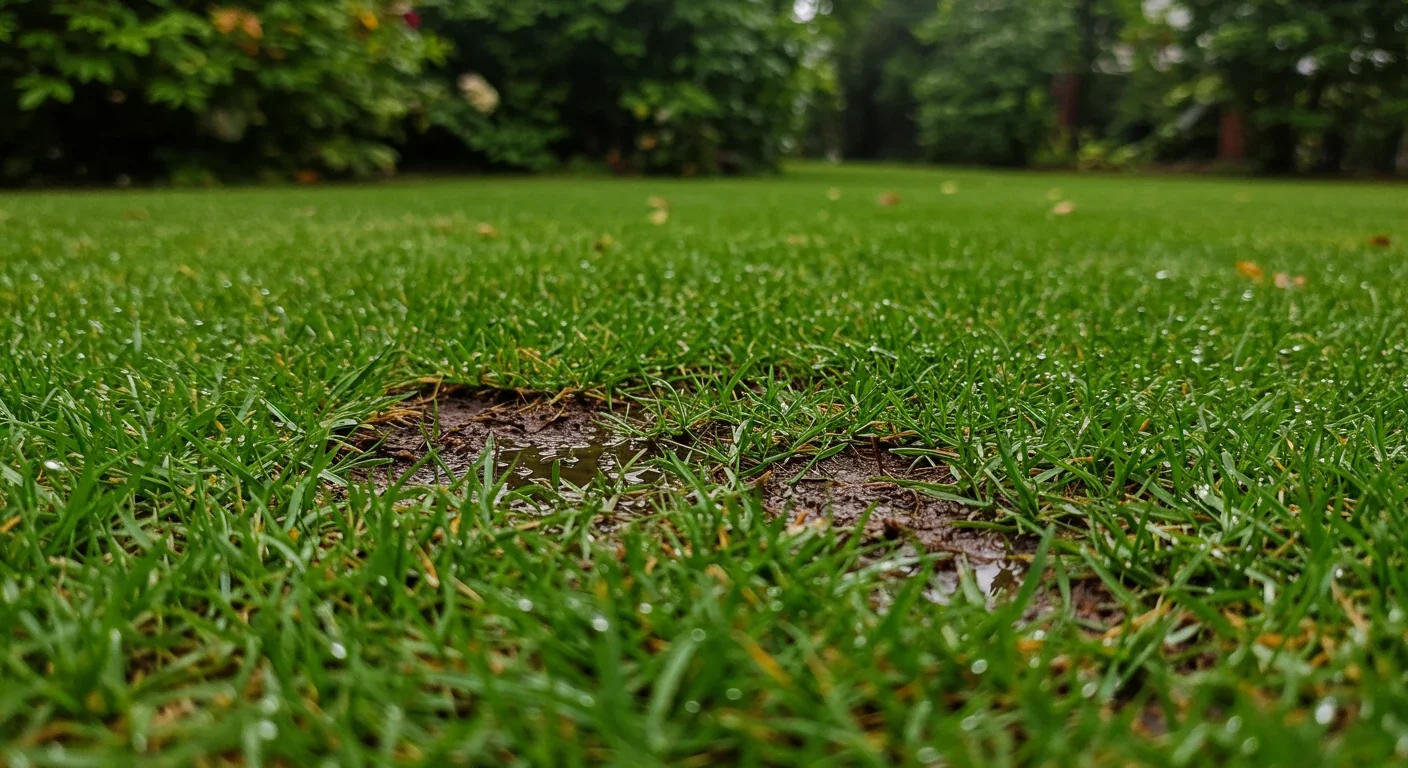
Ever feel like your Ottawa yard needs a lifeguard more than a lawnmower after a storm? You’re not alone! From Greely to Kanata, many homeowners wrestle with soggy spots that just won’t dry out. It’s almost like our yards have a personal vendetta against dry shoes, especially after one of those classic Ontario downpours or during the great melt each spring when snow vanishes faster than free donuts at the office. This soggy situation is usually thanks to a tag team of tricky factors specific to our area.
First up is our local celebrity soil: Leda Clay. While the name sounds fancy, this stuff is basically Mother Nature's version of Play-Doh. It's made of incredibly fine particles packed super tightly together. Imagine trying to drain your bathtub through a coffee filter – water just doesn't move through it very quickly! This poor drainage quality means rainwater and snowmelt tend to hang around on the surface instead of soaking deep into the ground. Your poor lawn roots can end up sitting in water, which they definitely don't appreciate. Proper soil preparation can sometimes help, but clay's inherent nature is challenging.
Now, combine that stubborn clay soil with Ottawa's weather patterns. We get significant rainfall, sometimes in intense bursts, and as mentioned, a rapid spring thaw that dumps a huge amount of water onto the landscape all at once. When all that water hits the dense clay, it has nowhere to go. It pools in low spots, creates runoff that might flow where you don't want it (check City of Ottawa stormwater info for context), and makes gardening feel more like mud wrestling. Proper lawn care is harder on constantly wet ground.
But hey, understanding the problem is the first step to fixing it! Thankfully, there are clever landscaping solutions to help your yard cope. Improving your lawn's health despite the challenging soil is certainly possible; check out this handy Greely guide to sod installation on clay soil. Creating beautiful, dedicated areas to absorb excess water is another great strategy – you can learn how a Manotick rain garden can improve clay soil drainage. For managing water flow across your property, find out about Barrhaven bioswale installation to manage runoff in clay soil. Even fundamental practices like proper mulching can make a difference; see these Metcalfe mulch magic and expert installation tips for insights. If your yard feels perpetually waterlogged, exploring targeted professional landscaping services can help you reclaim your outdoor space from the soak zone.
Drainage Dilemmas: What's a Dry Well and How Does It Compare?
Okay, so your yard's got the soggies, especially after a good Ottawa soaking. We know our local clay soil can be a bit stubborn about letting water pass through (looking at you, Nepean!). While we've talked about why it happens, let's dive into one popular fix: the dry well. Think of it as your yard's personal underground rainwater receptionist.
So, what is a dry well? Picture this: it's basically a buried pit, usually lined with landscape fabric and filled with gravel or crushed stone. Water from specific sources, like your roof downspouts or a strategically placed drain, is piped directly into this pit. Instead of pooling on your lawn or creating unwanted runoff, the water collects in the dry well. From there, it has the time and space to slowly soak, or percolate, into the surrounding soil. It's like giving the water a holding pattern instead of letting it flood the runway!
Why are they often a good fit for our clay-heavy areas? While clay drains slowly, a dry well acts like a buffer. It takes a concentrated volume of water and spreads the absorption job over a larger underground area and a longer time. This prevents the surface from getting overwhelmed and turning into a mini-pond, even if the deeper soil takes its sweet time drinking up.
But a dry well isn't the only player in the drainage game. How does it stack up against other common solutions? Let's compare:
Dry Well
Function: Collects & slowly disperses concentrated water (e.g., downspouts) underground.
Typical Use: Managing downspout output, sump pump discharge, specific low spots.
Pros (Ottawa): Handles concentrated flow well; hidden underground; good for specific problem spots.
Cons (Ottawa): Needs careful placement away from foundations; less effective for widespread surface water; can clog if not maintained (requires proper fabric); requires digging.
French Drain
Function: Intercepts & redirects groundwater/surface water via a buried perforated pipe in a gravel trench.
Typical Use: Drying out chronically wet areas, foundation protection, diverting water along a path.
Pros (Ottawa): Effective for large soggy areas; protects foundations.
Cons (Ottawa): More extensive installation (trenching); potential for clogging if not properly installed with fabric.
Swale
Function: Gently guides surface water runoff along a shallow, wide, vegetated channel.
Typical Use: Moving water across a slope, slowing down runoff gently, allowing some infiltration.
Pros (Ottawa): Natural appearance; slows water flow; can be planted beautifully.
Cons (Ottawa): Requires space and a gentle slope; might not handle huge volumes alone; less effective on flat ground.
Rain Garden
Function: Collects surface water in a planted depression designed to allow water to soak into the ground.
Typical Use: Managing runoff from roofs/driveways, beautifying soggy spots, providing habitat.
Pros (Ottawa): Aesthetically pleasing; creates habitat; good filtration; can be part of a new beautiful garden installation.
Cons (Ottawa): Needs specific water-loving plants; requires some maintenance; may not be sufficient for severe drainage issues alone.
Choosing the right approach depends on your specific yard and the type of water problem you're facing. Sometimes a combination works best! If you're dealing with pooling water and wondering about the best fix, exploring professional landscaping services can provide tailored solutions. Proper yard maintenance is also key to preventing drainage issues from worsening; ensuring debris isn't blocking inlets is part of good upkeep, whether you need a Winchester garden clean up service or help closer to the city like a Metcalf garden clean up service. Even in smaller communities, keeping things tidy makes a difference, which is where a Marionville garden clean up service can be helpful. Ultimately, tackling drainage dilemmas means giving water a better place to go than your soggy lawn!
Planning Your Nepean Dry Well: Getting it Right Before You Dig
Alright, let's talk planning! Jumping straight into digging without a solid plan is like trying to bake a cake without a recipe – messy and unlikely to end well. For a dry well in your Nepean yard, a little prep goes a long way to ensure your drainage solution actually solves the problem, rather than creating a new headache. Think of it as charting your course before setting sail on the sea of soggy lawn!
1. Scout Your Location (Site Assessment)
First things first: where should this underground marvel go? It's not just about finding the lowest spot. Consider these points:
- Source: Where's the water coming from? Usually, it’s a downspout, sump pump outlet, or a French drain pipe ending. Your dry well needs to connect easily to this source, ideally using gravity to help the water flow downhill into the pit via a solid pipe.
- Safety Distances: This is critical! Keep your dry well at least 10 feet away from your house foundation. You don't want to accidentally invite all that collected water to seep into your basement! Also, stay clear of septic tanks/fields, wells, and property lines (check local Ottawa regulations for exact distances). The Rideau Valley Conservation Authority might also have resources on water management best practices.
- Accessibility: Can you easily get equipment and materials (like gravel) to the spot? Trying to haul tons of stone through a narrow gate near Metcalfe can be... character-building. Consider our material selection advice.
- Underground Utilities: More on this in a moment, but know exactly what's buried beneath before you even think about picking up a shovel.
2. Size Matters (Especially with Clay!)
How big should your dry well be? This isn't a one-size-fits-all answer, especially here in Ottawa with our sluggish clay soil. The goal is to create enough volume to hold the expected water runoff while it slowly percolates into the ground.
- Water Volume: Estimate how much water you need to handle. For a downspout, consider the roof area it drains. For a low spot, think about the size of the pooling area.
- Clay Factor: Because our local soil drains slowly, err on the side of larger is better. A small pit might fill up and overflow faster than the water can soak away. You need enough storage capacity to buy time for percolation. Some folks around Richmond use pre-fabricated dry well chambers, while others dig a larger pit and fill it with gravel. Proper soil preparation around the area won't change the clay's core drainage, but avoiding compaction helps.
3. Gather Your Goods (Materials)
Typical dry well ingredients include:
- The Pit: Either a pre-fab plastic chamber or simply a hole you dig.
- Filter Fabric: Absolutely essential! Use non-woven geotextile landscape fabric to line the pit before adding stone. This prevents soil and silt from clogging up your gravel, keeping the water flowing. Investing in quality fabric, like those used for professional beautiful garden installations, pays off here.
- Fill Material: Clean, washed gravel or crushed stone (usually ¾ inch or larger) fills the pit, creating void space for water storage.
- Inlet Pipe: A solid (non-perforated) pipe to carry water from the source to the dry well.
Estimated Water Holding Capacity (Example)
Dry well size significantly impacts performance, especially in clay. This chart shows *example* relative capacities:
Note: Actual capacity depends on gravel void space (~40%) and specific dimensions. Larger is generally better for Ottawa clay.
4. Check the Rulebook & Call Before You Dig!
- Regulations: While usually less complex than septic systems, it's wise to check if the City of Ottawa has any specific bylaws regarding dry well installation or setbacks on their laws and permits page.
- ONTARIO ONE CALL: This is non-negotiable. ALWAYS contact Ontario One Call (1-800-400-2255 or OntarioOneCall.ca) before any digging. They’ll arrange for utility companies to mark the location of buried lines (gas, electric, water, internet) on your property for free. Hitting a line is dangerous and expensive – don't risk it! Before the dig starts, make sure the area is clear of branches, leaves, and other debris. Sometimes a good seasonal prep like a city garden clean up service can make the whole process smoother. Even if you're outside the core, like needing a Marionville property cleanup service, ensuring a clear site is step one. Also, check our privacy policy regarding any information you share.
5. Timing is Everything (Best Seasons)
In Ottawa, the best times for digging are typically spring (after the ground thaws but before summer gardening fully ramps up) or fall (after the summer heat breaks but before the ground freezes solid). Trying to dig frozen ground is futile, and digging in soupy spring mud is just plain miserable. A general tidying up beforehand can also help, maybe as part of a broader Ottawa property cleanup service.
Planning might seem like a chore, but getting these details right sets you up for a successful dry well project that banishes those soggy spots for good. If weighing these factors feels a bit overwhelming, don't hesitate to reach out to discuss your project with professionals who understand Nepean's unique landscaping challenges. You can also check out reviews on our Google Business Profile.
Let's Get Digging! Your Step-by-Step Dry Well Installation Guide
Okay, deep breaths! You've done the planning, you've called Ontario One Call (you did call, right?), and now it's time to roll up those sleeves and wrestle that water problem into submission. Installing a dry well is totally doable, even with our stubborn Ottawa clay. Think of it as a rewarding weekend landscaping project. Let's get digging!
Step 1: The Great Excavation
Grab your sharpest shovel (or rent equipment). Dig the hole to your planned size, maybe a bit bigger for clay. Digging after light rain can help, but avoid heavy mud. Pile soil on a tarp. Consider if you need help with excess soil removal, perhaps from a Metcalf yard cleanup service. Safety first around the hole!
Step 2: Suit Up! (Lining with Fabric)
This is CRUCIAL. Carefully line the entire pit (bottom and sides) with non-woven geotextile landscape fabric. Overlap seams by 12+ inches. Let extra fabric hang over the edges for now. This prevents silt clogging the gravel.
Step 3: Let's Rock! (Filling with Gravel)
Use clean, washed gravel (¾" - 1.5"). Carefully add it to the fabric-lined pit, avoiding tears. Fill, leaving space at the top for the inlet pipe and final cover.
Step 4: The Connection (Bringing Water)
Run solid pipe from the source (downspout, etc.) towards the pit with a slight downward slope (~1/8" per foot). Cut an 'X' in the fabric on the side, insert the pipe into the gravel, ensuring fabric seals around it snugly.
Step 5: Tuck it In (Finishing)
Fold excess landscape fabric over the top of the gravel like a burrito. Add a bit more gravel. Cover with topsoil & seed/sod, or decorative rock/mulch. Ensure water can still enter if it's also catching surface flow. Tidy the area. Ongoing care like a city garden maintenance service helps prevent future clogs nearby.
You did it! You’ve tackled a major landscaping improvement. Give yourself a pat on the back. Seeing projects like this come together is incredibly satisfying – check out some amazing yard makeovers in our transformations gallery for inspiration!
Remember, especially with clay soil, the dry well might seem to fill quickly during a massive downpour – its job is to hold that water and release it slowly. If the digging felt overwhelming or you're just not sure about tackling it yourself, remember that local pros have experience with Ottawa's specific challenges. The team here knows our local soil conditions well (you can learn more about us), and we're always happy to help. Don't hesitate to get in touch with us to discuss your drainage needs! You might also need help with related tasks like general yard cleanup afterwards.
Keeping it Flowing: Dry Well Maintenance & Eco-Friendly Synergy
So, you've got your awesome dry well installed – high five! It's busy doing its underground thing, saving your lawn from becoming a swamp. But like any hard-working part of your landscaping, it needs a little TLC now and then to keep the water flowing freely. Don't worry, it’s usually not complicated – think of it as a quick check-up rather than major surgery! Keeping things flowing means your investment continues to protect your yard and contribute positively to the local Ottawa environment.
Checking In: Simple Inspection Tips
The best time for a quick inspection is after a significant Ottawa downpour (you know the ones!) or during the big spring melt, especially if you're in areas like Greely or Manotick that can see a lot of runoff. Take a walk around the dry well area:
- Drain Time: Is water draining away reasonably quickly (usually within 24-48 hours), or is it still pooling stubbornly on the surface long after the rain stops? Persistent pooling might indicate slow drainage.
- Surface Check: Look for any unusual settling or sinkholes directly above where the dry well is buried. A little settling might occur initially, but significant dips could suggest an issue.
- Inlet Inspection: Check the inlet point – whether it's the end of a pipe from a downspout or a surface drain grate. Is it clear?
Keeping it Clear: Easy Maintenance
Good news! Most dry well maintenance is straightforward prevention. The biggest enemy is silt and debris (leaves, grass clippings, mulch) clogging the gravel fill, which stops water from soaking in effectively.
- Clear the Inlet: Regularly ensure the pipe or grate leading into your dry well is unobstructed. Remove leaves, twigs, and any accumulated gunk. This simple step is often the most important. Keeping the area around the inlet free from excessive yard waste is key, much like the comprehensive work done during an Ottawa yard cleanup service.
- Watch Surface Runoff: If your dry well also catches surface water, try to prevent large amounts of soil or mulch from washing towards it during heavy rain. Healthy groundcover nearby helps! Consider professional mulching and edging to keep materials in place.
- Garden Debris: Just like keeping your flower beds tidy prevents unwanted pests or diseases, keeping plant debris away from your drainage system prevents clogs. This focus on cleanliness mirrors the goals of a professional Ottawa garden clean up service. Maybe even a city property cleanup service if the whole lot needs attention. Or smaller areas like Marionville yard cleanup service.
Troubleshooting Sluggish Flow
If your dry well seems slow despite a clear inlet, it might mean fine silt has gradually worked its way into the gravel over time (less likely if good landscape fabric was used, but possible). Sometimes, significant erosion or runoff from elsewhere on the property contributes to this. Making sure the entire yard is well-maintained, potentially through a general property clean up, can help minimize the sources of silt. If you suspect a deeper clog, it might be time for a professional look. Remember to review our terms and conditions if seeking service.
Eco-Friendly Teamwork: Dry Wells and Your Yard
Your dry well isn't just solving your soggy spot problem; it's an eco-warrior in disguise! By capturing rainwater and allowing it to soak into the ground slowly on your property, you:
- Reduce Runoff: Less water rushes off your property, carrying potential pollutants (like fertilizers or debris) into storm drains and eventually into precious Ottawa waterways like the Rideau or Jock River.
- Recharge Groundwater: You're helping replenish the natural groundwater supply right under your feet.
- Create Synergy: Dry wells work beautifully with other eco-friendly landscaping strategies. Consider pairing yours with:
- Rain gardens planted with native species to handle overflow or manage other wet spots.
- Permeable pavers for walkways or patios that allow water to soak through.
- Maintaining a healthy, thick lawn that absorbs more water naturally, perhaps established using quality sod installation for a strong start.
This integrated approach creates a resilient, attractive yard that manages water wisely. It's a philosophy we champion – creating beautiful, functional outdoor spaces that work in harmony with our environment. You can find out more about us and our commitment to these principles. Keeping your dry well flowing smoothly is a small but significant part of that bigger picture! We even appreciate feedback on our work.
Pro Tips for Dry Well Success in Ottawa Clay
- Size Up: Because our local clay drains slower than molasses in January, dig your pit a bit larger than standard recommendations suggest. That extra volume gives water more time and space to percolate.
- Fabric First: Don't skimp on quality non-woven landscape fabric! Line the entire pit thoroughly to prevent silt from clogging your precious gravel voids over time.
- Safe Distance: Keep your dry well at least 10 feet away from your house foundation. You want to solve a water problem, not create a new one in the basement!
- Clean Fill is Key: Use washed, clean gravel (¾ inch or larger is ideal). Dirty fill defeats the purpose by introducing silt from the start.
- Restore Nicely: Once buried, blend the area back into your lawn. For a perfect finish, you might explore options like professional sod installation services. Thoughtful mulching and edging around the area can also help keep surface debris out of nearby inlets.
- Plan for Pay Dirt: You'll have leftover soil. Figure out disposal beforehand, or see if a local crew, like a Metcalf property cleanup service, can help manage the excess materials.
Always double-check project specifics, including reviewing service details like our terms and conditions information, and if you receive an estimate, your thoughts are valuable – please share them via our estimate feedback form.
FAQ: Your Nepean Dry Well Questions Answered
In many Ottawa neighbourhoods like Nepean or Barrhaven, our heavy clay soil acts like a stubborn sponge that won't let go of water easily. If you have persistent puddles, especially near downspouts or low spots, a dry well is often a very effective way to manage that excess runoff and prevent a soggy lawn.
That sounds simple, but skipping a key step can lead to failure! You must line the pit with non-woven geotextile landscape fabric first. This stops soil and silt from mixing with your gravel fill. Without fabric, the gaps in the gravel clog up quickly, and your dry well won't percolate water effectively.
This is super important for safety! Keep your dry well at least 10 feet (about 3 metres) away from your house foundation. Placing it too close could saturate the soil near your basement, potentially leading to leaks or moisture problems. Always play it safe and give your foundation plenty of breathing room.
You'll want clean, washed gravel or crushed stone, typically ¾ inch to 1.5 inches in diameter. "Clean" is the magic word here – dirty gravel contains silt that hinders drainage. Choosing the right fill is important; you can learn more about options in our guide to smart landscape material selection.
If installed correctly with landscape fabric and maintained, clogging isn't usually a major issue for years. The main culprits are leaves and debris blocking the inlet pipe or surface grate. Regular upkeep, like keeping gardening debris away from inlets, is key – similar to tasks covered by a good garden maintenance routine. Ensuring the surrounding yard is clear, perhaps with a seasonal city yard cleanup service, also helps prevent debris.
It can be a DIY project if you're comfortable with significant digging (remember that Ottawa clay!). Proper planning, sizing, and placement are crucial. If you're unsure, dealing with tricky soil, or simply prefer not to handle the labour, professional installation is a great option. If you get a professional estimate and want to share your thoughts, we welcome input via our estimate feedback form.
Conclusion: Take Back Your Yard from the Soggy Bottom Blues!
So, let's ditch those soggy bottom blues for good! If your Nepean lawn feels more like a marsh after every Ottawa downpour, you know the struggle with our heavy clay soil is real. But you don't have to surrender your yard to the puddles! A properly installed dry well is a fantastic landscaping weapon in your drainage arsenal, effectively managing water runoff and giving you back usable space – a welcome relief whether you're in Manotick or Metcalfe. It guides water underground, letting it soak away slowly instead of swamping your garden beds. You can win the battle against the bog!
Ready to give your rain boots a permanent vacation from yard duty?
- Let's chat: Schedule a friendly consultation to discuss your unique yard challenges and see if a dry well is the right fit.
- Get it done right: Request a free, no-obligation quote for professional dry well installation by our experienced team.
- Learn more: Dig into other drainage solutions, gardening ideas, and landscaping inspiration right here on our blog! See our full list of services.