Winchester Leaf Check: Spot Interveinal Chlorosis Early
Quick Look: What is Interveinal Chlorosis?
- Yellowing between leaf veins while veins stay green.
- Often signals Iron or Manganese deficiency.
- Common in Ottawa due to alkaline soil (high pH).
- Poor drainage & soil compaction can worsen it.
- Early diagnosis helps target the right fix!
Seeing yellow leaves in your garden? Before you panic, check the pattern! If the yellowing occurs *between* the leaf veins while the veins themselves remain green, you might be dealing with interveinal chlorosis. This is a common issue for Winchester and Ottawa homeowners, often pointing to specific nutrient problems tied to our local soil conditions.
Need help figuring out what's wrong with your plants or fixing soil issues? Don't guess – get expert advice! Request a Consultation Today
Introduction: Uh Oh, Yellow Leaves? What Your Winchester Garden Might Be Telling You
Okay, fellow garden enthusiasts, let's talk about that little jolt you get when surveying your beautiful yard. You're admiring your shrubs, trees, or perennials – the pride of your Winchester home landscaping – and then you spot them: *yellow leaves*. Not the lovely golden shades of fall, but that pale, slightly alarming yellow that whispers, "Houston, we have a problem."
Before you assume the worst (or reach for the mystery bottle of fertilizer), take a closer look. Is the yellow colour showing up *between* the leaf veins, while the veins themselves stay relatively green? If so, you might be looking at a classic case of *interveinal chlorosis*. It sounds fancy, but it's basically your plant's way of sending up a flare, signaling it's missing something vital.
Why should homeowners across Ottawa, from Metcalfe to right here in Winchester, pay attention to this specific pattern? Because unlike general yellowing (which can mean many things, like too much water), interveinal chlorosis often points towards specific nutrient deficiencies in our local soils. Understanding this particular SOS signal is the first step towards giving your plants exactly what they need to thrive again. Don't fret – figuring out the cause and the fix is easier than you think, and we're here to guide you through it! Proper plant care is part of good lawn care and overall yard health.
Decoding the Distress Signal: What Exactly IS Interveinal Chlorosis?
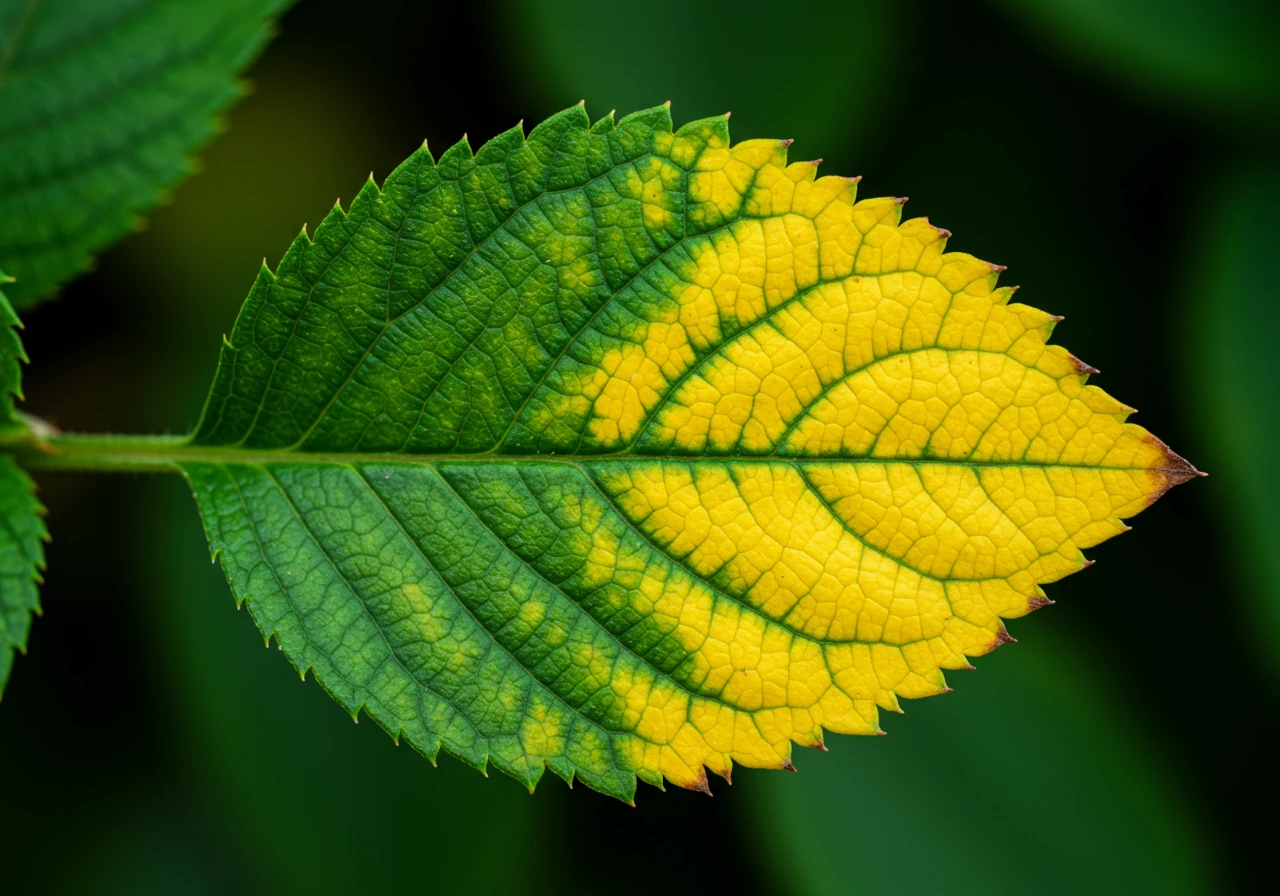
Alright, let's break down this botanical buzzword: *interveinal chlorosis*. Fancy name, simple concept! Think of your plant's leaves like tiny roadmaps. The veins are the highways, carrying water and nutrients everywhere they need to go. Interveinal chlorosis happens when the areas *between* these highways start turning yellow or pale, while the veins themselves stay relatively green. It's like the delivery trucks (nutrients) aren't quite reaching all the neighbourhoods (leaf tissue), even though the main roads (veins) look clear.
So, what does this look like in your Winchester garden? Picture a leaf – maybe on your favourite hydrangea or that maple tree giving you shade – where you can clearly trace the green network of veins, but the tissue filling the spaces between them has faded to yellow, light green, or even whitish in severe cases. This pattern is the key! It's different from:
- Overall Yellowing: Where the *entire* leaf, veins and all, turns yellow (often points to nitrogen deficiency or sometimes overwatering).
- Yellow Spots or Blotches: Which might indicate a pest problem or a leaf spot disease. Check resources like the City of Ottawa's Tree Health page for pest info.
- Yellowing Older Leaves Only: Sometimes normal aging, or could be a mobile nutrient issue like magnesium deficiency.
Interveinal chlorosis, especially on newer growth, frequently signals that the plant is struggling to get enough iron or manganese. Our local Ottawa soils, sometimes heavy clay like you find around Greely or Winchester, or soils with a higher pH (more alkaline), can make it harder for plants to absorb these specific micronutrients, even if they are technically *in* the soil. Poor drainage or compacted soil can also stress roots, making nutrient uptake difficult. Before digging in, consider if your soil structure is part of the problem; sometimes a simple Winchester Clay Soil Root Assessment Tips can reveal compaction issues. And when working that soil, having the right tools helps – like Choosing the Right Ergonomic Spade for Winchester Clay Soil.
Spotting this specific pattern is your first clue to diagnosing the real issue. It's a vital part of Your Comprehensive Winchester Spring Garden Health Plan to keep an eye out for these signals. Addressing nutrient issues effectively ensures your plants contribute beautifully to the overall vision when you Let's Create Your Winchester Garden Design Oasis. If deciphering these signals feels overwhelming, remember professional help is available through Clean Yards Landscaping Services. Understanding this distress signal is the first step towards getting your green beauties back on track!
Get Professional Help With Your Plant Health NeedsThe Usual Suspects: Why Ottawa Plants Get the 'Yellow-Between-the-Lines' Blues
Okay, so your plant leaves look like tiny green roadmaps where only the highways are green, and the surrounding land is yellow? Annoying, right? Let's round up the usual suspects causing this interveinal chlorosis fuss in our Ottawa gardens. Think of it like a little detective work for your plants!
Suspect #1: The Nutrient Snatcher (Iron & Manganese Deficiency)
This is the most common culprit. Plants need iron and manganese to make chlorophyll (the green stuff!). When they can't get enough, especially for new growth, the areas between the veins turn yellow first. It's like trying to bake a cake without flour – things just don't turn out right!
Suspect #2: The pH Puzzle (Alkaline Soil)
Here’s a key factor in the Ottawa area, from Nepean to Metcalfe. Our soils often lean towards the alkaline side (higher pH). Why does this matter? Because even if iron and manganese *are* present in the soil, high pH locks them up, making them unavailable for plants to absorb. The nutrients are *there*, but the plant roots can't access them – talk about frustrating! Testing your soil pH is a smart first step to see if this is blocking your plants' nutrient buffet. You can find soil testing information via resources like the Ontario Ministry of Agriculture, Food and Rural Affairs (OMAFRA).
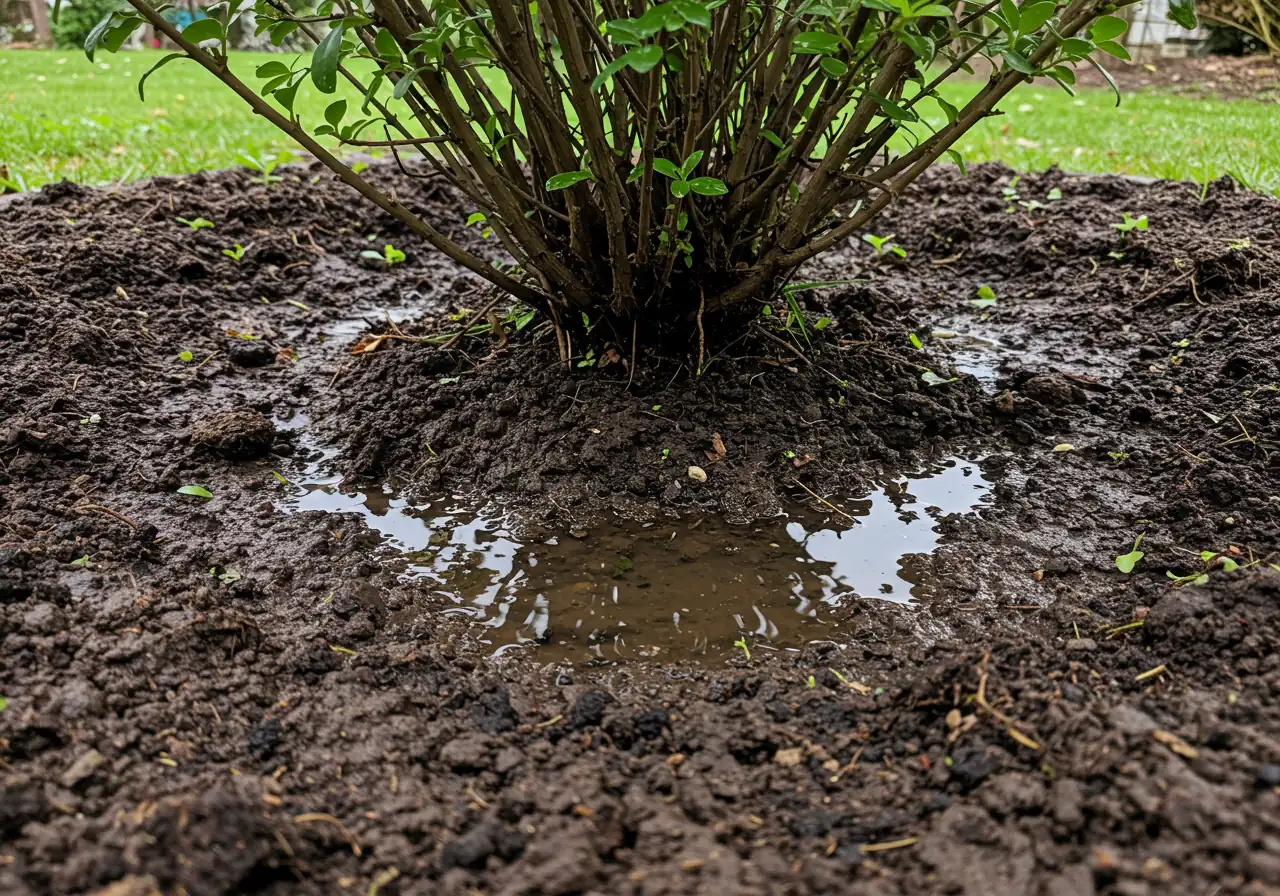
Suspect #3: Soggy Feet Syndrome (Poor Drainage)
Plants hate having constantly wet roots. Heavy clay soils, like those found in parts of Greely or Osgoode, combined with Ottawa's sometimes soggy springs or heavy summer downpours, can lead to waterlogged conditions. Poor drainage stresses roots, damages them, and severely limits their ability to absorb *any* nutrients, including iron and manganese. Improving drainage around troubled plants is crucial. Sometimes, a thorough cleanup can reveal drainage issues near foundations or pathways; considering a Marionville Property Cleanup Service might help assess the broader picture if drainage seems widespread.
Suspect #4: Root Woes (Compaction & Damage)
Healthy roots are everything! If the soil around your plants is heavily compacted (think high-traffic areas or even soil around new builds in places like Barrhaven), roots struggle to grow and breathe, let alone absorb nutrients effectively. Physical damage from digging nearby, construction, or even vigorous weeding can also injure roots, leading to – you guessed it – poor nutrient uptake and those tell-tale yellow leaves. Addressing compacted soil might be part of larger yard maintenance. If you're tidying up the garden anyway, consider aeration as part of an Ottawa Yard Cleanup Service. For targeted help in specific areas, a focused Winchester Yard Cleanup Service can help prepare beds properly, reducing compaction. Similarly, detailed work during a Marionville Yard Cleanup Service can address localized soil and root zone issues.
Figuring out which suspect is bothering *your* plants is key. Sometimes it’s a combination! If you're feeling stumped, don't hesitate to explore professional Clean Yards Landscaping Services for diagnosis and solutions tailored to our unique Ottawa growing conditions. You can find us on Google for reviews and directions.
Your Step-by-Step Winchester Leaf Check: Playing Plant Detective
Alright, channel your inner Sherlock Holmes – it's time to investigate those yellowing leaves! Before you grab any sprays or fertilizers, let's put on our detective hats (or gardening gloves, more likely) and follow these steps to see if interveinal chlorosis is indeed the culprit in your Winchester garden. Careful observation is key!
Step-by-Step Leaf Check Guide
-
Zero In on the Yellow Pattern
Get up close and personal with the affected leaves. Are the veins *staying green* while the tissue *between* them is turning yellow or pale? This distinct pattern is the hallmark of interveinal chlorosis. If the whole leaf (veins included) is yellow, or if you see distinct spots or crispy brown edges, it might be something else entirely.
-
Note Which Plants Are Affected
Is it just one type of plant showing symptoms, or several? Some plants are more prone to nutrient uptake issues, especially in the alkaline-leaning soils common across Ottawa. Keep an eye on acid-loving plants like:
- Pin Oaks and other Oak varieties
- Maples (especially Red and Silver Maples)
- Rhododendrons and Azaleas
- Blue Hydrangeas (which often turn pinkish in alkaline soil anyway!)
- Roses
- Berry bushes like blueberries and raspberries
These are common sights in yards from Manotick to Richmond, and they often give the first signs of trouble. For advice on specific plant types, the Master Gardeners of Ottawa-Carleton offer valuable resources.
-
Check New Growth vs. Old Growth
Where on the plant are the yellow leaves appearing? Interveinal chlorosis caused by iron or manganese deficiency often shows up on the *newest leaves* first (at the tips of the branches). If only the oldest, lowest leaves are yellowing, it might point towards a different nutrient issue (like nitrogen or magnesium) or just be normal leaf shedding.
-
Compare Symptoms (Rule Out Look-Alikes)
Mentally (or actually, if you have different types of yellowing leaves!) compare the interveinal pattern to other possibilities:
- Overall Yellowing: Usually nitrogen deficiency or overwatering.
- Yellow/Brown Spots: Could be fungal diseases or insect damage. Sometimes these are more obvious after general garden tidying, like the kind involved with Marionville area yard assistance where underlying issues get uncovered.
- Scorched Edges: Often related to water stress, windburn, or fertilizer burn.
Making this comparison helps ensure you're tackling the *right* problem.
-
Consider the Context
Think about the plant's environment. Is the soil constantly wet or compacted? Has there been construction or digging nearby recently? Did you recently apply mulch or fertilizer? Understanding the context helps connect the symptoms to the potential causes we discussed earlier. Proper diagnosis informs future actions, like ensuring proper soil preparation techniques are used next planting season or when amending the soil. We believe careful observation is crucial before recommending solutions – you can learn about our approach to plant health. Getting the diagnosis right also guides selecting the right soil amendments if a deficiency is confirmed.
By following these steps, you'll be well on your way to cracking the case of the yellow leaves. Remember, accurate identification is the crucial first step *before* applying any treatment. Still feeling puzzled by your plant's signals? Don't hesitate to contact us for advice – we're always happy to help fellow Ottawa gardeners!
Found It! Your Action Plan for Greener Leaves in Ottawa
Okay, Plant Detective, you’ve cracked the case! Those yellow leaves with the green veins (our old friend, interveinal chlorosis) have revealed themselves. Now what? Don't despair, transforming those pale leaves back to vibrant green is totally doable. Here’s your action plan to get your Ottawa garden looking lush again, whether you're in leafy Manotick or tending a patch in Barrhaven.
Step 1: Confirm Your Suspicions – Test That Soil!
Before you start adding *anything*, you absolutely *must* know what you're dealing with. Guessing can waste money or even make things worse! Grab a soil test kit from a local garden centre like Ritchie Feed & Seed or consider a professional soil analysis. You need to know two key things:
- Nutrient Levels: Is iron or manganese actually low?
- Soil pH: Is the soil too alkaline (high pH), preventing nutrient uptake? This is super common in areas around Ottawa.
Knowing your soil's profile is the cornerstone of effective treatment. It informs everything else you do.
Step 2: Target the Problem – Tailored Treatments
Based on your soil test results, here’s how to tackle the likely culprits:
If Nutrients are Low (and pH is okay):
- Quick Fix: Apply a foliar spray containing *chelated* iron or manganese directly onto the leaves. Chelated forms are easier for plants to absorb. Spray in the cool morning or evening, not in direct sun. This gives a fast green-up but is temporary.
- Long-Term Solution: Apply chelated iron or manganese supplements to the soil according to package directions.
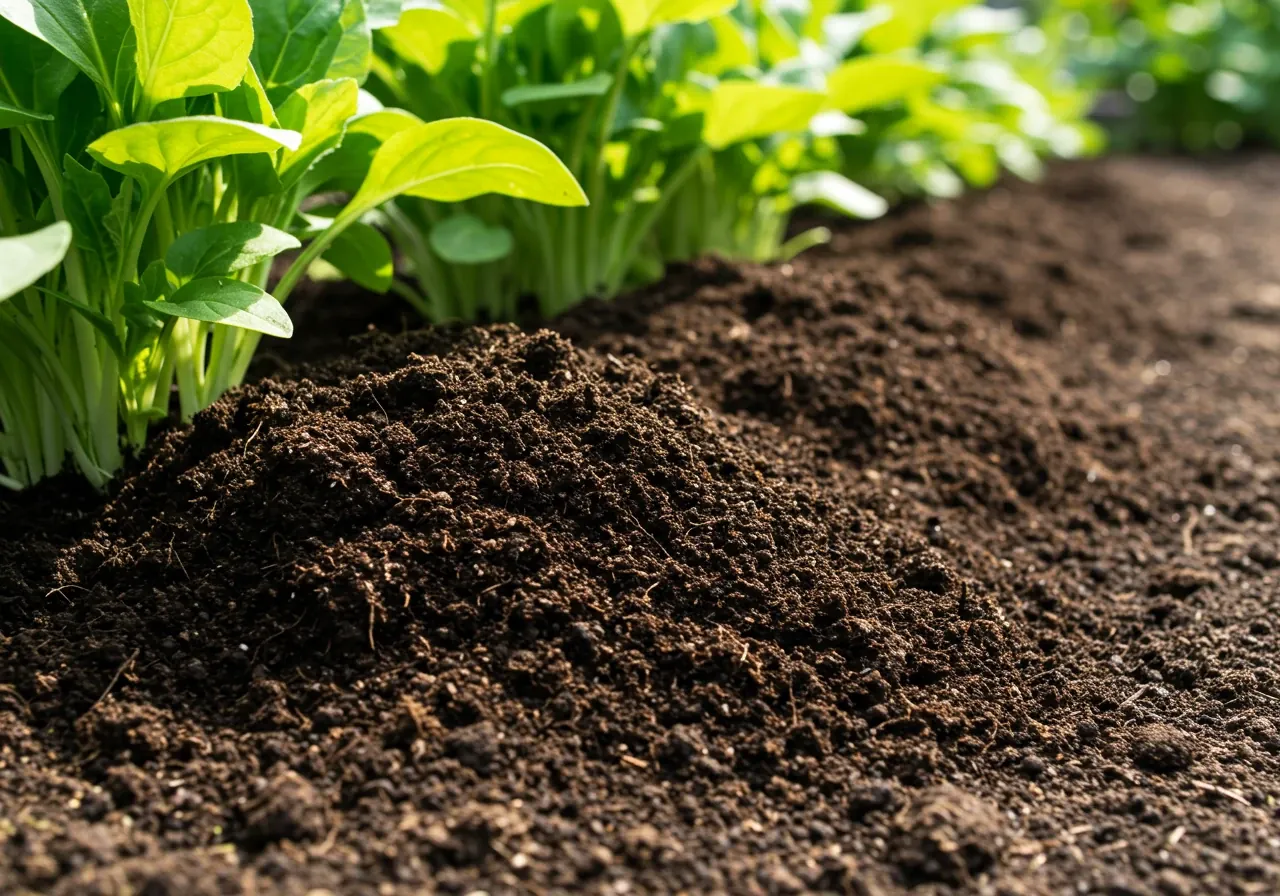
- Eco-Friendly Boost: Regularly amending your soil with good quality compost improves overall nutrient availability. Excellent Soil Preparation Techniques involving plenty of organic matter are your best long-term friends.
If Soil pH is Too High (Alkaline):
- The Fix: Gradually lower the pH by applying elemental sulfur or iron sulfate to the soil around the plant's root zone. *Carefully* follow package instructions – too much can harm plants. This takes time (months, even seasons) to work.
- Eco-Friendly Approach: Consistently amend the soil with acidic organic matter like compost made with oak leaves or pine needles. Adding sphagnum peat moss also works, but use it thoughtfully due to environmental harvesting concerns. *Avoid adding lime or wood ash*, as these make the soil *more* alkaline! Correcting pH issues can lead to truly amazing garden makeovers, like those seen in our Landscaping Transformations Showcase.
If Drainage is Poor (Soggy Soil):
- Assess: Does water pool around the plant after rain? Is the soil constantly damp? This is common in heavier clay soils found near Greely or Osgoode.
- The Fix: Improve soil structure by working compost into the top few inches (carefully, around existing roots). Ensure the ground slopes slightly away from the plant base. For serious issues, consider core aeration or even professional installation of drainage solutions. Sometimes, a good tidy-up reveals poor grading near foundations; thorough Seasonal Property Clean Up Services can help identify and address these broader landscape issues. Improving drainage might even be part of a focused City Garden Clean Up Service Ottawa if water is pooling in specific garden beds.
If Roots are Stressed (Compaction/Damage):
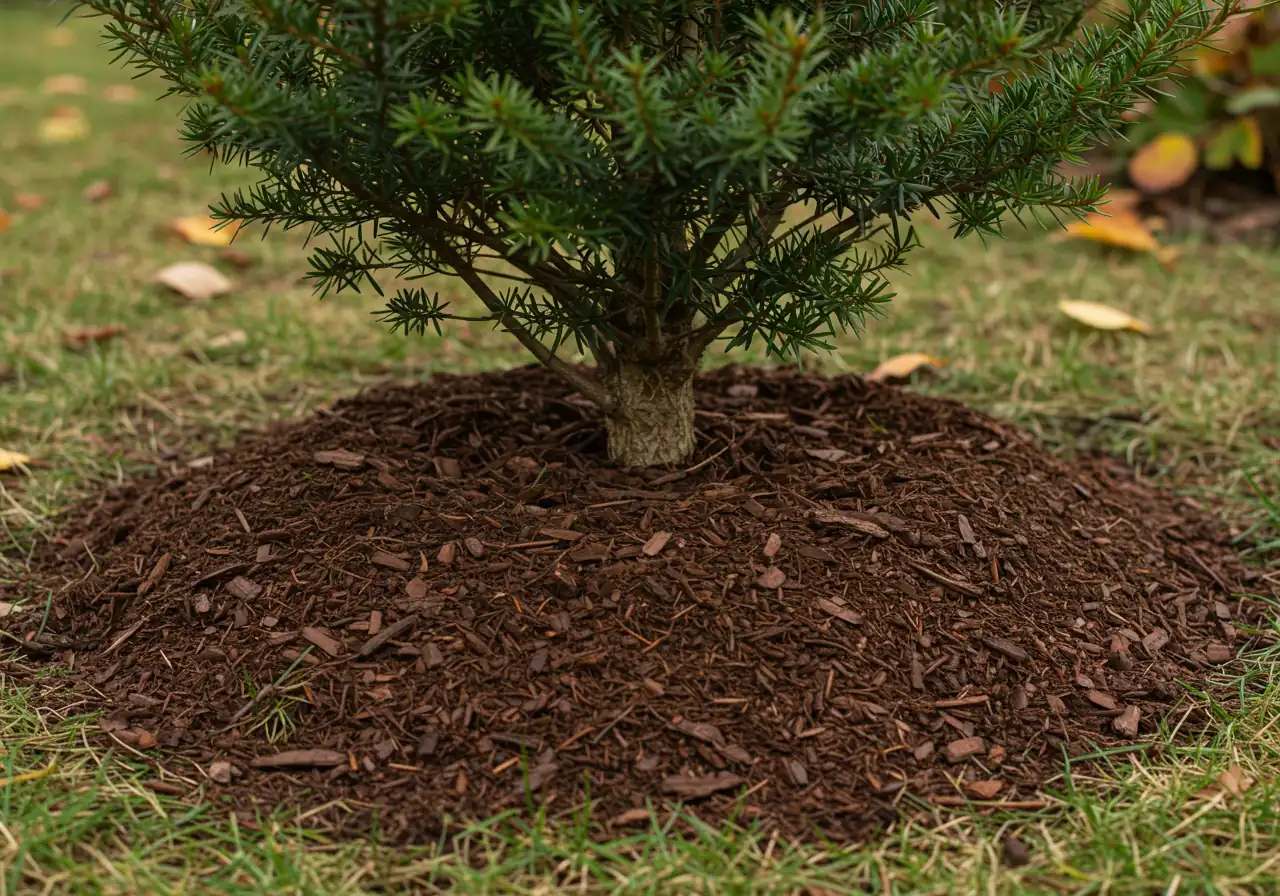
- The Fix: Gently aerate compacted soil around the plant's drip line (the area under the furthest branches), being careful not to sever major roots. Apply a 2-3 inch layer of organic mulch (like shredded bark or wood chips) over the root zone – *but not piled against the stem!* Mulch protects roots, conserves moisture, reduces compaction over time, and slowly improves the soil. Proper Mulching and Edging is key. Avoid unnecessary digging near established plants.
Step 3: Think Seasonally – A Simple Prevention Calendar
Keep your leaves green year after year with a little planning:
Spring
Test soil (if needed, every 2-3 years is often fine). Apply soil amendments (like sulfur) if required. Check drainage as the ground thaws. Apply mulch.
Summer
Monitor new growth closely. Use foliar sprays for quick touch-ups if chlorosis appears. Water deeply but infrequently during dry spells.
Fall
Consider core aeration for lawn areas or compacted garden spots. Apply compost. A final clean-up (Ottawa property cleanup service) prepares beds for winter and makes spring tasks easier.
Tackling soil issues or major drainage problems can feel like a big job. If you'd prefer professional help diagnosing the issue, creating a specific treatment plan, or implementing solutions like soil amending or aeration, we're here for you. You can learn about our straightforward Estimate and Feedback Process to see how we can work together to get your Ottawa garden looking its absolute best. Greener leaves are definitely within reach!
Prevention Power: Keeping Chlorosis Out of Your Winchester (and Beyond!) Garden
Alright, fellow garden guardians, let's talk about the ultimate gardening superpower: *prevention*! While we've figured out how to tackle those pesky yellow leaves (interveinal chlorosis), wouldn't it be even better to stop them from showing up in the first place? Keeping chlorosis at bay means happier plants, a greener yard in Winchester, and less head-scratching for you. Think of it as giving your garden a suit of armour! Here’s how to bolster its defenses:
1. Choose Wisely: Play Plant Matchmaker
This is huge, especially in the Ottawa region where our soils often lean alkaline. Instead of constantly battling the soil pH for acid-loving plants (like some oaks or rhododendrons), consider selecting varieties that are naturally more tolerant of our conditions. Many beautiful shrubs, perennials, and trees thrive here without needing constant soil adjustments. Research plants suited for Zone 5 and alkaline soil *before* you buy. It's like choosing shoes that actually fit – much more comfortable in the long run! Explore options during your next garden install project.
2. Build Amazing Soil: The Foundation of Health
Healthy soil is everything! Weak, compacted, or nutrient-poor soil is an open invitation for problems like chlorosis.
- Embrace Compost: Regularly adding organic matter like compost is the single best thing you can do. It improves drainage in heavy clay, helps sandy soil hold moisture, adds nutrients slowly, and buffers pH. Make it a core part of your routine Garden Maintenance Best Practices.
- Fight Compaction: Avoid walking on garden beds, especially when wet. In newer developments, like parts of Barrhaven or Richmond, construction can leave soil heavily compacted. Aerating lawn areas near beds and gently loosening soil when planting helps roots breathe and grow. Sometimes, addressing compaction is part of a larger yard refresh; a comprehensive Ottawa City Property Cleanup Service can tackle leftover debris and help assess soil conditions post-construction. Starting new beds right is also crucial; ensuring good soil structure from the beginning, maybe as part of a dedicated Specialized City Garden Clean Up Service, prevents headaches later. A general city yard cleanup service can also help prepare the ground.
3. Water Smart: Encourage Deep Roots
Instead of frequent shallow sprinkles, water your plants deeply but less often. This encourages roots to grow deeper into the soil where moisture levels are more consistent and they can access a wider range of nutrients. Soggy surface soil stresses roots and hinders nutrient uptake, so let the soil dry slightly between waterings.
4. Protect the Roots: Handle with Care
Plant roots are vital but vulnerable.
- Mulch Magic: Apply a 2-3 inch layer of organic mulch (like shredded bark or wood chips) around your plants (but not touching the stems!). Mulch conserves moisture, keeps soil temperatures stable, suppresses weeds, and slowly breaks down, adding organic matter. This is a key part of services like our Metcalf yard cleanup service.
- Dig Carefully: Be mindful when digging near established shrubs and trees. Severing major roots can shock the plant and impair its ability to absorb water and nutrients, potentially leading to chlorosis.
5. Think Eco-Friendly First
By focusing on building healthy soil and choosing appropriate plants, you naturally reduce the need for chemical interventions. Healthy plants are more resistant to pests and diseases too! It’s a win-win for your garden and the local environment. Contributing to a greener neighbourhood is something we can all feel good about, and we truly appreciate seeing the positive impact shared by happy gardeners, reflected in feedback like that on our Clean Yards Community Thanks Page.
Putting these prevention strategies into practice makes gardening less about troubleshooting and more about enjoying the beautiful, healthy landscape you’ve created. If you ever need advice tailored to your specific Winchester garden situation, don't hesitate to reach out. Rest assured, any information you share is handled with care as outlined in our Clean Yards Privacy Policy. Here's to keeping the green going strong!
Quick Leaf Check Cheat Sheet: Ottawa Gardener's Edition
Quick Leaf Check Cheat Sheet: Ottawa Gardener's Edition
Got yellow leaves popping up? Don't panic! Here's a rapid rundown:
- ID Check: Green veins, yellow between? Likely interveinal chlorosis (Iron/Manganese issue). Whole leaf yellow? Maybe Nitrogen or water issue.
- Soil Sleuth: Test pH! Ottawa soil often alkaline (high pH), locking up nutrients.
- Drainage Duty: Soggy soil = stressed roots. Improve drainage if water pools. This is often checked during a Metcalf Property Cleanup Service.
- Smart Solutions: For chlorosis: Quick fix = chelated foliar spray. Long fix = address root cause (pH with sulfur, low nutrients with soil supplements). This is key to good Garden Maintenance.
- Prevention Power: Choose right plants for alkaline soil. Add compost & mulch regularly. Improve soil before planting, like preparing for Ottawa Sod Installation Expertise. A good prep job via an Expert Ottawa Garden Clean Up Service helps.
- Help Available: Unsure? Ask professionals! Check our Clean Yards Terms and Conditions for service details.
Keep this handy. Early diagnosis = easier fix!
Common Nutrient Availability vs. Soil pH
*Illustrative example showing reduced availability of Iron/Manganese at higher pH levels.
FAQs: Your Chlorosis Questions Answered (Ottawa Edition)
You betcha! Interveinal chlorosis is quite common here, largely thanks to our region's soil chemistry. Many areas around Ottawa have alkaline soil (high pH), which essentially locks up vital nutrients like iron and manganese, making them hard for plants to absorb, even if they're present. So, those yellow leaves with green veins are a frequent sight for local gardeners.
Probably not *interveinal* chlorosis. If the *entire* leaf, veins and all, is turning yellow, especially older leaves first, it often points to a nitrogen deficiency or sometimes overwatering issues. Widespread yellowing could signal broader soil health or drainage concerns. Sometimes a good evaluation during an overall Ottawa property cleanup service can help spot patterns or underlying issues across the whole yard.
Compost is fantastic for overall soil health – it improves drainage, adds organic matter, and provides slow-release nutrients. It's always recommended! However, if your Barrhaven soil has a high pH causing the chlorosis, compost alone might not lower the pH enough or quickly enough to solve a significant iron or manganese deficiency. It helps, but targeted treatments like sulfur or chelated nutrients might still be needed. Preparing beds well makes amending easier; consider tidying up first with a Marionville area garden clean up service if tackling major garden areas. Or look into our City Garden Maintenance Service for regular upkeep.
Not inevitable, but definitely something to watch for! Clay soil, common around Greely and Osgoode, compacts easily and can drain poorly. This stresses roots and hinders nutrient uptake, contributing to chlorosis. The key is proactive soil management: regularly amend with compost to improve structure, avoid compaction, and ensure good drainage. Sometimes assessing the broader landscape helps; a thorough Metcalf property cleanup service might reveal grading issues affecting specific beds.
Hold your horses! Using a generic fertilizer might not help and could even make things worse if it doesn't contain the *specific* micronutrients (like iron or manganese) your plant needs, or if the pH is the real problem. Always get a soil test first to diagnose the exact issue. Applying the wrong stuff is like giving cough syrup for a broken leg – ineffective! Proper diagnosis before treatment is key, just like proper preparation before planting makes a difference; good work like a focused Metcalf garden clean up service sets the stage for success.
Ah, the mysteries of neighbourly gardens! Even yards right next door can have surprising variations. Differences in soil pH, historical soil amendments, drainage patterns (maybe their downspout directs water differently), soil compaction levels, or even subtle variations in the tree's specific planting depth or root health can all play a role. It highlights why treating *your* specific plant and soil conditions is so important!
Conclusion: Keep Your Corner of Ottawa Green and Gorgeous!
So there you have it! Spotting those yellow leaves with the distinct green veins – our friend interveinal chlorosis – isn't a garden disaster waiting to happen. It's usually just your plant's way of saying, "Hey, I need a little help down here!" We've seen how common causes, like tricky soil pH or drainage issues often found across the Ottawa region, can make it hard for plants to grab essential nutrients like iron and manganese.
But don't throw in the trowel! Whether you're nurturing a garden in Winchester, dealing with clay near Kars, or enjoying the green spaces in Embrun, understanding these local challenges is the first step towards a solution. With a little detective work (hello, soil testing!) and the right approach – improving soil health, choosing suitable plants, and addressing specific nutrient deficiencies – you absolutely *can* get back to lush, green growth. Keeping your landscape vibrant is totally achievable.
Feeling a bit overwhelmed by soil science or just not sure where to start? We're here to lend a hand (or a shovel!).
- Ready for expert eyes on your specific plant problem? Contact us for a personalized garden consultation.
- Want to finally know your soil's secrets? Ask about our soil testing and tailored amendment plans.
- Need broader landscaping support to tackle drainage or boost overall curb appeal? We offer comprehensive garden care services across the Ottawa area.
Let's work together to banish those yellow-leaf blues and keep your corner of Ottawa looking its absolute greenest and most gorgeous! Happy gardening!