Build a Barrhaven Wildlife Corridor: Connect Habitats
Quick Takeaways:
- Your Barrhaven yard can become a crucial "stepping stone" in a wildlife corridor, helping animals move safely.
- Wildlife corridors combat habitat fragmentation caused by development.
- Focus on planting native species, providing water, and creating shelter.
- Layered planting (groundcover, shrubs, trees) maximizes habitat value.
- Reducing lawn space and avoiding pesticides are key eco-friendly practices.
- Collaborating with neighbours enhances the corridor effect.
Ready to transform your outdoor space into a thriving wildlife haven? Request your free quote today!
Introduction: Why Your Barrhaven Backyard is a Wildlife VIP Lounge Waiting to Happen
Hey Barrhaven! Ever look out at your backyard and think, "Nice lawn, but where's the party?" Okay, maybe not *that* kind of party, but what about attracting some charming, feathered, or fuzzy guests? Your slice of Ottawa suburbia, believe it or not, has the potential to be way more exciting than just a place for the barbeque. With a few thoughtful touches in your gardening and landscaping, you can roll out the green carpet and turn your yard into a welcoming stopover for local wildlife.
So, what's this "wildlife corridor" thing we hear about? Think of it simply: it’s like a network of green spaces – parks, woods, and yes, even our backyards – all connected like stepping stones. These corridors allow critters big and small, from butterflies to birds, to move safely through developed areas like Barrhaven and neighbouring communities like Nepean. We sometimes see the positive impacts even during our city property cleanup service calls.
Why does *your* yard matter? Because every little patch counts! Your backyard might seem small, but when linked with your neighbours', it becomes part of a vital pathway. You don't need acres of land; simple choices can help support the biodiversity that makes Ottawa special. Ready to become a neighbourhood wildlife hero? Let's explore how!
Habitat Highways: Understanding Wildlife Corridors (No Tolls Required!)
Okay, picture this: you’re trying to get from your cozy home (say, a nice patch of woods) to your favourite restaurant (a berry-filled thicket across the road), but someone built a giant highway right through your usual route. Annoying, right? That’s essentially habitat fragmentation for wildlife. Our neighbourhoods, roads, and developments in areas like Barrhaven or even slightly more spread-out communities like Richmond can chop up natural areas into small, disconnected islands. This makes it tough for animals – from tiny insects to hopping bunnies – to find food, mates, or new places to live safely. It's like trying to play hopscotch when half the squares are missing!
So, what’s the solution? Enter the wildlife corridor, our "Habitat Highway" with absolutely no tolls! These are pathways connecting those isolated green islands. Think of them as safe streets or green bridges for critters. Corridors don't have to be vast wilderness areas; they can be strips of trees along a creek, a series of connected parks, or even a chain of thoughtfully landscaped backyards like yours! They provide cover, food sources, and safe passage, allowing wildlife to move, mingle, and maintain healthy populations.
Why should you care about creating these connections? Well, besides being a super cool nature ambassador, there are real perks!
- More Good Critters, Fewer Pests: A healthy ecosystem brings balance. More birds and beneficial insects mean fewer garden pests munching on your prize-winning tomatoes. You might even consider creating a beetle bank for natural pest control!
- Nature's Services: Pollinators like bees and butterflies, crucial for our gardens and food supply, rely heavily on these corridors. Healthy soil supported by diverse plant life helps manage water runoff too. Ensuring you have proper site prep for healthy soil is foundational. Check out our soil preparation services for help.
- Increased Beauty & Enjoyment: Imagine sipping your morning coffee while watching colourful birds flit through native shrubs or seeing butterflies dance among your flowers. A wildlife-friendly yard is a living, breathing space!
- Connecting to the Bigger Picture: Your yard becomes a vital link connecting larger green spaces around Ottawa, like the Greenbelt or local conservation areas such as those managed by the Rideau Valley Conservation Authority (RVCA).
Creating your piece of the corridor doesn't require a massive overhaul. Simple gardening choices make a difference:
- Plant Natives: Choose plants that evolved locally. They provide the best food and shelter for Ottawa wildlife. Our garden install team prioritizes natives where possible.
- Layer Your Planting: Use a mix of groundcovers, shrubs, and trees to create different levels of habitat. Think vertically! Need help planning this? Sometimes visualizing your yard with 3D landscape plans can make it easier to see the potential.
- Mind the Gaps (Literally!): Ensure there's continuous cover where possible. Pay attention to correct plant spacing, especially in challenging clay soil, to allow plants to thrive and eventually connect.
- Provide Water: A simple bird bath or a small pond can be a lifesaver, especially during dry spells.
- Reduce Lawn: Consider shrinking your lawn area in favour of garden beds with diverse plantings. Explore our lawn care alternatives.
Even small actions, when multiplied across a neighbourhood, create significant pathways. Want help designing or implementing some of these ideas? Check out our comprehensive landscaping services – we can help turn your yard into a welcoming stop on the local Habitat Highway!
Operation Backyard Blueprint: Planning Your Piece of the Barrhaven Corridor
Okay, nature enthusiasts, grab your imaginary hard hats and clipboards! It's time for "Operation Backyard Blueprint," where we map out your personal contribution to the Barrhaven wildlife corridor. Don't worry, this mission is more about gardening fun than complex engineering. Let's turn that patch of green into a critter five-star resort!

Step 1: Reconnaissance (Know Your Turf!)
Before you dig in (literally!), take a good look around your yard. This is your site assessment. Think like a detective gathering clues:
- Sun Seekers & Shade Lovers: Where does the sun hang out most of the day? Where are the shady spots? This dictates *what* you can plant *where*. A sun-loving plant will sulk in the shade, and vice-versa.
- Water Works (or Doesn't): Do you have puddles after rain, or is it drier than a popcorn cough? Knowing your drainage helps choose plants that won't drown or wither.
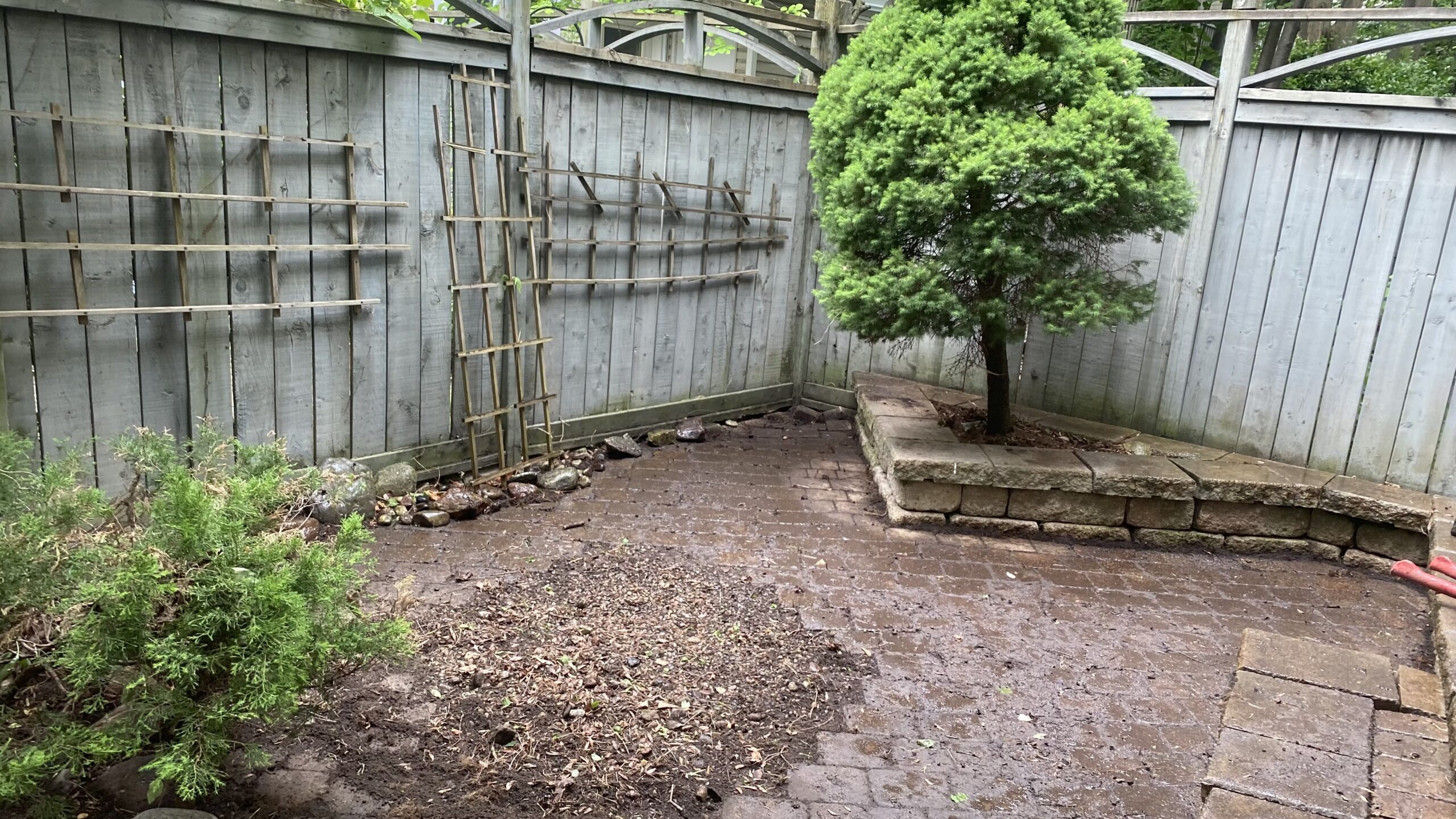
- Existing Assets: What's already there? Maybe you have a mature tree (instant habitat!) or some sturdy shrubs. Don't just rip everything out; see what can be incorporated. Perhaps some initial tidying is all that's needed – sometimes getting help to get your property ready with initial clean-up, similar to our Marionville property cleanup service can reveal hidden potential. Think about our general property clean up approach.
Detailed Step-by-Step Site Assessment Checklist (Example):
- Sketch your yard roughly.
- Mark North/South/East/West.
- Map areas of full sun (6+ hrs), part shade (3-6 hrs), full shade (<3 hrs).
- Note soggy spots or very dry areas.
- Identify existing trees, shrubs, fences, structures.
- Measure approximate dimensions of planting areas.
- Observe existing wildlife activity (birds, insects).
- Note soil type if known (e.g., heavy clay, sandy).
Step 2: Digging the Dirt (Ottawa Soil 101)
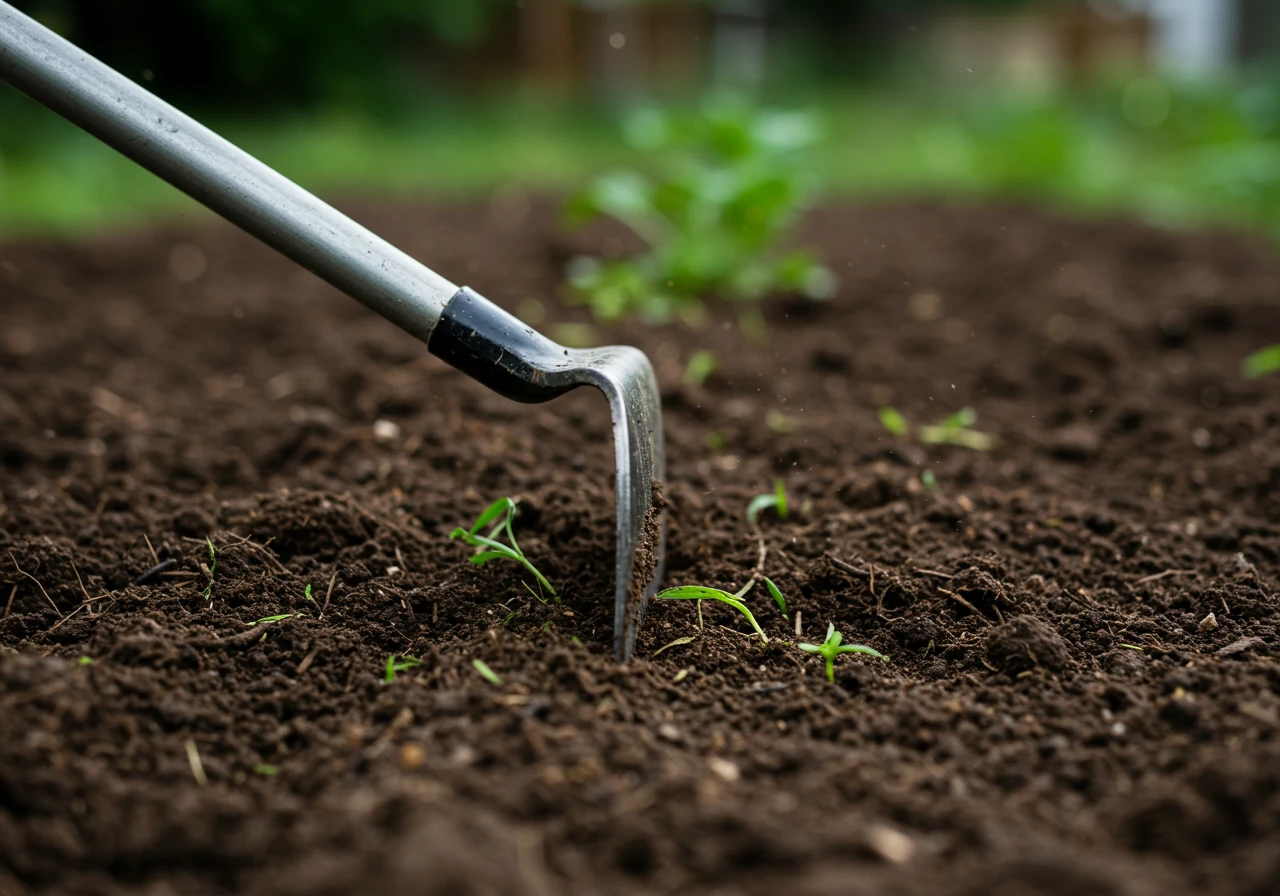
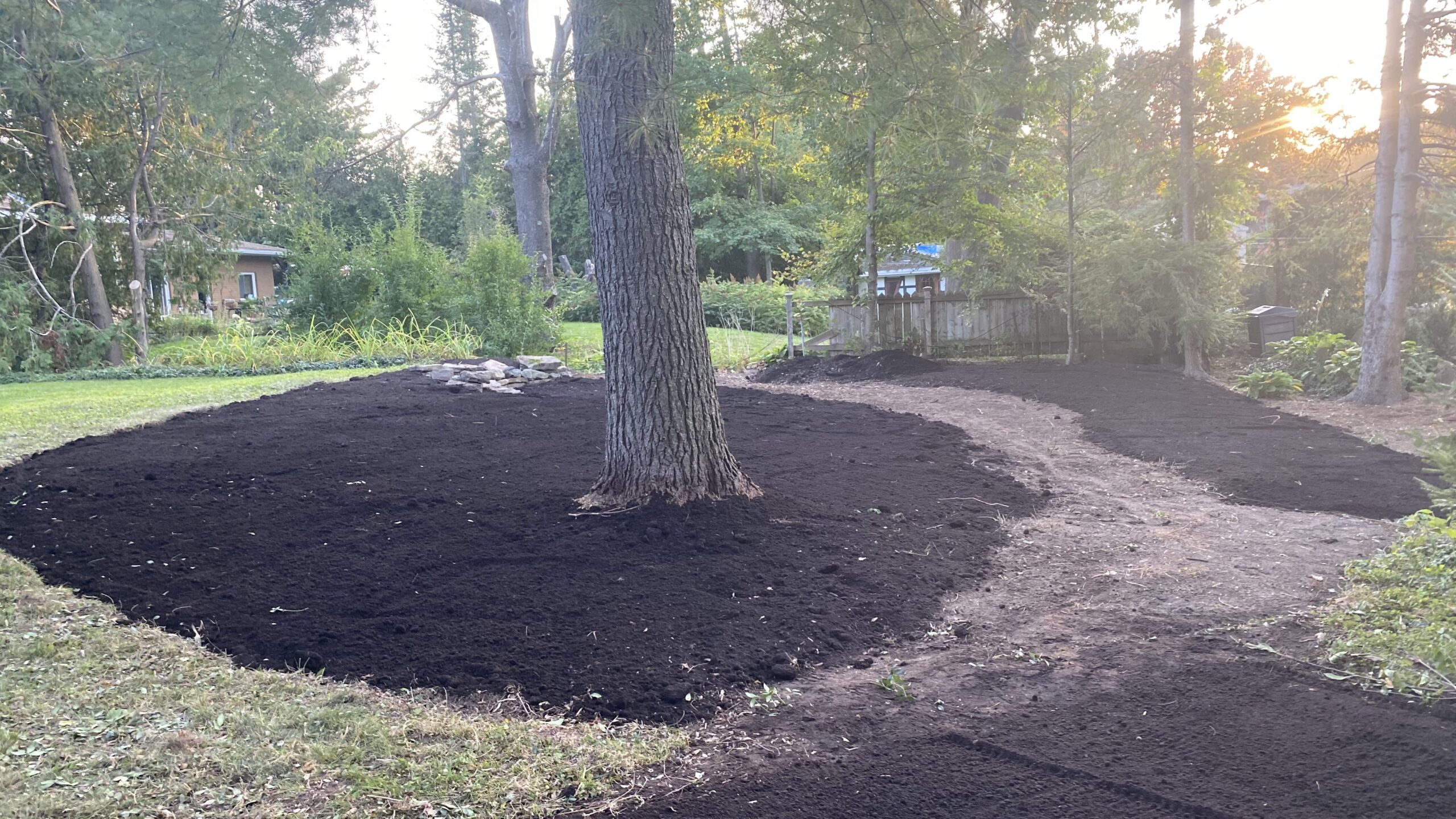
You don't need a soil science degree, but knowing the basics helps! Much of Ottawa, including areas like Barrhaven, Nepean, and nearby Manotick, sits on Leda clay. This soil can be tricky – it holds water (sometimes too well!) and can compact easily. But fear not! Amending with compost improves drainage and adds nutrients. Choosing plants suited to clay, especially native ones, gives you a head start. Happy soil = happy plants = happy wildlife! We offer specific soil preparation services to help amend challenging soils.
Step 3: Layer Cake Landscaping (More Than Just Grass!)
Think vertically! A great wildlife habitat offers variety. Aim for layers in your landscaping plan:
- Ground Level: Native groundcovers, rocks, or even a small log pile provide shelter for insects and amphibians. Leaving some leaf litter in garden beds offers winter protection for bugs (bird snacks!).
- Mid-Level: Shrubs and taller perennial flowers offer nesting spots, food (berries!), and cover for birds and small mammals.
- Upper Level: Trees are the penthouses, providing nesting sites, shade, and food. Even one small native tree makes a difference!
This layered approach creates diverse niches for different creatures. If planning these layers feels overwhelming, exploring professional landscaping and garden care services can provide expert guidance.
Step 4: Rolling Out the Welcome Mat (Food, Water, Shelter)
Wildlife needs the basics, just like us:
- Food: Planting native species is key! Think Serviceberry, Dogwood shrubs (for berries), Coneflowers, and Milkweed (for pollinators).
- Water: A simple bird bath (kept clean!) or even a shallow dish with pebbles provides essential drinking water and a bathing spot.
- Shelter: Dense shrubs, evergreen trees, rock piles, and leaving seed heads on flowers through winter all offer protection from predators and harsh weather.
Keeping this habitat healthy might involve seasonal tidying. If life gets busy, services like seasonal garden clean-up in nearby Greely or knowing you can keep your wildlife haven tidy with help like our Metcalfe garden clean-up service can ensure your corridor contribution stays inviting.
Planning takes a little effort, but the reward is a vibrant, living yard. Got questions specific to your space? Feel free to reach out to us for personalized advice!
Go Native! Picking Plants That Thrive in Ottawa's Climate (and Feed the Locals)

Alright, let's talk plants! You want your garden to look great, but wouldn't it be awesome if it also required *less* fuss and doubled as a buffet for local critters? That's where native plants swoop in like superheroes in green capes! These are the plants that grew up right here in the Ottawa region, long before we started building houses and highways. They're the original locals, perfectly adapted to our wild weather swings – from chilly winters to humid summers – and our sometimes-finicky clay soil.
Why choose native? Simple!
- They're Tough Cookies: Native plants didn't just survive Ottawa's climate; they *thrived* in it. They generally need less water once established and are more resistant to local pests and diseases. Less babying for you!
- Wildlife Magnets: Local insects, birds, and other animals evolved alongside these plants. Natives provide the *right* kind of food (pollen, nectar, seeds, berries, leaves) at the *right* times, and offer perfect shelter and nesting spots. Think of it as serving up their favourite home-cooked meals!
- Low Maintenance Landscaping: Because they're adapted, they often require fewer fertilizers or pesticides. Happy plants, happy planet, happy gardener! Many require less upkeep than traditional gardens, reducing the need for intensive garden maintenance.
Choosing natives doesn't mean your yard will look "weedy." Many native species are stunningly beautiful! Here are a few ideas to get you started, whether you have a compact space or more room to roam like in Greely or Richmond:
Terrific Trees (The Big Guys):
- Serviceberry (Amelanchier spp.): Gorgeous spring flowers, tasty summer berries (for you *and* the birds!), and fantastic fall colour.
- Bur Oak (Quercus macrocarpa): A majestic, long-lived tree that supports hundreds of species. Needs space, but what an impact!
- Eastern White Cedar (Thuja occidentalis): Great for evergreen structure and provides winter cover for birds.
Super Shrubs (The Middle Tier):
- Red Osier Dogwood (Cornus sericea): Famous for its bright red winter stems, plus berries for birds.
- Common Elderberry (Sambucus canadensis): Offers large flower clusters for pollinators and dark purple berries loved by wildlife (and sometimes used in jams!).
- Meadowsweet (Spiraea alba): Produces lovely white flower spikes attractive to beneficial insects.
Pretty Perennials (Flower Power):
- Purple Coneflower (Echinacea purpurea): A classic favourite for bees and butterflies, with seeds for finches later.
- Black-Eyed Susan (Rudbeckia hirta): Cheerful yellow blooms that pollinators adore.
- Canada Anemone (Anemone canadensis): Spreads nicely to form a groundcover with white spring flowers. Great for filling spaces.
Great Groundcovers (Low & Lush):
- Wild Ginger (Asarum canadense): Heart-shaped leaves, loves shade, forms a dense mat.
- Foamflower (Tiarella cordifolia): Delicate, frothy white flowers in spring, attractive foliage.
Native vs. Non-Native/Invasive:
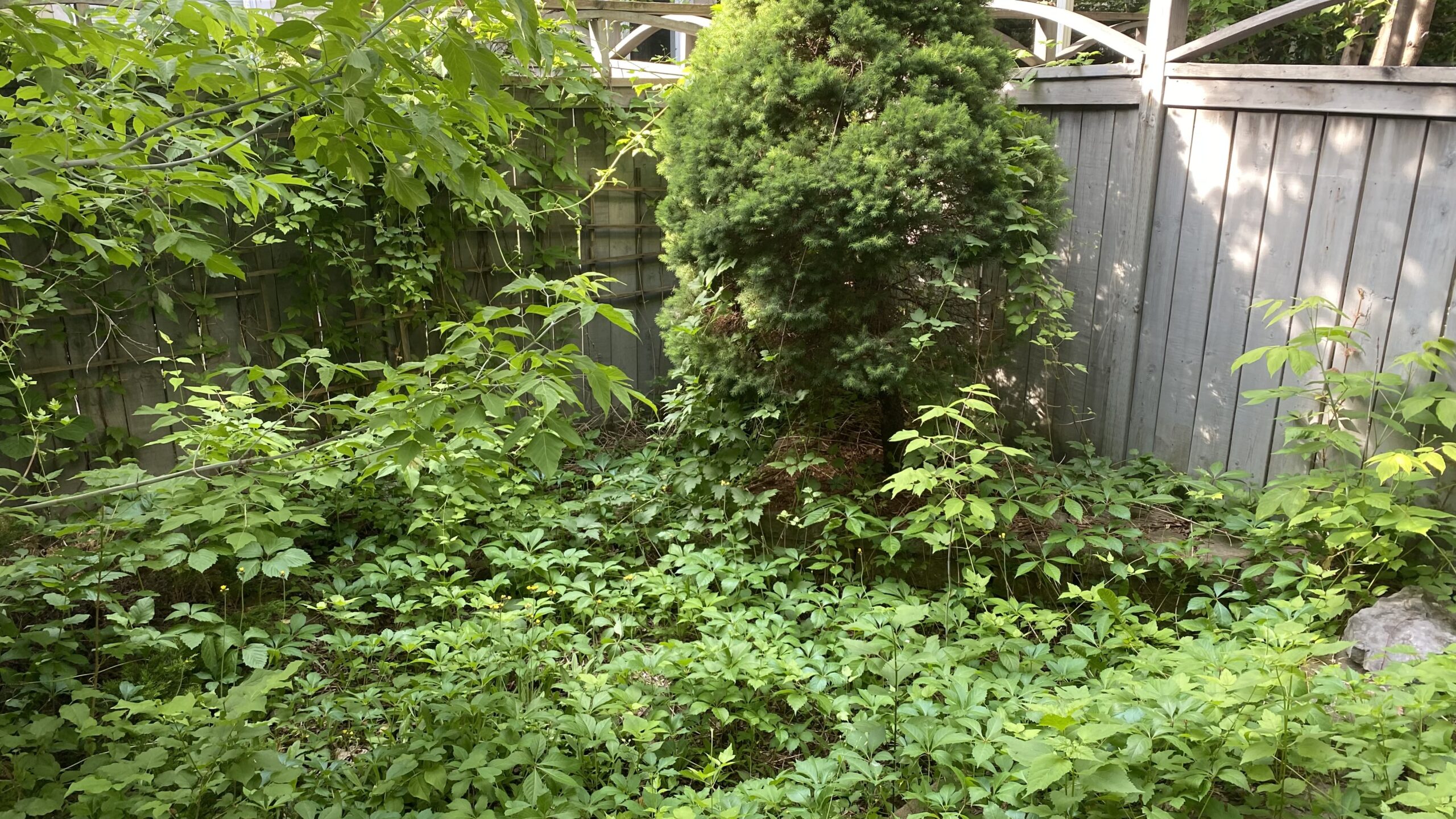
It’s crucial to know the difference. Some non-native plants are harmless garden additions, but others (*invasives*) can escape our yards, crowd out native species, and disrupt the ecosystem. Think Goutweed or Buckthorn – real garden bullies! Preparing your space might involve removing these thugs first. If tackling a large area overrun with invasives feels daunting, getting professional help, like a thorough Marionville property cleanup service, can clear the way for beautiful natives. Similar help might be needed closer to the city, where you could consider options like our dependable Metcalf yard cleanup service or even broader Ottawa property cleanup service.
Native vs. Invasive Plant Comparison Table (Example):
| Feature | Native (e.g., Purple Coneflower) | Invasive (e.g., Goutweed) |
|---|---|---|
| Origin | Evolved locally (Eastern N. America) | Introduced from elsewhere (Europe/Asia) |
| Wildlife Value | High (food/shelter for many species) | Low (often outcompetes food sources) |
| Spread | Generally contained, spreads predictably | Aggressive, spreads rapidly, hard to control |
| Maintenance | Lower once established | Requires constant removal efforts |
| Ecosystem Impact | Supports local biodiversity | Reduces biodiversity, disrupts ecosystem |
Where to Find Them? Look for nurseries specializing in native plants. Reputable sources include the Ontario Native Plant Growers Association members. Avoid digging plants from the wild – it harms natural habitats.
Making the switch to native plants is a fantastic way to create a beautiful, resilient garden that gives back to the local environment. It’s a choice you can feel good about! Once your native plants are thriving, keeping the beds tidy ensures they look their best; consider a specialized service like our expert Marionville garden clean up service for seasonal maintenance. We truly appreciate you considering this eco-friendly approach – it makes a real difference, and maybe you'll even send us a virtual thank you note in the form of a thriving wildlife garden picture! Thinking about embarking on a native planting project? We'd love to hear about your plans or any questions you have – drop us a line via our easy estimate feedback form. Go native – your backyard ecosystem will thank you!
Building Your Wildlife Welcome Mat: Eco-Friendly Practices in Action
Okay, blueprint in hand, native plant list ready? Awesome! Now for the fun part: actually rolling up our sleeves and turning your yard into the neighbourhood's hottest wildlife B&B. Let's look at some practical, eco-friendly gardening and landscaping transformations you can take right here in Ottawa.

Ditch the Endless Green Desert (a.k.a. Reduce Your Lawn)
We love a tidy lawn, but acres of monoculture grass offer about as much food and shelter for wildlife as a bowling alley. Consider shrinking that green expanse! You could:
- Expand existing garden beds.
- Create new island beds planted with native shrubs and perennials.
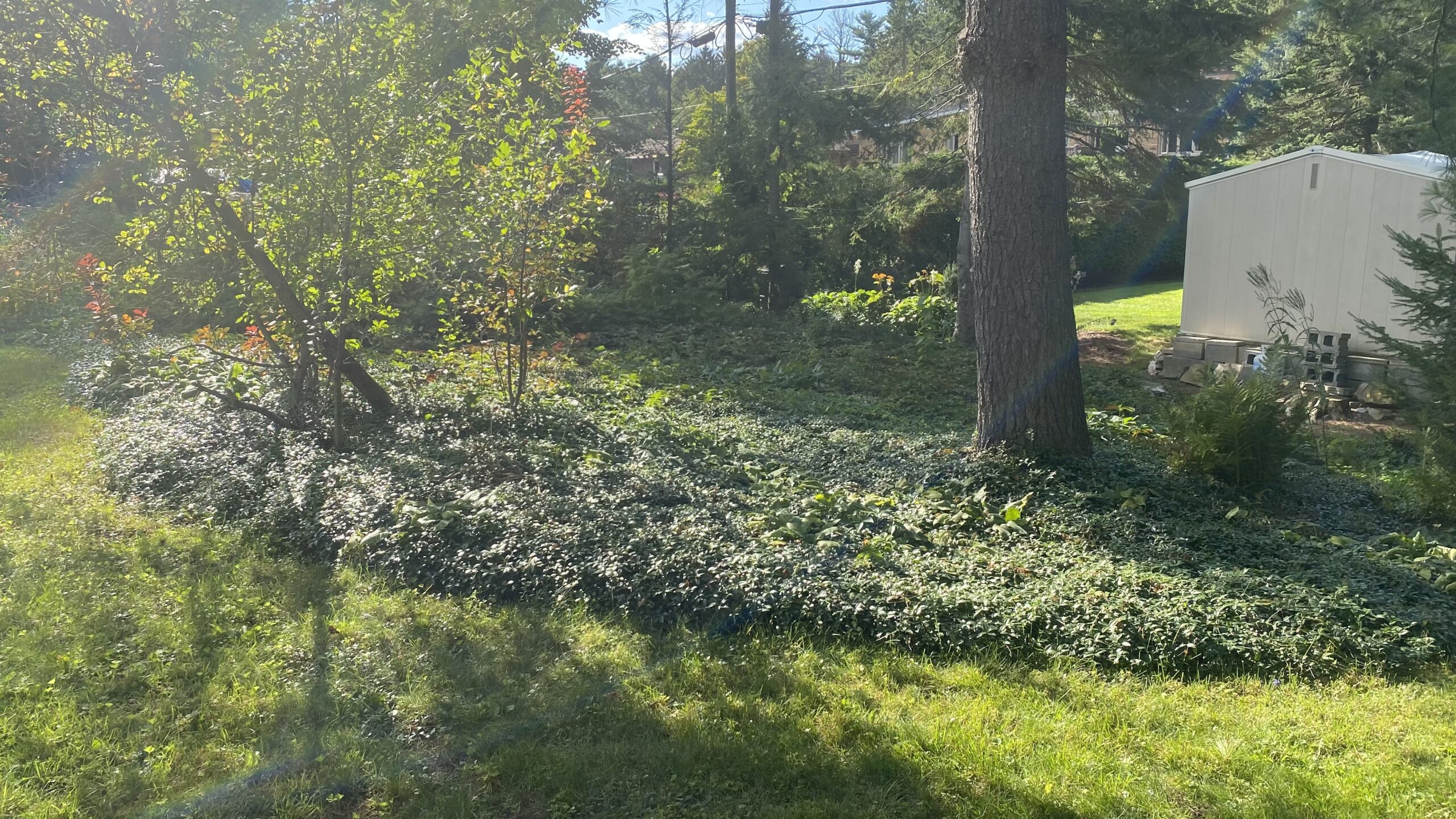
- Plant native groundcovers that need less mowing.
- Dedicate a corner to a mini "meadow" with native grasses and wildflowers. Less mowing, more buzzing!
Reducing your lawn area means less work for you and more space for biodiversity. If you're removing significant turf, proper preparation is key for what comes next – it's different than prepping for new grass, like detailed in our guide to sod installation.
Just Add Water (BYOB - Bring Your Own Bath!)
A reliable water source is a huge draw. It doesn't need to be fancy:
- A classic bird bath (clean it regularly to prevent algae and disease!).
- A shallow dish filled with pebbles and water lets insects drink safely.
- Even a consistently damp, shady spot can attract amphibians. Remember, standing water needs refreshing!
Build Some Critter Condos (Shelter Sweet Shelter)
Wildlife needs places to hide from predators and bad weather.
- Rock Piles: A simple pile of stones in a sunny spot offers basking areas for insects and hiding spots for chipmunks.
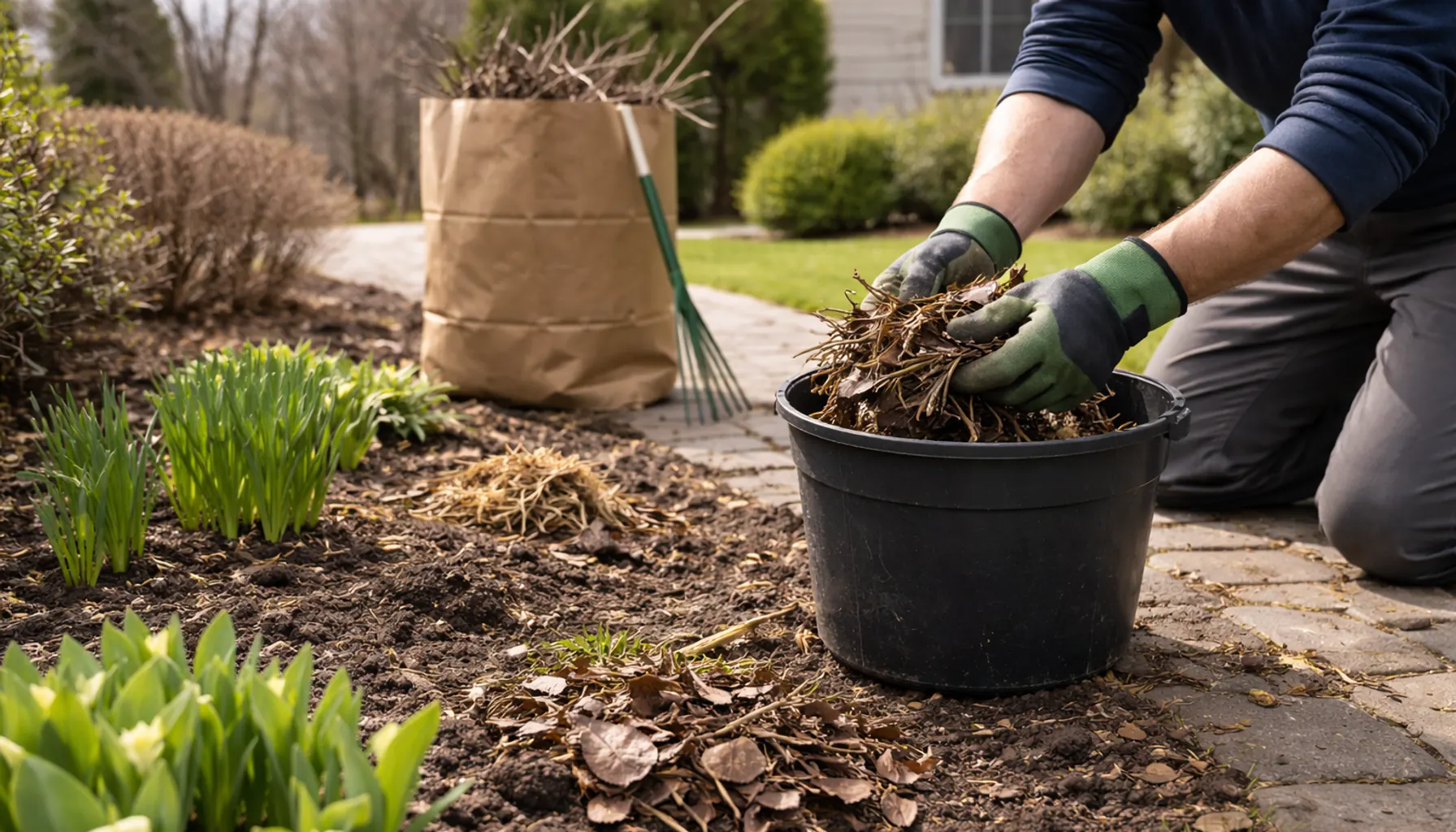
- Brush Piles: Don't toss all those twigs and branches! A strategically placed brush pile is five-star accommodation for birds, bunnies, and beneficial insects. Think of it as rustic chic landscaping.
How to Build a Beneficial Brush Pile (Quick Guide):
- Location: Choose a quiet, somewhat sunny corner.
- Base: Use larger logs/branches for airflow and entry points underneath.
- Middle: Criss-cross smaller branches loosely.
- Top: Add fine twigs, leaves, or evergreen boughs for cover.
- Size: Aim for at least 1m wide and 0.5m high. Bigger is often better!
- Tip: Leave it undisturbed, especially during spring/summer nesting season.
- Leave the Leaves (in moderation): In garden beds, let fallen leaves stay over winter. They provide insulation and shelter for overwintering insects (which become bird food!). You can always tidy up edges with neat mulching and edging to keep things looking intentional.
Say No to the Bad Stuff (Chemical-Free is Key)
Pesticides and herbicides don't discriminate – they harm beneficial insects, pollinators, birds, and can contaminate soil and water. The City of Ottawa has bylaws restricting cosmetic pesticide use, but it's best practice to avoid them altogether. Embrace natural pest control (like attracting beneficial insects with native plants!) and pull weeds by hand (great stress relief, right?). Healthy soil, rich in organic matter, also helps plants resist pests and diseases naturally.
Lights Out (Or At Least, Dimmer!)
Bright overnight lighting can confuse nocturnal animals like moths (pollinators!) and migrating birds. Opt for:
- Motion-sensor lights instead of always-on fixtures.
- Downward-shielded lights that minimize upward glare.
- Warm-coloured bulbs, which are generally less disruptive.
Choose Wisely (Materials Matter)
When adding features like paths or edging, consider the environmental impact. Our team always discusses responsible material selection with clients, favouring locally sourced stone or natural wood mulches over plastic or imported goods whenever possible. Every choice contributes to the overall eco-friendliness of your space. Even the agreement for services includes commitments, which you can review in our standard terms and conditions.
Keep it Tidy, But Wildlife-Friendly (Seasonal Smarts)
Maintaining your wildlife haven doesn't mean letting it become an overgrown mess, especially in neighbourhoods like Manotick or Greely where curb appeal is still valued. It's about finding balance. Our city yard cleanup service can help maintain this balance.
Ottawa Wildlife Garden: Seasonal Maintenance Calendar (Example):
- Spring: Gentle cleanup, leave some leaf litter, cut back perennials selectively (wait for warmer temps for insects), check water features. Consider a spring garden clean up.
- Summer: Water deeply but infrequently (especially natives), weed manually, monitor for invasive species, keep bird baths clean.
- Fall: Leave seed heads for birds, leave leaves in beds, plant spring bulbs, provide fall berries (shrubs). A fall yard cleanup can focus on pathways and lawn areas.
- Winter: Provide shelter (brush piles, evergreens), keep bird feeders stocked (optional but helpful), ensure water available on mild days.
Remember, creating a wildlife-friendly yard is an ongoing process, not a one-time event. Start small, add elements over time, and enjoy the fascinating visitors you attract! Feeling inspired but need a hand putting these ideas into action? Let us know your thoughts or ask for advice using our easy estimate feedback form. Let's build that welcome mat!
Key Habitat Elements
Feeding the Locals
Native plants are the best food source! Provide variety:
- Nectar: Flowers like Bee Balm, Milkweed, Cone-flower for pollinators.
- Pollen: Early blooming willows, Maples, and most native flowers.
- Seeds: Sunflowers, Coneflowers, native grasses for birds.
- Berries: Serviceberry, Dogwood, Elderberry for birds and mammals.
- Leaves/Stems: Host plants for caterpillars (e.g., Milkweed for Monarchs).
Avoid non-native berries that may lack nutrition (e.g., Buckthorn).
Hydration Station
Water is critical, especially in hot summers or freezing winters.
- Bird Baths: Keep shallow (1-3 inches) and clean regularly. Add rocks for perching. Heated baths are great in winter.
- Shallow Dishes: Place on the ground with pebbles for insects like bees to drink safely.
- Small Ponds/Water Features: Can attract amphibians and dragonflies. Ensure moving water or regular cleaning to prevent mosquitoes.
- Damp Areas: A leaky hose in a shady spot can create a valuable micro-habitat.
Safe Havens
Protection from weather and predators is essential.
- Dense Shrubs/Evergreens: Provide year-round cover and nesting sites. Consider planting Cedars or Junipers.
- Rock Piles/Walls: Offer hiding spots for insects, snakes, chipmunks.
- Brush Piles: Excellent shelter for birds, rabbits, insects. (See guide above!)
- Leaf Litter/Mulch: Protects overwintering insects and amphibians.
- Snags (Dead Trees): If safe, leave standing dead wood for woodpeckers and insects.
- Mature Trees: Provide nesting, perching, and foraging opportunities.
Wildlife Support: Native vs. Non-Native Gardens (Illustrative)
*Illustrative percentage representing potential level of biodiversity support.
Beyond the Backyard Fence: Connecting Barrhaven, One Yard at a Time
Okay, Barrhaven backyard heroes, you’ve decked out your personal patch – awesome! But what if we told you the *real* magic happens when we peek over that fence and team up? Your fantastic wildlife haven is amazing, but imagine linking it with your neighbours’ yards, creating a super-highway for nature right through our community! It’s like building a bigger, better VIP lounge, stretching all the way across Barrhaven and maybe even connecting towards neighbouring areas like Nepean or down towards scenic Manotick.

Think about it: if you plant native berry bushes and your neighbour plants nectar-rich flowers, suddenly local birds and bees have a full-course meal! Chatting with neighbours about gardening goals can turn individual efforts into a powerful collective project. Why not:
- Coordinate planting similar native shrubs along property lines to create continuous cover?
- Organize a neighbourhood seed swap or plant exchange focused on Ottawa-friendly species?
- Agree to reduce pesticide use across several yards, creating a larger safe zone?
- Help each other with bigger tasks? Maybe pooling resources for better soil preparation across adjoining gardens, or coordinating for a broader Ottawa yard cleanup service to tackle invasive species in a shared area. Maybe even coordinate a large garden install project together!
Working together amplifies our impact dramatically. It turns separate landscaping efforts into a true, connected corridor. Maybe even start a simple neighbourhood group chat to share tips and sightings? Just remember, if you're collecting contact info for something like that, it's always good practice to be mindful of privacy, much like how we outline in our own privacy policy. And if coordinating garden maintenance feels like a group effort, remember there are services like an Ottawa garden clean up service that can help keep shared natural spaces looking great. Let's connect our little patches of paradise and build something truly special, together!
Quick Wins for a Wilder Barrhaven Yard
Ready to boost your Barrhaven backyard's wildlife appeal *right now*? You don't need a massive overhaul! Here are a few simple, quick wins to roll out the welcome mat for local critters. As a team passionate about green spaces (you can learn more about us and our eco-friendly focus), we know small steps add up!
- Just Add Water: Seriously, this is huge. Put out a shallow dish of water with some pebbles or rocks in it (so insects don't drown). A simple bird bath works wonders too. Refill it regularly, especially during dry Ottawa summers. Instant hydration station!
- Be a *Little* Messy (in a Good Way!): Fight the urge to tidy *everything*. Leave some fallen leaves in your garden beds over winter – critters hide there! Let flowers go to seed; birds love feasting on seed heads. This doesn't mean letting invasives run wild, of course – sometimes a targeted cleanup, perhaps like the kind offered by our specialized Marionville yard cleanup service but focused just on problem spots, helps clear the way *before* you intentionally leave good stuff behind.
- Plant *One* Native Thing: Don't have time for a big gardening project? Just add one native perennial, like a Coneflower or Black-Eyed Susan. Even one plant provides food for local pollinators. It’s a small step towards a bigger impact.
- Rethink Your Lawn Routine: Consider mowing a little higher and less often, especially at the edges of your yard. This allows small flowers like clover to bloom, feeding bees. Reducing or eliminating pesticides and synthetic fertilizers is also crucial; it's a different approach than some intensive traditional lawn care programs.
- Build a Tiny Shelter: Got a few rocks or leftover branches? Pile them loosely in a quiet corner. A small rock pile offers sunny basking spots for insects, and a mini brush pile provides quick cover for birds and bunnies. It's simple landscaping for little lives!
- Dim the Lights: If you use outdoor lighting, consider switching to motion-activated lights or timers. Constant bright lights can disrupt nocturnal insects and migrating birds. Keeping these wilder areas looking intentionally cared for might just involve occasional tidying, something our city garden maintenance service helps homeowners manage alongside their wilder zones.
Enjoy watching your yard come alive! Remember to observe wildlife respectfully from a distance. And hey, if you snap amazing photos of your new visitors, be mindful when sharing – respecting nature and neighbours is important, much like how seriously we take protecting your information outlined in our privacy policy.
Timeline: Creating Your Wildlife Corridor Contribution
Phase 1: Assess & Plan
Observe sun, water, soil. Identify existing plants. Sketch ideas. Research native plants suitable for your Barrhaven conditions. Check out resources like Grow Me Instead for alternatives to invasive species.
Phase 2: Prepare the Site
Remove invasive species. Amend soil with compost if needed (we can help!). Reduce lawn area if desired. Clear space for new plantings or features.
Phase 3: Plant Natives
Source healthy native plants. Follow proper planting techniques, considering spacing needs (especially for clay soil). Water well after planting. Group plants to create layers.
Phase 4: Add Features
Install a bird bath or water dish. Build a small rock or brush pile for shelter. Consider adding mulch around new plants.
Phase 5: Maintain & Observe
Water new plants until established. Weed manually. Perform seasonal cleanup (or get help), leaving some winter interest. Enjoy watching wildlife visit!
Phase 6: Connect & Expand
Talk to neighbours about coordinating efforts. Gradually add more native plants or features over time. Consider sharing your success on platforms like our Google Business Profile!
FAQs: Your Barrhaven Wildlife Corridor Questions Answered
It's a valid concern! The goal is to attract beneficial wildlife like songbirds, butterflies, and helpful insects. By planting natives and providing water, you create a balanced ecosystem where predators of garden pests (like birds eating insects) thrive. Avoiding leaving out pet food or unsecured garbage is still key to deterring opportunistic critters like raccoons, regardless of your gardening choices. Proper property clean up helps minimize unwanted attractants.
Absolutely! A wildlife-friendly yard doesn't mean letting things run wild uncontrollably. Think "managed natural." Use defined borders, pathways, and choose native plants with neat growth habits. Strategic landscaping and regular upkeep like our City Garden Maintenance Service can ensure your eco-haven looks intentional and attractive while still meeting neighbourhood standards in places like Barrhaven or Nepean.
Yes, even small spaces count! Think vertically – add native vines on a trellis. Use containers on patios or balconies filled with native flowers for pollinators. A small bird bath or a single native shrub can make a difference. Every little patch contributes to the larger network, turning even compact yards into valuable stepping stones for wildlife.
Native plants are often *less* work once established, as they're adapted to Ottawa's climate and soil! While initial setup takes effort, ongoing garden maintenance is usually reduced compared to non-native gardens needing more water or fuss. You might need seasonal tidying, like our City Garden Clean Up Service can provide, but daily chores often decrease.
You bet! While heavy clay needs help, many fantastic native plants actually thrive in it. Amending the soil with compost improves drainage and structure. Choosing plants specifically suited to clay conditions (like many Dogwoods or Joe Pye Weed) gives you a head start. It’s about picking the right players for the home field!
Look for local nurseries in and around Ottawa that specialize in Ontario native plants – they'll have species best suited for our region. Avoid digging plants from natural areas like the Greenbelt. Sometimes, preparing your garden involves clearing out invasives first, similar to the thorough work done by our Metcalf Property Cleanup Service, to make space for your new native additions.
Conclusion: Let's Grow Barrhaven's Green Connections!
So there you have it, Barrhaven! Turning your backyard into a welcoming stop on the wildlife superhighway isn't rocket science – it's just thoughtful gardening and landscaping. Every native shrub planted, every water dish filled, every patch of healthy soil cultivated helps create vital connections for the birds, bees, and butterflies that make Ottawa beautiful. Imagine your yard linking up with your neighbours' in Barrhaven, forming a green ribbon weaving through our community, maybe even reaching towards nearby Nepean! It’s about making small changes that add up to a big win for biodiversity and bring more natural beauty right to your doorstep. You don't need acres; you just need a little enthusiasm and maybe a willingness to share your native plant success stories!
Ready to grow these green connections further? Here’s how:
- Plan Your Project: Feeling inspired but need help designing your space or tackling the landscaping work? Reach out to us for a consultation – we love helping create wildlife-friendly yards! See some of our past transformations for ideas.
- Dig Deeper: Explore resources from local experts like the Rideau Valley Conservation Authority or Ontario Nature for great local advice on plants and habitat creation.
- Show Us What You've Got!: We'd be thrilled to hear about your wildlife corridor efforts! Share your successes or ask questions via our easy estimate feedback form or leave a review on our Google Business Profile.
Let's work together, Barrhaven, one beautiful backyard at a time, to make our neighbourhood an even greener, more vibrant place for *everyone* – furry, feathered, or otherwise!