/* CSS Reset and Base Styles */ :root { --brand-green: #93C020; --brand-black: #000000; --brand-dark-grey: #2D2C2C; --brand-light-grey: #EBEBEB; --brand-dark-green: #287734; --brand-white: #FFFFFF; --brand-lime: #B7FE00; /* Accent color */--text-color: var(--brand-dark-grey); --heading-color: var(--brand-black); --link-color: var(--brand-dark-green); --cta-bg: var(--brand-green); --cta-text: var(--brand-white); --cta-hover-bg: var(--brand-dark-green); --highlight-bg: #f0f8e8; /* Light green derived */ --border-color: var(--brand-light-grey); --progress-bg: var(--brand-light-grey); --progress-fill: var(--brand-green); --tab-border: var(--brand-light-grey); --tab-active-bg: var(--brand-white); --tab-inactive-bg: var(--brand-light-grey); --tab-active-border: var(--brand-green); }*, *::before, *::after { box-sizing: border-box; margin: 0; padding: 0; }html { scroll-behavior: smooth; font-size: 16px; /* Base font size */ }body { font-family: -apple-system, BlinkMacSystemFont, "Segoe UI", Roboto, Helvetica, Arial, sans-serif, "Apple Color Emoji", "Segoe UI Emoji", "Segoe UI Symbol"; line-height: 1.6; color: var(--text-color); background-color: var(--brand-white); overflow-x: hidden; /* Prevent horizontal scroll */ }/* Progress Bar */ #greely-shrub-rescue-article #progress-bar-container { position: fixed; top: 0; left: 0; width: 100%; height: 8px; background-color: var(--progress-bg); z-index: 1000; }#greely-shrub-rescue-article #progress-bar { height: 100%; width: 0; background-color: var(--progress-fill); transition: width 0.1s linear; }/* Main Article Container - CSS Scoping */ #greely-shrub-rescue-article { max-width: 800px; margin: 40px auto 20px auto; /* Space below progress bar */ padding: 20px; background-color: var(--brand-white); border-radius: 8px; box-shadow: 0 2px 10px rgba(0, 0, 0, 0.05); }/* Typography */ #greely-shrub-rescue-article h1, #greely-shrub-rescue-article h2, #greely-shrub-rescue-article h3 { color: var(--heading-color); margin-top: 1.5em; margin-bottom: 0.8em; line-height: 1.3; font-weight: 600; }#greely-shrub-rescue-article h1 { font-size: 2.2rem; /* Responsive font size */ margin-top: 0; border-bottom: 2px solid var(--brand-light-grey); padding-bottom: 0.5em; }#greely-shrub-rescue-article h2 { font-size: 1.8rem; }#greely-shrub-rescue-article h3 { font-size: 1.4rem; }#greely-shrub-rescue-article p { margin-bottom: 1em; }#greely-shrub-rescue-article ul, #greely-shrub-rescue-article ol { margin-bottom: 1.2em; padding-left: 1.5em; /* Standard indentation */ }#greely-shrub-rescue-article li { margin-bottom: 0.5em; }#greely-shrub-rescue-article a { color: var(--link-color); text-decoration: none; font-weight: 500; }#greely-shrub-rescue-article a:hover { text-decoration: underline; color: var(--brand-green); }/* Images */ #greely-shrub-rescue-article figure { margin: 25px auto; text-align: center; }#greely-shrub-rescue-article figure img { max-width: 100%; height: auto; border-radius: 5px; box-shadow: 0 2px 5px rgba(0, 0, 0, 0.1); }#greely-shrub-rescue-article figure figcaption { font-size: 0.85rem; /* 13px equivalent */ color: #777; margin-top: 8px; }/* Highlight Box */ #greely-shrub-rescue-article .highlight-box { background-color: var(--highlight-bg); border-left: 5px solid var(--brand-green); padding: 20px; margin: 2em 0; border-radius: 0 5px 5px 0; } #greely-shrub-rescue-article .highlight-box h3 { margin-top: 0; color: var(--brand-dark-green); }/* CTA Button */ #greely-shrub-rescue-article .cta-button-container { text-align: center; margin: 2em 0; } #greely-shrub-rescue-article .cta-button { display: inline-block; background-color: var(--cta-bg); color: var(--cta-text); padding: 12px 25px; border-radius: 25px; /* Pill shape */ text-decoration: none; font-weight: 600; font-size: 1rem; border: none; cursor: pointer; transition: background-color 0.3s ease, transform 0.2s ease; }#greely-shrub-rescue-article .cta-button:hover { background-color: var(--cta-hover-bg); color: var(--cta-text); /* Ensure text color remains contrasty */ text-decoration: none; transform: translateY(-2px); }/* Responsive Table */ #greely-shrub-rescue-article .table-container { overflow-x: auto; /* Enable horizontal scrolling on small screens */ margin: 1.5em 0; }#greely-shrub-rescue-article table { width: 100%; border-collapse: collapse; border: 1px solid var(--border-color); }#greely-shrub-rescue-article th, #greely-shrub-rescue-article td { border: 1px solid var(--border-color); padding: 10px 12px; text-align: left; }#greely-shrub-rescue-article th { background-color: var(--brand-light-grey); font-weight: 600; }#greely-shrub-rescue-article tr:nth-child(even) { background-color: #f9f9f9; }/* FAQ Collapsible Sections */ #greely-shrub-rescue-article .faq-item { border-bottom: 1px solid var(--border-color); margin-bottom: 10px; } #greely-shrub-rescue-article .faq-item:last-child { border-bottom: none; }#greely-shrub-rescue-article .faq-question { background-color: transparent; border: none; width: 100%; text-align: left; padding: 15px 10px; font-size: 1.1rem; font-weight: 600; cursor: pointer; position: relative; color: var(--heading-color); transition: background-color 0.3s ease; } #greely-shrub-rescue-article .faq-question:hover { background-color: #f7f7f7; }#greely-shrub-rescue-article .faq-question::after { content: '+'; position: absolute; right: 15px; top: 50%; transform: translateY(-50%); font-size: 1.5rem; font-weight: bold; color: var(--brand-green); }#greely-shrub-rescue-article .faq-question.active::after { content: '−'; }#greely-shrub-rescue-article .faq-answer { max-height: 0; overflow: hidden; transition: max-height 0.4s ease-out, padding 0.4s ease-out; padding: 0 15px; background-color: var(--brand-white); /* Ensure background */ }#greely-shrub-rescue-article .faq-answer p { margin: 0; /* Remove default paragraph margin inside answer */ padding-bottom: 15px; /* Add padding below the text */ }/* Timeline */ #greely-shrub-rescue-article .timeline { position: relative; padding: 2em 0; margin-top: 2em; list-style: none; }#greely-shrub-rescue-article .timeline::before { content: ''; position: absolute; top: 0; left: 50%; transform: translateX(-50%); width: 4px; height: 100%; background-color: var(--brand-light-grey); }#greely-shrub-rescue-article .timeline-item { position: relative; margin-bottom: 40px; width: 50%; }#greely-shrub-rescue-article .timeline-item:nth-child(odd) { left: 0; padding-right: 40px; /* Space from center line */ text-align: right; }#greely-shrub-rescue-article .timeline-item:nth-child(even) { left: 50%; padding-left: 40px; /* Space from center line */ text-align: left; }#greely-shrub-rescue-article .timeline-item::after { /* The circle on the timeline */ content: ''; position: absolute; top: 10px; /* Adjust vertical alignment */ width: 16px; height: 16px; background-color: var(--brand-white); border: 4px solid var(--brand-green); border-radius: 50%; z-index: 1; }#greely-shrub-rescue-article .timeline-item:nth-child(odd)::after { right: -8px; /* Position circle */ transform: translateX(50%); }#greely-shrub-rescue-article .timeline-item:nth-child(even)::after { left: -8px; /* Position circle */ transform: translateX(-50%); }#greely-shrub-rescue-article .timeline-content { background-color: var(--brand-white); padding: 15px 20px; border-radius: 6px; box-shadow: 0 2px 5px rgba(0, 0, 0, 0.1); border: 1px solid var(--border-color); } #greely-shrub-rescue-article .timeline-content h3 { margin-top: 0; font-size: 1.2rem; color: var(--brand-dark-green); }/* Tabs */ #greely-shrub-rescue-article .tab-container { margin: 2em 0; }#greely-shrub-rescue-article .tab-buttons { display: flex; border-bottom: 2px solid var(--tab-active-border); margin-bottom: 0; /* Remove gap */ }#greely-shrub-rescue-article .tab-button { padding: 12px 20px; cursor: pointer; border: 1px solid var(--tab-border); border-bottom: none; /* Remove bottom border for non-active */ background-color: var(--tab-inactive-bg); margin-right: 5px; border-radius: 5px 5px 0 0; font-weight: 500; color: var(--text-color); transition: background-color 0.3s ease, border-color 0.3s ease; position: relative; bottom: -1px; /* Align with bottom border */ font-size: 0.95rem; }#greely-shrub-rescue-article .tab-button:hover { background-color: #f0f0f0; }#greely-shrub-rescue-article .tab-button.active { background-color: var(--tab-active-bg); border-color: var(--tab-active-border) var(--tab-active-border) var(--tab-active-bg); /* Match bottom border */ color: var(--heading-color); font-weight: 600; border-bottom-color: var(--brand-white); /* Hide bottom border effectively */ }#greely-shrub-rescue-article .tab-content { display: none; /* Hide inactive tabs */ padding: 25px; border: 2px solid var(--tab-active-border); border-top: none; /* Top border provided by button container */ border-radius: 0 0 5px 5px; background-color: var(--tab-active-bg); }#greely-shrub-rescue-article .tab-content.active { display: block; }/* Bar Chart */ #greely-shrub-rescue-article .chart-container { margin: 2em 0; padding: 20px; border: 1px solid var(--border-color); border-radius: 5px; background-color: #fdfdfd; text-align: center; } #greely-shrub-rescue-article .chart-container h3 { margin-top: 0; margin-bottom: 1.5em; }#greely-shrub-rescue-article .chart { display: flex; justify-content: space-around; align-items: flex-end; height: 200px; /* Fixed height for chart area */ border-bottom: 2px solid var(--brand-dark-grey); padding-bottom: 10px; }#greely-shrub-rescue-article .chart-bar { width: 15%; /* Adjust width as needed */ background-color: var(--brand-green); position: relative; transition: height 1s ease-out; /* Animation */ height: 0; /* Initial height for animation */ } #greely-shrub-rescue-article .chart-bar:nth-child(2) { background-color: var(--brand-dark-green); /* Alternate color */ }#greely-shrub-rescue-article .bar-label { position: absolute; bottom: -30px; /* Position label below bar */ left: 50%; transform: translateX(-50%); font-size: 0.9rem; color: var(--text-color); white-space: nowrap; } #greely-shrub-rescue-article .bar-value { position: absolute; top: -25px; /* Position value above bar */ left: 50%; transform: translateX(-50%); font-size: 0.9rem; font-weight: bold; color: var(--heading-color); opacity: 0; /* Hide initially */ transition: opacity 0.5s ease-out 0.5s; /* Fade in after bar rises */ } #greely-shrub-rescue-article .chart-bar.animated .bar-value { opacity: 1; }/* Back to Top Button */ #greely-shrub-rescue-article #back-to-top { position: fixed; bottom: 20px; right: 20px; background-color: var(--brand-dark-grey); color: var(--brand-white); border: none; border-radius: 50%; width: 50px; height: 50px; font-size: 24px; line-height: 50px; /* Center arrow */ text-align: center; cursor: pointer; opacity: 0; visibility: hidden; transition: opacity 0.3s ease, visibility 0.3s ease, background-color 0.3s ease; z-index: 999; }#greely-shrub-rescue-article #back-to-top:hover { background-color: var(--brand-green); }#greely-shrub-rescue-article #back-to-top.visible { opacity: 1; visibility: visible; }/* Snippet Summary */ #greely-shrub-rescue-article .snippet-summary { background-color: #f9f9f9; border: 1px solid var(--border-color); padding: 15px; margin: 1.5em 0; border-radius: 5px; } #greely-shrub-rescue-article .snippet-summary h3 { margin-top: 0; margin-bottom: 0.5em; font-size: 1.2rem; } #greely-shrub-rescue-article .snippet-summary ul { padding-left: 1.2em; margin-bottom: 0; }/* Responsive Adjustments */ @media (max-width: 768px) { #greely-shrub-rescue-article { margin-top: 30px; padding: 15px; }#greely-shrub-rescue-article h1 { font-size: 1.8rem; } #greely-shrub-rescue-article h2 { font-size: 1.5rem; } #greely-shrub-rescue-article h3 { font-size: 1.2rem; }/* Timeline adjustments for mobile */ #greely-shrub-rescue-article .timeline::before { left: 20px; /* Move line to the left */ } #greely-shrub-rescue-article .timeline-item { width: 100%; left: 0 !important; /* Stack items */ padding-left: 50px !important; /* Space from left line */ padding-right: 15px !important; text-align: left !important; /* Force left align */ } #greely-shrub-rescue-article .timeline-item:nth-child(odd)::after, #greely-shrub-rescue-article .timeline-item:nth-child(even)::after { left: 20px; /* Align circle with line */ transform: translateX(-50%); } }@media (max-width: 480px) { html { font-size: 15px; } /* Slightly smaller base font */ #greely-shrub-rescue-article h1 { font-size: 1.6rem; } #greely-shrub-rescue-article h2 { font-size: 1.3rem; } #greely-shrub-rescue-article h3 { font-size: 1.1rem; }/* Adjust tab buttons for smaller screens if needed */ #greely-shrub-rescue-article .tab-buttons { flex-wrap: wrap; /* Allow wrapping */ border-bottom: none; /* Remove main border if wrapping */ } #greely-shrub-rescue-article .tab-button { width: 50%; /* Example: two buttons per row */ margin-right: 0; margin-bottom: -1px; /* Overlap borders */ border-radius: 5px 5px 0 0; /* Adjust radius maybe */ border: 1px solid var(--tab-border); text-align: center; } #greely-shrub-rescue-article .tab-button.active { width: 100%; /* Active tab takes full width */ border-bottom-color: var(--tab-active-bg); } #greely-shrub-rescue-article .tab-content { border-top: 2px solid var(--tab-active-border); /* Add top border back */ border-radius: 0 0 5px 5px; /* Keep bottom radius */ }#greely-shrub-rescue-article #back-to-top { width: 40px; height: 40px; line-height: 40px; font-size: 20px; bottom: 15px; right: 15px; } #greely-shrub-rescue-article .chart { height: 150px; /* Reduce chart height */ } } { "@context": "https://schema.org", "@graph": [ { "@type": "Article", "headline": "Greely Shrub Rescue: Expert Renovation Pruning Guide", "author": { "@type": "Organization", "name": "Clean Yards", "url": "https://cleanyards.ca/" }, "image": [ "https://cleanyards.ca/wp-content/uploads/2025/04/photorealistic_close_up_of_a_m_2872.webp", "https://cleanyards.ca/wp-content/uploads/2025/03/eye_level_photograph_showing_t_2555.webp", "https://cleanyards.ca/wp-content/uploads/2025/03/macro_photograph_demonstrating_6336.webp" ], "datePublished": "2024-05-15", // Use a generic date or omit if preferred "dateModified": "2024-05-15", "description": "Learn how to rejuvenate overgrown or unhealthy shrubs in Greely and Ottawa with expert renovation pruning techniques. This guide covers identifying shrubs needing rescue, timing, step-by-step instructions, and aftercare.", "publisher": { "@type": "Organization", "name": "Clean Yards", "logo": { "@type": "ImageObject", "url": "https://cleanyards.ca/wp-content/uploads/2024/03/logo.svg" } }, "mainEntityOfPage": { "@type": "WebPage", "@id": "https://cleanyards.ca/blog/greely-shrub-rescue-renovation-pruning-guide/" // Replace with actual URL when live } }, { "@type": "HowTo", "name": "How to Perform Renovation Pruning on Overgrown Shrubs", "description": "A step-by-step guide to rejuvenating old or overgrown shrubs through renovation pruning techniques.", "step": [ { "@type": "HowToStep", "name": "Assess & Gear Up", "text": "Examine the shrub to identify the oldest stems. Gather sharp, clean bypass pruners, loppers, and possibly a pruning saw.", "url": "#step-1-assess-the-situation-gear-up", // Link to relevant section "image": "https://cleanyards.ca/wp-content/uploads/2025/03/macro_photograph_demonstrating_6336.webp" // Use relevant image }, { "@type": "HowToStep", "name": "Remove Dead, Damaged, Diseased Wood (3 D's)", "text": "Start by cutting out any dead, broken, rubbing, or diseased branches back to healthy wood or the base.", "url": "#step-2-tackle-the-3-ds-first" }, { "@type": "HowToStep", "name": "Choose Renovation Strategy", "text": "Decide between Gradual Rejuvenation (removing 1/3 of oldest stems annually for 3 years) or Hard Pruning (cutting all stems to 6-12 inches). Choose based on shrub type and tolerance.", "url": "#step-3-choose-your-renovation-strategy", "image": "https://cleanyards.ca/wp-content/uploads/2025/03/eye_level_photograph_showing_t_2555.webp" }, { "@type": "HowToStep", "name": "Make Proper Cuts", "text": "Cut stems close to the ground or main trunk when removing entirely. When shortening, cut 1/4 inch above an outward-facing bud at a slight angle. Avoid leaving stubs.", "url": "#step-4-make-proper-cuts" }, { "@type": "HowToStep", "name": "Clean Up Debris", "text": "Remove all pruned branches and leaves from the area to prevent disease and allow light/air circulation.", "url": "#step-5-the-big-clean-up" }, { "@type": "HowToStep", "name": "Aftercare", "text": "Water the shrub well. Apply a layer of compost and mulch around the base (avoiding direct contact with stems). Be patient and monitor for new growth.", "url": "#step-6-aftercare-and-patience", "image": "https://cleanyards.ca/wp-content/uploads/2025/03/photorealistic_ground_level_vi_1649.webp" } ], "tool": [ { "@type": "HowToTool", "name": "Bypass Pruners" }, { "@type": "HowToTool", "name": "Loppers" }, { "@type": "HowToTool", "name": "Pruning Saw (optional)" }, { "@type": "HowToTool", "name": "Gloves" } ], "supply": [ { "@type": "HowToSupply", "name": "Compost (optional)" }, { "@type": "HowToSupply", "name": "Mulch" } ] }, { "@type": "FAQPage", "mainEntity": [ { "@type": "Question", "name": "When is the absolute best time to prune *most* shrubs in Greely?", "acceptedAnswer": { "@type": "Answer", "text": "For most leafy shrubs around Greely and Ottawa, aim for late winter or very early spring (March/early April) before buds burst, while the plant is dormant. Exception: Prune early spring bloomers (like lilac) right *after* they finish flowering." } }, { "@type": "Question", "name": "My cedar hedge is turning brown in spots! Is it doomed?", "acceptedAnswer": { "@type": "Answer", "text": "Not necessarily. Browning on cedars in Ottawa is often winter burn, salt damage, or drought. Check for green under the bark. Ensure adequate watering and consider winter protection. Avoid pruning brown areas unless confirmed dead." } }, { "@type": "Question", "name": "What are some tough, low-maintenance shrubs for Ottawa's clay soil?", "acceptedAnswer": { "@type": "Answer", "text": "Clay soil can be tough, but Potentilla, various Dogwoods (red-twig), Ninebark, some Spireas, and Serviceberry generally perform well in Ottawa's conditions. Amending the planting hole with compost always helps." } }, { "@type": "Question", "name": "How often should I water my newly planted shrubs in Manotick?", "acceptedAnswer": { "@type": "Answer", "text": "Water deeply and less frequently rather than light daily sprinkles. Check soil moisture a few inches down; if dry, soak the root zone thoroughly. This encourages deep root growth. Check frequently during the first summer, especially in heat." } }, { "@type": "Question", "name": "My shrub is huge! Can I just cut it way back all at once?", "acceptedAnswer": { "@type": "Answer", "text": "Some tough shrubs tolerate hard pruning (coppicing) down to near ground level, but many don't. A safer approach for most is gradual rejuvenation: remove the oldest third of stems annually over three years. Hard pruning creates significant debris requiring cleanup like an Ottawa garden clean up service." } }, { "@type": "Question", "name": "Do I need professional help for shrub pruning and cleanup?", "acceptedAnswer": { "@type": "Answer", "text": "Professional help is recommended if you're unsure about techniques, lack tools, or face a large job. Experts ensure plant health and efficient cleanup, useful for large properties needing services like Metcalfe property cleanup service or Marionville yard cleanup service. Always review service terms and conditions." } } ] } ] }

Greely Shrub Rescue: Expert Renovation Pruning Guide

Is your Greely landscape looking a bit wild? Overgrown shrubs can detract from your home's beauty. Learn how to bring them back to life! Need help now? Request a free quote today!

Quick Guide to Shrub Renovation:

  • Identify the Need: Look for overgrown size, bare lower branches, poor flowering, or tangled centers.
  • Best Timing: Late winter/early spring for most deciduous shrubs; after flowering for early spring bloomers (lilac, forsythia).
  • Main Methods: Gradual removal (1/3 oldest stems yearly for 3 years) or Hard Pruning (cut all stems near ground - for tolerant species).
  • Key Steps: Remove dead/damaged wood first, make clean cuts near buds or base, clean up debris thoroughly.
  • Aftercare: Water well, apply mulch, monitor growth.

Introduction: Giving Your Greely Shrubs a Second Chance!

Hey there, Greely green thumbs! Ever look out your window and face a bit of a... shrub-tastrophe? Maybe your favourite lilac has become a tangled beast, or perhaps that trusty spirea looks plain worn out after another wild Ottawa winter. Living here, from Greely to Osgoode, our shrubs certainly face some tough climate challenges that can leave them looking overgrown or unhealthy!

But before you think about drastic measures (like grabbing the biggest shovel you own), hold on! Many seemingly hopeless shrubs can be given a fantastic second chance through something called renovation pruning. Simply put, it’s a special, sometimes drastic, pruning technique designed to rejuvenate old, overgrown, or tired plants – think of it as hitting the reset button for your shrub.

In this guide, we'll dive into the world of giving your landscaping veterans a new lease on life. We'll explore how to tell if your shrub is a good candidate for revival, learn the pruning methods involved, understand the best timing, and discover proper aftercare. Let's turn those shrub struggles into comeback stories!

Our team at Clean Yards provides expert garden maintenance services to keep your plants healthy year-round.

Is Your Shrub Shouting for Help? Signs it's Time for Renovation Pruning

Okay, let's listen closely. Can you hear it? Sometimes, if you stand quietly in your yard in Greely or nearby Metcalfe, you might just hear your shrubs whispering... or maybe even shouting... for a little TLC. Renovation pruning isn't just a random haircut; it's often a necessary intervention when your plants show clear signs of distress or, shall we say, over-enthusiasm.

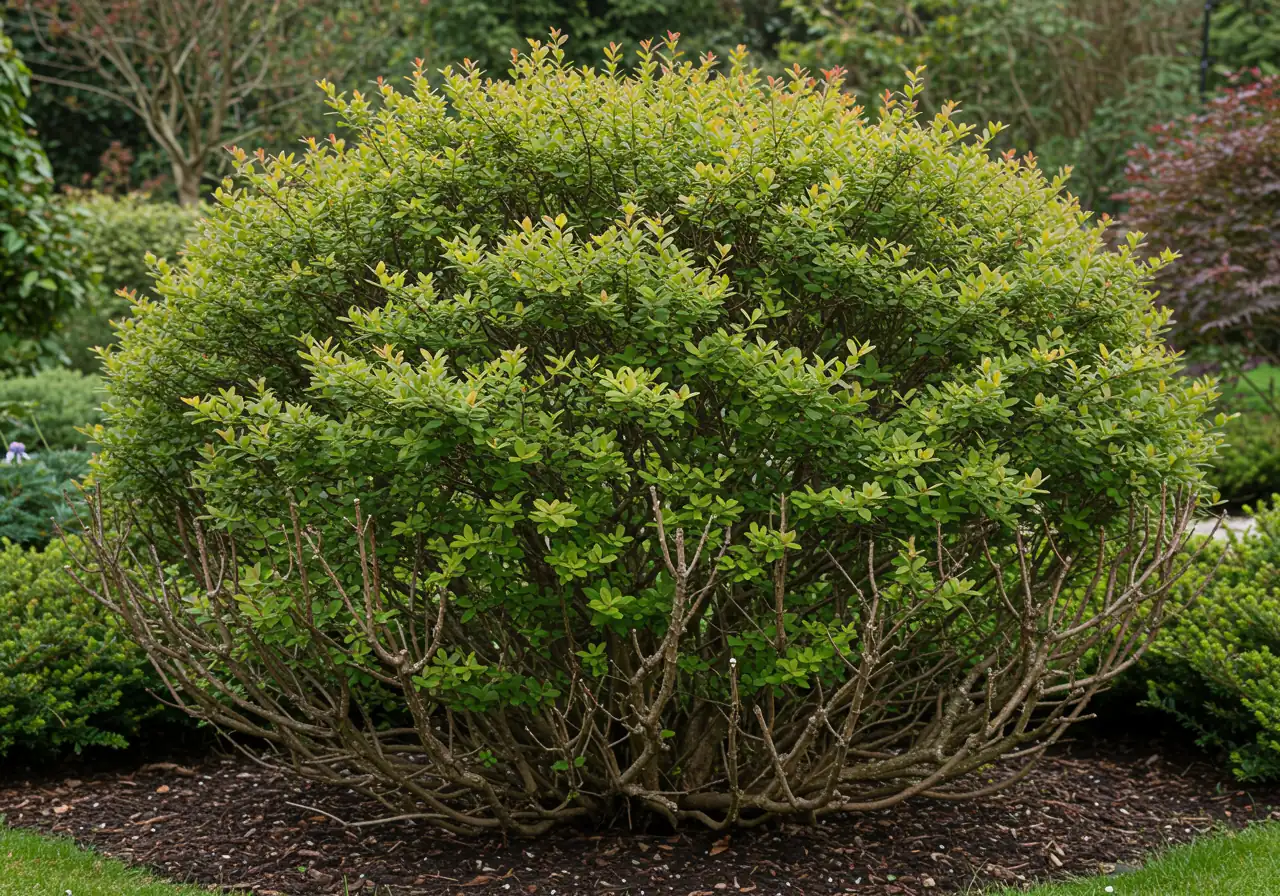
A mature deciduous shrub with full top growth but sparse, twiggy lower branches, illustrating 'bare legs' needing renovation.
Example of an overgrown shrub with 'bare legs'.

So, how do you know if your shrub is sending out an S.O.S.? Here are some tell-tale signs:

  • The Incredible Hulk Syndrome: Is your shrub threatening to swallow your walkway, engulf your mailbox, or block the sunlight from your living room window? When a shrub gets way too big for its britches (or its designated spot), drastically reducing its size through renovation pruning might be the only way to restore order and maintain harmony in your landscape design. An overgrown shrub can really drag down your curb appeal, even if you've perfected your lawn using tips from our Greely Sod Installation & Clay Soil Lawn Guide. See how we've tackled similar issues in our Transformations gallery.
  • Bare Legs and Bad Hair Days: Does your shrub look full and leafy on top but completely bare and twiggy near the bottom? Or maybe it's just sparse all over, looking thin and weak? This often happens with older shrubs or those stressed by our tough Ottawa climate. They lose vigour and stop producing new growth near the base. Renovation encourages fresh new shoots from the ground up. Sometimes, shrubs struggle simply because they're stressed by tough conditions, much like newly planted trees dealing with our tricky soil, as discussed in our guide on Greely Tree Planting in Clay Soil.
  • Flower Power Failure: Remember when that lilac used to explode with fragrant blooms? If your flowering shrub is producing significantly fewer (or smaller) flowers than it used to, or maybe none at all, it's a classic sign it needs rejuvenating. Old, unproductive wood just doesn't bloom well. Noticing fewer flowers this year compared to last? Keeping good Greely Summer Garden Record Keeping Tips can help you spot these declining trends early.
  • A Tangled, Twiggy Mess: Is the centre of your shrub a dense jungle of dead twigs, crossing branches, and old, thick stems? This not only looks unattractive but also reduces air circulation, making the plant more susceptible to pests and diseases. That thicket can be a breeding ground for problems – remember why it's crucial to Keep Greely Garden Tools Sharp & Clean to Prevent Disease before you dive into clearing it out! Professional property clean up can handle severe cases.
  • It's Just... Old: Like all living things, shrubs age. After many years, even with regular light pruning, some just run out of steam and need a major reset to stimulate vigorous, youthful growth again.

If you're nodding along, recognizing your own shrubs in these descriptions, it’s likely time to consider renovation pruning. Don't despair! It sounds dramatic, but it's often the kindest thing you can do for your long-serving landscape plants. And if tackling that tangled mess feels overwhelming, remember our professional Yard Care & Landscaping Services are always here to lend a hand in the Ottawa area. Check out our Google My Business page for reviews!

Understanding Pruning: Renovation vs. Regular Trims & Optimal Timing

Renovation Pruning vs. a Regular Trim: What's the Difference?

Okay, let's clear things up! You might hear "pruning" and think it's all the same snip-snip action. But there’s a big difference:

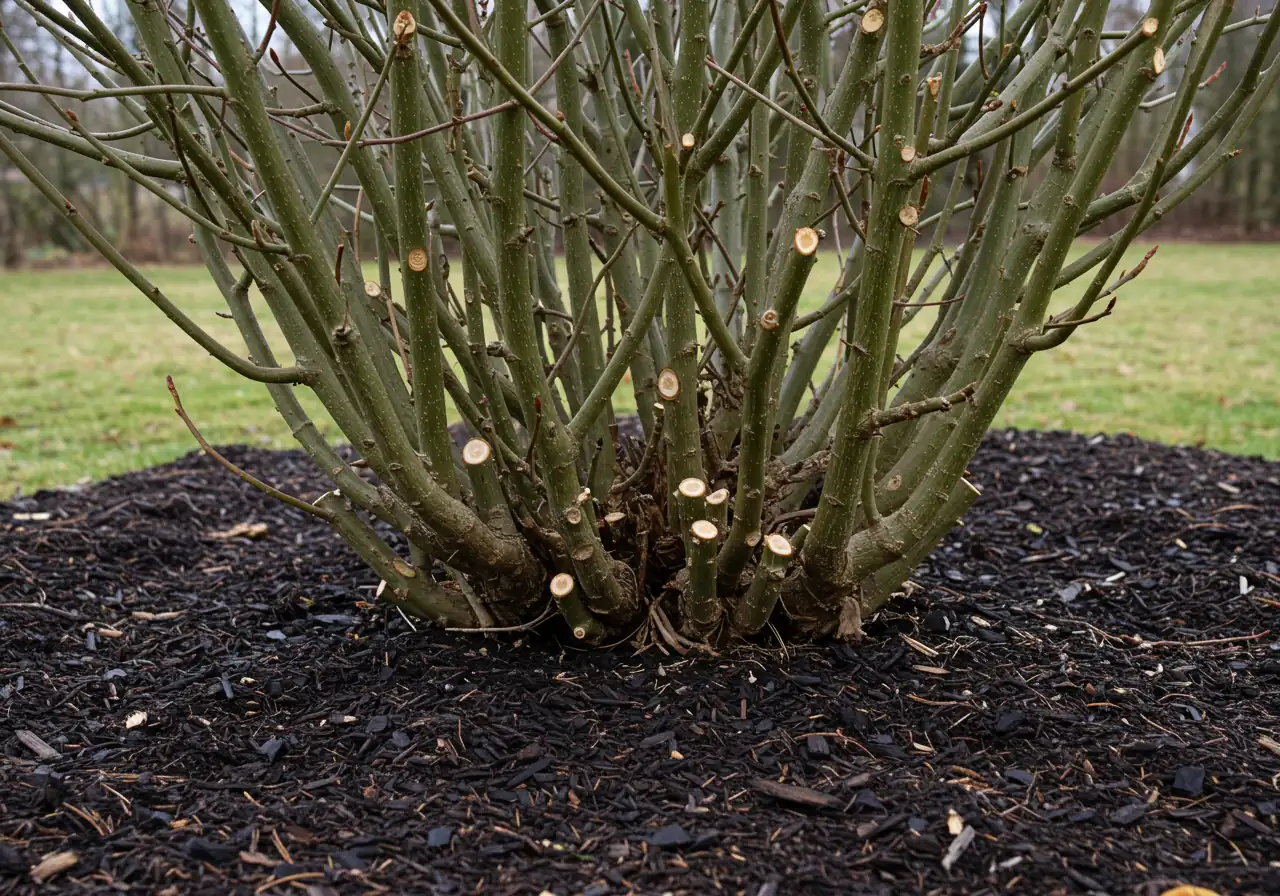
Base of a shrub cut back severely for hard pruning (coppicing), showing thick stems cut near the ground.
Hard pruning (coppicing) involves drastic cuts near the base.

Regular Trimming: The Maintenance Cut

  • The Goal: Shape-up! Maintain desired size/form, remove minor dead/diseased wood, encourage blooms, keep plant generally happy. Prevents small issues from becoming big ones.
  • The Severity: Gentle. Typically removing less than 1/3 of growth, often just tips or a few older stems.
  • The Frequency: Usually yearly, part of routine City Garden Maintenance Service.

Renovation Pruning: The Major Overhaul

  • The Goal: Reset button! Rejuvenate old, tired, or massive shrubs, stimulate vigorous new growth from the base. A rescue mission needed in established Ottawa areas.
  • The Severity: Intense. Often involves removing *most* top growth, sometimes cutting the entire shrub near the ground (coppicing) or removing all oldest stems over a few years.
  • The Frequency: Infrequent (every 5-20+ years). Can generate lots of debris requiring a service like our Greely Yard Cleanup Service.

Bottom Line: Regular trimming = maintenance; renovation pruning = corrective surgery. Knowing which is needed is key for healthy Lawn Care and overall property aesthetics, including tidy Mulching and Edging. If unsure, our Yard Care & Landscaping Services team can advise.

Timing is Everything: When to Tackle Shrub Renovation in Ottawa (and Surrounds!)

Picking the right moment for renovation pruning is crucial in Ottawa's climate (Zone 5a/b). Get it wrong, and you stress the plant or lose blooms. Get it right, and you set it up for success!

The Sweet Spot: Late Winter / Early Spring (Generally!)

For *most* deciduous shrubs (leaf-losers) in Ottawa, Kars, or Vernon, the best time is **late winter/early spring (late Feb, March, early April)**, *before* buds swell.

  • Dormancy:** Less shock to the sleeping plant.
  • Energy Reserves:** Stored root energy fuels vigorous new spring growth.
  • **Visibility:** Clear view of structure without leaves.
  • **Healing:** Cuts heal quickly as growth starts, reducing disease risk.

The Big Exception: Spring-Flowering Superstars

Shrubs blooming early on *last year's* wood (lilacs, forsythia, magnolias, some spireas) set buds the previous year. Pruning them in late winter removes the flowers!

Rule for early bloomers: Prune them **immediately *after* they finish flowering.** This allows a full season for new growth (and next year's buds).

Avoid Pruning Pitfalls

  • Summer Stress:** Avoid heavy pruning in summer heat.
  • **Fall Folly:** Late fall pruning risks stimulating tender growth killed by Ottawa winter.

Simple Seasonal Guide:

  • **Late Winter/Early Spring (Before leaves):** Renovate most deciduous shrubs (hydrangeas on new wood, potentilla, dogwood, ninebark).
  • **Late Spring/Early Summer (After flowers fade):** Renovate spring-flowering shrubs (lilac, forsythia, weigela).

Dealing with the Aftermath

Renovation pruning creates lots of debris, often needing more than a green bin. Our professional City Yard Cleanup Service handles hauling. Completing the look with fresh mulch is ideal – see ideas on our Mulching and Edging page. If a shrub doesn't recover, consider removal and perhaps new turf via our Sod Installation services. Learn About Us and our expert approach. Booking is easy, leading to our Thank You page confirmation.

The Great Shrub Rescue: Your Step-by-Step Renovation Pruning Guide

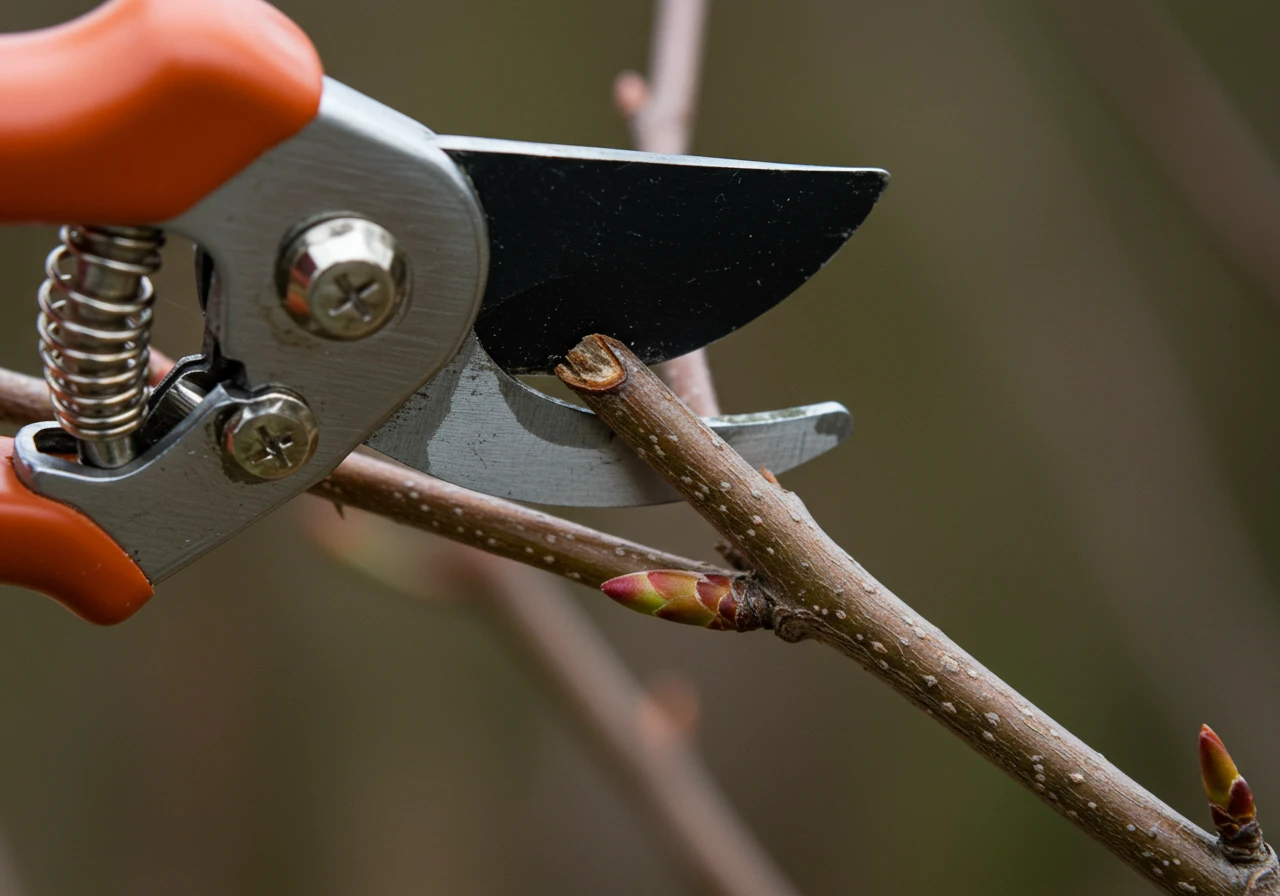
Close-up of bypass pruners making a clean, angled cut just above an outward-facing bud on a shrub stem.
Making a proper pruning cut above a bud.

Alright, rescue rangers, grab your gloves! It’s time to dive in and give that overgrown or underperforming shrub the spa treatment it desperately needs. Follow these steps for amazing results.

  • Step 1: Assess & Gear Up

    Look closely at the shrub's shape and identify the oldest, thickest stems. Gather sharp, *clean* bypass pruners, loppers, and maybe a pruning saw. Clean tools are crucial - learn about our standards About Us.

  • Step 2: Tackle the 3 D's First

    Always start by removing *Dead, Damaged, or Diseased* wood. Cut back dead (brittle, discolored), damaged (broken, rubbing), or diseased (cankers, growths) wood well below the problem area. Clean tools between cuts if disease is suspected.

  • Step 3: Choose Your Renovation Strategy

    Choose between:

    • Gradual Rejuvenation (One-Third Method): Remove 1/3 of the oldest stems at the base each year for 3 years. Good for lilacs, forsythia.
    • Hard Pruning (Coppicing): Cut *all* stems to 6-12 inches. Effective for tough growers like dogwood, potentilla, some spireas. Avoid on tree-like or grafted shrubs.
  • Step 4: Make Proper Cuts

    When removing a whole stem, cut close to the ground. When shortening, cut 1/4 inch above an outward-facing bud, angling slightly. Avoid stubs. Clean cuts heal better, supporting healthy regrowth even in Ottawa's clay soil.

  • Step 5: The Big Clean-Up

    Renovation pruning generates *lots* of branches! Rake everything up. This often requires more than your green bin. Our expert Ottawa Yard Cleanup Service can haul it away efficiently. We also offer targeted services like City Garden Clean Up Service, Marionville Garden Clean Up Service, and for larger jobs, Ottawa Property Cleanup Service. For specific areas, consider Metcalfe Garden Clean Up Service or Marionville Property Cleanup Service.

  • Step 6: Aftercare and Patience

    Water well after pruning. Add compost around the base. Be patient! Hard-pruned shrubs look bare initially but should show new growth in weeks. Gradually pruned shrubs show results over years. Consider a regular Garden Maintenance plan moving forward.

You did it! You've given your shrub a new lease on life. High-five yourself and watch the transformation begin! Need help with material selection for mulching afterwards? We can guide you.

Visualizing the Impact: Shrub Growth Potential

Estimated Regrowth After Renovation (Typical Tolerant Shrub)

Year 0 (Before) 25% Vigour
Year 1 (After) 85% Vigour

Note: Chart illustrates potential vigour recovery in a shrub responding well to hard renovation pruning. Actual results vary by species, health, and conditions.

After the Chop: Post-Pruning Care & Eco-Friendly Tips

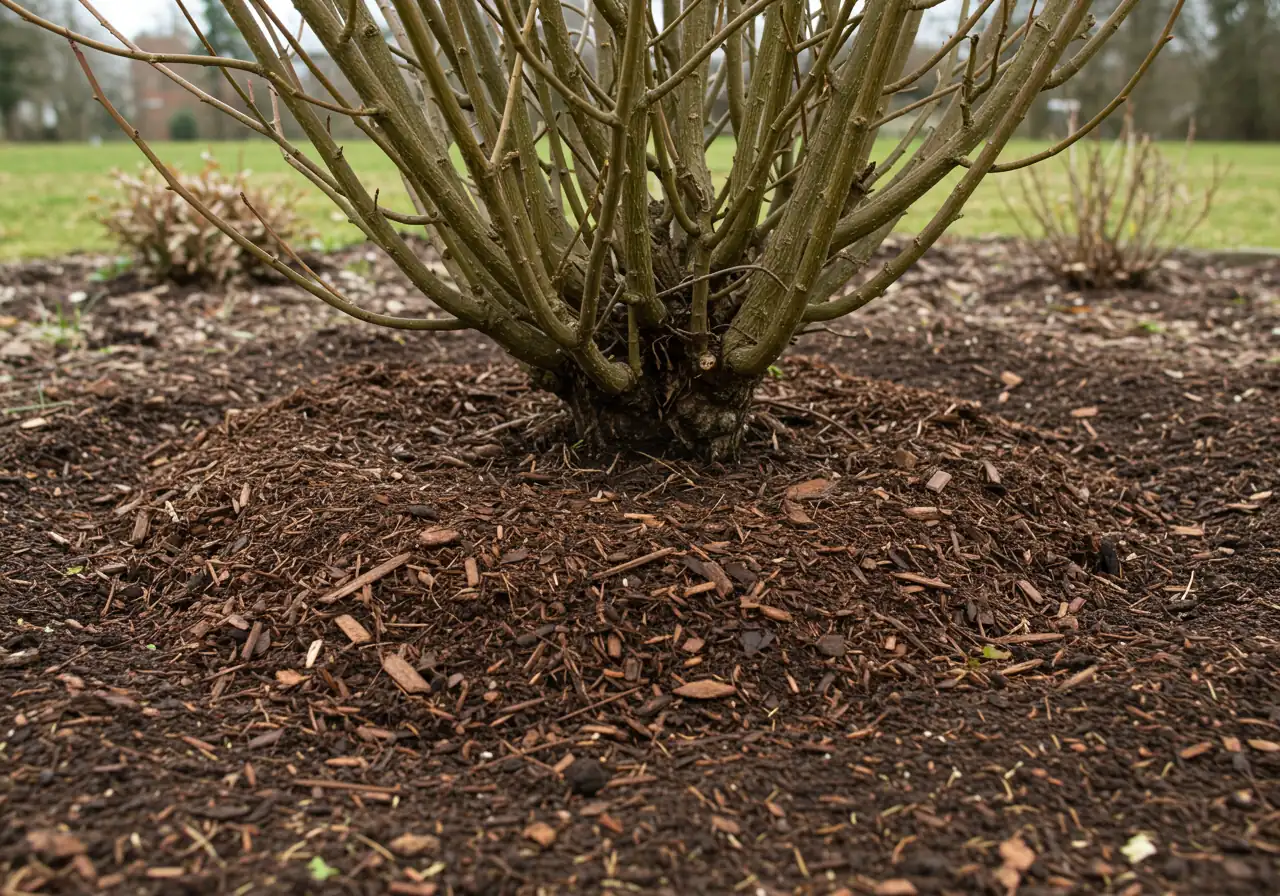
Close-up of shredded bark mulch applied in a doughnut shape around the base of pruned shrub stems, leaving space around the stems.
Proper mulching technique after pruning.

Whew! The big chop is done. Now, let's talk about pampering your plant post-pruning, Ottawa style!

  • Give it a Good Drink: Water deeply right after pruning and monitor moisture, especially during dry spells. Consistent moisture supports new growth.
  • Tuck it in with Mulch: Apply 2-3 inches of organic mulch (shredded bark, wood chips) around the base (not touching stems!). Mulch helps retain moisture, regulate soil temperature, suppress weeds, and improve soil – crucial in Ottawa. Good mulch supports efforts like those in our guide to Optimal Soil Preparation Techniques.
  • Easy Does It on Fertilizer: Heavy pruning stimulates growth. Avoid high-nitrogen fertilizer immediately. Add compost before mulching for slow-release nutrients. Fertilize later only if needed.
  • Keep Your Peepers Peeled: Monitor for healthy new buds and watch for pests/diseases on the stressed plant. Early detection is key!
  • Eco-Friendly Clean-Up:
  • Bonus: Ecosystem Boost! Healthy shrubs provide food/shelter for wildlife. Consider joining a group like the Ottawa Horticultural Society for more local tips.

We value your experience! Let us know how your project went via our Estimate Feedback form.

Quick Tips for Thriving Shrubs in Greely & Ottawa

  • Timing is Key: Prune most shrubs late winter/early spring (before leaves). Prune early bloomers (lilac, forsythia) right *after* flowering.
  • Soil Smarts: Good drainage and nutrition are vital. Investing in optimal soil preparation techniques pays off.
  • Clean Cuts & Tidy Up: Use sharp, clean tools. For large debris piles in Barrhaven or Greely, an Ottawa garden clean-up service helps. Near Metcalfe? Use our Metcalfe garden clean-up service.
  • Mulch is Your Friend: Apply 2-3 inches around the base (not touching stems) after pruning or anytime.
  • Renovate vs. Replace: Heavy pruning can save veterans. Sometimes, replacement is better. We offer new garden installations for fresh starts.
  • Don't Be Shy - Ask! Unsure? Reach out and contact us for advice!

FAQ: Your Greely & Ottawa Shrub Questions Answered

For most leafy shrubs around Greely and Ottawa, aim for late winter or very early spring – think March or early April, before buds burst. The plant is dormant, making pruning less stressful. You can also see the structure better! Exception: If your shrub blooms early (like lilac), prune it right after flowering so you don’t snip off the buds.

Don't panic just yet! Cedar browning in Ottawa is often due to winter burn, salt spray, or drought stress. Gently scratch the brown part; if it's green underneath, it might recover. Ensure good watering, especially during dry spells, and consider burlap protection next winter. Avoid harsh pruning on brown areas unless you're sure they're dead wood.

Ugh, clay soil can be a challenge! Luckily, some shrubs don't mind it too much. Consider Potentilla, various Dogwoods (especially red-twig), Ninebark, certain Spireas, and Serviceberry. These troopers handle our conditions well. Improving the planting hole with compost always helps give any shrub a better start in heavy soil found in areas like Osgoode.

For new shrubs, especially during their first Ottawa summer, aim for deep, less frequent watering rather than light daily sprinkles. Check the soil moisture a few inches down. If it's dry, give it a good soak until the root zone is moist. This encourages strong root growth. In Manotick's heat, you might need to check every few days initially.

Whoa there! While some tough shrubs *can* handle being cut nearly to the ground (called hard pruning or coppicing), others won't survive it. For many overgrown bushes, gradually removing the oldest third of stems over three years is safer. Either way, you'll create a *lot* of debris needing a thorough Ottawa garden clean up service.

If you're unsure about identifying stems, making proper cuts, or lack the right tools, professional help is wise! For large jobs or extensive cleanups, especially on bigger properties needing something like a Metcalfe property cleanup service or even out towards Marionville requiring a Marionville yard cleanup service, experts save time and ensure plant health. Always review service details, often found in their terms and conditions, before booking. Our Metcalf Yard Cleanup Service also covers general yard needs.

Conclusion: Bring Your Greely Garden Back to Life!

So there you have it, folks! Giving your tired Greely shrubs a new lease on life doesn't always mean grabbing the shovel. Renovation pruning, whether you take it slow or go for the big chop, is a fantastic tool in your gardening toolkit. It can transform those overgrown, twiggy beasts back into vibrant, healthy parts of your landscape. Imagine fewer tangled branches blocking your path and more beautiful blooms adding colour and life – that’s the real benefit of giving your older shrubs some expert attention!

Feeling empowered to tackle that unruly lilac or ancient spirea yourself? Excellent! Use the tips we've shared and enjoy the process. But hey, if the thought of wielding the loppers like a garden gladiator, or facing the mountain of branches afterwards, sounds a bit overwhelming (especially after a long Ottawa winter!), we understand completely.

Our friendly team loves breathing new life into shrubs and handling all the tricky bits, including the cleanup. We offer expert pruning, gardening, and landscaping services throughout Greely, Osgoode, Manotick, Kenmore, Vernon, and the surrounding Ottawa communities. Don't let sad shrubs spoil your beautiful yard! Visit us online at CleanYards.ca (https://cleanyards.ca/) or give us a call today to discuss how we can help rejuvenate your garden space. Let's get those shrubs looking sharp!

// Encapsulate script to avoid global scope pollution (function() { // Ensure DOM is fully loaded before running scripts document.addEventListener('DOMContentLoaded', function() {// Select elements within the article container scope const articleContainer = document.getElementById('greely-shrub-rescue-article'); if (!articleContainer) { console.error("Article container not found!"); return; // Exit if container missing }const progressBar = articleContainer.querySelector('#progress-bar'); const backToTopButton = articleContainer.querySelector('#back-to-top'); const faqQuestions = articleContainer.querySelectorAll('.faq-question'); const tabButtons = articleContainer.querySelectorAll('.tab-button'); const tabContents = articleContainer.querySelectorAll('.tab-content'); const chartContainer = articleContainer.querySelector('#shrub-chart');// 1. Progress Bar Logic function updateProgressBar() { if (!progressBar) return; const scrollableHeight = document.documentElement.scrollHeight - window.innerHeight; const scrolled = window.scrollY; const scrollPercentage = (scrolled / scrollableHeight) * 100; progressBar.style.width = scrollPercentage + '%'; }// 2. Back to Top Button Logic function toggleBackToTopButton() { if (!backToTopButton) return; if (window.scrollY > 300) { backToTopButton.classList.add('visible'); } else { backToTopButton.classList.remove('visible'); } }if (backToTopButton) { backToTopButton.addEventListener('click', () => { window.scrollTo({ top: 0, behavior: 'smooth' }); }); }// Add scroll listeners window.addEventListener('scroll', () => { updateProgressBar(); toggleBackToTopButton(); }); // Initial check in case page loads scrolled down updateProgressBar(); toggleBackToTopButton();// 3. FAQ Collapsible Sections Logic faqQuestions.forEach(button => { button.addEventListener('click', () => { const answer = button.nextElementSibling; const isActive = button.classList.contains('active');// Optional: Close other open FAQs // faqQuestions.forEach(btn => { // if (btn !== button && btn.classList.contains('active')) { // btn.classList.remove('active'); // btn.nextElementSibling.style.maxHeight = null; // btn.nextElementSibling.style.padding = '0 15px'; // } // });button.classList.toggle('active');if (!isActive) { // Calculate height and set max-height for opening animation answer.style.display = 'block'; // Temporarily display to calculate scrollHeight const scrollHeight = answer.scrollHeight; answer.style.display = ''; // Revert display property // Use a slight delay to ensure display change is registered before transition starts requestAnimationFrame(() => { answer.style.maxHeight = scrollHeight + 'px'; answer.style.padding = '0 15px 15px 15px'; // Adjust padding during transition });} else { answer.style.maxHeight = null; // Collapse answer.style.padding = '0 15px'; // Reset padding }// Optional: Adjust focus for accessibility // button.focus(); }); // Ensure initial state is correct if some start open (not typical for FAQ) const answer = button.nextElementSibling; if (button.classList.contains('active')) { answer.style.maxHeight = answer.scrollHeight + 'px'; answer.style.padding = '0 15px 15px 15px'; } else { answer.style.maxHeight = null; answer.style.padding = '0 15px'; } });// 4. Tab Interface Logic tabButtons.forEach(button => { button.addEventListener('click', () => { const targetTabId = button.getAttribute('data-tab'); const targetTabContent = articleContainer.querySelector('#' + targetTabId);// Remove active class from all buttons and content tabButtons.forEach(btn => btn.classList.remove('active')); tabContents.forEach(content => content.classList.remove('active'));// Add active class to clicked button and corresponding content button.classList.add('active'); if (targetTabContent) { targetTabContent.classList.add('active'); } }); });// 5. Bar Chart Animation Logic function animateChart() { const bars = chartContainer.querySelectorAll('.chart-bar'); bars.forEach(bar => { const value = bar.getAttribute('data-value'); // Use requestAnimationFrame for smoother animation start requestAnimationFrame(() => { bar.style.height = value + '%'; bar.classList.add('animated'); // Add class to trigger value visibility });}); }// Use Intersection Observer to trigger chart animation when visible if (chartContainer) { const observerOptions = { root: null, // Use viewport as root rootMargin: '0px', threshold: 0.5 // Trigger when 50% of the element is visible };const observer = new IntersectionObserver((entries, observer) => { entries.forEach(entry => { if (entry.isIntersecting) { animateChart(); observer.unobserve(entry.target); // Stop observing once animated } }); }, observerOptions);observer.observe(chartContainer); }}); // End DOMContentLoaded })(); // End IIFE
Share This Article
Facebook
X
Pinterest
Email
Print

Thank you for sharing!

Contact Us Today

To request a quote, kindly fill out the form below.

Where Can we Reach you?
Which Service Do You Require? (Click all that apply)
Provide a Breif Description of The Work You'd Like Done

Before You Go

We’re confident in our services, we offer a 30-day money-back guarantee. Not 100% satisfied? We’ll swiftly refund all labor costs. Your satisfaction is our top priority!

Get in touch today for expert service and satisfaction guaranteed. You won't regret it!

Where Can we Reach you?
Which Service Do You Require? (Click all that apply)
Provide a Breif Description of The Work You'd Like Done
Where Can we Reach you?
Which Service Do You Require? (Click all that apply)
Provide a Breif Description of The Work You'd Like Done
Where Can we Reach you?
Which Service Do You Require? (Click all that apply)
Provide a Breif Description of The Work You'd Like Done