Russell Mulch Secrets: Beat Clay Soil & Boost Plants
Quick Guide: Mulching Russell's Clay Soil
- Clay soil in Russell/Ottawa holds nutrients but drains poorly and compacts easily.
- Organic mulch (bark, compost, leaf mould) is key to improving clay structure.
- Apply a 2-3 inch layer, keeping it away from plant stems ("no volcanoes").
- Best time to mulch is mid-to-late spring (after soil warms) and late fall (before ground freeze).
- Mulching suppresses weeds, retains moisture, moderates soil temperature, and improves soil over time.
Introduction: The Russell Riddle: Conquering Clay Soil with the Magic of Mulch
Okay, let's talk about the soil. You know the one. That heavy, sticky clay we wrestle with here in Russell and across much of the Ottawa area, from Greely right down to Embrun? Trying to garden in it can sometimes feel like you need a pickaxe instead of a trowel, right? Plants might drown in soggy spring soil or bake in concrete-hard summer ground. It's enough to make even the most enthusiastic gardener sigh! But don't hang up your gardening gloves just yet. What if I told you there's a secret weapon in the battle against stubborn clay? Enter mulch! Okay, maybe it's not actual magic, but for your landscaping efforts, it comes pretty close. This simple garden helper can truly transform your tricky turf. In this guide, we’ll dig into exactly how mulch works its wonders on clay, explore the best types to use for our local conditions, and share practical tips to turn your garden beds from frustrating to flourishing. Get ready to solve the Russell riddle!
Getting Down and Dirty: Understanding Ottawa's Clay Soil Conundrum

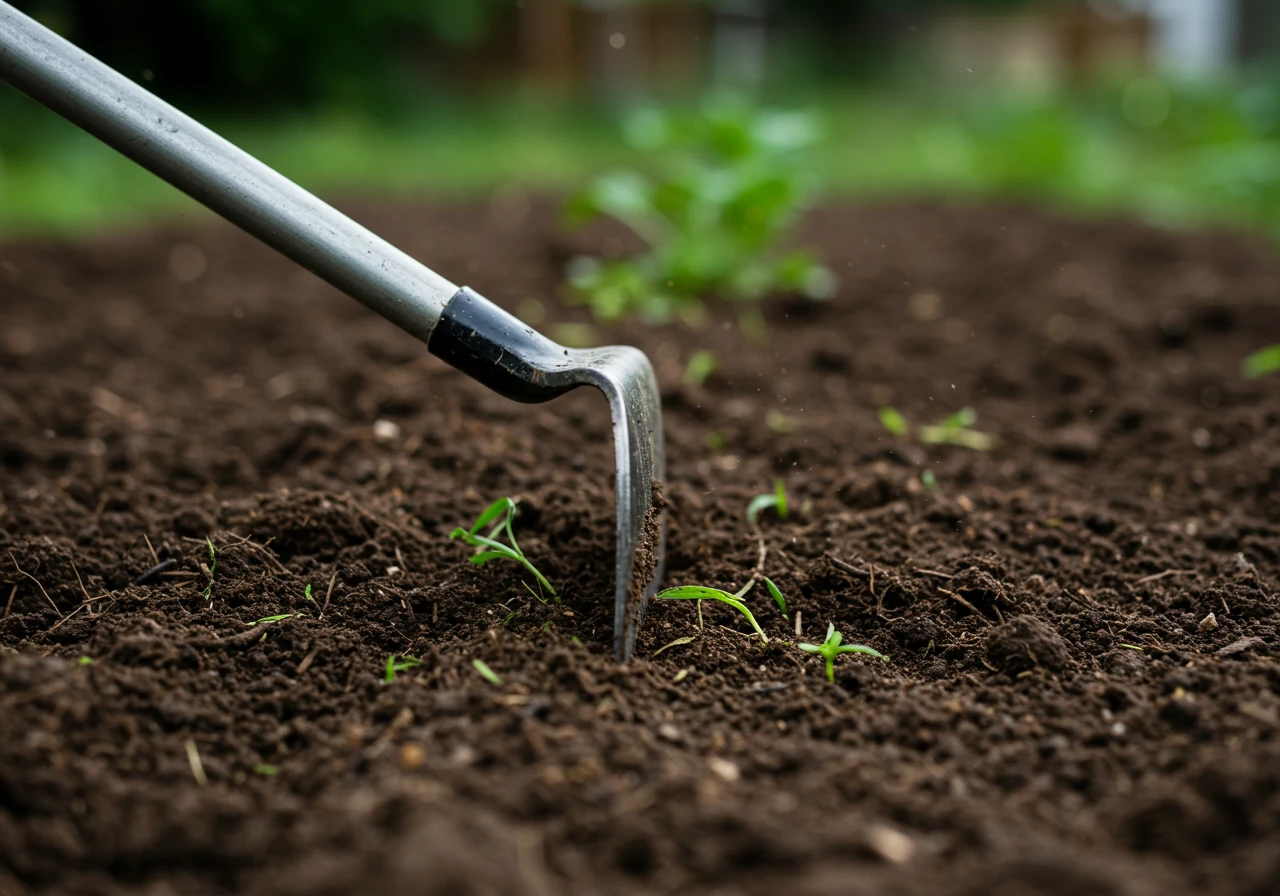
Alright, let's talk dirt – the kind we have plenty of here in the Ottawa region! If you've ever tried digging in areas like Russell, Metcalfe, or even parts of Barrhaven after a good rain, you know exactly what we mean. It’s that heavy, sticky stuff that clings to your shovel like it’s paying rent. Yep, we're talking about clay soil.
So, what's the deal with clay? Imagine super-duper tiny particles, much smaller than sand grains, all packed together really tightly. Think of it like the difference between trying to pour water through flour versus gravel. This density is both a blessing and, well, a bit of a curse for our gardening adventures.
On the plus side, clay soil is fantastic at holding onto moisture and nutrients. It's like a pantry packed full of goodies for your plants! This nutrient-rich nature means clay can be very fertile... if plants can actually access those goodies.
And here's where the "conundrum" kicks in. That tight structure makes drainage a real challenge. After spring melts or heavy downpours (sound familiar, Ottawa?), water can just sit there, potentially drowning plant roots and turning your garden beds into mini-swamps. Poor drainage doesn't just risk root rot; it can also cause water to run off surfaces, taking valuable topsoil with it. Properly managing water flow is key, and understanding Effective Swale Design for Clay Yards in Russell to Combat Erosion can make a huge difference. Saturated soil can also stress plants, making them more susceptible to problems, which is why good Russell Garden Sanitation Practices to Stop Disease Spread become even more vital.
Then, flip the coin to our dry summers. That same clay can bake into something resembling concrete, making it tough for roots to grow and for air and water to penetrate. Plus, Ottawa's classic freeze-thaw cycles in winter and spring can cause the soil to heave, sometimes pushing smaller plants right out of the ground! Achieving a lush lawn on clay requires understanding these specific challenges; knowing the Secrets to Perfect Russell Lawn Care starts with knowing your soil. Find local tips on the City of Ottawa gardening page.
Every clay soil patch can be slightly different, too. Knowing exactly what you're working with – its texture, pH, and nutrient levels – is super helpful. Dig deeper into what makes your specific soil tick with our Russell Soil Test Secrets: Beyond NPK Guide. Understanding this unique soil profile is the first step in turning that clay conundrum into a landscaping triumph. Tackling major soil improvement can be a big job, so if you need a hand transforming your yard, check out our professional Landscaping and Yard Care Services.
Advantages of Clay Soil
- Nutrient Rich: Clay particles hold onto essential plant nutrients effectively.
- Water Retention: Holds moisture well, which can be beneficial during dry spells (if drainage is managed).
- Good Foundation: Provides firm support for larger plants and structures.
Challenges of Clay Soil
- Poor Drainage: Tightly packed particles prevent water from draining easily, leading to waterlogging.
- Compaction: Easily becomes compacted, especially when wet, restricting root growth and air circulation.
- Slow to Warm: Takes longer to warm up in spring compared to sandy soils.
- Hard When Dry: Can become rock-hard and crack during dry periods.
Mulch Ado About Something: Why Mulch is Your Garden's Best Friend

Alright, let's chat about mulch! Heard the term tossed around but not quite sure what all the fuss is about? Think of mulch as a cozy blanket you tuck around your plants in your garden beds. It’s basically any material spread over the soil surface as a protective layer. From Manotick to Barrhaven, smart Ottawa gardeners know mulch isn't just for looks (though it *does* make things look tidier!); it's a powerhouse for soil health and plant happiness.
So, what magic does this garden blanket perform?
- Moisture Lock-In: Mulch acts like a lid on your soil, slowing down evaporation. This means you water less, saving time, water, and money – especially during those hot, dry Ottawa summers.
- Weed Warrior: A good layer of mulch blocks sunlight from reaching pesky weed seeds, making it much harder for them to sprout. Hooray for less weeding!
- Temperature Control: It insulates the soil, keeping roots cooler in the summer heat and warmer during unexpected cold snaps. Less stress for your plants!
- Finishing Touch: Let's be honest, a mulched bed just looks finished and professional. It gives your landscaping that polished look. You won't believe the difference it can make; check out some stunning Garden Transformations to see for yourself! For local inspiration, visit the Central Experimental Farm gardens.
Now, mulch generally falls into two camps: organic and inorganic.
- Organic Mulch: This is the stuff made from natural materials that break down over time. Think shredded bark, wood chips, straw, shredded leaves (a great use for fall cleanup!), or compost. The huge benefit here, especially for our clay soil, is that as it decomposes, it adds organic matter, improving soil structure and fertility. Preparing your beds properly before adding mulch is key; services like a thorough Russell Yard Cleanup Service can get your space ready.
- Inorganic Mulch: This includes materials like landscape fabric, gravel, stones, or rubber mulch. These don't break down, so they last much longer and don't need frequent replacement. They're great for weed suppression but don't improve your soil over time.
Here’s a quick comparison:
| Feature | Organic Mulch (Bark, Leaves, etc.) | Inorganic Mulch (Gravel, Fabric, etc.) |
|---|---|---|
| Soil Improvement | Yes, adds nutrients/structure | No |
| Longevity | Needs replacing periodically | Lasts much longer |
| Weed Control | Good to Excellent | Excellent (especially fabric/stone) |
| Water Retention | Excellent | Varies (fabric good, stone less so) |
| Temperature Control | Good | Good |
| Cost | Generally lower initially | Can be higher initially |
While both types have their place, organic mulch is usually the star player for improving garden soil, particularly the challenging clay we often encounter. Applying mulch is just one part of creating a beautiful yard; explore our Complete Landscaping and Yard Care Solutions for more ways we can help. As local folks passionate about Ottawa gardens, you can learn more About Us and our approach. Wondering if professional mulching fits your budget? See what others think on our Estimate Feedback Page. Next up, we'll dig deeper into why organic mulch is the MVP for conquering clay!
The Clay-Busting Crew: Top Organic Mulches for Russell & Ottawa Gardens

Alright team, let's assemble the crew! We know our heavy clay soil here in Russell and across Ottawa (hello Greely, Metcalfe!) needs some serious help to become the fluffy, plant-friendly haven we dream of. While inorganic mulches have their place, the real superheroes for improving that stubborn clay structure are the organic mulches. These are the good guys that break down over time, working with your soil, not just sitting on top of it.
So, how exactly does this clay-busting crew work its magic?
- Breaking Up is Easy to Do: As organic mulches decompose, they add precious organic matter into the clay. Think of it like adding tiny sponges. This helps those tightly packed clay particles clump together (a process called aggregation), creating larger pore spaces.
- Improving Drainage & Airflow: Those new pore spaces are crucial! They allow water to drain more effectively (less sogginess!) and let air reach plant roots (happy roots = happy plants!).
- Feeding the Underground Workforce: Organic mulch is basically food for beneficial soil microbes, fungi, and earthworms. These tiny critters are essential for good soil health, further improving structure and nutrient availability. Learn more from the Ontario Ministry of Agriculture, Food and Rural Affairs (OMAFRA).
Let's meet the top contenders for your garden beds:
1. Shredded Bark / Wood Chips:
- The Look: This is probably the most common sight in suburban landscaping from Nepean to Osgoode. It gives a neat, uniform appearance.
- Pros: Lasts longer than finer mulches (often 1-3 years), excellent at suppressing weeds, good moisture retention. Looks tidy.
- Cons: Breaks down slowly, so soil improvement takes time. Can temporarily tie up nitrogen in the soil right at the surface as microbes work to decompose fresh wood (we'll touch on this!). Can sometimes float away in very heavy rain if not edged properly. Proper application is key, consider looking into professional mulching and edging services for that perfect finish.
- Best For: General landscaping around trees, shrubs, and established perennial beds.
2. Compost:
- The Workhorse: Think of compost as a super-mulch! It feeds plants and improves soil structure right away.
- Pros: Packed with nutrients, improves soil structure quickly, encourages beneficial soil life like nobody's business.
- Cons: Breaks down faster than bark (needs replenishing more often, maybe annually), can be more expensive, and must be well-finished (otherwise, hello weed seeds!). Choosing quality is vital; we offer guidance on material selection to help you pick the best stuff.
- Best For: Vegetable gardens, annual flower beds, and giving any new planting a fantastic start. Often used as a top-dressing under another mulch like bark.
3. Leaf Mould:
- The Frugal Friend: This is simply decomposed leaves! Nature's perfect soil conditioner.
- Pros: Free if you make your own from fall leaves! Excellent at improving soil structure and water retention, beloved by beneficial fungi.
- Cons: Takes time to make (6 months to 2 years), doesn't suppress weeds as effectively as bark chips, not as tidy-looking to some. Getting those leaves gathered is the first step; if fall cleanup feels overwhelming, getting help with seasonal tasks like a thorough yard cleanup can make sourcing your main ingredient much easier.
- Best For: Woodland gardens, mixing into planting holes, or as a soil amendment anywhere you want to boost organic matter gently.
A Quick Note on Nitrogen: Fresh, woody mulches like some bark or wood chips require nitrogen for decomposition. Microbes pull this from the soil surface, which could temporarily make less nitrogen available for nearby shallow-rooted plants. To avoid this "nitrogen tie-up," you can sprinkle a nitrogen-rich fertilizer or a layer of compost on the soil before applying the wood mulch. Using aged or partially composted bark mulch also reduces this risk.
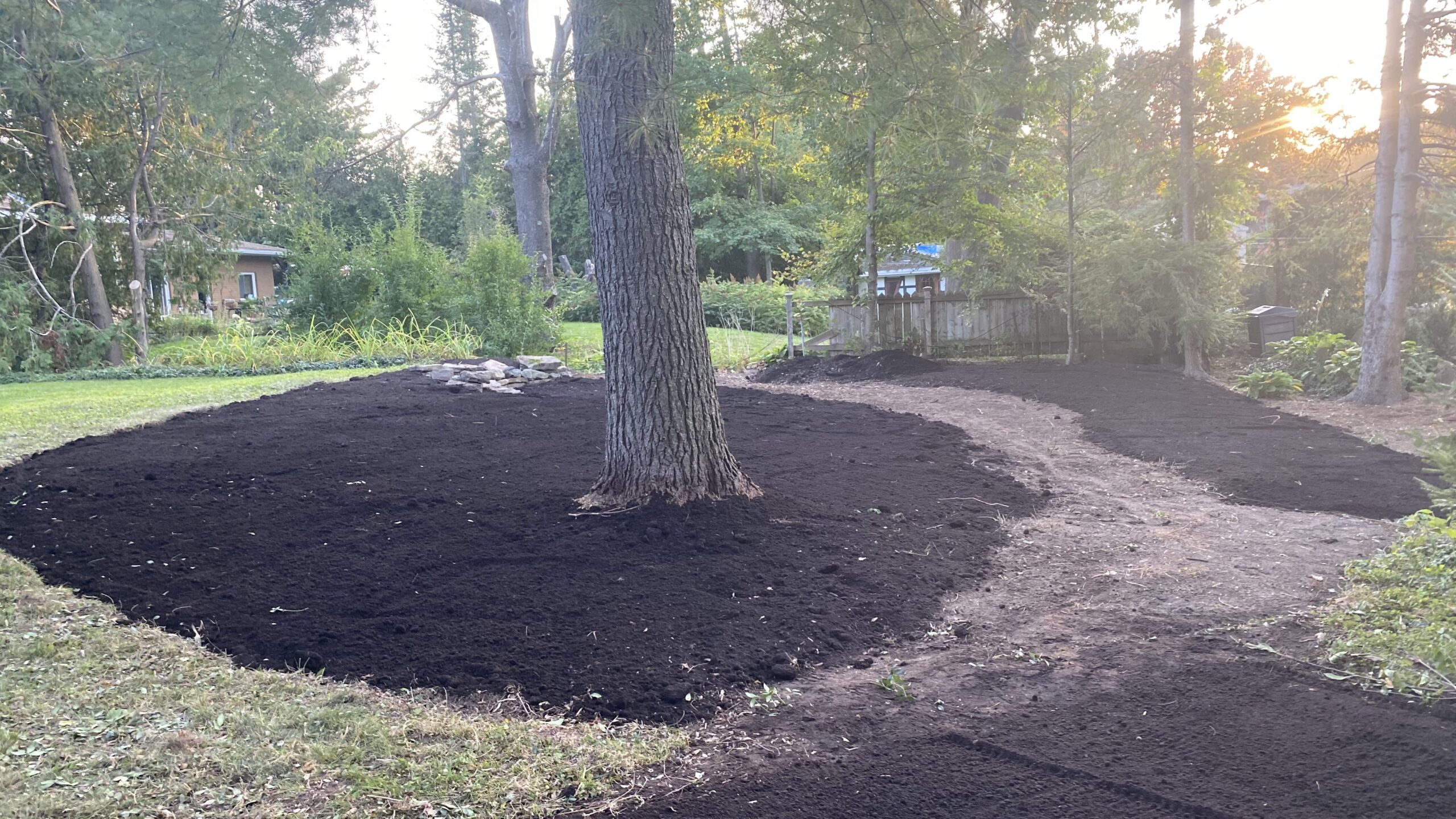
(30% Struct. Improv.)
(65% Struct. Improv.)
(85% Struct. Improv.)
| Mulch Type | Soil Improvement Speed | Longevity | Weed Control | Cost/Availability |
|---|---|---|---|---|
| Shredded Bark/Chips | Slow | Longer (1-3 yrs) | Good-Excellent | Moderate (Bagged/Bulk) |
| Compost | Fast | Shorter (<1 yr) | Fair-Good | Moderate-High (Bag/Bulk) |
| Leaf Mould | Moderate | Medium (1 yr) | Fair | Free (DIY) - Low |
Choosing the right organic mulch (or even a combination!) is a fantastic long-term investment in your garden's success. It’s one of the key steps towards achieving those lush, healthy gardens you see in inspiring garden transformations. Don't be afraid to experiment and see what works best for your specific patch of Ottawa clay! Check our Google Business Profile for reviews and local project examples.
Mulching Mastery: Applying it Right in Your Ottawa Yard
Okay, you've chosen your champion mulch, you're feeling inspired, and you're ready to give your Ottawa garden beds that glorious finishing touch. Fantastic! But hold your horses (or should we say, wheelbarrows?) for just a sec. How you apply that mulch is almost as important as using it in the first place. Doing it right means happy plants and healthy soil; doing it wrong can, well, invite trouble. Let's avoid the common pitfalls homeowners sometimes stumble into, whether they're in Embrun, Kenmore, or anywhere else around our lovely city.

Here’s your step-by-step guide to Mulching Mastery:
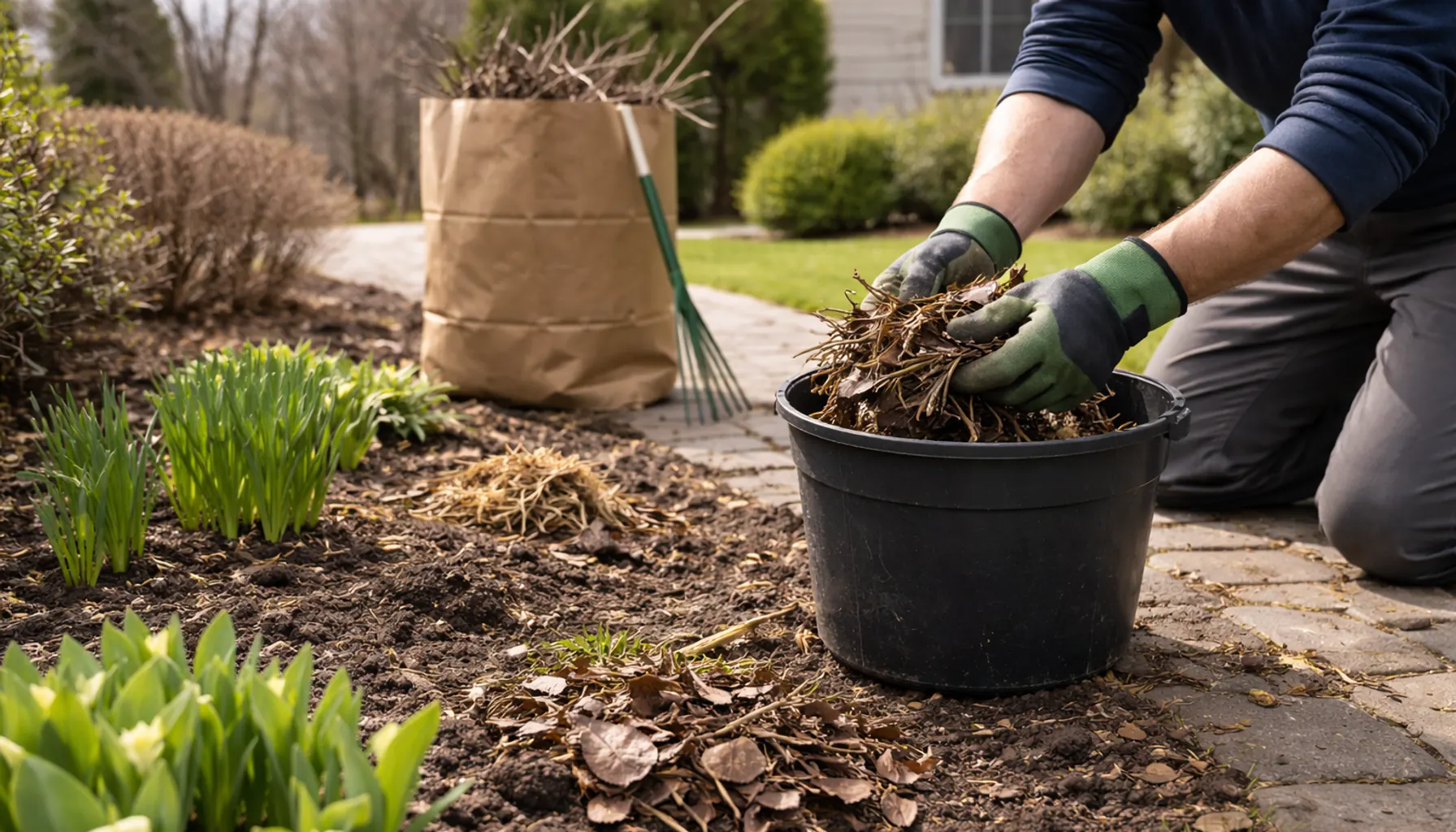
- Clean Sweep! Prep Your Beds: Before you even think about spreading mulch, you need a clean slate. Pull out *all* those pesky weeds – roots and all! Trust us, trying to mulch over existing weeds is like putting a tiny hat on a garden gremlin; they’ll just pop right back out. If the area is really overgrown, getting a thorough city yard cleanup service can save you a ton of backache and get things perfectly prepped. It’s also a great time to define your bed edges for a crisp, professional look. Lightly loosening the very top layer of compacted clay soil can also help water penetrate better once the mulch is down.
- Calculate Your Needs (No Guesswork!): Eyeballing mulch quantity often leads to either too many leftover bags or frantic mid-job trips back to the garden centre. Measure the length and width of your garden bed to get the square footage. Then decide on your depth (we’ll cover that next!). Most bagged mulch tells you how many square feet it covers at a certain depth, or online calculators can help if you're buying in bulk (cubic yards/metres).
- Spread the Love (Evenly!): Dump piles of mulch throughout the bed rather than one giant mountain. Then, use a rake (or your gloved hands for smaller areas) to spread it out evenly across the soil surface. Think gentle blanket, not lumpy duvet.
- The Goldilocks Depth: Not Too Much, Not Too Little: Aim for a layer about 2 to 3 inches (5 to 7.5 cm) deep. This is the sweet spot! It's deep enough to suppress most weeds and hold in moisture effectively, but not so deep that it prevents water and air from reaching the soil and plant roots. Laying it on too thick (like 6+ inches) can actually suffocate your plants, especially in our heavy clay soil which already struggles with drainage.
- WARNING: Avoid the Dreaded "Mulch Volcano"! This is probably the *most* common mulching mistake! Piling mulch high up against the base of trees, shrubs, or even perennials creates a cone shape resembling a volcano. Don't do it! This traps moisture against the bark or stem, inviting rot, diseases, and pests like rodents who love the cozy cover. Always, always pull the mulch back a few inches (5-10 cm) from the base of your plants, creating a small donut-hole effect. Let those plant bases breathe! This step is crucial for long-term plant health.
- Water it In (Optional, but Recommended): Once spread, giving the mulch a light watering helps settle it into place, prevents the finer particles from blowing away on a breezy Ottawa day, and starts the process of moisture conservation.
Applying mulch correctly is a key finishing step, whether you're refreshing existing beds or preparing for new garden installations. It protects your investment and boosts your soil health. If keeping those beds perfectly mulched season after season sounds like a chore you'd rather skip, our regular city garden maintenance service can handle it for you. Got more mulching questions or need a hand? Feel free to get in touch with us!
Your Ottawa Mulching Calendar: Timing is Everything!
Alright, let's talk timing! You wouldn't wear your winter parka in July, right? Well, applying mulch has its own seasons, especially here in Ottawa where our weather keeps us on our toes. Getting the timing right ensures your mulch does its best work, protecting plants and improving that tricky clay soil. Think of it as your garden's social calendar – mulch likes to show up fashionably late to the spring party but arrives just in time to tuck everything in for winter.
Mid-Late Spring (May)
The Awakening Application: Apply main mulch layer *after* soil warms and dries slightly. This prevents trapping cold/moisture. Prep beds first by cleaning up debris and weeds, similar to a Metcalf garden clean up service.
Summer (As Needed)
Monitor & Maintain: Check mulch depth. Spot-weed if necessary. Ensure mulch isn't compacted, especially after heavy rain. Enjoy reduced watering needs!
Late Fall (Oct/Nov)
Winter Prep Protection: Apply mulch *after* major garden cleanup (like a Marionville yard cleanup service) but *before* the ground freezes solid. This insulates roots against freeze-thaw cycles.
Ongoing (Annually/Bi-Annually)
Top Up: Replenish organic mulches as they decompose to maintain the ideal 2-3 inch depth. This is often done during the spring application window after preparing the area, potentially as part of a larger Marionville property cleanup service.
Spring Fling: The Awakening Application
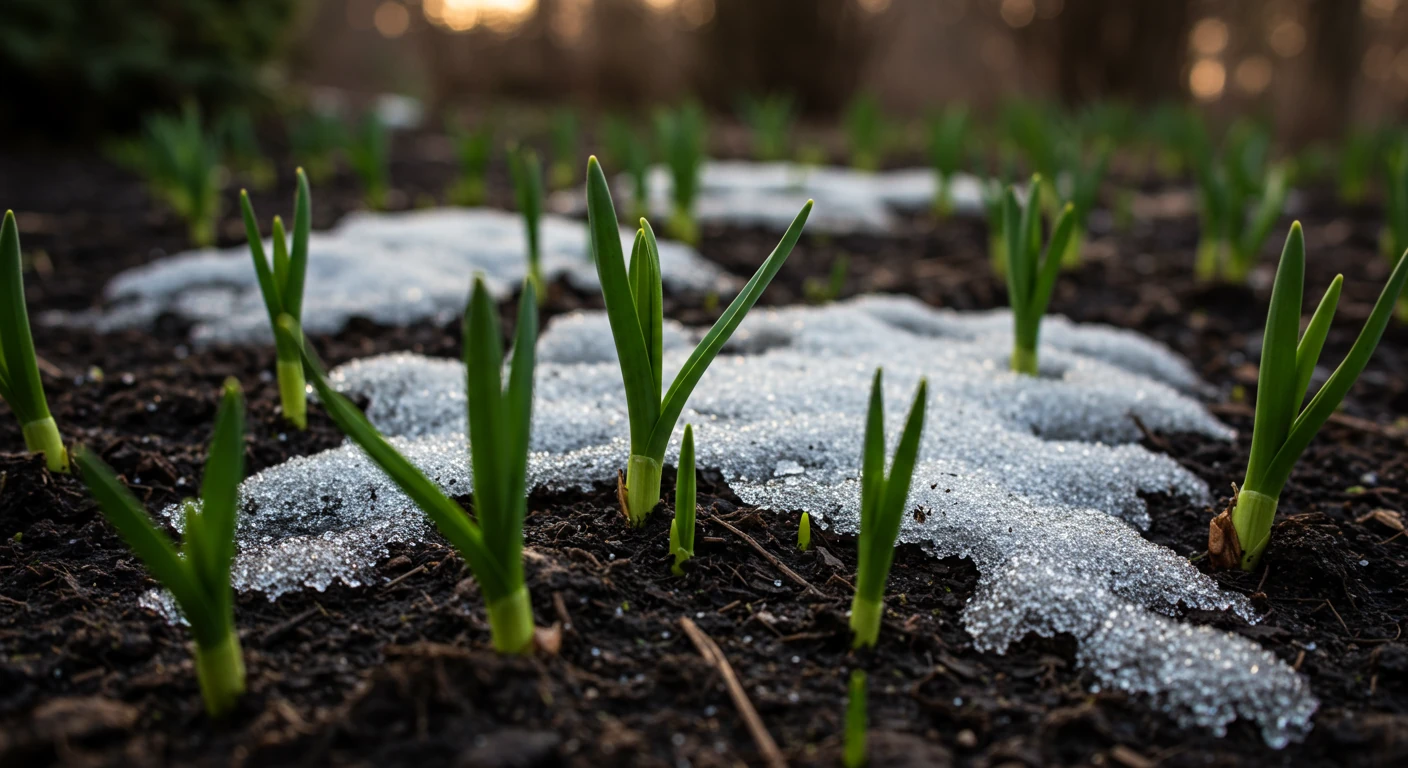
The ideal time for your main spring mulch application is usually mid-to-late spring. Why wait? Our Ottawa soils, especially clay, take a while to warm up and dry out after the big thaw. If you mulch too early (say, right after the snow melts), you risk trapping that cold, dampness underneath. This can slow down root growth and even encourage fungal issues – not the welcome party your plants were hoping for!
Wait until the soil has had a chance to breathe and warm up a bit, usually sometime in May. Before you spread that spring mulch, a solid prep job is key – think of it like a Metcalf garden clean up service for your beds. Cleaning up first ensures the mulch can properly connect with the soil. This spring layer helps suppress those early-bird weeds, starts conserving moisture before summer heat arrives, and gives your landscaping a fresh, tidy look.
Fall Tuck-In: Winter Prep Protection
Fall mulching is all about insulation. The best time is late fall, typically after the leaves have dropped and you've done your main garden cleanup, but before the ground freezes solid (usually late October or November). Getting ready for fall mulching often involves a good cleanup, like the kind offered by a thorough Marionville yard cleanup service.
This later application helps protect plant roots from the harsh freeze-thaw cycles common in areas like Manotick and across the region. That constant freezing and thawing can heave shallower-rooted plants right out of the ground! A fall mulch layer moderates soil temperature fluctuations and helps conserve moisture through the winter. If you're tackling a large area or starting fresh with new beds, a comprehensive cleanup might be needed first, similar to a full property cleanup service like those offered in Marionville or Ottawa.
Topping Up:
Organic mulches break down over time (which is great for your soil!), so you'll likely need to refresh or top up your mulch layer every year or two to maintain that ideal 2-3 inch depth. This can usually be done during your spring or fall application window.
Applying mulch at the right time really shows you care about your garden's health – thank you for taking that extra step! By following this simple Ottawa mulching calendar, you’ll give your plants the best chance to thrive.
Eco-Friendly Mulching: Good for Your Garden, Good for Ottawa
Want your garden to be the envy of Nepean *and* give Mother Nature a high five at the same time? Choosing eco-friendly mulch is a fantastic way to do just that! It’s all about using materials that nourish your soil sustainably, reduce waste right here in Ottawa, and maybe even save you some cash along the way. Think smarter, not harder, for your landscaping.
Let's focus on local and natural goodies. Why ship mulch across the country when we have amazing options right in our backyard?
- Leaf Mould: Got leaves? Don't curb 'em, compost 'em! Turning autumn leaves (perhaps gathered during an Ottawa garden clean-up service) into 'black gold' is brilliant for your soil. It's practically free, improves that clay structure beautifully, and keeps valuable organic matter out of the landfill. Win-win-win!
- Arborist Wood Chips: These un-dyed, often irregularly sized chips are frequently available for free or very low cost from local tree care companies. Sometimes, they're a byproduct of work like a large city property cleanup service or even a Metcalf property cleanup service. They break down naturally, feeding the soil web and suppressing weeds effectively.
What might you want to skip? Those brightly coloured, dyed mulches can sometimes contain questionable chemicals, and things like rubber mulch offer zero nutritional benefit to your soil – they just sit there. Sticking closer to nature is usually the best bet for a healthy garden ecosystem.
Remember, eco-friendly mulching is just one part of overall sustainable garden maintenance. It perfectly complements other green practices like adding compost or even cover cropping as part of a holistic soil preparation strategy. Choosing these options helps reduce our collective environmental footprint right here in Ottawa. So go on, mulch responsibly – your garden (and the planet) will thank you! Consider consulting resources like the Master Gardeners of Ottawa-Carleton for more sustainable gardening tips.
Russell Mulch Secrets: Quick Tips Box
Dealing with that tough Russell clay (or anywhere nearby, like Greely!) can feel like a workout, right? Mulch is your secret weapon, but how you use it makes all the difference. Here are the quick secrets to remember for fantastic gardening results:
- Go Organic for Clay: Forget plastic or plain rock if you want to improve your soil. Organic mulches like shredded bark, compost, or leaf mould are the heroes here. They break down, adding yummy organic matter that gradually turns heavy clay into happier soil for your plants. It's the long game for soil health!
- The 2-3 Inch Rule: More isn't always better! Aim for a mulch layer about 2-3 inches (5-7.5 cm) deep. Too shallow, and weeds push through. Too deep, and you risk smothering roots and trapping too much moisture – a real no-no in clay soil.
- No Mulch Volcanoes, Please!: This is a biggie! Piling mulch right up against the base of your trees, shrubs, or perennials is like giving rot and pests an open invitation. Always pull mulch back a few inches from the stems and trunks, creating a little breathing room. Your plants will thank you!
- Timing Your Spread: Don't rush it in spring! Let Ottawa soil warm up first (think mid-to-late May). Applying too early traps cold and moisture. A late fall application (before the ground freezes solid) also helps protect roots over winter. Proper timing is crucial for successful landscaping.
- Prep Makes Perfect: Before you spread that lovely mulch, give your beds a good clean-up – yank those weeds! A clean start makes all the difference. If the task seems daunting, getting professional help with bed prep like a Metcalf property cleanup service can set the stage perfectly. While mulch takes care of the beds, don't forget about the bigger picture; learn about healthy lawn care strategies for a complete look. Thinking of getting help? It's always smart to review a company's service agreements and guarantees beforehand. And if you reach out for advice, know that we respect your personal details as outlined in our commitment to your privacy.
Frequently Asked Questions (FAQs) for Ottawa Gardeners
Mulch can provide shelter for critters like slugs and earwigs, which love moist, dark places. However, keeping mulch away from plant stems (no volcanoes!) and ensuring good airflow helps. A tidy garden is less inviting; sometimes starting with a professional city garden clean-up service makes managing pests easier in the long run. Properly applied organic mulch benefits outweigh the minor pest risk for most landscaping.
It’s a valid concern! While mulch retains moisture, organic mulch actually helps improve clay drainage over time by adding organic matter. The key is applying it correctly – only 2-3 inches deep and *after* the soil warms up. Proper bed prep, maybe even as part of a Marionville garden clean-up service if things are messy, ensures mulch isn't applied over already waterlogged ground.
It depends on the type! Organic mulches like bark or compost break down, feeding your soil (yay!). Plan to top them up by an inch or so each spring to maintain that ideal 2-3 inch depth for effective gardening. Inorganic mulches last much longer. Keeping beds tidy between applications helps; consider an annual Ottawa yard cleanup service to prep for fresh mulch.
For new garden beds, wait a bit for plants to settle, then apply mulch carefully around them (remembering that donut hole!). For new lawns, you generally don't mulch the grass itself. Focus instead on proper watering and establishment. If you're starting from scratch, ensuring quality sod installation is the crucial first step for a great lawn, not covering the grass blades with mulch!
Conclusion: Turn Your Russell Clay into Garden Gold!
So there you have it! That notorious Russell clay, the stuff that might have had you considering paving over your entire yard, doesn't have to be the villain of your gardening story. With the magic of organic mulch – our trusty shredded bark, compost, or leaf mould – you can genuinely transform that heavy soil. Think less sticky mud pit, more happy plant haven! Mulch is your ticket to better drainage, happier roots, fewer weeds, and soil that actually improves over time. It’s like giving your garden beds a long-term spa treatment.
Imagine stepping out into your beautiful, thriving landscape in Russell, Manotick, or even Barrhaven, knowing you’ve cracked the clay code. It *is* possible to turn that challenging earth into garden gold!
Ready to make the leap from frustrating clay to fabulous flora? Whether you need help choosing the right mulch, calculating how much you need, or want a professional team to handle the landscaping heavy lifting with our mulching and edging services, we’re here for you. Let’s get those gardens thriving! Give Clean Yards a call or contact us online for expert advice and service across Ottawa and surrounding areas like Russell, Greely, Metcalfe, and beyond. Your garden gold awaits!