
Manotick New Lawn Seeding: Tips for Success on Clay Soil
Ready to transform your yard with a beautiful new lawn, but facing the challenge of Manotick's heavy clay soil? Get started on the right foot by planning your project. Need expert help? Request your free estimate today!
Quick Start Guide: Seeding on Manotick Clay
- Amend Heavily: Mix 2-4 inches of compost into the top 6-8 inches of clay soil.
- Choose Hardy Seed: Select cool-season grass mixes (Tall Fescue blends recommended) suited for Ottawa's climate.
- Ensure Contact: Lightly rake or roll seed for good soil contact.
- Water Frequently & Lightly: Keep the top inch moist with multiple short waterings daily until established.
- Aerate Long-Term: Annual core aeration is key for established lawns on clay.
Introduction: Dreaming of Green in Manotick? Tackling Clay Soil for Your New Lawn
Hello Manotick! Dreaming of establishing that perfect, emerald green new lawn for your home? Picturing kids playing or just relaxing on soft grass? It’s a fantastic goal! But let's chat about a common hurdle right under our feet – the infamous Ottawa Valley clay soil. Ah, yes, the Manotick 'clay conundrum'! It's a well-known challenge for gardeners and landscapers across the region, from Greely to Nepean and right here in our lovely community. We also serve nearby areas like City and Metcalf with property clean up services.
This heavy soil, combined with our distinct Ottawa climate – frosty winters giving way to warm, sometimes humid summers – can make starting a new lawn feel daunting. It often holds too much water when wet and becomes hard as rock when dry. But don't hang up your gardening gloves just yet! While clay soil needs a little extra TLC, achieving that lush lawn is absolutely possible. Think of it less as a problem and more as a landscaping puzzle we can solve together. Let's get digging (metaphorically, for now!) into how you can work with your soil, not against it, to create the beautiful green space you envision.
Clay Soil 101: Understanding Your Manotick Foundation
Okay, let's dig into the nitty-gritty of what's under your feet here in Manotick: the infamous clay soil. Think of it as the signature soil type for much of the Ottawa Valley, from Barrhaven right over to us. If you've ever tried digging after a rainstorm and felt like you were battling sticky play-doh, or tried planting in dry summer heat and hit concrete, congratulations – you've met our local clay!
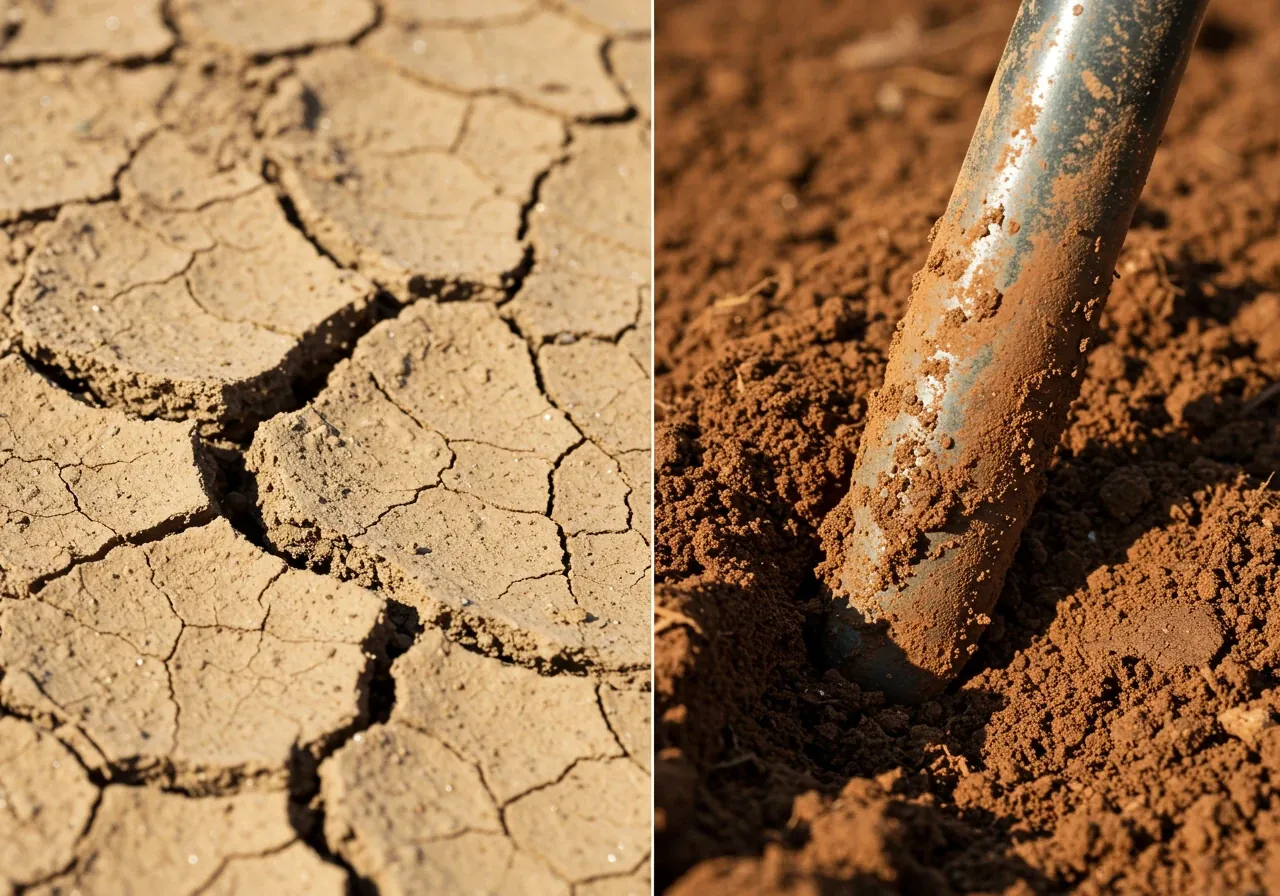
So, what is clay soil exactly? Imagine soil particles are like tiny building blocks. Sandy soil has big, chunky blocks with lots of space between them. Clay soil, on the other hand, is made of super tiny, flat particles packed tightly together. There's very little space for air or water to move easily. This gives clay its unique (and sometimes frustrating) personality:
- Waterlogged Welcome: When it rains, clay holds onto water like a sponge that forgot how to let go. This can lead to drainage issues and soggy lawns, making it tough for plant roots to breathe. Poor drainage is a common headache, but there are solutions like considering how to improve drainage with a Manotick rain garden.
- Rock Hard When Dry: Come the drier summer months, that same water-logged soil can bake into something resembling pottery. It becomes compacted, hard, and difficult for roots to penetrate.
- Nutrient Rich (But Stingy): The good news? Clay particles are actually great at holding onto nutrients! The tricky part is making those nutrients easily available to plants and dealing with the physical challenges.
- Slow to Warm: Because it holds water, clay soil takes longer to warm up in the spring, which can delay planting or lawn green-up. You'll want to keep an eye on things as the snow melts and check for winter damage after a tough season on clay.
The Squeeze Test: Want a quick way to identify your soil type? Grab a handful of moist (not soaking wet, not bone dry) soil from your garden bed. Squeeze it firmly in your fist.
- If it forms a tight ball that holds its shape and maybe even gets a bit shiny when you rub it, feeling slick and sticky – that’s clay! You might even be able to roll it into a ribbon between your thumb and forefinger.
- If it crumbles easily or won't form a ball at all, it's likely sandy or loamy.
Understanding your clay foundation is the first step to working with it. Proper soil amendment, choosing the right plants, and smart watering strategies are key. Because clay holds water so well, it's crucial to avoid overwatering, so it's wise to ensure efficient watering on clay with irrigation checks. Preparing your lawn correctly before the ground freezes is also vital, so remember to prepare your lawn and soil before winter with fall cleanup. If wrestling with clay feels like too much, don't worry, explore our landscaping services for expert help – we know this soil well! Our team provides excellent service, check out our reviews on Google!
Prepping for Glory: Amending Clay Soil Like a Pro
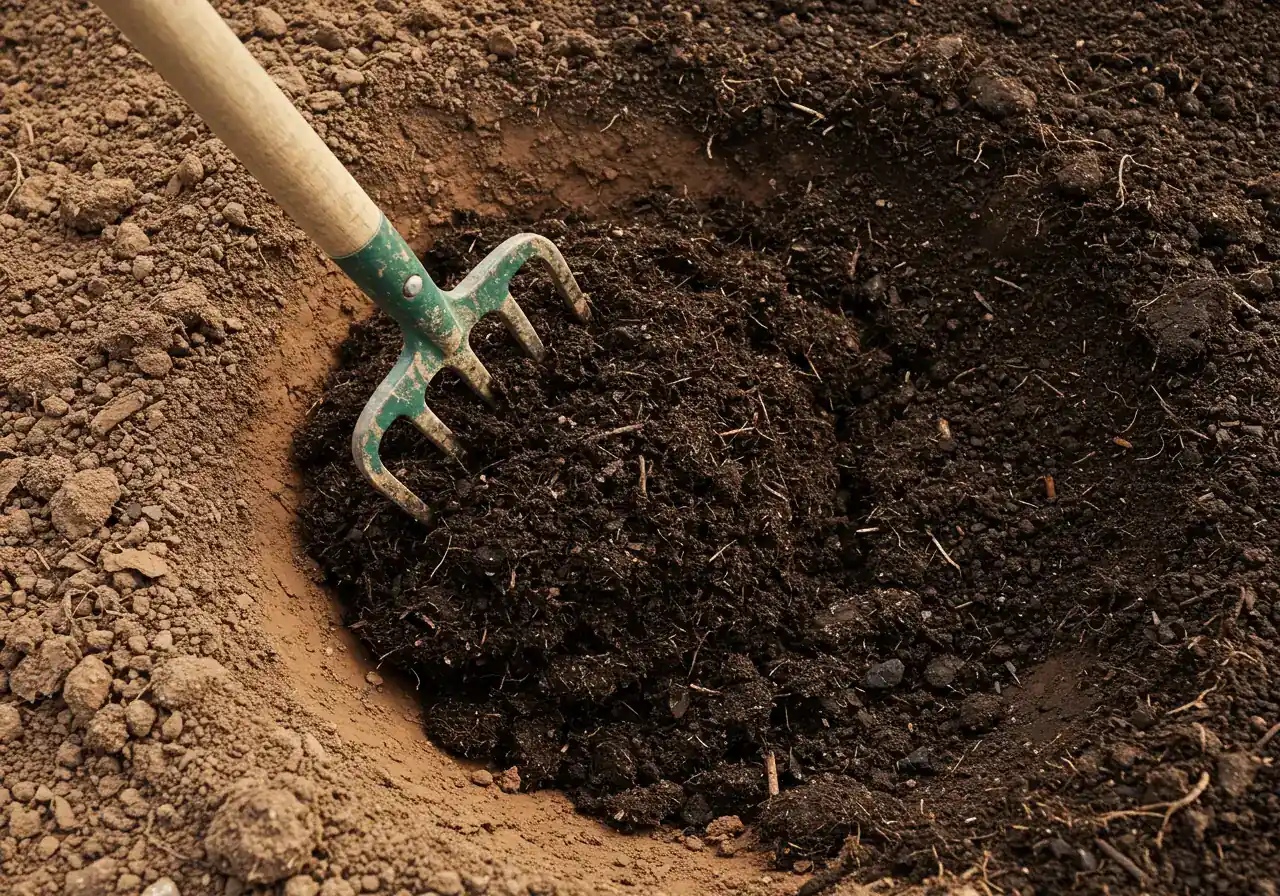
Okay, so you've confirmed you're working with genuine Ottawa Valley clay, possibly right here in Manotick or maybe over in Metcalfe. Good job facing the truth! Now, let's roll up our sleeves and turn that challenging clay into the glorious foundation your new lawn deserves. Amending clay isn't about replacing it, it's about making it better. Think of it as giving your soil a spa day – it comes out refreshed, revitalized, and ready to support beautiful green growth.
Why Bother Amending? The Magic of Organic Matter
Remember how we said clay particles are tiny and packed tight? That's the root (pun intended!) of the problem. They hold water too well, don't let air in easily, and can bake solid. The hero in this story is organic matter. Adding things like compost, aged manure, or leaf mold works wonders:
- Improves Structure: Organic matter acts like tiny wedges, pushing those clay particles apart. This creates larger pore spaces, improving soil structure – making it less dense and sticky.
- Boosts Drainage: Those new pore spaces allow excess water to drain away more effectively, preventing soggy roots.
- Increases Aeration: Plant roots need oxygen! Better structure means more air pockets in the soil. Happy roots = happy lawn.
- Feeds the Soil: Organic matter is food for beneficial soil microbes, which help make nutrients available to your grass. Local resources like the City of Ottawa Green Bin program can be a source for compost.
Your Amendment Arsenal: Choosing Wisely
The best amendment for clay soil is well-decomposed organic matter. Here are some top choices:
- Compost: The gold standard! Made from decomposed kitchen scraps and yard waste, it's nutrient-rich and fantastic for soil structure. You can make your own or buy bagged/bulk compost. Using local sources is often more sustainable. Check our material selection guide for quality options.
- Aged Manure: Well-rotted (not fresh!) manure from herbivores like cows or horses adds nutrients and improves structure. Ensure it's fully composted to avoid burning plants or introducing weed seeds.
- Leaf Mold: Decomposed leaves create a wonderful, earthy amendment that's great for improving soil texture. Got trees? Start a leaf pile! Need help with leaf removal? Check out our local Manotick yard cleanup service.
- Peat Moss: Often recommended, but use it thoughtfully. It improves aeration and water retention but is acidic and its harvest raises environmental concerns. Compost is generally a more sustainable choice. We take environmental considerations seriously; you can read more about our practices in our Privacy Policy which touches on data and operational care.
- Avoid Sand: Adding sand to clay often creates concrete, not better soil. Stick to organic matter!
Getting Down to Business: How Much and How To
Quantity matters. Aim for a generous layer – typically 2 to 4 inches (5-10 cm) – of your chosen organic amendment spread evenly over the area you plan to seed.
Now, how to mix it in?
- Loosen the Clay (Gently!): Never work clay soil when it's soaking wet – you'll just compact it further. Wait until it's moist but not sticky. Use a spade or rototiller to loosen the top 6-8 inches (15-20 cm) of existing clay. Be mindful not to overtill, which can destroy soil structure.
- Spread the Amendment: Lay down your compost or other organic matter evenly over the loosened soil.
- Incorporate Thoroughly: Gently mix the amendment into the loosened clay. The goal is to integrate it well, not just have layers. A garden fork or tiller on a shallow setting can work. This is a key part of our garden installation process.
- Rake Smooth: Level the area with a rake, removing any large clumps or rocks. You're creating a smooth seedbed.
Timing is Everything in Ottawa
Our Ottawa climate gives us specific windows. Late summer/early fall (mid-August to late September) is often ideal for amending and seeding lawns. The soil is warm, rainfall is usually more consistent, and the new grass has time to establish before winter. Spring works too, but you need to wait for the ground to thaw and dry out enough – sometimes a frustrating wait! Trying to amend frozen or waterlogged soil is a recipe for backache and poor results. If the prep work feels overwhelming, remember professional help is available. Whether you need a full Ottawa garden clean up service before starting, or specific soil work, expert hands can make a difference. Residents in Metcalfe needing similar assistance can explore our dedicated Metcalf garden clean up service. Tackling soil amendment is a key step, and if you'd rather leave the heavy lifting to us, just explore our comprehensive landscaping services or check out our past projects.
Amending clay soil is an investment, but the payoff – a healthy, thriving lawn – is totally worth it. You've got this!
Seed Selection Smarts: Choosing the Right Grass for Manotick & Clay
Alright, you’ve heroically amended that Manotick clay, turning potential frustration into a promising foundation. High five! Now comes the fun part – picking the actual seeds that will become your lush green carpet. It might seem like grabbing any bag of grass seed will do, but trust us, playing matchmaker between seed type and your specific conditions is key to lawn success, especially with our challenging clay soil and distinct Ottawa seasons. Choosing poorly now could mean needing a major property clean up down the road when things don't thrive, perhaps even requiring sod installation as an alternative.
Why Be Picky? Clay & Climate Considerations
Remember our chat about clay? It holds water tightly but can bake hard. Plus, Ottawa dishes out cold winters and sometimes hot, dry summers. Grass seed needs to be tough enough to handle these swings. What thrives in sandy soil down south won't necessarily love the conditions here or over in Barrhaven. We need cool-season grasses that can establish strong roots to penetrate clay and survive the freeze-thaw cycles.
Meet the Lawn All-Stars for Our Area:
Not all grass is created equal! Here are the main players you'll find in quality seed mixes suitable for our region:
Tall Fescue
This one's a real workhorse. It develops deep roots, making it more drought-tolerant and better at handling clay than some others. It holds up well to foot traffic but might need more sun. A good backbone for many Ottawa lawns.
- Drought Tolerance: High
- Shade Tolerance: Moderate
- Wear Tolerance: Good
- Clay Tolerance: Good
Kentucky Bluegrass (KBG)
Often prized for its beautiful dark green colour and ability to spread and self-repair (thanks to underground stems called rhizomes). However, it can be slower to establish and needs more sunlight and water than Fescues. It *can* work on amended clay, but might struggle if the soil is heavily compacted.
- Drought Tolerance: Moderate
- Shade Tolerance: Low
- Wear Tolerance: Good
- Clay Tolerance: Moderate (prefers well-drained)
Perennial Ryegrass
The sprinter! It germinates super fast, providing quick green cover and helping to prevent erosion. It handles foot traffic well. The downside? It's less tolerant of extreme cold and drought compared to Fescues and KBG. Often included in mixes for rapid establishment.
- Drought Tolerance: Low-Moderate
- Shade Tolerance: Low
- Wear Tolerance: Good
- Clay Tolerance: Moderate (needs quick establishment)
Fine Fescues (Creeping Red, Chewings)
These are the shade champions! They need less water and fertilizer once established and tolerate poorer soil conditions quite well. They don't love heavy traffic, though. Great for shady spots or low-maintenance areas under trees.
- Drought Tolerance: Good
- Shade Tolerance: High
- Wear Tolerance: Low
- Clay Tolerance: Good
The Magic of Mixes:
You'll rarely want a lawn of just one type of grass. Why? Because a mix or blend offers resilience! Think of it like a team – each player has different strengths. A good mix designed for our area will likely combine several of these types.
- Ryegrass pops up quickly for initial green.
- Fescues provide drought and clay tolerance.
- KBG fills in for that classic lawn look (where conditions allow).
- Fine Fescues handle the shady spots under trees.
This diversity means your lawn is better equipped to handle varying conditions across your yard and resist disease outbreaks. Getting the seed choice right makes long-term care easier, whether you handle it yourself or use a regular city garden maintenance service.
Grass Type Tolerance Comparison (Approximate)
Note: Visual representation based on general characteristics.
Smart Shopping Tips:
- Read the Label: Seriously! Check the tag for the percentage of each seed type. Look for named varieties known to perform well locally. Aim for low percentages of "other crop seed," "weed seed," and "inert matter." High-quality seed is essential for establishing a healthy lawn that doesn’t require constant intervention beyond standard care like you might get with an Ottawa yard cleanup service which often prepares lawns for seasonal changes.
- Go for Quality: Bargain-bin seed often contains less desirable grasses (like annual ryegrass, which dies in winter) or more filler. Investing a bit more upfront pays off massively in lawn quality and reduced headaches. Good seed selection is a foundational step, just like groundwork prep offered by services such as a thorough Metcalfe garden clean up service.
- Match to Your Yard: Sunny? Shady? Kids playing soccer daily? Choose a mix tailored to your specific light conditions and how you use your lawn. A beautiful lawn resulting from smart seed choice looks even better when complemented by sharp, professional finishing like detailed mulching and edging.
Choosing the right seed might seem like a small step, but it’s a giant leap towards that dream lawn in Manotick. Pick wisely, plant properly, and get ready to enjoy the green! Consider consulting our About Us page to learn more about our expertise.
Showtime! The Seeding & Early Care Playbook

Alright, the hard work of amending that clay soil is done – give yourself a pat on the back! You've turned that tricky Manotick ground into a welcoming bed for new grass. Now for the main event: getting those seeds down and giving them the VIP treatment they need to sprout. This is where the magic happens! Let's walk through the steps to turn that bare soil into baby grass blades.
Step 1: The Final Flourish
Before you sling any seed, give the amended soil one last gentle rake. You want a smooth, even surface, free of rocks, lumps, or debris. If you needed a major clear-out before starting, hopefully, a service like an Ottawa yard cleanup service got everything out of the way. Now is also the time to apply a starter fertilizer if you choose – these are low in nitrogen but higher in phosphorus to encourage root development. Follow the package directions carefully. Some folks like to add a very thin layer (like ¼ inch) of high-quality topsoil or weed-free compost over the amended soil just before seeding to give seeds a cozy little blanket.
Step 2: Seed Calculation & Spreading Strategy
Don't just guess! Read the seed bag label – it will tell you the recommended seeding rate for new lawns (usually higher than overseeding rates). Measure your lawn area (length x width) to figure out how much seed you actually need. For even coverage, use a broadcast or drop spreader. Pro tip: Divide your seed amount in half. Apply the first half walking north-to-south, and the second half walking east-to-west. This crisscross pattern helps avoid bare patches or stripes. Ensuring the area was properly prepped beforehand, perhaps as part of a larger city garden clean up service, makes this step much easier.
Step 3: Make Contact!
Seeds need good contact with the soil to germinate. They can't sprout floating on air! After spreading the seed, lightly rake the area – just enough to gently mix the seeds into the very top layer of soil (you should still see some seed). Alternatively, you can use a lawn roller (rentable from many garden centers like those found locally in the Ottawa area). Fill it about 1/3 full with water and gently roll the area once. This presses the seeds firmly into the soil. Don't skip this – good soil contact is crucial!
Step 4: Watering Wisdom (The MOST Critical Step!)
This is where many new lawns fail, especially on clay. Forget deep, infrequent watering for now. Baby seeds need consistent moisture at the surface.
- The Goal: Keep the top inch or so of soil constantly moist, like a wrung-out sponge, never letting the seeds dry out completely. Clay can form a crust if it dries, preventing germination.
- How Often: This means watering lightly, maybe 2-4 times a day initially, especially if it's sunny or breezy. Yes, multiple times! Think frequent misting rather than soaking. Stay updated with local weather forecasts (e.g., from Environment Canada for Ottawa) to adjust.
- How Much: Short watering durations are key – maybe 5-10 minutes per session depending on your sprinkler type. You don't want puddles or runoff, just dampness.
- Timing: Water early in the morning and perhaps mid-day or early afternoon if needed. Avoid watering late in the evening, which can encourage fungal disease.
Continue this frequent, light watering until the majority of the grass seed has germinated and started to grow (this can take 1-3 weeks, depending on the seed type and weather).
Optimal Seeding Time in Ottawa:
Late summer/early fall (mid-August to late September) is generally the sweet spot here. Soil temperatures are warm, encouraging germination, but the intense summer heat has usually passed (avoiding the scorching July days sometimes felt out in Metcalfe or Greely is wise). Weed competition is also lower in the fall. Spring (late May/early June) is the second-best option, but you'll battle more weeds and need to ensure the grass establishes before summer stress hits.
Early Lawn Care: Handle With Care!
Your baby grass is delicate. Here’s how to nurture it:
- Watering Transition: Once grass is actively growing (around an inch tall), gradually reduce watering frequency but increase the duration. Start watering once a day, then every other day, aiming eventually for deeper, less frequent watering that encourages deep roots (part of good long-term lawn care).
- First Mow: Let the grass reach about 3-4 inches high before its first haircut. Make sure your mower blade is sharp (dull blades tear grass!). Set the mower high, removing only the top third of the grass blade (aim to leave it about 3 inches tall). Don't mow wet grass.
- Weed Watch: Some weeds are inevitable. Hand-pull them gently if you can do so without disturbing the new grass seedlings too much. Avoid using weed killers on a brand-new lawn for at least several mowings – check product labels carefully. Consistent care prevents major weed issues, unlike properties that might eventually require a full Marionville property cleanup service due to neglect.
- Stay Off the Grass!: Minimize foot traffic (kids, pets, you!) as much as possible for the first month or two while the roots establish.
New Lawn Seeding Timeline
Week 0: Prep & Seed
Amend soil, final grade, apply seed and starter fertilizer (optional), roll lightly, begin frequent light watering.
Weeks 1-3: Germination
Maintain consistent surface moisture (2-4 light waterings/day). Watch for first sprouts. Minimize traffic.
Weeks 3-5: Establishment
Grass reaches ~1 inch. Gradually reduce watering frequency, increase duration. Continue minimal traffic.
Weeks 4-6: First Mow
Mow high (leave 3 inches) when grass reaches 3-4 inches. Use a sharp blade. Continue adjusting watering towards deeper, less frequent.
Weeks 8+: Maturing
Lawn thickens. Aim for 1 inch of water per week (total from rain/irrigation). Gentle use okay. Plan for fall aeration if seeded in spring.
It helps to visualize the timeline. Consider sketching out a simple seasonal calendar marking your seeding date, estimated germination window, first mow target, and when to adjust watering. This visual reminder aids in consistent garden maintenance for your new lawn.
Patience is key during this phase. Stick to the watering plan, be gentle with mowing, and soon you'll be rewarded with that beautiful green lawn you've been dreaming of!
Long-Term Love: Maintaining Your Manotick Lawn on Clay
Congratulations! You battled the Manotick clay, amended like a champ, seeded smartly, and now you have a lawn. Woohoo! But like any good relationship, this green partnership needs ongoing love and attention, especially with clay soil's... shall we say... particular personality. Keeping that lawn lush long-term isn't rocket science, but it does require consistency. Let's talk about the key practices.
Watering Wisely on Clay:
Remember how clay holds water? Once your lawn is established, you want to encourage deep roots. This means watering deeply but infrequently. Instead of light daily sprinkles, give your lawn a good long drink (enough to moisten the soil several inches down) maybe once or twice a week, depending on the weather. How do you know when? Stick your finger or a small trowel into the soil – if the top 1-2 inches feel dry, it's likely time. Avoid watering if the ground is already damp; overwatering on clay leads to soggy roots and disease. Adjust based on rainfall – Mother Nature sometimes does the work for you!
Mowing High and Sharp:
Set your mower blade high! Aim to keep your grass around 3 inches tall, especially during hotter months. Taller grass blades shade the soil, reducing water evaporation and keeping roots cooler. They also help crowd out weeds. Crucially, only remove about one-third of the grass blade height each time you mow. Cutting too short stresses the grass. And please, keep that mower blade sharp! A dull blade tears grass, making it susceptible to disease. For an eco-boost, practice grasscycling – leave the clippings on the lawn (if they're not too thick or wet) to return nutrients to the soil. This level of regular upkeep is a core part of ongoing garden maintenance.
Feeding Thoughtfully:
Clay soil is often nutrient-rich, but those nutrients aren't always readily available. A slow-release fertilizer applied according to package directions (usually once or twice a year, spring and fall) is generally best. Consider organic options or fertilizers specifically designed for lawns. Getting a soil test every few years is a fantastic idea – it tells you exactly what nutrients your lawn actually needs, preventing wasteful over-fertilization.
Aeration: The Clay Soil Superstar!
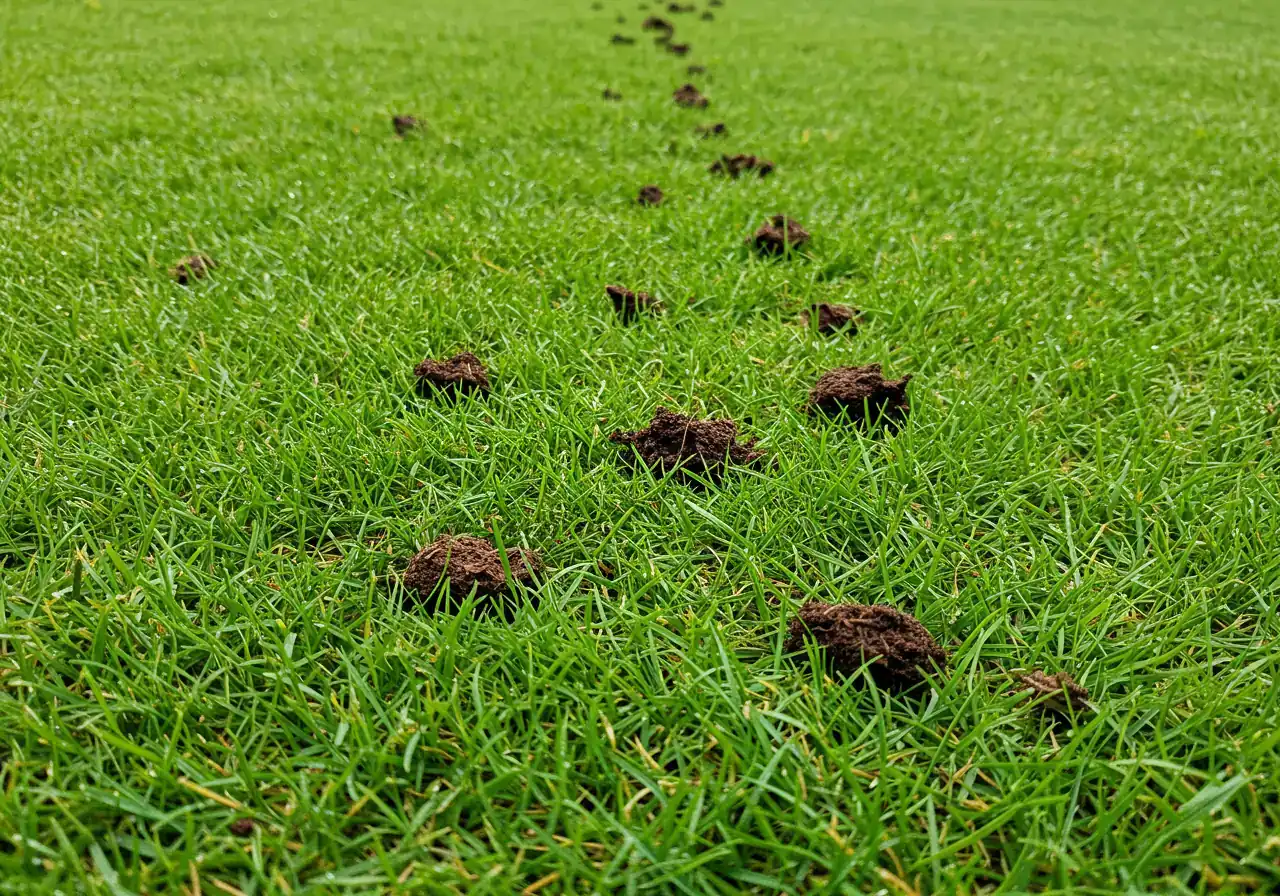
Okay, if there's one super important long-term task for lawns on clay, it's aeration. Clay soil compacts easily over time from rain, foot traffic, and even just settling. Compaction squeezes out air pockets, making it hard for water, air, and nutrients to reach the roots. Core aeration (using a machine that pulls out small plugs of soil) is your best friend.
- Why? It relieves compaction, improves drainage, and allows air and water direct access to the root zone. Think of it as giving your lawn breathing room!
- When? Annually is often recommended for heavy clay, typically in the spring or fall when the grass is actively growing.
- Bonus Tip: After aerating is the perfect time to topdress your lawn with a thin layer (about ¼ inch) of high-quality compost. This organic matter works its way into the aeration holes, gradually improving soil structure over time. Properly choosing the right materials like good compost makes a difference here.
Consistent care like this prevents the soil from becoming overly compacted and stressed, helping you avoid the kind of situation that might require a major intervention like a Marionville yard cleanup service for revival. Keeping things tidy through routine efforts, perhaps similar to what a Marionville garden clean up service might handle seasonally, also contributes to overall lawn health. It’s far easier to maintain a healthy lawn with regular aeration and care than to rescue one neglected on compacted clay, potentially saving you from needing more intensive work akin to a seasonal cleanup like you might find with a Metcalf yard cleanup service.
Living with clay soil in Manotick, or nearby areas like Greely, doesn't mean settling for a subpar lawn. With smart, consistent maintenance – especially regular aeration – you can keep that green space thriving for years to come. Happy mowing!
Quick Tips for Clay Soil Seeding Success
Facing down that infamous Manotick clay to start a new lawn? Don't sweat it (too much)! While it needs a little extra coaxing, gorgeous green grass *is* achievable. Think of this as your cheat sheet to avoid common pitfalls and get those seeds sprouting happily. Here are the golden rules:
- Amend Like You Mean It: Clay's biggest drawback is its dense structure. Don't skimp on adding organic matter like compost! Mix 2-4 inches thoroughly into the top 6-8 inches of your existing soil. This is the most crucial step for better drainage and root growth. Proper soil preparation techniques are non-negotiable for success on clay.
- Choose Tough Seeds: Not all grass seed is created equal, especially for Ottawa's climate and clay. Look for high-quality mixes designed for our region, often featuring Tall Fescue or blends that include Fine Fescues for durability and some clay tolerance. Avoid bargain basement seed!
- Get Good Contact: Seeds need to hug the soil to sprout. After spreading seed (use a spreader for evenness!), lightly rake it in or use a lawn roller (partially filled) to gently press the seeds down. A clean surface helps; if you started with a messy slate, getting a thorough city yard cleanup service first makes seeding much easier.
- Water, Water (Lightly!), Everywhere: This is mission-critical for germination on clay. Keep the top inch of soil consistently moist – think damp, not soaking. This often means watering lightly 2-4 times *per day* for the first couple of weeks. Let it dry out, and those seeds might just give up the ghost!
- Patience & Gentle Care: Keep foot traffic off the new grass for at least a month. Mow high (3 inches) only when the grass reaches about 4 inches, and use a sharp blade. Consistent gentle care now prevents major headaches later, unlike situations requiring a full restoration like our Marionville yard cleanup service might tackle on neglected properties. It’s far easier to start right than fix later! This consistent care approach also applies to areas like Metcalfe, preventing the need for a drastic Metcalf property cleanup service down the line.
- Ask for Help (or Brag!): Feeling overwhelmed or just want a second opinion on your plan or results? Don't hesitate to reach out to landscaping pros who know Ottawa clay like Clean Yards. And hey, if you used our services and have thoughts, we always appreciate hearing from you via our estimate and feedback form! Our Terms and Conditions outline our service agreements.
FAQs: Your Manotick New Lawn Seeding Questions Answered
Late summer to early fall (think mid-August to late September) is prime time here. The soil is warm, encouraging quick germination, but the killer summer heat is usually over. Plus, you'll face fewer weeds than in spring. Spring seeding works too, but you'll need to be patient waiting for the ground to dry out enough after the thaw.
Ah, the tempting shortcut! Sadly, just layering topsoil over unamended clay often creates drainage problems. Water hits the dense clay underneath and can't escape, potentially drowning your new grass roots. It's much better to amend the clay by mixing in lots of compost or other organic matter to improve its structure first. See our soil preparation services for more info.
Consistency is key! New seeds need the top inch or so of soil kept constantly moist, like a damp sponge – never soggy, never bone dry. On clay, this often means light watering 2-4 times daily for short periods (5-10 mins) during the first 1-3 weeks until the grass is up. Consider our advice on irrigation checks for efficiency.
Definitely clear the area thoroughly first! Starting with a clean slate is vital. Remove all weeds (roots and all!), rocks, sticks, and any other debris. If it's a big job, consider bringing in help. A professional Ottawa property cleanup service or a Manotick yard cleanup service can make quick work of prepping the site so you can focus on the soil and seeding. We also serve City areas.
Patience, grasshopper! Keep foot traffic (including pets!) off the newly seeded area as much as humanly possible for at least the first month, ideally longer (6-8 weeks). Those tiny roots are super delicate and easily damaged or compacted. Give them time to establish a good hold before subjecting them to your Saturday afternoon garden stroll.
Don't panic! Patchiness can happen. Ensure you're watering correctly and give it a bit more time – some seeds are slower than others. If patches persist after a few weeks, you might need to gently rake the bare spots, add a little more seed and compost, and keep those areas consistently moist. If you're really stuck or used our services and want to discuss results, feel free to send us your feedback or just get in touch with us for advice. After you reach out via our contact form, you'll see our confirmation page so you know we've got your message!
Conclusion: Get Growing in Manotick!
So, there you have it, Manotick neighbours! Feeling a bit less intimidated by that infamous clay soil now? We certainly hope so! Creating that gorgeous, emerald green lawn you're dreaming of, right here in Manotick or just down the road in communities like Greely or Barrhaven, isn't just wishful thinking – it's completely achievable with a little know-how and effort.
Remember the keys to success we talked about: giving your soil a boost by amending it with plenty of organic matter (like compost!), choosing the right grass seed mix tough enough for our Ottawa climate, mastering that crucial early watering technique for happy germination, and planning for long-term lawn care like aeration to keep things breathing easy. Yes, it requires some good old-fashioned gardening dedication, but the reward is that perfect patch of green for summer fun.
Feeling like the soil prep sounds like a bit much, or maybe you'd just rather have the experts handle the landscaping details from start to finish? Hey, no judgment here – life gets busy! If transforming your yard feels like a bigger project than you want to tackle alone, or you simply want professional results without the trial and error, we're ready to roll up our sleeves.
Ready to swap the clay conundrum for lush green grass? Reach out to us today! Let's chat about your lawn goals. We offer expert lawn installation, soil amendment, and ongoing lawn care services throughout Manotick and the wider Ottawa area, including specific Manotick yard cleanup options. Get your free estimate and let's get your property growing!