Embrun Pollarding Guide: Unique Tree Shaping Technique
Quick Guide to Pollarding:
- What it is: A pruning technique starting on young trees, repeatedly cutting branches back to the same point ('knuckles').
- Not Topping: Unlike harmful topping, pollarding is planned and works with specific trees' growth.
- Benefits: Controls tree size, creates unique aesthetics, can be sustainable if done right.
- Best Trees (Ottawa): Linden, Willow, tolerant Plane Tree, Catalpa. Avoid Maples, Oaks, Birch.
- Timing is Key: Prune in late winter/early spring (late Feb - early April) before buds swell.
- Commitment: Requires regular pruning cycles (usually every 1-3 years).
Considering unique ways to manage trees on your property? Request a personalized quote for tree services: Request Your Quote Today!
Introduction: Unveiling Pollarding - Embrun's Unique Twist on Tree Shaping
Hey Ottawa neighbours and fellow green thumbs! Ever considered giving your trees a haircut they'll *never* forget? No, we're not talking about a wonky trim after too much coffee – we're talking about *pollarding*! Think of it as a traditional, very specific type of pruning, a unique approach to tree shaping you might occasionally spot adding character to the local landscaping.
So, what is pollarding? Imagine regularly cutting the upper branches of a young tree back to almost the same spot each year. Over time, this creates distinctive 'knuckles' or swollen areas at the cut points, from which a thick cluster of new, thinner shoots grows. While perhaps not as common in suburban Ottawa areas like Barrhaven or Greely, this technique is a fascinating part of the wider world of gardening and tree care, and it definitely gives properties in places like Embrun a distinctive flair.
It's not just about looking different, though! Pollarding has practical benefits, like keeping trees a manageable size for smaller yards or beneath utility lines. Stick with us as we dive deeper into this intriguing practice. This guide will explore the hows and whys of pollarding, helping you decide if it's a good fit for your own slice of the Ottawa region. Let's unveil the unique world of pollarded trees!
What is Pollarding, Really? (Hint: It's Not Tree Topping!)
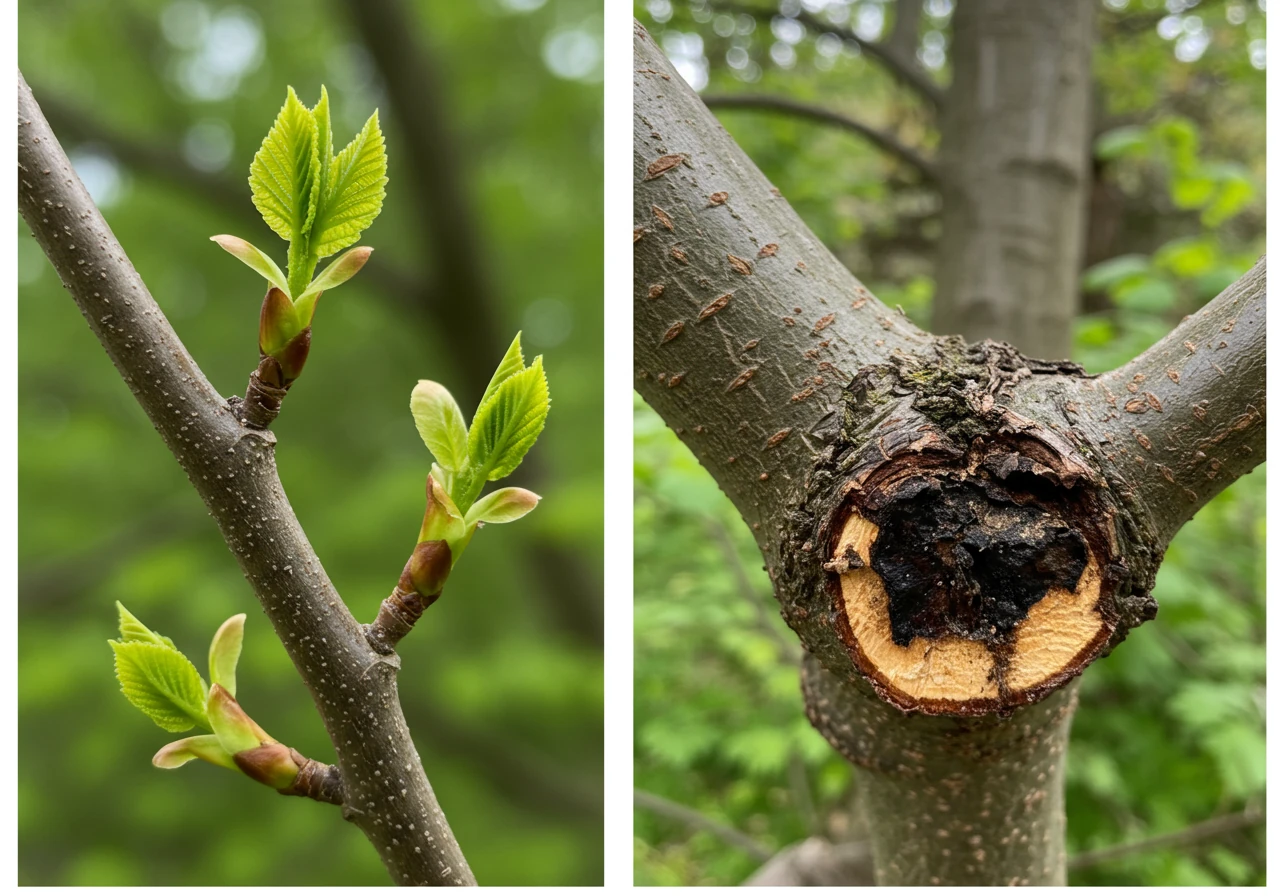
Alright, let's clear the air right away. You might hear "pollarding" and picture someone randomly hacking away at tree branches. *Stop right there!* That kind of rough handling is often called "topping," and trust us, it's the villain in this story. Pollarding is something else entirely – a skilled, traditional pruning technique with a long history. Think of it as sophisticated tree management, not tree butchery!
So, how does *real* pollarding work? It starts when a tree is young. Key branches are chosen and cut back to a specific height. Then, year after year (or every few years), the new shoots that grow from those cut points are removed right back to the *same spot*. This repeated cutting creates those distinctive swollen "knuckles" or "pollard heads" you might see on trees in formal European gardens or even occasionally adding structure to yards in Ottawa neighbourhoods like Russell or Embrun. Historically, those harvested shoots were super useful for things like animal feed or weaving materials.
The crucial difference lies in *how* and *when* it's done. Pollarding is planned from a young age and works *with* the tree's growth pattern. Topping, on the other hand, is usually a desperate (and damaging) attempt to reduce the size of a *mature* tree by lopping off large branches haphazardly. This leaves big wounds vulnerable to pests and disease, and the resulting regrowth is often weak and poorly attached. It stresses the tree terribly, unlike the careful maintenance of pollarding. Maintaining overall plant vitality involves understanding specific needs; for instance, knowing Embrun Fall Plant Care and Clay Soil Solutions can make a huge difference for other parts of your garden.
Let’s break down the pollarding vs. topping confusion:
| Feature | Pollarding | Tree Topping |
|---|---|---|
| Timing | Starts on young trees | Usually done on mature trees |
| Cuts | Repeated at the same points (knuckles) | Indiscriminate cuts between nodes |
| Result | Forms characteristic 'knuckles' | Leaves large, vulnerable wounds |
| Regrowth | Vigorous, manageable shoots from knuckles | Weak, poorly attached watersprouts |
| Health Impact | Sustainable, planned (on suitable species) | Harmful, stresses tree, high risk of decay/failure |
Thinking about pollarding or need help with *proper* tree pruning? It requires specific knowledge and consistent effort. If you're unsure, it's always best to consult professionals who understand correct arboricultural practices. Explore our Clean Yards Landscaping Services to see how we can help keep your Ottawa trees healthy and looking their best!
Why Pollarding Might Be Perfect for Your Ottawa Area Property

Okay, so we've established pollarding isn't some random tree hack-job. But why would *you*, an Ottawa homeowner, actually *choose* this unique style for your property? Let's face it, it’s a bit different! But sometimes, different is exactly what your landscape needs. Here’s why pollarding might just be the ticket:
- Keeping Things Tidy and Safe: Got a smaller lot in Nepean, or trees getting a bit too friendly with the overhead Hydro Ottawa lines? Pollarding is fantastic for keeping specific tree species at a manageable, predictable size. No more worrying about rogue branches hitting the roof during a windstorm! It prevents trees from outgrowing their welcome, maintaining a neat appearance year-round. This regular upkeep is a core part of responsible landscaping. For local regulations on trees near power lines, see Hydro Ottawa's Tree Trimming Info.
- A Unique Look That Turns Heads: Want your garden to stand out from the crowd? Pollarded trees have a strong, architectural presence, especially in winter when their distinct 'knuckled' structure is visible. They can look incredibly striking in formal garden designs or add an unexpected touch of European flair to properties in more rural village settings like Osgoode or even Richmond. It's a bold choice that can be part of amazing Landscape Transformations and Garden Makeovers.
- Potentially Healthier, Longer-Lived Trees (Seriously!): This might sound odd, but for the *right kinds* of trees (like Willows, Lindens, or Plane trees), regular pollarding *done correctly from a young age* can actually reduce stress. It prevents the development of heavy, potentially weak limbs that might fail later. It’s a proactive approach, unlike damaging tree topping. Consistent care is key.
- Managing the Growth (and the Cuttings!): The yearly trim produces a batch of uniform shoots. Historically used for weaving or fodder, today you might use the colourful stems for winter decoration or simply add them to your compost. Managing this yearly growth and debris is part of the process, similar to how an Embrun Yard Cleanup Service tackles seasonal leaf fall and branch cleanup.
But Wait, There's More (The Considerations):
Pollarding isn't a magic wand. It requires *commitment*.
- It's an ongoing task: You *must* re-cut the shoots regularly (usually every 1-3 years). Skipping cycles can cause problems. This dedication is similar to other forms of regular Garden Maintenance and Plant Care.
- Species Specific: It only works well on certain tree types that tolerate heavy pruning. Don't try this on your mature maple or oak! Research is key.
- Start Young: It needs to be started on a young, properly chosen tree. You can't easily pollard a large, mature tree that wasn't trained for it.
- The Look: Be prepared for the trees to look quite bare immediately after cutting. Some find this starkly beautiful; others might miss the leafy fullness for a few weeks.
Pollarding definitely isn't for every tree or every Ottawa property. But if you have the right situation – maybe a desire for size control, a specific aesthetic goal, or a suitable young tree – it offers unique benefits. It requires specific knowledge and effort, so if you're intrigued but unsure, exploring professional help might be wise. Check out the wide range of Clean Yards Landscaping and Gardening Services to see how experts can assist with specialized pruning or other landscape needs. Properly managed trees contribute positively, whether on private land or helping maintain tidy public interfaces near sidewalks and roads, a principle shared by initiatives like a City Property Cleanup Service that focus on community aesthetics and safety.
Choosing the Right Candidates: Best Trees for Pollarding in Our Climate
Okay, let's talk trees! You're intrigued by pollarding, but here's the deal: you can't just grab any old tree and give it the chop. Especially not here in Ottawa, where our Zone 5b climate throws some seriously cold winters and surprisingly steamy summers at our green friends. Choosing the *right* candidate is job number one if you want successful pollarding and not just… well, a sad, stressed-out tree. Think of it like choosing the right tool for the job – you wouldn't use a sledgehammer for brain surgery, right? (Please don't!)
So, what makes a tree a good sport for this intense haircut? We need trees that are practically begging for a trim! They need to:
- Be super hardy for our Ottawa climate (no southern belles who faint at the first frost).
- Sprout back vigorously from old wood after being cut. Not all trees do this well!
- Tolerate heavy pruning without throwing in the towel.
Our Top Picks for Pollarding in the Ottawa Area:
Here are a few reliable contenders known to handle both pollarding and our local conditions, whether you're in central Ottawa or out in lovely Manotick:
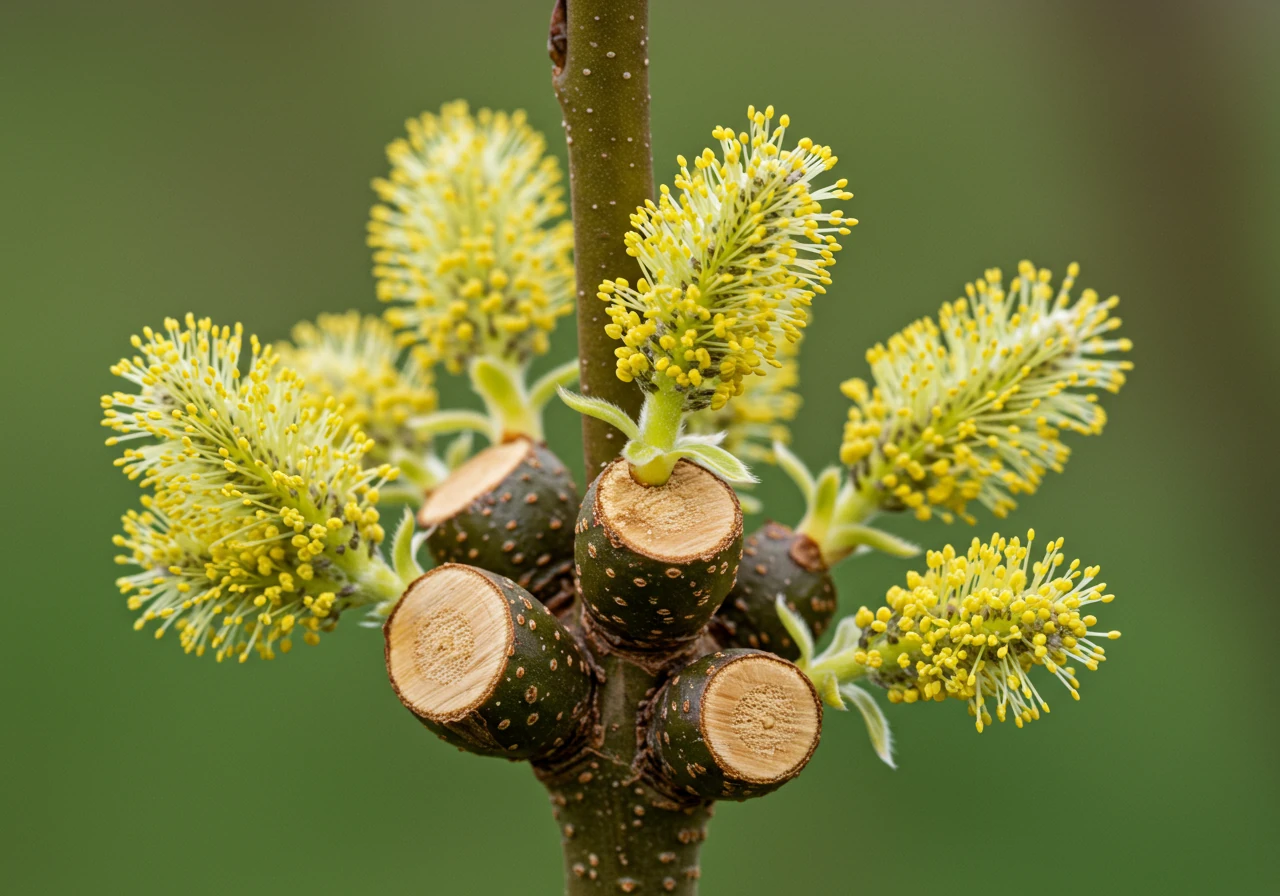
- Linden (Tilia species): Littleleaf Linden (Tilia cordata) is a classic choice. These tough cookies generally handle our winters and respond well to pollarding, forming those characteristic knuckles over time. They offer a lovely formal look.
- Willow (Salix species): Willows are practically *designed* for cutting back hard. They grow like gangbusters! Many varieties work, offering different stem colours for winter interest. Just be aware, their vigour means *annual* cutting is usually necessary, and they can be thirsty trees. Managing the yearly bundle of cuttings is part of the deal, much like the seasonal tidying done by a dedicated Marionville Yard Cleanup Service.
- Plane Tree (Platanus x acerifolia - London Plane): Often seen pollarded in European cities, the London Plane *can* work here, but it's borderline hardy (Zone 5b/6a). It needs a more sheltered spot, perhaps protected from the harshest winter winds common further out near Greely. Its beautiful bark and tolerance for urban conditions are pluses. More info on trees suitable for urban environments can sometimes be found via resources like the Rideau Valley Conservation Authority.
- Catalpa (Catalpa speciosa): Known for its large leaves and showy flowers, Northern Catalpa can also tolerate pollarding, though it might look a bit stark in winter. Ensure you get the hardier *speciosa* variety.
*Requires sheltered location in Ottawa. Chart shows general suitability based on regrowth vigor and hardiness.
Definitely NOT Candidates for Pollarding:
Please, please, *please* do not attempt to pollard these common Ottawa trees:
- Maples (Acer spp.): Especially our beloved Sugar Maple. They heal poorly from large, repeated cuts and are prone to decay. Let them grow naturally! Protecting native species is key, learn more about Ottawa's efforts here: City of Ottawa Trees and Forests.
- Oaks (Quercus spp.): Majestic, yes. Suitable for pollarding, no. They just don't respond well.
- Birch (Betula spp.): That beautiful bark doesn't mean they like aggressive pruning. They tend to decline.
- Most Conifers: Pines, Spruces, Firs generally won't regrow from old wood. Pollarding just won't work.
Choosing the right species is the secret sauce for successful pollarding. It sets the stage for a unique feature in your landscape, contributing to stunning Garden and Landscape Transformations when done correctly. Pollarded trees create strong vertical lines that contrast beautifully with well-maintained horizontal elements, like those achieved through consistent Quality Lawn Care Services. If you're feeling unsure about selecting the right tree or tackling the pruning itself, don't hesitate to consult with experienced professionals. You can learn more about the team dedicated to healthy landscapes by checking out the Clean Yards About Us Page. Getting it right from the start brings long-term satisfaction, a rewarding feeling akin to the positive feedback we love seeing on our Clean Yards Thank You Page! Happy planting!
How to Pollar Your Tree: A Step-by-Step Guide (Ottawa Timing!)
Okay, neighbour, let's get down to the nitty-gritty! You've picked your perfect pollarding candidate (remember, *only* suitable species!) and you're ready to channel your inner tree stylist. Pollarding isn't rocket science, but it does take care and commitment. Think of it less like a wild haircut and more like a very structured, long-term relationship with your tree. Here’s how to do it, keeping our lovely Ottawa seasons in mind:
Step 1: Initial Cut (Young Tree Only!)
Choose height (6-10ft). Select 3-5 strong, spaced branches. Cut cleanly with a sharp saw just above a node. Only on young, suitable trees. Wear safety gear!
Step 2: First Season Growth
Let the tree send out new shoots from below the cuts. Allow these shoots to grow freely for the entire first growing season.
Step 3: Maintenance Pruning (Crucial Timing!)
When: Late dormant season (Late Feb - Early April in Ottawa).
What: Cut ALL of last season's shoots back close to the 'knuckle' without cutting into it. Use sharp loppers/pruners.
Step 4: Repeat Cycle
Repeat Step 3 every 1-3 years (depending on species) during the late dormant season. Consistency is key!
Ongoing: Cleanup & Care
Cleanly remove pruned shoots (compost/chip for mulch). Ensure the tree has adequate water and healthy soil. Remember our Terms and Conditions regarding safe work practices.
CRITICAL: Ottawa Timing for Pollarding
Timing is *everything* in our climate! Doing this wrong can stress or damage your tree.
- When to Cut: The absolute best time for both the *initial establishing cuts* and the *annual maintenance pruning* in Ottawa and surrounding areas like Nepean or Manotick is during the late dormant season.
- Think: Late February, March, or very early April, *before* the buds swell and the sap starts running heavily. We want the tree to be asleep.
- Why This Timing?
- Less Stress: The tree isn't actively growing, so the shock is minimized.
- Disease Prevention: Open wounds are less susceptible to disease and pests in colder weather.
- Visibility: No leaves means you can easily see the branch structure and make precise cuts.
- Energy Reserves: The tree still has stored energy to push out new growth when spring truly arrives.
Tools and Safety Reminder
- Keep your tools *sharp*! Clean cuts heal faster. Bypass loppers and saws are your friends.
- Always wear eye protection and sturdy gloves.
- Be mindful of overhead lines or hazards.
- If using a ladder, ensure it's stable and follow safety protocols. Taking shortcuts isn’t worth a tumble! Remember, performing any task safely and correctly is paramount; it's a principle reflected even in the careful wording found within documents like Service Terms and Conditions.
After the Cut: The Cleanup
You'll end up with a bundle of straight shoots each year. Historically, these had uses, but today they're usually composted or bundled for yard waste pickup. Managing this debris is part of the process, similar to the work done by a focused Marionville Property Cleanup Service or a more general Ottawa Garden Clean Up Service handling seasonal debris across the city.
Pollarding is a commitment, requiring regular attention year after year. But the result can be a unique, structurally interesting tree perfectly sized for its spot. Done correctly on the right tree, it's a sustainable practice. If you're feeling unsure about any step, especially the initial cuts, consider consulting with landscaping professionals who offer City Garden Maintenance Service and understand proper pruning techniques. Seeing a beautifully maintained pollarded tree thrive year after year is truly rewarding – the kind of satisfaction we love hearing about on our Clean Yards Thank You Page!
Pollarding & Eco-Friendly Practices in Your Ottawa Garden
So, you might be wondering, "Can this fancy pollarding thing actually be *good* for the planet?" It sounds a bit intense, right? Well, when done *correctly* on the *right* tree, pollarding fits surprisingly well into eco-friendly landscaping principles right here in Ottawa. Let's chat about how!
First off, and maybe most importantly, proper pollarding is a *much kinder* alternative to tree topping. Remember how we said topping is like a bad, chainsaw-wielding barber attacking a mature tree? That stresses the tree immensely, opens it up to disease, and often leads to weak regrowth – not very sustainable! Pollarding, started young and done consistently, works *with* the tree's biology. It avoids those massive, damaging wounds, potentially leading to a healthier, longer-lived tree. Keeping mature trees healthy is a big win for our local environment.
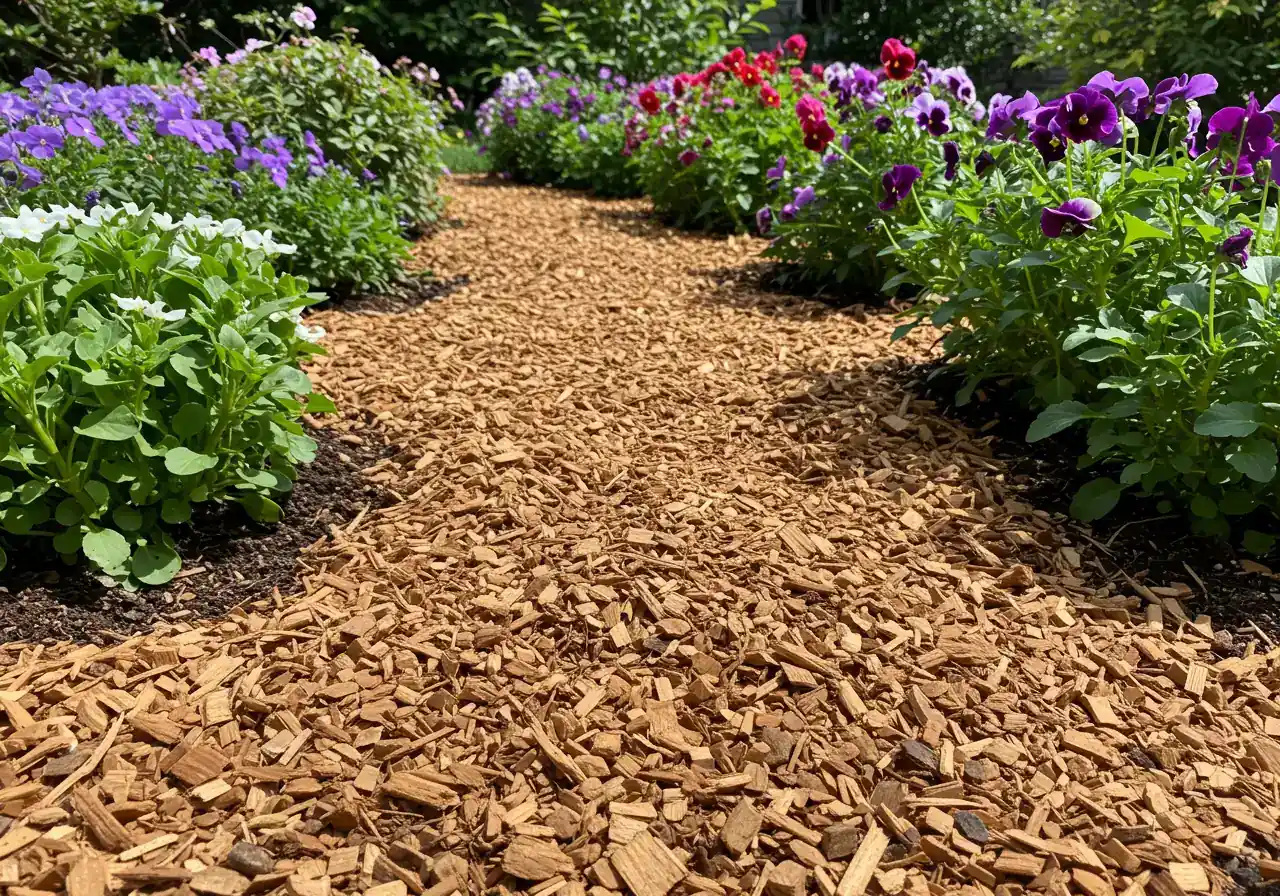
What about all those branches you cut off each year? Eco-point number two: smart waste management! Instead of bagging them for the landfill, those uniform pollard shoots are fantastic candidates for your own compost bin or shredder. Chip them up for wonderful garden mulch, which helps retain soil moisture (less watering!) and suppresses weeds. It's all about closing the loop – turning "waste" into a resource for your garden beds. It's the same principle behind keeping your whole yard tidy sustainably, something an Efficient Ottawa Garden Clean Up Service understands well when handling seasonal debris.
Finally, embracing eco-friendly practices means knowing when to call in the experts. Pollarding isn't a task for guesswork. Getting the technique or timing wrong *isn't* sustainable. That's why choosing knowledgeable, local landscaping services is key. You want folks who understand Ottawa's climate, suitable tree species, and proper pruning methods – whether you're in the heart of the city needing a reliable City Garden Clean Up Service for overall maintenance, or in communities like Metcalfe looking for specific expertise like that offered by a dedicated Metcalf Garden Clean Up Service. Even in surrounding areas, consistent eco-conscious care matters, as reflected by services available like a Thoughtful Marionville Garden Clean Up Service. Choosing pros committed to sustainable practices ensures your trees thrive without harm.
So yes, pollarding *can* be part of a greener garden strategy. It avoids harmful topping, provides useful mulch material, and highlights the importance of skilled care. Thinking pollarding might be for you, or need advice on other eco-friendly garden practices? Don't hesitate to Contact Us for Expert Advice – we’re happy to help your Ottawa garden flourish sustainably!
Pollarding Power-Ups: Key Tips for Success
- Start Strong from the Ground Up: Ensure good soil preparation for healthy root growth. Healthy trees tolerate pruning better.
- Master Ottawa Timing: Stick strictly to the late winter/early spring dormant season (late Feb - early April) for all cuts.
- Consistency is Key: Commit to the regular pruning cycle (1-3 years). Don't skip! Need help staying on track? Contact Us.
- Sharp & Clean Tools: Use sharp saws/loppers for clean cuts. Clean tools between trees to prevent disease spread, vital for tasks like mulching and edging too.
- Fuel Regrowth: Ensure adequate water, especially in summer. Apply compost/mulch around the base (not touching trunk). Think about support during new garden installations.
- Tidy Up: Manage pruned shoots (chip/compost/bundle). A tidy site prevents pests, similar to professional Metcalf Property Cleanup Services.
Common Pollarding Mistakes to Avoid
- Trying to Pollard Mature Trees: This is topping, not pollarding, and very harmful. Pollarding MUST start young.
- Choosing Unsuitable Species: Attempting pollarding on Maples, Oaks, Birch, or most Conifers will damage or kill them.
- Incorrect Timing: Pruning during active growth (spring/summer) or deep winter stresses the tree.
- Skipping Pruning Cycles: Allows shoots to become large branches, making later removal difficult and stressful for the tree.
- Cutting into the Knuckle: Damages the swollen tissue where new growth emerges. Cut just above it.
- Using Dull or Dirty Tools: Creates ragged wounds prone to disease and pests.
Avoid these pitfalls to ensure your pollarded trees remain healthy and attractive elements of your landscape, contributing positively rather than requiring interventions like those from an Ottawa Property Cleanup Service to fix problems.
Related Clean Yards Services
Maintaining a beautiful landscape involves more than just one technique. Consider these related services:
- Garden Maintenance: Regular care including weeding, deadheading, and general upkeep.
- Lawn Care: Mowing, fertilization, aeration, and overseeding for a lush lawn.
- Property Clean Up: Seasonal cleanups for leaves, debris, and preparation for the next season (Available in Ottawa, City areas, Metcalf, Marionville).
- Sod Installation: For establishing new lawns quickly.
- Mulching and Edging: Defines garden beds and improves soil health.
Explore all our offerings on our main Services Page.
FAQs: Your Embrun & Ottawa Pollarding Questions Answered
Generally, yes, on your own private property, *if* done correctly on suitable trees. Ottawa's Tree Protection By-law mainly focuses on preventing damage or removal of larger or distinctive trees without a permit. Pollarding usually isn't prohibited *itself*, but ensure your tree work doesn't harm protected trees or create hazards near public spaces. Always check current city or municipal guidelines if unsure, especially for trees near property lines – similar to how a Reliable City Yard Cleanup Service respects boundaries. See: City of Ottawa Tree Protection By-law.
Consistency is key! For most suitable species like Linden or Willow here in the Ottawa area, you'll need to prune back the new shoots every 1 to 3 years. Faster-growing trees like Willows often need it annually. This regular trim should happen in late winter (think late Feb/March) before the buds burst, ensuring the tree recovers well during our spring growth spurt.
Oof, definitely not! Pollarding is started on *young*, appropriate trees and involves cutting back to the *same points* each cycle, creating 'knuckles'. Topping is randomly hacking large branches off a *mature* tree, leaving big wounds and weak regrowth – it's super harmful! Proper pollarding works with the tree's growth; topping essentially butchers it and can severely damage surrounding areas, sometimes even requiring lawn repair like that offered through Professional Sod Installation.
It sounds harsh, but when done *correctly* from a young age on the *right* species (like Willows or Lindens that tolerate it), pollarding isn't typically harmful. Timing the cuts for late winter helps avoid extreme cold damage to fresh wounds. Supporting tree health with good soil care, proper watering, and maybe even applying mulch through services like Expert Mulching and Edging can also boost its resilience.
Unfortunately, no. Pollarding *must* be started when a tree is young and trained into that form over years. Trying to cut a large, mature tree back drastically to mimic pollarding is actually just harmful topping. It stresses the tree severely and can lead to decay or failure. For large trees needing size reduction, consult a certified arborist about proper reduction pruning techniques instead. Check our Privacy Policy regarding data handling.
You bet – pollarding produces a bundle of shoots each cycle! The eco-friendly options are best: chip them for fantastic garden mulch, or add them to your compost. Otherwise, bundle them according to local green bin program rules. Managing this debris is part of the process, similar to the seasonal tidying done by a specialized crew like a Dedicated Metcalf Yard Cleanup Service handling leaves and branches. If you've had services and want to share feedback, visit our Estimate Feedback page.
Conclusion: Is Pollarding the Right Cut for Your Embrun Landscape?
Okay, let's wrap this up! We've journeyed through the unique world of pollarding, that special tree haircut that’s way more *art and science* than a simple trim. It’s definitely not that nasty "topping" business! Pollarding, when done right on *young*, *suitable* trees (like certain Willows or Lindens), can be a fantastic way to control size, keep things safe under hydro lines, and add a really distinct, architectural look to your Embrun landscape. Think of those cool, knobbly branches adding winter interest!
But, let's be honest, it's a bit like getting a high-maintenance poodle haircut – it requires *commitment*. Regular, correctly timed pruning (remember that late winter window here in Ottawa!) is non-negotiable. It's not the right fit for every tree (definitely not your maples or oaks!) or every homeowner's schedule.
So, is pollarding the right cut for *your* Embrun garden? If you love the look, have the right young tree candidate, and are prepared for the ongoing care – maybe! But it’s crucial to get it right from the start. Incorrect pollarding can harm your tree, and nobody wants that.
- Unsure if pollarding suits your tree or property? We strongly recommend getting expert advice before making the first cut.
- Need help with specialized pruning like pollarding, or other landscaping tasks? Contact Clean Yards! We offer professional tree care and gardening services throughout Ottawa, Embrun, Russell, Manotick, and surrounding communities like Marionville and Metcalf.
- Want more tips for a gorgeous Ottawa-area yard? Explore our website for other helpful landscaping and gardening guides! Check our services page for a full list.