Use Beneficial Nematodes in Vernon: Soil Pest Control
Quick Summary:
- Beneficial nematodes are microscopic worms that naturally control soil pests like grubs.
- They are safe for humans, pets, plants, and beneficial insects.
- Apply them to moist soil during specific times (often spring/fall) using a watering can or sprayer.
- Nematodes offer an eco-friendly alternative to chemical pesticides for lawn and garden care in Vernon and Ottawa.
- Need help? Request a quote today!
Introduction: Saying 'Bye-Bye' to Bad Bugs in Vernon (and beyond!) with Nature's Tiny Helpers
Let's be honest, sharing your beautiful Vernon lawn or garden with creepy crawlies probably wasn't in your landscaping dreams, right? It’s super frustrating when pests like grubs treat your lush green grass like an all-you-can-eat buffet, or other insects decide your prized petunias are *their* personal snack bar. Homeowners across the Ottawa area, from nearby Greely to right here in Vernon, know this headache all too well!
But hold on – before you think about harsh chemicals, what if there was a *natural* and *safe* way to show these pests the door? Enter the heroes of our story: beneficial nematodes! Think of them as nature's microscopic pest patrol. These tiny good guys live in the soil and hunt down specific bad bugs, leaving your plants, kids, pets, and the good insects alone. They are a fantastic tool for sustainable gardening and lawn care.
This article is your friendly guide to these amazing allies. We'll explain exactly what beneficial nematodes are, how they work their magic in your soil, and how *you* can easily use them to say 'bye-bye' to bad bugs for good, keeping your little piece of Vernon looking its best!
What in the World are Beneficial Nematodes? (Hint: They're the Good Guys!)
Okay, let's dive into the world of these tiny garden guardians!
Q&A: Understanding Nematodes
Question: Hold on, aren't nematodes those microscopic worms that damage plant roots? I thought they were pests!
Answer: Ah, that's a super common question! It's true, *some* types of nematodes (like root-knot nematodes) are plant parasites and can cause trouble in the garden. But hear us out – that's only a *tiny fraction* of the nematode world! Most nematodes are actually harmless or even *helpful*, playing important roles in the soil. The ones we're talking about here are the *beneficial* kinds, specifically *entomopathogenic* nematodes (don't worry, you don't need to remember that fancy word!). Think of it like dogs: some might dig up your flower beds, but others are trained service animals helping people. We're focusing on the helpful service animals of the microscopic world!
Question: Okay, so what exactly *are* these beneficial nematodes then?
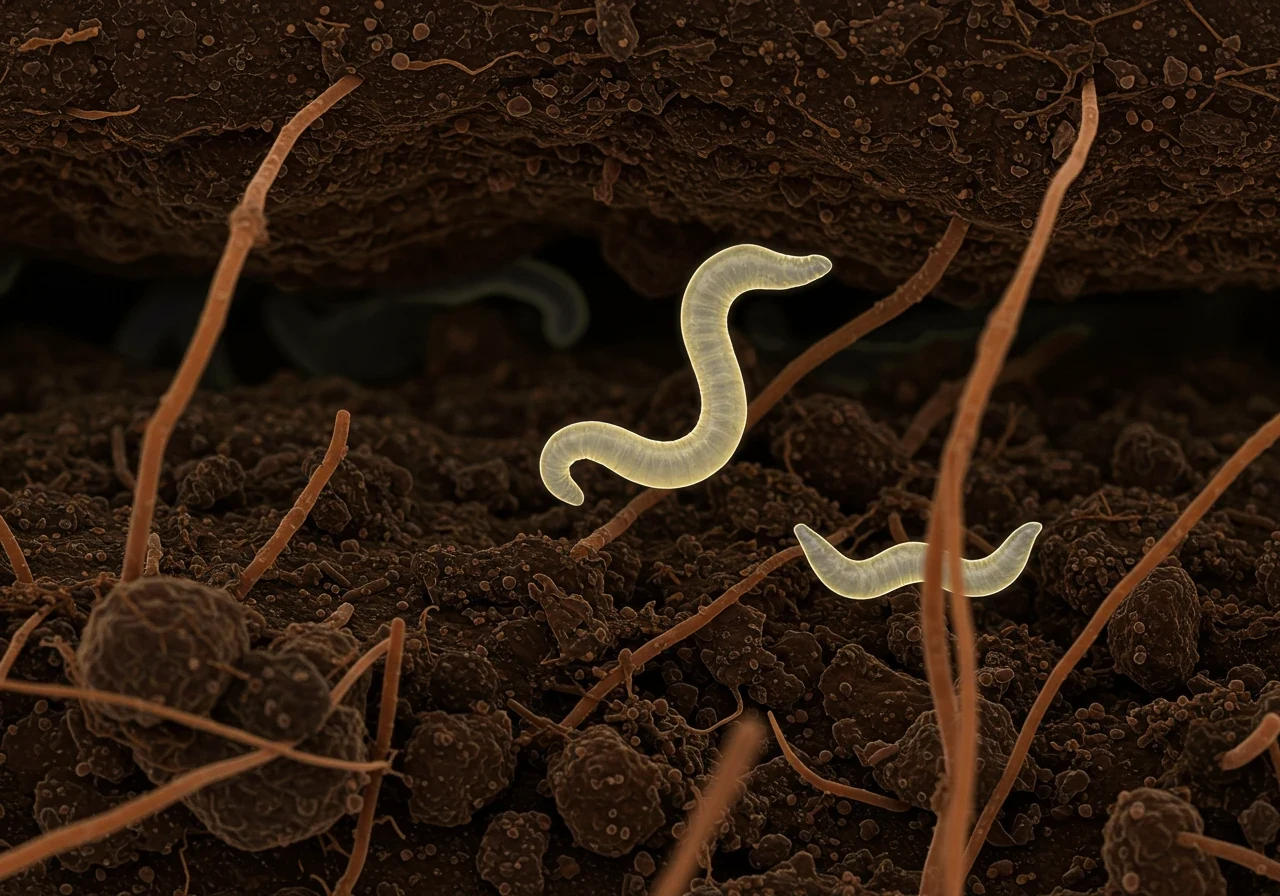
Answer: Imagine super tiny, microscopic roundworms that act like nature's pest control ninjas, living naturally in healthy soil. You absolutely cannot see them without a microscope, but they are mighty! They are *not* segmented like earthworms; they're much, much smaller and simpler. These aren't pests themselves; they are actually *parasites of insect pests*. They are a fantastic tool for organic gardening and lawn care, helping keep pest populations in check without resorting to harsh chemicals. Many gardeners across Ottawa are discovering their benefits. Proper soil preparation can enhance their habitat.
Question: Sounds cool! How do they actually work against pests like those annoying lawn grubs?
Answer: It's like a tiny, targeted mission! Once applied to moist soil, these beneficial nematodes actively hunt down their specific insect prey – like grubs, fungus gats, flea larvae, cutworms, and other soil-dwelling pests. Think of them as microscopic heat-seeking missiles for bad bugs! When a nematode finds a host (like a juicy grub munching on your lawn roots in Barrhaven), it enters the pest's body. Inside, the nematode releases a specific type of bacteria (don't worry, this bacteria is harmless to anything else). This bacteria quickly multiplies, killing the insect pest from the inside out within about 24-48 hours. The nematodes then feed on the bacteria and the host tissue, reproduce inside the dead insect, and new generations emerge to hunt for more pests. Pretty neat, huh? Timing is key, and applying them correctly, especially during key seasons, is crucial for success. You can learn more about timing applications in our Richmond Beneficial Insects Yard Spring Guide.
Question: Are they safe? Like, *really* safe for my kids, my dog Fido, and my prize-winning roses?
Answer: Absolutely, 100% yes! This is one of the best things about beneficial nematodes. They are *completely safe* for humans, pets, birds, earthworms, bees, ladybugs, plants, and other beneficial insects. They only target specific insect hosts. You, your family, and your pets can walk and play on the lawn immediately after application. They don't harm plant roots or contaminate groundwater. They are a natural part of the soil ecosystem and contribute to overall soil health, which is essential whether you're nurturing a simple lawn or maintaining intricate garden features like those discussed in our article about Kars Espalier Pruning Garden Art Ottawa. Using nematodes is a responsible way to manage pests while protecting the environment and the creatures you *do* want in your yard. For more on integrating these helpers, check out our thoughts on Manotick Pest Control Beneficial Insects.
Question: So, how do I use them and when's the best time?
Answer: Using them is surprisingly easy! They usually come packaged in a dormant state (often in a gel, sponge, or powder) that you mix with water. You then apply this mixture to the soil using a watering can, sprayer, or hose-end sprayer. The key is to apply them to *moist* soil (usually after rain or watering) and water them in afterward, as they travel through water films in the soil. Keep the soil moist for about a week or two after application. The best time depends on the pest you're targeting – often spring and fall are key times, especially for grubs. Consistent soil health practices help them thrive, forming part of a good long-term strategy like a Winchester Fall Plant Health Plan Saves Money. If tackling pests feels overwhelming, remember that professional help is available through our various Landscaping and Lawn Care Services.
Why Go Natural? The Awesome Perks of Using Nematodes in Your Ottawa Garden
Okay, let's talk about *why* you'd want to unleash these microscopic marvels in your Ottawa garden instead of reaching for that chemical spray bottle. Switching to beneficial nematodes isn't just trendy; it comes with some seriously awesome perks that make your garden happier and healthier.
Perk #1: Super Safe for Everyone (Except the Bad Bugs!)
This is a big one, especially for families. Remember those warnings on chemical pesticides? "Keep kids and pets off the lawn for 24-48 hours!"? Forget about that with nematodes! As soon as you've applied them (usually just by watering them in), your yard is safe for action. Kids can play, pets can roam, and you can walk barefoot without a worry. They are completely harmless to humans, pets, birds, and earthworms. Imagine your kids enjoying the backyard right after treatment – that peace of mind is priceless! They only target specific insect pests, making them the ultimate good guys in the world of pest control. This focus on safety and natural solutions aligns with how we handle your information, too; we respect your trust, as detailed in our Privacy Policy.
Perk #2: Kind to Mother Earth (and Your Helpful Garden Critters)
Chemical pesticides often take a "scorched earth" approach, wiping out beneficial insects like bees and ladybugs right along with the pests. Nematodes are far more precise. They hunt down specific soil-dwelling troublemakers like lawn grubs or fungus gnat larvae, leaving the good guys alone. This targeted approach protects the biodiversity in your garden. Plus, there's no harmful chemical runoff polluting Ottawa's precious waterways, like the Rideau River. It’s a win for your garden and a win for the local environment – true *sustainable gardening*. Maintaining this natural balance is key, much like how our overall City Garden Maintenance Service aims for long-term garden health.
Perk #3: They Actually *Improve* Your Soil
Healthy soil is the foundation of great landscaping. While chemicals can sometimes harm the delicate balance of soil microorganisms, beneficial nematodes become part of a healthy, living soil ecosystem. They help regulate pest populations naturally, contributing to the complex underground web of life that supports strong plant growth. It's like adding tiny guardians that work *with* nature, not against it. Consider enhancing your soil further with our Mulching and Edging Services.
Perk #4: Smart, Long-Term Pest Management
Using nematodes is a key strategy in Integrated Pest Management (IPM). Instead of just reacting with chemicals, you're proactively using a natural predator to keep pest levels down. While they might take a little longer to show results than a chemical spray (remember, they need time to hunt!), they provide lasting control as they reproduce and continue their work. It's a smarter, more sustainable approach to lawn care and garden maintenance. Considering nematodes can be part of a bigger plan for your yard's well-being, complementing other efforts like seasonal maintenance offered by a Ottawa Property Cleanup Service.
Nematodes vs. Chemicals: A Quick Glance
| Feature | Beneficial Nematodes | Chemical Pesticides |
|---|---|---|
| Safety | Safe immediately for people, pets, beneficials | Often require waiting periods; can harm non-targets |
| Targeting | Specific insect hosts | Often broad-spectrum, killing beneficials |
| Environment | No harmful runoff; safe for waterways | Potential for runoff and water contamination |
| Resistance | Pests do not develop resistance | Pests can develop resistance over time |
| Soil Health | Contribute positively to soil ecosystem | Can harm beneficial soil microorganisms |
Choosing nematodes is like giving your garden ecosystem a helping hand, and we think your plants will practically say 'Thank You' for making such a green choice! It’s just one aspect of creating a beautiful, healthy outdoor space, something our comprehensive Landscaping and Lawn Care Services can help you achieve.
Who Are We Fighting? Common Ottawa Soil Pests Targeted by Nematodes
Okay, you've decided these beneficial nematodes sound pretty great, but who exactly are these microscopic ninjas supposed to be fighting in your Ottawa soil? Let's meet the usual suspects – the common soil-dwelling pests that can turn your gardening dreams into a bit of a nightmare. Knowing your enemy is the first step!
The Lawn Wreckers: White Grubs
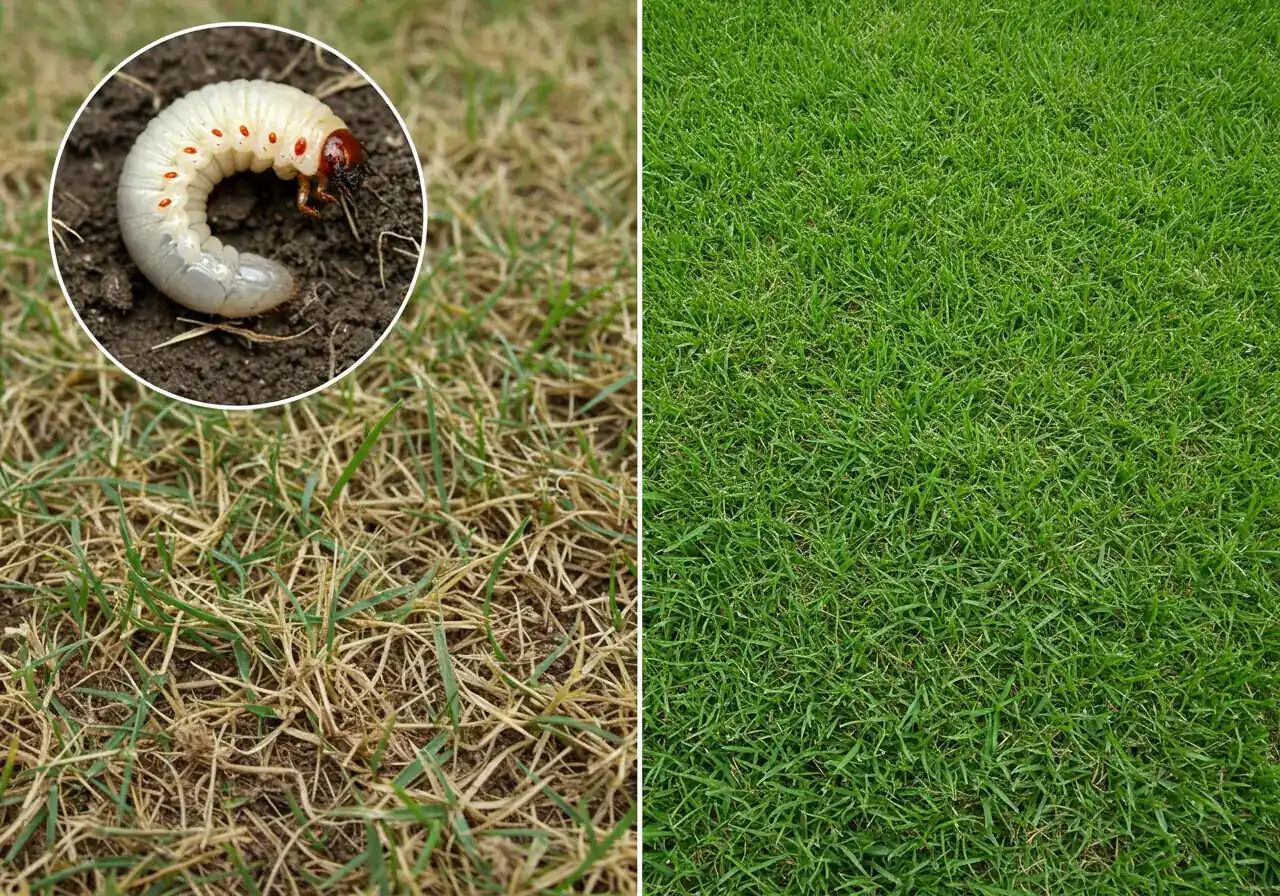
Ah, grubs. If you’ve noticed strange, irregular brown patches on your lawn, especially in late summer or early fall, or if critters like raccoons and birds are suddenly digging up your turf like they're searching for buried treasure, you might have a grub problem. These C-shaped, creamy-white larvae are the underground offspring of beetles like Japanese Beetles, European Chafers, and June Bugs. They absolutely *love* munching on grass roots, cutting off the lawn’s ability to absorb water and nutrients. A severe infestation can make your lawn feel spongy and allow you to roll it back like a carpet – yikes! This is a headache for homeowners everywhere from central Ottawa to neighbourhoods like Nepean.
Nematode Solution: Specific types of nematodes, particularly *Heterorhabditis bacteriophora* (often sold as Hb nematodes), are fantastic grub hunters. Apply them when grubs are small and actively feeding close to the soil surface, usually in late August through September in Ottawa. A spring application can also help catch overwintered grubs. Consider a Sod Installation if damage is severe.
The Seedling Snipers: Cutworms
Ever gone out to admire your newly planted veggie starts or annual flowers, only to find some mysteriously chopped off right at the soil line overnight? That’s the heartbreaking handiwork of the cutworm. These sneaky caterpillars hide in the soil or under debris during the day and emerge at night to feed. They curl into a "C" shape when disturbed (sound familiar? Lots of pests do this!). They can mow down rows of young plants faster than you can say "garden fail." Keeping your garden tidy is part of overall Garden Maintenance, which can help reduce places for cutworms to hide.
Nematode Solution: Nematodes like *Steinernema carpocapsae* (*Sc*) are effective against cutworms as they hunt near the soil surface where these pests lurk. Apply them in the evening when cutworms are most active.
The Root Raiders & Leaf Notchers: Root Weevils
Root weevils are a double threat. The adults are small, often black beetles that chew characteristic notches along the edges of leaves, especially on shrubs like rhododendrons and yews. While this leaf damage is unsightly, the real trouble happens below ground. The legless, grub-like larvae feed ravenously on plant roots, weakening or even killing plants, especially container plants or those in garden beds. Spotting issues early is key, something a thorough Ottawa Garden Clean Up Service might reveal in the fall or spring.
Nematode Solution: Both *Heterorhabditis bacteriophora* (*Hb*) and *Steinernema feltiae* (*Sf*) can target the larval stage in the soil. Apply them to moist soil around affected plants.
The Indoor Annoyances: Fungus Gnats
While not strictly an outdoor lawn pest, fungus gnats are a common soil pest for houseplants and greenhouse enthusiasts across Ottawa. If you see tiny, dark, mosquito-like flies flitting around your indoor plants, those are likely fungus gnat adults. They're annoying but mostly harmless. The *real* problem is their larvae, which live in the top layer of moist potting soil and feed on fungi and decaying organic matter, but can also damage plant roots, especially on seedlings and young plants. Maintaining healthy plants is easier with consistent care, perhaps even through a regular City Garden Maintenance Service plan if you have extensive indoor or outdoor plantings.
Nematode Solution: *Steinernema feltiae* (*Sf*) nematodes are excellent at controlling fungus gnat larvae in pots and containers. Just water them into the soil!
Understanding these common pests and the damage they cause helps you choose the right nematode soldiers for the job. At Clean Yards, helping homeowners find natural, effective solutions is core to who we are – you can learn more About Us and our commitment to greener gardening. If you're unsure which pest is plaguing your plants or need advice on using nematodes, feel free to Contact Us – we're always happy to help Ottawa gardeners fight the good fight!
Ready, Set, Apply! Your Step-by-Step Guide to Using Nematodes
Okay, soldier! You've decided to enlist the help of beneficial nematodes to patrol your lawn and garden. Excellent choice! Don't let the science-y name intimidate you; applying these microscopic helpers is easier than you think. Let's break it down step-by-step using our timeline guide.
Step 1: Get Your Troopers
Purchase fresh nematodes close to use date. Check expiry. Store in the fridge (not freezer!) immediately upon arrival.
Step 2: Operation Timing
Apply when pests are vulnerable (e.g., late Aug-Sep for grubs in Ottawa). Ensure soil temp is 10°C-30°C. Apply early morning, evening, or on overcast days.
Step 3: Prep the Battlefield
Water the area thoroughly *before* application. Soil should be moist. Consider a garden clean up service like ours in Marionville if thatch is heavy.
Step 4: Mix Master
Follow package instructions precisely. Mix with cool, non-chlorinated water. Use within 1-2 hours, stirring occasionally. Review our Terms and Conditions for service details if we're applying them for you.
Step 5: Deploy!
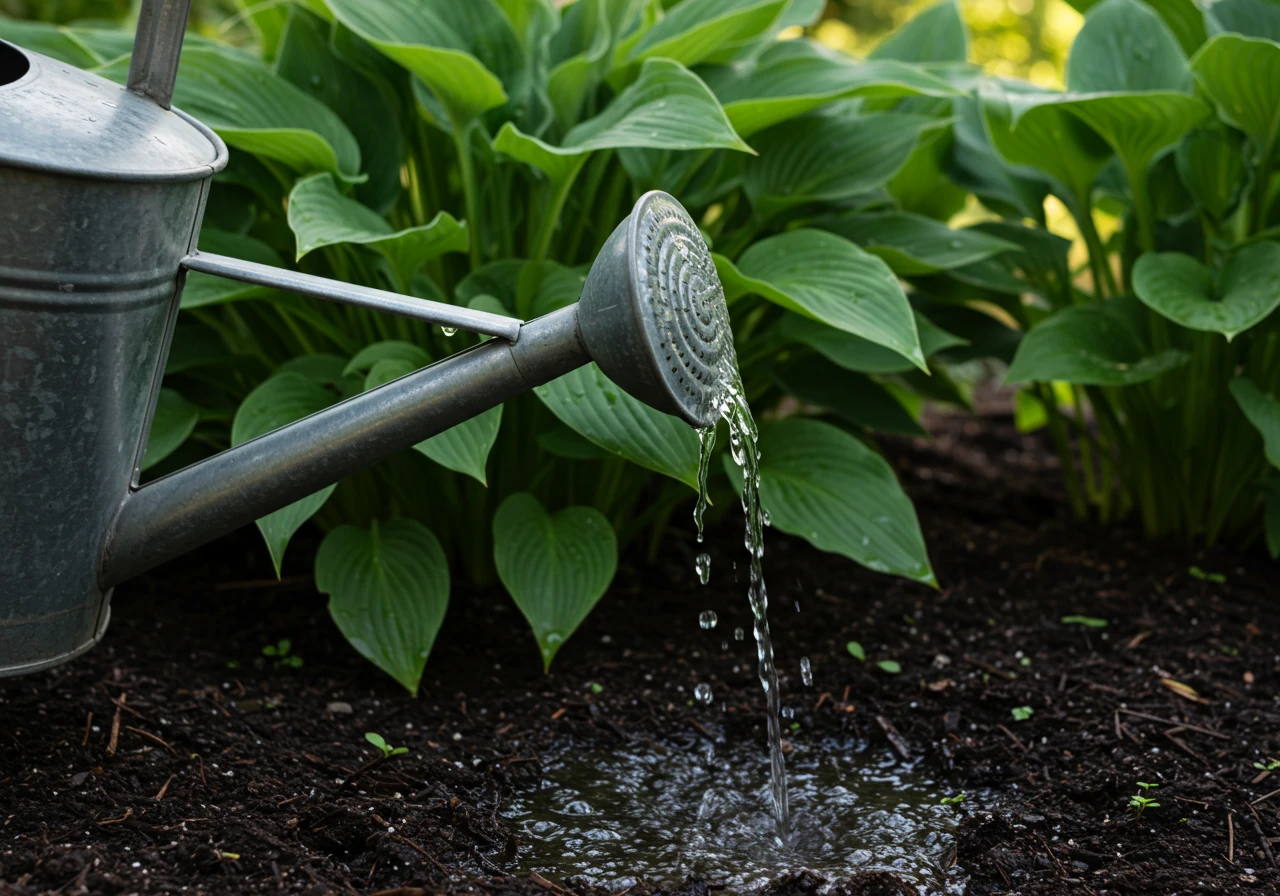
Use a watering can, hose-end sprayer (no fine filters!), or pump sprayer. Apply evenly across the entire affected area.
Step 6: After Action Care
Water the area again lightly (15-20 mins) immediately after application. Keep soil consistently moist for 1-2 weeks. Be patient; results take time. See examples of great results in our Transformations gallery.
And that's it! You've successfully deployed nature's pest control. Applying nematodes is a fantastic, eco-friendly way to manage pests and promote a healthier landscape. If the whole process feels a bit daunting alongside other yard work, remember that comprehensive help is available through services like our City Property Cleanup Service.
Got more questions or need advice specific to your garden situation? We're here to help! Just drop us a line via our Contact Us page or check our Google My Business page for reviews and updates. Happy gardening!
Conceptual Nematode Effectiveness Over Time
Note: Actual effectiveness varies by pest, conditions, and nematode type. This is illustrative.
Ottawa-Specific Considerations: Nematodes & Our Local Landscape
Alright, let's chat about using our microscopic buddies, the beneficial nematodes, right here in the Ottawa region. While they're fantastic little helpers, our unique neck of the woods presents a few things to keep in mind for the best results – think of it as local gardening wisdom!
First off, Ottawa weather! We know it keeps us on our toes, right? From chilly springs to potentially scorching, dry summers and back to cool falls. Nematodes are living critters and have temperature preferences (usually between 10°C and 30°C soil temperature). Applying them too early in spring when the ground is still frosty, or during a mid-July heatwave when the soil is baking, won't give them a fighting chance. *Timing is everything*. Aim for those moderate periods, usually late spring/early summer and late summer/early fall, when soil temperatures are just right and pests like grubs are vulnerable. You can learn more about watershed health impacts from the Rideau Valley Conservation Authority.
Then there's our soil. Ottawa's landscape is diverse! You might be gardening in heavier clay near the rivers, dealing with sandier soil further out, or enjoying lovely loam. Heavy clay can sometimes make it harder for nematodes to move freely, while sandy soil drains quickly and can dry out too fast for them. This is where good ground work really pays off. Improving your soil structure through proper Soil Preparation by adding organic matter like compost helps create a better environment for nematodes, regardless of your starting point. It helps clay soils drain better and sandy soils hold onto precious moisture.
Speaking of moisture, nematodes need it to cruise through the soil and hunt down pests. Our summers can sometimes bring dry spells, and occasionally, the City of Ottawa implements watering restrictions. This can be a challenge! Plan your nematode application when you know you can keep the soil consistently moist (but not soggy) for that crucial first week or two. Watering early in the morning or later in the evening helps reduce evaporation. Check the current City of Ottawa Water Conservation rules. Understanding the specific requirements for your nematode purchase is key, much like understanding the fine print for any service agreement, such as our own Clean Yards Terms and Conditions, ensures you know what's involved for success.
Availability isn't usually a major issue, as many local garden centers stock beneficial nematodes during peak seasons. However, it's always smart to call ahead, especially if you're targeting a specific pest like grubs when demand is high. Local resources like the Ottawa Horticultural Society may also offer advice.
Using nematodes is a wonderfully responsible approach to gardening, fitting perfectly with the community spirit in areas like Russell and Embrun where folks value greener living. It helps protect our local waterways and beneficial insects. Keeping your yard free of excessive thatch or debris *before* application helps the nematodes reach the soil effectively – sometimes a task tackled during seasonal maintenance, like that offered by a City Yard Cleanup Service. Gardeners in nearby communities appreciate these natural methods too; preparing the ground well, maybe even with help from a focused service such as the Marionville Yard Cleanup Service, really gives your nematode allies the best start. Especially when protecting vulnerable plants, like those introduced during a new Garden Install, nematodes offer peace of mind without harsh chemicals. Choosing the right supplies, like those discussed in our material selection guide, also contributes to a healthy garden ecosystem.
So, with a little planning around our Ottawa climate and soil, beneficial nematodes can be a superstar addition to your sustainable landscaping toolkit!
Nematode Ninjas: Quick Tips for Success
- Treat 'em Right Upon Arrival: Buy fresh, use soon. Refrigerate immediately (don't freeze!). Choose the right type, like discussed in our material selection guide principles.
- Prep Your Battlefield: Water soil *before* applying. Ensure good soil contact by removing heavy thatch/debris. A Metcalfe property cleanup service can handle larger areas.
- Master the Moisture: Water lightly *after* application. Keep soil consistently moist (not soggy) for 1-2 weeks. Mulching helps retain moisture.
- Timing is Everything: Apply early morning, evening, or overcast days. Check soil temp (10°C-30°C ideal).
- Sprayer Smarts: Remove fine filters from sprayers. Watering can works for small areas. Follow package directions.
- Patience, Young Grasshopper: Biological control takes time (1-2+ weeks). Stick with it! Protect new plantings from a garden install from the start.
- Combine with Good Habits: Nematodes work best with overall yard health. Regular maintenance matters. Consider a city garden clean up service for a fresh start.
- Feedback Loop: Let us know how it goes! We value your estimate feedback and results.
Your Nematode Questions Answered: Ottawa Edition
Great question! For targeting lawn grubs (like Japanese Beetle or Chafer larvae) in the Ottawa area, the prime time is typically late August through September. This is when the new baby grubs are small, feeding near the surface, and soil temperatures are usually ideal (above 10-12°C but below 30°C). Applying then gives your nematode troopers the best shot at finding their targets before winter hits.
Yes, they absolutely can work in clay soil! While clay can be dense, nematodes can still navigate it, *especially* if it's kept consistently moist. Improving your soil structure over time with organic matter definitely helps them move more freely. Techniques like proper Mulching and Edging can also help retain moisture near the surface, creating a better environment for your nematode allies to get established and hunt pests.
That's a valid concern! If you anticipate watering restrictions, try applying nematodes just *before* they might start, or during a period with expected rain. Otherwise, water deeply during your permitted times, focusing on that crucial first week or two after application. Remember, a healthy lawn managed with good Lawn Care Practices often requires less water overall, making it easier to maintain sufficient moisture for your nematodes even with restrictions. Check City of Ottawa guidelines.
Beneficial nematodes *can* reproduce and persist in the soil for a while if conditions are right (moisture, hosts available). However, their populations naturally decline over time due to environmental factors and lack of prey. For consistent control, especially against persistent pests like lawn grubs, an annual application during the key window is usually recommended to maintain effective numbers. Regular yard upkeep, such as a comprehensive Property Clean Up, also helps by reducing overall pest pressure. We offer services in Marionville, Metcalfe, and across Ottawa.
Wouldn't that be nice! While nematodes are fantastic pest-fighters, they aren't quite magic. They target specific soil-dwelling stages of certain insects (like grubs or fungus gnat larvae) very effectively. They won't control *every* garden pest, nor will they typically eliminate 100% of their target. Think of them as a key player in your overall garden health strategy, working alongside good practices like keeping garden beds tidy – something a service like our Metcalfe Garden Clean Up Service can assist with, contributing to fewer pest issues overall.
You can often find beneficial nematodes at reputable local garden centers throughout the Ottawa region during the appropriate seasons (spring and late summer/fall). Calling ahead is wise, as stock can vary. Many online suppliers also specialize in shipping live nematodes quickly. The most important thing is ensuring they are fresh and have been stored properly (refrigerated) before you purchase and use them. The Ottawa Horticultural Society might also have recommendations.
Conclusion: Embrace Natural Pest Control for a Healthier Ottawa Yard
So, there you have it – the lowdown on beneficial nematodes, nature’s own tiny pest control squad! We've seen how these microscopic marvels work their magic underground, targeting annoying soil pests like grubs and cutworms without harming your kids, pets, or the good bugs buzzing around your garden. Choosing nematodes isn't just about getting rid of pests; it's about embracing a smarter, safer, and more sustainable approach to *landscaping* and *gardening*. It's a fantastic way to boost your *soil health* and protect Ottawa's local environment, from the Glebe right out to Greely.
Think of it: fewer worries about harsh chemicals, a healthier ecosystem right in your backyard, and the satisfaction of working *with* nature. Ditching the chemical warfare for these beneficial buddies means a happier lawn, healthier plants, and peace of mind. Why not give these natural ninjas a try?
Ready to take the leap towards a greener, healthier yard?
- *Feeling inspired?* Grab some nematodes and follow our application guide!
- *Need a helping hand?* If tackling pests feels overwhelming, don't hesitate to reach out. Our team at Clean Yards is happy to offer expert advice or professional application services. Contact Us today! Check out our full range of services.
- *Want to learn more?* Explore our other Blog posts for more *Ottawa gardening* tips and tricks.
- *Spread the word!* Share this info with your neighbours – let's make Ottawa yards healthier, one nematode at a time!