Fall (Sept-mid Oct in Ottawa) is ideal for dividing many perennials like Hostas, Daylilies, and Peonies.
Division prevents overcrowding, rejuvenates plants, improves flowering, and gives you free plants.
Look for signs like dead centers ("doughnut hole"), reduced flowering, or plants simply getting too large.
Follow simple steps: prepare, dig wide, divide carefully, replant with compost, water, and mulch for winter.
Proper aftercare ensures divisions establish before the ground freezes.
Introduction: Give Your Winchester Garden Some Breathing Room This Fall!
Hey Winchester gardeners! Take a look outside. Does your garden look a little *too* successful after a summer of enthusiastic growth? Maybe your favourite hostas are staging a friendly takeover, or the daylilies are practically elbowing each other for sunlight? It happens to the best of us! When our lovely perennials get a bit overcrowded, they can struggle, competing for nutrients, water, and light. Think of it like rush hour heading into Ottawa – things just flow better with a little more space!
Luckily, fall is the perfect time for some gardening magic: dividing those robust plants. Giving your Winchester garden some breathing room now isn't just about tidying up before winter. It's a key step for promoting healthier roots and more vigorous growth next spring. Plus, it’s the perfect way to multiply your favourite plants (hello, free landscaping!) or even share the botanical wealth with a neighbour over in nearby Greely or Osgoode. Gardening in our unique climate certainly presents its own set of challenges and rewards, but tackling this simple fall task brings big benefits. Let’s explore how to give your plants the space they crave!
Why Bother? The Perks of Dividing Perennials in the Fall (It's Not Just About Making Room!)
So, you look at that ginormous clump of hostas or maybe some overly enthusiastic ornamental grasses and think, "Digging that up? Sounds like work!" And you're not wrong, it takes a bit of elbow grease. But trust us, tackling perennial division in the fall, especially here in the Ottawa area, is so worth the effort, and not just because your plants are getting cozy like commuters packed onto the O-Train.
Let's talk perks:
Healthier, Happier Plants: Over time, many perennials develop dead spots in the centre as the older parts die off and the vigorous growth moves outward. Dividing removes this old growth and gives the younger, healthier sections room to thrive. It improves air circulation, reducing disease risk – a big plus for keeping problems at bay. Discover how fall division helps prevent hosta crown rot, a common issue in our Kars area gardens. This task essentially gives your plants a spa day, revitalizing them for the seasons ahead.
More Plants = More Fun (and Free!): This might be the best part! Every piece you divide is a potential new plant. Suddenly, you have extras to fill bare spots, start a new garden bed, or share with fellow gardening enthusiasts in Manotick or Barrhaven. It's the ultimate garden multiplication trick. For certain favourites, like peonies, timing is crucial. Learn about the best timing to divide peonies near Kars to avoid losing next year's flowers.
Fall in our region offers that sweet spot – the soil is still warm enough for roots to establish before winter, but the cooler air temperatures mean less stress on the plants (and the gardener!). It’s a fantastic way to prep for a vibrant spring display. Think of it as laying the groundwork for a fantastic fall garden revival through plant division, useful for Kenmore landscapes too. If the thought of tackling those clumps feels overwhelming, remember help is available.
Reading the Signs: Is Your Perennial Patch Crying Out for Division?
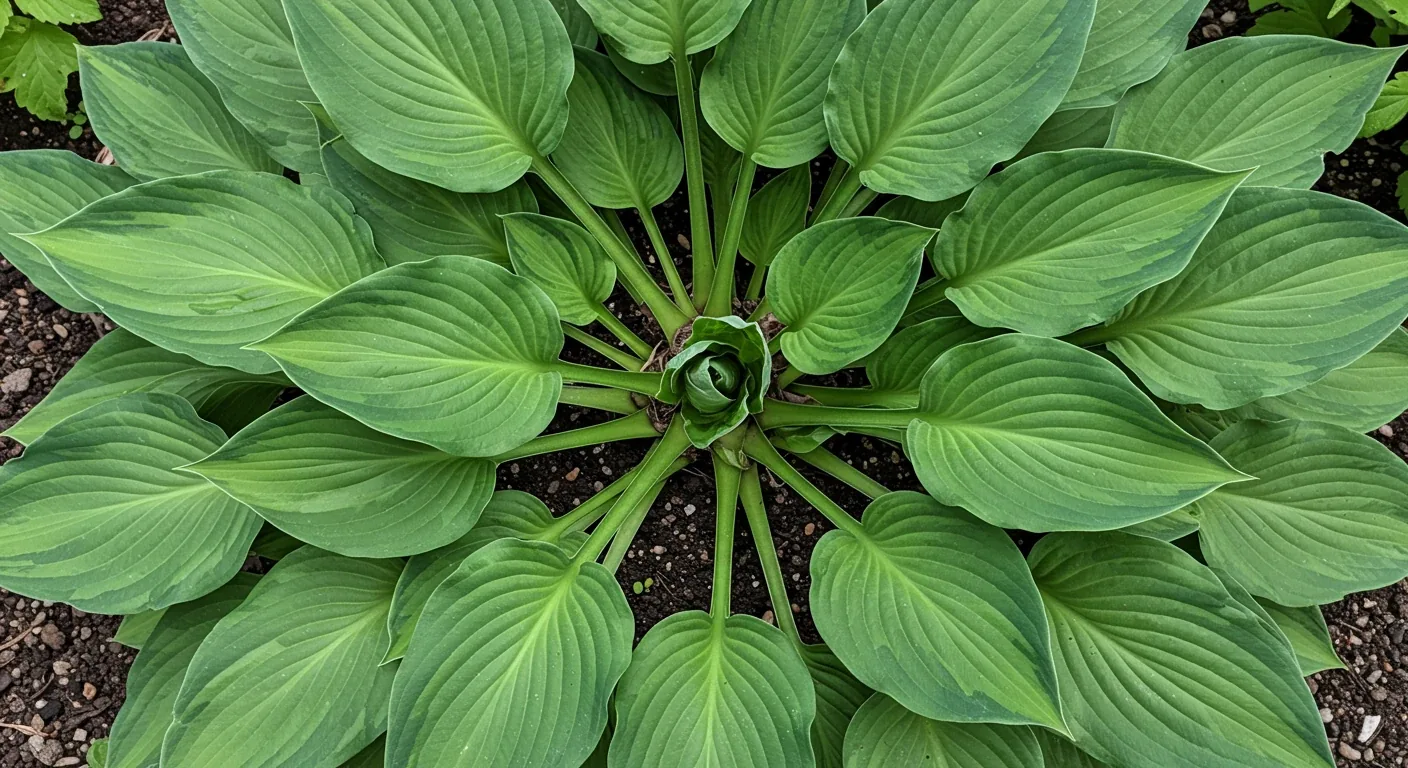
The 'doughnut hole' is a clear sign your perennial needs dividing.
Okay, let's talk plant body language! Your perennials might not send you a text message saying "Help, I'm overcrowded!", but believe us, they definitely drop hints when they feel squished. Think of it like trying to find a parking spot at Lansdowne during a Redblacks game – eventually, things just get too tight for comfort! When your favourite gardening specimens start acting up, it might be their way of asking for a little more elbow room in your Ottawalandscape.
So, how do you decode these botanical signals? Here are the tell-tale signs your perennial patch is crying out for division:
The Dreaded Doughnut Hole: Ever notice your big clump of hosta or daylily looking fantastic around the edges, but sporting a sad, dead, or patchy spot right smack in the middle? That’s a classic! It means the oldest part of the plant is kicking the bucket, while the vigorous, younger growth has migrated outwards. Time to dig in and rejuvenate! This often becomes noticeable during regular garden upkeep, the kind included in a comprehensive Ottawa garden clean up service.
Flower Power Failure: Remember when those Bee Balm or Coneflowers put on a spectacular show that lasted for weeks? If the blooms are getting noticeably fewer, smaller, or just seem kinda meh compared to previous years, the plant might be too crowded. It's spending all its energy competing for nutrients and water underground instead of producing those gorgeous flowers we love. This is a common sight in established garden beds you might see driving through areas like Metcalfe. If you're noticing this decline across multiple plants, a Metcalf yard cleanup service could help assess the overall bed health, but division is often the key intervention needed for bloom revival.
The Incredible Shrinking Plant: Are the leaves and stems looking noticeably smaller or less robust than they used to be? Stunted growth is another big indicator that the root system is overcrowded and tangled, basically struggling to absorb enough food and water. Your plant is essentially "hangry"! Addressing soil health alongside division is part of good gardening practice, often tackled during seasonal cleanups like those offered by our Marionville garden clean up service.
Floppy Business: Some perennials naturally have a relaxed habit, but if plants that normally stand tall and proud (like some Sedums before they bloom, or certain ornamental grasses) are suddenly flopping over or splaying open messily, it could mean they've outgrown their root system's ability to support the top growth, or the clump has just become too dense. Dividing gives the individual sections a sturdier base and better posture.
It's Just Plain HUGE: Sometimes, the most obvious sign is the simplest – the plant has just gotten too big for its britches (or its designated spot in your landscape design). It might be aggressively shouldering its neighbours, hogging all the sunlight, or spilling untidily onto pathways. This is a common situation needing attention in maturing gardens, even out in lovely communities like Embrun. Tackling overgrown plants might be part of a larger effort handled by an Embrun yard cleanup service.
Recognizing these signs is the first crucial step towards happier, healthier plants. If the thought of digging, lifting, and splitting those hefty clumps seems like a workout you'd rather skip, or if you'd just prefer an expert eye to assess the situation, remember professional help is available. Explore our range of gardening and landscaping services to see how we can lend a hand and get your perennials back in top form!
Why Divide?
Dividing perennials offers multiple advantages:
Rejuvenates older plants
Improves plant health and vigor
Increases flower and foliage production
Controls plant size and spread
Provides free plants to expand your garden or share
Enhances air circulation, reducing disease risk
When to Divide in Ottawa?
The ideal window for most perennials in the Ottawa area (including Winchester, Kars, Metcalfe) is:
Early September to Mid-October
This allows 4-6 weeks for roots to establish before the ground freezes solid.
Timing is Key: The Ottawa Fall Dividing Sweet Spot
Okay, let's talk timing! When it comes to dividing perennials in the fall here in the Ottawa region, nailing the schedule is like catching the perfect crisp autumn day – absolutely glorious when you get it right. Get it wrong, and your plants might give you the cold shoulder (literally!).
The Golden Rule: 4-6 Weeks Before Freeze-Up
The main goal of fall division is to give those newly separated plant sections enough time to settle in and grow some fresh roots before the ground freezes solid. Think of it as letting them unpack and get comfy in their new home before winter hibernation kicks in. The general guideline across the gardening world, and especially important in our climate, is to aim for about four to six weeks before the ground typically freezes solid.
Decoding the Ottawa Calendar
So, what does that mean for us? In Ottawa and surrounding areas like Barrhaven or Kars, the first hard frost often arrives sometime in late October, and the ground usually freezes solidly sometime in November. Working backward, this puts our prime perennial dividing window roughly from early September through to mid-October. This timing allows those roots to establish in the still-warm soil while the cooler air reduces stress on the leafy parts. It’s often a period when general tidying happens, something covered by a good Ottawa garden clean up service.
Listen to Your Plants (and the Weather!)
Now, that's a general window. Not all plants read the same calendar!
Early Birds: Spring and early summer bloomers (like Irises and Peonies) often prefer being divided earlier in the fall, maybe leaning towards September. This gives them maximum time to recover before winter.
Flexible Friends: Many robust summer and fall bloomers (Hostas, Daylilies, Sedum 'Autumn Joy') are more forgiving and can often be tackled later in that window.
Local Vibes: Keep microclimates in mind! A sheltered city backyard might stay warmer longer than an exposed garden plot out in Metcalfe. Observing conditions in your specific spot is key, something local experts understand well when providing services like a Metcalf garden clean up service. The nuances can even vary slightly across different parts of the broader area, impacting tasks handled by a city garden clean up service.
Actionable Tip: Grab a calendar and mark that early September to mid-October window. Then, watch the weather forecast like a hawk planning its dinner! An unusually warm autumn might extend your window slightly, while an early cold snap means you need to get digging sooner rather than later. Need more tips on seasonal tasks? Visit the City of Ottawa's gardening page for local resources.
Getting the timing right sets your plants up for success next spring. And hey, once you've divided and maybe moved things around, you might find you have the perfect spot for that new patch of green you've been dreaming of – maybe even planning for a spring sod installation or a brand new garden install!
Let's Dig In! Your Step-by-Step Guide to Dividing Perennials Like a Pro
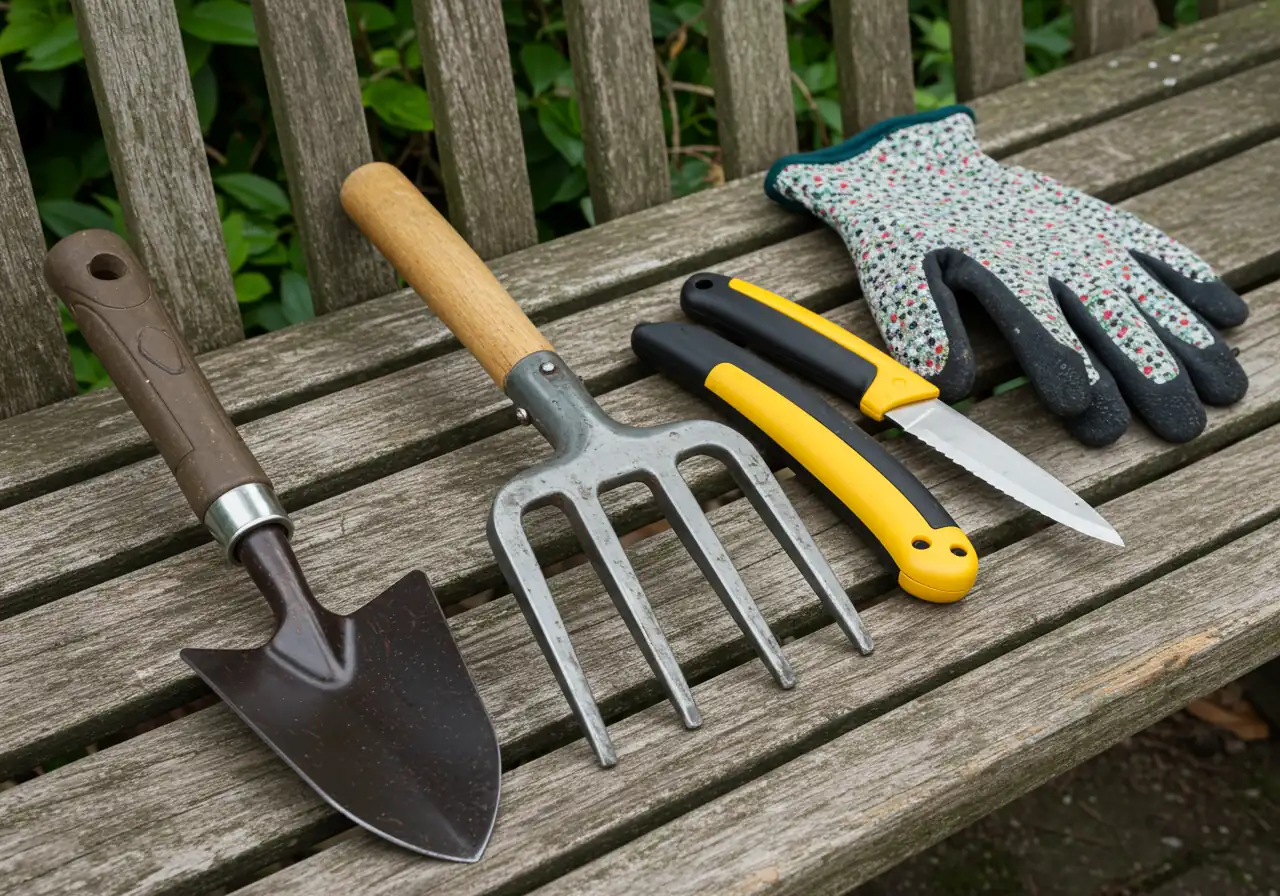
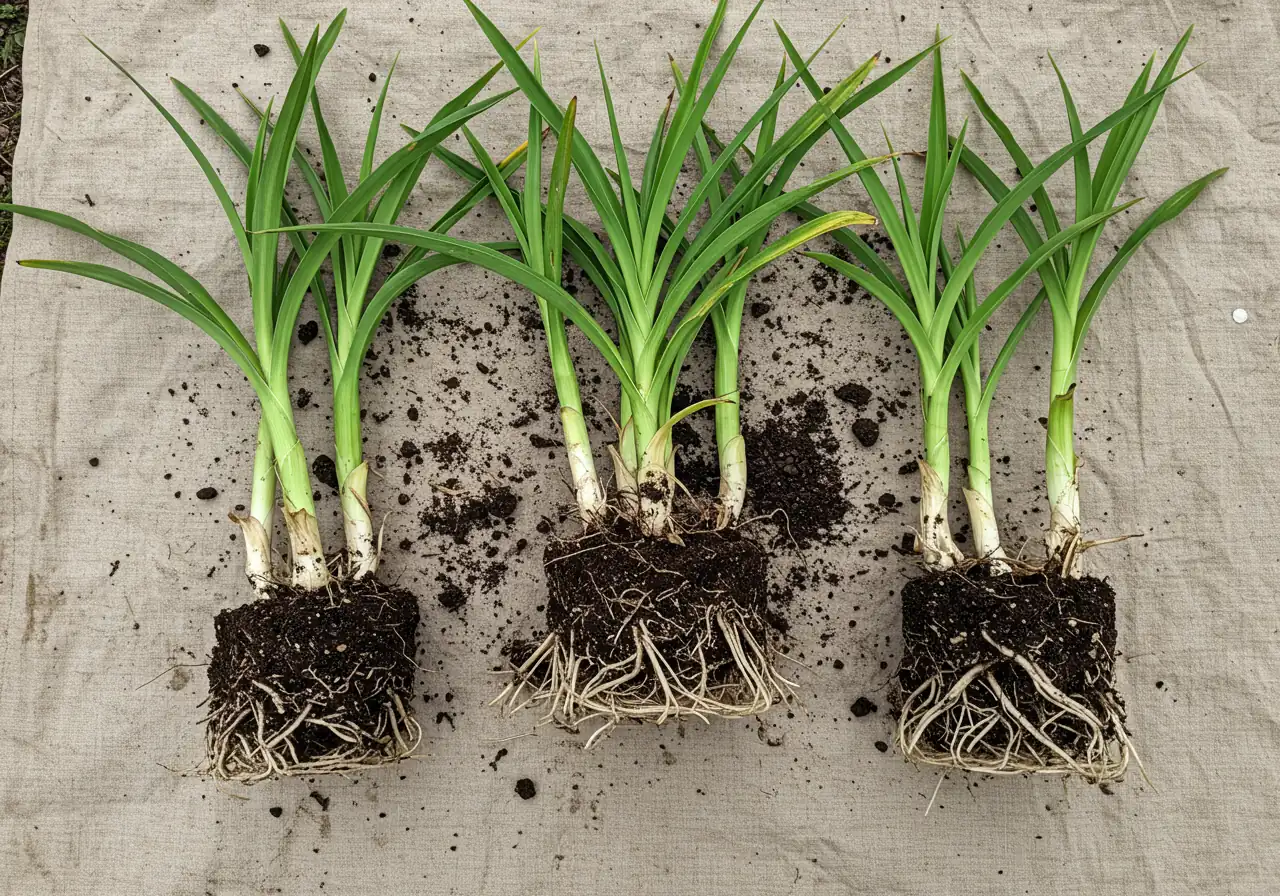
Gather your tools before you start digging.A successfully divided perennial clump, ready for replanting.
Alright, gardening gloves on? Ready to give those overgrown perennials some personal space? Dividing plants might sound intimidating, but it's actually pretty straightforward – and incredibly rewarding! Think of it as a mini workout with fantastic benefits for your Ottawalandscape. Let's break down this division process step-by-step.
Step 1: Prep Time
Gather your gear (spade/fork, sharp knife, tarp, gloves, water). Soak the soil around the plant the day before. Consider site prep, maybe as part of an expert Marionville yard cleanup service.
Step 2: The Big Dig
Dig around the perimeter (6-12 inches out). Pry and lift the entire root ball gently. Place it on your tarp. Strong tools are key, especially in clay soil.
Step 3: Divide and Conquer
Inspect the clump. Gently tease apart or use a knife/spade to cut into sections. Ensure each piece has healthy roots and shoots. Discard dead centers. Think about complete garden transformations this enables!
Step 4: Replant Right
Prepare holes with loosened soil and compost (soil preparation is key). Plant divisions at the same depth as before. Backfill, firm soil, and water thoroughly. Planning for new garden beds?
Step 5: TLC Aftercare
Water consistently for a few weeks. Apply mulch after the first light frost. Monitor the plants. Consider ongoing garden maintenance for long-term success. Learn about our team's expertise.
And that’s it! You’ve successfully divided your perennials like a pro, ensuring healthier plants and maybe even scoring some freebies for other parts of your yard. Happy gardening!
Quick Guide: Common Perennials for Fall Division in Ottawa
Perennial
Ideal Fall Division Time
Notes
Hosta
Early Sept - Mid Oct
Relatively easy to divide by hand or spade.
Daylily (Hemerocallis)
Early Sept - Mid Oct
Tough roots, may need sharp spade or knife.
Peony (Paeonia)
Early - Mid September
Divide earlier to allow root establishment. Avoid deep planting. Related: Kars Peony Timing.
Astilbe
Early Sept - Early Oct
Prefers moist conditions; keep well-watered after division.
Sedum (Autumn Joy, etc.)
Early Sept - Mid Oct
Very forgiving; easy to separate.
Iris (Bearded)
Late August - September
Best done earlier in fall; replant rhizomes shallowly.
Note: This is not exhaustive. Always research specific plant needs. Need help identifying or dividing? Check out our services.
Tuck Them In Tight: Post-Division Care & Ottawa Winter Prep
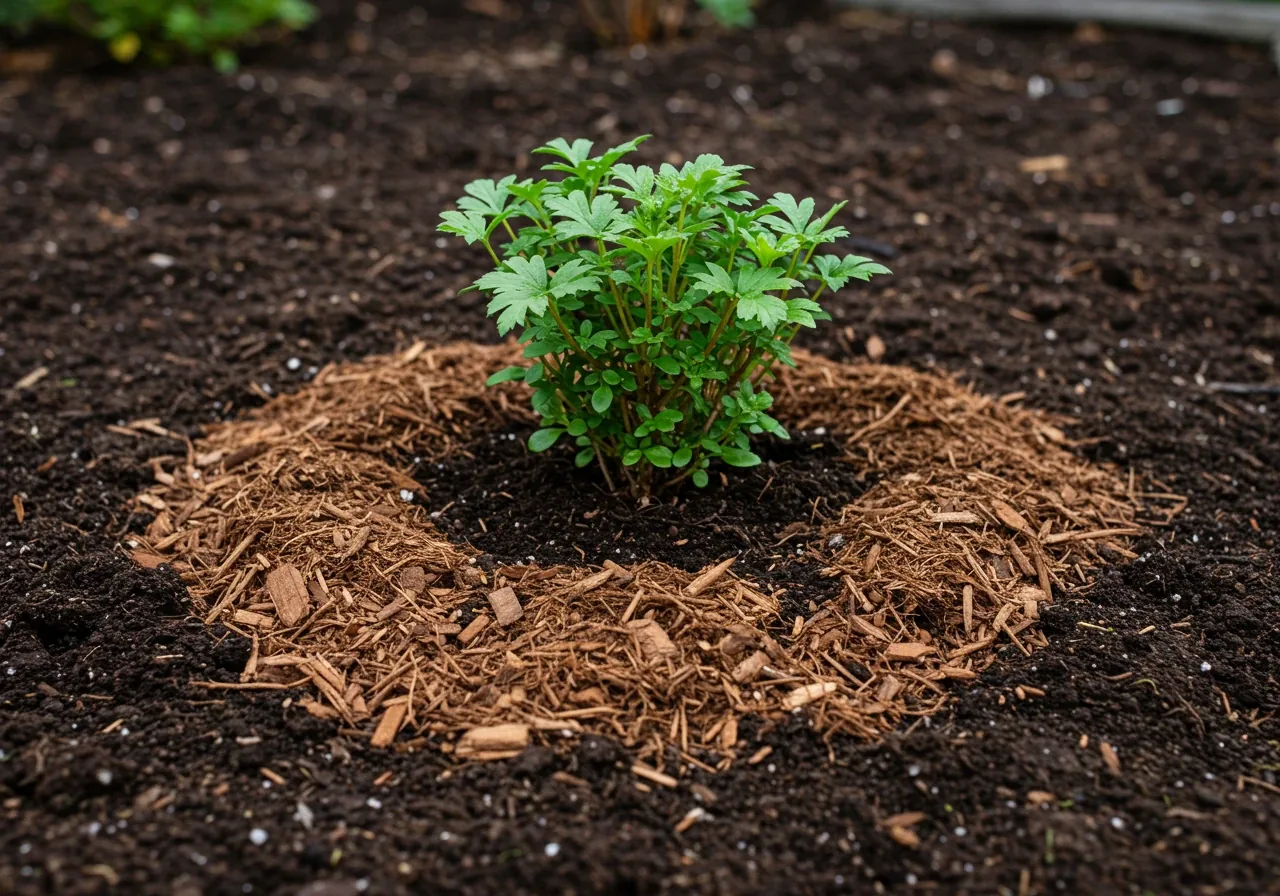
Mulch protects new divisions through the winter.
Okay, you’ve done the heavy lifting – literally! Those perennials are divided and replanted. Phew! But don't put the gardening gloves away just yet. Giving your newly split plants the right post-op care is crucial for surviving their first Ottawa winter in their new spots. Think of it as tucking them in tight before the big chill arrives.
First off, keep watering those divisions consistently for a few weeks after planting, but gradually reduce as the weather cools and rains become more frequent. You want the soil moist, not waterlogged, as they establish their roots.
Now, for the VIP treatment: mulch! This is your plant's winter duvet. Once the ground has had a light frost (but before it freezes solid!), apply a 2-4 inch layer of organic mulch like shredded leaves (a great use for materials gathered during a Marionville yard cleanup service) or bark chips around the base of your perennials. Don't pile it right against the crown (where stems meet roots) – leave a little breathing room to prevent rot. This magical blanket insulates the roots from harsh freeze-thaw cycles, retains moisture, and helps suppress weeds next spring. Consistent mulching is a key part of maintaining a tidy appearance, something considered during a full Metcalf property cleanup service.
One big don't for fall: fertilizing. Resist the urge! Feeding them now encourages tender new growth that will just get zapped by the cold. Save the fertilizer boost for springtime when they wake up hungry. Proper seasonal prep is vital across the city; neglecting steps like these can lead to bigger issues handled by a general city property cleanup service. Learn more about good practices from resources like the Friends of the Central Experimental Farm.
Finally, keep an eye on them. Sometimes, especially in areas like Vernon or Kenmore where conditions might vary, frost heave can push new transplants slightly out of the ground. Gently press them back if needed. A well-prepped yard overall supports plant health; consider how services like a comprehensive Ottawa property cleanup service ensure the entire space is ready for winter, protecting your landscaping investments. This final attention to detail, much like ensuring the whole property is tidy via a Marionville property cleanup service, sets your divided perennials up for a great comeback tour next spring! Find more about our approach on our Google My Business page.
Estimated Vigor Improvement After Division
75%
Hosta
85%
Daylily
60%
Peony
70%
Sedum
*Illustrative data showing potential increase in plant health and flowering the season after proper fall division.
Highlight Box: Winchester Gardener's Fall Division Cheat Sheet
Alright, Winchester green thumbs! Feeling ready to tackle perennial division but want the quick-and-dirty version? No problem! Fall is prime time in our little corner of the Ottawa region to give those overcrowded plants some breathing room. Think of this as your express lane guide to happy roots and a healthier garden next spring. Here are the must-knows:
Timing is Everything (Almost!): Aim to divide your perennials roughly 4-6 weeks before the ground freezes solid here. For Winchester and the surrounding Ottawa area, that sweet spot is typically early September to mid-October. This gives those new divisions time to settle in before winter really hits. Don't leave it too late! Tackling division is often part of a broader fall tidy-up; getting the whole yard ready might involve a general property clean up.
Spot the Signs: Is your hosta looking like a donut (dead in the middle)? Are the blooms smaller or fewer than last year? Has the plant just become monstrously huge? These are classic cries for help! Listen to your plants – they’re telling you they need more space. Addressing these issues proactively prevents bigger problems later.
Dig Wide, Divide Right: Give the plant plenty of space when digging – aim wide around the root ball. Once it's out, shake off some soil and look for natural division points. Use a sharp spade or knife for clean cuts, ensuring each new piece has healthy roots and shoots. Don't be afraid to use a little muscle! Good division starts with understanding the plant's needs, just like good planting starts with proper soil preparation.
Replant with Care: Pop those new divisions into their prepared spots (amending the soil with compost is always a bonus!). Plant them at the same depth they were originally growing. Water them in thoroughly right away to settle the soil and hydrate the roots. Thinking about the overall state of your yard during this process? A full Ottawa property cleanup service can handle more than just the garden beds.
Tuck In for Winter: Water consistently for the first few weeks, then apply a nice layer of mulch (like shredded leaves or bark) *after* the first light frost, but *before* the ground freezes hard. This insulates the roots against our chilly Ottawa winters. Avoid fertilizing now – save that treat for spring!
Need a hand with the heavy lifting or not sure where to start? Don't hesitate to contact us for expert help! And remember, when engaging any service provider, it's always a good idea to understand the details; you can review our terms and conditions online. Happy dividing!
FAQs: Your Ottawa Perennial Dividing Questions Answered
Fall is fantastic for many favourites like Hostas, Daylilies, Peonies (early fall!), Astilbe, and Sedum 'Autumn Joy'. They have time to root before winter. Spring is generally better for ornamental grasses that bloom late, mums, or any plants known to be sensitive to winter wetness in our climate. When in doubt, summer/fall bloomers = fall division!
Ah, Ottawa clay – a gardener's workout! Try dividing when the soil is moist but not waterlogged; it's slightly easier to work. Use a strong, sharp spade or fork. Most importantly, incorporate plenty of compost into the planting hole when replanting divisions. This helps improve soil structure and drainage over time, making future gardening easier. Our soil preparation services can assist with amendments.
Don't panic! It's completely normal for newly divided perennials to experience some transplant shock. They might wilt or look unhappy for a bit as they focus energy on root recovery. Keep the soil consistently moist (but not soggy!) and be patient. Proper aftercare, like adding mulch, can reduce stress; you can see how experts apply it through professional mulching and edging services.
It depends on the plant, but a good rule of thumb is to aim for divisions that are at least fist-sized, containing 3-5 healthy growing points (eyes or shoots) and a decent clump of roots. Smaller divisions might survive but will take longer to establish and flower. Larger divisions bounce back quicker but give you fewer new plants. Consider the plant's value in your material selection process for landscaping.
Lucky you! Sharing is caring – offer extras to neighbours, friends, or local garden clubs. You can also pot some up to give away later. If some divisions look weak or you have diseased parts (like the old center), composting them is best. Just ensure you're following community best practices, similar to how service providers clearly outline their approach in their terms and conditions. We appreciate feedback on our services via our estimate feedback form or after service completion (thank you page).
It's highly recommended! Digging disturbs the soil structure, and dividing plants removes nutrients. Adding compost replenishes those goodies, improves drainage (especially in clay!), and gives your divisions the best start in their new spot. Need help choosing amendments? Our handy material selection guide offers tips. Healthy soil supports great perennials and contributes to overall yard vitality, much like good lawn care benefits your grass. Review our privacy policy regarding data handling.
Conclusion: Rejuvenate Your Garden Beds from Winchester to Kanata!
So there you have it! Dividing your perennials this fall isn't just about tidying up – it's like giving your favourite garden buddies a much-needed spa day. Think of it: healthier roots, more room to breathe (less elbowing amongst the hostas!), and best of all, free plants! Who doesn't love free landscaping goodies? Getting this done in the Ottawafall window, typically September to mid-October, gives those new divisions the perfect head start before winter arrives. It sets the stage for a truly spectacular spring show.
Don't let those overgrown clumps bully your garden beds any longer! Give your plants the space they deserve and watch them thrive next season. Whether you're gardening in Richmond, tending a patch in Manotick, or anywhere across the Ottawa region (our services cover areas like Metcalfe and Ottawa central, including specific city yard cleanup), rejuvenating your perennials is a fantastic investment in your landscape's future beauty. Feeling a bit overwhelmed by the digging, or just want a professional touch?
{
"@context": "https://schema.org",
"@type": "Article",
"headline": "Divide Winchester Perennials: Stop Overcrowding This Fall",
"author": {
"@type": "Organization",
"name": "Clean Yards",
"url": "https://cleanyards.ca/"
},
"image": [
"https://cleanyards.ca/wp-content/uploads/2025/04/overhead_close_up_photograph_o_8241.webp",
"https://cleanyards.ca/wp-content/uploads/2025/04/clean_gardening_tools_for_plan_6169.webp",
"https://cleanyards.ca/wp-content/uploads/2025/04/close_up_ground_level_photogra_2211.webp"
],
"datePublished": "2023-10-26", // Example date - Prompt said not to mention in content, schema is okay.
"dateModified": "2023-10-26", // Example date
"description": "Learn why and how to divide overcrowded perennials like hostas and daylilies in your Winchester or Ottawa garden this fall for healthier plants and more blooms next spring.",
"mainEntityOfPage": {
"@type": "WebPage",
"@id": "https://cleanyards.ca/blog/winchester-divide-perennials-fall/" // Assuming a likely URL structure
}
}{
"@context": "https://schema.org",
"@type": "FAQPage",
"mainEntity": [
{
"@type": "Question",
"name": "Which common perennials are best divided in the fall here in Ottawa versus waiting until spring?",
"acceptedAnswer": {
"@type": "Answer",
"text": "Fall is fantastic for many favourites like Hostas, Daylilies, Peonies (early fall!), Astilbe, and Sedum 'Autumn Joy'. They have time to root before winter. Spring is generally better for ornamental grasses that bloom late, mums, or any plants known to be sensitive to winter wetness in our climate. When in doubt, summer/fall bloomers = fall division!"
}
},
{
"@type": "Question",
"name": "My garden in Barrhaven has heavy clay soil. Any special tips for dividing perennials in these conditions?",
"acceptedAnswer": {
"@type": "Answer",
"text": "Try dividing when the soil is moist but *not* waterlogged; it's slightly easier to work. Use a strong, sharp spade or fork. Most importantly, incorporate plenty of compost into the planting hole when replanting divisions. This helps improve soil structure and drainage over time, making future gardening easier. Our soil preparation services can assist with amendments."
}
},
{
"@type": "Question",
"name": "Help! I divided my perennials a week ago, and they look droopy and sad. Is this normal?",
"acceptedAnswer": {
"@type": "Answer",
"text": "Don't panic! It's completely normal for newly divided perennials to experience some transplant shock. They might wilt or look unhappy for a bit as they focus energy on root recovery. Keep the soil consistently moist (but not soggy!) and be patient. Proper aftercare, like adding mulch, can reduce stress."
}
},
{
"@type": "Question",
"name": "How small can I make the new divisions? I want to maximize my free plants!",
"acceptedAnswer": {
"@type": "Answer",
"text": "It depends on the plant, but a good rule of thumb is to aim for divisions that are at least fist-sized, containing 3-5 healthy growing points (eyes or shoots) and a decent clump of roots. Smaller divisions *might* survive but will take longer to establish and flower. Larger divisions bounce back quicker but give you fewer new plants."
}
},
{
"@type": "Question",
"name": "I divided my daylilies and now have way too many! What should I do with the extras here in the Winchester/Russell area?",
"acceptedAnswer": {
"@type": "Answer",
"text": "Lucky you! Sharing is caring – offer extras to neighbours, friends, or local garden clubs. You can also pot some up to give away later. If some divisions look weak or you have diseased parts (like the old center), composting them is best."
}
},
{
"@type": "Question",
"name": "Do I really need to add compost or amend the soil every time I replant a division?",
"acceptedAnswer": {
"@type": "Answer",
"text": "It's highly recommended! Digging disturbs the soil structure, and dividing plants removes nutrients. Adding compost replenishes those goodies, improves drainage (especially in clay!), and gives your divisions the best start in their new spot."
}
}
]
}{
"@context": "https://schema.org",
"@type": "HowTo",
"name": "How to Divide Perennials in the Fall",
"description": "A step-by-step guide to dividing overcrowded perennials in your garden during the fall season.",
"totalTime": "PT1H", // Example: Estimated time 1 hour, varies greatly
"step": [
{
"@type": "HowToStep",
"name": "Prep Time",
"text": "Gather tools: sturdy digging fork or spade, sharp knife or saw, tarp, gloves, watering can. Water the plant thoroughly the day before dividing.",
"url": "#article-container", // Link to the main article or a specific anchor if available
"image": "https://cleanyards.ca/wp-content/uploads/2025/04/clean_gardening_tools_for_plan_6169.webp"
},
{
"@type": "HowToStep",
"name": "The Big Dig",
"text": "Dig around the perimeter of the plant clump, 6-12 inches away from the base. Work the tool underneath the root ball and gently lift the entire clump out of the ground. Place it on the tarp.",
"url": "#article-container"
},
{
"@type": "HowToStep",
"name": "Divide and Conquer",
"text": "Shake or hose off excess soil to see the root structure. Identify natural division points or use a knife/spade to cut the clump into smaller sections. Ensure each new division has several healthy shoots and a good portion of roots. Discard any dead or woody center parts.",
"url": "#article-container",
"image": "https://cleanyards.ca/wp-content/uploads/2025/04/top_down_view_photograph_of_a__9442.webp"
},
{
"@type": "HowToStep",
"name": "Replant Right",
"text": "Prepare the original hole or new planting spots by loosening the soil and adding compost. Dig a hole large enough for the division's root ball. Place the division in the hole at the same depth it was previously growing. Backfill with amended soil, firm gently, and water thoroughly.",
"url": "#article-container"
},
{
"@type": "HowToStep",
"name": "TLC Aftercare",
"text": "Keep the newly planted divisions consistently watered for several weeks. After a light frost but before the ground freezes, apply a 2-4 inch layer of organic mulch around the base (avoiding the crown). Monitor the plants for signs of stress or frost heave.",
"url": "#article-container",
"image": "https://cleanyards.ca/wp-content/uploads/2025/04/close_up_ground_level_photogra_2211.webp"
}
]
}
(function() {
// Ensure all JS runs only after the DOM is loaded and scoped to the container
const container = document.getElementById('article-container');
if (!container) {
console.error("Article container not found. JS cannot initialize.");
return; // Exit if the main container isn't found
}// --- Progress Bar ---
const progressBar = container.querySelector('#progressBar');
if (progressBar) {
window.addEventListener('scroll', () => {
const scrollTotal = document.documentElement.scrollHeight - document.documentElement.clientHeight;
const scrolled = window.scrollY;
const progress = (scrolled / scrollTotal) * 100;
progressBar.style.width = progress + '%';
});
} else {
console.warn("Progress bar element not found.");
}// --- Back to Top Button ---
const backToTopButton = container.querySelector('#backToTopButton');
if (backToTopButton) {
window.addEventListener('scroll', () => {
if (window.scrollY > 300) {
backToTopButton.style.display = 'block';
} else {
backToTopButton.style.display = 'none';
}
});backToTopButton.addEventListener('click', () => {
window.scrollTo({ top: 0, behavior: 'smooth' });
});
} else {
console.warn("Back to top button element not found.");
}// --- Collapsible Sections (FAQ) ---
const collapsibles = container.querySelectorAll('.collapsible-trigger');
collapsibles.forEach(button => {
button.addEventListener('click', function() {
this.classList.toggle('active');
const content = this.nextElementSibling;
if (content.style.maxHeight) {
// If currently open, close it
content.style.maxHeight = null;
content.classList.remove('open'); // Remove padding class
content.style.paddingTop = '0'; // Ensure padding collapses smoothly
content.style.paddingBottom = '0';
} else {
// If currently closed, open it
// Close other open items first (optional accordion behavior)
/*
collapsibles.forEach(otherButton => {
if (otherButton !== this && otherButton.classList.contains('active')) {
otherButton.classList.remove('active');
const otherContent = otherButton.nextElementSibling;
otherContent.style.maxHeight = null;
otherContent.classList.remove('open');
}
});
*/
content.style.maxHeight = content.scrollHeight + "px";
content.classList.add('open'); // Add padding class
// Reset inline padding styles so the class takes over
content.style.paddingTop = '';
content.style.paddingBottom = '';}
});
});// --- Tab Interface ---
const tabContainer = container.querySelector('.tab-interface');
if (tabContainer) {
const tabButtons = tabContainer.querySelectorAll('.tab-button');
const tabContents = tabContainer.querySelectorAll('.tab-content');tabButtons.forEach(button => {
button.addEventListener('click', function() {
const tabId = this.getAttribute('data-tab');// Deactivate all buttons and contents
tabButtons.forEach(btn => btn.classList.remove('active'));
tabContents.forEach(content => content.classList.remove('active'));// Activate clicked button and corresponding content
this.classList.add('active');
const activeContent = tabContainer.querySelector('#' + tabId);
if (activeContent) {
activeContent.classList.add('active');
} else {
console.warn("Tab content with ID " + tabId + " not found.");
}
});
});
} else {
console.warn("Tab interface container not found.");
}// --- Bar Chart Animation ---
const vigorChart = container.querySelector('#vigorChart');
if (vigorChart) {
const bars = vigorChart.querySelectorAll('.bar');const observerOptions = {
root: null, // relative to document viewport
rootMargin: '0px',
threshold: 0.5 // Trigger when 50% of the chart is visible
};const observer = new IntersectionObserver((entries, observer) => {
entries.forEach(entry => {
if (entry.isIntersecting) {
bars.forEach(bar => {
const value = bar.getAttribute('data-value');
// Check if animation already applied to prevent re-triggering
if (!bar.classList.contains('animate')) {
bar.style.height = value + '%';
bar.classList.add('animate'); // Mark as animated
}
});
// Optional: Stop observing once animated
observer.unobserve(entry.target);
}
});
}, observerOptions);observer.observe(vigorChart); // Start observing the chart container
} else {
console.warn("Vigor chart element not found.");
}})(); // End IIFE
To request a quote, kindly fill out the form below.
Before You Go
We’re confident in our services, we offer a 30-day money-back guarantee. Not 100% satisfied? We’ll swiftly refund all labor costs. Your satisfaction is our top priority!
Get in touch today for expert service and satisfaction guaranteed. You won't regret it!