Adapting Russell Garden Care for Established Plants
Need expert care for your mature Ottawa garden? Let us help!
Request a Free Quote TodayQuick Guide: Caring for Established Plants
- Mature plants have deep roots; water deeply but less frequently.
- Focus pruning on health, structure, and size management (remove dead/diseased wood).
- Prioritize soil health with compost and mulch; fertilize less often.
- Regularly inspect plants for early signs of pests or diseases.
- Understand mature plants shift energy from rapid growth to maintenance and resilience.
Introduction: Giving Your Mature Ottawa Garden the Right Kind of Love
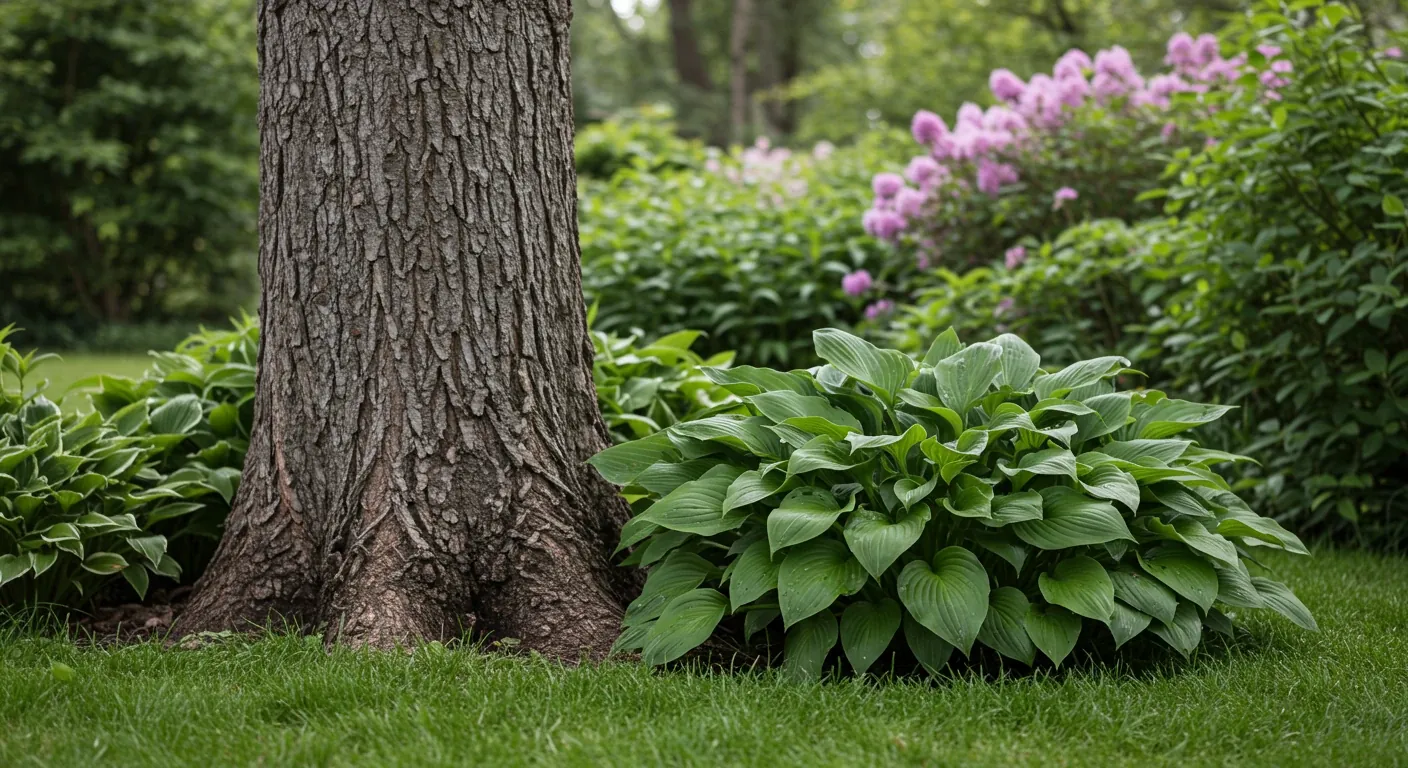
Hey there, Ottawa garden lovers! Is your garden less "brand new baby" and more "wise old soul"? Maybe it remembers when Barrhaven was mostly fields, or has watched Manotick grow up alongside it? Those beautiful, mature gardens we see across the city, from the leafy streets of Russell to sprawling yards elsewhere, have *character*. They’ve weathered our unique Ottawa seasons for years, maybe even decades!
But let's face it, like any distinguished elder, they need a different kind of care than the youngsters. You can't just plonk things in and hope for the best anymore! Your established shrubs, trees, and perennials have unique landscaping and gardening needs. Think bigger root systems demanding specific soil attention, careful pruning requirements to maintain health and shape, and maybe even some plants getting a bit *too* comfortable next to their neighbours (we’ve all been there!).
This requires *specialized* attention, not just a one-size-fits-all approach. We like to call it applying the 'Russell Garden Care' adaptation mindset – it's all about understanding *your* garden's history and unique conditions, then giving it precisely the right kind of thoughtful TLC, adapted from techniques honed right here in our Ottawa climate. It’s about working *with* the wisdom your garden has gained over the years. Let's explore how to give your seasoned green space the VIP treatment it has truly earned!
Why Established Plants Need a Different Playbook: Understanding Mature Garden Dynamics in Ottawa
Okay, let's dive into why your garden veterans need a different approach than the fresh-faced newcomers. Think of it this way: caring for a toddler is *very* different from caring for a teenager (ask any parent!). Your mature plants are definitely in their 'teenager' or even 'adult' phase in the garden world.
Roots Run Deep (Literally!)
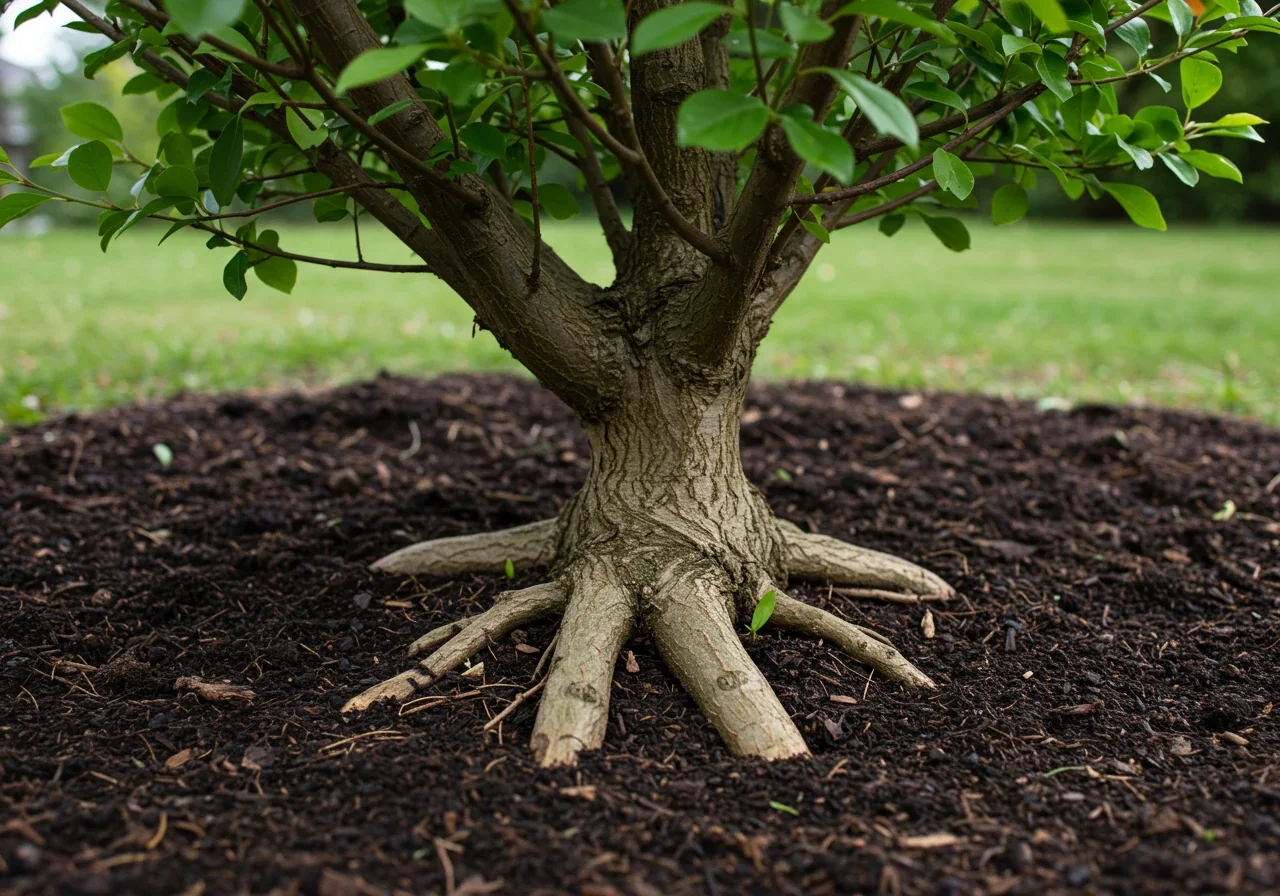
The biggest difference lies beneath the surface. New plants have tiny, tentative root systems, focused on spreading out quickly to grab water and nutrients. They need frequent watering to keep their shallow roots happy. Established plants, on the other hand, have extensive, deep root networks they’ve spent years building. They're much better at finding water deeper down, meaning they generally need less *frequent* watering, but when you do water, it needs to be *deep* to reach those lower roots.
This is especially important in areas with challenging soil. If you're gardening in clay, like some parts of Richmond, understanding how mature roots interact with that denser soil is crucial. It’s a whole different ballgame than preparing a new bed, which often involves amending the soil significantly – kind of like learning how to work with Richmond's challenging clay soil when preparing for native plants.
Energy Management: Growth vs. Maintenance
Newbies are putting almost all their energy into growth – roots, stems, leaves. *Grow, grow, grow!* Mature plants shift their focus. They still grow, of course, but a larger chunk of their energy goes into maintenance: maintaining that big root system, producing flowers or fruit, repairing minor damage, and defending against pests and diseases. They also need energy reserves to handle the stresses of our unique Ottawa climate, from summer droughts to harsh winters with freeze-thaw cycles that can heave soil and damage roots. This winter stress requires proactive thinking, much like you need specific winter prep for landscape features, as seen in this guide on how Greely residents can prepare water features to prevent freeze damage. Another Ottawa-specific stress? Road salt splash in winter, especially if you live near busy roads, like many in Nepean, requiring specific strategies for Nepean fall prep and garden road salt protection.
What This Means for You (The Practical Stuff!)
So, how does this change your gardening playbook?
- Watering: Less often, but deeper. Let the soil dry slightly between waterings to encourage deep roots.
- Fertilizing: Mature plants often need less high-nitrogen fertilizer (which pushes leafy growth) and may benefit more from balanced fertilizers or those slightly higher in phosphorus and potassium for overall health and flowering. Soil testing can be really helpful here.
- Pruning: This becomes *critical*. It’s less about initial shaping and more about maintaining health, removing dead or diseased wood, managing size (so plants don’t bully their neighbours!), and encouraging blooms or fruit. Bad pruning can seriously harm a mature plant.
- Mulching: Still important! It helps retain moisture, regulate soil temperature, and suppress weeds around those established root zones. Our Mulching and Edging services can help keep this crucial task managed.
- Observation: Keep an eye out for subtle signs of stress, disease, or pests. Catching problems early is key for mature plants.
- Placement: Consider how these big guys affect sunlight and space for other plants. Thinking about how these established specimens fit into the overall look and feel, perhaps even inspiring Vernon garden seating area design tips, is part of mature garden management.
Simple Comparison: Newbie vs. Veteran Plant Care
| Feature | New Plant (The Toddler) | Established Plant (The Teen/Adult) |
|---|---|---|
| Main Goal | Establish roots, rapid growth | Maintain health, flower/fruit, endure |
| Roots | Shallow, developing | Deep, extensive |
| Water Needs | Frequent, shallow watering | Less frequent, deep watering |
| Energy Use | Focused on establishing structure | Focused on maintenance & reproduction |
| Fertilizer | Often benefits from growth boost | Needs balanced nutrients, less N focus |
| Pruning | Minimal, shaping | Crucial for health, size, structure |
Understanding these differences is key to keeping your mature Ottawa garden thriving for years to come. It sometimes requires specific knowledge and effort, which is why understanding these nuances is key to providing the right landscaping and gardening services. Tasks like managing overgrown areas or performing specialized pruning might necessitate a focused approach, similar to a dedicated Kars garden clean-up service that understands the needs of established landscapes. Give your garden veterans the respect and tailored care they deserve!
Pruning Mature Plants: More Art Than Axe-Wielding
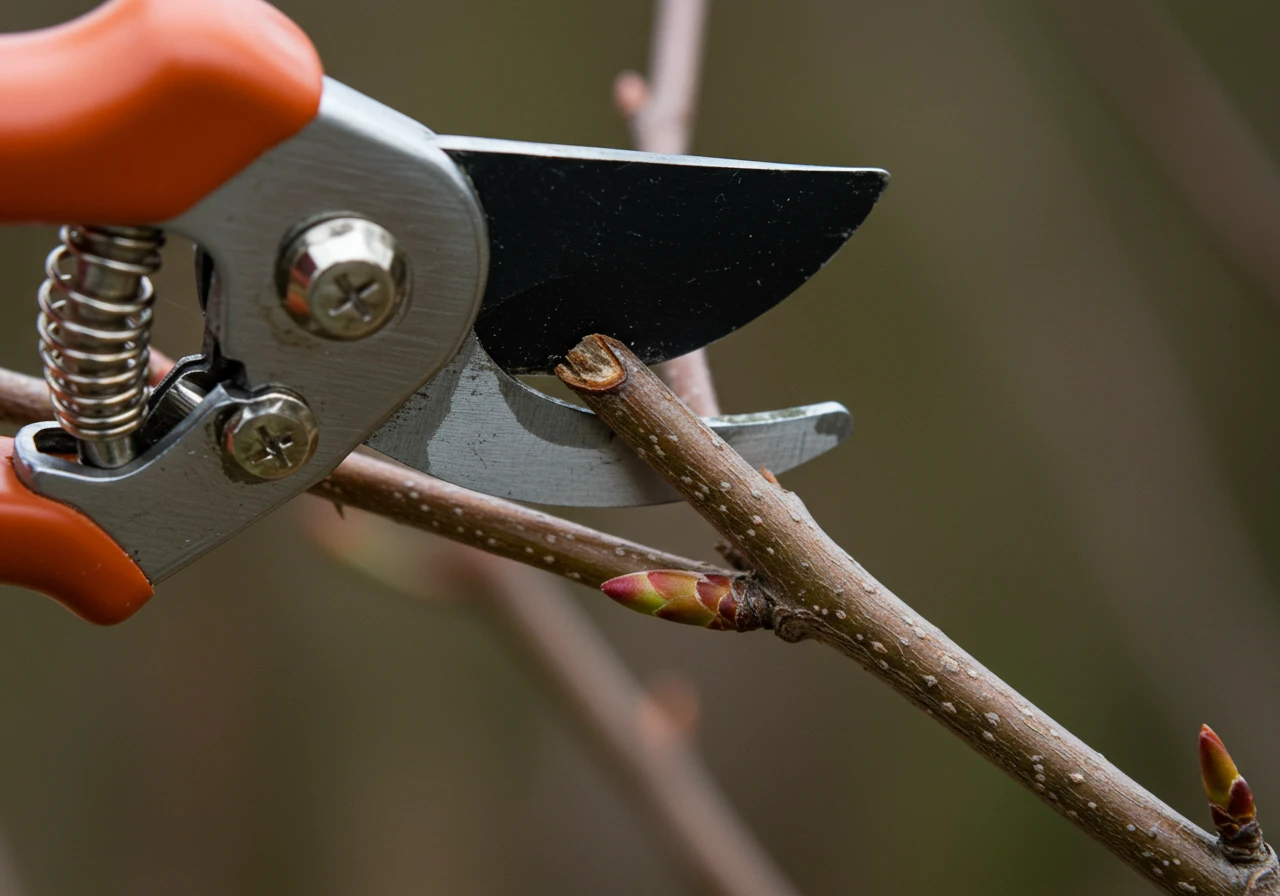
Okay, let's talk pruning. When dealing with your garden's established residents – those grand old trees or sprawling shrubs that might have seen more Ottawa winters than you have – grabbing the biggest saw you own isn't the best strategy. It’s less ‘lumberjack frenzy’ and more ‘plant whisperer surgery’. Think delicate art, not brute force! Proper pruning is one of the best things you can do for the health, longevity, and beauty of your mature landscaping stars.
Why Bother Snipping and Shaping?
Good pruning isn't just about making things look tidy (though that's a nice bonus!). For mature plants, it's primarily about:
- Health: Removing the "3 Ds" - Dead, Diseased, and Damaged wood. This stops problems from spreading and allows the plant to focus energy on healthy growth.
- Structure & Safety: Getting rid of branches that are crossing and rubbing (ouch!), weak, or growing in awkward directions. This improves the plant's overall structure and prevents potential hazards from falling limbs.
- Air & Light: Thinning out dense growth allows air and sunlight to penetrate the plant's interior, reducing the risk of fungal diseases and encouraging more even growth.
- Size Management: Keeping that enthusiastic shrub from completely taking over your pathway or blocking a window.
- Encouraging Flowers/Fruit: Proper pruning can stimulate the growth that produces more abundant blooms or fruit on certain plants.
The Pruner's Toolkit: Key Techniques & Timing
Key Pruning Techniques
You don't need a huge arsenal, just the right moves:
- Deadwooding: The essential first step. Always remove anything obviously dead, broken, or looking sickly first. This gives you a clearer view of the plant's structure.
- Thinning: Think of it as giving your plant a haircut that lets it breathe. You remove entire branches right back to their point of origin (a main stem or the trunk). This reduces density without drastically changing the plant's overall shape.
- Reduction Cuts: Used to gently shorten branches or reduce the overall size. The key is to *always* cut back to a healthy side branch (at least one-third the diameter of the branch being removed) that can take over as the new leader for that section. Avoid leaving stubs!
- Rejuvenation Pruning: This is the "hard reset" often used for older, overgrown shrubs (like lilacs, dogwoods, or potentilla) that have become woody and unproductive. We’ll tackle how below!
Timing is Everything in the Ottawa Climate
Pruning at the wrong time can stress your plants or sacrifice next year's flowers. Here’s a general Ottawa guide:
- Late Winter/Early Spring (March-April, before buds swell): This is prime time for *many* deciduous trees and shrubs (those that lose their leaves). The plant is dormant, the structure is easy to see, and wounds heal quickly once growth starts. Perfect for shaping trees, thinning shrubs, and rejuvenation pruning.
- Immediately After Flowering: Crucial for spring-blooming shrubs like Lilacs, Forsythia, and Weigela. They set next year's flower buds shortly after blooming, so pruning later means cutting off the flower potential.
- Summer: Generally reserved for light shaping, removing suckers, or cutting out storm damage. Avoid heavy pruning in heat or drought.
- Avoid Late Fall: Pruning can encourage tender new growth that won't have time to harden off before our potentially harsh winters hit – something folks in areas like Osgoode know well. This new growth is vulnerable to frost damage.
Common Pruning Goofs (Please Don't Do These!)
- Tree Topping: Arbitrarily chopping off the top of a tree. It creates a weak, ugly structure prone to decay and hazardous regrowth. Just... don't.
- Flush Cuts: Cutting a branch off *too* close to the trunk, removing the slightly swollen area called the branch collar. This collar contains specialized cells crucial for wound healing. Leave the collar intact!
- Removing Too Much: A general rule is to remove no more than 25-30% of a mature plant's live canopy in a single year. More can severely stress it.
- Using Dull or Dirty Tools: Ragged cuts heal poorly and invite pests/disease. Always use sharp, clean bypass pruners, loppers, or saws. Clean tools between plants if dealing with disease. Good tools are non-negotiable, just like careful material selection is vital for successful hardscaping projects.
Quick Guide: Rejuvenating an Overgrown Lilac
Is your beloved lilac mostly thick, old wood with few flowers? Try this gradual rejuvenation over 3 years:
- Clean Up: Start by removing all dead, diseased, damaged, and spindly stems right at the base.
- The One-Third Rule: Identify the oldest, thickest stems (often grayish with less foliage). Cut about one-third *of these oldest stems* right down to the ground.
- Repeat: Do this each late winter/early spring for two more years. By year three, you'll have removed all the old wood, encouraging vigorous new stems from the base while still enjoying some flowers each year.
This kind of heavy pruning can generate a lot of branches and debris, making it a good task to combine with a broader Ottawa garden clean-up service. For truly extensive pruning needs or dealing with very large, hazardous limbs, professional help is often the safest and most effective option. Some jobs require the expertise found in a specialized Metcalf garden clean-up service or even a full-scale Marionville property cleanup service if neglect is severe. Remember, detailed pruning work requires a different skill set than large landscape overhauls like preparing ground for laying new grass with sod installation. If you're unsure or the job seems too big, consider calling a professional city garden clean-up service for guidance or assistance.
So, take a deep breath, grab your *sharp* pruners, and approach your mature plants with thoughtful intention. It truly is more art than axe-wielding, and your plants will show their appreciation!
Feeding the Roots: Long-Term Soil Health & Nutrition for Ottawa's Veteran Plants

Okay, we've talked pruning, now let's get down to the *real* foundation of happy veteran plants: the soil! Think of it like this: you can have the best haircut in Ottawa, but if you're not eating well, you won't feel (or look) your best long-term. Same goes for your mature trees and shrubs. Feeding the roots properly is all about creating healthy, living soil that sustains them year after year. Forget quick fixes; we're talking long-term well-being for your established green companions.
What's Going On Down There? Soil Testing
First things first: Do you *really* know what's happening beneath the surface? Soil isn't just dirt; it's a whole bustling underground city! Getting a soil test (you can find kits or send samples to labs like those recommended by the Ontario Ministry of Agriculture, Food and Rural Affairs) is like getting a check-up for your garden bed. It reveals crucial info:
- pH Level: Is your soil acidic, alkaline, or just right (neutral)? Different plants have different preferences.
- Nutrient Levels: Are essential nutrients like nitrogen (N), phosphorus (P), and potassium (K) abundant or lacking?
- Soil Texture: Is it mostly clay, sand, silt, or a lovely loam?
This knowledge is gold, especially since soil can vary wildly across Ottawa. You might be battling heavy clay, common in parts of Kars, or enjoying richer loam like some lucky folks in Metcalfe. Knowing your starting point stops the guesswork with fertilizers and amendments. Understanding these local soil personalities is a core part of how we approach landscaping – you can learn more about our philosophy on tailored local care. Find more local gardening advice from resources like the Friends of the Central Experimental Farm.
Mulching Magic: Your Soil's Best Friend
Seriously, mulch is amazing stuff. Applying a nice 2-4 inch layer over the soil surface (but *not* piled up against the plant stems – give them breathing room!) delivers huge benefits:
- Moisture Lock-in: Reduces evaporation, meaning less watering for you. Win!
- Weed Warrior: Suppresses unwanted weeds, saving your back. Double win!
- Temperature Control: Keeps soil cooler in summer and warmer in winter, reducing stress on roots.
- Organic Boost: As organic mulches (like bark or leaves) break down, they slowly add valuable organic matter to the soil.
Eco-friendly options abound! Shredded leaves gathered in the fall are *free gold* for your garden. Wood chips (especially aged ones) or bark nuggets are also excellent choices. Managing the fall leaf bonanza or gathering woody material for mulch can sometimes feel like a project in itself, almost needing a dedicated Marionville yard cleanup service just to prep your mulch resources!
Quick Mulch Comparison:
| Mulch Type | Pros | Cons | Ideal For |
|---|---|---|---|
| Shredded Leaves | Free, improves soil quickly, feeds earthworms | Can mat if too thick, might blow away | General garden beds, under shrubs |
| Bark Chips/Nuggets | Looks tidy, lasts long, good insulator | Slower to break down, can slightly acidify | Around trees and shrubs, pathways |
| Wood Chips | Often free from arborists, breaks down well | Can temporarily use nitrogen if very fresh | Around established trees/shrubs (aged is best) |
| Compost | Adds nutrients directly, improves soil fast | Breaks down quickly, needs replenishing | Top dressing beds, mixing into planting holes |
Fertilizing Wisely: Less is Often More
Here’s a key difference for mature plants: they typically need *less* fertilizer than young, rapidly growing ones. Their main job isn't explosive growth, but maintenance and resilience. Over-fertilizing can actually cause problems, like weak, floppy growth or harming the beneficial life in your soil.
Focus on soil health first. Regular additions of compost are often all the feeding your established plants need. If a soil test reveals a *specific* deficiency, or a plant is clearly showing signs of nutrient stress (like persistent yellowing leaves) despite good care otherwise, *then* consider a targeted fertilizer application. Often, a slow-release organic fertilizer is a better choice than a quick-hit synthetic one. This careful, soil-first approach is quite different from the regular feeding schedules often recommended for achieving a perfect lawn through lawn care.
Compost Power: The Ultimate Soil Builder
We keep mentioning compost, and for good reason! It's the superhero of soil amendments. Adding compost:
- Improves soil structure (helps clay drain better, helps sand hold water).
- Feeds the billions of beneficial microbes that make nutrients available to plants.
- Provides a slow, steady supply of essential nutrients.
You can make your own compost (a fantastic way to recycle yard waste and kitchen scraps!), buy it bagged, or order it in bulk. Regularly incorporating compost is a cornerstone of sustainable garden maintenance. Even processing the leaves and clippings gathered during a routine city yard clean-up service can fuel your compost production. For larger properties or gardens needing significant soil restoration after neglect, incorporating large amounts of compost might be part of a more extensive Ottawa property cleanup service.
Smart Watering: Deep Drinks, Less Often
Remember those deep, established root systems? They don't need constant sipping. Water deeply when you do water, allowing the moisture to soak down deep into the root zone. Then, let the top inch or two of soil dry out before watering again. This encourages roots to stay deep, making plants more resilient during Ottawa's inevitable summer dry spells.
- Use soaker hoses or drip irrigation near the base of plants to deliver water efficiently right where it's needed.
- Water early in the morning to minimize evaporation.
- Always pay attention to local water restrictions during drought periods! Check the City of Ottawa website for current rules.
By focusing on building fantastic soil through understanding its needs, mulching diligently, adding compost, fertilizing thoughtfully (if needed), and watering smartly, you're providing the best possible long-term support for your cherished veteran plants. It’s the ultimate way to thank them for gracing your Ottawa garden for all these years!
Keeping Watch: Proactive Pest & Disease Management for Mature Gardens

Alright, let's chat about the garden gatecrashers – the pests and diseases that sometimes decide our beloved mature plants look like a tasty buffet or a cozy home. Keeping your established garden healthy means playing detective and being proactive, not just reacting when things look grim. Think of it as neighbourhood watch, but for your plants! In landscaping and gardening, especially with older plants, preventing problems is way easier (and less heartbreaking) than curing them.
We believe in an approach called Integrated Pest Management, or IPM. Fancy name, simple idea: use common sense and eco-friendly tactics *first*, saving the stronger stuff as a last resort. It’s about knowing your garden and making smart choices.
Step 1: Be a Keen Observer (The Neighbourhood Watch Part!)
Regular strolls through your garden aren't just pleasant; they're your first line of defense. Get up close! Look under leaves, check bark crevices, and notice any changes. Are leaves yellowing, spotted, or chewed? Are there weird bumps on stems (hello, scale insects!)? Early detection is key. Catching something small prevents a full-blown invasion later. This kind of regular observation is a core part of any good city garden maintenance service, keeping an eye out for trouble brewing.
Step 2: Smart Gardening Habits (Cultural Controls)
These are the simple, everyday things that make your garden less inviting to pests and diseases:
- Right Plant, Right Place: Healthy plants resist problems better. Ensure your mature plants are still happy with their sunlight, soil, and moisture levels. Sometimes conditions change over time! Thoughtful garden installations consider long-term suitability.
- Good Sanitation: This is HUGE. Clean up fallen leaves and diseased plant debris promptly. Don't compost obviously diseased material. Proper sanitation is a big focus during our property clean up services, especially in the fall. Services like a dedicated Metcalfe yard cleanup service are crucial for removing overwintering sites for pests and diseases.
- Water Wisely: Water the soil, not the leaves, especially for plants prone to fungal issues like powdery mildew. Morning watering is best.
- Healthy Soil & Mulch: As we discussed earlier, healthy soil grows healthy plants. Good mulching and edging practices also help, suppressing weeds and preventing soil splash that can spread some diseases.
Knowing Your Local Foes (Common Ottawa Culprits)
Our Ottawa climate presents unique challenges:
- Emerald Ash Borer (EAB): Sadly, this invasive beetle has devastated ash trees across the region, including many mature trees in areas like Barrhaven and beyond. Look for D-shaped exit holes and canopy dieback. Prevention or early treatment (if viable) is critical.
- Scale Insects: These sneaky bumps attach to stems and leaves, sucking sap. They can weaken mature shrubs and trees over time.
- Fungal Diseases: Powdery mildew, leaf spots, and rusts love humidity. Good air circulation (thanks, proper pruning!) helps prevent them.
- Salt Damage: A big issue for plants near roads or sidewalks, especially in winter. Browning leaf edges or twig dieback facing the road are classic signs. Choosing salt-tolerant plants for those areas helps.
Eco-Friendly Solutions (When Observation Isn't Enough)
If pests persist, try these gentler options first:
- Physical Removal: Hand-pick larger pests (like Japanese beetles) or blast aphids off with a strong spray of water.
- Insecticidal Soaps & Horticultural Oils: Effective against soft-bodied insects like aphids and scale crawlers, with minimal impact on beneficials when used correctly.
- Biological Controls: Encourage beneficial insects (ladybugs love aphids!) or introduce nematodes for specific soil pests.
Seasonal Monitoring Idea
Spring Watch
Watch for early signs of aphids, scale crawlers, and emerging fungal spots as leaves unfurl. Check for winter damage.
Summer Surveillance
Monitor for leaf-chewing insects, spider mites (especially in hot, dry weather), and developing fungal diseases. Keep an eye on EAB activity.
Fall Focus
Look for overwintering pests or disease signs. Perform thorough cleanup – a key part of services like our Metcalf property cleanup service.
Winter Check-in
Note areas prone to salt spray. Check dormant trees/shrubs for scale or egg masses.
Dealing with persistent pest or disease issues on large, mature plants can be daunting. Sometimes, you need expert advice or intervention. Understanding how to tackle these challenges safely and effectively is part of our team's approach at Clean Yards. If you're feeling overwhelmed or unsure how to proceed, especially with significant issues like advanced EAB or heavy scale infestations, please don't hesitate to contact us for professional help. Keeping watch proactively is the best way to ensure your veteran plants stay healthy and beautiful for years to come! You can also check out our reviews on Google My Business.
Russell Garden Care's Top Tips for Thriving Mature Plants
Taking care of your garden's established stars is a bit different than fussing over seedlings! These wise old plants have seen a few Ottawa winters and deserve some specialized TLC. Here are our top tips, honed right here in areas like Metcalfe and beyond:
- Water Deeply, Less Often: Forget those daily sprinkles! Mature plants have deep roots. Give them a good, long soak when the top inch or two of soil is dry, encouraging those roots to stay deep and resilient. Okay, maybe not *that* infrequent... they aren't camels crossing the Sahara, but think "long satisfying drink" instead of constant little sips.
- Prune with Purpose (Not Panic!): Proper pruning is healthcare for older plants. Focus on the "3 Ds" first – removing Dead, Diseased, and Damaged wood. Then, thin carefully to let light and air in. Think 'skilled plant surgeon,' not 'chainsaw massacre.' It improves structure and reduces disease risk, keeping your landscaping looking sharp.
- Feed the Soil, Pamper the Plant: Healthy soil is everything! Forget blasting plants with constant fertilizer. Instead, build amazing soil by regularly adding compost and maintaining a good layer of organic mulch (like shredded leaves or bark). This improves water retention and provides slow-release nutrients – essential whether you're gardening on clay or richer loam. Keeping things tidy with good mulch and compost application is often a key part of a thorough Metcalfe garden clean up service focused on plant health.
- Play Plant Detective: Be observant! Regularly stroll through your garden and *look* closely under leaves and along stems. Spotting pests or diseases early makes them *much* easier to manage using gentle methods. Good garden hygiene, like cleaning up fallen leaves and debris (especially diseased stuff!), is your secret weapon. Sometimes, a really good clear-out via a city property cleanup service is the best way to remove potential hiding spots for pests over winter.
- Know When to Call for Backup: Caring for mature plants is rewarding, but some tasks, like tackling very large shrubs, dealing with potential hazards, or undertaking a major garden refresh, are best left to experienced hands. If a job feels too big or complex, seeking professional help can prevent costly mistakes and lead to some truly inspiring garden transformations. Sometimes a large-scale revitalization project might benefit from a comprehensive approach like a Metcalfe property cleanup service to handle everything from overgrowth to soil amendment prep. And rest assured, reputable services will be transparent about how they handle your information; for example, you can review our privacy policy anytime.
FAQs: Your Ottawa Established Plant Conundrums Answered
Don't give up hope yet! Old lilacs (and many other shrubs) often just need a good 'reset' prune. They might be putting energy into old wood instead of flowers. Try the gradual rejuvenation pruning technique: over three years, remove about one-third of the *oldest*, thickest stems right down to the ground each late winter/early spring. This encourages new, flowering growth. Also, make sure it's getting enough sun (at least 6 hours) and the soil is reasonably healthy. If the job feels too big or you're nervous about hacking away, a targeted Ottawa Yard Cleanup Service can often include specialized pruning to get things back on track.
Ah, winter burn and potential salt damage – a classic Ottawa challenge! Cedars *can* recover from minor browning, but it takes time. Gently prune out the truly dead, crispy brown tips in spring *after* new growth starts, so you can see what's really gone. Give it good, deep watering during dry spells. Protect it next winter with burlap screens if road salt is a likely culprit. If large sections are completely brown with no green buds, those parts likely won't recover. Significant damage might require professional assessment or partial replacement for your landscaping needs.
Good news – dividing robust perennials like hostas and daylilies is usually pretty straightforward and actually rejuvenates them! The best time is often early spring (as they emerge) or early fall (after blooming, giving roots time to settle before winter). Dig up the whole clump – yes, the whole thing! Then, use a sharp spade or sturdy knife to cut the clump into smaller sections, making sure each section has plenty of roots and some leafy growth (or buds). Replant the divisions you want immediately, water them well, and share the extras with neighbours! It's less a massacre, more like successful gardening propagation.
Be careful here! Piling lots of topsoil over mature tree roots can suffocate them. And those surface roots are vital feeders. Instead of adding lots of soil, focus on *improving* what's there. Aerate the area gently if possible (avoiding major roots). Top-dress thinly (like 1-2 inches max) with good quality compost annually. Apply a layer of organic mulch (like shredded bark or leaves) over the root zone (keeping it away from the trunk flare). This slowly improves soil structure and fertility without burying sensitive roots. Avoid heavy foot traffic or equipment compaction under the canopy. If you recently had work done and want to ensure everything was handled correctly according to plan, you might review service details similar to how clients can check our Terms and Conditions before a project starts.
That's a tough call, and sometimes removal *is* the kindest option for your garden's overall health and look. Ask yourself: Does it have significant dead sections (more than 50%)? Does it suffer badly from pests or diseases year after year? Is it posing a hazard? Have you tried corrective pruning and feeding with no improvement? If you answer 'yes' to several of these, it might be time. Removing a large, established plant can be heavy work, sometimes requiring specific tools or expertise, similar to the scope covered by a Marionville Garden Clean Up Service that tackles larger removals. Replacing it with something better suited to the spot can revitalize that part of your garden. Once the removal is done and you're happy with the result, maybe even send a virtual high-five via our Thank You page if a service helped out!
Great question! Observing your plants is key. Look for signs of stress (wilting, yellowing, burnt leaf edges) or positive signs (healthy new growth, good color, normal flowering). Since local conditions vary, what works online might need tweaking. Soil testing can give clues. For personalized advice, consulting with local gardening experts or experienced landscapers is helpful. If you've received a plan or estimate for care from a service provider, providing feedback is useful too – for instance, clients can use our Estimate Feedback form to share thoughts on proposed plans, ensuring the approach fits their specific garden needs and observations. Trust your observations, and don't be afraid to adjust your gardening plan!
Conclusion: Cultivating Legacy Landscapes with Russell Garden Care
So, what have we learned about caring for those grand, established gardens across Ottawa? The main thing is this: your mature plants aren't just *old*, they're *experienced*. They’ve seen it all, from Nepean subdivisions growing up to the quiet landscapes near Winchester or Vernon, and they need care that respects their history. That's the heart of the 'Russell Garden Care' philosophy – thoughtful, *adapted* landscaping and gardening techniques tailored right here for our local conditions.
It means smarter pruning (think careful snips, not wild chops!), focusing on long-term soil health with goodies like compost and mulch, watering deeply but less often, and being a keen observer for pests or diseases before they become big headaches. It’s about understanding that established trees and shrubs have different needs than newcomers. Basically, giving them the VIP treatment they've truly earned after all these years!
Ready to nurture your own legacy landscape? Try incorporating these tips into your garden care routine. See how understanding your veteran plants helps them thrive. Or, if that towering shrub, tricky pruning job, or tired-looking soil feels a bit daunting, remember you don't have to go it alone. *Give Russell Garden Care a call!* We're passionate about helping Ottawa's mature gardens flourish. Let's work together to keep your veteran plants happy, healthy, and beautiful for many more seasons to come.