
Cut Greely Plant Stress: Proactive Cultural Care Tips
Quick Guide to Reducing Plant Stress in Greely:
- Understand common Ottawa stressors (abiotic & biotic).
- Water deeply and less frequently, ideally in the morning.
- Improve soil with organic matter and use mulch.
- Prune correctly based on plant type and timing.
- Choose plants suited for Zone 5a and your specific site conditions ("Right Plant, Right Place").
- Perform regular garden check-ups to catch issues early.
Need help keeping your Greely garden stress-free? Request your free quote today!
Introduction: Greely Gardens Feeling Stressed? You're Not Alone!
Hey Greely gardeners! Let’s be honest, is your favourite rose bush giving you the silent treatment? Maybe your veggie patch looks less 'bountiful harvest' and more 'barely hanging on'? If your garden seems a bit stressed out, take a deep breath – you're not alone! From here in Greely to our neighbours over in Osgoode, plenty of Ottawa homeowners watch their plants struggle sometimes. It's a common part of landscaping and gardening, especially around here.
So, what exactly is plant stress? Think of it like your plants feeling under the weather because something in their environment isn’t quite right. This could be anything from too much scorching sun, not enough water during a dry spell, poor soil nutrients, or maybe even unwelcome insect pests deciding your prize blooms look like a tasty lunch.
And what about cultural care? That sounds fancy, but it’s simply the gardening groundwork – the essential TLC we give our plants. It covers the basics like how and when we water, what we feed them (fertilizer), proper pruning techniques, making sure they have enough space, and choosing the right plant for the right spot in the first place. Our unique Ottawa climate, with its chilly winters and sometimes surprising summer heatwaves, definitely keeps us on our toes and makes good cultural care essential!
But don't worry, you don't need a botany degree to figure this out. Understanding these simple concepts is the first step to a happier, healthier garden. We're here to share straightforward, actionable advice tailored for our local conditions, helping your Greely plants shake off the stress and get back to looking great. For professional guidance and services, check out our range of services.
Decoding Distress Signals: Understanding Plant Stressors in the Ottawa Region

Okay, let's play plant detective! Your garden might be sending out an S.O.S., but what's actually causing the trouble? In the Ottawa region, our plants face a unique set of challenges, kind of like navigating rush hour on the 417, but for greenery. These stressors fall into two main camps: abiotic (non-living stuff) and biotic (living nuisances).
First up, abiotic stressors. Think weather and soil – things plants can’t exactly complain to HR about. Ottawa’s climate is a big one. We get those bone-chilling winters that test even the hardiest perennials, sometimes causing frost heave or winter burn. Then, flip the coin, and summer can bring intense heat waves or sudden droughts, leaving plants gasping for a drink. Soil is another major player. While some areas are blessed, many parts of Ottawa, including neighbourhoods like Nepean, struggle with heavy clay soil. This stuff can be tough for roots to penetrate, drains poorly (hello, root rot!), and compacts easily. Improving this soil structure is key if you're tackling projects like lawn renewal; check out our Greely Sod Installation for Clay Soil Lawn Guide for tips. Similarly, choosing the right species and amending the soil is crucial, as discussed in our guide on Spring Tree Planting in Greely's Clay Soil.
Now for the biotic stressors – the living troublemakers. This includes hungry insects munching on leaves, pesky diseases causing spots or wilting, and even weeds competing for precious water and nutrients. Common Ottawa culprits include things like aphids, Japanese beetles, powdery mildew, and various fungal spots. Keeping detailed notes can really help spot patterns year after year; keeping track is easier with some helpful Summer Garden Record Keeping Tips for Greely Gardeners.
Here’s the kicker: these stressors often tag-team! A plant already weakened by drought (abiotic) is way more likely to succumb to a disease (biotic). Fungal diseases, for instance, can spread easily through splashing water or dirty tools. That’s why it’s so important to Keep Your Greely Garden Tools Sharp and Clean to Prevent Disease Spread. Understanding these local challenges is the first step to giving your plants the support they need. Sometimes, figuring out the exact cause requires a bit more investigation, and that's where professional eyes can help – explore our Landscaping and Yard Care Services if you need a hand diagnosing the issue. You can also check our reviews on Google.
Water Wisely: Quenching Thirst Without Drowning Roots
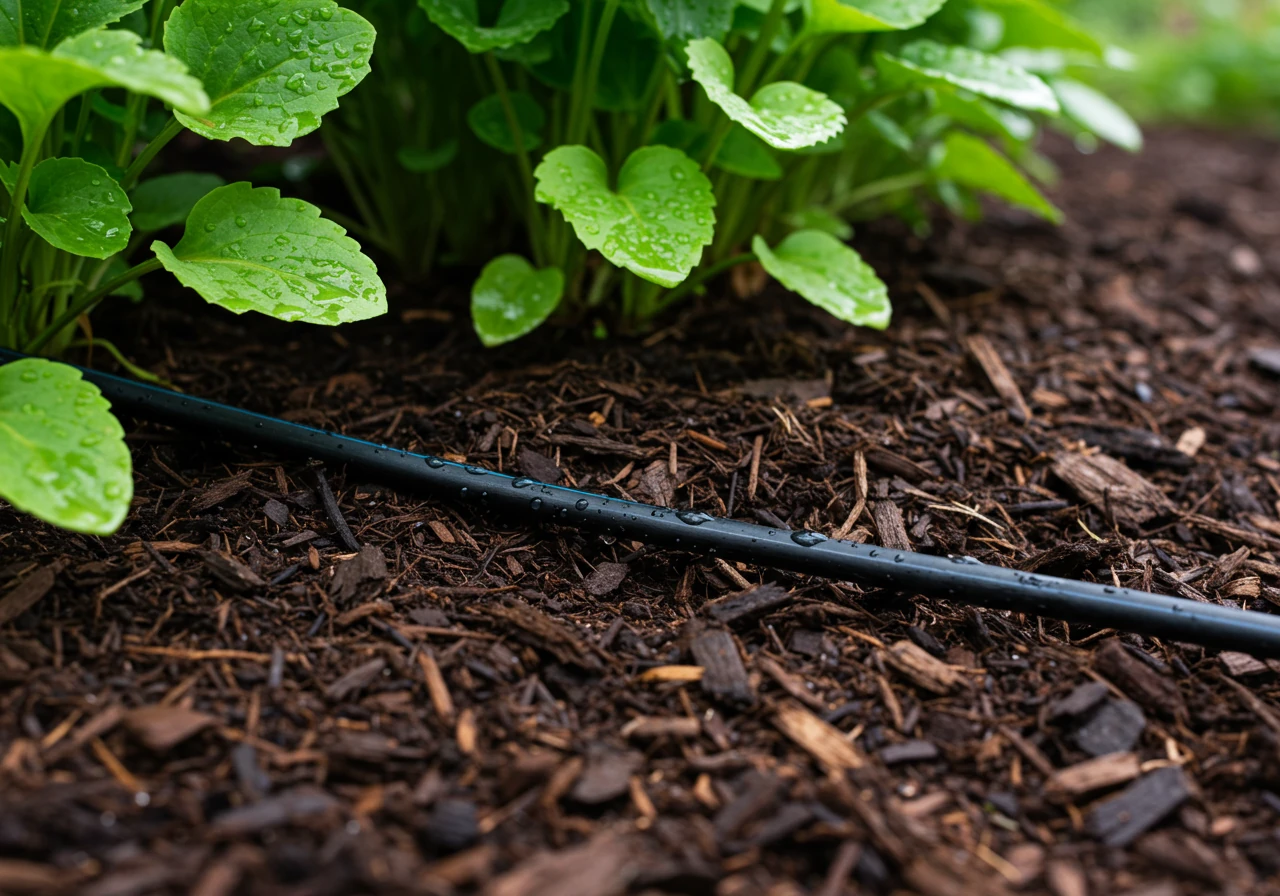
Alright team, let's talk water! Giving your plants a drink seems simple, right? Just point the hose and spray! But hold your horses (or should we say, garden hoses?). Watering is more art than deluge, and getting it wrong can lead to some seriously stressed-out greenery. Too little, and your petunias look like they've run a marathon in the desert. Too much, and you're basically sending the roots scuba diving without gear – not a good look, and a prime cause of root rot. Getting it *just right* is key to happy plants, especially with Ottawa's sometimes unpredictable weather swings.
Think of it like this: you wouldn't just sip water constantly all day long; you drink deeply when you're actually thirsty. Plants are similar! Instead of light, frequent sprinkles that only dampen the top inch of soil (and mostly evaporate anyway), aim for deep watering less often. This technique encourages plant roots to grow downwards, searching for that deeper moisture. The result? Stronger, more resilient plants that are better equipped to handle those inevitable dry spells during our Ottawa summers. This is especially vital for thirsty things like lawns. For lawns, particularly newly established ones, this deep watering is crucial for developing a strong root system. If you're investing in a fresh green carpet, proper watering is non-negotiable right after Ottawa Sod Installation Services.
So, when's the best time for this garden happy hour? Early morning is your winner, hands down. Watering then allows the foliage plenty of time to dry off before the cooler evening temperatures set in, significantly reducing the risk of pesky fungal diseases that thrive on damp leaves overnight. Plus, less precious water is lost to evaporation in the cool morning air compared to the midday sun. Now, let's factor in our local soil conditions. Many areas around Ottawa, including neighbourhoods like Greely and Manotick, deal with heavy clay soil. Clay is nutrient-rich but dense; it holds water well (sometimes too well!) but absorbs it slowly. This means you need to water slowly and deeply, giving it time to soak in rather than just running off the surface. Amending your garden beds can make a world of difference; good Soil Preparation Techniques improve drainage and aeration, helping water reach the roots more effectively.
But how do you *know* when your plants are actually thirsty? Forget watering on a strict schedule – let the soil tell you! The best, most reliable tool for this is right at the end of your arm: your finger.
- Gently push your finger about 2-3 inches deep into the soil near the base of the plant (avoiding the main stem).
- If the soil feels dry at that depth, it's time to give it a good, deep drink.
- If it still feels cool and moist, hold off! Check again in another day or two.
Finally, remember that your plants' watering needs change with the seasons. In spring, as plants wake up after the thaw, they'll appreciate consistent moisture to fuel new growth. During the peak heat of summer, especially during Ottawa's notorious humid stretches, you'll need to check the soil moisture more frequently. As fall arrives and temperatures cool in areas like Metcalfe or Richmond, plants begin to slow down their growth in preparation for winter. You'll gradually reduce the frequency and amount of water you provide, stopping before the ground freezes solid. Paying attention to these changing needs is crucial. If you're consistently finding your plants look stressed despite your best watering efforts, or if you're just not sure how to tackle your specific yard's challenges, exploring professional Landscaping and Garden Care Services can offer expert advice and tailored solutions. Water wisely, and your Ottawa garden will reward you with lush, happy growth!
Foundation Fixes: Building Healthy Soil in Your Greely Garden

Alright, let's dig into the real foundation of any great garden: the soil! It might not be glamorous, but think of healthy soil as the VIP lounge for your plant roots. Happy roots mean happy, resilient plants that can better handle whatever our Ottawa weather throws at them, from Greely's summer heat to those surprise chilly snaps. Soil isn't just dirt; it's a living ecosystem teeming with life that supports your garden's growth.
Here in the Ottawa area, we often grapple with challenging soil types. Many neighbourhoods, including places like Barrhaven, deal with heavy clay soil. It's packed tight, drains slowly (leading to soggy roots!), and can bake hard in the sun. On the flip side, some lucky folks might have lovely loam, perhaps over towards Russell, which is easier to work with. But here’s the secret weapon for all soil types: organic matter! Adding things like compost, well-rotted manure, or shredded leaves works wonders. In clay soil, it helps break up the dense structure, improving drainage and aeration. In sandy soil, it helps retain moisture and nutrients. It's basically the superhero cape for your garden beds. Gathering enough organic material can sometimes mean a big tidying effort; if you're clearing out old leaves and debris to make way for soil improvements, considering a thorough property clean up can give you a fresh start.
Soil Superstar: Mulch! Applying a layer of mulch (like wood chips, straw, or shredded bark) offers incredible benefits:
- Helps retain soil moisture (less watering!).
- Suppresses weeds.
- Keeps soil temperatures more even.
- Organic mulches slowly break down, adding more valuable organic matter over time. Our Mulching and Edging services can give your beds a clean look while improving soil health.
Wondering exactly what your soil needs? A simple soil test (available at many garden centres or through labs like the AAFC lab in Ottawa) can tell you about your soil's pH and nutrient levels. It takes the guesswork out of fertilizing. Speaking of feeding your soil, let's talk eco-friendly options. Composting your kitchen scraps and yard waste is a fantastic way to create nutrient-rich food for your garden *for free*! All those fall leaves and grass clippings can be turned into black gold. Managing large amounts of yard waste for composting or removal can be a chore, but services are available, whether you need a reliable Ottawa property cleanup service or help further afield, like a local Marionville property cleanup service. Tackling spring debris or fall leaves effectively might even call for a dedicated dependable city yard cleanup service to clear the way for soil work.
Spring: Wake Up Your Beds
Gently loosen the top layer of soil once it's workable (not too wet!). Mix in a layer of compost or well-rotted manure to replenish nutrients used over winter. This is the ideal time for major soil preparation before planting new additions or starting a new garden installation.
Summer: Maintain & Protect
Check your mulch layer – replenish if it's getting thin (aim for 2-3 inches). Water deeply when the soil feels dry a couple of inches down. Avoid walking on wet soil, especially clay, to prevent compaction.
Fall: Tuck In for Winter
After cleaning up spent annuals and leaves (consider a city property cleanup service if you have a lot!), top-dress beds with another layer of compost or shredded leaves. This acts as a winter blanket and breaks down slowly, enriching the soil for next spring.
Investing a little effort into building healthy soil is the best favour you can do for your Greely garden. It's the groundwork for less stress (for you and your plants!) and more beautiful blooms and bountiful harvests.
Pruning & Pampering: Maintenance for Peak Plant Performance
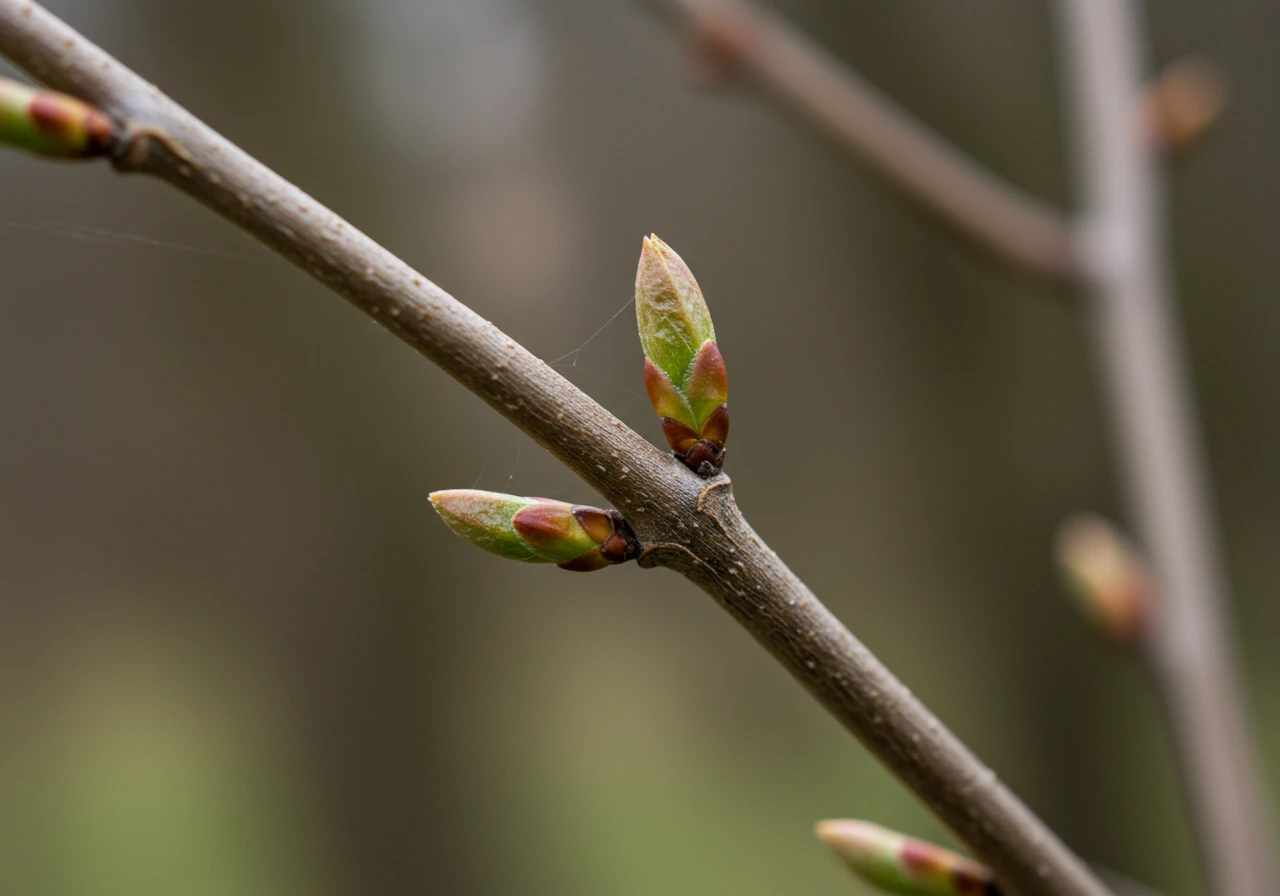
Think of pruning and regular maintenance as a spa day for your plants – a little snip here, a tidy-up there, and suddenly they feel refreshed, look sharper, and are ready to perform their best! Keeping your garden looking great in Winchester or Vernon isn't just about watering and feeding; thoughtful pruning and ongoing care are crucial for healthy, vigorous plants that can truly thrive in our Ottawa Zone 5a climate. Neglect this, and you might end up with overgrown shrubs that flower poorly or become vulnerable to pests and diseases.
So, why prune? It’s not just about making things look neat (though that’s a bonus!). Pruning helps:
- Shape plants and control their size.
- Remove dead, diseased, or damaged branches (the "3 D's"), preventing problems from spreading.
- Encourage more flowers or fruit production.
- Improve air circulation within the plant, reducing the risk of fungal issues.
When to prune depends on the plant. A good general rule for many deciduous trees and shrubs (those that lose their leaves) is late winter or very early spring *before* new growth starts, usually March or early April around here. It’s easier to see the plant’s structure then. However! For shrubs that bloom in spring on *last year's* growth (like lilacs or forsythia), wait until *after* they flower, or you'll snip off the buds. Summer-flowering shrubs (like many hydrangeas and potentilla) are usually pruned in late winter/early spring. Always use clean, sharp tools – dull blades crush stems, and dirty ones spread disease, potentially necessitating more intensive garden maintenance later. Choosing the right tools, much like thoughtful landscape material selection, makes a difference. Make cuts just above an outward-facing bud at a slight angle away from the bud.
Beyond the big pruning jobs, consistent pampering pays off. Regularly walk through your garden, monitoring for early signs of trouble – yellowing leaves, weird spots, or unwelcome insect guests. Catching problems early is much easier than dealing with a full-blown infestation! Keep garden beds tidy by removing fallen leaves and weeds, which can harbour pests and diseases. This kind of tidiness contributes significantly to plant health – similar to the benefits seen after a thorough cleanup, like the Metcalfe property cleanup service offers. A neat garden looks great too, perhaps combining pruning with services like professional mulching and edging for that finished appearance.
A little consistent effort goes a long way in keeping your plants happy and reducing stress. You'll be rewarded with a more beautiful and resilient garden. You can see the stunning results good maintenance achieves in our garden transformations gallery. If tackling larger pruning or cleanup tasks feels overwhelming, you can always get a clear picture of costs using our straightforward estimate and feedback process.
Right Plant, Right Place: Smart Selection for Ottawa Suburbs

Okay, let's talk about the golden rule, the secret handshake, the ultimate cheat code for easier gardening in the Ottawa suburbs: Right Plant, Right Place. Think of it as playing matchmaker for your garden! Trying to force a sun-worshipping plant into that shady nook by the garage is like asking a fish to climb a tree – it’s bound to end in frustration (mostly yours!). Choosing plants that naturally *like* the conditions you actually *have* is the absolute key to healthy, low-stress plants and a much happier gardener (that’s you!).
First off, welcome to Ottawa living, also known as Canadian Plant Hardiness Zone 5a! This simply tells us the minimum temperatures plants need to tolerate to survive our lovely, frosty winters. So, any plant you choose needs to be tough enough for that Zone 5a rating, whether you're gardening in Greely, Kars, or Kenmore. But the zone is just the beginning! You need to become a bit of a detective in your own backyard. Before you dash off to the garden centre, really *look* at the spot you want to fill. Consult resources like Garden Ontario or the Ottawa Horticultural Society for local plant advice.
- Sunlight Secrets: Does it get blazing sun all day long? Is it sunny in the morning but shady later? Or is it mostly shade? Be honest! Different plants have very different sun needs.
- Watering Woes (or Wins!): Does rainwater tend to pool there, keeping the soil damp? Or does it dry out super fast after a watering? Matching plants to the available moisture saves you loads of trouble.
- Soil Situation: While we dove deep into soil health earlier, remember that your soil type (clay, loam, sand) also influences what will thrive easily.
Now, let's champion the local heroes: native and well-adapted plants! Native plants grew up here; they're already accustomed to Ottawa's climate and soil shenanigans. Well-adapted plants are introduced species that have proven they can handle our conditions like champs. Choosing these generally means less fussing, less worrying, and often less watering down the line. Think about incorporating hardy perennials that come back year after year (like Peonies or Coneflowers), tough-as-nails shrubs (like Serviceberry or Ninebark), or graceful ornamental grasses that add movement. Selecting plants suited to your site significantly cuts down on the required garden maintenance effort. Even with smart choices, sometimes large yards, perhaps like those near Metcalfe, need an overhaul, and a dedicated Metcalfe property cleanup service can provide a fresh start.
Here’s a pro tip that saves *so* much hassle later: Check the mature size on the plant tag! That adorable little spruce might look perfect now, but if it grows 30 feet tall and 15 feet wide, will it eventually eat your driveway or block your windows? Knowing the plant's final size helps you space things properly from the get-go. This avoids future battles with overgrown giants that crowd paths, requiring constant trimming back from your nice mulching and edging, or even needing a major Ottawa yard cleanup service to regain control.
Take a little time to choose wisely, give your plants the conditions they crave, and watch them flourish. It's incredibly rewarding – almost like the plants are giving *you* a personal thank you for getting it right!
Plant Stress Factors (Example %)
Note: Example percentages illustrating common issues.
Greely Garden Gold: Quick Tips for Thriving Plants
Think of this as your cheat sheet to happier plants right here in the Greely area! Landscaping doesn't have to be a constant battle. Follow these core principles for plants that look less stressed and more sensational:
Water Deeply, Not Daily
Encourage strong roots by watering thoroughly less often. Morning is best. Let top soil dry slightly between waterings.
Boost Soil Power
Add compost regularly. Use mulch to conserve moisture and suppress weeds. Consider a Metcalfe yard cleanup service for a fresh start before amending.
Pick Right Players
Choose Zone 5a hardy plants suited to YOUR light and moisture. Check mature size! Native plants often excel. Need help with lawn care choices too?
Tidy & Trim Smartly
Prune dead/damaged parts appropriately. Keep beds weed-free. Regular tidying prevents issues. An Ottawa garden clean up service can help manage seasonal chores.
Play Plant Detective
Walk your garden often. Look for early stress signs (yellowing, spots, bugs). Early detection is key! Sometimes a major reset like a Marionville yard cleanup service is needed for neglected areas.
Ask for Backup
Don't get overwhelmed. Professional help is available for big jobs or tricky problems. Contact us for advice or services like city garden maintenance.
FAQs: Your Greely & Ottawa Gardening Questions Answered
Ah, classic Ottawa clay! The best long-term fix is consistently adding organic matter – think compost, well-rotted manure, or chopped leaves. Mix it into the top few inches each spring or fall. Adding mulch on top also helps prevent compaction and keeps moisture even. It's a marathon, not a sprint, but it really works! Proper soil preparation is key.
Containers, especially hanging ones, dry out super fast in our summer sun and wind! Check the soil moisture daily by sticking your finger in. When it feels dry an inch or two down, water thoroughly until water drains from the bottom. Consider using larger pots, or adding water-retaining crystals to your potting mix.
You bet! For reliable sunny performers in our Zone 5a climate, consider planting Coneflowers (Echinacea), Black-Eyed Susans (Rudbeckia), Sedum 'Autumn Joy', or trusty Daylilies (Hemerocallis). Once established, these guys are pretty resilient and offer great colour without constant fussing. Just give them well-drained soil! Let us help with your next garden install.
Sounds like you've got aphids, a common garden party crasher! First, try knocking them off with a strong blast of water from your hose early in the morning. If they keep coming back, insecticidal soap (always follow the label instructions carefully!) is usually effective. Encouraging beneficial insects like ladybugs also helps keep them in check. Consistent garden maintenance can help spot these early.
It's perfectly okay to call for backup! If you're facing a major seasonal cleanup, daunting pruning tasks, persistent pest problems, or simply lack the time or physical ability for heavy yard work, professional services can be a lifesaver. Knowing who you're working with is important; feel free to learn more about us and our approach. For specific task needs, like seasonal tidying, a dedicated option like the Marionville garden clean up service or the Metcalf garden clean up service might be just right if you're in those areas.
Great question! We respect your privacy. We only collect the necessary information to provide you with an accurate estimate, schedule the work, and communicate effectively about your landscaping or gardening service. You can find the full details on how we protect your data in our online Privacy Policy. We also outline the scope and details of our services in our Terms and Conditions.
Conclusion: Cultivate Calm: Healthy Plants, Happy Greely Gardener!
So there you have it, fellow Greely green thumbs! Taking care of your garden doesn't have to feel like wrestling a grumpy badger. By focusing on smart cultural care – like watering wisely, building up that fantastic soil, keeping things tidy with timely pruning, and playing plant matchmaker with the right plant, right place strategy – you can significantly reduce plant stress. And let’s be honest, when your plants are calm and thriving, *you* feel calmer and happier too! No more pulling your hair out over wilted wonders or patchy plots.
Putting these landscaping and gardening principles into practice is the secret sauce to a beautiful, resilient yard that thrives in our unique Ottawa climate, whether you're in Greely, down the road in Manotick, or out near Metcalfe. Think of it as giving your garden the foundation it needs to flourish with less fuss. Explore our comprehensive list of services to see how we can assist.
Ready to swap garden stress for garden success? Start applying these tips today! But hey, if life gets busy or you're facing a bigger challenge than you want to tackle alone, we're here to help. Let us take the stress off your shoulders (and out of your flowerbeds!).
Ready for expert help with your landscaping or gardening needs?
Get Your Free Quote Today!Let's cultivate some calm together.
as done in CSS content.style.paddingTop = '0'; // Example if needed content.style.paddingBottom = '15px'; // Match inner p padding } }); });// --- Tab Interface --- const tabContainers = document.querySelectorAll('.cy-article-tabs-container');tabContainers.forEach(container => { const tabNav = container.querySelector('.cy-article-tabs-nav'); const tabButtons = container.querySelectorAll('.cy-article-tab-button'); const tabContents = container.querySelectorAll('.cy-article-tab-content');tabNav.addEventListener('click', function(event) { const clickedButton = event.target.closest('.cy-article-tab-button'); if (!clickedButton) return; // Ignore clicks not on a buttonconst targetTabId = clickedButton.getAttribute('data-tab'); const targetTabContent = container.querySelector('#' + targetTabId);// Deactivate all buttons and content panes within this container tabButtons.forEach(btn => btn.classList.remove('active')); tabContents.forEach(content => content.classList.remove('active'));// Activate the clicked button and corresponding content pane clickedButton.classList.add('active'); if (targetTabContent) { targetTabContent.classList.add('active'); } }); });// --- Bar Chart Animation --- const chart = document.getElementById('cy-stress-chart'); if (chart) { const bars = chart.querySelectorAll('.cy-article-bar');const animateChart = (entries, observer) => { entries.forEach(entry => { if (entry.isIntersecting) { chart.classList.add('animated'); // Add class to trigger label fade-in via CSS bars.forEach(bar => { const value = bar.getAttribute('data-value'); // Set height after a tiny delay to ensure transition triggers setTimeout(() => { bar.style.height = value + '%'; }, 10); }); observer.unobserve(chart); // Stop observing once animated } }); };const chartObserver = new IntersectionObserver(animateChart, { root: null, // viewport threshold: 0.1 // Trigger when 10% of the chart is visible });chartObserver.observe(chart); }}); // End DOMContentLoaded