Read Kars Leaves: Decode Hidden Nutrient Deficiencies
Quick Guide to Leaf Symptoms:
- Overall Yellowing (Old Leaves): Likely Nitrogen (N) deficiency.
- Purple/Red Tint (Old Leaves): Often Phosphorus (P) deficiency.
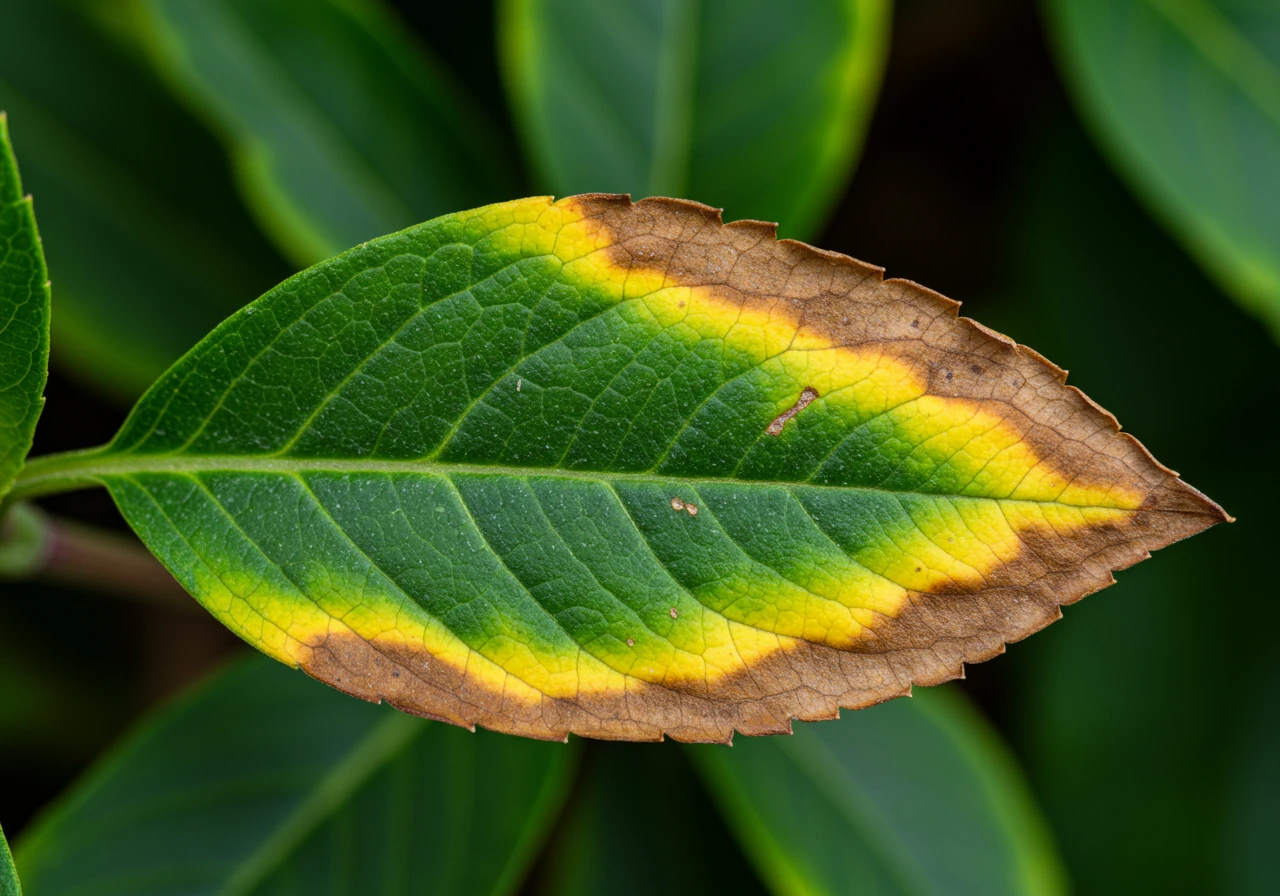
- Crispy Brown Edges (Old Leaves): Suggests Potassium (K) deficiency.
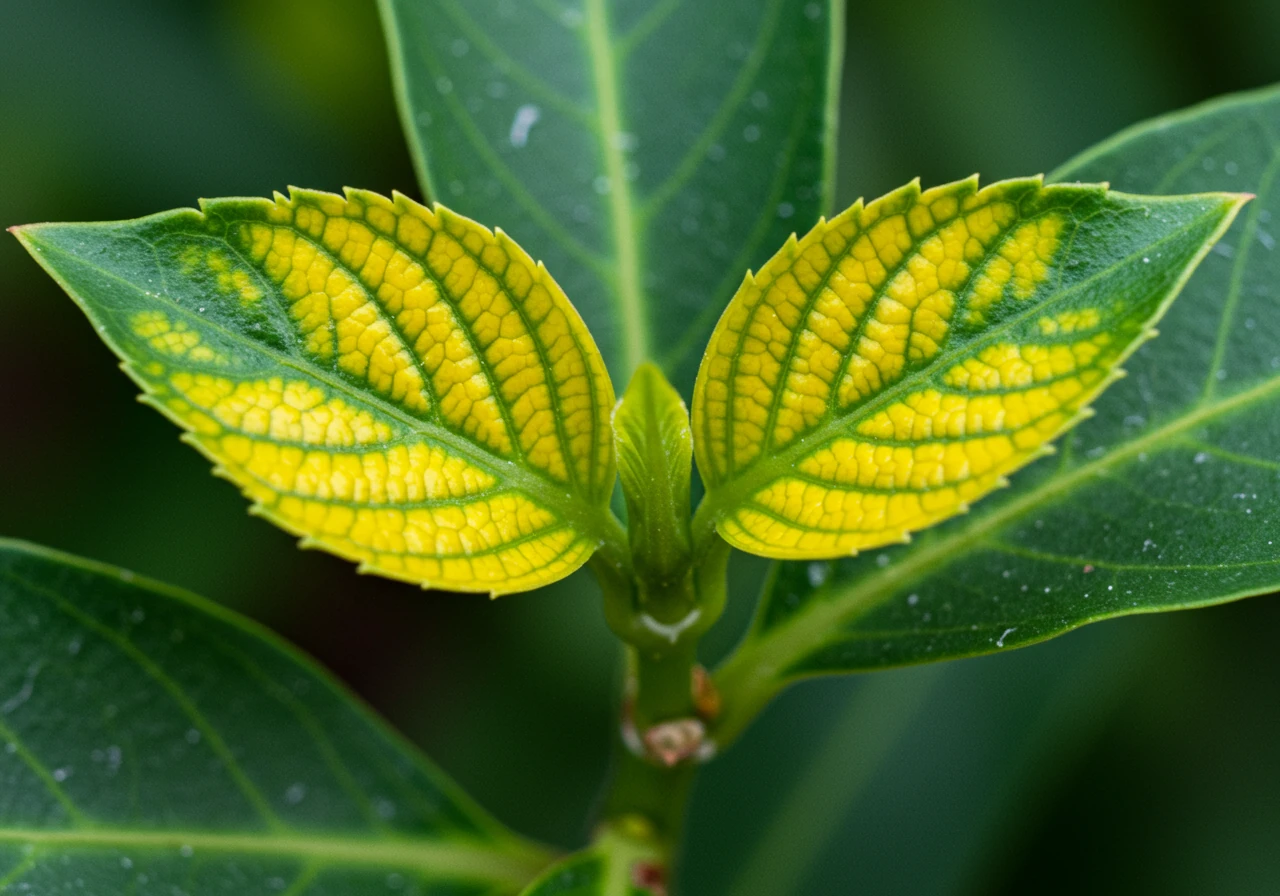
- Yellow Between Veins (New Leaves): Classic Iron (Fe) deficiency sign.
- Yellow Between Veins (Old Leaves): Indicates Magnesium (Mg) deficiency.
- Stunted/Deformed New Growth: Could be Calcium (Ca) deficiency or watering issues.
- Remember: Always rule out watering problems, pests, and diseases first!
Is your garden sending subtle (or not-so-subtle) signals? Understanding your plants' leaf language is key to diagnosing hidden issues. If you're noticing problems and need expert help to bring your Kars garden back to life, request a free quote from Clean Yards today!
Introduction: Why Your Kars Garden Might Be Sending SOS Signals
Alright, let's talk about your garden, especially if you're in Kars! Does it sometimes feel like your plants are trying to get your attention, maybe sending out a leafy SOS signal? Don't panic, you haven't accidentally tuned into plant radio! Your plants can't speak, but their leaves are fantastic communicators, telling you everything you need to know about their plant health.
Learning to read these signs – changes in leaf colour, spots, wilting, or unusual shapes – is a vital gardening skill. Paying close attention is the first step to diagnosing problems before they get out of hand. Whether you're nurturing established flower beds in Kars, enjoying sprawling landscapes in nearby Manotick, or tackling a new landscaping project in Greely, knowing these leafy signals is crucial for success right here in the unique growing conditions of the Ottawa region. Consider checking resources from the Master Gardeners of Ottawa-Carleton for local advice.
Think of your plants' leaves as their little bulletin boards, constantly updating you on their status. Consider this your field guide to understanding those plant whispers (or sometimes, desperate shouts!). Let's decode what your garden might be trying to tell you through its foliage.
Plant Nutrition 101: The Building Blocks for Green Growth in Ottawa
Okay, let's dig into what makes your plants tick – their food! Just like us, plants need nutrients to grow big and strong. Think of it as their daily diet, crucial for everything from vibrant green leaves to beautiful blooms in your Ottawa garden. Without the right building blocks, your plants might look a bit… hangry. Getting this right is key to successful gardening and lush landscaping.
Plants get hungry for three main nutrients in larger quantities, often called macronutrients. You'll usually see these three amigos listed on fertilizer bags as N-P-K:
- Nitrogen (N): This is the star player for lush, leafy green growth. Think of it as the "grow tall and green super quickly" nutrient. If your plant isn't getting enough N, you might notice yellowing leaves, often starting with the older ones at the bottom.
- Phosphorus (P): P is for power! It fuels strong root development, vibrant flowers, and fruit production. It's super important for getting new plants established or encouraging blooms.
- Potassium (K): This is like the plant's personal bodyguard and wellness coach. Potassium helps plants manage water efficiently, strengthens them against diseases, and helps them cope with stress – like surviving a surprise chilly night or a hot Ottawa summer day.
Besides the big three, plants also need smaller amounts of other essential goodies, called micronutrients. They're like plant vitamins – you don't need heaps, but they are absolutely vital! Key ones for Ottawa gardeners to know include:
- Iron (Fe): Iron is crucial for making chlorophyll, the pigment that makes leaves green and captures sunlight. Without enough iron, plants often develop chlorosis – yellowing between the veins, typically showing up on the newest leaves first.
- Magnesium (Mg): Magnesium sits right at the heart of the chlorophyll molecule! No magnesium means weak chlorophyll production and less green colour. Yellowing leaves, sometimes with green veins (especially on older leaves), can be a sign. Learn more about identifying Kars magnesium deficiency causing yellow leaves in plants.
- Calcium (Ca): Think strong bones, but for plants! Calcium is essential for building strong cell walls and overall plant structure. A lack of calcium can lead to stunted growth, deformed new leaves, or problems like blossom end rot on tomatoes. It can sometimes manifest as distorted growth, like Kars leaf curl possibly indicating calcium deficiency in soil.
Here's a neat trick gardeners use: understanding Nutrient Mobility. This sounds fancy, but it just means how easily a nutrient can move around inside the plant.
- Mobile Nutrients (like N, P, K, Mg): If the plant is short on these, it can snatch them from older leaves and send them to the new, growing parts. That's why deficiency signs for these often show up on the older, lower leaves first.
- Immobile Nutrients (like Ca, Fe): These tend to stay put once the plant uses them. So, if there's a shortage, the newest leaves and growing tips suffer first because the plant can't easily move these nutrients there from older parts. Learning this helps greatly in decoding Embrun plant leaf health clues.
Now, let's bring it home to Ottawa and surrounding areas like Nepean or Barrhaven. Our local soil can be quite variable – some spots have heavy clay, others might be sandier, especially near the Rideau River in places like Kars. Crucially, the soil's pH level (how acidic or alkaline it is) dramatically affects whether plants can actually absorb* the nutrients that are present. The perfect nutrient mix won't help if the pH locks them away from the roots! This is why things like Metcalfe early garden problem detection are so valuable – spotting issues linked to soil conditions early can save a lot of plant heartache. A simple soil test is often the best way to understand the unique conditions in your specific garden bed. For guidance on soil testing, check the Ontario Ministry of Agriculture, Food and Rural Affairs (OMAFRA) resources.
Getting plant nutrition right is foundational for that green growth we all love. If your plants seem off and you're puzzling over faded leaves or slow growth, understanding these nutrient basics is your first step. Feeling a bit overwhelmed? Don't worry, sometimes a little expert help makes all the difference – feel free to check out our professional landscaping and garden care services.
Decoding the Yellows and Browns: Reading Macronutrient Deficiencies
Okay, plant detectives, let's zoom in on those tell-tale colour changes, specifically the yellows and browns often linked to the "Big Three" macronutrients: Nitrogen (N), Phosphorus (P), and Potassium (K). Your plants are trying to talk, and thankfully, they're not *too* subtle when they're missing these major meals! Understanding these signs is key for successful gardening anywhere, including right here in Ottawa.
Nitrogen (N) - The "Give Me Green!" Signal
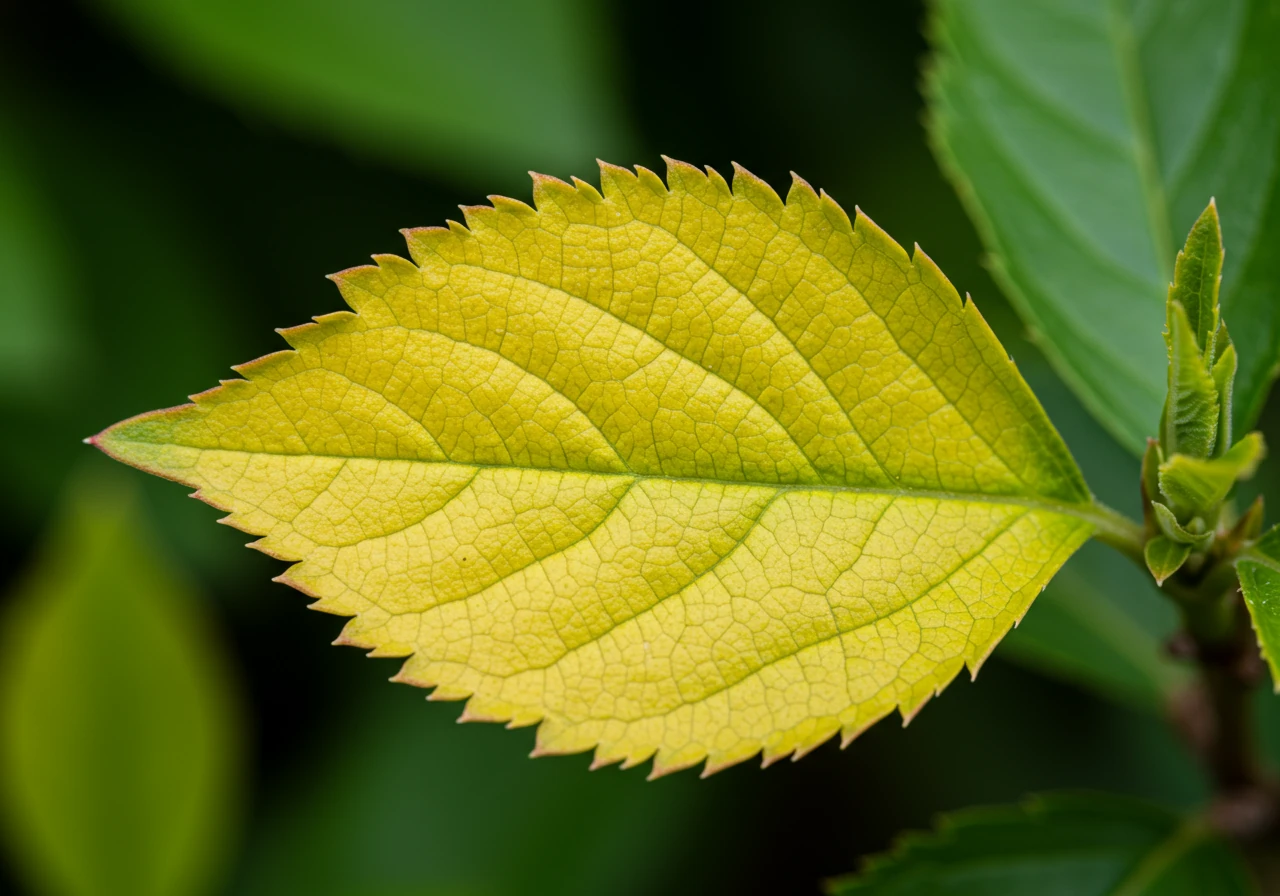
- What you see: The most classic sign of low Nitrogen is a general yellowing, often starting with the oldest, lowest leaves on the plant. The whole leaf might turn pale green, then yellow, because the plant is pulling this mobile nutrient from the old leaves to feed the new growth. Think of it as plant triage! Growth might also be slow or stunted. If your lawn is looking more yellow than lush green, Nitrogen is often the first suspect – which is why targeted lawn care applications focus on N.
- Why it happens (Ottawa context): Nitrogen washes out of soil easily, especially sandy soil or after heavy spring rains common in our area. Cool soil temperatures in early spring can also slow down the soil microbes that make N available to plants.
- Quick Fixes: Applying compost or a balanced fertilizer usually helps. For a quicker green-up, you can use a nitrogen-focused fertilizer, but follow the instructions carefully – too much can burn plants!
Phosphorus (P) - The "Feeling Purple?" Clue
- What you see: Instead of yellowing, Phosphorus deficiency often shows up as stunted growth and leaves taking on a dull, bluish-green, reddish, or purplish tint, especially on the undersides. Again, because P is mobile, you'll likely spot this on the older leaves first. It's like the plant is blushing because it can't fuel its growth properly.
- Why it happens (Ottawa context): Phosphorus can be present in the soil but unavailable to plants if the soil is too cold (hello, early Ottawa springs!) or if the soil pH is too high or too low. Compacted soil also makes it hard for roots to find P. Applying a good layer of quality mulch through mulching and edging services can help moderate soil temperature.
- Quick Fixes: Adding compost or bone meal can boost P levels. Ensuring your soil pH is in the right range (get a soil test!) is crucial for P uptake.
Potassium (K) - The "Crispy Edges" Warning
- What you see: Look for yellowing or browning that starts at the leaf *edges* and tips, working its way inwards, usually on the older leaves. The center of the leaf might stay green longer. It can look like the edges are scorched or burnt. Potassium helps regulate water and disease resistance, so low K makes plants generally weaker. Maintaining overall plant health is part of good yard upkeep, much like keeping things tidy with an Embrun property cleanup service.
- Why it happens (Ottawa context): Potassium can leach out of sandy soils (found in areas like Manotick near the river) with heavy watering or rain. It can also be 'locked up' in certain soil types. Removing plant debris year after year without replenishing nutrients can slowly deplete K. Sometimes a thorough seasonal tidy-up, like a Marionville garden clean up service, is a good time to assess soil needs.
- Quick Fixes: Applying compost rich in organic matter helps. You can also use fertilizers containing potassium sulfate or potassium chloride (potash), but again, soil testing is recommended first.
Pro Tip: Macronutrient Quick Summary
- Nitrogen (N): Yellowing, starting on older leaves. Stunted growth.
- Phosphorus (P): Purplish/reddish tint, stunted growth, often on older leaves.
- Potassium (K): Yellowing/browning starts at leaf edges/tips, usually on older leaves.
Remember, these are general guidelines. Sometimes symptoms overlap, or other issues (pests, diseases, watering problems) can mimic nutrient deficiencies. If you're scratching your head, a soil test is your best bet. And if decoding plant signals feels like too much guesswork, exploring professional landscaping and garden maintenance services can get your garden back on the path to vibrant health.
Beyond the Big Three: Unmasking Common Micronutrient Issues
Okay, so we've chatted about the big shots – Nitrogen, Phosphorus, and Potassium. They get all the headlines! But don't let the "micro" in micronutrients fool you; these elements are like the essential stage crew working behind the scenes for your garden's big performance. Even tiny amounts are crucial for healthy plant health and vibrant landscaping. If your plants are looking a bit off despite seemingly good care, a micronutrient hiccup might be the culprit. Let's unmask a few common ones you might encounter here in the Ottawa area.
Iron (Fe) - The "New Leaves Turning Yellow Between the Veins" Mystery
- What you see: Is the newest foliage on your plant turning yellow, but the veins are staying stubbornly green? This classic "interveinal chlorosis" on young leaves often screams Iron deficiency. Because Iron is immobile (plants can't easily move it from old leaves to new ones), the newest growth suffers first when supply is low. It’s like the plant forgot to pack lunch for its newest parts!
- Why it happens (Ottawa context): Often, the issue isn't a lack of iron *in* the soil, but the soil's pH being too high (alkaline). High pH locks up iron, making it unavailable to plant roots. Some Ottawa soils, especially those with clay or limestone content, can lean alkaline.
- Quick Fixes: A soil test is your best friend here to confirm pH. If it's high, adding elemental sulfur or acidic organic matter (like peat moss or pine bark mulch) can gradually lower it. Chelated iron sprays can offer a quick, temporary green-up for affected leaves. Ensuring proper soil conditions is a vital step before projects like new lawn sod installation, giving your grass the best start.
Magnesium (Mg) - The "Older Leaves Fading Between the Veins" Signal
- What you see: This one looks similar to iron deficiency (yellowing between veins), but watch closely – Magnesium deficiency typically shows up on the older, lower leaves first. Why? Because Magnesium *is* mobile, so the plant sacrifices the old leaves to send Mg to the new growth. Sometimes you might see reddish or purplish tints along with the yellowing.
- Why it happens (Ottawa context): Magnesium issues can pop up in very acidic soils or sandy soils (like you might find near Richmond or parts of Winchester) where it leaches out easily. Sometimes, an overabundance of Potassium can also interfere with Magnesium uptake.
- Quick Fixes: Again, check that soil pH! If it's too acidic, adding dolomitic limestone provides both calcium and magnesium. Epsom salt solution (magnesium sulfate) applied as a soil drench or foliar spray can provide a quick boost. Incorporating plenty of compost helps improve overall nutrient retention. Improving soil in neglected areas, sometimes requiring a thorough approach like a city property cleanup service, can make a huge difference.
Calcium (Ca) - The "Stunted and Deformed New Growth" Alert
- What you see: Calcium is all about structure. When it's lacking, new growth often looks weak, stunted, or deformed. Think curling leaves, distorted growing tips, or the dreaded blossom end rot (that black, sunken spot) on tomatoes or peppers. Like Iron, Calcium is immobile, so symptoms hit the fresh growth hard.
- Why it happens (Ottawa context): Very acidic soil can limit Calcium availability. However, inconsistent watering is also a major factor! Even if Calcium is in the soil, plants need a steady water supply to transport it up to the growing points. This can be a challenge during Ottawa's sometimes unpredictable summer weather patterns.
- Quick Fixes: Check soil pH; if acidic, lime (especially calcitic lime if magnesium isn't needed) can help. The most important fix is often consistent, deep watering. Adding gypsum can provide calcium without significantly changing pH. Healthy soil structure from regular compost additions improves both nutrient availability and water retention, contributing to amazing garden transformations.
The pH Power Play
Notice a theme here? Soil pH is the gatekeeper for many micronutrients. Testing your soil pH is often the single most useful step you can take. What works in a Greely garden might differ from one in Manotick. Amendments should be applied carefully based on test results. Good soil management, including incorporating compost, is fundamental. Sometimes, thorough seasonal checks like a Metcalf garden clean up service offer a great opportunity to assess soil needs before the main growing season. Keeping your garden beds healthy is part of overall garden upkeep, like our regular Ottawa garden clean up service, ensuring long-term plant success.
Paying attention to where the symptoms appear (new vs. old leaves) and the pattern of yellowing can give you fantastic clues about these less-talked-about, but oh-so-important, micronutrient needs!
Is It Really a Nutrient Gap? Ruling Out Lookalikes in Your Osgoode Oasis
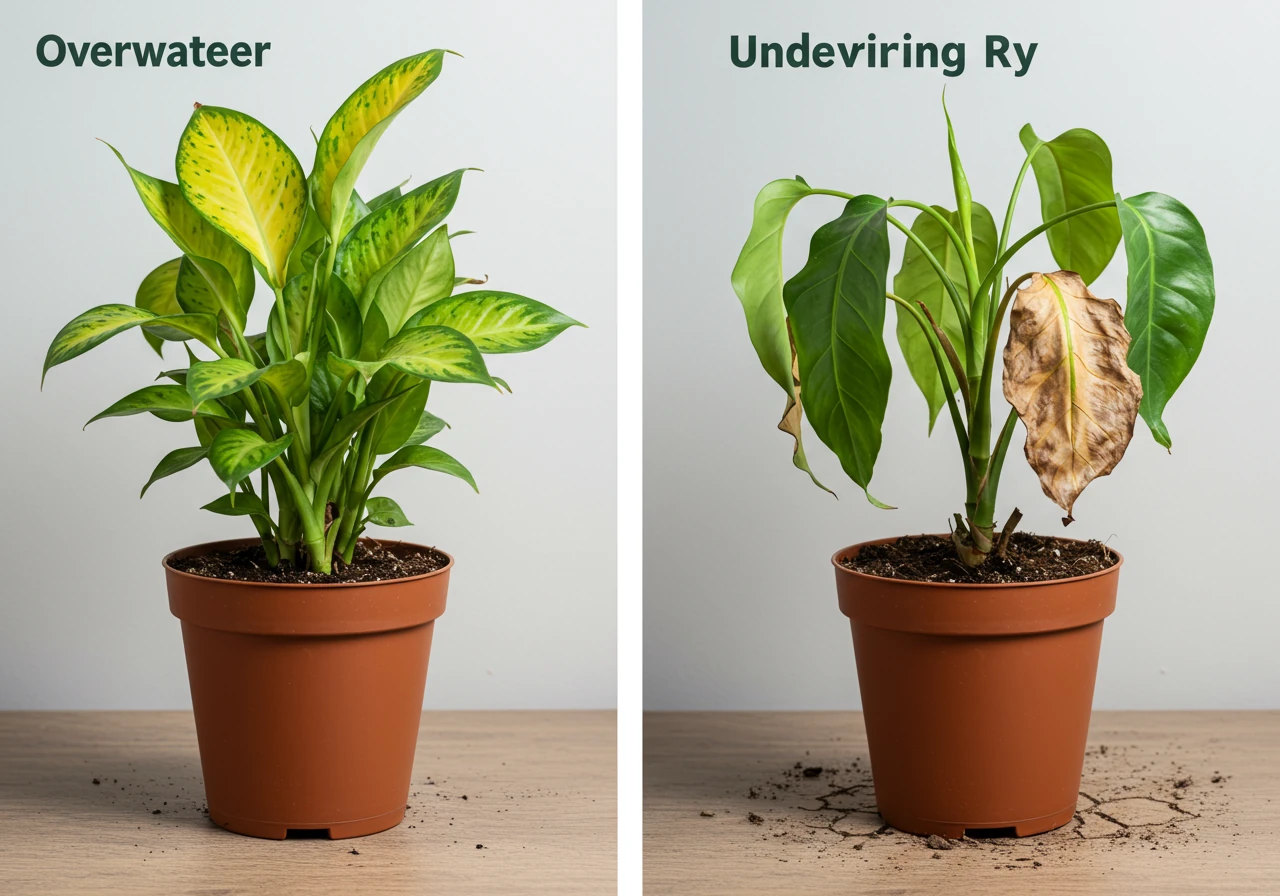
Okay, so your plant's leaves are looking a bit funky – maybe yellow, maybe brown, maybe just… sad. You've read all about Nitrogen and Iron, and you're ready to play fertilizer fairy. But hold your watering can! Before you diagnose a nutrient deficiency in your lovely Osgoode garden, let's make sure we're not dealing with an imposter. Lots of common plant problems can mimic nutrient issues, leading to gardening guesswork. Let's investigate these lookalikes.
Is Your Plant Thirsty or Just Hungry?
Water stress is a master of disguise.
- Too Little Water: Plants get droopy, leaves might turn brown and crispy starting at the edges (sound familiar? Potassium deficiency does this too!). But with underwatering, the whole plant usually looks wilted and stressed, and the soil will be bone dry.
- Too Much Water: Yep, too much love can also cause yellowing leaves, often starting from the bottom up (hello, Nitrogen deficiency mimic!). The key differences? Soggy soil, maybe a funky smell from root rot, and leaves might feel soft or floppy, not dry.
Pesky Pests and Dreadful Diseases:
Before blaming the soil, check for unwanted guests or infections.
- Pests: Tiny critters like aphids or spider mites suck the life out of leaves, causing yellow stippling, distortion, or webbing. Turn leaves over – pests love hiding! Damage is often patchy or follows veins, unlike the more uniform patterns of nutrient issues. If pests are hiding in debris, a thorough Ottawa city garden clean up service can help reduce their habitat.
- Diseases: Fungal spots, powdery mildew (white coating), or blights often create distinct lesions, rings, or fuzzy growth. Nutrient problems usually cause broader colour changes or patterns related to leaf veins or edges. Removing affected plant parts promptly is crucial.
Ottawa's Environmental Curveballs:
Our local climate throws some unique challenges!
- Frost Bite: An unexpected late spring frost in Osgoode can leave new growth blackened or brown and papery overnight. This sudden damage looks very different from a slow-developing nutrient issue.
- Sun Scorch: After a few blazing hot Ottawa summer days, you might see bleached or brown patches on leaves facing the direct sun, especially on plants not used to it. This is localized damage, unlike systemic nutrient problems. Proper siting and gradual acclimatization help.
Be a Plant Detective!
Look at the whole picture. Is just one plant affected, or several different types? Are the symptoms on old leaves, new leaves, or all over? Check the soil moisture deeply. Consider recent weather. Sometimes, maintaining consistent observation through something like a regular professional garden maintenance service in Ottawa helps catch these issues early and correctly. If you suspect disease or pests have taken hold in neglected areas, addressing it might involve more extensive work, like a city property cleanup service to remove sources of infestation.
If you're still stumped after playing detective, getting a professional eye or a soil test is a great next step. And hey, if you do call in the pros, knowing what's involved is helpful; feel free to review service details like our terms and conditions. Sharing your observations is also super useful; providing detailed notes if you request help, perhaps through something like our estimate feedback form, helps us zero in on the real problem faster. Ruling out these lookalikes ensures you give your plants the right kind of help for truly healthy landscaping.
Is it Water?
Check soil moisture 2-3 inches deep. Is it bone dry or soggy? Wilting can occur from both too little and too much water (root rot). Overwatering often causes yellowing lower leaves. Underwatering causes wilting and crispy brown edges.
Are Pests Present?
Inspect leaves (top and bottom!) and stems closely. Look for small insects (aphids, mites), webbing, sticky residue (honeydew), or chewing damage. Pest damage is often localized or causes stippling/distortion.
Nutrient Deficiency Pattern?
Review the common deficiency patterns: Is the yellowing uniform or between veins? Is it on old leaves or new leaves? Does it match the descriptions for N, P, K, Fe, Mg, or Ca? If unsure, a soil test is recommended.
From Diagnosis to Action: Your Step-by-Step Guide & Soil Solutions
Alright plant paramedics, let's roll up our sleeves! Your leafy friend is showing distress signals, and you suspect a nutrient deficiency. But where do you start? Don't just throw fertilizer at it and hope for the best (plants aren't huge fans of guesswork). Here’s a step-by-step guide to figuring things out and getting your gardening game back on track.
Step 1: Play Plant Detective
Observe *closely*. Note *where* symptoms appear (old/new leaves), *what* they look like (yellowing, spots, edges), and *which* plants are affected.
Step 2: Rule Out Imposters
Check watering (soggy/dry?), look for pests/diseases under leaves, and consider recent environmental factors (frost, heat).
Step 3: Soil Test!
This is key for accurate diagnosis. Use a DIY kit or lab test to check pH and nutrient levels (N-P-K, micro). Critical for Ottawa's variable soils.
Step 4: Quick Fixes (If Needed)
Based on diagnosis/test, use targeted fertilizers or foliar sprays for a temporary boost. Follow instructions carefully!
Step 5: Long-Term Soil Health
Focus on sustainable solutions: Add compost regularly, use organic amendments, mulch, and consider cover crops. Healthy soil prevents problems. Need help clearing before amending? Check our property clean up options.
Long-Term Soil Health (The Lifestyle Change)
Quick fixes are great, but building healthy, living soil is the key to preventing future problems and achieving sustainable landscaping success. This is where the real magic happens!
- Compost is King: Regularly adding well-rotted compost is the single best thing you can do. It improves soil structure, water retention, and slowly releases a wide range of nutrients. It's like a balanced diet for your garden. Incorporating compost is often easiest after clearing out old debris, maybe following a thorough Ottawa property cleanup service.
- Organic Amendments: Things like aged manure, leaf mold, worm castings, or alfalfa meal also feed the soil food web and improve soil health over time. Consider eco-friendly options! We discuss options during our material selection process.
- Mulch Magic: A layer of organic mulch (like shredded bark) helps retain moisture, suppress weeds, and breaks down slowly to feed the soil.
- Cover Cropping: In veggie gardens, planting cover crops like oats or clover in the off-season protects soil and adds organic matter when tilled in.
Sometimes, improving soil is a bigger job, especially in neglected areas. Preparing the ground properly might involve more intensive work, like using an Metcalf property cleanup service to clear the way before amending.
Feeling unsure about your diagnosis or how to apply amendments? Getting professional advice can save time and effort. Consistent care through services like professional garden maintenance helps keep your soil in top shape. And if you're seeking help, providing detailed notes on what you've observed is incredibly useful – you can even share your findings using our estimate feedback form when requesting assistance! Taking these steps moves you from simply reacting to problems to proactively building a thriving garden environment.
Expert Tip Box: Quick Leaf Language Guide
Quick Leaf Language Guide
Plants aren't always straightforward – sometimes they're just dramatic! But often, a weird leaf colour points right to a missing nutrient. Here’s a cheat sheet for common leaf language from Clean Yards (learn more about us!):
- The All-Over Yellow (Especially Old Leaves): Usually screams Nitrogen (N) deficiency.
- The Purple or Reddish Tint (Especially Old Leaves): Often points to a lack of Phosphorus (P).
- Crispy Brown Edges (Especially Old Leaves): Classic sign of Potassium (K) shortage.
- Yellow Between Veins (NEW Leaves): Suspect Iron (Fe) deficiency.
- Yellow Between Veins (OLD Leaves): Often signals a Magnesium (Mg) issue.
- Stunted, Deformed NEW Growth: Could be a lack of Calcium (Ca) or watering issues.
Hold Your Horses (and Fertilizer)!
Before amending the soil, remember these are just clues! Always check for:
- Watering issues (too much or too little?)
- Pesky pests (check under leaves!)
- Signs of disease (spots, fuzz?)
- Environmental stress (recent frost, heatwave?)
Sometimes, getting a clear view helps. A general tidy-up using an Ottawa yard cleanup service or a more focused Metcalf yard cleanup service can make inspection easier.
Ultimately, the best long-term solution is building healthy soil through good practices like proper soil preparation techniques. Need advice specific to your yard? Drop us a line – and rest assured, we respect your info, as outlined in our privacy policy. Happy gardening!
Nutrient Availability vs. Soil pH (Example)
This simplified chart illustrates how soil pH affects the availability of certain nutrients. Notice how Iron (Fe) becomes much less available as pH rises (becomes more alkaline).
Ottawa Gardeners Ask: Your Kars Leaf Questions Answered
Ah, classic Ottawa clay! It’s nutrient-rich, but its density can be a double-edged sword for plant health. Heavy clay drains slowly, meaning roots can sit in waterlogged soil. This lack of oxygen damages roots and can cause leaves to yellow, mimicking a Nitrogen deficiency even if nutrients are present. Also, compacted clay makes it hard for roots to spread and access those nutrients. The soil pH in clay can sometimes lock up Phosphorus or Iron too. The best long-term solution is improving soil structure by consistently adding organic matter like compost. This helps with drainage and aeration, making nutrients more available.
It’s very likely! New development areas often have challenges. During construction, heavy equipment severely compacts the subsoil. Often, only a thin layer of less-than-stellar topsoil is spread over top. This compacted, poor-quality soil makes it tough for roots to establish, leading to poor water uptake and nutrient absorption, resulting in stressed plants with pale or yellow leaves. The soil pH might also have been disturbed. Your best bet is soil improvement. This means digging in plenty of compost and other organic matter to break up compaction and enrich the soil. You can learn more about us and our experience dealing with various soil challenges across Ottawa, including new developments where a full city yard cleanup service might be needed first.
It's possible! Well water quality varies greatly around Ottawa. Some well water is "hard," meaning it's high in dissolved minerals like calcium and magnesium. If you spray this water directly on leaves, it can sometimes leave behind whitish mineral deposits when it evaporates. More significantly, well water can sometimes have a high pH (alkaline). Consistently watering with high-pH water can gradually raise your soil's pH over time. This can make certain nutrients, especially Iron, less available to plants, leading to yellowing between the veins on new leaves (interveinal chlorosis). Getting both your soil *and* your water tested for pH can give you a clearer picture.
Our Ottawa weather loves to keep us on our toes, doesn't it? Extreme temperature swings or sudden changes in moisture can definitely stress plants out, causing leaf symptoms. Intense summer sun can cause sun scorch (brown, dry patches). A surprise late frost can blacken tender new growth. Even sudden heavy rain after a dry spell can shock roots. Often, if the plant is otherwise healthy and established in good soil, it will recover. You can carefully prune away the worst of the damaged foliage to tidy things up – removing severely damaged foliage, much like the debris clearing done with a Marionville property cleanup service, helps the plant focus energy on new growth. Building healthy soil with good drainage and moisture retention helps plants better withstand these environmental curveballs. Consider our garden installation services for plants suited to our climate.
Okay, deep breath – don't reach for the fertilizer just yet! The *very first* step is keen observation. Look closely: which leaves are affected (old/new)? What's the pattern (spots/edges/veins)? Next, quickly rule out the obvious imposters: check soil moisture (not too wet, not too dry?), look for pests under leaves, and consider recent weather. If you still suspect a nutrient gap, the single best action is a soil test. It tells you the pH and nutrient levels accurately, taking the guesswork out of your gardening. Preparing the garden bed for testing or amendments might involve clearing weeds or old mulch – sometimes preparing the garden bed, sometimes needing a clear-out like our Metcalf yard cleanup service offers, makes the process easier. Once you have your soil test results, you'll have a clear path forward. And hey, if you figure it out, feel free to share your success – we love hearing happy garden stories [maybe drop a note on our thank you page!] or even see pictures on our Google Business Profile.
Conclusion: Cultivating Healthy Roots in Kars and Beyond
So there you have it, garden detectives! You're now better equipped to understand what your plants are trying to tell you through their leaves – no secret decoder ring required, thankfully! Learning this leafy language is crucial for successful gardening, especially right here in Kars and the greater Ottawa region, where our soil can be full of surprises (looking at you, clay!). Remember to rule out those sneaky lookalikes like watering woes or pesky pests before jumping to nutrient conclusions.
Building fantastic soil health with goodies like compost is always your best long-term bet for happy plants. But if you're scratching your head over persistent yellowing in Manotick or stunted growth in Greely, don't guess – get help! Clean Yards offers expert soil testing, tailored fertilization plans, and on-site gardening consultations to solve your specific plant health puzzles. We're passionate about helping create thriving landscapes across the Ottawa area, from simple clean-ups like our Marionville yard cleanup service to full transformations. Ready to cultivate some truly healthy roots?
Keep digging into our resources for more tips and explore all our landscaping and cleanup services.