/* Self-contained CSS using a wrapper ID */ #spirea-article-container { --brand-primary: #93C020; --brand-black: #000000; --brand-dark-gray: #2D2C2C; --brand-light-gray: #EBEBEB; --brand-green-dark: #287734; --brand-white: #FFFFFF; --brand-accent: #B7FE00; --font-primary: 'Helvetica Neue', Arial, sans-serif;font-family: var(--font-primary); color: var(--brand-dark-gray); line-height: 1.6; background-color: var(--brand-white); /* Ensure background for the container */ }/* Basic Reset and Box Sizing */ #spirea-article-container *, #spirea-article-container *::before, #spirea-article-container *::after { box-sizing: border-box; margin: 0; padding: 0; }/* Responsive Container */ #spirea-article-container .article-content { max-width: 800px; margin: 20px auto; padding: 0 15px; }/* Headings */ #spirea-article-container h1, #spirea-article-container h2, #spirea-article-container h3 { color: var(--brand-green-dark); margin-top: 1.5em; margin-bottom: 0.8em; line-height: 1.3; }#spirea-article-container h1 { font-size: 2.2em; border-bottom: 2px solid var(--brand-light-gray); padding-bottom: 0.3em; }#spirea-article-container h2 { font-size: 1.8em; }#spirea-article-container h3 { font-size: 1.4em; color: var(--brand-primary); }/* Paragraphs */ #spirea-article-container p { margin-bottom: 1em; font-size: 1em; /* Base font size */ }/* Links */ #spirea-article-container a { color: var(--brand-green-dark); text-decoration: none; transition: color 0.3s ease; }#spirea-article-container a:hover, #spirea-article-container a:focus { color: var(--brand-primary); text-decoration: underline; }/* Lists */ #spirea-article-container ul, #spirea-article-container ol { margin-bottom: 1em; padding-left: 25px; /* Indentation */ }#spirea-article-container li { margin-bottom: 0.5em; }/* Images & Figures */ #spirea-article-container figure { margin: 25px auto; text-align: center; }#spirea-article-container img { max-width: 100%; height: auto; border-radius: 8px; box-shadow: 0 4px 8px rgba(0, 0, 0, 0.1); }#spirea-article-container figcaption { font-size: 0.9em; color: #666; margin-top: 8px; }/* Progress Bar */ #spirea-article-container #progress-bar-container { position: fixed; top: 0; left: 0; width: 100%; height: 5px; background-color: var(--brand-light-gray); z-index: 1000; }#spirea-article-container #progress-bar { height: 100%; width: 0; background-color: var(--brand-primary); transition: width 0.1s linear; }/* Back to Top Button */ #spirea-article-container #back-to-top { position: fixed; bottom: 20px; right: 20px; background-color: var(--brand-green-dark); color: var(--brand-white); border: none; border-radius: 50%; width: 50px; height: 50px; font-size: 24px; cursor: pointer; opacity: 0; visibility: hidden; transition: opacity 0.3s ease, visibility 0.3s ease; z-index: 999; display: flex; align-items: center; justify-content: center; box-shadow: 0 2px 5px rgba(0,0,0,0.2); }#spirea-article-container #back-to-top.show { opacity: 1; visibility: visible; }/* Highlight Box */ #spirea-article-container .highlight-box { background-color: #f0f8f0; /* Light green background */ border-left: 5px solid var(--brand-green-dark); padding: 20px; margin: 2em 0; border-radius: 5px; } #spirea-article-container .highlight-box h3 { margin-top: 0; color: var(--brand-green-dark); }/* CTA Button */ #spirea-article-container .cta-button { display: inline-block; background-color: var(--brand-primary); color: var(--brand-white) !important; /* Override link color */ padding: 12px 25px; border-radius: 25px; /* Pill shape */ text-decoration: none !important; /* Override link underline */ font-weight: bold; text-align: center; transition: background-color 0.3s ease, transform 0.2s ease; margin: 1em 0; border: 2px solid var(--brand-primary); /* Subtle border */ box-shadow: 0 4px 6px rgba(0,0,0,0.1); }#spirea-article-container .cta-button:hover, #spirea-article-container .cta-button:focus { background-color: var(--brand-green-dark); color: var(--brand-white) !important; border-color: var(--brand-green-dark); transform: translateY(-2px); /* Slight lift effect */ box-shadow: 0 6px 8px rgba(0,0,0,0.15); }#spirea-article-container .cta-center { text-align: center; margin: 2em 0; }/* Responsive Table */ #spirea-article-container .table-wrapper { overflow-x: auto; margin: 1.5em 0; border: 1px solid var(--brand-light-gray); border-radius: 5px; }#spirea-article-container table { width: 100%; border-collapse: collapse; min-width: 500px; /* Prevent extreme squishing */ }#spirea-article-container th, #spirea-article-container td { padding: 12px 15px; text-align: left; border-bottom: 1px solid var(--brand-light-gray); }#spirea-article-container th { background-color: var(--brand-light-gray); color: var(--brand-green-dark); font-weight: bold; }#spirea-article-container tr:last-child td { border-bottom: none; }#spirea-article-container tr:nth-child(even) { background-color: #f8f8f8; }/* Collapsible Sections (FAQ) */ #spirea-article-container .faq-item { border-bottom: 1px solid var(--brand-light-gray); margin-bottom: 10px; }#spirea-article-container .faq-item:last-child { border-bottom: none; }#spirea-article-container .faq-question { background-color: transparent; border: none; width: 100%; text-align: left; padding: 15px 0; font-size: 1.1em; font-weight: bold; cursor: pointer; color: var(--brand-green-dark); position: relative; padding-right: 30px; /* Space for icon */ }#spirea-article-container .faq-question::after { content: '+'; position: absolute; right: 0; top: 50%; transform: translateY(-50%); font-size: 1.5em; color: var(--brand-primary); transition: transform 0.3s ease; }#spirea-article-container .faq-question.active::after { transform: translateY(-50%) rotate(45deg); }#spirea-article-container .faq-answer { max-height: 0; overflow: hidden; transition: max-height 0.4s ease-out, padding 0.4s ease-out; padding: 0 15px; }#spirea-article-container .faq-answer p:last-child { margin-bottom: 0; /* Remove bottom margin on last paragraph inside answer */ }#spirea-article-container .faq-answer.open { /* max-height is set by JS */ padding: 10px 15px 20px 15px; /* Add padding when open */ }/* Tab Interface */ #spirea-article-container .tab-container { margin: 2em 0; border: 1px solid var(--brand-light-gray); border-radius: 5px; overflow: hidden; /* Contains floats and rounds corners nicely */ }#spirea-article-container .tab-buttons { background-color: var(--brand-light-gray); padding: 10px 10px 0 10px; /* Padding around buttons */ display: flex; flex-wrap: wrap; /* Allow buttons to wrap on small screens */ border-bottom: 1px solid var(--brand-light-gray); }#spirea-article-container .tab-button { padding: 10px 20px; cursor: pointer; background-color: var(--brand-light-gray); border: none; /* Remove default button border */ border-bottom: 3px solid transparent; /* Space for active indicator */ margin-right: 5px; margin-bottom: -1px; /* Overlap border-bottom of container */ font-size: 1em; color: var(--brand-dark-gray); transition: background-color 0.3s ease, border-color 0.3s ease, color 0.3s ease; position: relative; /* For potential future ::after effects */ border-radius: 5px 5px 0 0; /* Rounded top corners */ }#spirea-article-container .tab-button:hover, #spirea-article-container .tab-button:focus { background-color: #ddd; /* Slightly darker gray on hover */ color: var(--brand-black); }#spirea-article-container .tab-button.active { background-color: var(--brand-white); /* Make active tab blend with content area */ border-color: var(--brand-primary); /* Active indicator */ font-weight: bold; color: var(--brand-green-dark); }#spirea-article-container .tab-content { display: none; /* Hide inactive tabs */ padding: 20px; background-color: var(--brand-white); }#spirea-article-container .tab-content.active { display: block; /* Show active tab */ }/* Bar Chart Visualization */ #spirea-article-container .chart-container { margin: 2em 0; padding: 20px; border: 1px solid var(--brand-light-gray); border-radius: 5px; background-color: #fdfdfd; }#spirea-article-container .chart { display: flex; justify-content: space-around; align-items: flex-end; height: 200px; /* Fixed height for the chart area */ border-bottom: 2px solid var(--brand-dark-gray); padding-bottom: 5px; }#spirea-article-container .bar { width: 15%; /* Adjust width as needed */ background-color: var(--brand-primary); height: 0; /* Initial height for animation */ transition: height 1s ease-out; position: relative; text-align: center; }#spirea-article-container .bar.secondary { background-color: var(--brand-green-dark); }#spirea-article-container .bar span { position: absolute; bottom: -25px; /* Position label below the bar */ left: 0; right: 0; font-size: 0.9em; color: var(--brand-dark-gray); }/* Timeline Component */ #spirea-article-container .timeline { position: relative; max-width: 700px; /* Adjust as needed */ margin: 3em auto; padding: 20px 0; }#spirea-article-container .timeline::before { content: ''; position: absolute; width: 3px; background-color: var(--brand-light-gray); top: 0; bottom: 0; left: 50%; margin-left: -1.5px; /* Center the line */ }#spirea-article-container .timeline-item { padding: 10px 40px; position: relative; background-color: inherit; width: 50%; margin-bottom: 30px; }#spirea-article-container .timeline-item::after { content: ''; position: absolute; width: 20px; height: 20px; right: -11.5px; /* Position dot on the line */ background-color: var(--brand-white); border: 4px solid var(--brand-primary); top: 15px; border-radius: 50%; z-index: 1; }/* Place items to the left */ #spirea-article-container .timeline-left { left: 0; padding-right: 20px; /* Adjust spacing */ text-align: right; }/* Place items to the right */ #spirea-article-container .timeline-right { left: 50%; padding-left: 60px; /* Adjust spacing */ }/* Fix right side dot position */ #spirea-article-container .timeline-right::after { left: -11.5px; /* Position dot on the line */ }#spirea-article-container .timeline-content { padding: 15px; background-color: var(--brand-light-gray); position: relative; border-radius: 6px; }#spirea-article-container .timeline-content h3 { margin-top: 0; color: var(--brand-green-dark); font-size: 1.2em; }/* Responsive Timeline */ @media screen and (max-width: 768px) { #spirea-article-container .timeline::before { left: 15px; /* Move line to the left */ }#spirea-article-container .timeline-item { width: 100%; padding-left: 50px; /* Space items away from the line */ padding-right: 15px; text-align: left; /* Align text left on mobile */ margin-bottom: 20px; } #spirea-article-container .timeline-item::after { left: 4px; /* Position dot on the shifted line */ }#spirea-article-container .timeline-left, #spirea-article-container .timeline-right { left: 0%; padding-left: 50px; /* Consistent padding */ } #spirea-article-container .timeline-right::after { left: 4px; } }/* Snippet Summary List */ #spirea-article-container .snippet-summary { background-color: var(--brand-light-gray); padding: 15px 20px; margin: 1.5em 0; border-radius: 5px; border-left: 5px solid var(--brand-primary); }#spirea-article-container .snippet-summary ul { padding-left: 20px; margin-bottom: 0; } #spirea-article-container .snippet-summary li { margin-bottom: 0.3em; }/* Ensure enough space below fixed progress bar */ #spirea-article-container body { padding-top: 5px; /* Match progress bar height */ }/* Mobile Specific Font Sizes */ @media screen and (max-width: 600px) { #spirea-article-container h1 { font-size: 1.8em; } #spirea-article-container h2 { font-size: 1.5em; } #spirea-article-container h3 { font-size: 1.2em; } #spirea-article-container p { font-size: 0.95em; } #spirea-article-container #back-to-top { width: 40px; height: 40px; font-size: 20px; } } { "@context": "https://schema.org", "@type": "Article", "headline": "Manotick: Renew Old Spirea Shrubs with Expert Pruning", "author": { "@type": "Organization", "name": "Clean Yards", "url": "https://cleanyards.ca/" }, "image": "https://cleanyards.ca/wp-content/uploads/2025/04/photograph_of_a_young__healthy_9662.webp", "datePublished": "2024-01-01", "dateModified": "2024-01-01", "description": "Learn how to rejuvenate overgrown Spirea shrubs in Manotick with expert pruning techniques. Timing, methods, and benefits explained for Ottawa Valley gardens.", "mainEntityOfPage": { "@type": "WebPage", "@id": "https://cleanyards.ca/blog/manotick-spirea-pruning/" }, "publisher": { "@type": "Organization", "name": "Clean Yards", "logo": { "@type": "ImageObject", "url": "https://cleanyards.ca/wp-content/uploads/2024/04/Clean-Yards-Logo.png" } } } { "@context": "https://schema.org", "@type": "HowTo", "name": "How to Rejuvenate Old Spirea Shrubs", "description": "A step-by-step guide to performing rejuvenation pruning on overgrown Spirea shrubs.", "totalTime": "PT1H", "estimatedCost": { "@type": "MonetaryAmount", "currency": "CAD", "value": "0" }, "supply": [ { "@type": "HowToSupply", "name": "Gloves" }, { "@type": "HowToSupply", "name": "Safety glasses" }, { "@type": "HowToSupply", "name": "Balanced fertilizer (optional)" }, { "@type": "HowToSupply", "name": "Mulch (optional)" } ], "tool": [ { "@type": "HowToTool", "name": "Sharp Loppers" }, { "@type": "HowToTool", "name": "Hand Pruners" }, { "@type": "HowToTool", "name": "Pruning Saw (optional, for very thick stems)" }, { "@type": "HowToTool", "name": "Rake" } ], "step": [ { "@type": "HowToStep", "name": "Assess the Situation", "text": "Evaluate the overgrown Spirea. Prepare to cut almost all stems back significantly.", "url": "https://cleanyards.ca/blog/manotick-spirea-pruning/#operation-rejuvenation", "position": 1 }, { "@type": "HowToStep", "name": "The Big Chop", "text": "Using loppers or a saw, cut all stems back to 6-12 inches (15-30 cm) from the ground. Cut just above an outward-facing bud if possible.", "url": "https://cleanyards.ca/blog/manotick-spirea-pruning/#operation-rejuvenation", "position": 2 }, { "@type": "HowToStep", "name": "Be Ruthless (but Cleanly)", "text": "Ensure clean cuts to prevent disease. Remove any dead wood completely to the base.", "url": "https://cleanyards.ca/blog/manotick-spirea-pruning/#operation-rejuvenation", "position": 3 }, { "@type": "HowToStep", "name": "Clean Up the Battlefield", "text": "Rake up all pruned branches and debris from around the base of the shrub.", "url": "https://cleanyards.ca/blog/manotick-spirea-pruning/#operation-rejuvenation", "position": 4 }, { "@type": "HowToStep", "name": "Post-Op Care", "text": "Apply a balanced fertilizer around the base according to package instructions. Water well and consider adding a layer of fresh mulch.", "url": "https://cleanyards.ca/blog/manotick-spirea-pruning/#operation-rejuvenation", "position": 5 } ] } { "@context": "https://schema.org", "@type": "FAQPage", "mainEntity": [ { "@type": "Question", "name": "How often really do I need to prune my Spirea?", "acceptedAnswer": { "@type": "Answer", "text": "Annual light pruning is key for most Spireas in Ottawa. Summer bloomers need a tidy-up in early spring. Spring bloomers should be pruned right after flowering. Major rejuvenation cuts are needed less often, only for severely overgrown shrubs. Consider professional Garden Maintenance if annual pruning is difficult." } }, { "@type": "Question", "name": "My Spirea in Nepean barely bloomed this year. What went wrong?", "acceptedAnswer": { "@type": "Answer", "text": "Common causes include incorrect pruning timing (especially for spring bloomers), insufficient sunlight (Spirea needs sun), the shrub being too old and woody (may need rejuvenation), inadequate watering during dry spells, or poor soil health." } }, { "@type": "Question", "name": "Are Spirea deer-resistant in areas like Manotick or Greely?", "acceptedAnswer": { "@type": "Answer", "text": "Yes, Spirea are generally considered deer-resistant. While extremely hungry deer might nibble, they usually prefer other plants. They are a good choice for areas where deer pressure is a concern." } }, { "@type": "Question", "name": "I need to move my established Spirea. Can I do that, and when's best in Ottawa?", "acceptedAnswer": { "@type": "Answer", "text": "Yes, you can transplant Spirea. The best time in Ottawa is during dormancy: early spring before new growth starts, or fall after leaves drop but before the ground freezes (typically mid-to-late October). Dig a wide root ball and water well after moving." } }, { "@type": "Question", "name": "Help! My Spirea has these weird, super-fast growing shoots coming up. What are they?", "acceptedAnswer": { "@type": "Answer", "text": "These sound like 'suckers' or 'watersprouts,' often appearing after heavy pruning or stress. Prune them off right at their base whenever you see them, as they drain energy and spoil the shrub's shape. Regular upkeep like that provided by a City Garden Clean Up Service often includes managing these." } }, { "@type": "Question", "name": "I did a huge Spirea rejuvenation and now have a mountain of branches. What do I do?", "acceptedAnswer": { "@type": "Answer", "text": "Small twigs can be composted or put in Ottawa's Green Bin. Bundle larger branches according to City guidelines for curbside pickup. If the volume is overwhelming, a Property Clean Up service can handle the removal and disposal efficiently. You typically receive confirmation after booking, check our Thank You page details." } } ] }

Manotick: Renew Old Spirea Shrubs with Expert Pruning

Need help taming your shrubs? Get a free quote for professional pruning services today! Request Your Quote Now.

Quick Guide to Spirea Pruning:
  • Identify your Spirea type (Spring vs. Summer blooming).
  • Prune Summer-bloomers (new wood) in late winter/early spring.
  • Prune Spring-bloomers (old wood) immediately after flowering.
  • Rejuvenation pruning (cutting back hard) revitalizes old, woody shrubs.
  • Use sharp, clean tools for plant health.
  • Proper pruning improves health, boosts blooms, and maintains shape.

Introduction: Spirea Rescue Mission in Manotick!

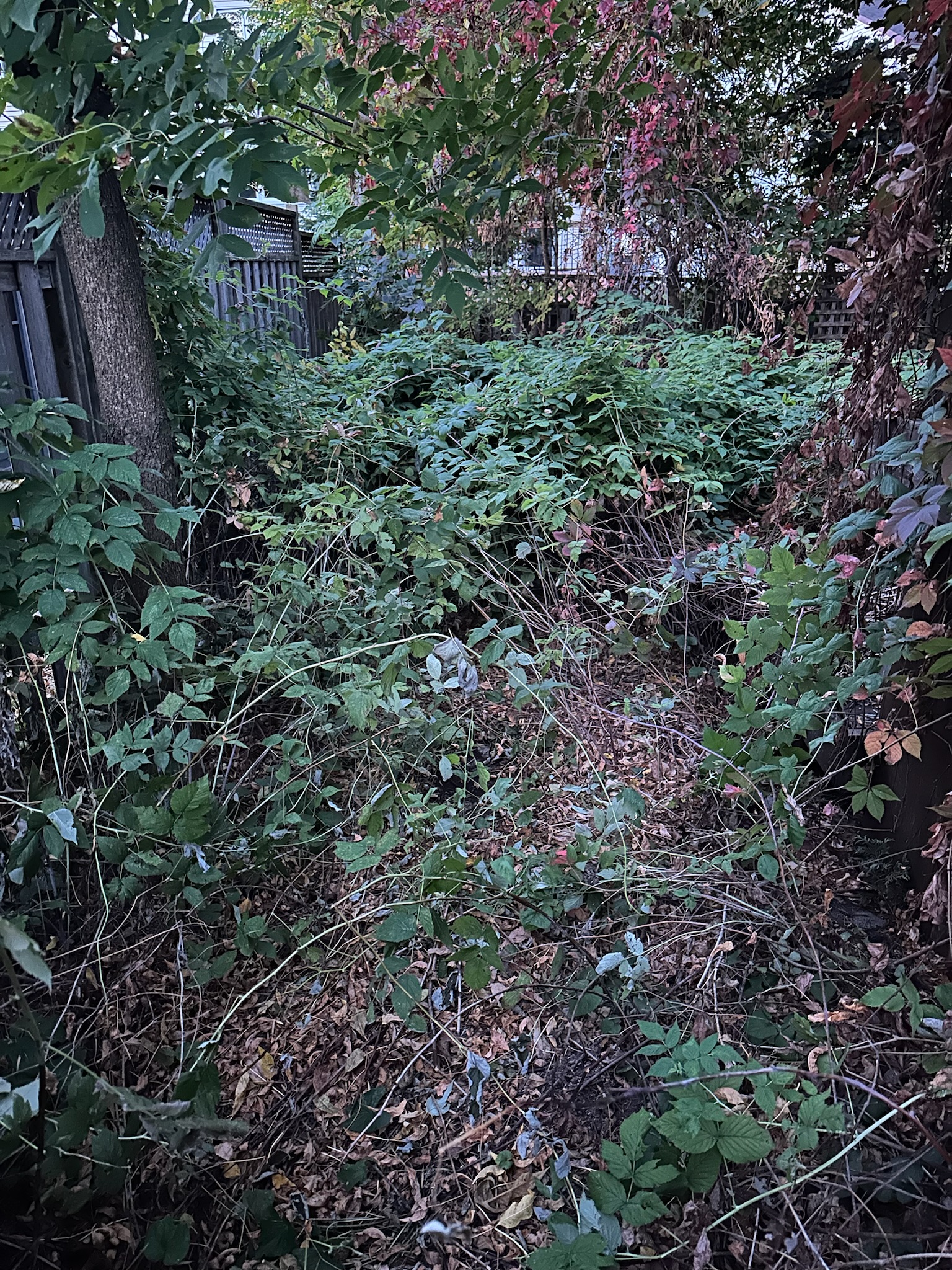
An image depicting an overgrown, woody Spirea shrub in a typical garden setting. The shrub should look dense in the middle, perhaps with some dead branches visible, and sparse flowering primarily on the outer edges, illustrating the 'problem' the article addresses.

Hey Manotick neighbours! Ever glance at your garden and feel like your once-lovely Spirea bushes are plotting a slow, twiggy takeover? You know the scene: they started small and charming, but now they're looking a bit… *enthusiastic*. Maybe they're overgrown, sprawling, or have developed that dense, woody look in the centre, with fewer flowers than you remember. It happens! Spirea are generally easy-going, but even the best shrubs need a little TLC sometimes, especially in our Ottawa climate.

Don't fret if your Spirea is looking less "graceful accent" and more "needs a serious haircut." This isn't the end of the road for your beloved bush! Think of this as a *Spirea Rescue Mission*. The hero of this mission? Proper pruning! It’s amazing how the right cuts can rejuvenate an overgrown Spirea, encouraging fresh growth and bringing back those beautiful blooms that likely made you fall in love with it in the first place. Whether your garden is in Manotick, nearby Greely, or right here along the Rideau, giving your Spirea the right trim can make all the difference in your landscaping. Let's get those shrubs back in tip-top shape!

Getting to Know Your Spirea: Ottawa Valley Varieties & Quirks

A split-screen or comparative image showcasing two distinct types of Spirea mentioned. One side features a Japanese Spirea variety (e.g., 'Goldflame' or 'Little Princess') with its characteristic colourful foliage and pink summer blooms. The other side shows a Bridal Wreath Spirea with its classic arching branches covered in white spring flowers.

Alright, let's chat about Spirea! These troopers are popular landscaping choices across the Ottawa Valley for good reason – they're generally tough, reliable, and bring beautiful colour to our gardens. But like snowflakes (or maybe hockey teams?), not all Spirea are exactly alike. Knowing which ones thrive here and their little personality quirks is key to keeping them happy.

In areas from Nepean to Osgoode, you'll often see hardy varieties tough enough for our sometimes *brutal* winters. Common types include:

  • Japanese Spirea (Spiraea japonica): Think 'Goldflame', 'Little Princess', or 'Magic Carpet'. These are usually smaller, mounding shrubs known for their colourful foliage and pink or white summer flowers. They bloom on new wood, meaning this year's growth. This is important – it means you prune them in late winter or early spring before new growth starts.
  • Bridal Wreath Spirea (Spiraea prunifolia or S. vanhouttei): These are the classic beauties with arching branches absolutely covered in white flowers in the spring. They bloom on old wood (last year's stems). So, the best time to prune these guys is right after they finish flowering, otherwise, you'll snip off next year's show!
  • Bumald Spirea (Spiraea x bumalda): Cultivars like 'Anthony Waterer' or 'Goldflame' (sometimes listed here too) are similar to Japanese Spirea, often summer-blooming on new wood.

Why the Mid-Life Crisis? (Okay, Why Rejuvenation?)

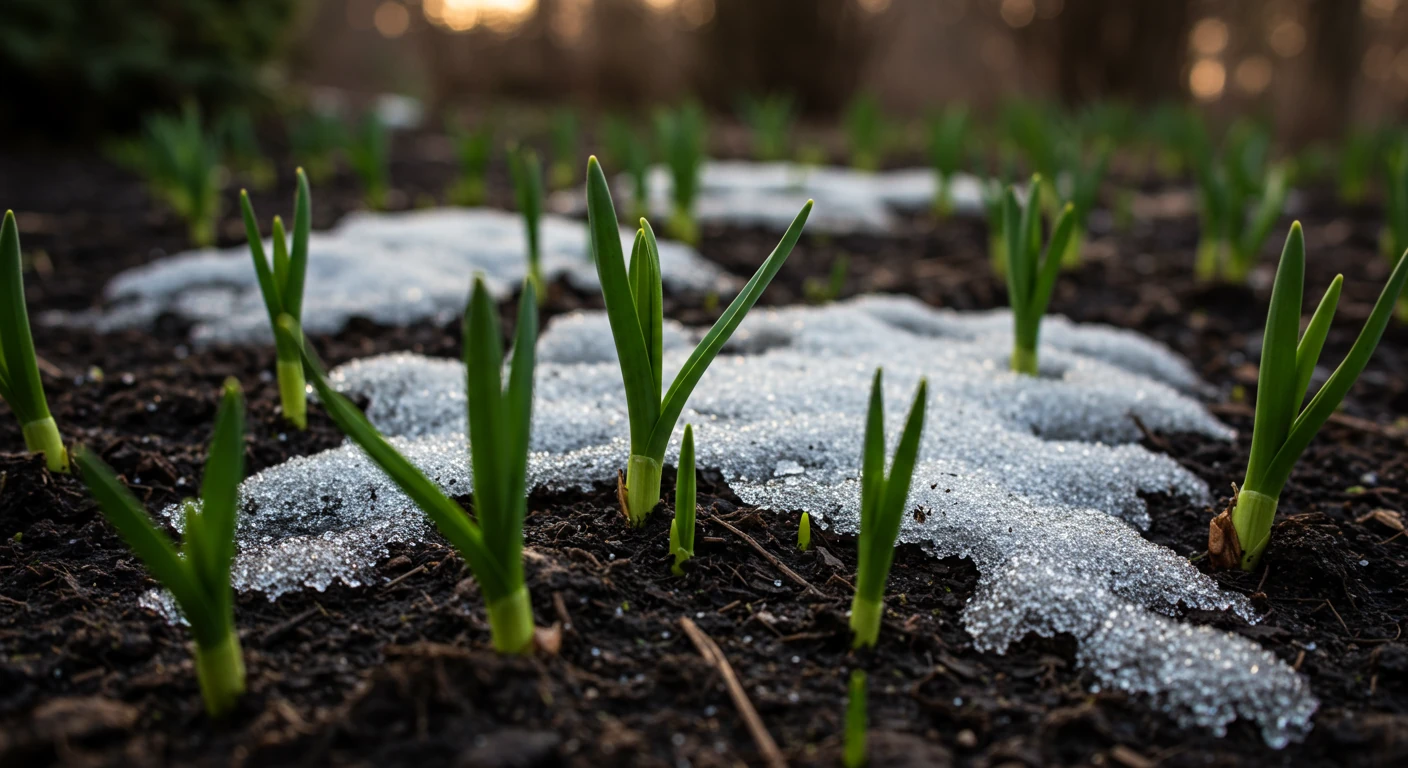
Even the toughest Spirea can get a bit... unruly over time. Without occasional pruning, they can become woody and dense in the middle, with fewer flowers mostly appearing on the outer edges. Think of it like a bad hair day, but for shrubs! Our Ottawa climate adds its own challenges. After the snow melts, performing a Manotick Spring Garden Scan for Winter Damage is crucial to spot any branches broken by snow load or suffering from dieback after a deep freeze. This old, unproductive wood needs removing to encourage vibrant new growth.

Soil can be another quirk. While Spirea aren't overly fussy, many Ottawa neighbourhoods deal with heavy clay soil. Ensuring good drainage is important, perhaps even considering techniques discussed in creating a Manotick Rain Garden for Clay Soil Drainage Solutions. Proper site selection and soil preparation give your Spirea the best start.

Regular pruning, whether it's a light shaping or a more drastic rejuvenation cut, keeps them vigorous and flowering beautifully. It prevents them from becoming leggy monsters and ensures sunlight reaches the centre of the plant. Think of it as preventative maintenance, much like preparing your garden beds during your Manotick Fall Cleanup and Winter Lawn Prep or even getting your water features ready with Manotick Fall Pond Prep Tips to Prevent Freeze Damage. Keeping up with these tasks, including Spirea pruning, is part of smart garden management. If tackling an overgrown shrub feels daunting, remember professional Landscaping and Garden Maintenance Services are always an option!

More Than Just a Haircut: The Real Benefits of Pruning Spirea

A vibrant image of a healthy, well-maintained Spirea shrub in full, glorious bloom, showcasing the positive results of proper pruning. This could be either a mounding type covered in pink flowers or an arching type laden with white blossoms, looking neat and full of life in a landscaped setting.

Okay, so we've established that your Spirea might need a trim, maybe even a serious intervention if it's gone a bit wild. But why actually bother sharpening those pruners? Is hacking away at your shrub really worth the effort? Absolutely! Pruning Spirea is far more than just a cosmetic touch-up; think of it as a vital health check and spa day rolled into one for your plant. Let’s break down the *real* benefits.

First off, let's talk *plant health*. When you prune, you're strategically removing the dead, the damaged, and the diseased wood. This does a couple of fantastic things. It stops potential problems from spreading and allows the plant to focus its energy on producing healthy, vibrant new growth instead of supporting weak or dying limbs. Plus, thinning out dense branches improves air circulation deep inside the shrub. Better airflow means less chance of fungal diseases setting up shop, which is a real plus in our sometimes humid Ottawa summers. It's like decluttering a room – suddenly, everything just breathes better!

Next up: the *flower power*! If you love those clouds of Spirea blossoms (and who doesn't?), regular pruning is your ticket to a better show. For summer-blooming varieties (like many Japanese Spirea), flowers form on *new* wood. Pruning in late winter or early spring encourages lots of that fresh growth, leading directly to more blooms. For the spring bloomers (like Bridal Wreath), pruning right *after* they flower prevents you from removing next year's buds while still tidying them up. Cutting out the oldest, least productive stems makes way for younger, more floriferous ones. Consistent pruning prevents that sad look where flowers only appear on the tips of long, bare stems.

And let’s not forget *shape and curb appeal*. Without pruning, Spirea can become leggy, lopsided, or develop a hollow centre. Regular trimming helps maintain a neat, attractive *shrub shape* that complements your *landscaping* design rather than detracting from it. Whether you want a tidy mound or graceful arches, pruning keeps your Spirea looking intentional and well-cared-for. In communities like Metcalfe, a well-maintained garden significantly boosts *curb appeal*. A neatly pruned Spirea is a small detail that contributes to that overall impression of a cherished home. Keeping shrubs tidy is often a key component of any regular city garden maintenance service. Properly disposing of the clippings afterwards is just as important for a clean look; it's part of the tidying process, much like the debris removal included in a Manotick yard cleanup service. If the whole property needs a refresh to match your revitalized shrubs, you might even consider a broader city property cleanup service. For homeowners focused on enhancing their home's exterior in specific areas, services like a Metcalfe property cleanup service can make a noticeable difference. Pruning is truly a fundamental part of the expert Landscaping and Garden Maintenance Services that keep Ottawa yards looking their best.

So, you see? Pruning isn't just about hacking back branches. It's about investing in the health, beauty, and longevity of your Spirea, contributing to a garden you can be proud of! You can find our quality work mentioned on our Google My Business page.

Comparing Pruning Methods

Light Annual Pruning

This is the standard maintenance for healthy Spirea. It involves removing about one-third of the oldest stems right down to the base, cutting out any dead or damaged wood, and lightly shaping the shrub. Timing depends on the bloom type (early spring for summer bloomers, after flowering for spring bloomers).

Goal: Maintain health, encourage steady blooms, keep shape.

Rejuvenation Pruning

Reserved for severely overgrown, woody, or underperforming shrubs. All stems are cut back hard to 6-12 inches from the ground in late winter/early spring. This stimulates vigorous new growth from the base.

Goal: Reset a neglected shrub, restore vigor. Note: May sacrifice blooms for the first year.

Shaping & Tidying

This involves selectively trimming stems to maintain the desired form (mound, arching, etc.) and removing stray or crossing branches. It's often done in conjunction with light annual pruning.

Goal: Improve appearance, maintain desired size and form.

Timing is Key: The Ottawa Spirea Pruning Calendar

Alright garden pals, let's talk timing! When it comes to pruning Spirea in Ottawa (and nearby spots like Winchester), hitting the right window is crucial. Our Zone 5a/5b climate means a shorter growing season, so giving your shrubs the snip at the wrong moment can mean fewer flowers or unnecessary stress for the plant. Think of it like trying to book a campsite on a long weekend – timing is everything! Mess it up, and you might be left out in the cold (or, in this case, with bloom-less bushes).

So, when *is* the right time? It depends entirely on *which* type of Spirea you have:

  • Summer-Blooming Spirea (Bloom on New Wood): Prune Late Winter/Early Spring
    • These are typically your Japanese and Bumald types ('Goldflame', 'Little Princess', 'Anthony Waterer'). They produce flowers on the growth that emerges *this* year.
    • The Ottawa Timing: Your prime pruning window is from late winter (think late March) into early spring (April, maybe early May), *before* the new leaves really start unfurling. You want to prune while the plant is still mostly dormant or just waking up.
    • Why: This encourages the plant to push out lots of fresh stems, which will carry that season's flowers. Pruning now removes winter damage and shapes the shrub for the season ahead. This often coincides nicely with general spring tidying, whether you're doing a DIY cleanup or hiring a professional city property cleanup service to get the whole yard ready.
  • Spring-Blooming Spirea (Bloom on Old Wood): Prune Immediately After Flowering
    • These are your classic Bridal Wreath types (S. vanhouttei, S. prunifolia) with those gorgeous cascading white flowers. They set their flower buds on *last* year's stems.
    • The Ottawa Timing: Wait until the flower show is over, usually sometime in late May or June depending on how our spring shapes up. Prune them *right after* the petals drop.
    • Why: If you prune these in early spring, you'll chop off all the flower buds! Waiting until after they bloom allows you to enjoy the flowers, then tidy up the shrub by removing the oldest canes and lightly shaping it without sacrificing next year's display.
  • Rejuvenation Pruning (The Big Chop): Late Winter/Early Spring
    • Sometimes, a Spirea gets so overgrown and woody that it needs a serious reset. This involves cutting the entire shrub down to about 6-12 inches from the ground.
    • The Ottawa Timing: The best time for this drastic measure is late winter or early spring, while the plant is dormant.
    • Why: The plant has stored energy in its roots and can handle the stress better during dormancy. It will rebound with vigorous new growth. *Important Note:* If you do this to a spring-blooming type, you *will* sacrifice that year's flowers, but it's often worth it for the long-term health and vigour of the plant. This kind of major overhaul can be part of larger garden Transformations. If you're unsure about such a drastic cut, getting advice from professionals, like those offering a Metcalf garden clean up service, can be helpful.

Pro Tip: Mark your calendar! Seriously, put a reminder on your phone or jot it down. After pruning, especially the spring cleanup for summer-bloomers, it’s a great time to tidy the base of the shrub. Applying fresh mulch after pruning not only looks neat but helps retain moisture – consider combining this with professional Mulching and Edging for a polished look. Getting the timing right is the secret handshake for happy, blooming Spirea in our region!

Visualizing Pruning Impact (Example)

Bloom Potential: Pruned vs. Unpruned

Annually Pruned
Unpruned (Old Wood)
Rejuvenated (Year 2+)

*Illustrative example of relative bloom density.*

Operation Rejuvenation: A Step-by-Step Guide to Renewing Old Spirea

A close-up photograph showing the base of a Spirea shrub immediately after a severe rejuvenation pruning. It should clearly show the thick, older stems cut cleanly down to about 6-10 inches from the ground, perhaps with mulch visible around the base. This illustrates the drastic 'Big Chop' described.

Okay, team, gather 'round! Is your beloved Spirea looking less like a garden feature and more like a twiggy explosion? Has it become so woody and overgrown that flowers are scarce? Don't despair! It’s time for Operation Rejuvenation – a drastic pruning method that can bring even the most tired-looking Spirea back to life. It might look scary at first (like giving someone a buzz cut!), but trust the process. Your shrub will thank you later.

When to Strike:

Remember our Ottawa Spirea Pruning Calendar? The *best* time for this major haircut is late winter or early spring (late March/April) while the plant is still dormant or just waking up. This gives it the whole growing season to recover. Doing this in, say, Barrhaven when the snow has just melted is perfect timing.

Your Mission Toolkit:

  • Safety First! Gloves (seriously, protect those hands) and safety glasses (flying twigs are no joke).
  • Clean, Sharp Tools: A sturdy pair of loppers for thicker stems and hand pruners for smaller ones. Ensure they're sharp for clean cuts – less damage means faster healing for the plant. A small pruning saw might be needed for ancient, thick branches. Consider selecting quality tools as part of your garden material selection.

Step-by-Step Rejuvenation:

  1. Assess the Situation: Take a good look. Yep, it's overgrown. Mentally prepare yourself – you're going to cut almost *everything* back.
  2. The Big Chop: Using your loppers or saw, start cutting *all* the stems back to about 6 to 12 inches (15-30 cm) from the ground. Yes, really! Cut just above an outward-facing bud if you can spot one, but don't stress too much about perfection here. The goal is to remove all the old, tired wood.
  3. Be Ruthless (but Cleanly): Work your way around the entire shrub. Aim for clean cuts – jagged edges can invite pests or disease. Remove any obviously dead wood right down to the base.
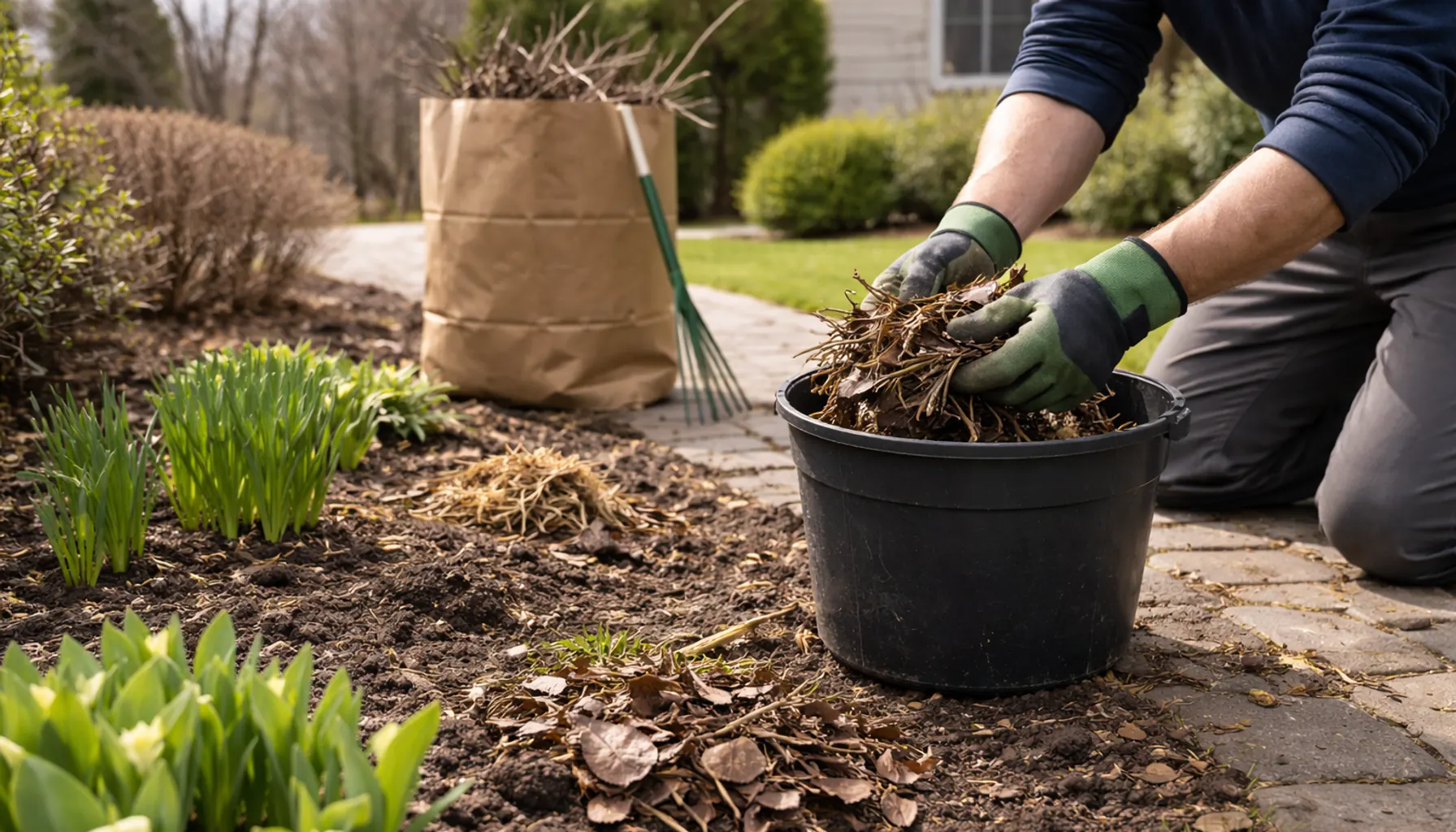
  4. Clean Up the Battlefield: Wow, that’s a lot of branches! Rake up all the cuttings. Leaving debris around the base isn't great for plant health. This kind of significant branch removal can generate a surprising amount of yard waste. If the task feels overwhelming, especially on a larger property, getting help from a service specializing in garden cleanups, like a Marionville garden clean up service, can be a lifesaver. For a full property tidy-up after major landscaping work, you might even consider a Marionville property cleanup service.
  5. Post-Op Care: Once the area is clean, give the remaining stubs a bit of encouragement. Apply a balanced fertilizer around the base (follow package directions) and water well. A layer of fresh mulch wouldn't hurt either.

Managing Expectations (Don't Panic!):

Right after pruning, your Spirea *will* look like a sad collection of sticks. This is normal! Have faith. Here’s a quick comparison:

FeatureRegular Annual PruningRejuvenation Pruning
GoalMaintain shape, encourage bloomsReset overgrown/woody shrub
Amount CutRemove ~1/3 old stems, shapeCut ALL stems to 6-12 inches
Initial LookTidier, shapedBare stumps
Year 1 BloomsNormal or improvedFew or none (especially spring bloomers)
ResultHealthy, steady growthVigorous new growth from base

Within weeks, you should see vigorous new shoots emerging from the base. By the end of the first summer, it will be a smaller, but much healthier looking shrub. Flowering might be reduced or absent the first year (especially for spring bloomers), but by year two, you should be rewarded with a revitalized, beautifully blooming Spirea!

If tackling this yourself feels too daunting, professional gardening services can handle it. When getting quotes, ensure you understand the scope of work. Always review the provider's policies; for example, you can usually find important details under sections like their Terms and Conditions. And if you've received an estimate from a service like ours, letting us know your thoughts helps us improve – feel free to provide Estimate Feedback.

Operation Rejuvenation is a powerful tool in your gardening arsenal. Be brave, make the cut, and watch your old Spirea spring back to life!

Ideal Spirea Care Timeline (Example)

Late Winter (Mar)

Assess winter damage. Prune summer-blooming varieties (Japanese, Bumald) & perform rejuvenation pruning if needed.

Spring (Apr-May)

Apply balanced fertilizer & fresh mulch around base after pruning. Monitor for new growth. Ensure adequate soil preparation benefits.

Late Spring/Early Summer (May-Jun)

Enjoy blooms! Prune spring-blooming varieties (Bridal Wreath) immediately after flowers fade.

Summer (Jul-Aug)

Water deeply during dry spells. Monitor for pests or diseases. Light shaping if needed, avoid heavy pruning on spring bloomers.

Fall (Sep-Oct)

General garden cleanup. Ensure good drainage before winter. Consider fall tasks like pond prep.

Green Pruning: Eco-Friendly Practices for Manotick Gardens

Alright, fellow Manotick gardeners, let's chat about pruning with a green thumb – and we mean *literally* green, as in eco-friendly! Giving your Spirea (or any shrub, really) a trim doesn't have to be wasteful. With a few thoughtful steps, your pruning routine can be as kind to the planet as it is beneficial for your plants. Think of it as giving your garden a spa day while giving Mother Nature a little nod of appreciation.

First up: your trusty tools. Keeping your pruners and loppers sharp and clean isn't just good for making precise cuts; it's eco-smart too! Clean cuts heal faster, making plants less vulnerable to disease and pests, which means less need for potentially harmful treatments down the road. A quick wipe-down after use, maybe with a bit of rubbing alcohol, does wonders. Happy plant, happy planet!

Now, what about all those clippings? Don't just stuff them in a plastic bag destined for the landfill – that's a garden crime! Smaller twigs and leaves are fantastic additions to your home compost bin, breaking down into nutrient-rich goodness for your garden beds. For the bigger branches that won't fit or break down easily, Ottawa's Green Bin program is your best friend. If you've done a *major* rejuvenation or garden overhaul, the amount of debris can be surprising. For those larger jobs, using a professional Ottawa yard cleanup service ensures everything is disposed of responsibly. Responsible disposal is key, whether you're tidying up in Manotick or need help with larger tasks requiring a Marionville yard cleanup service for properties in that area. Check local resources like the Canadian Organic Growers site for composting tips.

Eco-friendly pruning also thinks about water. By removing excess or dead foliage, you're actually helping your shrubs use water more efficiently – less plant mass means less water needed, which is great during our sometimes dry Ottawa summers. This ties into overall smart watering practices that benefit your entire landscape, contributing positively alongside thoughtful lawn care.

Finally, let's consider our buzzing buddies! Proper pruning, especially timed correctly, encourages more flowers – which means more food for bees and other pollinators. By maintaining healthy, blooming shrubs, you're contributing to a vibrant local ecosystem right here in Manotick and surrounding areas like Embrun. Local groups like the Ottawa Horticultural Society often have great resources on pollinator-friendly gardening. It’s a small but impactful part of creating a welcoming habitat, much like when planning a new pollinator-friendly garden install. See? Green pruning is simply smart gardening!

Spirea Success Secrets

Want your Spirea looking spiffy instead of shaggy? Keep these Ottawa-tested secrets up your gardening sleeve for landscaping success!

  • Know Your Bloom Time: Is it a summer bloomer (like 'Goldflame') or a spring stunner (like Bridal Wreath)? This dictates when you prune! Different types need different timing.
  • Timing is EVERYTHING: Summer bloomers = Late Winter/Early Spring snip (before leaves). Spring bloomers = Cut right after flowers fade. Mess this up in our Ottawa climate, and poof go next year's blooms!
  • Pruning Perks: It's not just a haircut! Pruning boosts shrub health by removing old wood, encourages way more flowers, and keeps your Spirea looking sharp in your garden.
  • Don't Fear the Chop: Got a gnarly, woody old beast? Cut it way back (to about 6-12 inches) in early spring for a total rejuvenation. It looks drastic, but it'll bounce back vigorously, promise!
  • Clean Cuts Rule: Always use sharp, clean pruners or loppers. Clean cuts heal faster and help prevent disease. Happy stems = happy shrubs.
  • Tidy Up Smart: Compost small clippings, and use Ottawa's Green Bin program for bigger branches. A neat garden bed makes your freshly pruned shrubs really pop! If the post-pruning cleanup feels like too much, especially after tackling several large shrubs in areas like Metcalfe, you can find help; check out Metcalfe Yard Cleanup Service Details.
  • Beyond the Bush: A tidy shrub contributes to great curb appeal, but it looks even better framed by a lush lawn. If bare patches near your spruced-up Spirea are cramping your style, consider refreshing the turf with professional sod installation for that perfect green backdrop.
  • Feeling Stumped? Sometimes, especially with a major rejuvenation or tricky shaping, it's best to call in the pros. If your Spirea situation feels more like a crisis than a quick trim, don't hesitate to Contact Us for Gardening Help. When you reach out, rest assured we handle your information carefully, as detailed in our Privacy Policy.

Manotick & Ottawa Spirea FAQs: Your Questions Answered

Great question! While a major rejuvenation cut isn't needed often, annual light pruning is key for most Spireas in Ottawa. For summer bloomers, a tidy-up in early spring encourages flowers. For spring bloomers, prune right after flowering. This keeps them shapely and blooming well. If annual pruning feels like too much, professional Garden Maintenance can keep your shrubs happy without you lifting a finger!

Oh no! Several things could be at play. Often, it's pruning timing – cutting spring bloomers too early removes buds. Lack of sun is another culprit; Spirea love sunshine! Also, really old, woody shrubs bloom less. A rejuvenation prune might be needed. Lastly, ensure it's getting enough water, especially during dry spells common in our region. Sometimes poor soil health contributes too.

Mostly, yes! Spirea are generally considered deer-resistant, which is a relief for gardeners in areas like Manotick or Greely where deer sometimes wander through our yards. While a *very* hungry deer might nibble almost anything (especially in a tough winter), Spirea isn't usually their first choice. They tend to prefer tastier treats like tulips or hostas. So, plant away!

Yes, you *can* transplant Spirea, but timing is crucial, especially with our Ottawa seasons. The best time is during dormancy – either early spring *before* new growth starts, or in the fall after leaves drop but before the ground freezes solid (usually mid-to-late October). Dig a wide root ball, water it well after moving, and expect some transplant shock. It might take a season to fully recover.

Ah, those sound like "suckers" or possibly "watersprouts." They're vigorous, often straight shoots popping up from the base or main stems, especially after heavy pruning or stress. Just prune them off right at their source whenever you see them. They sap energy and mess up the shrub's shape. Keeping up with this is part of regular upkeep, something often included in a thorough City Garden Clean Up Service.

That "Operation Rejuvenation" can create quite the pile! Small twigs can go in your compost or Ottawa Green Bin. For a large volume, bundling neatly for curbside pickup (check City rules!) is one option. If it's overwhelming, especially combined with other garden tasks, consider a Property Clean Up service. They handle the heavy lifting and disposal, leaving your yard tidy. Booking is easy, and you'll usually see a confirmation on our Thank You page afterwards.

Conclusion: Bring Your Manotick Spirea Back to Brilliant Bloom

Phew! Bringing that wild Manotick Spirea back from the brink might seem daunting, but armed with the right know-how, you're ready for action. Remember, understanding whether your shrub blooms on old or new wood dictates the *perfect* pruning time here in Ottawa. Whether you're doing a light shaping or a full-on "Operation Rejuvenation" chop, those clean cuts encourage vibrant new growth, leading to healthier plants and, best of all, *way more flowers*! A well-pruned Spirea doesn't just look better; it boosts your home's curb appeal and contributes to a thriving garden landscape.

Feeling a bit overwhelmed by the prospect of wielding the loppers, or maybe just the cleanup afterwards? Hey, we get it! Sometimes life gets busy, or a gardening task feels too big. If tackling those overgrown shrubs or the resulting branch pile feels like more than you want to handle, remember professional help is available. You can learn more about who we are and our approach to making yards beautiful. Our team offers an expert Ottawa garden clean up service perfect for getting specific garden beds back in shape. For a more extensive tidy-up covering the entire property, consider our comprehensive Ottawa property cleanup service. We even provide a dedicated city yard cleanup service for urban properties needing a refresh. Let's get those Manotick Spirea looking brilliant again!

Ready to Revive Your Spirea? Contact Us Today!

So, you've learned all about bringing your Spirea back from the brink – the why, the when, the how. Feeling energized and ready to grab those loppers? Fantastic! But maybe, just maybe, you looked at that tangled shrub again and thought, "You know what? Wrestling those branches sounds less like fun gardening and more like an extreme sport." Or perhaps your schedule is just jam-packed. No sweat! That's exactly why we're here.

If your Spirea bushes are looking a little wild, woody, or just plain underwhelming, let our friendly team handle the *shrub pruning* heavy lifting. We love transforming tired twigs into terrific-looking plants! Getting professional *Spirea care* means you get all the benefits – healthier shrubs, more blooms, better shape – without breaking a sweat (or accidentally pruning off next year's flowers!). It's one less thing on your *gardening* to-do list.

We offer expert *landscaping* and garden maintenance services across the Ottawa region, including neighbourhoods like:

  • Manotick
  • Barrhaven
  • Greely
  • Nepean
  • Osgoode
  • Metcalfe
  • Richmond
  • And surrounding areas!

Ready to see your Spirea looking its best? It’s super easy to get started. Reach out to us for a free, no-obligation quote or consultation. We can chat about your specific shrubs, figure out the best plan of action (whether it's a gentle shaping or a full rejuvenation), and get your garden back on track.

Here’s how to connect with our team:

Don't let unruly Spirea spoil your beautiful Ottawa landscape. Give those pruners a rest and let us bring the beauty back to your bushes. Contact us today – we can’t wait to help your garden shine!

// Self-contained JavaScript within the wrapper scope document.addEventListener('DOMContentLoaded', function() { 'use strict';// Select elements within the container to avoid conflicts const container = document.getElementById('spirea-article-container'); if (!container) { console.error("Article container not found!"); return; }// --- Progress Bar --- const progressBar = container.querySelector('#progress-bar'); const body = document.body; const html = document.documentElement;function updateProgressBar() { const scrollTotal = Math.max(body.scrollHeight, body.offsetHeight, html.clientHeight, html.scrollHeight, html.offsetHeight) - html.clientHeight; const scrolled = window.scrollY || window.pageYOffset || document.documentElement.scrollTop; const progress = (scrolled / scrollTotal) * 100; if (progressBar) { progressBar.style.width = Math.min(progress, 100) + '%'; } }// --- Back to Top Button --- const backToTopButton = container.querySelector('#back-to-top'); const showButtonOffset = 300; // Pixels scrolled before showing buttonfunction toggleBackToTopButton() { if (backToTopButton) { if ((window.scrollY || window.pageYOffset || document.documentElement.scrollTop) > showButtonOffset) { backToTopButton.classList.add('show'); } else { backToTopButton.classList.remove('show'); } } }if (backToTopButton) { backToTopButton.addEventListener('click', () => { window.scrollTo({ top: 0, behavior: 'smooth' }); }); }// Add scroll listeners for Progress Bar and Back to Top window.addEventListener('scroll', () => { updateProgressBar(); toggleBackToTopButton(); }); // Initial calls updateProgressBar(); toggleBackToTopButton();// --- Collapsible Sections (FAQ) --- const faqToggles = container.querySelectorAll('.faq-question');faqToggles.forEach(toggle => { toggle.addEventListener('click', function() { const answer = this.nextElementSibling; const isOpen = this.classList.contains('active');// Close all other answers (optional accordion behavior) // faqToggles.forEach(otherToggle => { // if (otherToggle !== this && otherToggle.classList.contains('active')) { // otherToggle.classList.remove('active'); // otherToggle.nextElementSibling.style.maxHeight = null; // otherToggle.nextElementSibling.classList.remove('open'); // } // });this.classList.toggle('active'); answer.classList.toggle('open');if (answer.classList.contains('open')) { // Set max-height to scrollHeight for smooth opening answer.style.maxHeight = answer.scrollHeight + 'px'; } else { // Set max-height to 0 for smooth closing answer.style.maxHeight = null; // Use null instead of '0px' for transition } }); });// --- Tab Interface --- const tabContainers = container.querySelectorAll('.tab-container');tabContainers.forEach(tabContainer => { const tabButtons = tabContainer.querySelectorAll('.tab-button'); const tabContents = tabContainer.querySelectorAll('.tab-content');tabButtons.forEach(button => { button.addEventListener('click', () => { const targetTabId = button.getAttribute('data-tab');// Deactivate all buttons and contents within this container tabButtons.forEach(btn => btn.classList.remove('active')); tabContents.forEach(content => content.classList.remove('active'));// Activate clicked button and corresponding content button.classList.add('active'); const targetContent = tabContainer.querySelector(`#${targetTabId}`); if (targetContent) { targetContent.classList.add('active'); } }); }); });// --- Animated Bar Chart --- const chart = container.querySelector('#pruning-chart'); if (chart) { const bars = chart.querySelectorAll('.bar');const observerOptions = { root: null, // relative to document viewport rootMargin: '0px', threshold: 0.5 // Trigger when 50% of the chart is visible };const observerCallback = (entries, observer) => { entries.forEach(entry => { if (entry.isIntersecting) { bars.forEach(bar => { const height = bar.getAttribute('data-height') || '0'; bar.style.height = height + '%'; }); observer.unobserve(chart); // Stop observing once animated } }); };const chartObserver = new IntersectionObserver(observerCallback, observerOptions); chartObserver.observe(chart); }}); // End DOMContentLoaded
Share This Article
Facebook
X
Pinterest
Email
Print

Thank you for sharing!

Contact Us Today

To request a quote, kindly fill out the form below.

Where Can we Reach you?
Which Service Do You Require? (Click all that apply)
Provide a Breif Description of The Work You'd Like Done

Before You Go

We’re confident in our services, we offer a 30-day money-back guarantee. Not 100% satisfied? We’ll swiftly refund all labor costs. Your satisfaction is our top priority!

Get in touch today for expert service and satisfaction guaranteed. You won't regret it!

Where Can we Reach you?
Which Service Do You Require? (Click all that apply)
Provide a Breif Description of The Work You'd Like Done
Where Can we Reach you?
Which Service Do You Require? (Click all that apply)
Provide a Breif Description of The Work You'd Like Done
Where Can we Reach you?
Which Service Do You Require? (Click all that apply)
Provide a Breif Description of The Work You'd Like Done