/* CSS Reset & Base Styles */ *, *::before, *::after { box-sizing: border-box; margin: 0; padding: 0; }/* Brand Colors */ :root { --brand-primary: #93C020; /* Bright Green */ --brand-secondary: #287734; /* Darker Green */ --brand-accent: #B7FE00; /* Lime Accent */ --brand-dark: #2D2C2C; /* Dark Grey */ --brand-black: #000000; --brand-light-grey: #EBEBEB; --brand-white: #FFFFFF; --text-color: #333; --border-color: #ccc; --link-color: #287734; --link-hover-color: #93C020; }/* Ensure CSS is self-contained within .article-scope */ .article-scope { font-family: -apple-system, BlinkMacSystemFont, "Segoe UI", Roboto, Helvetica, Arial, sans-serif, "Apple Color Emoji", "Segoe UI Emoji", "Segoe UI Symbol"; font-size: 16px; line-height: 1.6; color: var(--text-color); background-color: var(--brand-white); /* Ensure background is white */ }/* Progress Bar */ #progressBarContainer { position: fixed; top: 0; left: 0; width: 100%; height: 5px; background-color: var(--brand-light-grey); z-index: 1000; }#progressBar { height: 100%; width: 0%; background-color: var(--brand-primary); transition: width 0.1s linear; }/* Main Content Container */ .article-scope .article-container { max-width: 800px; margin: 40px auto 20px; /* Added top margin for progress bar */ padding: 20px; background-color: var(--brand-white); }/* Headings */ .article-scope h1, .article-scope h2, .article-scope h3, .article-scope h4 { color: var(--brand-dark); margin-bottom: 1em; margin-top: 1.5em; line-height: 1.3; font-weight: 600; }.article-scope h1 { font-size: 2.2em; border-bottom: 2px solid var(--brand-primary); padding-bottom: 0.3em; margin-top: 0; /* Remove top margin for main H1 */ }.article-scope h2 { font-size: 1.8em; color: var(--brand-secondary); }.article-scope h3 { font-size: 1.4em; }/* Paragraphs */ .article-scope p { margin-bottom: 1em; }/* Links */ .article-scope a { color: var(--link-color); text-decoration: none; transition: color 0.3s ease; }.article-scope a:hover, .article-scope a:focus { color: var(--link-hover-color); text-decoration: underline; }/* Lists */ .article-scope ul, .article-scope ol { margin-bottom: 1em; padding-left: 1.5em; } .article-scope li { margin-bottom: 0.5em; }/* Images & Figures */ .article-scope figure { margin: 25px auto; text-align: center; } .article-scope figure img { max-width: 100%; height: auto; border-radius: 5px; box-shadow: 0 2px 5px rgba(0,0,0,0.1); } .article-scope figure figcaption { font-size: 13px; color: #777; margin-top: 5px; }/* Highlight Box */ .article-scope .highlight-box { background-color: var(--brand-light-grey); border-left: 5px solid var(--brand-primary); padding: 15px 20px; margin: 2em 0; border-radius: 0 5px 5px 0; } .article-scope .highlight-box h3 { margin-top: 0; color: var(--brand-secondary); } .article-scope .highlight-box ul { padding-left: 1em; }/* CTA Button */ .article-scope .cta-button-container { text-align: center; margin: 2em 0; } .article-scope .cta-button { display: inline-block; background-color: var(--brand-primary); color: var(--brand-white); padding: 12px 25px; border-radius: 5px; text-decoration: none; font-weight: bold; transition: background-color 0.3s ease, transform 0.2s ease; border: none; cursor: pointer; font-size: 1.1em; } .article-scope .cta-button:hover, .article-scope .cta-button:focus { background-color: var(--brand-secondary); color: var(--brand-white); text-decoration: none; transform: translateY(-2px); }/* Back to Top Button */ #backToTopBtn { display: none; /* Hidden by default */ position: fixed; bottom: 20px; right: 20px; z-index: 99; border: none; outline: none; background-color: var(--brand-secondary); color: var(--brand-white); cursor: pointer; padding: 10px 15px; border-radius: 50%; font-size: 18px; opacity: 0.8; transition: opacity 0.3s ease, background-color 0.3s ease; width: 50px; height: 50px; line-height: 30px; /* Adjust for icon centering */ text-align: center; }#backToTopBtn:hover { background-color: var(--brand-primary); opacity: 1; }/* Tab Interface */ .article-scope .tabs-container { margin: 2em 0; border: 1px solid var(--border-color); border-radius: 5px; overflow: hidden; /* Contains floats and rounds corners */ } .article-scope .tab-buttons { display: flex; background-color: var(--brand-light-grey); border-bottom: 1px solid var(--border-color); flex-wrap: wrap; /* Allow tabs to wrap on small screens */ } .article-scope .tab-button { padding: 10px 15px; cursor: pointer; border: none; background-color: transparent; font-size: 1em; flex-grow: 1; /* Allow buttons to share space */ text-align: center; transition: background-color 0.3s ease, color 0.3s ease; border-right: 1px solid var(--border-color); /* Separator */ color: var(--brand-dark); } .article-scope .tab-button:last-child { border-right: none; } .article-scope .tab-button.active { background-color: var(--brand-primary); color: var(--brand-white); font-weight: bold; border-bottom: 2px solid var(--brand-secondary); /* Active indicator */ margin-bottom: -1px; /* Overlap border */ } .article-scope .tab-button:hover:not(.active) { background-color: #ddd; } .article-scope .tab-content { padding: 20px; display: none; /* Hidden by default */ animation: fadeIn 0.5s ease; } .article-scope .tab-content.active { display: block; } @keyframes fadeIn { from { opacity: 0; } to { opacity: 1; } }/* Collapsible Sections (FAQ) */ .article-scope .faq-item { border-bottom: 1px solid var(--border-color); margin-bottom: 10px; } .article-scope .faq-item:last-child { border-bottom: none; } .article-scope .faq-toggle { background-color: transparent; border: none; width: 100%; text-align: left; padding: 15px 10px; font-size: 1.1em; font-weight: bold; cursor: pointer; color: var(--brand-secondary); position: relative; transition: background-color 0.3s ease; } .article-scope .faq-toggle::after { content: '+'; font-size: 1.5em; position: absolute; right: 15px; top: 50%; transform: translateY(-50%); transition: transform 0.3s ease; color: var(--brand-primary); } .article-scope .faq-toggle.active::after { content: '−'; transform: translateY(-50%) rotate(180deg); } .article-scope .faq-toggle:hover { background-color: var(--brand-light-grey); } .article-scope .faq-content { max-height: 0; overflow: hidden; transition: max-height 0.5s ease-out, padding 0.5s ease-out; background-color: var(--brand-white); padding: 0 15px; /* Initially no vertical padding */ } .article-scope .faq-content.active { padding: 15px; /* Add padding when active */ max-height: 500px; /* Adjust as needed for content */ transition: max-height 0.5s ease-in, padding 0.5s ease-in; } .article-scope .faq-content p { margin-bottom: 0; /* Remove default bottom margin */ }/* Bar Chart Visualization */ .article-scope .chart-container { width: 100%; max-width: 600px; margin: 2em auto; padding: 20px; border: 1px solid var(--border-color); border-radius: 5px; background-color: var(--brand-light-grey); } .article-scope .chart-title { text-align: center; margin-bottom: 20px; font-size: 1.2em; color: var(--brand-dark); font-weight: bold; } .article-scope .chart { display: flex; justify-content: space-around; align-items: flex-end; /* Align bars at the bottom */ height: 250px; /* Adjust height as needed */ border-bottom: 2px solid var(--brand-dark); position: relative; /* For labels */ } .article-scope .chart-bar { width: 15%; /* Adjust width based on number of bars */ background-color: var(--brand-secondary); height: 0; /* Initial height for animation */ transition: height 1s ease-out; position: relative; border-radius: 3px 3px 0 0; } .article-scope .chart-bar.animate { /* Height set by JS */ } .article-scope .bar-label { position: absolute; bottom: -25px; /* Position below the bar */ left: 50%; transform: translateX(-50%); font-size: 0.9em; color: var(--brand-dark); white-space: nowrap; } .article-scope .bar-value { position: absolute; top: -20px; /* Position above the bar */ left: 50%; transform: translateX(-50%); font-size: 0.9em; color: var(--brand-primary); font-weight: bold; opacity: 0; transition: opacity 0.5s ease-in 1s; /* Fade in after animation */ } .article-scope .chart-bar.animate .bar-value { opacity: 1; }/* Timeline Component */ .article-scope .timeline { position: relative; max-width: 700px; margin: 3em auto; padding: 20px 0; } .article-scope .timeline::before { content: ''; position: absolute; top: 0; bottom: 0; left: 50%; width: 3px; background-color: var(--brand-primary); margin-left: -1.5px; /* Center the line */ } .article-scope .timeline-item { padding: 10px 40px; position: relative; background-color: inherit; width: 50%; margin-bottom: 20px; } .article-scope .timeline-item::after { /* The circle on the timeline */ content: ''; position: absolute; width: 15px; height: 15px; right: -8.5px; /* Adjust to center on line */ background-color: var(--brand-white); border: 4px solid var(--brand-secondary); top: 15px; border-radius: 50%; z-index: 1; } .article-scope .timeline-item.left { left: 0; padding-right: 20px; /* Add space from center line */ } .article-scope .timeline-item.right { left: 50%; padding-left: 60px; /* Move content past the center line + padding */ } .article-scope .timeline-item.right::after { left: -8.5px; /* Adjust position for right items */ } .article-scope .timeline-content { padding: 15px 20px; background-color: var(--brand-light-grey); position: relative; border-radius: 6px; border: 1px solid var(--border-color); } .article-scope .timeline-content h3 { margin-top: 0; color: var(--brand-secondary); font-size: 1.2em; }/* Responsive Table */ .article-scope .responsive-table-container { overflow-x: auto; /* Enable horizontal scroll on small screens */ margin: 2em 0; border: 1px solid var(--border-color); border-radius: 5px; } .article-scope table { width: 100%; border-collapse: collapse; min-width: 500px; /* Minimum width before scrolling */ } .article-scope th, .article-scope td { padding: 12px 15px; text-align: left; border-bottom: 1px solid var(--border-color); } .article-scope th { background-color: var(--brand-light-grey); color: var(--brand-dark); font-weight: bold; } .article-scope tr:last-child td { border-bottom: none; } .article-scope tr:nth-child(even) { background-color: #f9f9f9; } .article-scope tr:hover { background-color: #f1f1f1; }/* Summary/Snippet Box */ .article-scope .summary-box { background-color: #f0fff0; /* Light green background */ border: 1px solid var(--brand-secondary); border-left: 5px solid var(--brand-secondary); padding: 15px 20px; margin: 1.5em 0; border-radius: 0 5px 5px 0; } .article-scope .summary-box h3 { margin-top: 0; color: var(--brand-dark); font-size: 1.2em; } .article-scope .summary-box ul { padding-left: 1em; margin-bottom: 0; }/* Responsive Adjustments */ @media (max-width: 768px) { .article-scope h1 { font-size: 1.8em; } .article-scope h2 { font-size: 1.5em; } .article-scope h3 { font-size: 1.2em; } .article-scope .article-container { padding: 15px; margin: 30px auto 15px; }/* Timeline adjustments */ .article-scope .timeline::before { left: 20px; /* Move line to the left */ margin-left: 0; } .article-scope .timeline-item { width: 100%; padding-left: 60px; /* Space for content */ padding-right: 15px; left: 0 !important; /* Override inline style */ margin-bottom: 30px; /* Increase spacing */ } .article-scope .timeline-item::after { left: 12.5px; /* Position circle on the left line */ } .article-scope .timeline-item.right { left: 0; /* Stack all items */ padding-left: 60px; /* Consistent padding */ } .article-scope .timeline-item.right::after { left: 12.5px; /* Keep circle on the left */ }/* Tab button adjustments */ .article-scope .tab-button { flex-basis: 50%; /* Two tabs per row on smaller screens */ border-right: none; /* Remove vertical borders */ border-bottom: 1px solid var(--border-color); /* Add horizontal separators */ } .article-scope .tab-button:nth-child(odd) { border-right: 1px solid var(--border-color); /* Add border between pairs */ } .article-scope .tab-button.active { border-bottom: 2px solid var(--brand-secondary); /* Ensure active indicator remains */ }/* Chart adjustments */ .article-scope .chart { height: 200px; } .article-scope .bar-label { font-size: 0.8em; bottom: -20px;} .article-scope .bar-value { font-size: 0.8em; top: -18px;} }@media (max-width: 480px) { .article-scope h1 { font-size: 1.6em; } .article-scope h2 { font-size: 1.3em; } .article-scope .article-container { padding: 10px; margin: 20px auto 10px; } #backToTopBtn { bottom: 10px; right: 10px; padding: 8px 12px; width: 40px; height: 40px; line-height: 24px; font-size: 16px;} .article-scope .cta-button { padding: 10px 20px; font-size: 1em; } .article-scope .tab-button { flex-basis: 100%; border-right: none; } /* Stack tabs vertically */ .article-scope .tab-button:nth-child(odd) { border-right: none; } } { "@context": "https://schema.org", "@type": "Article", "headline": "Divide Russell Ornamental Grass: Stop Center Die-Out", "author": { "@type": "Organization", "name": "Clean Yards", "url": "https://cleanyards.ca/" }, "image": [ "https://cleanyards.ca/wp-content/uploads/2025/04/Top_down_photograph_of_a_large_1220.webp", "https://cleanyards.ca/wp-content/uploads/2025/03/Flat_lay_photograph_of_essenti_7251.webp", "https://cleanyards.ca/wp-content/uploads/2025/04/Close_up__ground_level_photogr_9718.webp" ], "datePublished": "2024-05-15", "dateModified": "2024-05-15", "description": "A comprehensive guide for Ottawa gardeners on how to divide mature ornamental grass, like Russell varieties, to combat center die-out and promote healthy growth. Includes timing, tools, step-by-step instructions, and care tips.", "publisher": { "@type": "Organization", "name": "Clean Yards", "logo": { "@type": "ImageObject", "url": "https://cleanyards.ca/wp-content/uploads/2024/04/Clean-Yards-Landscape-Maintenance-Logo-Icon.svg" } }, "mainEntityOfPage": { "@type": "WebPage", "@id": "https://cleanyards.ca/blog/divide-russell-ornamental-grass-stop-center-die-out/" } } { "@context": "https://schema.org", "@type": "HowTo", "name": "How to Divide Ornamental Grass", "description": "Step-by-step guide to dividing mature ornamental grass clumps to prevent center die-out and rejuvenate the plant.", "estimatedCost": { "@type": "MonetaryAmount", "currency": "CAD", "value": "0" }, "supply": [ { "@type": "HowToSupply", "name": "Sharp Spade or Shovel" }, { "@type": "HowToSupply", "name": "Heavy-Duty Cutting Tool (Garden Knife, Saw, Axe)" }, { "@type": "HowToSupply", "name": "Pruning Shears or Loppers" }, { "@type": "HowToSupply", "name": "Tarp or Wheelbarrow" }, { "@type": "HowToSupply", "name": "Gardening Gloves" }, { "@type": "HowToSupply", "name": "Watering Can or Hose" }, { "@type": "HowToSupply", "name": "Compost (for amending soil)" }, { "@type": "HowToSupply", "name": "Mulch" } ], "tool": [ { "@type": "HowToTool", "name": "Spade/Shovel" }, { "@type": "HowToTool", "name": "Cutting Tool" }, { "@type": "HowToTool", "name": "Pruners/Loppers" }, { "@type": "HowToTool", "name": "Gloves" } ], "step": [ { "@type": "HowToStep", "name": "Give it a Haircut", "text": "Trim back the grass foliage to about 15-20 cm (6-8 inches) to make the clump easier to handle and see the base.", "url": "#step-1-haircut", "position": 1 }, { "@type": "HowToStep", "name": "Dig Around the Clump", "text": "Use a sharp spade to dig a circle around the clump, about 15-20 cm out from the base, cutting through the roots.", "url": "#step-2-dig", "position": 2 }, { "@type": "HowToStep", "name": "Lift the Beast", "text": "Use the spade or a garden fork as a lever to pry the entire root ball out of the ground.", "url": "#step-3-lift", "position": 3 }, { "@type": "HowToStep", "name": "The Great Divide", "text": "Lay the clump on its side. Use a sharp tool (spade, knife, saw) to cut healthy outer sections away from the old, woody center.", "url": "#step-4-divide", "image": "https://cleanyards.ca/wp-content/uploads/2025/04/Close_up__ground_level_photogr_9718.webp", "position": 4 }, { "@type": "HowToStep", "name": "Tidy Up Divisions", "text": "Trim any damaged roots or dead foliage from the new divisions. Discard the old center.", "url": "#step-5-tidy", "position": 5 }, { "@type": "HowToStep", "name": "Replant", "text": "Plant the healthy divisions in prepared holes at the same depth they were originally growing. Backfill with amended soil.", "url": "#step-6-replant", "position": 6 }, { "@type": "HowToStep", "name": "Water Thoroughly", "text": "Give each new division a deep watering immediately after planting to settle the soil and reduce transplant shock. Keep moist for several weeks.", "url": "#step-7-water", "position": 7 }, { "@type": "HowToStep", "name": "Mulch", "text": "Apply a 5-7 cm layer of organic mulch around the base of each division, keeping it slightly away from the stems.", "url": "#step-8-mulch", "image": "https://cleanyards.ca/wp-content/uploads/2025/04/Close_up_photograph_of_a_newly_2441.webp", "position": 8 } ] } { "@context": "https://schema.org", "@type": "FAQPage", "mainEntity": [ { "@type": "Question", "name": "I missed the early spring window! Is it really too late to divide my ornamental grass in Ottawa now?", "acceptedAnswer": { "@type": "Answer", "text": "Ideally, late April to May is the best time in Ottawa. Dividing later, especially into June, increases heat stress risk. If you must divide later, be extra diligent with watering and consider providing afternoon shade. Waiting until next spring is generally safer." } }, { "@type": "Question", "name": "How often do I actually need to divide my ornamental grasses?", "acceptedAnswer": { "@type": "Answer", "text": "Not every year! Most ornamental grasses benefit from division every 3 to 5 years, or when you notice signs like center die-out (the 'doughnut hole'), weaker growth, or reduced flowering. If it looks healthy, leave it be." } }, { "@type": "Question", "name": "My garden in Greely has heavy clay soil. Will my newly divided grasses even survive?", "acceptedAnswer": { "@type": "Answer", "text": "Yes, they can thrive! The key is soil amendment. Mix generous amounts of compost into the planting hole before replanting. This improves drainage and aeration in heavy clay. Ensure proper planting depth and water appropriately." } }, { "@type": "Question", "name": "How can I minimize transplant shock for my grass divisions?", "acceptedAnswer": { "@type": "Answer", "text": "Divide on a cool, overcast day. Water the parent plant well the day before. Handle divisions gently, avoid damaging roots excessively, and replant them quickly. Water thoroughly immediately after planting." } }, { "@type": "Question", "name": "What should I do with the old, dead center part I removed?", "acceptedAnswer": { "@type": "Answer", "text": "If it appears disease-free, chop it up and add it to your compost pile. Otherwise, dispose of it in your City of Ottawa Green Bin. For large amounts, consider a yard waste removal service like a City yard cleanup service." } }, { "@type": "Question", "name": "Will dividing my grass make it less likely to survive an Ottawa winter?", "acceptedAnswer": { "@type": "Answer", "text": "Dividing in spring actually improves long-term health and winter hardiness by creating vigorous new plants. It's late fall division that's risky. Ensure spring divisions are well-watered to establish roots before winter. For more questions, feel free to contact us." } } ] }

Divide Russell Ornamental Grass: Stop Center Die-Out

Is your ornamental grass looking tired? Get professional help!

Request a Quote Today!

Quick Guide to Dividing Ornamental Grass:

  • Why Divide? Prevents the common 'doughnut' look (center die-out) in mature grasses.
  • When? Best time in Ottawa is *late spring* (late April-May) as new growth appears.
  • How? Dig up the clump, separate healthy outer sections, discard the old center, replant divisions.
  • Key Care: Water new divisions thoroughly and keep moist; mulch well.

Introduction: Give Your Russell Ornamental Grass a New Lease on Life!

Hey Ottawa gardeners! Ever gaze out at your magnificent Russell Ornamental Grass, perhaps waving proudly in your yard in Greely or even Russell itself, and notice something… a little off? Is that once-perfect clump starting to resemble a grassy donut – lush around the edges but looking a bit tired and sparse in the middle? Don't fret; your grass isn't developing a permanent bald spot! This phenomenon, known charmingly (or not so charmingly) as "center die-out," is quite common for mature ornamental grasses as they age.

Think of it as your grass signaling it needs a refresh, a sort of spa day for its roots. Over time, the oldest part of the plant (the center) just runs out of steam and resources, while the younger, outer growth keeps going strong. It happens to the best of them!

The fantastic news is there’s a straightforward solution used in landscaping everywhere to fix this: division. By splitting up that established clump and replanting the healthy outer sections, you essentially give your Russell Ornamental Grass a complete reboot. It’s like hitting the reset button, encouraging vibrant, healthy new growth all over again. This simple gardening task can turn that tired clump back into the stunning focal point it deserves to be. Ready to learn how to banish the donut look and rejuvenate your favourite grass? Let's get our gardening gloves on!

Why Your Favourite Grass Looks Like a Doughnut (Understanding Center Die-Out)

A clear visual example of center die-out in a mature ornamental grass clump. The image should show a distinct ring of healthy green growth around the edges, contrasting sharply with a sparse, brown, or even bare patch in the very center of the clump. This helps readers immediately visualize the problem being discussed.
Center die-out: healthy outer ring, tired inner core.

Okay, let's talk about that grassy doughnut situation. You look out at your beautiful ornamental grass, maybe a stunning Feather Reed Grass catching the breeze in your Barrhaven backyard, and notice it – a thriving ring of green with a distinctly less happy, sometimes even bare, patch right in the middle. Why the hole? Is your grass secretly craving a coffee break? Not quite, but it is telling you something important about its life cycle.

It boils down to how these types of grasses grow and age. Most popular ornamental grasses are clump-forming. This means they start from a central point, called the crown, and expand outwards year after year. New growth emerges from the edges of this crown, pushing the clump wider and making it look fuller. Think of it like ripples expanding on a pond – always moving outwards.

Now, while the outer edges are full of youthful vigour, launching fresh new blades, the original center of the plant is getting on in years. After several seasons, this central part of the crown becomes older, woodier, and much more crowded. The roots in this central zone become less efficient at absorbing water and nutrients from the soil. At the same time, the vibrant outer growth is hogging the sunlight and grabbing all the best resources. It’s like the older generation getting squeezed out by the energetic youngsters! Eventually, this old, congested center just runs out of steam and begins to die back, leaving you with that characteristic bare spot.

Our lovely Ottawa climate, with its cold winters and sometimes dramatic freeze-thaw cycles like we see in areas from Greely to Manotick, can also play a role. These conditions can put extra stress on the mature, less vigorous central crown, potentially speeding up the die-out process. Soil compaction over time can also make it tougher for those central roots to thrive. Consider improving your garden beds with proper soil preparation techniques.

But hey, don't despair! This is a completely natural aging process for clumping grasses and many other perennials. It's not a sign of neglect, just a signal that it's time for a refresh. It's similar to why other garden favourites benefit from being split up periodically. For example, understanding the right time is crucial when you divide peonies in Kars to avoid bloom loss, ensuring you don't sacrifice next year's beauty. Likewise, learning how to properly divide hostas in Kars during the fall helps prevent crown rot, another issue that impacts the central health of a plant.

The fix? Division! This gardening technique is the perfect solution. By digging up the clump and splitting it, you remove the old, tired center and replant the healthy, vigorous outer sections. It’s a fantastic strategy explained well in resources like this Winchester guide to dividing perennials in the fall. Performing this task helps maintain overall garden vigor, as seen when dividing perennials in Richmond during the fall.

Feeling a bit intimidated by the thought of wrestling a giant grass clump out of the ground? No problem! Expert landscaping and garden maintenance services are available right here in the Ottawa area to help rejuvenate your grasses and keep your garden looking its best. Check out our reviews on Google My Business!

Timing is Everything: When to Divide Grasses in Ottawa's Climate

Alright, let's talk timing! When it comes to dividing your ornamental grasses, especially here in Ottawa with our distinct seasons, picking the right moment is key to success. Your grass isn't exactly checking its watch, but dividing it at the wrong time can stress it out or even hinder its survival. So, when is the best time to grab that shovel?

Spring: The Prime Time for Division

For gardeners in Ottawa and surrounding areas like Greely (Zone 5a/4b), spring is overwhelmingly the best season to divide most ornamental grasses. Think late April to late May, just as you see those first signs of new green shoots emerging from the base, but before the plant puts on significant height.

Why spring?

  • Cooler Temps & Moisture: The weather is generally cooler and the soil often retains more moisture, reducing transplant shock. Reputable sources like the Ottawa Horticultural Society often provide seasonal advice.
  • Active Growth: The grass is naturally kicking into gear, ready to push out new roots and leaves. It has the entire growing season ahead to recover and establish itself before facing winter again.
  • Energy Reserves: The plant is using its stored energy to produce new growth, making it a resilient time for division.

This timing often coincides nicely with other spring yard tasks. Maybe while you're tidying up beds, possibly even engaging a Greely property cleanup service for the big jobs, you notice that familiar doughnut shape or reduced vigour in your grasses – that’s your cue! Once divided, giving those new clumps a good start with proper soil preparation is vital for their success.

Fall Division: A Bit Riskier Here

While fall division can work in milder climates, it's generally riskier in Ottawa. Dividing in September or October leaves a very short window for the new divisions to establish strong roots before the ground freezes solid.

  • Pros: Cooler weather is still good.
  • Cons: Risk of frost damage to newly disturbed roots. Insufficient time for establishment before winter. Potential for frost heave (where the freeze-thaw cycles push the plant out of the ground).

If you must divide in fall, do it as early as possible (late August/early September) and mulch well. However, we generally recommend sticking to spring for best results. We know the local conditions well – you can learn more about us and our commitment to Ottawa gardens.

Summer Division: Generally a No-Go

Avoid dividing ornamental grasses during the heat of summer (June, July, August).

  • Why? Heat and potential drought put immense stress on plants. Asking a grass to recover from division and cope with summer heat is asking too much. It will struggle to establish roots and may not survive. Let your grass focus on looking good during its peak season!

Signs It's Time: Besides the obvious center die-out, other signs include reduced flowering, weaker or floppier stems than usual, or simply the clump getting too large for its space.

Keeping your ornamental grasses looking their best through timely division is a core part of effective garden maintenance. If tackling a large, stubborn clump feels overwhelming, remember that professional landscaping and garden maintenance services are always an option to ensure the job is done right, at the right time. Stick to spring division here in Ottawa, and your grasses will thank you with vigorous, beautiful growth!

Gather Your Gear: Tools & Prep for the Great Grass Divide

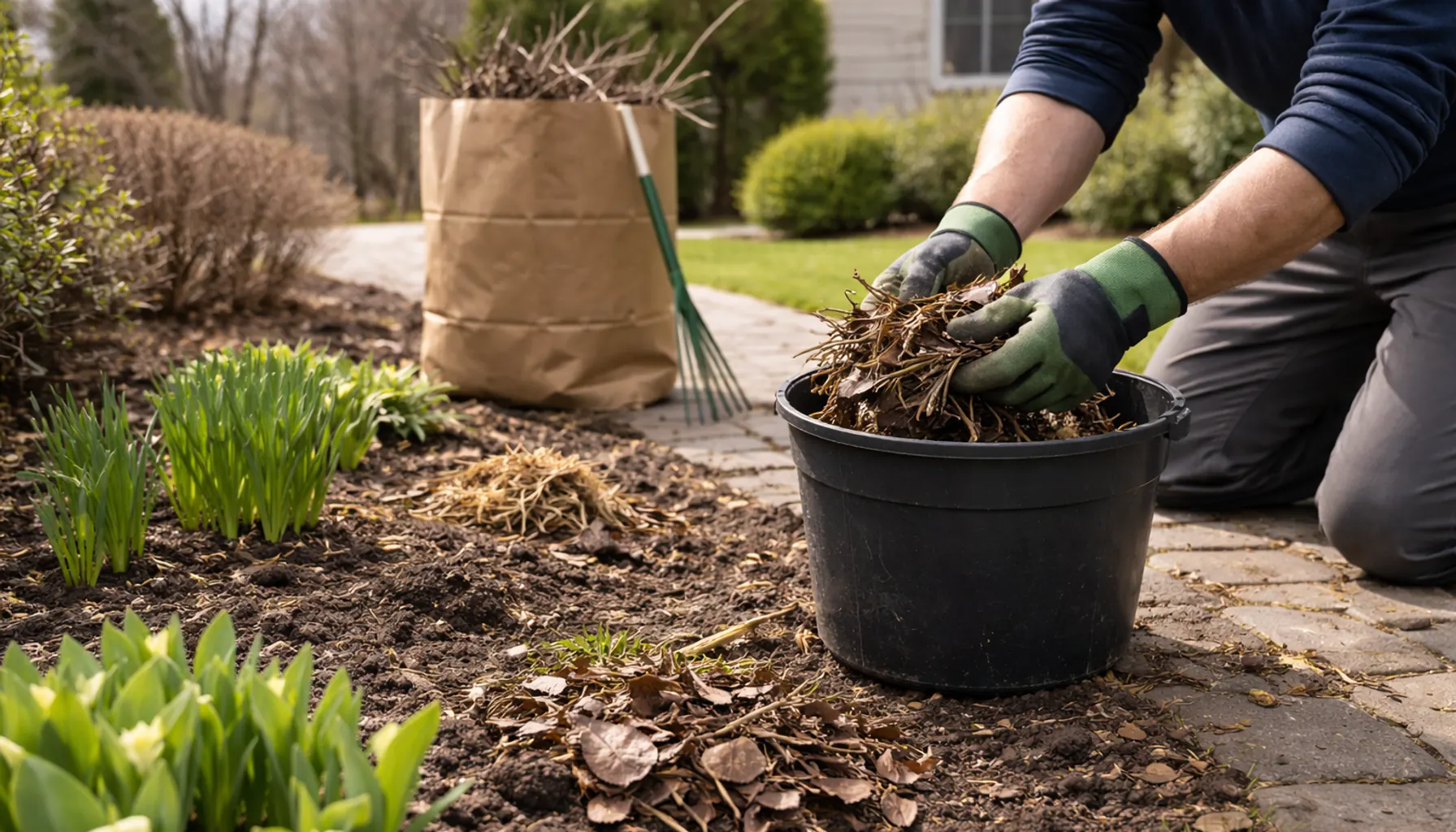
An overhead or flat-lay photograph showcasing the essential tools needed for dividing grass, neatly arranged. This visually reinforces the checklist provided in the text. Tools should include a sharp spade, a sturdy serrated garden knife or small hand saw, pruning shears, and durable gardening gloves, perhaps laid out on a simple tarp or wooden background.
Essential tools for dividing ornamental grass.

Alright, troops, time to assemble your arsenal for the Great Grass Divide! Before you charge into battle with that overgrown clump, let's make sure you're properly equipped. Having the right tools makes the job way easier – trust us, wrestling a stubborn grass root ball with a flimsy trowel is nobody's idea of fun, whether you're in the heart of Ottawa or out near Metcalfe.

Here’s your pre-division checklist to get you ready:

  • A Sharp Spade or Shovel: Your primary weapon! Make sure it's sharp – a dull edge makes digging through tough roots much harder work. A quick sharpen with a file beforehand works wonders. Some gardeners prefer using a sturdy garden fork first to help loosen the soil around the clump.
  • Heavy-Duty Cutting Tool: Think garden knife, an old serrated bread knife, a small hand saw, or even a sharpened axe or mattock. Seriously! Mature ornamental grass roots can be incredibly tough and woody, forming a dense crown. Sometimes a shovel just won't cut it (literally!) when it comes to slicing the clump into sections.
  • Pruning Shears or Loppers: Essential for trimming back the grass foliage *before* you start digging. Cutting the top growth down to about 15-20 cm (6-8 inches) makes the clump less awkward to handle and lets you see the base clearly.
  • Tarp or Wheelbarrow: Perfect for containing the soil and plant pieces, transporting the divisions, and moving the discarded center. This helps keep the rest of your lawn and garden beds tidy, a key part of good garden maintenance and upkeep.
  • Gardening Gloves: Protect those hands! Roots can be surprisingly rough, and you'll likely be exerting some force during the digging and dividing process.
  • Watering Can or Hose: You'll need this ready to give your newly planted divisions a good drink immediately after planting.

Prep Steps – Setting the Stage for Success:

  1. Clear the Battlefield: Remove any mulch, fallen leaves, weeds, or other debris from around the base of the grass clump you intend to divide. If the surrounding garden beds need a more significant tidy-up before you begin, calling in help like a Metcalfe property cleanup service can clear the decks, allowing you to focus solely on the division task. Sometimes managing yard waste across different locations, maybe even needing a Marionville yard cleanup service as well, shows how helpful professional assistance can be. For larger scale cleanups, check out our general property clean up services.
  2. Prepare the New Homes: Decide where your new divisions will go and dig the holes *before* you lift the main clump. Amend the soil in these new spots, especially if you're dealing with Ottawa's common heavy clay soil. Mixing in generous amounts of compost improves drainage, aeration, and adds vital nutrients to give the divisions a strong start. Need help selecting the right amendments? See our material selection guide. Struggling to source good compost? Occasionally, a comprehensive Metcalf yard cleanup service might offer soil amendment or top-dressing as part of their package.
  3. Eco-Friendly Tip: Don't just toss the old, tired, woody center of the grass clump into the green bin! Unless it shows signs of disease, chop it up into smaller pieces and add it to your compost pile. It will break down over time, returning nutrients to your garden soil. Waste not, want not! The City of Ottawa's Green Bin program accepts yard waste.
  4. Finishing Touches: Once your healthy divisions are replanted in their prepared holes and watered in well, applying a fresh layer of mulch around them is highly recommended. Professional-looking results from mulching and edging services not only look neat but also help retain crucial soil moisture and suppress weeds while the new roots establish. This can also be part of a complete Ottawa property cleanup service.

Okay, you've got your checklist and your plan. Grab your gear, maybe put on some upbeat music, and let’s get ready to divide and conquer that grass!

Division Day Timeline: A Rough Guide

Morning: Prep & Cut Back

Gather tools, clear the area around the grass, and trim the foliage back to 6-8 inches.

Mid-Morning: Dig & Lift

Dig a trench around the clump and carefully pry the entire root ball out of the ground.

Late Morning: Divide & Tidy

Slice the clump into healthy divisions using your cutting tool. Discard the center and clean up the divisions.

Early Afternoon: Replant & Water

Plant divisions in prepared holes at the correct depth. Water thoroughly.

Afternoon: Mulch & Clean Up

Apply mulch around the new plants and clean up your tools and work area.

Let's Get Splitting! Your Step-by-Step Dividing Guide

Okay, deep breath! You've got your tools, you've prepped the area (hopefully!), and you're ready to give that ornamental grass clump a new lease on life. It might feel like you're about to wrestle a small garden monster, especially if it's been happily growing in your yard for years, but follow these steps, and you'll be a dividing champion in no time. Let's get splitting!

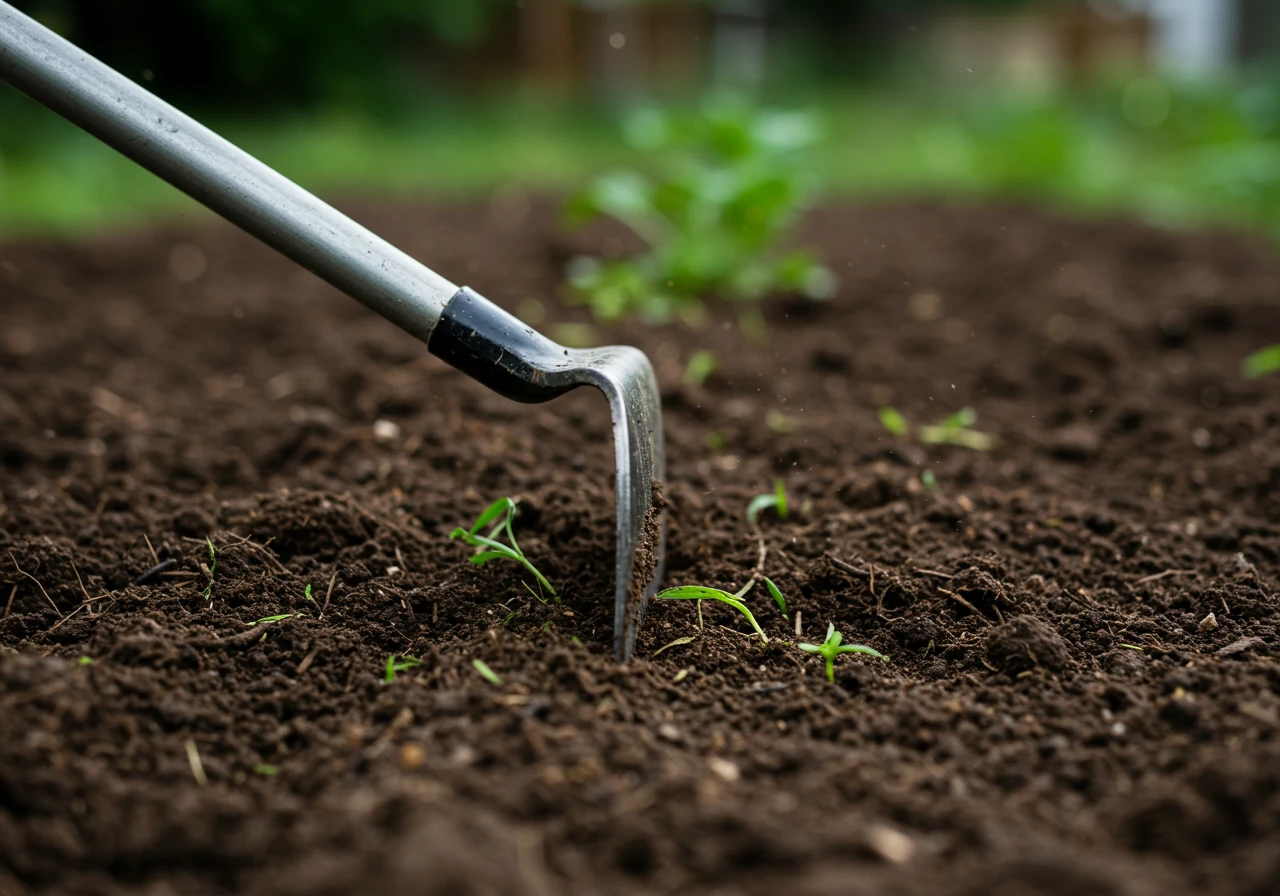
A close-up action shot demonstrating Step 4 (The Great Divide). Focus on the cutting tool (spade or knife) actively slicing through the dense root ball of an excavated ornamental grass clump laid on its side. Highlight the texture of the roots and the separation of a healthy outer section from the woody center. No hands or feet should be visible, keeping the focus purely on the plant and tool.
Cutting through the tough root ball to separate healthy divisions.

Step 1: Give it a Haircut

First things first, if you haven't already, trim back the grass foliage. Cut the top growth down to about 15-20 cm (6-8 inches). This isn't just for looks; it makes the clump way less floppy and much easier to handle. Plus, you'll actually be able to see the base of the plant where all the action happens.

Step 2: Dig Around the Clump (Outline Your Target)

Now, grab your trusty sharp spade. Start digging a circle around the entire clump. Aim about 15-20 cm (6-8 inches) out from the edge of the visible grass base – you need to get underneath the main root ball, not just scrape the sides. Push the spade straight down, as deep as you comfortably can. In some parts of Ottawa, maybe near Manotick where the soil can be quite dense or clay-like, you might need to put some real muscle into it! Think of this as creating a trench, clearly outlining the root mass you intend to lift.

Step 3: Lift the Beast! (The Heave-Ho Part)

Once you've dug all the way around, it's time for the grunt work. Use your spade (or a sturdy garden fork if you have one) as a lever. Wedge it underneath the root ball and start prying upwards. Work your way around the circle, loosening the clump from the surrounding soil bit by bit. Be prepared – mature ornamental grass clumps can be surprisingly heavy and densely packed with roots. Don't be afraid to ask for help if it feels like too much! Practical Tip: If the ground is rock hard and dry, watering the area well the day *before* you plan to divide can sometimes make the digging and lifting a little easier.

Step 4: The Great Divide (Slice and Dice Time)

Success! The clump is free. Now, lay it on its side on your tarp or wheelbarrow so you can get a good look. You should be able to clearly see the difference between the healthy, younger growth around the outer edges and the tired, possibly woody or even dead section in the center (that infamous doughnut hole). Your mission is to separate the good outer sections from this old center.

Take your sharp spade, garden knife, or even an old serrated bread knife (seriously!). For really tough, established crowns, a small hand saw or even a sharpened axe might be necessary. Place the cutting edge where you want to divide – typically separating a healthy outer chunk from the central part – and apply firm pressure. You might need to stomp on the spade or use a rocking/sawing motion. Don't be timid; these roots can be tough! Aim to create divisions that are roughly the size of a small cantaloupe or a generous salad bowl, ensuring each piece has a good section of healthy roots and several visible shoots or buds. Tough Clump Tip: Sometimes rolling the clump slightly or using your body weight on the spade handle is needed to break through a particularly stubborn crown.

Step 5: Tidy Up the New Recruits

Take your newly separated divisions and give them a quick once-over. Trim off any obviously dead or damaged roots and any straggly, dead bits of foliage clinging on. If the roots seem excessively long and tangled, you can trim them back slightly (maybe by a third) to encourage fresh root growth. Now's the time to discard that old, woody center piece – toss it in the compost bin if it looks free of disease! If wrestling the clump out made a bit of a mess in the surrounding garden bed, remember that professional help is available; sometimes getting assistance from a Metcalf garden clean-up service can quickly restore order, or if the whole yard needs attention after your landscaping efforts, a more comprehensive Marionville property cleanup service might be the ticket. For city residents, a city garden clean up service is also an option.

Step 6: Replant the Good Bits

Carefully place your healthy divisions into the holes you prepared earlier (you did prepare them, right?). The goal is to plant them at the same depth they were originally growing. Make sure the crown – the point where the shoots emerge from the roots – sits level with the surrounding soil surface. Planting too deep can lead to rot, while planting too high can expose the roots. Backfill the hole with your amended soil, gently firming it around the root ball to eliminate large air pockets.

Step 7: Water, Water, and Water Some More!

This step is absolutely critical for success. Give each newly planted division a deep, thorough soaking immediately after planting. Use a watering can or a gentle stream from a hose. This helps settle the soil snugly around the roots, removes air pockets, and reduces the stress of transplanting. Keep the soil around your new divisions consistently moist (but not waterlogged!) for the next few weeks while they work on establishing new roots.

Step 8: Mulch is Your Friend

Almost done! Finish the job by applying a layer of organic mulch, about 5-7 cm (2-3 inches) deep, around the base of each new division. Be sure to keep the mulch slightly away from the stems themselves to prevent moisture buildup right against the plant. Mulch helps conserve precious soil moisture, suppresses annoying weeds, and gives your garden beds that tidy, finished appearance. For that truly crisp, professional look, consider services like professional mulching and edging.

Phew! You did it! Stand back and admire your handiwork. Your divisions might look a little sparse right now, but be patient. With the right care, they’ll soon establish themselves and grow into vigorous, healthy new clumps, banishing that doughnut look for good. We love hearing about successful garden transformations – feel free to share your success story on our thank you page! And if you've received an estimate from us for any yard work, we always value when clients take a moment to provide feedback on your service estimate. Happy splitting and happy gardening!

Common Grasses & Division Needs

Feather Reed Grass (Calamagrostis x acutiflora 'Karl Foerster')

Very popular for its upright habit. Tends to develop center die-out after 3-5 years. Spring division is ideal. Relatively easy to divide compared to some thicker-rooted grasses.

Maiden Grass (Miscanthus sinensis)

Larger clumps can become very dense and tough to divide. May need a saw or axe for mature clumps. Divide every 4-6 years or when the center becomes weak. Spring is best.

Switch Grass (Panicum virgatum)

Strong root systems. Divide in late spring as it starts growth later than Feather Reed. May need division every 4-5 years. Tolerant of various conditions once established.

Blue Fescue (Festuca glauca)

Smaller clumping grass. Can become patchy or die out in the center fairly quickly (2-3 years). Easy to lift and divide in spring. Sometimes short-lived in Ottawa, division helps keep it vigorous.

Welcome Home: Planting & Caring for Your New Divisions

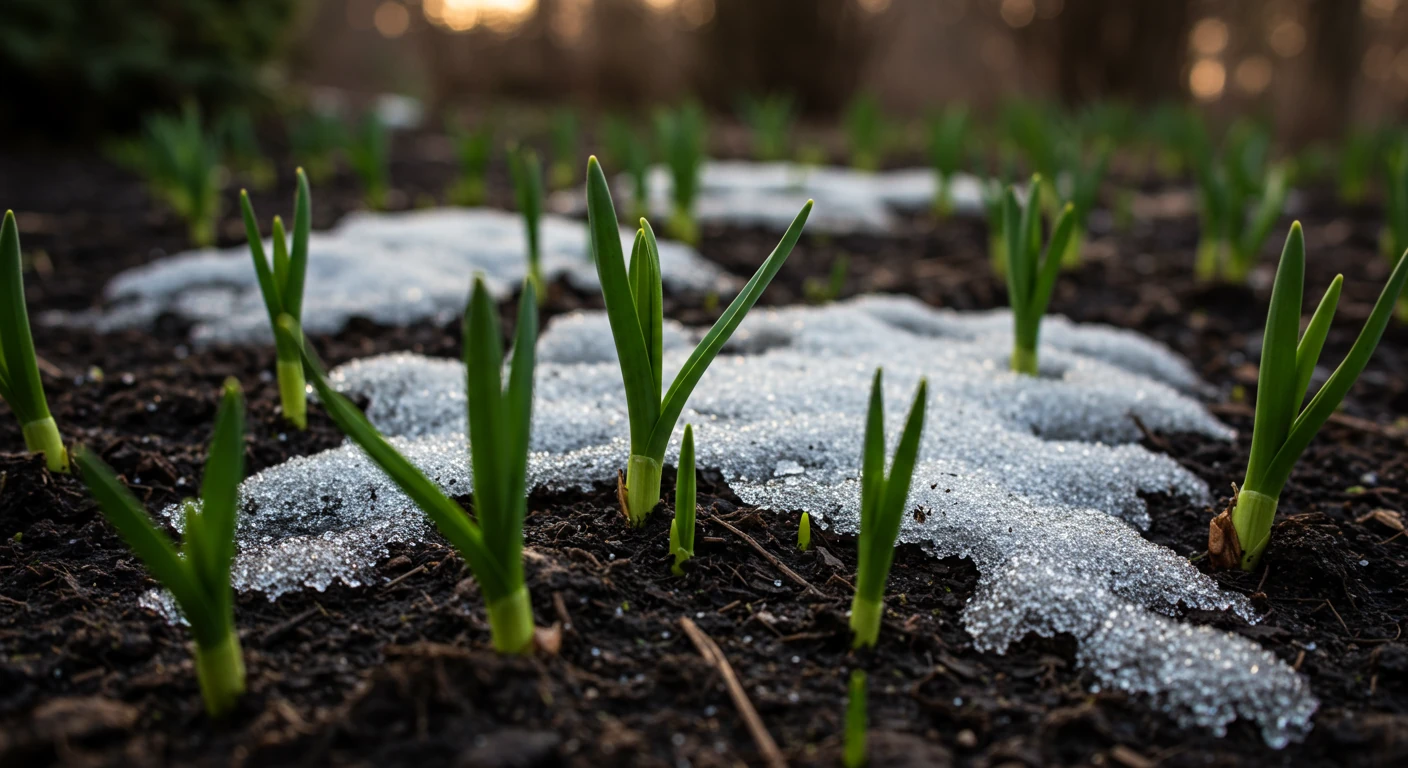
An image depicting a newly planted ornamental grass division settled into prepared garden soil. The division should look like a healthy, smaller clump. Focus on the base of the plant showing correct planting depth (crown at soil level) and a fresh layer of dark wood chip mulch applied around it, perhaps with visible moisture from recent watering.
Newly planted division at correct depth with mulch.

Hooray, you did it! The Great Grass Divide is complete, and you’ve got a collection of healthy, eager new grass divisions ready for their fresh start. Think of them as little bundles of potential, ready to spruce up your garden beds. Now comes the rewarding part: welcoming them home and tucking them in properly. Getting this step right sets them up for success and years of beauty in your Ottawa landscape.

Planting Your New Recruits:

Hopefully, you already dug the holes while your enthusiasm was high! Gently place each division into its prepared spot. Remember the golden rule: plant it at the same depth it was originally growing. The crown – that crucial point where the green shoots meet the roots – should sit right at soil level. Planting too deep invites rot, while planting too high leaves the roots exposed. Proper soil preparation, adding compost or good garden soil, is key here, much like it is for any successful new garden installation. Backfill the hole with your amended soil, lightly tamping it down around the roots to remove any major air pockets (but don't compact it!). Planning where your new divisions will go is part of the fun – maybe you even asked for input or provided feedback on an estimate for garden layout if you worked with pros.

Water, Water Everywhere (Seriously!)

Now for the most critical step: watering. Give each newly planted division a deep, thorough drink immediately. We're talking a gentle, slow soaking that allows water to penetrate down to the root zone. This settles the soil, eliminates hidden air pockets, and tells your little plant, "Okay, you're home now, relax!" For the next few weeks, consistent moisture is vital. Check the soil every couple of days (more often if we hit a dry, hot spell, which can happen even in spring here in areas like Nepean). Aim to keep the soil moist like a wrung-out sponge, but not soggy or waterlogged.

Mulching Magic:

Once watered, apply a cozy blanket of organic mulch – think shredded bark, wood chips, or compost – around each division. A layer about 5-7 cm (2-3 inches) deep works wonders. Mulch helps retain that precious soil moisture, keeps the soil temperature more even (important during our temperature swings!), and suppresses weeds that would compete with your establishing grass. *Important Tip:* Keep the mulch pulled back just slightly from the base of the plant stems to allow for air circulation and prevent moisture buildup right against the crown.

Hold the Fertilizer (For Now):

Resist the urge to shower your new divisions with strong fertilizer right away! Their brand-new, disturbed root systems are delicate and primarily focused on getting established, not on supporting tons of top growth. Too much fertilizer now can actually burn the tender roots. Your divisions have enough stored energy, and the compost you hopefully added provides gentle nutrients. If you feel you must add something, a very mild transplant fertilizer (following package directions strictly) or simply relying on good compost mixed into the planting hole is best. Wait until the following spring to start a gentle feeding routine, if needed.

Patience and Observation:

Your newly planted divisions might look a bit small and underwhelming at first – that's totally normal! Give them time. Keep up with the watering, keep weeds at bay, and watch for signs of new growth. While planting, keep an eye out for any lingering pests – if you spot wider issues in the bed, sometimes a thorough tidy-up, perhaps like the assistance offered by a Marionville garden clean-up service, can help prevent problems from spreading. Also, be mindful of placement, especially near sidewalks or property lines; managing vegetation near public areas sometimes requires similar care to what a City property cleanup service handles. With a little care, these divisions will soon root in, fill out, and contribute beautifully to your outdoor space, becoming part of wonderful garden transformations. Happy planting! Perhaps consider professional sod installation nearby if division created bare patches in the lawn.

Typical Growth Rate of New Divisions (First Season)

Estimated Height Gain (%) by Month After Spring Planting
15% June
40% July
75% Aug
95% Sept
100% Oct

*Note: Chart shows estimated % of expected mature height achieved in the first growing season after spring division. Actual growth varies by species and conditions.

Key Insights: Quick Tips for Happy Grass

  • Timing is Key: Divide tired clumps in spring here in Ottawa (hello Nepean gardens!), just as new growth peeks through.
  • Tool Time: A sharp spade is your best friend for digging and lifting. A sturdy knife or saw helps slice tough roots.
  • Divide & Conquer: Lift the whole clump, then slice off healthy outer sections. Compost the old, woody center (if disease-free!).
  • Plant Right: Replant your vigorous new divisions at the same soil depth they were originally growing.
  • Water Wisely: Give them a deep soak immediately after planting. Keep the soil consistently moist (not soggy!) for the first few weeks.
  • Mulch Magic: Add a layer of mulch to retain moisture and keep weeds down.
  • Keep it Tidy: Division can make a bit of a mess! For help tidying the specific bed afterwards, consider an Ottawa garden clean up service, or if the whole yard needs a spruce-up, a more comprehensive Ottawa yard cleanup service can tackle it. Remember that good garden health complements your regular lawn care efforts. Consistent upkeep, perhaps through a city garden maintenance service, prevents bigger headaches. And don't forget the edges – keeping areas near sidewalks neat is important, much like the focus of a city property cleanup service.

FAQs: Your Ottawa Ornamental Grass Questions Answered

Ideally, late April to May is the sweet spot. Dividing later, especially as we head into June, increases the risk of stress from heat and drier conditions. Your grass might struggle to establish strong roots before summer really kicks in. If you absolutely must divide later, be super careful with watering and maybe provide some afternoon shade. Waiting until next spring is usually the safest plan.

Phew, definitely not every year! Most common ornamental grasses are happy being divided every 3 to 5 years, though some can go longer. Look for the tell-tale signs: that doughnut hole in the middle, weaker growth, or fewer flower plumes than usual. If your grass looks lush and happy, let it be! It's all part of good garden health, which nicely complements your regular lawn care efforts.

Absolutely! While Ottawa's clay soil needs a little extra love, your divisions can definitely thrive. The key is *amending* the soil in the planting hole. Mix in plenty of compost before you replant – this helps break up the clay, improves drainage, and gives roots room to breathe. Just be careful not to plant too deep and water well, allowing slight drying between soakings.

Smart thinking! Minimize shock by dividing on a cooler, overcast day if you can. Watering the mother plant well the day *before* helps too. Handle the divisions gently, try not to bash the roots around too much, and get them back into the ground quickly. A deep watering right after planting is crucial. We stand by careful handling; you can review expected practices in our terms and conditions for service details. Our privacy policy details how we handle your information if you contact us.

Good question about disposal! If the center piece looks free of disease (just old and woody), you can chop it up and add it to your backyard compost pile – bonus nutrients! Otherwise, it's perfectly fine to put it in your City of Ottawa Green Bin. If you've divided several massive clumps and have more waste than fits, sometimes utilizing a City yard cleanup service can help manage the bulky removal.

Dividing at the right time (spring!) actually *boosts* your grass's long-term health and winter survival by creating vigorous new plants. It's late fall division that poses a risk. Just ensure they're planted correctly and get enough water to establish before the ground freezes. If you have more specific questions about your grass variety or tricky garden spot, please don't hesitate to contact us – we're always happy to help Ottawa gardeners!

Conclusion: Keep Your Ottawa Garden Looking Sharp!

So there you have it – the scoop on tackling that "doughnut" look in your favourite ornamental grasses! Dividing might seem like a big job, but it's truly the best way to rejuvenate tired clumps and keep them looking their absolute best. Think of it as a spa day for your grass roots, ensuring they stay vigorous and avoid that dreaded bare spot in the middle.

Taking the time for this simple landscaping task pays off big time. Instead of sparse patches, you get healthy, thriving plants that add beauty and structure to your garden, whether you're tending your beds in Barrhaven or enjoying the greenery elsewhere in Ottawa. A well-maintained garden just *feels* better, right? Don't be afraid to give division a try next spring when you see those first signs of new growth – or the tell-tale signs of center die-out. Remember your sharp spade and a bit of elbow grease!

Feeling confident? Great! Get ready to split those clumps and enjoy the results. But hey, we get it – life is busy, and maybe wrestling a massive grass clump isn't your ideal Saturday morning. If you'd rather leave it to the pros, Clean Yards is here to help. Our garden maintenance team can handle the division, planting, and all the tidying up, ensuring your ornamental grasses look sharp without you breaking a sweat. Give us a call, and let's keep your Ottawa garden looking fantastic!

document.addEventListener('DOMContentLoaded', function() {// --- Progress Bar --- const progressBar = document.getElementById('progressBar'); function updateProgressBar() { const scrollTotal = document.documentElement.scrollHeight - document.documentElement.clientHeight; const scrolled = window.scrollY; const progress = (scrolled / scrollTotal) * 100; if (progressBar) { progressBar.style.width = progress + '%'; } }// --- Back to Top Button --- const backToTopButton = document.getElementById('backToTopBtn'); function toggleBackToTopButton() { if (backToTopButton) { if (window.scrollY > 300) { backToTopButton.style.display = 'block'; } else { backToTopButton.style.display = 'none'; } } } function scrollToTop() { window.scrollTo({ top: 0, behavior: 'smooth' }); } if (backToTopButton) { backToTopButton.addEventListener('click', scrollToTop); }// --- Collapsible Sections (FAQ) --- const faqToggles = document.querySelectorAll('.article-scope .faq-toggle'); faqToggles.forEach(toggle => { toggle.addEventListener('click', function() { const content = document.getElementById(this.getAttribute('aria-controls')); const isExpanded = this.getAttribute('aria-expanded') === 'true';this.classList.toggle('active'); this.setAttribute('aria-expanded', !isExpanded); content.classList.toggle('active');if (!isExpanded) { // Expanding: set max-height to scrollHeight content.style.maxHeight = content.scrollHeight + 'px'; } else { // Collapsing: set max-height back to 0 content.style.maxHeight = '0'; } }); });// --- Tab Interface --- const tabButtons = document.querySelectorAll('.article-scope .tab-button'); const tabContents = document.querySelectorAll('.article-scope .tab-content');tabButtons.forEach(button => { button.addEventListener('click', function() { const targetId = this.getAttribute('data-target'); const targetContent = document.getElementById(targetId);// Deactivate all buttons and hide all content tabButtons.forEach(btn => btn.classList.remove('active')); tabContents.forEach(content => { content.classList.remove('active'); content.style.display = 'none'; // Ensure hidden });// Activate clicked button and show target content this.classList.add('active'); if (targetContent) { targetContent.classList.add('active'); targetContent.style.display = 'block'; // Ensure visible } }); });// --- Animated Bar Chart --- const chartContainer = document.getElementById('growthChart'); function animateChart() { const bars = chartContainer.querySelectorAll('.chart-bar'); bars.forEach(bar => { const value = bar.getAttribute('data-value'); // Animate height bar.style.height = value + '%'; // Add class to trigger value visibility (uses CSS transition delay) bar.classList.add('animate'); }); }const chartObserver = new IntersectionObserver((entries, observer) => { entries.forEach(entry => { // Check if chart is intersecting (visible) if (entry.isIntersecting) { animateChart(); // Stop observing once animation triggered observer.unobserve(entry.target); } }); }, { threshold: 0.5 }); // Trigger when 50% of the chart is visibleif (chartContainer) { chartObserver.observe(chartContainer); }// Add scroll event listeners window.addEventListener('scroll', () => { updateProgressBar(); toggleBackToTopButton(); });// Initial calls on load updateProgressBar(); toggleBackToTopButton();});
Share This Article
Facebook
X
Pinterest
Email
Print

Thank you for sharing!

Contact Us Today

To request a quote, kindly fill out the form below.

Where Can we Reach you?
Which Service Do You Require? (Click all that apply)
Provide a Breif Description of The Work You'd Like Done

Before You Go

We’re confident in our services, we offer a 30-day money-back guarantee. Not 100% satisfied? We’ll swiftly refund all labor costs. Your satisfaction is our top priority!

Get in touch today for expert service and satisfaction guaranteed. You won't regret it!

Where Can we Reach you?
Which Service Do You Require? (Click all that apply)
Provide a Breif Description of The Work You'd Like Done
Where Can we Reach you?
Which Service Do You Require? (Click all that apply)
Provide a Breif Description of The Work You'd Like Done
Where Can we Reach you?
Which Service Do You Require? (Click all that apply)
Provide a Breif Description of The Work You'd Like Done